



Spotlight
A selection of news from across the Federation

Nepal
News item
Family Planning Association of Nepal assesses vital needs following devastating floods
As search and rescue operations continue following the devastating floods and landslides in northern Nepal and Tibet, the thoughts of the International Planned Parenthood Federation (IPPF) are with the communities and families affected by the disaster.
Most Popular This Week
Nepal

News item
|
Family Planning Association of Nepal assesses vital needs following devastating floods
As search and rescue operations continue following the devastating floods and landslides in northern Nepal and Tibet, the thoughts of the International Planned Parenthood Federation (IPPF) are

News item
|
Civil society calls on UN Secretary-General to withdraw proposed UN Women–UNFPA merger
Feminist, women’s rights and civil society organisations from 146 countries have written to UN Secretary-General António Guterres calling for the proposed merger of UN Women and UNFPA under the UN8
Colombia

News item
|
Devastating earthquake in Colombia badly damages clinics run by IPPF Member Association Profamilia
The International Planned Parenthood Federation is deeply concerned by the loss of life and widespread destruction caused by the magnitude 7.4 earthquake that struck western
Thailand

News item
|
Statement of the Sex Work Consortium on the Death of Tunchanok Donhomla
The murder of 17-year-old Tunchanok Donhomla in Pattaya, Thailand is a tragedy that demands justice.

News item
|
UN Human Rights Council adopts first negotiated resolution naming reproductive violence as a distinct form of gender-based violence
Geneva, 7 July 2026: The Human Rights Council today

News item
|
Feminist Joint Statement on the 2026 Political Declaration on HIV/AIDS
Statement on behalf of APHA, ATHENA Network, AWPCAB, DIVA for Equality, EWNA, FEIM, Frontline AIDS, Gestos, Harm Reduction International, International Community of Women Living w

News item
|
2026 High-Level Meeting on HIV and AIDS
The International Planned Parenthood Federation (IPPF) welcomes the opportunity of the 2026 High- Level Meeting (HLM) on HIV and AIDS to review progress and renew the engagement an

News item
|
IPPF’s response to the UNFPA-UN Women merger assessment
IPPF recognizes the need for the long-overdue need for UN reform and to transform the institution to more effectively respond to real-world challenges and to the needs of the people
Filter our news by:

news item
| 01 September 2026
Family Planning Association of Nepal assesses vital needs following devastating floods
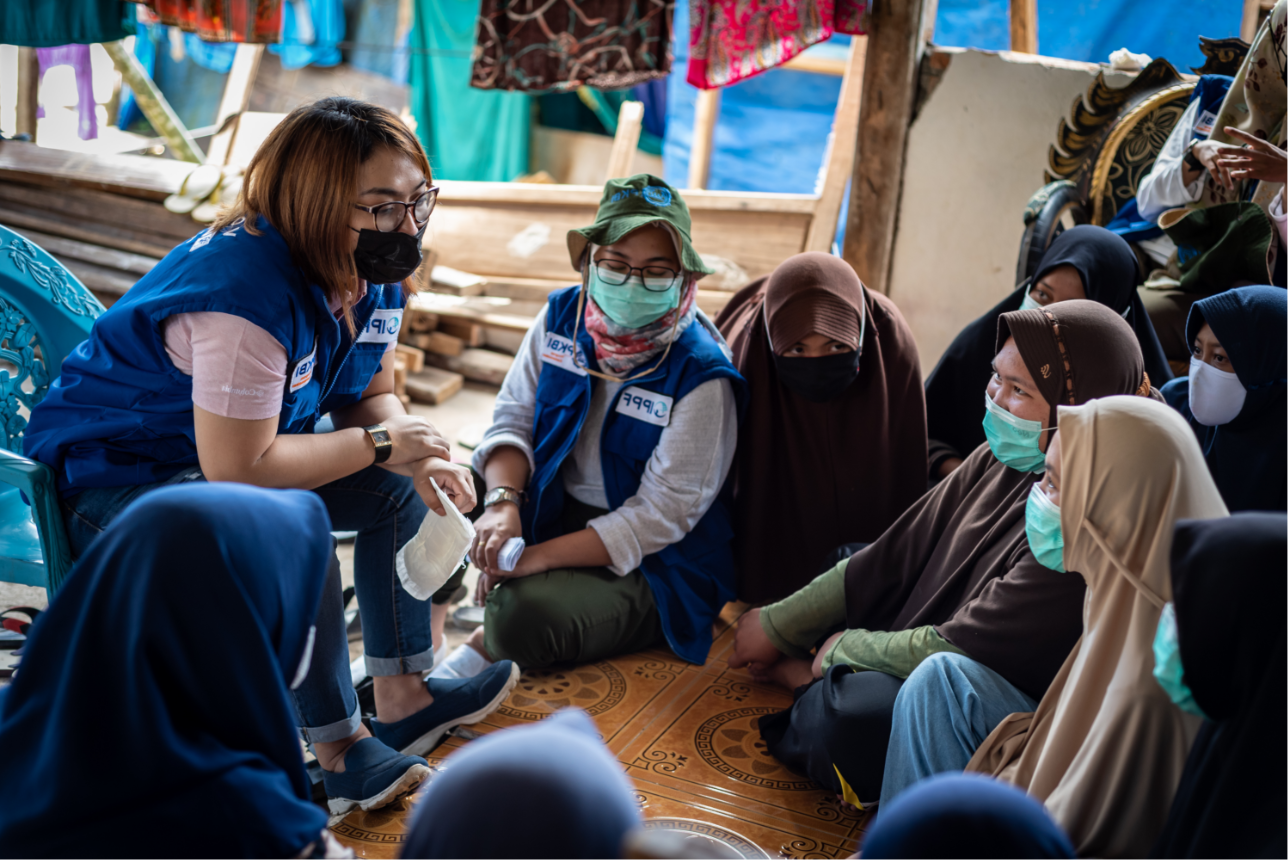
As search and rescue operations continue following the devastating floods and landslides in northern Nepal and Tibet, the thoughts of the International Planned Parenthood Federation (IPPF) are with the communities and families affected by the disaster.The floods and landslides have caused extensive loss of life and widespread destruction in Rasuwa, Nuwakot and Dhading districts. Thousands of people remain unaccounted for, and families are facing grief and uncertainty. Floodwater, mud and debris have wiped out villages, damaged homes, roads, bridges, communications, and essential health infrastructure. Steep mountainous terrain, the continuing risk of flooding, and severe disruption to transport routes are making it extremely difficult for emergency teams to reach cut-off communities.The Family Planning Association of Nepal (FPAN), an IPPF Member Association, has confirmed that its staff and families are safe. An FPAN team has visited areas of Nuwakot to assess community needs, meet with local partners and identify how the organisation can best contribute to the response.FPAN has extensive experience responding to emergencies in Nepal and delivering sexual and reproductive healthcare through mobile outreach. Its teams have worked in rural, remote and underserved communities, including the affected areas, where difficult terrain makes access particularly challenging.Dr. Prabin Shakya, Executive Director of the Family Planning Association of Nepal, said:"The situation in Rasuwa and Nuwakot is devastating. Health facilities have been damaged, roads and bridges destroyed, and many communities remain difficult or impossible to reach. Many families have lost loved ones, homes and livelihoods.As the initial search and rescue phase concludes, FPAN stands ready to act immediately, guided by the Government and working through the established humanitarian coordination mechanisms. As one of Nepal's pioneer SRHR organisations, with decades of experience reaching rural, remote and underserved communities and responding to emergencies, we can mobilise our expertise, health professionals and mobile outreach capacity to deliver essential SRH and life-saving services where they are most needed.FPAN is closely coordinating with the Ministry of Health, Family Welfare Division, and other relevant government authorities, the Reproductive Health Working Group, I/NGOs and other partners. The Government has requested that relief and medical assistance follow the One Door System and has encouraged contributions through the designated basket fund to ensure that resources are coordinated and reach affected communities according to identified priorities."With the destruction of health centres and hospitals, pregnant women and others requiring urgent or time-sensitive care will be unable to access antenatal services, skilled assistance during childbirth or emergency obstetric care. Access to contraception, HIV and STI services, menstrual-health supplies and essential medicines will also be interrupted. Displacement, overcrowded living conditions and damage to water, sanitation and protection systems can further increase health and protection risks, including sexual and gender-based violence and exploitation. People with disabilities, LGBTQI+ people, older people, adolescents, people living with HIV and other marginalised communities may face additional physical, social, financial and communication barriers to assistance. "We are particularly concerned about those who are most vulnerable and more likely to need urgent SRH support... As access improves and affected communities are temporarily settled, we are prepared to mobilise quickly to help save lives, prevent avoidable morbidity, protect women and girls from violence and ensure that people with disabilities and other marginalised groups are not left behind...Their health, safety, dignity and rights must not be overlooked in the emergency response" said Dr Prabin Shakya.This emergency is unfolding against a backdrop of accelerating climate risks, with the most severe consequences often falling on communities with the fewest resources.Valerie Dourdin, Global Humanitarian Director at IPPF, said:"Nepal is paying the ultimate price for the unwillingness of many governments and international communities to recognise the escalating threat of global heating. They must accelerate climate action, strengthen accountability for addressing its impacts, and protect communities bearing the greatest burden. Resources must reach everyone on the front lines, including women, girls and marginalised communities, whose sexual and reproductive health and rights are too often overlooked in emergencies. As we move beyond search and rescue, locally led humanitarian expertise like FPAN, will continue to be essential for months to come in reaching people whose needs might otherwise go unseen."As the scale of needs arising from this emergency becomes clearer, IPPF remains ready to support a locally led humanitarian response that protects access to essential, life-saving sexual and reproductive healthcare. "This is a time for solidarity, coordinated action and timely investment. With the right support, FPAN can help bring essential, rights-based SRH and protection services to people who need them most." said Dr Prabin Shakya, FPAN.
news_item
| 02 September 2026
Family Planning Association of Nepal assesses vital needs following devastating floods
As search and rescue operations continue following the devastating floods and landslides in northern Nepal and Tibet, the thoughts of the International Planned Parenthood Federation (IPPF) are with the communities and families affected by the disaster.The floods and landslides have caused extensive loss of life and widespread destruction in Rasuwa, Nuwakot and Dhading districts. Thousands of people remain unaccounted for, and families are facing grief and uncertainty. Floodwater, mud and debris have wiped out villages, damaged homes, roads, bridges, communications, and essential health infrastructure. Steep mountainous terrain, the continuing risk of flooding, and severe disruption to transport routes are making it extremely difficult for emergency teams to reach cut-off communities.The Family Planning Association of Nepal (FPAN), an IPPF Member Association, has confirmed that its staff and families are safe. An FPAN team has visited areas of Nuwakot to assess community needs, meet with local partners and identify how the organisation can best contribute to the response.FPAN has extensive experience responding to emergencies in Nepal and delivering sexual and reproductive healthcare through mobile outreach. Its teams have worked in rural, remote and underserved communities, including the affected areas, where difficult terrain makes access particularly challenging.Dr. Prabin Shakya, Executive Director of the Family Planning Association of Nepal, said:"The situation in Rasuwa and Nuwakot is devastating. Health facilities have been damaged, roads and bridges destroyed, and many communities remain difficult or impossible to reach. Many families have lost loved ones, homes and livelihoods.As the initial search and rescue phase concludes, FPAN stands ready to act immediately, guided by the Government and working through the established humanitarian coordination mechanisms. As one of Nepal's pioneer SRHR organisations, with decades of experience reaching rural, remote and underserved communities and responding to emergencies, we can mobilise our expertise, health professionals and mobile outreach capacity to deliver essential SRH and life-saving services where they are most needed.FPAN is closely coordinating with the Ministry of Health, Family Welfare Division, and other relevant government authorities, the Reproductive Health Working Group, I/NGOs and other partners. The Government has requested that relief and medical assistance follow the One Door System and has encouraged contributions through the designated basket fund to ensure that resources are coordinated and reach affected communities according to identified priorities."With the destruction of health centres and hospitals, pregnant women and others requiring urgent or time-sensitive care will be unable to access antenatal services, skilled assistance during childbirth or emergency obstetric care. Access to contraception, HIV and STI services, menstrual-health supplies and essential medicines will also be interrupted. Displacement, overcrowded living conditions and damage to water, sanitation and protection systems can further increase health and protection risks, including sexual and gender-based violence and exploitation. People with disabilities, LGBTQI+ people, older people, adolescents, people living with HIV and other marginalised communities may face additional physical, social, financial and communication barriers to assistance. "We are particularly concerned about those who are most vulnerable and more likely to need urgent SRH support... As access improves and affected communities are temporarily settled, we are prepared to mobilise quickly to help save lives, prevent avoidable morbidity, protect women and girls from violence and ensure that people with disabilities and other marginalised groups are not left behind...Their health, safety, dignity and rights must not be overlooked in the emergency response" said Dr Prabin Shakya.This emergency is unfolding against a backdrop of accelerating climate risks, with the most severe consequences often falling on communities with the fewest resources.Valerie Dourdin, Global Humanitarian Director at IPPF, said:"Nepal is paying the ultimate price for the unwillingness of many governments and international communities to recognise the escalating threat of global heating. They must accelerate climate action, strengthen accountability for addressing its impacts, and protect communities bearing the greatest burden. Resources must reach everyone on the front lines, including women, girls and marginalised communities, whose sexual and reproductive health and rights are too often overlooked in emergencies. As we move beyond search and rescue, locally led humanitarian expertise like FPAN, will continue to be essential for months to come in reaching people whose needs might otherwise go unseen."As the scale of needs arising from this emergency becomes clearer, IPPF remains ready to support a locally led humanitarian response that protects access to essential, life-saving sexual and reproductive healthcare. "This is a time for solidarity, coordinated action and timely investment. With the right support, FPAN can help bring essential, rights-based SRH and protection services to people who need them most." said Dr Prabin Shakya, FPAN.

news item
| 31 August 2026
Civil society calls on UN Secretary-General to withdraw proposed UN Women–UNFPA merger
Feminist, women’s rights and civil society organisations from 146 countries have written to UN Secretary-General António Guterres calling for the proposed merger of UN Women and UNFPA under the UN80 reform process to be withdrawn.The coalition supports efforts to build a stronger and more effective United Nations, but argues that no evidence has been presented to show that a structural merger would address the financial and political pressures facing the UN system. We strongly feel that the proposal could instead create one single target for the anti-rights actors, as well as significant risks for fundraising, operational continuity and weaken the distinct mandates of UN Women and UNFPA, including their work to advance gender equality and sexual and reproductive health and rights.IPPF, as part of the Feminist Cross Coalition Working Group, are calling for serious consideration of non-structural alternatives, alongside meaningful participation from feminist, women’s rights and gender equality organisations in determining the future of the UN’s gender equality architecture.Read the full letter and signatories in the PDF below.
news_item
| 24 August 2026
Civil society calls on UN Secretary-General to withdraw proposed UN Women–UNFPA merger
Feminist, women’s rights and civil society organisations from 146 countries have written to UN Secretary-General António Guterres calling for the proposed merger of UN Women and UNFPA under the UN80 reform process to be withdrawn.The coalition supports efforts to build a stronger and more effective United Nations, but argues that no evidence has been presented to show that a structural merger would address the financial and political pressures facing the UN system. We strongly feel that the proposal could instead create one single target for the anti-rights actors, as well as significant risks for fundraising, operational continuity and weaken the distinct mandates of UN Women and UNFPA, including their work to advance gender equality and sexual and reproductive health and rights.IPPF, as part of the Feminist Cross Coalition Working Group, are calling for serious consideration of non-structural alternatives, alongside meaningful participation from feminist, women’s rights and gender equality organisations in determining the future of the UN’s gender equality architecture.Read the full letter and signatories in the PDF below.
news item
| 12 August 2026
Devastating earthquake in Colombia badly damages clinics run by IPPF Member Association Profamilia
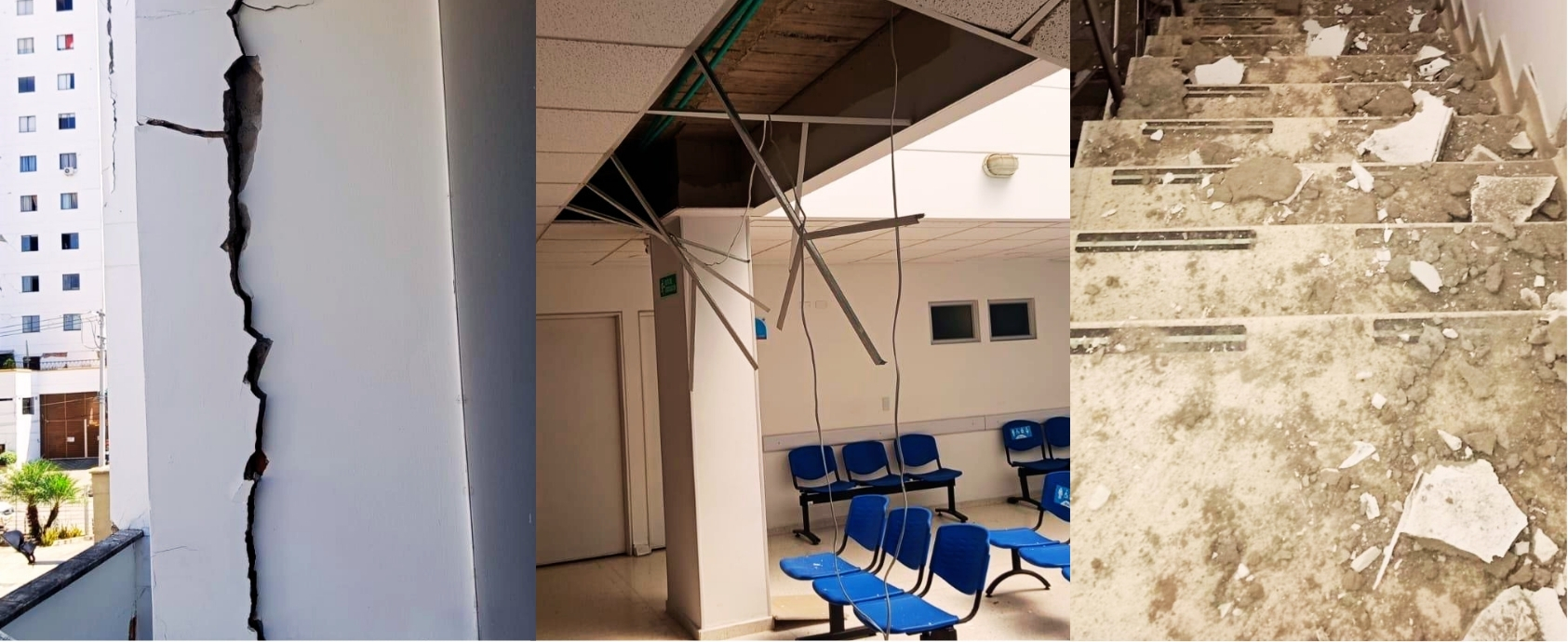
The International Planned Parenthood Federation is deeply concerned by the loss of life and widespread destruction caused by the magnitude 7.4 earthquake that struck western Colombia on the 10th of August. It is the strongest earthquake recorded in the country over the last decade. Initial reports indicate that at more than 200 people have died and more than 1400 people have been injured. These figures remain preliminary and are expected to change as search and rescue operations continue. Homes and essential infrastructure have been damaged or destroyed in Cali, Pereira, Dosquebradas, Quibdó and Manizales. However, the full extent of the damage, particularly in remote areas of Chocó, is not yet known. Five clinics operated by IPPF's Colombian Member Association, Profamilia, have been badly damaged and are currently closed. Marta Royo, Executive Director of Profamilia, said: “Profamilia’s Disaster Response Committee has been activated and is monitoring the wellbeing of our staff, their families, and our patients, while assessing damage to our infrastructure and identifying measures to ensure continuity of care. Among the clinics most affected so far are Cali, Quibdó, Pereira and Armenia.” The earthquake hit some of the most remote and rural parts of Colombia. Damage to infrastructure and difficult terrain may make already isolated communities even harder to reach. Marta Royo added: “Natural disasters such as earthquakes can deepen existing inequalities and create new barriers to healthcare. For the communities Profamilia serves in the most affected territories, disruption in access to sexual and reproductive healthcare can have serious and lasting consequences, especially for women, girls, young people, migrants, and people already facing barriers to care. Essential services cannot wait until the emergency is over. This includes contraception and emergency contraception, safe abortion care, maternal and prenatal healthcare, HIV and STI testing and treatment, and care and referral for survivors of gender-based violence.” IPPF is working closely with Profamilia to understand the impact on services and prepare an emergency response. Eugenia López Uribe, Regional Director, IPPF Americas and the Caribbean, said: “In times of crisis, healthcare cannot wait. We stand in deep solidarity with our colleagues at Profamilia and the people of Colombia during this devastating moment. Our regional team is mobilized alongside Profamilia to overcome geographical barriers, reach remote communities, and restore critical services as quickly and safely as possible.” Disrupted transport and pressure on hospitals may further restrict access to essential healthcare. Pregnant women and people may face additional risks if referral routes, maternity services or emergency obstetric care are disrupted. Displacement and overcrowding in temporary shelters can also increase protection risks while reducing privacy, safety and access to menstrual health supplies and confidential care. People on the move and refugees may encounter further barriers, particularly if they lack documentation, health insurance, reliable information or safe transport. Profamilia leads IPPF's Safe Passage initiative in Latin America, coordinating with other Member Associations in the region to improve access to sexual and reproductive healthcare along migration routes. This experience will be particularly important in ensuring that people on the move are not excluded from the response. Profamilia is seeking support to restore its damaged facilities and maintain the continuity of essential services: “We urgently need resources to assess and restore damaged infrastructure, safeguard medical equipment and cold-chain supplies, and maintain access to essential sexual and reproductive healthcare for the communities that depend on us. With the support of our partners and donors, Profamilia can respond quickly, recover safely and ensure that women, girls, young people, migrants and affected communities do not lose access to the care they need during this crisis.” Marta Royo, Executive Director of Profamilia As communities begin to confront the lasting impact of the earthquake, Maria Antonieta Alcalde, Director General of IPPF, expressed her solidarity and support for Profamilia and everyone affected by the earthquake: “The scale of destruction across western Colombia is heartbreaking. Families are grieving, communities have been displaced, and many people face an uncertain wait for news of those still missing. Our thoughts, solidarity and support are with our colleagues at Profamilia, whose work is so central to advancing sexual and reproductive health and rights across Colombia. Its staff know these communities, understand the barriers they face and will remain alongside them throughout the response and recovery. In the difficult days and months ahead, we stand in solidarity with everyone affected.” Donate here to help Profamilia restore damaged clinics and ensure people, including those with time-sensitive abortion appointments, can access the care they need now.
news_item
| 12 August 2026
Devastating earthquake in Colombia badly damages clinics run by IPPF Member Association Profamilia
The International Planned Parenthood Federation is deeply concerned by the loss of life and widespread destruction caused by the magnitude 7.4 earthquake that struck western Colombia on the 10th of August. It is the strongest earthquake recorded in the country over the last decade. Initial reports indicate that at more than 200 people have died and more than 1400 people have been injured. These figures remain preliminary and are expected to change as search and rescue operations continue. Homes and essential infrastructure have been damaged or destroyed in Cali, Pereira, Dosquebradas, Quibdó and Manizales. However, the full extent of the damage, particularly in remote areas of Chocó, is not yet known. Five clinics operated by IPPF's Colombian Member Association, Profamilia, have been badly damaged and are currently closed. Marta Royo, Executive Director of Profamilia, said: “Profamilia’s Disaster Response Committee has been activated and is monitoring the wellbeing of our staff, their families, and our patients, while assessing damage to our infrastructure and identifying measures to ensure continuity of care. Among the clinics most affected so far are Cali, Quibdó, Pereira and Armenia.” The earthquake hit some of the most remote and rural parts of Colombia. Damage to infrastructure and difficult terrain may make already isolated communities even harder to reach. Marta Royo added: “Natural disasters such as earthquakes can deepen existing inequalities and create new barriers to healthcare. For the communities Profamilia serves in the most affected territories, disruption in access to sexual and reproductive healthcare can have serious and lasting consequences, especially for women, girls, young people, migrants, and people already facing barriers to care. Essential services cannot wait until the emergency is over. This includes contraception and emergency contraception, safe abortion care, maternal and prenatal healthcare, HIV and STI testing and treatment, and care and referral for survivors of gender-based violence.” IPPF is working closely with Profamilia to understand the impact on services and prepare an emergency response. Eugenia López Uribe, Regional Director, IPPF Americas and the Caribbean, said: “In times of crisis, healthcare cannot wait. We stand in deep solidarity with our colleagues at Profamilia and the people of Colombia during this devastating moment. Our regional team is mobilized alongside Profamilia to overcome geographical barriers, reach remote communities, and restore critical services as quickly and safely as possible.” Disrupted transport and pressure on hospitals may further restrict access to essential healthcare. Pregnant women and people may face additional risks if referral routes, maternity services or emergency obstetric care are disrupted. Displacement and overcrowding in temporary shelters can also increase protection risks while reducing privacy, safety and access to menstrual health supplies and confidential care. People on the move and refugees may encounter further barriers, particularly if they lack documentation, health insurance, reliable information or safe transport. Profamilia leads IPPF's Safe Passage initiative in Latin America, coordinating with other Member Associations in the region to improve access to sexual and reproductive healthcare along migration routes. This experience will be particularly important in ensuring that people on the move are not excluded from the response. Profamilia is seeking support to restore its damaged facilities and maintain the continuity of essential services: “We urgently need resources to assess and restore damaged infrastructure, safeguard medical equipment and cold-chain supplies, and maintain access to essential sexual and reproductive healthcare for the communities that depend on us. With the support of our partners and donors, Profamilia can respond quickly, recover safely and ensure that women, girls, young people, migrants and affected communities do not lose access to the care they need during this crisis.” Marta Royo, Executive Director of Profamilia As communities begin to confront the lasting impact of the earthquake, Maria Antonieta Alcalde, Director General of IPPF, expressed her solidarity and support for Profamilia and everyone affected by the earthquake: “The scale of destruction across western Colombia is heartbreaking. Families are grieving, communities have been displaced, and many people face an uncertain wait for news of those still missing. Our thoughts, solidarity and support are with our colleagues at Profamilia, whose work is so central to advancing sexual and reproductive health and rights across Colombia. Its staff know these communities, understand the barriers they face and will remain alongside them throughout the response and recovery. In the difficult days and months ahead, we stand in solidarity with everyone affected.” Donate here to help Profamilia restore damaged clinics and ensure people, including those with time-sensitive abortion appointments, can access the care they need now.
news item
| 04 August 2026
Statement following the Kumamoto Earthquake in Japan
To all those affected by the Kumamoto Earthquake:On behalf of IPPF, I extend my deepest condolences and heartfelt sympathies to everyone who has been affected by the Kumamoto earthquake disaster. Especially to those who have lost loved ones, their homes or their livelihoods, suffered injuries, been forced to endure displacement under extreme heat, or faced disruptions in accessing essential health services, including maternal and reproductive healthcare.In recent times, communities across Japan have faced repeated challenges brought about by the impacts of climate breakdown including typhoons, torrential rains, flooding, landslides, and increasingly severe heat. To experience yet another major earthquake amid these ongoing hardships, even as memories of the impacts of the devastating earthquake ten years ago continue to linger, is an unimaginable burden. The shock, grief, uncertainty, and the feeling of asking, “Why again?” are entirely understandable.Many of you may be facing each day with strength and determination while carrying deep concerns for your families, communities, and future. At this difficult time, we want you to know that you are not alone. We stand in solidarity with you and send our heartfelt support and encouragement. We sincerely hope that, in the days ahead, you will find safety, comfort, and renewed hope, and that your communities will be able to recover and rebuild with dignity and resilience.With solidarity,Maria Antonieta AlcaldeDirector General, IPPF***How can you donate?In response, JOICFP, our international partner of the IPPF Tokyo Liaison Office, has initiated an emergency fundraising campaign to aid those affected by the disaster, with particular emphasis on women, mothers and children, and underserved communities, and others whose voices might be neglected or whose needs are unmet.IPPF respectfully invites you to support affected communities through the JOICFP donation page below, helping them regain a sense of safety, dignity, and hope as quickly as possible. Your contribution will help provide essential healthcare services, humanitarian assistance, and other critical support to those in need. Thank you for your compassion and generosity.***To all those engaged in the emergency response and recovery efforts following the Kumamoto Earthquake:The people affected by the earthquake in Kumamoto are likely living each day with the sudden loss of normalcy, uncertainty about the future, and the immense responsibility of protecting their families and communities. In such circumstances, concerns that are difficult to speak about, as well as physical and emotional needs that may not appear urgent at first glance, are often overlooked or postponed. Yet safeguarding the dignity, health, and well-being of every individual is fundamental to sustainable recovery and rebuilding.We therefore encourage all those involved in emergency response and recovery efforts to listen carefully to the needs and voices of everyone, including women, girls, gender-diverse people, older persons, and people living with disabilities, and those with migrant or foreign roots. This is essential to help create a recovery environment where everybody can safely access the support and services they need.We express our deepest respect and appreciation for your tireless dedication and commitment. IPPF, together with Japanese Organization for International Cooperation in Family Planning (JOICFP), our liaison office in Japan, remains committed to working alongside all partners to help ensure that the dignity, care and safety of every person affected by this disaster are protected throughout the recovery and reconstruction process.With solidarity,Maria Antonieta AlcaldeDirector General, IPPF 熊本地震の影響を受けた皆々様IPPFは、このたびの地震により、ご家族や大切な方を亡くされた方々、負傷された方々、住まいや職場を失われた方々、また酷暑の中で不自由な避難生活を余儀なくされている方々、さらには妊娠・出産やその他の保健医療サービスの継続的な利用が困難になった方々をはじめ、影響を受けられたすべての皆様に、心よりお悔やみとお見舞いを申し上げます。10年前の地震による傷跡が今なお残る中、度重なる台風や豪雨、洪水や土砂災害、そして年々厳しさを増す酷暑など、地域の皆様は幾重もの困難に向き合ってこられました。そのような中で再び大きな地震に見舞われたことへの驚きや不安、喪失感、そして「なぜまた」というお気持ちは、計り知れるものではありません。今は将来への見通しが持てず、気力を振り絞って一日一日を過ごしておられる方も多いことと存じます。どうか皆様が決してひとりではないことをお伝えしたく、ここに深い連帯の思いと心からの励ましのメッセージをお送りします。一日も早く、安心と希望を取り戻せる日々が訪れることを願っております。***熊本地震の緊急・復興支援に携わる皆々様熊本の被災者の皆様は、突然の日常の喪失や将来への不安、そして大切な家族や地域を守ろうとする大きな責任の中で日々を過ごしておられることでしょう。そのような状況では、声に出しづらい困りごとや、一見すると緊急性が低いように見える心身の悩みが後回しにされがちです。しかし、一人ひとりの尊厳と健康を守ることは、地域の復興の基盤そのものです。どうか避難所や地域コミュニティにおいて、女性、少女、高齢者、障がいのある方々、外国にルーツを持つ方々、セクシュアル・マイノリティ(LGBTQI)など、多様な背景をもつ人々の声に耳を傾け、それぞれが安心して必要な支援を受けられる環境づくりにお力添えをいただければ幸いです。皆様の献身的なご尽力に深く敬意を表するとともに、被災されたすべての方々の尊厳、安全、そして健康が守られる復興支援の実現に向けてIPPFとしても日本連絡事務所であるジョイセフとともに取り組んでまいりたいと考えております。IPPF事務局長 マリア・アントニエタ・アルカルデ
news_item
| 03 August 2026
Statement following the Kumamoto Earthquake in Japan
To all those affected by the Kumamoto Earthquake:On behalf of IPPF, I extend my deepest condolences and heartfelt sympathies to everyone who has been affected by the Kumamoto earthquake disaster. Especially to those who have lost loved ones, their homes or their livelihoods, suffered injuries, been forced to endure displacement under extreme heat, or faced disruptions in accessing essential health services, including maternal and reproductive healthcare.In recent times, communities across Japan have faced repeated challenges brought about by the impacts of climate breakdown including typhoons, torrential rains, flooding, landslides, and increasingly severe heat. To experience yet another major earthquake amid these ongoing hardships, even as memories of the impacts of the devastating earthquake ten years ago continue to linger, is an unimaginable burden. The shock, grief, uncertainty, and the feeling of asking, “Why again?” are entirely understandable.Many of you may be facing each day with strength and determination while carrying deep concerns for your families, communities, and future. At this difficult time, we want you to know that you are not alone. We stand in solidarity with you and send our heartfelt support and encouragement. We sincerely hope that, in the days ahead, you will find safety, comfort, and renewed hope, and that your communities will be able to recover and rebuild with dignity and resilience.With solidarity,Maria Antonieta AlcaldeDirector General, IPPF***How can you donate?In response, JOICFP, our international partner of the IPPF Tokyo Liaison Office, has initiated an emergency fundraising campaign to aid those affected by the disaster, with particular emphasis on women, mothers and children, and underserved communities, and others whose voices might be neglected or whose needs are unmet.IPPF respectfully invites you to support affected communities through the JOICFP donation page below, helping them regain a sense of safety, dignity, and hope as quickly as possible. Your contribution will help provide essential healthcare services, humanitarian assistance, and other critical support to those in need. Thank you for your compassion and generosity.***To all those engaged in the emergency response and recovery efforts following the Kumamoto Earthquake:The people affected by the earthquake in Kumamoto are likely living each day with the sudden loss of normalcy, uncertainty about the future, and the immense responsibility of protecting their families and communities. In such circumstances, concerns that are difficult to speak about, as well as physical and emotional needs that may not appear urgent at first glance, are often overlooked or postponed. Yet safeguarding the dignity, health, and well-being of every individual is fundamental to sustainable recovery and rebuilding.We therefore encourage all those involved in emergency response and recovery efforts to listen carefully to the needs and voices of everyone, including women, girls, gender-diverse people, older persons, and people living with disabilities, and those with migrant or foreign roots. This is essential to help create a recovery environment where everybody can safely access the support and services they need.We express our deepest respect and appreciation for your tireless dedication and commitment. IPPF, together with Japanese Organization for International Cooperation in Family Planning (JOICFP), our liaison office in Japan, remains committed to working alongside all partners to help ensure that the dignity, care and safety of every person affected by this disaster are protected throughout the recovery and reconstruction process.With solidarity,Maria Antonieta AlcaldeDirector General, IPPF 熊本地震の影響を受けた皆々様IPPFは、このたびの地震により、ご家族や大切な方を亡くされた方々、負傷された方々、住まいや職場を失われた方々、また酷暑の中で不自由な避難生活を余儀なくされている方々、さらには妊娠・出産やその他の保健医療サービスの継続的な利用が困難になった方々をはじめ、影響を受けられたすべての皆様に、心よりお悔やみとお見舞いを申し上げます。10年前の地震による傷跡が今なお残る中、度重なる台風や豪雨、洪水や土砂災害、そして年々厳しさを増す酷暑など、地域の皆様は幾重もの困難に向き合ってこられました。そのような中で再び大きな地震に見舞われたことへの驚きや不安、喪失感、そして「なぜまた」というお気持ちは、計り知れるものではありません。今は将来への見通しが持てず、気力を振り絞って一日一日を過ごしておられる方も多いことと存じます。どうか皆様が決してひとりではないことをお伝えしたく、ここに深い連帯の思いと心からの励ましのメッセージをお送りします。一日も早く、安心と希望を取り戻せる日々が訪れることを願っております。***熊本地震の緊急・復興支援に携わる皆々様熊本の被災者の皆様は、突然の日常の喪失や将来への不安、そして大切な家族や地域を守ろうとする大きな責任の中で日々を過ごしておられることでしょう。そのような状況では、声に出しづらい困りごとや、一見すると緊急性が低いように見える心身の悩みが後回しにされがちです。しかし、一人ひとりの尊厳と健康を守ることは、地域の復興の基盤そのものです。どうか避難所や地域コミュニティにおいて、女性、少女、高齢者、障がいのある方々、外国にルーツを持つ方々、セクシュアル・マイノリティ(LGBTQI)など、多様な背景をもつ人々の声に耳を傾け、それぞれが安心して必要な支援を受けられる環境づくりにお力添えをいただければ幸いです。皆様の献身的なご尽力に深く敬意を表するとともに、被災されたすべての方々の尊厳、安全、そして健康が守られる復興支援の実現に向けてIPPFとしても日本連絡事務所であるジョイセフとともに取り組んでまいりたいと考えております。IPPF事務局長 マリア・アントニエタ・アルカルデ
news item
| 22 July 2026
IPPF is at AIDS 2026
IPPF at AIDS 2026IPPF will join thousands of delegates to attend the world’s largest international conference on HIV and AIDS this 26–31 July. Following on from the UN High-Level Meeting on HIV and AIDS earlier this year, where governments adopted the 2026 Political Declaration on HIV/AIDS, this conference comes at a crucial time in the reshaping of our global response to this public health crisis.Along with IPPF’s Director-General Maria Antonieta Alcalde Castro, our Americas and Caribbean Regional Office head up the delegation alongside 122 Federation participants from across 46 countries. With the presence of 42 of our Member Associations, IPPF will be leading from the front, bringing insights from the lived experiences of people most affected by HIV, and lessons from organisations that already deliver community-based and integrated healthcare models. We choose to end AIDS. But the world hasn’t, because one thing is still missing: political responsibility. Hear us speakIPPF and our Member Associations will contribute to 24 sessions across the six days of the conference.Visit our IPPF booth 410 – located in Pavilion 3 in the Exhibition Hall.Organisations from the Federation will also showcase their work from their own booths in the Global Village:GVNG29 – United in Action: One Caribbean, Many VoicesGVNG22 – Pleasurenesia: Where Pleasure Meets Liberation Follow along on our socials IPPF Americas & Caribbean (Instagram: @ippf_acro) IPPF Global (Instagram: @ippf_global and LinkedIn: International Planned Parenthood Federation)
news_item
| 23 July 2026
IPPF is at AIDS 2026
IPPF at AIDS 2026IPPF will join thousands of delegates to attend the world’s largest international conference on HIV and AIDS this 26–31 July. Following on from the UN High-Level Meeting on HIV and AIDS earlier this year, where governments adopted the 2026 Political Declaration on HIV/AIDS, this conference comes at a crucial time in the reshaping of our global response to this public health crisis.Along with IPPF’s Director-General Maria Antonieta Alcalde Castro, our Americas and Caribbean Regional Office head up the delegation alongside 122 Federation participants from across 46 countries. With the presence of 42 of our Member Associations, IPPF will be leading from the front, bringing insights from the lived experiences of people most affected by HIV, and lessons from organisations that already deliver community-based and integrated healthcare models. We choose to end AIDS. But the world hasn’t, because one thing is still missing: political responsibility. Hear us speakIPPF and our Member Associations will contribute to 24 sessions across the six days of the conference.Visit our IPPF booth 410 – located in Pavilion 3 in the Exhibition Hall.Organisations from the Federation will also showcase their work from their own booths in the Global Village:GVNG29 – United in Action: One Caribbean, Many VoicesGVNG22 – Pleasurenesia: Where Pleasure Meets Liberation Follow along on our socials IPPF Americas & Caribbean (Instagram: @ippf_acro) IPPF Global (Instagram: @ippf_global and LinkedIn: International Planned Parenthood Federation)

news item
| 10 July 2026
Statement of the Sex Work Consortium on the Death of Tunchanok Donhomla
The murder of 17-year-old Tunchanok Donhomla in Pattaya, Thailand is a tragedy that demands justice. Every young person deserves to live free from violence, discrimination, and fear.Deeply embedded gender-based discrimination means that women - including young women like Tunchanok - often face unequal access to power, resources, justice, healthcare, and economic opportunity. These inequalities are reinforced by patriarchal norms that seek to control bodily autonomy and sexuality while devaluing the lives of those who do not conform to social expectations. This case is a moment to confront the structural conditions that expose marginalized communities to violence and perpetuate systems of oppression and injustice. When gender inequality intersects with other forms of development injustice like poverty, discrimination, criminalization, homophobia, transphobia, racism, migration status, disability, amongst others; marginalized communities are exposed to violence while simultaneously facing greater barriers to seek help, report abuse, or receive justice. This also disproportionately affects groups whose work is still criminalized in many contexts, such as sex workers. When consensual sex work is criminalized or heavily policed, workers are often pushed into unsafe conditions, isolated from support, and discouraged from reporting violence for fear of arrest, harassment, or discrimination. Stigma and criminalization do not prevent violence—they only make it easier for perpetrators to act with impunity.If we are serious about ending violence, we must be serious about protecting the people most at risk. That includes through listening to sex workers and supporting the decriminalization of consensual sex work alongside stronger labor protections, access to healthcare including sexual and reproductive heath and rights (SRHR), and freedom from abuse and exploitation.These principles are also increasingly reflected in international human rights standards[1]. The most recent report of the UN Independent Expert on protection against violence and discrimination based on SOGI recommends that States "decriminalize sex work and remove criminal and administrative sanctions"[2] recognizing that criminalization undermines the safety, health, dignity, and human rights of sex workers. The Sex Work Consortium is calling for:A full, transparent investigation into Tunchanok's death and accountability for those responsible. Ensuring access to comprehensive sexuality education (CSE) for children, adolescents and young people, with age-appropriate information about human development, anatomy, relationships, consent, and sexual health. CSE empowers youth to make informed decisions, prevents unintended pregnancies and sexually transmitted infections, and protects them against violence and abuse.The full decriminalization of consensual adult sex work in all jurisdictions where it remains criminalized, in line with international human rights recommendations from the IE SOGI, amongst others. Enactment of legal recognition of sex workers' bodily autonomy, labour rights, and human rights, including the right to organize, work safely, and access justice without fear of arrest or discrimination.Universal access to comprehensive SRHR, including gender-affirming healthcare, and mental health services. Addressing the widespread stigma and discrimination that prevents sex workers from accessing social protection services at all levels[3].Implementing effective measures to prevent and respond to gender-based violence against women, girls, transgender and gender-diverse people, and sex workers, including survivor-centred policing and access to legal remedies.Enabling meaningful participation of sex workers and sex worker-led organizations in the development, implementation, and evaluation of laws and policies that affect their lives.An end to stigma, discrimination, and violence against sex workers through public education, human rights fulfillment, and evidence-based policymaking.About the Sex Work ConsortiumThe Sex Work Consortium (SWC) is a global initiative led by the Planned Parenthood Association of Thailand under the International Planned Parenthood Federation. Grounded in feminist, rights-based, and community-led principles, the SWC promotes equity, transparency, and meaningful participation of sex workers in governance, service delivery, and advocacy; bringing together IPPF Member Associations, sex worker-led organizations, and regional and global networks. [1] For example: CEDAW Committee, General Recommendation No. 24: Article 12 of the Convention (Women and Health), para. 5, U.N. Doc. A/54/38/Rev.1 (Aug. 20, 1999). Special Rapporteur on the right of everyone to the enjoyment of the highest attainable standard of physical and mental health, Report on Right to health and criminalization of same-sex conduct and sexual orientation, sex work and HIV transmission, paras. 12–14, U.N. Doc. A/HRC/14/20 (Apr. 27, 2010).2 E/C.12/ZAF/CO/1, para. 83 (d).Report of the Working Group on the issue of discrimination against women in law and in practice, A/HRC/32/44, para 106 (e).Working Group on discrimination against women and girls, Eliminating discrimination against sex workers and securing their human rights, available at: https://www.ohchr.org/sites/default/files/documents/issues/women/wg/sex-work-pp-fin-proofread-24sept.pdf.[2] Independent Expert on protection against violence and discrimination based on sexual orientation and gender identity. Violence and discrimination experienced by lesbian, bisexual and queer women, para. 63 (c). U.N. Doc. A/HRC/62/46 (29 April 2026).[3] For more information, please see: NSWP, The Smart Sex Worker’s Guide, available at: https://www.nswp.org/sites/default/files/sg_to_social_protection_sw_prf02.pdf
news_item
| 10 July 2026
Statement of the Sex Work Consortium on the Death of Tunchanok Donhomla
The murder of 17-year-old Tunchanok Donhomla in Pattaya, Thailand is a tragedy that demands justice. Every young person deserves to live free from violence, discrimination, and fear.Deeply embedded gender-based discrimination means that women - including young women like Tunchanok - often face unequal access to power, resources, justice, healthcare, and economic opportunity. These inequalities are reinforced by patriarchal norms that seek to control bodily autonomy and sexuality while devaluing the lives of those who do not conform to social expectations. This case is a moment to confront the structural conditions that expose marginalized communities to violence and perpetuate systems of oppression and injustice. When gender inequality intersects with other forms of development injustice like poverty, discrimination, criminalization, homophobia, transphobia, racism, migration status, disability, amongst others; marginalized communities are exposed to violence while simultaneously facing greater barriers to seek help, report abuse, or receive justice. This also disproportionately affects groups whose work is still criminalized in many contexts, such as sex workers. When consensual sex work is criminalized or heavily policed, workers are often pushed into unsafe conditions, isolated from support, and discouraged from reporting violence for fear of arrest, harassment, or discrimination. Stigma and criminalization do not prevent violence—they only make it easier for perpetrators to act with impunity.If we are serious about ending violence, we must be serious about protecting the people most at risk. That includes through listening to sex workers and supporting the decriminalization of consensual sex work alongside stronger labor protections, access to healthcare including sexual and reproductive heath and rights (SRHR), and freedom from abuse and exploitation.These principles are also increasingly reflected in international human rights standards[1]. The most recent report of the UN Independent Expert on protection against violence and discrimination based on SOGI recommends that States "decriminalize sex work and remove criminal and administrative sanctions"[2] recognizing that criminalization undermines the safety, health, dignity, and human rights of sex workers. The Sex Work Consortium is calling for:A full, transparent investigation into Tunchanok's death and accountability for those responsible. Ensuring access to comprehensive sexuality education (CSE) for children, adolescents and young people, with age-appropriate information about human development, anatomy, relationships, consent, and sexual health. CSE empowers youth to make informed decisions, prevents unintended pregnancies and sexually transmitted infections, and protects them against violence and abuse.The full decriminalization of consensual adult sex work in all jurisdictions where it remains criminalized, in line with international human rights recommendations from the IE SOGI, amongst others. Enactment of legal recognition of sex workers' bodily autonomy, labour rights, and human rights, including the right to organize, work safely, and access justice without fear of arrest or discrimination.Universal access to comprehensive SRHR, including gender-affirming healthcare, and mental health services. Addressing the widespread stigma and discrimination that prevents sex workers from accessing social protection services at all levels[3].Implementing effective measures to prevent and respond to gender-based violence against women, girls, transgender and gender-diverse people, and sex workers, including survivor-centred policing and access to legal remedies.Enabling meaningful participation of sex workers and sex worker-led organizations in the development, implementation, and evaluation of laws and policies that affect their lives.An end to stigma, discrimination, and violence against sex workers through public education, human rights fulfillment, and evidence-based policymaking.About the Sex Work ConsortiumThe Sex Work Consortium (SWC) is a global initiative led by the Planned Parenthood Association of Thailand under the International Planned Parenthood Federation. Grounded in feminist, rights-based, and community-led principles, the SWC promotes equity, transparency, and meaningful participation of sex workers in governance, service delivery, and advocacy; bringing together IPPF Member Associations, sex worker-led organizations, and regional and global networks. [1] For example: CEDAW Committee, General Recommendation No. 24: Article 12 of the Convention (Women and Health), para. 5, U.N. Doc. A/54/38/Rev.1 (Aug. 20, 1999). Special Rapporteur on the right of everyone to the enjoyment of the highest attainable standard of physical and mental health, Report on Right to health and criminalization of same-sex conduct and sexual orientation, sex work and HIV transmission, paras. 12–14, U.N. Doc. A/HRC/14/20 (Apr. 27, 2010).2 E/C.12/ZAF/CO/1, para. 83 (d).Report of the Working Group on the issue of discrimination against women in law and in practice, A/HRC/32/44, para 106 (e).Working Group on discrimination against women and girls, Eliminating discrimination against sex workers and securing their human rights, available at: https://www.ohchr.org/sites/default/files/documents/issues/women/wg/sex-work-pp-fin-proofread-24sept.pdf.[2] Independent Expert on protection against violence and discrimination based on sexual orientation and gender identity. Violence and discrimination experienced by lesbian, bisexual and queer women, para. 63 (c). U.N. Doc. A/HRC/62/46 (29 April 2026).[3] For more information, please see: NSWP, The Smart Sex Worker’s Guide, available at: https://www.nswp.org/sites/default/files/sg_to_social_protection_sw_prf02.pdf
news item
| 07 July 2026
UN Human Rights Council adopts first negotiated resolution naming reproductive violence as a distinct form of gender-based violence
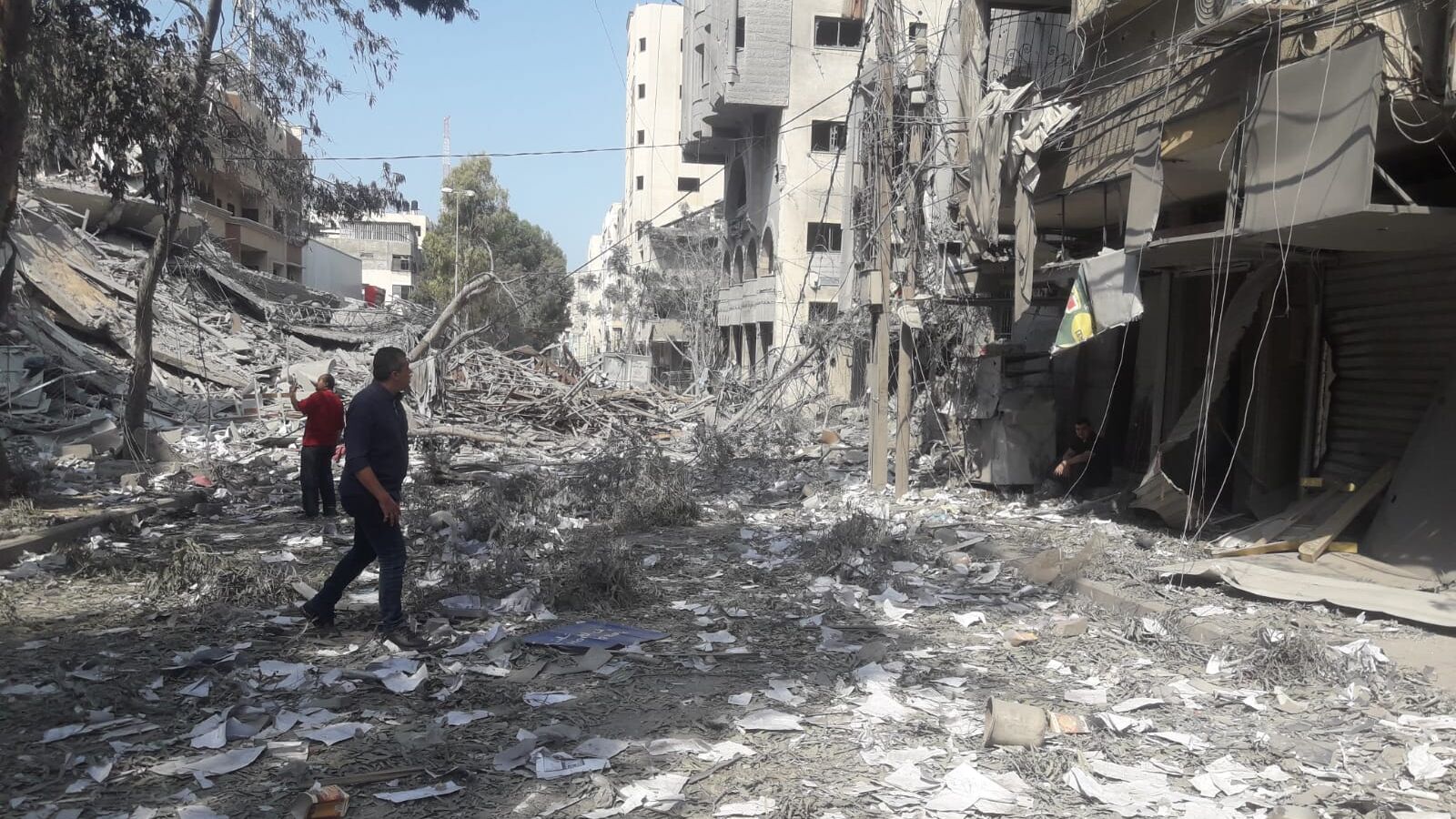
Geneva, 7 July 2026: The Human Rights Council today adopted by consensus the resolution "Promoting, protecting and respecting women's and girls' full enjoyment of human rights in humanitarian situations". This is the first time that a UN negotiated outcome document has explicitly named "reproductive violence" as a distinct category of gender-based violence. The resolution's preamble expresses deep concern that women and girls in humanitarian situations are disproportionately affected by sexual and gender-based violence, including conflict-related sexual violence, trafficking, sexual exploitation and sexual slavery, and — for the first time — "reproductive violence such as forced or denial of contraception, forced pregnancy, forced abortion and forced sterilization, including when undertaken with the intent to destroy a group." The operative text stresses the need for all relevant actors to prevent and respond to sexual and gender-based violence, including reproductive violence, and calls for integrated, accessible, safe and confidential reporting, referral and service delivery mechanisms that are age- and gender-sensitive, disability-inclusive, and survivor-centred. Reproductive violence refers to intentional acts or omissions that cause harm by interfering with reproductive autonomy, or violence directed at people because of their reproductive capacity. It includes forced pregnancy, forced abortion, enforced sterilization, forced contraception, and attacks on reproductive healthcare facilities. While different acts that constitute reproductive violence, such as forced pregnancy and enforced sterilization have been expressly prohibited under the Rome Statute, this is the first time the terminology as such, which has a broader scope, is coined in a globally agreed outcome. According to UNFPA, “reproductive violence” gives a name to the experience of many women and girls around the world. Without this term, survivors are often left without redress or recourse, struggling to identify or define the act of violence they have experienced. This recognition builds on a growing body of work by UN human rights mechanisms, UN agencies and civil society to document reproductive violence as a distinct harm rather than a subset of sexual violence. The UN Secretary-General's 2025 review and appraisal of the implementation of the Beijing Declaration and Platform for Action identified elevated levels of reproductive violence in Gaza, Sudan, Yemen, Syria and Ukraine. The reference in the resolution to acts "undertaken with the intent to destroy a group" echoes the language of the Genocide Convention and reflects the gravity of such acts, that can constitute crimesagainst humanity, as demonstrated in the findings by the Commission of Inquiry on the Occupied Palestinian Territory regarding Israel's use of sexual, reproductive and other forms of gender-based violence since 7 October 2023. “This landmark recognition is an important step forward for women and girls in humanitarian crises. By naming reproductive violence, the Human Rights Council has made visible a distinct and devastating form of harm that has too often gone unrecognised. The focus must now be on turning this progress into stronger protection, survivor-centred services and accountability.” Dr Diana Pulido, Global Technical Lead, IPPF Humanitarian.
news_item
| 07 July 2026
UN Human Rights Council adopts first negotiated resolution naming reproductive violence as a distinct form of gender-based violence
Geneva, 7 July 2026: The Human Rights Council today adopted by consensus the resolution "Promoting, protecting and respecting women's and girls' full enjoyment of human rights in humanitarian situations". This is the first time that a UN negotiated outcome document has explicitly named "reproductive violence" as a distinct category of gender-based violence. The resolution's preamble expresses deep concern that women and girls in humanitarian situations are disproportionately affected by sexual and gender-based violence, including conflict-related sexual violence, trafficking, sexual exploitation and sexual slavery, and — for the first time — "reproductive violence such as forced or denial of contraception, forced pregnancy, forced abortion and forced sterilization, including when undertaken with the intent to destroy a group." The operative text stresses the need for all relevant actors to prevent and respond to sexual and gender-based violence, including reproductive violence, and calls for integrated, accessible, safe and confidential reporting, referral and service delivery mechanisms that are age- and gender-sensitive, disability-inclusive, and survivor-centred. Reproductive violence refers to intentional acts or omissions that cause harm by interfering with reproductive autonomy, or violence directed at people because of their reproductive capacity. It includes forced pregnancy, forced abortion, enforced sterilization, forced contraception, and attacks on reproductive healthcare facilities. While different acts that constitute reproductive violence, such as forced pregnancy and enforced sterilization have been expressly prohibited under the Rome Statute, this is the first time the terminology as such, which has a broader scope, is coined in a globally agreed outcome. According to UNFPA, “reproductive violence” gives a name to the experience of many women and girls around the world. Without this term, survivors are often left without redress or recourse, struggling to identify or define the act of violence they have experienced. This recognition builds on a growing body of work by UN human rights mechanisms, UN agencies and civil society to document reproductive violence as a distinct harm rather than a subset of sexual violence. The UN Secretary-General's 2025 review and appraisal of the implementation of the Beijing Declaration and Platform for Action identified elevated levels of reproductive violence in Gaza, Sudan, Yemen, Syria and Ukraine. The reference in the resolution to acts "undertaken with the intent to destroy a group" echoes the language of the Genocide Convention and reflects the gravity of such acts, that can constitute crimesagainst humanity, as demonstrated in the findings by the Commission of Inquiry on the Occupied Palestinian Territory regarding Israel's use of sexual, reproductive and other forms of gender-based violence since 7 October 2023. “This landmark recognition is an important step forward for women and girls in humanitarian crises. By naming reproductive violence, the Human Rights Council has made visible a distinct and devastating form of harm that has too often gone unrecognised. The focus must now be on turning this progress into stronger protection, survivor-centred services and accountability.” Dr Diana Pulido, Global Technical Lead, IPPF Humanitarian.

news item
| 26 June 2026
Feminist Joint Statement on the 2026 Political Declaration on HIV/AIDS
Statement on behalf of APHA, ATHENA Network, AWPCAB, DIVA for Equality, EWNA, FEIM, Frontline AIDS, Gestos, Harm Reduction International, International Community of Women Living with HIV, IPPF, Just Future Collaborative, LLaves, MENA Rosa, MGCY, Positive Women, and WMG on the 2026 Political Declaration on HIV/AIDS.On June 23rd, at the United Nations High-Level Meeting on HIV and AIDS, governments adopted the 2026 Political Declaration on HIV and AIDS with the support of 149 Member States. This Declaration will guide the global HIV response for the next five years, shaping national policies, financing commitments, and accountability mechanisms to achieve the goal of ending AIDS as a public health threat by 2030.We deeply regret that this Political Declaration was put to a vote for the second time in the history of UN High-Level Meetings on HIV/AIDS, with 8 countries voting against it. A political declaration on a global public health crisis that affects millions of people should enjoy the consensus of the entire international community. The decision by some Member States to call for a vote and, vote against or abstain sends a deeply troubling signal: that the rights of key populations, people living with HIV or at risk, women, has become more politically contested rather than universally upheld. We call on all States to recommit to the principles of multilateralism, solidarity, human rights and gender equality that have underpinned the global AIDS response since its inception. We further reject efforts to weaken the rights-based foundation of the HIV response. Such compromises do not save lives, expand access to prevention and treatment, or uphold the promise of leaving no one behind.While we welcome its adoption at a time when the rollback of rights for key populations, women and girls, LGTIQ+ populations, and marginalized communities, is worsening globally, the 2026 Declaration needed to be stronger and ambitious and show clear unwavering commitment without compromise. We deeply regret that the Political Declaration weakens rather than strengthens key commitments that are more urgent than ever to achieve. We now call on all Member States to honour their commitment in the Political Declaration through concrete, adequately resourced, and rights-based implementation at the national level. WELCOMING NEW ADDITIONSWhile the Political Declaration fails to to respond with the ambition, rights-based approach, and solidarity called for by the unprecedented emergency people living with and most affected by HIV are facing around the world, we recognized the efforts of all stakeholders committed to safeguard the HIV/AIDS response and welcome that it retains language on integrated HIV and sexual and reproductive health (SRH) services, sexual and gender-based violence (SGBV), the meaningful role of communities, key populations, young people and youth-led organizations and civil society, all of which are crucial to a comprehensive and community-led HIV response. We further welcomes the following new additions:Frank acknowledgement of the financing gap.Recognition of HIV vulnerability in conflict, climate-related disasters, natural disasters and other humanitarian crises, including the explicit link between these crises and increased sexual violence against women and girls. We further welcome the amendment introduced to restore the language on sexual and gender-based violence in this paragraph. Language on innovation and access, including on long-acting technologies, local production, technology transfer, regulatory capacity, market transparency, and AMAThe first reference to advanced HIV disease in a UN Political Declaration on HIV/AIDS.Reference to the data highlighting that women living with HIV are 8 times more likely to die from preventable causes of maternal mortality and unequal access to integrated, gender-responsive healthcare services than women not living with HIV.Commitments on HIV vaccine and cure research, including a commitment to developing a research agenda and measurable actions, and the naming of a timeline for accountability.Language on closing digital divides. Language on access to justice and accountability mechanisms for survivors of violence.Commitment to increasing predictable and flexible youth-responsive funding for advocacy and youth-led initiatives/programmes.We welcome the amendments tabled to bring back language on SGBV as a contributing factor to HIV vulnerability during conflict, climate-related and humanitarian crises, to key populations in the 10-10-10 target paragraph, ensuring consistency with the Global AIDS Strategy, and the removal of the reference to “mutually agreed terms” in the technology transfer paragraphs, which is an obstacle to address inequalities. We regret that these amendments had to be fought for in the final rounds of negotiations, despite reflecting previously agreed commitments and ultimately not being contested when the Declaration was put forward for adoption at the General Assembly.THE GAPS THAT WILL COST LIVESAs the 2026 Political Declaration itself acknowledges, "the gains are fragile and need to be protected." It is therefore deeply disappointing that this Declaration, adopted at a moment of acute financing crisis, rising inequalities, and growing threats to affected communities and civic space, weakens rather than strengthens the very commitments needed to protect those gains. We are particularly alarmed by the following regressions in the 2026 Declaration, especially compared to previous commitments from 2021, including in the following areas:The Declaration fails to adequately address sexual and reproductive health and rights (SRHR), which signals a dangerous retreat from previous commitments that are fundamental to an effective HIV response. The Declaration has removed the standalone paragraph on sexual and reproductive health and reproductive rights. Moreover, the reaffirmation of every person's right to the highest attainable standard of physical and mental health including sexual and reproductive health, and several references to sexuality education and access to the full range of sexual and reproductive health services were removed. Taken together, these omissions do not merely weaken the Declaration's language on SRHR, but strip out the very commitments that connect HIV to the broader struggle for gender justice, bodily autonomy, and reproductive rights. The removal of a dedicated gender equality and women’s empowerment section with specific targets, together with the commitments to the voice, autonomy, agency and leadership of women and girls and to engage men and boys as agents of change in transforming negative social norms and gender stereotypes. The Declaration also fails to adequately address specific vulnerabilities of women in key population groups - including transgender women, women who inject drugs, and female sex workers who face compounded discrimination. The omission of feminist groups from the list of essential stakeholders which represents a stark symbol of the political retreat on gender justice embedded throughout this text. The scaling back of diversity language and the weakening of references to people in diverse situations and multiple, intersecting forms of discrimination (MIFD), which further narrows the Declaration's reach, leaving behind those who face the most compounded barriers to HIV prevention, treatment, and care, including women and girls living at the intersection of gender, race, disability, displacement, and poverty. The elimination of the $3.1 billion societal enablers financing commitment, which funded the legal reforms, anti-stigma measures, and community-led programs that address the structural drivers of HIV, leaves the response without the resources needed to tackle inequality at its roots. Dilution or omission of language on key populations, at a moment when they face escalating criminalisation and violence. The Declaration falls short of the commitments needed to address the structural barriers that drive their disproportionate HIV vulnerability. Critical language on decriminalisation, ending punitive laws and policies, and eliminating stigma and discrimination has been weakened, making it easier for governments to claim compliance while continuing to criminalise and marginalise these communities in practice. Furthermore, the 2026 Political Declaration , includes a new standalone paragraph on the role of families. While we recognize that families and communities can play a supportive role in the HIV response, this emphasis is not matched by equivalent language on the protection of human rights and of people from family-based stigma, discrimination, and violence. A declaration that elevates families without safeguarding the rights of the most marginalized within and beyond family structures is not a balanced declaration. We also note with concern the removal of the reaffirmation of the 2030 Agenda for Sustainable Development and the recognition of the HIV response's vital contribution to achieving it.Implementation is urgent and must happen nowThe true impact of this outcome will be measured by its implementation at the local, national and regional levels and will demand political will.Beyond restoring a rights- and evidence-based HIV response, all governments must uphold their commitments to financing the HIV response, including their commitments to international development cooperation, and ensure predictable, sustainable financing. Ending AIDS requires moving beyond voluntary contributions towards a shared global responsibility, with fully funded HIV and community-led responses.As APHA, ATHENA Network, AWPCAB, DIVA for Equality, EWNA, FEIM, Frontline AIDS, Gestos, Harm Reduction International, International Community of Women Living with HIV, IPPF, Just Future Collaborative, LLaves, MENA Rosa, MGCY, Positive Women, and WMG, with locally rooted organizations, we are committed and positioned to drive and support the implementation of these commitments across national, regional, and global spheres. By doing so, we can ensure meaningful change in the lives of women, adolescents, girls, people living with HIV, key populations, as well as other populations disproportionately affected by HIV, stigma, discrimination, and criminalization. This includes advancing equitable access to HIV prevention, testing, treatment, care and support services; protecting human rights; promoting gender equality and bodily autonomy; and strengthening community-led responses that are essential to ending AIDS as a public health threat by 2030. We will continue to hold Member States accountable to the commitments made in this Declaration.People's DeclarationFinally, when governments fall short, communities lead. The People's Declaration on HIV and AIDS is the declaration the world actually needs; written by and for the people most affected by HIV. It sets out, without compromise, what a meaningful response to this crisis must look like. Read it. Share it. Demand it. Read the People’s Declaration below.
news_item
| 26 June 2026
Feminist Joint Statement on the 2026 Political Declaration on HIV/AIDS
Statement on behalf of APHA, ATHENA Network, AWPCAB, DIVA for Equality, EWNA, FEIM, Frontline AIDS, Gestos, Harm Reduction International, International Community of Women Living with HIV, IPPF, Just Future Collaborative, LLaves, MENA Rosa, MGCY, Positive Women, and WMG on the 2026 Political Declaration on HIV/AIDS.On June 23rd, at the United Nations High-Level Meeting on HIV and AIDS, governments adopted the 2026 Political Declaration on HIV and AIDS with the support of 149 Member States. This Declaration will guide the global HIV response for the next five years, shaping national policies, financing commitments, and accountability mechanisms to achieve the goal of ending AIDS as a public health threat by 2030.We deeply regret that this Political Declaration was put to a vote for the second time in the history of UN High-Level Meetings on HIV/AIDS, with 8 countries voting against it. A political declaration on a global public health crisis that affects millions of people should enjoy the consensus of the entire international community. The decision by some Member States to call for a vote and, vote against or abstain sends a deeply troubling signal: that the rights of key populations, people living with HIV or at risk, women, has become more politically contested rather than universally upheld. We call on all States to recommit to the principles of multilateralism, solidarity, human rights and gender equality that have underpinned the global AIDS response since its inception. We further reject efforts to weaken the rights-based foundation of the HIV response. Such compromises do not save lives, expand access to prevention and treatment, or uphold the promise of leaving no one behind.While we welcome its adoption at a time when the rollback of rights for key populations, women and girls, LGTIQ+ populations, and marginalized communities, is worsening globally, the 2026 Declaration needed to be stronger and ambitious and show clear unwavering commitment without compromise. We deeply regret that the Political Declaration weakens rather than strengthens key commitments that are more urgent than ever to achieve. We now call on all Member States to honour their commitment in the Political Declaration through concrete, adequately resourced, and rights-based implementation at the national level. WELCOMING NEW ADDITIONSWhile the Political Declaration fails to to respond with the ambition, rights-based approach, and solidarity called for by the unprecedented emergency people living with and most affected by HIV are facing around the world, we recognized the efforts of all stakeholders committed to safeguard the HIV/AIDS response and welcome that it retains language on integrated HIV and sexual and reproductive health (SRH) services, sexual and gender-based violence (SGBV), the meaningful role of communities, key populations, young people and youth-led organizations and civil society, all of which are crucial to a comprehensive and community-led HIV response. We further welcomes the following new additions:Frank acknowledgement of the financing gap.Recognition of HIV vulnerability in conflict, climate-related disasters, natural disasters and other humanitarian crises, including the explicit link between these crises and increased sexual violence against women and girls. We further welcome the amendment introduced to restore the language on sexual and gender-based violence in this paragraph. Language on innovation and access, including on long-acting technologies, local production, technology transfer, regulatory capacity, market transparency, and AMAThe first reference to advanced HIV disease in a UN Political Declaration on HIV/AIDS.Reference to the data highlighting that women living with HIV are 8 times more likely to die from preventable causes of maternal mortality and unequal access to integrated, gender-responsive healthcare services than women not living with HIV.Commitments on HIV vaccine and cure research, including a commitment to developing a research agenda and measurable actions, and the naming of a timeline for accountability.Language on closing digital divides. Language on access to justice and accountability mechanisms for survivors of violence.Commitment to increasing predictable and flexible youth-responsive funding for advocacy and youth-led initiatives/programmes.We welcome the amendments tabled to bring back language on SGBV as a contributing factor to HIV vulnerability during conflict, climate-related and humanitarian crises, to key populations in the 10-10-10 target paragraph, ensuring consistency with the Global AIDS Strategy, and the removal of the reference to “mutually agreed terms” in the technology transfer paragraphs, which is an obstacle to address inequalities. We regret that these amendments had to be fought for in the final rounds of negotiations, despite reflecting previously agreed commitments and ultimately not being contested when the Declaration was put forward for adoption at the General Assembly.THE GAPS THAT WILL COST LIVESAs the 2026 Political Declaration itself acknowledges, "the gains are fragile and need to be protected." It is therefore deeply disappointing that this Declaration, adopted at a moment of acute financing crisis, rising inequalities, and growing threats to affected communities and civic space, weakens rather than strengthens the very commitments needed to protect those gains. We are particularly alarmed by the following regressions in the 2026 Declaration, especially compared to previous commitments from 2021, including in the following areas:The Declaration fails to adequately address sexual and reproductive health and rights (SRHR), which signals a dangerous retreat from previous commitments that are fundamental to an effective HIV response. The Declaration has removed the standalone paragraph on sexual and reproductive health and reproductive rights. Moreover, the reaffirmation of every person's right to the highest attainable standard of physical and mental health including sexual and reproductive health, and several references to sexuality education and access to the full range of sexual and reproductive health services were removed. Taken together, these omissions do not merely weaken the Declaration's language on SRHR, but strip out the very commitments that connect HIV to the broader struggle for gender justice, bodily autonomy, and reproductive rights. The removal of a dedicated gender equality and women’s empowerment section with specific targets, together with the commitments to the voice, autonomy, agency and leadership of women and girls and to engage men and boys as agents of change in transforming negative social norms and gender stereotypes. The Declaration also fails to adequately address specific vulnerabilities of women in key population groups - including transgender women, women who inject drugs, and female sex workers who face compounded discrimination. The omission of feminist groups from the list of essential stakeholders which represents a stark symbol of the political retreat on gender justice embedded throughout this text. The scaling back of diversity language and the weakening of references to people in diverse situations and multiple, intersecting forms of discrimination (MIFD), which further narrows the Declaration's reach, leaving behind those who face the most compounded barriers to HIV prevention, treatment, and care, including women and girls living at the intersection of gender, race, disability, displacement, and poverty. The elimination of the $3.1 billion societal enablers financing commitment, which funded the legal reforms, anti-stigma measures, and community-led programs that address the structural drivers of HIV, leaves the response without the resources needed to tackle inequality at its roots. Dilution or omission of language on key populations, at a moment when they face escalating criminalisation and violence. The Declaration falls short of the commitments needed to address the structural barriers that drive their disproportionate HIV vulnerability. Critical language on decriminalisation, ending punitive laws and policies, and eliminating stigma and discrimination has been weakened, making it easier for governments to claim compliance while continuing to criminalise and marginalise these communities in practice. Furthermore, the 2026 Political Declaration , includes a new standalone paragraph on the role of families. While we recognize that families and communities can play a supportive role in the HIV response, this emphasis is not matched by equivalent language on the protection of human rights and of people from family-based stigma, discrimination, and violence. A declaration that elevates families without safeguarding the rights of the most marginalized within and beyond family structures is not a balanced declaration. We also note with concern the removal of the reaffirmation of the 2030 Agenda for Sustainable Development and the recognition of the HIV response's vital contribution to achieving it.Implementation is urgent and must happen nowThe true impact of this outcome will be measured by its implementation at the local, national and regional levels and will demand political will.Beyond restoring a rights- and evidence-based HIV response, all governments must uphold their commitments to financing the HIV response, including their commitments to international development cooperation, and ensure predictable, sustainable financing. Ending AIDS requires moving beyond voluntary contributions towards a shared global responsibility, with fully funded HIV and community-led responses.As APHA, ATHENA Network, AWPCAB, DIVA for Equality, EWNA, FEIM, Frontline AIDS, Gestos, Harm Reduction International, International Community of Women Living with HIV, IPPF, Just Future Collaborative, LLaves, MENA Rosa, MGCY, Positive Women, and WMG, with locally rooted organizations, we are committed and positioned to drive and support the implementation of these commitments across national, regional, and global spheres. By doing so, we can ensure meaningful change in the lives of women, adolescents, girls, people living with HIV, key populations, as well as other populations disproportionately affected by HIV, stigma, discrimination, and criminalization. This includes advancing equitable access to HIV prevention, testing, treatment, care and support services; protecting human rights; promoting gender equality and bodily autonomy; and strengthening community-led responses that are essential to ending AIDS as a public health threat by 2030. We will continue to hold Member States accountable to the commitments made in this Declaration.People's DeclarationFinally, when governments fall short, communities lead. The People's Declaration on HIV and AIDS is the declaration the world actually needs; written by and for the people most affected by HIV. It sets out, without compromise, what a meaningful response to this crisis must look like. Read it. Share it. Demand it. Read the People’s Declaration below.
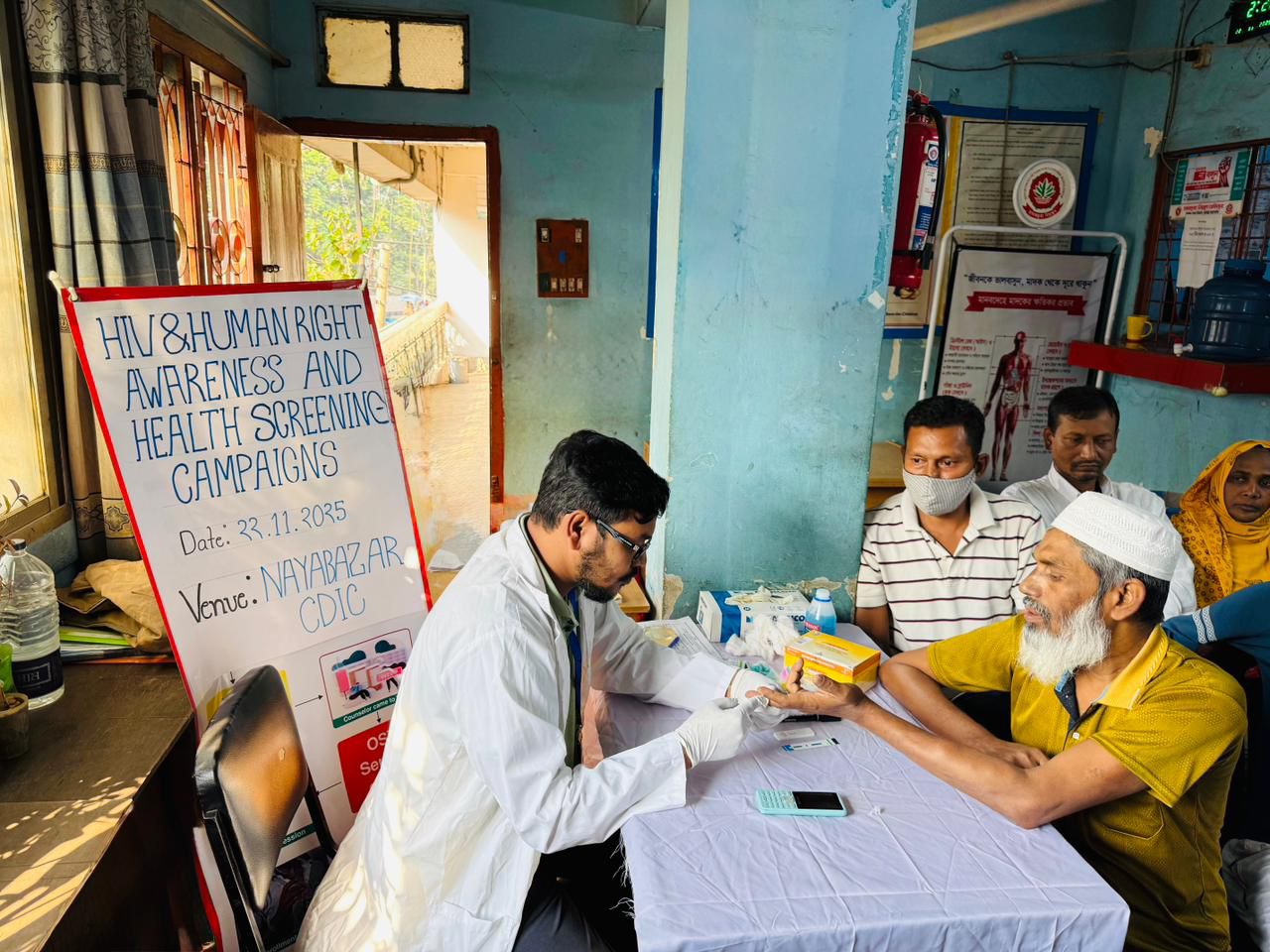
news item
| 15 May 2026
2026 High-Level Meeting on HIV and AIDS
The International Planned Parenthood Federation (IPPF) welcomes the opportunity of the 2026 High- Level Meeting (HLM) on HIV and AIDS to review progress and renew the engagement and commitment of Member States, communities and partners to accelerate a comprehensive, universal and integrated response to HIV and AIDS. This HLM must sustain and strengthen the HIV response and ensure that global and national commitments can urgently address current and future health challenges. Progress has been uneven since the 2021 United Nations Political Declaration on Ending AIDS and the targets in the declaration have not been achieved. The overall trajectory of the HIV response has slowed in recent years, with persistent gaps in prevention, treatment, and access to services. Longstanding structural barriers—including stigma, hate speech, discrimination, criminalization, and deep inequalities, including within and between countries—continue to undermine efforts to reach those most affected. In parallel, decrease of investments and growing uncertainty around international funding has weakened the global response and data indicates important reversing hard-won gains, potentially leading to a resurgence of infections and HIV-related deaths in the years ahead. Simultaneously, coordinated global anti-gender backlash is actively reversing decades of progress for vulnerable communities.In the UN spaces where discussions on HIV/AIDS are taking place, marginalized communities continue to be largely left out and prevented from substantively shaping any decisions impacting them, in particular gay men and other men who have sex with men, sex workers, transgender people, people who use drugs, and prisoners and other incarcerated people as well as people living with HIV, and women and youth.The UN80 reform proposal to urgently sunset UNAIDS represents a risk of even stronger sidelining of the HIV/AIDS agenda.In this context, this High-Level Meeting represents a critical political moment, taking place at a particularly volatile juncture for the global response. It will bring together all Member States to negotiate a new Political Declaration that will shape the global HIV response for the years ahead, including by building on the new Global AIDS strategy (2026-2031). The outcomes of these discussions will have direct implications for national priorities, financing, and access to essential services for affected communities.As the world’s largest provider of sexual and reproductive health services and a leading advocate, IPPF strongly calls on governments and partners not to fall below previously agreed language (please see annex 1) and to ensure that the following recommendations are included:1. Sexual and reproductive health and rightsAs evidence shows, it will be impossible to end the epidemics of AIDS by 2030, as envisaged under the SDG 3.3 aims, without fully realizing the SRHR of women, adolescents and girls, LGBTQI+ and key populations, including sex workers and those living with HIV. As evidence shows, it will be impossible to end the epidemics of AIDS by 2030, as envisaged under the SDG 3.3 aims, without fully realizing the SRHR of women, adolescents and girls, LGBTQI+ and key populations, including sex workers and those living with HIV.It remains deeply concerning that these rights continue to be violated and face major barriers, due in part to the insufficient integration of human rights-based approaches into health policies and programming and policies, persistent gender health inequalities.Staying HIV-free depends on the ability to exercise autonomy over one’s body and sexual life and protect one’s sexual health, neither of which is possible where discrimination and gender inequality persist. In many regions, access to SRHR information and services remains limited, particularly for women in rural areas, adolescent girls, and marginalized communities. Punitive laws, stigma and discrimination further restrict access to essential SRHR services for women from key populations, while some countries are actively rolling back the rights of women and girls. According to recent data from UNAIDS, only slightly more than half of women and girls aged 15–49 are able to make their own decisions regarding sexual relations, contraceptive use and healthcare. Adolescent girls and young women face particularly severe barriers, including restrictive age-of-consent laws in some countries. The Universal Health Coverage (UHC) and universal access to sexual and reproductive health, as agreed by consensus in the Agenda 2030, as well as in the 2023 Political Declaration on UHC, cannot be successfully achieved if women, men and adolescent girls and boys are denied their SRHR. Efforts to end AIDS by 2030 will therefore remain insufficient unless they are grounded in a comprehensive framework centred on gender equality, SRHR and human rights, placing people in all their diversity at the centre of the HIV response.We call on Member States to:Reaffirm commitments to the Declaration of Commitment on HIV/AIDS and all political declarations on HIV/AIDS adopted at the HLM of the GA, including in 2006, 2011, 2016 and 2021. Reaffirm the Beijing Declaration and Platform of Action and the Programme of Action of the International Conference on Population and Development, and its further implementation, and the outcomes of their review conferences, which is a key framework for gender equality. Reaffirm that the human rights of all people include the right to health, including SRHR, the ability to decide freely and responsibly on matters relating to their sexuality and reproductive health, throughout the life cycle, without coercion, discrimination and violence. Integrate the HIV response, including testing, diagnosis, care treatment, and prevention with services for SRHR, STIs, TB, viral hepatitis and harm reduction, as well as social protection strategies, as part of UHC and strong Primary Health Care systems. Integrate services that prevent HIV transmission, child, early and forced marriage (CEFM), and unintended pregnancy among adolescent girls and women, including economic empowerment, respect, protection and fulfilment of their right to education, SRHR, interventions that address unequal gender norms, and increased efforts to end vertical transmission and provide pediatric service for children living with HIV by addressing gaps in the continuum of HIV services among pregnant and breastfeeding women. Ensure all individuals have access to HIV services, including HIV testing, treatment, and prevention, and that individuals have access to a range of choices for HIV testing, HIV treatment drug regimens, and Pre-exposure Prophylaxis (PrEP) methods. Ensure access to antenatal care services that address the special concerns and needs of mothers and young mothers living with HIV, stronger engagement of male partners as part of antenatal care.2. Comprehensive sexuality educationCSE remains a critical factor in the ability of all people, in particular for adolescent girls and boys, to protect themselves from HIV by improving knowledge of HIV and related services. It also plays a key role in HIV prevention, testing and treatment, and ending stigma and discrimination, in addition to its role in addressing the social and structural factors that perpetuate inequalities and increase HIV-related risk.CSE goes beyond biological information to include values of creation around human rights and gender equality, non-violence and non-discrimination as well as skills to build healthy relationships. This informs youth about their rights and gives them the tools to protect themselves through safer sex practices, such as negotiating condom use, and to identify when their rights are being violated, such as cases of sexual abuse or denial of services.We call on Member States to:Ensure access to quality, age-appropriate, gender-transformative comprehensive sexuality education for all young people, both in and out of school, that addresses the realities faced by adolescents and young people, in all their diversity, and empowers youth to exercise their rights. The educational system of almost every country includes some form of education for young and diverse people on sexual and reproductive health and their rights. CSE is the term recognized by the international community when referring to these programs or curriculums, and therefore should be used in this context. Protect, respect and fulfil youth’s right to privacy and confidentiality and ensure that services pertaining to adolescents and youth, including health services, are youth friendly and take into account their diversity. Ensure the meaningful and strategic participation and coordination with adolescents and youth living with HIV in the different decision-making processes relevant to them.3. Sexual and gender-based violence (SGBV)SGBV compounds and exacerbates violations to women’s, adolescents and girls’ as well as key population’s rights and health, with particular impact on their access to SRHR including HIV care and services. Gender inequalities, SGBV and gaps in basic HIV prevention programmes put adolescent girls and young women at much higher risk of acquiring HIV than their male peers in many regions.The interplay between intimate partner violence (IPV) and HIV is an ongoing concern in high-prevalence settings. Women who experienced physical intimate partner violence have on average a lower percentage likelihood of viral suppression compared with those not exposed to such violence, according to the UNSG report from 2025.The integration of SGBV services in the HIV response is key to ensure that multiple and intersecting forms of discrimination and violence faced by women, adolescents, girls, LGBTQI+, and key populations can adequately be addressed in the long term.We call on Member States to:Eliminate the root causes of gender inequalities and end all forms of SGBV and discrimination, with a particular focus on those living with HIV and key populations. Provide integrated services and tailored service packages to the need of individual community members to prevent and address SGBV, including interventions that address multiple and intersecting forms of discrimination and violence faced by women, adolescents and girls living with HIV, indigenous women, women with disabilities, transgender women, sex workers, migrant women and other marginalized populations. Address gaps and strengthen behavioural change programmes on positive masculinities, women’s rights, and safe and responsible sex to reduce gender and HIV-related stigma and discrimination, and harmful gender norms, including on violence; and address and end SGBV. Scale up social protection interventions for girls, adolescents, young women, LGBTQI+, and key populations, and engage men and boys in intensified efforts to confront unequal socio-cultural gender norms and undo harmful masculinities.4. Women, adolescent, youth and girls’ participation and empowermentEconomic empowerment, access to CSE, elimination of harmful social norms, and completion of secondary education are key factors that create enabling environments where girls and young women can make informed decisions, access HIV prevention and care services, and exercise control over their SRH, ultimately reducing their vulnerability to HIV.Further risks to the HIV response are posed by the threats to human rights, gender equality and the empowerment of women and girls as they relate to HIV prevention, testing and treatment services, imperiling the progress of the response and driving disparities between populations and regions. Key populations, and women and girls continue to be at significant risk of lack of access to services, driven by inequalities.We call on Member States to:Strengthen and mobilize women community–led organizations, girls and gender-diverse people, including from key populations, in the HIV response. Strengthen gender-responsive leadership, governance, coordination and linkages. Strengthen economic empowerment initiatives, social protections and reduce women’s and girls’ socioeconomic vulnerability to HIV. Strengthen access to female-controlled HIV prevention methods.5. Key populations and communities' leadershipKey populations and community-led organizations and networks are the heart of the HIV response. For more than 40 years, their activism, knowledge and inventiveness have shaped and powered HIV programmes across the world, saving countless lives.Key populations and community-led services and support are crucial lifelines for people neglected by standard health systems, reaching them with information, services and other support they need to stay HIV-free or live healthily with HIV. Yet, key populations, including people living with HIV, gay men and other men who have sex with men, transgender individuals, sex workers, people who use drugs, migrants, refugees, and detainees; continue to be excluded from decision making processes and face violence, exclusion, and major barriers to accessing healthcare and protection services.We call on Member States to:Make strong commitments to political leadership, and to support/facilitate communities’ ownership, including of people living with, at risk of, and affected by HIV. Develop strategic and inclusive partnerships, with local and community-based organizations, CSOs, feminist groups, LGBTQI+ organizations, youth-led organizations, academia, and the private sector. Ensure meaningful, ethical and strategic community involvement as well as other key stakeholder involvement in decision-making processes. Invest in data collection, disaggregated by income, gender, age, race, ethnicity, migratory status, disability, geographic location and other characteristics relevant in national contexts. Support community-led monitoring and research, and community engagement in national, regional and international accountability mechanisms and increase investments in research and development for long-acting HIV treatment. Increase direct and sustainable financing for community-led responses, including through social contracting and domestic financing mechanisms.6. Structural barriers, stigma, and the principle of non-discriminationPersistent stigma and discrimination related to real or perceived HIV status, and intersections with discrimination on the basis of gender identity and sexuality orientation (SOGI) or expression, also stand in the way. According to an analysis of studies conducted by the People Living with HIV Stigma Index 2.0 in 25 countries, 25% of people living with HIV reported experiencing stigma and discrimination when seeking non-HIV-related services.In many contexts, seeking HIV services may also expose a person’s socio-legal status that are socially stigmatized or criminalized.In many regions, in particular in the Arab world region, HIV is fueled not only by gaps in healthcare, but by stigma, discrimination, criminalization and the lack of inclusive and adapted policies. HIV continues to be wrongly associated with homosexuality, adultery or other socially rejected behaviors, further fueling fear and discrimination. Key populations and LGBTIQ+ individuals are afraid to seek testing or treatment due to fear of arrest, rejection, or abuse. This is also the case for many migrants and refugees, where irregular legal status may expose individuals to detention, deportation, violence, or abuse, further discouraging them from accessing healthcare services.We call on Member States to:Reaffirm the Universal Declaration of Human Rights and all Human Rights Treaties. Reiterate in particular that all human beings are born free and equal in dignity and rights, and the rights and needs of people in all their diversity whether they are living with, at risk of, or affected by HIV. Implement strategies to remove barriers in the HIV response, such as stigma, discrimination and gender inequality. Address social and structural barriers to significantly improve HIV outcomes through context specific strategies, including community-led prevention, universal access to testing, treatment and self-care initiatives, novel prevention (PrEP and PEP) and medical technologies. Implement strategies to end HIV-related stigma and discrimination, including improving access to inclusive and stigma-free services, that respect their right to privacy and confidentiality, for key populations, young people, in particular adolescent girls and young women, those living with a disability, refugees and migrant population groups. Ensure enabling legal environments that repeal punitive and discriminatory laws and policies, as well as prevent and eliminate human rights violations against people living with HIV and key populations, and that ensure their right to health, education, and social protection for all, including through removing third-party consent requirements that limit access, especially for women and girls, adolescents and youth to SRH services including for HIV prevention, testing and treatment. Bolster rapid efforts to ensure universal and equal access to HIV prevention, affordable care and services, information and education and treatment for all, with a focus on those left behind including key populations, youth, adolescent girls and young women and other priority populations.7. Health systems and technology and digital healthA strong consensus has emerged around the need for further integration of HIV with broader health systems, including primary health care. More extensive integration is expected to boost the use, efficiency and sustainability of HIV services, thereby improving both HIV and broader health outcomes and making health systems more resilient.Digital health and community-led technology are now also central to the HIV response, particularly for adolescents, young people, LGBTQI+ communities, key populations, and people living with HIV who may face stigma, criminalization, mobility barriers, or fear of being seen accessing services.Digital platforms can expand access to HIV information, self-testing, PrEP, PEP, treatment literacy, appointment booking, teleconsultation, mental health support, and community referrals. However, digital health must be grounded in human rights, privacy, informed consent, confidentiality, data protection, and community ownership.We call on Member States to:Invest in rights-based and community-led digital health systems that expand access to HIV prevention, testing, treatment, care, and support, while protecting privacy, confidentiality, informed consent, and safety from digital surveillance, outing, harassment, or misuse of HIV and SOGIESC-related data. Scale up digital and hybrid service delivery models, including online-to-offline HIV outreach, HIV selftesting, telehealth, TelePrEP, digital appointment systems, peer navigation, treatment adherence support, viral load reminders, and referral pathways that link individuals to confirmatory testing, PrEP, Antiretroviral therapy (ART), STI services, SRHR, mental health, and social protection. Ensure digital inclusion and equity, recognizing that digital health must not widen inequalities. Member States should support low-bandwidth, multilingual, youth-friendly, disability-inclusive, and communityaccessible platforms, while investing in digital literacy, community digital navigators, data support, and offline referral options for those without reliable internet access or safe digital spaces. Fund community-led digital innovation, particularly by LGBTQI+ organizations, PLHIV networks, youthled organizations, sex worker-led groups, harm reduction groups, and other key population-led organizations, recognizing that trusted community messengers are often better able to reach people who avoid formal health systems due to stigma, fear, or previous discrimination. Use digital tools to strengthen accountability, including community-led monitoring of service quality, stockouts, stigma and discrimination, confidentiality breaches, PrEP and ART access, viral load delays, and gaps in youth- and key population-friendly services.8. Humanitarian, conflict and crisis contexts and displacementThe HIV response has also been impacted by wars, displacement and humanitarian crises: from Syria and Sudan to Lebanon and Palestine, conflicts and instability continue to disrupt HIV and SRHR services. The rise in conflict-related and climate change-induced emergencies and protracted humanitarian contexts underscores the need to better adapt HIV responses to humanitarian contexts. We call on Member States to strengthen the integration of HIV prevention and access to services in humanitarian crises, environmental disasters and pandemic responses.9. Financing and accountability mechanismsSocial equity must be an entry point to the financing architecture on AIDS with our communities at the center of decisions and communities-led responses being fully funded. The global order that shaped the modern HIV response is itself under strain. Multilateral institutions, such as the UN and UNAIDS, are being questioned, while human rights, gender equality, SRHR, and bodily autonomy are contested.In the Global South, particularly in Southeast Asia, the HIV response has also been structured through profound inequality and dependency to international financing. As a result, when donor priorities shift or funding declines, health systems weaken. When funding is cut, treatment becomes uncertain. Sustainability must mean resilience in 2026, through locally-led systems with equitable access.In a context of scarce resources to address urgent and competing health priorities, it remains critical to ensure that financial and human resources’ commitments towards the HIV response can be attained through national prioritization processes, the integration of HIV financing within domestic and international financing systems, and the implementation of financial mechanisms including debtcancelation and restructuring. Sustainable financing cannot only mean domestic resource mobilization but also requires redistribution of scientific and institutional power, including technology transfer.Renewed commitments are urgently needed to ensure that improvements in HIV outcomes can be achieved in lower income economies, and to ensure the financing of local or community-led responses and adequate resources to provide the continuum of HIV services for key populations, women, adolescents and girls and other priority groups.Ending the HIV epidemic also requires collective responsibility. Bold leadership, country ownership, community engagement in decision-making and strong accountability mechanisms remain essential to achieving targets and commitments to advance the HIV response and end AIDS as a public health threat. Member States and stakeholders should strengthen their commitments to political leadership, inclusive partnerships, strong advocacy to sustain the HIV response, community ownership, community-based monitoring, research and innovation.We call on Member States to:Reaffirm commitments from Addis Ababa Action Agenda (2015) and Sevilla Commitment (2025). Integrate gender-responsive budgeting for focused and mainstreamed interventions. Urgently mobilize domestic and international funding for the HIV response, leveraging alternative financing mechanisms to bridge funding gaps. Integrate HIV-related needs into health insurance schemes and broader health strategies, as well as development budgets and financing instruments. Replenishing and sustaining adequate financial commitments towards the HIV response at global and national levels are essential steps to ensure progress towards significant improvements in HIV outcomes. Ensure the financing of local and community-led responses and services for key populations and other priority groups, including people living with, at risk of, and affected by HIV. Accelerate the scale-up of bilateral and multilateral funding, as well as domestic resource mobilization, for the HIV and AIDS response. Sustain global solidarity and funding and support financing mechanisms and partnerships, such as the Global Fund to Fight AIDS, Tuberculosis and Malaria, the Initiative and Unitaid. Advance to reach the commitment of investing (i) at least a quarter of AIDS spending on HIV prevention; (ii) at least 6% of all global AIDS resources for social enablers; and ensuring that at least 30% of all service delivery is community-led by 2030, through investment in human resources for health, as well as in the necessary equipment, tools and medicines. Mobilizing additional sustainable domestic resources for HIV responses through a wide range of strategies and approaches, including public-private partnerships, debt financing, debt relief, debt restructuring and sound debt management, progressive taxation, tackling corruption and ending illicit financial flows.
news_item
| 15 May 2026
2026 High-Level Meeting on HIV and AIDS
The International Planned Parenthood Federation (IPPF) welcomes the opportunity of the 2026 High- Level Meeting (HLM) on HIV and AIDS to review progress and renew the engagement and commitment of Member States, communities and partners to accelerate a comprehensive, universal and integrated response to HIV and AIDS. This HLM must sustain and strengthen the HIV response and ensure that global and national commitments can urgently address current and future health challenges. Progress has been uneven since the 2021 United Nations Political Declaration on Ending AIDS and the targets in the declaration have not been achieved. The overall trajectory of the HIV response has slowed in recent years, with persistent gaps in prevention, treatment, and access to services. Longstanding structural barriers—including stigma, hate speech, discrimination, criminalization, and deep inequalities, including within and between countries—continue to undermine efforts to reach those most affected. In parallel, decrease of investments and growing uncertainty around international funding has weakened the global response and data indicates important reversing hard-won gains, potentially leading to a resurgence of infections and HIV-related deaths in the years ahead. Simultaneously, coordinated global anti-gender backlash is actively reversing decades of progress for vulnerable communities.In the UN spaces where discussions on HIV/AIDS are taking place, marginalized communities continue to be largely left out and prevented from substantively shaping any decisions impacting them, in particular gay men and other men who have sex with men, sex workers, transgender people, people who use drugs, and prisoners and other incarcerated people as well as people living with HIV, and women and youth.The UN80 reform proposal to urgently sunset UNAIDS represents a risk of even stronger sidelining of the HIV/AIDS agenda.In this context, this High-Level Meeting represents a critical political moment, taking place at a particularly volatile juncture for the global response. It will bring together all Member States to negotiate a new Political Declaration that will shape the global HIV response for the years ahead, including by building on the new Global AIDS strategy (2026-2031). The outcomes of these discussions will have direct implications for national priorities, financing, and access to essential services for affected communities.As the world’s largest provider of sexual and reproductive health services and a leading advocate, IPPF strongly calls on governments and partners not to fall below previously agreed language (please see annex 1) and to ensure that the following recommendations are included:1. Sexual and reproductive health and rightsAs evidence shows, it will be impossible to end the epidemics of AIDS by 2030, as envisaged under the SDG 3.3 aims, without fully realizing the SRHR of women, adolescents and girls, LGBTQI+ and key populations, including sex workers and those living with HIV. As evidence shows, it will be impossible to end the epidemics of AIDS by 2030, as envisaged under the SDG 3.3 aims, without fully realizing the SRHR of women, adolescents and girls, LGBTQI+ and key populations, including sex workers and those living with HIV.It remains deeply concerning that these rights continue to be violated and face major barriers, due in part to the insufficient integration of human rights-based approaches into health policies and programming and policies, persistent gender health inequalities.Staying HIV-free depends on the ability to exercise autonomy over one’s body and sexual life and protect one’s sexual health, neither of which is possible where discrimination and gender inequality persist. In many regions, access to SRHR information and services remains limited, particularly for women in rural areas, adolescent girls, and marginalized communities. Punitive laws, stigma and discrimination further restrict access to essential SRHR services for women from key populations, while some countries are actively rolling back the rights of women and girls. According to recent data from UNAIDS, only slightly more than half of women and girls aged 15–49 are able to make their own decisions regarding sexual relations, contraceptive use and healthcare. Adolescent girls and young women face particularly severe barriers, including restrictive age-of-consent laws in some countries. The Universal Health Coverage (UHC) and universal access to sexual and reproductive health, as agreed by consensus in the Agenda 2030, as well as in the 2023 Political Declaration on UHC, cannot be successfully achieved if women, men and adolescent girls and boys are denied their SRHR. Efforts to end AIDS by 2030 will therefore remain insufficient unless they are grounded in a comprehensive framework centred on gender equality, SRHR and human rights, placing people in all their diversity at the centre of the HIV response.We call on Member States to:Reaffirm commitments to the Declaration of Commitment on HIV/AIDS and all political declarations on HIV/AIDS adopted at the HLM of the GA, including in 2006, 2011, 2016 and 2021. Reaffirm the Beijing Declaration and Platform of Action and the Programme of Action of the International Conference on Population and Development, and its further implementation, and the outcomes of their review conferences, which is a key framework for gender equality. Reaffirm that the human rights of all people include the right to health, including SRHR, the ability to decide freely and responsibly on matters relating to their sexuality and reproductive health, throughout the life cycle, without coercion, discrimination and violence. Integrate the HIV response, including testing, diagnosis, care treatment, and prevention with services for SRHR, STIs, TB, viral hepatitis and harm reduction, as well as social protection strategies, as part of UHC and strong Primary Health Care systems. Integrate services that prevent HIV transmission, child, early and forced marriage (CEFM), and unintended pregnancy among adolescent girls and women, including economic empowerment, respect, protection and fulfilment of their right to education, SRHR, interventions that address unequal gender norms, and increased efforts to end vertical transmission and provide pediatric service for children living with HIV by addressing gaps in the continuum of HIV services among pregnant and breastfeeding women. Ensure all individuals have access to HIV services, including HIV testing, treatment, and prevention, and that individuals have access to a range of choices for HIV testing, HIV treatment drug regimens, and Pre-exposure Prophylaxis (PrEP) methods. Ensure access to antenatal care services that address the special concerns and needs of mothers and young mothers living with HIV, stronger engagement of male partners as part of antenatal care.2. Comprehensive sexuality educationCSE remains a critical factor in the ability of all people, in particular for adolescent girls and boys, to protect themselves from HIV by improving knowledge of HIV and related services. It also plays a key role in HIV prevention, testing and treatment, and ending stigma and discrimination, in addition to its role in addressing the social and structural factors that perpetuate inequalities and increase HIV-related risk.CSE goes beyond biological information to include values of creation around human rights and gender equality, non-violence and non-discrimination as well as skills to build healthy relationships. This informs youth about their rights and gives them the tools to protect themselves through safer sex practices, such as negotiating condom use, and to identify when their rights are being violated, such as cases of sexual abuse or denial of services.We call on Member States to:Ensure access to quality, age-appropriate, gender-transformative comprehensive sexuality education for all young people, both in and out of school, that addresses the realities faced by adolescents and young people, in all their diversity, and empowers youth to exercise their rights. The educational system of almost every country includes some form of education for young and diverse people on sexual and reproductive health and their rights. CSE is the term recognized by the international community when referring to these programs or curriculums, and therefore should be used in this context. Protect, respect and fulfil youth’s right to privacy and confidentiality and ensure that services pertaining to adolescents and youth, including health services, are youth friendly and take into account their diversity. Ensure the meaningful and strategic participation and coordination with adolescents and youth living with HIV in the different decision-making processes relevant to them.3. Sexual and gender-based violence (SGBV)SGBV compounds and exacerbates violations to women’s, adolescents and girls’ as well as key population’s rights and health, with particular impact on their access to SRHR including HIV care and services. Gender inequalities, SGBV and gaps in basic HIV prevention programmes put adolescent girls and young women at much higher risk of acquiring HIV than their male peers in many regions.The interplay between intimate partner violence (IPV) and HIV is an ongoing concern in high-prevalence settings. Women who experienced physical intimate partner violence have on average a lower percentage likelihood of viral suppression compared with those not exposed to such violence, according to the UNSG report from 2025.The integration of SGBV services in the HIV response is key to ensure that multiple and intersecting forms of discrimination and violence faced by women, adolescents, girls, LGBTQI+, and key populations can adequately be addressed in the long term.We call on Member States to:Eliminate the root causes of gender inequalities and end all forms of SGBV and discrimination, with a particular focus on those living with HIV and key populations. Provide integrated services and tailored service packages to the need of individual community members to prevent and address SGBV, including interventions that address multiple and intersecting forms of discrimination and violence faced by women, adolescents and girls living with HIV, indigenous women, women with disabilities, transgender women, sex workers, migrant women and other marginalized populations. Address gaps and strengthen behavioural change programmes on positive masculinities, women’s rights, and safe and responsible sex to reduce gender and HIV-related stigma and discrimination, and harmful gender norms, including on violence; and address and end SGBV. Scale up social protection interventions for girls, adolescents, young women, LGBTQI+, and key populations, and engage men and boys in intensified efforts to confront unequal socio-cultural gender norms and undo harmful masculinities.4. Women, adolescent, youth and girls’ participation and empowermentEconomic empowerment, access to CSE, elimination of harmful social norms, and completion of secondary education are key factors that create enabling environments where girls and young women can make informed decisions, access HIV prevention and care services, and exercise control over their SRH, ultimately reducing their vulnerability to HIV.Further risks to the HIV response are posed by the threats to human rights, gender equality and the empowerment of women and girls as they relate to HIV prevention, testing and treatment services, imperiling the progress of the response and driving disparities between populations and regions. Key populations, and women and girls continue to be at significant risk of lack of access to services, driven by inequalities.We call on Member States to:Strengthen and mobilize women community–led organizations, girls and gender-diverse people, including from key populations, in the HIV response. Strengthen gender-responsive leadership, governance, coordination and linkages. Strengthen economic empowerment initiatives, social protections and reduce women’s and girls’ socioeconomic vulnerability to HIV. Strengthen access to female-controlled HIV prevention methods.5. Key populations and communities' leadershipKey populations and community-led organizations and networks are the heart of the HIV response. For more than 40 years, their activism, knowledge and inventiveness have shaped and powered HIV programmes across the world, saving countless lives.Key populations and community-led services and support are crucial lifelines for people neglected by standard health systems, reaching them with information, services and other support they need to stay HIV-free or live healthily with HIV. Yet, key populations, including people living with HIV, gay men and other men who have sex with men, transgender individuals, sex workers, people who use drugs, migrants, refugees, and detainees; continue to be excluded from decision making processes and face violence, exclusion, and major barriers to accessing healthcare and protection services.We call on Member States to:Make strong commitments to political leadership, and to support/facilitate communities’ ownership, including of people living with, at risk of, and affected by HIV. Develop strategic and inclusive partnerships, with local and community-based organizations, CSOs, feminist groups, LGBTQI+ organizations, youth-led organizations, academia, and the private sector. Ensure meaningful, ethical and strategic community involvement as well as other key stakeholder involvement in decision-making processes. Invest in data collection, disaggregated by income, gender, age, race, ethnicity, migratory status, disability, geographic location and other characteristics relevant in national contexts. Support community-led monitoring and research, and community engagement in national, regional and international accountability mechanisms and increase investments in research and development for long-acting HIV treatment. Increase direct and sustainable financing for community-led responses, including through social contracting and domestic financing mechanisms.6. Structural barriers, stigma, and the principle of non-discriminationPersistent stigma and discrimination related to real or perceived HIV status, and intersections with discrimination on the basis of gender identity and sexuality orientation (SOGI) or expression, also stand in the way. According to an analysis of studies conducted by the People Living with HIV Stigma Index 2.0 in 25 countries, 25% of people living with HIV reported experiencing stigma and discrimination when seeking non-HIV-related services.In many contexts, seeking HIV services may also expose a person’s socio-legal status that are socially stigmatized or criminalized.In many regions, in particular in the Arab world region, HIV is fueled not only by gaps in healthcare, but by stigma, discrimination, criminalization and the lack of inclusive and adapted policies. HIV continues to be wrongly associated with homosexuality, adultery or other socially rejected behaviors, further fueling fear and discrimination. Key populations and LGBTIQ+ individuals are afraid to seek testing or treatment due to fear of arrest, rejection, or abuse. This is also the case for many migrants and refugees, where irregular legal status may expose individuals to detention, deportation, violence, or abuse, further discouraging them from accessing healthcare services.We call on Member States to:Reaffirm the Universal Declaration of Human Rights and all Human Rights Treaties. Reiterate in particular that all human beings are born free and equal in dignity and rights, and the rights and needs of people in all their diversity whether they are living with, at risk of, or affected by HIV. Implement strategies to remove barriers in the HIV response, such as stigma, discrimination and gender inequality. Address social and structural barriers to significantly improve HIV outcomes through context specific strategies, including community-led prevention, universal access to testing, treatment and self-care initiatives, novel prevention (PrEP and PEP) and medical technologies. Implement strategies to end HIV-related stigma and discrimination, including improving access to inclusive and stigma-free services, that respect their right to privacy and confidentiality, for key populations, young people, in particular adolescent girls and young women, those living with a disability, refugees and migrant population groups. Ensure enabling legal environments that repeal punitive and discriminatory laws and policies, as well as prevent and eliminate human rights violations against people living with HIV and key populations, and that ensure their right to health, education, and social protection for all, including through removing third-party consent requirements that limit access, especially for women and girls, adolescents and youth to SRH services including for HIV prevention, testing and treatment. Bolster rapid efforts to ensure universal and equal access to HIV prevention, affordable care and services, information and education and treatment for all, with a focus on those left behind including key populations, youth, adolescent girls and young women and other priority populations.7. Health systems and technology and digital healthA strong consensus has emerged around the need for further integration of HIV with broader health systems, including primary health care. More extensive integration is expected to boost the use, efficiency and sustainability of HIV services, thereby improving both HIV and broader health outcomes and making health systems more resilient.Digital health and community-led technology are now also central to the HIV response, particularly for adolescents, young people, LGBTQI+ communities, key populations, and people living with HIV who may face stigma, criminalization, mobility barriers, or fear of being seen accessing services.Digital platforms can expand access to HIV information, self-testing, PrEP, PEP, treatment literacy, appointment booking, teleconsultation, mental health support, and community referrals. However, digital health must be grounded in human rights, privacy, informed consent, confidentiality, data protection, and community ownership.We call on Member States to:Invest in rights-based and community-led digital health systems that expand access to HIV prevention, testing, treatment, care, and support, while protecting privacy, confidentiality, informed consent, and safety from digital surveillance, outing, harassment, or misuse of HIV and SOGIESC-related data. Scale up digital and hybrid service delivery models, including online-to-offline HIV outreach, HIV selftesting, telehealth, TelePrEP, digital appointment systems, peer navigation, treatment adherence support, viral load reminders, and referral pathways that link individuals to confirmatory testing, PrEP, Antiretroviral therapy (ART), STI services, SRHR, mental health, and social protection. Ensure digital inclusion and equity, recognizing that digital health must not widen inequalities. Member States should support low-bandwidth, multilingual, youth-friendly, disability-inclusive, and communityaccessible platforms, while investing in digital literacy, community digital navigators, data support, and offline referral options for those without reliable internet access or safe digital spaces. Fund community-led digital innovation, particularly by LGBTQI+ organizations, PLHIV networks, youthled organizations, sex worker-led groups, harm reduction groups, and other key population-led organizations, recognizing that trusted community messengers are often better able to reach people who avoid formal health systems due to stigma, fear, or previous discrimination. Use digital tools to strengthen accountability, including community-led monitoring of service quality, stockouts, stigma and discrimination, confidentiality breaches, PrEP and ART access, viral load delays, and gaps in youth- and key population-friendly services.8. Humanitarian, conflict and crisis contexts and displacementThe HIV response has also been impacted by wars, displacement and humanitarian crises: from Syria and Sudan to Lebanon and Palestine, conflicts and instability continue to disrupt HIV and SRHR services. The rise in conflict-related and climate change-induced emergencies and protracted humanitarian contexts underscores the need to better adapt HIV responses to humanitarian contexts. We call on Member States to strengthen the integration of HIV prevention and access to services in humanitarian crises, environmental disasters and pandemic responses.9. Financing and accountability mechanismsSocial equity must be an entry point to the financing architecture on AIDS with our communities at the center of decisions and communities-led responses being fully funded. The global order that shaped the modern HIV response is itself under strain. Multilateral institutions, such as the UN and UNAIDS, are being questioned, while human rights, gender equality, SRHR, and bodily autonomy are contested.In the Global South, particularly in Southeast Asia, the HIV response has also been structured through profound inequality and dependency to international financing. As a result, when donor priorities shift or funding declines, health systems weaken. When funding is cut, treatment becomes uncertain. Sustainability must mean resilience in 2026, through locally-led systems with equitable access.In a context of scarce resources to address urgent and competing health priorities, it remains critical to ensure that financial and human resources’ commitments towards the HIV response can be attained through national prioritization processes, the integration of HIV financing within domestic and international financing systems, and the implementation of financial mechanisms including debtcancelation and restructuring. Sustainable financing cannot only mean domestic resource mobilization but also requires redistribution of scientific and institutional power, including technology transfer.Renewed commitments are urgently needed to ensure that improvements in HIV outcomes can be achieved in lower income economies, and to ensure the financing of local or community-led responses and adequate resources to provide the continuum of HIV services for key populations, women, adolescents and girls and other priority groups.Ending the HIV epidemic also requires collective responsibility. Bold leadership, country ownership, community engagement in decision-making and strong accountability mechanisms remain essential to achieving targets and commitments to advance the HIV response and end AIDS as a public health threat. Member States and stakeholders should strengthen their commitments to political leadership, inclusive partnerships, strong advocacy to sustain the HIV response, community ownership, community-based monitoring, research and innovation.We call on Member States to:Reaffirm commitments from Addis Ababa Action Agenda (2015) and Sevilla Commitment (2025). Integrate gender-responsive budgeting for focused and mainstreamed interventions. Urgently mobilize domestic and international funding for the HIV response, leveraging alternative financing mechanisms to bridge funding gaps. Integrate HIV-related needs into health insurance schemes and broader health strategies, as well as development budgets and financing instruments. Replenishing and sustaining adequate financial commitments towards the HIV response at global and national levels are essential steps to ensure progress towards significant improvements in HIV outcomes. Ensure the financing of local and community-led responses and services for key populations and other priority groups, including people living with, at risk of, and affected by HIV. Accelerate the scale-up of bilateral and multilateral funding, as well as domestic resource mobilization, for the HIV and AIDS response. Sustain global solidarity and funding and support financing mechanisms and partnerships, such as the Global Fund to Fight AIDS, Tuberculosis and Malaria, the Initiative and Unitaid. Advance to reach the commitment of investing (i) at least a quarter of AIDS spending on HIV prevention; (ii) at least 6% of all global AIDS resources for social enablers; and ensuring that at least 30% of all service delivery is community-led by 2030, through investment in human resources for health, as well as in the necessary equipment, tools and medicines. Mobilizing additional sustainable domestic resources for HIV responses through a wide range of strategies and approaches, including public-private partnerships, debt financing, debt relief, debt restructuring and sound debt management, progressive taxation, tackling corruption and ending illicit financial flows.
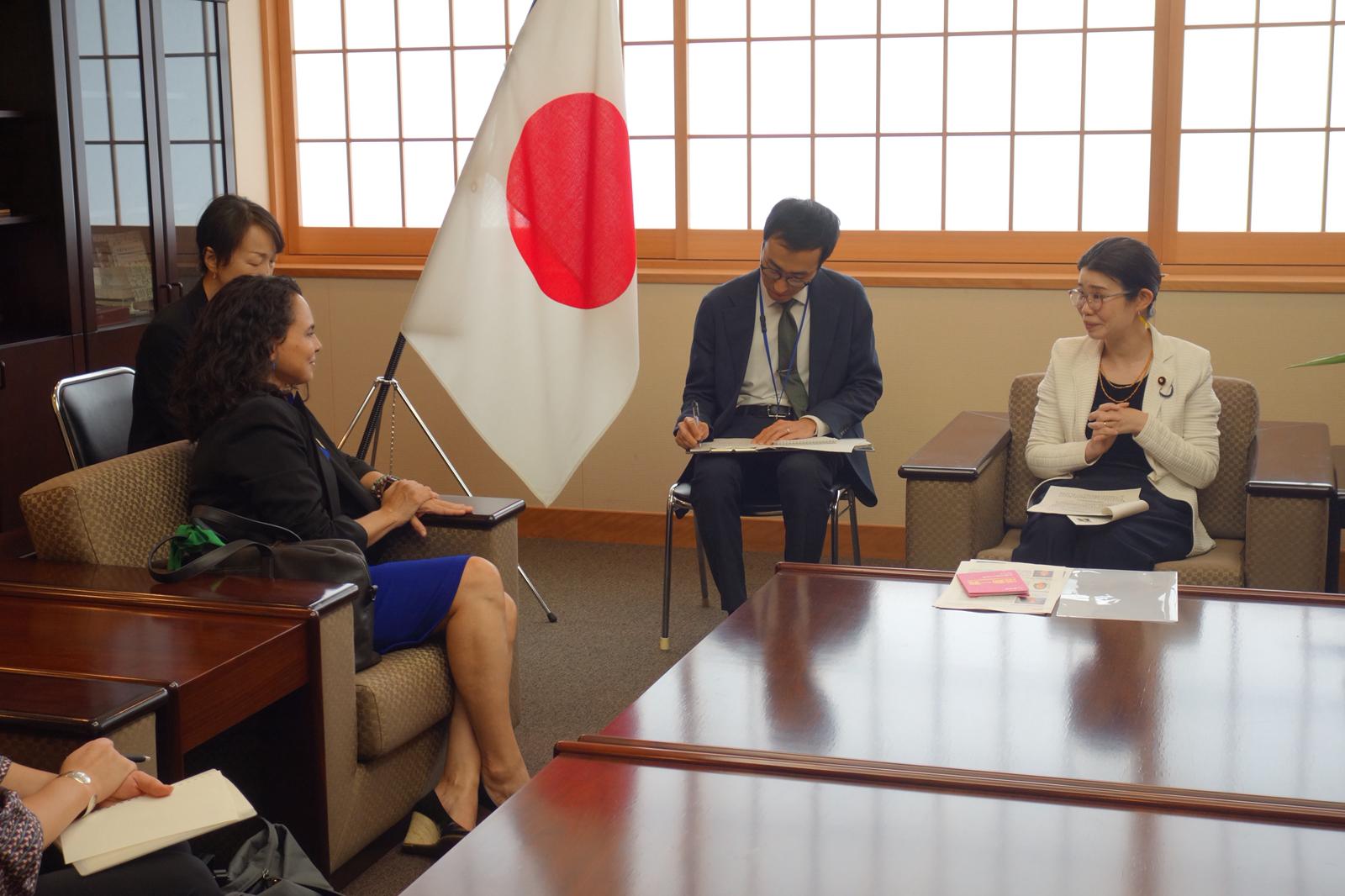
news item
| 12 May 2026
Japan and IPPF Jointly Confirmed Continued Strategic Partnership
From 7-8 May 2026, Maria Antonieta Alcalde, the new Director General of IPPF, visited Japan for the first time since taking office. She held policy consultations with the Ministry of Foreign Affairs and paid a courtesy call on Dr Ayano Kunimitsu, State Minister for Foreign Affairs of Japan.State Minister Kunimitsu stated:“Given my own background as a doctor, I have a particularly deep understanding of the importance of SRHR globally. As Japan prioritises the promotion of global health, particularly UHC, in its foreign policy, Japan will continue to cooperate with IPPF, which has been active at the grassroots level, in various countries to demonstrate evidence and provide more valuable support.”Maria Antonieta Alcalde said:“As the global situation regarding SRHR is changing significantly, and there are fears that the achievements we have built up so far may be undermined, I would like to express my deep gratitude for the support provided to IPPF by Japan, a long-standing key partner and champion of UHC. IPPF and its Member Associations will further strengthen our partnership with Japan to continue protecting the SRHR of women, girls and vulnerable people worldwide.”
news_item
| 12 May 2026
Japan and IPPF Jointly Confirmed Continued Strategic Partnership
From 7-8 May 2026, Maria Antonieta Alcalde, the new Director General of IPPF, visited Japan for the first time since taking office. She held policy consultations with the Ministry of Foreign Affairs and paid a courtesy call on Dr Ayano Kunimitsu, State Minister for Foreign Affairs of Japan.State Minister Kunimitsu stated:“Given my own background as a doctor, I have a particularly deep understanding of the importance of SRHR globally. As Japan prioritises the promotion of global health, particularly UHC, in its foreign policy, Japan will continue to cooperate with IPPF, which has been active at the grassroots level, in various countries to demonstrate evidence and provide more valuable support.”Maria Antonieta Alcalde said:“As the global situation regarding SRHR is changing significantly, and there are fears that the achievements we have built up so far may be undermined, I would like to express my deep gratitude for the support provided to IPPF by Japan, a long-standing key partner and champion of UHC. IPPF and its Member Associations will further strengthen our partnership with Japan to continue protecting the SRHR of women, girls and vulnerable people worldwide.”
news item
| 01 September 2026
Family Planning Association of Nepal assesses vital needs following devastating floods
As search and rescue operations continue following the devastating floods and landslides in northern Nepal and Tibet, the thoughts of the International Planned Parenthood Federation (IPPF) are with the communities and families affected by the disaster.The floods and landslides have caused extensive loss of life and widespread destruction in Rasuwa, Nuwakot and Dhading districts. Thousands of people remain unaccounted for, and families are facing grief and uncertainty. Floodwater, mud and debris have wiped out villages, damaged homes, roads, bridges, communications, and essential health infrastructure. Steep mountainous terrain, the continuing risk of flooding, and severe disruption to transport routes are making it extremely difficult for emergency teams to reach cut-off communities.The Family Planning Association of Nepal (FPAN), an IPPF Member Association, has confirmed that its staff and families are safe. An FPAN team has visited areas of Nuwakot to assess community needs, meet with local partners and identify how the organisation can best contribute to the response.FPAN has extensive experience responding to emergencies in Nepal and delivering sexual and reproductive healthcare through mobile outreach. Its teams have worked in rural, remote and underserved communities, including the affected areas, where difficult terrain makes access particularly challenging.Dr. Prabin Shakya, Executive Director of the Family Planning Association of Nepal, said:"The situation in Rasuwa and Nuwakot is devastating. Health facilities have been damaged, roads and bridges destroyed, and many communities remain difficult or impossible to reach. Many families have lost loved ones, homes and livelihoods.As the initial search and rescue phase concludes, FPAN stands ready to act immediately, guided by the Government and working through the established humanitarian coordination mechanisms. As one of Nepal's pioneer SRHR organisations, with decades of experience reaching rural, remote and underserved communities and responding to emergencies, we can mobilise our expertise, health professionals and mobile outreach capacity to deliver essential SRH and life-saving services where they are most needed.FPAN is closely coordinating with the Ministry of Health, Family Welfare Division, and other relevant government authorities, the Reproductive Health Working Group, I/NGOs and other partners. The Government has requested that relief and medical assistance follow the One Door System and has encouraged contributions through the designated basket fund to ensure that resources are coordinated and reach affected communities according to identified priorities."With the destruction of health centres and hospitals, pregnant women and others requiring urgent or time-sensitive care will be unable to access antenatal services, skilled assistance during childbirth or emergency obstetric care. Access to contraception, HIV and STI services, menstrual-health supplies and essential medicines will also be interrupted. Displacement, overcrowded living conditions and damage to water, sanitation and protection systems can further increase health and protection risks, including sexual and gender-based violence and exploitation. People with disabilities, LGBTQI+ people, older people, adolescents, people living with HIV and other marginalised communities may face additional physical, social, financial and communication barriers to assistance. "We are particularly concerned about those who are most vulnerable and more likely to need urgent SRH support... As access improves and affected communities are temporarily settled, we are prepared to mobilise quickly to help save lives, prevent avoidable morbidity, protect women and girls from violence and ensure that people with disabilities and other marginalised groups are not left behind...Their health, safety, dignity and rights must not be overlooked in the emergency response" said Dr Prabin Shakya.This emergency is unfolding against a backdrop of accelerating climate risks, with the most severe consequences often falling on communities with the fewest resources.Valerie Dourdin, Global Humanitarian Director at IPPF, said:"Nepal is paying the ultimate price for the unwillingness of many governments and international communities to recognise the escalating threat of global heating. They must accelerate climate action, strengthen accountability for addressing its impacts, and protect communities bearing the greatest burden. Resources must reach everyone on the front lines, including women, girls and marginalised communities, whose sexual and reproductive health and rights are too often overlooked in emergencies. As we move beyond search and rescue, locally led humanitarian expertise like FPAN, will continue to be essential for months to come in reaching people whose needs might otherwise go unseen."As the scale of needs arising from this emergency becomes clearer, IPPF remains ready to support a locally led humanitarian response that protects access to essential, life-saving sexual and reproductive healthcare. "This is a time for solidarity, coordinated action and timely investment. With the right support, FPAN can help bring essential, rights-based SRH and protection services to people who need them most." said Dr Prabin Shakya, FPAN.
news_item
| 02 September 2026
Family Planning Association of Nepal assesses vital needs following devastating floods
As search and rescue operations continue following the devastating floods and landslides in northern Nepal and Tibet, the thoughts of the International Planned Parenthood Federation (IPPF) are with the communities and families affected by the disaster.The floods and landslides have caused extensive loss of life and widespread destruction in Rasuwa, Nuwakot and Dhading districts. Thousands of people remain unaccounted for, and families are facing grief and uncertainty. Floodwater, mud and debris have wiped out villages, damaged homes, roads, bridges, communications, and essential health infrastructure. Steep mountainous terrain, the continuing risk of flooding, and severe disruption to transport routes are making it extremely difficult for emergency teams to reach cut-off communities.The Family Planning Association of Nepal (FPAN), an IPPF Member Association, has confirmed that its staff and families are safe. An FPAN team has visited areas of Nuwakot to assess community needs, meet with local partners and identify how the organisation can best contribute to the response.FPAN has extensive experience responding to emergencies in Nepal and delivering sexual and reproductive healthcare through mobile outreach. Its teams have worked in rural, remote and underserved communities, including the affected areas, where difficult terrain makes access particularly challenging.Dr. Prabin Shakya, Executive Director of the Family Planning Association of Nepal, said:"The situation in Rasuwa and Nuwakot is devastating. Health facilities have been damaged, roads and bridges destroyed, and many communities remain difficult or impossible to reach. Many families have lost loved ones, homes and livelihoods.As the initial search and rescue phase concludes, FPAN stands ready to act immediately, guided by the Government and working through the established humanitarian coordination mechanisms. As one of Nepal's pioneer SRHR organisations, with decades of experience reaching rural, remote and underserved communities and responding to emergencies, we can mobilise our expertise, health professionals and mobile outreach capacity to deliver essential SRH and life-saving services where they are most needed.FPAN is closely coordinating with the Ministry of Health, Family Welfare Division, and other relevant government authorities, the Reproductive Health Working Group, I/NGOs and other partners. The Government has requested that relief and medical assistance follow the One Door System and has encouraged contributions through the designated basket fund to ensure that resources are coordinated and reach affected communities according to identified priorities."With the destruction of health centres and hospitals, pregnant women and others requiring urgent or time-sensitive care will be unable to access antenatal services, skilled assistance during childbirth or emergency obstetric care. Access to contraception, HIV and STI services, menstrual-health supplies and essential medicines will also be interrupted. Displacement, overcrowded living conditions and damage to water, sanitation and protection systems can further increase health and protection risks, including sexual and gender-based violence and exploitation. People with disabilities, LGBTQI+ people, older people, adolescents, people living with HIV and other marginalised communities may face additional physical, social, financial and communication barriers to assistance. "We are particularly concerned about those who are most vulnerable and more likely to need urgent SRH support... As access improves and affected communities are temporarily settled, we are prepared to mobilise quickly to help save lives, prevent avoidable morbidity, protect women and girls from violence and ensure that people with disabilities and other marginalised groups are not left behind...Their health, safety, dignity and rights must not be overlooked in the emergency response" said Dr Prabin Shakya.This emergency is unfolding against a backdrop of accelerating climate risks, with the most severe consequences often falling on communities with the fewest resources.Valerie Dourdin, Global Humanitarian Director at IPPF, said:"Nepal is paying the ultimate price for the unwillingness of many governments and international communities to recognise the escalating threat of global heating. They must accelerate climate action, strengthen accountability for addressing its impacts, and protect communities bearing the greatest burden. Resources must reach everyone on the front lines, including women, girls and marginalised communities, whose sexual and reproductive health and rights are too often overlooked in emergencies. As we move beyond search and rescue, locally led humanitarian expertise like FPAN, will continue to be essential for months to come in reaching people whose needs might otherwise go unseen."As the scale of needs arising from this emergency becomes clearer, IPPF remains ready to support a locally led humanitarian response that protects access to essential, life-saving sexual and reproductive healthcare. "This is a time for solidarity, coordinated action and timely investment. With the right support, FPAN can help bring essential, rights-based SRH and protection services to people who need them most." said Dr Prabin Shakya, FPAN.
news item
| 31 August 2026
Civil society calls on UN Secretary-General to withdraw proposed UN Women–UNFPA merger
Feminist, women’s rights and civil society organisations from 146 countries have written to UN Secretary-General António Guterres calling for the proposed merger of UN Women and UNFPA under the UN80 reform process to be withdrawn.The coalition supports efforts to build a stronger and more effective United Nations, but argues that no evidence has been presented to show that a structural merger would address the financial and political pressures facing the UN system. We strongly feel that the proposal could instead create one single target for the anti-rights actors, as well as significant risks for fundraising, operational continuity and weaken the distinct mandates of UN Women and UNFPA, including their work to advance gender equality and sexual and reproductive health and rights.IPPF, as part of the Feminist Cross Coalition Working Group, are calling for serious consideration of non-structural alternatives, alongside meaningful participation from feminist, women’s rights and gender equality organisations in determining the future of the UN’s gender equality architecture.Read the full letter and signatories in the PDF below.
news_item
| 24 August 2026
Civil society calls on UN Secretary-General to withdraw proposed UN Women–UNFPA merger
Feminist, women’s rights and civil society organisations from 146 countries have written to UN Secretary-General António Guterres calling for the proposed merger of UN Women and UNFPA under the UN80 reform process to be withdrawn.The coalition supports efforts to build a stronger and more effective United Nations, but argues that no evidence has been presented to show that a structural merger would address the financial and political pressures facing the UN system. We strongly feel that the proposal could instead create one single target for the anti-rights actors, as well as significant risks for fundraising, operational continuity and weaken the distinct mandates of UN Women and UNFPA, including their work to advance gender equality and sexual and reproductive health and rights.IPPF, as part of the Feminist Cross Coalition Working Group, are calling for serious consideration of non-structural alternatives, alongside meaningful participation from feminist, women’s rights and gender equality organisations in determining the future of the UN’s gender equality architecture.Read the full letter and signatories in the PDF below.
news item
| 12 August 2026
Devastating earthquake in Colombia badly damages clinics run by IPPF Member Association Profamilia
The International Planned Parenthood Federation is deeply concerned by the loss of life and widespread destruction caused by the magnitude 7.4 earthquake that struck western Colombia on the 10th of August. It is the strongest earthquake recorded in the country over the last decade. Initial reports indicate that at more than 200 people have died and more than 1400 people have been injured. These figures remain preliminary and are expected to change as search and rescue operations continue. Homes and essential infrastructure have been damaged or destroyed in Cali, Pereira, Dosquebradas, Quibdó and Manizales. However, the full extent of the damage, particularly in remote areas of Chocó, is not yet known. Five clinics operated by IPPF's Colombian Member Association, Profamilia, have been badly damaged and are currently closed. Marta Royo, Executive Director of Profamilia, said: “Profamilia’s Disaster Response Committee has been activated and is monitoring the wellbeing of our staff, their families, and our patients, while assessing damage to our infrastructure and identifying measures to ensure continuity of care. Among the clinics most affected so far are Cali, Quibdó, Pereira and Armenia.” The earthquake hit some of the most remote and rural parts of Colombia. Damage to infrastructure and difficult terrain may make already isolated communities even harder to reach. Marta Royo added: “Natural disasters such as earthquakes can deepen existing inequalities and create new barriers to healthcare. For the communities Profamilia serves in the most affected territories, disruption in access to sexual and reproductive healthcare can have serious and lasting consequences, especially for women, girls, young people, migrants, and people already facing barriers to care. Essential services cannot wait until the emergency is over. This includes contraception and emergency contraception, safe abortion care, maternal and prenatal healthcare, HIV and STI testing and treatment, and care and referral for survivors of gender-based violence.” IPPF is working closely with Profamilia to understand the impact on services and prepare an emergency response. Eugenia López Uribe, Regional Director, IPPF Americas and the Caribbean, said: “In times of crisis, healthcare cannot wait. We stand in deep solidarity with our colleagues at Profamilia and the people of Colombia during this devastating moment. Our regional team is mobilized alongside Profamilia to overcome geographical barriers, reach remote communities, and restore critical services as quickly and safely as possible.” Disrupted transport and pressure on hospitals may further restrict access to essential healthcare. Pregnant women and people may face additional risks if referral routes, maternity services or emergency obstetric care are disrupted. Displacement and overcrowding in temporary shelters can also increase protection risks while reducing privacy, safety and access to menstrual health supplies and confidential care. People on the move and refugees may encounter further barriers, particularly if they lack documentation, health insurance, reliable information or safe transport. Profamilia leads IPPF's Safe Passage initiative in Latin America, coordinating with other Member Associations in the region to improve access to sexual and reproductive healthcare along migration routes. This experience will be particularly important in ensuring that people on the move are not excluded from the response. Profamilia is seeking support to restore its damaged facilities and maintain the continuity of essential services: “We urgently need resources to assess and restore damaged infrastructure, safeguard medical equipment and cold-chain supplies, and maintain access to essential sexual and reproductive healthcare for the communities that depend on us. With the support of our partners and donors, Profamilia can respond quickly, recover safely and ensure that women, girls, young people, migrants and affected communities do not lose access to the care they need during this crisis.” Marta Royo, Executive Director of Profamilia As communities begin to confront the lasting impact of the earthquake, Maria Antonieta Alcalde, Director General of IPPF, expressed her solidarity and support for Profamilia and everyone affected by the earthquake: “The scale of destruction across western Colombia is heartbreaking. Families are grieving, communities have been displaced, and many people face an uncertain wait for news of those still missing. Our thoughts, solidarity and support are with our colleagues at Profamilia, whose work is so central to advancing sexual and reproductive health and rights across Colombia. Its staff know these communities, understand the barriers they face and will remain alongside them throughout the response and recovery. In the difficult days and months ahead, we stand in solidarity with everyone affected.” Donate here to help Profamilia restore damaged clinics and ensure people, including those with time-sensitive abortion appointments, can access the care they need now.
news_item
| 12 August 2026
Devastating earthquake in Colombia badly damages clinics run by IPPF Member Association Profamilia
The International Planned Parenthood Federation is deeply concerned by the loss of life and widespread destruction caused by the magnitude 7.4 earthquake that struck western Colombia on the 10th of August. It is the strongest earthquake recorded in the country over the last decade. Initial reports indicate that at more than 200 people have died and more than 1400 people have been injured. These figures remain preliminary and are expected to change as search and rescue operations continue. Homes and essential infrastructure have been damaged or destroyed in Cali, Pereira, Dosquebradas, Quibdó and Manizales. However, the full extent of the damage, particularly in remote areas of Chocó, is not yet known. Five clinics operated by IPPF's Colombian Member Association, Profamilia, have been badly damaged and are currently closed. Marta Royo, Executive Director of Profamilia, said: “Profamilia’s Disaster Response Committee has been activated and is monitoring the wellbeing of our staff, their families, and our patients, while assessing damage to our infrastructure and identifying measures to ensure continuity of care. Among the clinics most affected so far are Cali, Quibdó, Pereira and Armenia.” The earthquake hit some of the most remote and rural parts of Colombia. Damage to infrastructure and difficult terrain may make already isolated communities even harder to reach. Marta Royo added: “Natural disasters such as earthquakes can deepen existing inequalities and create new barriers to healthcare. For the communities Profamilia serves in the most affected territories, disruption in access to sexual and reproductive healthcare can have serious and lasting consequences, especially for women, girls, young people, migrants, and people already facing barriers to care. Essential services cannot wait until the emergency is over. This includes contraception and emergency contraception, safe abortion care, maternal and prenatal healthcare, HIV and STI testing and treatment, and care and referral for survivors of gender-based violence.” IPPF is working closely with Profamilia to understand the impact on services and prepare an emergency response. Eugenia López Uribe, Regional Director, IPPF Americas and the Caribbean, said: “In times of crisis, healthcare cannot wait. We stand in deep solidarity with our colleagues at Profamilia and the people of Colombia during this devastating moment. Our regional team is mobilized alongside Profamilia to overcome geographical barriers, reach remote communities, and restore critical services as quickly and safely as possible.” Disrupted transport and pressure on hospitals may further restrict access to essential healthcare. Pregnant women and people may face additional risks if referral routes, maternity services or emergency obstetric care are disrupted. Displacement and overcrowding in temporary shelters can also increase protection risks while reducing privacy, safety and access to menstrual health supplies and confidential care. People on the move and refugees may encounter further barriers, particularly if they lack documentation, health insurance, reliable information or safe transport. Profamilia leads IPPF's Safe Passage initiative in Latin America, coordinating with other Member Associations in the region to improve access to sexual and reproductive healthcare along migration routes. This experience will be particularly important in ensuring that people on the move are not excluded from the response. Profamilia is seeking support to restore its damaged facilities and maintain the continuity of essential services: “We urgently need resources to assess and restore damaged infrastructure, safeguard medical equipment and cold-chain supplies, and maintain access to essential sexual and reproductive healthcare for the communities that depend on us. With the support of our partners and donors, Profamilia can respond quickly, recover safely and ensure that women, girls, young people, migrants and affected communities do not lose access to the care they need during this crisis.” Marta Royo, Executive Director of Profamilia As communities begin to confront the lasting impact of the earthquake, Maria Antonieta Alcalde, Director General of IPPF, expressed her solidarity and support for Profamilia and everyone affected by the earthquake: “The scale of destruction across western Colombia is heartbreaking. Families are grieving, communities have been displaced, and many people face an uncertain wait for news of those still missing. Our thoughts, solidarity and support are with our colleagues at Profamilia, whose work is so central to advancing sexual and reproductive health and rights across Colombia. Its staff know these communities, understand the barriers they face and will remain alongside them throughout the response and recovery. In the difficult days and months ahead, we stand in solidarity with everyone affected.” Donate here to help Profamilia restore damaged clinics and ensure people, including those with time-sensitive abortion appointments, can access the care they need now.
news item
| 04 August 2026
Statement following the Kumamoto Earthquake in Japan
To all those affected by the Kumamoto Earthquake:On behalf of IPPF, I extend my deepest condolences and heartfelt sympathies to everyone who has been affected by the Kumamoto earthquake disaster. Especially to those who have lost loved ones, their homes or their livelihoods, suffered injuries, been forced to endure displacement under extreme heat, or faced disruptions in accessing essential health services, including maternal and reproductive healthcare.In recent times, communities across Japan have faced repeated challenges brought about by the impacts of climate breakdown including typhoons, torrential rains, flooding, landslides, and increasingly severe heat. To experience yet another major earthquake amid these ongoing hardships, even as memories of the impacts of the devastating earthquake ten years ago continue to linger, is an unimaginable burden. The shock, grief, uncertainty, and the feeling of asking, “Why again?” are entirely understandable.Many of you may be facing each day with strength and determination while carrying deep concerns for your families, communities, and future. At this difficult time, we want you to know that you are not alone. We stand in solidarity with you and send our heartfelt support and encouragement. We sincerely hope that, in the days ahead, you will find safety, comfort, and renewed hope, and that your communities will be able to recover and rebuild with dignity and resilience.With solidarity,Maria Antonieta AlcaldeDirector General, IPPF***How can you donate?In response, JOICFP, our international partner of the IPPF Tokyo Liaison Office, has initiated an emergency fundraising campaign to aid those affected by the disaster, with particular emphasis on women, mothers and children, and underserved communities, and others whose voices might be neglected or whose needs are unmet.IPPF respectfully invites you to support affected communities through the JOICFP donation page below, helping them regain a sense of safety, dignity, and hope as quickly as possible. Your contribution will help provide essential healthcare services, humanitarian assistance, and other critical support to those in need. Thank you for your compassion and generosity.***To all those engaged in the emergency response and recovery efforts following the Kumamoto Earthquake:The people affected by the earthquake in Kumamoto are likely living each day with the sudden loss of normalcy, uncertainty about the future, and the immense responsibility of protecting their families and communities. In such circumstances, concerns that are difficult to speak about, as well as physical and emotional needs that may not appear urgent at first glance, are often overlooked or postponed. Yet safeguarding the dignity, health, and well-being of every individual is fundamental to sustainable recovery and rebuilding.We therefore encourage all those involved in emergency response and recovery efforts to listen carefully to the needs and voices of everyone, including women, girls, gender-diverse people, older persons, and people living with disabilities, and those with migrant or foreign roots. This is essential to help create a recovery environment where everybody can safely access the support and services they need.We express our deepest respect and appreciation for your tireless dedication and commitment. IPPF, together with Japanese Organization for International Cooperation in Family Planning (JOICFP), our liaison office in Japan, remains committed to working alongside all partners to help ensure that the dignity, care and safety of every person affected by this disaster are protected throughout the recovery and reconstruction process.With solidarity,Maria Antonieta AlcaldeDirector General, IPPF 熊本地震の影響を受けた皆々様IPPFは、このたびの地震により、ご家族や大切な方を亡くされた方々、負傷された方々、住まいや職場を失われた方々、また酷暑の中で不自由な避難生活を余儀なくされている方々、さらには妊娠・出産やその他の保健医療サービスの継続的な利用が困難になった方々をはじめ、影響を受けられたすべての皆様に、心よりお悔やみとお見舞いを申し上げます。10年前の地震による傷跡が今なお残る中、度重なる台風や豪雨、洪水や土砂災害、そして年々厳しさを増す酷暑など、地域の皆様は幾重もの困難に向き合ってこられました。そのような中で再び大きな地震に見舞われたことへの驚きや不安、喪失感、そして「なぜまた」というお気持ちは、計り知れるものではありません。今は将来への見通しが持てず、気力を振り絞って一日一日を過ごしておられる方も多いことと存じます。どうか皆様が決してひとりではないことをお伝えしたく、ここに深い連帯の思いと心からの励ましのメッセージをお送りします。一日も早く、安心と希望を取り戻せる日々が訪れることを願っております。***熊本地震の緊急・復興支援に携わる皆々様熊本の被災者の皆様は、突然の日常の喪失や将来への不安、そして大切な家族や地域を守ろうとする大きな責任の中で日々を過ごしておられることでしょう。そのような状況では、声に出しづらい困りごとや、一見すると緊急性が低いように見える心身の悩みが後回しにされがちです。しかし、一人ひとりの尊厳と健康を守ることは、地域の復興の基盤そのものです。どうか避難所や地域コミュニティにおいて、女性、少女、高齢者、障がいのある方々、外国にルーツを持つ方々、セクシュアル・マイノリティ(LGBTQI)など、多様な背景をもつ人々の声に耳を傾け、それぞれが安心して必要な支援を受けられる環境づくりにお力添えをいただければ幸いです。皆様の献身的なご尽力に深く敬意を表するとともに、被災されたすべての方々の尊厳、安全、そして健康が守られる復興支援の実現に向けてIPPFとしても日本連絡事務所であるジョイセフとともに取り組んでまいりたいと考えております。IPPF事務局長 マリア・アントニエタ・アルカルデ
news_item
| 03 August 2026
Statement following the Kumamoto Earthquake in Japan
To all those affected by the Kumamoto Earthquake:On behalf of IPPF, I extend my deepest condolences and heartfelt sympathies to everyone who has been affected by the Kumamoto earthquake disaster. Especially to those who have lost loved ones, their homes or their livelihoods, suffered injuries, been forced to endure displacement under extreme heat, or faced disruptions in accessing essential health services, including maternal and reproductive healthcare.In recent times, communities across Japan have faced repeated challenges brought about by the impacts of climate breakdown including typhoons, torrential rains, flooding, landslides, and increasingly severe heat. To experience yet another major earthquake amid these ongoing hardships, even as memories of the impacts of the devastating earthquake ten years ago continue to linger, is an unimaginable burden. The shock, grief, uncertainty, and the feeling of asking, “Why again?” are entirely understandable.Many of you may be facing each day with strength and determination while carrying deep concerns for your families, communities, and future. At this difficult time, we want you to know that you are not alone. We stand in solidarity with you and send our heartfelt support and encouragement. We sincerely hope that, in the days ahead, you will find safety, comfort, and renewed hope, and that your communities will be able to recover and rebuild with dignity and resilience.With solidarity,Maria Antonieta AlcaldeDirector General, IPPF***How can you donate?In response, JOICFP, our international partner of the IPPF Tokyo Liaison Office, has initiated an emergency fundraising campaign to aid those affected by the disaster, with particular emphasis on women, mothers and children, and underserved communities, and others whose voices might be neglected or whose needs are unmet.IPPF respectfully invites you to support affected communities through the JOICFP donation page below, helping them regain a sense of safety, dignity, and hope as quickly as possible. Your contribution will help provide essential healthcare services, humanitarian assistance, and other critical support to those in need. Thank you for your compassion and generosity.***To all those engaged in the emergency response and recovery efforts following the Kumamoto Earthquake:The people affected by the earthquake in Kumamoto are likely living each day with the sudden loss of normalcy, uncertainty about the future, and the immense responsibility of protecting their families and communities. In such circumstances, concerns that are difficult to speak about, as well as physical and emotional needs that may not appear urgent at first glance, are often overlooked or postponed. Yet safeguarding the dignity, health, and well-being of every individual is fundamental to sustainable recovery and rebuilding.We therefore encourage all those involved in emergency response and recovery efforts to listen carefully to the needs and voices of everyone, including women, girls, gender-diverse people, older persons, and people living with disabilities, and those with migrant or foreign roots. This is essential to help create a recovery environment where everybody can safely access the support and services they need.We express our deepest respect and appreciation for your tireless dedication and commitment. IPPF, together with Japanese Organization for International Cooperation in Family Planning (JOICFP), our liaison office in Japan, remains committed to working alongside all partners to help ensure that the dignity, care and safety of every person affected by this disaster are protected throughout the recovery and reconstruction process.With solidarity,Maria Antonieta AlcaldeDirector General, IPPF 熊本地震の影響を受けた皆々様IPPFは、このたびの地震により、ご家族や大切な方を亡くされた方々、負傷された方々、住まいや職場を失われた方々、また酷暑の中で不自由な避難生活を余儀なくされている方々、さらには妊娠・出産やその他の保健医療サービスの継続的な利用が困難になった方々をはじめ、影響を受けられたすべての皆様に、心よりお悔やみとお見舞いを申し上げます。10年前の地震による傷跡が今なお残る中、度重なる台風や豪雨、洪水や土砂災害、そして年々厳しさを増す酷暑など、地域の皆様は幾重もの困難に向き合ってこられました。そのような中で再び大きな地震に見舞われたことへの驚きや不安、喪失感、そして「なぜまた」というお気持ちは、計り知れるものではありません。今は将来への見通しが持てず、気力を振り絞って一日一日を過ごしておられる方も多いことと存じます。どうか皆様が決してひとりではないことをお伝えしたく、ここに深い連帯の思いと心からの励ましのメッセージをお送りします。一日も早く、安心と希望を取り戻せる日々が訪れることを願っております。***熊本地震の緊急・復興支援に携わる皆々様熊本の被災者の皆様は、突然の日常の喪失や将来への不安、そして大切な家族や地域を守ろうとする大きな責任の中で日々を過ごしておられることでしょう。そのような状況では、声に出しづらい困りごとや、一見すると緊急性が低いように見える心身の悩みが後回しにされがちです。しかし、一人ひとりの尊厳と健康を守ることは、地域の復興の基盤そのものです。どうか避難所や地域コミュニティにおいて、女性、少女、高齢者、障がいのある方々、外国にルーツを持つ方々、セクシュアル・マイノリティ(LGBTQI)など、多様な背景をもつ人々の声に耳を傾け、それぞれが安心して必要な支援を受けられる環境づくりにお力添えをいただければ幸いです。皆様の献身的なご尽力に深く敬意を表するとともに、被災されたすべての方々の尊厳、安全、そして健康が守られる復興支援の実現に向けてIPPFとしても日本連絡事務所であるジョイセフとともに取り組んでまいりたいと考えております。IPPF事務局長 マリア・アントニエタ・アルカルデ
news item
| 22 July 2026
IPPF is at AIDS 2026
IPPF at AIDS 2026IPPF will join thousands of delegates to attend the world’s largest international conference on HIV and AIDS this 26–31 July. Following on from the UN High-Level Meeting on HIV and AIDS earlier this year, where governments adopted the 2026 Political Declaration on HIV/AIDS, this conference comes at a crucial time in the reshaping of our global response to this public health crisis.Along with IPPF’s Director-General Maria Antonieta Alcalde Castro, our Americas and Caribbean Regional Office head up the delegation alongside 122 Federation participants from across 46 countries. With the presence of 42 of our Member Associations, IPPF will be leading from the front, bringing insights from the lived experiences of people most affected by HIV, and lessons from organisations that already deliver community-based and integrated healthcare models. We choose to end AIDS. But the world hasn’t, because one thing is still missing: political responsibility. Hear us speakIPPF and our Member Associations will contribute to 24 sessions across the six days of the conference.Visit our IPPF booth 410 – located in Pavilion 3 in the Exhibition Hall.Organisations from the Federation will also showcase their work from their own booths in the Global Village:GVNG29 – United in Action: One Caribbean, Many VoicesGVNG22 – Pleasurenesia: Where Pleasure Meets Liberation Follow along on our socials IPPF Americas & Caribbean (Instagram: @ippf_acro) IPPF Global (Instagram: @ippf_global and LinkedIn: International Planned Parenthood Federation)
news_item
| 23 July 2026
IPPF is at AIDS 2026
IPPF at AIDS 2026IPPF will join thousands of delegates to attend the world’s largest international conference on HIV and AIDS this 26–31 July. Following on from the UN High-Level Meeting on HIV and AIDS earlier this year, where governments adopted the 2026 Political Declaration on HIV/AIDS, this conference comes at a crucial time in the reshaping of our global response to this public health crisis.Along with IPPF’s Director-General Maria Antonieta Alcalde Castro, our Americas and Caribbean Regional Office head up the delegation alongside 122 Federation participants from across 46 countries. With the presence of 42 of our Member Associations, IPPF will be leading from the front, bringing insights from the lived experiences of people most affected by HIV, and lessons from organisations that already deliver community-based and integrated healthcare models. We choose to end AIDS. But the world hasn’t, because one thing is still missing: political responsibility. Hear us speakIPPF and our Member Associations will contribute to 24 sessions across the six days of the conference.Visit our IPPF booth 410 – located in Pavilion 3 in the Exhibition Hall.Organisations from the Federation will also showcase their work from their own booths in the Global Village:GVNG29 – United in Action: One Caribbean, Many VoicesGVNG22 – Pleasurenesia: Where Pleasure Meets Liberation Follow along on our socials IPPF Americas & Caribbean (Instagram: @ippf_acro) IPPF Global (Instagram: @ippf_global and LinkedIn: International Planned Parenthood Federation)
news item
| 10 July 2026
Statement of the Sex Work Consortium on the Death of Tunchanok Donhomla
The murder of 17-year-old Tunchanok Donhomla in Pattaya, Thailand is a tragedy that demands justice. Every young person deserves to live free from violence, discrimination, and fear.Deeply embedded gender-based discrimination means that women - including young women like Tunchanok - often face unequal access to power, resources, justice, healthcare, and economic opportunity. These inequalities are reinforced by patriarchal norms that seek to control bodily autonomy and sexuality while devaluing the lives of those who do not conform to social expectations. This case is a moment to confront the structural conditions that expose marginalized communities to violence and perpetuate systems of oppression and injustice. When gender inequality intersects with other forms of development injustice like poverty, discrimination, criminalization, homophobia, transphobia, racism, migration status, disability, amongst others; marginalized communities are exposed to violence while simultaneously facing greater barriers to seek help, report abuse, or receive justice. This also disproportionately affects groups whose work is still criminalized in many contexts, such as sex workers. When consensual sex work is criminalized or heavily policed, workers are often pushed into unsafe conditions, isolated from support, and discouraged from reporting violence for fear of arrest, harassment, or discrimination. Stigma and criminalization do not prevent violence—they only make it easier for perpetrators to act with impunity.If we are serious about ending violence, we must be serious about protecting the people most at risk. That includes through listening to sex workers and supporting the decriminalization of consensual sex work alongside stronger labor protections, access to healthcare including sexual and reproductive heath and rights (SRHR), and freedom from abuse and exploitation.These principles are also increasingly reflected in international human rights standards[1]. The most recent report of the UN Independent Expert on protection against violence and discrimination based on SOGI recommends that States "decriminalize sex work and remove criminal and administrative sanctions"[2] recognizing that criminalization undermines the safety, health, dignity, and human rights of sex workers. The Sex Work Consortium is calling for:A full, transparent investigation into Tunchanok's death and accountability for those responsible. Ensuring access to comprehensive sexuality education (CSE) for children, adolescents and young people, with age-appropriate information about human development, anatomy, relationships, consent, and sexual health. CSE empowers youth to make informed decisions, prevents unintended pregnancies and sexually transmitted infections, and protects them against violence and abuse.The full decriminalization of consensual adult sex work in all jurisdictions where it remains criminalized, in line with international human rights recommendations from the IE SOGI, amongst others. Enactment of legal recognition of sex workers' bodily autonomy, labour rights, and human rights, including the right to organize, work safely, and access justice without fear of arrest or discrimination.Universal access to comprehensive SRHR, including gender-affirming healthcare, and mental health services. Addressing the widespread stigma and discrimination that prevents sex workers from accessing social protection services at all levels[3].Implementing effective measures to prevent and respond to gender-based violence against women, girls, transgender and gender-diverse people, and sex workers, including survivor-centred policing and access to legal remedies.Enabling meaningful participation of sex workers and sex worker-led organizations in the development, implementation, and evaluation of laws and policies that affect their lives.An end to stigma, discrimination, and violence against sex workers through public education, human rights fulfillment, and evidence-based policymaking.About the Sex Work ConsortiumThe Sex Work Consortium (SWC) is a global initiative led by the Planned Parenthood Association of Thailand under the International Planned Parenthood Federation. Grounded in feminist, rights-based, and community-led principles, the SWC promotes equity, transparency, and meaningful participation of sex workers in governance, service delivery, and advocacy; bringing together IPPF Member Associations, sex worker-led organizations, and regional and global networks. [1] For example: CEDAW Committee, General Recommendation No. 24: Article 12 of the Convention (Women and Health), para. 5, U.N. Doc. A/54/38/Rev.1 (Aug. 20, 1999). Special Rapporteur on the right of everyone to the enjoyment of the highest attainable standard of physical and mental health, Report on Right to health and criminalization of same-sex conduct and sexual orientation, sex work and HIV transmission, paras. 12–14, U.N. Doc. A/HRC/14/20 (Apr. 27, 2010).2 E/C.12/ZAF/CO/1, para. 83 (d).Report of the Working Group on the issue of discrimination against women in law and in practice, A/HRC/32/44, para 106 (e).Working Group on discrimination against women and girls, Eliminating discrimination against sex workers and securing their human rights, available at: https://www.ohchr.org/sites/default/files/documents/issues/women/wg/sex-work-pp-fin-proofread-24sept.pdf.[2] Independent Expert on protection against violence and discrimination based on sexual orientation and gender identity. Violence and discrimination experienced by lesbian, bisexual and queer women, para. 63 (c). U.N. Doc. A/HRC/62/46 (29 April 2026).[3] For more information, please see: NSWP, The Smart Sex Worker’s Guide, available at: https://www.nswp.org/sites/default/files/sg_to_social_protection_sw_prf02.pdf
news_item
| 10 July 2026
Statement of the Sex Work Consortium on the Death of Tunchanok Donhomla
The murder of 17-year-old Tunchanok Donhomla in Pattaya, Thailand is a tragedy that demands justice. Every young person deserves to live free from violence, discrimination, and fear.Deeply embedded gender-based discrimination means that women - including young women like Tunchanok - often face unequal access to power, resources, justice, healthcare, and economic opportunity. These inequalities are reinforced by patriarchal norms that seek to control bodily autonomy and sexuality while devaluing the lives of those who do not conform to social expectations. This case is a moment to confront the structural conditions that expose marginalized communities to violence and perpetuate systems of oppression and injustice. When gender inequality intersects with other forms of development injustice like poverty, discrimination, criminalization, homophobia, transphobia, racism, migration status, disability, amongst others; marginalized communities are exposed to violence while simultaneously facing greater barriers to seek help, report abuse, or receive justice. This also disproportionately affects groups whose work is still criminalized in many contexts, such as sex workers. When consensual sex work is criminalized or heavily policed, workers are often pushed into unsafe conditions, isolated from support, and discouraged from reporting violence for fear of arrest, harassment, or discrimination. Stigma and criminalization do not prevent violence—they only make it easier for perpetrators to act with impunity.If we are serious about ending violence, we must be serious about protecting the people most at risk. That includes through listening to sex workers and supporting the decriminalization of consensual sex work alongside stronger labor protections, access to healthcare including sexual and reproductive heath and rights (SRHR), and freedom from abuse and exploitation.These principles are also increasingly reflected in international human rights standards[1]. The most recent report of the UN Independent Expert on protection against violence and discrimination based on SOGI recommends that States "decriminalize sex work and remove criminal and administrative sanctions"[2] recognizing that criminalization undermines the safety, health, dignity, and human rights of sex workers. The Sex Work Consortium is calling for:A full, transparent investigation into Tunchanok's death and accountability for those responsible. Ensuring access to comprehensive sexuality education (CSE) for children, adolescents and young people, with age-appropriate information about human development, anatomy, relationships, consent, and sexual health. CSE empowers youth to make informed decisions, prevents unintended pregnancies and sexually transmitted infections, and protects them against violence and abuse.The full decriminalization of consensual adult sex work in all jurisdictions where it remains criminalized, in line with international human rights recommendations from the IE SOGI, amongst others. Enactment of legal recognition of sex workers' bodily autonomy, labour rights, and human rights, including the right to organize, work safely, and access justice without fear of arrest or discrimination.Universal access to comprehensive SRHR, including gender-affirming healthcare, and mental health services. Addressing the widespread stigma and discrimination that prevents sex workers from accessing social protection services at all levels[3].Implementing effective measures to prevent and respond to gender-based violence against women, girls, transgender and gender-diverse people, and sex workers, including survivor-centred policing and access to legal remedies.Enabling meaningful participation of sex workers and sex worker-led organizations in the development, implementation, and evaluation of laws and policies that affect their lives.An end to stigma, discrimination, and violence against sex workers through public education, human rights fulfillment, and evidence-based policymaking.About the Sex Work ConsortiumThe Sex Work Consortium (SWC) is a global initiative led by the Planned Parenthood Association of Thailand under the International Planned Parenthood Federation. Grounded in feminist, rights-based, and community-led principles, the SWC promotes equity, transparency, and meaningful participation of sex workers in governance, service delivery, and advocacy; bringing together IPPF Member Associations, sex worker-led organizations, and regional and global networks. [1] For example: CEDAW Committee, General Recommendation No. 24: Article 12 of the Convention (Women and Health), para. 5, U.N. Doc. A/54/38/Rev.1 (Aug. 20, 1999). Special Rapporteur on the right of everyone to the enjoyment of the highest attainable standard of physical and mental health, Report on Right to health and criminalization of same-sex conduct and sexual orientation, sex work and HIV transmission, paras. 12–14, U.N. Doc. A/HRC/14/20 (Apr. 27, 2010).2 E/C.12/ZAF/CO/1, para. 83 (d).Report of the Working Group on the issue of discrimination against women in law and in practice, A/HRC/32/44, para 106 (e).Working Group on discrimination against women and girls, Eliminating discrimination against sex workers and securing their human rights, available at: https://www.ohchr.org/sites/default/files/documents/issues/women/wg/sex-work-pp-fin-proofread-24sept.pdf.[2] Independent Expert on protection against violence and discrimination based on sexual orientation and gender identity. Violence and discrimination experienced by lesbian, bisexual and queer women, para. 63 (c). U.N. Doc. A/HRC/62/46 (29 April 2026).[3] For more information, please see: NSWP, The Smart Sex Worker’s Guide, available at: https://www.nswp.org/sites/default/files/sg_to_social_protection_sw_prf02.pdf
news item
| 07 July 2026
UN Human Rights Council adopts first negotiated resolution naming reproductive violence as a distinct form of gender-based violence
Geneva, 7 July 2026: The Human Rights Council today adopted by consensus the resolution "Promoting, protecting and respecting women's and girls' full enjoyment of human rights in humanitarian situations". This is the first time that a UN negotiated outcome document has explicitly named "reproductive violence" as a distinct category of gender-based violence. The resolution's preamble expresses deep concern that women and girls in humanitarian situations are disproportionately affected by sexual and gender-based violence, including conflict-related sexual violence, trafficking, sexual exploitation and sexual slavery, and — for the first time — "reproductive violence such as forced or denial of contraception, forced pregnancy, forced abortion and forced sterilization, including when undertaken with the intent to destroy a group." The operative text stresses the need for all relevant actors to prevent and respond to sexual and gender-based violence, including reproductive violence, and calls for integrated, accessible, safe and confidential reporting, referral and service delivery mechanisms that are age- and gender-sensitive, disability-inclusive, and survivor-centred. Reproductive violence refers to intentional acts or omissions that cause harm by interfering with reproductive autonomy, or violence directed at people because of their reproductive capacity. It includes forced pregnancy, forced abortion, enforced sterilization, forced contraception, and attacks on reproductive healthcare facilities. While different acts that constitute reproductive violence, such as forced pregnancy and enforced sterilization have been expressly prohibited under the Rome Statute, this is the first time the terminology as such, which has a broader scope, is coined in a globally agreed outcome. According to UNFPA, “reproductive violence” gives a name to the experience of many women and girls around the world. Without this term, survivors are often left without redress or recourse, struggling to identify or define the act of violence they have experienced. This recognition builds on a growing body of work by UN human rights mechanisms, UN agencies and civil society to document reproductive violence as a distinct harm rather than a subset of sexual violence. The UN Secretary-General's 2025 review and appraisal of the implementation of the Beijing Declaration and Platform for Action identified elevated levels of reproductive violence in Gaza, Sudan, Yemen, Syria and Ukraine. The reference in the resolution to acts "undertaken with the intent to destroy a group" echoes the language of the Genocide Convention and reflects the gravity of such acts, that can constitute crimesagainst humanity, as demonstrated in the findings by the Commission of Inquiry on the Occupied Palestinian Territory regarding Israel's use of sexual, reproductive and other forms of gender-based violence since 7 October 2023. “This landmark recognition is an important step forward for women and girls in humanitarian crises. By naming reproductive violence, the Human Rights Council has made visible a distinct and devastating form of harm that has too often gone unrecognised. The focus must now be on turning this progress into stronger protection, survivor-centred services and accountability.” Dr Diana Pulido, Global Technical Lead, IPPF Humanitarian.
news_item
| 07 July 2026
UN Human Rights Council adopts first negotiated resolution naming reproductive violence as a distinct form of gender-based violence
Geneva, 7 July 2026: The Human Rights Council today adopted by consensus the resolution "Promoting, protecting and respecting women's and girls' full enjoyment of human rights in humanitarian situations". This is the first time that a UN negotiated outcome document has explicitly named "reproductive violence" as a distinct category of gender-based violence. The resolution's preamble expresses deep concern that women and girls in humanitarian situations are disproportionately affected by sexual and gender-based violence, including conflict-related sexual violence, trafficking, sexual exploitation and sexual slavery, and — for the first time — "reproductive violence such as forced or denial of contraception, forced pregnancy, forced abortion and forced sterilization, including when undertaken with the intent to destroy a group." The operative text stresses the need for all relevant actors to prevent and respond to sexual and gender-based violence, including reproductive violence, and calls for integrated, accessible, safe and confidential reporting, referral and service delivery mechanisms that are age- and gender-sensitive, disability-inclusive, and survivor-centred. Reproductive violence refers to intentional acts or omissions that cause harm by interfering with reproductive autonomy, or violence directed at people because of their reproductive capacity. It includes forced pregnancy, forced abortion, enforced sterilization, forced contraception, and attacks on reproductive healthcare facilities. While different acts that constitute reproductive violence, such as forced pregnancy and enforced sterilization have been expressly prohibited under the Rome Statute, this is the first time the terminology as such, which has a broader scope, is coined in a globally agreed outcome. According to UNFPA, “reproductive violence” gives a name to the experience of many women and girls around the world. Without this term, survivors are often left without redress or recourse, struggling to identify or define the act of violence they have experienced. This recognition builds on a growing body of work by UN human rights mechanisms, UN agencies and civil society to document reproductive violence as a distinct harm rather than a subset of sexual violence. The UN Secretary-General's 2025 review and appraisal of the implementation of the Beijing Declaration and Platform for Action identified elevated levels of reproductive violence in Gaza, Sudan, Yemen, Syria and Ukraine. The reference in the resolution to acts "undertaken with the intent to destroy a group" echoes the language of the Genocide Convention and reflects the gravity of such acts, that can constitute crimesagainst humanity, as demonstrated in the findings by the Commission of Inquiry on the Occupied Palestinian Territory regarding Israel's use of sexual, reproductive and other forms of gender-based violence since 7 October 2023. “This landmark recognition is an important step forward for women and girls in humanitarian crises. By naming reproductive violence, the Human Rights Council has made visible a distinct and devastating form of harm that has too often gone unrecognised. The focus must now be on turning this progress into stronger protection, survivor-centred services and accountability.” Dr Diana Pulido, Global Technical Lead, IPPF Humanitarian.
news item
| 26 June 2026
Feminist Joint Statement on the 2026 Political Declaration on HIV/AIDS
Statement on behalf of APHA, ATHENA Network, AWPCAB, DIVA for Equality, EWNA, FEIM, Frontline AIDS, Gestos, Harm Reduction International, International Community of Women Living with HIV, IPPF, Just Future Collaborative, LLaves, MENA Rosa, MGCY, Positive Women, and WMG on the 2026 Political Declaration on HIV/AIDS.On June 23rd, at the United Nations High-Level Meeting on HIV and AIDS, governments adopted the 2026 Political Declaration on HIV and AIDS with the support of 149 Member States. This Declaration will guide the global HIV response for the next five years, shaping national policies, financing commitments, and accountability mechanisms to achieve the goal of ending AIDS as a public health threat by 2030.We deeply regret that this Political Declaration was put to a vote for the second time in the history of UN High-Level Meetings on HIV/AIDS, with 8 countries voting against it. A political declaration on a global public health crisis that affects millions of people should enjoy the consensus of the entire international community. The decision by some Member States to call for a vote and, vote against or abstain sends a deeply troubling signal: that the rights of key populations, people living with HIV or at risk, women, has become more politically contested rather than universally upheld. We call on all States to recommit to the principles of multilateralism, solidarity, human rights and gender equality that have underpinned the global AIDS response since its inception. We further reject efforts to weaken the rights-based foundation of the HIV response. Such compromises do not save lives, expand access to prevention and treatment, or uphold the promise of leaving no one behind.While we welcome its adoption at a time when the rollback of rights for key populations, women and girls, LGTIQ+ populations, and marginalized communities, is worsening globally, the 2026 Declaration needed to be stronger and ambitious and show clear unwavering commitment without compromise. We deeply regret that the Political Declaration weakens rather than strengthens key commitments that are more urgent than ever to achieve. We now call on all Member States to honour their commitment in the Political Declaration through concrete, adequately resourced, and rights-based implementation at the national level. WELCOMING NEW ADDITIONSWhile the Political Declaration fails to to respond with the ambition, rights-based approach, and solidarity called for by the unprecedented emergency people living with and most affected by HIV are facing around the world, we recognized the efforts of all stakeholders committed to safeguard the HIV/AIDS response and welcome that it retains language on integrated HIV and sexual and reproductive health (SRH) services, sexual and gender-based violence (SGBV), the meaningful role of communities, key populations, young people and youth-led organizations and civil society, all of which are crucial to a comprehensive and community-led HIV response. We further welcomes the following new additions:Frank acknowledgement of the financing gap.Recognition of HIV vulnerability in conflict, climate-related disasters, natural disasters and other humanitarian crises, including the explicit link between these crises and increased sexual violence against women and girls. We further welcome the amendment introduced to restore the language on sexual and gender-based violence in this paragraph. Language on innovation and access, including on long-acting technologies, local production, technology transfer, regulatory capacity, market transparency, and AMAThe first reference to advanced HIV disease in a UN Political Declaration on HIV/AIDS.Reference to the data highlighting that women living with HIV are 8 times more likely to die from preventable causes of maternal mortality and unequal access to integrated, gender-responsive healthcare services than women not living with HIV.Commitments on HIV vaccine and cure research, including a commitment to developing a research agenda and measurable actions, and the naming of a timeline for accountability.Language on closing digital divides. Language on access to justice and accountability mechanisms for survivors of violence.Commitment to increasing predictable and flexible youth-responsive funding for advocacy and youth-led initiatives/programmes.We welcome the amendments tabled to bring back language on SGBV as a contributing factor to HIV vulnerability during conflict, climate-related and humanitarian crises, to key populations in the 10-10-10 target paragraph, ensuring consistency with the Global AIDS Strategy, and the removal of the reference to “mutually agreed terms” in the technology transfer paragraphs, which is an obstacle to address inequalities. We regret that these amendments had to be fought for in the final rounds of negotiations, despite reflecting previously agreed commitments and ultimately not being contested when the Declaration was put forward for adoption at the General Assembly.THE GAPS THAT WILL COST LIVESAs the 2026 Political Declaration itself acknowledges, "the gains are fragile and need to be protected." It is therefore deeply disappointing that this Declaration, adopted at a moment of acute financing crisis, rising inequalities, and growing threats to affected communities and civic space, weakens rather than strengthens the very commitments needed to protect those gains. We are particularly alarmed by the following regressions in the 2026 Declaration, especially compared to previous commitments from 2021, including in the following areas:The Declaration fails to adequately address sexual and reproductive health and rights (SRHR), which signals a dangerous retreat from previous commitments that are fundamental to an effective HIV response. The Declaration has removed the standalone paragraph on sexual and reproductive health and reproductive rights. Moreover, the reaffirmation of every person's right to the highest attainable standard of physical and mental health including sexual and reproductive health, and several references to sexuality education and access to the full range of sexual and reproductive health services were removed. Taken together, these omissions do not merely weaken the Declaration's language on SRHR, but strip out the very commitments that connect HIV to the broader struggle for gender justice, bodily autonomy, and reproductive rights. The removal of a dedicated gender equality and women’s empowerment section with specific targets, together with the commitments to the voice, autonomy, agency and leadership of women and girls and to engage men and boys as agents of change in transforming negative social norms and gender stereotypes. The Declaration also fails to adequately address specific vulnerabilities of women in key population groups - including transgender women, women who inject drugs, and female sex workers who face compounded discrimination. The omission of feminist groups from the list of essential stakeholders which represents a stark symbol of the political retreat on gender justice embedded throughout this text. The scaling back of diversity language and the weakening of references to people in diverse situations and multiple, intersecting forms of discrimination (MIFD), which further narrows the Declaration's reach, leaving behind those who face the most compounded barriers to HIV prevention, treatment, and care, including women and girls living at the intersection of gender, race, disability, displacement, and poverty. The elimination of the $3.1 billion societal enablers financing commitment, which funded the legal reforms, anti-stigma measures, and community-led programs that address the structural drivers of HIV, leaves the response without the resources needed to tackle inequality at its roots. Dilution or omission of language on key populations, at a moment when they face escalating criminalisation and violence. The Declaration falls short of the commitments needed to address the structural barriers that drive their disproportionate HIV vulnerability. Critical language on decriminalisation, ending punitive laws and policies, and eliminating stigma and discrimination has been weakened, making it easier for governments to claim compliance while continuing to criminalise and marginalise these communities in practice. Furthermore, the 2026 Political Declaration , includes a new standalone paragraph on the role of families. While we recognize that families and communities can play a supportive role in the HIV response, this emphasis is not matched by equivalent language on the protection of human rights and of people from family-based stigma, discrimination, and violence. A declaration that elevates families without safeguarding the rights of the most marginalized within and beyond family structures is not a balanced declaration. We also note with concern the removal of the reaffirmation of the 2030 Agenda for Sustainable Development and the recognition of the HIV response's vital contribution to achieving it.Implementation is urgent and must happen nowThe true impact of this outcome will be measured by its implementation at the local, national and regional levels and will demand political will.Beyond restoring a rights- and evidence-based HIV response, all governments must uphold their commitments to financing the HIV response, including their commitments to international development cooperation, and ensure predictable, sustainable financing. Ending AIDS requires moving beyond voluntary contributions towards a shared global responsibility, with fully funded HIV and community-led responses.As APHA, ATHENA Network, AWPCAB, DIVA for Equality, EWNA, FEIM, Frontline AIDS, Gestos, Harm Reduction International, International Community of Women Living with HIV, IPPF, Just Future Collaborative, LLaves, MENA Rosa, MGCY, Positive Women, and WMG, with locally rooted organizations, we are committed and positioned to drive and support the implementation of these commitments across national, regional, and global spheres. By doing so, we can ensure meaningful change in the lives of women, adolescents, girls, people living with HIV, key populations, as well as other populations disproportionately affected by HIV, stigma, discrimination, and criminalization. This includes advancing equitable access to HIV prevention, testing, treatment, care and support services; protecting human rights; promoting gender equality and bodily autonomy; and strengthening community-led responses that are essential to ending AIDS as a public health threat by 2030. We will continue to hold Member States accountable to the commitments made in this Declaration.People's DeclarationFinally, when governments fall short, communities lead. The People's Declaration on HIV and AIDS is the declaration the world actually needs; written by and for the people most affected by HIV. It sets out, without compromise, what a meaningful response to this crisis must look like. Read it. Share it. Demand it. Read the People’s Declaration below.
news_item
| 26 June 2026
Feminist Joint Statement on the 2026 Political Declaration on HIV/AIDS
Statement on behalf of APHA, ATHENA Network, AWPCAB, DIVA for Equality, EWNA, FEIM, Frontline AIDS, Gestos, Harm Reduction International, International Community of Women Living with HIV, IPPF, Just Future Collaborative, LLaves, MENA Rosa, MGCY, Positive Women, and WMG on the 2026 Political Declaration on HIV/AIDS.On June 23rd, at the United Nations High-Level Meeting on HIV and AIDS, governments adopted the 2026 Political Declaration on HIV and AIDS with the support of 149 Member States. This Declaration will guide the global HIV response for the next five years, shaping national policies, financing commitments, and accountability mechanisms to achieve the goal of ending AIDS as a public health threat by 2030.We deeply regret that this Political Declaration was put to a vote for the second time in the history of UN High-Level Meetings on HIV/AIDS, with 8 countries voting against it. A political declaration on a global public health crisis that affects millions of people should enjoy the consensus of the entire international community. The decision by some Member States to call for a vote and, vote against or abstain sends a deeply troubling signal: that the rights of key populations, people living with HIV or at risk, women, has become more politically contested rather than universally upheld. We call on all States to recommit to the principles of multilateralism, solidarity, human rights and gender equality that have underpinned the global AIDS response since its inception. We further reject efforts to weaken the rights-based foundation of the HIV response. Such compromises do not save lives, expand access to prevention and treatment, or uphold the promise of leaving no one behind.While we welcome its adoption at a time when the rollback of rights for key populations, women and girls, LGTIQ+ populations, and marginalized communities, is worsening globally, the 2026 Declaration needed to be stronger and ambitious and show clear unwavering commitment without compromise. We deeply regret that the Political Declaration weakens rather than strengthens key commitments that are more urgent than ever to achieve. We now call on all Member States to honour their commitment in the Political Declaration through concrete, adequately resourced, and rights-based implementation at the national level. WELCOMING NEW ADDITIONSWhile the Political Declaration fails to to respond with the ambition, rights-based approach, and solidarity called for by the unprecedented emergency people living with and most affected by HIV are facing around the world, we recognized the efforts of all stakeholders committed to safeguard the HIV/AIDS response and welcome that it retains language on integrated HIV and sexual and reproductive health (SRH) services, sexual and gender-based violence (SGBV), the meaningful role of communities, key populations, young people and youth-led organizations and civil society, all of which are crucial to a comprehensive and community-led HIV response. We further welcomes the following new additions:Frank acknowledgement of the financing gap.Recognition of HIV vulnerability in conflict, climate-related disasters, natural disasters and other humanitarian crises, including the explicit link between these crises and increased sexual violence against women and girls. We further welcome the amendment introduced to restore the language on sexual and gender-based violence in this paragraph. Language on innovation and access, including on long-acting technologies, local production, technology transfer, regulatory capacity, market transparency, and AMAThe first reference to advanced HIV disease in a UN Political Declaration on HIV/AIDS.Reference to the data highlighting that women living with HIV are 8 times more likely to die from preventable causes of maternal mortality and unequal access to integrated, gender-responsive healthcare services than women not living with HIV.Commitments on HIV vaccine and cure research, including a commitment to developing a research agenda and measurable actions, and the naming of a timeline for accountability.Language on closing digital divides. Language on access to justice and accountability mechanisms for survivors of violence.Commitment to increasing predictable and flexible youth-responsive funding for advocacy and youth-led initiatives/programmes.We welcome the amendments tabled to bring back language on SGBV as a contributing factor to HIV vulnerability during conflict, climate-related and humanitarian crises, to key populations in the 10-10-10 target paragraph, ensuring consistency with the Global AIDS Strategy, and the removal of the reference to “mutually agreed terms” in the technology transfer paragraphs, which is an obstacle to address inequalities. We regret that these amendments had to be fought for in the final rounds of negotiations, despite reflecting previously agreed commitments and ultimately not being contested when the Declaration was put forward for adoption at the General Assembly.THE GAPS THAT WILL COST LIVESAs the 2026 Political Declaration itself acknowledges, "the gains are fragile and need to be protected." It is therefore deeply disappointing that this Declaration, adopted at a moment of acute financing crisis, rising inequalities, and growing threats to affected communities and civic space, weakens rather than strengthens the very commitments needed to protect those gains. We are particularly alarmed by the following regressions in the 2026 Declaration, especially compared to previous commitments from 2021, including in the following areas:The Declaration fails to adequately address sexual and reproductive health and rights (SRHR), which signals a dangerous retreat from previous commitments that are fundamental to an effective HIV response. The Declaration has removed the standalone paragraph on sexual and reproductive health and reproductive rights. Moreover, the reaffirmation of every person's right to the highest attainable standard of physical and mental health including sexual and reproductive health, and several references to sexuality education and access to the full range of sexual and reproductive health services were removed. Taken together, these omissions do not merely weaken the Declaration's language on SRHR, but strip out the very commitments that connect HIV to the broader struggle for gender justice, bodily autonomy, and reproductive rights. The removal of a dedicated gender equality and women’s empowerment section with specific targets, together with the commitments to the voice, autonomy, agency and leadership of women and girls and to engage men and boys as agents of change in transforming negative social norms and gender stereotypes. The Declaration also fails to adequately address specific vulnerabilities of women in key population groups - including transgender women, women who inject drugs, and female sex workers who face compounded discrimination. The omission of feminist groups from the list of essential stakeholders which represents a stark symbol of the political retreat on gender justice embedded throughout this text. The scaling back of diversity language and the weakening of references to people in diverse situations and multiple, intersecting forms of discrimination (MIFD), which further narrows the Declaration's reach, leaving behind those who face the most compounded barriers to HIV prevention, treatment, and care, including women and girls living at the intersection of gender, race, disability, displacement, and poverty. The elimination of the $3.1 billion societal enablers financing commitment, which funded the legal reforms, anti-stigma measures, and community-led programs that address the structural drivers of HIV, leaves the response without the resources needed to tackle inequality at its roots. Dilution or omission of language on key populations, at a moment when they face escalating criminalisation and violence. The Declaration falls short of the commitments needed to address the structural barriers that drive their disproportionate HIV vulnerability. Critical language on decriminalisation, ending punitive laws and policies, and eliminating stigma and discrimination has been weakened, making it easier for governments to claim compliance while continuing to criminalise and marginalise these communities in practice. Furthermore, the 2026 Political Declaration , includes a new standalone paragraph on the role of families. While we recognize that families and communities can play a supportive role in the HIV response, this emphasis is not matched by equivalent language on the protection of human rights and of people from family-based stigma, discrimination, and violence. A declaration that elevates families without safeguarding the rights of the most marginalized within and beyond family structures is not a balanced declaration. We also note with concern the removal of the reaffirmation of the 2030 Agenda for Sustainable Development and the recognition of the HIV response's vital contribution to achieving it.Implementation is urgent and must happen nowThe true impact of this outcome will be measured by its implementation at the local, national and regional levels and will demand political will.Beyond restoring a rights- and evidence-based HIV response, all governments must uphold their commitments to financing the HIV response, including their commitments to international development cooperation, and ensure predictable, sustainable financing. Ending AIDS requires moving beyond voluntary contributions towards a shared global responsibility, with fully funded HIV and community-led responses.As APHA, ATHENA Network, AWPCAB, DIVA for Equality, EWNA, FEIM, Frontline AIDS, Gestos, Harm Reduction International, International Community of Women Living with HIV, IPPF, Just Future Collaborative, LLaves, MENA Rosa, MGCY, Positive Women, and WMG, with locally rooted organizations, we are committed and positioned to drive and support the implementation of these commitments across national, regional, and global spheres. By doing so, we can ensure meaningful change in the lives of women, adolescents, girls, people living with HIV, key populations, as well as other populations disproportionately affected by HIV, stigma, discrimination, and criminalization. This includes advancing equitable access to HIV prevention, testing, treatment, care and support services; protecting human rights; promoting gender equality and bodily autonomy; and strengthening community-led responses that are essential to ending AIDS as a public health threat by 2030. We will continue to hold Member States accountable to the commitments made in this Declaration.People's DeclarationFinally, when governments fall short, communities lead. The People's Declaration on HIV and AIDS is the declaration the world actually needs; written by and for the people most affected by HIV. It sets out, without compromise, what a meaningful response to this crisis must look like. Read it. Share it. Demand it. Read the People’s Declaration below.
news item
| 15 May 2026
2026 High-Level Meeting on HIV and AIDS
The International Planned Parenthood Federation (IPPF) welcomes the opportunity of the 2026 High- Level Meeting (HLM) on HIV and AIDS to review progress and renew the engagement and commitment of Member States, communities and partners to accelerate a comprehensive, universal and integrated response to HIV and AIDS. This HLM must sustain and strengthen the HIV response and ensure that global and national commitments can urgently address current and future health challenges. Progress has been uneven since the 2021 United Nations Political Declaration on Ending AIDS and the targets in the declaration have not been achieved. The overall trajectory of the HIV response has slowed in recent years, with persistent gaps in prevention, treatment, and access to services. Longstanding structural barriers—including stigma, hate speech, discrimination, criminalization, and deep inequalities, including within and between countries—continue to undermine efforts to reach those most affected. In parallel, decrease of investments and growing uncertainty around international funding has weakened the global response and data indicates important reversing hard-won gains, potentially leading to a resurgence of infections and HIV-related deaths in the years ahead. Simultaneously, coordinated global anti-gender backlash is actively reversing decades of progress for vulnerable communities.In the UN spaces where discussions on HIV/AIDS are taking place, marginalized communities continue to be largely left out and prevented from substantively shaping any decisions impacting them, in particular gay men and other men who have sex with men, sex workers, transgender people, people who use drugs, and prisoners and other incarcerated people as well as people living with HIV, and women and youth.The UN80 reform proposal to urgently sunset UNAIDS represents a risk of even stronger sidelining of the HIV/AIDS agenda.In this context, this High-Level Meeting represents a critical political moment, taking place at a particularly volatile juncture for the global response. It will bring together all Member States to negotiate a new Political Declaration that will shape the global HIV response for the years ahead, including by building on the new Global AIDS strategy (2026-2031). The outcomes of these discussions will have direct implications for national priorities, financing, and access to essential services for affected communities.As the world’s largest provider of sexual and reproductive health services and a leading advocate, IPPF strongly calls on governments and partners not to fall below previously agreed language (please see annex 1) and to ensure that the following recommendations are included:1. Sexual and reproductive health and rightsAs evidence shows, it will be impossible to end the epidemics of AIDS by 2030, as envisaged under the SDG 3.3 aims, without fully realizing the SRHR of women, adolescents and girls, LGBTQI+ and key populations, including sex workers and those living with HIV. As evidence shows, it will be impossible to end the epidemics of AIDS by 2030, as envisaged under the SDG 3.3 aims, without fully realizing the SRHR of women, adolescents and girls, LGBTQI+ and key populations, including sex workers and those living with HIV.It remains deeply concerning that these rights continue to be violated and face major barriers, due in part to the insufficient integration of human rights-based approaches into health policies and programming and policies, persistent gender health inequalities.Staying HIV-free depends on the ability to exercise autonomy over one’s body and sexual life and protect one’s sexual health, neither of which is possible where discrimination and gender inequality persist. In many regions, access to SRHR information and services remains limited, particularly for women in rural areas, adolescent girls, and marginalized communities. Punitive laws, stigma and discrimination further restrict access to essential SRHR services for women from key populations, while some countries are actively rolling back the rights of women and girls. According to recent data from UNAIDS, only slightly more than half of women and girls aged 15–49 are able to make their own decisions regarding sexual relations, contraceptive use and healthcare. Adolescent girls and young women face particularly severe barriers, including restrictive age-of-consent laws in some countries. The Universal Health Coverage (UHC) and universal access to sexual and reproductive health, as agreed by consensus in the Agenda 2030, as well as in the 2023 Political Declaration on UHC, cannot be successfully achieved if women, men and adolescent girls and boys are denied their SRHR. Efforts to end AIDS by 2030 will therefore remain insufficient unless they are grounded in a comprehensive framework centred on gender equality, SRHR and human rights, placing people in all their diversity at the centre of the HIV response.We call on Member States to:Reaffirm commitments to the Declaration of Commitment on HIV/AIDS and all political declarations on HIV/AIDS adopted at the HLM of the GA, including in 2006, 2011, 2016 and 2021. Reaffirm the Beijing Declaration and Platform of Action and the Programme of Action of the International Conference on Population and Development, and its further implementation, and the outcomes of their review conferences, which is a key framework for gender equality. Reaffirm that the human rights of all people include the right to health, including SRHR, the ability to decide freely and responsibly on matters relating to their sexuality and reproductive health, throughout the life cycle, without coercion, discrimination and violence. Integrate the HIV response, including testing, diagnosis, care treatment, and prevention with services for SRHR, STIs, TB, viral hepatitis and harm reduction, as well as social protection strategies, as part of UHC and strong Primary Health Care systems. Integrate services that prevent HIV transmission, child, early and forced marriage (CEFM), and unintended pregnancy among adolescent girls and women, including economic empowerment, respect, protection and fulfilment of their right to education, SRHR, interventions that address unequal gender norms, and increased efforts to end vertical transmission and provide pediatric service for children living with HIV by addressing gaps in the continuum of HIV services among pregnant and breastfeeding women. Ensure all individuals have access to HIV services, including HIV testing, treatment, and prevention, and that individuals have access to a range of choices for HIV testing, HIV treatment drug regimens, and Pre-exposure Prophylaxis (PrEP) methods. Ensure access to antenatal care services that address the special concerns and needs of mothers and young mothers living with HIV, stronger engagement of male partners as part of antenatal care.2. Comprehensive sexuality educationCSE remains a critical factor in the ability of all people, in particular for adolescent girls and boys, to protect themselves from HIV by improving knowledge of HIV and related services. It also plays a key role in HIV prevention, testing and treatment, and ending stigma and discrimination, in addition to its role in addressing the social and structural factors that perpetuate inequalities and increase HIV-related risk.CSE goes beyond biological information to include values of creation around human rights and gender equality, non-violence and non-discrimination as well as skills to build healthy relationships. This informs youth about their rights and gives them the tools to protect themselves through safer sex practices, such as negotiating condom use, and to identify when their rights are being violated, such as cases of sexual abuse or denial of services.We call on Member States to:Ensure access to quality, age-appropriate, gender-transformative comprehensive sexuality education for all young people, both in and out of school, that addresses the realities faced by adolescents and young people, in all their diversity, and empowers youth to exercise their rights. The educational system of almost every country includes some form of education for young and diverse people on sexual and reproductive health and their rights. CSE is the term recognized by the international community when referring to these programs or curriculums, and therefore should be used in this context. Protect, respect and fulfil youth’s right to privacy and confidentiality and ensure that services pertaining to adolescents and youth, including health services, are youth friendly and take into account their diversity. Ensure the meaningful and strategic participation and coordination with adolescents and youth living with HIV in the different decision-making processes relevant to them.3. Sexual and gender-based violence (SGBV)SGBV compounds and exacerbates violations to women’s, adolescents and girls’ as well as key population’s rights and health, with particular impact on their access to SRHR including HIV care and services. Gender inequalities, SGBV and gaps in basic HIV prevention programmes put adolescent girls and young women at much higher risk of acquiring HIV than their male peers in many regions.The interplay between intimate partner violence (IPV) and HIV is an ongoing concern in high-prevalence settings. Women who experienced physical intimate partner violence have on average a lower percentage likelihood of viral suppression compared with those not exposed to such violence, according to the UNSG report from 2025.The integration of SGBV services in the HIV response is key to ensure that multiple and intersecting forms of discrimination and violence faced by women, adolescents, girls, LGBTQI+, and key populations can adequately be addressed in the long term.We call on Member States to:Eliminate the root causes of gender inequalities and end all forms of SGBV and discrimination, with a particular focus on those living with HIV and key populations. Provide integrated services and tailored service packages to the need of individual community members to prevent and address SGBV, including interventions that address multiple and intersecting forms of discrimination and violence faced by women, adolescents and girls living with HIV, indigenous women, women with disabilities, transgender women, sex workers, migrant women and other marginalized populations. Address gaps and strengthen behavioural change programmes on positive masculinities, women’s rights, and safe and responsible sex to reduce gender and HIV-related stigma and discrimination, and harmful gender norms, including on violence; and address and end SGBV. Scale up social protection interventions for girls, adolescents, young women, LGBTQI+, and key populations, and engage men and boys in intensified efforts to confront unequal socio-cultural gender norms and undo harmful masculinities.4. Women, adolescent, youth and girls’ participation and empowermentEconomic empowerment, access to CSE, elimination of harmful social norms, and completion of secondary education are key factors that create enabling environments where girls and young women can make informed decisions, access HIV prevention and care services, and exercise control over their SRH, ultimately reducing their vulnerability to HIV.Further risks to the HIV response are posed by the threats to human rights, gender equality and the empowerment of women and girls as they relate to HIV prevention, testing and treatment services, imperiling the progress of the response and driving disparities between populations and regions. Key populations, and women and girls continue to be at significant risk of lack of access to services, driven by inequalities.We call on Member States to:Strengthen and mobilize women community–led organizations, girls and gender-diverse people, including from key populations, in the HIV response. Strengthen gender-responsive leadership, governance, coordination and linkages. Strengthen economic empowerment initiatives, social protections and reduce women’s and girls’ socioeconomic vulnerability to HIV. Strengthen access to female-controlled HIV prevention methods.5. Key populations and communities' leadershipKey populations and community-led organizations and networks are the heart of the HIV response. For more than 40 years, their activism, knowledge and inventiveness have shaped and powered HIV programmes across the world, saving countless lives.Key populations and community-led services and support are crucial lifelines for people neglected by standard health systems, reaching them with information, services and other support they need to stay HIV-free or live healthily with HIV. Yet, key populations, including people living with HIV, gay men and other men who have sex with men, transgender individuals, sex workers, people who use drugs, migrants, refugees, and detainees; continue to be excluded from decision making processes and face violence, exclusion, and major barriers to accessing healthcare and protection services.We call on Member States to:Make strong commitments to political leadership, and to support/facilitate communities’ ownership, including of people living with, at risk of, and affected by HIV. Develop strategic and inclusive partnerships, with local and community-based organizations, CSOs, feminist groups, LGBTQI+ organizations, youth-led organizations, academia, and the private sector. Ensure meaningful, ethical and strategic community involvement as well as other key stakeholder involvement in decision-making processes. Invest in data collection, disaggregated by income, gender, age, race, ethnicity, migratory status, disability, geographic location and other characteristics relevant in national contexts. Support community-led monitoring and research, and community engagement in national, regional and international accountability mechanisms and increase investments in research and development for long-acting HIV treatment. Increase direct and sustainable financing for community-led responses, including through social contracting and domestic financing mechanisms.6. Structural barriers, stigma, and the principle of non-discriminationPersistent stigma and discrimination related to real or perceived HIV status, and intersections with discrimination on the basis of gender identity and sexuality orientation (SOGI) or expression, also stand in the way. According to an analysis of studies conducted by the People Living with HIV Stigma Index 2.0 in 25 countries, 25% of people living with HIV reported experiencing stigma and discrimination when seeking non-HIV-related services.In many contexts, seeking HIV services may also expose a person’s socio-legal status that are socially stigmatized or criminalized.In many regions, in particular in the Arab world region, HIV is fueled not only by gaps in healthcare, but by stigma, discrimination, criminalization and the lack of inclusive and adapted policies. HIV continues to be wrongly associated with homosexuality, adultery or other socially rejected behaviors, further fueling fear and discrimination. Key populations and LGBTIQ+ individuals are afraid to seek testing or treatment due to fear of arrest, rejection, or abuse. This is also the case for many migrants and refugees, where irregular legal status may expose individuals to detention, deportation, violence, or abuse, further discouraging them from accessing healthcare services.We call on Member States to:Reaffirm the Universal Declaration of Human Rights and all Human Rights Treaties. Reiterate in particular that all human beings are born free and equal in dignity and rights, and the rights and needs of people in all their diversity whether they are living with, at risk of, or affected by HIV. Implement strategies to remove barriers in the HIV response, such as stigma, discrimination and gender inequality. Address social and structural barriers to significantly improve HIV outcomes through context specific strategies, including community-led prevention, universal access to testing, treatment and self-care initiatives, novel prevention (PrEP and PEP) and medical technologies. Implement strategies to end HIV-related stigma and discrimination, including improving access to inclusive and stigma-free services, that respect their right to privacy and confidentiality, for key populations, young people, in particular adolescent girls and young women, those living with a disability, refugees and migrant population groups. Ensure enabling legal environments that repeal punitive and discriminatory laws and policies, as well as prevent and eliminate human rights violations against people living with HIV and key populations, and that ensure their right to health, education, and social protection for all, including through removing third-party consent requirements that limit access, especially for women and girls, adolescents and youth to SRH services including for HIV prevention, testing and treatment. Bolster rapid efforts to ensure universal and equal access to HIV prevention, affordable care and services, information and education and treatment for all, with a focus on those left behind including key populations, youth, adolescent girls and young women and other priority populations.7. Health systems and technology and digital healthA strong consensus has emerged around the need for further integration of HIV with broader health systems, including primary health care. More extensive integration is expected to boost the use, efficiency and sustainability of HIV services, thereby improving both HIV and broader health outcomes and making health systems more resilient.Digital health and community-led technology are now also central to the HIV response, particularly for adolescents, young people, LGBTQI+ communities, key populations, and people living with HIV who may face stigma, criminalization, mobility barriers, or fear of being seen accessing services.Digital platforms can expand access to HIV information, self-testing, PrEP, PEP, treatment literacy, appointment booking, teleconsultation, mental health support, and community referrals. However, digital health must be grounded in human rights, privacy, informed consent, confidentiality, data protection, and community ownership.We call on Member States to:Invest in rights-based and community-led digital health systems that expand access to HIV prevention, testing, treatment, care, and support, while protecting privacy, confidentiality, informed consent, and safety from digital surveillance, outing, harassment, or misuse of HIV and SOGIESC-related data. Scale up digital and hybrid service delivery models, including online-to-offline HIV outreach, HIV selftesting, telehealth, TelePrEP, digital appointment systems, peer navigation, treatment adherence support, viral load reminders, and referral pathways that link individuals to confirmatory testing, PrEP, Antiretroviral therapy (ART), STI services, SRHR, mental health, and social protection. Ensure digital inclusion and equity, recognizing that digital health must not widen inequalities. Member States should support low-bandwidth, multilingual, youth-friendly, disability-inclusive, and communityaccessible platforms, while investing in digital literacy, community digital navigators, data support, and offline referral options for those without reliable internet access or safe digital spaces. Fund community-led digital innovation, particularly by LGBTQI+ organizations, PLHIV networks, youthled organizations, sex worker-led groups, harm reduction groups, and other key population-led organizations, recognizing that trusted community messengers are often better able to reach people who avoid formal health systems due to stigma, fear, or previous discrimination. Use digital tools to strengthen accountability, including community-led monitoring of service quality, stockouts, stigma and discrimination, confidentiality breaches, PrEP and ART access, viral load delays, and gaps in youth- and key population-friendly services.8. Humanitarian, conflict and crisis contexts and displacementThe HIV response has also been impacted by wars, displacement and humanitarian crises: from Syria and Sudan to Lebanon and Palestine, conflicts and instability continue to disrupt HIV and SRHR services. The rise in conflict-related and climate change-induced emergencies and protracted humanitarian contexts underscores the need to better adapt HIV responses to humanitarian contexts. We call on Member States to strengthen the integration of HIV prevention and access to services in humanitarian crises, environmental disasters and pandemic responses.9. Financing and accountability mechanismsSocial equity must be an entry point to the financing architecture on AIDS with our communities at the center of decisions and communities-led responses being fully funded. The global order that shaped the modern HIV response is itself under strain. Multilateral institutions, such as the UN and UNAIDS, are being questioned, while human rights, gender equality, SRHR, and bodily autonomy are contested.In the Global South, particularly in Southeast Asia, the HIV response has also been structured through profound inequality and dependency to international financing. As a result, when donor priorities shift or funding declines, health systems weaken. When funding is cut, treatment becomes uncertain. Sustainability must mean resilience in 2026, through locally-led systems with equitable access.In a context of scarce resources to address urgent and competing health priorities, it remains critical to ensure that financial and human resources’ commitments towards the HIV response can be attained through national prioritization processes, the integration of HIV financing within domestic and international financing systems, and the implementation of financial mechanisms including debtcancelation and restructuring. Sustainable financing cannot only mean domestic resource mobilization but also requires redistribution of scientific and institutional power, including technology transfer.Renewed commitments are urgently needed to ensure that improvements in HIV outcomes can be achieved in lower income economies, and to ensure the financing of local or community-led responses and adequate resources to provide the continuum of HIV services for key populations, women, adolescents and girls and other priority groups.Ending the HIV epidemic also requires collective responsibility. Bold leadership, country ownership, community engagement in decision-making and strong accountability mechanisms remain essential to achieving targets and commitments to advance the HIV response and end AIDS as a public health threat. Member States and stakeholders should strengthen their commitments to political leadership, inclusive partnerships, strong advocacy to sustain the HIV response, community ownership, community-based monitoring, research and innovation.We call on Member States to:Reaffirm commitments from Addis Ababa Action Agenda (2015) and Sevilla Commitment (2025). Integrate gender-responsive budgeting for focused and mainstreamed interventions. Urgently mobilize domestic and international funding for the HIV response, leveraging alternative financing mechanisms to bridge funding gaps. Integrate HIV-related needs into health insurance schemes and broader health strategies, as well as development budgets and financing instruments. Replenishing and sustaining adequate financial commitments towards the HIV response at global and national levels are essential steps to ensure progress towards significant improvements in HIV outcomes. Ensure the financing of local and community-led responses and services for key populations and other priority groups, including people living with, at risk of, and affected by HIV. Accelerate the scale-up of bilateral and multilateral funding, as well as domestic resource mobilization, for the HIV and AIDS response. Sustain global solidarity and funding and support financing mechanisms and partnerships, such as the Global Fund to Fight AIDS, Tuberculosis and Malaria, the Initiative and Unitaid. Advance to reach the commitment of investing (i) at least a quarter of AIDS spending on HIV prevention; (ii) at least 6% of all global AIDS resources for social enablers; and ensuring that at least 30% of all service delivery is community-led by 2030, through investment in human resources for health, as well as in the necessary equipment, tools and medicines. Mobilizing additional sustainable domestic resources for HIV responses through a wide range of strategies and approaches, including public-private partnerships, debt financing, debt relief, debt restructuring and sound debt management, progressive taxation, tackling corruption and ending illicit financial flows.
news_item
| 15 May 2026
2026 High-Level Meeting on HIV and AIDS
The International Planned Parenthood Federation (IPPF) welcomes the opportunity of the 2026 High- Level Meeting (HLM) on HIV and AIDS to review progress and renew the engagement and commitment of Member States, communities and partners to accelerate a comprehensive, universal and integrated response to HIV and AIDS. This HLM must sustain and strengthen the HIV response and ensure that global and national commitments can urgently address current and future health challenges. Progress has been uneven since the 2021 United Nations Political Declaration on Ending AIDS and the targets in the declaration have not been achieved. The overall trajectory of the HIV response has slowed in recent years, with persistent gaps in prevention, treatment, and access to services. Longstanding structural barriers—including stigma, hate speech, discrimination, criminalization, and deep inequalities, including within and between countries—continue to undermine efforts to reach those most affected. In parallel, decrease of investments and growing uncertainty around international funding has weakened the global response and data indicates important reversing hard-won gains, potentially leading to a resurgence of infections and HIV-related deaths in the years ahead. Simultaneously, coordinated global anti-gender backlash is actively reversing decades of progress for vulnerable communities.In the UN spaces where discussions on HIV/AIDS are taking place, marginalized communities continue to be largely left out and prevented from substantively shaping any decisions impacting them, in particular gay men and other men who have sex with men, sex workers, transgender people, people who use drugs, and prisoners and other incarcerated people as well as people living with HIV, and women and youth.The UN80 reform proposal to urgently sunset UNAIDS represents a risk of even stronger sidelining of the HIV/AIDS agenda.In this context, this High-Level Meeting represents a critical political moment, taking place at a particularly volatile juncture for the global response. It will bring together all Member States to negotiate a new Political Declaration that will shape the global HIV response for the years ahead, including by building on the new Global AIDS strategy (2026-2031). The outcomes of these discussions will have direct implications for national priorities, financing, and access to essential services for affected communities.As the world’s largest provider of sexual and reproductive health services and a leading advocate, IPPF strongly calls on governments and partners not to fall below previously agreed language (please see annex 1) and to ensure that the following recommendations are included:1. Sexual and reproductive health and rightsAs evidence shows, it will be impossible to end the epidemics of AIDS by 2030, as envisaged under the SDG 3.3 aims, without fully realizing the SRHR of women, adolescents and girls, LGBTQI+ and key populations, including sex workers and those living with HIV. As evidence shows, it will be impossible to end the epidemics of AIDS by 2030, as envisaged under the SDG 3.3 aims, without fully realizing the SRHR of women, adolescents and girls, LGBTQI+ and key populations, including sex workers and those living with HIV.It remains deeply concerning that these rights continue to be violated and face major barriers, due in part to the insufficient integration of human rights-based approaches into health policies and programming and policies, persistent gender health inequalities.Staying HIV-free depends on the ability to exercise autonomy over one’s body and sexual life and protect one’s sexual health, neither of which is possible where discrimination and gender inequality persist. In many regions, access to SRHR information and services remains limited, particularly for women in rural areas, adolescent girls, and marginalized communities. Punitive laws, stigma and discrimination further restrict access to essential SRHR services for women from key populations, while some countries are actively rolling back the rights of women and girls. According to recent data from UNAIDS, only slightly more than half of women and girls aged 15–49 are able to make their own decisions regarding sexual relations, contraceptive use and healthcare. Adolescent girls and young women face particularly severe barriers, including restrictive age-of-consent laws in some countries. The Universal Health Coverage (UHC) and universal access to sexual and reproductive health, as agreed by consensus in the Agenda 2030, as well as in the 2023 Political Declaration on UHC, cannot be successfully achieved if women, men and adolescent girls and boys are denied their SRHR. Efforts to end AIDS by 2030 will therefore remain insufficient unless they are grounded in a comprehensive framework centred on gender equality, SRHR and human rights, placing people in all their diversity at the centre of the HIV response.We call on Member States to:Reaffirm commitments to the Declaration of Commitment on HIV/AIDS and all political declarations on HIV/AIDS adopted at the HLM of the GA, including in 2006, 2011, 2016 and 2021. Reaffirm the Beijing Declaration and Platform of Action and the Programme of Action of the International Conference on Population and Development, and its further implementation, and the outcomes of their review conferences, which is a key framework for gender equality. Reaffirm that the human rights of all people include the right to health, including SRHR, the ability to decide freely and responsibly on matters relating to their sexuality and reproductive health, throughout the life cycle, without coercion, discrimination and violence. Integrate the HIV response, including testing, diagnosis, care treatment, and prevention with services for SRHR, STIs, TB, viral hepatitis and harm reduction, as well as social protection strategies, as part of UHC and strong Primary Health Care systems. Integrate services that prevent HIV transmission, child, early and forced marriage (CEFM), and unintended pregnancy among adolescent girls and women, including economic empowerment, respect, protection and fulfilment of their right to education, SRHR, interventions that address unequal gender norms, and increased efforts to end vertical transmission and provide pediatric service for children living with HIV by addressing gaps in the continuum of HIV services among pregnant and breastfeeding women. Ensure all individuals have access to HIV services, including HIV testing, treatment, and prevention, and that individuals have access to a range of choices for HIV testing, HIV treatment drug regimens, and Pre-exposure Prophylaxis (PrEP) methods. Ensure access to antenatal care services that address the special concerns and needs of mothers and young mothers living with HIV, stronger engagement of male partners as part of antenatal care.2. Comprehensive sexuality educationCSE remains a critical factor in the ability of all people, in particular for adolescent girls and boys, to protect themselves from HIV by improving knowledge of HIV and related services. It also plays a key role in HIV prevention, testing and treatment, and ending stigma and discrimination, in addition to its role in addressing the social and structural factors that perpetuate inequalities and increase HIV-related risk.CSE goes beyond biological information to include values of creation around human rights and gender equality, non-violence and non-discrimination as well as skills to build healthy relationships. This informs youth about their rights and gives them the tools to protect themselves through safer sex practices, such as negotiating condom use, and to identify when their rights are being violated, such as cases of sexual abuse or denial of services.We call on Member States to:Ensure access to quality, age-appropriate, gender-transformative comprehensive sexuality education for all young people, both in and out of school, that addresses the realities faced by adolescents and young people, in all their diversity, and empowers youth to exercise their rights. The educational system of almost every country includes some form of education for young and diverse people on sexual and reproductive health and their rights. CSE is the term recognized by the international community when referring to these programs or curriculums, and therefore should be used in this context. Protect, respect and fulfil youth’s right to privacy and confidentiality and ensure that services pertaining to adolescents and youth, including health services, are youth friendly and take into account their diversity. Ensure the meaningful and strategic participation and coordination with adolescents and youth living with HIV in the different decision-making processes relevant to them.3. Sexual and gender-based violence (SGBV)SGBV compounds and exacerbates violations to women’s, adolescents and girls’ as well as key population’s rights and health, with particular impact on their access to SRHR including HIV care and services. Gender inequalities, SGBV and gaps in basic HIV prevention programmes put adolescent girls and young women at much higher risk of acquiring HIV than their male peers in many regions.The interplay between intimate partner violence (IPV) and HIV is an ongoing concern in high-prevalence settings. Women who experienced physical intimate partner violence have on average a lower percentage likelihood of viral suppression compared with those not exposed to such violence, according to the UNSG report from 2025.The integration of SGBV services in the HIV response is key to ensure that multiple and intersecting forms of discrimination and violence faced by women, adolescents, girls, LGBTQI+, and key populations can adequately be addressed in the long term.We call on Member States to:Eliminate the root causes of gender inequalities and end all forms of SGBV and discrimination, with a particular focus on those living with HIV and key populations. Provide integrated services and tailored service packages to the need of individual community members to prevent and address SGBV, including interventions that address multiple and intersecting forms of discrimination and violence faced by women, adolescents and girls living with HIV, indigenous women, women with disabilities, transgender women, sex workers, migrant women and other marginalized populations. Address gaps and strengthen behavioural change programmes on positive masculinities, women’s rights, and safe and responsible sex to reduce gender and HIV-related stigma and discrimination, and harmful gender norms, including on violence; and address and end SGBV. Scale up social protection interventions for girls, adolescents, young women, LGBTQI+, and key populations, and engage men and boys in intensified efforts to confront unequal socio-cultural gender norms and undo harmful masculinities.4. Women, adolescent, youth and girls’ participation and empowermentEconomic empowerment, access to CSE, elimination of harmful social norms, and completion of secondary education are key factors that create enabling environments where girls and young women can make informed decisions, access HIV prevention and care services, and exercise control over their SRH, ultimately reducing their vulnerability to HIV.Further risks to the HIV response are posed by the threats to human rights, gender equality and the empowerment of women and girls as they relate to HIV prevention, testing and treatment services, imperiling the progress of the response and driving disparities between populations and regions. Key populations, and women and girls continue to be at significant risk of lack of access to services, driven by inequalities.We call on Member States to:Strengthen and mobilize women community–led organizations, girls and gender-diverse people, including from key populations, in the HIV response. Strengthen gender-responsive leadership, governance, coordination and linkages. Strengthen economic empowerment initiatives, social protections and reduce women’s and girls’ socioeconomic vulnerability to HIV. Strengthen access to female-controlled HIV prevention methods.5. Key populations and communities' leadershipKey populations and community-led organizations and networks are the heart of the HIV response. For more than 40 years, their activism, knowledge and inventiveness have shaped and powered HIV programmes across the world, saving countless lives.Key populations and community-led services and support are crucial lifelines for people neglected by standard health systems, reaching them with information, services and other support they need to stay HIV-free or live healthily with HIV. Yet, key populations, including people living with HIV, gay men and other men who have sex with men, transgender individuals, sex workers, people who use drugs, migrants, refugees, and detainees; continue to be excluded from decision making processes and face violence, exclusion, and major barriers to accessing healthcare and protection services.We call on Member States to:Make strong commitments to political leadership, and to support/facilitate communities’ ownership, including of people living with, at risk of, and affected by HIV. Develop strategic and inclusive partnerships, with local and community-based organizations, CSOs, feminist groups, LGBTQI+ organizations, youth-led organizations, academia, and the private sector. Ensure meaningful, ethical and strategic community involvement as well as other key stakeholder involvement in decision-making processes. Invest in data collection, disaggregated by income, gender, age, race, ethnicity, migratory status, disability, geographic location and other characteristics relevant in national contexts. Support community-led monitoring and research, and community engagement in national, regional and international accountability mechanisms and increase investments in research and development for long-acting HIV treatment. Increase direct and sustainable financing for community-led responses, including through social contracting and domestic financing mechanisms.6. Structural barriers, stigma, and the principle of non-discriminationPersistent stigma and discrimination related to real or perceived HIV status, and intersections with discrimination on the basis of gender identity and sexuality orientation (SOGI) or expression, also stand in the way. According to an analysis of studies conducted by the People Living with HIV Stigma Index 2.0 in 25 countries, 25% of people living with HIV reported experiencing stigma and discrimination when seeking non-HIV-related services.In many contexts, seeking HIV services may also expose a person’s socio-legal status that are socially stigmatized or criminalized.In many regions, in particular in the Arab world region, HIV is fueled not only by gaps in healthcare, but by stigma, discrimination, criminalization and the lack of inclusive and adapted policies. HIV continues to be wrongly associated with homosexuality, adultery or other socially rejected behaviors, further fueling fear and discrimination. Key populations and LGBTIQ+ individuals are afraid to seek testing or treatment due to fear of arrest, rejection, or abuse. This is also the case for many migrants and refugees, where irregular legal status may expose individuals to detention, deportation, violence, or abuse, further discouraging them from accessing healthcare services.We call on Member States to:Reaffirm the Universal Declaration of Human Rights and all Human Rights Treaties. Reiterate in particular that all human beings are born free and equal in dignity and rights, and the rights and needs of people in all their diversity whether they are living with, at risk of, or affected by HIV. Implement strategies to remove barriers in the HIV response, such as stigma, discrimination and gender inequality. Address social and structural barriers to significantly improve HIV outcomes through context specific strategies, including community-led prevention, universal access to testing, treatment and self-care initiatives, novel prevention (PrEP and PEP) and medical technologies. Implement strategies to end HIV-related stigma and discrimination, including improving access to inclusive and stigma-free services, that respect their right to privacy and confidentiality, for key populations, young people, in particular adolescent girls and young women, those living with a disability, refugees and migrant population groups. Ensure enabling legal environments that repeal punitive and discriminatory laws and policies, as well as prevent and eliminate human rights violations against people living with HIV and key populations, and that ensure their right to health, education, and social protection for all, including through removing third-party consent requirements that limit access, especially for women and girls, adolescents and youth to SRH services including for HIV prevention, testing and treatment. Bolster rapid efforts to ensure universal and equal access to HIV prevention, affordable care and services, information and education and treatment for all, with a focus on those left behind including key populations, youth, adolescent girls and young women and other priority populations.7. Health systems and technology and digital healthA strong consensus has emerged around the need for further integration of HIV with broader health systems, including primary health care. More extensive integration is expected to boost the use, efficiency and sustainability of HIV services, thereby improving both HIV and broader health outcomes and making health systems more resilient.Digital health and community-led technology are now also central to the HIV response, particularly for adolescents, young people, LGBTQI+ communities, key populations, and people living with HIV who may face stigma, criminalization, mobility barriers, or fear of being seen accessing services.Digital platforms can expand access to HIV information, self-testing, PrEP, PEP, treatment literacy, appointment booking, teleconsultation, mental health support, and community referrals. However, digital health must be grounded in human rights, privacy, informed consent, confidentiality, data protection, and community ownership.We call on Member States to:Invest in rights-based and community-led digital health systems that expand access to HIV prevention, testing, treatment, care, and support, while protecting privacy, confidentiality, informed consent, and safety from digital surveillance, outing, harassment, or misuse of HIV and SOGIESC-related data. Scale up digital and hybrid service delivery models, including online-to-offline HIV outreach, HIV selftesting, telehealth, TelePrEP, digital appointment systems, peer navigation, treatment adherence support, viral load reminders, and referral pathways that link individuals to confirmatory testing, PrEP, Antiretroviral therapy (ART), STI services, SRHR, mental health, and social protection. Ensure digital inclusion and equity, recognizing that digital health must not widen inequalities. Member States should support low-bandwidth, multilingual, youth-friendly, disability-inclusive, and communityaccessible platforms, while investing in digital literacy, community digital navigators, data support, and offline referral options for those without reliable internet access or safe digital spaces. Fund community-led digital innovation, particularly by LGBTQI+ organizations, PLHIV networks, youthled organizations, sex worker-led groups, harm reduction groups, and other key population-led organizations, recognizing that trusted community messengers are often better able to reach people who avoid formal health systems due to stigma, fear, or previous discrimination. Use digital tools to strengthen accountability, including community-led monitoring of service quality, stockouts, stigma and discrimination, confidentiality breaches, PrEP and ART access, viral load delays, and gaps in youth- and key population-friendly services.8. Humanitarian, conflict and crisis contexts and displacementThe HIV response has also been impacted by wars, displacement and humanitarian crises: from Syria and Sudan to Lebanon and Palestine, conflicts and instability continue to disrupt HIV and SRHR services. The rise in conflict-related and climate change-induced emergencies and protracted humanitarian contexts underscores the need to better adapt HIV responses to humanitarian contexts. We call on Member States to strengthen the integration of HIV prevention and access to services in humanitarian crises, environmental disasters and pandemic responses.9. Financing and accountability mechanismsSocial equity must be an entry point to the financing architecture on AIDS with our communities at the center of decisions and communities-led responses being fully funded. The global order that shaped the modern HIV response is itself under strain. Multilateral institutions, such as the UN and UNAIDS, are being questioned, while human rights, gender equality, SRHR, and bodily autonomy are contested.In the Global South, particularly in Southeast Asia, the HIV response has also been structured through profound inequality and dependency to international financing. As a result, when donor priorities shift or funding declines, health systems weaken. When funding is cut, treatment becomes uncertain. Sustainability must mean resilience in 2026, through locally-led systems with equitable access.In a context of scarce resources to address urgent and competing health priorities, it remains critical to ensure that financial and human resources’ commitments towards the HIV response can be attained through national prioritization processes, the integration of HIV financing within domestic and international financing systems, and the implementation of financial mechanisms including debtcancelation and restructuring. Sustainable financing cannot only mean domestic resource mobilization but also requires redistribution of scientific and institutional power, including technology transfer.Renewed commitments are urgently needed to ensure that improvements in HIV outcomes can be achieved in lower income economies, and to ensure the financing of local or community-led responses and adequate resources to provide the continuum of HIV services for key populations, women, adolescents and girls and other priority groups.Ending the HIV epidemic also requires collective responsibility. Bold leadership, country ownership, community engagement in decision-making and strong accountability mechanisms remain essential to achieving targets and commitments to advance the HIV response and end AIDS as a public health threat. Member States and stakeholders should strengthen their commitments to political leadership, inclusive partnerships, strong advocacy to sustain the HIV response, community ownership, community-based monitoring, research and innovation.We call on Member States to:Reaffirm commitments from Addis Ababa Action Agenda (2015) and Sevilla Commitment (2025). Integrate gender-responsive budgeting for focused and mainstreamed interventions. Urgently mobilize domestic and international funding for the HIV response, leveraging alternative financing mechanisms to bridge funding gaps. Integrate HIV-related needs into health insurance schemes and broader health strategies, as well as development budgets and financing instruments. Replenishing and sustaining adequate financial commitments towards the HIV response at global and national levels are essential steps to ensure progress towards significant improvements in HIV outcomes. Ensure the financing of local and community-led responses and services for key populations and other priority groups, including people living with, at risk of, and affected by HIV. Accelerate the scale-up of bilateral and multilateral funding, as well as domestic resource mobilization, for the HIV and AIDS response. Sustain global solidarity and funding and support financing mechanisms and partnerships, such as the Global Fund to Fight AIDS, Tuberculosis and Malaria, the Initiative and Unitaid. Advance to reach the commitment of investing (i) at least a quarter of AIDS spending on HIV prevention; (ii) at least 6% of all global AIDS resources for social enablers; and ensuring that at least 30% of all service delivery is community-led by 2030, through investment in human resources for health, as well as in the necessary equipment, tools and medicines. Mobilizing additional sustainable domestic resources for HIV responses through a wide range of strategies and approaches, including public-private partnerships, debt financing, debt relief, debt restructuring and sound debt management, progressive taxation, tackling corruption and ending illicit financial flows.
news item
| 12 May 2026
Japan and IPPF Jointly Confirmed Continued Strategic Partnership
From 7-8 May 2026, Maria Antonieta Alcalde, the new Director General of IPPF, visited Japan for the first time since taking office. She held policy consultations with the Ministry of Foreign Affairs and paid a courtesy call on Dr Ayano Kunimitsu, State Minister for Foreign Affairs of Japan.State Minister Kunimitsu stated:“Given my own background as a doctor, I have a particularly deep understanding of the importance of SRHR globally. As Japan prioritises the promotion of global health, particularly UHC, in its foreign policy, Japan will continue to cooperate with IPPF, which has been active at the grassroots level, in various countries to demonstrate evidence and provide more valuable support.”Maria Antonieta Alcalde said:“As the global situation regarding SRHR is changing significantly, and there are fears that the achievements we have built up so far may be undermined, I would like to express my deep gratitude for the support provided to IPPF by Japan, a long-standing key partner and champion of UHC. IPPF and its Member Associations will further strengthen our partnership with Japan to continue protecting the SRHR of women, girls and vulnerable people worldwide.”
news_item
| 12 May 2026
Japan and IPPF Jointly Confirmed Continued Strategic Partnership
From 7-8 May 2026, Maria Antonieta Alcalde, the new Director General of IPPF, visited Japan for the first time since taking office. She held policy consultations with the Ministry of Foreign Affairs and paid a courtesy call on Dr Ayano Kunimitsu, State Minister for Foreign Affairs of Japan.State Minister Kunimitsu stated:“Given my own background as a doctor, I have a particularly deep understanding of the importance of SRHR globally. As Japan prioritises the promotion of global health, particularly UHC, in its foreign policy, Japan will continue to cooperate with IPPF, which has been active at the grassroots level, in various countries to demonstrate evidence and provide more valuable support.”Maria Antonieta Alcalde said:“As the global situation regarding SRHR is changing significantly, and there are fears that the achievements we have built up so far may be undermined, I would like to express my deep gratitude for the support provided to IPPF by Japan, a long-standing key partner and champion of UHC. IPPF and its Member Associations will further strengthen our partnership with Japan to continue protecting the SRHR of women, girls and vulnerable people worldwide.”
