



Spotlight
A selection of news from across the Federation

Nepal
News item
Family Planning Association of Nepal assesses vital needs following devastating floods
As search and rescue operations continue following the devastating floods and landslides in northern Nepal and Tibet, the thoughts of the International Planned Parenthood Federation (IPPF) are with the communities and families affected by the disaster.
Most Popular This Week
Nepal

News item
|
Family Planning Association of Nepal assesses vital needs following devastating floods
As search and rescue operations continue following the devastating floods and landslides in northern Nepal and Tibet, the thoughts of the International Planned Parenthood Federation (IPPF) are

News item
|
Civil society calls on UN Secretary-General to withdraw proposed UN Women–UNFPA merger
Feminist, women’s rights and civil society organisations from 146 countries have written to UN Secretary-General António Guterres calling for the proposed merger of UN Women and UNFPA under the UN8
Colombia

News item
|
Devastating earthquake in Colombia badly damages clinics run by IPPF Member Association Profamilia
The International Planned Parenthood Federation is deeply concerned by the loss of life and widespread destruction caused by the magnitude 7.4 earthquake that struck western
Thailand

News item
|
Statement of the Sex Work Consortium on the Death of Tunchanok Donhomla
The murder of 17-year-old Tunchanok Donhomla in Pattaya, Thailand is a tragedy that demands justice.

News item
|
UN Human Rights Council adopts first negotiated resolution naming reproductive violence as a distinct form of gender-based violence
Geneva, 7 July 2026: The Human Rights Council today

News item
|
Feminist Joint Statement on the 2026 Political Declaration on HIV/AIDS
Statement on behalf of APHA, ATHENA Network, AWPCAB, DIVA for Equality, EWNA, FEIM, Frontline AIDS, Gestos, Harm Reduction International, International Community of Women Living w

News item
|
2026 High-Level Meeting on HIV and AIDS
The International Planned Parenthood Federation (IPPF) welcomes the opportunity of the 2026 High- Level Meeting (HLM) on HIV and AIDS to review progress and renew the engagement an

News item
|
IPPF’s response to the UNFPA-UN Women merger assessment
IPPF recognizes the need for the long-overdue need for UN reform and to transform the institution to more effectively respond to real-world challenges and to the needs of the people
Filter our news by:
news item
| 25 February 2026
SALAMA Concludes Japan-Funded Project to Strengthen Maternal and Reproductive Health for Vulnerable Communities in Lebanon
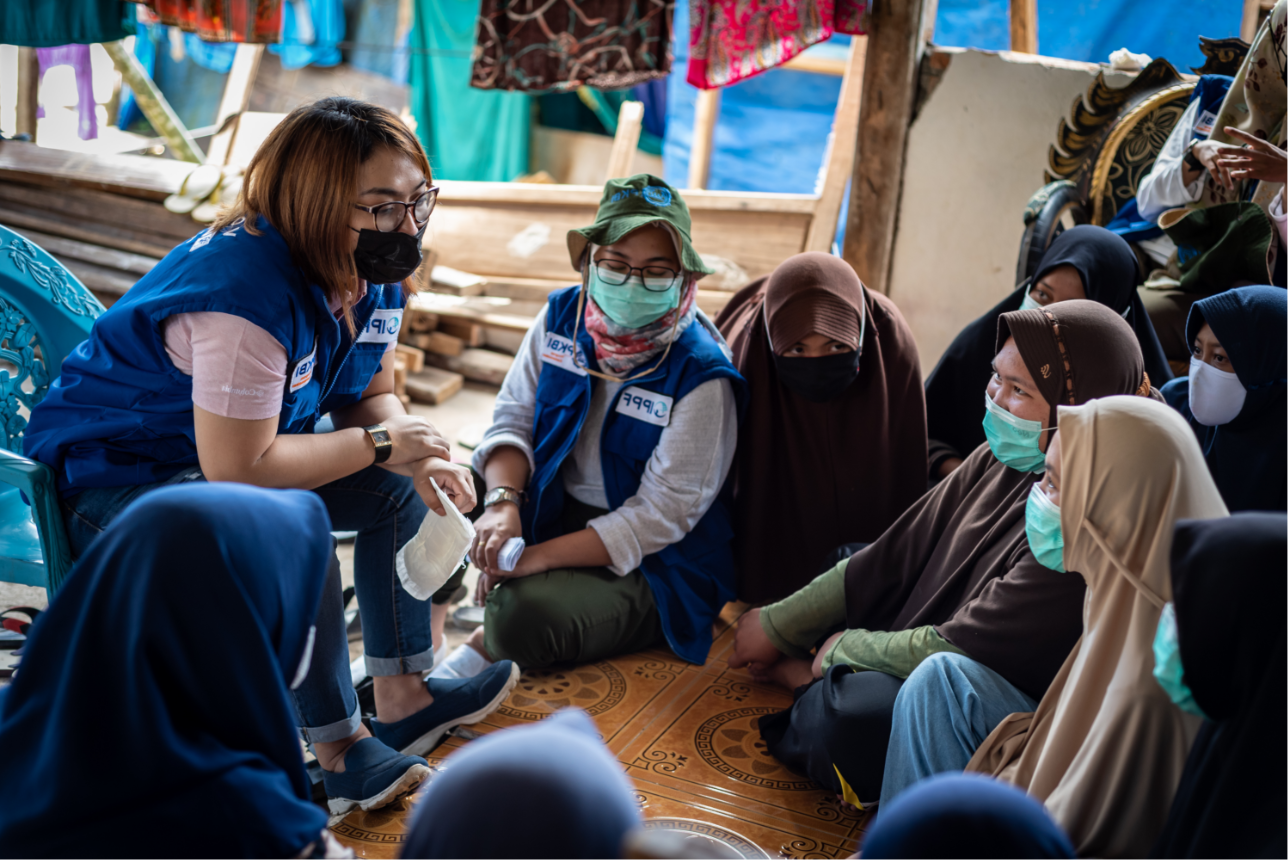
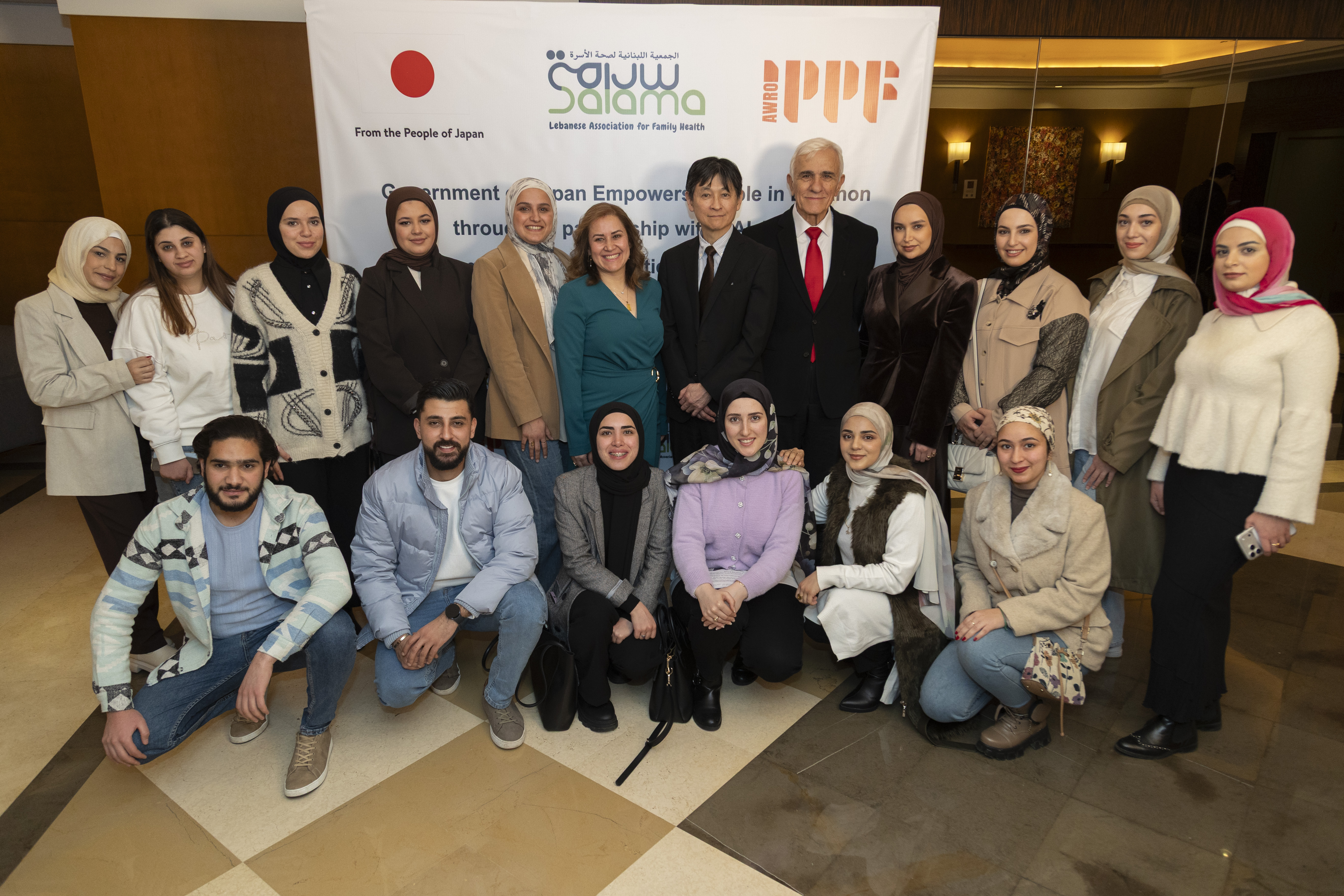
Beirut, Lebanon - The Lebanese Association for Family Health (SALAMA)—IPPF’s Member Association in Lebanon—hosted the closing ceremony of its Japan-funded project, “Preventing Maternal and Reproductive Health Morbidities and Mortalities among Crisis-Affected Populations, IDPs, Syrian Refugees, and Host Communities in Lebanon,” in Beirut, in the presence of a panel of participants, including the representatives of the Lebanese Ministries of Health and Social Affairs, the Government of Japan, and the IPPF.Funded through the Japan Supplementary Budget (JSB) 2024, the initiative has significantly enhanced access to lifesaving maternal and sexual and reproductive health (SRH) services for crisis-affected communities in Lebanon’s Bekaa Valley, including internally displaced persons (IDPs), Syrian refugees, and host communities.Project Achievements:85,684 SRH services delivered, reaching 28,562 beneficiaries.5,836 women received comprehensive maternal, newborn, and child health care.134 safe deliveries supported through partner hospitals.Sustained operation of two SALAMA clinics in the Bekaa Valley.Community outreach reached 5,960 individuals, with 200 mama-baby kits and 3,000 dignity kits distributed.Capacity-building trainings strengthened healthcare providers’ skills, while partnerships with municipalities and humanitarian actors ensured wider outreach and sustainability.Since 2017, Lebanon has faced overlapping crises—including economic collapse, the Beirut Port explosion, and regional conflicts—that have placed immense strain on its healthcare system. Vulnerable populations, particularly women, girls, IDPs, and refugees, have been disproportionately affected.With the generous support of the Government of Japan, SALAMA has implemented three humanitarian projects funded through the Japan Trust Fund (JTF) and JSB, delivering over 196,441 SRH services in the Bekaa Valley. These interventions have strengthened community resilience, ensured continuity of lifesaving services during prolonged crises, and integrated SRH, mental health, and gender-based violence (GBV) services through structured referral mechanisms. “The completion of this vital project in the Bekaa Valley exemplifies Japan’s steadfast commitment to protecting Sexual and Reproductive Health and Rights,” said Japan’s Ambassador to Lebanon, H.E. Kenji Yokota. “Beyond the provision of essential medical services, it upholds the fundamental right of every individual to live with dignity. This initiative embodies our Human Security approach by empowering individuals and ensuring that no one is left behind,” he added. “Japan remains dedicated to standing alongside Lebanon in supporting resilience, recovery, and long-term stability," he stressed.“From our very first steps, the Government and people of Japan have stood beside SALAMA, enabling us to serve and empower communities through years of crisis,” said Lina Sabra, Executive Director of SALAMA. “Their support, particularly in this recent project, has been a lifeline for families rebuilding after conflict. We are deeply grateful for this enduring partnership.”Through these initiatives, SALAMA has reinforced human security by protecting vulnerable individuals from disease, violence, and psychological distress, while empowering them to make informed decisions about their health and strengthening solidarity within families, communities, and health systems.About SALAMAThe Lebanese Association for Family Health “SALAMA” was founded in 2008. It is a member association of the International Planned Parenthood Federation (IPPF) which is the largest voluntary non-governmental organization in the world, working on sexual and reproductive health and rights (SRHR) issues and advocating for them. SALAMA promotes and provides high quality services, and raises awareness for all groups in the society, particularly the under-served and marginalized.About IPPFThe International Planned Parenthood Federation (IPPF) is a global federation of more than 100 locally led Member Associations working in over 150 countries to advance sexual and reproductive health and rights. In humanitarian settings, IPPF plays a critical role in delivering lifesaving maternal, sexual and reproductive health services to crisis-affected communities, including displaced populations and those facing conflict, disaster, and instability. Through its locally rooted Member Associations, IPPF provides frontline health care, supports preparedness and emergency response, strengthens health systems, and advocates for the protection of rights and dignity in even the most challenging contexts. Locally led and globally connected, IPPF combines service delivery, policy advocacy, and community engagement to ensure that no one is left behind, particularly those most underserved in humanitarian crises.
news_item
| 25 February 2026
SALAMA Concludes Japan-Funded Project to Strengthen Maternal and Reproductive Health for Vulnerable Communities in Lebanon
Beirut, Lebanon - The Lebanese Association for Family Health (SALAMA)—IPPF’s Member Association in Lebanon—hosted the closing ceremony of its Japan-funded project, “Preventing Maternal and Reproductive Health Morbidities and Mortalities among Crisis-Affected Populations, IDPs, Syrian Refugees, and Host Communities in Lebanon,” in Beirut, in the presence of a panel of participants, including the representatives of the Lebanese Ministries of Health and Social Affairs, the Government of Japan, and the IPPF.Funded through the Japan Supplementary Budget (JSB) 2024, the initiative has significantly enhanced access to lifesaving maternal and sexual and reproductive health (SRH) services for crisis-affected communities in Lebanon’s Bekaa Valley, including internally displaced persons (IDPs), Syrian refugees, and host communities.Project Achievements:85,684 SRH services delivered, reaching 28,562 beneficiaries.5,836 women received comprehensive maternal, newborn, and child health care.134 safe deliveries supported through partner hospitals.Sustained operation of two SALAMA clinics in the Bekaa Valley.Community outreach reached 5,960 individuals, with 200 mama-baby kits and 3,000 dignity kits distributed.Capacity-building trainings strengthened healthcare providers’ skills, while partnerships with municipalities and humanitarian actors ensured wider outreach and sustainability.Since 2017, Lebanon has faced overlapping crises—including economic collapse, the Beirut Port explosion, and regional conflicts—that have placed immense strain on its healthcare system. Vulnerable populations, particularly women, girls, IDPs, and refugees, have been disproportionately affected.With the generous support of the Government of Japan, SALAMA has implemented three humanitarian projects funded through the Japan Trust Fund (JTF) and JSB, delivering over 196,441 SRH services in the Bekaa Valley. These interventions have strengthened community resilience, ensured continuity of lifesaving services during prolonged crises, and integrated SRH, mental health, and gender-based violence (GBV) services through structured referral mechanisms. “The completion of this vital project in the Bekaa Valley exemplifies Japan’s steadfast commitment to protecting Sexual and Reproductive Health and Rights,” said Japan’s Ambassador to Lebanon, H.E. Kenji Yokota. “Beyond the provision of essential medical services, it upholds the fundamental right of every individual to live with dignity. This initiative embodies our Human Security approach by empowering individuals and ensuring that no one is left behind,” he added. “Japan remains dedicated to standing alongside Lebanon in supporting resilience, recovery, and long-term stability," he stressed.“From our very first steps, the Government and people of Japan have stood beside SALAMA, enabling us to serve and empower communities through years of crisis,” said Lina Sabra, Executive Director of SALAMA. “Their support, particularly in this recent project, has been a lifeline for families rebuilding after conflict. We are deeply grateful for this enduring partnership.”Through these initiatives, SALAMA has reinforced human security by protecting vulnerable individuals from disease, violence, and psychological distress, while empowering them to make informed decisions about their health and strengthening solidarity within families, communities, and health systems.About SALAMAThe Lebanese Association for Family Health “SALAMA” was founded in 2008. It is a member association of the International Planned Parenthood Federation (IPPF) which is the largest voluntary non-governmental organization in the world, working on sexual and reproductive health and rights (SRHR) issues and advocating for them. SALAMA promotes and provides high quality services, and raises awareness for all groups in the society, particularly the under-served and marginalized.About IPPFThe International Planned Parenthood Federation (IPPF) is a global federation of more than 100 locally led Member Associations working in over 150 countries to advance sexual and reproductive health and rights. In humanitarian settings, IPPF plays a critical role in delivering lifesaving maternal, sexual and reproductive health services to crisis-affected communities, including displaced populations and those facing conflict, disaster, and instability. Through its locally rooted Member Associations, IPPF provides frontline health care, supports preparedness and emergency response, strengthens health systems, and advocates for the protection of rights and dignity in even the most challenging contexts. Locally led and globally connected, IPPF combines service delivery, policy advocacy, and community engagement to ensure that no one is left behind, particularly those most underserved in humanitarian crises.
news item
| 11 February 2025
The Government of Japan awards USD1.65 million to IPPF to support communities affected by crises in Afghanistan, Lebanon, and Yemen.
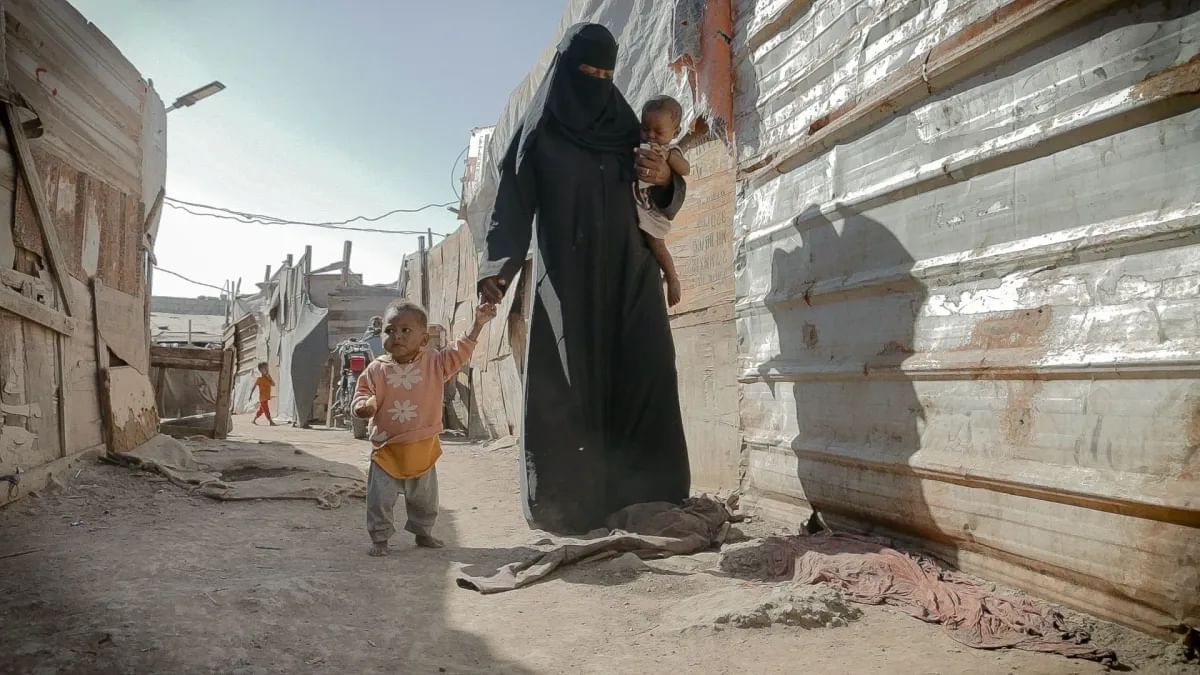
With support from the FY2024 Supplementary Budget received from the Government of Japan, the International Planned Parenthood Federation (IPPF) Member Associations will initiate humanitarian activities in three countries, namely Afghanistan, Lebanon and Yemen, aimed at protecting the health and lives of vulnerable populations affected by local crises through the community-based provision of sexual and reproductive health and essential health services, including maternal and child health, in the following areas: Afghanistan: Logar and Parwan Provinces Lebanon: Bekaar Valley Yemen: Aden and Amran Governorates All the three projects aim to increase people’s access to sexual and reproductive health and rights (SRHR) and gender-based violence (GBV) related care and information. They also seek to strengthen the capacity of service providers to deliver rights-based, quality, and client-centered services, as well as to empower peer educators and community members to raise awareness of SRHR and related health issues. By leveraging and expanding local networks, knowledge, human resources and facilities developed through years of grassroots activities in each country, IPPF will expand the impact of its work and create sustainable change in people's lives. The IPPF Director General, Dr Alvaro Bemejo, said, "We sincerely appreciate the support of the Government of Japan at this time of great concern for the future of global peace, health and well-being. . While Afghanistan, Lebanon and Yemen face their own unique challenges, our community-based Member Associations will maximise the use of this valuable funding received from Japan to work to protect the health, well-being and lives of vulnerable populations affected by crises. In doing so, we will contribute to the realisation of human security so that people can live with dignity, free from ill health and the fear of violence." By the end of February 2026, IPPF, through its local Member Associations, aims to deliver health services to 83,595 people and train 222 health service providers and peer educators across the three countries. For further information, please contact Hanna Lund Adcock (in English, at hadcock@ippf.org) and Yuri Taniguchi (in Japanese, at ytaniguchi@ippf.org).
news_item
| 11 February 2025
The Government of Japan awards USD1.65 million to IPPF to support communities affected by crises in Afghanistan, Lebanon, and Yemen.
With support from the FY2024 Supplementary Budget received from the Government of Japan, the International Planned Parenthood Federation (IPPF) Member Associations will initiate humanitarian activities in three countries, namely Afghanistan, Lebanon and Yemen, aimed at protecting the health and lives of vulnerable populations affected by local crises through the community-based provision of sexual and reproductive health and essential health services, including maternal and child health, in the following areas: Afghanistan: Logar and Parwan Provinces Lebanon: Bekaar Valley Yemen: Aden and Amran Governorates All the three projects aim to increase people’s access to sexual and reproductive health and rights (SRHR) and gender-based violence (GBV) related care and information. They also seek to strengthen the capacity of service providers to deliver rights-based, quality, and client-centered services, as well as to empower peer educators and community members to raise awareness of SRHR and related health issues. By leveraging and expanding local networks, knowledge, human resources and facilities developed through years of grassroots activities in each country, IPPF will expand the impact of its work and create sustainable change in people's lives. The IPPF Director General, Dr Alvaro Bemejo, said, "We sincerely appreciate the support of the Government of Japan at this time of great concern for the future of global peace, health and well-being. . While Afghanistan, Lebanon and Yemen face their own unique challenges, our community-based Member Associations will maximise the use of this valuable funding received from Japan to work to protect the health, well-being and lives of vulnerable populations affected by crises. In doing so, we will contribute to the realisation of human security so that people can live with dignity, free from ill health and the fear of violence." By the end of February 2026, IPPF, through its local Member Associations, aims to deliver health services to 83,595 people and train 222 health service providers and peer educators across the three countries. For further information, please contact Hanna Lund Adcock (in English, at hadcock@ippf.org) and Yuri Taniguchi (in Japanese, at ytaniguchi@ippf.org).

news item
| 21 December 2021
The Lebanese Association for Family Health concludes Japan-funded project on HIV and reproductive health
On 13 December 2021, the Lebanese Association for Family Health (SALAMA) hosted a closing ceremony of its Japan Trust Fund project, "Reducing maternal mortality and morbidity related to reproductive health among Syrian refugees and the Lebanese host communities in the Bekaa", at the Movenpick Hotel in Beirut. It was attended by the representatives from the Japanese Embassy in Lebanon, the Ministry of Social Affairs, the Lebanese Order of Midwives, international organizations, and civil society groups. The event celebrated many achievements, including its reach to 6,115 people with more than 102,000 sexual and reproductive health (SRH) services, through speeches, presentations, and video documentaries. It also served as an opportunity to look back on the various challenges the project faced due to the country’s political and economic crises, the COVID-19 pandemic, and the Beirut explosion. Many reiterated the further needs in the country, particularly among those in humanitarian situations. The Japanese government has been funding SALAMA's work in the Bekaa region since 2017, and this project was the second one. President of SALAMA, Dr Joseph Challita, and the executive director, Ms Lina Sabra, expressed their deep gratitude to the Government of Japan in their speeches. The representative of the Japanese embassy responded with an acknowledgement of the relevance and good outcomes of the project. Dr Joseph Challita said: "We are gathered here today to celebrate our success in implementing this project. Let us strive together, as always, to make our voices heard by leaders and decision makers who have the ability to create an environment that facilitates equal access to contraceptives and family planning services for all women and girls." Ms Lina Sabra said: "SALAMA was committed to the priorities of Japan's official development assistance ODA policy, which focuses on empowering all marginalized groups that need services and respecting the cultures of different communities... Salama focused on contributing to the achievement of Sustainable Development Goals 3, 5, and 13." Ms Maki Yamaguchi, Embassy of Japan in Lebanon, said: "In light of the multiple crises that Lebanon is facing, it has become difficult for the Lebanese community and the Syrian refugees to access the necessary health services, hence the importance of launching successful projects." Project documentation videos: JTF end of project report HIV success story Family planning success story Pregnant women program (Mama & Baby Kits) Dignity kits
news_item
| 21 December 2021
The Lebanese Association for Family Health concludes Japan-funded project on HIV and reproductive health
On 13 December 2021, the Lebanese Association for Family Health (SALAMA) hosted a closing ceremony of its Japan Trust Fund project, "Reducing maternal mortality and morbidity related to reproductive health among Syrian refugees and the Lebanese host communities in the Bekaa", at the Movenpick Hotel in Beirut. It was attended by the representatives from the Japanese Embassy in Lebanon, the Ministry of Social Affairs, the Lebanese Order of Midwives, international organizations, and civil society groups. The event celebrated many achievements, including its reach to 6,115 people with more than 102,000 sexual and reproductive health (SRH) services, through speeches, presentations, and video documentaries. It also served as an opportunity to look back on the various challenges the project faced due to the country’s political and economic crises, the COVID-19 pandemic, and the Beirut explosion. Many reiterated the further needs in the country, particularly among those in humanitarian situations. The Japanese government has been funding SALAMA's work in the Bekaa region since 2017, and this project was the second one. President of SALAMA, Dr Joseph Challita, and the executive director, Ms Lina Sabra, expressed their deep gratitude to the Government of Japan in their speeches. The representative of the Japanese embassy responded with an acknowledgement of the relevance and good outcomes of the project. Dr Joseph Challita said: "We are gathered here today to celebrate our success in implementing this project. Let us strive together, as always, to make our voices heard by leaders and decision makers who have the ability to create an environment that facilitates equal access to contraceptives and family planning services for all women and girls." Ms Lina Sabra said: "SALAMA was committed to the priorities of Japan's official development assistance ODA policy, which focuses on empowering all marginalized groups that need services and respecting the cultures of different communities... Salama focused on contributing to the achievement of Sustainable Development Goals 3, 5, and 13." Ms Maki Yamaguchi, Embassy of Japan in Lebanon, said: "In light of the multiple crises that Lebanon is facing, it has become difficult for the Lebanese community and the Syrian refugees to access the necessary health services, hence the importance of launching successful projects." Project documentation videos: JTF end of project report HIV success story Family planning success story Pregnant women program (Mama & Baby Kits) Dignity kits
news item
| 25 February 2026
SALAMA Concludes Japan-Funded Project to Strengthen Maternal and Reproductive Health for Vulnerable Communities in Lebanon
Beirut, Lebanon - The Lebanese Association for Family Health (SALAMA)—IPPF’s Member Association in Lebanon—hosted the closing ceremony of its Japan-funded project, “Preventing Maternal and Reproductive Health Morbidities and Mortalities among Crisis-Affected Populations, IDPs, Syrian Refugees, and Host Communities in Lebanon,” in Beirut, in the presence of a panel of participants, including the representatives of the Lebanese Ministries of Health and Social Affairs, the Government of Japan, and the IPPF.Funded through the Japan Supplementary Budget (JSB) 2024, the initiative has significantly enhanced access to lifesaving maternal and sexual and reproductive health (SRH) services for crisis-affected communities in Lebanon’s Bekaa Valley, including internally displaced persons (IDPs), Syrian refugees, and host communities.Project Achievements:85,684 SRH services delivered, reaching 28,562 beneficiaries.5,836 women received comprehensive maternal, newborn, and child health care.134 safe deliveries supported through partner hospitals.Sustained operation of two SALAMA clinics in the Bekaa Valley.Community outreach reached 5,960 individuals, with 200 mama-baby kits and 3,000 dignity kits distributed.Capacity-building trainings strengthened healthcare providers’ skills, while partnerships with municipalities and humanitarian actors ensured wider outreach and sustainability.Since 2017, Lebanon has faced overlapping crises—including economic collapse, the Beirut Port explosion, and regional conflicts—that have placed immense strain on its healthcare system. Vulnerable populations, particularly women, girls, IDPs, and refugees, have been disproportionately affected.With the generous support of the Government of Japan, SALAMA has implemented three humanitarian projects funded through the Japan Trust Fund (JTF) and JSB, delivering over 196,441 SRH services in the Bekaa Valley. These interventions have strengthened community resilience, ensured continuity of lifesaving services during prolonged crises, and integrated SRH, mental health, and gender-based violence (GBV) services through structured referral mechanisms. “The completion of this vital project in the Bekaa Valley exemplifies Japan’s steadfast commitment to protecting Sexual and Reproductive Health and Rights,” said Japan’s Ambassador to Lebanon, H.E. Kenji Yokota. “Beyond the provision of essential medical services, it upholds the fundamental right of every individual to live with dignity. This initiative embodies our Human Security approach by empowering individuals and ensuring that no one is left behind,” he added. “Japan remains dedicated to standing alongside Lebanon in supporting resilience, recovery, and long-term stability," he stressed.“From our very first steps, the Government and people of Japan have stood beside SALAMA, enabling us to serve and empower communities through years of crisis,” said Lina Sabra, Executive Director of SALAMA. “Their support, particularly in this recent project, has been a lifeline for families rebuilding after conflict. We are deeply grateful for this enduring partnership.”Through these initiatives, SALAMA has reinforced human security by protecting vulnerable individuals from disease, violence, and psychological distress, while empowering them to make informed decisions about their health and strengthening solidarity within families, communities, and health systems.About SALAMAThe Lebanese Association for Family Health “SALAMA” was founded in 2008. It is a member association of the International Planned Parenthood Federation (IPPF) which is the largest voluntary non-governmental organization in the world, working on sexual and reproductive health and rights (SRHR) issues and advocating for them. SALAMA promotes and provides high quality services, and raises awareness for all groups in the society, particularly the under-served and marginalized.About IPPFThe International Planned Parenthood Federation (IPPF) is a global federation of more than 100 locally led Member Associations working in over 150 countries to advance sexual and reproductive health and rights. In humanitarian settings, IPPF plays a critical role in delivering lifesaving maternal, sexual and reproductive health services to crisis-affected communities, including displaced populations and those facing conflict, disaster, and instability. Through its locally rooted Member Associations, IPPF provides frontline health care, supports preparedness and emergency response, strengthens health systems, and advocates for the protection of rights and dignity in even the most challenging contexts. Locally led and globally connected, IPPF combines service delivery, policy advocacy, and community engagement to ensure that no one is left behind, particularly those most underserved in humanitarian crises.
news_item
| 25 February 2026
SALAMA Concludes Japan-Funded Project to Strengthen Maternal and Reproductive Health for Vulnerable Communities in Lebanon
Beirut, Lebanon - The Lebanese Association for Family Health (SALAMA)—IPPF’s Member Association in Lebanon—hosted the closing ceremony of its Japan-funded project, “Preventing Maternal and Reproductive Health Morbidities and Mortalities among Crisis-Affected Populations, IDPs, Syrian Refugees, and Host Communities in Lebanon,” in Beirut, in the presence of a panel of participants, including the representatives of the Lebanese Ministries of Health and Social Affairs, the Government of Japan, and the IPPF.Funded through the Japan Supplementary Budget (JSB) 2024, the initiative has significantly enhanced access to lifesaving maternal and sexual and reproductive health (SRH) services for crisis-affected communities in Lebanon’s Bekaa Valley, including internally displaced persons (IDPs), Syrian refugees, and host communities.Project Achievements:85,684 SRH services delivered, reaching 28,562 beneficiaries.5,836 women received comprehensive maternal, newborn, and child health care.134 safe deliveries supported through partner hospitals.Sustained operation of two SALAMA clinics in the Bekaa Valley.Community outreach reached 5,960 individuals, with 200 mama-baby kits and 3,000 dignity kits distributed.Capacity-building trainings strengthened healthcare providers’ skills, while partnerships with municipalities and humanitarian actors ensured wider outreach and sustainability.Since 2017, Lebanon has faced overlapping crises—including economic collapse, the Beirut Port explosion, and regional conflicts—that have placed immense strain on its healthcare system. Vulnerable populations, particularly women, girls, IDPs, and refugees, have been disproportionately affected.With the generous support of the Government of Japan, SALAMA has implemented three humanitarian projects funded through the Japan Trust Fund (JTF) and JSB, delivering over 196,441 SRH services in the Bekaa Valley. These interventions have strengthened community resilience, ensured continuity of lifesaving services during prolonged crises, and integrated SRH, mental health, and gender-based violence (GBV) services through structured referral mechanisms. “The completion of this vital project in the Bekaa Valley exemplifies Japan’s steadfast commitment to protecting Sexual and Reproductive Health and Rights,” said Japan’s Ambassador to Lebanon, H.E. Kenji Yokota. “Beyond the provision of essential medical services, it upholds the fundamental right of every individual to live with dignity. This initiative embodies our Human Security approach by empowering individuals and ensuring that no one is left behind,” he added. “Japan remains dedicated to standing alongside Lebanon in supporting resilience, recovery, and long-term stability," he stressed.“From our very first steps, the Government and people of Japan have stood beside SALAMA, enabling us to serve and empower communities through years of crisis,” said Lina Sabra, Executive Director of SALAMA. “Their support, particularly in this recent project, has been a lifeline for families rebuilding after conflict. We are deeply grateful for this enduring partnership.”Through these initiatives, SALAMA has reinforced human security by protecting vulnerable individuals from disease, violence, and psychological distress, while empowering them to make informed decisions about their health and strengthening solidarity within families, communities, and health systems.About SALAMAThe Lebanese Association for Family Health “SALAMA” was founded in 2008. It is a member association of the International Planned Parenthood Federation (IPPF) which is the largest voluntary non-governmental organization in the world, working on sexual and reproductive health and rights (SRHR) issues and advocating for them. SALAMA promotes and provides high quality services, and raises awareness for all groups in the society, particularly the under-served and marginalized.About IPPFThe International Planned Parenthood Federation (IPPF) is a global federation of more than 100 locally led Member Associations working in over 150 countries to advance sexual and reproductive health and rights. In humanitarian settings, IPPF plays a critical role in delivering lifesaving maternal, sexual and reproductive health services to crisis-affected communities, including displaced populations and those facing conflict, disaster, and instability. Through its locally rooted Member Associations, IPPF provides frontline health care, supports preparedness and emergency response, strengthens health systems, and advocates for the protection of rights and dignity in even the most challenging contexts. Locally led and globally connected, IPPF combines service delivery, policy advocacy, and community engagement to ensure that no one is left behind, particularly those most underserved in humanitarian crises.
news item
| 11 February 2025
The Government of Japan awards USD1.65 million to IPPF to support communities affected by crises in Afghanistan, Lebanon, and Yemen.
With support from the FY2024 Supplementary Budget received from the Government of Japan, the International Planned Parenthood Federation (IPPF) Member Associations will initiate humanitarian activities in three countries, namely Afghanistan, Lebanon and Yemen, aimed at protecting the health and lives of vulnerable populations affected by local crises through the community-based provision of sexual and reproductive health and essential health services, including maternal and child health, in the following areas: Afghanistan: Logar and Parwan Provinces Lebanon: Bekaar Valley Yemen: Aden and Amran Governorates All the three projects aim to increase people’s access to sexual and reproductive health and rights (SRHR) and gender-based violence (GBV) related care and information. They also seek to strengthen the capacity of service providers to deliver rights-based, quality, and client-centered services, as well as to empower peer educators and community members to raise awareness of SRHR and related health issues. By leveraging and expanding local networks, knowledge, human resources and facilities developed through years of grassroots activities in each country, IPPF will expand the impact of its work and create sustainable change in people's lives. The IPPF Director General, Dr Alvaro Bemejo, said, "We sincerely appreciate the support of the Government of Japan at this time of great concern for the future of global peace, health and well-being. . While Afghanistan, Lebanon and Yemen face their own unique challenges, our community-based Member Associations will maximise the use of this valuable funding received from Japan to work to protect the health, well-being and lives of vulnerable populations affected by crises. In doing so, we will contribute to the realisation of human security so that people can live with dignity, free from ill health and the fear of violence." By the end of February 2026, IPPF, through its local Member Associations, aims to deliver health services to 83,595 people and train 222 health service providers and peer educators across the three countries. For further information, please contact Hanna Lund Adcock (in English, at hadcock@ippf.org) and Yuri Taniguchi (in Japanese, at ytaniguchi@ippf.org).
news_item
| 11 February 2025
The Government of Japan awards USD1.65 million to IPPF to support communities affected by crises in Afghanistan, Lebanon, and Yemen.
With support from the FY2024 Supplementary Budget received from the Government of Japan, the International Planned Parenthood Federation (IPPF) Member Associations will initiate humanitarian activities in three countries, namely Afghanistan, Lebanon and Yemen, aimed at protecting the health and lives of vulnerable populations affected by local crises through the community-based provision of sexual and reproductive health and essential health services, including maternal and child health, in the following areas: Afghanistan: Logar and Parwan Provinces Lebanon: Bekaar Valley Yemen: Aden and Amran Governorates All the three projects aim to increase people’s access to sexual and reproductive health and rights (SRHR) and gender-based violence (GBV) related care and information. They also seek to strengthen the capacity of service providers to deliver rights-based, quality, and client-centered services, as well as to empower peer educators and community members to raise awareness of SRHR and related health issues. By leveraging and expanding local networks, knowledge, human resources and facilities developed through years of grassroots activities in each country, IPPF will expand the impact of its work and create sustainable change in people's lives. The IPPF Director General, Dr Alvaro Bemejo, said, "We sincerely appreciate the support of the Government of Japan at this time of great concern for the future of global peace, health and well-being. . While Afghanistan, Lebanon and Yemen face their own unique challenges, our community-based Member Associations will maximise the use of this valuable funding received from Japan to work to protect the health, well-being and lives of vulnerable populations affected by crises. In doing so, we will contribute to the realisation of human security so that people can live with dignity, free from ill health and the fear of violence." By the end of February 2026, IPPF, through its local Member Associations, aims to deliver health services to 83,595 people and train 222 health service providers and peer educators across the three countries. For further information, please contact Hanna Lund Adcock (in English, at hadcock@ippf.org) and Yuri Taniguchi (in Japanese, at ytaniguchi@ippf.org).
news item
| 21 December 2021
The Lebanese Association for Family Health concludes Japan-funded project on HIV and reproductive health
On 13 December 2021, the Lebanese Association for Family Health (SALAMA) hosted a closing ceremony of its Japan Trust Fund project, "Reducing maternal mortality and morbidity related to reproductive health among Syrian refugees and the Lebanese host communities in the Bekaa", at the Movenpick Hotel in Beirut. It was attended by the representatives from the Japanese Embassy in Lebanon, the Ministry of Social Affairs, the Lebanese Order of Midwives, international organizations, and civil society groups. The event celebrated many achievements, including its reach to 6,115 people with more than 102,000 sexual and reproductive health (SRH) services, through speeches, presentations, and video documentaries. It also served as an opportunity to look back on the various challenges the project faced due to the country’s political and economic crises, the COVID-19 pandemic, and the Beirut explosion. Many reiterated the further needs in the country, particularly among those in humanitarian situations. The Japanese government has been funding SALAMA's work in the Bekaa region since 2017, and this project was the second one. President of SALAMA, Dr Joseph Challita, and the executive director, Ms Lina Sabra, expressed their deep gratitude to the Government of Japan in their speeches. The representative of the Japanese embassy responded with an acknowledgement of the relevance and good outcomes of the project. Dr Joseph Challita said: "We are gathered here today to celebrate our success in implementing this project. Let us strive together, as always, to make our voices heard by leaders and decision makers who have the ability to create an environment that facilitates equal access to contraceptives and family planning services for all women and girls." Ms Lina Sabra said: "SALAMA was committed to the priorities of Japan's official development assistance ODA policy, which focuses on empowering all marginalized groups that need services and respecting the cultures of different communities... Salama focused on contributing to the achievement of Sustainable Development Goals 3, 5, and 13." Ms Maki Yamaguchi, Embassy of Japan in Lebanon, said: "In light of the multiple crises that Lebanon is facing, it has become difficult for the Lebanese community and the Syrian refugees to access the necessary health services, hence the importance of launching successful projects." Project documentation videos: JTF end of project report HIV success story Family planning success story Pregnant women program (Mama & Baby Kits) Dignity kits
news_item
| 21 December 2021
The Lebanese Association for Family Health concludes Japan-funded project on HIV and reproductive health
On 13 December 2021, the Lebanese Association for Family Health (SALAMA) hosted a closing ceremony of its Japan Trust Fund project, "Reducing maternal mortality and morbidity related to reproductive health among Syrian refugees and the Lebanese host communities in the Bekaa", at the Movenpick Hotel in Beirut. It was attended by the representatives from the Japanese Embassy in Lebanon, the Ministry of Social Affairs, the Lebanese Order of Midwives, international organizations, and civil society groups. The event celebrated many achievements, including its reach to 6,115 people with more than 102,000 sexual and reproductive health (SRH) services, through speeches, presentations, and video documentaries. It also served as an opportunity to look back on the various challenges the project faced due to the country’s political and economic crises, the COVID-19 pandemic, and the Beirut explosion. Many reiterated the further needs in the country, particularly among those in humanitarian situations. The Japanese government has been funding SALAMA's work in the Bekaa region since 2017, and this project was the second one. President of SALAMA, Dr Joseph Challita, and the executive director, Ms Lina Sabra, expressed their deep gratitude to the Government of Japan in their speeches. The representative of the Japanese embassy responded with an acknowledgement of the relevance and good outcomes of the project. Dr Joseph Challita said: "We are gathered here today to celebrate our success in implementing this project. Let us strive together, as always, to make our voices heard by leaders and decision makers who have the ability to create an environment that facilitates equal access to contraceptives and family planning services for all women and girls." Ms Lina Sabra said: "SALAMA was committed to the priorities of Japan's official development assistance ODA policy, which focuses on empowering all marginalized groups that need services and respecting the cultures of different communities... Salama focused on contributing to the achievement of Sustainable Development Goals 3, 5, and 13." Ms Maki Yamaguchi, Embassy of Japan in Lebanon, said: "In light of the multiple crises that Lebanon is facing, it has become difficult for the Lebanese community and the Syrian refugees to access the necessary health services, hence the importance of launching successful projects." Project documentation videos: JTF end of project report HIV success story Family planning success story Pregnant women program (Mama & Baby Kits) Dignity kits
