



Spotlight
A selection of news from across the Federation

Nepal
News item
Family Planning Association of Nepal assesses vital needs following devastating floods
As search and rescue operations continue following the devastating floods and landslides in northern Nepal and Tibet, the thoughts of the International Planned Parenthood Federation (IPPF) are with the communities and families affected by the disaster.
Most Popular This Week
Nepal

News item
|
Family Planning Association of Nepal assesses vital needs following devastating floods
As search and rescue operations continue following the devastating floods and landslides in northern Nepal and Tibet, the thoughts of the International Planned Parenthood Federation (IPPF) are

News item
|
Civil society calls on UN Secretary-General to withdraw proposed UN Women–UNFPA merger
Feminist, women’s rights and civil society organisations from 146 countries have written to UN Secretary-General António Guterres calling for the proposed merger of UN Women and UNFPA under the UN8
Colombia

News item
|
Devastating earthquake in Colombia badly damages clinics run by IPPF Member Association Profamilia
The International Planned Parenthood Federation is deeply concerned by the loss of life and widespread destruction caused by the magnitude 7.4 earthquake that struck western
Thailand

News item
|
Statement of the Sex Work Consortium on the Death of Tunchanok Donhomla
The murder of 17-year-old Tunchanok Donhomla in Pattaya, Thailand is a tragedy that demands justice.

News item
|
UN Human Rights Council adopts first negotiated resolution naming reproductive violence as a distinct form of gender-based violence
Geneva, 7 July 2026: The Human Rights Council today

News item
|
Feminist Joint Statement on the 2026 Political Declaration on HIV/AIDS
Statement on behalf of APHA, ATHENA Network, AWPCAB, DIVA for Equality, EWNA, FEIM, Frontline AIDS, Gestos, Harm Reduction International, International Community of Women Living w

News item
|
2026 High-Level Meeting on HIV and AIDS
The International Planned Parenthood Federation (IPPF) welcomes the opportunity of the 2026 High- Level Meeting (HLM) on HIV and AIDS to review progress and renew the engagement an

News item
|
IPPF’s response to the UNFPA-UN Women merger assessment
IPPF recognizes the need for the long-overdue need for UN reform and to transform the institution to more effectively respond to real-world challenges and to the needs of the people
Filter our news by:
news item
| 12 August 2026
Devastating earthquake in Colombia badly damages clinics run by IPPF Member Association Profamilia
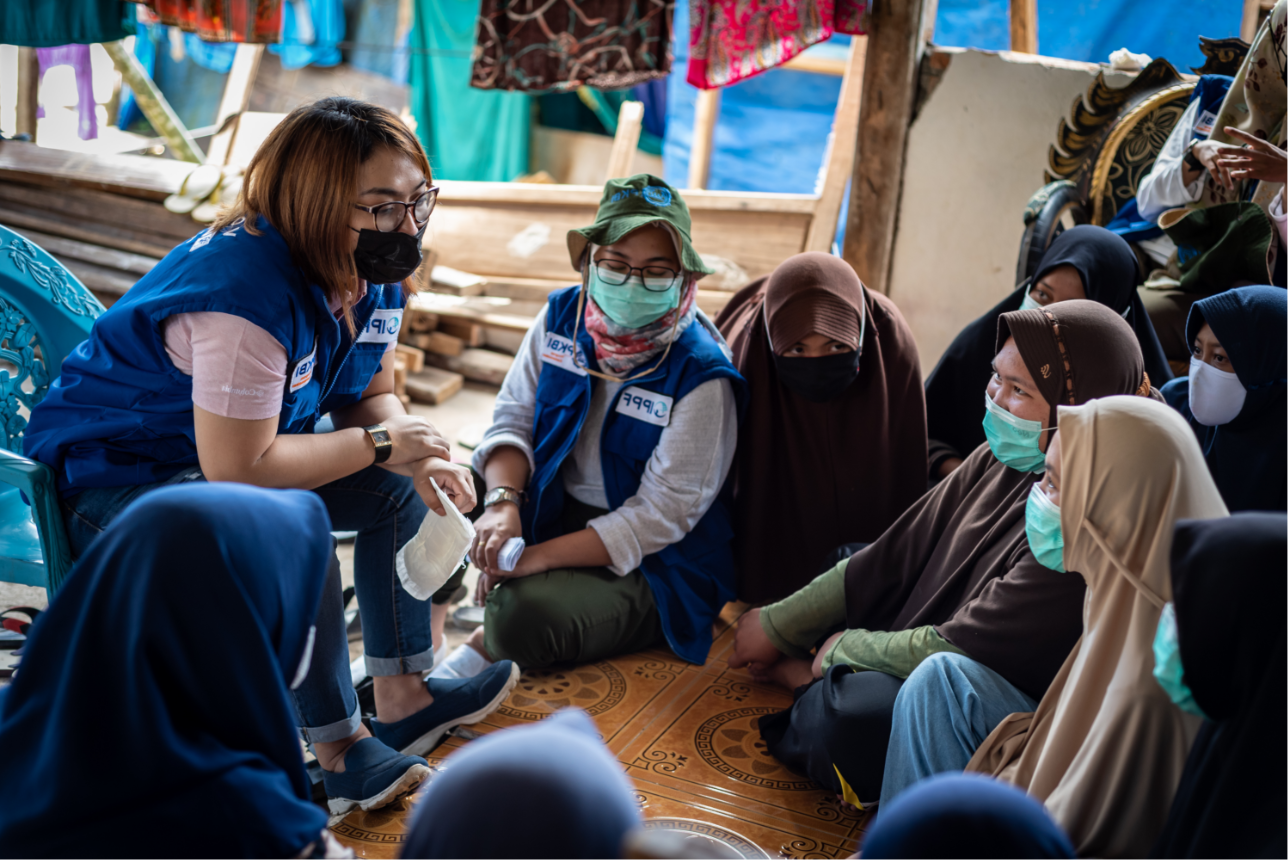
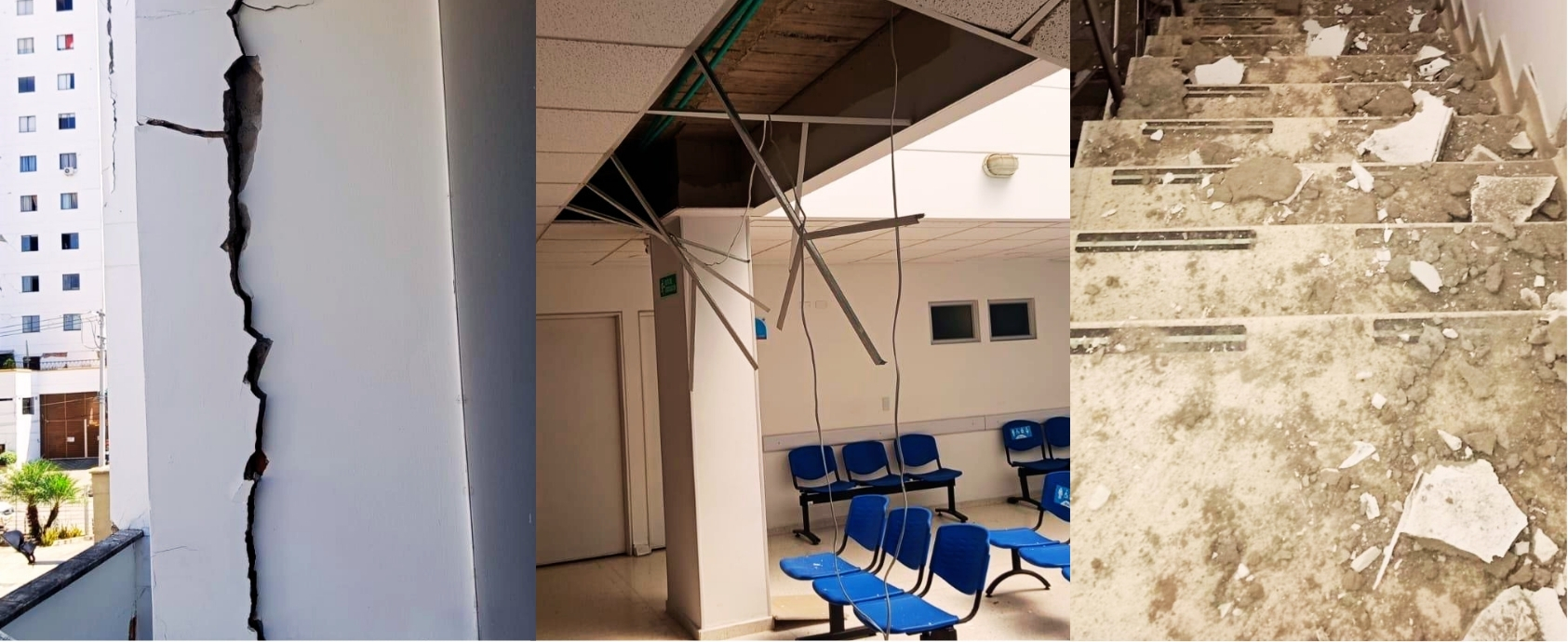
The International Planned Parenthood Federation is deeply concerned by the loss of life and widespread destruction caused by the magnitude 7.4 earthquake that struck western Colombia on the 10th of August. It is the strongest earthquake recorded in the country over the last decade. Initial reports indicate that at more than 200 people have died and more than 1400 people have been injured. These figures remain preliminary and are expected to change as search and rescue operations continue. Homes and essential infrastructure have been damaged or destroyed in Cali, Pereira, Dosquebradas, Quibdó and Manizales. However, the full extent of the damage, particularly in remote areas of Chocó, is not yet known. Five clinics operated by IPPF's Colombian Member Association, Profamilia, have been badly damaged and are currently closed. Marta Royo, Executive Director of Profamilia, said: “Profamilia’s Disaster Response Committee has been activated and is monitoring the wellbeing of our staff, their families, and our patients, while assessing damage to our infrastructure and identifying measures to ensure continuity of care. Among the clinics most affected so far are Cali, Quibdó, Pereira and Armenia.” The earthquake hit some of the most remote and rural parts of Colombia. Damage to infrastructure and difficult terrain may make already isolated communities even harder to reach. Marta Royo added: “Natural disasters such as earthquakes can deepen existing inequalities and create new barriers to healthcare. For the communities Profamilia serves in the most affected territories, disruption in access to sexual and reproductive healthcare can have serious and lasting consequences, especially for women, girls, young people, migrants, and people already facing barriers to care. Essential services cannot wait until the emergency is over. This includes contraception and emergency contraception, safe abortion care, maternal and prenatal healthcare, HIV and STI testing and treatment, and care and referral for survivors of gender-based violence.” IPPF is working closely with Profamilia to understand the impact on services and prepare an emergency response. Eugenia López Uribe, Regional Director, IPPF Americas and the Caribbean, said: “In times of crisis, healthcare cannot wait. We stand in deep solidarity with our colleagues at Profamilia and the people of Colombia during this devastating moment. Our regional team is mobilized alongside Profamilia to overcome geographical barriers, reach remote communities, and restore critical services as quickly and safely as possible.” Disrupted transport and pressure on hospitals may further restrict access to essential healthcare. Pregnant women and people may face additional risks if referral routes, maternity services or emergency obstetric care are disrupted. Displacement and overcrowding in temporary shelters can also increase protection risks while reducing privacy, safety and access to menstrual health supplies and confidential care. People on the move and refugees may encounter further barriers, particularly if they lack documentation, health insurance, reliable information or safe transport. Profamilia leads IPPF's Safe Passage initiative in Latin America, coordinating with other Member Associations in the region to improve access to sexual and reproductive healthcare along migration routes. This experience will be particularly important in ensuring that people on the move are not excluded from the response. Profamilia is seeking support to restore its damaged facilities and maintain the continuity of essential services: “We urgently need resources to assess and restore damaged infrastructure, safeguard medical equipment and cold-chain supplies, and maintain access to essential sexual and reproductive healthcare for the communities that depend on us. With the support of our partners and donors, Profamilia can respond quickly, recover safely and ensure that women, girls, young people, migrants and affected communities do not lose access to the care they need during this crisis.” Marta Royo, Executive Director of Profamilia As communities begin to confront the lasting impact of the earthquake, Maria Antonieta Alcalde, Director General of IPPF, expressed her solidarity and support for Profamilia and everyone affected by the earthquake: “The scale of destruction across western Colombia is heartbreaking. Families are grieving, communities have been displaced, and many people face an uncertain wait for news of those still missing. Our thoughts, solidarity and support are with our colleagues at Profamilia, whose work is so central to advancing sexual and reproductive health and rights across Colombia. Its staff know these communities, understand the barriers they face and will remain alongside them throughout the response and recovery. In the difficult days and months ahead, we stand in solidarity with everyone affected.” Donate here to help Profamilia restore damaged clinics and ensure people, including those with time-sensitive abortion appointments, can access the care they need now.
news_item
| 12 August 2026
Devastating earthquake in Colombia badly damages clinics run by IPPF Member Association Profamilia
The International Planned Parenthood Federation is deeply concerned by the loss of life and widespread destruction caused by the magnitude 7.4 earthquake that struck western Colombia on the 10th of August. It is the strongest earthquake recorded in the country over the last decade. Initial reports indicate that at more than 200 people have died and more than 1400 people have been injured. These figures remain preliminary and are expected to change as search and rescue operations continue. Homes and essential infrastructure have been damaged or destroyed in Cali, Pereira, Dosquebradas, Quibdó and Manizales. However, the full extent of the damage, particularly in remote areas of Chocó, is not yet known. Five clinics operated by IPPF's Colombian Member Association, Profamilia, have been badly damaged and are currently closed. Marta Royo, Executive Director of Profamilia, said: “Profamilia’s Disaster Response Committee has been activated and is monitoring the wellbeing of our staff, their families, and our patients, while assessing damage to our infrastructure and identifying measures to ensure continuity of care. Among the clinics most affected so far are Cali, Quibdó, Pereira and Armenia.” The earthquake hit some of the most remote and rural parts of Colombia. Damage to infrastructure and difficult terrain may make already isolated communities even harder to reach. Marta Royo added: “Natural disasters such as earthquakes can deepen existing inequalities and create new barriers to healthcare. For the communities Profamilia serves in the most affected territories, disruption in access to sexual and reproductive healthcare can have serious and lasting consequences, especially for women, girls, young people, migrants, and people already facing barriers to care. Essential services cannot wait until the emergency is over. This includes contraception and emergency contraception, safe abortion care, maternal and prenatal healthcare, HIV and STI testing and treatment, and care and referral for survivors of gender-based violence.” IPPF is working closely with Profamilia to understand the impact on services and prepare an emergency response. Eugenia López Uribe, Regional Director, IPPF Americas and the Caribbean, said: “In times of crisis, healthcare cannot wait. We stand in deep solidarity with our colleagues at Profamilia and the people of Colombia during this devastating moment. Our regional team is mobilized alongside Profamilia to overcome geographical barriers, reach remote communities, and restore critical services as quickly and safely as possible.” Disrupted transport and pressure on hospitals may further restrict access to essential healthcare. Pregnant women and people may face additional risks if referral routes, maternity services or emergency obstetric care are disrupted. Displacement and overcrowding in temporary shelters can also increase protection risks while reducing privacy, safety and access to menstrual health supplies and confidential care. People on the move and refugees may encounter further barriers, particularly if they lack documentation, health insurance, reliable information or safe transport. Profamilia leads IPPF's Safe Passage initiative in Latin America, coordinating with other Member Associations in the region to improve access to sexual and reproductive healthcare along migration routes. This experience will be particularly important in ensuring that people on the move are not excluded from the response. Profamilia is seeking support to restore its damaged facilities and maintain the continuity of essential services: “We urgently need resources to assess and restore damaged infrastructure, safeguard medical equipment and cold-chain supplies, and maintain access to essential sexual and reproductive healthcare for the communities that depend on us. With the support of our partners and donors, Profamilia can respond quickly, recover safely and ensure that women, girls, young people, migrants and affected communities do not lose access to the care they need during this crisis.” Marta Royo, Executive Director of Profamilia As communities begin to confront the lasting impact of the earthquake, Maria Antonieta Alcalde, Director General of IPPF, expressed her solidarity and support for Profamilia and everyone affected by the earthquake: “The scale of destruction across western Colombia is heartbreaking. Families are grieving, communities have been displaced, and many people face an uncertain wait for news of those still missing. Our thoughts, solidarity and support are with our colleagues at Profamilia, whose work is so central to advancing sexual and reproductive health and rights across Colombia. Its staff know these communities, understand the barriers they face and will remain alongside them throughout the response and recovery. In the difficult days and months ahead, we stand in solidarity with everyone affected.” Donate here to help Profamilia restore damaged clinics and ensure people, including those with time-sensitive abortion appointments, can access the care they need now.
news item
| 27 March 2026
Toxic Air, Lasting Harm: The Hidden Reproductive Cost of Bombing Iran’s Oil Infrastructure
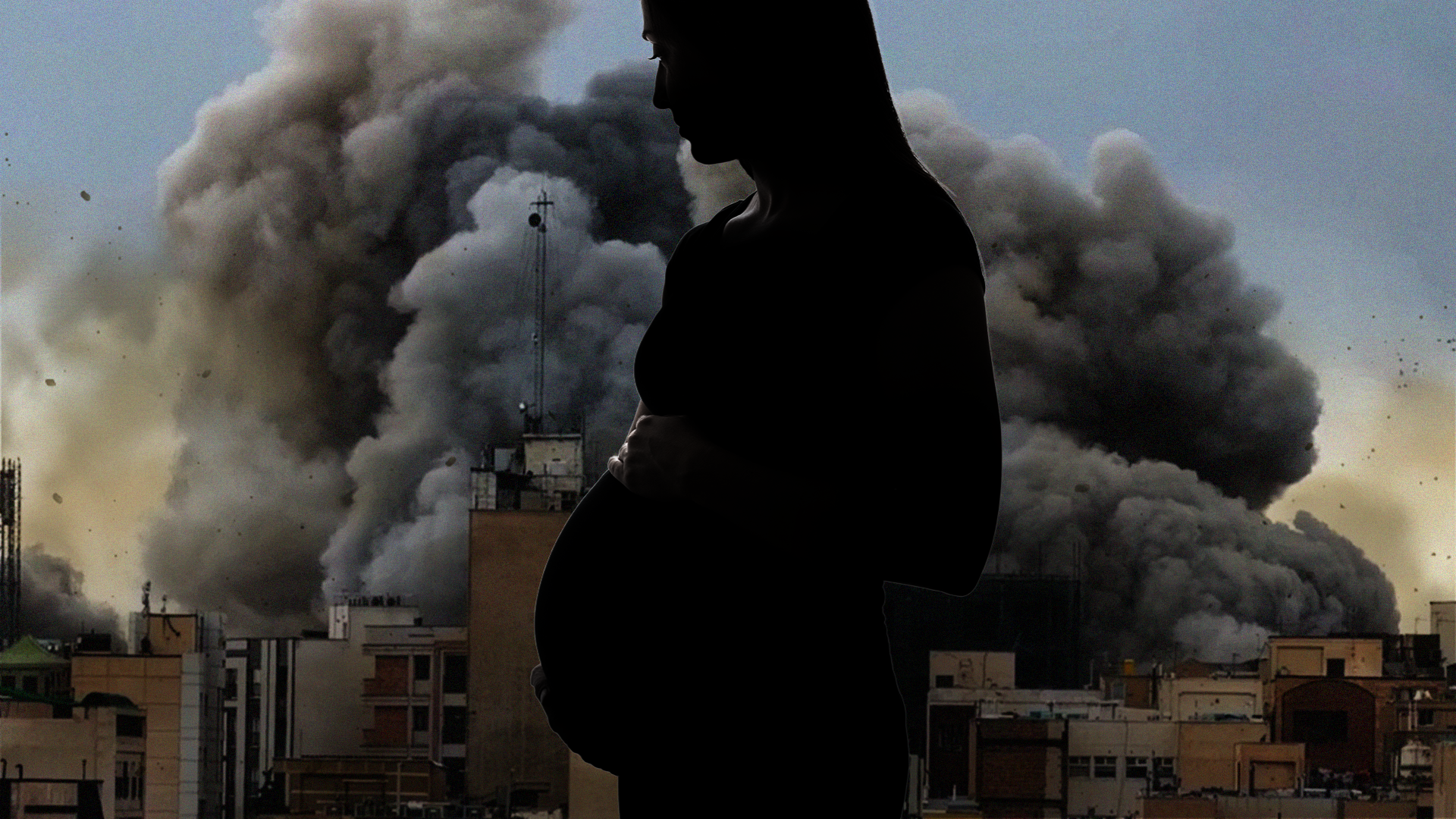
As Israeli and US strikes on oil infrastructure blanketed Tehran in toxic smoke, IPPF is warning of serious, lasting risks to maternal and reproductive health - risks that are now spreading across the region.When oil infrastructure is bombed, fine particulates, soot, sulphur compounds and other toxic pollutants spread through the air, water and soil, creating serious health risks for entire communities. The World Health Organization has already warned that damage to petroleum facilities in Iran risks contaminating food, water and air supplies, with potentially severe consequences, particularly for vulnerable groups.Pregnant women and newborns are among those most at risk. There is no historical parallel for an attack on oil infrastructure of this magnitude in a city of over nine million people. However, a substantial body of research on air pollution and petroleum-related contamination points to the potential consequences for pregnant women.The environmental and public health threat extends well beyond Iran's borders. The head of the International Energy Agency warned this week that at least 40 energy assets across nine countries in the Middle East have sustained severe or critical damage since the outbreak of the war. Yet the reproductive health consequences remain entirely absent from public and political debate. Toxic smoke and the harms to pregnancy According to the Conflict and Environment Observatory (CEOBS), oil fires of this kind generate particulate matter, carbon monoxide, sulphur dioxide, nitrogen oxides and volatile organic compounds. Doug Weir, Director of the CEOBS, warns that:"The intensive use of explosive weapons in a densely populated area like Tehran generates a diverse mixture of pollutants, including pulverised building materials, heavy metals, particulate matter and explosives residues. When you include pollution from oil facility fires it is clear that pregnant women are being exposed to a complex mixture of pollutants during a period where stress may also contribute to increased vulnerability to harm." Four oil facilities in and around the city were struck, including the Tehran refinery, which has the capacity to process 225,000 barrels of oil per day. Tehran's geography makes this exposure particularly acute: the city sits in a semi-enclosed basin surrounded by the Alborz mountains, which trap pollutants within the city boundary rather than dispersing them. Reports have also described ‘black’ rain over Tehran, which can further contaminate water sources, soil and food supplies.These are the same substances that research consistently identifies as potentially harmful to a woman and her foetus during pregnancy. What we are yet to ascertain is the level and length of exposure women in Tehran will be subject to. What the evidence tells us: increased risk of preterm birth, low birth weight and miscarriageMaternal exposure to oil pollution is a significant public health concern, as exposure to air pollutants during critical stages of foetal development may lead to serious long-term adverse pregnancy outcomes¹. According to the Institute for Health Metrics and Evaluation, in its 2023 Global Burden of Disease study, 32% of preterm births in 2023 were attributed to exposure to PM air pollution². A systematic review published in JAMA Network Open reinforces this picture, analysing data from over 32 million births across over 50 studies. The study found that exposure to pollutants, particularly through fine particulate matter, was associated with an increased risk of preterm birth in 79% of studies and low birth weight in 86% of studies.³ A global meta-analysis published in PLOS Medicine, covering 204 countries and territories, found an 11% greater risk of low birth weight and a 12% greater risk of preterm birth for every 10 micrograms per cubic metre increase in exposure to fine particulate matter.⁴In addition to the risk associated with particulate matter, the fires generate neurotoxic compounds called polycyclic aromatic hydrocarbons (PAHs), formed during incomplete combustion. These compounds cross the placenta, resulting in reduced birthweight, smaller head circumference and longer-term cancer risk and cognitive deficits in offspring. Evidence comes from studies in New York⁵ ⁶, Krakow⁷, and the Gulf War oil fires ⁸ . According to Virginia Rauh, Professor of Population and Family Health at the Columbia University Mailman School of Public Health:“This multi-layered mixture of pollutants has an immediate adverse impact on fetal growth and longer-term consequences for newborn lungs and brain development, resulting in a devastating public health scenario for reproductive and child health.”Research specifically examining petroleum pollution, points to a wider pattern of reproductive harm. A 2025 systematic review and meta-analysis in BMC Pregnancy and Childbirth, found possible associations between maternal exposure to oil and gas processes and adverse outcomes including preterm birth and miscarriage.¹⁰ Whilst a prospective cohort study of 1,418 pregnant women in the Niger Delta, Nigeria, found that women in the most exposed communities faced significantly higher rates of premature rupture of membranes, postpartum haemorrhage and caesarean section compared to women in low-exposure areas.¹¹ A health crisis that could last generationsThe research points to a warning that IPPF's Global Humanitarian Director, Valerie Dourdin, says we cannot afford to ignore.“What may be framed politically as a short-term war will not produce only short-term consequences. The effects of destroying oil infrastructure do not end when the fires are extinguished. Contamination lingers in the air, in the water, in soil, and in people’s bodies. The full scale of what is unfolding over Tehran cannot yet be measured. The respiratory hazard is severe, but the evidence gives us real cause to believe this could also become a reproductive health emergency, with devastating consequences for the Iranian people, particularly women and families.”These health risks do not exist in isolation. They are compounded by the conditions of conflict itself. Women and girls in Iran already faced significant barriers to reproductive healthcare, and emergencies deepen those barriers further. In emergencies, sexual and reproductive health is routinely deprioritised. Antenatal and postnatal care is often disrupted or made unavailable. Contraception becomes harder to access, increasing unintended pregnancy and associated risks during pregnancy. Referral pathways for obstetric emergencies break down. Health workers are displaced or unable to reach those who need them, and clear public health guidance on exposure risks may be absent or inaccessible. IPPF calls on all parties, humanitarian actors and public health authorities to act with urgency. Sexual and reproductive health must be recognised as essential from the very outset of any emergency response. This means: Ensuring continuity of maternal and newborn care, including antenatal and postnatal care and emergency obstetric services.Continued and sustained active monitoring of air, water and soil contamination in Tehran must be treated as integral to protecting women's health.Increased public health measures such as awareness and clear guidance to reduce exposure risks to toxic fumes, polluted water bodies and contaminated food for pregnant people and newborns.Continuation of referral pathways and care for survivors of sexual violence and intimate partner violence.Ensuring STI and HIV screening, diagnosis and treatment services are available.Ensuring that women and girls affected by crises can access accurate SRH information, and the resources needed to manage menstruation safely and with dignity.Women's health, dignity and rights must not become collateral damage in the attacks on Iran. The evidence is worrying. Air pollution and petroleum-related contamination can harm pregnancy outcomes and threaten longer-term reproductive health. The political framing of this conflict as short-term does not change what the science tells us about the physical and psychological consequences that may follow. References¹ The associations between air pollution and adverse pregnancy outcomes in China. Tan Y, Yang R, Zhao J, Cao Z, Chen Y, Zhang B. Adv Exp Med Biol. 2017;1017:181–214. doi: 10.1007/978-981-10-5657-4_8.|² https://www.healthdata.org/research-analysis/health-topics/air-pollution³ Bekkar B et al (2020) Association of air pollution and heat exposure with preterm birth, low birth weight, and stillbirth in the US: a systematic review: https://jamanetwork.com/journals/jamanetworkopen/fullarticle/2767260⁴ Ghosh R et al. (2021) Ambient and household PM2.5 pollution and adverse perinatal outcomes: A meta-analysis and estimates of population attributable fractions globally, regionally and nationally. https://pmc.ncbi.nlm.nih.gov/articles/PMC8478226/⁵ Prenatal exposure to air pollution during the early and middle stages of pregnancy is associated with adverse neurodevelopmental outcomes at ages 1 to 3 years. Perera F, Miao Y, Ross Z, Rauh V, Margolis A, Hoepner L, Riley KW, Herbstman J, Wang S. Environ Health. 2024 Oct 30;23(1):95. doi: 10.1186/s12940-024-01132-9.PMID: 39478594 .⁶ Prenatal exposure to air pollution is associated with altered brain structure, function, and metabolism in childhood. Peterson BS, Bansal R, Sawardekar S, Nati C, Elgabalawy ER, Hoepner LA, Garcia W, Hao X, Margolis A, Perera F, Rauh V.J Child Psychol Psychiatry. 2022 Nov;63(11):1316-1331. doi: 10.1111/jcpp.13578. Epub 2022 Feb 14.PMID: 3516589⁷ Prenatal ambient air exposure to polycyclic aromatic hydrocarbons and the occurrence of respiratory symptoms over the first year of life. Jedrychowski W, Galas A, Pac A, Flak E, Camman D, Rauh V, Perera F.Eur J Epidemiol. 2005;20(9):775-82. doi: 10.1007/s10654-005-1048-1.PMID: 16170661⁸ 1991 Gulf War exposures and adverse birth outcomes. Arnetz B, Drutchas A, Sokol R, Kruger M, Jamil H.US Army Med Dep J. 2013 Apr-Jun:58-65.PMID: 23584910 ⁹Latifi Z et al. (2025) Association between maternal exposure to oil and gas extraction process with adverse birth outcomes: a systematic review and meta-analysis. BMC Pregnancy and Childbirth. https://link.springer.com/article/10.1186/s12884-025-08022-z¹⁰Oghenetega OB et al. (2022) Exposure to oil pollution and maternal outcomes: The Niger Delta prospective cohort study. _https://journals.plos.org/plosone/article?id=10.1371/journal.pone.0263495
news_item
| 31 March 2026
Toxic Air, Lasting Harm: The Hidden Reproductive Cost of Bombing Iran’s Oil Infrastructure
As Israeli and US strikes on oil infrastructure blanketed Tehran in toxic smoke, IPPF is warning of serious, lasting risks to maternal and reproductive health - risks that are now spreading across the region.When oil infrastructure is bombed, fine particulates, soot, sulphur compounds and other toxic pollutants spread through the air, water and soil, creating serious health risks for entire communities. The World Health Organization has already warned that damage to petroleum facilities in Iran risks contaminating food, water and air supplies, with potentially severe consequences, particularly for vulnerable groups.Pregnant women and newborns are among those most at risk. There is no historical parallel for an attack on oil infrastructure of this magnitude in a city of over nine million people. However, a substantial body of research on air pollution and petroleum-related contamination points to the potential consequences for pregnant women.The environmental and public health threat extends well beyond Iran's borders. The head of the International Energy Agency warned this week that at least 40 energy assets across nine countries in the Middle East have sustained severe or critical damage since the outbreak of the war. Yet the reproductive health consequences remain entirely absent from public and political debate. Toxic smoke and the harms to pregnancy According to the Conflict and Environment Observatory (CEOBS), oil fires of this kind generate particulate matter, carbon monoxide, sulphur dioxide, nitrogen oxides and volatile organic compounds. Doug Weir, Director of the CEOBS, warns that:"The intensive use of explosive weapons in a densely populated area like Tehran generates a diverse mixture of pollutants, including pulverised building materials, heavy metals, particulate matter and explosives residues. When you include pollution from oil facility fires it is clear that pregnant women are being exposed to a complex mixture of pollutants during a period where stress may also contribute to increased vulnerability to harm." Four oil facilities in and around the city were struck, including the Tehran refinery, which has the capacity to process 225,000 barrels of oil per day. Tehran's geography makes this exposure particularly acute: the city sits in a semi-enclosed basin surrounded by the Alborz mountains, which trap pollutants within the city boundary rather than dispersing them. Reports have also described ‘black’ rain over Tehran, which can further contaminate water sources, soil and food supplies.These are the same substances that research consistently identifies as potentially harmful to a woman and her foetus during pregnancy. What we are yet to ascertain is the level and length of exposure women in Tehran will be subject to. What the evidence tells us: increased risk of preterm birth, low birth weight and miscarriageMaternal exposure to oil pollution is a significant public health concern, as exposure to air pollutants during critical stages of foetal development may lead to serious long-term adverse pregnancy outcomes¹. According to the Institute for Health Metrics and Evaluation, in its 2023 Global Burden of Disease study, 32% of preterm births in 2023 were attributed to exposure to PM air pollution². A systematic review published in JAMA Network Open reinforces this picture, analysing data from over 32 million births across over 50 studies. The study found that exposure to pollutants, particularly through fine particulate matter, was associated with an increased risk of preterm birth in 79% of studies and low birth weight in 86% of studies.³ A global meta-analysis published in PLOS Medicine, covering 204 countries and territories, found an 11% greater risk of low birth weight and a 12% greater risk of preterm birth for every 10 micrograms per cubic metre increase in exposure to fine particulate matter.⁴In addition to the risk associated with particulate matter, the fires generate neurotoxic compounds called polycyclic aromatic hydrocarbons (PAHs), formed during incomplete combustion. These compounds cross the placenta, resulting in reduced birthweight, smaller head circumference and longer-term cancer risk and cognitive deficits in offspring. Evidence comes from studies in New York⁵ ⁶, Krakow⁷, and the Gulf War oil fires ⁸ . According to Virginia Rauh, Professor of Population and Family Health at the Columbia University Mailman School of Public Health:“This multi-layered mixture of pollutants has an immediate adverse impact on fetal growth and longer-term consequences for newborn lungs and brain development, resulting in a devastating public health scenario for reproductive and child health.”Research specifically examining petroleum pollution, points to a wider pattern of reproductive harm. A 2025 systematic review and meta-analysis in BMC Pregnancy and Childbirth, found possible associations between maternal exposure to oil and gas processes and adverse outcomes including preterm birth and miscarriage.¹⁰ Whilst a prospective cohort study of 1,418 pregnant women in the Niger Delta, Nigeria, found that women in the most exposed communities faced significantly higher rates of premature rupture of membranes, postpartum haemorrhage and caesarean section compared to women in low-exposure areas.¹¹ A health crisis that could last generationsThe research points to a warning that IPPF's Global Humanitarian Director, Valerie Dourdin, says we cannot afford to ignore.“What may be framed politically as a short-term war will not produce only short-term consequences. The effects of destroying oil infrastructure do not end when the fires are extinguished. Contamination lingers in the air, in the water, in soil, and in people’s bodies. The full scale of what is unfolding over Tehran cannot yet be measured. The respiratory hazard is severe, but the evidence gives us real cause to believe this could also become a reproductive health emergency, with devastating consequences for the Iranian people, particularly women and families.”These health risks do not exist in isolation. They are compounded by the conditions of conflict itself. Women and girls in Iran already faced significant barriers to reproductive healthcare, and emergencies deepen those barriers further. In emergencies, sexual and reproductive health is routinely deprioritised. Antenatal and postnatal care is often disrupted or made unavailable. Contraception becomes harder to access, increasing unintended pregnancy and associated risks during pregnancy. Referral pathways for obstetric emergencies break down. Health workers are displaced or unable to reach those who need them, and clear public health guidance on exposure risks may be absent or inaccessible. IPPF calls on all parties, humanitarian actors and public health authorities to act with urgency. Sexual and reproductive health must be recognised as essential from the very outset of any emergency response. This means: Ensuring continuity of maternal and newborn care, including antenatal and postnatal care and emergency obstetric services.Continued and sustained active monitoring of air, water and soil contamination in Tehran must be treated as integral to protecting women's health.Increased public health measures such as awareness and clear guidance to reduce exposure risks to toxic fumes, polluted water bodies and contaminated food for pregnant people and newborns.Continuation of referral pathways and care for survivors of sexual violence and intimate partner violence.Ensuring STI and HIV screening, diagnosis and treatment services are available.Ensuring that women and girls affected by crises can access accurate SRH information, and the resources needed to manage menstruation safely and with dignity.Women's health, dignity and rights must not become collateral damage in the attacks on Iran. The evidence is worrying. Air pollution and petroleum-related contamination can harm pregnancy outcomes and threaten longer-term reproductive health. The political framing of this conflict as short-term does not change what the science tells us about the physical and psychological consequences that may follow. References¹ The associations between air pollution and adverse pregnancy outcomes in China. Tan Y, Yang R, Zhao J, Cao Z, Chen Y, Zhang B. Adv Exp Med Biol. 2017;1017:181–214. doi: 10.1007/978-981-10-5657-4_8.|² https://www.healthdata.org/research-analysis/health-topics/air-pollution³ Bekkar B et al (2020) Association of air pollution and heat exposure with preterm birth, low birth weight, and stillbirth in the US: a systematic review: https://jamanetwork.com/journals/jamanetworkopen/fullarticle/2767260⁴ Ghosh R et al. (2021) Ambient and household PM2.5 pollution and adverse perinatal outcomes: A meta-analysis and estimates of population attributable fractions globally, regionally and nationally. https://pmc.ncbi.nlm.nih.gov/articles/PMC8478226/⁵ Prenatal exposure to air pollution during the early and middle stages of pregnancy is associated with adverse neurodevelopmental outcomes at ages 1 to 3 years. Perera F, Miao Y, Ross Z, Rauh V, Margolis A, Hoepner L, Riley KW, Herbstman J, Wang S. Environ Health. 2024 Oct 30;23(1):95. doi: 10.1186/s12940-024-01132-9.PMID: 39478594 .⁶ Prenatal exposure to air pollution is associated with altered brain structure, function, and metabolism in childhood. Peterson BS, Bansal R, Sawardekar S, Nati C, Elgabalawy ER, Hoepner LA, Garcia W, Hao X, Margolis A, Perera F, Rauh V.J Child Psychol Psychiatry. 2022 Nov;63(11):1316-1331. doi: 10.1111/jcpp.13578. Epub 2022 Feb 14.PMID: 3516589⁷ Prenatal ambient air exposure to polycyclic aromatic hydrocarbons and the occurrence of respiratory symptoms over the first year of life. Jedrychowski W, Galas A, Pac A, Flak E, Camman D, Rauh V, Perera F.Eur J Epidemiol. 2005;20(9):775-82. doi: 10.1007/s10654-005-1048-1.PMID: 16170661⁸ 1991 Gulf War exposures and adverse birth outcomes. Arnetz B, Drutchas A, Sokol R, Kruger M, Jamil H.US Army Med Dep J. 2013 Apr-Jun:58-65.PMID: 23584910 ⁹Latifi Z et al. (2025) Association between maternal exposure to oil and gas extraction process with adverse birth outcomes: a systematic review and meta-analysis. BMC Pregnancy and Childbirth. https://link.springer.com/article/10.1186/s12884-025-08022-z¹⁰Oghenetega OB et al. (2022) Exposure to oil pollution and maternal outcomes: The Niger Delta prospective cohort study. _https://journals.plos.org/plosone/article?id=10.1371/journal.pone.0263495
news item
| 25 February 2026
SALAMA Concludes Japan-Funded Project to Strengthen Maternal and Reproductive Health for Vulnerable Communities in Lebanon
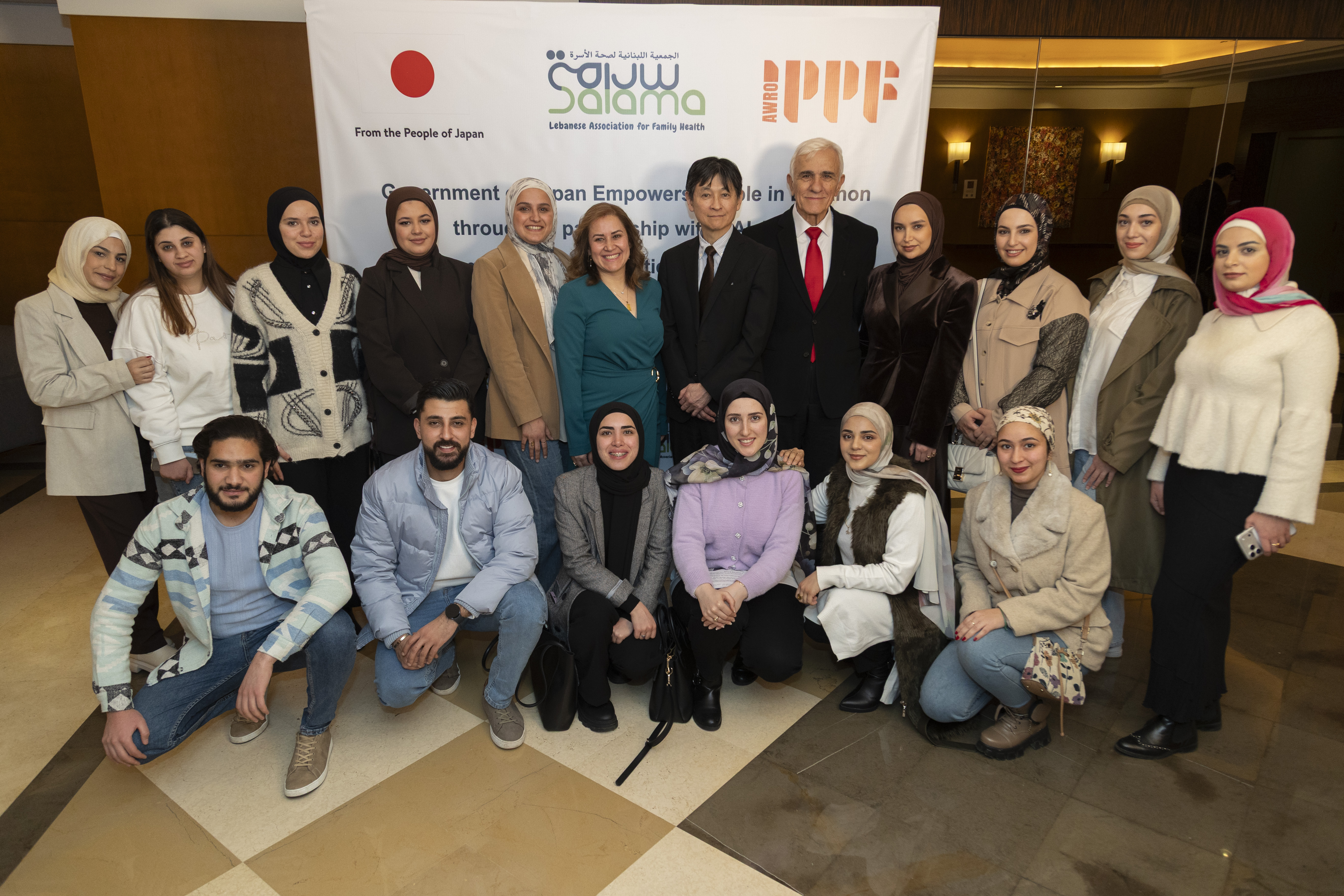
Beirut, Lebanon - The Lebanese Association for Family Health (SALAMA)—IPPF’s Member Association in Lebanon—hosted the closing ceremony of its Japan-funded project, “Preventing Maternal and Reproductive Health Morbidities and Mortalities among Crisis-Affected Populations, IDPs, Syrian Refugees, and Host Communities in Lebanon,” in Beirut, in the presence of a panel of participants, including the representatives of the Lebanese Ministries of Health and Social Affairs, the Government of Japan, and the IPPF.Funded through the Japan Supplementary Budget (JSB) 2024, the initiative has significantly enhanced access to lifesaving maternal and sexual and reproductive health (SRH) services for crisis-affected communities in Lebanon’s Bekaa Valley, including internally displaced persons (IDPs), Syrian refugees, and host communities.Project Achievements:85,684 SRH services delivered, reaching 28,562 beneficiaries.5,836 women received comprehensive maternal, newborn, and child health care.134 safe deliveries supported through partner hospitals.Sustained operation of two SALAMA clinics in the Bekaa Valley.Community outreach reached 5,960 individuals, with 200 mama-baby kits and 3,000 dignity kits distributed.Capacity-building trainings strengthened healthcare providers’ skills, while partnerships with municipalities and humanitarian actors ensured wider outreach and sustainability.Since 2017, Lebanon has faced overlapping crises—including economic collapse, the Beirut Port explosion, and regional conflicts—that have placed immense strain on its healthcare system. Vulnerable populations, particularly women, girls, IDPs, and refugees, have been disproportionately affected.With the generous support of the Government of Japan, SALAMA has implemented three humanitarian projects funded through the Japan Trust Fund (JTF) and JSB, delivering over 196,441 SRH services in the Bekaa Valley. These interventions have strengthened community resilience, ensured continuity of lifesaving services during prolonged crises, and integrated SRH, mental health, and gender-based violence (GBV) services through structured referral mechanisms. “The completion of this vital project in the Bekaa Valley exemplifies Japan’s steadfast commitment to protecting Sexual and Reproductive Health and Rights,” said Japan’s Ambassador to Lebanon, H.E. Kenji Yokota. “Beyond the provision of essential medical services, it upholds the fundamental right of every individual to live with dignity. This initiative embodies our Human Security approach by empowering individuals and ensuring that no one is left behind,” he added. “Japan remains dedicated to standing alongside Lebanon in supporting resilience, recovery, and long-term stability," he stressed.“From our very first steps, the Government and people of Japan have stood beside SALAMA, enabling us to serve and empower communities through years of crisis,” said Lina Sabra, Executive Director of SALAMA. “Their support, particularly in this recent project, has been a lifeline for families rebuilding after conflict. We are deeply grateful for this enduring partnership.”Through these initiatives, SALAMA has reinforced human security by protecting vulnerable individuals from disease, violence, and psychological distress, while empowering them to make informed decisions about their health and strengthening solidarity within families, communities, and health systems.About SALAMAThe Lebanese Association for Family Health “SALAMA” was founded in 2008. It is a member association of the International Planned Parenthood Federation (IPPF) which is the largest voluntary non-governmental organization in the world, working on sexual and reproductive health and rights (SRHR) issues and advocating for them. SALAMA promotes and provides high quality services, and raises awareness for all groups in the society, particularly the under-served and marginalized.About IPPFThe International Planned Parenthood Federation (IPPF) is a global federation of more than 100 locally led Member Associations working in over 150 countries to advance sexual and reproductive health and rights. In humanitarian settings, IPPF plays a critical role in delivering lifesaving maternal, sexual and reproductive health services to crisis-affected communities, including displaced populations and those facing conflict, disaster, and instability. Through its locally rooted Member Associations, IPPF provides frontline health care, supports preparedness and emergency response, strengthens health systems, and advocates for the protection of rights and dignity in even the most challenging contexts. Locally led and globally connected, IPPF combines service delivery, policy advocacy, and community engagement to ensure that no one is left behind, particularly those most underserved in humanitarian crises.
news_item
| 25 February 2026
SALAMA Concludes Japan-Funded Project to Strengthen Maternal and Reproductive Health for Vulnerable Communities in Lebanon
Beirut, Lebanon - The Lebanese Association for Family Health (SALAMA)—IPPF’s Member Association in Lebanon—hosted the closing ceremony of its Japan-funded project, “Preventing Maternal and Reproductive Health Morbidities and Mortalities among Crisis-Affected Populations, IDPs, Syrian Refugees, and Host Communities in Lebanon,” in Beirut, in the presence of a panel of participants, including the representatives of the Lebanese Ministries of Health and Social Affairs, the Government of Japan, and the IPPF.Funded through the Japan Supplementary Budget (JSB) 2024, the initiative has significantly enhanced access to lifesaving maternal and sexual and reproductive health (SRH) services for crisis-affected communities in Lebanon’s Bekaa Valley, including internally displaced persons (IDPs), Syrian refugees, and host communities.Project Achievements:85,684 SRH services delivered, reaching 28,562 beneficiaries.5,836 women received comprehensive maternal, newborn, and child health care.134 safe deliveries supported through partner hospitals.Sustained operation of two SALAMA clinics in the Bekaa Valley.Community outreach reached 5,960 individuals, with 200 mama-baby kits and 3,000 dignity kits distributed.Capacity-building trainings strengthened healthcare providers’ skills, while partnerships with municipalities and humanitarian actors ensured wider outreach and sustainability.Since 2017, Lebanon has faced overlapping crises—including economic collapse, the Beirut Port explosion, and regional conflicts—that have placed immense strain on its healthcare system. Vulnerable populations, particularly women, girls, IDPs, and refugees, have been disproportionately affected.With the generous support of the Government of Japan, SALAMA has implemented three humanitarian projects funded through the Japan Trust Fund (JTF) and JSB, delivering over 196,441 SRH services in the Bekaa Valley. These interventions have strengthened community resilience, ensured continuity of lifesaving services during prolonged crises, and integrated SRH, mental health, and gender-based violence (GBV) services through structured referral mechanisms. “The completion of this vital project in the Bekaa Valley exemplifies Japan’s steadfast commitment to protecting Sexual and Reproductive Health and Rights,” said Japan’s Ambassador to Lebanon, H.E. Kenji Yokota. “Beyond the provision of essential medical services, it upholds the fundamental right of every individual to live with dignity. This initiative embodies our Human Security approach by empowering individuals and ensuring that no one is left behind,” he added. “Japan remains dedicated to standing alongside Lebanon in supporting resilience, recovery, and long-term stability," he stressed.“From our very first steps, the Government and people of Japan have stood beside SALAMA, enabling us to serve and empower communities through years of crisis,” said Lina Sabra, Executive Director of SALAMA. “Their support, particularly in this recent project, has been a lifeline for families rebuilding after conflict. We are deeply grateful for this enduring partnership.”Through these initiatives, SALAMA has reinforced human security by protecting vulnerable individuals from disease, violence, and psychological distress, while empowering them to make informed decisions about their health and strengthening solidarity within families, communities, and health systems.About SALAMAThe Lebanese Association for Family Health “SALAMA” was founded in 2008. It is a member association of the International Planned Parenthood Federation (IPPF) which is the largest voluntary non-governmental organization in the world, working on sexual and reproductive health and rights (SRHR) issues and advocating for them. SALAMA promotes and provides high quality services, and raises awareness for all groups in the society, particularly the under-served and marginalized.About IPPFThe International Planned Parenthood Federation (IPPF) is a global federation of more than 100 locally led Member Associations working in over 150 countries to advance sexual and reproductive health and rights. In humanitarian settings, IPPF plays a critical role in delivering lifesaving maternal, sexual and reproductive health services to crisis-affected communities, including displaced populations and those facing conflict, disaster, and instability. Through its locally rooted Member Associations, IPPF provides frontline health care, supports preparedness and emergency response, strengthens health systems, and advocates for the protection of rights and dignity in even the most challenging contexts. Locally led and globally connected, IPPF combines service delivery, policy advocacy, and community engagement to ensure that no one is left behind, particularly those most underserved in humanitarian crises.
news item
| 26 September 2024
Sudan re-launches e-platform, providing essential reproductive health services
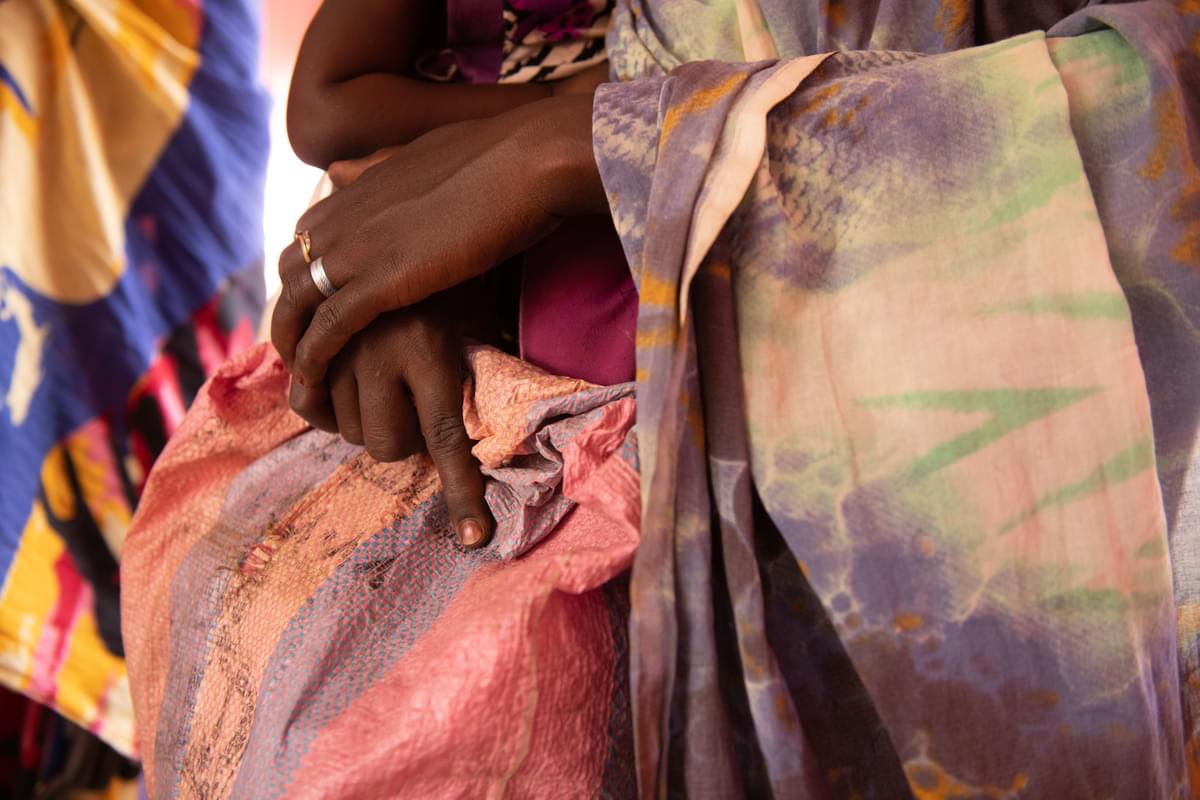
In light of the ongoing conflict in Sudan since April 15, 2023, the Sudan Family Planning Association (SFPA) has re-launched its electronic platform to provide essential rights-based reproductive health services. Current technical challenges in Sudan, caused by the ongoing conflict, has disrupted many essential services, including access to family planning and reproductive health care. The e-platform is being relaunched to ensure that we can continue providing rights-based, essential services to those in need, particularly women and youth, even during these difficult times. Since the platform’s inception, it has already reached over one thousand clients, many of whom are in rural or conflict-affected areas. It has also provided psychological support and legal advice to women suffering from abuse in conflict areas, which demonstrates the platform’s vital role. This initiative, supported by the Federal Ministry of Health and state ministries, aims to strengthen the affected health system and improve access to vital services during this challenging period. Key services available through the phone number 1700 include: Comprehensive reproductive health consultations. Response to gender-based violence (GBV) with psychological and legal support. Secure and confidential remote consultations via video calls. The project aims to: Enhance access to reproductive health services, particularly in conflict-affected areas. Support vulnerable groups such as women and youth with comprehensive health consultations. Strengthen the national health system in partnership with the Ministry of Health and international partners. Elshafie Muhammed Ali, Executive Director, Sudan Family Planning Association, said: "We hope this initiative will contribute to alleviating the impact of the crisis and improving the quality of life for the Sudanese population. The lack of reaction from the UN and the international community is heartbreaking. So much is left for the Sudanese people to deal with. SFPA and IPPF stand by the women and girls of Sudan, even if the world looks away." The total number of people who fled their homes since mid-April 2023 is 10.3 million - or every fifth person in the country - making this the largest displacement crisis in the world. This includes about 8 million people displaced within Sudan and another 2.3 million who crossed into neighbouring countries. The United Nations Population Fund (UNFPA), estimates that 6.7 million Sudanese people, mostly women, are at risk of gender-based violence (GBV).
news_item
| 26 September 2024
Sudan re-launches e-platform, providing essential reproductive health services
In light of the ongoing conflict in Sudan since April 15, 2023, the Sudan Family Planning Association (SFPA) has re-launched its electronic platform to provide essential rights-based reproductive health services. Current technical challenges in Sudan, caused by the ongoing conflict, has disrupted many essential services, including access to family planning and reproductive health care. The e-platform is being relaunched to ensure that we can continue providing rights-based, essential services to those in need, particularly women and youth, even during these difficult times. Since the platform’s inception, it has already reached over one thousand clients, many of whom are in rural or conflict-affected areas. It has also provided psychological support and legal advice to women suffering from abuse in conflict areas, which demonstrates the platform’s vital role. This initiative, supported by the Federal Ministry of Health and state ministries, aims to strengthen the affected health system and improve access to vital services during this challenging period. Key services available through the phone number 1700 include: Comprehensive reproductive health consultations. Response to gender-based violence (GBV) with psychological and legal support. Secure and confidential remote consultations via video calls. The project aims to: Enhance access to reproductive health services, particularly in conflict-affected areas. Support vulnerable groups such as women and youth with comprehensive health consultations. Strengthen the national health system in partnership with the Ministry of Health and international partners. Elshafie Muhammed Ali, Executive Director, Sudan Family Planning Association, said: "We hope this initiative will contribute to alleviating the impact of the crisis and improving the quality of life for the Sudanese population. The lack of reaction from the UN and the international community is heartbreaking. So much is left for the Sudanese people to deal with. SFPA and IPPF stand by the women and girls of Sudan, even if the world looks away." The total number of people who fled their homes since mid-April 2023 is 10.3 million - or every fifth person in the country - making this the largest displacement crisis in the world. This includes about 8 million people displaced within Sudan and another 2.3 million who crossed into neighbouring countries. The United Nations Population Fund (UNFPA), estimates that 6.7 million Sudanese people, mostly women, are at risk of gender-based violence (GBV).
news item
| 27 February 2024
Government of Japan awards IPPF $1.9 million to support women and girls affected by natural disasters and conflicts around the world
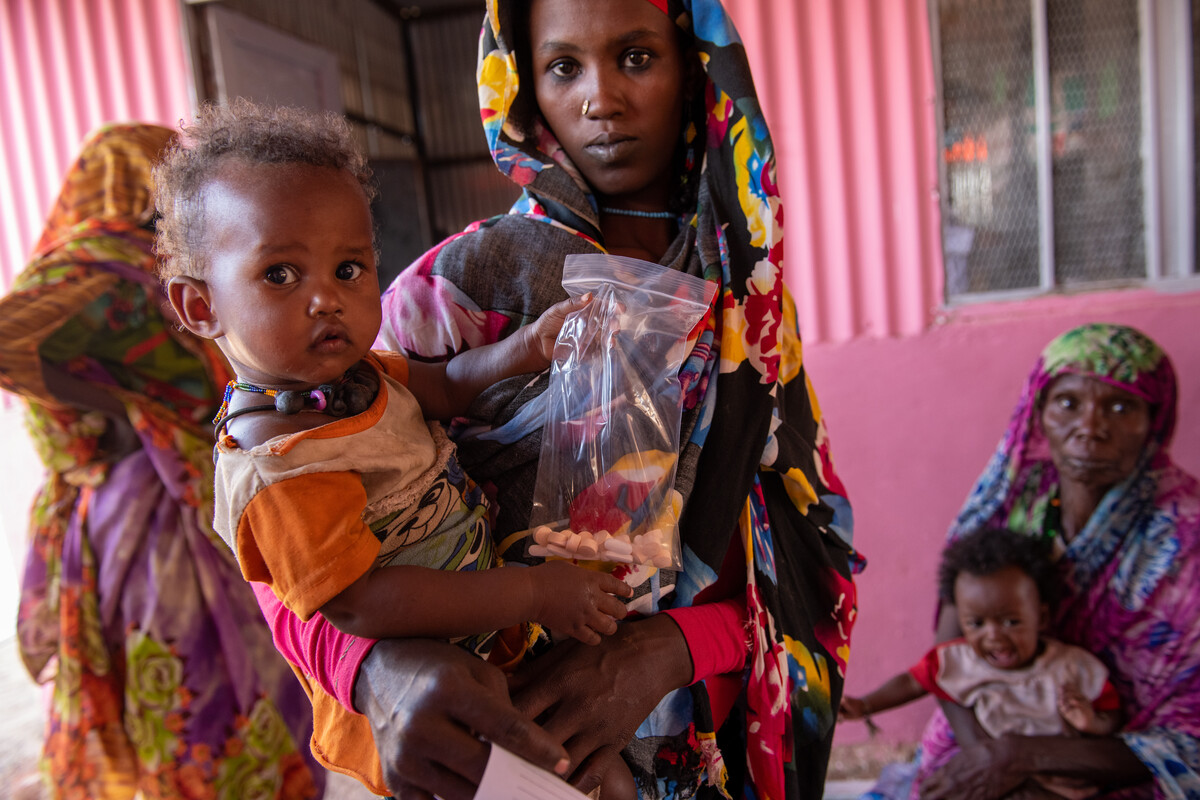
With support from the Government of Japan, International Planned Parenthood Federation’s (IPPF) Member Associations in five countries, namely Afghanistan, Palestine, Sudan, Ukraine and Yemen, will provide urgent sexual and reproductive health (SRH) services to communities affected by natural disasters and conflict situations. These IPPF Member Associations will: Provide sexual and reproductive health (SRH) and maternal and child health services for women and girls and marginalized communities in six remote and flood affected provinces in Afghanistan; Provide urgent sexual and reproductive health services to communities affected by the escalating violence in Palestine; Improve accessibility of services and community sustainability to decrease sexual and reproductive health-related mortality and morbidity of women and girls in three States with high internally-displaced populations in Sudan; Restore health facilities and access to maternal health services in conflict affected areas for populations affected by the destruction of the Kakhovka Dam in Ukraine; Provide critical sexual, reproductive and maternal health care to internally displaced people and local communities in Yemen. This vital funding from Japan will help with provision of badly needed but currently missing health services, especially for women, so that they can live with dignity and free from unwanted pregnancies, death of themselves and their newborns, and reproductive ill-health. It will allow us to provide essential and quality SRH and maternal and child health services in the communities, prevent and manage the consequences of sexual and gender-based violence, including the clinical management of rape, equip community-based midwives with skills to provide high quality obstetric and neonatal services and strengthen health information systems to collect high quality data to respond to the needs and priorities of women and girls’ health. IPPF Director General, Dr Alvaro Bemejo, said, "I offer heartfelt thanks to the Government of Japan for their unparalleled generosity to enable IPPF to respond to the needs of women and girls caught up in crises around the world. This generosity will allow IPPF and our local partners to provide a critical lifeline to the growing number of people in desperate need of humanitarian assistance." By the end of December 2024, IPPF, through our local partners in the five countries, will aim to deliver health services and information to at least 239,000 people in total. For further information, please contact Yuri Taniguchi, IPPF London Office, at ytaniguchi@ippf.org. Photo Credits: IPPF/Hannah Maule-ffinch/Sudan
news_item
| 27 February 2024
Government of Japan awards IPPF $1.9 million to support women and girls affected by natural disasters and conflicts around the world
With support from the Government of Japan, International Planned Parenthood Federation’s (IPPF) Member Associations in five countries, namely Afghanistan, Palestine, Sudan, Ukraine and Yemen, will provide urgent sexual and reproductive health (SRH) services to communities affected by natural disasters and conflict situations. These IPPF Member Associations will: Provide sexual and reproductive health (SRH) and maternal and child health services for women and girls and marginalized communities in six remote and flood affected provinces in Afghanistan; Provide urgent sexual and reproductive health services to communities affected by the escalating violence in Palestine; Improve accessibility of services and community sustainability to decrease sexual and reproductive health-related mortality and morbidity of women and girls in three States with high internally-displaced populations in Sudan; Restore health facilities and access to maternal health services in conflict affected areas for populations affected by the destruction of the Kakhovka Dam in Ukraine; Provide critical sexual, reproductive and maternal health care to internally displaced people and local communities in Yemen. This vital funding from Japan will help with provision of badly needed but currently missing health services, especially for women, so that they can live with dignity and free from unwanted pregnancies, death of themselves and their newborns, and reproductive ill-health. It will allow us to provide essential and quality SRH and maternal and child health services in the communities, prevent and manage the consequences of sexual and gender-based violence, including the clinical management of rape, equip community-based midwives with skills to provide high quality obstetric and neonatal services and strengthen health information systems to collect high quality data to respond to the needs and priorities of women and girls’ health. IPPF Director General, Dr Alvaro Bemejo, said, "I offer heartfelt thanks to the Government of Japan for their unparalleled generosity to enable IPPF to respond to the needs of women and girls caught up in crises around the world. This generosity will allow IPPF and our local partners to provide a critical lifeline to the growing number of people in desperate need of humanitarian assistance." By the end of December 2024, IPPF, through our local partners in the five countries, will aim to deliver health services and information to at least 239,000 people in total. For further information, please contact Yuri Taniguchi, IPPF London Office, at ytaniguchi@ippf.org. Photo Credits: IPPF/Hannah Maule-ffinch/Sudan
news item
| 12 August 2026
Devastating earthquake in Colombia badly damages clinics run by IPPF Member Association Profamilia
The International Planned Parenthood Federation is deeply concerned by the loss of life and widespread destruction caused by the magnitude 7.4 earthquake that struck western Colombia on the 10th of August. It is the strongest earthquake recorded in the country over the last decade. Initial reports indicate that at more than 200 people have died and more than 1400 people have been injured. These figures remain preliminary and are expected to change as search and rescue operations continue. Homes and essential infrastructure have been damaged or destroyed in Cali, Pereira, Dosquebradas, Quibdó and Manizales. However, the full extent of the damage, particularly in remote areas of Chocó, is not yet known. Five clinics operated by IPPF's Colombian Member Association, Profamilia, have been badly damaged and are currently closed. Marta Royo, Executive Director of Profamilia, said: “Profamilia’s Disaster Response Committee has been activated and is monitoring the wellbeing of our staff, their families, and our patients, while assessing damage to our infrastructure and identifying measures to ensure continuity of care. Among the clinics most affected so far are Cali, Quibdó, Pereira and Armenia.” The earthquake hit some of the most remote and rural parts of Colombia. Damage to infrastructure and difficult terrain may make already isolated communities even harder to reach. Marta Royo added: “Natural disasters such as earthquakes can deepen existing inequalities and create new barriers to healthcare. For the communities Profamilia serves in the most affected territories, disruption in access to sexual and reproductive healthcare can have serious and lasting consequences, especially for women, girls, young people, migrants, and people already facing barriers to care. Essential services cannot wait until the emergency is over. This includes contraception and emergency contraception, safe abortion care, maternal and prenatal healthcare, HIV and STI testing and treatment, and care and referral for survivors of gender-based violence.” IPPF is working closely with Profamilia to understand the impact on services and prepare an emergency response. Eugenia López Uribe, Regional Director, IPPF Americas and the Caribbean, said: “In times of crisis, healthcare cannot wait. We stand in deep solidarity with our colleagues at Profamilia and the people of Colombia during this devastating moment. Our regional team is mobilized alongside Profamilia to overcome geographical barriers, reach remote communities, and restore critical services as quickly and safely as possible.” Disrupted transport and pressure on hospitals may further restrict access to essential healthcare. Pregnant women and people may face additional risks if referral routes, maternity services or emergency obstetric care are disrupted. Displacement and overcrowding in temporary shelters can also increase protection risks while reducing privacy, safety and access to menstrual health supplies and confidential care. People on the move and refugees may encounter further barriers, particularly if they lack documentation, health insurance, reliable information or safe transport. Profamilia leads IPPF's Safe Passage initiative in Latin America, coordinating with other Member Associations in the region to improve access to sexual and reproductive healthcare along migration routes. This experience will be particularly important in ensuring that people on the move are not excluded from the response. Profamilia is seeking support to restore its damaged facilities and maintain the continuity of essential services: “We urgently need resources to assess and restore damaged infrastructure, safeguard medical equipment and cold-chain supplies, and maintain access to essential sexual and reproductive healthcare for the communities that depend on us. With the support of our partners and donors, Profamilia can respond quickly, recover safely and ensure that women, girls, young people, migrants and affected communities do not lose access to the care they need during this crisis.” Marta Royo, Executive Director of Profamilia As communities begin to confront the lasting impact of the earthquake, Maria Antonieta Alcalde, Director General of IPPF, expressed her solidarity and support for Profamilia and everyone affected by the earthquake: “The scale of destruction across western Colombia is heartbreaking. Families are grieving, communities have been displaced, and many people face an uncertain wait for news of those still missing. Our thoughts, solidarity and support are with our colleagues at Profamilia, whose work is so central to advancing sexual and reproductive health and rights across Colombia. Its staff know these communities, understand the barriers they face and will remain alongside them throughout the response and recovery. In the difficult days and months ahead, we stand in solidarity with everyone affected.” Donate here to help Profamilia restore damaged clinics and ensure people, including those with time-sensitive abortion appointments, can access the care they need now.
news_item
| 12 August 2026
Devastating earthquake in Colombia badly damages clinics run by IPPF Member Association Profamilia
The International Planned Parenthood Federation is deeply concerned by the loss of life and widespread destruction caused by the magnitude 7.4 earthquake that struck western Colombia on the 10th of August. It is the strongest earthquake recorded in the country over the last decade. Initial reports indicate that at more than 200 people have died and more than 1400 people have been injured. These figures remain preliminary and are expected to change as search and rescue operations continue. Homes and essential infrastructure have been damaged or destroyed in Cali, Pereira, Dosquebradas, Quibdó and Manizales. However, the full extent of the damage, particularly in remote areas of Chocó, is not yet known. Five clinics operated by IPPF's Colombian Member Association, Profamilia, have been badly damaged and are currently closed. Marta Royo, Executive Director of Profamilia, said: “Profamilia’s Disaster Response Committee has been activated and is monitoring the wellbeing of our staff, their families, and our patients, while assessing damage to our infrastructure and identifying measures to ensure continuity of care. Among the clinics most affected so far are Cali, Quibdó, Pereira and Armenia.” The earthquake hit some of the most remote and rural parts of Colombia. Damage to infrastructure and difficult terrain may make already isolated communities even harder to reach. Marta Royo added: “Natural disasters such as earthquakes can deepen existing inequalities and create new barriers to healthcare. For the communities Profamilia serves in the most affected territories, disruption in access to sexual and reproductive healthcare can have serious and lasting consequences, especially for women, girls, young people, migrants, and people already facing barriers to care. Essential services cannot wait until the emergency is over. This includes contraception and emergency contraception, safe abortion care, maternal and prenatal healthcare, HIV and STI testing and treatment, and care and referral for survivors of gender-based violence.” IPPF is working closely with Profamilia to understand the impact on services and prepare an emergency response. Eugenia López Uribe, Regional Director, IPPF Americas and the Caribbean, said: “In times of crisis, healthcare cannot wait. We stand in deep solidarity with our colleagues at Profamilia and the people of Colombia during this devastating moment. Our regional team is mobilized alongside Profamilia to overcome geographical barriers, reach remote communities, and restore critical services as quickly and safely as possible.” Disrupted transport and pressure on hospitals may further restrict access to essential healthcare. Pregnant women and people may face additional risks if referral routes, maternity services or emergency obstetric care are disrupted. Displacement and overcrowding in temporary shelters can also increase protection risks while reducing privacy, safety and access to menstrual health supplies and confidential care. People on the move and refugees may encounter further barriers, particularly if they lack documentation, health insurance, reliable information or safe transport. Profamilia leads IPPF's Safe Passage initiative in Latin America, coordinating with other Member Associations in the region to improve access to sexual and reproductive healthcare along migration routes. This experience will be particularly important in ensuring that people on the move are not excluded from the response. Profamilia is seeking support to restore its damaged facilities and maintain the continuity of essential services: “We urgently need resources to assess and restore damaged infrastructure, safeguard medical equipment and cold-chain supplies, and maintain access to essential sexual and reproductive healthcare for the communities that depend on us. With the support of our partners and donors, Profamilia can respond quickly, recover safely and ensure that women, girls, young people, migrants and affected communities do not lose access to the care they need during this crisis.” Marta Royo, Executive Director of Profamilia As communities begin to confront the lasting impact of the earthquake, Maria Antonieta Alcalde, Director General of IPPF, expressed her solidarity and support for Profamilia and everyone affected by the earthquake: “The scale of destruction across western Colombia is heartbreaking. Families are grieving, communities have been displaced, and many people face an uncertain wait for news of those still missing. Our thoughts, solidarity and support are with our colleagues at Profamilia, whose work is so central to advancing sexual and reproductive health and rights across Colombia. Its staff know these communities, understand the barriers they face and will remain alongside them throughout the response and recovery. In the difficult days and months ahead, we stand in solidarity with everyone affected.” Donate here to help Profamilia restore damaged clinics and ensure people, including those with time-sensitive abortion appointments, can access the care they need now.
news item
| 27 March 2026
Toxic Air, Lasting Harm: The Hidden Reproductive Cost of Bombing Iran’s Oil Infrastructure
As Israeli and US strikes on oil infrastructure blanketed Tehran in toxic smoke, IPPF is warning of serious, lasting risks to maternal and reproductive health - risks that are now spreading across the region.When oil infrastructure is bombed, fine particulates, soot, sulphur compounds and other toxic pollutants spread through the air, water and soil, creating serious health risks for entire communities. The World Health Organization has already warned that damage to petroleum facilities in Iran risks contaminating food, water and air supplies, with potentially severe consequences, particularly for vulnerable groups.Pregnant women and newborns are among those most at risk. There is no historical parallel for an attack on oil infrastructure of this magnitude in a city of over nine million people. However, a substantial body of research on air pollution and petroleum-related contamination points to the potential consequences for pregnant women.The environmental and public health threat extends well beyond Iran's borders. The head of the International Energy Agency warned this week that at least 40 energy assets across nine countries in the Middle East have sustained severe or critical damage since the outbreak of the war. Yet the reproductive health consequences remain entirely absent from public and political debate. Toxic smoke and the harms to pregnancy According to the Conflict and Environment Observatory (CEOBS), oil fires of this kind generate particulate matter, carbon monoxide, sulphur dioxide, nitrogen oxides and volatile organic compounds. Doug Weir, Director of the CEOBS, warns that:"The intensive use of explosive weapons in a densely populated area like Tehran generates a diverse mixture of pollutants, including pulverised building materials, heavy metals, particulate matter and explosives residues. When you include pollution from oil facility fires it is clear that pregnant women are being exposed to a complex mixture of pollutants during a period where stress may also contribute to increased vulnerability to harm." Four oil facilities in and around the city were struck, including the Tehran refinery, which has the capacity to process 225,000 barrels of oil per day. Tehran's geography makes this exposure particularly acute: the city sits in a semi-enclosed basin surrounded by the Alborz mountains, which trap pollutants within the city boundary rather than dispersing them. Reports have also described ‘black’ rain over Tehran, which can further contaminate water sources, soil and food supplies.These are the same substances that research consistently identifies as potentially harmful to a woman and her foetus during pregnancy. What we are yet to ascertain is the level and length of exposure women in Tehran will be subject to. What the evidence tells us: increased risk of preterm birth, low birth weight and miscarriageMaternal exposure to oil pollution is a significant public health concern, as exposure to air pollutants during critical stages of foetal development may lead to serious long-term adverse pregnancy outcomes¹. According to the Institute for Health Metrics and Evaluation, in its 2023 Global Burden of Disease study, 32% of preterm births in 2023 were attributed to exposure to PM air pollution². A systematic review published in JAMA Network Open reinforces this picture, analysing data from over 32 million births across over 50 studies. The study found that exposure to pollutants, particularly through fine particulate matter, was associated with an increased risk of preterm birth in 79% of studies and low birth weight in 86% of studies.³ A global meta-analysis published in PLOS Medicine, covering 204 countries and territories, found an 11% greater risk of low birth weight and a 12% greater risk of preterm birth for every 10 micrograms per cubic metre increase in exposure to fine particulate matter.⁴In addition to the risk associated with particulate matter, the fires generate neurotoxic compounds called polycyclic aromatic hydrocarbons (PAHs), formed during incomplete combustion. These compounds cross the placenta, resulting in reduced birthweight, smaller head circumference and longer-term cancer risk and cognitive deficits in offspring. Evidence comes from studies in New York⁵ ⁶, Krakow⁷, and the Gulf War oil fires ⁸ . According to Virginia Rauh, Professor of Population and Family Health at the Columbia University Mailman School of Public Health:“This multi-layered mixture of pollutants has an immediate adverse impact on fetal growth and longer-term consequences for newborn lungs and brain development, resulting in a devastating public health scenario for reproductive and child health.”Research specifically examining petroleum pollution, points to a wider pattern of reproductive harm. A 2025 systematic review and meta-analysis in BMC Pregnancy and Childbirth, found possible associations between maternal exposure to oil and gas processes and adverse outcomes including preterm birth and miscarriage.¹⁰ Whilst a prospective cohort study of 1,418 pregnant women in the Niger Delta, Nigeria, found that women in the most exposed communities faced significantly higher rates of premature rupture of membranes, postpartum haemorrhage and caesarean section compared to women in low-exposure areas.¹¹ A health crisis that could last generationsThe research points to a warning that IPPF's Global Humanitarian Director, Valerie Dourdin, says we cannot afford to ignore.“What may be framed politically as a short-term war will not produce only short-term consequences. The effects of destroying oil infrastructure do not end when the fires are extinguished. Contamination lingers in the air, in the water, in soil, and in people’s bodies. The full scale of what is unfolding over Tehran cannot yet be measured. The respiratory hazard is severe, but the evidence gives us real cause to believe this could also become a reproductive health emergency, with devastating consequences for the Iranian people, particularly women and families.”These health risks do not exist in isolation. They are compounded by the conditions of conflict itself. Women and girls in Iran already faced significant barriers to reproductive healthcare, and emergencies deepen those barriers further. In emergencies, sexual and reproductive health is routinely deprioritised. Antenatal and postnatal care is often disrupted or made unavailable. Contraception becomes harder to access, increasing unintended pregnancy and associated risks during pregnancy. Referral pathways for obstetric emergencies break down. Health workers are displaced or unable to reach those who need them, and clear public health guidance on exposure risks may be absent or inaccessible. IPPF calls on all parties, humanitarian actors and public health authorities to act with urgency. Sexual and reproductive health must be recognised as essential from the very outset of any emergency response. This means: Ensuring continuity of maternal and newborn care, including antenatal and postnatal care and emergency obstetric services.Continued and sustained active monitoring of air, water and soil contamination in Tehran must be treated as integral to protecting women's health.Increased public health measures such as awareness and clear guidance to reduce exposure risks to toxic fumes, polluted water bodies and contaminated food for pregnant people and newborns.Continuation of referral pathways and care for survivors of sexual violence and intimate partner violence.Ensuring STI and HIV screening, diagnosis and treatment services are available.Ensuring that women and girls affected by crises can access accurate SRH information, and the resources needed to manage menstruation safely and with dignity.Women's health, dignity and rights must not become collateral damage in the attacks on Iran. The evidence is worrying. Air pollution and petroleum-related contamination can harm pregnancy outcomes and threaten longer-term reproductive health. The political framing of this conflict as short-term does not change what the science tells us about the physical and psychological consequences that may follow. References¹ The associations between air pollution and adverse pregnancy outcomes in China. Tan Y, Yang R, Zhao J, Cao Z, Chen Y, Zhang B. Adv Exp Med Biol. 2017;1017:181–214. doi: 10.1007/978-981-10-5657-4_8.|² https://www.healthdata.org/research-analysis/health-topics/air-pollution³ Bekkar B et al (2020) Association of air pollution and heat exposure with preterm birth, low birth weight, and stillbirth in the US: a systematic review: https://jamanetwork.com/journals/jamanetworkopen/fullarticle/2767260⁴ Ghosh R et al. (2021) Ambient and household PM2.5 pollution and adverse perinatal outcomes: A meta-analysis and estimates of population attributable fractions globally, regionally and nationally. https://pmc.ncbi.nlm.nih.gov/articles/PMC8478226/⁵ Prenatal exposure to air pollution during the early and middle stages of pregnancy is associated with adverse neurodevelopmental outcomes at ages 1 to 3 years. Perera F, Miao Y, Ross Z, Rauh V, Margolis A, Hoepner L, Riley KW, Herbstman J, Wang S. Environ Health. 2024 Oct 30;23(1):95. doi: 10.1186/s12940-024-01132-9.PMID: 39478594 .⁶ Prenatal exposure to air pollution is associated with altered brain structure, function, and metabolism in childhood. Peterson BS, Bansal R, Sawardekar S, Nati C, Elgabalawy ER, Hoepner LA, Garcia W, Hao X, Margolis A, Perera F, Rauh V.J Child Psychol Psychiatry. 2022 Nov;63(11):1316-1331. doi: 10.1111/jcpp.13578. Epub 2022 Feb 14.PMID: 3516589⁷ Prenatal ambient air exposure to polycyclic aromatic hydrocarbons and the occurrence of respiratory symptoms over the first year of life. Jedrychowski W, Galas A, Pac A, Flak E, Camman D, Rauh V, Perera F.Eur J Epidemiol. 2005;20(9):775-82. doi: 10.1007/s10654-005-1048-1.PMID: 16170661⁸ 1991 Gulf War exposures and adverse birth outcomes. Arnetz B, Drutchas A, Sokol R, Kruger M, Jamil H.US Army Med Dep J. 2013 Apr-Jun:58-65.PMID: 23584910 ⁹Latifi Z et al. (2025) Association between maternal exposure to oil and gas extraction process with adverse birth outcomes: a systematic review and meta-analysis. BMC Pregnancy and Childbirth. https://link.springer.com/article/10.1186/s12884-025-08022-z¹⁰Oghenetega OB et al. (2022) Exposure to oil pollution and maternal outcomes: The Niger Delta prospective cohort study. _https://journals.plos.org/plosone/article?id=10.1371/journal.pone.0263495
news_item
| 31 March 2026
Toxic Air, Lasting Harm: The Hidden Reproductive Cost of Bombing Iran’s Oil Infrastructure
As Israeli and US strikes on oil infrastructure blanketed Tehran in toxic smoke, IPPF is warning of serious, lasting risks to maternal and reproductive health - risks that are now spreading across the region.When oil infrastructure is bombed, fine particulates, soot, sulphur compounds and other toxic pollutants spread through the air, water and soil, creating serious health risks for entire communities. The World Health Organization has already warned that damage to petroleum facilities in Iran risks contaminating food, water and air supplies, with potentially severe consequences, particularly for vulnerable groups.Pregnant women and newborns are among those most at risk. There is no historical parallel for an attack on oil infrastructure of this magnitude in a city of over nine million people. However, a substantial body of research on air pollution and petroleum-related contamination points to the potential consequences for pregnant women.The environmental and public health threat extends well beyond Iran's borders. The head of the International Energy Agency warned this week that at least 40 energy assets across nine countries in the Middle East have sustained severe or critical damage since the outbreak of the war. Yet the reproductive health consequences remain entirely absent from public and political debate. Toxic smoke and the harms to pregnancy According to the Conflict and Environment Observatory (CEOBS), oil fires of this kind generate particulate matter, carbon monoxide, sulphur dioxide, nitrogen oxides and volatile organic compounds. Doug Weir, Director of the CEOBS, warns that:"The intensive use of explosive weapons in a densely populated area like Tehran generates a diverse mixture of pollutants, including pulverised building materials, heavy metals, particulate matter and explosives residues. When you include pollution from oil facility fires it is clear that pregnant women are being exposed to a complex mixture of pollutants during a period where stress may also contribute to increased vulnerability to harm." Four oil facilities in and around the city were struck, including the Tehran refinery, which has the capacity to process 225,000 barrels of oil per day. Tehran's geography makes this exposure particularly acute: the city sits in a semi-enclosed basin surrounded by the Alborz mountains, which trap pollutants within the city boundary rather than dispersing them. Reports have also described ‘black’ rain over Tehran, which can further contaminate water sources, soil and food supplies.These are the same substances that research consistently identifies as potentially harmful to a woman and her foetus during pregnancy. What we are yet to ascertain is the level and length of exposure women in Tehran will be subject to. What the evidence tells us: increased risk of preterm birth, low birth weight and miscarriageMaternal exposure to oil pollution is a significant public health concern, as exposure to air pollutants during critical stages of foetal development may lead to serious long-term adverse pregnancy outcomes¹. According to the Institute for Health Metrics and Evaluation, in its 2023 Global Burden of Disease study, 32% of preterm births in 2023 were attributed to exposure to PM air pollution². A systematic review published in JAMA Network Open reinforces this picture, analysing data from over 32 million births across over 50 studies. The study found that exposure to pollutants, particularly through fine particulate matter, was associated with an increased risk of preterm birth in 79% of studies and low birth weight in 86% of studies.³ A global meta-analysis published in PLOS Medicine, covering 204 countries and territories, found an 11% greater risk of low birth weight and a 12% greater risk of preterm birth for every 10 micrograms per cubic metre increase in exposure to fine particulate matter.⁴In addition to the risk associated with particulate matter, the fires generate neurotoxic compounds called polycyclic aromatic hydrocarbons (PAHs), formed during incomplete combustion. These compounds cross the placenta, resulting in reduced birthweight, smaller head circumference and longer-term cancer risk and cognitive deficits in offspring. Evidence comes from studies in New York⁵ ⁶, Krakow⁷, and the Gulf War oil fires ⁸ . According to Virginia Rauh, Professor of Population and Family Health at the Columbia University Mailman School of Public Health:“This multi-layered mixture of pollutants has an immediate adverse impact on fetal growth and longer-term consequences for newborn lungs and brain development, resulting in a devastating public health scenario for reproductive and child health.”Research specifically examining petroleum pollution, points to a wider pattern of reproductive harm. A 2025 systematic review and meta-analysis in BMC Pregnancy and Childbirth, found possible associations between maternal exposure to oil and gas processes and adverse outcomes including preterm birth and miscarriage.¹⁰ Whilst a prospective cohort study of 1,418 pregnant women in the Niger Delta, Nigeria, found that women in the most exposed communities faced significantly higher rates of premature rupture of membranes, postpartum haemorrhage and caesarean section compared to women in low-exposure areas.¹¹ A health crisis that could last generationsThe research points to a warning that IPPF's Global Humanitarian Director, Valerie Dourdin, says we cannot afford to ignore.“What may be framed politically as a short-term war will not produce only short-term consequences. The effects of destroying oil infrastructure do not end when the fires are extinguished. Contamination lingers in the air, in the water, in soil, and in people’s bodies. The full scale of what is unfolding over Tehran cannot yet be measured. The respiratory hazard is severe, but the evidence gives us real cause to believe this could also become a reproductive health emergency, with devastating consequences for the Iranian people, particularly women and families.”These health risks do not exist in isolation. They are compounded by the conditions of conflict itself. Women and girls in Iran already faced significant barriers to reproductive healthcare, and emergencies deepen those barriers further. In emergencies, sexual and reproductive health is routinely deprioritised. Antenatal and postnatal care is often disrupted or made unavailable. Contraception becomes harder to access, increasing unintended pregnancy and associated risks during pregnancy. Referral pathways for obstetric emergencies break down. Health workers are displaced or unable to reach those who need them, and clear public health guidance on exposure risks may be absent or inaccessible. IPPF calls on all parties, humanitarian actors and public health authorities to act with urgency. Sexual and reproductive health must be recognised as essential from the very outset of any emergency response. This means: Ensuring continuity of maternal and newborn care, including antenatal and postnatal care and emergency obstetric services.Continued and sustained active monitoring of air, water and soil contamination in Tehran must be treated as integral to protecting women's health.Increased public health measures such as awareness and clear guidance to reduce exposure risks to toxic fumes, polluted water bodies and contaminated food for pregnant people and newborns.Continuation of referral pathways and care for survivors of sexual violence and intimate partner violence.Ensuring STI and HIV screening, diagnosis and treatment services are available.Ensuring that women and girls affected by crises can access accurate SRH information, and the resources needed to manage menstruation safely and with dignity.Women's health, dignity and rights must not become collateral damage in the attacks on Iran. The evidence is worrying. Air pollution and petroleum-related contamination can harm pregnancy outcomes and threaten longer-term reproductive health. The political framing of this conflict as short-term does not change what the science tells us about the physical and psychological consequences that may follow. References¹ The associations between air pollution and adverse pregnancy outcomes in China. Tan Y, Yang R, Zhao J, Cao Z, Chen Y, Zhang B. Adv Exp Med Biol. 2017;1017:181–214. doi: 10.1007/978-981-10-5657-4_8.|² https://www.healthdata.org/research-analysis/health-topics/air-pollution³ Bekkar B et al (2020) Association of air pollution and heat exposure with preterm birth, low birth weight, and stillbirth in the US: a systematic review: https://jamanetwork.com/journals/jamanetworkopen/fullarticle/2767260⁴ Ghosh R et al. (2021) Ambient and household PM2.5 pollution and adverse perinatal outcomes: A meta-analysis and estimates of population attributable fractions globally, regionally and nationally. https://pmc.ncbi.nlm.nih.gov/articles/PMC8478226/⁵ Prenatal exposure to air pollution during the early and middle stages of pregnancy is associated with adverse neurodevelopmental outcomes at ages 1 to 3 years. Perera F, Miao Y, Ross Z, Rauh V, Margolis A, Hoepner L, Riley KW, Herbstman J, Wang S. Environ Health. 2024 Oct 30;23(1):95. doi: 10.1186/s12940-024-01132-9.PMID: 39478594 .⁶ Prenatal exposure to air pollution is associated with altered brain structure, function, and metabolism in childhood. Peterson BS, Bansal R, Sawardekar S, Nati C, Elgabalawy ER, Hoepner LA, Garcia W, Hao X, Margolis A, Perera F, Rauh V.J Child Psychol Psychiatry. 2022 Nov;63(11):1316-1331. doi: 10.1111/jcpp.13578. Epub 2022 Feb 14.PMID: 3516589⁷ Prenatal ambient air exposure to polycyclic aromatic hydrocarbons and the occurrence of respiratory symptoms over the first year of life. Jedrychowski W, Galas A, Pac A, Flak E, Camman D, Rauh V, Perera F.Eur J Epidemiol. 2005;20(9):775-82. doi: 10.1007/s10654-005-1048-1.PMID: 16170661⁸ 1991 Gulf War exposures and adverse birth outcomes. Arnetz B, Drutchas A, Sokol R, Kruger M, Jamil H.US Army Med Dep J. 2013 Apr-Jun:58-65.PMID: 23584910 ⁹Latifi Z et al. (2025) Association between maternal exposure to oil and gas extraction process with adverse birth outcomes: a systematic review and meta-analysis. BMC Pregnancy and Childbirth. https://link.springer.com/article/10.1186/s12884-025-08022-z¹⁰Oghenetega OB et al. (2022) Exposure to oil pollution and maternal outcomes: The Niger Delta prospective cohort study. _https://journals.plos.org/plosone/article?id=10.1371/journal.pone.0263495
news item
| 25 February 2026
SALAMA Concludes Japan-Funded Project to Strengthen Maternal and Reproductive Health for Vulnerable Communities in Lebanon
Beirut, Lebanon - The Lebanese Association for Family Health (SALAMA)—IPPF’s Member Association in Lebanon—hosted the closing ceremony of its Japan-funded project, “Preventing Maternal and Reproductive Health Morbidities and Mortalities among Crisis-Affected Populations, IDPs, Syrian Refugees, and Host Communities in Lebanon,” in Beirut, in the presence of a panel of participants, including the representatives of the Lebanese Ministries of Health and Social Affairs, the Government of Japan, and the IPPF.Funded through the Japan Supplementary Budget (JSB) 2024, the initiative has significantly enhanced access to lifesaving maternal and sexual and reproductive health (SRH) services for crisis-affected communities in Lebanon’s Bekaa Valley, including internally displaced persons (IDPs), Syrian refugees, and host communities.Project Achievements:85,684 SRH services delivered, reaching 28,562 beneficiaries.5,836 women received comprehensive maternal, newborn, and child health care.134 safe deliveries supported through partner hospitals.Sustained operation of two SALAMA clinics in the Bekaa Valley.Community outreach reached 5,960 individuals, with 200 mama-baby kits and 3,000 dignity kits distributed.Capacity-building trainings strengthened healthcare providers’ skills, while partnerships with municipalities and humanitarian actors ensured wider outreach and sustainability.Since 2017, Lebanon has faced overlapping crises—including economic collapse, the Beirut Port explosion, and regional conflicts—that have placed immense strain on its healthcare system. Vulnerable populations, particularly women, girls, IDPs, and refugees, have been disproportionately affected.With the generous support of the Government of Japan, SALAMA has implemented three humanitarian projects funded through the Japan Trust Fund (JTF) and JSB, delivering over 196,441 SRH services in the Bekaa Valley. These interventions have strengthened community resilience, ensured continuity of lifesaving services during prolonged crises, and integrated SRH, mental health, and gender-based violence (GBV) services through structured referral mechanisms. “The completion of this vital project in the Bekaa Valley exemplifies Japan’s steadfast commitment to protecting Sexual and Reproductive Health and Rights,” said Japan’s Ambassador to Lebanon, H.E. Kenji Yokota. “Beyond the provision of essential medical services, it upholds the fundamental right of every individual to live with dignity. This initiative embodies our Human Security approach by empowering individuals and ensuring that no one is left behind,” he added. “Japan remains dedicated to standing alongside Lebanon in supporting resilience, recovery, and long-term stability," he stressed.“From our very first steps, the Government and people of Japan have stood beside SALAMA, enabling us to serve and empower communities through years of crisis,” said Lina Sabra, Executive Director of SALAMA. “Their support, particularly in this recent project, has been a lifeline for families rebuilding after conflict. We are deeply grateful for this enduring partnership.”Through these initiatives, SALAMA has reinforced human security by protecting vulnerable individuals from disease, violence, and psychological distress, while empowering them to make informed decisions about their health and strengthening solidarity within families, communities, and health systems.About SALAMAThe Lebanese Association for Family Health “SALAMA” was founded in 2008. It is a member association of the International Planned Parenthood Federation (IPPF) which is the largest voluntary non-governmental organization in the world, working on sexual and reproductive health and rights (SRHR) issues and advocating for them. SALAMA promotes and provides high quality services, and raises awareness for all groups in the society, particularly the under-served and marginalized.About IPPFThe International Planned Parenthood Federation (IPPF) is a global federation of more than 100 locally led Member Associations working in over 150 countries to advance sexual and reproductive health and rights. In humanitarian settings, IPPF plays a critical role in delivering lifesaving maternal, sexual and reproductive health services to crisis-affected communities, including displaced populations and those facing conflict, disaster, and instability. Through its locally rooted Member Associations, IPPF provides frontline health care, supports preparedness and emergency response, strengthens health systems, and advocates for the protection of rights and dignity in even the most challenging contexts. Locally led and globally connected, IPPF combines service delivery, policy advocacy, and community engagement to ensure that no one is left behind, particularly those most underserved in humanitarian crises.
news_item
| 25 February 2026
SALAMA Concludes Japan-Funded Project to Strengthen Maternal and Reproductive Health for Vulnerable Communities in Lebanon
Beirut, Lebanon - The Lebanese Association for Family Health (SALAMA)—IPPF’s Member Association in Lebanon—hosted the closing ceremony of its Japan-funded project, “Preventing Maternal and Reproductive Health Morbidities and Mortalities among Crisis-Affected Populations, IDPs, Syrian Refugees, and Host Communities in Lebanon,” in Beirut, in the presence of a panel of participants, including the representatives of the Lebanese Ministries of Health and Social Affairs, the Government of Japan, and the IPPF.Funded through the Japan Supplementary Budget (JSB) 2024, the initiative has significantly enhanced access to lifesaving maternal and sexual and reproductive health (SRH) services for crisis-affected communities in Lebanon’s Bekaa Valley, including internally displaced persons (IDPs), Syrian refugees, and host communities.Project Achievements:85,684 SRH services delivered, reaching 28,562 beneficiaries.5,836 women received comprehensive maternal, newborn, and child health care.134 safe deliveries supported through partner hospitals.Sustained operation of two SALAMA clinics in the Bekaa Valley.Community outreach reached 5,960 individuals, with 200 mama-baby kits and 3,000 dignity kits distributed.Capacity-building trainings strengthened healthcare providers’ skills, while partnerships with municipalities and humanitarian actors ensured wider outreach and sustainability.Since 2017, Lebanon has faced overlapping crises—including economic collapse, the Beirut Port explosion, and regional conflicts—that have placed immense strain on its healthcare system. Vulnerable populations, particularly women, girls, IDPs, and refugees, have been disproportionately affected.With the generous support of the Government of Japan, SALAMA has implemented three humanitarian projects funded through the Japan Trust Fund (JTF) and JSB, delivering over 196,441 SRH services in the Bekaa Valley. These interventions have strengthened community resilience, ensured continuity of lifesaving services during prolonged crises, and integrated SRH, mental health, and gender-based violence (GBV) services through structured referral mechanisms. “The completion of this vital project in the Bekaa Valley exemplifies Japan’s steadfast commitment to protecting Sexual and Reproductive Health and Rights,” said Japan’s Ambassador to Lebanon, H.E. Kenji Yokota. “Beyond the provision of essential medical services, it upholds the fundamental right of every individual to live with dignity. This initiative embodies our Human Security approach by empowering individuals and ensuring that no one is left behind,” he added. “Japan remains dedicated to standing alongside Lebanon in supporting resilience, recovery, and long-term stability," he stressed.“From our very first steps, the Government and people of Japan have stood beside SALAMA, enabling us to serve and empower communities through years of crisis,” said Lina Sabra, Executive Director of SALAMA. “Their support, particularly in this recent project, has been a lifeline for families rebuilding after conflict. We are deeply grateful for this enduring partnership.”Through these initiatives, SALAMA has reinforced human security by protecting vulnerable individuals from disease, violence, and psychological distress, while empowering them to make informed decisions about their health and strengthening solidarity within families, communities, and health systems.About SALAMAThe Lebanese Association for Family Health “SALAMA” was founded in 2008. It is a member association of the International Planned Parenthood Federation (IPPF) which is the largest voluntary non-governmental organization in the world, working on sexual and reproductive health and rights (SRHR) issues and advocating for them. SALAMA promotes and provides high quality services, and raises awareness for all groups in the society, particularly the under-served and marginalized.About IPPFThe International Planned Parenthood Federation (IPPF) is a global federation of more than 100 locally led Member Associations working in over 150 countries to advance sexual and reproductive health and rights. In humanitarian settings, IPPF plays a critical role in delivering lifesaving maternal, sexual and reproductive health services to crisis-affected communities, including displaced populations and those facing conflict, disaster, and instability. Through its locally rooted Member Associations, IPPF provides frontline health care, supports preparedness and emergency response, strengthens health systems, and advocates for the protection of rights and dignity in even the most challenging contexts. Locally led and globally connected, IPPF combines service delivery, policy advocacy, and community engagement to ensure that no one is left behind, particularly those most underserved in humanitarian crises.
news item
| 26 September 2024
Sudan re-launches e-platform, providing essential reproductive health services
In light of the ongoing conflict in Sudan since April 15, 2023, the Sudan Family Planning Association (SFPA) has re-launched its electronic platform to provide essential rights-based reproductive health services. Current technical challenges in Sudan, caused by the ongoing conflict, has disrupted many essential services, including access to family planning and reproductive health care. The e-platform is being relaunched to ensure that we can continue providing rights-based, essential services to those in need, particularly women and youth, even during these difficult times. Since the platform’s inception, it has already reached over one thousand clients, many of whom are in rural or conflict-affected areas. It has also provided psychological support and legal advice to women suffering from abuse in conflict areas, which demonstrates the platform’s vital role. This initiative, supported by the Federal Ministry of Health and state ministries, aims to strengthen the affected health system and improve access to vital services during this challenging period. Key services available through the phone number 1700 include: Comprehensive reproductive health consultations. Response to gender-based violence (GBV) with psychological and legal support. Secure and confidential remote consultations via video calls. The project aims to: Enhance access to reproductive health services, particularly in conflict-affected areas. Support vulnerable groups such as women and youth with comprehensive health consultations. Strengthen the national health system in partnership with the Ministry of Health and international partners. Elshafie Muhammed Ali, Executive Director, Sudan Family Planning Association, said: "We hope this initiative will contribute to alleviating the impact of the crisis and improving the quality of life for the Sudanese population. The lack of reaction from the UN and the international community is heartbreaking. So much is left for the Sudanese people to deal with. SFPA and IPPF stand by the women and girls of Sudan, even if the world looks away." The total number of people who fled their homes since mid-April 2023 is 10.3 million - or every fifth person in the country - making this the largest displacement crisis in the world. This includes about 8 million people displaced within Sudan and another 2.3 million who crossed into neighbouring countries. The United Nations Population Fund (UNFPA), estimates that 6.7 million Sudanese people, mostly women, are at risk of gender-based violence (GBV).
news_item
| 26 September 2024
Sudan re-launches e-platform, providing essential reproductive health services
In light of the ongoing conflict in Sudan since April 15, 2023, the Sudan Family Planning Association (SFPA) has re-launched its electronic platform to provide essential rights-based reproductive health services. Current technical challenges in Sudan, caused by the ongoing conflict, has disrupted many essential services, including access to family planning and reproductive health care. The e-platform is being relaunched to ensure that we can continue providing rights-based, essential services to those in need, particularly women and youth, even during these difficult times. Since the platform’s inception, it has already reached over one thousand clients, many of whom are in rural or conflict-affected areas. It has also provided psychological support and legal advice to women suffering from abuse in conflict areas, which demonstrates the platform’s vital role. This initiative, supported by the Federal Ministry of Health and state ministries, aims to strengthen the affected health system and improve access to vital services during this challenging period. Key services available through the phone number 1700 include: Comprehensive reproductive health consultations. Response to gender-based violence (GBV) with psychological and legal support. Secure and confidential remote consultations via video calls. The project aims to: Enhance access to reproductive health services, particularly in conflict-affected areas. Support vulnerable groups such as women and youth with comprehensive health consultations. Strengthen the national health system in partnership with the Ministry of Health and international partners. Elshafie Muhammed Ali, Executive Director, Sudan Family Planning Association, said: "We hope this initiative will contribute to alleviating the impact of the crisis and improving the quality of life for the Sudanese population. The lack of reaction from the UN and the international community is heartbreaking. So much is left for the Sudanese people to deal with. SFPA and IPPF stand by the women and girls of Sudan, even if the world looks away." The total number of people who fled their homes since mid-April 2023 is 10.3 million - or every fifth person in the country - making this the largest displacement crisis in the world. This includes about 8 million people displaced within Sudan and another 2.3 million who crossed into neighbouring countries. The United Nations Population Fund (UNFPA), estimates that 6.7 million Sudanese people, mostly women, are at risk of gender-based violence (GBV).
news item
| 27 February 2024
Government of Japan awards IPPF $1.9 million to support women and girls affected by natural disasters and conflicts around the world
With support from the Government of Japan, International Planned Parenthood Federation’s (IPPF) Member Associations in five countries, namely Afghanistan, Palestine, Sudan, Ukraine and Yemen, will provide urgent sexual and reproductive health (SRH) services to communities affected by natural disasters and conflict situations. These IPPF Member Associations will: Provide sexual and reproductive health (SRH) and maternal and child health services for women and girls and marginalized communities in six remote and flood affected provinces in Afghanistan; Provide urgent sexual and reproductive health services to communities affected by the escalating violence in Palestine; Improve accessibility of services and community sustainability to decrease sexual and reproductive health-related mortality and morbidity of women and girls in three States with high internally-displaced populations in Sudan; Restore health facilities and access to maternal health services in conflict affected areas for populations affected by the destruction of the Kakhovka Dam in Ukraine; Provide critical sexual, reproductive and maternal health care to internally displaced people and local communities in Yemen. This vital funding from Japan will help with provision of badly needed but currently missing health services, especially for women, so that they can live with dignity and free from unwanted pregnancies, death of themselves and their newborns, and reproductive ill-health. It will allow us to provide essential and quality SRH and maternal and child health services in the communities, prevent and manage the consequences of sexual and gender-based violence, including the clinical management of rape, equip community-based midwives with skills to provide high quality obstetric and neonatal services and strengthen health information systems to collect high quality data to respond to the needs and priorities of women and girls’ health. IPPF Director General, Dr Alvaro Bemejo, said, "I offer heartfelt thanks to the Government of Japan for their unparalleled generosity to enable IPPF to respond to the needs of women and girls caught up in crises around the world. This generosity will allow IPPF and our local partners to provide a critical lifeline to the growing number of people in desperate need of humanitarian assistance." By the end of December 2024, IPPF, through our local partners in the five countries, will aim to deliver health services and information to at least 239,000 people in total. For further information, please contact Yuri Taniguchi, IPPF London Office, at ytaniguchi@ippf.org. Photo Credits: IPPF/Hannah Maule-ffinch/Sudan
news_item
| 27 February 2024
Government of Japan awards IPPF $1.9 million to support women and girls affected by natural disasters and conflicts around the world
With support from the Government of Japan, International Planned Parenthood Federation’s (IPPF) Member Associations in five countries, namely Afghanistan, Palestine, Sudan, Ukraine and Yemen, will provide urgent sexual and reproductive health (SRH) services to communities affected by natural disasters and conflict situations. These IPPF Member Associations will: Provide sexual and reproductive health (SRH) and maternal and child health services for women and girls and marginalized communities in six remote and flood affected provinces in Afghanistan; Provide urgent sexual and reproductive health services to communities affected by the escalating violence in Palestine; Improve accessibility of services and community sustainability to decrease sexual and reproductive health-related mortality and morbidity of women and girls in three States with high internally-displaced populations in Sudan; Restore health facilities and access to maternal health services in conflict affected areas for populations affected by the destruction of the Kakhovka Dam in Ukraine; Provide critical sexual, reproductive and maternal health care to internally displaced people and local communities in Yemen. This vital funding from Japan will help with provision of badly needed but currently missing health services, especially for women, so that they can live with dignity and free from unwanted pregnancies, death of themselves and their newborns, and reproductive ill-health. It will allow us to provide essential and quality SRH and maternal and child health services in the communities, prevent and manage the consequences of sexual and gender-based violence, including the clinical management of rape, equip community-based midwives with skills to provide high quality obstetric and neonatal services and strengthen health information systems to collect high quality data to respond to the needs and priorities of women and girls’ health. IPPF Director General, Dr Alvaro Bemejo, said, "I offer heartfelt thanks to the Government of Japan for their unparalleled generosity to enable IPPF to respond to the needs of women and girls caught up in crises around the world. This generosity will allow IPPF and our local partners to provide a critical lifeline to the growing number of people in desperate need of humanitarian assistance." By the end of December 2024, IPPF, through our local partners in the five countries, will aim to deliver health services and information to at least 239,000 people in total. For further information, please contact Yuri Taniguchi, IPPF London Office, at ytaniguchi@ippf.org. Photo Credits: IPPF/Hannah Maule-ffinch/Sudan
