


Spotlight
A selection of news from across the Federation

Nepal
News item
Family Planning Association of Nepal assesses vital needs following devastating floods
As search and rescue operations continue following the devastating floods and landslides in northern Nepal and Tibet, the thoughts of the International Planned Parenthood Federation (IPPF) are with the communities and families affected by the disaster.
Most Popular This Week
Nepal

News item
|
Family Planning Association of Nepal assesses vital needs following devastating floods
As search and rescue operations continue following the devastating floods and landslides in northern Nepal and Tibet, the thoughts of the International Planned Parenthood Federation (IPPF) are

News item
|
Civil society calls on UN Secretary-General to withdraw proposed UN Women–UNFPA merger
Feminist, women’s rights and civil society organisations from 146 countries have written to UN Secretary-General António Guterres calling for the proposed merger of UN Women and UNFPA under the UN8
Colombia

News item
|
Devastating earthquake in Colombia badly damages clinics run by IPPF Member Association Profamilia
The International Planned Parenthood Federation is deeply concerned by the loss of life and widespread destruction caused by the magnitude 7.4 earthquake that struck western
Thailand

News item
|
Statement of the Sex Work Consortium on the Death of Tunchanok Donhomla
The murder of 17-year-old Tunchanok Donhomla in Pattaya, Thailand is a tragedy that demands justice.

News item
|
UN Human Rights Council adopts first negotiated resolution naming reproductive violence as a distinct form of gender-based violence
Geneva, 7 July 2026: The Human Rights Council today

News item
|
Feminist Joint Statement on the 2026 Political Declaration on HIV/AIDS
Statement on behalf of APHA, ATHENA Network, AWPCAB, DIVA for Equality, EWNA, FEIM, Frontline AIDS, Gestos, Harm Reduction International, International Community of Women Living w

News item
|
2026 High-Level Meeting on HIV and AIDS
The International Planned Parenthood Federation (IPPF) welcomes the opportunity of the 2026 High- Level Meeting (HLM) on HIV and AIDS to review progress and renew the engagement an

News item
|
IPPF’s response to the UNFPA-UN Women merger assessment
IPPF recognizes the need for the long-overdue need for UN reform and to transform the institution to more effectively respond to real-world challenges and to the needs of the people
Filter our news by:

news item
| 01 September 2026
Family Planning Association of Nepal assesses vital needs following devastating floods
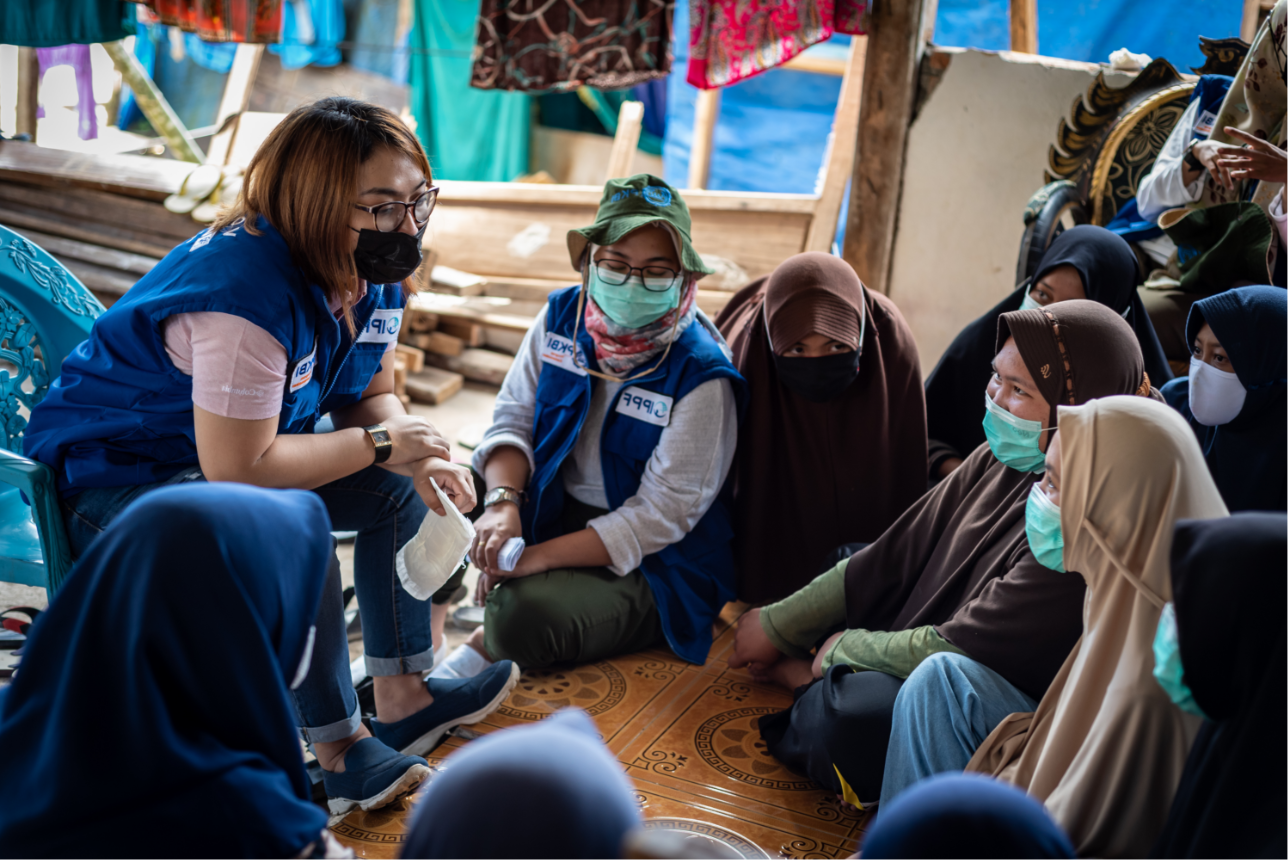
As search and rescue operations continue following the devastating floods and landslides in northern Nepal and Tibet, the thoughts of the International Planned Parenthood Federation (IPPF) are with the communities and families affected by the disaster.The floods and landslides have caused extensive loss of life and widespread destruction in Rasuwa, Nuwakot and Dhading districts. Thousands of people remain unaccounted for, and families are facing grief and uncertainty. Floodwater, mud and debris have wiped out villages, damaged homes, roads, bridges, communications, and essential health infrastructure. Steep mountainous terrain, the continuing risk of flooding, and severe disruption to transport routes are making it extremely difficult for emergency teams to reach cut-off communities.The Family Planning Association of Nepal (FPAN), an IPPF Member Association, has confirmed that its staff and families are safe. An FPAN team has visited areas of Nuwakot to assess community needs, meet with local partners and identify how the organisation can best contribute to the response.FPAN has extensive experience responding to emergencies in Nepal and delivering sexual and reproductive healthcare through mobile outreach. Its teams have worked in rural, remote and underserved communities, including the affected areas, where difficult terrain makes access particularly challenging.Dr. Prabin Shakya, Executive Director of the Family Planning Association of Nepal, said:"The situation in Rasuwa and Nuwakot is devastating. Health facilities have been damaged, roads and bridges destroyed, and many communities remain difficult or impossible to reach. Many families have lost loved ones, homes and livelihoods.As the initial search and rescue phase concludes, FPAN stands ready to act immediately, guided by the Government and working through the established humanitarian coordination mechanisms. As one of Nepal's pioneer SRHR organisations, with decades of experience reaching rural, remote and underserved communities and responding to emergencies, we can mobilise our expertise, health professionals and mobile outreach capacity to deliver essential SRH and life-saving services where they are most needed.FPAN is closely coordinating with the Ministry of Health, Family Welfare Division, and other relevant government authorities, the Reproductive Health Working Group, I/NGOs and other partners. The Government has requested that relief and medical assistance follow the One Door System and has encouraged contributions through the designated basket fund to ensure that resources are coordinated and reach affected communities according to identified priorities."With the destruction of health centres and hospitals, pregnant women and others requiring urgent or time-sensitive care will be unable to access antenatal services, skilled assistance during childbirth or emergency obstetric care. Access to contraception, HIV and STI services, menstrual-health supplies and essential medicines will also be interrupted. Displacement, overcrowded living conditions and damage to water, sanitation and protection systems can further increase health and protection risks, including sexual and gender-based violence and exploitation. People with disabilities, LGBTQI+ people, older people, adolescents, people living with HIV and other marginalised communities may face additional physical, social, financial and communication barriers to assistance. "We are particularly concerned about those who are most vulnerable and more likely to need urgent SRH support... As access improves and affected communities are temporarily settled, we are prepared to mobilise quickly to help save lives, prevent avoidable morbidity, protect women and girls from violence and ensure that people with disabilities and other marginalised groups are not left behind...Their health, safety, dignity and rights must not be overlooked in the emergency response" said Dr Prabin Shakya.This emergency is unfolding against a backdrop of accelerating climate risks, with the most severe consequences often falling on communities with the fewest resources.Valerie Dourdin, Global Humanitarian Director at IPPF, said:"Nepal is paying the ultimate price for the unwillingness of many governments and international communities to recognise the escalating threat of global heating. They must accelerate climate action, strengthen accountability for addressing its impacts, and protect communities bearing the greatest burden. Resources must reach everyone on the front lines, including women, girls and marginalised communities, whose sexual and reproductive health and rights are too often overlooked in emergencies. As we move beyond search and rescue, locally led humanitarian expertise like FPAN, will continue to be essential for months to come in reaching people whose needs might otherwise go unseen."As the scale of needs arising from this emergency becomes clearer, IPPF remains ready to support a locally led humanitarian response that protects access to essential, life-saving sexual and reproductive healthcare. "This is a time for solidarity, coordinated action and timely investment. With the right support, FPAN can help bring essential, rights-based SRH and protection services to people who need them most." said Dr Prabin Shakya, FPAN.
news_item
| 02 September 2026
Family Planning Association of Nepal assesses vital needs following devastating floods
As search and rescue operations continue following the devastating floods and landslides in northern Nepal and Tibet, the thoughts of the International Planned Parenthood Federation (IPPF) are with the communities and families affected by the disaster.The floods and landslides have caused extensive loss of life and widespread destruction in Rasuwa, Nuwakot and Dhading districts. Thousands of people remain unaccounted for, and families are facing grief and uncertainty. Floodwater, mud and debris have wiped out villages, damaged homes, roads, bridges, communications, and essential health infrastructure. Steep mountainous terrain, the continuing risk of flooding, and severe disruption to transport routes are making it extremely difficult for emergency teams to reach cut-off communities.The Family Planning Association of Nepal (FPAN), an IPPF Member Association, has confirmed that its staff and families are safe. An FPAN team has visited areas of Nuwakot to assess community needs, meet with local partners and identify how the organisation can best contribute to the response.FPAN has extensive experience responding to emergencies in Nepal and delivering sexual and reproductive healthcare through mobile outreach. Its teams have worked in rural, remote and underserved communities, including the affected areas, where difficult terrain makes access particularly challenging.Dr. Prabin Shakya, Executive Director of the Family Planning Association of Nepal, said:"The situation in Rasuwa and Nuwakot is devastating. Health facilities have been damaged, roads and bridges destroyed, and many communities remain difficult or impossible to reach. Many families have lost loved ones, homes and livelihoods.As the initial search and rescue phase concludes, FPAN stands ready to act immediately, guided by the Government and working through the established humanitarian coordination mechanisms. As one of Nepal's pioneer SRHR organisations, with decades of experience reaching rural, remote and underserved communities and responding to emergencies, we can mobilise our expertise, health professionals and mobile outreach capacity to deliver essential SRH and life-saving services where they are most needed.FPAN is closely coordinating with the Ministry of Health, Family Welfare Division, and other relevant government authorities, the Reproductive Health Working Group, I/NGOs and other partners. The Government has requested that relief and medical assistance follow the One Door System and has encouraged contributions through the designated basket fund to ensure that resources are coordinated and reach affected communities according to identified priorities."With the destruction of health centres and hospitals, pregnant women and others requiring urgent or time-sensitive care will be unable to access antenatal services, skilled assistance during childbirth or emergency obstetric care. Access to contraception, HIV and STI services, menstrual-health supplies and essential medicines will also be interrupted. Displacement, overcrowded living conditions and damage to water, sanitation and protection systems can further increase health and protection risks, including sexual and gender-based violence and exploitation. People with disabilities, LGBTQI+ people, older people, adolescents, people living with HIV and other marginalised communities may face additional physical, social, financial and communication barriers to assistance. "We are particularly concerned about those who are most vulnerable and more likely to need urgent SRH support... As access improves and affected communities are temporarily settled, we are prepared to mobilise quickly to help save lives, prevent avoidable morbidity, protect women and girls from violence and ensure that people with disabilities and other marginalised groups are not left behind...Their health, safety, dignity and rights must not be overlooked in the emergency response" said Dr Prabin Shakya.This emergency is unfolding against a backdrop of accelerating climate risks, with the most severe consequences often falling on communities with the fewest resources.Valerie Dourdin, Global Humanitarian Director at IPPF, said:"Nepal is paying the ultimate price for the unwillingness of many governments and international communities to recognise the escalating threat of global heating. They must accelerate climate action, strengthen accountability for addressing its impacts, and protect communities bearing the greatest burden. Resources must reach everyone on the front lines, including women, girls and marginalised communities, whose sexual and reproductive health and rights are too often overlooked in emergencies. As we move beyond search and rescue, locally led humanitarian expertise like FPAN, will continue to be essential for months to come in reaching people whose needs might otherwise go unseen."As the scale of needs arising from this emergency becomes clearer, IPPF remains ready to support a locally led humanitarian response that protects access to essential, life-saving sexual and reproductive healthcare. "This is a time for solidarity, coordinated action and timely investment. With the right support, FPAN can help bring essential, rights-based SRH and protection services to people who need them most." said Dr Prabin Shakya, FPAN.

news item
| 01 December 2023
IPPF marks World AIDS Day by announcing the launch of a special program to roll out new biomedical HIV prevention methods
IPPF provides comprehensive sexual and reproductive health care to clients around the world. HIV testing, prevention, and treatment services are essential parts of our integrated sexual and reproductive health care package. To expand the choices individuals have to protect themselves from HIV, IPPF is excited to announce a special program to provide the newest methods of HIV prevention - injectable PrEP (a 2-monthly injection of cabotegravir-LA) and the vaginal ring (a monthly vaginal ring of dapivirine), as well as expanding where oral PrEP is offered. This program is being launched through a consortium of IPPF Member Associations called the Consortium to Advance Access to new HIV Prevention Products (CAAPP) - led by Family Planning Association of India, and including the Family Life Association of Eswatini, Lesotho Planned Parenthood Association, Family Planning Association of Malawi, Federation of Reproductive Health Associations, Malaysia, Family Planning Association of Nepal, and Planned Parenthood Association of Thailand. We hope this program will increase access to the number of ways people can protect themselves from HIV, supporting individual's choice to find an HIV prevention method that works for them.
news_item
| 01 December 2023
IPPF marks World AIDS Day by announcing the launch of a special program to roll out new biomedical HIV prevention methods
IPPF provides comprehensive sexual and reproductive health care to clients around the world. HIV testing, prevention, and treatment services are essential parts of our integrated sexual and reproductive health care package. To expand the choices individuals have to protect themselves from HIV, IPPF is excited to announce a special program to provide the newest methods of HIV prevention - injectable PrEP (a 2-monthly injection of cabotegravir-LA) and the vaginal ring (a monthly vaginal ring of dapivirine), as well as expanding where oral PrEP is offered. This program is being launched through a consortium of IPPF Member Associations called the Consortium to Advance Access to new HIV Prevention Products (CAAPP) - led by Family Planning Association of India, and including the Family Life Association of Eswatini, Lesotho Planned Parenthood Association, Family Planning Association of Malawi, Federation of Reproductive Health Associations, Malaysia, Family Planning Association of Nepal, and Planned Parenthood Association of Thailand. We hope this program will increase access to the number of ways people can protect themselves from HIV, supporting individual's choice to find an HIV prevention method that works for them.

news item
| 02 June 2021
Aid cuts could lead to more than two million unintended pregnancies before the end of the year in continued blow for women and girls
New data from the International Planned Parenthood Federation (IPPF) has revealed that unless alternative funding is sourced, the UK government's £131 million ($186 million) cut to UNFPA supplies – the largest provider of donated contraception for some of the world's poorest communities - will lead to an estimated additional: 2.4 million unintended pregnancies 685,000 unsafe abortions and 7,447 maternal deaths across IPPF's services alone before the end of 2021.[i] IPPF uses donations of contraception from UNFPA supplies, including the pill, injectables, implants, IUDs, and condoms, to deliver much-needed sexual and reproductive healthcare across 45[ii] countries via its Member Associations (M.A.s). For 2021, IPPF has received just $1.5 million worth of contraception out of the $14 million requested for the year. It is growing increasingly concerned that the remaining $12.5 million worth of contraception will no longer be available, meaning Member Associations will be dangerously close to running out of stock by the end of 2021, with shortages becoming increasingly acute for 2022 unless replacement funding can be found. The $14 million equates to 40% of IPPF's overall budget of $35 million for contraceptive supplies across the entire Federation. Some IPPF Member Associations have reported that they are 100% reliant[iii] on the millions of dollars worth of contraception they receive from UNFPA Supplies, including M.A.s in Nepal, Cameroon, Cote d'Ivoire, Mozambique, Yemen, and South Sudan. For others, donations from UNFPA form a significant part of their budgets, such as M.A.s in Ethiopia, Ghana, Mali, Malawi, Nigeria, and Sudan. Furthermore, with the gap between procurement of contraception and supply often taking six months or more, and with UNFPA Supplies also the primary provider for Ministries of Health in the countries that IPPF and UNFPA work with, other avenues for Member Associations to receive contraception and commodities are also severely restricted. The crushing figures come on top of already devastating news for IPPF, the world's largest sexual and reproductive healthcare organization, which saw cuts of around £72 million, approximately $100 million at the end of April. These cuts include the dismantling of the U.K.'s hugely successful WISH (Women's Integrated Sexual Health) programme just three years into its creation, as well as the closure of IPPF's ACCESS (Approaches in Complex and Challenging Environments For Sustainable Sexual and Reproductive Health) programme. Both initiatives help deliver life-saving contraception and sexual and reproductive healthcare for some of the most marginalized women and girls, including those living in poverty, refugees, those living with HIV, and survivors of sexual and gender-based violence. In some of the 45 countries, IPPF works with UNFPA Supplies alongside the WISH and ACCESS programmes. Dr Alvaro Bermejo, IPPF’s Director-General, said: "Millions of women[iv] in the world's poorest countries want to access contraception but can't, and this number will only increase following the U.K government's decision to axe hundreds of millions of promised pounds from the expert organizations that provide sexual and reproductive healthcare worldwide. "Not only are the government dismantling well-established healthcare clinics and teams, but they are also stripping the remaining ones of valuable resources with little to no notice. Soon, healthcare teams will be left with nothing to give the women and girls who come to clinics for contraception, inevitably leading to millions of unintended pregnancies, thousands of unsafe abortions, and thousands of maternal deaths. "While the government has presented these cuts as inevitable, no other country has slashed international aid in this way, and it will take years to rebuild programmes and regain the trust of devastated communities. "What the government fails to recognize is that cuts to a body like UNFPA Supplies have a devastating ripple effect through the entire global healthcare ecosystem, weakening it in the process. This naive and short-sighted decision will have long-lasting consequences, with the lives of thousands of women and girls lost in the process." Manuelle Hurwitz, Director of Programmes, added: "Not only are these cuts a disgrace, but they completely contradict the U.K government's 'priorities' of gender equality and getting 40 million more girls into education by 2025. Because how can a girl stay in school if she is pregnant before she is 16? "It is especially galling that this comes at the time when the U.K government, as leaders of the G7 summit, will urge nations to "build back better" after the coronavirus pandemic while choosing to abandon the poorest women and girls in the world's darkest hour." In the wake of the continued blows for women and girls worldwide, IPPF is asking the government to urgently recommit to setting aside 0.7% of the U.K.'s national income for international aid, as per its legal commitments. Programme delivery on hold Since its launch in 2008, UNFPA supplies, alongside IPPF and other partners, has helped prevent: 89 million unintended pregnancies 26.8 million unsafe abortions 227,000 maternal deaths[v] But the unexpected level of cuts in the middle of the financial year now means services and deliveries are on hold while partners grapple with the overwhelming task of securing funds for contraception and medical supplies. Dr Naresh Pratap is the Executive Director for the Family Planning Association Nepal (FPAN), one of IPPF's Member Associations. FPAN is heavily reliant on UNFPA Supplies, with 100% of its average annual commodities budget of $700,000[viii] supported by UNFPA donations. Nepal has also been affected by the ACCESS programme's immediate closure and is subject to ongoing humanitarian crises due to its geographic remoteness, natural hazards, limited healthcare capacity and one-quarter of the nation living in extreme poverty. He said: "At the time when Nepal has already been affected by Trump's Gag Rule and gripped by the COVID-19 pandemic, the funding cuts to UNFPA supplies will mean that millions of people on the ground will struggle to access contraception. As an organization that depends heavily on UNFPA supplies and has been hard-hit by the recent closure of the ACCESS programme, the U.K. government's funding cut has further exacerbated FPAN's capacity to serve underprivileged people in urgent need of sexual and reproductive healthcare services – it is unacceptable and beyond humanity." Investing in women means investing in sexual and reproductive healthcare With 120 million people about to be pushed back into extreme poverty due to the global pandemic, and women and girls already suffering the pandemic's effects disproportionately compared to men, the cuts have come at one of the most challenging times for nations around the world. If countries are to build back better after the coronavirus pandemic, investing in sexual and reproductive healthcare is one of the best ways to break the cycle of poverty. As the U.K. heads into the G7 summit, leadership, commitment and intelligent forward-thinking is needed now, more than ever. "These cuts will be devastating for women and girls and their families across the world," said UNFPA Executive Director Dr Natalia Kanem in a statement about the cuts. "UNFPA recognizes the challenging situation facing many donor governments, yet deeply regrets the decision of our longstanding partner and advocate to step away from its commitments at a time when inequalities are deepening, and international solidarity is needed more than ever. "The truth is that when funding stops, women and girls suffer, especially the poor, those living in remote, underserved communities and those living through humanitarian crises. The needs of women and girls and their right to modern contraceptives have not changed, and UNFPA remains resolute and dedicated to our mandate." [i] Internal data from IPPF calculated using the pending $12.5 million pending request from UNFPA supplies. [ii] The 45 countries include: Afghanistan, Benin, Burkina-Faso, Burundi, Cameroon, Cambodia, CAR, Chad, Comoros, Congo, Cote d'Ivoire, Djibouti, DR Congo, Ethiopia, Ghana, Guinea-Conakry, Guinea-Bissau, Kyrgyzstan, Laos, Lesotho, Liberia, Madagascar Mali, Malawi, Mauritania, Mozambique, Myanmar, Nepal, Niger, Nigera, Pacific Island Countries (Cook Islands, Fiji, Kiribati, Samoa, Solomon Islands, Tonga, Tuvalu, Vanuatu) Papua New Guinea, Sao Tome & Principe, Senegal, Sierra Leone, Somaliland, South Sudan, Sudan, Tajikistan, Tanzania, Togo, Uganda, Yemen,Zambia and Zimbabwe. [iii] MA’s 100% reliant on donations from UNFPA include Cameroon, Cote d'Ivoire, Guinea Conakry, Nepal, Samoa, Sierra Leone, South Sudan and Yemen. [iv] 217 million women who want to avoid pregnancy have an unmet need for contraception. [v] Internal data from IPPF calculated using 2020 actual donation and 2021 requested value
news_item
| 03 June 2021
Aid cuts could lead to more than two million unintended pregnancies before the end of the year in continued blow for women and girls
New data from the International Planned Parenthood Federation (IPPF) has revealed that unless alternative funding is sourced, the UK government's £131 million ($186 million) cut to UNFPA supplies – the largest provider of donated contraception for some of the world's poorest communities - will lead to an estimated additional: 2.4 million unintended pregnancies 685,000 unsafe abortions and 7,447 maternal deaths across IPPF's services alone before the end of 2021.[i] IPPF uses donations of contraception from UNFPA supplies, including the pill, injectables, implants, IUDs, and condoms, to deliver much-needed sexual and reproductive healthcare across 45[ii] countries via its Member Associations (M.A.s). For 2021, IPPF has received just $1.5 million worth of contraception out of the $14 million requested for the year. It is growing increasingly concerned that the remaining $12.5 million worth of contraception will no longer be available, meaning Member Associations will be dangerously close to running out of stock by the end of 2021, with shortages becoming increasingly acute for 2022 unless replacement funding can be found. The $14 million equates to 40% of IPPF's overall budget of $35 million for contraceptive supplies across the entire Federation. Some IPPF Member Associations have reported that they are 100% reliant[iii] on the millions of dollars worth of contraception they receive from UNFPA Supplies, including M.A.s in Nepal, Cameroon, Cote d'Ivoire, Mozambique, Yemen, and South Sudan. For others, donations from UNFPA form a significant part of their budgets, such as M.A.s in Ethiopia, Ghana, Mali, Malawi, Nigeria, and Sudan. Furthermore, with the gap between procurement of contraception and supply often taking six months or more, and with UNFPA Supplies also the primary provider for Ministries of Health in the countries that IPPF and UNFPA work with, other avenues for Member Associations to receive contraception and commodities are also severely restricted. The crushing figures come on top of already devastating news for IPPF, the world's largest sexual and reproductive healthcare organization, which saw cuts of around £72 million, approximately $100 million at the end of April. These cuts include the dismantling of the U.K.'s hugely successful WISH (Women's Integrated Sexual Health) programme just three years into its creation, as well as the closure of IPPF's ACCESS (Approaches in Complex and Challenging Environments For Sustainable Sexual and Reproductive Health) programme. Both initiatives help deliver life-saving contraception and sexual and reproductive healthcare for some of the most marginalized women and girls, including those living in poverty, refugees, those living with HIV, and survivors of sexual and gender-based violence. In some of the 45 countries, IPPF works with UNFPA Supplies alongside the WISH and ACCESS programmes. Dr Alvaro Bermejo, IPPF’s Director-General, said: "Millions of women[iv] in the world's poorest countries want to access contraception but can't, and this number will only increase following the U.K government's decision to axe hundreds of millions of promised pounds from the expert organizations that provide sexual and reproductive healthcare worldwide. "Not only are the government dismantling well-established healthcare clinics and teams, but they are also stripping the remaining ones of valuable resources with little to no notice. Soon, healthcare teams will be left with nothing to give the women and girls who come to clinics for contraception, inevitably leading to millions of unintended pregnancies, thousands of unsafe abortions, and thousands of maternal deaths. "While the government has presented these cuts as inevitable, no other country has slashed international aid in this way, and it will take years to rebuild programmes and regain the trust of devastated communities. "What the government fails to recognize is that cuts to a body like UNFPA Supplies have a devastating ripple effect through the entire global healthcare ecosystem, weakening it in the process. This naive and short-sighted decision will have long-lasting consequences, with the lives of thousands of women and girls lost in the process." Manuelle Hurwitz, Director of Programmes, added: "Not only are these cuts a disgrace, but they completely contradict the U.K government's 'priorities' of gender equality and getting 40 million more girls into education by 2025. Because how can a girl stay in school if she is pregnant before she is 16? "It is especially galling that this comes at the time when the U.K government, as leaders of the G7 summit, will urge nations to "build back better" after the coronavirus pandemic while choosing to abandon the poorest women and girls in the world's darkest hour." In the wake of the continued blows for women and girls worldwide, IPPF is asking the government to urgently recommit to setting aside 0.7% of the U.K.'s national income for international aid, as per its legal commitments. Programme delivery on hold Since its launch in 2008, UNFPA supplies, alongside IPPF and other partners, has helped prevent: 89 million unintended pregnancies 26.8 million unsafe abortions 227,000 maternal deaths[v] But the unexpected level of cuts in the middle of the financial year now means services and deliveries are on hold while partners grapple with the overwhelming task of securing funds for contraception and medical supplies. Dr Naresh Pratap is the Executive Director for the Family Planning Association Nepal (FPAN), one of IPPF's Member Associations. FPAN is heavily reliant on UNFPA Supplies, with 100% of its average annual commodities budget of $700,000[viii] supported by UNFPA donations. Nepal has also been affected by the ACCESS programme's immediate closure and is subject to ongoing humanitarian crises due to its geographic remoteness, natural hazards, limited healthcare capacity and one-quarter of the nation living in extreme poverty. He said: "At the time when Nepal has already been affected by Trump's Gag Rule and gripped by the COVID-19 pandemic, the funding cuts to UNFPA supplies will mean that millions of people on the ground will struggle to access contraception. As an organization that depends heavily on UNFPA supplies and has been hard-hit by the recent closure of the ACCESS programme, the U.K. government's funding cut has further exacerbated FPAN's capacity to serve underprivileged people in urgent need of sexual and reproductive healthcare services – it is unacceptable and beyond humanity." Investing in women means investing in sexual and reproductive healthcare With 120 million people about to be pushed back into extreme poverty due to the global pandemic, and women and girls already suffering the pandemic's effects disproportionately compared to men, the cuts have come at one of the most challenging times for nations around the world. If countries are to build back better after the coronavirus pandemic, investing in sexual and reproductive healthcare is one of the best ways to break the cycle of poverty. As the U.K. heads into the G7 summit, leadership, commitment and intelligent forward-thinking is needed now, more than ever. "These cuts will be devastating for women and girls and their families across the world," said UNFPA Executive Director Dr Natalia Kanem in a statement about the cuts. "UNFPA recognizes the challenging situation facing many donor governments, yet deeply regrets the decision of our longstanding partner and advocate to step away from its commitments at a time when inequalities are deepening, and international solidarity is needed more than ever. "The truth is that when funding stops, women and girls suffer, especially the poor, those living in remote, underserved communities and those living through humanitarian crises. The needs of women and girls and their right to modern contraceptives have not changed, and UNFPA remains resolute and dedicated to our mandate." [i] Internal data from IPPF calculated using the pending $12.5 million pending request from UNFPA supplies. [ii] The 45 countries include: Afghanistan, Benin, Burkina-Faso, Burundi, Cameroon, Cambodia, CAR, Chad, Comoros, Congo, Cote d'Ivoire, Djibouti, DR Congo, Ethiopia, Ghana, Guinea-Conakry, Guinea-Bissau, Kyrgyzstan, Laos, Lesotho, Liberia, Madagascar Mali, Malawi, Mauritania, Mozambique, Myanmar, Nepal, Niger, Nigera, Pacific Island Countries (Cook Islands, Fiji, Kiribati, Samoa, Solomon Islands, Tonga, Tuvalu, Vanuatu) Papua New Guinea, Sao Tome & Principe, Senegal, Sierra Leone, Somaliland, South Sudan, Sudan, Tajikistan, Tanzania, Togo, Uganda, Yemen,Zambia and Zimbabwe. [iii] MA’s 100% reliant on donations from UNFPA include Cameroon, Cote d'Ivoire, Guinea Conakry, Nepal, Samoa, Sierra Leone, South Sudan and Yemen. [iv] 217 million women who want to avoid pregnancy have an unmet need for contraception. [v] Internal data from IPPF calculated using 2020 actual donation and 2021 requested value
news item
| 01 September 2026
Family Planning Association of Nepal assesses vital needs following devastating floods
As search and rescue operations continue following the devastating floods and landslides in northern Nepal and Tibet, the thoughts of the International Planned Parenthood Federation (IPPF) are with the communities and families affected by the disaster.The floods and landslides have caused extensive loss of life and widespread destruction in Rasuwa, Nuwakot and Dhading districts. Thousands of people remain unaccounted for, and families are facing grief and uncertainty. Floodwater, mud and debris have wiped out villages, damaged homes, roads, bridges, communications, and essential health infrastructure. Steep mountainous terrain, the continuing risk of flooding, and severe disruption to transport routes are making it extremely difficult for emergency teams to reach cut-off communities.The Family Planning Association of Nepal (FPAN), an IPPF Member Association, has confirmed that its staff and families are safe. An FPAN team has visited areas of Nuwakot to assess community needs, meet with local partners and identify how the organisation can best contribute to the response.FPAN has extensive experience responding to emergencies in Nepal and delivering sexual and reproductive healthcare through mobile outreach. Its teams have worked in rural, remote and underserved communities, including the affected areas, where difficult terrain makes access particularly challenging.Dr. Prabin Shakya, Executive Director of the Family Planning Association of Nepal, said:"The situation in Rasuwa and Nuwakot is devastating. Health facilities have been damaged, roads and bridges destroyed, and many communities remain difficult or impossible to reach. Many families have lost loved ones, homes and livelihoods.As the initial search and rescue phase concludes, FPAN stands ready to act immediately, guided by the Government and working through the established humanitarian coordination mechanisms. As one of Nepal's pioneer SRHR organisations, with decades of experience reaching rural, remote and underserved communities and responding to emergencies, we can mobilise our expertise, health professionals and mobile outreach capacity to deliver essential SRH and life-saving services where they are most needed.FPAN is closely coordinating with the Ministry of Health, Family Welfare Division, and other relevant government authorities, the Reproductive Health Working Group, I/NGOs and other partners. The Government has requested that relief and medical assistance follow the One Door System and has encouraged contributions through the designated basket fund to ensure that resources are coordinated and reach affected communities according to identified priorities."With the destruction of health centres and hospitals, pregnant women and others requiring urgent or time-sensitive care will be unable to access antenatal services, skilled assistance during childbirth or emergency obstetric care. Access to contraception, HIV and STI services, menstrual-health supplies and essential medicines will also be interrupted. Displacement, overcrowded living conditions and damage to water, sanitation and protection systems can further increase health and protection risks, including sexual and gender-based violence and exploitation. People with disabilities, LGBTQI+ people, older people, adolescents, people living with HIV and other marginalised communities may face additional physical, social, financial and communication barriers to assistance. "We are particularly concerned about those who are most vulnerable and more likely to need urgent SRH support... As access improves and affected communities are temporarily settled, we are prepared to mobilise quickly to help save lives, prevent avoidable morbidity, protect women and girls from violence and ensure that people with disabilities and other marginalised groups are not left behind...Their health, safety, dignity and rights must not be overlooked in the emergency response" said Dr Prabin Shakya.This emergency is unfolding against a backdrop of accelerating climate risks, with the most severe consequences often falling on communities with the fewest resources.Valerie Dourdin, Global Humanitarian Director at IPPF, said:"Nepal is paying the ultimate price for the unwillingness of many governments and international communities to recognise the escalating threat of global heating. They must accelerate climate action, strengthen accountability for addressing its impacts, and protect communities bearing the greatest burden. Resources must reach everyone on the front lines, including women, girls and marginalised communities, whose sexual and reproductive health and rights are too often overlooked in emergencies. As we move beyond search and rescue, locally led humanitarian expertise like FPAN, will continue to be essential for months to come in reaching people whose needs might otherwise go unseen."As the scale of needs arising from this emergency becomes clearer, IPPF remains ready to support a locally led humanitarian response that protects access to essential, life-saving sexual and reproductive healthcare. "This is a time for solidarity, coordinated action and timely investment. With the right support, FPAN can help bring essential, rights-based SRH and protection services to people who need them most." said Dr Prabin Shakya, FPAN.
news_item
| 02 September 2026
Family Planning Association of Nepal assesses vital needs following devastating floods
As search and rescue operations continue following the devastating floods and landslides in northern Nepal and Tibet, the thoughts of the International Planned Parenthood Federation (IPPF) are with the communities and families affected by the disaster.The floods and landslides have caused extensive loss of life and widespread destruction in Rasuwa, Nuwakot and Dhading districts. Thousands of people remain unaccounted for, and families are facing grief and uncertainty. Floodwater, mud and debris have wiped out villages, damaged homes, roads, bridges, communications, and essential health infrastructure. Steep mountainous terrain, the continuing risk of flooding, and severe disruption to transport routes are making it extremely difficult for emergency teams to reach cut-off communities.The Family Planning Association of Nepal (FPAN), an IPPF Member Association, has confirmed that its staff and families are safe. An FPAN team has visited areas of Nuwakot to assess community needs, meet with local partners and identify how the organisation can best contribute to the response.FPAN has extensive experience responding to emergencies in Nepal and delivering sexual and reproductive healthcare through mobile outreach. Its teams have worked in rural, remote and underserved communities, including the affected areas, where difficult terrain makes access particularly challenging.Dr. Prabin Shakya, Executive Director of the Family Planning Association of Nepal, said:"The situation in Rasuwa and Nuwakot is devastating. Health facilities have been damaged, roads and bridges destroyed, and many communities remain difficult or impossible to reach. Many families have lost loved ones, homes and livelihoods.As the initial search and rescue phase concludes, FPAN stands ready to act immediately, guided by the Government and working through the established humanitarian coordination mechanisms. As one of Nepal's pioneer SRHR organisations, with decades of experience reaching rural, remote and underserved communities and responding to emergencies, we can mobilise our expertise, health professionals and mobile outreach capacity to deliver essential SRH and life-saving services where they are most needed.FPAN is closely coordinating with the Ministry of Health, Family Welfare Division, and other relevant government authorities, the Reproductive Health Working Group, I/NGOs and other partners. The Government has requested that relief and medical assistance follow the One Door System and has encouraged contributions through the designated basket fund to ensure that resources are coordinated and reach affected communities according to identified priorities."With the destruction of health centres and hospitals, pregnant women and others requiring urgent or time-sensitive care will be unable to access antenatal services, skilled assistance during childbirth or emergency obstetric care. Access to contraception, HIV and STI services, menstrual-health supplies and essential medicines will also be interrupted. Displacement, overcrowded living conditions and damage to water, sanitation and protection systems can further increase health and protection risks, including sexual and gender-based violence and exploitation. People with disabilities, LGBTQI+ people, older people, adolescents, people living with HIV and other marginalised communities may face additional physical, social, financial and communication barriers to assistance. "We are particularly concerned about those who are most vulnerable and more likely to need urgent SRH support... As access improves and affected communities are temporarily settled, we are prepared to mobilise quickly to help save lives, prevent avoidable morbidity, protect women and girls from violence and ensure that people with disabilities and other marginalised groups are not left behind...Their health, safety, dignity and rights must not be overlooked in the emergency response" said Dr Prabin Shakya.This emergency is unfolding against a backdrop of accelerating climate risks, with the most severe consequences often falling on communities with the fewest resources.Valerie Dourdin, Global Humanitarian Director at IPPF, said:"Nepal is paying the ultimate price for the unwillingness of many governments and international communities to recognise the escalating threat of global heating. They must accelerate climate action, strengthen accountability for addressing its impacts, and protect communities bearing the greatest burden. Resources must reach everyone on the front lines, including women, girls and marginalised communities, whose sexual and reproductive health and rights are too often overlooked in emergencies. As we move beyond search and rescue, locally led humanitarian expertise like FPAN, will continue to be essential for months to come in reaching people whose needs might otherwise go unseen."As the scale of needs arising from this emergency becomes clearer, IPPF remains ready to support a locally led humanitarian response that protects access to essential, life-saving sexual and reproductive healthcare. "This is a time for solidarity, coordinated action and timely investment. With the right support, FPAN can help bring essential, rights-based SRH and protection services to people who need them most." said Dr Prabin Shakya, FPAN.
news item
| 01 December 2023
IPPF marks World AIDS Day by announcing the launch of a special program to roll out new biomedical HIV prevention methods
IPPF provides comprehensive sexual and reproductive health care to clients around the world. HIV testing, prevention, and treatment services are essential parts of our integrated sexual and reproductive health care package. To expand the choices individuals have to protect themselves from HIV, IPPF is excited to announce a special program to provide the newest methods of HIV prevention - injectable PrEP (a 2-monthly injection of cabotegravir-LA) and the vaginal ring (a monthly vaginal ring of dapivirine), as well as expanding where oral PrEP is offered. This program is being launched through a consortium of IPPF Member Associations called the Consortium to Advance Access to new HIV Prevention Products (CAAPP) - led by Family Planning Association of India, and including the Family Life Association of Eswatini, Lesotho Planned Parenthood Association, Family Planning Association of Malawi, Federation of Reproductive Health Associations, Malaysia, Family Planning Association of Nepal, and Planned Parenthood Association of Thailand. We hope this program will increase access to the number of ways people can protect themselves from HIV, supporting individual's choice to find an HIV prevention method that works for them.
news_item
| 01 December 2023
IPPF marks World AIDS Day by announcing the launch of a special program to roll out new biomedical HIV prevention methods
IPPF provides comprehensive sexual and reproductive health care to clients around the world. HIV testing, prevention, and treatment services are essential parts of our integrated sexual and reproductive health care package. To expand the choices individuals have to protect themselves from HIV, IPPF is excited to announce a special program to provide the newest methods of HIV prevention - injectable PrEP (a 2-monthly injection of cabotegravir-LA) and the vaginal ring (a monthly vaginal ring of dapivirine), as well as expanding where oral PrEP is offered. This program is being launched through a consortium of IPPF Member Associations called the Consortium to Advance Access to new HIV Prevention Products (CAAPP) - led by Family Planning Association of India, and including the Family Life Association of Eswatini, Lesotho Planned Parenthood Association, Family Planning Association of Malawi, Federation of Reproductive Health Associations, Malaysia, Family Planning Association of Nepal, and Planned Parenthood Association of Thailand. We hope this program will increase access to the number of ways people can protect themselves from HIV, supporting individual's choice to find an HIV prevention method that works for them.
news item
| 02 June 2021
Aid cuts could lead to more than two million unintended pregnancies before the end of the year in continued blow for women and girls
New data from the International Planned Parenthood Federation (IPPF) has revealed that unless alternative funding is sourced, the UK government's £131 million ($186 million) cut to UNFPA supplies – the largest provider of donated contraception for some of the world's poorest communities - will lead to an estimated additional: 2.4 million unintended pregnancies 685,000 unsafe abortions and 7,447 maternal deaths across IPPF's services alone before the end of 2021.[i] IPPF uses donations of contraception from UNFPA supplies, including the pill, injectables, implants, IUDs, and condoms, to deliver much-needed sexual and reproductive healthcare across 45[ii] countries via its Member Associations (M.A.s). For 2021, IPPF has received just $1.5 million worth of contraception out of the $14 million requested for the year. It is growing increasingly concerned that the remaining $12.5 million worth of contraception will no longer be available, meaning Member Associations will be dangerously close to running out of stock by the end of 2021, with shortages becoming increasingly acute for 2022 unless replacement funding can be found. The $14 million equates to 40% of IPPF's overall budget of $35 million for contraceptive supplies across the entire Federation. Some IPPF Member Associations have reported that they are 100% reliant[iii] on the millions of dollars worth of contraception they receive from UNFPA Supplies, including M.A.s in Nepal, Cameroon, Cote d'Ivoire, Mozambique, Yemen, and South Sudan. For others, donations from UNFPA form a significant part of their budgets, such as M.A.s in Ethiopia, Ghana, Mali, Malawi, Nigeria, and Sudan. Furthermore, with the gap between procurement of contraception and supply often taking six months or more, and with UNFPA Supplies also the primary provider for Ministries of Health in the countries that IPPF and UNFPA work with, other avenues for Member Associations to receive contraception and commodities are also severely restricted. The crushing figures come on top of already devastating news for IPPF, the world's largest sexual and reproductive healthcare organization, which saw cuts of around £72 million, approximately $100 million at the end of April. These cuts include the dismantling of the U.K.'s hugely successful WISH (Women's Integrated Sexual Health) programme just three years into its creation, as well as the closure of IPPF's ACCESS (Approaches in Complex and Challenging Environments For Sustainable Sexual and Reproductive Health) programme. Both initiatives help deliver life-saving contraception and sexual and reproductive healthcare for some of the most marginalized women and girls, including those living in poverty, refugees, those living with HIV, and survivors of sexual and gender-based violence. In some of the 45 countries, IPPF works with UNFPA Supplies alongside the WISH and ACCESS programmes. Dr Alvaro Bermejo, IPPF’s Director-General, said: "Millions of women[iv] in the world's poorest countries want to access contraception but can't, and this number will only increase following the U.K government's decision to axe hundreds of millions of promised pounds from the expert organizations that provide sexual and reproductive healthcare worldwide. "Not only are the government dismantling well-established healthcare clinics and teams, but they are also stripping the remaining ones of valuable resources with little to no notice. Soon, healthcare teams will be left with nothing to give the women and girls who come to clinics for contraception, inevitably leading to millions of unintended pregnancies, thousands of unsafe abortions, and thousands of maternal deaths. "While the government has presented these cuts as inevitable, no other country has slashed international aid in this way, and it will take years to rebuild programmes and regain the trust of devastated communities. "What the government fails to recognize is that cuts to a body like UNFPA Supplies have a devastating ripple effect through the entire global healthcare ecosystem, weakening it in the process. This naive and short-sighted decision will have long-lasting consequences, with the lives of thousands of women and girls lost in the process." Manuelle Hurwitz, Director of Programmes, added: "Not only are these cuts a disgrace, but they completely contradict the U.K government's 'priorities' of gender equality and getting 40 million more girls into education by 2025. Because how can a girl stay in school if she is pregnant before she is 16? "It is especially galling that this comes at the time when the U.K government, as leaders of the G7 summit, will urge nations to "build back better" after the coronavirus pandemic while choosing to abandon the poorest women and girls in the world's darkest hour." In the wake of the continued blows for women and girls worldwide, IPPF is asking the government to urgently recommit to setting aside 0.7% of the U.K.'s national income for international aid, as per its legal commitments. Programme delivery on hold Since its launch in 2008, UNFPA supplies, alongside IPPF and other partners, has helped prevent: 89 million unintended pregnancies 26.8 million unsafe abortions 227,000 maternal deaths[v] But the unexpected level of cuts in the middle of the financial year now means services and deliveries are on hold while partners grapple with the overwhelming task of securing funds for contraception and medical supplies. Dr Naresh Pratap is the Executive Director for the Family Planning Association Nepal (FPAN), one of IPPF's Member Associations. FPAN is heavily reliant on UNFPA Supplies, with 100% of its average annual commodities budget of $700,000[viii] supported by UNFPA donations. Nepal has also been affected by the ACCESS programme's immediate closure and is subject to ongoing humanitarian crises due to its geographic remoteness, natural hazards, limited healthcare capacity and one-quarter of the nation living in extreme poverty. He said: "At the time when Nepal has already been affected by Trump's Gag Rule and gripped by the COVID-19 pandemic, the funding cuts to UNFPA supplies will mean that millions of people on the ground will struggle to access contraception. As an organization that depends heavily on UNFPA supplies and has been hard-hit by the recent closure of the ACCESS programme, the U.K. government's funding cut has further exacerbated FPAN's capacity to serve underprivileged people in urgent need of sexual and reproductive healthcare services – it is unacceptable and beyond humanity." Investing in women means investing in sexual and reproductive healthcare With 120 million people about to be pushed back into extreme poverty due to the global pandemic, and women and girls already suffering the pandemic's effects disproportionately compared to men, the cuts have come at one of the most challenging times for nations around the world. If countries are to build back better after the coronavirus pandemic, investing in sexual and reproductive healthcare is one of the best ways to break the cycle of poverty. As the U.K. heads into the G7 summit, leadership, commitment and intelligent forward-thinking is needed now, more than ever. "These cuts will be devastating for women and girls and their families across the world," said UNFPA Executive Director Dr Natalia Kanem in a statement about the cuts. "UNFPA recognizes the challenging situation facing many donor governments, yet deeply regrets the decision of our longstanding partner and advocate to step away from its commitments at a time when inequalities are deepening, and international solidarity is needed more than ever. "The truth is that when funding stops, women and girls suffer, especially the poor, those living in remote, underserved communities and those living through humanitarian crises. The needs of women and girls and their right to modern contraceptives have not changed, and UNFPA remains resolute and dedicated to our mandate." [i] Internal data from IPPF calculated using the pending $12.5 million pending request from UNFPA supplies. [ii] The 45 countries include: Afghanistan, Benin, Burkina-Faso, Burundi, Cameroon, Cambodia, CAR, Chad, Comoros, Congo, Cote d'Ivoire, Djibouti, DR Congo, Ethiopia, Ghana, Guinea-Conakry, Guinea-Bissau, Kyrgyzstan, Laos, Lesotho, Liberia, Madagascar Mali, Malawi, Mauritania, Mozambique, Myanmar, Nepal, Niger, Nigera, Pacific Island Countries (Cook Islands, Fiji, Kiribati, Samoa, Solomon Islands, Tonga, Tuvalu, Vanuatu) Papua New Guinea, Sao Tome & Principe, Senegal, Sierra Leone, Somaliland, South Sudan, Sudan, Tajikistan, Tanzania, Togo, Uganda, Yemen,Zambia and Zimbabwe. [iii] MA’s 100% reliant on donations from UNFPA include Cameroon, Cote d'Ivoire, Guinea Conakry, Nepal, Samoa, Sierra Leone, South Sudan and Yemen. [iv] 217 million women who want to avoid pregnancy have an unmet need for contraception. [v] Internal data from IPPF calculated using 2020 actual donation and 2021 requested value
news_item
| 03 June 2021
Aid cuts could lead to more than two million unintended pregnancies before the end of the year in continued blow for women and girls
New data from the International Planned Parenthood Federation (IPPF) has revealed that unless alternative funding is sourced, the UK government's £131 million ($186 million) cut to UNFPA supplies – the largest provider of donated contraception for some of the world's poorest communities - will lead to an estimated additional: 2.4 million unintended pregnancies 685,000 unsafe abortions and 7,447 maternal deaths across IPPF's services alone before the end of 2021.[i] IPPF uses donations of contraception from UNFPA supplies, including the pill, injectables, implants, IUDs, and condoms, to deliver much-needed sexual and reproductive healthcare across 45[ii] countries via its Member Associations (M.A.s). For 2021, IPPF has received just $1.5 million worth of contraception out of the $14 million requested for the year. It is growing increasingly concerned that the remaining $12.5 million worth of contraception will no longer be available, meaning Member Associations will be dangerously close to running out of stock by the end of 2021, with shortages becoming increasingly acute for 2022 unless replacement funding can be found. The $14 million equates to 40% of IPPF's overall budget of $35 million for contraceptive supplies across the entire Federation. Some IPPF Member Associations have reported that they are 100% reliant[iii] on the millions of dollars worth of contraception they receive from UNFPA Supplies, including M.A.s in Nepal, Cameroon, Cote d'Ivoire, Mozambique, Yemen, and South Sudan. For others, donations from UNFPA form a significant part of their budgets, such as M.A.s in Ethiopia, Ghana, Mali, Malawi, Nigeria, and Sudan. Furthermore, with the gap between procurement of contraception and supply often taking six months or more, and with UNFPA Supplies also the primary provider for Ministries of Health in the countries that IPPF and UNFPA work with, other avenues for Member Associations to receive contraception and commodities are also severely restricted. The crushing figures come on top of already devastating news for IPPF, the world's largest sexual and reproductive healthcare organization, which saw cuts of around £72 million, approximately $100 million at the end of April. These cuts include the dismantling of the U.K.'s hugely successful WISH (Women's Integrated Sexual Health) programme just three years into its creation, as well as the closure of IPPF's ACCESS (Approaches in Complex and Challenging Environments For Sustainable Sexual and Reproductive Health) programme. Both initiatives help deliver life-saving contraception and sexual and reproductive healthcare for some of the most marginalized women and girls, including those living in poverty, refugees, those living with HIV, and survivors of sexual and gender-based violence. In some of the 45 countries, IPPF works with UNFPA Supplies alongside the WISH and ACCESS programmes. Dr Alvaro Bermejo, IPPF’s Director-General, said: "Millions of women[iv] in the world's poorest countries want to access contraception but can't, and this number will only increase following the U.K government's decision to axe hundreds of millions of promised pounds from the expert organizations that provide sexual and reproductive healthcare worldwide. "Not only are the government dismantling well-established healthcare clinics and teams, but they are also stripping the remaining ones of valuable resources with little to no notice. Soon, healthcare teams will be left with nothing to give the women and girls who come to clinics for contraception, inevitably leading to millions of unintended pregnancies, thousands of unsafe abortions, and thousands of maternal deaths. "While the government has presented these cuts as inevitable, no other country has slashed international aid in this way, and it will take years to rebuild programmes and regain the trust of devastated communities. "What the government fails to recognize is that cuts to a body like UNFPA Supplies have a devastating ripple effect through the entire global healthcare ecosystem, weakening it in the process. This naive and short-sighted decision will have long-lasting consequences, with the lives of thousands of women and girls lost in the process." Manuelle Hurwitz, Director of Programmes, added: "Not only are these cuts a disgrace, but they completely contradict the U.K government's 'priorities' of gender equality and getting 40 million more girls into education by 2025. Because how can a girl stay in school if she is pregnant before she is 16? "It is especially galling that this comes at the time when the U.K government, as leaders of the G7 summit, will urge nations to "build back better" after the coronavirus pandemic while choosing to abandon the poorest women and girls in the world's darkest hour." In the wake of the continued blows for women and girls worldwide, IPPF is asking the government to urgently recommit to setting aside 0.7% of the U.K.'s national income for international aid, as per its legal commitments. Programme delivery on hold Since its launch in 2008, UNFPA supplies, alongside IPPF and other partners, has helped prevent: 89 million unintended pregnancies 26.8 million unsafe abortions 227,000 maternal deaths[v] But the unexpected level of cuts in the middle of the financial year now means services and deliveries are on hold while partners grapple with the overwhelming task of securing funds for contraception and medical supplies. Dr Naresh Pratap is the Executive Director for the Family Planning Association Nepal (FPAN), one of IPPF's Member Associations. FPAN is heavily reliant on UNFPA Supplies, with 100% of its average annual commodities budget of $700,000[viii] supported by UNFPA donations. Nepal has also been affected by the ACCESS programme's immediate closure and is subject to ongoing humanitarian crises due to its geographic remoteness, natural hazards, limited healthcare capacity and one-quarter of the nation living in extreme poverty. He said: "At the time when Nepal has already been affected by Trump's Gag Rule and gripped by the COVID-19 pandemic, the funding cuts to UNFPA supplies will mean that millions of people on the ground will struggle to access contraception. As an organization that depends heavily on UNFPA supplies and has been hard-hit by the recent closure of the ACCESS programme, the U.K. government's funding cut has further exacerbated FPAN's capacity to serve underprivileged people in urgent need of sexual and reproductive healthcare services – it is unacceptable and beyond humanity." Investing in women means investing in sexual and reproductive healthcare With 120 million people about to be pushed back into extreme poverty due to the global pandemic, and women and girls already suffering the pandemic's effects disproportionately compared to men, the cuts have come at one of the most challenging times for nations around the world. If countries are to build back better after the coronavirus pandemic, investing in sexual and reproductive healthcare is one of the best ways to break the cycle of poverty. As the U.K. heads into the G7 summit, leadership, commitment and intelligent forward-thinking is needed now, more than ever. "These cuts will be devastating for women and girls and their families across the world," said UNFPA Executive Director Dr Natalia Kanem in a statement about the cuts. "UNFPA recognizes the challenging situation facing many donor governments, yet deeply regrets the decision of our longstanding partner and advocate to step away from its commitments at a time when inequalities are deepening, and international solidarity is needed more than ever. "The truth is that when funding stops, women and girls suffer, especially the poor, those living in remote, underserved communities and those living through humanitarian crises. The needs of women and girls and their right to modern contraceptives have not changed, and UNFPA remains resolute and dedicated to our mandate." [i] Internal data from IPPF calculated using the pending $12.5 million pending request from UNFPA supplies. [ii] The 45 countries include: Afghanistan, Benin, Burkina-Faso, Burundi, Cameroon, Cambodia, CAR, Chad, Comoros, Congo, Cote d'Ivoire, Djibouti, DR Congo, Ethiopia, Ghana, Guinea-Conakry, Guinea-Bissau, Kyrgyzstan, Laos, Lesotho, Liberia, Madagascar Mali, Malawi, Mauritania, Mozambique, Myanmar, Nepal, Niger, Nigera, Pacific Island Countries (Cook Islands, Fiji, Kiribati, Samoa, Solomon Islands, Tonga, Tuvalu, Vanuatu) Papua New Guinea, Sao Tome & Principe, Senegal, Sierra Leone, Somaliland, South Sudan, Sudan, Tajikistan, Tanzania, Togo, Uganda, Yemen,Zambia and Zimbabwe. [iii] MA’s 100% reliant on donations from UNFPA include Cameroon, Cote d'Ivoire, Guinea Conakry, Nepal, Samoa, Sierra Leone, South Sudan and Yemen. [iv] 217 million women who want to avoid pregnancy have an unmet need for contraception. [v] Internal data from IPPF calculated using 2020 actual donation and 2021 requested value
