



programme
| 18 August 2026
Safe Passage
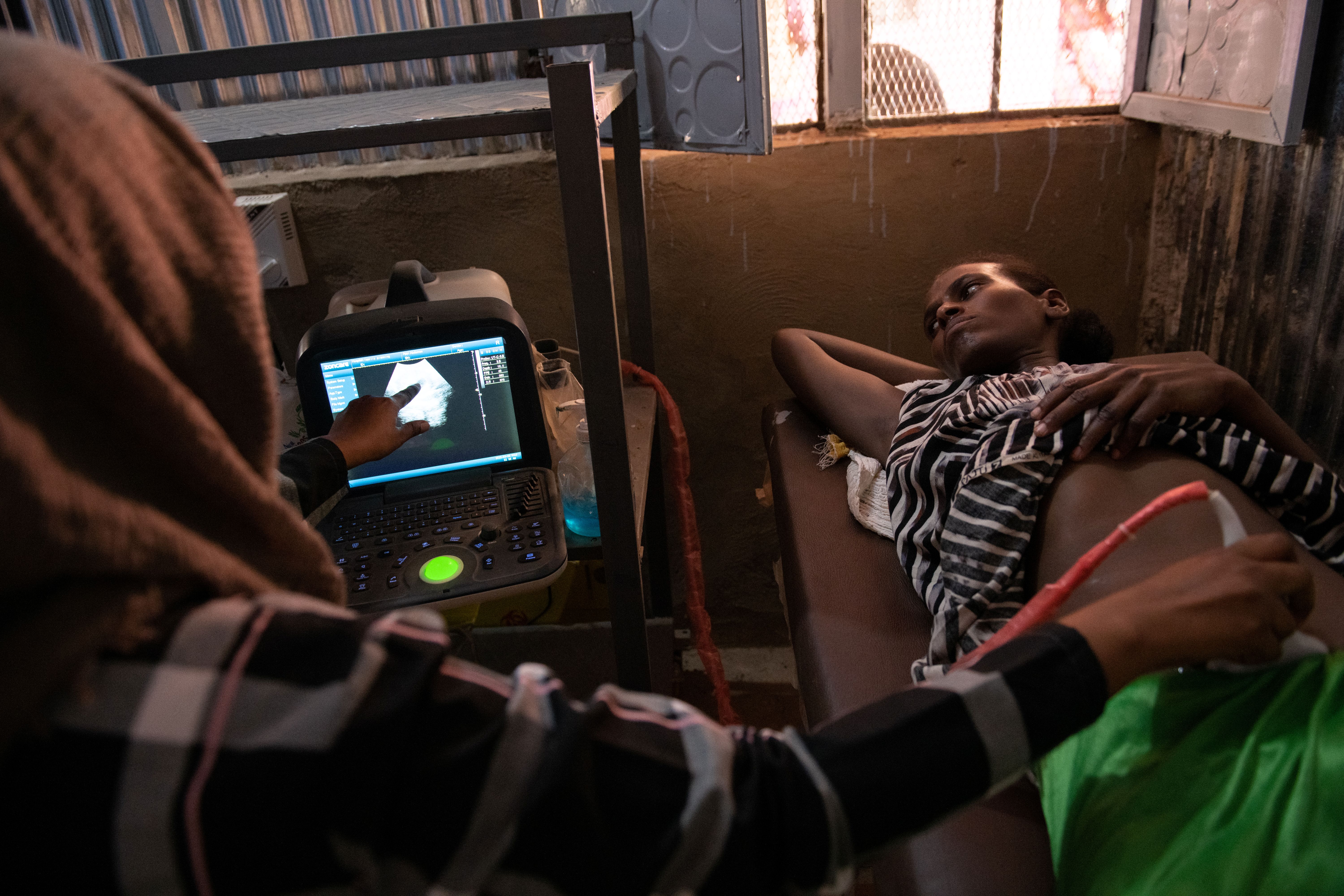
Safe Passage is IPPF’s pioneering global initiative working to deliver uninterrupted sexual and reproductive healthcare for people on the move.Women now make up 47% of all migrants across Africa, and in Latin America and the Caribbean, women represent 52% of all international migrants. With legal pathways for migration shrinking, and funding cuts hitting humanitarian support, at least 8,000 people died on migration routes in 2025.Across every stage of their migration journey, women, girls, LGBTQI communities and sex workers are exposed to violence, exploitation, discrimination and barriers to essential services. Limited access to contraception, antenatal care, and reliable information on the support available to them, increases the risk of unintended pregnancies, untreated infections, and obstetric complications.Connecting care across bordersSafe Passage is led by IPPF Member Associations and connects 15 MAs working in two consortia across Latin America, Africa and the Arab World region. Through a combination of fixed clinics, mobile units, digital health approaches, and referral systems, we ensure that people can access safe, timely, and continuous care throughout their journeys. We provide specialized sexual and reproductive health services, mental health support, and care for survivors of gender-based violence along perilous migration routes.Member Associations are trusted, local organizsations embedded in the communities in which they work. They work alongside government and public authorities and community-based organizations to reduce barriers to accessing care. Alongside supporting internally displaced people, refugees, and migrants, they continue to provide sexual and reproductive health care to host communities, and work to change the narrative on migration from border control to human rights and equality. Safe Passage in Latin AmericaPatterns of migration have become increasingly complex across Latin America, with people often moving back and forth in search of employment, education or essential services – half of cross-border movements in the region are motivated by the need for healthcare, including sexual and reproductive services. In countries such as Colombia, Venezuela and Ecuador, migration is often marked by forced displacement stemming from socioeconomic crisis or persistent conflict. With some transit routes heavily influenced by organized crime gangs, many migrants are exposed to trafficking, exploitation, and extreme sexual violence. The Safe Passage Latin America Consortium is led by ProFamilia and brings together seven Member Associations operating across key migration corridors in Colombia, Peru, Mexico, Honduras, Venezuela, Ecuador, and Chile. Each brings their own technical expertise, including humanitarian response, community outreach and mobile SRH services, psychosocial support, and advocacy. Safe Passage in Africa and the Arab World RegionIn 2024 an estimated 25 million Africans were living in another African country, with over 80% of migration happening within the continent. People take multiple journeys along different routes, many driven by conflict or socioeconomic collapse. The Safe Passage Arab-African Consortium is led by the Family Planning Association of Morocco (AMPF) and brings together eight IPPF Member Associations across Morocco, Tunisia, Mauritania, Sudan, Niger, Nigeria, Cameroon, and Ethiopia. The consortium reflects the diversity of African and Arab migration dynamics, linking contexts of conflict, prolonged displacement, transit, return, and destination.
programme
| 18 August 2026
Safe Passage
Safe Passage is IPPF’s pioneering global initiative working to deliver uninterrupted sexual and reproductive healthcare for people on the move.Women now make up 47% of all migrants across Africa, and in Latin America and the Caribbean, women represent 52% of all international migrants. With legal pathways for migration shrinking, and funding cuts hitting humanitarian support, at least 8,000 people died on migration routes in 2025.Across every stage of their migration journey, women, girls, LGBTQI communities and sex workers are exposed to violence, exploitation, discrimination and barriers to essential services. Limited access to contraception, antenatal care, and reliable information on the support available to them, increases the risk of unintended pregnancies, untreated infections, and obstetric complications.Connecting care across bordersSafe Passage is led by IPPF Member Associations and connects 15 MAs working in two consortia across Latin America, Africa and the Arab World region. Through a combination of fixed clinics, mobile units, digital health approaches, and referral systems, we ensure that people can access safe, timely, and continuous care throughout their journeys. We provide specialized sexual and reproductive health services, mental health support, and care for survivors of gender-based violence along perilous migration routes.Member Associations are trusted, local organizsations embedded in the communities in which they work. They work alongside government and public authorities and community-based organizations to reduce barriers to accessing care. Alongside supporting internally displaced people, refugees, and migrants, they continue to provide sexual and reproductive health care to host communities, and work to change the narrative on migration from border control to human rights and equality. Safe Passage in Latin AmericaPatterns of migration have become increasingly complex across Latin America, with people often moving back and forth in search of employment, education or essential services – half of cross-border movements in the region are motivated by the need for healthcare, including sexual and reproductive services. In countries such as Colombia, Venezuela and Ecuador, migration is often marked by forced displacement stemming from socioeconomic crisis or persistent conflict. With some transit routes heavily influenced by organized crime gangs, many migrants are exposed to trafficking, exploitation, and extreme sexual violence. The Safe Passage Latin America Consortium is led by ProFamilia and brings together seven Member Associations operating across key migration corridors in Colombia, Peru, Mexico, Honduras, Venezuela, Ecuador, and Chile. Each brings their own technical expertise, including humanitarian response, community outreach and mobile SRH services, psychosocial support, and advocacy. Safe Passage in Africa and the Arab World RegionIn 2024 an estimated 25 million Africans were living in another African country, with over 80% of migration happening within the continent. People take multiple journeys along different routes, many driven by conflict or socioeconomic collapse. The Safe Passage Arab-African Consortium is led by the Family Planning Association of Morocco (AMPF) and brings together eight IPPF Member Associations across Morocco, Tunisia, Mauritania, Sudan, Niger, Nigeria, Cameroon, and Ethiopia. The consortium reflects the diversity of African and Arab migration dynamics, linking contexts of conflict, prolonged displacement, transit, return, and destination.

programme
| 26 April 2022
SPRINT: Delivering sexual and reproductive healthcare in crises
SPRINT is IPPF’s humanitarian programme ensuring that lifesaving sexual and reproductive healthcare is available when emergencies strike. Funded by the Australian Government since 2007, it works through IPPF’s locally led network of Member Associations and Collaborative Partners, with a particular focus on the Indo-Pacific region. This includes Pacific Island countries, where geographic isolation, dispersed populations and exposure to climate and natural hazards can make delivering emergency healthcare especially challenging.Because Member Associations are already embedded in the communities they serve, they understand local needs, systems and barriers to care. SPRINT strengthens their capacity to prepare for crises, respond quickly and sustain essential services throughout recovery, enabling responses that are faster, more trusted and more inclusive. PreparednessSPRINT helps communities, health providers and national responders prepare before emergencies occur. This includes training, pre-positioning sexual and reproductive health supplies, strengthening coordination, and integrating sexual and reproductive health into national disaster management policies and plans.The programme also supports advocacy, partnerships and community engagement so that sexual and reproductive health and rights are recognised and protected throughout all phases of the disaster management cycle.ResponseWhen an emergency strikes, Member Associations can apply for funding to deliver lifesaving services through static clinics, mobile health teams and community outreach. Responses are coordinated with governments, humanitarian clusters and community partners. Services follow the Minimum Initial Service Package and can include contraception, maternal and newborn care, STI and HIV services, safe abortion care to the full extent permitted by law, and support and referrals for survivors of sexual and gender-based violence.SPRINT prioritises women, adolescents, displaced people, people with disabilities and other marginalised communities who may face additional barriers to care.RecoverySPRINT helps Member Associations restore and maintain services after an emergency, connecting immediate interventions with longer-term health system strengthening. Post emergency reviews and peer learning ensure lessons from each response inform future preparedness, advocacy and programme planning. SPRINT’s ImpactBetween 2007 and 2025, SPRINT:Reached 2.5 million people with vital health servicesDelivered 11.9 million services to people affected by crisesSupported 133 emergency responses across 33 countriesTrained 26,000 people in emergency preparedness You can read more about IPPF Humanitarian’s work here.
programme
| 26 April 2022
SPRINT: Delivering sexual and reproductive healthcare in crises
SPRINT is IPPF’s humanitarian programme ensuring that lifesaving sexual and reproductive healthcare is available when emergencies strike. Funded by the Australian Government since 2007, it works through IPPF’s locally led network of Member Associations and Collaborative Partners, with a particular focus on the Indo-Pacific region. This includes Pacific Island countries, where geographic isolation, dispersed populations and exposure to climate and natural hazards can make delivering emergency healthcare especially challenging.Because Member Associations are already embedded in the communities they serve, they understand local needs, systems and barriers to care. SPRINT strengthens their capacity to prepare for crises, respond quickly and sustain essential services throughout recovery, enabling responses that are faster, more trusted and more inclusive. PreparednessSPRINT helps communities, health providers and national responders prepare before emergencies occur. This includes training, pre-positioning sexual and reproductive health supplies, strengthening coordination, and integrating sexual and reproductive health into national disaster management policies and plans.The programme also supports advocacy, partnerships and community engagement so that sexual and reproductive health and rights are recognised and protected throughout all phases of the disaster management cycle.ResponseWhen an emergency strikes, Member Associations can apply for funding to deliver lifesaving services through static clinics, mobile health teams and community outreach. Responses are coordinated with governments, humanitarian clusters and community partners. Services follow the Minimum Initial Service Package and can include contraception, maternal and newborn care, STI and HIV services, safe abortion care to the full extent permitted by law, and support and referrals for survivors of sexual and gender-based violence.SPRINT prioritises women, adolescents, displaced people, people with disabilities and other marginalised communities who may face additional barriers to care.RecoverySPRINT helps Member Associations restore and maintain services after an emergency, connecting immediate interventions with longer-term health system strengthening. Post emergency reviews and peer learning ensure lessons from each response inform future preparedness, advocacy and programme planning. SPRINT’s ImpactBetween 2007 and 2025, SPRINT:Reached 2.5 million people with vital health servicesDelivered 11.9 million services to people affected by crisesSupported 133 emergency responses across 33 countriesTrained 26,000 people in emergency preparedness You can read more about IPPF Humanitarian’s work here.
programme
| 04 October 2019
Women’s Integrated Sexual Health (WISH) 2
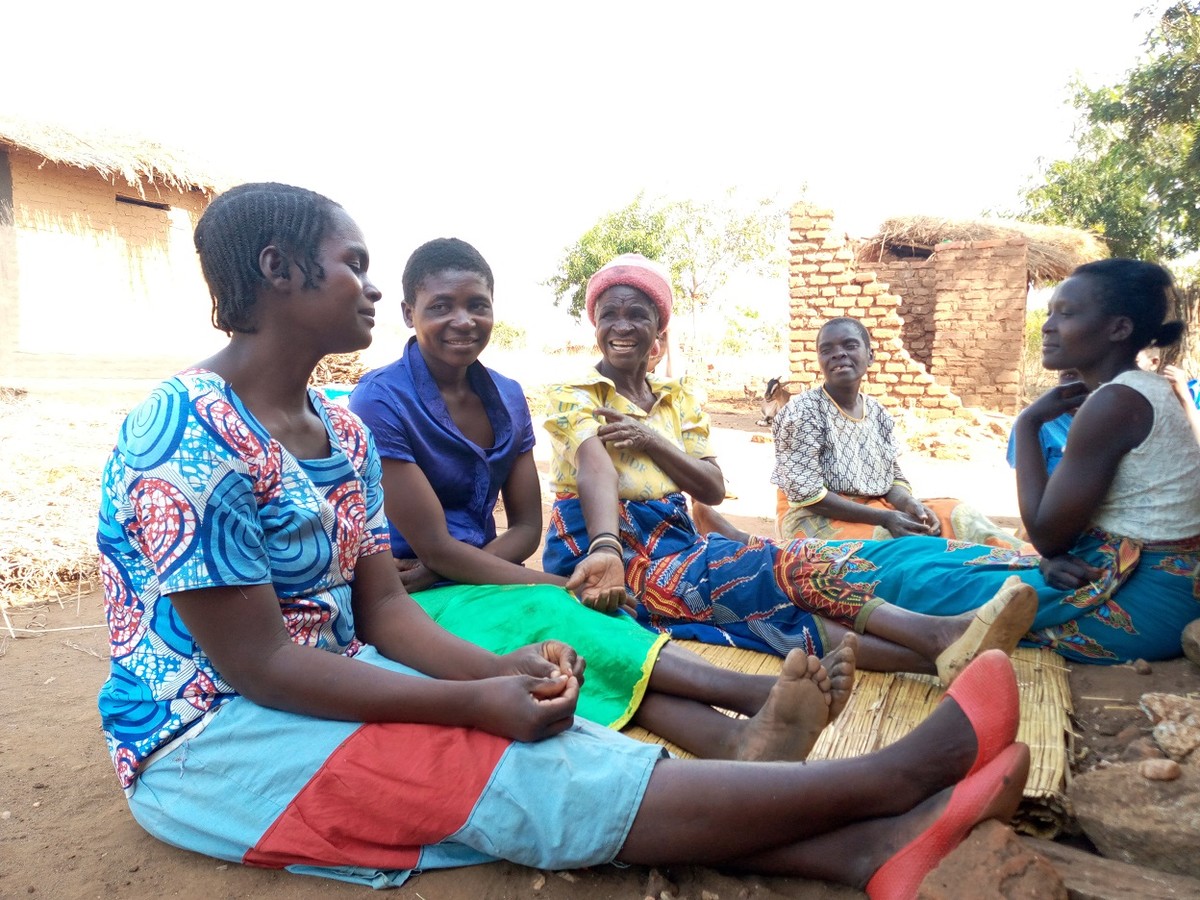
Strengthening the enabling environment for SRHR and reinforcing health systems to deliver sustainable, inclusive access to integrated SRHR services with a special focus on humanitarian and fragile settings.The Women’s Integrated Sexual Health (WISH) project, championed by a ‘Leave No One Behind’ approach, advances quality, integrated, and inclusive family planning and sexual and reproductive health (SRHR) services tailored to the needs of marginalized and hard-to-reach populations. In Eastern Africa, WISH2 builds on proven strategies and successes to extend access for populations often overlooked, young people, persons with disabilities, those living in poverty, and communities affected by conflict or displacement.Donor: Foreign, Commonwealth and Development Office (FCDO)Budget: Total budget of £ 75 million for East and Southern AfricaDuration: 2024 to 2029Funded by the UK Foreign, Commonwealth & Development Office (FCDO) and representing a significant commitment within the UK Government’s family planning framework, the WISH2 Eastern Africa initiative is led by the International Planned Parenthood Federation (IPPF) and executed by a dedicated consortium with partners including the International Rescue Committee (IRC), IPAS, Options Consultancy Services, and the Johns Hopkins Center for Communication Programs (JHU-CCP).Background on WISH 1 to WISH 2 EvolutionsThe Women's Integrated Sexual Health project was launched in 2018 as FCDO’s flagship initiative to expand access to voluntary family planning and sexual and reproductive health and rights services across 27 countries in Africa and Asia. The project was delivered in two parts, with Lot 2 (WISH2ACTION) implemented by a consortium led by IPPF, alongside MSI, Options, Humanity & Inclusion (HI), and IRC. WISH2ACTION aimed to deliver 16.921 million couple years of protection (CYPs) and reach 2.2 million additional users through a comprehensive approach to ensure equitable access to family planning and SRHR, prioritising youth under 20, the very poor, and marginalised populations including persons with disabilities and those in humanitarian or hard-to-reach settings. Its design integrated four core outputs: community and individual choice (Output 1), sustainability through national ownership (Output 2), access to quality services (Output 3), and global goods and evidence (Output 4). The success and learning from WISH2ACTION laid the foundation for WISH 2, which deepens focus on national systems strengthening, disability inclusion, safeguarding, and resilience in fragile contexts, ensuring SRHR remains a global priority while reaching those most at risk of being left behind.WISH 2 builds on successes and learning from WISH 1, while shifting toward greater national ownership, systems resilience, and sustainability. With a sharper focus on fragile and conflict-affected contexts, WISH 2 moves beyond service delivery to embedding SRHR within national policy frameworks, strengthening accountability, and enhancing inclusion through the systematic integration of disability rights, safeguarding, and climate-sensitive approaches. It places greater emphasis on evidence generation, adaptive learning, and localised solutions, ensuring that services are not only available but also accessible, equitable, and responsive to community needs. WISH 2 represents a strategic evolution, aligning with global priorities to “leave no one behind”while reinforcing SRHR as a critical component of universal health coverage and sustainable development.Read more about WISH2.
programme
| 04 October 2019
Women’s Integrated Sexual Health (WISH) 2
Strengthening the enabling environment for SRHR and reinforcing health systems to deliver sustainable, inclusive access to integrated SRHR services with a special focus on humanitarian and fragile settings.The Women’s Integrated Sexual Health (WISH) project, championed by a ‘Leave No One Behind’ approach, advances quality, integrated, and inclusive family planning and sexual and reproductive health (SRHR) services tailored to the needs of marginalized and hard-to-reach populations. In Eastern Africa, WISH2 builds on proven strategies and successes to extend access for populations often overlooked, young people, persons with disabilities, those living in poverty, and communities affected by conflict or displacement.Donor: Foreign, Commonwealth and Development Office (FCDO)Budget: Total budget of £ 75 million for East and Southern AfricaDuration: 2024 to 2029Funded by the UK Foreign, Commonwealth & Development Office (FCDO) and representing a significant commitment within the UK Government’s family planning framework, the WISH2 Eastern Africa initiative is led by the International Planned Parenthood Federation (IPPF) and executed by a dedicated consortium with partners including the International Rescue Committee (IRC), IPAS, Options Consultancy Services, and the Johns Hopkins Center for Communication Programs (JHU-CCP).Background on WISH 1 to WISH 2 EvolutionsThe Women's Integrated Sexual Health project was launched in 2018 as FCDO’s flagship initiative to expand access to voluntary family planning and sexual and reproductive health and rights services across 27 countries in Africa and Asia. The project was delivered in two parts, with Lot 2 (WISH2ACTION) implemented by a consortium led by IPPF, alongside MSI, Options, Humanity & Inclusion (HI), and IRC. WISH2ACTION aimed to deliver 16.921 million couple years of protection (CYPs) and reach 2.2 million additional users through a comprehensive approach to ensure equitable access to family planning and SRHR, prioritising youth under 20, the very poor, and marginalised populations including persons with disabilities and those in humanitarian or hard-to-reach settings. Its design integrated four core outputs: community and individual choice (Output 1), sustainability through national ownership (Output 2), access to quality services (Output 3), and global goods and evidence (Output 4). The success and learning from WISH2ACTION laid the foundation for WISH 2, which deepens focus on national systems strengthening, disability inclusion, safeguarding, and resilience in fragile contexts, ensuring SRHR remains a global priority while reaching those most at risk of being left behind.WISH 2 builds on successes and learning from WISH 1, while shifting toward greater national ownership, systems resilience, and sustainability. With a sharper focus on fragile and conflict-affected contexts, WISH 2 moves beyond service delivery to embedding SRHR within national policy frameworks, strengthening accountability, and enhancing inclusion through the systematic integration of disability rights, safeguarding, and climate-sensitive approaches. It places greater emphasis on evidence generation, adaptive learning, and localised solutions, ensuring that services are not only available but also accessible, equitable, and responsive to community needs. WISH 2 represents a strategic evolution, aligning with global priorities to “leave no one behind”while reinforcing SRHR as a critical component of universal health coverage and sustainable development.Read more about WISH2.
programme
| 11 July 2018
Social Enterprise Acceleration Programme
IPPF is committed to supporting Member Associations to develop social enterprise activities for the purpose of generating income, diversifying funding sources and, ultimately, achieving organizational and financial sustainability. IPPF understands social enterprise as using entrepreneurial methods to generate a surplus income, which is used to finance activities that enable the organization to fulfil its social mission. Member Associations have been engaging in social enterprise for decades. Activities include sale of services, commodities, training and others. In 2017, a survey to map social enterprise among the Member Associations showed that, across IPPF, social enterprise activities contribute up to 24% of the total income in 54 Member Associations, between 25% - 49% in 11 Member Associations, 50% - 74% in 14 Member Associations, between 75% - 99% in 13 Member Associations and 100% in one Member Association. Eight Member Associations reported income of US$ 1 million and above from the sale of specialized health and clinical services whereas five Member Associations raised more than US$ 1 million from commodity sales. Read more in our report: in English; Spanish; Arabic or French. In 2015, IPPF established the Social Enterprise Acceleration Programme (SEAP) aimed at strengthening the capacity of Member Associations to apply entrepreneurial best practices in the health sector while delivering social value and improving lives. SEAP has supported the establishment and growth of social enterprises of Member Associations with the following objectives: Accelerate the development of Member Associations towards achieving financial sustainability and maximizing social impact. Provide Member Associations with high quality technical advice to support the effective development and delivery of sustainable sexual and reproductive health interventions through social enterprise. Share key insights and best practices within the Federation and provide access to external networks of support and market opportunities. The coordination of SEAP is currently carried out by the Social Enterprise Hub managed by the Family Planning Association of Sri Lanka. The Social Enterprise Hub is responsible for SEAP’s grant management, enhancing awareness on social enterprising, project monitoring, capacity building, documentation of learnings and provision of technical assistance and training. Watch our social enterprise video, get familiar with our social enterprise capability statement, read our 2018/2019 MA project stories and download our country-specific resources on providing effective technical guidance. You can also get in touch by email if you have any queries or would like to know more information: seap@fpasrilanka.org
programme
| 11 July 2018
Social Enterprise Acceleration Programme
IPPF is committed to supporting Member Associations to develop social enterprise activities for the purpose of generating income, diversifying funding sources and, ultimately, achieving organizational and financial sustainability. IPPF understands social enterprise as using entrepreneurial methods to generate a surplus income, which is used to finance activities that enable the organization to fulfil its social mission. Member Associations have been engaging in social enterprise for decades. Activities include sale of services, commodities, training and others. In 2017, a survey to map social enterprise among the Member Associations showed that, across IPPF, social enterprise activities contribute up to 24% of the total income in 54 Member Associations, between 25% - 49% in 11 Member Associations, 50% - 74% in 14 Member Associations, between 75% - 99% in 13 Member Associations and 100% in one Member Association. Eight Member Associations reported income of US$ 1 million and above from the sale of specialized health and clinical services whereas five Member Associations raised more than US$ 1 million from commodity sales. Read more in our report: in English; Spanish; Arabic or French. In 2015, IPPF established the Social Enterprise Acceleration Programme (SEAP) aimed at strengthening the capacity of Member Associations to apply entrepreneurial best practices in the health sector while delivering social value and improving lives. SEAP has supported the establishment and growth of social enterprises of Member Associations with the following objectives: Accelerate the development of Member Associations towards achieving financial sustainability and maximizing social impact. Provide Member Associations with high quality technical advice to support the effective development and delivery of sustainable sexual and reproductive health interventions through social enterprise. Share key insights and best practices within the Federation and provide access to external networks of support and market opportunities. The coordination of SEAP is currently carried out by the Social Enterprise Hub managed by the Family Planning Association of Sri Lanka. The Social Enterprise Hub is responsible for SEAP’s grant management, enhancing awareness on social enterprising, project monitoring, capacity building, documentation of learnings and provision of technical assistance and training. Watch our social enterprise video, get familiar with our social enterprise capability statement, read our 2018/2019 MA project stories and download our country-specific resources on providing effective technical guidance. You can also get in touch by email if you have any queries or would like to know more information: seap@fpasrilanka.org
programme
| 13 June 2017
Safe Abortion Action Fund
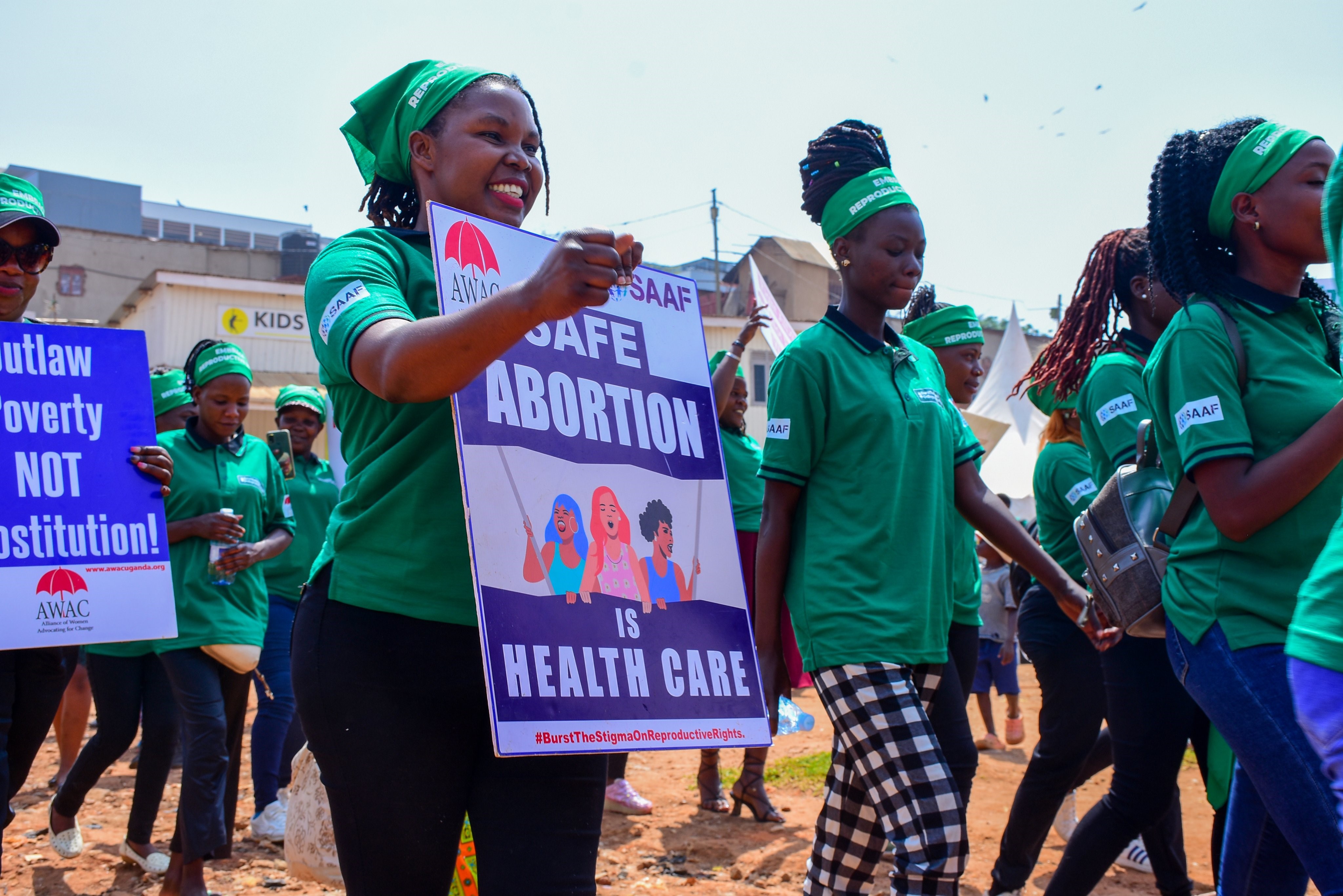
The Safe Abortion Action Fund (SAAF) is the only international fund focused exclusively on the right to safe and legal abortion. It was established in 2006 in part to meet the critical need for funding that arose upon the re-imposition of the ‘Global Gag Rule’.SAAF (hosted by IPPF) quickly became an important and unique funding mechanism – unequivocally focusing on de-stigmatizing and increasing access to safe legal abortion across the world and supporting organisations that serve people living in the most restrictive environments.Where financial support for abortion initiatives is scarce, particularly for organisations that may not be able to access large international funding mechanisms, SAAF provides a channel that can effectively support and strengthen the capacity of these groups, without the high administrative burden required by many donors.For more information about the fund visit the SAAF website www.saafund.org.
programme
| 13 June 2017
Safe Abortion Action Fund
The Safe Abortion Action Fund (SAAF) is the only international fund focused exclusively on the right to safe and legal abortion. It was established in 2006 in part to meet the critical need for funding that arose upon the re-imposition of the ‘Global Gag Rule’.SAAF (hosted by IPPF) quickly became an important and unique funding mechanism – unequivocally focusing on de-stigmatizing and increasing access to safe legal abortion across the world and supporting organisations that serve people living in the most restrictive environments.Where financial support for abortion initiatives is scarce, particularly for organisations that may not be able to access large international funding mechanisms, SAAF provides a channel that can effectively support and strengthen the capacity of these groups, without the high administrative burden required by many donors.For more information about the fund visit the SAAF website www.saafund.org.
programme
| 30 March 2017
Japan Trust Fund
The Japan Trust Fund (JTF) represents a visionary partnership that began in 2000 between the Government of Japan and IPPF. Together, we invest in programmes that prioritize health equity, gender equality, and human security for all. Traditionally a driving force behind IPPF's efforts to support the integrated HIV prevention programmes of our Member Associations in Africa and Asia, JTF has adjusted to reflect changing global health priorities. We attach importance to universal access to sexual and reproductive health and rights - an essential contributor to universal health coverage and the global development goals. These projects have transformed the lives of people most vulnerable to HIV and high risk of maternal and child mortality. Equally, it ensures that as a donor, the GOJ’s response to HIV remains people-centred and contributes to human security.
programme
| 30 March 2017
Japan Trust Fund
The Japan Trust Fund (JTF) represents a visionary partnership that began in 2000 between the Government of Japan and IPPF. Together, we invest in programmes that prioritize health equity, gender equality, and human security for all. Traditionally a driving force behind IPPF's efforts to support the integrated HIV prevention programmes of our Member Associations in Africa and Asia, JTF has adjusted to reflect changing global health priorities. We attach importance to universal access to sexual and reproductive health and rights - an essential contributor to universal health coverage and the global development goals. These projects have transformed the lives of people most vulnerable to HIV and high risk of maternal and child mortality. Equally, it ensures that as a donor, the GOJ’s response to HIV remains people-centred and contributes to human security.
programme
| 07 February 2017
ACT!2030
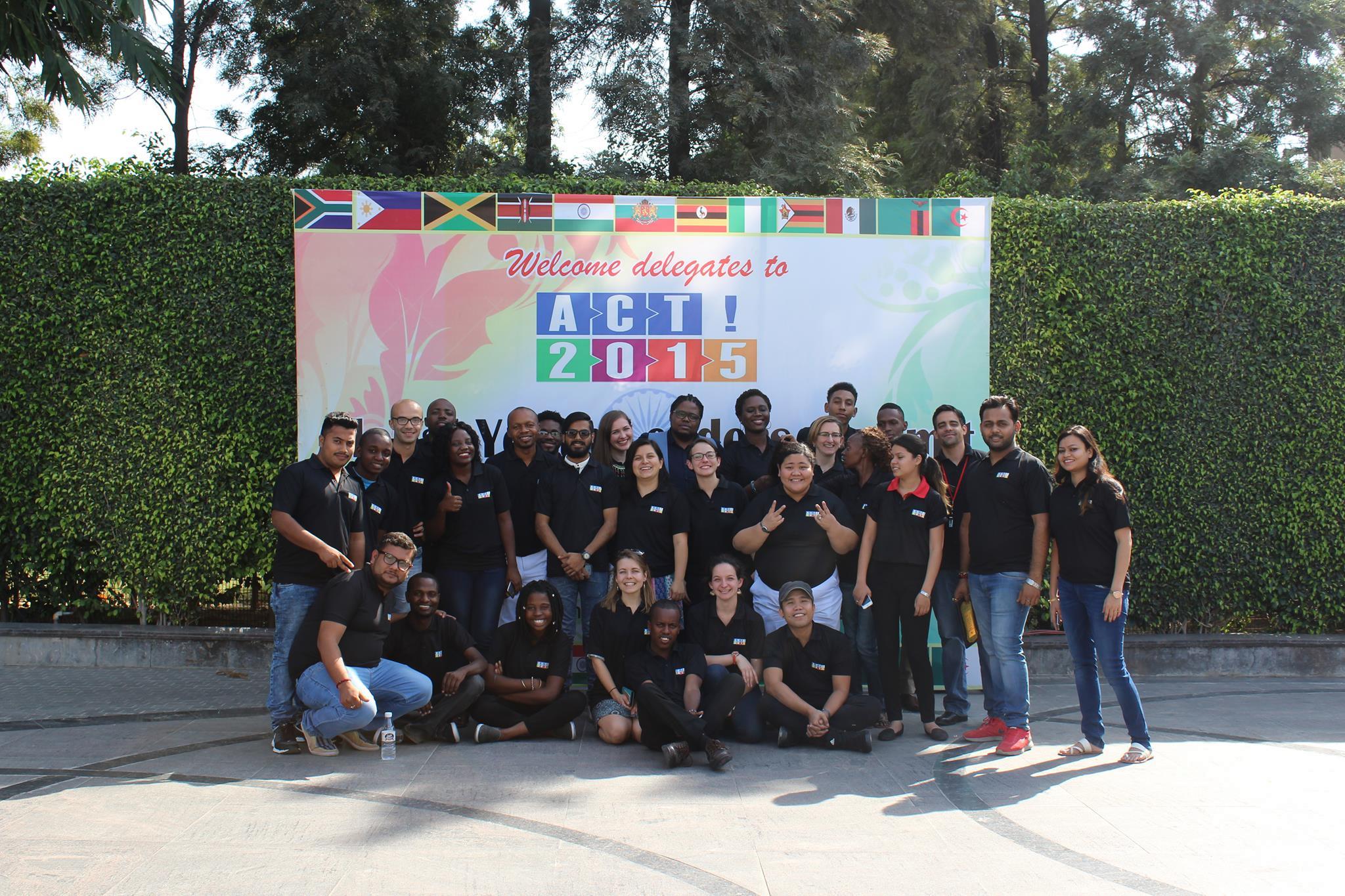
IPPF collaborates with UNAIDS and The PACT to implement ACT!2030 (formerly ACT!2015), a youth-led social action initiative which engages young people in 12 countries with advocacy and accountability around the Sustainable Development Goals (SDGs) and other SRHR agreements/frameworks. ACT!2030 was initiated in 2013 as a way to increase youth participation in the negotiations leading up to the adoption of the post-2015 development agenda, and for two years focused on establishing alliances of youth-led and youth-serving organisations in 12 countries across the world. The project is currently in Phase 4, which runs until the end of 2017, and aims to establish youth-led, data-driven accountability mechanisms to ensure youth engagement with the implementation of the SDGs and build an evidence base for advocacy. Ultimately, Phase 4 of ACT!2030 seeks to identify, assess and address key policy barriers to young people’s sexual and reproductive data by using existing data, supplemented by youth-collected data, to advocate and lobby for policy change. This phase involves four main activities: indicator advocacy (persuading decision makers to adopt youth-friendly SRHR and HIV indicators, including on things like comprehensive sexuality education (CSE) and access to youth-friendly services, into national/global reporting mechanisms); evidence gathering (creating national databases on quality of and access to youth-friendly services and CSE); communications (transforming this data and evidence into communications pieces that can be used to advocacy and lobby at national and international level); and global exchange (facilitating global visibility to share advocacy and engagement learnings and increase youth-led accountability in global and regional processes). ACT!2030 is implemented by national alliances of youth organisations in 12 countries: Algeria, Bulgaria, India, Jamaica, Kenya, Mexico, Nigeria, Philippines, South Africa, Uganda, Zambia and Zimbabwe.
programme
| 07 February 2017
ACT!2030
IPPF collaborates with UNAIDS and The PACT to implement ACT!2030 (formerly ACT!2015), a youth-led social action initiative which engages young people in 12 countries with advocacy and accountability around the Sustainable Development Goals (SDGs) and other SRHR agreements/frameworks. ACT!2030 was initiated in 2013 as a way to increase youth participation in the negotiations leading up to the adoption of the post-2015 development agenda, and for two years focused on establishing alliances of youth-led and youth-serving organisations in 12 countries across the world. The project is currently in Phase 4, which runs until the end of 2017, and aims to establish youth-led, data-driven accountability mechanisms to ensure youth engagement with the implementation of the SDGs and build an evidence base for advocacy. Ultimately, Phase 4 of ACT!2030 seeks to identify, assess and address key policy barriers to young people’s sexual and reproductive data by using existing data, supplemented by youth-collected data, to advocate and lobby for policy change. This phase involves four main activities: indicator advocacy (persuading decision makers to adopt youth-friendly SRHR and HIV indicators, including on things like comprehensive sexuality education (CSE) and access to youth-friendly services, into national/global reporting mechanisms); evidence gathering (creating national databases on quality of and access to youth-friendly services and CSE); communications (transforming this data and evidence into communications pieces that can be used to advocacy and lobby at national and international level); and global exchange (facilitating global visibility to share advocacy and engagement learnings and increase youth-led accountability in global and regional processes). ACT!2030 is implemented by national alliances of youth organisations in 12 countries: Algeria, Bulgaria, India, Jamaica, Kenya, Mexico, Nigeria, Philippines, South Africa, Uganda, Zambia and Zimbabwe.

programme
| 29 June 2016
Innovation Programme
The Innovation Programme tests new ideas and approaches to solving some of today's greatest sexual and reproductive health and rights challenges. Please click here for an interactive map of our projects around the world. Ensuring universal access to sexual and reproductive health in a constantly changing world requires innovative thinking. The Innovation Programme connects local expertise with global knowledge to find new and effective ways to improve people’s sexual and reproductive health. IPPF Member Associations develop creative projects to address these challenges, and partner with independent researchers to provide evidence and rationale for their success or failure within a safe space to take managed risks and learn. Learning from innovation contributes to the evidence base and is shared widely, both internally and externally. In Phase I, 41 initiatives were funded between 2005 and 2012. These initiatives have made important and sustainable changes to people’s lives. These focused on issues including: child marriage, people trafficking, supporting refugees, integrated services for people living with HIV, inclusion of sexual and gender diversity, and advocating for access to safe abortion services. The current phase of the Innovation Programme is funding 11 initiatives, including mHealth interventions to increase contraceptive access for young people; access to safe post-abortion care in humanitarian crises; approaches to increase participation and access of men and boys to sexual and reproductive health; and low-cost behavioural insights interventions to improve uptake and effectiveness of comprehensive sexuality education.
programme
| 29 June 2016
Innovation Programme
The Innovation Programme tests new ideas and approaches to solving some of today's greatest sexual and reproductive health and rights challenges. Please click here for an interactive map of our projects around the world. Ensuring universal access to sexual and reproductive health in a constantly changing world requires innovative thinking. The Innovation Programme connects local expertise with global knowledge to find new and effective ways to improve people’s sexual and reproductive health. IPPF Member Associations develop creative projects to address these challenges, and partner with independent researchers to provide evidence and rationale for their success or failure within a safe space to take managed risks and learn. Learning from innovation contributes to the evidence base and is shared widely, both internally and externally. In Phase I, 41 initiatives were funded between 2005 and 2012. These initiatives have made important and sustainable changes to people’s lives. These focused on issues including: child marriage, people trafficking, supporting refugees, integrated services for people living with HIV, inclusion of sexual and gender diversity, and advocating for access to safe abortion services. The current phase of the Innovation Programme is funding 11 initiatives, including mHealth interventions to increase contraceptive access for young people; access to safe post-abortion care in humanitarian crises; approaches to increase participation and access of men and boys to sexual and reproductive health; and low-cost behavioural insights interventions to improve uptake and effectiveness of comprehensive sexuality education.

programme
| 05 May 2016
Tackling abortion stigma
Abortion stigma affects women and girls, abortion providers, reproductive rights advocates and communities. Although abortion is a common experience around the world, it is still largely stigmatised. Negative attitudes and beliefs about abortion may act as barriers to accessing safe services and can make it difficult for people to talk about their experiences of abortion. This can be very isolating, and may force people to continue unwanted pregnancies or to seek unsafe abortion. Since 2011 the David & Lucile Packard Foundation has supported IPPF to implement a range of initiatives to investigate and address abortion stigma. Find out more here, about the effective strategies and learning over the course of this project. It is often young people who are most severely affected by abortion stigma, and who are most at risk of suffering health complications as a result of unsafe abortion. Since 2014 IPPF has delivered a project focused on abortion stigma as it affects young people’s access to services, with targeted work in our Member Associations in Benin, Burkina Faso, India and Pakistan. This builds on previous initiatives and includes: Implementing individual, community and clinic-based interventions in the four countries where abortion stigma research was conducted under the previous grant. Abortion stigma at the community level will be measured at the beginning and end of each project using an adapted version of the Stigmatizing Attitudes, Beliefs and Actions Scale (SABAS) developed by Ipas Developing global guidance and tools to improve abortion messaging to ensure abortion is integrated into peer educator training and better raise awareness of abortion-related services to young people Building capacity of youth advocates to speak out on the right to access abortion services Generating and sharing of evidence and good practices on addressing abortion stigma In addition to the abortion stigma work supported by the Packard Foundation, the IPPF Western Hemisphere Region (WHR) has been conducting a research study in collaboration with Ibis Reproductive Health to better understand the effects that the provision of abortion-related services have on providers’ and clients’ perceptions and experiences of stigma. This research has been conducted in four countries with different legal contexts and varying degrees of access to services: the Dominican Republic, Uruguay, Colombia, and Argentina. WHR is also working with the University of Michigan to pilot facilitated group workshops to reduce stigma and foster resilience among abortion service providers in Colombia, Argentina, Bolivia, Mexico and Peru. Through this project IPPF has created a range of tools and resources to support understanding of abortion stigma and to increase the capacity of our Member Associations to advocate for safe abortion, and to provide non-stigmatising education and information. How to talk about abortion: A guide for journalists, editors and media outlets encourages accurate reporting of the facts about abortion, and honest portrayals of abortion as part of real people’s lives and relationships. How to educate about abortion: A guide for peer educators, trainers and teachers is a comprehensive guide providing the rationale for teaching about abortion issues, as well a number of practical activities for doing so. The accompanying short animation distills this advice into just two minutes! How to talk about abortion: A guide to rights-based messaging is designed to help individuals and organizations think about the language and images they use to communicate about abortion and offers best practice tips. Again, a short animation has been created to share these tips further Our Member Associations in Bosnia and Herzegovina, Cameroon, Ghana, and Pakistan have shared best practices for improving young people’s access to safe abortion services. These feature strategies based on: creating a ‘buddy system’ for young people accessing services, working with educational establishments, using social media, and youth friendly spaces respectively. In 2015, young people from IPPF Member Associations in Spain, Nepal, Macedonia, Ghana and Palestine were awarded small grants to support projects focused on tackling abortion stigma. Read more about these youth-led projects. The ‘Youth Against Abortion Stigma’ website features blogposts from young IPPF volunteers around the world. In 2017, young people from IPPF Member Associations in Guinea, Kenya, Nepal, Puerto Rico, Sierra Leone and Venezuela were awarded small grants to support youth-led projects focused on tackling abortion stigma. SEE OUR RESULTS
programme
| 05 May 2016
Tackling abortion stigma
Abortion stigma affects women and girls, abortion providers, reproductive rights advocates and communities. Although abortion is a common experience around the world, it is still largely stigmatised. Negative attitudes and beliefs about abortion may act as barriers to accessing safe services and can make it difficult for people to talk about their experiences of abortion. This can be very isolating, and may force people to continue unwanted pregnancies or to seek unsafe abortion. Since 2011 the David & Lucile Packard Foundation has supported IPPF to implement a range of initiatives to investigate and address abortion stigma. Find out more here, about the effective strategies and learning over the course of this project. It is often young people who are most severely affected by abortion stigma, and who are most at risk of suffering health complications as a result of unsafe abortion. Since 2014 IPPF has delivered a project focused on abortion stigma as it affects young people’s access to services, with targeted work in our Member Associations in Benin, Burkina Faso, India and Pakistan. This builds on previous initiatives and includes: Implementing individual, community and clinic-based interventions in the four countries where abortion stigma research was conducted under the previous grant. Abortion stigma at the community level will be measured at the beginning and end of each project using an adapted version of the Stigmatizing Attitudes, Beliefs and Actions Scale (SABAS) developed by Ipas Developing global guidance and tools to improve abortion messaging to ensure abortion is integrated into peer educator training and better raise awareness of abortion-related services to young people Building capacity of youth advocates to speak out on the right to access abortion services Generating and sharing of evidence and good practices on addressing abortion stigma In addition to the abortion stigma work supported by the Packard Foundation, the IPPF Western Hemisphere Region (WHR) has been conducting a research study in collaboration with Ibis Reproductive Health to better understand the effects that the provision of abortion-related services have on providers’ and clients’ perceptions and experiences of stigma. This research has been conducted in four countries with different legal contexts and varying degrees of access to services: the Dominican Republic, Uruguay, Colombia, and Argentina. WHR is also working with the University of Michigan to pilot facilitated group workshops to reduce stigma and foster resilience among abortion service providers in Colombia, Argentina, Bolivia, Mexico and Peru. Through this project IPPF has created a range of tools and resources to support understanding of abortion stigma and to increase the capacity of our Member Associations to advocate for safe abortion, and to provide non-stigmatising education and information. How to talk about abortion: A guide for journalists, editors and media outlets encourages accurate reporting of the facts about abortion, and honest portrayals of abortion as part of real people’s lives and relationships. How to educate about abortion: A guide for peer educators, trainers and teachers is a comprehensive guide providing the rationale for teaching about abortion issues, as well a number of practical activities for doing so. The accompanying short animation distills this advice into just two minutes! How to talk about abortion: A guide to rights-based messaging is designed to help individuals and organizations think about the language and images they use to communicate about abortion and offers best practice tips. Again, a short animation has been created to share these tips further Our Member Associations in Bosnia and Herzegovina, Cameroon, Ghana, and Pakistan have shared best practices for improving young people’s access to safe abortion services. These feature strategies based on: creating a ‘buddy system’ for young people accessing services, working with educational establishments, using social media, and youth friendly spaces respectively. In 2015, young people from IPPF Member Associations in Spain, Nepal, Macedonia, Ghana and Palestine were awarded small grants to support projects focused on tackling abortion stigma. Read more about these youth-led projects. The ‘Youth Against Abortion Stigma’ website features blogposts from young IPPF volunteers around the world. In 2017, young people from IPPF Member Associations in Guinea, Kenya, Nepal, Puerto Rico, Sierra Leone and Venezuela were awarded small grants to support youth-led projects focused on tackling abortion stigma. SEE OUR RESULTS

programme
| 09 April 2016
Sustainable Networks
Support for International Family Planning Organizations 2; Sustainable Networks (SIFPO 2) is a five-year programme funded by the United States Agency for International Development (USAID). It is aimed at improving IPPF's capacity to significantly increase family planning programming worldwide, working in partnership with The Population Council and our Member Associations. USAID, through SIFPO 2 is supporting IPPF to deliver high quality, affordable family planning services to young, poor and underserved women and men in USAID priority countries. By strengthening IPPF's organizational capacity and by supporting Member Associations directly, SIFPO 2 is helping build a stronger, more effective Federation. By the end of the project in 2019, we aim to: Strengthen organizational systems and improved capacity to deliver quality family planning and other health programmes Test, implement and disseminate innovations, tools and approaches for delivering family planning services to young, poor and underserved communities Implement or leverage financing mechanism that improve the sustainability of family planning and other health services Strengthen the capacity of IPPF Member Associations and other partner governments to provide high quality family planning and other health services Pursue innovative partnerships to strengthen health service delivery networks SIFPO 2 will transform IPPF’s systems and capacity to deliver quality assured, affordable family planning. Through a series of targeted investments, IPPF will move to a new trajectory of performance with new systems that enable data driven decision making and partnerships that increase sustainability. This investment will revolutionize our network and improve health and rights for millions of young, poor and/or underserved women and men in USAID family planning priority countries. Result areas Strengthening Organizational Capacity. The Sustainable Networks award provides IPPF with the opportunity to invest in strengthening its global systems to deliver high quality family planning. The project will allow for targeted contributions to our health management information system, supply chain management, and quality of care. We will support leadership and implementation of best practice across all MAs through organizational learning and investments in impactful, proven models of service delivery. Increasing Sustainability of Country-Level Family Planning. Sustainable Networks offers USAID the opportunity to leverage IPPF’s broad reach and extensive service delivery network by investing directly in locally owned and managed organizations. Through Sustainable Networks, our Member Associations will build the capacity of their local partners to provide high quality family planning and other health services and will pursue innovative partnerships to strengthen their health service delivery networks. Partners In order to deliver SIFPO-2, IPPF has partnered with selected family planning and research organizations including: The Population Council conducts research to address critical health and development issues. The Population Council will lead the research components of SIFPO-2 and will ensure that systematic evidence is generated on IPPF's programmes for organizational learning and wider dissemination. University of California San Diego (UCSD) Center on Gender Equity and Health (GEH) conducts innovative global public health research, including developing and evaluating evidence-based policies and practices related to gender-based violence and other gender inequities and their impact on health. IPPF and GEH are adapting and evaluating a promising clinic-based intervention (ARCHES, Addressing Reproductive Coercion in Health Settings) to reduce intimate partner violence, reproductive coercion, and related unintended pregnancy among women and girls attending family planning clinics. SIFPO-2 is also working in partnership with IPPF member associations in Nepal, Kenya, Malawi, Liberia, the Ivory Coast, Togo, Domonican Republic, Honduras, Guatemala, and El Salvador. The Support for International Family Planning Organizations 2 - Sustainable Networks project is a five-year cooperative agreement funded by the US Agency for International Development under Agreement No. AID-0AA-A-14-00038, beginning May 13, 2014. The information provided in this document is not official US government information and does not necessarily represent the views or positions of the US Agency for International Development. Project activities Here is a selection of SIFPO2 project activities across Asia, Africa and Latin America: Family Planning Association of Nepal (FPAN) Supporting voluntary family planning and Zika prevention in countries affected by Zika Family Health Options Kenya (FHOK)
programme
| 09 April 2016
Sustainable Networks
Support for International Family Planning Organizations 2; Sustainable Networks (SIFPO 2) is a five-year programme funded by the United States Agency for International Development (USAID). It is aimed at improving IPPF's capacity to significantly increase family planning programming worldwide, working in partnership with The Population Council and our Member Associations. USAID, through SIFPO 2 is supporting IPPF to deliver high quality, affordable family planning services to young, poor and underserved women and men in USAID priority countries. By strengthening IPPF's organizational capacity and by supporting Member Associations directly, SIFPO 2 is helping build a stronger, more effective Federation. By the end of the project in 2019, we aim to: Strengthen organizational systems and improved capacity to deliver quality family planning and other health programmes Test, implement and disseminate innovations, tools and approaches for delivering family planning services to young, poor and underserved communities Implement or leverage financing mechanism that improve the sustainability of family planning and other health services Strengthen the capacity of IPPF Member Associations and other partner governments to provide high quality family planning and other health services Pursue innovative partnerships to strengthen health service delivery networks SIFPO 2 will transform IPPF’s systems and capacity to deliver quality assured, affordable family planning. Through a series of targeted investments, IPPF will move to a new trajectory of performance with new systems that enable data driven decision making and partnerships that increase sustainability. This investment will revolutionize our network and improve health and rights for millions of young, poor and/or underserved women and men in USAID family planning priority countries. Result areas Strengthening Organizational Capacity. The Sustainable Networks award provides IPPF with the opportunity to invest in strengthening its global systems to deliver high quality family planning. The project will allow for targeted contributions to our health management information system, supply chain management, and quality of care. We will support leadership and implementation of best practice across all MAs through organizational learning and investments in impactful, proven models of service delivery. Increasing Sustainability of Country-Level Family Planning. Sustainable Networks offers USAID the opportunity to leverage IPPF’s broad reach and extensive service delivery network by investing directly in locally owned and managed organizations. Through Sustainable Networks, our Member Associations will build the capacity of their local partners to provide high quality family planning and other health services and will pursue innovative partnerships to strengthen their health service delivery networks. Partners In order to deliver SIFPO-2, IPPF has partnered with selected family planning and research organizations including: The Population Council conducts research to address critical health and development issues. The Population Council will lead the research components of SIFPO-2 and will ensure that systematic evidence is generated on IPPF's programmes for organizational learning and wider dissemination. University of California San Diego (UCSD) Center on Gender Equity and Health (GEH) conducts innovative global public health research, including developing and evaluating evidence-based policies and practices related to gender-based violence and other gender inequities and their impact on health. IPPF and GEH are adapting and evaluating a promising clinic-based intervention (ARCHES, Addressing Reproductive Coercion in Health Settings) to reduce intimate partner violence, reproductive coercion, and related unintended pregnancy among women and girls attending family planning clinics. SIFPO-2 is also working in partnership with IPPF member associations in Nepal, Kenya, Malawi, Liberia, the Ivory Coast, Togo, Domonican Republic, Honduras, Guatemala, and El Salvador. The Support for International Family Planning Organizations 2 - Sustainable Networks project is a five-year cooperative agreement funded by the US Agency for International Development under Agreement No. AID-0AA-A-14-00038, beginning May 13, 2014. The information provided in this document is not official US government information and does not necessarily represent the views or positions of the US Agency for International Development. Project activities Here is a selection of SIFPO2 project activities across Asia, Africa and Latin America: Family Planning Association of Nepal (FPAN) Supporting voluntary family planning and Zika prevention in countries affected by Zika Family Health Options Kenya (FHOK)