


Spotlight
A selection of resources from across the Federation

Resource
Advancing Sex Workers’ Sexual and Reproductive Health and Rights: A Toolkit for Inclusive Programming
This toolkit is grounded in international guidance and frameworks on sex workers’ health and human rights.
Most Popular This Week

Resource
|
Advancing Sex Workers’ Sexual and Reproductive Health and Rights: A Toolkit for Inclusive Programming
Sexual and reproductive health and rights (SRHR) are not only an integral part of the right to health but also necessary to enjoy many other human rights.

Resource
|
IPPF Annual Report and Financial Statements 2025
IPPF is a global federation and movement of 100+ locally led Member Associations and Collaborative Partnersin 150+ countries, dedicated to sexual and reproductive health, rights

Resource
|
Annual Performance Report 2025
The IPPF Annual Performance Report 2025 tells a story of resilience, solidarity and shared leadership across our Federation.


Resource
|
Review of IPPF’s Governance Reform
Following IPPF’s governance reform in 2019/2020, a review of the reform process was conducted, which provided important insights for the new Board of Trustees and the Secretariat to support the cha

Resource
|
IMAP Statement on Sex Worker-Centred Sexual and Reproductive Health Services
This statement is intended to provide guidance to Member Associations and Collaborative Partners across the Federation on delivering comprehensive, evidence‑based sexual and reproductive health (SR


Filter our resources by:

Resource
| 17 January 2019
Social Enterprise guidance
As lack of funding is threatening health and the lives of millions of women and girls, we're turning to social enterprises to generate funds. This helps our Member Associations to increase their services. Download our country-specific resources above on providing effective technical guidance, watch our social enterprise video, and read our social enterprise capability statement for more. You can also get in touch by email if you have any queries or would like to know more: seap@fpasrilanka.org
Resource
| 17 January 2019
Social Enterprise guidance
As lack of funding is threatening health and the lives of millions of women and girls, we're turning to social enterprises to generate funds. This helps our Member Associations to increase their services. Download our country-specific resources above on providing effective technical guidance, watch our social enterprise video, and read our social enterprise capability statement for more. You can also get in touch by email if you have any queries or would like to know more: seap@fpasrilanka.org

Resource
| 01 January 2019
Youth-led Social Accountability Manual
Resource
| 01 January 2019
Youth-led Social Accountability Manual
Resource
| 04 December 2018
Leaving no one behind: Universal health coverage and sexual and reproductive health and rights
Universal health coverage means ensuring every person has access to quality, affordable health services and plays a pivotal role in achieving global development targets. Healthy populations can better contribute socially and economically, while poor health is a major driver of poverty. Universal access to sexual and reproductive health care services is identified in the Sustainable Development Goals as an essential contributor to ensuring healthy lives and promoting well-being for all at all ages. IPPF, together with the London School of Hygiene and Tropical Medicine, undertook a literature review looking at progress to date in and challenges to achieving universal access to sexual and reproductive health and rights. The review, Leaving no one behind, is illustrated with case studies on Afghanistan, Cambodia, Kenya and Sudan. Supported by the Japan Trust Fund.
Resource
| 04 December 2018
Leaving no one behind: Universal health coverage and sexual and reproductive health and rights
Universal health coverage means ensuring every person has access to quality, affordable health services and plays a pivotal role in achieving global development targets. Healthy populations can better contribute socially and economically, while poor health is a major driver of poverty. Universal access to sexual and reproductive health care services is identified in the Sustainable Development Goals as an essential contributor to ensuring healthy lives and promoting well-being for all at all ages. IPPF, together with the London School of Hygiene and Tropical Medicine, undertook a literature review looking at progress to date in and challenges to achieving universal access to sexual and reproductive health and rights. The review, Leaving no one behind, is illustrated with case studies on Afghanistan, Cambodia, Kenya and Sudan. Supported by the Japan Trust Fund.

Resource
| 30 November 2018
Quiz: "Can I get HIV from kissing?"
World AIDS Day: “Can I get HIV from kissing?” and other questions answered1 December is World AIDS Day, an opportunity for us all to unite in the fight against HIV, to stand in solidarity with the 36.9 million people living with HIV around the world, and to commemorate those who have died from an AIDS-related illness. Over the past few decades, HIV and AIDS have been discussed a lot, but what do you really know about them? Find out in our quiz >> 1/10. True or false: HIV and AIDS are the same thing2/10. How might HIV be transmitted from one person to another?3/10. If both sexual partners have HIV, then they don’t need to worry about using condoms – true or false?4/10. There are 36.9 million people living with HIV globally. How many of them are not aware of their HIV status?5/10. Can people living with HIV safely have children?6/10. HIV only affects certain groups of people – true or false?7/10. Which of the following is the best way to prevent transmission of HIV and other STIs?8/10. True or false: If you have taken an HIV test already, then you don't need to do it again9/10. How long should you wait before going for an HIV test?10/10. What does being “undetectable” mean?Good try! If you learned something new today, scroll down to share this with friends :point_down:Pretty good! If you learned something new today, scroll down to share this with friends :point_down:Great work! If you learned something new today, scroll down to share this with friends :point_down:
Resource
| 30 November 2018
Quiz: "Can I get HIV from kissing?"
World AIDS Day: “Can I get HIV from kissing?” and other questions answered1 December is World AIDS Day, an opportunity for us all to unite in the fight against HIV, to stand in solidarity with the 36.9 million people living with HIV around the world, and to commemorate those who have died from an AIDS-related illness. Over the past few decades, HIV and AIDS have been discussed a lot, but what do you really know about them? Find out in our quiz >> 1/10. True or false: HIV and AIDS are the same thing2/10. How might HIV be transmitted from one person to another?3/10. If both sexual partners have HIV, then they don’t need to worry about using condoms – true or false?4/10. There are 36.9 million people living with HIV globally. How many of them are not aware of their HIV status?5/10. Can people living with HIV safely have children?6/10. HIV only affects certain groups of people – true or false?7/10. Which of the following is the best way to prevent transmission of HIV and other STIs?8/10. True or false: If you have taken an HIV test already, then you don't need to do it again9/10. How long should you wait before going for an HIV test?10/10. What does being “undetectable” mean?Good try! If you learned something new today, scroll down to share this with friends :point_down:Pretty good! If you learned something new today, scroll down to share this with friends :point_down:Great work! If you learned something new today, scroll down to share this with friends :point_down:
Resource
| 28 November 2018
Tackling child marriage in Malawi
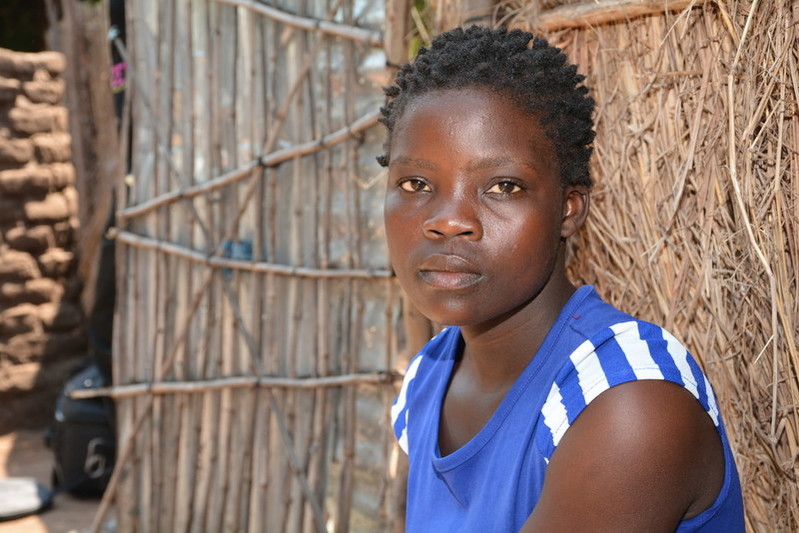
Malawi has one of the most comprehensive laws against child marriage in Africa after a new bill was passed in 2017 increasing the legal marital age from 15 to 18-years-old. The Marriage Act of Malawi in 2017 protects any girl under the age of 18 from marriage and holds parents or other family members who marry their children off below the age accountable and liable to prosecution. But even with the law, cases of child marriage are still happening but community Watch Groups have been set up to help. This is the story of one girl helped by her local watch group. Family Planning Association of Malawi (FPAM) with money from the Japan Trust Fund supports the watch group by building the capacity of its members. Five members of the Jalasi Watch Group have been trained about the law, policies around the issue of child marriage and how they align with the by-laws. © Photos: James Ngechu
Resource
| 28 November 2018
Tackling child marriage in Malawi
Malawi has one of the most comprehensive laws against child marriage in Africa after a new bill was passed in 2017 increasing the legal marital age from 15 to 18-years-old. The Marriage Act of Malawi in 2017 protects any girl under the age of 18 from marriage and holds parents or other family members who marry their children off below the age accountable and liable to prosecution. But even with the law, cases of child marriage are still happening but community Watch Groups have been set up to help. This is the story of one girl helped by her local watch group. Family Planning Association of Malawi (FPAM) with money from the Japan Trust Fund supports the watch group by building the capacity of its members. Five members of the Jalasi Watch Group have been trained about the law, policies around the issue of child marriage and how they align with the by-laws. © Photos: James Ngechu
Resource
| 26 November 2018
Watch: Bridging the Gap
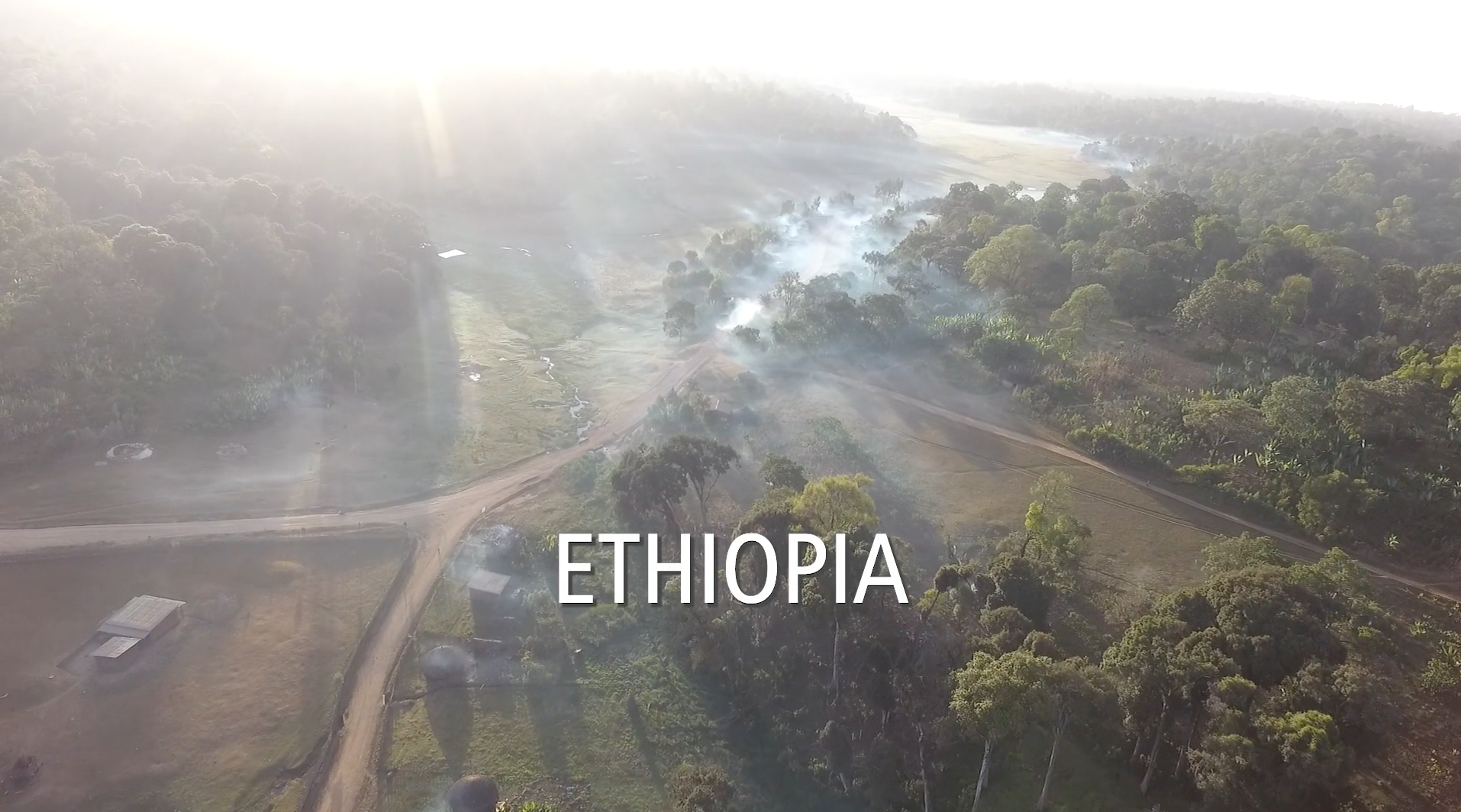
Ethiopia is the second most populous country in Africa and the tenth most populous in the world. It is estimated that two-thirds of women do not have access to sexual and reproductive healthcare services. Our member association - Family Guidance Association of Ethiopia (FGAE) is bridging the gap between the need for healthcare and women by bringing services into the heart of the workplace across Ethiopia, a country where 47% of the workforce is female. FGAE currently provides services to over 125,000 people at sixteen large-scale workplaces across Ethiopia, from coffee plantations to textile factories.
Resource
| 26 November 2018
Watch: Bridging the Gap
Ethiopia is the second most populous country in Africa and the tenth most populous in the world. It is estimated that two-thirds of women do not have access to sexual and reproductive healthcare services. Our member association - Family Guidance Association of Ethiopia (FGAE) is bridging the gap between the need for healthcare and women by bringing services into the heart of the workplace across Ethiopia, a country where 47% of the workforce is female. FGAE currently provides services to over 125,000 people at sixteen large-scale workplaces across Ethiopia, from coffee plantations to textile factories.
Resource
| 13 November 2018
How to move your organization towards being youth-centred - an introduction
Resource
| 13 November 2018
How to move your organization towards being youth-centred - an introduction

Resource
| 31 October 2018
IPPF recommendations on the Global Financing Facility
This briefing sets out four concrete asks for GFF investors and stakeholders ahead of the 6 November GFF replenishment event in Oslo, Norway.
Resource
| 31 October 2018
IPPF recommendations on the Global Financing Facility
This briefing sets out four concrete asks for GFF investors and stakeholders ahead of the 6 November GFF replenishment event in Oslo, Norway.

Resource
| 30 October 2018
Watch: Ending child marriage in Malawi
Malawi has one of the highest rates of child marriage in the world. It's estimated that 47% of women and girls are married before the age of 18. In 2017 to help combat child marriage, Malawi changed the legal age of marriage to 18 but despite the change in the law, early child marriage still occurs in many villages. IPPF member association, Family Planning Association of Malawi (FPAM), is teaming up with social workers and local community leaders to form community watch groups, to help end child marriage.
Resource
| 30 October 2018
Watch: Ending child marriage in Malawi
Malawi has one of the highest rates of child marriage in the world. It's estimated that 47% of women and girls are married before the age of 18. In 2017 to help combat child marriage, Malawi changed the legal age of marriage to 18 but despite the change in the law, early child marriage still occurs in many villages. IPPF member association, Family Planning Association of Malawi (FPAM), is teaming up with social workers and local community leaders to form community watch groups, to help end child marriage.
Resource
| 19 October 2018
IMAP statement on medical abortion
Lack of access to safe abortion care is further exacerbated in many settings by stigma, a lack of knowledge on sexual and reproductive health and rights (SRHR),3 and what the Guttmacher‑Lancet Commission on Sexual and Reproductive Health and Rights calls “a persistent discrimination against women and girls, and an unwillingness to address issues related to sexuality openly and comprehensively.”4 Particularly vulnerable groups within this context are adolescents; women with disabilities; sex workers; women who are subjected to forced marriage, domestic violence, abuse or rape, or female genital mutilation; and women subjected to human trafficking. Medical abortion has the potential to increase access to safe abortion care and to increase women’s autonomy and decision‑making with regards to their reproductive choices and rights. It is time to implement evidence‑based abortion services that promote, protect and fulfil the sexual and reproductive rights of all individuals everywhere.
Resource
| 19 October 2018
IMAP statement on medical abortion
Lack of access to safe abortion care is further exacerbated in many settings by stigma, a lack of knowledge on sexual and reproductive health and rights (SRHR),3 and what the Guttmacher‑Lancet Commission on Sexual and Reproductive Health and Rights calls “a persistent discrimination against women and girls, and an unwillingness to address issues related to sexuality openly and comprehensively.”4 Particularly vulnerable groups within this context are adolescents; women with disabilities; sex workers; women who are subjected to forced marriage, domestic violence, abuse or rape, or female genital mutilation; and women subjected to human trafficking. Medical abortion has the potential to increase access to safe abortion care and to increase women’s autonomy and decision‑making with regards to their reproductive choices and rights. It is time to implement evidence‑based abortion services that promote, protect and fulfil the sexual and reproductive rights of all individuals everywhere.
Resource
| 17 January 2019
Social Enterprise guidance
As lack of funding is threatening health and the lives of millions of women and girls, we're turning to social enterprises to generate funds. This helps our Member Associations to increase their services. Download our country-specific resources above on providing effective technical guidance, watch our social enterprise video, and read our social enterprise capability statement for more. You can also get in touch by email if you have any queries or would like to know more: seap@fpasrilanka.org
Resource
| 17 January 2019
Social Enterprise guidance
As lack of funding is threatening health and the lives of millions of women and girls, we're turning to social enterprises to generate funds. This helps our Member Associations to increase their services. Download our country-specific resources above on providing effective technical guidance, watch our social enterprise video, and read our social enterprise capability statement for more. You can also get in touch by email if you have any queries or would like to know more: seap@fpasrilanka.org
Resource
| 01 January 2019
Youth-led Social Accountability Manual
Resource
| 01 January 2019
Youth-led Social Accountability Manual
Resource
| 04 December 2018
Leaving no one behind: Universal health coverage and sexual and reproductive health and rights
Universal health coverage means ensuring every person has access to quality, affordable health services and plays a pivotal role in achieving global development targets. Healthy populations can better contribute socially and economically, while poor health is a major driver of poverty. Universal access to sexual and reproductive health care services is identified in the Sustainable Development Goals as an essential contributor to ensuring healthy lives and promoting well-being for all at all ages. IPPF, together with the London School of Hygiene and Tropical Medicine, undertook a literature review looking at progress to date in and challenges to achieving universal access to sexual and reproductive health and rights. The review, Leaving no one behind, is illustrated with case studies on Afghanistan, Cambodia, Kenya and Sudan. Supported by the Japan Trust Fund.
Resource
| 04 December 2018
Leaving no one behind: Universal health coverage and sexual and reproductive health and rights
Universal health coverage means ensuring every person has access to quality, affordable health services and plays a pivotal role in achieving global development targets. Healthy populations can better contribute socially and economically, while poor health is a major driver of poverty. Universal access to sexual and reproductive health care services is identified in the Sustainable Development Goals as an essential contributor to ensuring healthy lives and promoting well-being for all at all ages. IPPF, together with the London School of Hygiene and Tropical Medicine, undertook a literature review looking at progress to date in and challenges to achieving universal access to sexual and reproductive health and rights. The review, Leaving no one behind, is illustrated with case studies on Afghanistan, Cambodia, Kenya and Sudan. Supported by the Japan Trust Fund.
Resource
| 30 November 2018
Quiz: "Can I get HIV from kissing?"
World AIDS Day: “Can I get HIV from kissing?” and other questions answered1 December is World AIDS Day, an opportunity for us all to unite in the fight against HIV, to stand in solidarity with the 36.9 million people living with HIV around the world, and to commemorate those who have died from an AIDS-related illness. Over the past few decades, HIV and AIDS have been discussed a lot, but what do you really know about them? Find out in our quiz >> 1/10. True or false: HIV and AIDS are the same thing2/10. How might HIV be transmitted from one person to another?3/10. If both sexual partners have HIV, then they don’t need to worry about using condoms – true or false?4/10. There are 36.9 million people living with HIV globally. How many of them are not aware of their HIV status?5/10. Can people living with HIV safely have children?6/10. HIV only affects certain groups of people – true or false?7/10. Which of the following is the best way to prevent transmission of HIV and other STIs?8/10. True or false: If you have taken an HIV test already, then you don't need to do it again9/10. How long should you wait before going for an HIV test?10/10. What does being “undetectable” mean?Good try! If you learned something new today, scroll down to share this with friends :point_down:Pretty good! If you learned something new today, scroll down to share this with friends :point_down:Great work! If you learned something new today, scroll down to share this with friends :point_down:
Resource
| 30 November 2018
Quiz: "Can I get HIV from kissing?"
World AIDS Day: “Can I get HIV from kissing?” and other questions answered1 December is World AIDS Day, an opportunity for us all to unite in the fight against HIV, to stand in solidarity with the 36.9 million people living with HIV around the world, and to commemorate those who have died from an AIDS-related illness. Over the past few decades, HIV and AIDS have been discussed a lot, but what do you really know about them? Find out in our quiz >> 1/10. True or false: HIV and AIDS are the same thing2/10. How might HIV be transmitted from one person to another?3/10. If both sexual partners have HIV, then they don’t need to worry about using condoms – true or false?4/10. There are 36.9 million people living with HIV globally. How many of them are not aware of their HIV status?5/10. Can people living with HIV safely have children?6/10. HIV only affects certain groups of people – true or false?7/10. Which of the following is the best way to prevent transmission of HIV and other STIs?8/10. True or false: If you have taken an HIV test already, then you don't need to do it again9/10. How long should you wait before going for an HIV test?10/10. What does being “undetectable” mean?Good try! If you learned something new today, scroll down to share this with friends :point_down:Pretty good! If you learned something new today, scroll down to share this with friends :point_down:Great work! If you learned something new today, scroll down to share this with friends :point_down:
Resource
| 28 November 2018
Tackling child marriage in Malawi
Malawi has one of the most comprehensive laws against child marriage in Africa after a new bill was passed in 2017 increasing the legal marital age from 15 to 18-years-old. The Marriage Act of Malawi in 2017 protects any girl under the age of 18 from marriage and holds parents or other family members who marry their children off below the age accountable and liable to prosecution. But even with the law, cases of child marriage are still happening but community Watch Groups have been set up to help. This is the story of one girl helped by her local watch group. Family Planning Association of Malawi (FPAM) with money from the Japan Trust Fund supports the watch group by building the capacity of its members. Five members of the Jalasi Watch Group have been trained about the law, policies around the issue of child marriage and how they align with the by-laws. © Photos: James Ngechu
Resource
| 28 November 2018
Tackling child marriage in Malawi
Malawi has one of the most comprehensive laws against child marriage in Africa after a new bill was passed in 2017 increasing the legal marital age from 15 to 18-years-old. The Marriage Act of Malawi in 2017 protects any girl under the age of 18 from marriage and holds parents or other family members who marry their children off below the age accountable and liable to prosecution. But even with the law, cases of child marriage are still happening but community Watch Groups have been set up to help. This is the story of one girl helped by her local watch group. Family Planning Association of Malawi (FPAM) with money from the Japan Trust Fund supports the watch group by building the capacity of its members. Five members of the Jalasi Watch Group have been trained about the law, policies around the issue of child marriage and how they align with the by-laws. © Photos: James Ngechu
Resource
| 26 November 2018
Watch: Bridging the Gap
Ethiopia is the second most populous country in Africa and the tenth most populous in the world. It is estimated that two-thirds of women do not have access to sexual and reproductive healthcare services. Our member association - Family Guidance Association of Ethiopia (FGAE) is bridging the gap between the need for healthcare and women by bringing services into the heart of the workplace across Ethiopia, a country where 47% of the workforce is female. FGAE currently provides services to over 125,000 people at sixteen large-scale workplaces across Ethiopia, from coffee plantations to textile factories.
Resource
| 26 November 2018
Watch: Bridging the Gap
Ethiopia is the second most populous country in Africa and the tenth most populous in the world. It is estimated that two-thirds of women do not have access to sexual and reproductive healthcare services. Our member association - Family Guidance Association of Ethiopia (FGAE) is bridging the gap between the need for healthcare and women by bringing services into the heart of the workplace across Ethiopia, a country where 47% of the workforce is female. FGAE currently provides services to over 125,000 people at sixteen large-scale workplaces across Ethiopia, from coffee plantations to textile factories.
Resource
| 13 November 2018
How to move your organization towards being youth-centred - an introduction
Resource
| 13 November 2018
How to move your organization towards being youth-centred - an introduction
Resource
| 31 October 2018
IPPF recommendations on the Global Financing Facility
This briefing sets out four concrete asks for GFF investors and stakeholders ahead of the 6 November GFF replenishment event in Oslo, Norway.
Resource
| 31 October 2018
IPPF recommendations on the Global Financing Facility
This briefing sets out four concrete asks for GFF investors and stakeholders ahead of the 6 November GFF replenishment event in Oslo, Norway.
Resource
| 30 October 2018
Watch: Ending child marriage in Malawi
Malawi has one of the highest rates of child marriage in the world. It's estimated that 47% of women and girls are married before the age of 18. In 2017 to help combat child marriage, Malawi changed the legal age of marriage to 18 but despite the change in the law, early child marriage still occurs in many villages. IPPF member association, Family Planning Association of Malawi (FPAM), is teaming up with social workers and local community leaders to form community watch groups, to help end child marriage.
Resource
| 30 October 2018
Watch: Ending child marriage in Malawi
Malawi has one of the highest rates of child marriage in the world. It's estimated that 47% of women and girls are married before the age of 18. In 2017 to help combat child marriage, Malawi changed the legal age of marriage to 18 but despite the change in the law, early child marriage still occurs in many villages. IPPF member association, Family Planning Association of Malawi (FPAM), is teaming up with social workers and local community leaders to form community watch groups, to help end child marriage.
Resource
| 19 October 2018
IMAP statement on medical abortion
Lack of access to safe abortion care is further exacerbated in many settings by stigma, a lack of knowledge on sexual and reproductive health and rights (SRHR),3 and what the Guttmacher‑Lancet Commission on Sexual and Reproductive Health and Rights calls “a persistent discrimination against women and girls, and an unwillingness to address issues related to sexuality openly and comprehensively.”4 Particularly vulnerable groups within this context are adolescents; women with disabilities; sex workers; women who are subjected to forced marriage, domestic violence, abuse or rape, or female genital mutilation; and women subjected to human trafficking. Medical abortion has the potential to increase access to safe abortion care and to increase women’s autonomy and decision‑making with regards to their reproductive choices and rights. It is time to implement evidence‑based abortion services that promote, protect and fulfil the sexual and reproductive rights of all individuals everywhere.
Resource
| 19 October 2018
IMAP statement on medical abortion
Lack of access to safe abortion care is further exacerbated in many settings by stigma, a lack of knowledge on sexual and reproductive health and rights (SRHR),3 and what the Guttmacher‑Lancet Commission on Sexual and Reproductive Health and Rights calls “a persistent discrimination against women and girls, and an unwillingness to address issues related to sexuality openly and comprehensively.”4 Particularly vulnerable groups within this context are adolescents; women with disabilities; sex workers; women who are subjected to forced marriage, domestic violence, abuse or rape, or female genital mutilation; and women subjected to human trafficking. Medical abortion has the potential to increase access to safe abortion care and to increase women’s autonomy and decision‑making with regards to their reproductive choices and rights. It is time to implement evidence‑based abortion services that promote, protect and fulfil the sexual and reproductive rights of all individuals everywhere.
