


Spotlight
A selection of resources from across the Federation

Resource
Advancing Sex Workers’ Sexual and Reproductive Health and Rights: A Toolkit for Inclusive Programming
This toolkit is grounded in international guidance and frameworks on sex workers’ health and human rights.
Most Popular This Week

Resource
|
Advancing Sex Workers’ Sexual and Reproductive Health and Rights: A Toolkit for Inclusive Programming
Sexual and reproductive health and rights (SRHR) are not only an integral part of the right to health but also necessary to enjoy many other human rights.

Resource
|
IPPF Annual Report and Financial Statements 2025
IPPF is a global federation and movement of 100+ locally led Member Associations and Collaborative Partnersin 150+ countries, dedicated to sexual and reproductive health, rights

Resource
|
Annual Performance Report 2025
The IPPF Annual Performance Report 2025 tells a story of resilience, solidarity and shared leadership across our Federation.


Resource
|
Review of IPPF’s Governance Reform
Following IPPF’s governance reform in 2019/2020, a review of the reform process was conducted, which provided important insights for the new Board of Trustees and the Secretariat to support the cha

Resource
|
IMAP Statement on Sex Worker-Centred Sexual and Reproductive Health Services
This statement is intended to provide guidance to Member Associations and Collaborative Partners across the Federation on delivering comprehensive, evidence‑based sexual and reproductive health (SR


Filter our resources by:

Resource
| 04 June 2018
Financial Statements 2017
The overall group income of IPPF has risen by US$3.1 million (3%) to US$102.4 million (2016: US$99.2 million). Unrestricted total income rose by US$4.1 million and restricted income fell by US$1.0 million. IPPF’s main source of funding is government grants, which account for 82% (2016: 79%) of total income. In 2017 unrestricted government funding increased by US$1.4 million (2%) to US$67.4 million. The main reason for the increase was the increase in funding from the Scandinavian countries (Norway US$9.1 million, Sweden US$ 4.8 million and Denmark US$ 4.0 million) to assist in bridging the funding gap caused by the impact of the Global Gag Rule and the loss of UK government funding. Restricted government funding amounted to US$16.8 million, up from US$12.1 million in 2016. The Government of Australia continued to provide support (US$3.6 million) in relation to the global SPRINT Initiative to provide sexual and reproductive health services to crisis and post crisis areas in South East Asia, the Paci c, South Asia, and Africa and to help fund our Fiji office which supports Paci c MAs. USA provided US$6.7 million of funding for a number of programmes. The Government of Japan provided US$1.8 million for work on integration of SRHR and HIV and AIDS and humanitarian assistance for internally displaced people in Syria and refugees in Jordan and Lebanon.The Government of Germany US$0.2 million to improve access to promote sexual reproductive health services in Syria and to displaced persons in Sudan. The governments of the Netherlands, Norway and an anonymous donor also provided funding of US$3.7 million to the Safe Abortion Action Fund. Grants from multilateral donors and other sources decreased by 24% from US$20.6 million to US$15.8 million. A signifcant factor in the decrease was US$3.1 million from Bill and Melinda Gates Foundation, US$2.7 million UN Programme on HIV/AIDS and US$0.4 million from the David and Lucile Packard Foundation as some current projects came to an end.
Resource
| 04 June 2018
Financial Statements 2017
The overall group income of IPPF has risen by US$3.1 million (3%) to US$102.4 million (2016: US$99.2 million). Unrestricted total income rose by US$4.1 million and restricted income fell by US$1.0 million. IPPF’s main source of funding is government grants, which account for 82% (2016: 79%) of total income. In 2017 unrestricted government funding increased by US$1.4 million (2%) to US$67.4 million. The main reason for the increase was the increase in funding from the Scandinavian countries (Norway US$9.1 million, Sweden US$ 4.8 million and Denmark US$ 4.0 million) to assist in bridging the funding gap caused by the impact of the Global Gag Rule and the loss of UK government funding. Restricted government funding amounted to US$16.8 million, up from US$12.1 million in 2016. The Government of Australia continued to provide support (US$3.6 million) in relation to the global SPRINT Initiative to provide sexual and reproductive health services to crisis and post crisis areas in South East Asia, the Paci c, South Asia, and Africa and to help fund our Fiji office which supports Paci c MAs. USA provided US$6.7 million of funding for a number of programmes. The Government of Japan provided US$1.8 million for work on integration of SRHR and HIV and AIDS and humanitarian assistance for internally displaced people in Syria and refugees in Jordan and Lebanon.The Government of Germany US$0.2 million to improve access to promote sexual reproductive health services in Syria and to displaced persons in Sudan. The governments of the Netherlands, Norway and an anonymous donor also provided funding of US$3.7 million to the Safe Abortion Action Fund. Grants from multilateral donors and other sources decreased by 24% from US$20.6 million to US$15.8 million. A signifcant factor in the decrease was US$3.1 million from Bill and Melinda Gates Foundation, US$2.7 million UN Programme on HIV/AIDS and US$0.4 million from the David and Lucile Packard Foundation as some current projects came to an end.

Resource
| 29 May 2018
Quiz: How much do you know about women’s health?
How much do you know about women’s health?To mark International Day of Action for Women's Health, challenge yourself to find out how much you really know about women’s health around the world.How many women and girls currently have an unmet need for modern contraception?In developing countries, how many women are admitted to hospital after undergoing an unsafe abortion?In sub-Saharan Africa, how many new HIV infections in teens aged 15-19 occur in girls, rather than boys?Are women and girls with disabilities more or less likely to experience gender-based violence compared to women without disabilities?Female genital mutilation (FGM) is most prevalent in Somaliland. How many girls and women there will experience the devastating practice?How many women and girls will be forced into pregnancy because they are denied the contraceptive care they want and need?Good try! Scroll down to share your results with friends. Good job! Scroll down to share your results with friends. Great job! Scroll down to share your results with friends.
Resource
| 29 May 2018
Quiz: How much do you know about women’s health?
How much do you know about women’s health?To mark International Day of Action for Women's Health, challenge yourself to find out how much you really know about women’s health around the world.How many women and girls currently have an unmet need for modern contraception?In developing countries, how many women are admitted to hospital after undergoing an unsafe abortion?In sub-Saharan Africa, how many new HIV infections in teens aged 15-19 occur in girls, rather than boys?Are women and girls with disabilities more or less likely to experience gender-based violence compared to women without disabilities?Female genital mutilation (FGM) is most prevalent in Somaliland. How many girls and women there will experience the devastating practice?How many women and girls will be forced into pregnancy because they are denied the contraceptive care they want and need?Good try! Scroll down to share your results with friends. Good job! Scroll down to share your results with friends. Great job! Scroll down to share your results with friends.
Resource
| 23 May 2018
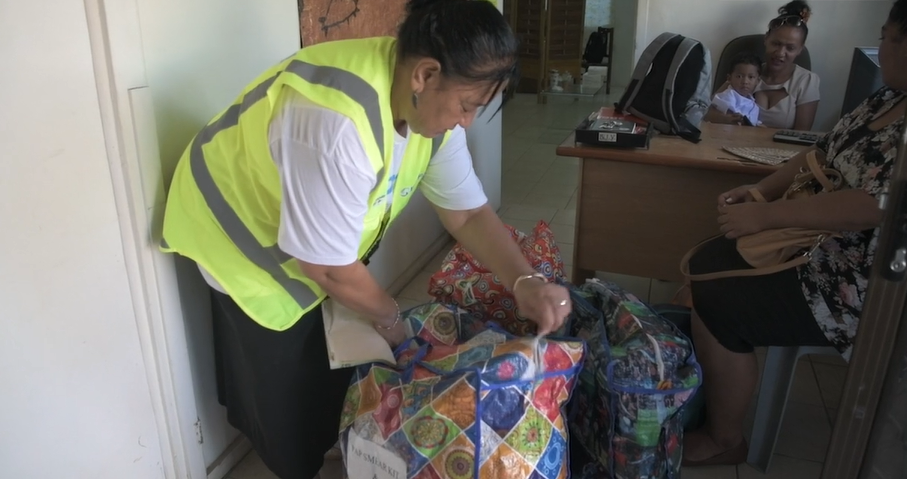
Watch: Aftermath of Cyclone Gita
In February 2018, Tropical Cyclone Gita hit Tonga – the strongest storm in 60 years. Humanitarian disasters mean an increased risk of STI/HIV transmissions and gender-based violence. The consequences can be truly dire. That's why in crises like this one, IPPF Humanitarian aims to provide sexual and reproductive healthcare through local partners.
Resource
| 23 May 2018
Watch: Aftermath of Cyclone Gita
In February 2018, Tropical Cyclone Gita hit Tonga – the strongest storm in 60 years. Humanitarian disasters mean an increased risk of STI/HIV transmissions and gender-based violence. The consequences can be truly dire. That's why in crises like this one, IPPF Humanitarian aims to provide sexual and reproductive healthcare through local partners.

Resource
| 17 May 2018
Watch: Hope on the Horizon: FGM in Somaliland
Female genital mutilation (FGM) is a procedure that involves altering or injuring female genitalia for non-medical reasons. It is estimated that almost 200 million women and girls worldwide have undergone some form of FGM. FGM has been recorded in 30 countries with Somaliland having one of the highest prevalence rates in the world at 98% for women and girls aged between 15 - 49 years old. Hope on the horizon documents the hard work IPPF member association SOFHA (Somaliland Family Health Association) is doing within the local community to help change minds and eventually bring an end to female genital mutilation (FGM). Slowly, but surely, attitudes are changing.
Resource
| 17 May 2018
Watch: Hope on the Horizon: FGM in Somaliland
Female genital mutilation (FGM) is a procedure that involves altering or injuring female genitalia for non-medical reasons. It is estimated that almost 200 million women and girls worldwide have undergone some form of FGM. FGM has been recorded in 30 countries with Somaliland having one of the highest prevalence rates in the world at 98% for women and girls aged between 15 - 49 years old. Hope on the horizon documents the hard work IPPF member association SOFHA (Somaliland Family Health Association) is doing within the local community to help change minds and eventually bring an end to female genital mutilation (FGM). Slowly, but surely, attitudes are changing.

Resource
| 17 May 2018
STOPAIDS Factsheet: Sexual orientation, gender identity and HIV
Everyone has a sexual orientation and a gender identity (SOGI), both of which may shift and change during the course of a lifetime. People across the world face discrimination, abuse and violence because of their gender expression, who they love, who they have sex with and how they look.
Resource
| 17 May 2018
STOPAIDS Factsheet: Sexual orientation, gender identity and HIV
Everyone has a sexual orientation and a gender identity (SOGI), both of which may shift and change during the course of a lifetime. People across the world face discrimination, abuse and violence because of their gender expression, who they love, who they have sex with and how they look.
Resource
| 24 April 2018
Humanitarian disaster in Tonga brings opportunity through access to healthcare
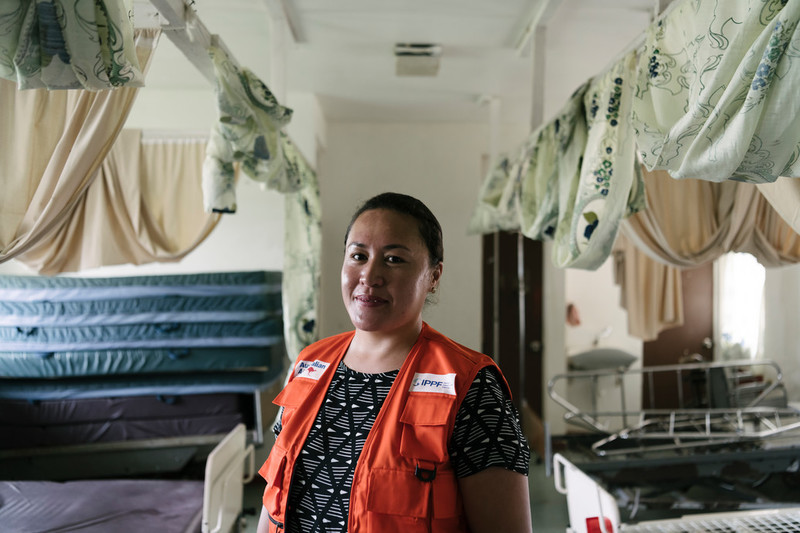
Following the devastation wrecked by Tropical Cyclone Gita on the island of Kingdon of Tonga, the Tonga Family Health Association deployed an emergency response team. The team was able to bring vital sexual and reproductive health care to local communities. By taking services to the people, the team has been able to expand the types of care that many women would not readily access including pap smears and the opportunity to raise awareness around gender-based violence. Combining service delivery, as well as information, is part of our tailored approach to humanitarian crises; ensuring we meet need, wherever it is, whoever requires it, for as long as they want it. Photography © IPPF/Alana Holmberg
Resource
| 24 April 2018
Humanitarian disaster in Tonga brings opportunity through access to healthcare
Following the devastation wrecked by Tropical Cyclone Gita on the island of Kingdon of Tonga, the Tonga Family Health Association deployed an emergency response team. The team was able to bring vital sexual and reproductive health care to local communities. By taking services to the people, the team has been able to expand the types of care that many women would not readily access including pap smears and the opportunity to raise awareness around gender-based violence. Combining service delivery, as well as information, is part of our tailored approach to humanitarian crises; ensuring we meet need, wherever it is, whoever requires it, for as long as they want it. Photography © IPPF/Alana Holmberg

Resource
| 06 April 2018
Watch: World Health Day: Universal Health is a fundamental right
IPPF strongly believes that safe, reliable and affordable health care is a universal right. It can change and even save lives. Read our stories
Resource
| 06 April 2018
Watch: World Health Day: Universal Health is a fundamental right
IPPF strongly believes that safe, reliable and affordable health care is a universal right. It can change and even save lives. Read our stories
Resource
| 15 March 2018
Integration of DMPA‑SC into the method mix contributes to increased uptake of all methods of family planning
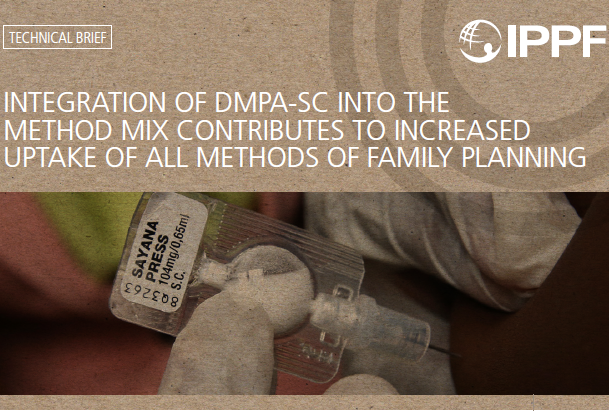
Injectable contraceptives are an increasingly popular method of family planning. They are safe, discrete, highly effective, and generally last for several months. Sayana® Press, also known as subcutaneous depot medroxyprogesterone (DMPA‑SC), is a lower‑dose formula version of the already popular injectable Depo‑Provera. DMPA‑SC combines the drug and needle in a single‑use unit, which makes it easy to transport and simple to use with little training. DMPA‑SC can be administered by community health workers (CHWs) and women themselves – potentially making injectable contraceptives available to women who can’t easily travel to clinics.
Resource
| 15 March 2018
Integration of DMPA‑SC into the method mix contributes to increased uptake of all methods of family planning
Injectable contraceptives are an increasingly popular method of family planning. They are safe, discrete, highly effective, and generally last for several months. Sayana® Press, also known as subcutaneous depot medroxyprogesterone (DMPA‑SC), is a lower‑dose formula version of the already popular injectable Depo‑Provera. DMPA‑SC combines the drug and needle in a single‑use unit, which makes it easy to transport and simple to use with little training. DMPA‑SC can be administered by community health workers (CHWs) and women themselves – potentially making injectable contraceptives available to women who can’t easily travel to clinics.

Resource
| 14 March 2018
IMAP Statement on sexual and reproductive health and rights of the ageing population
Today we face unprecedented challenges related to ageing. Populations in many countries around the world are ageing rapidly. In 1950, there were 205 million people aged 60 years or over in the world. By 2012, the number of older people increased to almost 810 million. Almost two in three of these people lived in developing countries. The number of older people is projected to double by 2050, reaching 2 billion.
Resource
| 14 March 2018
IMAP Statement on sexual and reproductive health and rights of the ageing population
Today we face unprecedented challenges related to ageing. Populations in many countries around the world are ageing rapidly. In 1950, there were 205 million people aged 60 years or over in the world. By 2012, the number of older people increased to almost 810 million. Almost two in three of these people lived in developing countries. The number of older people is projected to double by 2050, reaching 2 billion.

Resource
| 14 March 2018
IMAP Statement on emergency contraception
Emergency contraception (EC) refers to any contraceptive method that can be used after having unprotected or inadequately protected sexual intercourse (UPSI) but before pregnancy occurs, providing women with the opportunity to prevent an unwanted pregnancy. EC is a safe and effective method for preventing unwanted pregnancy and can reduce the risk of pregnancy by up to 99%. In spite of its effectiveness, EC is not frequently used. In many countries, women face barriers to accessing EC. The majority of women in low‑income countries are unaware of EC. Moreover, some providers have negative attitudes toward providing EC to women and girls.
Resource
| 14 March 2018
IMAP Statement on emergency contraception
Emergency contraception (EC) refers to any contraceptive method that can be used after having unprotected or inadequately protected sexual intercourse (UPSI) but before pregnancy occurs, providing women with the opportunity to prevent an unwanted pregnancy. EC is a safe and effective method for preventing unwanted pregnancy and can reduce the risk of pregnancy by up to 99%. In spite of its effectiveness, EC is not frequently used. In many countries, women face barriers to accessing EC. The majority of women in low‑income countries are unaware of EC. Moreover, some providers have negative attitudes toward providing EC to women and girls.
Resource
| 04 June 2018
Financial Statements 2017
The overall group income of IPPF has risen by US$3.1 million (3%) to US$102.4 million (2016: US$99.2 million). Unrestricted total income rose by US$4.1 million and restricted income fell by US$1.0 million. IPPF’s main source of funding is government grants, which account for 82% (2016: 79%) of total income. In 2017 unrestricted government funding increased by US$1.4 million (2%) to US$67.4 million. The main reason for the increase was the increase in funding from the Scandinavian countries (Norway US$9.1 million, Sweden US$ 4.8 million and Denmark US$ 4.0 million) to assist in bridging the funding gap caused by the impact of the Global Gag Rule and the loss of UK government funding. Restricted government funding amounted to US$16.8 million, up from US$12.1 million in 2016. The Government of Australia continued to provide support (US$3.6 million) in relation to the global SPRINT Initiative to provide sexual and reproductive health services to crisis and post crisis areas in South East Asia, the Paci c, South Asia, and Africa and to help fund our Fiji office which supports Paci c MAs. USA provided US$6.7 million of funding for a number of programmes. The Government of Japan provided US$1.8 million for work on integration of SRHR and HIV and AIDS and humanitarian assistance for internally displaced people in Syria and refugees in Jordan and Lebanon.The Government of Germany US$0.2 million to improve access to promote sexual reproductive health services in Syria and to displaced persons in Sudan. The governments of the Netherlands, Norway and an anonymous donor also provided funding of US$3.7 million to the Safe Abortion Action Fund. Grants from multilateral donors and other sources decreased by 24% from US$20.6 million to US$15.8 million. A signifcant factor in the decrease was US$3.1 million from Bill and Melinda Gates Foundation, US$2.7 million UN Programme on HIV/AIDS and US$0.4 million from the David and Lucile Packard Foundation as some current projects came to an end.
Resource
| 04 June 2018
Financial Statements 2017
The overall group income of IPPF has risen by US$3.1 million (3%) to US$102.4 million (2016: US$99.2 million). Unrestricted total income rose by US$4.1 million and restricted income fell by US$1.0 million. IPPF’s main source of funding is government grants, which account for 82% (2016: 79%) of total income. In 2017 unrestricted government funding increased by US$1.4 million (2%) to US$67.4 million. The main reason for the increase was the increase in funding from the Scandinavian countries (Norway US$9.1 million, Sweden US$ 4.8 million and Denmark US$ 4.0 million) to assist in bridging the funding gap caused by the impact of the Global Gag Rule and the loss of UK government funding. Restricted government funding amounted to US$16.8 million, up from US$12.1 million in 2016. The Government of Australia continued to provide support (US$3.6 million) in relation to the global SPRINT Initiative to provide sexual and reproductive health services to crisis and post crisis areas in South East Asia, the Paci c, South Asia, and Africa and to help fund our Fiji office which supports Paci c MAs. USA provided US$6.7 million of funding for a number of programmes. The Government of Japan provided US$1.8 million for work on integration of SRHR and HIV and AIDS and humanitarian assistance for internally displaced people in Syria and refugees in Jordan and Lebanon.The Government of Germany US$0.2 million to improve access to promote sexual reproductive health services in Syria and to displaced persons in Sudan. The governments of the Netherlands, Norway and an anonymous donor also provided funding of US$3.7 million to the Safe Abortion Action Fund. Grants from multilateral donors and other sources decreased by 24% from US$20.6 million to US$15.8 million. A signifcant factor in the decrease was US$3.1 million from Bill and Melinda Gates Foundation, US$2.7 million UN Programme on HIV/AIDS and US$0.4 million from the David and Lucile Packard Foundation as some current projects came to an end.
Resource
| 29 May 2018
Quiz: How much do you know about women’s health?
How much do you know about women’s health?To mark International Day of Action for Women's Health, challenge yourself to find out how much you really know about women’s health around the world.How many women and girls currently have an unmet need for modern contraception?In developing countries, how many women are admitted to hospital after undergoing an unsafe abortion?In sub-Saharan Africa, how many new HIV infections in teens aged 15-19 occur in girls, rather than boys?Are women and girls with disabilities more or less likely to experience gender-based violence compared to women without disabilities?Female genital mutilation (FGM) is most prevalent in Somaliland. How many girls and women there will experience the devastating practice?How many women and girls will be forced into pregnancy because they are denied the contraceptive care they want and need?Good try! Scroll down to share your results with friends. Good job! Scroll down to share your results with friends. Great job! Scroll down to share your results with friends.
Resource
| 29 May 2018
Quiz: How much do you know about women’s health?
How much do you know about women’s health?To mark International Day of Action for Women's Health, challenge yourself to find out how much you really know about women’s health around the world.How many women and girls currently have an unmet need for modern contraception?In developing countries, how many women are admitted to hospital after undergoing an unsafe abortion?In sub-Saharan Africa, how many new HIV infections in teens aged 15-19 occur in girls, rather than boys?Are women and girls with disabilities more or less likely to experience gender-based violence compared to women without disabilities?Female genital mutilation (FGM) is most prevalent in Somaliland. How many girls and women there will experience the devastating practice?How many women and girls will be forced into pregnancy because they are denied the contraceptive care they want and need?Good try! Scroll down to share your results with friends. Good job! Scroll down to share your results with friends. Great job! Scroll down to share your results with friends.
Resource
| 23 May 2018
Watch: Aftermath of Cyclone Gita
In February 2018, Tropical Cyclone Gita hit Tonga – the strongest storm in 60 years. Humanitarian disasters mean an increased risk of STI/HIV transmissions and gender-based violence. The consequences can be truly dire. That's why in crises like this one, IPPF Humanitarian aims to provide sexual and reproductive healthcare through local partners.
Resource
| 23 May 2018
Watch: Aftermath of Cyclone Gita
In February 2018, Tropical Cyclone Gita hit Tonga – the strongest storm in 60 years. Humanitarian disasters mean an increased risk of STI/HIV transmissions and gender-based violence. The consequences can be truly dire. That's why in crises like this one, IPPF Humanitarian aims to provide sexual and reproductive healthcare through local partners.
Resource
| 17 May 2018
Watch: Hope on the Horizon: FGM in Somaliland
Female genital mutilation (FGM) is a procedure that involves altering or injuring female genitalia for non-medical reasons. It is estimated that almost 200 million women and girls worldwide have undergone some form of FGM. FGM has been recorded in 30 countries with Somaliland having one of the highest prevalence rates in the world at 98% for women and girls aged between 15 - 49 years old. Hope on the horizon documents the hard work IPPF member association SOFHA (Somaliland Family Health Association) is doing within the local community to help change minds and eventually bring an end to female genital mutilation (FGM). Slowly, but surely, attitudes are changing.
Resource
| 17 May 2018
Watch: Hope on the Horizon: FGM in Somaliland
Female genital mutilation (FGM) is a procedure that involves altering or injuring female genitalia for non-medical reasons. It is estimated that almost 200 million women and girls worldwide have undergone some form of FGM. FGM has been recorded in 30 countries with Somaliland having one of the highest prevalence rates in the world at 98% for women and girls aged between 15 - 49 years old. Hope on the horizon documents the hard work IPPF member association SOFHA (Somaliland Family Health Association) is doing within the local community to help change minds and eventually bring an end to female genital mutilation (FGM). Slowly, but surely, attitudes are changing.
Resource
| 17 May 2018
STOPAIDS Factsheet: Sexual orientation, gender identity and HIV
Everyone has a sexual orientation and a gender identity (SOGI), both of which may shift and change during the course of a lifetime. People across the world face discrimination, abuse and violence because of their gender expression, who they love, who they have sex with and how they look.
Resource
| 17 May 2018
STOPAIDS Factsheet: Sexual orientation, gender identity and HIV
Everyone has a sexual orientation and a gender identity (SOGI), both of which may shift and change during the course of a lifetime. People across the world face discrimination, abuse and violence because of their gender expression, who they love, who they have sex with and how they look.
Resource
| 24 April 2018
Humanitarian disaster in Tonga brings opportunity through access to healthcare
Following the devastation wrecked by Tropical Cyclone Gita on the island of Kingdon of Tonga, the Tonga Family Health Association deployed an emergency response team. The team was able to bring vital sexual and reproductive health care to local communities. By taking services to the people, the team has been able to expand the types of care that many women would not readily access including pap smears and the opportunity to raise awareness around gender-based violence. Combining service delivery, as well as information, is part of our tailored approach to humanitarian crises; ensuring we meet need, wherever it is, whoever requires it, for as long as they want it. Photography © IPPF/Alana Holmberg
Resource
| 24 April 2018
Humanitarian disaster in Tonga brings opportunity through access to healthcare
Following the devastation wrecked by Tropical Cyclone Gita on the island of Kingdon of Tonga, the Tonga Family Health Association deployed an emergency response team. The team was able to bring vital sexual and reproductive health care to local communities. By taking services to the people, the team has been able to expand the types of care that many women would not readily access including pap smears and the opportunity to raise awareness around gender-based violence. Combining service delivery, as well as information, is part of our tailored approach to humanitarian crises; ensuring we meet need, wherever it is, whoever requires it, for as long as they want it. Photography © IPPF/Alana Holmberg
Resource
| 06 April 2018
Watch: World Health Day: Universal Health is a fundamental right
IPPF strongly believes that safe, reliable and affordable health care is a universal right. It can change and even save lives. Read our stories
Resource
| 06 April 2018
Watch: World Health Day: Universal Health is a fundamental right
IPPF strongly believes that safe, reliable and affordable health care is a universal right. It can change and even save lives. Read our stories
Resource
| 15 March 2018
Integration of DMPA‑SC into the method mix contributes to increased uptake of all methods of family planning
Injectable contraceptives are an increasingly popular method of family planning. They are safe, discrete, highly effective, and generally last for several months. Sayana® Press, also known as subcutaneous depot medroxyprogesterone (DMPA‑SC), is a lower‑dose formula version of the already popular injectable Depo‑Provera. DMPA‑SC combines the drug and needle in a single‑use unit, which makes it easy to transport and simple to use with little training. DMPA‑SC can be administered by community health workers (CHWs) and women themselves – potentially making injectable contraceptives available to women who can’t easily travel to clinics.
Resource
| 15 March 2018
Integration of DMPA‑SC into the method mix contributes to increased uptake of all methods of family planning
Injectable contraceptives are an increasingly popular method of family planning. They are safe, discrete, highly effective, and generally last for several months. Sayana® Press, also known as subcutaneous depot medroxyprogesterone (DMPA‑SC), is a lower‑dose formula version of the already popular injectable Depo‑Provera. DMPA‑SC combines the drug and needle in a single‑use unit, which makes it easy to transport and simple to use with little training. DMPA‑SC can be administered by community health workers (CHWs) and women themselves – potentially making injectable contraceptives available to women who can’t easily travel to clinics.
Resource
| 14 March 2018
IMAP Statement on sexual and reproductive health and rights of the ageing population
Today we face unprecedented challenges related to ageing. Populations in many countries around the world are ageing rapidly. In 1950, there were 205 million people aged 60 years or over in the world. By 2012, the number of older people increased to almost 810 million. Almost two in three of these people lived in developing countries. The number of older people is projected to double by 2050, reaching 2 billion.
Resource
| 14 March 2018
IMAP Statement on sexual and reproductive health and rights of the ageing population
Today we face unprecedented challenges related to ageing. Populations in many countries around the world are ageing rapidly. In 1950, there were 205 million people aged 60 years or over in the world. By 2012, the number of older people increased to almost 810 million. Almost two in three of these people lived in developing countries. The number of older people is projected to double by 2050, reaching 2 billion.
Resource
| 14 March 2018
IMAP Statement on emergency contraception
Emergency contraception (EC) refers to any contraceptive method that can be used after having unprotected or inadequately protected sexual intercourse (UPSI) but before pregnancy occurs, providing women with the opportunity to prevent an unwanted pregnancy. EC is a safe and effective method for preventing unwanted pregnancy and can reduce the risk of pregnancy by up to 99%. In spite of its effectiveness, EC is not frequently used. In many countries, women face barriers to accessing EC. The majority of women in low‑income countries are unaware of EC. Moreover, some providers have negative attitudes toward providing EC to women and girls.
Resource
| 14 March 2018
IMAP Statement on emergency contraception
Emergency contraception (EC) refers to any contraceptive method that can be used after having unprotected or inadequately protected sexual intercourse (UPSI) but before pregnancy occurs, providing women with the opportunity to prevent an unwanted pregnancy. EC is a safe and effective method for preventing unwanted pregnancy and can reduce the risk of pregnancy by up to 99%. In spite of its effectiveness, EC is not frequently used. In many countries, women face barriers to accessing EC. The majority of women in low‑income countries are unaware of EC. Moreover, some providers have negative attitudes toward providing EC to women and girls.
