



Spotlight
A selection of resources from across the Federation

Resource
Advancing Sex Workers’ Sexual and Reproductive Health and Rights: A Toolkit for Inclusive Programming
This toolkit is grounded in international guidance and frameworks on sex workers’ health and human rights.
Most Popular This Week

Resource
|
Advancing Sex Workers’ Sexual and Reproductive Health and Rights: A Toolkit for Inclusive Programming
Sexual and reproductive health and rights (SRHR) are not only an integral part of the right to health but also necessary to enjoy many other human rights.

Resource
|
IPPF Annual Report and Financial Statements 2025
IPPF is a global federation and movement of 100+ locally led Member Associations and Collaborative Partnersin 150+ countries, dedicated to sexual and reproductive health, rights

Resource
|
Annual Performance Report 2025
The IPPF Annual Performance Report 2025 tells a story of resilience, solidarity and shared leadership across our Federation.


Resource
|
Review of IPPF’s Governance Reform
Following IPPF’s governance reform in 2019/2020, a review of the reform process was conducted, which provided important insights for the new Board of Trustees and the Secretariat to support the cha

Resource
|
IMAP Statement on Sex Worker-Centred Sexual and Reproductive Health Services
This statement is intended to provide guidance to Member Associations and Collaborative Partners across the Federation on delivering comprehensive, evidence‑based sexual and reproductive health (SR


Filter our resources by:
Resource
| 01 September 2019
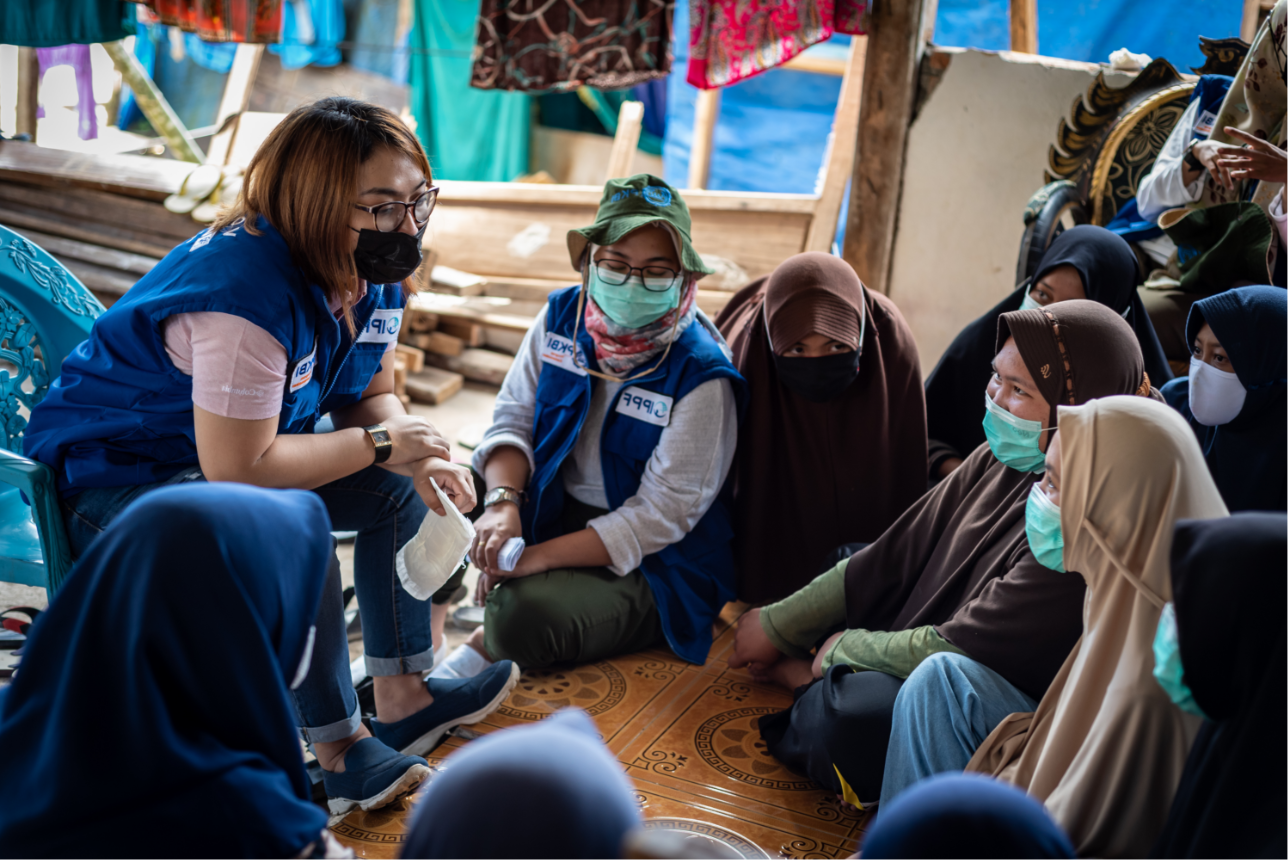
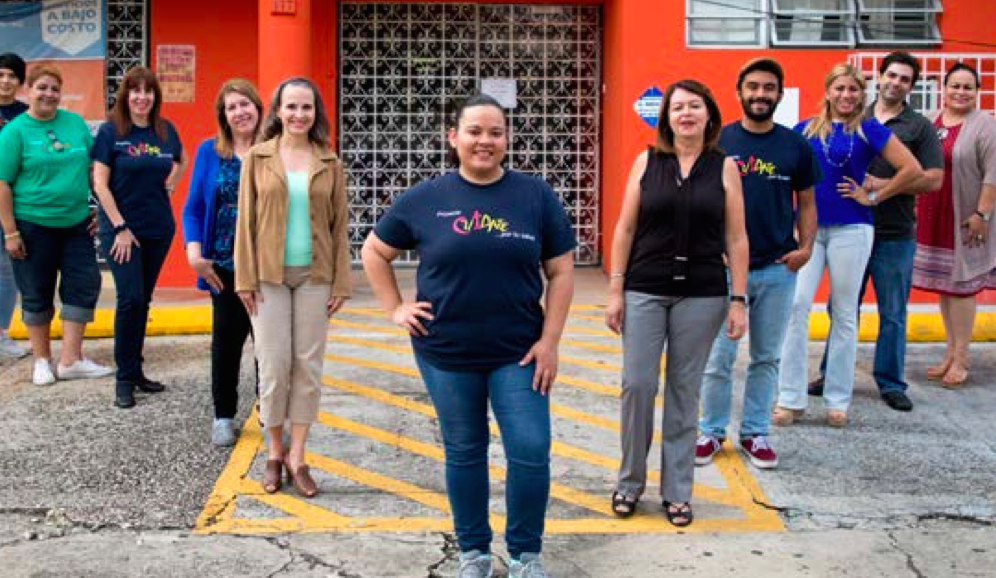
Community Healthy Entrepreneurs Evaluation
Resource
| 01 September 2019
Community Healthy Entrepreneurs Evaluation
Resource
| 08 August 2019
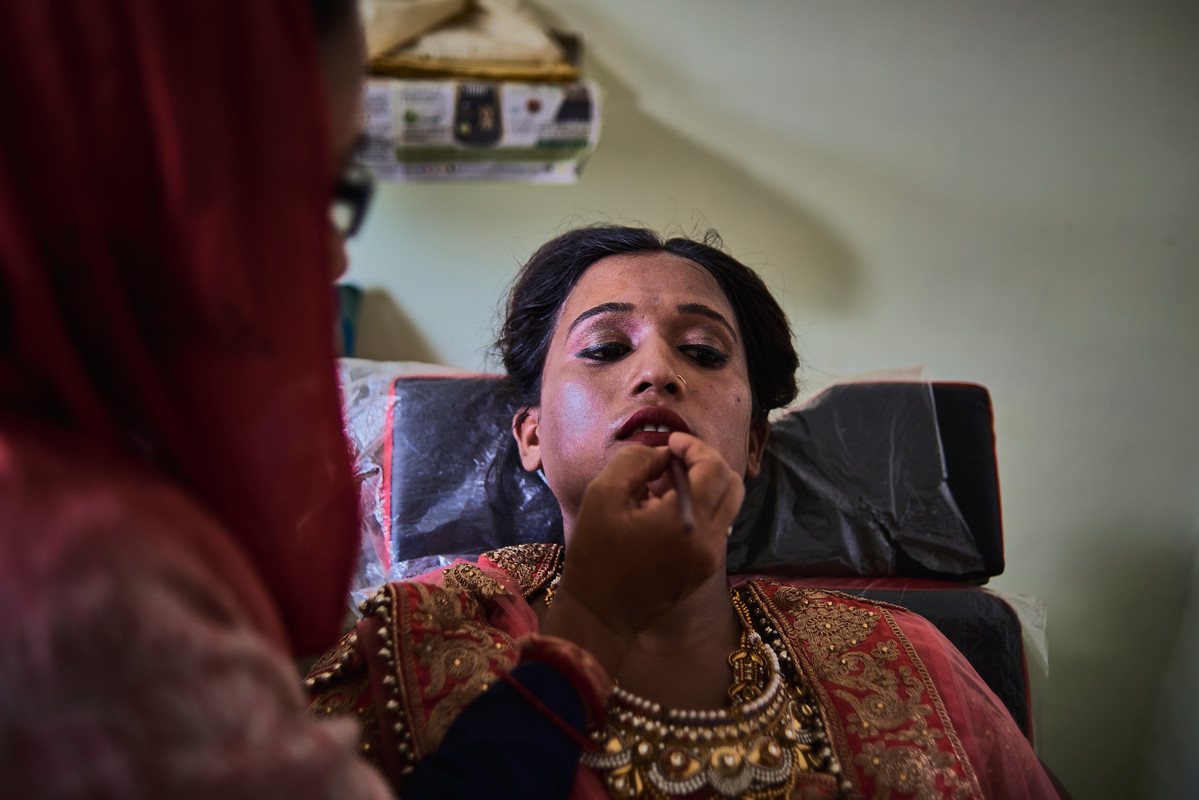
Watch - Beauty Behind Bars: Life after prison for women in India
India is home to 20 female-only prisons, that have the capacity to hold just 5,000 inmates. Women currently make up 4% of India's prison population. Before they reach prison, many women have already experienced sexual and gender-based violence. Many inmates face discrimination and are often ostracized from their community and their families once they are released. Realizing a gap in care for women once released, the Family Planning Association of India (FPAI) have stepped in to ensure women are equipped with not only healthcare whilst in prison but life training skills. Skills that will financially support them and their children with or without the support of their families. Established in 1949, the Family Planning Association of India has provided life skills training ranging from beauty parlour related work to car mechanics to 768 women in six locations.
Resource
| 08 August 2019
Watch - Beauty Behind Bars: Life after prison for women in India
India is home to 20 female-only prisons, that have the capacity to hold just 5,000 inmates. Women currently make up 4% of India's prison population. Before they reach prison, many women have already experienced sexual and gender-based violence. Many inmates face discrimination and are often ostracized from their community and their families once they are released. Realizing a gap in care for women once released, the Family Planning Association of India (FPAI) have stepped in to ensure women are equipped with not only healthcare whilst in prison but life training skills. Skills that will financially support them and their children with or without the support of their families. Established in 1949, the Family Planning Association of India has provided life skills training ranging from beauty parlour related work to car mechanics to 768 women in six locations.
Resource
| 31 July 2019
Scaling up social franchising 2014-18
This report introduces you to IPPF’s social franchising work, theory of change and strategy. It provides a summary of investments and results by country. It presents an outline of our knowledge management and sharing as well as processes and results of monitoring and evaluating the work of the SFWG and the Scale Up Fund. We also document lessons learned and the way forward in enabling SRH services to achieve universal access to SRH and rights.
Resource
| 31 July 2019
Scaling up social franchising 2014-18
This report introduces you to IPPF’s social franchising work, theory of change and strategy. It provides a summary of investments and results by country. It presents an outline of our knowledge management and sharing as well as processes and results of monitoring and evaluating the work of the SFWG and the Scale Up Fund. We also document lessons learned and the way forward in enabling SRH services to achieve universal access to SRH and rights.
Resource
| 24 July 2019
IPPF's Advocacy Common Agenda
The Advocacy Common Agenda will guide our work at all levels of the Federation to achieve Outcome 1 of the IPPF Strategic Framework 2016–2022, namely to ensure that 100 governments respect, protect and fulfil sexual and reproductive rights and gender equality. In doing so, IPPF will contribute to the International Conference on Population and Development Programme of Action, and to the Sustainable Development Goals. The Advocacy Common Agenda is focused on achieving national political change, placing accountability at the centre. IPPF will influence governments to change or uphold laws and policies to ensure that endorsed international agreements are translated into national action to improve the lives of women and girls. We will build on the Federation’s existing skills and experience as a major provider of SRHR to the most vulnerable and underserved populations, and use our Federation presence in 170 countries to work at four interconnected levels of influence: sub-national, national, regional and international.
Resource
| 24 July 2019
IPPF's Advocacy Common Agenda
The Advocacy Common Agenda will guide our work at all levels of the Federation to achieve Outcome 1 of the IPPF Strategic Framework 2016–2022, namely to ensure that 100 governments respect, protect and fulfil sexual and reproductive rights and gender equality. In doing so, IPPF will contribute to the International Conference on Population and Development Programme of Action, and to the Sustainable Development Goals. The Advocacy Common Agenda is focused on achieving national political change, placing accountability at the centre. IPPF will influence governments to change or uphold laws and policies to ensure that endorsed international agreements are translated into national action to improve the lives of women and girls. We will build on the Federation’s existing skills and experience as a major provider of SRHR to the most vulnerable and underserved populations, and use our Federation presence in 170 countries to work at four interconnected levels of influence: sub-national, national, regional and international.
Resource
| 09 July 2019
IMAP statement on the ECHO trial
The body of evidence on possible increased risk of HIV acquisition with use of progestogen‑only contraception has remained mixed since 1991, with the greatest concern of an increased risk of HIV acquisition centred on the use of intramuscular depot‑medroxyprogesterone acetate (DMPA‑IM). Data on the risk of HIV acquisition and use of other highly effective contraceptives such as norethisterone enanthate (NET‑EN), hormonal implants, and hormonal and non‑hormonal IUDs are limited.2 And there are no data on subcutaneous DMPA (DMPA‑SC) and HIV risk. In 2016, an updated systematic review of epidemiological evidence on hormonal contraception and HIV acquisition concluded that there was a significant association between the use of DMPA and HIV acquisition and no increased HIV risk with oral contraceptive pills.3 The updated systematic review provided important data regarding DMPA users at high risk of HIV; however, confounding in these observational data could not be excluded. The historically mixed data and the need to control for confounding required further investigation into the association between use of progestogen‑only injectables and increased risk of HIV acquisition, using a more robust research design. This led to the development of the Evidence for Contraceptive Options and HIV Outcomes (ECHO) trial.
Resource
| 09 July 2019
IMAP statement on the ECHO trial
The body of evidence on possible increased risk of HIV acquisition with use of progestogen‑only contraception has remained mixed since 1991, with the greatest concern of an increased risk of HIV acquisition centred on the use of intramuscular depot‑medroxyprogesterone acetate (DMPA‑IM). Data on the risk of HIV acquisition and use of other highly effective contraceptives such as norethisterone enanthate (NET‑EN), hormonal implants, and hormonal and non‑hormonal IUDs are limited.2 And there are no data on subcutaneous DMPA (DMPA‑SC) and HIV risk. In 2016, an updated systematic review of epidemiological evidence on hormonal contraception and HIV acquisition concluded that there was a significant association between the use of DMPA and HIV acquisition and no increased HIV risk with oral contraceptive pills.3 The updated systematic review provided important data regarding DMPA users at high risk of HIV; however, confounding in these observational data could not be excluded. The historically mixed data and the need to control for confounding required further investigation into the association between use of progestogen‑only injectables and increased risk of HIV acquisition, using a more robust research design. This led to the development of the Evidence for Contraceptive Options and HIV Outcomes (ECHO) trial.

Resource
| 09 July 2019
Financial Statements 2018
Income for the year for the group increased by US$9.5 million (9%)to US$111.9 million due to a large increase in restricted income from US$30.3 million to US$54.1 million netted off against a decrease in unrestricted income of US$14.3 million. Total group expenditure increased by US$21.6 million to US$114.6 million which led to a group net operating deficit (combined for unrestricted and restricted funds) for the year of US$2.6 million. Total unrestricted expenditure of US$74.8 million includes grants to member associations and partners (US$42.0 million), group secretariat expenditure (US$28.9 million), and fundraising costs(US$3.3 million). The net operating unrestricted deficit for the year was US$17.0 million (2017 surplus: US$8.8 million). Total restricted expenditure of US$39.8 million includes grants to member associations and partners (US$25.2 million), group secretariat expenditure (US$14.0 million), and fundraising costs (US$0.5 million). There was a restricted surplus of US$14.4 million.
Resource
| 09 July 2019
Financial Statements 2018
Income for the year for the group increased by US$9.5 million (9%)to US$111.9 million due to a large increase in restricted income from US$30.3 million to US$54.1 million netted off against a decrease in unrestricted income of US$14.3 million. Total group expenditure increased by US$21.6 million to US$114.6 million which led to a group net operating deficit (combined for unrestricted and restricted funds) for the year of US$2.6 million. Total unrestricted expenditure of US$74.8 million includes grants to member associations and partners (US$42.0 million), group secretariat expenditure (US$28.9 million), and fundraising costs(US$3.3 million). The net operating unrestricted deficit for the year was US$17.0 million (2017 surplus: US$8.8 million). Total restricted expenditure of US$39.8 million includes grants to member associations and partners (US$25.2 million), group secretariat expenditure (US$14.0 million), and fundraising costs (US$0.5 million). There was a restricted surplus of US$14.4 million.
Resource
| 09 July 2019
IPPF Technical Brief on the ECHO trial
Since the early 1990s, the evidence has been inconclusive as to whether using hormonal contraception increases women’s risk of acquiring HIV, particularly among progestogen-only injectable users. Observational studies indicated that women using progestogen-only injectable contraceptive methods may be at higher risk of acquiring human immunodeficiency virus (HIV). The ECHO trial finds no link between HIV acquisition and the use of DMPA-IM, progestogen implant, and non-hormonal copper IUD.
Resource
| 09 July 2019
IPPF Technical Brief on the ECHO trial
Since the early 1990s, the evidence has been inconclusive as to whether using hormonal contraception increases women’s risk of acquiring HIV, particularly among progestogen-only injectable users. Observational studies indicated that women using progestogen-only injectable contraceptive methods may be at higher risk of acquiring human immunodeficiency virus (HIV). The ECHO trial finds no link between HIV acquisition and the use of DMPA-IM, progestogen implant, and non-hormonal copper IUD.
Resource
| 24 June 2019
Universal Health Coverage - IPPF Capability Statement
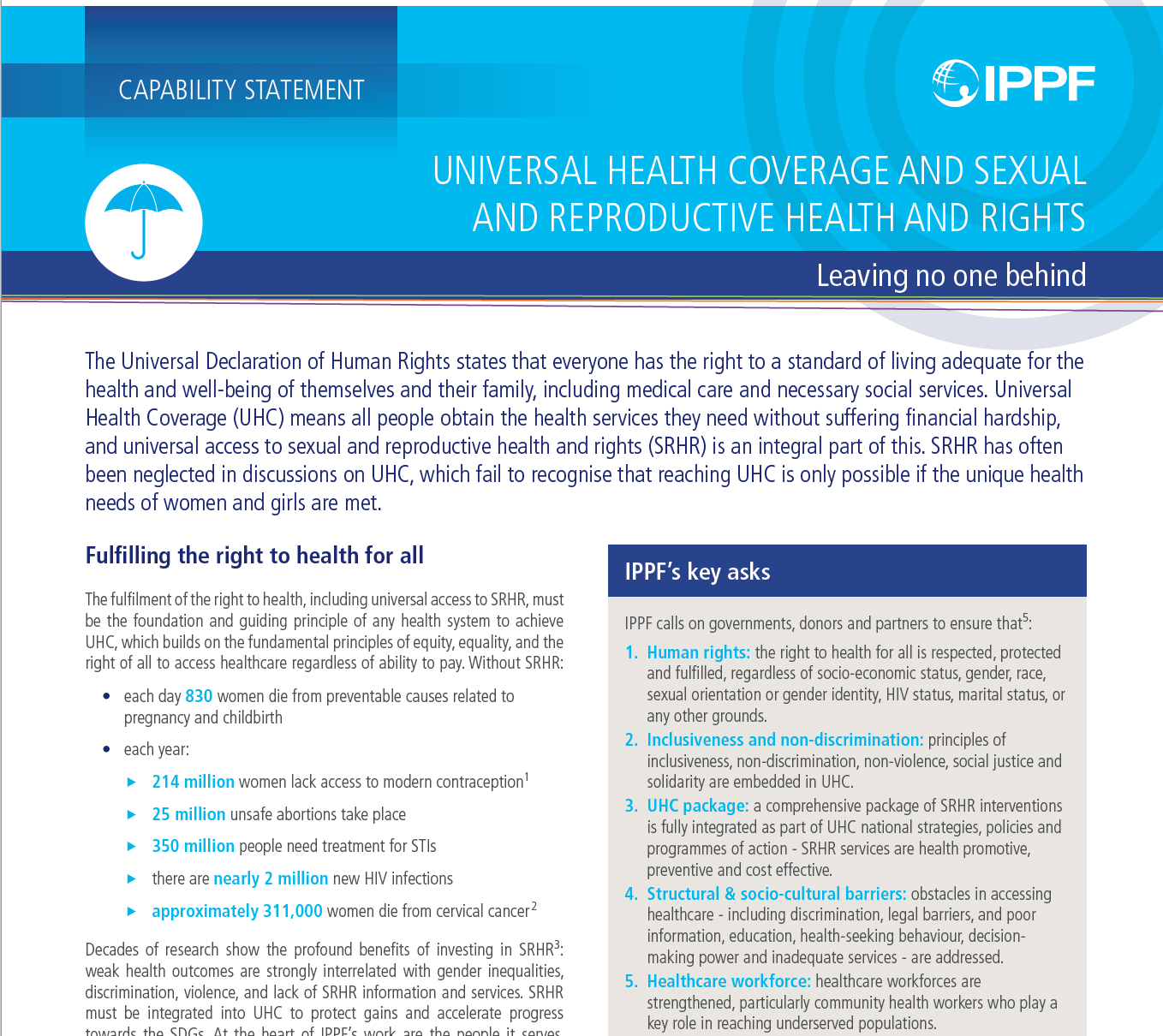
The Universal Declaration of Human Rights states that everyone has the right to a standard of living adequate for the health and well-being of themselves and their family, including medical care and necessary social services. Universal Health Coverage (UHC) means all people obtain the health services they need without suffering financial hardship, and universal access to sexual and reproductive health and rights (SRHR) is an integral part of this. SRHR has often been neglected in discussions on UHC, which fail to recognize that reaching UHC is only possible if the unique health needs of women and girls are met.
Resource
| 24 June 2019
Universal Health Coverage - IPPF Capability Statement
The Universal Declaration of Human Rights states that everyone has the right to a standard of living adequate for the health and well-being of themselves and their family, including medical care and necessary social services. Universal Health Coverage (UHC) means all people obtain the health services they need without suffering financial hardship, and universal access to sexual and reproductive health and rights (SRHR) is an integral part of this. SRHR has often been neglected in discussions on UHC, which fail to recognize that reaching UHC is only possible if the unique health needs of women and girls are met.
Resource
| 18 June 2019
Capability Statement: LGBTIQ+ Inclusion in Humanitarian Settings
The vulnerabilities of marginalised people, including Lesbian, Gay, Bisexual, Transgender, Intersex and Queer (LGBTIQ+) persons, are often exacerbated in disasters, emergencies and crises. This is including their access to quality and non-discriminatory sexual and reproductive health (SRH) services and information. SRH is a human right and an essential component of the overall health and protection package in a humanitarian response. Providing comprehensive, high-quality SRH services in humanitarian settings requires a multisectoral and integrated approach to reach the LGBTIQ+ community. Though the LGBTIQ+ community is often more vulnerable, they also have strong capabilities to cope in the aftermath of disasters, and to leverage social networks in preparedness, relief and recovery phases for themselves and their communities, something that the humanitarian community should leverage based on the principles of ‘do no harm’ and ‘leaving no one behind’.
Resource
| 18 June 2019
Capability Statement: LGBTIQ+ Inclusion in Humanitarian Settings
The vulnerabilities of marginalised people, including Lesbian, Gay, Bisexual, Transgender, Intersex and Queer (LGBTIQ+) persons, are often exacerbated in disasters, emergencies and crises. This is including their access to quality and non-discriminatory sexual and reproductive health (SRH) services and information. SRH is a human right and an essential component of the overall health and protection package in a humanitarian response. Providing comprehensive, high-quality SRH services in humanitarian settings requires a multisectoral and integrated approach to reach the LGBTIQ+ community. Though the LGBTIQ+ community is often more vulnerable, they also have strong capabilities to cope in the aftermath of disasters, and to leverage social networks in preparedness, relief and recovery phases for themselves and their communities, something that the humanitarian community should leverage based on the principles of ‘do no harm’ and ‘leaving no one behind’.
Resource
| 13 June 2019
Workplace Health Service Delivery - IPPF Capability Statement
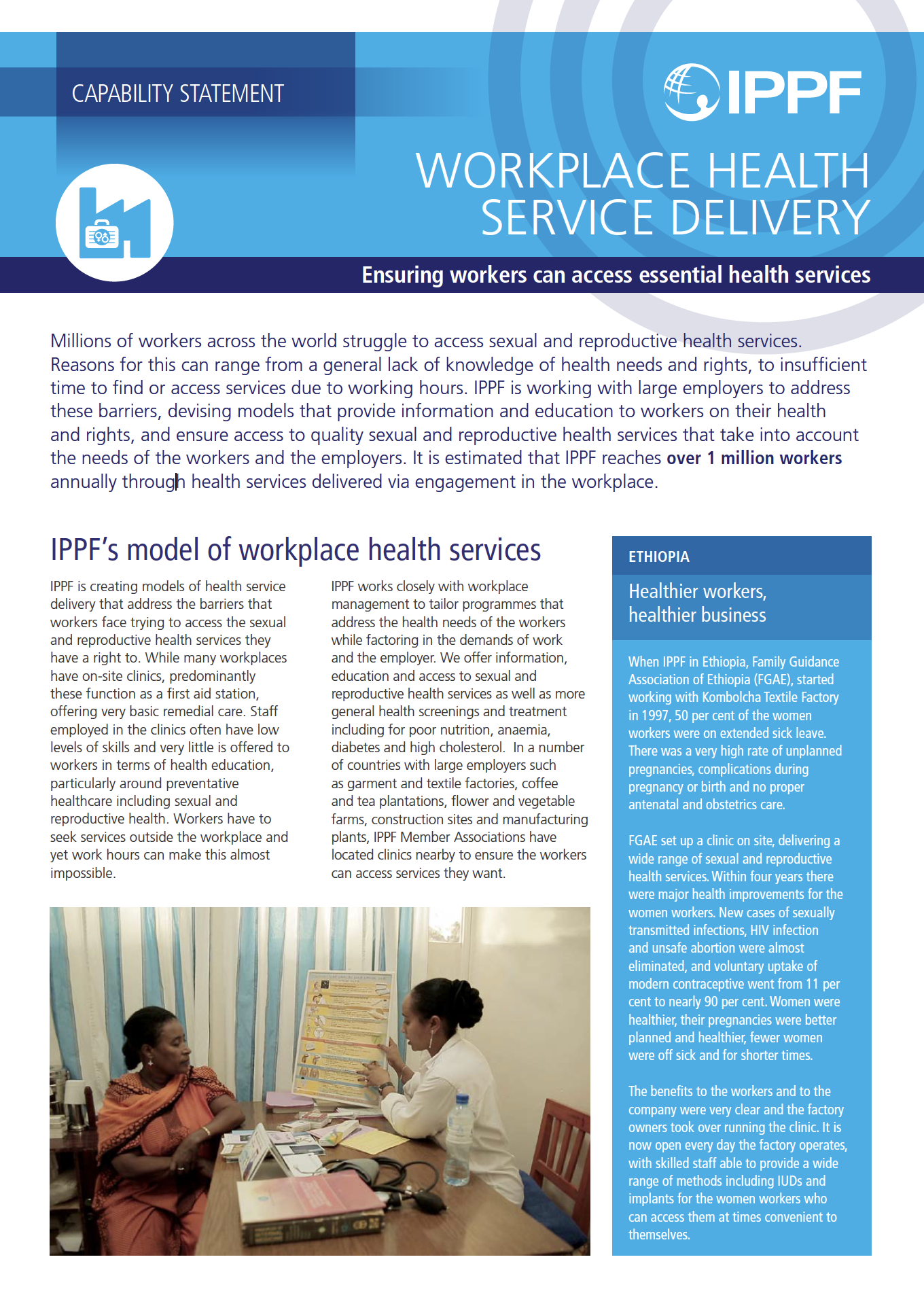
Millions of workers across the world struggle to access sexual and reproductive health services. Reasons for this can range from a general lack of knowledge of health needs and rights, to insufficient time to find or access services due to working hours. IPPF is working with large employers to address these barriers, devising models that provide information and education to workers on their health and rights, and ensure access to quality sexual and reproductive health services that take into account the needs of the workers and the employers. It is estimated that IPPF reaches over 1 million workers annually through health services delivered via engagement in the workplace.
Resource
| 13 June 2019
Workplace Health Service Delivery - IPPF Capability Statement
Millions of workers across the world struggle to access sexual and reproductive health services. Reasons for this can range from a general lack of knowledge of health needs and rights, to insufficient time to find or access services due to working hours. IPPF is working with large employers to address these barriers, devising models that provide information and education to workers on their health and rights, and ensure access to quality sexual and reproductive health services that take into account the needs of the workers and the employers. It is estimated that IPPF reaches over 1 million workers annually through health services delivered via engagement in the workplace.
Resource
| 01 September 2019
Community Healthy Entrepreneurs Evaluation
Resource
| 01 September 2019
Community Healthy Entrepreneurs Evaluation
Resource
| 08 August 2019
Watch - Beauty Behind Bars: Life after prison for women in India
India is home to 20 female-only prisons, that have the capacity to hold just 5,000 inmates. Women currently make up 4% of India's prison population. Before they reach prison, many women have already experienced sexual and gender-based violence. Many inmates face discrimination and are often ostracized from their community and their families once they are released. Realizing a gap in care for women once released, the Family Planning Association of India (FPAI) have stepped in to ensure women are equipped with not only healthcare whilst in prison but life training skills. Skills that will financially support them and their children with or without the support of their families. Established in 1949, the Family Planning Association of India has provided life skills training ranging from beauty parlour related work to car mechanics to 768 women in six locations.
Resource
| 08 August 2019
Watch - Beauty Behind Bars: Life after prison for women in India
India is home to 20 female-only prisons, that have the capacity to hold just 5,000 inmates. Women currently make up 4% of India's prison population. Before they reach prison, many women have already experienced sexual and gender-based violence. Many inmates face discrimination and are often ostracized from their community and their families once they are released. Realizing a gap in care for women once released, the Family Planning Association of India (FPAI) have stepped in to ensure women are equipped with not only healthcare whilst in prison but life training skills. Skills that will financially support them and their children with or without the support of their families. Established in 1949, the Family Planning Association of India has provided life skills training ranging from beauty parlour related work to car mechanics to 768 women in six locations.
Resource
| 31 July 2019
Scaling up social franchising 2014-18
This report introduces you to IPPF’s social franchising work, theory of change and strategy. It provides a summary of investments and results by country. It presents an outline of our knowledge management and sharing as well as processes and results of monitoring and evaluating the work of the SFWG and the Scale Up Fund. We also document lessons learned and the way forward in enabling SRH services to achieve universal access to SRH and rights.
Resource
| 31 July 2019
Scaling up social franchising 2014-18
This report introduces you to IPPF’s social franchising work, theory of change and strategy. It provides a summary of investments and results by country. It presents an outline of our knowledge management and sharing as well as processes and results of monitoring and evaluating the work of the SFWG and the Scale Up Fund. We also document lessons learned and the way forward in enabling SRH services to achieve universal access to SRH and rights.
Resource
| 24 July 2019
IPPF's Advocacy Common Agenda
The Advocacy Common Agenda will guide our work at all levels of the Federation to achieve Outcome 1 of the IPPF Strategic Framework 2016–2022, namely to ensure that 100 governments respect, protect and fulfil sexual and reproductive rights and gender equality. In doing so, IPPF will contribute to the International Conference on Population and Development Programme of Action, and to the Sustainable Development Goals. The Advocacy Common Agenda is focused on achieving national political change, placing accountability at the centre. IPPF will influence governments to change or uphold laws and policies to ensure that endorsed international agreements are translated into national action to improve the lives of women and girls. We will build on the Federation’s existing skills and experience as a major provider of SRHR to the most vulnerable and underserved populations, and use our Federation presence in 170 countries to work at four interconnected levels of influence: sub-national, national, regional and international.
Resource
| 24 July 2019
IPPF's Advocacy Common Agenda
The Advocacy Common Agenda will guide our work at all levels of the Federation to achieve Outcome 1 of the IPPF Strategic Framework 2016–2022, namely to ensure that 100 governments respect, protect and fulfil sexual and reproductive rights and gender equality. In doing so, IPPF will contribute to the International Conference on Population and Development Programme of Action, and to the Sustainable Development Goals. The Advocacy Common Agenda is focused on achieving national political change, placing accountability at the centre. IPPF will influence governments to change or uphold laws and policies to ensure that endorsed international agreements are translated into national action to improve the lives of women and girls. We will build on the Federation’s existing skills and experience as a major provider of SRHR to the most vulnerable and underserved populations, and use our Federation presence in 170 countries to work at four interconnected levels of influence: sub-national, national, regional and international.
Resource
| 09 July 2019
IMAP statement on the ECHO trial
The body of evidence on possible increased risk of HIV acquisition with use of progestogen‑only contraception has remained mixed since 1991, with the greatest concern of an increased risk of HIV acquisition centred on the use of intramuscular depot‑medroxyprogesterone acetate (DMPA‑IM). Data on the risk of HIV acquisition and use of other highly effective contraceptives such as norethisterone enanthate (NET‑EN), hormonal implants, and hormonal and non‑hormonal IUDs are limited.2 And there are no data on subcutaneous DMPA (DMPA‑SC) and HIV risk. In 2016, an updated systematic review of epidemiological evidence on hormonal contraception and HIV acquisition concluded that there was a significant association between the use of DMPA and HIV acquisition and no increased HIV risk with oral contraceptive pills.3 The updated systematic review provided important data regarding DMPA users at high risk of HIV; however, confounding in these observational data could not be excluded. The historically mixed data and the need to control for confounding required further investigation into the association between use of progestogen‑only injectables and increased risk of HIV acquisition, using a more robust research design. This led to the development of the Evidence for Contraceptive Options and HIV Outcomes (ECHO) trial.
Resource
| 09 July 2019
IMAP statement on the ECHO trial
The body of evidence on possible increased risk of HIV acquisition with use of progestogen‑only contraception has remained mixed since 1991, with the greatest concern of an increased risk of HIV acquisition centred on the use of intramuscular depot‑medroxyprogesterone acetate (DMPA‑IM). Data on the risk of HIV acquisition and use of other highly effective contraceptives such as norethisterone enanthate (NET‑EN), hormonal implants, and hormonal and non‑hormonal IUDs are limited.2 And there are no data on subcutaneous DMPA (DMPA‑SC) and HIV risk. In 2016, an updated systematic review of epidemiological evidence on hormonal contraception and HIV acquisition concluded that there was a significant association between the use of DMPA and HIV acquisition and no increased HIV risk with oral contraceptive pills.3 The updated systematic review provided important data regarding DMPA users at high risk of HIV; however, confounding in these observational data could not be excluded. The historically mixed data and the need to control for confounding required further investigation into the association between use of progestogen‑only injectables and increased risk of HIV acquisition, using a more robust research design. This led to the development of the Evidence for Contraceptive Options and HIV Outcomes (ECHO) trial.
Resource
| 09 July 2019
Financial Statements 2018
Income for the year for the group increased by US$9.5 million (9%)to US$111.9 million due to a large increase in restricted income from US$30.3 million to US$54.1 million netted off against a decrease in unrestricted income of US$14.3 million. Total group expenditure increased by US$21.6 million to US$114.6 million which led to a group net operating deficit (combined for unrestricted and restricted funds) for the year of US$2.6 million. Total unrestricted expenditure of US$74.8 million includes grants to member associations and partners (US$42.0 million), group secretariat expenditure (US$28.9 million), and fundraising costs(US$3.3 million). The net operating unrestricted deficit for the year was US$17.0 million (2017 surplus: US$8.8 million). Total restricted expenditure of US$39.8 million includes grants to member associations and partners (US$25.2 million), group secretariat expenditure (US$14.0 million), and fundraising costs (US$0.5 million). There was a restricted surplus of US$14.4 million.
Resource
| 09 July 2019
Financial Statements 2018
Income for the year for the group increased by US$9.5 million (9%)to US$111.9 million due to a large increase in restricted income from US$30.3 million to US$54.1 million netted off against a decrease in unrestricted income of US$14.3 million. Total group expenditure increased by US$21.6 million to US$114.6 million which led to a group net operating deficit (combined for unrestricted and restricted funds) for the year of US$2.6 million. Total unrestricted expenditure of US$74.8 million includes grants to member associations and partners (US$42.0 million), group secretariat expenditure (US$28.9 million), and fundraising costs(US$3.3 million). The net operating unrestricted deficit for the year was US$17.0 million (2017 surplus: US$8.8 million). Total restricted expenditure of US$39.8 million includes grants to member associations and partners (US$25.2 million), group secretariat expenditure (US$14.0 million), and fundraising costs (US$0.5 million). There was a restricted surplus of US$14.4 million.
Resource
| 09 July 2019
IPPF Technical Brief on the ECHO trial
Since the early 1990s, the evidence has been inconclusive as to whether using hormonal contraception increases women’s risk of acquiring HIV, particularly among progestogen-only injectable users. Observational studies indicated that women using progestogen-only injectable contraceptive methods may be at higher risk of acquiring human immunodeficiency virus (HIV). The ECHO trial finds no link between HIV acquisition and the use of DMPA-IM, progestogen implant, and non-hormonal copper IUD.
Resource
| 09 July 2019
IPPF Technical Brief on the ECHO trial
Since the early 1990s, the evidence has been inconclusive as to whether using hormonal contraception increases women’s risk of acquiring HIV, particularly among progestogen-only injectable users. Observational studies indicated that women using progestogen-only injectable contraceptive methods may be at higher risk of acquiring human immunodeficiency virus (HIV). The ECHO trial finds no link between HIV acquisition and the use of DMPA-IM, progestogen implant, and non-hormonal copper IUD.
Resource
| 24 June 2019
Universal Health Coverage - IPPF Capability Statement
The Universal Declaration of Human Rights states that everyone has the right to a standard of living adequate for the health and well-being of themselves and their family, including medical care and necessary social services. Universal Health Coverage (UHC) means all people obtain the health services they need without suffering financial hardship, and universal access to sexual and reproductive health and rights (SRHR) is an integral part of this. SRHR has often been neglected in discussions on UHC, which fail to recognize that reaching UHC is only possible if the unique health needs of women and girls are met.
Resource
| 24 June 2019
Universal Health Coverage - IPPF Capability Statement
The Universal Declaration of Human Rights states that everyone has the right to a standard of living adequate for the health and well-being of themselves and their family, including medical care and necessary social services. Universal Health Coverage (UHC) means all people obtain the health services they need without suffering financial hardship, and universal access to sexual and reproductive health and rights (SRHR) is an integral part of this. SRHR has often been neglected in discussions on UHC, which fail to recognize that reaching UHC is only possible if the unique health needs of women and girls are met.
Resource
| 18 June 2019
Capability Statement: LGBTIQ+ Inclusion in Humanitarian Settings
The vulnerabilities of marginalised people, including Lesbian, Gay, Bisexual, Transgender, Intersex and Queer (LGBTIQ+) persons, are often exacerbated in disasters, emergencies and crises. This is including their access to quality and non-discriminatory sexual and reproductive health (SRH) services and information. SRH is a human right and an essential component of the overall health and protection package in a humanitarian response. Providing comprehensive, high-quality SRH services in humanitarian settings requires a multisectoral and integrated approach to reach the LGBTIQ+ community. Though the LGBTIQ+ community is often more vulnerable, they also have strong capabilities to cope in the aftermath of disasters, and to leverage social networks in preparedness, relief and recovery phases for themselves and their communities, something that the humanitarian community should leverage based on the principles of ‘do no harm’ and ‘leaving no one behind’.
Resource
| 18 June 2019
Capability Statement: LGBTIQ+ Inclusion in Humanitarian Settings
The vulnerabilities of marginalised people, including Lesbian, Gay, Bisexual, Transgender, Intersex and Queer (LGBTIQ+) persons, are often exacerbated in disasters, emergencies and crises. This is including their access to quality and non-discriminatory sexual and reproductive health (SRH) services and information. SRH is a human right and an essential component of the overall health and protection package in a humanitarian response. Providing comprehensive, high-quality SRH services in humanitarian settings requires a multisectoral and integrated approach to reach the LGBTIQ+ community. Though the LGBTIQ+ community is often more vulnerable, they also have strong capabilities to cope in the aftermath of disasters, and to leverage social networks in preparedness, relief and recovery phases for themselves and their communities, something that the humanitarian community should leverage based on the principles of ‘do no harm’ and ‘leaving no one behind’.
Resource
| 13 June 2019
Workplace Health Service Delivery - IPPF Capability Statement
Millions of workers across the world struggle to access sexual and reproductive health services. Reasons for this can range from a general lack of knowledge of health needs and rights, to insufficient time to find or access services due to working hours. IPPF is working with large employers to address these barriers, devising models that provide information and education to workers on their health and rights, and ensure access to quality sexual and reproductive health services that take into account the needs of the workers and the employers. It is estimated that IPPF reaches over 1 million workers annually through health services delivered via engagement in the workplace.
Resource
| 13 June 2019
Workplace Health Service Delivery - IPPF Capability Statement
Millions of workers across the world struggle to access sexual and reproductive health services. Reasons for this can range from a general lack of knowledge of health needs and rights, to insufficient time to find or access services due to working hours. IPPF is working with large employers to address these barriers, devising models that provide information and education to workers on their health and rights, and ensure access to quality sexual and reproductive health services that take into account the needs of the workers and the employers. It is estimated that IPPF reaches over 1 million workers annually through health services delivered via engagement in the workplace.
