


IPPF works to ensure that every woman and girl has the human right to choose to be pregnant or not and we will continue to supply and support safe and legal abortion services and care. We are committed to reducing the number of deaths of women and girls who are forced to turn to unsafe abortion methods. Make Abortion Safe. Make Abortion Legal. For all Women and Girls. Everywhere.
Articles about Abortion Care
27 September 2018
Watch: What is medical abortion?
Ever wonder how medical abortion also known as the 'abortion pill', works? In this explainer video, we go through the steps of what to expect during a medical abortion. Please note that this video is an overview of the procedure. For further details on medical abortion, contact your local healthcare provider.
22 November 2018
Expanding access to safe abortion in India
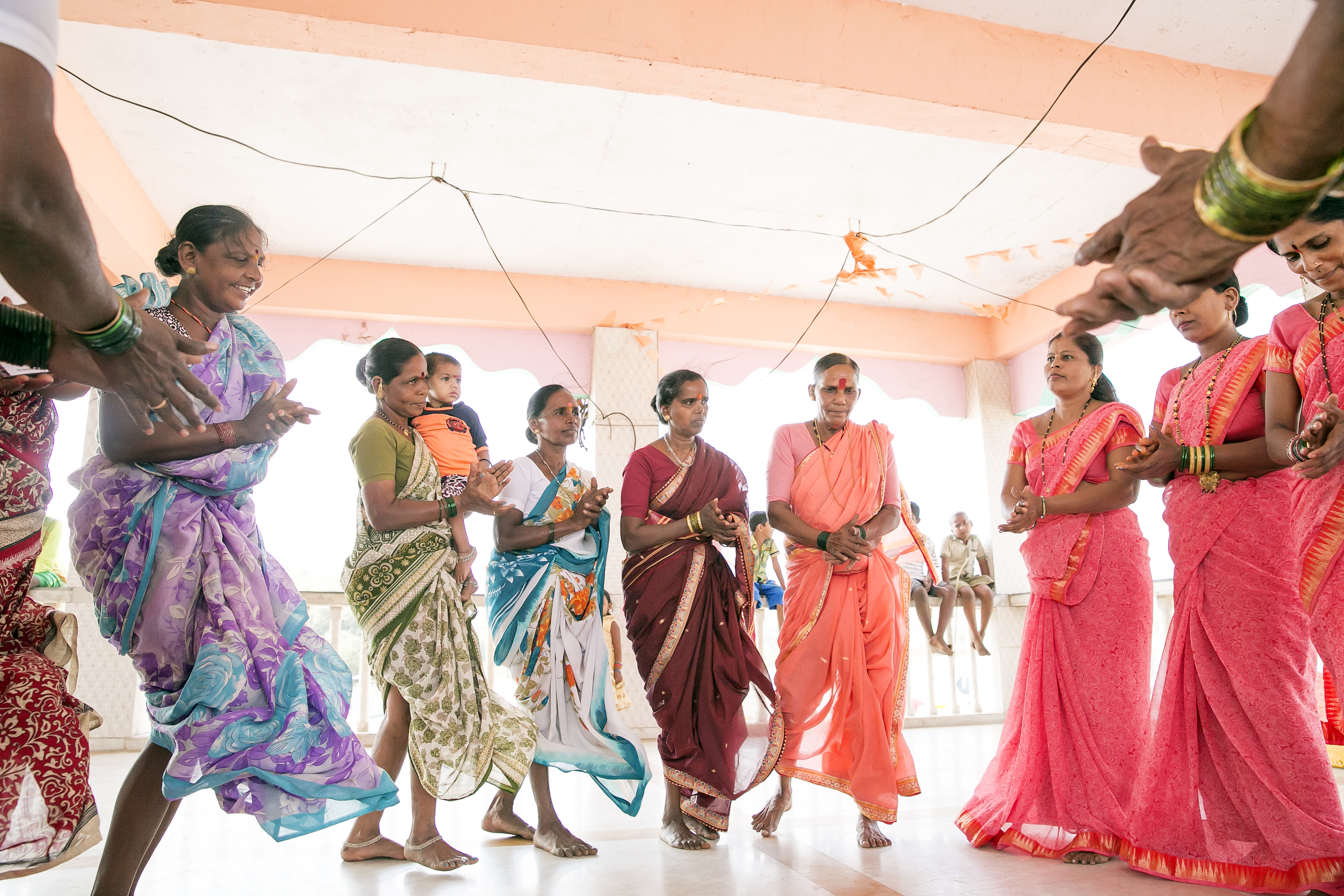
The Global Comprehensive Abortion Care Initiative (GCACI) improves access to quality abortion care and contraception in IPPF Member Association clinics. Launched in 2008, GCACI is now in its 10th year of supporting IPPF Member Associations through training to build staff skills and expertise, clinic strengthening to ensure quality of care, community awareness raising and education, and abortion stigma reduction. No refusal policy The Parivar Swasthya Kendra (PSK) clinic outside Mumbai sees a wide range of clients from the underserved communities in the district. The Family Planning Association of India (FPAI) opened the clinic at the request, and need, of a local fisherwomen’s group. The clinic is supported by IPPF’s Global Comprehensive Abortion Care Initiative (GCACI), which celebrates its 10th anniversary this year. The clinic is in Bhiwandi, on a busy street surrounded by slums, shops and factories. Konika* is 20 years old, and mother of three. Like many local young women, she decided to have an abortion when she became pregnant for the fourth time within five years, citing financial issues as the driving force behind her decision. Through a neighbour, Konika approached the PSK clinic in Bhiwandi for an abortion. Because of the clinic, she now feels many young women now have the power to choose to be pregnant or not. The clinic has a “no refusal” policy, ensuring that all women are provided with care in the clinic, irrespective of their ability to pay This has helped to build trust with local women who come long distances to seek an abortion and contraceptive services. The clinic serves a large population of migrants and a community of sex workers. “These women are my flesh and blood” FPAI works with a network of volunteer link workers, who disseminate information about services available in the PSK clinic, make referrals, and often accompany women to the clinic for support. One of these link workers is Rekha. Rekha says: "I have been involved with PSK for five years. And today I can proudly say that since the first awareness campaigns, there has been not a single death in the village due to an unsafe abortion." She adds: "These women are my flesh and blood. They know I only want the best for them… Within our communities we spread the message of safe sex and safe abortion through songs and skits which are easily understood. And I think the trick is to include mother-in-laws in our work. We have a high success rate in providing safe abortion care.” Shajahan Khan is a link worker in the nearby Muslim district, where women pack into a house in the narrow village lanes to wait to speak to her. She says: "I am a Muslim. In my community, abortion is frowned upon, and contraception is considered a sin." "Initially, the women thought I was going against our customs, and the men thought I was a bad influence on their wives. Some of the men in our area even approached my husband and asked him to order me to stop these efforts." But Khan's husband was supportive, telling other men that it was also their responsibility to be part of the process. It took several years, but eventually, Khan won the trust of the women and men of her area. "Today, every woman in my area comes to me when it concerns matters of sexual health." “I want to reach every corner of the country” Gauri has worked for FPAI for years and remembers hearing about the experiences of women who’d had unsafe abortions. "I had heard first-hand accounts of [unsafe] abortions that left women reeling in pain, suffering permanent infertility. I had also seen the grief in the faces of men whose wives died. So today when I see women leaving us, after an abortion, in perfect health, I feel like I've done something right with my life." Gauri continues: "My work may have started with one area, but I want to reach every corner of the country with FPAI - so that no woman in India becomes a statistic." In the district of Gwalior in Madhya Pradesh, the summer season has started and the heat in town is already extreme. Here, the FPAI clinic serves many people living in poverty. In the ten years since the GCACI project started there, the clinic has provided 16,301 women with comprehensive abortion care and 202,758 women with contraceptive services. The two-storey clinic is situated in a residential area and, inside, women queue up to see the counsellors and medical staff. Many are accompanied by link workers who have travelled with them from outlying districts. Neelam Dixit is in charge of the branch. “There is a shift in attitude among women since FPAI started providing services. Presently, there is little stigma attached to abortion. Our aim is to provide quality health services at low cost. We create awareness about the consequences of unsafe abortion and train volunteers to be sure women in villages are aware of our clinic.” The clinic serves around 300,000 people from rural and semi-urban populations with comprehensive sexual and reproductive health services, and provides both first- and second-trimester abortion services. Dixit adds: “Most women are from vulnerable sections of society and are denied the right to make their own decisions.” “I want to live to see my other children grow” At 23, Nisha Boudh is already a mother to two children and, like many women in India, severely anaemic. She feels she is in no position to have a third child, but her in-laws are not supportive. Nisha chose to have an abortion at FPAI’s Gwalior clinic. “I have been weak since childhood and, honestly, motherhood has taken a toll on my health. Doctors in other clinics were not willing help me and I would have died had FPAI not come to my rescue. With their doctors’ advice I have now decided to undergo an operation [tubal ligation] as I do not want to conceive. “My mother-in-law was upset with my decision but I want to live to see my other children grow,” said Boudh. Manju Rana was forced to marry at fifteen. “I have had two children in eight years of marriage,” she says. “My mother-in-law wanted me to keep having children. She does not understand I would not be able to give them a good education if I had more children. My husband is a driver and we cannot afford to have any more. When I learnt I was pregnant, without taking anyone’s permission, I went with the link worker of my area to the clinic and had an abortion.” Manju adds: “In these affordable clinics we can choose about pregnancy. They also made sure I was counselled, as coming to a decision about abortion is not easy.” “They now know they have a right over their body” “The big problem in this part of India is early marriage and pregnancy. Both of which need to be handled very delicately,” says medical officer Mala Tiwari. “Slowly, things are changing as women are becoming aware of their rights. Previously when GCACI did not exist there was very little interaction with the link workers, and they [and the community] feared it was illegal to get an abortion. They did not know they did not need the consent of their husbands and in-laws. They now know, women have a right over their body.” Link worker Rajini agrees, "Due to poverty, many women can’t afford an abortion or many a time they have no right to decide about pregnancy as we belong to a patriarchal society. We all have a right to a life of dignity and it’s my responsibility to see that every woman knows about the clinic. I believe in equality. FPAI has taught me to fight for my rights.”
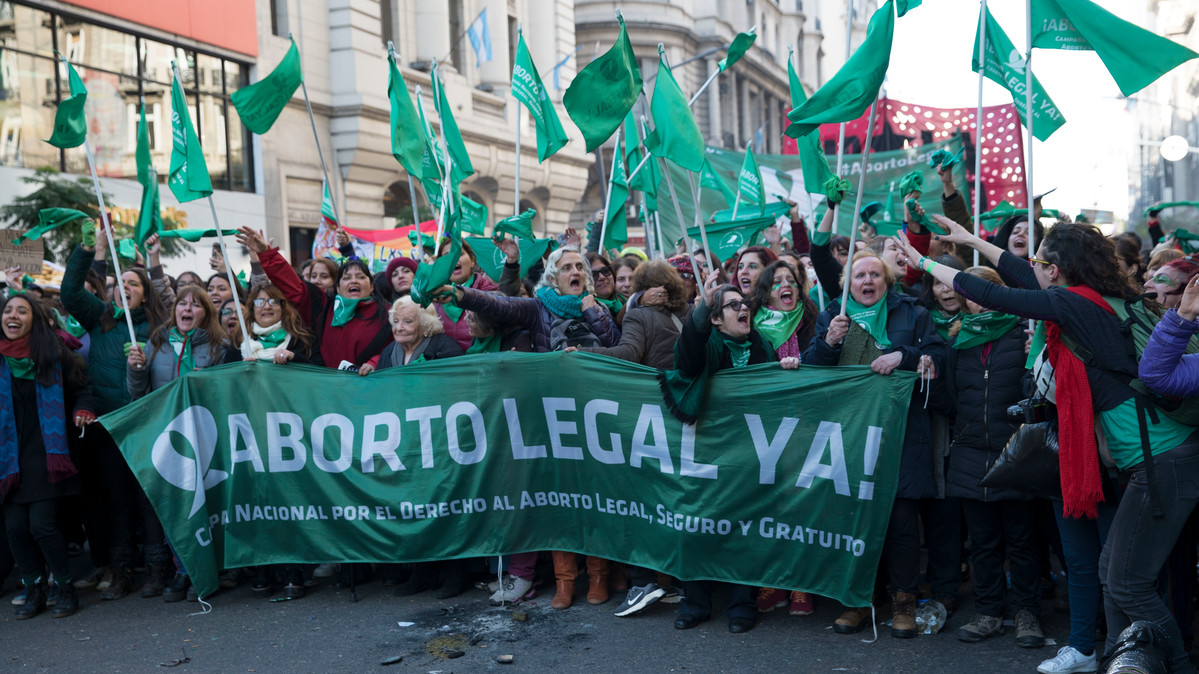
The Argentinian Senate voted narrowly against a bill that would have legalized abortion up to 14 weeks
The Argentinian Senate voted narrowly against a bill that would have legalized abortion up to 14 weeks. The vote tally was 31 in favour, 38 against, 2 abstentions, and 1 absence. Giselle Carino, IPPF Western Hemisphere Region’s Director (IPPF/WHR) and CEO, issued the following statement: "Today, the Argentinian Senate failed women by voting to maintain a status quo that leads to anguish, forced pregnancy, and preventable death. This compassionless vote denies women’s lived experiences, evidence-based public health policies and international agreements. While the senate has demonstrated that they are out of touch, women will not retreat. Tens of thousands of women organized, mobilized, and took to the streets to support this bill, and their courage have inspired activists across Latin America to share their stories and take on the stigma that too often keeps abortion care out of public discourse. We stand firmly and in solidarity with all women until forced pregnancies become a thing of the past—until all women are treated as equals.” While current law in Argentina technically permits a woman access to abortion services when her life is in danger, or when the pregnancy is the result of rape, the true issue is one of accessibility: Women with fewer economic and social resources have less access to care than upper-class women in urban centers. Dr Alvaro Bermejo, IPPF’s Director General: “Poor women bear the brunt of these restrictive laws and will continue to pay with their health and lives until abortion is decriminalized and becomes an integral part of sexual and reproductive health care. IPPF congratulates our partners, civil society and all the activists who fought so valiantly for women’s rights. We will continue working closely with our partners and allies in Argentina in the fight for sexual and reproductive rights for all. ”
23 October 2018
Northern Ireland: It's your turn
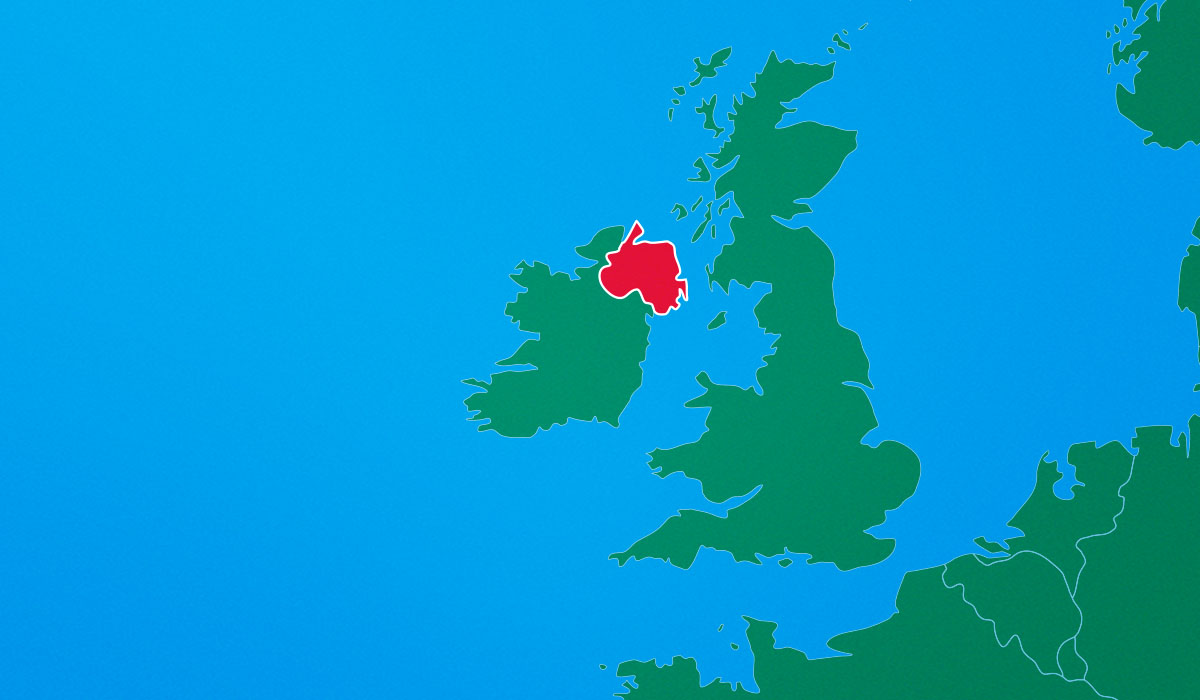
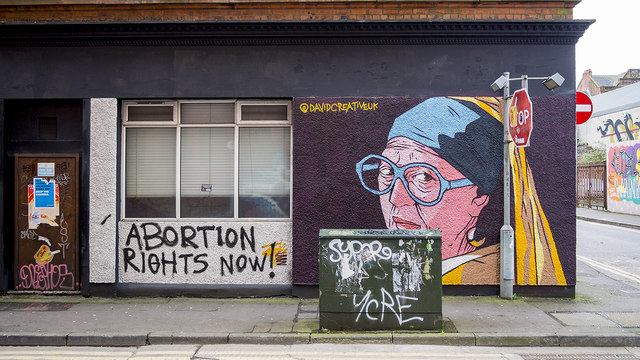
Over the weekend of 26 May 2018, we watched in joy and relief as Ireland entered a new era of women's health and rights – its citizens had finally voted overwhelmingly to repeal the Eighth Amendment. This means they want their government to overturn the ban on abortions up to 12 weeks into pregnancy. Now, UK MPs have the chance to create real change for women in Northern Ireland too, as they vote on a bill to decriminalize abortion in a country that still follows a Victorian-era law when it comes to this reproductive right. If you live in the UK, tweet your MP now to make sure they attend the vote. Compassion over coercion Compassion prevailed over coercion, as the people of Ireland said loud and clear that they believed women and girls have a human right to decide what happens to their own bodies. "As an Irishwoman, I know the 8th Amendment has harmed countless women physically, emotionally and psychologically for more than 30 years. The vote to remove it paves the way for a more compassionate and caring environment for women in Ireland." Caroline Hickson, Regional Director of IPPF European Network Yet the situation remains grim for those in Northern Ireland, where abortion is still illegal in almost all circumstances. It is legal only when a mother’s life is seriously and immediately endangered – but doesn't include case of rape, incest or fatal foetal abnormality. In fact, the Victorian law on abortion in Northern Ireland is so old, it predates the invention of the light bulb. As a result, every day three Northern Irish women travel for an abortion or seek illegal and potentially unsafe abortion pills online. Others are simply coerced into a heart-breaking pregnancy. A landmark decision Progress has certainly been made lately, and just last year saw a landmark decision from the UK government on this. It announced that Northern Irish women would be able to travel to England and Wales for free abortions, while having some of their other expenses covered. No doubt, this small but significant change has made a real difference to women facing unintended pregnancies. Further, on 5 June an emergency debate on abortion in Northern Ireland took place in parliament, after overwhelming support from MPs. And just two days later, the UK supreme court found Northern Ireland’s abortion restrictions in breach of the European Convention on Human Rights. But more must be done in the fight for the reproductive freedom of Northern Irish women. Forcing people to go abroad for treatment still promotes unfounded attitudes of stigma and shame around abortion. It also weighs down those seeking one with the additional stress of travelling far away from home and loved ones to undergo a procedure that could (and should) be done locally. And it excludes those who are unable or unwilling to travel. To this end, the Family Planning Association (FPA), the UK sexual health charity and IPPF member, has been fighting for the rights of Northern Irish women for many years. Their goal is to ensure no woman is bullied into a choice she did not make. 3 things you can do The latest developments in Ireland mean that women and girls who experience crisis pregnancies will be able to make personal, private decisions about their health care with the support of their doctors and loved ones. They will be able to receive proper care, in their country, when they are at their most vulnerable. It is now the turn of the UK government to do the right thing. They must take action to protect women in Northern Ireland from forced pregnancies by ensuring reproductive laws throughout the UK fully comply with international human rights standards, so no woman is coerced through a pregnancy against her will. And you? There are three things you can do right now to help: Tweet your MP now to ensure they speak up at today’s emergency debate, while showing your support from the British Pregnancy Advisory Service. Join the Family Planning Association’s fight for free, safe, legal abortion in Northern Ireland. Share this page with your friends and family on Twitter and Facebook.
01 June 2018
Irish "Yes" throws into focus countries that refuse to end forced pregnancy
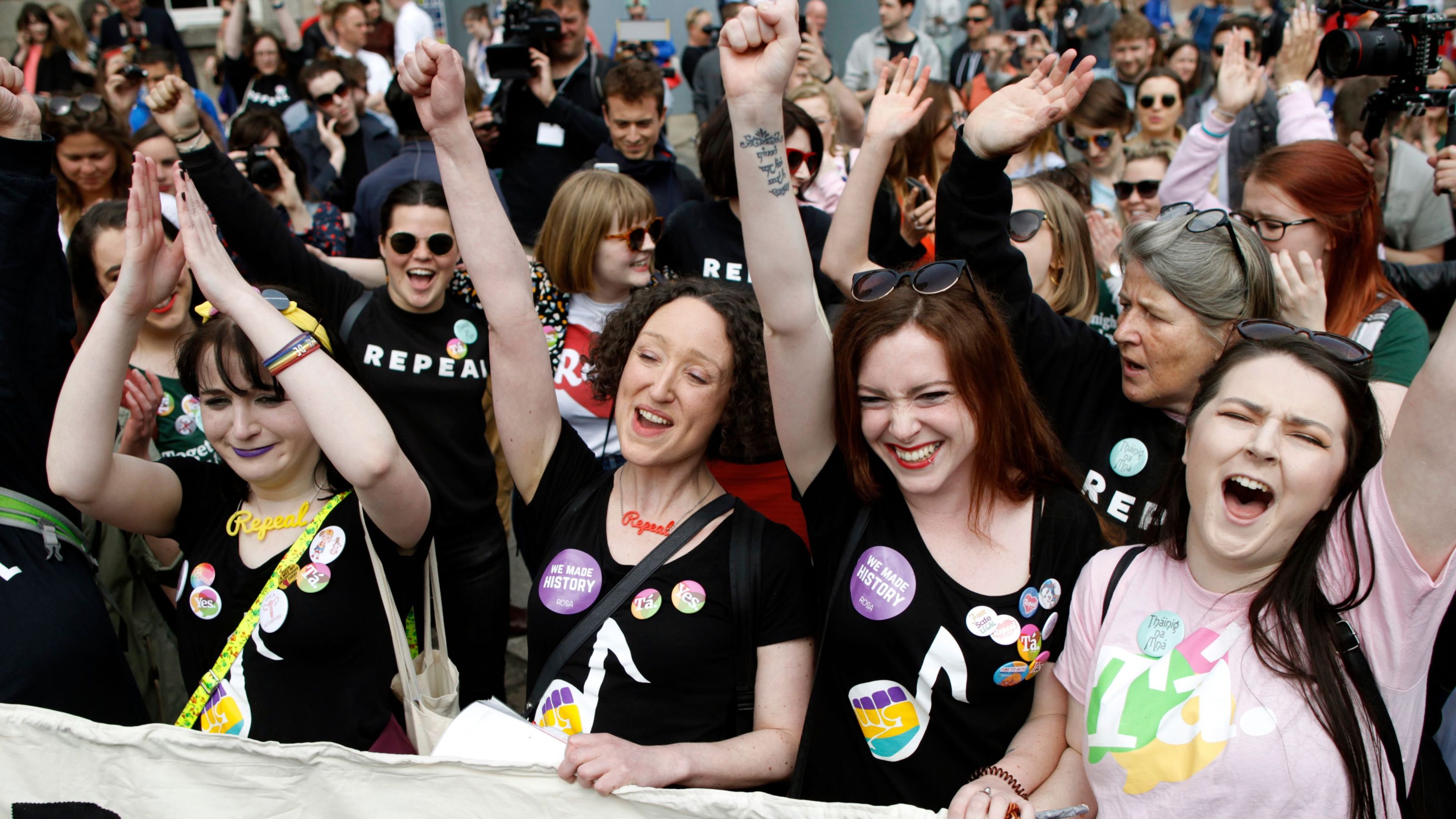
When the exit polls late on 25 May predicted a massive landslide victory for the Yes campaign to repeal the 8th amendment of the Irish constitution, activists and campaigners barely dared to hope. But when the counting began the following morning, and Yes votes started trickling in from constituencies all over the country, it quickly became clear that a seismic change in public opinion on abortion had taken place. Young and old, female and male, urban and rural – the Irish people had decided that compassion and care must be the values governing women’s reproductive health and rights – replacing the decades-long Roman Catholic stranglehold characterized by coercion and abuse of women. With the 8th amendment now repealed, Ireland’s Prime Minister Leo Varadkar has committed to delivering legislation which legalizes abortion care on a woman’s own indication in the first trimester of pregnancy before the end of this year, bringing it in line with the majority of European countries. Women’s lives will be changed for the better, and as an Irishwoman I have never been so proud of my country. But the Yes vote has repercussions outside of Ireland, bringing into even sharper focus Europe’s outliers – those remaining countries that still refuse to end forced pregnancy, restricting access to safe and legal abortion care to the extent that it is virtually inaccessible to most women. In Northern Ireland, women and girls are denied abortion care even if they’ve been raped, been a victim of incest, or had a diagnosis of fetal abnormality. As the celebrations kicked off in Ireland this weekend, UK campaigners rightly stepped up their calls on the government and the Northern Ireland executive to recognize that this is no longer tenable and follow Ireland’s lead in placing compassion at the heart of women’s health care. In Poland, the legislation on abortion care is among the most restrictive in Europe. The Polish government has been making constant, fanatical efforts to further limit access in order to coerce women into moving through pregnancies against their will. We hope that the Irish example sends a strong signal to the Polish authorities that people’s care and compassion will triumph over absolutism and bullying. Just two weeks ago, Malta was reconfirmed and feted as Europe’s top champion of rights for LGBTI people. And yet it refuses to allow abortion care, even if the life of the pregnant woman is at stake, abandoning couples and families to fend for themselves when faced with a crisis pregnancy. It is hard to imagine a more selective application of compassionate values, and a more incoherent approach to the upholding of human rights. In the light of Ireland’s vote, the Maltese position looks even less credible, its inhumanity starker. And while Italy has required abortion care to be available to all women since it was legalized in 1978, the reality in 2018 is that widespread and growing denial of care by many doctors and other medical professionals (over 90% of gynecologists refuse to provide abortion care in some Italian regions) means that unsafe and illegal abortions are on the rise, with sometimes lethal consequences. This cruel and degrading treatment of the country’s women and girls is perpetrated on spurious grounds of individual conscience – a tactic that we see used systematically in countries around the world that do not believe in free and safe reproductive lives. The Italian government is complicit in its failure to act. These are some of the battles ahead, in a Europe where retrograde conservative forces work with right-wing governments to deny women control over their own bodies. Grassroots campaigners, NGOs and individual citizens will be buoyed by Ireland’s historic shift. There could be no clearer signal that Europeans are aligned in supporting abortion care based on the values of gender equality and solidarity. The EU institutions should be emboldened to take concrete actions to defend reproductive freedom in Europe. In this moment of optimism, we dare to hope that such an unequivocal triumph of compassion over coercion will bring us closer to making abortion care safe, legal and accessible for all women, everywhere. By Caroline Hickson, IPPF EN Regional Director This blog was originally published by Euractiv: Ireland’s Yes vote ushers in a new era for women’s rights in Europe
Ireland’s Yes vote is a triumph of compassion over coercion
IPPF is overjoyed at the Irish people’s decision to remove the harmful ‘8th Amendment’ from Ireland’s constitution with today’s referendum result. IPPF’s Director General, Dr Alvaro Bermejo said: “ We wholeheartedly welcome this vote for change, which makes it possible for the Irish Parliament to legalise abortion care on a woman’s own indication in the first trimester of pregnancy, in line with the many other countries around the world which ensure women can access safe and legal abortion care when they need it.” Caroline Hickson, IPPF’s European Network Regional Director, said: “As an Irishwoman, I know the 8th Amendment has harmed countless women physically, emotionally and psychologically for more than 30 years. The vote to remove it paves the way for a more compassionate and caring environment for women in Ireland. They will no longer be forced to access abortion outside the state or resort to unsafe and unregulated use of abortion pills obtained online and outside the law. Instead, women and girls who experience crisis pregnancies will be able to make personal, private decisions about their health care with the support of their doctors and loved ones. They will be able to receive proper care, in their country, when they are at their most vulnerable.” Dr Alvaro Bermejo added: “Ireland’s decision sends a signal around Europe and the world that people’s care and compassion can triumph over absolutism and coercion. We hope that it also gives courage to women and all those who support their fight against reproductive coercion in so many other places, and to all those countries where the Global Gag Rule is having a devastating impact on access to sexual and reproductive health care. For all women everywhere, it’s time to end forced full pregnancy and make abortion care safe, legal and accessible. Today Ireland has shown us that positive change is possible.”
Polish Parliament Must Protect Women’s Health and Rights
We are deeply concerned by relentless attempts to roll back the reproductive rights of women in Poland. This week Poland’s parliament is debating a new draft bill entitled “Stop Abortion.” If adopted, this legislation will further limit the already restricted grounds on which women can lawfully access abortion in Poland. It will place women’s health and lives at risk and violate Poland’s international human rights obligations. We call on Members of Poland’s Parliament to listen to the voices of women across Poland and to reject this regressive legislative proposal and protect women’s health and human rights. Poland already has one of Europe’s most restrictive abortion laws. Abortion is only lawful to safeguard the life or health of women, in situations of severe fetal anomaly or where the pregnancy results from rape or another criminal act such as incest. Even in those situations in which abortion is legal, multiple barriers combine to limit women’s access in practice. The latest “Stop Abortion” proposal seeks to ban abortion in situations where there is a severe fetal anomaly. If the “Stop Abortion” bill is passed it will mean that abortion care will no longer be available to women in Poland when they receive a diagnosis of a severe or fatal fetal anomaly. Official statistics from 2016 show that in practice 96% of legal abortions in Poland are performed on these grounds. Most women in Poland who decide to end a pregnancy resulting from rape or because their health is at risk are unable to access legal abortion care in Poland and must travel outside the country to do so. This bill would further hinder women, particularly those from low-income and rural communities, from accessing safe abortion care. Since 2011, Poland’s government has launched repeated attacks on women’s reproductive rights. In 2011, 2013, 2015 and 2016 draft legislative proposals were introduced that contained total or near total bans on abortion. Following massive public protests, such as the Black Protests in 2016, these draft bills were defeated. Prohibiting women from accessing safe, legal abortion violates a number of human rights enshrined in international law, including the rights to life, health and health care, nondiscrimination and equality, privacy, and freedom from cruel, inhuman or degrading treatment. The European Court of Human Rights has previously ruled that the Polish government, in hindering timely access to abortion, has violated women’s rights under the European Convention on Human Rights. Numerous international human rights bodies, including the UN Human Rights Committee, the Committee on Economic, Social, and Cultural Rights, the Committee on the Elimination of all Forms of Discrimination against Women, and the Committee Against Torture, have called on governments to remove barriers to abortion services and ensure access to safe and legal abortion. Signatories Abortion Rights Campaign, Ireland Abortion Rights Coalition of Canada, Canada Abortion Support Network, United Kingdom ACAI, Spain Agrupación de Madrid del Forum de Política Feminista, Spain Albanian Center for Population and Development, Albania A.L.E.G. Romania Alianza por la Solidaridad, Spain Alliance des Femmes pour la Démocratie, France Alliance for Choice in Northern Ireland, UK ALRANZ Abortion Rights Aotearoa, New Zealand Amnesty International AnA Society for Feminist Analyses, Romania ANCIC, France Asia Pacific Alliance for Sexual and Reproductive Health and Rights (APA) Asociación con la A, Spain Asociación Feminista, Spain Association Défense de la Démocracie en Pologne, France Association des anciennes députées de l ‘Assemblée Nationale française Association for Family Planning and Sexual Health, Latvia Association HERA-XXI, Georgia Association Histoire, Femmes et Sociétés- revue Clio, France Association Mnémosyne, France AIED - Associazione Italiana per l'Educazione demografica, Italy Asian-Pacific Resource and Resarch Centre for Women (ARROW), Malaysia ASTRA Network ASTRA Youth Network Atria - Institute for Gender Equality and Women's History, the Netherlands ATTAC France ‘’AUT’’ LGBTIQ+ student initiative, Croatia Avortament Lliure i Gratuït. Dret al Propi Cos, Spain Avortement en Europe, les Femmes décident, France Autonomous Women’s House Zagreb – Women Against Violence Against Women, Croatia B.a.B.e. (Be active, Be emancipated), Croatia UK All Party Parliamentary Group on Population, Development & Reproductive Health, UK Beyond Beijing Committee, Nepal Calala Fondo de Mujeres, Spain The Catalan Family Planning Association, Catalonia Catholics for Choice Center for Community Mediation and Security, Romania Center for Health, Ethics and Social Policy, USA Center for Promotion and Defense of Sexual and Reproductive Rights, Peru Center for Reproductive Rights Centre Women and Modern World, Azerbaijan Center for Women's Studies of the Faculty of Philosophy and Social Sciences, University of Zagreb, Croatia CEDES – Center for the Study of State and Society, Argentina Centro de Estudios e Investigación sobre Mujeres, Spain CGT France CHOICE for Youth and Sexuality, the Netherlands City University of New York Law School, Gender Justice Clinic, USA Clínica Dator, Spain Colectivo de Salud Feminista, Argentina Collectif 13 Droits des femmes, France Collectif des Féministes pour l'Egalité, France Collectif Féministes contre le cyberharcèlement, France Collectif Libertaire Anti-Sexiste Collectif National pour les Droits des Femmes, France Confédération Française Démocratique du Travail, France Conseil National des Femmes Françaises, France Culture, Egalité, France Dziewuchy Dziewuchom Berlin, Germany Diverse Voices and Action (DIVA) for Equality, Fiji Doctors for Choice UK DOK – Democracy is OK, Poland Drogheda Abortion Rights Campaign, Ireland El Colectivo Hetaira, Spain Encore Féministes! - Network, France Ensemble! - Political Movement, France Equidad de Género, Ciudadanía, Trabajo y Familia, México Equilibres & Populations (Equipop), France Estonian Sexual Health Association, Estonia European Association for the Defence of Human Rights European Civic Forum European Humanist Federation, France European NGOs for Sexual and Reproductive Health and Rights, Population and Development European Parliamentary Forum on Population and Development European Women's Lobby Family Planning and Sexual Health Association, Lithuania Family Planning Association of Moldova Fédération de Normandie du Planning Familial, France Federation for Women and Family Planning, Poland Fédération Laïque de Centres de Planning Familial, France Fédération Nationale Solidarité Femmes, France Fédération Nationale Sud Santé-Sociaux, France FEMEN International Féministes pour une autre Europe, France Femmes Contre les Intégrismes, France Femmes Libres Radio libertaire, France Femmes pour le Dire, Femmes pour Agir, France Femini Berlin Polska Berliński Kongres Kobiet Manifest Wolnej Polski (Congress of Women), Poland FILIA Centre, Romania FOKUS – Forum for Women and Development, Norway Fórum de Política Feminista, Spain Frente Ecuatoriano por la Defensa de los Derechos Sexuales y Reproductivos, Ecuador Freedom of Choice FRONT Association, Romania Fundación Arcoiris. Mexico Fundación ASPACIA, Spain Fundación Desafío de Ecuador, Ecuador Fundacja im. Kazimierza Łyszczyńskiego, Poland Gals4Gals Lodz, Poland Gender Alternatives Foundation, Bulgaria GERT – Gender Education, Research and Technology Foundation, Bulgaria Gender Scan, France Global Doctors for Choice Global Fund for Women, USA Great Lakes Initiatives for Human Rights and Development, Rwanda H.E.R.A. – Health Education and Research Association, Macedonia HowToUse Humanists UK Human Rights Watch ILGA - Europe International Campaign for Women’s Right to Safe Abortion International Commission of Jurists International Federation for Human Rights, France International Women’s Health Coalition, USA IPPF European Network IPPF Global Federation Irish Family Planning Association, Ireland Kazakhstan Feminist Initiative "Feminita" KOD - Independent Group Berlin, Germany Kollektief Antikonceptie, Belgium Komitet Obrony Demokracji - Niezależaa Grupa Berlin, Germany L'Assemblée des Femmes, France L'Egalité, c'est pas sorcier, France La Paille et le Mil, France Ladder for Rural Development, Malawi League for International Women’s Rights, France Legal Center for Women’s Initiatives “Sana Sezim”, Kazakhstan Lesbian Group Kontra, Croatia Les Effronté-es, France Libres Mariannes, France Lights4Rights, Belgium Ligue des Droits de l'Homme, France Lobby Europeo de Mujeres- LEM España, Spain London-Irish Abortion Rights Campaign Luna Abortuscentrum Antwerpen, Belgium Marche Mondiale des Femmes France Marche Mondiale des Femmes Belgique, Belgium Marche Mondiale des Femmes Midi-Pyrénées, France Médecins du Monde, France Medical Students for Choice Mediterranean Women’s Fund, France Mujer y Salud en Uruguay Novgorod Gender Centre, Russia Osez le Féminisme!, France PaRiter, Croatia PARI o DISPARE, Italy Planned Parenthood Federation of America Planning Familial 76, France Planning Familial National, France Plataforma CEDAW Sombra País Valenciano, Spain Polish Society of Antidiscrimination Law, Poland Population Matters, United Kingdom Pro familia Bundesverband, Germany Regards de Femmes, France Regina Women’s Network, Lithuania Reproductive Health Matters Reproductive Health Training Center, Moldova RESURJ Roda – Parents in Action, Croatia Romanian Women's Lobby, Romania Ruptures, France Rutgers, Netherlands Safe2choose SALUS Foundation, Ukraine Sarajevo Open Centre, Bosnia Sensoa, Belgium Sexual Health Switzerland Sexual and Reproductive Justice Coalition, South Africa Sexual Rights Initiative, Canada Society for Education on Contraception and Sexuality, Romania Society Without Violence, Armenia Solidarité France Grèce pour la Santé, France S.O.S. Sexisme, France Spanish Federation of Family Planning (FPFE), Spain Surkuna - Centro de Apoyo y Protección de los Derechos Humanos, Ecuador Sustainable Health Development Center – VietHealth, Vietnam Tendo’s World (Arts & Health), Uganda L'Union des Familles Laïques (Union of French Secular Families), France Union syndicale Solidaires, France Union Women Center, Georgia Urgent Action Fund for Women’s Human Rights, USA Väestöliitto – Family Federation of Finland Voice for Choice UK WISH Associates, South Africa Women Enabled International Women’s Front of Norway Women's Global Network for Reproductive Rights (WGNRR) Women Help Women, Poland Women on Waves Women on Web Women’s International League for Peace and Freedom, France Women's International League for Peace and Freedom, Italy Women's Link Worldwide Women’s Resource Center, Armenia Women’s Rights Center, Armenia Women’s Room – Center for Sexual Rights, Croatia YouAct - the European Youth Network on Sexual and Reproductive Rights Youth Coalition for Sexual and Reproductive Rights Young Women for Change, Nepal Youth Champions Advocacy Nepal (Youth CAN), Nepal 40 ans de movement, France
IPPF welcomes the release of Guttmacher's report on abortion
IPPF welcomes the release by the Guttmacher Institute of a new report highlighting ongoing disparities in abortion rates and access to safe abortion care between developing and developed regions. These data provide valuable information for organizations like IPPF working to improve access to sexual and reproductive health and rights. A key finding from the study is that, although the global annual abortion rate has fallen between 1990-1994 and 2010-2014, a larger decline occurred in developed countries (where abortion is generally legal and available), but rates have not changed significantly in the developing world, where abortion laws are often restrictive. This demonstrates that restricting access to safe legal abortion does not reduce the number of abortions but rather pushes abortions underground, leading to risks to women’s health and lives. Legality alone does not guarantee access. Governments need to ensure policies are implemented and guarantee a favourable environment where all women - regardless of their ability to pay, age or marital status - can access safe abortion care free of stigma and discrimination. While abortion is a very safe procedure when done in accordance with recommended guidelines, health complications from unsafe abortion - while less serious due to increased access to post-abortion care and increased availability of misoprostol - continue to affect millions of women each year. Developing regions also continue to be disproportionally affected by unsafe abortion, with nearly all deaths due to unsafe abortion occurring in developing countries, the highest number occurring in Africa. As of 2014, at least 22,800 women still die each year worldwide from complications of unsafe abortion; and 6.9 million women in developing regions are treated for complications from unsafe abortions. Very importantly, the study outlines how high levels of unmet need for contraception contribute to higher rates of unintended pregnancy in developing regions, the main reason that women undergo abortion. This shows the relevance of organizations like IPPF working to prevent unintended pregnancy through modern contraceptive services, promote comprehensive sexuality education and eliminate sexual violence and coercion. At the same time, IPPF recognizes that there will always be a need for safe abortion services and will we continue to increase access to safe abortion care through our service delivery outlets while advocating for the decriminalization and de-stigmatization of abortion. Manuelle Hurwitz, Director of Institutional Delivery, IPPF

22 November 2017
How to report on abortion - A guide for journalists, editors and media outlets
The way abortion is presented in the media can have a major influence on a person's opinion on abortion. This guide has been written for those working in the media to encourage accurate reporting of the facts about abortion, and honest portrayals of abortion as part of real people’s lives and relationships. Produced in collaboration with the International Campaign for Women’s Right to Safe Abortion.
27 September 2017
Make abortion safe. Make abortion legal.
Around the world women and girls are forced to turn to unsafe abortion methods due to lack of access to safe abortion methods, abortion stigma and restrictive laws.
27 September 2018
Watch: What is medical abortion?
Ever wonder how medical abortion also known as the 'abortion pill', works? In this explainer video, we go through the steps of what to expect during a medical abortion. Please note that this video is an overview of the procedure. For further details on medical abortion, contact your local healthcare provider.
22 November 2018
Expanding access to safe abortion in India
The Global Comprehensive Abortion Care Initiative (GCACI) improves access to quality abortion care and contraception in IPPF Member Association clinics. Launched in 2008, GCACI is now in its 10th year of supporting IPPF Member Associations through training to build staff skills and expertise, clinic strengthening to ensure quality of care, community awareness raising and education, and abortion stigma reduction. No refusal policy The Parivar Swasthya Kendra (PSK) clinic outside Mumbai sees a wide range of clients from the underserved communities in the district. The Family Planning Association of India (FPAI) opened the clinic at the request, and need, of a local fisherwomen’s group. The clinic is supported by IPPF’s Global Comprehensive Abortion Care Initiative (GCACI), which celebrates its 10th anniversary this year. The clinic is in Bhiwandi, on a busy street surrounded by slums, shops and factories. Konika* is 20 years old, and mother of three. Like many local young women, she decided to have an abortion when she became pregnant for the fourth time within five years, citing financial issues as the driving force behind her decision. Through a neighbour, Konika approached the PSK clinic in Bhiwandi for an abortion. Because of the clinic, she now feels many young women now have the power to choose to be pregnant or not. The clinic has a “no refusal” policy, ensuring that all women are provided with care in the clinic, irrespective of their ability to pay This has helped to build trust with local women who come long distances to seek an abortion and contraceptive services. The clinic serves a large population of migrants and a community of sex workers. “These women are my flesh and blood” FPAI works with a network of volunteer link workers, who disseminate information about services available in the PSK clinic, make referrals, and often accompany women to the clinic for support. One of these link workers is Rekha. Rekha says: "I have been involved with PSK for five years. And today I can proudly say that since the first awareness campaigns, there has been not a single death in the village due to an unsafe abortion." She adds: "These women are my flesh and blood. They know I only want the best for them… Within our communities we spread the message of safe sex and safe abortion through songs and skits which are easily understood. And I think the trick is to include mother-in-laws in our work. We have a high success rate in providing safe abortion care.” Shajahan Khan is a link worker in the nearby Muslim district, where women pack into a house in the narrow village lanes to wait to speak to her. She says: "I am a Muslim. In my community, abortion is frowned upon, and contraception is considered a sin." "Initially, the women thought I was going against our customs, and the men thought I was a bad influence on their wives. Some of the men in our area even approached my husband and asked him to order me to stop these efforts." But Khan's husband was supportive, telling other men that it was also their responsibility to be part of the process. It took several years, but eventually, Khan won the trust of the women and men of her area. "Today, every woman in my area comes to me when it concerns matters of sexual health." “I want to reach every corner of the country” Gauri has worked for FPAI for years and remembers hearing about the experiences of women who’d had unsafe abortions. "I had heard first-hand accounts of [unsafe] abortions that left women reeling in pain, suffering permanent infertility. I had also seen the grief in the faces of men whose wives died. So today when I see women leaving us, after an abortion, in perfect health, I feel like I've done something right with my life." Gauri continues: "My work may have started with one area, but I want to reach every corner of the country with FPAI - so that no woman in India becomes a statistic." In the district of Gwalior in Madhya Pradesh, the summer season has started and the heat in town is already extreme. Here, the FPAI clinic serves many people living in poverty. In the ten years since the GCACI project started there, the clinic has provided 16,301 women with comprehensive abortion care and 202,758 women with contraceptive services. The two-storey clinic is situated in a residential area and, inside, women queue up to see the counsellors and medical staff. Many are accompanied by link workers who have travelled with them from outlying districts. Neelam Dixit is in charge of the branch. “There is a shift in attitude among women since FPAI started providing services. Presently, there is little stigma attached to abortion. Our aim is to provide quality health services at low cost. We create awareness about the consequences of unsafe abortion and train volunteers to be sure women in villages are aware of our clinic.” The clinic serves around 300,000 people from rural and semi-urban populations with comprehensive sexual and reproductive health services, and provides both first- and second-trimester abortion services. Dixit adds: “Most women are from vulnerable sections of society and are denied the right to make their own decisions.” “I want to live to see my other children grow” At 23, Nisha Boudh is already a mother to two children and, like many women in India, severely anaemic. She feels she is in no position to have a third child, but her in-laws are not supportive. Nisha chose to have an abortion at FPAI’s Gwalior clinic. “I have been weak since childhood and, honestly, motherhood has taken a toll on my health. Doctors in other clinics were not willing help me and I would have died had FPAI not come to my rescue. With their doctors’ advice I have now decided to undergo an operation [tubal ligation] as I do not want to conceive. “My mother-in-law was upset with my decision but I want to live to see my other children grow,” said Boudh. Manju Rana was forced to marry at fifteen. “I have had two children in eight years of marriage,” she says. “My mother-in-law wanted me to keep having children. She does not understand I would not be able to give them a good education if I had more children. My husband is a driver and we cannot afford to have any more. When I learnt I was pregnant, without taking anyone’s permission, I went with the link worker of my area to the clinic and had an abortion.” Manju adds: “In these affordable clinics we can choose about pregnancy. They also made sure I was counselled, as coming to a decision about abortion is not easy.” “They now know they have a right over their body” “The big problem in this part of India is early marriage and pregnancy. Both of which need to be handled very delicately,” says medical officer Mala Tiwari. “Slowly, things are changing as women are becoming aware of their rights. Previously when GCACI did not exist there was very little interaction with the link workers, and they [and the community] feared it was illegal to get an abortion. They did not know they did not need the consent of their husbands and in-laws. They now know, women have a right over their body.” Link worker Rajini agrees, "Due to poverty, many women can’t afford an abortion or many a time they have no right to decide about pregnancy as we belong to a patriarchal society. We all have a right to a life of dignity and it’s my responsibility to see that every woman knows about the clinic. I believe in equality. FPAI has taught me to fight for my rights.”
The Argentinian Senate voted narrowly against a bill that would have legalized abortion up to 14 weeks
The Argentinian Senate voted narrowly against a bill that would have legalized abortion up to 14 weeks. The vote tally was 31 in favour, 38 against, 2 abstentions, and 1 absence. Giselle Carino, IPPF Western Hemisphere Region’s Director (IPPF/WHR) and CEO, issued the following statement: "Today, the Argentinian Senate failed women by voting to maintain a status quo that leads to anguish, forced pregnancy, and preventable death. This compassionless vote denies women’s lived experiences, evidence-based public health policies and international agreements. While the senate has demonstrated that they are out of touch, women will not retreat. Tens of thousands of women organized, mobilized, and took to the streets to support this bill, and their courage have inspired activists across Latin America to share their stories and take on the stigma that too often keeps abortion care out of public discourse. We stand firmly and in solidarity with all women until forced pregnancies become a thing of the past—until all women are treated as equals.” While current law in Argentina technically permits a woman access to abortion services when her life is in danger, or when the pregnancy is the result of rape, the true issue is one of accessibility: Women with fewer economic and social resources have less access to care than upper-class women in urban centers. Dr Alvaro Bermejo, IPPF’s Director General: “Poor women bear the brunt of these restrictive laws and will continue to pay with their health and lives until abortion is decriminalized and becomes an integral part of sexual and reproductive health care. IPPF congratulates our partners, civil society and all the activists who fought so valiantly for women’s rights. We will continue working closely with our partners and allies in Argentina in the fight for sexual and reproductive rights for all. ”
23 October 2018
Northern Ireland: It's your turn
Over the weekend of 26 May 2018, we watched in joy and relief as Ireland entered a new era of women's health and rights – its citizens had finally voted overwhelmingly to repeal the Eighth Amendment. This means they want their government to overturn the ban on abortions up to 12 weeks into pregnancy. Now, UK MPs have the chance to create real change for women in Northern Ireland too, as they vote on a bill to decriminalize abortion in a country that still follows a Victorian-era law when it comes to this reproductive right. If you live in the UK, tweet your MP now to make sure they attend the vote. Compassion over coercion Compassion prevailed over coercion, as the people of Ireland said loud and clear that they believed women and girls have a human right to decide what happens to their own bodies. "As an Irishwoman, I know the 8th Amendment has harmed countless women physically, emotionally and psychologically for more than 30 years. The vote to remove it paves the way for a more compassionate and caring environment for women in Ireland." Caroline Hickson, Regional Director of IPPF European Network Yet the situation remains grim for those in Northern Ireland, where abortion is still illegal in almost all circumstances. It is legal only when a mother’s life is seriously and immediately endangered – but doesn't include case of rape, incest or fatal foetal abnormality. In fact, the Victorian law on abortion in Northern Ireland is so old, it predates the invention of the light bulb. As a result, every day three Northern Irish women travel for an abortion or seek illegal and potentially unsafe abortion pills online. Others are simply coerced into a heart-breaking pregnancy. A landmark decision Progress has certainly been made lately, and just last year saw a landmark decision from the UK government on this. It announced that Northern Irish women would be able to travel to England and Wales for free abortions, while having some of their other expenses covered. No doubt, this small but significant change has made a real difference to women facing unintended pregnancies. Further, on 5 June an emergency debate on abortion in Northern Ireland took place in parliament, after overwhelming support from MPs. And just two days later, the UK supreme court found Northern Ireland’s abortion restrictions in breach of the European Convention on Human Rights. But more must be done in the fight for the reproductive freedom of Northern Irish women. Forcing people to go abroad for treatment still promotes unfounded attitudes of stigma and shame around abortion. It also weighs down those seeking one with the additional stress of travelling far away from home and loved ones to undergo a procedure that could (and should) be done locally. And it excludes those who are unable or unwilling to travel. To this end, the Family Planning Association (FPA), the UK sexual health charity and IPPF member, has been fighting for the rights of Northern Irish women for many years. Their goal is to ensure no woman is bullied into a choice she did not make. 3 things you can do The latest developments in Ireland mean that women and girls who experience crisis pregnancies will be able to make personal, private decisions about their health care with the support of their doctors and loved ones. They will be able to receive proper care, in their country, when they are at their most vulnerable. It is now the turn of the UK government to do the right thing. They must take action to protect women in Northern Ireland from forced pregnancies by ensuring reproductive laws throughout the UK fully comply with international human rights standards, so no woman is coerced through a pregnancy against her will. And you? There are three things you can do right now to help: Tweet your MP now to ensure they speak up at today’s emergency debate, while showing your support from the British Pregnancy Advisory Service. Join the Family Planning Association’s fight for free, safe, legal abortion in Northern Ireland. Share this page with your friends and family on Twitter and Facebook.
01 June 2018
Irish "Yes" throws into focus countries that refuse to end forced pregnancy
When the exit polls late on 25 May predicted a massive landslide victory for the Yes campaign to repeal the 8th amendment of the Irish constitution, activists and campaigners barely dared to hope. But when the counting began the following morning, and Yes votes started trickling in from constituencies all over the country, it quickly became clear that a seismic change in public opinion on abortion had taken place. Young and old, female and male, urban and rural – the Irish people had decided that compassion and care must be the values governing women’s reproductive health and rights – replacing the decades-long Roman Catholic stranglehold characterized by coercion and abuse of women. With the 8th amendment now repealed, Ireland’s Prime Minister Leo Varadkar has committed to delivering legislation which legalizes abortion care on a woman’s own indication in the first trimester of pregnancy before the end of this year, bringing it in line with the majority of European countries. Women’s lives will be changed for the better, and as an Irishwoman I have never been so proud of my country. But the Yes vote has repercussions outside of Ireland, bringing into even sharper focus Europe’s outliers – those remaining countries that still refuse to end forced pregnancy, restricting access to safe and legal abortion care to the extent that it is virtually inaccessible to most women. In Northern Ireland, women and girls are denied abortion care even if they’ve been raped, been a victim of incest, or had a diagnosis of fetal abnormality. As the celebrations kicked off in Ireland this weekend, UK campaigners rightly stepped up their calls on the government and the Northern Ireland executive to recognize that this is no longer tenable and follow Ireland’s lead in placing compassion at the heart of women’s health care. In Poland, the legislation on abortion care is among the most restrictive in Europe. The Polish government has been making constant, fanatical efforts to further limit access in order to coerce women into moving through pregnancies against their will. We hope that the Irish example sends a strong signal to the Polish authorities that people’s care and compassion will triumph over absolutism and bullying. Just two weeks ago, Malta was reconfirmed and feted as Europe’s top champion of rights for LGBTI people. And yet it refuses to allow abortion care, even if the life of the pregnant woman is at stake, abandoning couples and families to fend for themselves when faced with a crisis pregnancy. It is hard to imagine a more selective application of compassionate values, and a more incoherent approach to the upholding of human rights. In the light of Ireland’s vote, the Maltese position looks even less credible, its inhumanity starker. And while Italy has required abortion care to be available to all women since it was legalized in 1978, the reality in 2018 is that widespread and growing denial of care by many doctors and other medical professionals (over 90% of gynecologists refuse to provide abortion care in some Italian regions) means that unsafe and illegal abortions are on the rise, with sometimes lethal consequences. This cruel and degrading treatment of the country’s women and girls is perpetrated on spurious grounds of individual conscience – a tactic that we see used systematically in countries around the world that do not believe in free and safe reproductive lives. The Italian government is complicit in its failure to act. These are some of the battles ahead, in a Europe where retrograde conservative forces work with right-wing governments to deny women control over their own bodies. Grassroots campaigners, NGOs and individual citizens will be buoyed by Ireland’s historic shift. There could be no clearer signal that Europeans are aligned in supporting abortion care based on the values of gender equality and solidarity. The EU institutions should be emboldened to take concrete actions to defend reproductive freedom in Europe. In this moment of optimism, we dare to hope that such an unequivocal triumph of compassion over coercion will bring us closer to making abortion care safe, legal and accessible for all women, everywhere. By Caroline Hickson, IPPF EN Regional Director This blog was originally published by Euractiv: Ireland’s Yes vote ushers in a new era for women’s rights in Europe
Ireland’s Yes vote is a triumph of compassion over coercion
IPPF is overjoyed at the Irish people’s decision to remove the harmful ‘8th Amendment’ from Ireland’s constitution with today’s referendum result. IPPF’s Director General, Dr Alvaro Bermejo said: “ We wholeheartedly welcome this vote for change, which makes it possible for the Irish Parliament to legalise abortion care on a woman’s own indication in the first trimester of pregnancy, in line with the many other countries around the world which ensure women can access safe and legal abortion care when they need it.” Caroline Hickson, IPPF’s European Network Regional Director, said: “As an Irishwoman, I know the 8th Amendment has harmed countless women physically, emotionally and psychologically for more than 30 years. The vote to remove it paves the way for a more compassionate and caring environment for women in Ireland. They will no longer be forced to access abortion outside the state or resort to unsafe and unregulated use of abortion pills obtained online and outside the law. Instead, women and girls who experience crisis pregnancies will be able to make personal, private decisions about their health care with the support of their doctors and loved ones. They will be able to receive proper care, in their country, when they are at their most vulnerable.” Dr Alvaro Bermejo added: “Ireland’s decision sends a signal around Europe and the world that people’s care and compassion can triumph over absolutism and coercion. We hope that it also gives courage to women and all those who support their fight against reproductive coercion in so many other places, and to all those countries where the Global Gag Rule is having a devastating impact on access to sexual and reproductive health care. For all women everywhere, it’s time to end forced full pregnancy and make abortion care safe, legal and accessible. Today Ireland has shown us that positive change is possible.”
Polish Parliament Must Protect Women’s Health and Rights
We are deeply concerned by relentless attempts to roll back the reproductive rights of women in Poland. This week Poland’s parliament is debating a new draft bill entitled “Stop Abortion.” If adopted, this legislation will further limit the already restricted grounds on which women can lawfully access abortion in Poland. It will place women’s health and lives at risk and violate Poland’s international human rights obligations. We call on Members of Poland’s Parliament to listen to the voices of women across Poland and to reject this regressive legislative proposal and protect women’s health and human rights. Poland already has one of Europe’s most restrictive abortion laws. Abortion is only lawful to safeguard the life or health of women, in situations of severe fetal anomaly or where the pregnancy results from rape or another criminal act such as incest. Even in those situations in which abortion is legal, multiple barriers combine to limit women’s access in practice. The latest “Stop Abortion” proposal seeks to ban abortion in situations where there is a severe fetal anomaly. If the “Stop Abortion” bill is passed it will mean that abortion care will no longer be available to women in Poland when they receive a diagnosis of a severe or fatal fetal anomaly. Official statistics from 2016 show that in practice 96% of legal abortions in Poland are performed on these grounds. Most women in Poland who decide to end a pregnancy resulting from rape or because their health is at risk are unable to access legal abortion care in Poland and must travel outside the country to do so. This bill would further hinder women, particularly those from low-income and rural communities, from accessing safe abortion care. Since 2011, Poland’s government has launched repeated attacks on women’s reproductive rights. In 2011, 2013, 2015 and 2016 draft legislative proposals were introduced that contained total or near total bans on abortion. Following massive public protests, such as the Black Protests in 2016, these draft bills were defeated. Prohibiting women from accessing safe, legal abortion violates a number of human rights enshrined in international law, including the rights to life, health and health care, nondiscrimination and equality, privacy, and freedom from cruel, inhuman or degrading treatment. The European Court of Human Rights has previously ruled that the Polish government, in hindering timely access to abortion, has violated women’s rights under the European Convention on Human Rights. Numerous international human rights bodies, including the UN Human Rights Committee, the Committee on Economic, Social, and Cultural Rights, the Committee on the Elimination of all Forms of Discrimination against Women, and the Committee Against Torture, have called on governments to remove barriers to abortion services and ensure access to safe and legal abortion. Signatories Abortion Rights Campaign, Ireland Abortion Rights Coalition of Canada, Canada Abortion Support Network, United Kingdom ACAI, Spain Agrupación de Madrid del Forum de Política Feminista, Spain Albanian Center for Population and Development, Albania A.L.E.G. Romania Alianza por la Solidaridad, Spain Alliance des Femmes pour la Démocratie, France Alliance for Choice in Northern Ireland, UK ALRANZ Abortion Rights Aotearoa, New Zealand Amnesty International AnA Society for Feminist Analyses, Romania ANCIC, France Asia Pacific Alliance for Sexual and Reproductive Health and Rights (APA) Asociación con la A, Spain Asociación Feminista, Spain Association Défense de la Démocracie en Pologne, France Association des anciennes députées de l ‘Assemblée Nationale française Association for Family Planning and Sexual Health, Latvia Association HERA-XXI, Georgia Association Histoire, Femmes et Sociétés- revue Clio, France Association Mnémosyne, France AIED - Associazione Italiana per l'Educazione demografica, Italy Asian-Pacific Resource and Resarch Centre for Women (ARROW), Malaysia ASTRA Network ASTRA Youth Network Atria - Institute for Gender Equality and Women's History, the Netherlands ATTAC France ‘’AUT’’ LGBTIQ+ student initiative, Croatia Avortament Lliure i Gratuït. Dret al Propi Cos, Spain Avortement en Europe, les Femmes décident, France Autonomous Women’s House Zagreb – Women Against Violence Against Women, Croatia B.a.B.e. (Be active, Be emancipated), Croatia UK All Party Parliamentary Group on Population, Development & Reproductive Health, UK Beyond Beijing Committee, Nepal Calala Fondo de Mujeres, Spain The Catalan Family Planning Association, Catalonia Catholics for Choice Center for Community Mediation and Security, Romania Center for Health, Ethics and Social Policy, USA Center for Promotion and Defense of Sexual and Reproductive Rights, Peru Center for Reproductive Rights Centre Women and Modern World, Azerbaijan Center for Women's Studies of the Faculty of Philosophy and Social Sciences, University of Zagreb, Croatia CEDES – Center for the Study of State and Society, Argentina Centro de Estudios e Investigación sobre Mujeres, Spain CGT France CHOICE for Youth and Sexuality, the Netherlands City University of New York Law School, Gender Justice Clinic, USA Clínica Dator, Spain Colectivo de Salud Feminista, Argentina Collectif 13 Droits des femmes, France Collectif des Féministes pour l'Egalité, France Collectif Féministes contre le cyberharcèlement, France Collectif Libertaire Anti-Sexiste Collectif National pour les Droits des Femmes, France Confédération Française Démocratique du Travail, France Conseil National des Femmes Françaises, France Culture, Egalité, France Dziewuchy Dziewuchom Berlin, Germany Diverse Voices and Action (DIVA) for Equality, Fiji Doctors for Choice UK DOK – Democracy is OK, Poland Drogheda Abortion Rights Campaign, Ireland El Colectivo Hetaira, Spain Encore Féministes! - Network, France Ensemble! - Political Movement, France Equidad de Género, Ciudadanía, Trabajo y Familia, México Equilibres & Populations (Equipop), France Estonian Sexual Health Association, Estonia European Association for the Defence of Human Rights European Civic Forum European Humanist Federation, France European NGOs for Sexual and Reproductive Health and Rights, Population and Development European Parliamentary Forum on Population and Development European Women's Lobby Family Planning and Sexual Health Association, Lithuania Family Planning Association of Moldova Fédération de Normandie du Planning Familial, France Federation for Women and Family Planning, Poland Fédération Laïque de Centres de Planning Familial, France Fédération Nationale Solidarité Femmes, France Fédération Nationale Sud Santé-Sociaux, France FEMEN International Féministes pour une autre Europe, France Femmes Contre les Intégrismes, France Femmes Libres Radio libertaire, France Femmes pour le Dire, Femmes pour Agir, France Femini Berlin Polska Berliński Kongres Kobiet Manifest Wolnej Polski (Congress of Women), Poland FILIA Centre, Romania FOKUS – Forum for Women and Development, Norway Fórum de Política Feminista, Spain Frente Ecuatoriano por la Defensa de los Derechos Sexuales y Reproductivos, Ecuador Freedom of Choice FRONT Association, Romania Fundación Arcoiris. Mexico Fundación ASPACIA, Spain Fundación Desafío de Ecuador, Ecuador Fundacja im. Kazimierza Łyszczyńskiego, Poland Gals4Gals Lodz, Poland Gender Alternatives Foundation, Bulgaria GERT – Gender Education, Research and Technology Foundation, Bulgaria Gender Scan, France Global Doctors for Choice Global Fund for Women, USA Great Lakes Initiatives for Human Rights and Development, Rwanda H.E.R.A. – Health Education and Research Association, Macedonia HowToUse Humanists UK Human Rights Watch ILGA - Europe International Campaign for Women’s Right to Safe Abortion International Commission of Jurists International Federation for Human Rights, France International Women’s Health Coalition, USA IPPF European Network IPPF Global Federation Irish Family Planning Association, Ireland Kazakhstan Feminist Initiative "Feminita" KOD - Independent Group Berlin, Germany Kollektief Antikonceptie, Belgium Komitet Obrony Demokracji - Niezależaa Grupa Berlin, Germany L'Assemblée des Femmes, France L'Egalité, c'est pas sorcier, France La Paille et le Mil, France Ladder for Rural Development, Malawi League for International Women’s Rights, France Legal Center for Women’s Initiatives “Sana Sezim”, Kazakhstan Lesbian Group Kontra, Croatia Les Effronté-es, France Libres Mariannes, France Lights4Rights, Belgium Ligue des Droits de l'Homme, France Lobby Europeo de Mujeres- LEM España, Spain London-Irish Abortion Rights Campaign Luna Abortuscentrum Antwerpen, Belgium Marche Mondiale des Femmes France Marche Mondiale des Femmes Belgique, Belgium Marche Mondiale des Femmes Midi-Pyrénées, France Médecins du Monde, France Medical Students for Choice Mediterranean Women’s Fund, France Mujer y Salud en Uruguay Novgorod Gender Centre, Russia Osez le Féminisme!, France PaRiter, Croatia PARI o DISPARE, Italy Planned Parenthood Federation of America Planning Familial 76, France Planning Familial National, France Plataforma CEDAW Sombra País Valenciano, Spain Polish Society of Antidiscrimination Law, Poland Population Matters, United Kingdom Pro familia Bundesverband, Germany Regards de Femmes, France Regina Women’s Network, Lithuania Reproductive Health Matters Reproductive Health Training Center, Moldova RESURJ Roda – Parents in Action, Croatia Romanian Women's Lobby, Romania Ruptures, France Rutgers, Netherlands Safe2choose SALUS Foundation, Ukraine Sarajevo Open Centre, Bosnia Sensoa, Belgium Sexual Health Switzerland Sexual and Reproductive Justice Coalition, South Africa Sexual Rights Initiative, Canada Society for Education on Contraception and Sexuality, Romania Society Without Violence, Armenia Solidarité France Grèce pour la Santé, France S.O.S. Sexisme, France Spanish Federation of Family Planning (FPFE), Spain Surkuna - Centro de Apoyo y Protección de los Derechos Humanos, Ecuador Sustainable Health Development Center – VietHealth, Vietnam Tendo’s World (Arts & Health), Uganda L'Union des Familles Laïques (Union of French Secular Families), France Union syndicale Solidaires, France Union Women Center, Georgia Urgent Action Fund for Women’s Human Rights, USA Väestöliitto – Family Federation of Finland Voice for Choice UK WISH Associates, South Africa Women Enabled International Women’s Front of Norway Women's Global Network for Reproductive Rights (WGNRR) Women Help Women, Poland Women on Waves Women on Web Women’s International League for Peace and Freedom, France Women's International League for Peace and Freedom, Italy Women's Link Worldwide Women’s Resource Center, Armenia Women’s Rights Center, Armenia Women’s Room – Center for Sexual Rights, Croatia YouAct - the European Youth Network on Sexual and Reproductive Rights Youth Coalition for Sexual and Reproductive Rights Young Women for Change, Nepal Youth Champions Advocacy Nepal (Youth CAN), Nepal 40 ans de movement, France
IPPF welcomes the release of Guttmacher's report on abortion
IPPF welcomes the release by the Guttmacher Institute of a new report highlighting ongoing disparities in abortion rates and access to safe abortion care between developing and developed regions. These data provide valuable information for organizations like IPPF working to improve access to sexual and reproductive health and rights. A key finding from the study is that, although the global annual abortion rate has fallen between 1990-1994 and 2010-2014, a larger decline occurred in developed countries (where abortion is generally legal and available), but rates have not changed significantly in the developing world, where abortion laws are often restrictive. This demonstrates that restricting access to safe legal abortion does not reduce the number of abortions but rather pushes abortions underground, leading to risks to women’s health and lives. Legality alone does not guarantee access. Governments need to ensure policies are implemented and guarantee a favourable environment where all women - regardless of their ability to pay, age or marital status - can access safe abortion care free of stigma and discrimination. While abortion is a very safe procedure when done in accordance with recommended guidelines, health complications from unsafe abortion - while less serious due to increased access to post-abortion care and increased availability of misoprostol - continue to affect millions of women each year. Developing regions also continue to be disproportionally affected by unsafe abortion, with nearly all deaths due to unsafe abortion occurring in developing countries, the highest number occurring in Africa. As of 2014, at least 22,800 women still die each year worldwide from complications of unsafe abortion; and 6.9 million women in developing regions are treated for complications from unsafe abortions. Very importantly, the study outlines how high levels of unmet need for contraception contribute to higher rates of unintended pregnancy in developing regions, the main reason that women undergo abortion. This shows the relevance of organizations like IPPF working to prevent unintended pregnancy through modern contraceptive services, promote comprehensive sexuality education and eliminate sexual violence and coercion. At the same time, IPPF recognizes that there will always be a need for safe abortion services and will we continue to increase access to safe abortion care through our service delivery outlets while advocating for the decriminalization and de-stigmatization of abortion. Manuelle Hurwitz, Director of Institutional Delivery, IPPF
22 November 2017
How to report on abortion - A guide for journalists, editors and media outlets
The way abortion is presented in the media can have a major influence on a person's opinion on abortion. This guide has been written for those working in the media to encourage accurate reporting of the facts about abortion, and honest portrayals of abortion as part of real people’s lives and relationships. Produced in collaboration with the International Campaign for Women’s Right to Safe Abortion.
27 September 2017
Make abortion safe. Make abortion legal.
Around the world women and girls are forced to turn to unsafe abortion methods due to lack of access to safe abortion methods, abortion stigma and restrictive laws.