


IPPF works to ensure that every woman and girl has the human right to choose to be pregnant or not and we will continue to supply and support safe and legal abortion services and care. We are committed to reducing the number of deaths of women and girls who are forced to turn to unsafe abortion methods. Make Abortion Safe. Make Abortion Legal. For all Women and Girls. Everywhere.
Articles about Abortion Care
16 November 2018
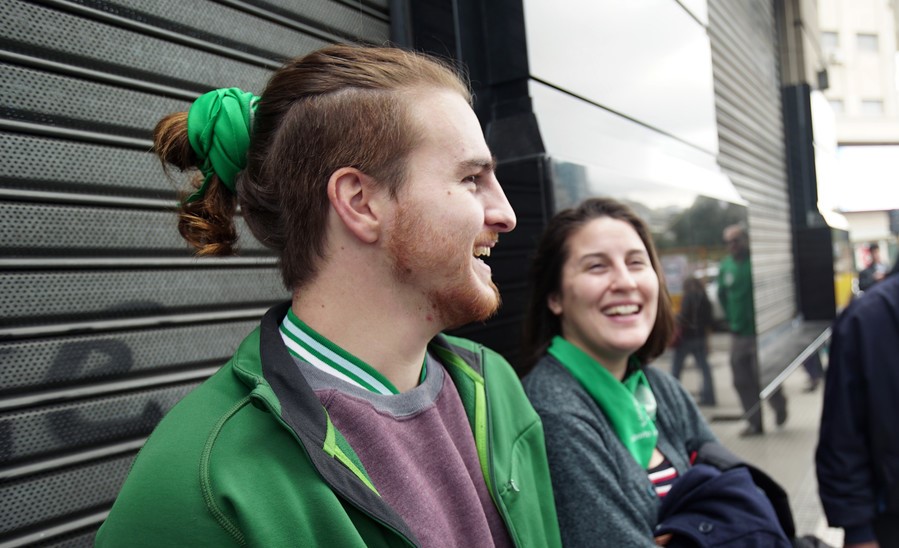
International Men’s Day: 7 ways to be a male ally on abortion
Abortion’s got nothing to do with men, right? Wrong. So, so wrong. This International Men’s Day (19 November) is all about men leading by example, and a great way you can do that is by being a fantastic male ally when it comes to abortion. Here are seven tips to get you started: 1. No judgement If your partner, friend, relative or anyone else in your life is considering an abortion, never judge them or try to sway their decision – and if she wants to talk to you about it, just listen. Deciding whether or not to have an abortion is a deeply personal choice, and it must ultimately be one made by the woman who is pregnant. 2. Respect her decision Once a woman has decided to have an abortion, respect that choice. Her body is her own, and she must always be in control of what happens to it. If a woman you know has decided abortion is the right path for her, trust that she knows what she is doing. 3. Offer to be there If someone close to you is having an abortion, offer to accompany them to the clinic, or to meet up some time after. They might just want and need your company, and a friendly ear to listen to them. Equally, if they wish to be alone, that’s OK too. 4. Accept her emotions... Having an abortion can be an emotional experience for a woman. Whether they seem happy, sad, relieved, angry, scared or any other emotion – or none at all – accept their feelings and do not judge or question their reactions. Their emotions and feelings are unique to them alone. 5. ...and your own Abortions can be very emotional experiences for men too. If your partner is considering one, or has had one, it is important to communicate respectfully with her about what you are going through. Or you might want to talk to someone else about it instead. Consider seeing a counsellor who can help you process your feelings healthily. 6. Consider the cost Abortion procedures can be costly, which often leads to additional stress for those seeking one. If you were involved in the pregnancy then offer to share the financial burden so it’s one less thing for the woman to worry about. 7. Talk about it Abortion is an everyday procedure that many women will experience, but it is still shrouded in stigma in many circles. We all have a responsibility to break that stigma and to educate ourselves, and this can start with something as simple as striking up a conversation with a friend about abortion. Want to know how to do this? Pledge your voice to I Decide, IPPF’s movement for safe abortion access for all – we’ll send you all the resources you need to get you started. You can also find videos explaining the different types of abortion, personal testimonies, frequently asked questions (with answers!), podcasts, reports and much more. Got more recommendations to add to the list? Let us know! IPPF is a key player in the fight for safe abortion worldwide. In 2017, our projects averted 1.7 million unsafe abortions, and we delivered nearly 5 million abortion-related services globally.
01 November 2018
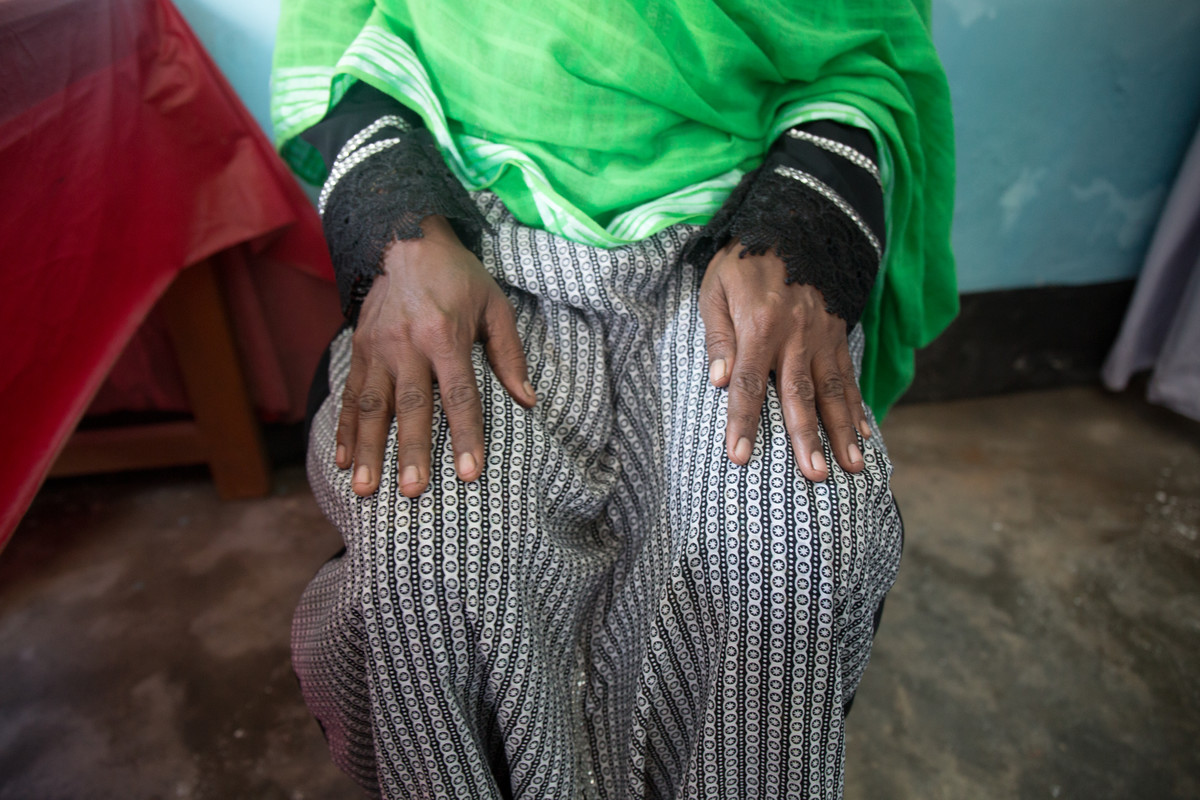
“I was faced with a forced pregnancy. I was a victim of the law.” – Dayani’s story
This account was told by Dayani* to Youth Action Network Sri Lanka, and contains details of sexual assault that some may find upsetting. I was separated from my parents in India when I was small and so came to live with my grandparents in Sri Lanka. As soon as I turned 18 and left school, they wanted to marry me off. I didn’t want to marry at such a young age. I was young and I had dreams – I wanted to work, to study, to really live my life before becoming a wife. I didn’t see any other option that to leave my grandparents, and I moved to Colombo to seek the life I wanted. I was alone and making a fresh start. I was lucky to find a job soon and it paid well enough to allow me to continue my studies and live. I was boarding with a friend and I was feeling good. As a part of my work, I had to attend an event. That was when I first met R. R happened to be a friend of a friend, so I met him on multiple occasions and he was clearly interested in me, yet I took my time and did not give him any indication of interest or commitment. After spending time together, my interest and affection for him began to grow and eventually developed into more intense feelings of love. He planned the whole thing One day, we went to the beach together. We were teasing and pushing each other by the water, and I got wet by the waves. I was not in a position to travel on public transport with wet clothes and I told him I needed to change. We went to a shop to get some clothes and then we had to think of a place to get changed. He said he knew a place and he took me to a place where there were rooms. He got access to a room – we didn’t even have to show our identity – and it became clear to me that he had been here before as the staff seemed to know him. When I went inside the room, I asked him to wait outside, as I would finish dressing soon and meet him after. He didn’t listen to me. He overrode my wishes, and raped me. I realized now that he had planned the whole thing. Almost everything. From the beginning. It took me a few months of not having my period to realise that I was pregnant. I was almost four months into it. I felt absolutely helpless and I didn’t know what to do. I was raped and I didn’t want to go through with this pregnancy. I wasn’t ready, I was in the city alone, and I was in no condition to support myself. Alone, depressed, devastated I contacted R and he told me he would get me the pills for a medical abortion. I somehow got the money together and gave it to him for the pills, but he disappeared with the money. Then I sold a gold chain I had to make the money to try for the pills again, yet going through this medical abortion did not work. I was alone, depressed, and devastated. We are working to ensure no one goes through a horrifying ordeal like this again. IPPF, directly and through its hosted Safe Abortion Action Fund (SAAF) partners, delivers a range of abortion related services, including pre- and post-abortion counselling, surgical and medical abortion, and treatment for incomplete abortion. Masitula, a mother-of-two and sex worker from Uganda is one of those who have benefited from this support through SAAF – read her story now. In 2017, IPPF projects averted 1.7 million unsafe abortions, and we delivered nearly 5 million abortion-related services globally. Play your part by joining I Decide, IPPF’s movement fighting for safe abortion access for all. Through a network of contacts, I finally found a place where I would be able to terminate my pregnancy. It was extremely costly and I had to ask for help not just from friends but also from strangers because I could not afford it myself. I was scared, feeling insecure about my life and my safety, yet I didn’t feel as though I had any alternative but to go ahead with a potentially life-threatening procedure. I experienced many physical complications following this. Additionally, I was tackling the mental strain of feeling hatred towards R and what he had done to me. I would see him leading his normal and comfortable life amidst all my pain. I was going through trauma and there were times when I wanted to end my life. To end it all. No faith left I didn’t want to share my story with anyone because people would judge me. They would blame me for putting myself in this condition – for leaving my grandparents, for not agreeing to the marriage, for living alone in Colombo, for having a boyfriend, for wearing the clothes I wore, for being raped, and for undergoing an abortion. My family, society, culture, religion, legal setting, the patriarchy and the oppression has made me feel as though I am the perpetrator. I don’t have faith in life, love or people. It will take me years to trust a man again and to forget what happened to me. Honestly, I don’t know whether I will be able to ever forget what I went through. I was raped and I was in no condition to report it. I was faced with a forced pregnancy. I was a victim of the law. *Dayani's name has been changed to protect her identity.

In pictures: The Benin community working together to tackle abortion stigma
Geneviève Head of Youth and Stigma project and fundraising at the Association Beninoise pour la promotion de la famille (ABPF) Since joining ABPF in 1995, Geneviève has worked closely with community leaders to reduce stigma around abortion. Talking about the importance of young women having choice and access to abortion care, Geneviève says, “the law only applies in three circumstances, meanwhile everyday people need to access these services. Reproductive rights do exist, but that is something many people choose to ignore.” Share on Twitter Share on Facebook Share via WhatsApp Share via Email Hélène ABPF youth champion with the Young People’s Action Movement 27-year-old Hélène acts as a link between young people’s activities and the ABPF board. She has advocated for abortion rights at conferences locally and internationally. “In my school there were a fair number of pregnant girls so I was already looking for a way to help. Every week I went to different classes to educate them about abortion and stigma. When my mother found out, she told me this was a movement of depravity! But after a while my mum became a member of the association and came with me, and even my dad. Now they say they are proud of what I’ve achieved.” Share on Twitter Share on Facebook Share via WhatsApp Share via Email Simon Gnansounou Community leader In the small town of Cocotomey-La Paix, Simon works closely with ABPF supporting their work to reduce abortion stigma within local communities. “It’s a project for social development, and I am all for that. It’s going to limit harm done to these girls. Parents don’t talk about this with their children. It’s taboo. This project helps us negotiate this difficult parent-child question. There is no development without health, and the politics of health are very complex.” Share on Twitter Share on Facebook Share via WhatsApp Share via Email Kader Youth champion 26-year-old Kader says his first youth meeting at ABPF was a positive experience. “They told me that there was a jam session at the event. What I liked is that it was run by young people. Everything that I know about reproductive health I learnt at the centre. A lot of young women I know got pregnant very early. I know people who have died because of unsafe abortion. We can avoid so much of it if people have the right information.” Share on Twitter Share on Facebook Share via WhatsApp Share via Email Souliya Mevo Tairou Midwife “Stigmatization complicates our work. Fourteen and 15-year olds come here without their parents and it’s hard to work with them. The girls are so scared that they can’t really explain what’s happening to them. They come here after going to the traditional healers when that hasn’t worked and they are bleeding or have an infection. Here, with the Youth and Abortion Stigma Project, we have awareness sessions. The young people and those supervising give out their numbers and tell them to call if they have a problem.” Share on Twitter Share on Facebook Share via WhatsApp Share via Email Amour University student “Her friends told her to take laxatives and other products, to put things in her vagina, to wash with hot water, to move about a lot.” 21-year-old Amour talks about a friend who confided in him when she discovered she was pregnant. “When we talk about abortion in Benin, it’s something people don’t want to hear about. It’s not well seen. Talking about sex is a problem. It’s still taboo. Thanks to the Youth and Abortion Stigma Project, I had benefited from training on how to talk to girls if they came to ask about abortion.” Share on Twitter Share on Facebook Share via WhatsApp Share via Email Flore Literature teacher Flore says some of her students go to her for support and advice: “They are quite shy because at home the subject of sex is always taboo. They are reticent; they think it’s a shame. We will only correct this problem over time. There is chatting and whispering in class ‘you know what she did?’ Can’t we support these children instead of stigmatizing them?” Share on Twitter Share on Facebook Share via WhatsApp Share via Email Ida University student 19-year-old Ida attended a workshop on abortion and stigma for teachers and students at the Fiyegnon collège d’enseignement général. “It really helped. If we take our own decisions we will make it to the end, we will get what is right for us.” Share on Twitter Share on Facebook Share via WhatsApp Share via Email

16 October 2018
Abortion stigma: From judge to advocate
When Beninese community leader Simon Gnansounou was first approached by volunteers from the Association Beninoise pour la Promotion de la Famille (ABPF) seeking support to provide abortion-related information and care in the town of Cocotomey-La Paix, he was sceptical. “I thought that it was to organize depravity,” the gregarious economist said at his small home office, surrounded by textbooks. “I was a bit suspicious at first!” Gnansounou, a highly respected figure in this close-knit neighbourhood, changed his mind after persistent attempts by young volunteers to reassure him they wanted to stop young girls from risking injury and death due to unsafe abortion. “The first goal is actually to help the young girls not to get pregnant,” he added. “It’s a project for social development, and I am all for that.” Men like Gnansounou are vital in ABPF’s work to fight abortion stigma in Benin, where 19 percent of births are unplanned and the rate of contraceptive use is around 9 percent of the population, according to the Guttmacher Institute. Stigma stops young women from seeking safe abortions and pushes them into the hands of unregulated witchdoctors or advice from friends without medical training. But support from partners, fathers and brothers is making a huge difference, even if they are nervous about discussing sexuality, which remains a taboo subject in Beninese families. “I have four daughters. I have never had the courage to talk about this with them,” Gnansounou said, shaking his head. “This is another chance, a chance that we cannot miss.” Student for change Amour, 21, is a student at the University of Abomey-Calavi and a self-declared former “player”. “I started having sex really young. When I was around 12,” he said. “My parents left me to work things out for myself. I had a lot of partners and we didn’t use condoms. I had no idea about that,” Amour adds. After joining the Young People’s Action Movement, which advocates for reproductive rights among people aged 10-25, Amour decided to abstain for sex for two years as he absorbed material about abortion, stigma and contraception on campus. When a friend confided that she was pregnant after he noticed her vomiting - the first signs of morning sickness - Amour offered his support. “Her friends told her to take laxatives and other products, to put things in her vagina, to wash with hot water, to move about a lot,” Amour said, shaking his head. “Thanks to the Youth and Abortion Stigma Project, I had benefited from training on how to talk to girls if they came to ask about abortion.” The student tried to act as a mediator with her family when she struck up the courage to tell her parents. “Her mum hit her when she told her she was pregnant,” he recalled. “She accused me of giving her bad advice.” Amour says he uses condoms with his own partner and feels freer to discuss sexuality than when he was younger. “When we talk about abortion in Africa, and especially in Benin, it’s something people don’t want to hear about. It’s not well seen,” he admits. That hasn’t stopped him from joining community outreach sessions in and around the capital, Cotonou, where he educates school children and young apprentices on their right to choose. Promoting choice For Kader, a 26-year-old ABPF youth champion, the effects of unsafe abortion and struggles with unintended pregnancy were “part of everyday life” in his neighbourhood. “A lot of young women I know got pregnant very early,” says Kader, who acts as a link between young people in schools and workplaces and the Association Beninoise pour la Promotion de la Famille (ABPF), in Cotonou. “I know people who have died because of unsafe abortion,” he adds, speaking at ABPF’s centre dedicated to young people, while organising a Twitter discussion focused on stigmatization. Before joining ABPF’s youth movement in 2011, he admits, he was quick to judge classmates and girls he knew who got pregnant early. Spending the greater part of his twenties learning of the effects of marginalizing young women in this way left him feeling a little ashamed. “The people I judged in the past made me think about my own behaviour, especially towards one female friend,” Kader explains, as volunteers began drifting in to the courtyard. When his aunt had an abortion, it quickly became public knowledge in the neighbourhood, and he remembers how she was treated. “She had a lot of problems. Everyone taunted her”. The day after a Twitter session at a school event, Kader gently argues with a teacher who says girls at his school are getting pregnant deliberately, so they can bunk off. Kader asks the group to think about decision making and family support, and how they might act differently if they had full ownership of their choices. “We can avoid so much of it if people have the right information.” Kader adds.

16 October 2018
Breaking the silence with a whisper
Many women and girls in Benin who are considering an abortion tell no one. Since 2014, the Association Beninoise pour la Promotion de la Famille (ABPF) has been running a project, supported by the Packard Foundation, specifically aimed at tackling abortion stigma so that women and girls seeking a safe abortion can access the right information and services. Some young women are making their own decision to end an unintended pregnancy safely at ABPF clinics and telling friends that help without judgement is available. Choosing education When 22-year-old economics student, Floriane*, missed a period and discovered she was pregnant, she says, “I couldn’t believe it; I was two months pregnant.” Floriane says she wasn’t ready to get pregnant and decided to have an abortion. She wanted to continue with her education and graduate. At her follow-up appointment two months after the abortion, Floriane received a full health check and contraceptive advice. Floriane had heard about the ABPF clinic at an event on her campus in 2016 and joined the Young People’s Action Movement. “The other friends I have in the movement knew [about my abortion],” along with her boyfriend, she said. But her parents could not know what had happened. “I can’t talk about that with them,” she says. “They wouldn’t have taken that well. My dad had paid for my studies.” Facing choices alone Marielle, 27, only told her immediate family about her abortion, which she opted for after recent surgery left her feeling unable to carry a pregnancy to term. “My extended family would not have agreed with it though,” she explains, “and neither would anyone at work. The judgement is very hurtful, and they won’t necessarily say it to your face, but Benin society is very tradition-bound,” the hospitality worker adds. Since her abortion at the ABPF clinic, Marielle has acted as a confidante for a friend whose own family would be less than supportive of an abortion. “I’ve already told her about the services they offer here. Public hospitals don’t listen to you; they just judge you,” she said. Marielle says that she knows women from all sectors of society who have been attacked and criticized for having an abortion, a phenomenon she says is immune to social status. “No one is spared. It doesn’t matter how rich you are,” she notes. Pregnancy outside of marriage in Benin is usually seen as incompatible with education, even though many young people remain at school well into their twenties. Joceline* did not tell her father about her abortion. Her father supports her financially and she feared his response to her being pregnant and unmarried. “Then there is the neighbourhood, what would everyone else say if they knew I had an abortion?” she added, looking at the floor. “I came here alone,” said Joceline, referring to the day she visited the ABPF youth clinic in Cotonou to end an unwanted pregnancy. “I preferred to come by myself so I wouldn’t expose myself to problems,” the 20-year-old apprentice tailor said. “The father couldn’t support the baby but he did ask a friend who knew about this place. That friend helped us.” Fear of stigmatization pushes many young women to seek abortions with unsafe providers in Benin, including local witchdoctors, or to attempt to get end a pregnancy themselves. “Before, I was thinking about taking insecticide to get rid of the pregnancy,” Joceline says frankly. Those who attend the ABPF youth group sessions say their experiences with the young volunteers have given them the confidence to open up about their abortion, and to not feel ashamed about their choice. Tackling stigma and tradition Stigmatization for social and religious reasons makes the work of medical professionals much more difficult, explains Souliya Mevo Tairou, a midwife at a youth-only ABPF clinic in Cotonou. “Stigmatization complicates our work. Fourteen and 15-year-olds come here without their parents and it’s hard to work with them. The girls are so scared that they can’t really explain what’s happening to them,” she says. “They come here after going to the traditional healers when that hasn’t worked, and they are bleeding or have an infection.” Unsafe abortions account for 15 percent of maternal deaths in Benin, according to hospital statistics. The antidote, says Mevo Tairo, is the Young People’s Action Movement. “Here, with the Youth and Abortion Stigma Project, we have awareness sessions. The young people and those supervising give out their numbers and tell them to call if they have a problem. When one comes and is satisfied… they tell the others,” she adds. That creates whisper networks to carry the right information to women and girls in need. *Names have been changed

28 September 2018
Watch: Access & Abortion: Medical abortion in Nepal
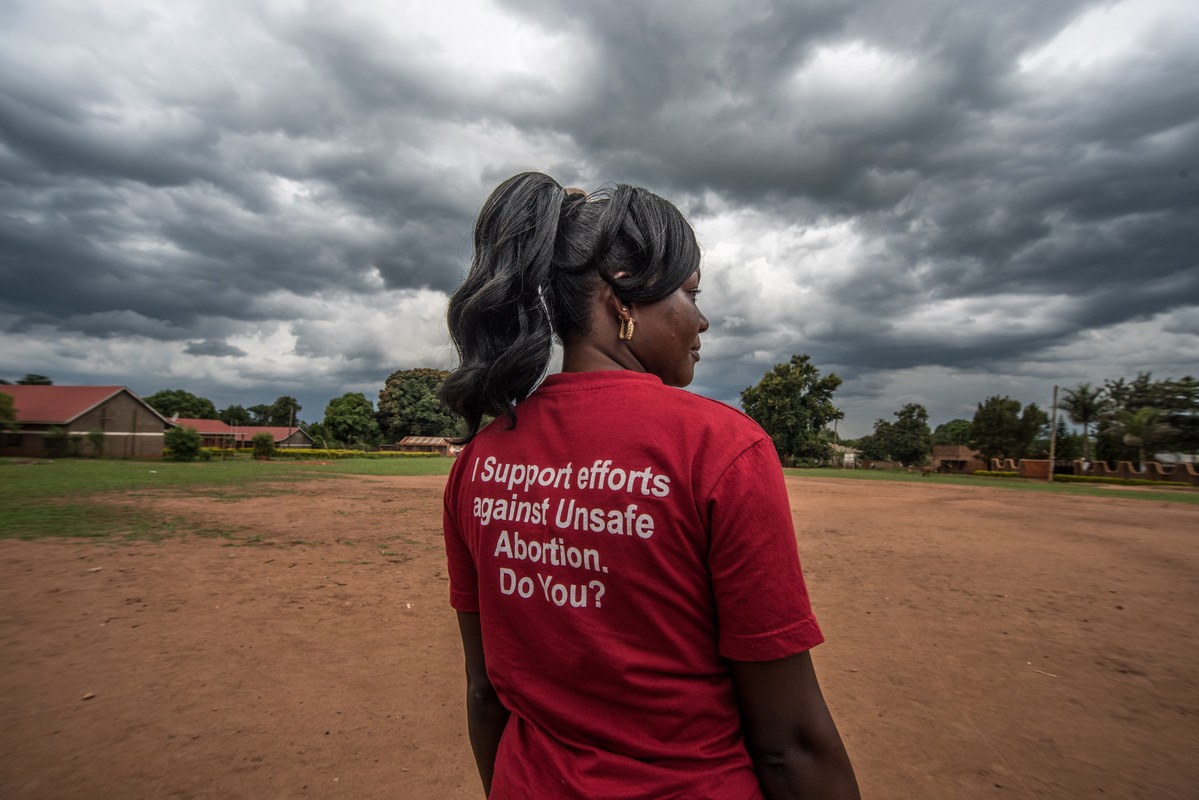
After years of progressive change by activists, advocates and organizations, abortion in Nepal was finally legalized in 2002. Legalization, however, did not mean accessibility, especially to women and girls in hard-to-reach and rural areas. That is until medical abortion became an option. Since being introduced in 2009, medical abortion (the abortion pill), is revolutionizing how women access abortion care with almost half of the abortions performed in Nepal are through the medical procedure. Through clinics, outreach programmes, workshops and peer educators, our Member Association, Family Planning Association of Nepal are ensuring women and girls in hard-to-reach and rural areas know their abortion care options.
Radical scale up of medical abortion needed globally urges new IPPF report
International Planned Parenthood Federation (IPPF) today launched a new report on global medical abortion access as an urgent call to action. The Her in Charge report presses governments, health, academic and NGO sectors to take immediate steps to stop women from dying and suffering disabilities due to an unsafe abortion by radically scaling up medical abortion efforts. Nearly one in every two abortions that occur is unsafe – 25 million women each year are forced to find their own, often dangerous, solutions to an unintended pregnancy. The knowledge, the technology, and the experience to make all abortions safe abortions exist. Yet tens of millions of women each year still lack access to completely safe abortions. Medical abortion – the use of the medicines misoprostol alone or in combination with mifepristone to opt out of a pregnancy – is safe, cheap and simple to administer. Dr Alvaro Bermejo, IPPF Director General said: “Medical abortion is not new, but its full potential has not been reached due to the lack of action and prioritisation by governments, donors, medical professionals and private and civil society health providers. The fact we’ve had this technology for so long but is still not as accessible, is a global tragedy. The report shows that medical abortion has the potential to revolutionise the delivery of safe abortion globally. Without medical abortion, women are denied proper care.They should not be forced to take risks with their health. For all abortions to be a safe abortion, action is needed now”. IPPF’s Her In Charge report demonstrates how medical abortion access can exponentially increase access to safe abortion, enabling women to be in charge about the decisions about their bodies. An essential part of women’s rights. Medical abortion facilitates task-sharing, which is transformational in low-resource settings where primary-care level and lay workers are trained and equipped to administer abortion. Key recommendations: Governments should create a supportive environment to ensure women can access safe and legal abortion, including the political, social, economic, health and legal frameworks. Medical abortion should be embedded in health systems. Governments can ensure the quality, availability and affordability of medical abortion drugs by registering misoprostol and mifepristone in the list of essential medicines of their countries. Women must be supported by health systems in accessing the information they need to have a medical abortion safely and to access post-abortion care. This includes medical abortion without medical supervision. Health systems should include self-administered medical abortion. Women must have full information about medical abortion risks factors, dosage and have access to post-abortion care and contraception. Women must have all options available to them: either medical or surgical abortion, in a health facility or at home – whatever they prefer. It is their right. The full report can be found here. More information on the 'I decide' campaign can be found here.
New global medical abortion database launched to increase safe abortion access for women
The International Planned Parenthood Federation today launched www.MedAb.org – the Medical Abortion Commodities Database, which houses information on the availability of quality misoprostol, mifepristone and co-packaged mifepristone and misoprostol (combipacks) at national level. The www.MedAb.org database is a resource for public health professionals seeking information to inform policy and use in reproductive health care programmes. These include public health and service delivery managers, staff involved in safe abortion programmes, donors funding projects on safe abortion and maternal health, policy analysts, clinical service providers and supply chain logisticians. IPPF worked closely with Gynuity Health Projects and Concept Foundation to develop this database to help increase the availability of and access to safe abortion care. www.MedAb.org includes information on brands of mifepristone, misoprostol or combipacks that are registered and available in a country and – for brands of misoprostol and combipacks – have sufficient and objective evidence to indicate they are of good quality. Dr Alvaro Bermejo, IPPF Director-General, said: “A woman controlling her body is a woman controlling her life and building her future. Access to safe and legal abortion saves lives. This means working to enable those on the frontline to give women more options when they need it most. We are delighted to launch this database. It will enable those working on safe abortion to identify, select and procure quality commodities that can be used to provide women with safe medical abortion services.” The database provides collated information on the products that are available in each country. It does not provide counselling, clinical assessments, dosing regimens or other information that is essential for a quality medical abortion service as defined and implemented by IPPF. As a leading advocate and service provider for safe and legal abortion, IPPF has compiled a list of resources and guidance to complement the database related to global abortion laws and policies, WHO guidelines on safe abortion and access to other organizations working to make abortions safe. Links to these resources are available in the External Resources section of www.MedAb.org. The database initially includes information on medical abortion commodities in 89 countries; it will be updated regularly with information on commodities in additional countries, and to reflect changes as necessary. IPPF welcomes feedback, information and updates on the availability of quality medical abortion commodities. For more information, or to provide feedback and updates, please contact info@MedAb.org.
28 September 2018
Introducing IPPF’s new Medical Abortion Commodities Database
Globally, an estimated 25 million unsafe abortions occur every year, with 97 per cent of those in developing countries in Africa, Asia and Latin America, most with restrictive abortion laws. In the past decade, however, abortions have become safer, largely due to the increasing use of medical abortion with mifepristone and misoprostol. Wider availability of these medical abortion commodities – especially misoprostol – has improved women’s access and contributed to provision of services beyond health facilities. Although medical abortion is most effective with a combined regimen of mifepristone and misoprostol, mifepristone is not as widely available as misoprostol, and many abortions are carried out safely using misoprostol only. Misoprostol is prone to rapid degeneration when exposed to humidity and moisture. There have been anecdotal and documented reports of poor quality misoprostol used in some settings, which can result in a range of complications including continued pregnancy, bleeding or retained products of conception. Quality assurance of safe abortion drugs is often neglected, and there are very few internationally quality assured misoprostol products. IPPF recognized that there was no single, searchable place with country-level information on medical abortion commodities. While the incidence of medical abortion is increasing, service providers and procurement personnel face challenges in knowing which misoprostol brands to procure for safe medical abortion at the country level. As a global advocate for and provider of safe and legal abortion services, IPPF decided to fill this knowledge gap and contribute to the global efforts to increase women’s access to safe abortion. Recognizing that such a big undertaking could not be done in isolation, we partnered with Gynuity Health Projects and Concept Foundation, and sought collaboration from many other organizations working on safe abortion. Together, we determined the availability and quality of medical abortion commodities around the world and set out to find a ‘home’ for this valuable information. The result is IPPF’s new Medical Abortion Commodities Database, which houses information on the availability of quality misoprostol, mifepristone and combined packs of both drugs at the country level. It is a resource for public health professionals looking for information to use in reproductive health care programmes, and to inform policy. It provides a single place to find this important information, in an easy-to-navigate website. People can search by country, commodity type and/or brand name, from their desktops, tablets or smartphones. Only the misoprostol brands with sufficient evidence of quality are included on the site. IPPF hopes that the information provided on the database will inform everyone working on safe abortion to identify, select and procure quality commodities to provide safe medical abortion services. We also see the database as having a role to play in shaping policy and identifying where to invest resources and efforts to increase availability of quality medical abortion commodities. IPPF hopes that the external interest in and support for this database continues and that we can update it on an ongoing basis with new information that is shared with us.
27 September 2018
Watch: What is surgical abortion?
Watch our surgical abortion explainer video to find out more about the procedure. Please note this is a brief overview of surgical abortion. Contact your local healthcare provider to discuss further details and options available to you.
16 November 2018
International Men’s Day: 7 ways to be a male ally on abortion
Abortion’s got nothing to do with men, right? Wrong. So, so wrong. This International Men’s Day (19 November) is all about men leading by example, and a great way you can do that is by being a fantastic male ally when it comes to abortion. Here are seven tips to get you started: 1. No judgement If your partner, friend, relative or anyone else in your life is considering an abortion, never judge them or try to sway their decision – and if she wants to talk to you about it, just listen. Deciding whether or not to have an abortion is a deeply personal choice, and it must ultimately be one made by the woman who is pregnant. 2. Respect her decision Once a woman has decided to have an abortion, respect that choice. Her body is her own, and she must always be in control of what happens to it. If a woman you know has decided abortion is the right path for her, trust that she knows what she is doing. 3. Offer to be there If someone close to you is having an abortion, offer to accompany them to the clinic, or to meet up some time after. They might just want and need your company, and a friendly ear to listen to them. Equally, if they wish to be alone, that’s OK too. 4. Accept her emotions... Having an abortion can be an emotional experience for a woman. Whether they seem happy, sad, relieved, angry, scared or any other emotion – or none at all – accept their feelings and do not judge or question their reactions. Their emotions and feelings are unique to them alone. 5. ...and your own Abortions can be very emotional experiences for men too. If your partner is considering one, or has had one, it is important to communicate respectfully with her about what you are going through. Or you might want to talk to someone else about it instead. Consider seeing a counsellor who can help you process your feelings healthily. 6. Consider the cost Abortion procedures can be costly, which often leads to additional stress for those seeking one. If you were involved in the pregnancy then offer to share the financial burden so it’s one less thing for the woman to worry about. 7. Talk about it Abortion is an everyday procedure that many women will experience, but it is still shrouded in stigma in many circles. We all have a responsibility to break that stigma and to educate ourselves, and this can start with something as simple as striking up a conversation with a friend about abortion. Want to know how to do this? Pledge your voice to I Decide, IPPF’s movement for safe abortion access for all – we’ll send you all the resources you need to get you started. You can also find videos explaining the different types of abortion, personal testimonies, frequently asked questions (with answers!), podcasts, reports and much more. Got more recommendations to add to the list? Let us know! IPPF is a key player in the fight for safe abortion worldwide. In 2017, our projects averted 1.7 million unsafe abortions, and we delivered nearly 5 million abortion-related services globally.
01 November 2018
“I was faced with a forced pregnancy. I was a victim of the law.” – Dayani’s story
This account was told by Dayani* to Youth Action Network Sri Lanka, and contains details of sexual assault that some may find upsetting. I was separated from my parents in India when I was small and so came to live with my grandparents in Sri Lanka. As soon as I turned 18 and left school, they wanted to marry me off. I didn’t want to marry at such a young age. I was young and I had dreams – I wanted to work, to study, to really live my life before becoming a wife. I didn’t see any other option that to leave my grandparents, and I moved to Colombo to seek the life I wanted. I was alone and making a fresh start. I was lucky to find a job soon and it paid well enough to allow me to continue my studies and live. I was boarding with a friend and I was feeling good. As a part of my work, I had to attend an event. That was when I first met R. R happened to be a friend of a friend, so I met him on multiple occasions and he was clearly interested in me, yet I took my time and did not give him any indication of interest or commitment. After spending time together, my interest and affection for him began to grow and eventually developed into more intense feelings of love. He planned the whole thing One day, we went to the beach together. We were teasing and pushing each other by the water, and I got wet by the waves. I was not in a position to travel on public transport with wet clothes and I told him I needed to change. We went to a shop to get some clothes and then we had to think of a place to get changed. He said he knew a place and he took me to a place where there were rooms. He got access to a room – we didn’t even have to show our identity – and it became clear to me that he had been here before as the staff seemed to know him. When I went inside the room, I asked him to wait outside, as I would finish dressing soon and meet him after. He didn’t listen to me. He overrode my wishes, and raped me. I realized now that he had planned the whole thing. Almost everything. From the beginning. It took me a few months of not having my period to realise that I was pregnant. I was almost four months into it. I felt absolutely helpless and I didn’t know what to do. I was raped and I didn’t want to go through with this pregnancy. I wasn’t ready, I was in the city alone, and I was in no condition to support myself. Alone, depressed, devastated I contacted R and he told me he would get me the pills for a medical abortion. I somehow got the money together and gave it to him for the pills, but he disappeared with the money. Then I sold a gold chain I had to make the money to try for the pills again, yet going through this medical abortion did not work. I was alone, depressed, and devastated. We are working to ensure no one goes through a horrifying ordeal like this again. IPPF, directly and through its hosted Safe Abortion Action Fund (SAAF) partners, delivers a range of abortion related services, including pre- and post-abortion counselling, surgical and medical abortion, and treatment for incomplete abortion. Masitula, a mother-of-two and sex worker from Uganda is one of those who have benefited from this support through SAAF – read her story now. In 2017, IPPF projects averted 1.7 million unsafe abortions, and we delivered nearly 5 million abortion-related services globally. Play your part by joining I Decide, IPPF’s movement fighting for safe abortion access for all. Through a network of contacts, I finally found a place where I would be able to terminate my pregnancy. It was extremely costly and I had to ask for help not just from friends but also from strangers because I could not afford it myself. I was scared, feeling insecure about my life and my safety, yet I didn’t feel as though I had any alternative but to go ahead with a potentially life-threatening procedure. I experienced many physical complications following this. Additionally, I was tackling the mental strain of feeling hatred towards R and what he had done to me. I would see him leading his normal and comfortable life amidst all my pain. I was going through trauma and there were times when I wanted to end my life. To end it all. No faith left I didn’t want to share my story with anyone because people would judge me. They would blame me for putting myself in this condition – for leaving my grandparents, for not agreeing to the marriage, for living alone in Colombo, for having a boyfriend, for wearing the clothes I wore, for being raped, and for undergoing an abortion. My family, society, culture, religion, legal setting, the patriarchy and the oppression has made me feel as though I am the perpetrator. I don’t have faith in life, love or people. It will take me years to trust a man again and to forget what happened to me. Honestly, I don’t know whether I will be able to ever forget what I went through. I was raped and I was in no condition to report it. I was faced with a forced pregnancy. I was a victim of the law. *Dayani's name has been changed to protect her identity.
In pictures: The Benin community working together to tackle abortion stigma
Geneviève Head of Youth and Stigma project and fundraising at the Association Beninoise pour la promotion de la famille (ABPF) Since joining ABPF in 1995, Geneviève has worked closely with community leaders to reduce stigma around abortion. Talking about the importance of young women having choice and access to abortion care, Geneviève says, “the law only applies in three circumstances, meanwhile everyday people need to access these services. Reproductive rights do exist, but that is something many people choose to ignore.” Share on Twitter Share on Facebook Share via WhatsApp Share via Email Hélène ABPF youth champion with the Young People’s Action Movement 27-year-old Hélène acts as a link between young people’s activities and the ABPF board. She has advocated for abortion rights at conferences locally and internationally. “In my school there were a fair number of pregnant girls so I was already looking for a way to help. Every week I went to different classes to educate them about abortion and stigma. When my mother found out, she told me this was a movement of depravity! But after a while my mum became a member of the association and came with me, and even my dad. Now they say they are proud of what I’ve achieved.” Share on Twitter Share on Facebook Share via WhatsApp Share via Email Simon Gnansounou Community leader In the small town of Cocotomey-La Paix, Simon works closely with ABPF supporting their work to reduce abortion stigma within local communities. “It’s a project for social development, and I am all for that. It’s going to limit harm done to these girls. Parents don’t talk about this with their children. It’s taboo. This project helps us negotiate this difficult parent-child question. There is no development without health, and the politics of health are very complex.” Share on Twitter Share on Facebook Share via WhatsApp Share via Email Kader Youth champion 26-year-old Kader says his first youth meeting at ABPF was a positive experience. “They told me that there was a jam session at the event. What I liked is that it was run by young people. Everything that I know about reproductive health I learnt at the centre. A lot of young women I know got pregnant very early. I know people who have died because of unsafe abortion. We can avoid so much of it if people have the right information.” Share on Twitter Share on Facebook Share via WhatsApp Share via Email Souliya Mevo Tairou Midwife “Stigmatization complicates our work. Fourteen and 15-year olds come here without their parents and it’s hard to work with them. The girls are so scared that they can’t really explain what’s happening to them. They come here after going to the traditional healers when that hasn’t worked and they are bleeding or have an infection. Here, with the Youth and Abortion Stigma Project, we have awareness sessions. The young people and those supervising give out their numbers and tell them to call if they have a problem.” Share on Twitter Share on Facebook Share via WhatsApp Share via Email Amour University student “Her friends told her to take laxatives and other products, to put things in her vagina, to wash with hot water, to move about a lot.” 21-year-old Amour talks about a friend who confided in him when she discovered she was pregnant. “When we talk about abortion in Benin, it’s something people don’t want to hear about. It’s not well seen. Talking about sex is a problem. It’s still taboo. Thanks to the Youth and Abortion Stigma Project, I had benefited from training on how to talk to girls if they came to ask about abortion.” Share on Twitter Share on Facebook Share via WhatsApp Share via Email Flore Literature teacher Flore says some of her students go to her for support and advice: “They are quite shy because at home the subject of sex is always taboo. They are reticent; they think it’s a shame. We will only correct this problem over time. There is chatting and whispering in class ‘you know what she did?’ Can’t we support these children instead of stigmatizing them?” Share on Twitter Share on Facebook Share via WhatsApp Share via Email Ida University student 19-year-old Ida attended a workshop on abortion and stigma for teachers and students at the Fiyegnon collège d’enseignement général. “It really helped. If we take our own decisions we will make it to the end, we will get what is right for us.” Share on Twitter Share on Facebook Share via WhatsApp Share via Email
16 October 2018
Abortion stigma: From judge to advocate
When Beninese community leader Simon Gnansounou was first approached by volunteers from the Association Beninoise pour la Promotion de la Famille (ABPF) seeking support to provide abortion-related information and care in the town of Cocotomey-La Paix, he was sceptical. “I thought that it was to organize depravity,” the gregarious economist said at his small home office, surrounded by textbooks. “I was a bit suspicious at first!” Gnansounou, a highly respected figure in this close-knit neighbourhood, changed his mind after persistent attempts by young volunteers to reassure him they wanted to stop young girls from risking injury and death due to unsafe abortion. “The first goal is actually to help the young girls not to get pregnant,” he added. “It’s a project for social development, and I am all for that.” Men like Gnansounou are vital in ABPF’s work to fight abortion stigma in Benin, where 19 percent of births are unplanned and the rate of contraceptive use is around 9 percent of the population, according to the Guttmacher Institute. Stigma stops young women from seeking safe abortions and pushes them into the hands of unregulated witchdoctors or advice from friends without medical training. But support from partners, fathers and brothers is making a huge difference, even if they are nervous about discussing sexuality, which remains a taboo subject in Beninese families. “I have four daughters. I have never had the courage to talk about this with them,” Gnansounou said, shaking his head. “This is another chance, a chance that we cannot miss.” Student for change Amour, 21, is a student at the University of Abomey-Calavi and a self-declared former “player”. “I started having sex really young. When I was around 12,” he said. “My parents left me to work things out for myself. I had a lot of partners and we didn’t use condoms. I had no idea about that,” Amour adds. After joining the Young People’s Action Movement, which advocates for reproductive rights among people aged 10-25, Amour decided to abstain for sex for two years as he absorbed material about abortion, stigma and contraception on campus. When a friend confided that she was pregnant after he noticed her vomiting - the first signs of morning sickness - Amour offered his support. “Her friends told her to take laxatives and other products, to put things in her vagina, to wash with hot water, to move about a lot,” Amour said, shaking his head. “Thanks to the Youth and Abortion Stigma Project, I had benefited from training on how to talk to girls if they came to ask about abortion.” The student tried to act as a mediator with her family when she struck up the courage to tell her parents. “Her mum hit her when she told her she was pregnant,” he recalled. “She accused me of giving her bad advice.” Amour says he uses condoms with his own partner and feels freer to discuss sexuality than when he was younger. “When we talk about abortion in Africa, and especially in Benin, it’s something people don’t want to hear about. It’s not well seen,” he admits. That hasn’t stopped him from joining community outreach sessions in and around the capital, Cotonou, where he educates school children and young apprentices on their right to choose. Promoting choice For Kader, a 26-year-old ABPF youth champion, the effects of unsafe abortion and struggles with unintended pregnancy were “part of everyday life” in his neighbourhood. “A lot of young women I know got pregnant very early,” says Kader, who acts as a link between young people in schools and workplaces and the Association Beninoise pour la Promotion de la Famille (ABPF), in Cotonou. “I know people who have died because of unsafe abortion,” he adds, speaking at ABPF’s centre dedicated to young people, while organising a Twitter discussion focused on stigmatization. Before joining ABPF’s youth movement in 2011, he admits, he was quick to judge classmates and girls he knew who got pregnant early. Spending the greater part of his twenties learning of the effects of marginalizing young women in this way left him feeling a little ashamed. “The people I judged in the past made me think about my own behaviour, especially towards one female friend,” Kader explains, as volunteers began drifting in to the courtyard. When his aunt had an abortion, it quickly became public knowledge in the neighbourhood, and he remembers how she was treated. “She had a lot of problems. Everyone taunted her”. The day after a Twitter session at a school event, Kader gently argues with a teacher who says girls at his school are getting pregnant deliberately, so they can bunk off. Kader asks the group to think about decision making and family support, and how they might act differently if they had full ownership of their choices. “We can avoid so much of it if people have the right information.” Kader adds.
16 October 2018
Breaking the silence with a whisper
Many women and girls in Benin who are considering an abortion tell no one. Since 2014, the Association Beninoise pour la Promotion de la Famille (ABPF) has been running a project, supported by the Packard Foundation, specifically aimed at tackling abortion stigma so that women and girls seeking a safe abortion can access the right information and services. Some young women are making their own decision to end an unintended pregnancy safely at ABPF clinics and telling friends that help without judgement is available. Choosing education When 22-year-old economics student, Floriane*, missed a period and discovered she was pregnant, she says, “I couldn’t believe it; I was two months pregnant.” Floriane says she wasn’t ready to get pregnant and decided to have an abortion. She wanted to continue with her education and graduate. At her follow-up appointment two months after the abortion, Floriane received a full health check and contraceptive advice. Floriane had heard about the ABPF clinic at an event on her campus in 2016 and joined the Young People’s Action Movement. “The other friends I have in the movement knew [about my abortion],” along with her boyfriend, she said. But her parents could not know what had happened. “I can’t talk about that with them,” she says. “They wouldn’t have taken that well. My dad had paid for my studies.” Facing choices alone Marielle, 27, only told her immediate family about her abortion, which she opted for after recent surgery left her feeling unable to carry a pregnancy to term. “My extended family would not have agreed with it though,” she explains, “and neither would anyone at work. The judgement is very hurtful, and they won’t necessarily say it to your face, but Benin society is very tradition-bound,” the hospitality worker adds. Since her abortion at the ABPF clinic, Marielle has acted as a confidante for a friend whose own family would be less than supportive of an abortion. “I’ve already told her about the services they offer here. Public hospitals don’t listen to you; they just judge you,” she said. Marielle says that she knows women from all sectors of society who have been attacked and criticized for having an abortion, a phenomenon she says is immune to social status. “No one is spared. It doesn’t matter how rich you are,” she notes. Pregnancy outside of marriage in Benin is usually seen as incompatible with education, even though many young people remain at school well into their twenties. Joceline* did not tell her father about her abortion. Her father supports her financially and she feared his response to her being pregnant and unmarried. “Then there is the neighbourhood, what would everyone else say if they knew I had an abortion?” she added, looking at the floor. “I came here alone,” said Joceline, referring to the day she visited the ABPF youth clinic in Cotonou to end an unwanted pregnancy. “I preferred to come by myself so I wouldn’t expose myself to problems,” the 20-year-old apprentice tailor said. “The father couldn’t support the baby but he did ask a friend who knew about this place. That friend helped us.” Fear of stigmatization pushes many young women to seek abortions with unsafe providers in Benin, including local witchdoctors, or to attempt to get end a pregnancy themselves. “Before, I was thinking about taking insecticide to get rid of the pregnancy,” Joceline says frankly. Those who attend the ABPF youth group sessions say their experiences with the young volunteers have given them the confidence to open up about their abortion, and to not feel ashamed about their choice. Tackling stigma and tradition Stigmatization for social and religious reasons makes the work of medical professionals much more difficult, explains Souliya Mevo Tairou, a midwife at a youth-only ABPF clinic in Cotonou. “Stigmatization complicates our work. Fourteen and 15-year-olds come here without their parents and it’s hard to work with them. The girls are so scared that they can’t really explain what’s happening to them,” she says. “They come here after going to the traditional healers when that hasn’t worked, and they are bleeding or have an infection.” Unsafe abortions account for 15 percent of maternal deaths in Benin, according to hospital statistics. The antidote, says Mevo Tairo, is the Young People’s Action Movement. “Here, with the Youth and Abortion Stigma Project, we have awareness sessions. The young people and those supervising give out their numbers and tell them to call if they have a problem. When one comes and is satisfied… they tell the others,” she adds. That creates whisper networks to carry the right information to women and girls in need. *Names have been changed
28 September 2018
Watch: Access & Abortion: Medical abortion in Nepal
After years of progressive change by activists, advocates and organizations, abortion in Nepal was finally legalized in 2002. Legalization, however, did not mean accessibility, especially to women and girls in hard-to-reach and rural areas. That is until medical abortion became an option. Since being introduced in 2009, medical abortion (the abortion pill), is revolutionizing how women access abortion care with almost half of the abortions performed in Nepal are through the medical procedure. Through clinics, outreach programmes, workshops and peer educators, our Member Association, Family Planning Association of Nepal are ensuring women and girls in hard-to-reach and rural areas know their abortion care options.
Radical scale up of medical abortion needed globally urges new IPPF report
International Planned Parenthood Federation (IPPF) today launched a new report on global medical abortion access as an urgent call to action. The Her in Charge report presses governments, health, academic and NGO sectors to take immediate steps to stop women from dying and suffering disabilities due to an unsafe abortion by radically scaling up medical abortion efforts. Nearly one in every two abortions that occur is unsafe – 25 million women each year are forced to find their own, often dangerous, solutions to an unintended pregnancy. The knowledge, the technology, and the experience to make all abortions safe abortions exist. Yet tens of millions of women each year still lack access to completely safe abortions. Medical abortion – the use of the medicines misoprostol alone or in combination with mifepristone to opt out of a pregnancy – is safe, cheap and simple to administer. Dr Alvaro Bermejo, IPPF Director General said: “Medical abortion is not new, but its full potential has not been reached due to the lack of action and prioritisation by governments, donors, medical professionals and private and civil society health providers. The fact we’ve had this technology for so long but is still not as accessible, is a global tragedy. The report shows that medical abortion has the potential to revolutionise the delivery of safe abortion globally. Without medical abortion, women are denied proper care.They should not be forced to take risks with their health. For all abortions to be a safe abortion, action is needed now”. IPPF’s Her In Charge report demonstrates how medical abortion access can exponentially increase access to safe abortion, enabling women to be in charge about the decisions about their bodies. An essential part of women’s rights. Medical abortion facilitates task-sharing, which is transformational in low-resource settings where primary-care level and lay workers are trained and equipped to administer abortion. Key recommendations: Governments should create a supportive environment to ensure women can access safe and legal abortion, including the political, social, economic, health and legal frameworks. Medical abortion should be embedded in health systems. Governments can ensure the quality, availability and affordability of medical abortion drugs by registering misoprostol and mifepristone in the list of essential medicines of their countries. Women must be supported by health systems in accessing the information they need to have a medical abortion safely and to access post-abortion care. This includes medical abortion without medical supervision. Health systems should include self-administered medical abortion. Women must have full information about medical abortion risks factors, dosage and have access to post-abortion care and contraception. Women must have all options available to them: either medical or surgical abortion, in a health facility or at home – whatever they prefer. It is their right. The full report can be found here. More information on the 'I decide' campaign can be found here.
New global medical abortion database launched to increase safe abortion access for women
The International Planned Parenthood Federation today launched www.MedAb.org – the Medical Abortion Commodities Database, which houses information on the availability of quality misoprostol, mifepristone and co-packaged mifepristone and misoprostol (combipacks) at national level. The www.MedAb.org database is a resource for public health professionals seeking information to inform policy and use in reproductive health care programmes. These include public health and service delivery managers, staff involved in safe abortion programmes, donors funding projects on safe abortion and maternal health, policy analysts, clinical service providers and supply chain logisticians. IPPF worked closely with Gynuity Health Projects and Concept Foundation to develop this database to help increase the availability of and access to safe abortion care. www.MedAb.org includes information on brands of mifepristone, misoprostol or combipacks that are registered and available in a country and – for brands of misoprostol and combipacks – have sufficient and objective evidence to indicate they are of good quality. Dr Alvaro Bermejo, IPPF Director-General, said: “A woman controlling her body is a woman controlling her life and building her future. Access to safe and legal abortion saves lives. This means working to enable those on the frontline to give women more options when they need it most. We are delighted to launch this database. It will enable those working on safe abortion to identify, select and procure quality commodities that can be used to provide women with safe medical abortion services.” The database provides collated information on the products that are available in each country. It does not provide counselling, clinical assessments, dosing regimens or other information that is essential for a quality medical abortion service as defined and implemented by IPPF. As a leading advocate and service provider for safe and legal abortion, IPPF has compiled a list of resources and guidance to complement the database related to global abortion laws and policies, WHO guidelines on safe abortion and access to other organizations working to make abortions safe. Links to these resources are available in the External Resources section of www.MedAb.org. The database initially includes information on medical abortion commodities in 89 countries; it will be updated regularly with information on commodities in additional countries, and to reflect changes as necessary. IPPF welcomes feedback, information and updates on the availability of quality medical abortion commodities. For more information, or to provide feedback and updates, please contact info@MedAb.org.
28 September 2018
Introducing IPPF’s new Medical Abortion Commodities Database
Globally, an estimated 25 million unsafe abortions occur every year, with 97 per cent of those in developing countries in Africa, Asia and Latin America, most with restrictive abortion laws. In the past decade, however, abortions have become safer, largely due to the increasing use of medical abortion with mifepristone and misoprostol. Wider availability of these medical abortion commodities – especially misoprostol – has improved women’s access and contributed to provision of services beyond health facilities. Although medical abortion is most effective with a combined regimen of mifepristone and misoprostol, mifepristone is not as widely available as misoprostol, and many abortions are carried out safely using misoprostol only. Misoprostol is prone to rapid degeneration when exposed to humidity and moisture. There have been anecdotal and documented reports of poor quality misoprostol used in some settings, which can result in a range of complications including continued pregnancy, bleeding or retained products of conception. Quality assurance of safe abortion drugs is often neglected, and there are very few internationally quality assured misoprostol products. IPPF recognized that there was no single, searchable place with country-level information on medical abortion commodities. While the incidence of medical abortion is increasing, service providers and procurement personnel face challenges in knowing which misoprostol brands to procure for safe medical abortion at the country level. As a global advocate for and provider of safe and legal abortion services, IPPF decided to fill this knowledge gap and contribute to the global efforts to increase women’s access to safe abortion. Recognizing that such a big undertaking could not be done in isolation, we partnered with Gynuity Health Projects and Concept Foundation, and sought collaboration from many other organizations working on safe abortion. Together, we determined the availability and quality of medical abortion commodities around the world and set out to find a ‘home’ for this valuable information. The result is IPPF’s new Medical Abortion Commodities Database, which houses information on the availability of quality misoprostol, mifepristone and combined packs of both drugs at the country level. It is a resource for public health professionals looking for information to use in reproductive health care programmes, and to inform policy. It provides a single place to find this important information, in an easy-to-navigate website. People can search by country, commodity type and/or brand name, from their desktops, tablets or smartphones. Only the misoprostol brands with sufficient evidence of quality are included on the site. IPPF hopes that the information provided on the database will inform everyone working on safe abortion to identify, select and procure quality commodities to provide safe medical abortion services. We also see the database as having a role to play in shaping policy and identifying where to invest resources and efforts to increase availability of quality medical abortion commodities. IPPF hopes that the external interest in and support for this database continues and that we can update it on an ongoing basis with new information that is shared with us.
27 September 2018
Watch: What is surgical abortion?
Watch our surgical abortion explainer video to find out more about the procedure. Please note this is a brief overview of surgical abortion. Contact your local healthcare provider to discuss further details and options available to you.