


IPPF works to ensure that every woman and girl has the human right to choose to be pregnant or not and we will continue to supply and support safe and legal abortion services and care. We are committed to reducing the number of deaths of women and girls who are forced to turn to unsafe abortion methods. Make Abortion Safe. Make Abortion Legal. For all Women and Girls. Everywhere.
Articles about Abortion Care
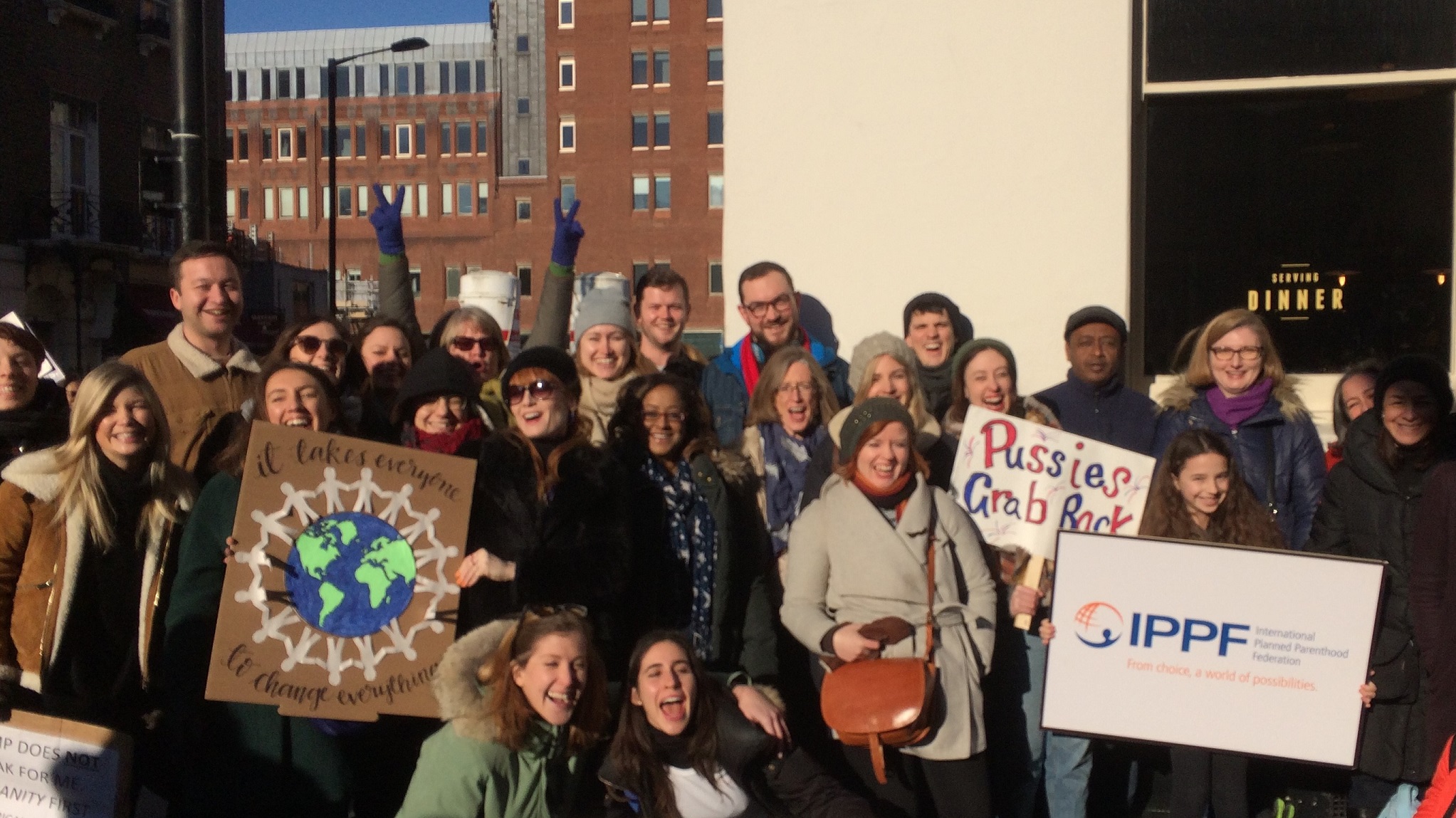
IPPF speaks out against the Global Gag Rule
IPPF stands to lose $100 million USD received from the US, even though none of that money is used for abortion services. IPPF spoke out against Trump's reinstatement of the harmful Global Gag Rule (aka Mexico City Policy) to both BBC's Woman's Hour radio show and Australia's ABC 24 News. Our Member Associations have also spoken out against this violation of rights that service restrictions will lead to: "Funding cuts would mean we can't support 37 districts including supporting Government of Nepal effort on sexual and reproductive Health and rights. Additionally we would not be able to run community clinics or mobile health days or train health care workers. The impact also means we would lose essential medical staff like nurses, doctors and health experts. It would be devastating. " - Ms. Amu Singh Sijapati, President of Family Planning Association of Nepal As one of the biggest family planning organizations in the world, we work in over 170 countries to deliver integrated sexual and reproductive health services to the most marginalized women and communities around the globe. Funding cuts will limit the range of services and restricts how well they can be accessed in remote and rural areas by those who can’t afford transport, food or housing, and will now have to pay for services from other providers who charge more for treatment. "Our projects make a real difference. Young people living with HIV face stigma and violence which is a big problem for girls here in Kenya. These issues create barriers for getting care which means higher risks of ill health and harm. It’s vital that we work within local communities and offer services that recognise these specific needs. Without further funding FHOK may be unable to continue this support, scale up or replicate in other parts of Kenya. It would mean denying services to those who need them the most." - Edward Marienga, Executive Director -Family Health Options of Kenya Putting a ‘gag order’ on local providers who know the specific laws and needs of their communities flies in the face of common sense and reason,” said Marta Royo, Executive Director of Profamilia Colombia, an IPPF Member Association. "The impact of the rule under other U.S. Administrations has been dramatic—many organizations were forced to slash services or even shut their doors because they lost US funding for even mentioning abortion. As a result, women lost access to maternal health care, treatment for HIV and contraception that would help them prevent unintended pregnancies in the first place. Unsafe abortion is one of the leading causes of maternal death in the world and evidence has shown that denying women’s access to abortion doesn’t reduce the incidence of abortion; it just makes it unsafe.” WANT TO GET INVOLVED? SUBSCRIBE NOW TO GET UPDATES FROM IPPF SUPPORT OUR WORK WITH A DONATION View my Flipboard Magazine.
08 November 2016
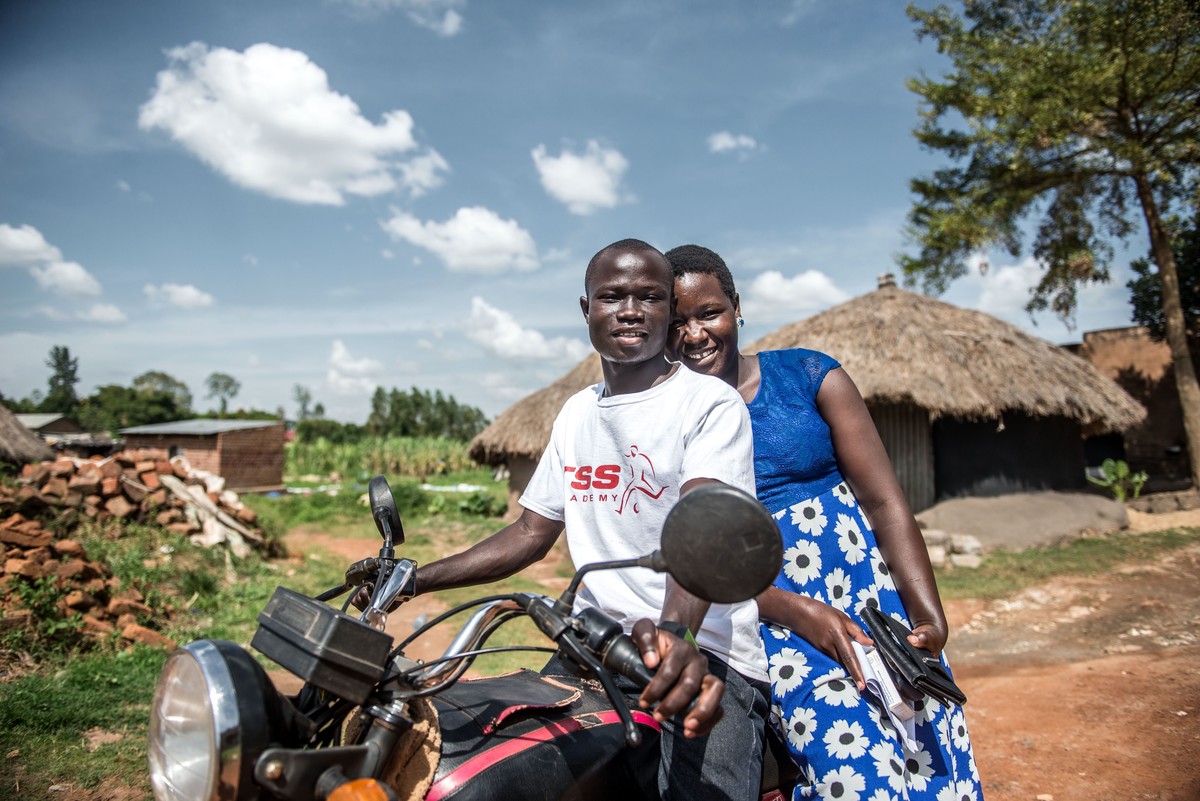
Overview: A one-stop shop providing vital healthcare
Uganda has one of the highest fertility rates in the world, and as a result, it also has one of the most youthful populations - more than half of Ugandans are under the age of 15. Over 78% of the population is below the age of 30. The population is growing at a rate of more than 3% per year. Figures show that women – on average - give birth to two more children than they want. More than half of pregnancies in Uganda are unintended, and nearly a third of these end in abortion according to figures from the Guttmacher Institute. It also says that in Uganda approximately one in every 19 women has an abortion per year and with abortion being highly restricted most of these are unsafe. This rate is far higher than the average for East Africa and reflects the high level of unmet need for contraception in the country. Approximately, 755,000 unintended pregnancies occur annually out of which 297,000 result in unsafe abortions. Unintended pregnancy is common in Uganda, leading to high levels of unplanned births, unsafe abortions, and maternal injury and death. Women in the eastern and north regions had the highest proportions of unplanned births (50–54%) the high levels of unintended pregnancy and unplanned births in Uganda can be attributed primarily to nonuse of contraceptives by women who do not want a child soon. More than 80% of the population lives in rural areas. Millions of people still do not have access to a health clinic, and family planning, especially long term and permanent methods, is not available to the vast majority who live in rural and hard-to-reach areas. IPPF’s Member Association, Reproductive Health Uganda (RHU), is working hard on the ground to tackle these issues. It takes the approach that it offers people as many services as possible at its clinics so you can get your health needs met in the same place. This means you might go to a clinic for an HIV test but leave having being offered a range of contraception plus other tests for other sexually transmitted diseases or cancer. RHU has a network of clinics across the country and takes its services out to remote and rural areas through its mobile clinics. No one is left out by RHU. Whether people are poor or vulnerable or hard to reach, RHU makes sure they have access to all of the services they need. We visited one of RHU’s health facilities in northern Uganda to get a better idea of how our work makes a real difference to people and their lives. We wanted to hear stories about what difference getting contraception, counselling and testing meant in reality. For many people it is life-changing. Thousands of people go in and out of Gulu Clinic every year and thousands more get services through Gulu’s mobile clinics. Last year alone Gulu Clinic had 229,812 family planning clients and provided 769,707 sexual health services, 390,488 of those were to young people. It offers a ‘one-stop-shop’ approach which makes it easier for clients to get a range of integrated services. They can go to a clinic for a check-up but end up getting contraception, counselling and a whole range of other tests and treatments. These include family planning, infertility management, cervical cancer screening, cryotherapy, youth friendly services, sexually transmitted infections and general sexual and reproductive health (SRH). Denis Bongonyinge, who has worked at Gulu Clinic for four years, said: “For us our goal is to ensure that this place is just a one stop centre. When a client comes in, he goes out when he has got a very big package of services within the clinic. Even if we go out, we give very many services. Denis said he had come across a range of issues among the clients. Issues like high rates of teenage pregnancies, sexually transmitted infections and gender based violence which could all be dealt with at the centre. He added that he believed Gulu had managed to offer such a range of services because of its willingness to work with other partners interested in scaling up uptake of family planning and generally sexual and reproductive health services. Gulu Clinic is also inclusive to a wide range of people across the community and this includes sex workers and disabled people. Vicky Acora is deaf and has had problems getting services at other hospitals. But, she says about RHU: “They are really most welcoming and they try to communicate even in the little sign language they know. They are really very warm” She says she has since been advising other deaf persons to seek services at Reproductive Health Uganda because of the quick services. “I encourage other people to come here because it is fairer. I encourage other disabled people who use wheelchairs not only the deaf to come and access services here because it is really accessible for those who have a disability.” Follow a day in the life of our team and clients in Gulu, Uganda 07:00 08:00 9:00 10:00 11:00 12:00 13:00 14:00 15:00 16:00 17:00 22:00 Prev Next 7am: The team prepare for the long day ahead "Every year tens of thousands of Ugandans come to our clinic. Everyone is welcome. Here are just a few of the people that we served in one day last month." READ MORE 8am: Nancy, 19, becomes a volunteer "I was suffering but when I came here, I was treated and I got better. Now I'm inspired to volunteer here" READ MORE 9am: Monica, 25, a sex worker's story "I am sex working. I came here for Hepatitis B testing and also counselling. I have so many personal problems, but here….they’re so caring." READ MORE 10am: Jane, 23, saved by family planning "After multiple miscarriages, family planning here has helped me a lot. I'm glad we've been able to space the number of children we've had. I am not growing old, I am fresh." READ MORE 11am: Vicky, handling disabilities "I'm deaf so accessing services is hard, but here they really try to speak in sign language." READ MORE 12pm: Dorcus, first time patient "This is the first time I've ever come here, I like the service. They give good counselling so I recommend coming." READ MORE 1pm: Christine, 45, a grandmother's tale of living with HIV "I am living with HIV and had HPV. They treated me and now I'm free of cervical cancer." READ MORE 2pm: Lilian, struggling mother of six with sickle cell " I have sickle cell disease and so do all my children. I want to have my tube removed so that I don't get pregnant again but I don't know if my husband will allow it." READ MORE 3pm: Brenda and Francis get fertility treatments "Fertility treatment is a sensitive issue in Uganda but they help us a lot and we get proper treatment." READ MORE 4pm: Joyce, 25, repected regardless of her disability "I realised that at this place they don't segregate. Us people with disabilities have challenges at the main hospitals. You go there, people around look at you as if you are not a human being and you don't fall sick." READ MORE 5pm: Mobile clinic provides outreach services to remote villages "Our outreach to remote communities is a 'one-stop-centre'. We give family planning, vaccines for HPV, malaria, and Hepatitis B, HIV testing and more." READ MORE 22pm: Still giving the last client our very best "Together, we have great teamwork. Sometimes we're still working up to 10pm because we never chase out our clients. We’ll never close the place when we have a client inside. People come when they have no hope." READ MORE
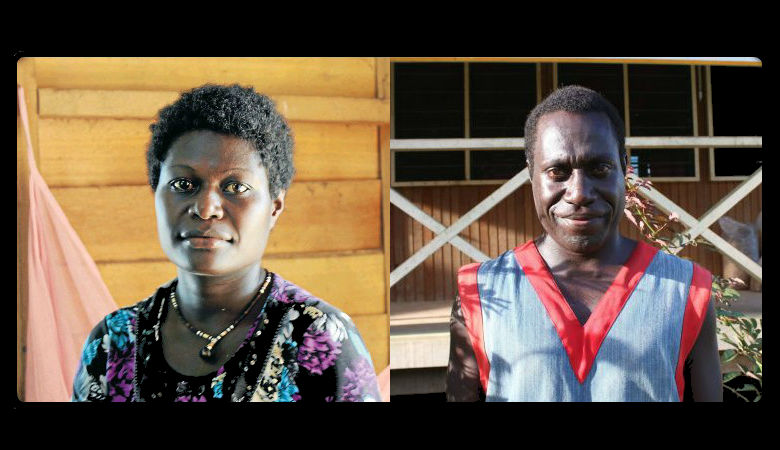
Help free Leoba and James, jailed for five years
Across the globe, women who want to end an unwanted pregnancy are faced with numerous challenges, not least of which is navigating the legal restrictions that prevent women from accessing safe abortion. In Papua New Guinea it is no different. Located in the South Western Pacific, the country has a high unmet need for family planning and the majority of women wishing to delay or prevent pregnancy are without the means to do so. It is no surprise then, that unwanted pregnancy is a common experience for women in PNG. This is the situation that Leoba Davana and her husband James Channel found themselves in. Already with two young children to care for, and having previously experienced a life threatening pregnancy, Leoba and James made the decision to have an abortion. Unfortunately, Leoba experienced complications and upon seeking post abortion care she and James were arrested. They now face up to 5 years in jail. In PNG, abortion is legally restricted and only permitted if there is a significant threat to the woman’s health. In addition, any abortion must be carried out by a registered practitioner. In a country with a critical shortage of doctors and with the majority of the population living in rural areas, the ability to obtain a safe and legal abortion is near impossible for the majority of women. Leoba and James’ case has serious implications for women’s health in PNG. Unless overturned, this conviction will jeopardise efforts to provide access to post abortion care and contraception in the country, and further limit women’s rights and opportunities. We know that criminalising abortion is only effective at making abortion less safe. And where women have limited access to contraception the need for access to safe and legal abortion is even more urgent. In countries like PNG, too many women are too often faced with a stark choice between risking their health and well-being by continuing with an unwanted pregnancy, or risking their health and freedom by obtaining an unsafe and illegal abortion Leoba and James’ case will be reviewed by the PNG Supreme Court in the coming weeks. Funds are urgently requested to help cover legal costs. To date K16,593.94 has been raised of the required K50,000. Please support them by donating at: Account Name: Safe Motherhood Alliance PNG Bank: ANZ, Harbour City, NCD, Papua New Guinea BSP: 018-912 Account Number: 14402886 Swift Code: ANZBPGPX Ref: SvD E-mail: catherinef@safemotherhood.org.pg
05 September 2016
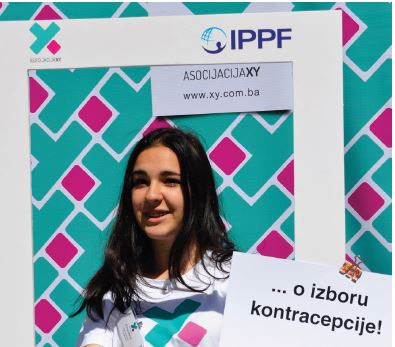
How to improve young people’s access to safe abortion - Bosnia Herzegovina: Using a buddy system
Young people face unique barriers when seeking accurate information about abortion, and in accessing abortion services. This series showcases strategies implemented by IPPF Member Associations that have successfully reduced these barriers and increased young people’s access to abortion information and services. In this short summary from Bosnia and Herzegovina, they provide a comprehensive strategy on using buddy systems in the context of sexual and reproductive health (SRH) services, which is a process where a nominated volunteer or staff member - the ‘buddy’- supports a client throughout their engagement with the service. The strategy, outlines the key steps needed for successful implementation and highlighting key lessons learned to consider in taking this strategy forward. This guide can be used by programme managers and implementers to help design and inform strategies to ensure that young people are enabled to access the necessary support and services they need in the event of an unwanted pregnancy.

05 September 2016
How to improve young people’s access to safe abortion - Cameroon: Partnering with educational institutions
Young people face unique barriers when seeking accurate information about abortion, and in accessing abortion services. This series showcases strategies implemented by IPPF Member Associations that have successfully reduced these barriers and increased young people’s access to abortion information and services. In this short summary from Cameroon, they provide a comprehensive strategy on partnering with educational institutions to provide young people with specifically targeted health education. The strategy, outlines the key steps needed for successful implementation and highlighting key lessons learned to consider in taking this strategy forward. This guide can be used by programme managers and implementers to help design and inform strategies to ensure that young people are enabled to access the necessary support and services they need in the event of an unwanted pregnancy.
05 September 2016
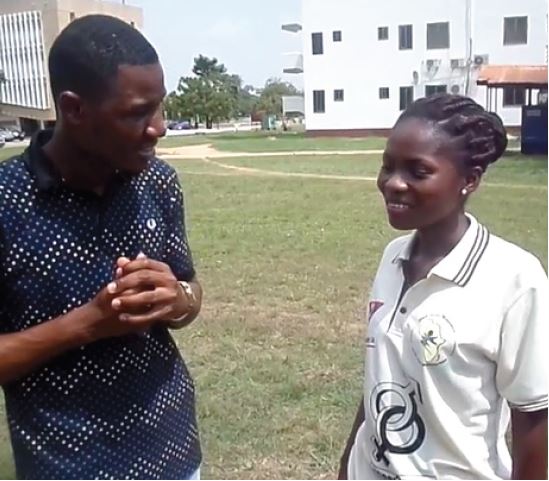
How to improve young people’s access to safe abortion - Ghana: Using social media
Young people face unique barriers when seeking accurate information about abortion, and in accessing abortion services. This series showcases strategies implemented by IPPF Member Associations that have successfully reduced these barriers and increased young people’s access to abortion information and services. In this short summary from Ghana, they provide a comprehensive strategy on using Social Media to deliver and exchange information about sexual and reproductive health (SRH), and in particular safe abortion. The strategy, outlines the key steps needed for successful implementation and highlighting key lessons learned to consider in taking this strategy forward. This guide can be used by programme managers and implementers to help design and inform strategies to ensure that young people are enabled to access the necessary support and services they need in the event of an unwanted pregnancy.

05 September 2016
How to improve young people’s access to safe abortion - Pakistan: Youth Friendly Spaces
Young people face unique barriers when seeking accurate information about abortion, and in accessing abortion services. This series showcases strategies implemented by IPPF Member Associations that have successfully reduced these barriers and increased young people’s access to abortion information and services. In this short summary from Pakistan, they provide a comprehensive strategy on creating Youth Friendly Spaces, outlining the key steps needed for successful implementation and highlighting key lessons learned to consider in taking this strategy forward. This guide can be used by programme managers and implementers to help design and inform strategies to ensure that young people are enabled to access the necessary support and services they need in the event of an unwanted pregnancy.
30 June 2016
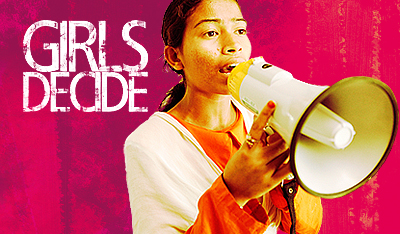
Girls Decide
This programme addresses critical challenges faced by young women around sexual health and sexuality. It has produced a range of advocacy, education and informational materials to support research, awareness-raising, advocacy and service delivery. Girls Decide is about the sexual and reproductive health and rights of girls and young women. Around the world, girls aged 10 to 19 account for 23% of all disease associated with pregnancy and childbirth. An estimated 2.5 million have unsafe abortions every year. Worldwide, young women account for 60% of the 5.5 million young people living with HIV and/or AIDS. Girls Decide has produced a range of advocacy, education and informational materials to support work to improve sexual health and rights for girls and young women. These include a series of films on sexual and reproductive health decisions faced by 6 young women in 6 different countries. The films won the prestigious International Video and Communications Award (IVCA). When girls and young women have access to critical lifesaving services and information, and when they are able to make meaningful choices about their life path, they are empowered. Their quality of life improves, as does the well-being of their families and the communities in which they live. Their collective ability to achieve internationally agreed development goals is strengthened. Almost all IPPF Member Associations provide services to young people and 1 in every 3 clients is a young person below the age of 25. All young women and girls are rights-holders and are entitled to sexual and reproductive rights. As a matter of principle, the IPPF Secretariat and Member Associations stand by girls by respecting and fulfilling their right to high quality services; they stand up for girls by supporting them in making their own decisions related to sexuality and pregnancy; they stand for sexual and reproductive rights by addressing the challenges faced by young women and girls at local, national and international levels.
22 June 2016
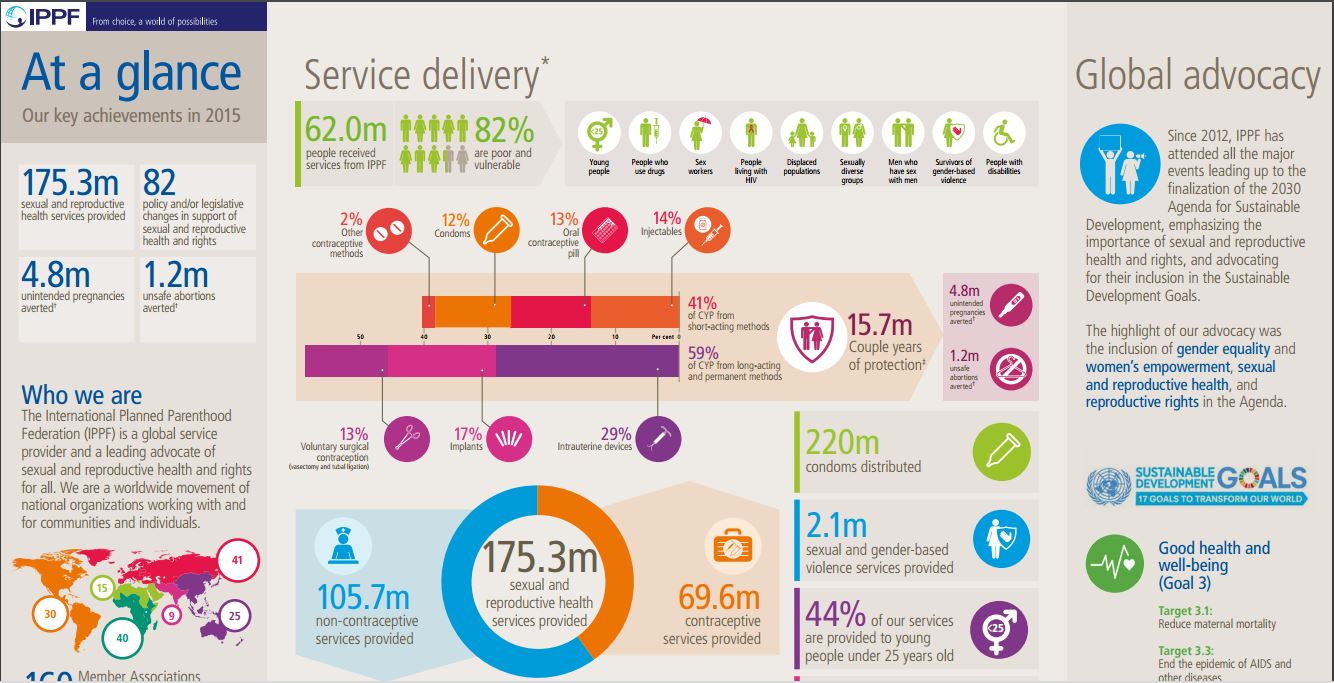
At a Glance 2015
Key facts and figures highlighting IPPF's achievements in 2015.

16 June 2016
Women, Girls and Gender
The data about gender inequality are shocking: millions of women are victims of early marriage, female genital mutilation and different sorts of gender violence and discrimination.
IPPF speaks out against the Global Gag Rule
IPPF stands to lose $100 million USD received from the US, even though none of that money is used for abortion services. IPPF spoke out against Trump's reinstatement of the harmful Global Gag Rule (aka Mexico City Policy) to both BBC's Woman's Hour radio show and Australia's ABC 24 News. Our Member Associations have also spoken out against this violation of rights that service restrictions will lead to: "Funding cuts would mean we can't support 37 districts including supporting Government of Nepal effort on sexual and reproductive Health and rights. Additionally we would not be able to run community clinics or mobile health days or train health care workers. The impact also means we would lose essential medical staff like nurses, doctors and health experts. It would be devastating. " - Ms. Amu Singh Sijapati, President of Family Planning Association of Nepal As one of the biggest family planning organizations in the world, we work in over 170 countries to deliver integrated sexual and reproductive health services to the most marginalized women and communities around the globe. Funding cuts will limit the range of services and restricts how well they can be accessed in remote and rural areas by those who can’t afford transport, food or housing, and will now have to pay for services from other providers who charge more for treatment. "Our projects make a real difference. Young people living with HIV face stigma and violence which is a big problem for girls here in Kenya. These issues create barriers for getting care which means higher risks of ill health and harm. It’s vital that we work within local communities and offer services that recognise these specific needs. Without further funding FHOK may be unable to continue this support, scale up or replicate in other parts of Kenya. It would mean denying services to those who need them the most." - Edward Marienga, Executive Director -Family Health Options of Kenya Putting a ‘gag order’ on local providers who know the specific laws and needs of their communities flies in the face of common sense and reason,” said Marta Royo, Executive Director of Profamilia Colombia, an IPPF Member Association. "The impact of the rule under other U.S. Administrations has been dramatic—many organizations were forced to slash services or even shut their doors because they lost US funding for even mentioning abortion. As a result, women lost access to maternal health care, treatment for HIV and contraception that would help them prevent unintended pregnancies in the first place. Unsafe abortion is one of the leading causes of maternal death in the world and evidence has shown that denying women’s access to abortion doesn’t reduce the incidence of abortion; it just makes it unsafe.” WANT TO GET INVOLVED? SUBSCRIBE NOW TO GET UPDATES FROM IPPF SUPPORT OUR WORK WITH A DONATION View my Flipboard Magazine.
08 November 2016
Overview: A one-stop shop providing vital healthcare
Uganda has one of the highest fertility rates in the world, and as a result, it also has one of the most youthful populations - more than half of Ugandans are under the age of 15. Over 78% of the population is below the age of 30. The population is growing at a rate of more than 3% per year. Figures show that women – on average - give birth to two more children than they want. More than half of pregnancies in Uganda are unintended, and nearly a third of these end in abortion according to figures from the Guttmacher Institute. It also says that in Uganda approximately one in every 19 women has an abortion per year and with abortion being highly restricted most of these are unsafe. This rate is far higher than the average for East Africa and reflects the high level of unmet need for contraception in the country. Approximately, 755,000 unintended pregnancies occur annually out of which 297,000 result in unsafe abortions. Unintended pregnancy is common in Uganda, leading to high levels of unplanned births, unsafe abortions, and maternal injury and death. Women in the eastern and north regions had the highest proportions of unplanned births (50–54%) the high levels of unintended pregnancy and unplanned births in Uganda can be attributed primarily to nonuse of contraceptives by women who do not want a child soon. More than 80% of the population lives in rural areas. Millions of people still do not have access to a health clinic, and family planning, especially long term and permanent methods, is not available to the vast majority who live in rural and hard-to-reach areas. IPPF’s Member Association, Reproductive Health Uganda (RHU), is working hard on the ground to tackle these issues. It takes the approach that it offers people as many services as possible at its clinics so you can get your health needs met in the same place. This means you might go to a clinic for an HIV test but leave having being offered a range of contraception plus other tests for other sexually transmitted diseases or cancer. RHU has a network of clinics across the country and takes its services out to remote and rural areas through its mobile clinics. No one is left out by RHU. Whether people are poor or vulnerable or hard to reach, RHU makes sure they have access to all of the services they need. We visited one of RHU’s health facilities in northern Uganda to get a better idea of how our work makes a real difference to people and their lives. We wanted to hear stories about what difference getting contraception, counselling and testing meant in reality. For many people it is life-changing. Thousands of people go in and out of Gulu Clinic every year and thousands more get services through Gulu’s mobile clinics. Last year alone Gulu Clinic had 229,812 family planning clients and provided 769,707 sexual health services, 390,488 of those were to young people. It offers a ‘one-stop-shop’ approach which makes it easier for clients to get a range of integrated services. They can go to a clinic for a check-up but end up getting contraception, counselling and a whole range of other tests and treatments. These include family planning, infertility management, cervical cancer screening, cryotherapy, youth friendly services, sexually transmitted infections and general sexual and reproductive health (SRH). Denis Bongonyinge, who has worked at Gulu Clinic for four years, said: “For us our goal is to ensure that this place is just a one stop centre. When a client comes in, he goes out when he has got a very big package of services within the clinic. Even if we go out, we give very many services. Denis said he had come across a range of issues among the clients. Issues like high rates of teenage pregnancies, sexually transmitted infections and gender based violence which could all be dealt with at the centre. He added that he believed Gulu had managed to offer such a range of services because of its willingness to work with other partners interested in scaling up uptake of family planning and generally sexual and reproductive health services. Gulu Clinic is also inclusive to a wide range of people across the community and this includes sex workers and disabled people. Vicky Acora is deaf and has had problems getting services at other hospitals. But, she says about RHU: “They are really most welcoming and they try to communicate even in the little sign language they know. They are really very warm” She says she has since been advising other deaf persons to seek services at Reproductive Health Uganda because of the quick services. “I encourage other people to come here because it is fairer. I encourage other disabled people who use wheelchairs not only the deaf to come and access services here because it is really accessible for those who have a disability.” Follow a day in the life of our team and clients in Gulu, Uganda 07:00 08:00 9:00 10:00 11:00 12:00 13:00 14:00 15:00 16:00 17:00 22:00 Prev Next 7am: The team prepare for the long day ahead "Every year tens of thousands of Ugandans come to our clinic. Everyone is welcome. Here are just a few of the people that we served in one day last month." READ MORE 8am: Nancy, 19, becomes a volunteer "I was suffering but when I came here, I was treated and I got better. Now I'm inspired to volunteer here" READ MORE 9am: Monica, 25, a sex worker's story "I am sex working. I came here for Hepatitis B testing and also counselling. I have so many personal problems, but here….they’re so caring." READ MORE 10am: Jane, 23, saved by family planning "After multiple miscarriages, family planning here has helped me a lot. I'm glad we've been able to space the number of children we've had. I am not growing old, I am fresh." READ MORE 11am: Vicky, handling disabilities "I'm deaf so accessing services is hard, but here they really try to speak in sign language." READ MORE 12pm: Dorcus, first time patient "This is the first time I've ever come here, I like the service. They give good counselling so I recommend coming." READ MORE 1pm: Christine, 45, a grandmother's tale of living with HIV "I am living with HIV and had HPV. They treated me and now I'm free of cervical cancer." READ MORE 2pm: Lilian, struggling mother of six with sickle cell " I have sickle cell disease and so do all my children. I want to have my tube removed so that I don't get pregnant again but I don't know if my husband will allow it." READ MORE 3pm: Brenda and Francis get fertility treatments "Fertility treatment is a sensitive issue in Uganda but they help us a lot and we get proper treatment." READ MORE 4pm: Joyce, 25, repected regardless of her disability "I realised that at this place they don't segregate. Us people with disabilities have challenges at the main hospitals. You go there, people around look at you as if you are not a human being and you don't fall sick." READ MORE 5pm: Mobile clinic provides outreach services to remote villages "Our outreach to remote communities is a 'one-stop-centre'. We give family planning, vaccines for HPV, malaria, and Hepatitis B, HIV testing and more." READ MORE 22pm: Still giving the last client our very best "Together, we have great teamwork. Sometimes we're still working up to 10pm because we never chase out our clients. We’ll never close the place when we have a client inside. People come when they have no hope." READ MORE
Help free Leoba and James, jailed for five years
Across the globe, women who want to end an unwanted pregnancy are faced with numerous challenges, not least of which is navigating the legal restrictions that prevent women from accessing safe abortion. In Papua New Guinea it is no different. Located in the South Western Pacific, the country has a high unmet need for family planning and the majority of women wishing to delay or prevent pregnancy are without the means to do so. It is no surprise then, that unwanted pregnancy is a common experience for women in PNG. This is the situation that Leoba Davana and her husband James Channel found themselves in. Already with two young children to care for, and having previously experienced a life threatening pregnancy, Leoba and James made the decision to have an abortion. Unfortunately, Leoba experienced complications and upon seeking post abortion care she and James were arrested. They now face up to 5 years in jail. In PNG, abortion is legally restricted and only permitted if there is a significant threat to the woman’s health. In addition, any abortion must be carried out by a registered practitioner. In a country with a critical shortage of doctors and with the majority of the population living in rural areas, the ability to obtain a safe and legal abortion is near impossible for the majority of women. Leoba and James’ case has serious implications for women’s health in PNG. Unless overturned, this conviction will jeopardise efforts to provide access to post abortion care and contraception in the country, and further limit women’s rights and opportunities. We know that criminalising abortion is only effective at making abortion less safe. And where women have limited access to contraception the need for access to safe and legal abortion is even more urgent. In countries like PNG, too many women are too often faced with a stark choice between risking their health and well-being by continuing with an unwanted pregnancy, or risking their health and freedom by obtaining an unsafe and illegal abortion Leoba and James’ case will be reviewed by the PNG Supreme Court in the coming weeks. Funds are urgently requested to help cover legal costs. To date K16,593.94 has been raised of the required K50,000. Please support them by donating at: Account Name: Safe Motherhood Alliance PNG Bank: ANZ, Harbour City, NCD, Papua New Guinea BSP: 018-912 Account Number: 14402886 Swift Code: ANZBPGPX Ref: SvD E-mail: catherinef@safemotherhood.org.pg
05 September 2016
How to improve young people’s access to safe abortion - Bosnia Herzegovina: Using a buddy system
Young people face unique barriers when seeking accurate information about abortion, and in accessing abortion services. This series showcases strategies implemented by IPPF Member Associations that have successfully reduced these barriers and increased young people’s access to abortion information and services. In this short summary from Bosnia and Herzegovina, they provide a comprehensive strategy on using buddy systems in the context of sexual and reproductive health (SRH) services, which is a process where a nominated volunteer or staff member - the ‘buddy’- supports a client throughout their engagement with the service. The strategy, outlines the key steps needed for successful implementation and highlighting key lessons learned to consider in taking this strategy forward. This guide can be used by programme managers and implementers to help design and inform strategies to ensure that young people are enabled to access the necessary support and services they need in the event of an unwanted pregnancy.
05 September 2016
How to improve young people’s access to safe abortion - Cameroon: Partnering with educational institutions
Young people face unique barriers when seeking accurate information about abortion, and in accessing abortion services. This series showcases strategies implemented by IPPF Member Associations that have successfully reduced these barriers and increased young people’s access to abortion information and services. In this short summary from Cameroon, they provide a comprehensive strategy on partnering with educational institutions to provide young people with specifically targeted health education. The strategy, outlines the key steps needed for successful implementation and highlighting key lessons learned to consider in taking this strategy forward. This guide can be used by programme managers and implementers to help design and inform strategies to ensure that young people are enabled to access the necessary support and services they need in the event of an unwanted pregnancy.
05 September 2016
How to improve young people’s access to safe abortion - Ghana: Using social media
Young people face unique barriers when seeking accurate information about abortion, and in accessing abortion services. This series showcases strategies implemented by IPPF Member Associations that have successfully reduced these barriers and increased young people’s access to abortion information and services. In this short summary from Ghana, they provide a comprehensive strategy on using Social Media to deliver and exchange information about sexual and reproductive health (SRH), and in particular safe abortion. The strategy, outlines the key steps needed for successful implementation and highlighting key lessons learned to consider in taking this strategy forward. This guide can be used by programme managers and implementers to help design and inform strategies to ensure that young people are enabled to access the necessary support and services they need in the event of an unwanted pregnancy.
05 September 2016
How to improve young people’s access to safe abortion - Pakistan: Youth Friendly Spaces
Young people face unique barriers when seeking accurate information about abortion, and in accessing abortion services. This series showcases strategies implemented by IPPF Member Associations that have successfully reduced these barriers and increased young people’s access to abortion information and services. In this short summary from Pakistan, they provide a comprehensive strategy on creating Youth Friendly Spaces, outlining the key steps needed for successful implementation and highlighting key lessons learned to consider in taking this strategy forward. This guide can be used by programme managers and implementers to help design and inform strategies to ensure that young people are enabled to access the necessary support and services they need in the event of an unwanted pregnancy.
30 June 2016
Girls Decide
This programme addresses critical challenges faced by young women around sexual health and sexuality. It has produced a range of advocacy, education and informational materials to support research, awareness-raising, advocacy and service delivery. Girls Decide is about the sexual and reproductive health and rights of girls and young women. Around the world, girls aged 10 to 19 account for 23% of all disease associated with pregnancy and childbirth. An estimated 2.5 million have unsafe abortions every year. Worldwide, young women account for 60% of the 5.5 million young people living with HIV and/or AIDS. Girls Decide has produced a range of advocacy, education and informational materials to support work to improve sexual health and rights for girls and young women. These include a series of films on sexual and reproductive health decisions faced by 6 young women in 6 different countries. The films won the prestigious International Video and Communications Award (IVCA). When girls and young women have access to critical lifesaving services and information, and when they are able to make meaningful choices about their life path, they are empowered. Their quality of life improves, as does the well-being of their families and the communities in which they live. Their collective ability to achieve internationally agreed development goals is strengthened. Almost all IPPF Member Associations provide services to young people and 1 in every 3 clients is a young person below the age of 25. All young women and girls are rights-holders and are entitled to sexual and reproductive rights. As a matter of principle, the IPPF Secretariat and Member Associations stand by girls by respecting and fulfilling their right to high quality services; they stand up for girls by supporting them in making their own decisions related to sexuality and pregnancy; they stand for sexual and reproductive rights by addressing the challenges faced by young women and girls at local, national and international levels.
22 June 2016
At a Glance 2015
Key facts and figures highlighting IPPF's achievements in 2015.
16 June 2016
Women, Girls and Gender
The data about gender inequality are shocking: millions of women are victims of early marriage, female genital mutilation and different sorts of gender violence and discrimination.