


Spotlight
A selection of resources from across the Federation

Resource
Advancing Sex Workers’ Sexual and Reproductive Health and Rights: A Toolkit for Inclusive Programming
This toolkit is grounded in international guidance and frameworks on sex workers’ health and human rights.
Most Popular This Week

Resource
|
Advancing Sex Workers’ Sexual and Reproductive Health and Rights: A Toolkit for Inclusive Programming
Sexual and reproductive health and rights (SRHR) are not only an integral part of the right to health but also necessary to enjoy many other human rights.

Resource
|
IPPF Annual Report and Financial Statements 2025
IPPF is a global federation and movement of 100+ locally led Member Associations and Collaborative Partnersin 150+ countries, dedicated to sexual and reproductive health, rights

Resource
|
Annual Performance Report 2025
The IPPF Annual Performance Report 2025 tells a story of resilience, solidarity and shared leadership across our Federation.


Resource
|
Review of IPPF’s Governance Reform
Following IPPF’s governance reform in 2019/2020, a review of the reform process was conducted, which provided important insights for the new Board of Trustees and the Secretariat to support the cha

Resource
|
IMAP Statement on Sex Worker-Centred Sexual and Reproductive Health Services
This statement is intended to provide guidance to Member Associations and Collaborative Partners across the Federation on delivering comprehensive, evidence‑based sexual and reproductive health (SR


Filter our resources by:
Resource
| 19 August 2020
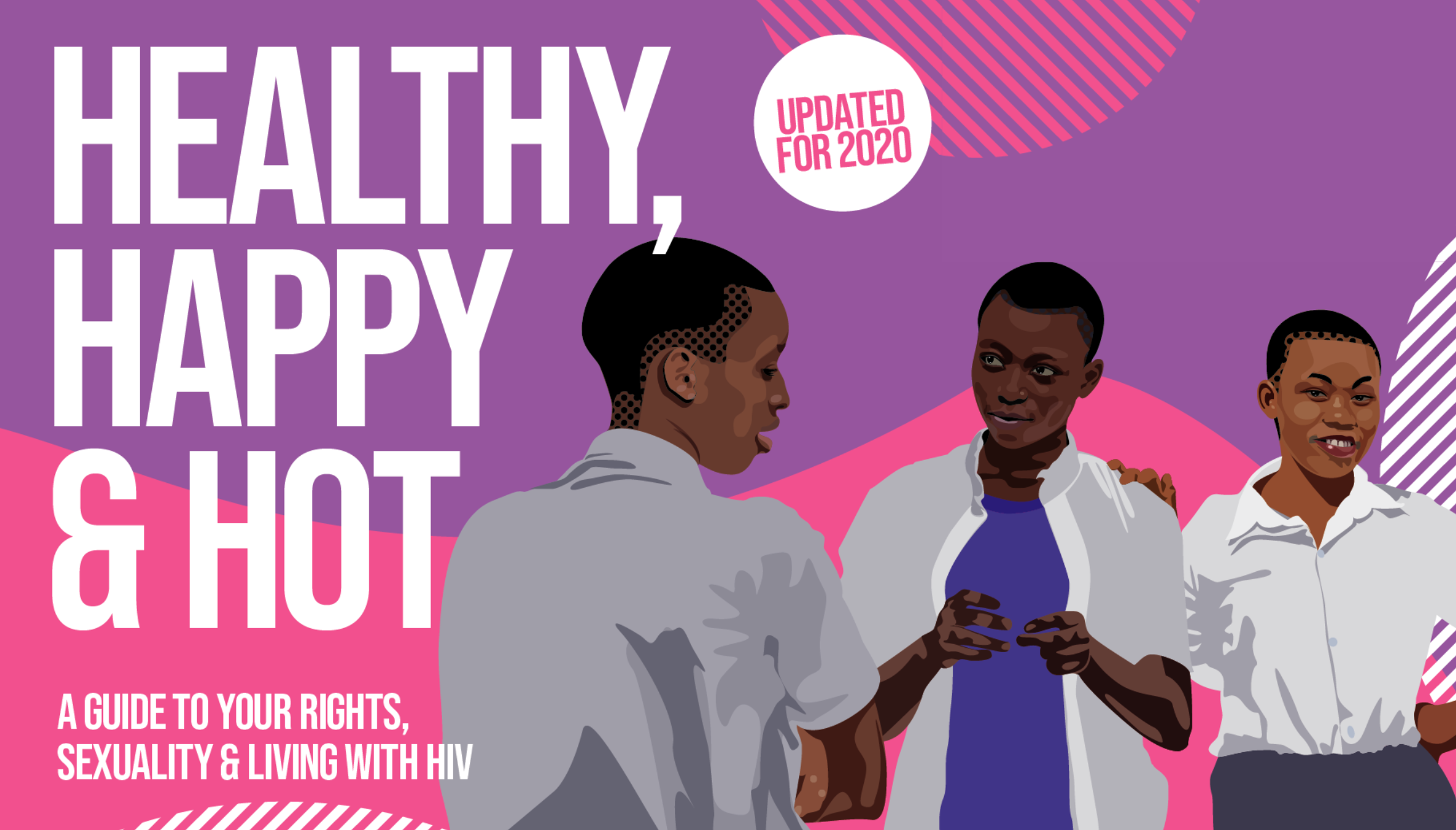
Healthy, Happy and Hot: A guide to your rights, sexuality & living with HIV
Every person living with HIV is entitled to these rights and they are necessary for the development and wellbeing of all people and the societies in which they live. Young people living with HIV may feel that sex is just not an option, but don’t worry – many young people living with HIV live healthy, fun, happy and sexually fulfilling lives. You can too, if you want to! Things get easier (and sex can get even better!) as you become more comfortable with your status. This guide aims to provide you with practical information, so that you can make informed decisions about who, where, when, and how you have sex. It explores how your human rights and sexual wellbeing are related and suggests strategies to help you make decisions about dating, relationships, sex and parenthood. This guide helps you to: → understand the links between sex, intimacy and wellbeing → express and enjoy your sexuality → experience sexual pleasure → decide if, when, and how to disclose your HIV status → consider your safety and security when disclosing your HIV status → understand what it means to be “undetectable” → practise safer sex → take care of your sexual health → understand what a healthy relationship looks like → choose if, when, how many, and with whom to have children → access support and services that respect your health, dignity, autonomy, privacy and wellbeing
Resource
| 19 August 2020
Healthy, Happy and Hot: A guide to your rights, sexuality & living with HIV
Every person living with HIV is entitled to these rights and they are necessary for the development and wellbeing of all people and the societies in which they live. Young people living with HIV may feel that sex is just not an option, but don’t worry – many young people living with HIV live healthy, fun, happy and sexually fulfilling lives. You can too, if you want to! Things get easier (and sex can get even better!) as you become more comfortable with your status. This guide aims to provide you with practical information, so that you can make informed decisions about who, where, when, and how you have sex. It explores how your human rights and sexual wellbeing are related and suggests strategies to help you make decisions about dating, relationships, sex and parenthood. This guide helps you to: → understand the links between sex, intimacy and wellbeing → express and enjoy your sexuality → experience sexual pleasure → decide if, when, and how to disclose your HIV status → consider your safety and security when disclosing your HIV status → understand what it means to be “undetectable” → practise safer sex → take care of your sexual health → understand what a healthy relationship looks like → choose if, when, how many, and with whom to have children → access support and services that respect your health, dignity, autonomy, privacy and wellbeing
Resource
| 19 August 2020
IMAP statement on Sexual and Gender-based violence
It is estimated that 1 in 3 (35%) women worldwide have experienced physical and/or sexual violence from an intimate partner and/or sexual violence by a non‑partner in their lifetime, with the majority of this violence being intimate partner violence. Of the 87,000 women who were killed intentionally in 2017 globally, an estimated 58% were killed by an intimate partner or family member.Sexual and gender‑based violence (SGBV) is a human rights violation, associated with death, injury and a broad range of negative sexual, mental and physical health issues and socio‑economic impacts.
Resource
| 19 August 2020
IMAP statement on Sexual and Gender-based violence
It is estimated that 1 in 3 (35%) women worldwide have experienced physical and/or sexual violence from an intimate partner and/or sexual violence by a non‑partner in their lifetime, with the majority of this violence being intimate partner violence. Of the 87,000 women who were killed intentionally in 2017 globally, an estimated 58% were killed by an intimate partner or family member.Sexual and gender‑based violence (SGBV) is a human rights violation, associated with death, injury and a broad range of negative sexual, mental and physical health issues and socio‑economic impacts.

Resource
| 12 August 2020
Tanzania: A youth center on a mission to destigmatize sexual health
Cultural stigmas leave many young people in Tanzania in the dark about their sexual and reproductive health and rights. Our Member Association - Chama cha Uzazi na Malezi Bora Tanzania (UMATI) - has come up with a solution at their youth center in Dar es Salaam: peer-to-peer educators. Every week over 100 youth sign up for services and training at the center. In 2017 the Global Gag Rule pulled funding from UMATI, however, the Belgian Government stepped in with emergency funding which allowed the center to remain open through the She Decides project.
Resource
| 12 August 2020
Tanzania: A youth center on a mission to destigmatize sexual health
Cultural stigmas leave many young people in Tanzania in the dark about their sexual and reproductive health and rights. Our Member Association - Chama cha Uzazi na Malezi Bora Tanzania (UMATI) - has come up with a solution at their youth center in Dar es Salaam: peer-to-peer educators. Every week over 100 youth sign up for services and training at the center. In 2017 the Global Gag Rule pulled funding from UMATI, however, the Belgian Government stepped in with emergency funding which allowed the center to remain open through the She Decides project.

Resource
| 04 August 2020
Financial Statements 2019
The overall group income of IPPF has risen by US$51.8 million (46 per cent) to US$163.7 million (2018: US$111.9 million). Unrestricted total income and restricted income rose by US$1.9 million and US$49.86 million respectively. IPPF’s main source of funding is government grants, which account for 88 per cent (2018: 81 per cent) of total income. In 2019 unrestricted government funding increased by US$2.2 million (4 per cent) to US$57.4 million. The main reason for the increase in funding in 2019 was the increase in funding from Germany which rose from €6 million to €12 million. Restricted government funding amounted to US$87 million, up from US$35.2 million in 2018. A full analysis of restricted projects balances. The following Governments were the major contributors to the restricted funding of IPPF: Government of United Kingdom,through the WISH programme in Africa, South Asia and the Arab World US$59.23 million, the European Commission supported the State of African Women Campaign US$4.6 million, Government of Canada US$4.3 million, Government of Australia continued to provide support (US$2.4 million) in relation to the global SPRINTInitiative to provide sexual and reproductive health services to crisisand post crisis areas in South East Asia, the Pacific, South Asia andGovernment of Belgium contributed to the SHE Decides project US$2.07 million. The governments of the Netherlands, Norway, UK and an anonymous donor also provided funding of US$5.64 million to the Safe Abortion Action Fund. Grants from multilateral donors and other sources decreased by 13 per cent from US$20.7 million to US$18.1 million. A significant factor in the decrease was US$0.6 million from GIZ, US$0.26 million from Anonymous donors, and US$0.7 million decrease from the David and Lucile Packard Foundation.
Resource
| 04 August 2020
Financial Statements 2019
The overall group income of IPPF has risen by US$51.8 million (46 per cent) to US$163.7 million (2018: US$111.9 million). Unrestricted total income and restricted income rose by US$1.9 million and US$49.86 million respectively. IPPF’s main source of funding is government grants, which account for 88 per cent (2018: 81 per cent) of total income. In 2019 unrestricted government funding increased by US$2.2 million (4 per cent) to US$57.4 million. The main reason for the increase in funding in 2019 was the increase in funding from Germany which rose from €6 million to €12 million. Restricted government funding amounted to US$87 million, up from US$35.2 million in 2018. A full analysis of restricted projects balances. The following Governments were the major contributors to the restricted funding of IPPF: Government of United Kingdom,through the WISH programme in Africa, South Asia and the Arab World US$59.23 million, the European Commission supported the State of African Women Campaign US$4.6 million, Government of Canada US$4.3 million, Government of Australia continued to provide support (US$2.4 million) in relation to the global SPRINTInitiative to provide sexual and reproductive health services to crisisand post crisis areas in South East Asia, the Pacific, South Asia andGovernment of Belgium contributed to the SHE Decides project US$2.07 million. The governments of the Netherlands, Norway, UK and an anonymous donor also provided funding of US$5.64 million to the Safe Abortion Action Fund. Grants from multilateral donors and other sources decreased by 13 per cent from US$20.7 million to US$18.1 million. A significant factor in the decrease was US$0.6 million from GIZ, US$0.26 million from Anonymous donors, and US$0.7 million decrease from the David and Lucile Packard Foundation.

Resource
| 24 July 2020
IPPF Comprehensive HIV Services Package
A comprehensive approach to sexual and reproductive health and rights (SRHR) requires the inclusion of HIV. This is even more critical following the recent Evidence for Contraceptive Options and HIV Outcomes (ECHO) Study, which highlighted the urgent need to expand HIV prevention, STI services, and contraceptive choices in the broader context of providing sexual and reproductive health (SRH) services. This guidance is designed for use by IPPF Member Associations to strengthen and define a comprehensive package of services for HIV prevention, testing, treatment and care. With new evidence and updated global guidelines, this guide specifically focusses on services with the aim to give updated information on nine recommended service components across the prevention to care continuum. By providing and enabling services along the entire prevention to care continuum of services, the aim is to reach those who are HIV negative with prevention interventions to support them to stay negative over time, and to diagnose, link and retain those living with HIV into treatment and care for sustained viral suppression.
Resource
| 24 July 2020
IPPF Comprehensive HIV Services Package
A comprehensive approach to sexual and reproductive health and rights (SRHR) requires the inclusion of HIV. This is even more critical following the recent Evidence for Contraceptive Options and HIV Outcomes (ECHO) Study, which highlighted the urgent need to expand HIV prevention, STI services, and contraceptive choices in the broader context of providing sexual and reproductive health (SRH) services. This guidance is designed for use by IPPF Member Associations to strengthen and define a comprehensive package of services for HIV prevention, testing, treatment and care. With new evidence and updated global guidelines, this guide specifically focusses on services with the aim to give updated information on nine recommended service components across the prevention to care continuum. By providing and enabling services along the entire prevention to care continuum of services, the aim is to reach those who are HIV negative with prevention interventions to support them to stay negative over time, and to diagnose, link and retain those living with HIV into treatment and care for sustained viral suppression.
Resource
| 20 July 2020
Data Management Strategy and Implementation Plan
IPPF’s first ever Data Management Strategy results from an extensive and participatory collaboration to ensure that it is guided by and aims to meet the needs of all data stakeholders across the Federation. It serves as a statement of principles for data management for IPPF, and with a detailed implementation plan, provides a guide to action. The strategy describes how all institutional data will be governed, sets out processes to improve and maintain data quality, and addresses how data can be accessed and used to its full potential by all data stakeholders. With a clear vision, six values and four result areas (Data Governance, Quality, Access and Use), the strategy highlights the value of data as a critical asset for the Federation in achieving the Expected Results outlined in IPPF’s Strategic Framework 2016-2022. It also shows how all data managers and users can work more effectively and efficiently by collecting, storing, translating and using institutional data for internal decision-making as well as being vital to our donors and stakeholders, so that we can be held accountable and also promote the important work being done by IPPF across the globe.
Resource
| 20 July 2020
Data Management Strategy and Implementation Plan
IPPF’s first ever Data Management Strategy results from an extensive and participatory collaboration to ensure that it is guided by and aims to meet the needs of all data stakeholders across the Federation. It serves as a statement of principles for data management for IPPF, and with a detailed implementation plan, provides a guide to action. The strategy describes how all institutional data will be governed, sets out processes to improve and maintain data quality, and addresses how data can be accessed and used to its full potential by all data stakeholders. With a clear vision, six values and four result areas (Data Governance, Quality, Access and Use), the strategy highlights the value of data as a critical asset for the Federation in achieving the Expected Results outlined in IPPF’s Strategic Framework 2016-2022. It also shows how all data managers and users can work more effectively and efficiently by collecting, storing, translating and using institutional data for internal decision-making as well as being vital to our donors and stakeholders, so that we can be held accountable and also promote the important work being done by IPPF across the globe.
Resource
| 13 July 2020
Advocacy good practices & lessons learned: ensuring sexual & reproductive safety during COVID-19
The COVID-19 pandemic and its consequences are negatively affecting the availability of and access to basic services, including sexual and reproductive health (SRH) care, and is further exacerbating existing inequalities. IPPF Member Associations have been impacted by the spread of COVID-19, as service delivery points have been forced to close and some operations have had to be suspended. Concerted political action to secure sexual and reproductive health and rights (SRHR) provision is necessary to adequately face this challenge – to this end, IPPF Member Associations have been actively engaging in advocacy with decision makers at national, regional and international levels to ensure that access to SRHR and SRH services is safeguarded and available to all who need it. They have demonstrated exceptional innovativeness, leadership and resilience in their advocacy efforts to secure these goals.
Resource
| 13 July 2020
Advocacy good practices & lessons learned: ensuring sexual & reproductive safety during COVID-19
The COVID-19 pandemic and its consequences are negatively affecting the availability of and access to basic services, including sexual and reproductive health (SRH) care, and is further exacerbating existing inequalities. IPPF Member Associations have been impacted by the spread of COVID-19, as service delivery points have been forced to close and some operations have had to be suspended. Concerted political action to secure sexual and reproductive health and rights (SRHR) provision is necessary to adequately face this challenge – to this end, IPPF Member Associations have been actively engaging in advocacy with decision makers at national, regional and international levels to ensure that access to SRHR and SRH services is safeguarded and available to all who need it. They have demonstrated exceptional innovativeness, leadership and resilience in their advocacy efforts to secure these goals.
Resource
| 08 July 2020
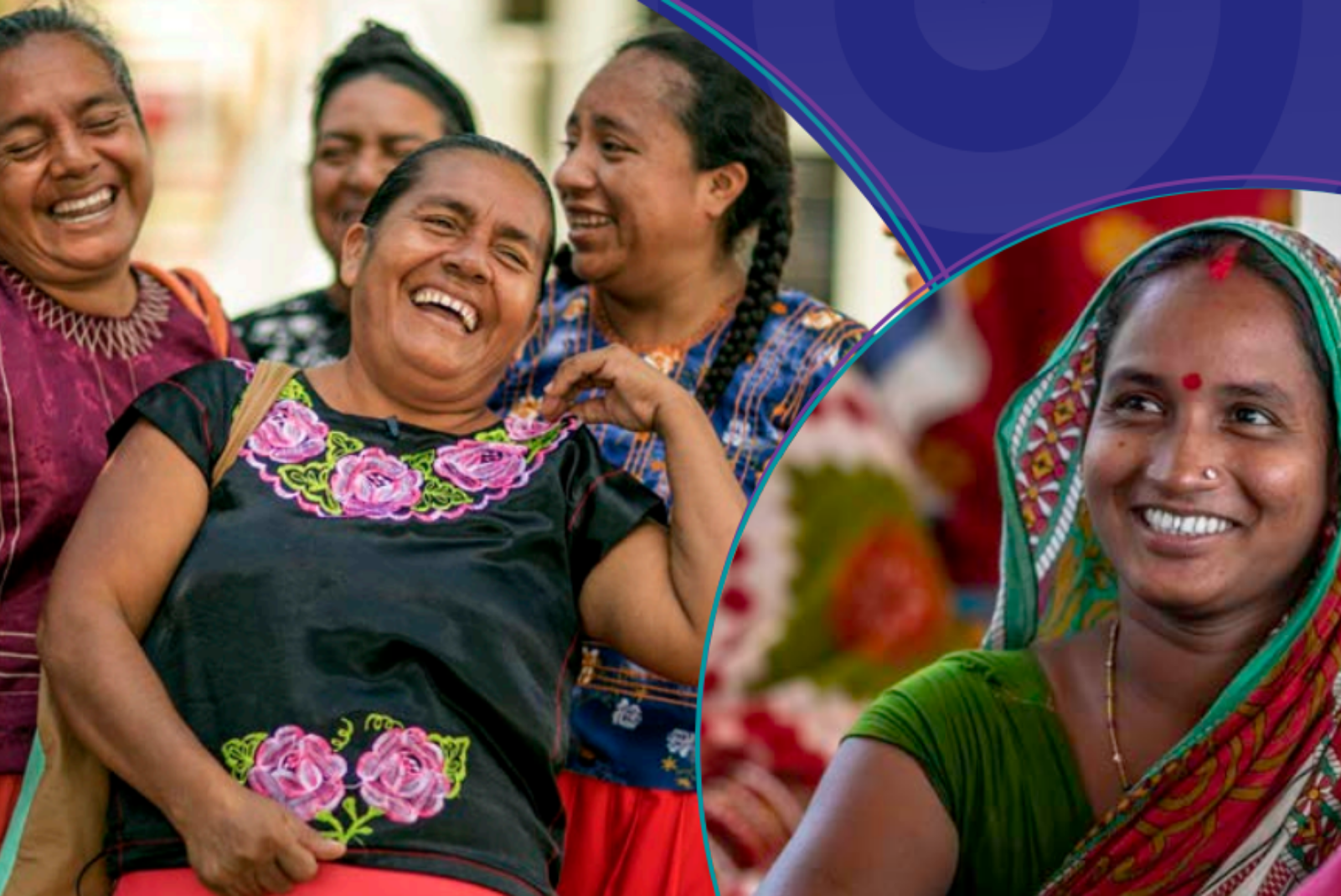
ICPD+25 Nairobi Summit Commitment Analysis Report: A roadmap for fulfilling the promise
The Nairobi Summit on ICPD+25 – Accelerating the Promise; marked the 25th anniversary of the International Conference on Population and Development (ICPD) held in Cairo in 1994 that recognized sexual and reproductive rights as human rights for the first time. The Summit brought together governments, civil society, academia, the private sector, faith-based organizations, international financial institutions, grassroots organizations and other partners interested in the pursuit of sexual and reproductive health and rights. Participants made commitments as part of an international effort to ensure that the promise of the ICPD Programme of Action (PoA) and the 2030 Agenda are achieved, and women and girls have autonomy over their bodies and their lives. The International Planned Parenthood Federation (IPPF) analysed the commitments made by governments of 137 countries who participated at the Summit to contribute to accountability action at the national level to ensure that those commitments are fulfilled.
Resource
| 08 July 2020
ICPD+25 Nairobi Summit Commitment Analysis Report: A roadmap for fulfilling the promise
The Nairobi Summit on ICPD+25 – Accelerating the Promise; marked the 25th anniversary of the International Conference on Population and Development (ICPD) held in Cairo in 1994 that recognized sexual and reproductive rights as human rights for the first time. The Summit brought together governments, civil society, academia, the private sector, faith-based organizations, international financial institutions, grassroots organizations and other partners interested in the pursuit of sexual and reproductive health and rights. Participants made commitments as part of an international effort to ensure that the promise of the ICPD Programme of Action (PoA) and the 2030 Agenda are achieved, and women and girls have autonomy over their bodies and their lives. The International Planned Parenthood Federation (IPPF) analysed the commitments made by governments of 137 countries who participated at the Summit to contribute to accountability action at the national level to ensure that those commitments are fulfilled.
Resource
| 06 July 2020
At a Glance 2019
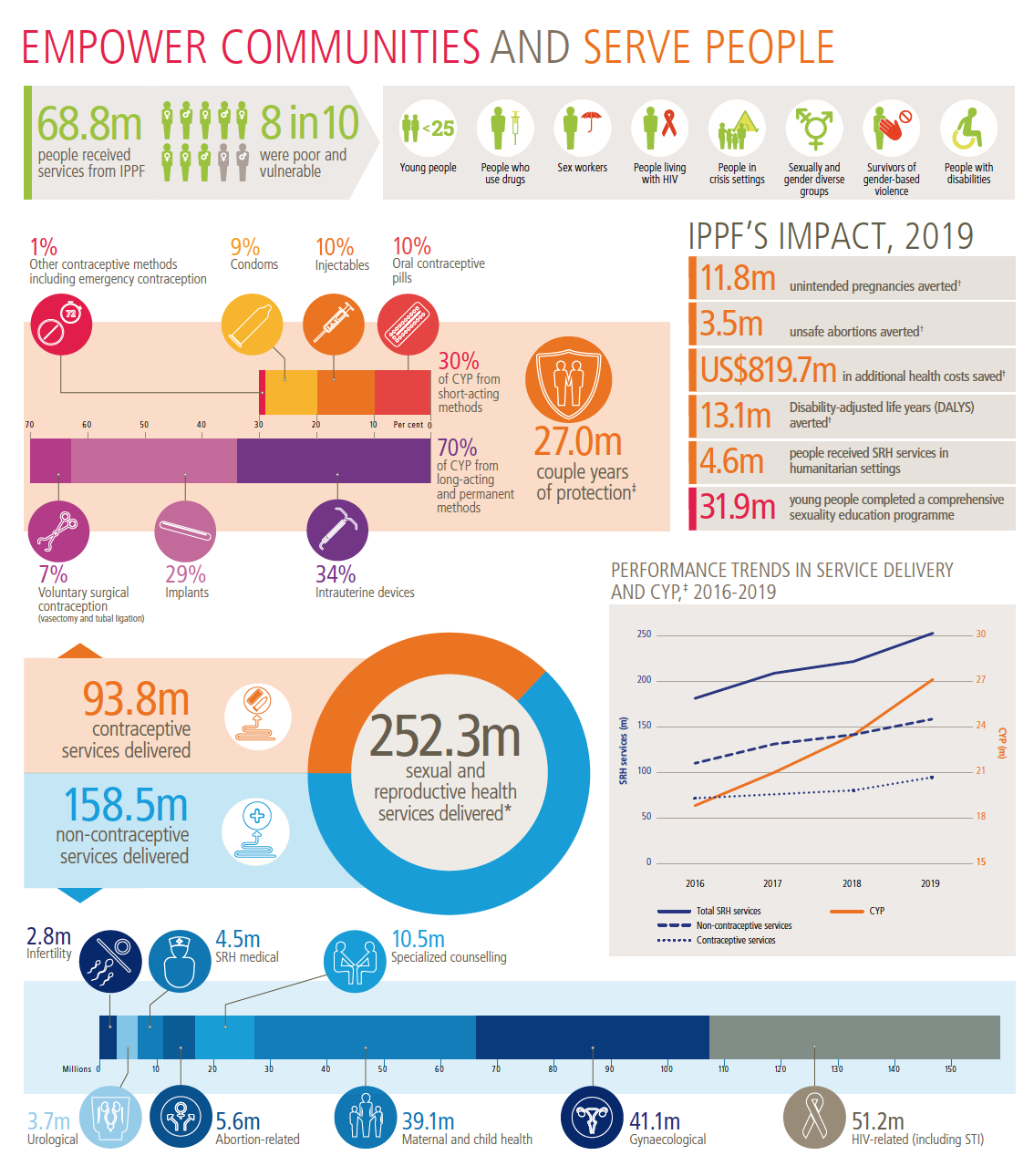
At a Glance 2019 is a summary of our key achievements from our 2019 Annual Performance Report. The document is available in Arabic, English, French, Portuguese and Spanish.
Resource
| 06 July 2020
At a Glance 2019
At a Glance 2019 is a summary of our key achievements from our 2019 Annual Performance Report. The document is available in Arabic, English, French, Portuguese and Spanish.
Resource
| 26 June 2020
Addressing the needs of women & girls affected by FGM in service delivery facilities handbook
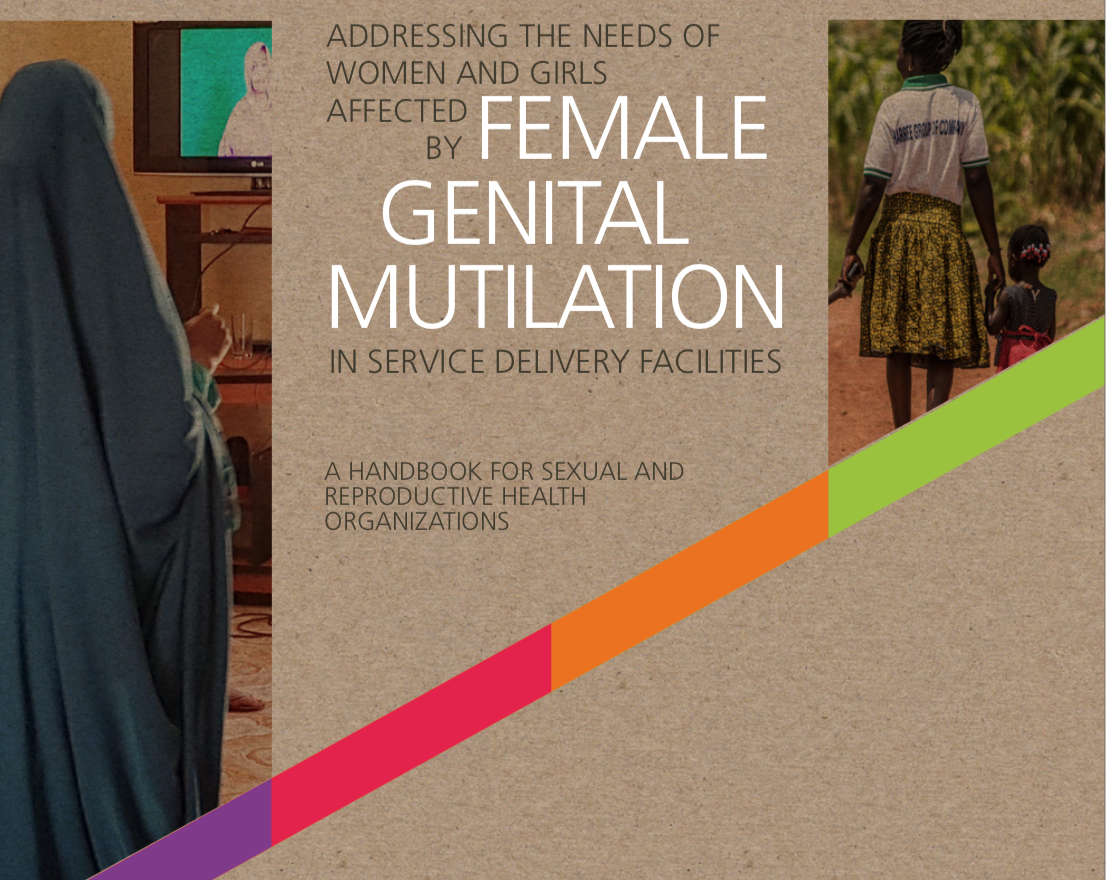
IPPF presents the publication - Addressing the needs of women and girls affected by female genital mutilation in service delivery facilities – A handbook for sexual and reproductive health organizations. Although female genital mutilation rates are decreasing, and there is increasing recognition among global, regional, local and grassroots stakeholders of the need to encourage its abandonment, women and girls around the world continue to undergo this practice, experiencing grave consequences to their mental and physical health, including their sexual and reproductive health.
Resource
| 26 June 2020
Addressing the needs of women & girls affected by FGM in service delivery facilities handbook
IPPF presents the publication - Addressing the needs of women and girls affected by female genital mutilation in service delivery facilities – A handbook for sexual and reproductive health organizations. Although female genital mutilation rates are decreasing, and there is increasing recognition among global, regional, local and grassroots stakeholders of the need to encourage its abandonment, women and girls around the world continue to undergo this practice, experiencing grave consequences to their mental and physical health, including their sexual and reproductive health.
Resource
| 19 August 2020
Healthy, Happy and Hot: A guide to your rights, sexuality & living with HIV
Every person living with HIV is entitled to these rights and they are necessary for the development and wellbeing of all people and the societies in which they live. Young people living with HIV may feel that sex is just not an option, but don’t worry – many young people living with HIV live healthy, fun, happy and sexually fulfilling lives. You can too, if you want to! Things get easier (and sex can get even better!) as you become more comfortable with your status. This guide aims to provide you with practical information, so that you can make informed decisions about who, where, when, and how you have sex. It explores how your human rights and sexual wellbeing are related and suggests strategies to help you make decisions about dating, relationships, sex and parenthood. This guide helps you to: → understand the links between sex, intimacy and wellbeing → express and enjoy your sexuality → experience sexual pleasure → decide if, when, and how to disclose your HIV status → consider your safety and security when disclosing your HIV status → understand what it means to be “undetectable” → practise safer sex → take care of your sexual health → understand what a healthy relationship looks like → choose if, when, how many, and with whom to have children → access support and services that respect your health, dignity, autonomy, privacy and wellbeing
Resource
| 19 August 2020
Healthy, Happy and Hot: A guide to your rights, sexuality & living with HIV
Every person living with HIV is entitled to these rights and they are necessary for the development and wellbeing of all people and the societies in which they live. Young people living with HIV may feel that sex is just not an option, but don’t worry – many young people living with HIV live healthy, fun, happy and sexually fulfilling lives. You can too, if you want to! Things get easier (and sex can get even better!) as you become more comfortable with your status. This guide aims to provide you with practical information, so that you can make informed decisions about who, where, when, and how you have sex. It explores how your human rights and sexual wellbeing are related and suggests strategies to help you make decisions about dating, relationships, sex and parenthood. This guide helps you to: → understand the links between sex, intimacy and wellbeing → express and enjoy your sexuality → experience sexual pleasure → decide if, when, and how to disclose your HIV status → consider your safety and security when disclosing your HIV status → understand what it means to be “undetectable” → practise safer sex → take care of your sexual health → understand what a healthy relationship looks like → choose if, when, how many, and with whom to have children → access support and services that respect your health, dignity, autonomy, privacy and wellbeing
Resource
| 19 August 2020
IMAP statement on Sexual and Gender-based violence
It is estimated that 1 in 3 (35%) women worldwide have experienced physical and/or sexual violence from an intimate partner and/or sexual violence by a non‑partner in their lifetime, with the majority of this violence being intimate partner violence. Of the 87,000 women who were killed intentionally in 2017 globally, an estimated 58% were killed by an intimate partner or family member.Sexual and gender‑based violence (SGBV) is a human rights violation, associated with death, injury and a broad range of negative sexual, mental and physical health issues and socio‑economic impacts.
Resource
| 19 August 2020
IMAP statement on Sexual and Gender-based violence
It is estimated that 1 in 3 (35%) women worldwide have experienced physical and/or sexual violence from an intimate partner and/or sexual violence by a non‑partner in their lifetime, with the majority of this violence being intimate partner violence. Of the 87,000 women who were killed intentionally in 2017 globally, an estimated 58% were killed by an intimate partner or family member.Sexual and gender‑based violence (SGBV) is a human rights violation, associated with death, injury and a broad range of negative sexual, mental and physical health issues and socio‑economic impacts.
Resource
| 12 August 2020
Tanzania: A youth center on a mission to destigmatize sexual health
Cultural stigmas leave many young people in Tanzania in the dark about their sexual and reproductive health and rights. Our Member Association - Chama cha Uzazi na Malezi Bora Tanzania (UMATI) - has come up with a solution at their youth center in Dar es Salaam: peer-to-peer educators. Every week over 100 youth sign up for services and training at the center. In 2017 the Global Gag Rule pulled funding from UMATI, however, the Belgian Government stepped in with emergency funding which allowed the center to remain open through the She Decides project.
Resource
| 12 August 2020
Tanzania: A youth center on a mission to destigmatize sexual health
Cultural stigmas leave many young people in Tanzania in the dark about their sexual and reproductive health and rights. Our Member Association - Chama cha Uzazi na Malezi Bora Tanzania (UMATI) - has come up with a solution at their youth center in Dar es Salaam: peer-to-peer educators. Every week over 100 youth sign up for services and training at the center. In 2017 the Global Gag Rule pulled funding from UMATI, however, the Belgian Government stepped in with emergency funding which allowed the center to remain open through the She Decides project.
Resource
| 04 August 2020
Financial Statements 2019
The overall group income of IPPF has risen by US$51.8 million (46 per cent) to US$163.7 million (2018: US$111.9 million). Unrestricted total income and restricted income rose by US$1.9 million and US$49.86 million respectively. IPPF’s main source of funding is government grants, which account for 88 per cent (2018: 81 per cent) of total income. In 2019 unrestricted government funding increased by US$2.2 million (4 per cent) to US$57.4 million. The main reason for the increase in funding in 2019 was the increase in funding from Germany which rose from €6 million to €12 million. Restricted government funding amounted to US$87 million, up from US$35.2 million in 2018. A full analysis of restricted projects balances. The following Governments were the major contributors to the restricted funding of IPPF: Government of United Kingdom,through the WISH programme in Africa, South Asia and the Arab World US$59.23 million, the European Commission supported the State of African Women Campaign US$4.6 million, Government of Canada US$4.3 million, Government of Australia continued to provide support (US$2.4 million) in relation to the global SPRINTInitiative to provide sexual and reproductive health services to crisisand post crisis areas in South East Asia, the Pacific, South Asia andGovernment of Belgium contributed to the SHE Decides project US$2.07 million. The governments of the Netherlands, Norway, UK and an anonymous donor also provided funding of US$5.64 million to the Safe Abortion Action Fund. Grants from multilateral donors and other sources decreased by 13 per cent from US$20.7 million to US$18.1 million. A significant factor in the decrease was US$0.6 million from GIZ, US$0.26 million from Anonymous donors, and US$0.7 million decrease from the David and Lucile Packard Foundation.
Resource
| 04 August 2020
Financial Statements 2019
The overall group income of IPPF has risen by US$51.8 million (46 per cent) to US$163.7 million (2018: US$111.9 million). Unrestricted total income and restricted income rose by US$1.9 million and US$49.86 million respectively. IPPF’s main source of funding is government grants, which account for 88 per cent (2018: 81 per cent) of total income. In 2019 unrestricted government funding increased by US$2.2 million (4 per cent) to US$57.4 million. The main reason for the increase in funding in 2019 was the increase in funding from Germany which rose from €6 million to €12 million. Restricted government funding amounted to US$87 million, up from US$35.2 million in 2018. A full analysis of restricted projects balances. The following Governments were the major contributors to the restricted funding of IPPF: Government of United Kingdom,through the WISH programme in Africa, South Asia and the Arab World US$59.23 million, the European Commission supported the State of African Women Campaign US$4.6 million, Government of Canada US$4.3 million, Government of Australia continued to provide support (US$2.4 million) in relation to the global SPRINTInitiative to provide sexual and reproductive health services to crisisand post crisis areas in South East Asia, the Pacific, South Asia andGovernment of Belgium contributed to the SHE Decides project US$2.07 million. The governments of the Netherlands, Norway, UK and an anonymous donor also provided funding of US$5.64 million to the Safe Abortion Action Fund. Grants from multilateral donors and other sources decreased by 13 per cent from US$20.7 million to US$18.1 million. A significant factor in the decrease was US$0.6 million from GIZ, US$0.26 million from Anonymous donors, and US$0.7 million decrease from the David and Lucile Packard Foundation.
Resource
| 24 July 2020
IPPF Comprehensive HIV Services Package
A comprehensive approach to sexual and reproductive health and rights (SRHR) requires the inclusion of HIV. This is even more critical following the recent Evidence for Contraceptive Options and HIV Outcomes (ECHO) Study, which highlighted the urgent need to expand HIV prevention, STI services, and contraceptive choices in the broader context of providing sexual and reproductive health (SRH) services. This guidance is designed for use by IPPF Member Associations to strengthen and define a comprehensive package of services for HIV prevention, testing, treatment and care. With new evidence and updated global guidelines, this guide specifically focusses on services with the aim to give updated information on nine recommended service components across the prevention to care continuum. By providing and enabling services along the entire prevention to care continuum of services, the aim is to reach those who are HIV negative with prevention interventions to support them to stay negative over time, and to diagnose, link and retain those living with HIV into treatment and care for sustained viral suppression.
Resource
| 24 July 2020
IPPF Comprehensive HIV Services Package
A comprehensive approach to sexual and reproductive health and rights (SRHR) requires the inclusion of HIV. This is even more critical following the recent Evidence for Contraceptive Options and HIV Outcomes (ECHO) Study, which highlighted the urgent need to expand HIV prevention, STI services, and contraceptive choices in the broader context of providing sexual and reproductive health (SRH) services. This guidance is designed for use by IPPF Member Associations to strengthen and define a comprehensive package of services for HIV prevention, testing, treatment and care. With new evidence and updated global guidelines, this guide specifically focusses on services with the aim to give updated information on nine recommended service components across the prevention to care continuum. By providing and enabling services along the entire prevention to care continuum of services, the aim is to reach those who are HIV negative with prevention interventions to support them to stay negative over time, and to diagnose, link and retain those living with HIV into treatment and care for sustained viral suppression.
Resource
| 20 July 2020
Data Management Strategy and Implementation Plan
IPPF’s first ever Data Management Strategy results from an extensive and participatory collaboration to ensure that it is guided by and aims to meet the needs of all data stakeholders across the Federation. It serves as a statement of principles for data management for IPPF, and with a detailed implementation plan, provides a guide to action. The strategy describes how all institutional data will be governed, sets out processes to improve and maintain data quality, and addresses how data can be accessed and used to its full potential by all data stakeholders. With a clear vision, six values and four result areas (Data Governance, Quality, Access and Use), the strategy highlights the value of data as a critical asset for the Federation in achieving the Expected Results outlined in IPPF’s Strategic Framework 2016-2022. It also shows how all data managers and users can work more effectively and efficiently by collecting, storing, translating and using institutional data for internal decision-making as well as being vital to our donors and stakeholders, so that we can be held accountable and also promote the important work being done by IPPF across the globe.
Resource
| 20 July 2020
Data Management Strategy and Implementation Plan
IPPF’s first ever Data Management Strategy results from an extensive and participatory collaboration to ensure that it is guided by and aims to meet the needs of all data stakeholders across the Federation. It serves as a statement of principles for data management for IPPF, and with a detailed implementation plan, provides a guide to action. The strategy describes how all institutional data will be governed, sets out processes to improve and maintain data quality, and addresses how data can be accessed and used to its full potential by all data stakeholders. With a clear vision, six values and four result areas (Data Governance, Quality, Access and Use), the strategy highlights the value of data as a critical asset for the Federation in achieving the Expected Results outlined in IPPF’s Strategic Framework 2016-2022. It also shows how all data managers and users can work more effectively and efficiently by collecting, storing, translating and using institutional data for internal decision-making as well as being vital to our donors and stakeholders, so that we can be held accountable and also promote the important work being done by IPPF across the globe.
Resource
| 13 July 2020
Advocacy good practices & lessons learned: ensuring sexual & reproductive safety during COVID-19
The COVID-19 pandemic and its consequences are negatively affecting the availability of and access to basic services, including sexual and reproductive health (SRH) care, and is further exacerbating existing inequalities. IPPF Member Associations have been impacted by the spread of COVID-19, as service delivery points have been forced to close and some operations have had to be suspended. Concerted political action to secure sexual and reproductive health and rights (SRHR) provision is necessary to adequately face this challenge – to this end, IPPF Member Associations have been actively engaging in advocacy with decision makers at national, regional and international levels to ensure that access to SRHR and SRH services is safeguarded and available to all who need it. They have demonstrated exceptional innovativeness, leadership and resilience in their advocacy efforts to secure these goals.
Resource
| 13 July 2020
Advocacy good practices & lessons learned: ensuring sexual & reproductive safety during COVID-19
The COVID-19 pandemic and its consequences are negatively affecting the availability of and access to basic services, including sexual and reproductive health (SRH) care, and is further exacerbating existing inequalities. IPPF Member Associations have been impacted by the spread of COVID-19, as service delivery points have been forced to close and some operations have had to be suspended. Concerted political action to secure sexual and reproductive health and rights (SRHR) provision is necessary to adequately face this challenge – to this end, IPPF Member Associations have been actively engaging in advocacy with decision makers at national, regional and international levels to ensure that access to SRHR and SRH services is safeguarded and available to all who need it. They have demonstrated exceptional innovativeness, leadership and resilience in their advocacy efforts to secure these goals.
Resource
| 08 July 2020
ICPD+25 Nairobi Summit Commitment Analysis Report: A roadmap for fulfilling the promise
The Nairobi Summit on ICPD+25 – Accelerating the Promise; marked the 25th anniversary of the International Conference on Population and Development (ICPD) held in Cairo in 1994 that recognized sexual and reproductive rights as human rights for the first time. The Summit brought together governments, civil society, academia, the private sector, faith-based organizations, international financial institutions, grassroots organizations and other partners interested in the pursuit of sexual and reproductive health and rights. Participants made commitments as part of an international effort to ensure that the promise of the ICPD Programme of Action (PoA) and the 2030 Agenda are achieved, and women and girls have autonomy over their bodies and their lives. The International Planned Parenthood Federation (IPPF) analysed the commitments made by governments of 137 countries who participated at the Summit to contribute to accountability action at the national level to ensure that those commitments are fulfilled.
Resource
| 08 July 2020
ICPD+25 Nairobi Summit Commitment Analysis Report: A roadmap for fulfilling the promise
The Nairobi Summit on ICPD+25 – Accelerating the Promise; marked the 25th anniversary of the International Conference on Population and Development (ICPD) held in Cairo in 1994 that recognized sexual and reproductive rights as human rights for the first time. The Summit brought together governments, civil society, academia, the private sector, faith-based organizations, international financial institutions, grassroots organizations and other partners interested in the pursuit of sexual and reproductive health and rights. Participants made commitments as part of an international effort to ensure that the promise of the ICPD Programme of Action (PoA) and the 2030 Agenda are achieved, and women and girls have autonomy over their bodies and their lives. The International Planned Parenthood Federation (IPPF) analysed the commitments made by governments of 137 countries who participated at the Summit to contribute to accountability action at the national level to ensure that those commitments are fulfilled.
Resource
| 06 July 2020
At a Glance 2019
At a Glance 2019 is a summary of our key achievements from our 2019 Annual Performance Report. The document is available in Arabic, English, French, Portuguese and Spanish.
Resource
| 06 July 2020
At a Glance 2019
At a Glance 2019 is a summary of our key achievements from our 2019 Annual Performance Report. The document is available in Arabic, English, French, Portuguese and Spanish.
Resource
| 26 June 2020
Addressing the needs of women & girls affected by FGM in service delivery facilities handbook
IPPF presents the publication - Addressing the needs of women and girls affected by female genital mutilation in service delivery facilities – A handbook for sexual and reproductive health organizations. Although female genital mutilation rates are decreasing, and there is increasing recognition among global, regional, local and grassroots stakeholders of the need to encourage its abandonment, women and girls around the world continue to undergo this practice, experiencing grave consequences to their mental and physical health, including their sexual and reproductive health.
Resource
| 26 June 2020
Addressing the needs of women & girls affected by FGM in service delivery facilities handbook
IPPF presents the publication - Addressing the needs of women and girls affected by female genital mutilation in service delivery facilities – A handbook for sexual and reproductive health organizations. Although female genital mutilation rates are decreasing, and there is increasing recognition among global, regional, local and grassroots stakeholders of the need to encourage its abandonment, women and girls around the world continue to undergo this practice, experiencing grave consequences to their mental and physical health, including their sexual and reproductive health.
