


Spotlight
A selection of resources from across the Federation

Resource
Advancing Sex Workers’ Sexual and Reproductive Health and Rights: A Toolkit for Inclusive Programming
This toolkit is grounded in international guidance and frameworks on sex workers’ health and human rights.
Most Popular This Week

Resource
|
Advancing Sex Workers’ Sexual and Reproductive Health and Rights: A Toolkit for Inclusive Programming
Sexual and reproductive health and rights (SRHR) are not only an integral part of the right to health but also necessary to enjoy many other human rights.

Resource
|
IPPF Annual Report and Financial Statements 2025
IPPF is a global federation and movement of 100+ locally led Member Associations and Collaborative Partnersin 150+ countries, dedicated to sexual and reproductive health, rights

Resource
|
Annual Performance Report 2025
The IPPF Annual Performance Report 2025 tells a story of resilience, solidarity and shared leadership across our Federation.


Resource
|
Review of IPPF’s Governance Reform
Following IPPF’s governance reform in 2019/2020, a review of the reform process was conducted, which provided important insights for the new Board of Trustees and the Secretariat to support the cha

Resource
|
IMAP Statement on Sex Worker-Centred Sexual and Reproductive Health Services
This statement is intended to provide guidance to Member Associations and Collaborative Partners across the Federation on delivering comprehensive, evidence‑based sexual and reproductive health (SR


Filter our resources by:
Resource
| 12 September 2016
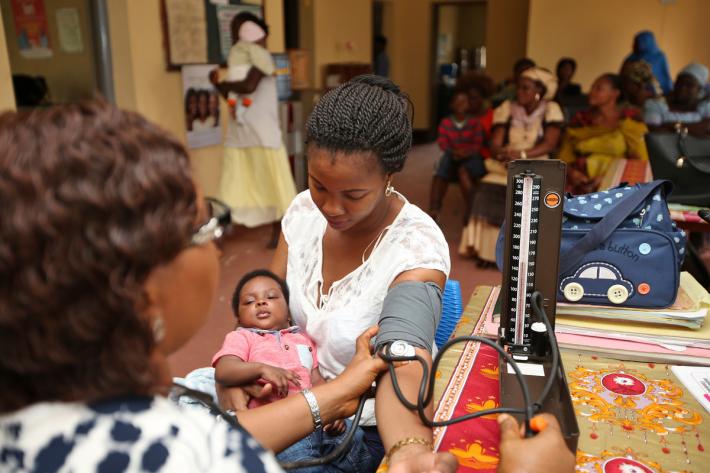
Family planning success: one mother's story from Nigeria
"I decided to use this clinic because I heard a lot of success stories about it. I trust their judgment that is why I am here.” Taiwo Ogunfayo, a 33-year-old interior decorator, is a client at the Liberty Stadium Clinic – one of Planned Parenthood Federation of Nigeria (PPFN) facilities in Ibadan, the Oyo State capital in South West Nigeria. "It was through the outreach service in my community that I found out about PPFN. All the family planning methods are free if you can't afford to pay. There is no cost to the patient."
Resource
| 12 September 2016
Family planning success: one mother's story from Nigeria
"I decided to use this clinic because I heard a lot of success stories about it. I trust their judgment that is why I am here.” Taiwo Ogunfayo, a 33-year-old interior decorator, is a client at the Liberty Stadium Clinic – one of Planned Parenthood Federation of Nigeria (PPFN) facilities in Ibadan, the Oyo State capital in South West Nigeria. "It was through the outreach service in my community that I found out about PPFN. All the family planning methods are free if you can't afford to pay. There is no cost to the patient."
Resource
| 07 September 2016
Towards a Future where Women Shine in Society: Light Switches to transform women’s status and health
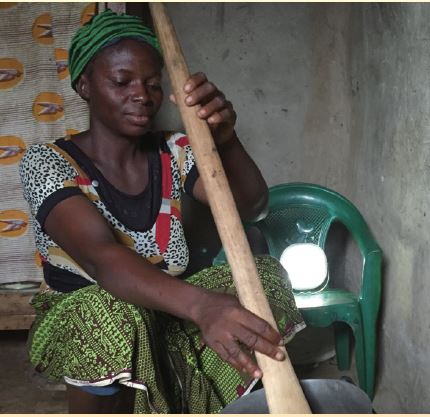
Switching a light on before dawn and after dusk. "Click". And it gives light. This everyday action, which most people in the world take for granted, is new for women living in non-electrified villages in Africa. Being able to switch on a light has brought radical changes to their lives. This brochure tells you an innovative partnership involving public, private sectors and civil society in Ghana, which has not only brought light but also better health and status to the village women. This project was supported by the IPPF Japan Trust Fund (JTF).
Resource
| 07 September 2016
Towards a Future where Women Shine in Society: Light Switches to transform women’s status and health
Switching a light on before dawn and after dusk. "Click". And it gives light. This everyday action, which most people in the world take for granted, is new for women living in non-electrified villages in Africa. Being able to switch on a light has brought radical changes to their lives. This brochure tells you an innovative partnership involving public, private sectors and civil society in Ghana, which has not only brought light but also better health and status to the village women. This project was supported by the IPPF Japan Trust Fund (JTF).
Resource
| 05 September 2016
How to improve young people’s access to safe abortion - Bosnia Herzegovina: Using a buddy system
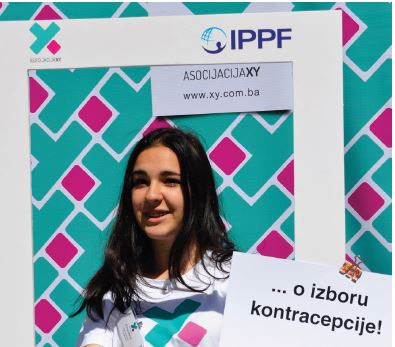
Young people face unique barriers when seeking accurate information about abortion, and in accessing abortion services. This series showcases strategies implemented by IPPF Member Associations that have successfully reduced these barriers and increased young people’s access to abortion information and services. In this short summary from Bosnia and Herzegovina, they provide a comprehensive strategy on using buddy systems in the context of sexual and reproductive health (SRH) services, which is a process where a nominated volunteer or staff member - the ‘buddy’- supports a client throughout their engagement with the service. The strategy, outlines the key steps needed for successful implementation and highlighting key lessons learned to consider in taking this strategy forward. This guide can be used by programme managers and implementers to help design and inform strategies to ensure that young people are enabled to access the necessary support and services they need in the event of an unwanted pregnancy.
Resource
| 05 September 2016
How to improve young people’s access to safe abortion - Bosnia Herzegovina: Using a buddy system
Young people face unique barriers when seeking accurate information about abortion, and in accessing abortion services. This series showcases strategies implemented by IPPF Member Associations that have successfully reduced these barriers and increased young people’s access to abortion information and services. In this short summary from Bosnia and Herzegovina, they provide a comprehensive strategy on using buddy systems in the context of sexual and reproductive health (SRH) services, which is a process where a nominated volunteer or staff member - the ‘buddy’- supports a client throughout their engagement with the service. The strategy, outlines the key steps needed for successful implementation and highlighting key lessons learned to consider in taking this strategy forward. This guide can be used by programme managers and implementers to help design and inform strategies to ensure that young people are enabled to access the necessary support and services they need in the event of an unwanted pregnancy.

Resource
| 05 September 2016
How to improve young people’s access to safe abortion - Cameroon: Partnering with educational institutions
Young people face unique barriers when seeking accurate information about abortion, and in accessing abortion services. This series showcases strategies implemented by IPPF Member Associations that have successfully reduced these barriers and increased young people’s access to abortion information and services. In this short summary from Cameroon, they provide a comprehensive strategy on partnering with educational institutions to provide young people with specifically targeted health education. The strategy, outlines the key steps needed for successful implementation and highlighting key lessons learned to consider in taking this strategy forward. This guide can be used by programme managers and implementers to help design and inform strategies to ensure that young people are enabled to access the necessary support and services they need in the event of an unwanted pregnancy.
Resource
| 05 September 2016
How to improve young people’s access to safe abortion - Cameroon: Partnering with educational institutions
Young people face unique barriers when seeking accurate information about abortion, and in accessing abortion services. This series showcases strategies implemented by IPPF Member Associations that have successfully reduced these barriers and increased young people’s access to abortion information and services. In this short summary from Cameroon, they provide a comprehensive strategy on partnering with educational institutions to provide young people with specifically targeted health education. The strategy, outlines the key steps needed for successful implementation and highlighting key lessons learned to consider in taking this strategy forward. This guide can be used by programme managers and implementers to help design and inform strategies to ensure that young people are enabled to access the necessary support and services they need in the event of an unwanted pregnancy.
Resource
| 05 September 2016
How to improve young people’s access to safe abortion - Ghana: Using social media
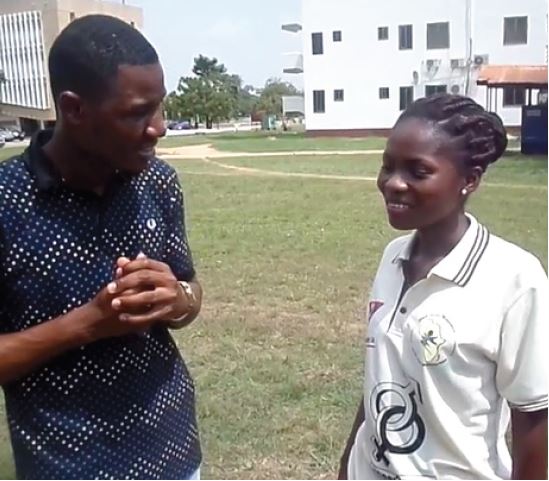
Young people face unique barriers when seeking accurate information about abortion, and in accessing abortion services. This series showcases strategies implemented by IPPF Member Associations that have successfully reduced these barriers and increased young people’s access to abortion information and services. In this short summary from Ghana, they provide a comprehensive strategy on using Social Media to deliver and exchange information about sexual and reproductive health (SRH), and in particular safe abortion. The strategy, outlines the key steps needed for successful implementation and highlighting key lessons learned to consider in taking this strategy forward. This guide can be used by programme managers and implementers to help design and inform strategies to ensure that young people are enabled to access the necessary support and services they need in the event of an unwanted pregnancy.
Resource
| 05 September 2016
How to improve young people’s access to safe abortion - Ghana: Using social media
Young people face unique barriers when seeking accurate information about abortion, and in accessing abortion services. This series showcases strategies implemented by IPPF Member Associations that have successfully reduced these barriers and increased young people’s access to abortion information and services. In this short summary from Ghana, they provide a comprehensive strategy on using Social Media to deliver and exchange information about sexual and reproductive health (SRH), and in particular safe abortion. The strategy, outlines the key steps needed for successful implementation and highlighting key lessons learned to consider in taking this strategy forward. This guide can be used by programme managers and implementers to help design and inform strategies to ensure that young people are enabled to access the necessary support and services they need in the event of an unwanted pregnancy.

Resource
| 05 September 2016
How to improve young people’s access to safe abortion - Pakistan: Youth Friendly Spaces
Young people face unique barriers when seeking accurate information about abortion, and in accessing abortion services. This series showcases strategies implemented by IPPF Member Associations that have successfully reduced these barriers and increased young people’s access to abortion information and services. In this short summary from Pakistan, they provide a comprehensive strategy on creating Youth Friendly Spaces, outlining the key steps needed for successful implementation and highlighting key lessons learned to consider in taking this strategy forward. This guide can be used by programme managers and implementers to help design and inform strategies to ensure that young people are enabled to access the necessary support and services they need in the event of an unwanted pregnancy.
Resource
| 05 September 2016
How to improve young people’s access to safe abortion - Pakistan: Youth Friendly Spaces
Young people face unique barriers when seeking accurate information about abortion, and in accessing abortion services. This series showcases strategies implemented by IPPF Member Associations that have successfully reduced these barriers and increased young people’s access to abortion information and services. In this short summary from Pakistan, they provide a comprehensive strategy on creating Youth Friendly Spaces, outlining the key steps needed for successful implementation and highlighting key lessons learned to consider in taking this strategy forward. This guide can be used by programme managers and implementers to help design and inform strategies to ensure that young people are enabled to access the necessary support and services they need in the event of an unwanted pregnancy.

Resource
| 26 August 2016
Expanding our range of services in Nigeria
IPPF's Member Association in Nigeria, the Planned Parenthood Federation of Nigeria (PPFN), piloted a successful project over 9 months around family planning. It had a specific focus on accessing people who would not ordinarily be reached through services and worked with local partners to ensure that no one was left behind. This project, funded by the Gates Foundation, exceeded targets significantly and has the potential to be rolled out in Nigeria and other countries. It has been successful in establishing new users of contraception and other sexual and reproductive health services.
Resource
| 26 August 2016
Expanding our range of services in Nigeria
IPPF's Member Association in Nigeria, the Planned Parenthood Federation of Nigeria (PPFN), piloted a successful project over 9 months around family planning. It had a specific focus on accessing people who would not ordinarily be reached through services and worked with local partners to ensure that no one was left behind. This project, funded by the Gates Foundation, exceeded targets significantly and has the potential to be rolled out in Nigeria and other countries. It has been successful in establishing new users of contraception and other sexual and reproductive health services.

Resource
| 25 August 2016
A bright future: Lanterns for women's empowerment
Women's empowerment is key to ensuring gender equality and health equity. A partnership between public, private and civil society found a unique way to address health and gender inequalities in some of the most disadvantaged communities of northern Ghana. This short film funded by the Japan Trust Fund showcases a project that introduced solar lanterns, health and economic interventions to 20 villages.
Resource
| 25 August 2016
A bright future: Lanterns for women's empowerment
Women's empowerment is key to ensuring gender equality and health equity. A partnership between public, private and civil society found a unique way to address health and gender inequalities in some of the most disadvantaged communities of northern Ghana. This short film funded by the Japan Trust Fund showcases a project that introduced solar lanterns, health and economic interventions to 20 villages.
Resource
| 22 June 2016
At a Glance 2015
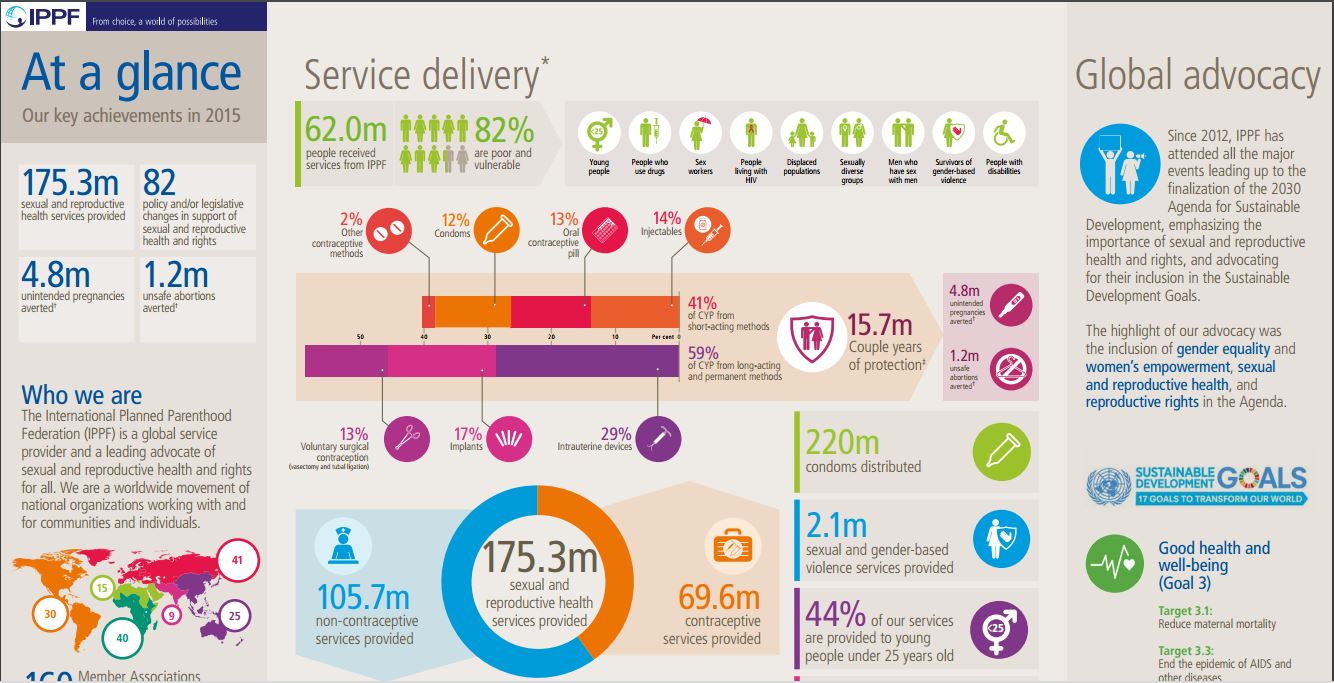
Key facts and figures highlighting IPPF's achievements in 2015.
Resource
| 22 June 2016
At a Glance 2015
Key facts and figures highlighting IPPF's achievements in 2015.

Resource
| 20 June 2016
Sustainable Development Goals and human rights
In September 2015, UN Member States adopted an ambitious new global framework – the 2030 Agenda for Sustainable Development. At the centre of the Agenda are the Sustainable Development Goals (SDGs), a set of 17 goals and 169 targets across social, economic and environmental areas of sustainable development, which UN Member States have committed to making a reality over the next 15 years.
Resource
| 20 June 2016
Sustainable Development Goals and human rights
In September 2015, UN Member States adopted an ambitious new global framework – the 2030 Agenda for Sustainable Development. At the centre of the Agenda are the Sustainable Development Goals (SDGs), a set of 17 goals and 169 targets across social, economic and environmental areas of sustainable development, which UN Member States have committed to making a reality over the next 15 years.
Resource
| 12 September 2016
Family planning success: one mother's story from Nigeria
"I decided to use this clinic because I heard a lot of success stories about it. I trust their judgment that is why I am here.” Taiwo Ogunfayo, a 33-year-old interior decorator, is a client at the Liberty Stadium Clinic – one of Planned Parenthood Federation of Nigeria (PPFN) facilities in Ibadan, the Oyo State capital in South West Nigeria. "It was through the outreach service in my community that I found out about PPFN. All the family planning methods are free if you can't afford to pay. There is no cost to the patient."
Resource
| 12 September 2016
Family planning success: one mother's story from Nigeria
"I decided to use this clinic because I heard a lot of success stories about it. I trust their judgment that is why I am here.” Taiwo Ogunfayo, a 33-year-old interior decorator, is a client at the Liberty Stadium Clinic – one of Planned Parenthood Federation of Nigeria (PPFN) facilities in Ibadan, the Oyo State capital in South West Nigeria. "It was through the outreach service in my community that I found out about PPFN. All the family planning methods are free if you can't afford to pay. There is no cost to the patient."
Resource
| 07 September 2016
Towards a Future where Women Shine in Society: Light Switches to transform women’s status and health
Switching a light on before dawn and after dusk. "Click". And it gives light. This everyday action, which most people in the world take for granted, is new for women living in non-electrified villages in Africa. Being able to switch on a light has brought radical changes to their lives. This brochure tells you an innovative partnership involving public, private sectors and civil society in Ghana, which has not only brought light but also better health and status to the village women. This project was supported by the IPPF Japan Trust Fund (JTF).
Resource
| 07 September 2016
Towards a Future where Women Shine in Society: Light Switches to transform women’s status and health
Switching a light on before dawn and after dusk. "Click". And it gives light. This everyday action, which most people in the world take for granted, is new for women living in non-electrified villages in Africa. Being able to switch on a light has brought radical changes to their lives. This brochure tells you an innovative partnership involving public, private sectors and civil society in Ghana, which has not only brought light but also better health and status to the village women. This project was supported by the IPPF Japan Trust Fund (JTF).
Resource
| 05 September 2016
How to improve young people’s access to safe abortion - Bosnia Herzegovina: Using a buddy system
Young people face unique barriers when seeking accurate information about abortion, and in accessing abortion services. This series showcases strategies implemented by IPPF Member Associations that have successfully reduced these barriers and increased young people’s access to abortion information and services. In this short summary from Bosnia and Herzegovina, they provide a comprehensive strategy on using buddy systems in the context of sexual and reproductive health (SRH) services, which is a process where a nominated volunteer or staff member - the ‘buddy’- supports a client throughout their engagement with the service. The strategy, outlines the key steps needed for successful implementation and highlighting key lessons learned to consider in taking this strategy forward. This guide can be used by programme managers and implementers to help design and inform strategies to ensure that young people are enabled to access the necessary support and services they need in the event of an unwanted pregnancy.
Resource
| 05 September 2016
How to improve young people’s access to safe abortion - Bosnia Herzegovina: Using a buddy system
Young people face unique barriers when seeking accurate information about abortion, and in accessing abortion services. This series showcases strategies implemented by IPPF Member Associations that have successfully reduced these barriers and increased young people’s access to abortion information and services. In this short summary from Bosnia and Herzegovina, they provide a comprehensive strategy on using buddy systems in the context of sexual and reproductive health (SRH) services, which is a process where a nominated volunteer or staff member - the ‘buddy’- supports a client throughout their engagement with the service. The strategy, outlines the key steps needed for successful implementation and highlighting key lessons learned to consider in taking this strategy forward. This guide can be used by programme managers and implementers to help design and inform strategies to ensure that young people are enabled to access the necessary support and services they need in the event of an unwanted pregnancy.
Resource
| 05 September 2016
How to improve young people’s access to safe abortion - Cameroon: Partnering with educational institutions
Young people face unique barriers when seeking accurate information about abortion, and in accessing abortion services. This series showcases strategies implemented by IPPF Member Associations that have successfully reduced these barriers and increased young people’s access to abortion information and services. In this short summary from Cameroon, they provide a comprehensive strategy on partnering with educational institutions to provide young people with specifically targeted health education. The strategy, outlines the key steps needed for successful implementation and highlighting key lessons learned to consider in taking this strategy forward. This guide can be used by programme managers and implementers to help design and inform strategies to ensure that young people are enabled to access the necessary support and services they need in the event of an unwanted pregnancy.
Resource
| 05 September 2016
How to improve young people’s access to safe abortion - Cameroon: Partnering with educational institutions
Young people face unique barriers when seeking accurate information about abortion, and in accessing abortion services. This series showcases strategies implemented by IPPF Member Associations that have successfully reduced these barriers and increased young people’s access to abortion information and services. In this short summary from Cameroon, they provide a comprehensive strategy on partnering with educational institutions to provide young people with specifically targeted health education. The strategy, outlines the key steps needed for successful implementation and highlighting key lessons learned to consider in taking this strategy forward. This guide can be used by programme managers and implementers to help design and inform strategies to ensure that young people are enabled to access the necessary support and services they need in the event of an unwanted pregnancy.
Resource
| 05 September 2016
How to improve young people’s access to safe abortion - Ghana: Using social media
Young people face unique barriers when seeking accurate information about abortion, and in accessing abortion services. This series showcases strategies implemented by IPPF Member Associations that have successfully reduced these barriers and increased young people’s access to abortion information and services. In this short summary from Ghana, they provide a comprehensive strategy on using Social Media to deliver and exchange information about sexual and reproductive health (SRH), and in particular safe abortion. The strategy, outlines the key steps needed for successful implementation and highlighting key lessons learned to consider in taking this strategy forward. This guide can be used by programme managers and implementers to help design and inform strategies to ensure that young people are enabled to access the necessary support and services they need in the event of an unwanted pregnancy.
Resource
| 05 September 2016
How to improve young people’s access to safe abortion - Ghana: Using social media
Young people face unique barriers when seeking accurate information about abortion, and in accessing abortion services. This series showcases strategies implemented by IPPF Member Associations that have successfully reduced these barriers and increased young people’s access to abortion information and services. In this short summary from Ghana, they provide a comprehensive strategy on using Social Media to deliver and exchange information about sexual and reproductive health (SRH), and in particular safe abortion. The strategy, outlines the key steps needed for successful implementation and highlighting key lessons learned to consider in taking this strategy forward. This guide can be used by programme managers and implementers to help design and inform strategies to ensure that young people are enabled to access the necessary support and services they need in the event of an unwanted pregnancy.
Resource
| 05 September 2016
How to improve young people’s access to safe abortion - Pakistan: Youth Friendly Spaces
Young people face unique barriers when seeking accurate information about abortion, and in accessing abortion services. This series showcases strategies implemented by IPPF Member Associations that have successfully reduced these barriers and increased young people’s access to abortion information and services. In this short summary from Pakistan, they provide a comprehensive strategy on creating Youth Friendly Spaces, outlining the key steps needed for successful implementation and highlighting key lessons learned to consider in taking this strategy forward. This guide can be used by programme managers and implementers to help design and inform strategies to ensure that young people are enabled to access the necessary support and services they need in the event of an unwanted pregnancy.
Resource
| 05 September 2016
How to improve young people’s access to safe abortion - Pakistan: Youth Friendly Spaces
Young people face unique barriers when seeking accurate information about abortion, and in accessing abortion services. This series showcases strategies implemented by IPPF Member Associations that have successfully reduced these barriers and increased young people’s access to abortion information and services. In this short summary from Pakistan, they provide a comprehensive strategy on creating Youth Friendly Spaces, outlining the key steps needed for successful implementation and highlighting key lessons learned to consider in taking this strategy forward. This guide can be used by programme managers and implementers to help design and inform strategies to ensure that young people are enabled to access the necessary support and services they need in the event of an unwanted pregnancy.
Resource
| 26 August 2016
Expanding our range of services in Nigeria
IPPF's Member Association in Nigeria, the Planned Parenthood Federation of Nigeria (PPFN), piloted a successful project over 9 months around family planning. It had a specific focus on accessing people who would not ordinarily be reached through services and worked with local partners to ensure that no one was left behind. This project, funded by the Gates Foundation, exceeded targets significantly and has the potential to be rolled out in Nigeria and other countries. It has been successful in establishing new users of contraception and other sexual and reproductive health services.
Resource
| 26 August 2016
Expanding our range of services in Nigeria
IPPF's Member Association in Nigeria, the Planned Parenthood Federation of Nigeria (PPFN), piloted a successful project over 9 months around family planning. It had a specific focus on accessing people who would not ordinarily be reached through services and worked with local partners to ensure that no one was left behind. This project, funded by the Gates Foundation, exceeded targets significantly and has the potential to be rolled out in Nigeria and other countries. It has been successful in establishing new users of contraception and other sexual and reproductive health services.
Resource
| 25 August 2016
A bright future: Lanterns for women's empowerment
Women's empowerment is key to ensuring gender equality and health equity. A partnership between public, private and civil society found a unique way to address health and gender inequalities in some of the most disadvantaged communities of northern Ghana. This short film funded by the Japan Trust Fund showcases a project that introduced solar lanterns, health and economic interventions to 20 villages.
Resource
| 25 August 2016
A bright future: Lanterns for women's empowerment
Women's empowerment is key to ensuring gender equality and health equity. A partnership between public, private and civil society found a unique way to address health and gender inequalities in some of the most disadvantaged communities of northern Ghana. This short film funded by the Japan Trust Fund showcases a project that introduced solar lanterns, health and economic interventions to 20 villages.
Resource
| 22 June 2016
At a Glance 2015
Key facts and figures highlighting IPPF's achievements in 2015.
Resource
| 22 June 2016
At a Glance 2015
Key facts and figures highlighting IPPF's achievements in 2015.
Resource
| 20 June 2016
Sustainable Development Goals and human rights
In September 2015, UN Member States adopted an ambitious new global framework – the 2030 Agenda for Sustainable Development. At the centre of the Agenda are the Sustainable Development Goals (SDGs), a set of 17 goals and 169 targets across social, economic and environmental areas of sustainable development, which UN Member States have committed to making a reality over the next 15 years.
Resource
| 20 June 2016
Sustainable Development Goals and human rights
In September 2015, UN Member States adopted an ambitious new global framework – the 2030 Agenda for Sustainable Development. At the centre of the Agenda are the Sustainable Development Goals (SDGs), a set of 17 goals and 169 targets across social, economic and environmental areas of sustainable development, which UN Member States have committed to making a reality over the next 15 years.
