



Women and children are disproportionately affected by natural disaster and war - pregnant women face dangerous deliveries and, in unprotected refugee settlements, rape, trafficking and gender-based violence increase. IPPF delivers essential lifesaving services for women, men and children in times of crisis.
Articles about Emergencies

Supporting women during humanitarian crisis
The Australian Parliamentary Group on Population and Development (APGPD) welcomes the commitment by the Australian Government to continue funding the International Planned Parenthood Federation’s work with women during humanitarian crises. Over 800 women and girls are dying every day from complications in pregnancy and childbirth. Three in five preventable maternal deaths occur in conflict, displacement and natural disasters. When disasters hit we must not forget women still need access to safe birthing spaces, family planning services, and protection against sexual violence. Since commencing in 2007 the IPPF SPRINT (Sexual and Reproductive Health Program in Crisis and Post-Crisis Settings) initiative has supported over 890,000 people through times of disaster including in Fiji, Nepal and Vanuatu. The APGPD is pleased to see the Australian Government continuing to support women in accessing sexual and reproductive health services. While other countries are pulling back and leaving women and children vulnerable it is vital Australia continues to show global leadership focused on gender equality. Access to reproductive health services is a key component of women’s empowerment, with better health outcomes leading to better education and economic outcomes for all. The Australian Parliamentary Group on Population and Development (APGPD) is a cross-party group of parliamentarians who work collaboratively to champion sexual and reproductive health and rights, gender equality and women’s empowerment globally. The APGPD was established in 1995 as part of a global network of parliamentary groups and is a member of the Asian Forum of Parliamentarians on Population and Development.

IPPF celebrates the launch of humanitarian initiative: SPRINT 3
Melbourne, February 8, 2017 – The International Planned Parenthood Federation (IPPF) is proud to launch the latest phase of the SPRINT initiative, delivered through IPPF’s new, dedicated global humanitarian platform, IPPF Humanitarian. Together, they are thought to be the single largest humanitarian effort worldwide exclusively focused on sexual and reproductive health and rights in crises. Commencing in 2007 and now in its third phase, the SPRINT initiative continues to be generously supported by the Australian Government. Running from 2017 to 2019, Phase 3 of SPRINT will enable IPPF to reach communities affected by natural disasters – particularly in the Asia Pacific region. Very welcome announcement made today by @JulieBishopMP at #AAC2017 of $9.5m for sexual and reproductive health during crises via @ippf — ACFID (@ACFID) February 14, 2017 Sexual and reproductive health and rights in emergencies are too often overlooked and under-funded. When left ignored, women and girls in crisis situations are particularly vulnerable and face numerous health and psychosocial risks. At any given time, one in five women in a crisis may be pregnant, whilst over 500 women and girls die daily in conflict and fragile states from complications related to pregnancy and childbirth. Thank you @IPPF DG Tewodros Melesse for inspiring words on how reproductive health saves lives & helps #womenandgirls globally #SRHR pic.twitter.com/rFCGsIiDgy — Jamie Isbister (@AusHumanitarian) February 14, 2017 The SPRINT initiative addresses this situation by ensuring access to high-quality care through the Minimum Initial Service Package for Reproductive Health, an internationally recognised standard. IPPF and its Member Associations work to support national governments of disaster-prone countries to be ready when disaster strikes, and more able to respond and recover. IPPF’s Director General, Mr. Tewodros Melesse, has welcomed the launch of SPRINT 3 and the official opening of the new IPPF Humanitarian Hub in Bangkok, Thailand and Sub-Hub in Suva, Fiji. “IPPF praises the ongoing support and leadership of the Australian Government and the generosity of the Australian people in prioritising this critical and under-funded element of humanitarian response. IPPF is immensely grateful for the opportunity to continue its long-standing partnership with the Australian Government, together ensuring that women and girls in crises can access life-saving sexual and reproductive health care when they need it most.” Press Contact Johanna Wicks, Chief – Australia and New Zealand Office, IPPF Email: jwicks@ippf.org Phone: (+61) 3 8459 2185

Saving lives in Yemen
Amran is a small city about fifty kilometres north-west of Yemen’s capital, Sana’a. It is one of the poorest areas in the country, with extremely low health indicators. More than 58,000 internally displaced people are living in Amran, according to one report from the Task Force on Population Movements. This is the highest number of displaced people in the country. The Yemeni Association for Reproductive Health (YARH) is IPPF's accredited partner on the ground. Through them IPPF is prioritizing health access for women and girls, especially for those who are pregnant. YARH is also providing essential life-saving services to vulnerable groups. These people are at risk of sexual violence and fatal illness and diseases. YARH, with Yemen's Ministry of Public Health and Population, deployed a mobile medical team to Amran between September and November 2016. They treated approximately 600 internally displaced people, more than two-thirds of them women, who mostly received pre and postnatal care, counselling, contraception and essential medical treatment. The mobile team was made up of a female medical doctor and two midwives, two coordinators and a driver. They targeted displaced people in three remote districts: Khamir, Raydah and Kharif. With support from UNFPA and the Yemeni Women Union, we distributed a total of 1,000 dignity kits in Yemen. We also provided clean delivery kits to pregnant women in need. A low take up of family planning among these women is due to both a lack of awareness of and access to reproductive health services. In our raising awareness sessions we placed great importance on child spacing and how this can improve maternal and child health. We also reached just under 2000 people in displaced communities, with information on breastfeeding, nutrition and hygiene. In other initiatives on the ground, YARH is also working together with people living with HIV and up-skilling service providers on delivering contraceptive implants. Complementing these activities are empowerment projects youth leadership programmes to increase access to comprehensive sexuality education. Conditions are extremely tough – and dangerous – but we remain committed to serving the people of Yemen and doing all we can for their sexual and reproductive health.

Plea for Aleppo
My Name is Dr Lama Mouakea. I am the Executive Director for the Syrian Family Planning Association. We are now in the fifth year since the start of unrest in Syria, the situation continues to worsen. With half million people being killed and more than ten million having fled their homes, the conflict has now escalated, violently affecting the people in Aleppo, Syria’s largest city. We still are in Aleppo. The situation is difficult. We are struggling to survive. People are coming here because they are not safe. Thousands have left East Aleppo in fear. It is cold. People walk long distances. There is so much crowding and for my staff the hours are very long. There are too many people. Everywhere is crowded and this limits where we can find spaces to provide our services. The security situation in the city means that we are trying to deliver services and see as many people as we can. We know that who we treat today we may not see again. We are providing the highest number of services from mobile clinics, to contraceptive supplies, to essential medicines including vitamins. We have medical teams and volunteers providing sexual and reproductive health services, psychosocial and paediatric through a range of mobile clinics and mobile teams so we can reach people. The risks for women and girls from sexual violence is high. We have seen many cases in our psychosocial support of violence that this kind of displacement exposes them to. We provide tailored support to the survivors of sexual violence, which has increased enormously during the war. There isn't enough services for the people. The demand is high and we need more assistance. With such high numbers and suffering, our internally displaced need urgent help. My staff are also suffering. We cannot keep up and want to survive. We won't leave because our place is here to help our people. I can only hope that the world can hear me. Please consider the Syrian people and what we are going through. We need money to give hope to people and help them survive and save lives. Support IPPF's work in Aleppo DR LAMA MOUAKEA | Executive Director, the Syrian Family Planning Association Mrs. Lama Mouakea has been the Executive Director of the Syrian Family Planning Association (SFPA) for the last 19 years and has a long history of working with sexual and reproductive health services. Currently she is responsible for supervision of 114 staff and coordination of 600 volunteers. Under her leadership the SFPA has played a major role in responding to the emergency situation in Syria, providing sexual and reproductive health services to people who are internally displaced due to the on-going conflict, with a focus on mother and child care and nutrition, psychosocial support, first aid and training of health personnel in the provision of clinical management for rape survivors and coverage of the minimum initial service package among a lot of other things.
16 December 2016
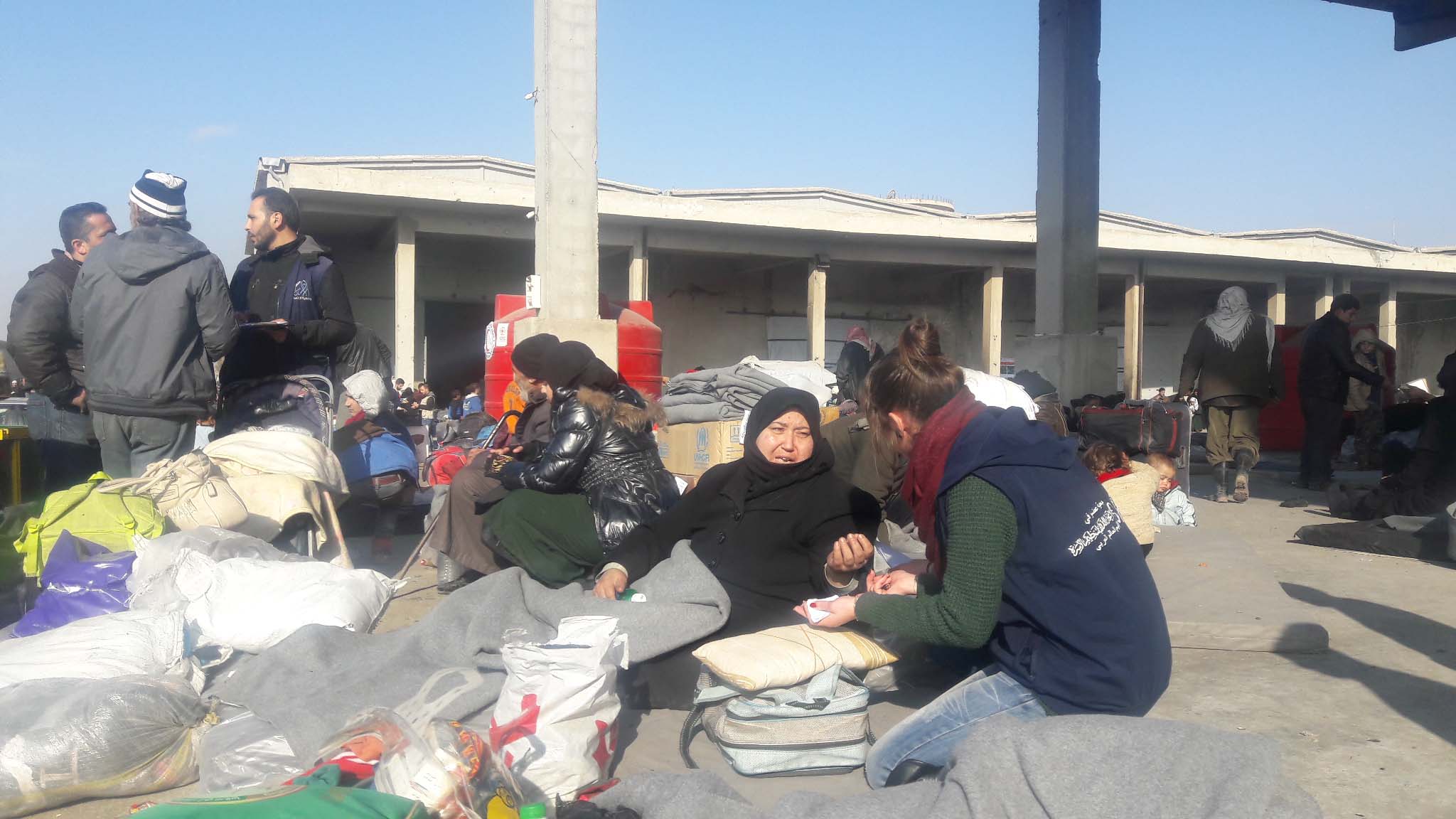
Syrian Family Planning Association is still in Aleppo, providing assistance to war-torn population
We still are in Aleppo. The situation is difficult. We are struggling to survive. People are coming here because they are not safe. Thousands have left East Aleppo in fear. It is cold. People walk long distances. There is so much crowding and for my staff the hours are very long. Read the full report from Dr Lama Mouakea, Syrian Family Planning Association Please donate to support women and girls in Aleppo Photo credits go to the Syrian Family Planning Association.
Japan and IPPF take actions together for realizing society where every woman shines
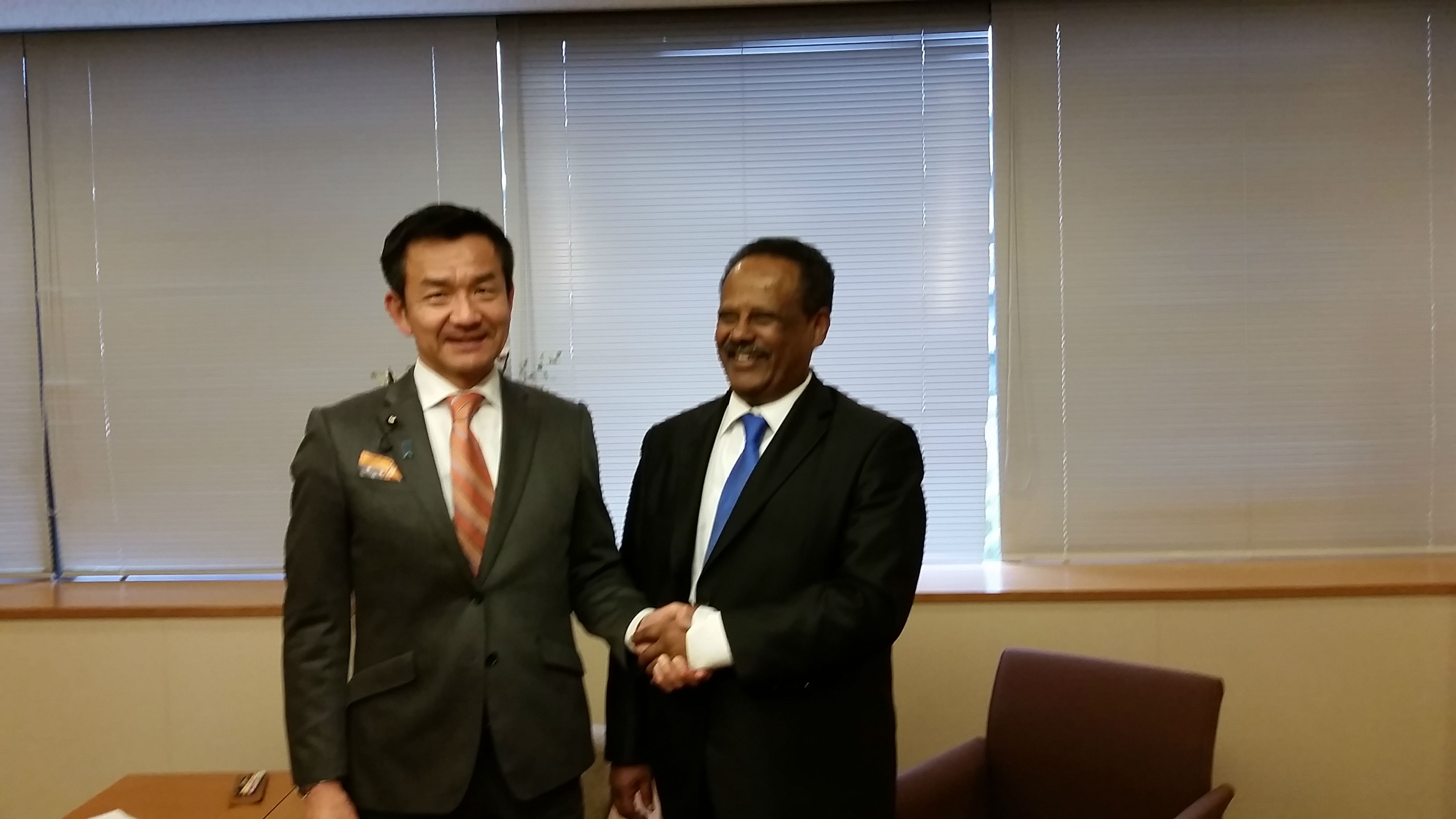
14 December 2016, Tokyo - IPPF attended the World Assembly of Women (WAW!) 2016, which was held in Tokyo on 13-14 December, and made a case that Sexual and Reproductive Health and Rights (SRHR) is fundamental for women’s empowerment, and universal health coverage cannot be achieved without universal reproductive health coverage. At the WAW conference, Japan’s Prime Minister Mr Shinzo Abe said women’s voices are not prioritised in crisis. The international community was not allowed to leave the issue of sexual violence under crisis, he added. Mr Abe stressed that under crisis situations, the international response will be improved remarkably if women’s perspectives are fully incorporated into it. At the same time it is matter of life and death to improve maternal and child health. The international community needs to take action on these issues and give hope to people affected, to build a future together. Tewodros Melesse, Director General of IPPF, said: ‘Poor is the women whose happiness depends on the approval of others. From birth, every women has rights to shine. A comprehensive approach, where empowered women make their own decisions, is the key to ensuring no woman is left behind’ Tewodros Melesse also had a meeting with H.E. Mr Odawara, Japan’s Parliamentary Vice Minister of Foreign Affairs. Mr Odawara said that the Japanese Government highly appreciated IPPF’s activities to respond to women’s needs by closely working with Japan. Mr Melesse raised the issue of global uncertainty, which could give a serious impact on IPPF’s activities to protect women’s health, rights and lives, and requested Japan’s further assistance and continuing strong leadership in the SRHR area.
23 November 2016
Resilience and survival in the camps of Nyala, South Darfur
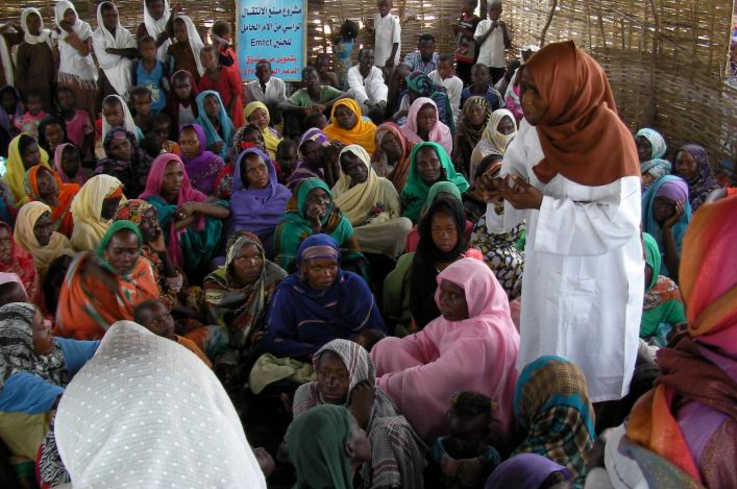
Mention Nyala in South Darfur and red flags go up, alerts of a lawless place, a place of insecurity – a volatile place. But the less told story of the camps in Nyala - the story behind the headlines - is one of resilience and hope. Friends who remain when others leave: Sudan Family Planning Association and Japanese Trust Fund Entrenched conflict in Darfur has impacted on the lives of millions, forcing many to flee their homes to camps for internally displaced people. The Sudan Family Planning Association (SFPA) is working in Nyala, South Darfur with internally displaced people, including women and young people, to enhance lives. With support from the Japanese Trust Fund, SFPA was able to offer integrated sexual and reproductive health services to women living with HIV and their families.
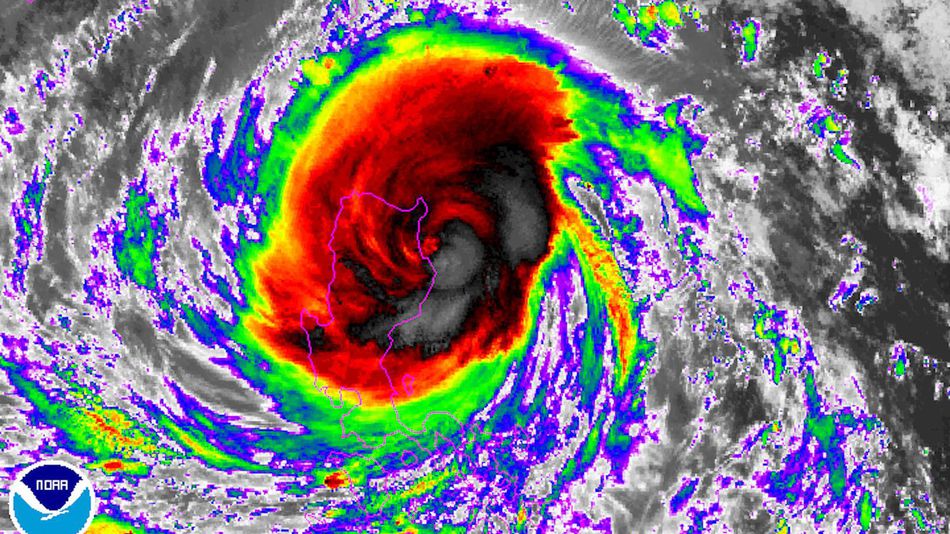
Urgent appeal: Typhoon Haima strikes the Philippines
Another dangerous tropical cyclone has emerged in the Pacific Ocean. The Typhoon Haima hit the northern part of the Philippines and considering the strength of the storm this cyclone will have had a high humanitarian impact. Please make a donation now. As of reporting time, a total of 18,157 families (90,589 individuals) were evacuated. Initial reports from the Cordillera Region show that 113 houses were damaged. With the strength and extent of the destruction, it is most likely that health and birthing facilities and schools were severely affected. In the rush to provide shelter and food in a crisis, the health and protection needs of pregnant women and young families are often overlooked. When the Typhoon struck approximately one in five women will have been pregnant. Without access to the right health care, we expect 20 per cent of them will incur complications during the delivery. Your donation will help us save lives. Having established partnerships in 170 countries, IPPF is one of the first responders when a crisis occurs. Helping the hardest-to-reach areas, particularly women and girls, we are often the only health providers there. The International Planned Parenthood Federation, working through the Family Planning Organization of the Philippines (FPOP), is responding to this crisis. We have worked together since 1969 and in recent years we have saved countless lives following Typhoon Haikui, Bopha, Trami and Haiyan. FPOP is working closely with the local government and international relief agencies to ensure that no women or her family is left behind and put at risk during this crisis. Nandy Senoc, FPOP’s Executive Director said “While we don’t yet know the full extent to the devastation, we are mobilizing our health workers and volunteers, to provide lifesaving services. As a volunteer organization, we are there before, during and after the crisis strikes. We are ready to respond now. For many women and girls in these affected areas, access to our essential health and protection services could mean the difference between life and death. I would like to thank you for supporting IPPF’s work and for standing by women and girls during difficult times like this. Your generosity today will help us support more women and girls as this crisis unfolds." With your support we reach over 2.2 million clients in crisis settings annually in all corners of the world.
Letter from Tewodros Melesse: "Ask for sexual and reproductive rights for refugees and migrants"
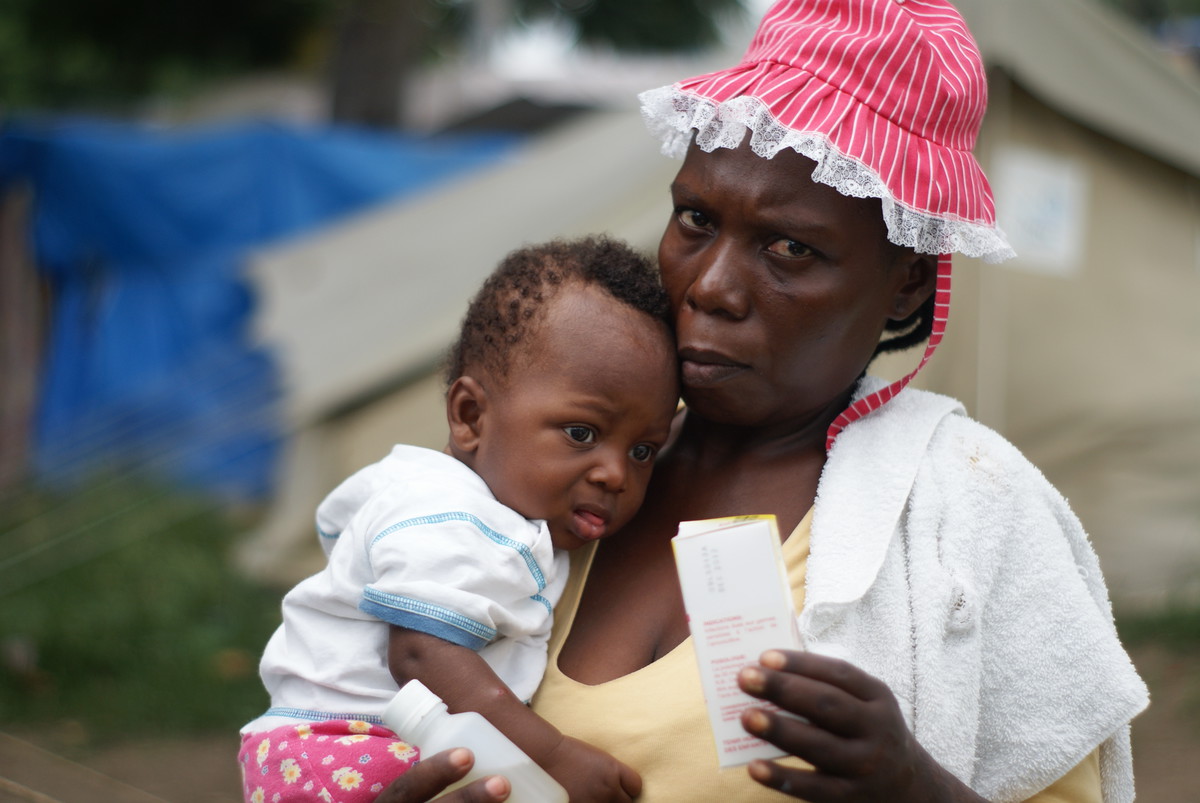
Dear friends, colleagues and partners, As September 19th, the date for United Nations Summit on Refugees and Migrants, approaches we can’t help but to continue to be overwhelmed by the rising number of refugees across the globe and their growing needs. It has become clear that the global community will have to take strong, committed and focused actions in order to ensure that the needs of those vulnerable populations are met. Children, the elderly and women are the ones most at risk in these perilous situations. We need to ensure that their specific needs do not go unnoticed. During this year’s World Humanitarian Summit in Istanbul, UN Member States, civil society and other stakeholders made commitments to increase their support in emergency situations. The Summit on Refugees and Migrants presents another unique opportunity for Member States to show resilient support. In the final draft of the Summit’s outcome document great strides were made in ensuring women’s rights and needs were addressed. Through strong advocacy efforts from IPPF UN Liaison Office, United Nations agencies and strong Member State commitment we were able to secure language that is a great step forward in access to sexual and reproductive health services. Specifically, thanks to our work, the declaration promises to: “…ensure that our responses to large movements of refugees and migrants mainstream a gender perspective, promote gender equality and the empowerment of all women and girls, and fully respect and protect the human rights of women and girls. We will combat sexual and gender-based violence to the greatest extent possible. We will provide access to sexual and reproductive health-care services...” The necessity for sexual and reproductive health and rights in humanitarian situations is critical. We, therefore, ask you to include in your national statements during the Summit on Refugees and Migrants Summit, the unequivocal requirement for the sexual and reproductive rights of refugee and migrant women to be fulfilled and that sexual and reproductive health services be systematically included in the refugee crisis response. I thank you in advance for the attention given to this very important matter and hope to count on you to support this key action. Together, we can make a difference in women’s lives, and bring to those that have lost everything a little bit of hope for the future. Yours Sincerely, Tewodros Melesse

IPPF-SPRINT provides humanitarian assistance in conflict affected areas of North Cotabato, Philippines
Aug 2, 2016: New Delhi: Manila: The International Planned Parenthood Federation through its humanitarian wing, the SPRINT Initiative, is providing humanitarian assistance in the conflict-affected areas of Cotabato in the Philippines. The armed conflict between the Government of the Philippines (GPH) and the secessionist Moro Islamic Liberation Front (MILF) has lasted for more than five decades and has displaced around a million people in central Mindanao, Philippines. According to reports dated April 2016, the armed conflict has escalated, creating concerns over a protracted crisis and the vulnerability of women and girls. The conflict has internally displaced farmers who are living in the hinterland communities of the province of North Cotabato, namely in the municipalities of Makilala, Magpet, Kabacan and Tulunan. The SPRINT Initiative project will reach out to 25 affected villages or barangays located in geographically isolated and depressed areas, thereby making access to healthcare an extremely rare thing. As per the assessments done by IPPF’s East and South East Asia and Oceania Region office’s (ESEAOR) Member Association, the Family Planning Association of Philippines (FPOP), access to Sexual and Reproductive Health (SRH) services in these villages is very limited. “IPPF-SPRINT and FPOP will coordinate the implementation of this project with (the) UNFPA centre in Mindanao throughout the 4-month period from August to November, 2016. The Minimum Initial Service Package (MISP) will be implemented on-the-ground. IPPF-SPRINT will reach out to around 15,000 beneficiaries in the area and will provide crucial and life-saving SRH services. An amount of AUD 50,000 has been mobilised for the response,” said Aditi Ghosh, Director, IPPF-SPRINT. This humanitarian response is being funded by the Department of Foreign Affairs and Trade (DFAT) under the Australian government. “FPOP is a part of the UN cluster system, particularly Health and Protection clusters in the national level. FPOP will also coordinate the humanitarian response with UN regional centres covering affected areas. The North Cotabato Provincial Disaster Risk Reduction and Management Council (DRRMC) will also play a key role in implementing the MISP,” said Nora Murat, Regional Director, IPPF-ESEAOR. IPPF-SPRINT will work on prevention and management of the consequences of sexual violence, reduction of sexually transmitted infections (STIs) including HIV transmission, prevention of excess maternal and neonatal mortality and morbidity, plan for the provision of comprehensive SRH services and integrate into primary health care as the situation permits. Apart from the above, orientation on MISP and Risk Management for implementing partners and project staff/volunteers will be undertaken. Contact info: Murali Kunduru: MMKunduru@ippfsar.org Jayamalar Samuel: JSamuel@ippfeseaor.org Media Contact: Rhea Chawla: RChawla@ippfsar.org www.ippf-sprint.org The SPRINT Initiative is a Sexual and Reproductive Health (SRH) Programme in Crisis and Post-Crisis Situations. SPRINT ensures access to essential lifesaving SRH services for women, men and children in times of crises, a time when services are most needed yet are not prioritised or recognised by key humanitarian responders. The SPRINT Initiative saves lives and delivers on behalf of the Australian Government aid program (DFAT: Department of Foreign Affairs and Trade), which aims to provide more effective preparedness for and response to disasters and crises. The Initiative is managed by the International Planned Parenthood Federation (IPPF) and represents its commitment to increasing access to SRH services for crisis-affected populations. The International Planned Parenthood Federation is a global service provider and a leading advocate of sexual and reproductive health and rights for all. It is a worldwide movement of national organisations working with and for communities and individuals.
Supporting women during humanitarian crisis
The Australian Parliamentary Group on Population and Development (APGPD) welcomes the commitment by the Australian Government to continue funding the International Planned Parenthood Federation’s work with women during humanitarian crises. Over 800 women and girls are dying every day from complications in pregnancy and childbirth. Three in five preventable maternal deaths occur in conflict, displacement and natural disasters. When disasters hit we must not forget women still need access to safe birthing spaces, family planning services, and protection against sexual violence. Since commencing in 2007 the IPPF SPRINT (Sexual and Reproductive Health Program in Crisis and Post-Crisis Settings) initiative has supported over 890,000 people through times of disaster including in Fiji, Nepal and Vanuatu. The APGPD is pleased to see the Australian Government continuing to support women in accessing sexual and reproductive health services. While other countries are pulling back and leaving women and children vulnerable it is vital Australia continues to show global leadership focused on gender equality. Access to reproductive health services is a key component of women’s empowerment, with better health outcomes leading to better education and economic outcomes for all. The Australian Parliamentary Group on Population and Development (APGPD) is a cross-party group of parliamentarians who work collaboratively to champion sexual and reproductive health and rights, gender equality and women’s empowerment globally. The APGPD was established in 1995 as part of a global network of parliamentary groups and is a member of the Asian Forum of Parliamentarians on Population and Development.
IPPF celebrates the launch of humanitarian initiative: SPRINT 3
Melbourne, February 8, 2017 – The International Planned Parenthood Federation (IPPF) is proud to launch the latest phase of the SPRINT initiative, delivered through IPPF’s new, dedicated global humanitarian platform, IPPF Humanitarian. Together, they are thought to be the single largest humanitarian effort worldwide exclusively focused on sexual and reproductive health and rights in crises. Commencing in 2007 and now in its third phase, the SPRINT initiative continues to be generously supported by the Australian Government. Running from 2017 to 2019, Phase 3 of SPRINT will enable IPPF to reach communities affected by natural disasters – particularly in the Asia Pacific region. Very welcome announcement made today by @JulieBishopMP at #AAC2017 of $9.5m for sexual and reproductive health during crises via @ippf — ACFID (@ACFID) February 14, 2017 Sexual and reproductive health and rights in emergencies are too often overlooked and under-funded. When left ignored, women and girls in crisis situations are particularly vulnerable and face numerous health and psychosocial risks. At any given time, one in five women in a crisis may be pregnant, whilst over 500 women and girls die daily in conflict and fragile states from complications related to pregnancy and childbirth. Thank you @IPPF DG Tewodros Melesse for inspiring words on how reproductive health saves lives & helps #womenandgirls globally #SRHR pic.twitter.com/rFCGsIiDgy — Jamie Isbister (@AusHumanitarian) February 14, 2017 The SPRINT initiative addresses this situation by ensuring access to high-quality care through the Minimum Initial Service Package for Reproductive Health, an internationally recognised standard. IPPF and its Member Associations work to support national governments of disaster-prone countries to be ready when disaster strikes, and more able to respond and recover. IPPF’s Director General, Mr. Tewodros Melesse, has welcomed the launch of SPRINT 3 and the official opening of the new IPPF Humanitarian Hub in Bangkok, Thailand and Sub-Hub in Suva, Fiji. “IPPF praises the ongoing support and leadership of the Australian Government and the generosity of the Australian people in prioritising this critical and under-funded element of humanitarian response. IPPF is immensely grateful for the opportunity to continue its long-standing partnership with the Australian Government, together ensuring that women and girls in crises can access life-saving sexual and reproductive health care when they need it most.” Press Contact Johanna Wicks, Chief – Australia and New Zealand Office, IPPF Email: jwicks@ippf.org Phone: (+61) 3 8459 2185
Saving lives in Yemen
Amran is a small city about fifty kilometres north-west of Yemen’s capital, Sana’a. It is one of the poorest areas in the country, with extremely low health indicators. More than 58,000 internally displaced people are living in Amran, according to one report from the Task Force on Population Movements. This is the highest number of displaced people in the country. The Yemeni Association for Reproductive Health (YARH) is IPPF's accredited partner on the ground. Through them IPPF is prioritizing health access for women and girls, especially for those who are pregnant. YARH is also providing essential life-saving services to vulnerable groups. These people are at risk of sexual violence and fatal illness and diseases. YARH, with Yemen's Ministry of Public Health and Population, deployed a mobile medical team to Amran between September and November 2016. They treated approximately 600 internally displaced people, more than two-thirds of them women, who mostly received pre and postnatal care, counselling, contraception and essential medical treatment. The mobile team was made up of a female medical doctor and two midwives, two coordinators and a driver. They targeted displaced people in three remote districts: Khamir, Raydah and Kharif. With support from UNFPA and the Yemeni Women Union, we distributed a total of 1,000 dignity kits in Yemen. We also provided clean delivery kits to pregnant women in need. A low take up of family planning among these women is due to both a lack of awareness of and access to reproductive health services. In our raising awareness sessions we placed great importance on child spacing and how this can improve maternal and child health. We also reached just under 2000 people in displaced communities, with information on breastfeeding, nutrition and hygiene. In other initiatives on the ground, YARH is also working together with people living with HIV and up-skilling service providers on delivering contraceptive implants. Complementing these activities are empowerment projects youth leadership programmes to increase access to comprehensive sexuality education. Conditions are extremely tough – and dangerous – but we remain committed to serving the people of Yemen and doing all we can for their sexual and reproductive health.
Plea for Aleppo
My Name is Dr Lama Mouakea. I am the Executive Director for the Syrian Family Planning Association. We are now in the fifth year since the start of unrest in Syria, the situation continues to worsen. With half million people being killed and more than ten million having fled their homes, the conflict has now escalated, violently affecting the people in Aleppo, Syria’s largest city. We still are in Aleppo. The situation is difficult. We are struggling to survive. People are coming here because they are not safe. Thousands have left East Aleppo in fear. It is cold. People walk long distances. There is so much crowding and for my staff the hours are very long. There are too many people. Everywhere is crowded and this limits where we can find spaces to provide our services. The security situation in the city means that we are trying to deliver services and see as many people as we can. We know that who we treat today we may not see again. We are providing the highest number of services from mobile clinics, to contraceptive supplies, to essential medicines including vitamins. We have medical teams and volunteers providing sexual and reproductive health services, psychosocial and paediatric through a range of mobile clinics and mobile teams so we can reach people. The risks for women and girls from sexual violence is high. We have seen many cases in our psychosocial support of violence that this kind of displacement exposes them to. We provide tailored support to the survivors of sexual violence, which has increased enormously during the war. There isn't enough services for the people. The demand is high and we need more assistance. With such high numbers and suffering, our internally displaced need urgent help. My staff are also suffering. We cannot keep up and want to survive. We won't leave because our place is here to help our people. I can only hope that the world can hear me. Please consider the Syrian people and what we are going through. We need money to give hope to people and help them survive and save lives. Support IPPF's work in Aleppo DR LAMA MOUAKEA | Executive Director, the Syrian Family Planning Association Mrs. Lama Mouakea has been the Executive Director of the Syrian Family Planning Association (SFPA) for the last 19 years and has a long history of working with sexual and reproductive health services. Currently she is responsible for supervision of 114 staff and coordination of 600 volunteers. Under her leadership the SFPA has played a major role in responding to the emergency situation in Syria, providing sexual and reproductive health services to people who are internally displaced due to the on-going conflict, with a focus on mother and child care and nutrition, psychosocial support, first aid and training of health personnel in the provision of clinical management for rape survivors and coverage of the minimum initial service package among a lot of other things.
16 December 2016
Syrian Family Planning Association is still in Aleppo, providing assistance to war-torn population
We still are in Aleppo. The situation is difficult. We are struggling to survive. People are coming here because they are not safe. Thousands have left East Aleppo in fear. It is cold. People walk long distances. There is so much crowding and for my staff the hours are very long. Read the full report from Dr Lama Mouakea, Syrian Family Planning Association Please donate to support women and girls in Aleppo Photo credits go to the Syrian Family Planning Association.
Japan and IPPF take actions together for realizing society where every woman shines
14 December 2016, Tokyo - IPPF attended the World Assembly of Women (WAW!) 2016, which was held in Tokyo on 13-14 December, and made a case that Sexual and Reproductive Health and Rights (SRHR) is fundamental for women’s empowerment, and universal health coverage cannot be achieved without universal reproductive health coverage. At the WAW conference, Japan’s Prime Minister Mr Shinzo Abe said women’s voices are not prioritised in crisis. The international community was not allowed to leave the issue of sexual violence under crisis, he added. Mr Abe stressed that under crisis situations, the international response will be improved remarkably if women’s perspectives are fully incorporated into it. At the same time it is matter of life and death to improve maternal and child health. The international community needs to take action on these issues and give hope to people affected, to build a future together. Tewodros Melesse, Director General of IPPF, said: ‘Poor is the women whose happiness depends on the approval of others. From birth, every women has rights to shine. A comprehensive approach, where empowered women make their own decisions, is the key to ensuring no woman is left behind’ Tewodros Melesse also had a meeting with H.E. Mr Odawara, Japan’s Parliamentary Vice Minister of Foreign Affairs. Mr Odawara said that the Japanese Government highly appreciated IPPF’s activities to respond to women’s needs by closely working with Japan. Mr Melesse raised the issue of global uncertainty, which could give a serious impact on IPPF’s activities to protect women’s health, rights and lives, and requested Japan’s further assistance and continuing strong leadership in the SRHR area.
23 November 2016
Resilience and survival in the camps of Nyala, South Darfur
Mention Nyala in South Darfur and red flags go up, alerts of a lawless place, a place of insecurity – a volatile place. But the less told story of the camps in Nyala - the story behind the headlines - is one of resilience and hope. Friends who remain when others leave: Sudan Family Planning Association and Japanese Trust Fund Entrenched conflict in Darfur has impacted on the lives of millions, forcing many to flee their homes to camps for internally displaced people. The Sudan Family Planning Association (SFPA) is working in Nyala, South Darfur with internally displaced people, including women and young people, to enhance lives. With support from the Japanese Trust Fund, SFPA was able to offer integrated sexual and reproductive health services to women living with HIV and their families.
Urgent appeal: Typhoon Haima strikes the Philippines
Another dangerous tropical cyclone has emerged in the Pacific Ocean. The Typhoon Haima hit the northern part of the Philippines and considering the strength of the storm this cyclone will have had a high humanitarian impact. Please make a donation now. As of reporting time, a total of 18,157 families (90,589 individuals) were evacuated. Initial reports from the Cordillera Region show that 113 houses were damaged. With the strength and extent of the destruction, it is most likely that health and birthing facilities and schools were severely affected. In the rush to provide shelter and food in a crisis, the health and protection needs of pregnant women and young families are often overlooked. When the Typhoon struck approximately one in five women will have been pregnant. Without access to the right health care, we expect 20 per cent of them will incur complications during the delivery. Your donation will help us save lives. Having established partnerships in 170 countries, IPPF is one of the first responders when a crisis occurs. Helping the hardest-to-reach areas, particularly women and girls, we are often the only health providers there. The International Planned Parenthood Federation, working through the Family Planning Organization of the Philippines (FPOP), is responding to this crisis. We have worked together since 1969 and in recent years we have saved countless lives following Typhoon Haikui, Bopha, Trami and Haiyan. FPOP is working closely with the local government and international relief agencies to ensure that no women or her family is left behind and put at risk during this crisis. Nandy Senoc, FPOP’s Executive Director said “While we don’t yet know the full extent to the devastation, we are mobilizing our health workers and volunteers, to provide lifesaving services. As a volunteer organization, we are there before, during and after the crisis strikes. We are ready to respond now. For many women and girls in these affected areas, access to our essential health and protection services could mean the difference between life and death. I would like to thank you for supporting IPPF’s work and for standing by women and girls during difficult times like this. Your generosity today will help us support more women and girls as this crisis unfolds." With your support we reach over 2.2 million clients in crisis settings annually in all corners of the world.
Letter from Tewodros Melesse: "Ask for sexual and reproductive rights for refugees and migrants"
Dear friends, colleagues and partners, As September 19th, the date for United Nations Summit on Refugees and Migrants, approaches we can’t help but to continue to be overwhelmed by the rising number of refugees across the globe and their growing needs. It has become clear that the global community will have to take strong, committed and focused actions in order to ensure that the needs of those vulnerable populations are met. Children, the elderly and women are the ones most at risk in these perilous situations. We need to ensure that their specific needs do not go unnoticed. During this year’s World Humanitarian Summit in Istanbul, UN Member States, civil society and other stakeholders made commitments to increase their support in emergency situations. The Summit on Refugees and Migrants presents another unique opportunity for Member States to show resilient support. In the final draft of the Summit’s outcome document great strides were made in ensuring women’s rights and needs were addressed. Through strong advocacy efforts from IPPF UN Liaison Office, United Nations agencies and strong Member State commitment we were able to secure language that is a great step forward in access to sexual and reproductive health services. Specifically, thanks to our work, the declaration promises to: “…ensure that our responses to large movements of refugees and migrants mainstream a gender perspective, promote gender equality and the empowerment of all women and girls, and fully respect and protect the human rights of women and girls. We will combat sexual and gender-based violence to the greatest extent possible. We will provide access to sexual and reproductive health-care services...” The necessity for sexual and reproductive health and rights in humanitarian situations is critical. We, therefore, ask you to include in your national statements during the Summit on Refugees and Migrants Summit, the unequivocal requirement for the sexual and reproductive rights of refugee and migrant women to be fulfilled and that sexual and reproductive health services be systematically included in the refugee crisis response. I thank you in advance for the attention given to this very important matter and hope to count on you to support this key action. Together, we can make a difference in women’s lives, and bring to those that have lost everything a little bit of hope for the future. Yours Sincerely, Tewodros Melesse
IPPF-SPRINT provides humanitarian assistance in conflict affected areas of North Cotabato, Philippines
Aug 2, 2016: New Delhi: Manila: The International Planned Parenthood Federation through its humanitarian wing, the SPRINT Initiative, is providing humanitarian assistance in the conflict-affected areas of Cotabato in the Philippines. The armed conflict between the Government of the Philippines (GPH) and the secessionist Moro Islamic Liberation Front (MILF) has lasted for more than five decades and has displaced around a million people in central Mindanao, Philippines. According to reports dated April 2016, the armed conflict has escalated, creating concerns over a protracted crisis and the vulnerability of women and girls. The conflict has internally displaced farmers who are living in the hinterland communities of the province of North Cotabato, namely in the municipalities of Makilala, Magpet, Kabacan and Tulunan. The SPRINT Initiative project will reach out to 25 affected villages or barangays located in geographically isolated and depressed areas, thereby making access to healthcare an extremely rare thing. As per the assessments done by IPPF’s East and South East Asia and Oceania Region office’s (ESEAOR) Member Association, the Family Planning Association of Philippines (FPOP), access to Sexual and Reproductive Health (SRH) services in these villages is very limited. “IPPF-SPRINT and FPOP will coordinate the implementation of this project with (the) UNFPA centre in Mindanao throughout the 4-month period from August to November, 2016. The Minimum Initial Service Package (MISP) will be implemented on-the-ground. IPPF-SPRINT will reach out to around 15,000 beneficiaries in the area and will provide crucial and life-saving SRH services. An amount of AUD 50,000 has been mobilised for the response,” said Aditi Ghosh, Director, IPPF-SPRINT. This humanitarian response is being funded by the Department of Foreign Affairs and Trade (DFAT) under the Australian government. “FPOP is a part of the UN cluster system, particularly Health and Protection clusters in the national level. FPOP will also coordinate the humanitarian response with UN regional centres covering affected areas. The North Cotabato Provincial Disaster Risk Reduction and Management Council (DRRMC) will also play a key role in implementing the MISP,” said Nora Murat, Regional Director, IPPF-ESEAOR. IPPF-SPRINT will work on prevention and management of the consequences of sexual violence, reduction of sexually transmitted infections (STIs) including HIV transmission, prevention of excess maternal and neonatal mortality and morbidity, plan for the provision of comprehensive SRH services and integrate into primary health care as the situation permits. Apart from the above, orientation on MISP and Risk Management for implementing partners and project staff/volunteers will be undertaken. Contact info: Murali Kunduru: MMKunduru@ippfsar.org Jayamalar Samuel: JSamuel@ippfeseaor.org Media Contact: Rhea Chawla: RChawla@ippfsar.org www.ippf-sprint.org The SPRINT Initiative is a Sexual and Reproductive Health (SRH) Programme in Crisis and Post-Crisis Situations. SPRINT ensures access to essential lifesaving SRH services for women, men and children in times of crises, a time when services are most needed yet are not prioritised or recognised by key humanitarian responders. The SPRINT Initiative saves lives and delivers on behalf of the Australian Government aid program (DFAT: Department of Foreign Affairs and Trade), which aims to provide more effective preparedness for and response to disasters and crises. The Initiative is managed by the International Planned Parenthood Federation (IPPF) and represents its commitment to increasing access to SRH services for crisis-affected populations. The International Planned Parenthood Federation is a global service provider and a leading advocate of sexual and reproductive health and rights for all. It is a worldwide movement of national organisations working with and for communities and individuals.