



Women and children are disproportionately affected by natural disaster and war - pregnant women face dangerous deliveries and, in unprotected refugee settlements, rape, trafficking and gender-based violence increase. IPPF delivers essential lifesaving services for women, men and children in times of crisis.
Articles about Emergencies

In the eye of the storm
Cyclone Winston, which devastated Fiji, was the strongest to ever hit the South Pacific. IPPF’s humanitarian response there was carried out with our Member Association, the Reproductive & Family Health Association of Fiji, and is part of our SPRINT Initiative, funded by the Australian Government. My name is Verenaisi Katerina. I have five children and we live in a remote village in the Ba Highlands. At the time the cyclone hit we were all living in a timber house and I was pregnant. I’ve lived in a bure (traditional timber house with a thatched grass roof) all my life, I’m so used to living in a bure, I’m not used to living in a tin-roofed house. We tried to be prepared when the cyclone came. But we had to all rush to the evacuation centre when the roof blew off our house. My whole family was scared, our house was flooded and our crops were all damaged. My daughter was covering her eyes and ears and crying for help. While I started preparing to move to the local school to take shelter, my husband went to get us some food. I was really, really afraid. I was so worried about my kids. I told my husband not to be late and to help me out with the kids going down to the school. In the end, I managed to get my children to the school on my own, and my husband joined us later. While my family took shelter, lots of other homes in Navala were destroyed. We were lucky: most of their possessions were blown away, but some managed to survive, and our home was damaged, but remained standing. When we came back the next day, my husband tried to start repairing the kitchen so that we could move back. We had a small stove that we were using, and we made a small kitchen so at least we could cook. My husband could only get us what was left over from the farm and that’s basically what we were living on. We had to eat a lot of flour products, a lot of rice, because our farm was badly damaged. I received a dignity kit from IPPF and found it extremely helpful, particularly in clothing my children and the baby. Some of it was worn on the very same day we received it. I later took part in a family planning session conducted by IPPF. I learned a lot from the workshop on that day. I told myself, this is it. I’m only going to have five kids. Having to go through that experience of Cyclone Winston, if I had more children, then it might have been more difficult, too late, for me to run up to that school for shelter. I have had a talk with my husband and we have decided that this one is my last. My fifth is my last. Stories Read more stories about our work in Fiji after the Cyclone Winston
Starting again in Fiji
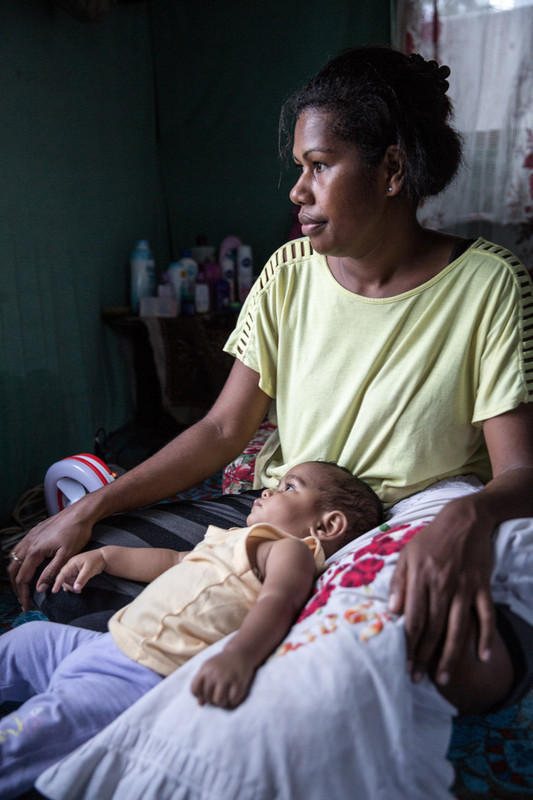
Cyclone Winston, which devastated Fiji, was the strongest to ever hit the South Pacific. IPPF’s humanitarian response there was carried out with our Member Association, the Reproductive & Family Health Association of Fiji, and is part of our SPRINT Initiative, funded by the Australian Government. 22-year-old Sulueti arrived in the village one week after the cyclone was over. She was shocked - there was nothing left apart from the foundation of the house apart from that everything was gone. She hadn't expected it to be so bad. Her 59-year-old mother, had been sick and alone during the cyclone and she was traumatised as had never experienced a storm like that before. They tried slowly to start rebuilding a small house for them to move back into and out of the community hall. It was a difficult time because Sulueti was four-months pregnant. She managed to see a doctor three times while staying in the community hall, but there were no proper examinations or ultrasounds during this time. The delivery was fine in a maternity hospital. She received a dignity kit from IPPF and received baby supplies for post-delivery, everything that was required for a new mother to care for a baby was in the kit. IPPF went to visit her in her home and gave advice on family planning - she is taking injectables now because she doesn’t want any more children. Stories Read more stories about our work in Fiji after the Cyclone Winston

05 April 2017
Improving the sexual health of young people after Cyclone Winston, Fiji
Even before Cyclone Winston, there was very little knowledge about contraception and sexually transmitted infections in Fiji. IPPF health professionals are now providing the affected population with counselling and advice on family planning and sexual health.
Help across the generations
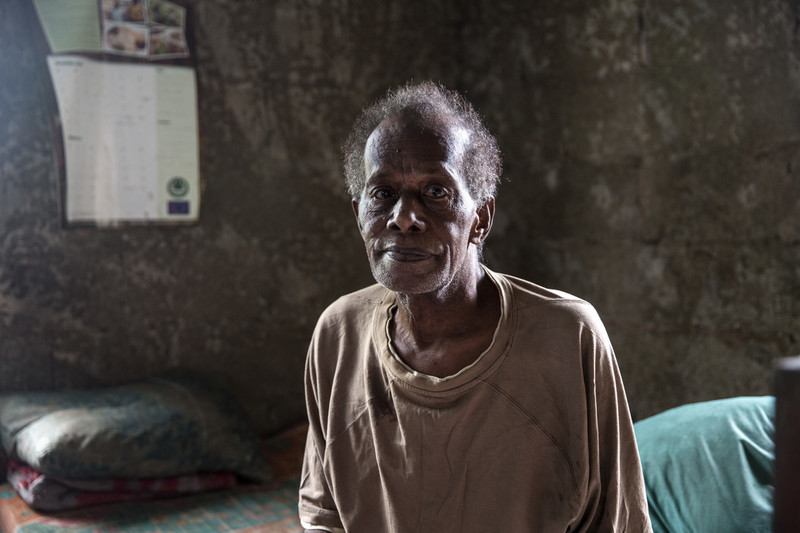
Cyclone Winston, which devastated Fiji, was the strongest to ever hit the South Pacific. IPPF’s humanitarian response there was carried out with our Member Association, the Reproductive Family Health Association of Fiji, and is part of our SPRINT Initiative, funded by the Australian Government. My name is Atunaisa Rayasi. I am 65-years-old and I live in the village of Natalecake, with my son, daughter-in-law and their three children. During the storm the branch of the mango tree broke off and it hit the roof which was damaged. The roof stayed intact but was damaged so everything got drenched. The children were really scared. In my room the roofing iron came out and blew away. We can still see the watermark over there on the wall, where a dark patch marks out the spot where the rains hit. Even though the house was badly damaged, I actually found it far more difficult later, when I wanted to get to the hospital to see a doctor. After the cyclone, the road to the hospital was destroyed completely. We only got to the hospital after three weeks. I had to ask my son to get a car. There were so many other people there. I had to sit in a queue and wait for my number to be called up. You get there in the morning and the number gets called at 2pm. I am not able to leave home often, so I wasn't amongst those in the village hall when the NGOs (non-governmental organisations) came around. My daughter-in-law, who was pregnant at the time, received assistance from IPPF. She got some help with the buckets which helped the whole family. We were able to store fresh drinking water inside. Stories Read more stories about our work in Fiji after the Cyclone Winston
01 April 2017
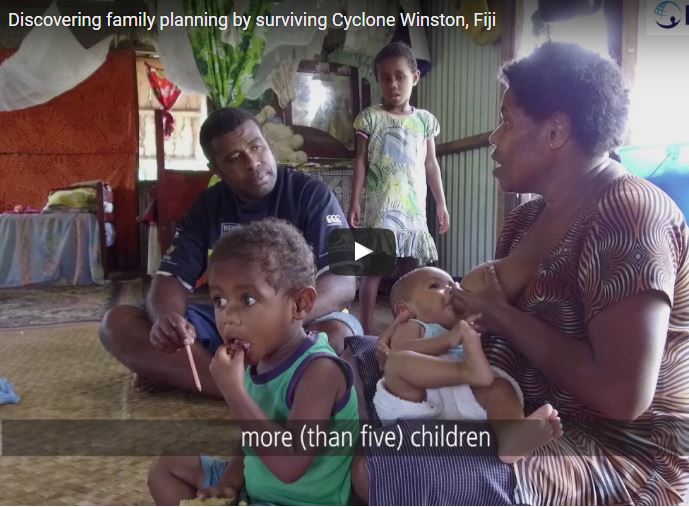
Discovering family planning by surviving Cyclone Winston, Fiji
For many mothers in Fiji, the IPPF outreach established after the Cyclone Winston were the first place where they heard about family planning. They can now decide how many children they want. Read more stories
01 April 2017
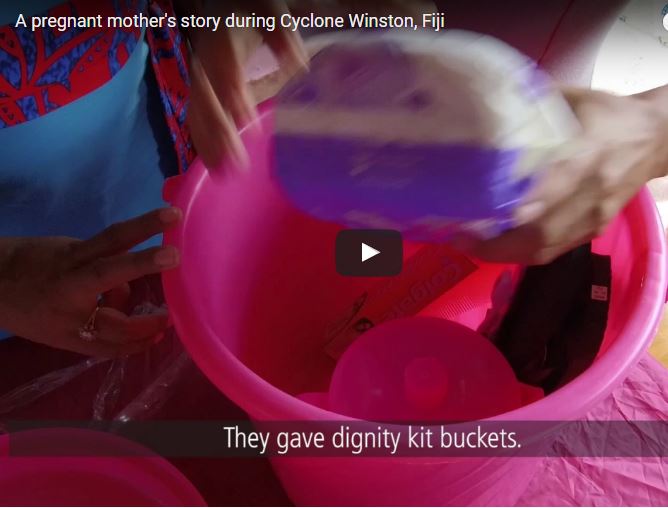
A pregnant mother's story during Cyclone Winston, Fiji
Sulueti was pregnant when the Cyclone Winston hit Fiji. Thanks to IPPF, she received all the essential care and supplies she needed for her pregnancy. Meet all the mothers and community leaders
01 April 2017
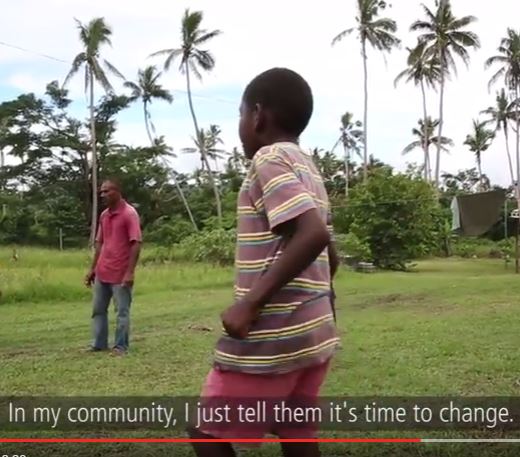
Ending gender-based violence: Rebuilding Fiji after Cyclone Winston
Gender-based violence is endemic in Fiji. IPPF staff and community leaders are working to eradicate it. "I just tell my community: it's time to change." Meet the people behind this change
01 April 2017
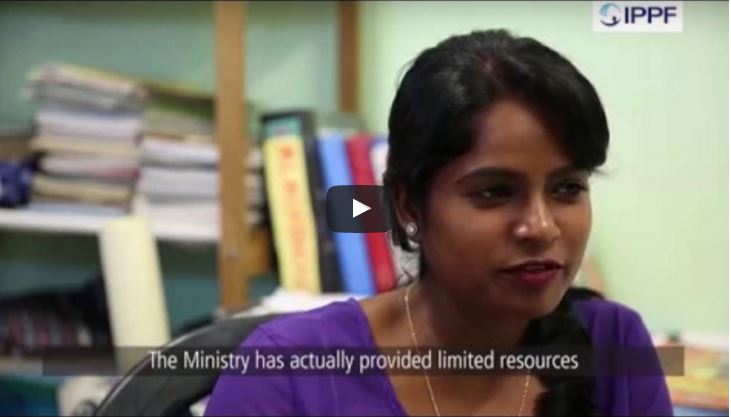
IPPF's humanitarian heroes: Cyclone Winston Fiji
When Cyclone Winston hit Fiji, the government was not prepared to ensure sexual, reproductive and maternal health care to the affected population. IPPF staff stepped in to support young people, pregnant women, new mothers. Meet these heroes and their clients
18 March 2017
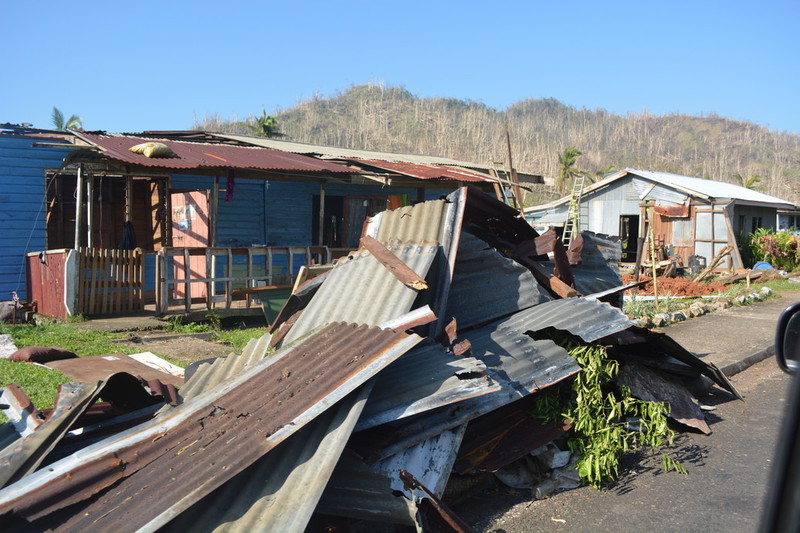
Emergency response as Cyclone Winston hits Fiji, 2016
When Cyclone Winston hit Fiji in February 2016 there was extensive damage on many islands, 44 people were left dead. A state of emergency was declared on February 20th and stayed in place for 60 days. Meet the pregnant mothers and community leaders that we helped when crisis hit

23 February 2017
Celebrating over 60 years of service delivery
For over 60 years, IPPF has been at the vanguard of the family planning movement, championing and fighting for rights‑based, voluntary family planning worldwide.
In the eye of the storm
Cyclone Winston, which devastated Fiji, was the strongest to ever hit the South Pacific. IPPF’s humanitarian response there was carried out with our Member Association, the Reproductive & Family Health Association of Fiji, and is part of our SPRINT Initiative, funded by the Australian Government. My name is Verenaisi Katerina. I have five children and we live in a remote village in the Ba Highlands. At the time the cyclone hit we were all living in a timber house and I was pregnant. I’ve lived in a bure (traditional timber house with a thatched grass roof) all my life, I’m so used to living in a bure, I’m not used to living in a tin-roofed house. We tried to be prepared when the cyclone came. But we had to all rush to the evacuation centre when the roof blew off our house. My whole family was scared, our house was flooded and our crops were all damaged. My daughter was covering her eyes and ears and crying for help. While I started preparing to move to the local school to take shelter, my husband went to get us some food. I was really, really afraid. I was so worried about my kids. I told my husband not to be late and to help me out with the kids going down to the school. In the end, I managed to get my children to the school on my own, and my husband joined us later. While my family took shelter, lots of other homes in Navala were destroyed. We were lucky: most of their possessions were blown away, but some managed to survive, and our home was damaged, but remained standing. When we came back the next day, my husband tried to start repairing the kitchen so that we could move back. We had a small stove that we were using, and we made a small kitchen so at least we could cook. My husband could only get us what was left over from the farm and that’s basically what we were living on. We had to eat a lot of flour products, a lot of rice, because our farm was badly damaged. I received a dignity kit from IPPF and found it extremely helpful, particularly in clothing my children and the baby. Some of it was worn on the very same day we received it. I later took part in a family planning session conducted by IPPF. I learned a lot from the workshop on that day. I told myself, this is it. I’m only going to have five kids. Having to go through that experience of Cyclone Winston, if I had more children, then it might have been more difficult, too late, for me to run up to that school for shelter. I have had a talk with my husband and we have decided that this one is my last. My fifth is my last. Stories Read more stories about our work in Fiji after the Cyclone Winston
Starting again in Fiji
Cyclone Winston, which devastated Fiji, was the strongest to ever hit the South Pacific. IPPF’s humanitarian response there was carried out with our Member Association, the Reproductive & Family Health Association of Fiji, and is part of our SPRINT Initiative, funded by the Australian Government. 22-year-old Sulueti arrived in the village one week after the cyclone was over. She was shocked - there was nothing left apart from the foundation of the house apart from that everything was gone. She hadn't expected it to be so bad. Her 59-year-old mother, had been sick and alone during the cyclone and she was traumatised as had never experienced a storm like that before. They tried slowly to start rebuilding a small house for them to move back into and out of the community hall. It was a difficult time because Sulueti was four-months pregnant. She managed to see a doctor three times while staying in the community hall, but there were no proper examinations or ultrasounds during this time. The delivery was fine in a maternity hospital. She received a dignity kit from IPPF and received baby supplies for post-delivery, everything that was required for a new mother to care for a baby was in the kit. IPPF went to visit her in her home and gave advice on family planning - she is taking injectables now because she doesn’t want any more children. Stories Read more stories about our work in Fiji after the Cyclone Winston
05 April 2017
Improving the sexual health of young people after Cyclone Winston, Fiji
Even before Cyclone Winston, there was very little knowledge about contraception and sexually transmitted infections in Fiji. IPPF health professionals are now providing the affected population with counselling and advice on family planning and sexual health.
Help across the generations
Cyclone Winston, which devastated Fiji, was the strongest to ever hit the South Pacific. IPPF’s humanitarian response there was carried out with our Member Association, the Reproductive Family Health Association of Fiji, and is part of our SPRINT Initiative, funded by the Australian Government. My name is Atunaisa Rayasi. I am 65-years-old and I live in the village of Natalecake, with my son, daughter-in-law and their three children. During the storm the branch of the mango tree broke off and it hit the roof which was damaged. The roof stayed intact but was damaged so everything got drenched. The children were really scared. In my room the roofing iron came out and blew away. We can still see the watermark over there on the wall, where a dark patch marks out the spot where the rains hit. Even though the house was badly damaged, I actually found it far more difficult later, when I wanted to get to the hospital to see a doctor. After the cyclone, the road to the hospital was destroyed completely. We only got to the hospital after three weeks. I had to ask my son to get a car. There were so many other people there. I had to sit in a queue and wait for my number to be called up. You get there in the morning and the number gets called at 2pm. I am not able to leave home often, so I wasn't amongst those in the village hall when the NGOs (non-governmental organisations) came around. My daughter-in-law, who was pregnant at the time, received assistance from IPPF. She got some help with the buckets which helped the whole family. We were able to store fresh drinking water inside. Stories Read more stories about our work in Fiji after the Cyclone Winston
01 April 2017
Discovering family planning by surviving Cyclone Winston, Fiji
For many mothers in Fiji, the IPPF outreach established after the Cyclone Winston were the first place where they heard about family planning. They can now decide how many children they want. Read more stories
01 April 2017
A pregnant mother's story during Cyclone Winston, Fiji
Sulueti was pregnant when the Cyclone Winston hit Fiji. Thanks to IPPF, she received all the essential care and supplies she needed for her pregnancy. Meet all the mothers and community leaders
01 April 2017
Ending gender-based violence: Rebuilding Fiji after Cyclone Winston
Gender-based violence is endemic in Fiji. IPPF staff and community leaders are working to eradicate it. "I just tell my community: it's time to change." Meet the people behind this change
01 April 2017
IPPF's humanitarian heroes: Cyclone Winston Fiji
When Cyclone Winston hit Fiji, the government was not prepared to ensure sexual, reproductive and maternal health care to the affected population. IPPF staff stepped in to support young people, pregnant women, new mothers. Meet these heroes and their clients
18 March 2017
Emergency response as Cyclone Winston hits Fiji, 2016
When Cyclone Winston hit Fiji in February 2016 there was extensive damage on many islands, 44 people were left dead. A state of emergency was declared on February 20th and stayed in place for 60 days. Meet the pregnant mothers and community leaders that we helped when crisis hit
23 February 2017
Celebrating over 60 years of service delivery
For over 60 years, IPPF has been at the vanguard of the family planning movement, championing and fighting for rights‑based, voluntary family planning worldwide.