



IPPF works to ensure that every woman and girl has the human right to choose to be pregnant or not and we will continue to supply and support safe and legal abortion services and care. We are committed to reducing the number of deaths of women and girls who are forced to turn to unsafe abortion methods. Make Abortion Safe. Make Abortion Legal. For all Women and Girls. Everywhere.
Articles about Abortion Care

Global response to Zika must provide contraceptives to all says IPPF
As a case of sexually transmitted Zika infection was reported in the US yesterday, the International Planned Parenthood Federation’s (IPPF) Director General, Tewodros Melesse urged that more must be done to ensure contraceptive access is at the forefront of the response. In a statement by IPPF’s Director General, Tewodros Melesse said in response to reports of Zika in Ireland and US yesterday. “The World Health Organization (WHO) on Monday declared Zika a Public Health Emergency of International Concern. Further guidelines are needed for a comprehensive effort to tackle the epidemic. We need more guidance from WHO to ensure that the rights of women are at the forefront of the Zika response. Updates are essential now that sexual transmission is emerging as a potential mode of infection that puts people at risk.” It is clear that further surveillance and research is necessary to confirm if this is a possible mode of transmission. If proved that the Zika virus can be sexually transmitted, it will be important to ensure the integration of sexually transmitted infections (STI) prevention strategies as part of control efforts. The Centres for Disease Control (CDC) reported that it is likely that the infection in the US was transmitted through sexual contact. IPPF will continue to monitor the situation. With this potential for sexual transmission, it is advised to ensure access to condoms and to promote use along with other forms of contraceptive methods. Male and female condoms are effective for preventing unintended pregnancies as well as the transmission of HIV and other sexually transmitted infections (STIs). In response to the calls for women to delay pregnancy in some of the affected countries, Mr Melesse said “It is essential to recognize that women have the right to make decisions about their reproduction, including if and when they have children, but this is not always possible in areas of poverty and where sexual and gender based violence rates are high.” “Delaying pregnancy will not be an option for some, so every response must be tailored to the individual. The Zika response must include a sensitive approach to pregnant women who are concerned and need testing, while access to contraception should be available to all. Governments must ensure that their medical services have the supplies for those whose want it. We recommend that strengthening family planning programs and access to safe abortion services for those women who need it and where it is permitted by law should be included in the strategies for responding to the Zika outbreak.” IPPF is a network of sexual and reproductive health and rights organisations in 170 countries that are equipped to monitor and respond to any member of the public who wants information, services, contraception and access to abortion and are available to serve at the first point of response. For further information and interviews contact press office 02079398227
Fight Zika virus with better access to contraception and safe abortion as well as anti-mosquito measures, says IPPF
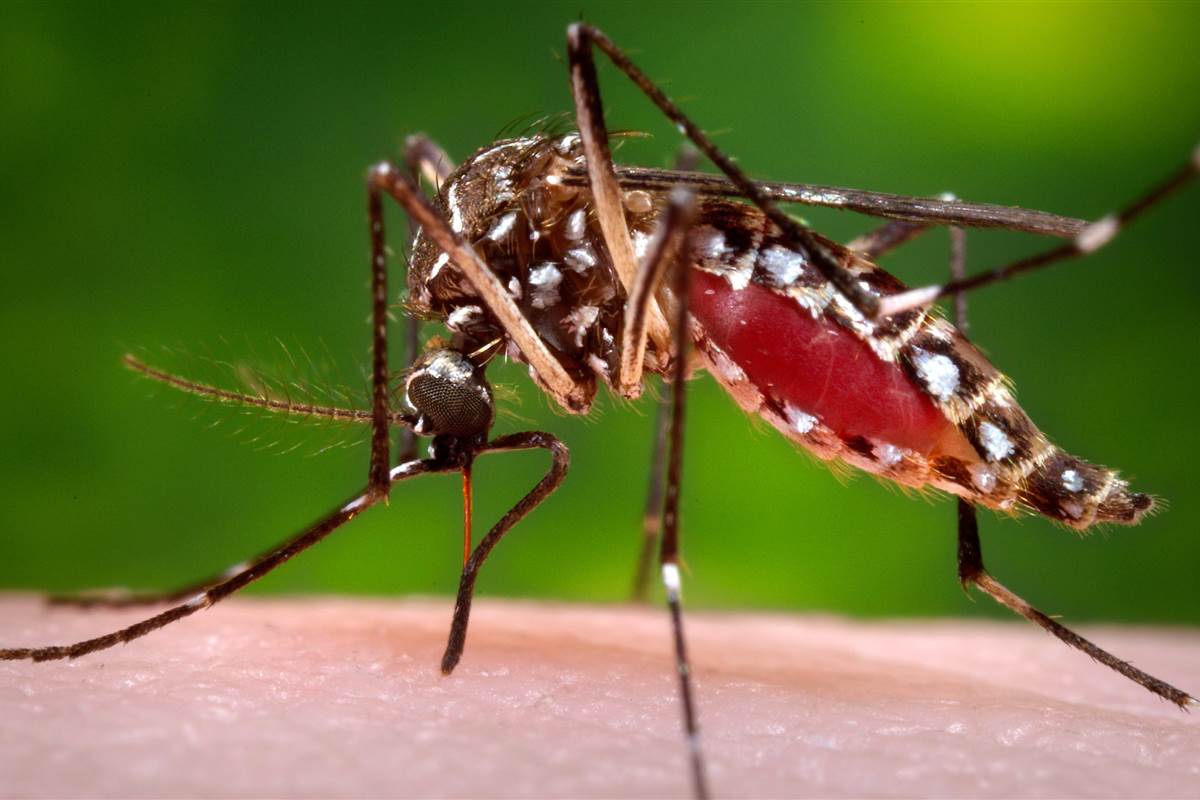
The Zika virus must be fought with better access to contraception and safe abortion as well as anti-mosquito measures, Tewodros Melesse, Director General of the International Planned Parenthood Federation has said today. In a statement of solidarity with the World Health Organisation, he told WHO Director General Dr Margaret Chan that the IPPF – the largest sexual and reproductive health service network in the world – supported her call for an emergency meeting in Geneva on Monday 1 Feb and was already taking action. “We recognise the urgency and have initiated our response” he said. “The IPPF Western Hemisphere – our region covering South America, the Caribbean and North America - has shared WHO guidelines on Zika with all its Member Associations, partners and staff.” Tewodros Melesse said the IPPF would call on its Member Associations to help lead the global response to the Zika outbreak. “The IPPF is ready to act swiftly, building on our global experience and expertise in sexual and reproductive health.” He stressed Zika’s impact on women, in particular poor and vulnerable women. “In the affected areas approximately half of pregnancies are unplanned. Poor women and women in rural areas are more susceptible to infection and less likely to have access to sexuality education and contraception,” said Tewodros Melesse. In Latin America and the Caribbean, an estimated 23 million women have an unmet need for contraception and account for 75% of unintended pregnancies in the region. Latin America is also home to some of the most restrictive abortion laws in the world. Tewodros Melesse urged that the fight against Zika must include access to contraception and safe abortion. He said: “We recommend that strengthening family planning programs and access to safe abortion services for those women who need it and where it is permitted by law should be included in the strategies for responding to the Zika outbreak.” Notes to editors For more information, please contact the press office on +44 (20) 7939 8227 IPPF International Planned Parenthood Federation (IPPF) is the world’s largest sexual and reproductive health and rights (SRHR) provider.

Pledging to reach new contraceptive users: Turning Family Planning into Future Planning for 60 Million Women
The International Planned Parenthood Federation (IPPF) announced its most ambitious pledge ever: to realize the human rights of a further 60 million women to choose freely the size of their families. The pledge was unveiled as IPPF's global contribution to the Family Planning 2020 goal at the International Family Planning Conference in Indonesia today. IPPF is committed to working with Family Planning 2020 and the global family planning community to reach the goal of ensuring 120 million additional women have access to family planning by 2020. The Federation, with the world's largest non-governmental family planning service delivery network, has driven its own performance since the London Summit reaching 15 million new users of modern family planning. IPPF is now upwardly revised its pledged contribution towards the global FP2020 goal. Thank you to @ippf for pledge to serve 60M NEW users of contraception to meet #FP2020 goals! #ICFP — Family Planning 2020 (@FP2020Global) January 28, 2016 Tewodros Melesse, IPPF Director General, announcing the pledge, said “This is not a game of numbers. For us, it's very simple, it can only be about putting women at the front and centre of what we do. I'm delighted by what we have achieved and that we can make this significant and increased contribution through this pledge. Since 2012, IPPF's total reported client numbers increased by nearly 40 per cent. This was achieved by expanding our client base, not by changing who we serve. We have raised investment in family planning and improved our overall performance." Building on this success, IPPF has set an even more ambitious target for new users to contraception. Between 2015 and 2020 IPPF pledges to reach a further 45 million new users in the FP2020 focus countries. This will mean that IPPF will serve a total of 60 million new users between 2012 and 2020, a major contribution towards the FP2020 goal. Dr. Ariel Pablos-Méndez, Assistant Administrator for Global Health and Child and Maternal Survival Coordinator, Global Health Bureau, USAID said on IPPF's announcement,'Community driven approaches increase access for new users to family planning. When offered alongside a basket of primary health services - like those provided by IPPF - poor, young and rural women and men can get the voluntary family planning and other health programs that focus on their needs. This client-focused approach will get us another step closer to our FP 2020 goals and ultimately universal health coverage." “FP2020 congratulates IPPF on this ambitious renewed commitment to advancing the rights of women and girls around the world to decide for themselves when and how many children to have,” said Beth Schlachter, FP2020 Executive Director. “IPPF has been a leader in providing modern contraception to women and girls for decades, and as key partners in the global FP2020 movement they are helping ensure that family planning remains a central part of the global development agenda as we work towards achieving the Sustainable Development Goals and universal access.” IPPF is on target to achieve our goal of doubling the number of services provided by 2015. This is a milestone towards the Federation's commitment to treble the number of its high-impact life-saving and changing sexual and reproductive health services provided by 2020. Between 2012 and 2014, IPPF achieved a significant increase in access for new users of modern contraception. In 59 of the 69 FP2020 focus countries where IPPF is operational, the Federation provided family planning services to 15 million new users in just three years. Our Strategic Framework which started in January 2016, renews and strengthens its commitment to support the rights of women and girls to decide freely whether, when and how many children to have. IPPF will deliver high impact, quality, rights-based, integrated sexual and reproductive health services, including packages that address family planning, safe abortion, prenatal care, STIs/HIV, sexual and gender-based violence and cervical cancer. IPPF will optimize the number of people it can serve by increasing operational effectiveness, expanding provision in humanitarian emergencies and increasing national and global income to provide the increased services. The Federation will also enable the provision of services by other public and private health providers.
Building a movement for change
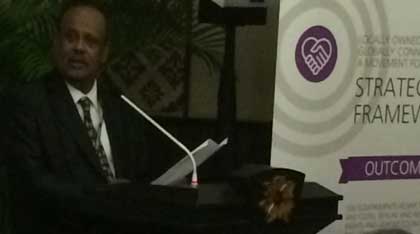
The International Planned Parenthood Federation (IPPF) today launched its new seven year Strategic Framework which will renew and strengthen its commitment to support the rights of women and girls to decide freely and for themselves whether, when and how many children to have. The Framework was launched at the International Family Planning conference in Indonesia. The Strategic Framework will deliver high impact, quality, rights-based, integrated sexual and reproductive health and rights services – including family planning, safe abortion, HIV, sexual and gender-based violence and reproductive cancers – and support further service provision by public and private health providers. It will help IPPF maximize the number of people it can serve by increasing operational effectiveness, expanding our provision in humanitarian emergencies and increasing national and global income to meet demand. IPPF's Director General, Tewodros Melesse, said launching the Framework “As the largest civil society provider of family planning, we can help meet many of the sexual and reproductive health needs of the Sustainable Development Goals at grassroots level. The new Strategic Framework will help us be more agile and accountable as a Federation, able to make a real impact on sexual and reproductive health and rights on the ground. Our new Framework was developed by our members from across the globe and it will guide their and partners work for the next seven years. At the high level reception with Benoit Kalasa from UNFPA, Dr. Kesete-birhan Admasu the Health Minister from Ethiopia and youth advocate Priya Kath, the IPPF’s Director General Tewodros Melesse announced that it had revised its efforts on family planning to tackle the global goal to reach an additional 120 Million women. IPPF's President, Naomi Seboni said chairing the event, “Every year we help millions of people – last year, that number was almost 62 million. We’re on track to meet our commitments, and we are holding governments to account for the pledges they made. Our new pledge which we will announce on Thursday will help achieve some of the ambition of FP2020 and the new Sustainable Development Goals.” The Strategic Framework is a global joint effort if the ambition of the new goals is to meet the needs of the most vulnerable people. It’s a vision that IPPF is excited about and proud of, that lays out its priorities for the next seven years in four clear outcomes. To get 100 governments to respect, protect and fulfil sexual and reproductive rights and gender equality by galvanising to secure legislative, policy and practice improvements. To engage women and youth leaders as advocates for change. To empower one billion people to act freely on their sexual and reproductive health and rights by 2022. To deliver two billion quality integrated sexual and reproductive health services. We will deliver rights-based services including safe abortion and HIV and enable services through public and private health providers. Over the next seven years IPPF is forging ahead to build a higher performing, accountable and united federation. The Federation is focused to enhance operational effectiveness and double national and global income. It will also build its advocacy and voice by growing its volunteer and activist supporter base. IPPF's mission is to lead a locally owned, globally connected civil society movement that provides and enables services and champions sexual and reproductive health and rights for all, especially the underserved.
Interactive website improves access to WHO recommendations on providing safe abortion care
15 JANUARY 2016 A new website has been launched to help make WHO recommendations on health worker roles in providing safe abortion and post-abortion care more accessible. The interactive resource is based on WHO’s guideline,Health worker roles in providing safe abortion care and post-abortion contraception, and is designed to help people working across the health sector access the recommendations more easily. http://srhr.org/safeabortion/ You can read more about the site at www.who.int/reproductivehealth/news/interactive-website-ua-care/en/index.html and follow updates at @HRPresearch .

11 January 2016
IPPF - UN MOUVEMENT POUR LE CHANGEMENT
Le cadre stratégique 2016–2022 constitue une vision à la fois audacieuse et ambitieuse des projets de l’IPPF, la Fédération internationale pour la planification familiale, et des moyens de les concrétiser au cours des sept prochaines années. Approuvé en novembre 2014 par le Conseil de gouvernance de l’IPPF, la plus haute instance décisionnelle de la Fédération, ce cadre représente l’aboutissement d’un vaste processus consultatif sollicitant la collaboration d’associations membres, de partenaires et de bailleurs de fonds à l’échelle mondiale. Notre stratégie répond aux tendances sociales, politiques et démographiques qui se manifestent dans le monde entier. Ces tendances peuvent se résumer ainsi: les attentes et le potentiel de la génération la plus nombreuse de jeunes de tous les temps; de profondes inégalités sociales et économiques persistantes, et notamment la discrimination contre les filles et les femmes; ainsi que l’opposition qui menace les avancées réalisées dans le domaine des droits humains. Ce cadre s’appuie aussi sur des évaluations et des analyses de notre travail: nos forces et faiblesses, nos capacités, nos ressources et nos réseaux. Le cadre stratégique de l’IPPF établit les priorités qui permettront à la Fédération d’avoir de l’impact en tant que mouvement axé sur la santé et les droits sexuels et reproductifs (SDSR) au cours des sept années à venir. Il guidera les associations membres nationales et leurs partenaires en vue d’élaborer des stratégies spécifiques à leurs pays, en fonction de leurs ressources et adaptées pour se mettre au service des groupes les plus marginalisés sur le plan local. Il apporte aussi au Secrétariat un axe d’action quant à son influence internationale et dans son soutien aux associations membres. Les associations membres seront tenues de rendre compte de leurs résultats une fois par an, qui seront compilés dans un tableau de bord mondial pour mesurer les progrès de la mise en pratique du cadre stratégique. En se dotant de cet outil essentiel, l’IPPF se donne les moyens d’aller de l’avant et de tenir ses promesses. En tant que chef de file du mouvement sur la santé et les droits sexuels et reproductifs, nous aiderons à unir les actions et les accomplissements de défenseurs de la SSR dans le monde entier, afin de changer de manière radicale la manière dont la santé et les droits sexuels et reproductifs sont appréhendés dans le monde entier.
08 December 2015
Macedonia: Engaging champions and mobilizing civil society for women’s rights
Since 2008, the government of Macedonia has invested millions in an anti-abortion campaign. In 2013, this culminated in a new law restricting women’s access to abortion. The Macedonian IPPF Member Association (XEPA) led civil society advocacy to demand the restoration of women’s right to abortion.
20 November 2015
How to talk about abortion: A guide to stigma-free messaging
How to talk about abortion: A guide to stigma-free messaging (updated April 2023) provides useful tips and advice on what to consider when developing materials relating to abortion. The content includes examples of positive, rights-based messages, and how to avoid using stigmatizing language and images. This guide can be used by educators, advocates, programmers, health professionals and policy makers, among others, to help inform the development of a wide range of communication materials. Learn more in this short video (also available in French and Spanish).

10 August 2015
At a Glance 2014
Key facts and figures highlighting IPPF's achievements in 2014.
30 June 2015
Annual Performance Report 2014-15
2014 was our third year implementing IPPF’s three Change Goals – Unite, Deliver and Perform. We have monitored the trajectory of our growth in performance to date, and are already seeing remarkable success in all three areas, as presented in our Annual Performance Report 2014-2015. Member Associations and collaborative partners in 55 countries contributed to 81 changes in policy or legislation that support or defend sexual and reproductive health and rights. At the regional and global levels, IPPF’s advocacy contributed to 18 changes, of which 12 were advances in safeguarding sexual and reproductive health and rights in the post-2015 development framework. With the delivery of 149.3 million services in 2014, we are on track to achieve our ambitious target of doubling the number of sexual and reproductive health services provided between 2010 and 2015. Over eight in ten clients who accessed services were poor and vulnerable, while almost half of our services went to young people. IPPF’s achievements in 2014 contribute to a strong performance culture where decisions are based on data, organizational learning happens at all levels, technical support is provided to increase effectiveness, and investments are made to support communities most in need.
Global response to Zika must provide contraceptives to all says IPPF
As a case of sexually transmitted Zika infection was reported in the US yesterday, the International Planned Parenthood Federation’s (IPPF) Director General, Tewodros Melesse urged that more must be done to ensure contraceptive access is at the forefront of the response. In a statement by IPPF’s Director General, Tewodros Melesse said in response to reports of Zika in Ireland and US yesterday. “The World Health Organization (WHO) on Monday declared Zika a Public Health Emergency of International Concern. Further guidelines are needed for a comprehensive effort to tackle the epidemic. We need more guidance from WHO to ensure that the rights of women are at the forefront of the Zika response. Updates are essential now that sexual transmission is emerging as a potential mode of infection that puts people at risk.” It is clear that further surveillance and research is necessary to confirm if this is a possible mode of transmission. If proved that the Zika virus can be sexually transmitted, it will be important to ensure the integration of sexually transmitted infections (STI) prevention strategies as part of control efforts. The Centres for Disease Control (CDC) reported that it is likely that the infection in the US was transmitted through sexual contact. IPPF will continue to monitor the situation. With this potential for sexual transmission, it is advised to ensure access to condoms and to promote use along with other forms of contraceptive methods. Male and female condoms are effective for preventing unintended pregnancies as well as the transmission of HIV and other sexually transmitted infections (STIs). In response to the calls for women to delay pregnancy in some of the affected countries, Mr Melesse said “It is essential to recognize that women have the right to make decisions about their reproduction, including if and when they have children, but this is not always possible in areas of poverty and where sexual and gender based violence rates are high.” “Delaying pregnancy will not be an option for some, so every response must be tailored to the individual. The Zika response must include a sensitive approach to pregnant women who are concerned and need testing, while access to contraception should be available to all. Governments must ensure that their medical services have the supplies for those whose want it. We recommend that strengthening family planning programs and access to safe abortion services for those women who need it and where it is permitted by law should be included in the strategies for responding to the Zika outbreak.” IPPF is a network of sexual and reproductive health and rights organisations in 170 countries that are equipped to monitor and respond to any member of the public who wants information, services, contraception and access to abortion and are available to serve at the first point of response. For further information and interviews contact press office 02079398227
Fight Zika virus with better access to contraception and safe abortion as well as anti-mosquito measures, says IPPF
The Zika virus must be fought with better access to contraception and safe abortion as well as anti-mosquito measures, Tewodros Melesse, Director General of the International Planned Parenthood Federation has said today. In a statement of solidarity with the World Health Organisation, he told WHO Director General Dr Margaret Chan that the IPPF – the largest sexual and reproductive health service network in the world – supported her call for an emergency meeting in Geneva on Monday 1 Feb and was already taking action. “We recognise the urgency and have initiated our response” he said. “The IPPF Western Hemisphere – our region covering South America, the Caribbean and North America - has shared WHO guidelines on Zika with all its Member Associations, partners and staff.” Tewodros Melesse said the IPPF would call on its Member Associations to help lead the global response to the Zika outbreak. “The IPPF is ready to act swiftly, building on our global experience and expertise in sexual and reproductive health.” He stressed Zika’s impact on women, in particular poor and vulnerable women. “In the affected areas approximately half of pregnancies are unplanned. Poor women and women in rural areas are more susceptible to infection and less likely to have access to sexuality education and contraception,” said Tewodros Melesse. In Latin America and the Caribbean, an estimated 23 million women have an unmet need for contraception and account for 75% of unintended pregnancies in the region. Latin America is also home to some of the most restrictive abortion laws in the world. Tewodros Melesse urged that the fight against Zika must include access to contraception and safe abortion. He said: “We recommend that strengthening family planning programs and access to safe abortion services for those women who need it and where it is permitted by law should be included in the strategies for responding to the Zika outbreak.” Notes to editors For more information, please contact the press office on +44 (20) 7939 8227 IPPF International Planned Parenthood Federation (IPPF) is the world’s largest sexual and reproductive health and rights (SRHR) provider.
Pledging to reach new contraceptive users: Turning Family Planning into Future Planning for 60 Million Women
The International Planned Parenthood Federation (IPPF) announced its most ambitious pledge ever: to realize the human rights of a further 60 million women to choose freely the size of their families. The pledge was unveiled as IPPF's global contribution to the Family Planning 2020 goal at the International Family Planning Conference in Indonesia today. IPPF is committed to working with Family Planning 2020 and the global family planning community to reach the goal of ensuring 120 million additional women have access to family planning by 2020. The Federation, with the world's largest non-governmental family planning service delivery network, has driven its own performance since the London Summit reaching 15 million new users of modern family planning. IPPF is now upwardly revised its pledged contribution towards the global FP2020 goal. Thank you to @ippf for pledge to serve 60M NEW users of contraception to meet #FP2020 goals! #ICFP — Family Planning 2020 (@FP2020Global) January 28, 2016 Tewodros Melesse, IPPF Director General, announcing the pledge, said “This is not a game of numbers. For us, it's very simple, it can only be about putting women at the front and centre of what we do. I'm delighted by what we have achieved and that we can make this significant and increased contribution through this pledge. Since 2012, IPPF's total reported client numbers increased by nearly 40 per cent. This was achieved by expanding our client base, not by changing who we serve. We have raised investment in family planning and improved our overall performance." Building on this success, IPPF has set an even more ambitious target for new users to contraception. Between 2015 and 2020 IPPF pledges to reach a further 45 million new users in the FP2020 focus countries. This will mean that IPPF will serve a total of 60 million new users between 2012 and 2020, a major contribution towards the FP2020 goal. Dr. Ariel Pablos-Méndez, Assistant Administrator for Global Health and Child and Maternal Survival Coordinator, Global Health Bureau, USAID said on IPPF's announcement,'Community driven approaches increase access for new users to family planning. When offered alongside a basket of primary health services - like those provided by IPPF - poor, young and rural women and men can get the voluntary family planning and other health programs that focus on their needs. This client-focused approach will get us another step closer to our FP 2020 goals and ultimately universal health coverage." “FP2020 congratulates IPPF on this ambitious renewed commitment to advancing the rights of women and girls around the world to decide for themselves when and how many children to have,” said Beth Schlachter, FP2020 Executive Director. “IPPF has been a leader in providing modern contraception to women and girls for decades, and as key partners in the global FP2020 movement they are helping ensure that family planning remains a central part of the global development agenda as we work towards achieving the Sustainable Development Goals and universal access.” IPPF is on target to achieve our goal of doubling the number of services provided by 2015. This is a milestone towards the Federation's commitment to treble the number of its high-impact life-saving and changing sexual and reproductive health services provided by 2020. Between 2012 and 2014, IPPF achieved a significant increase in access for new users of modern contraception. In 59 of the 69 FP2020 focus countries where IPPF is operational, the Federation provided family planning services to 15 million new users in just three years. Our Strategic Framework which started in January 2016, renews and strengthens its commitment to support the rights of women and girls to decide freely whether, when and how many children to have. IPPF will deliver high impact, quality, rights-based, integrated sexual and reproductive health services, including packages that address family planning, safe abortion, prenatal care, STIs/HIV, sexual and gender-based violence and cervical cancer. IPPF will optimize the number of people it can serve by increasing operational effectiveness, expanding provision in humanitarian emergencies and increasing national and global income to provide the increased services. The Federation will also enable the provision of services by other public and private health providers.
Building a movement for change
The International Planned Parenthood Federation (IPPF) today launched its new seven year Strategic Framework which will renew and strengthen its commitment to support the rights of women and girls to decide freely and for themselves whether, when and how many children to have. The Framework was launched at the International Family Planning conference in Indonesia. The Strategic Framework will deliver high impact, quality, rights-based, integrated sexual and reproductive health and rights services – including family planning, safe abortion, HIV, sexual and gender-based violence and reproductive cancers – and support further service provision by public and private health providers. It will help IPPF maximize the number of people it can serve by increasing operational effectiveness, expanding our provision in humanitarian emergencies and increasing national and global income to meet demand. IPPF's Director General, Tewodros Melesse, said launching the Framework “As the largest civil society provider of family planning, we can help meet many of the sexual and reproductive health needs of the Sustainable Development Goals at grassroots level. The new Strategic Framework will help us be more agile and accountable as a Federation, able to make a real impact on sexual and reproductive health and rights on the ground. Our new Framework was developed by our members from across the globe and it will guide their and partners work for the next seven years. At the high level reception with Benoit Kalasa from UNFPA, Dr. Kesete-birhan Admasu the Health Minister from Ethiopia and youth advocate Priya Kath, the IPPF’s Director General Tewodros Melesse announced that it had revised its efforts on family planning to tackle the global goal to reach an additional 120 Million women. IPPF's President, Naomi Seboni said chairing the event, “Every year we help millions of people – last year, that number was almost 62 million. We’re on track to meet our commitments, and we are holding governments to account for the pledges they made. Our new pledge which we will announce on Thursday will help achieve some of the ambition of FP2020 and the new Sustainable Development Goals.” The Strategic Framework is a global joint effort if the ambition of the new goals is to meet the needs of the most vulnerable people. It’s a vision that IPPF is excited about and proud of, that lays out its priorities for the next seven years in four clear outcomes. To get 100 governments to respect, protect and fulfil sexual and reproductive rights and gender equality by galvanising to secure legislative, policy and practice improvements. To engage women and youth leaders as advocates for change. To empower one billion people to act freely on their sexual and reproductive health and rights by 2022. To deliver two billion quality integrated sexual and reproductive health services. We will deliver rights-based services including safe abortion and HIV and enable services through public and private health providers. Over the next seven years IPPF is forging ahead to build a higher performing, accountable and united federation. The Federation is focused to enhance operational effectiveness and double national and global income. It will also build its advocacy and voice by growing its volunteer and activist supporter base. IPPF's mission is to lead a locally owned, globally connected civil society movement that provides and enables services and champions sexual and reproductive health and rights for all, especially the underserved.
Interactive website improves access to WHO recommendations on providing safe abortion care
15 JANUARY 2016 A new website has been launched to help make WHO recommendations on health worker roles in providing safe abortion and post-abortion care more accessible. The interactive resource is based on WHO’s guideline,Health worker roles in providing safe abortion care and post-abortion contraception, and is designed to help people working across the health sector access the recommendations more easily. http://srhr.org/safeabortion/ You can read more about the site at www.who.int/reproductivehealth/news/interactive-website-ua-care/en/index.html and follow updates at @HRPresearch .
11 January 2016
IPPF - UN MOUVEMENT POUR LE CHANGEMENT
Le cadre stratégique 2016–2022 constitue une vision à la fois audacieuse et ambitieuse des projets de l’IPPF, la Fédération internationale pour la planification familiale, et des moyens de les concrétiser au cours des sept prochaines années. Approuvé en novembre 2014 par le Conseil de gouvernance de l’IPPF, la plus haute instance décisionnelle de la Fédération, ce cadre représente l’aboutissement d’un vaste processus consultatif sollicitant la collaboration d’associations membres, de partenaires et de bailleurs de fonds à l’échelle mondiale. Notre stratégie répond aux tendances sociales, politiques et démographiques qui se manifestent dans le monde entier. Ces tendances peuvent se résumer ainsi: les attentes et le potentiel de la génération la plus nombreuse de jeunes de tous les temps; de profondes inégalités sociales et économiques persistantes, et notamment la discrimination contre les filles et les femmes; ainsi que l’opposition qui menace les avancées réalisées dans le domaine des droits humains. Ce cadre s’appuie aussi sur des évaluations et des analyses de notre travail: nos forces et faiblesses, nos capacités, nos ressources et nos réseaux. Le cadre stratégique de l’IPPF établit les priorités qui permettront à la Fédération d’avoir de l’impact en tant que mouvement axé sur la santé et les droits sexuels et reproductifs (SDSR) au cours des sept années à venir. Il guidera les associations membres nationales et leurs partenaires en vue d’élaborer des stratégies spécifiques à leurs pays, en fonction de leurs ressources et adaptées pour se mettre au service des groupes les plus marginalisés sur le plan local. Il apporte aussi au Secrétariat un axe d’action quant à son influence internationale et dans son soutien aux associations membres. Les associations membres seront tenues de rendre compte de leurs résultats une fois par an, qui seront compilés dans un tableau de bord mondial pour mesurer les progrès de la mise en pratique du cadre stratégique. En se dotant de cet outil essentiel, l’IPPF se donne les moyens d’aller de l’avant et de tenir ses promesses. En tant que chef de file du mouvement sur la santé et les droits sexuels et reproductifs, nous aiderons à unir les actions et les accomplissements de défenseurs de la SSR dans le monde entier, afin de changer de manière radicale la manière dont la santé et les droits sexuels et reproductifs sont appréhendés dans le monde entier.
08 December 2015
Macedonia: Engaging champions and mobilizing civil society for women’s rights
Since 2008, the government of Macedonia has invested millions in an anti-abortion campaign. In 2013, this culminated in a new law restricting women’s access to abortion. The Macedonian IPPF Member Association (XEPA) led civil society advocacy to demand the restoration of women’s right to abortion.
20 November 2015
How to talk about abortion: A guide to stigma-free messaging
How to talk about abortion: A guide to stigma-free messaging (updated April 2023) provides useful tips and advice on what to consider when developing materials relating to abortion. The content includes examples of positive, rights-based messages, and how to avoid using stigmatizing language and images. This guide can be used by educators, advocates, programmers, health professionals and policy makers, among others, to help inform the development of a wide range of communication materials. Learn more in this short video (also available in French and Spanish).
10 August 2015
At a Glance 2014
Key facts and figures highlighting IPPF's achievements in 2014.
30 June 2015
Annual Performance Report 2014-15
2014 was our third year implementing IPPF’s three Change Goals – Unite, Deliver and Perform. We have monitored the trajectory of our growth in performance to date, and are already seeing remarkable success in all three areas, as presented in our Annual Performance Report 2014-2015. Member Associations and collaborative partners in 55 countries contributed to 81 changes in policy or legislation that support or defend sexual and reproductive health and rights. At the regional and global levels, IPPF’s advocacy contributed to 18 changes, of which 12 were advances in safeguarding sexual and reproductive health and rights in the post-2015 development framework. With the delivery of 149.3 million services in 2014, we are on track to achieve our ambitious target of doubling the number of sexual and reproductive health services provided between 2010 and 2015. Over eight in ten clients who accessed services were poor and vulnerable, while almost half of our services went to young people. IPPF’s achievements in 2014 contribute to a strong performance culture where decisions are based on data, organizational learning happens at all levels, technical support is provided to increase effectiveness, and investments are made to support communities most in need.