


IPPF works to ensure that every woman and girl has the human right to choose to be pregnant or not and we will continue to supply and support safe and legal abortion services and care. We are committed to reducing the number of deaths of women and girls who are forced to turn to unsafe abortion methods. Make Abortion Safe. Make Abortion Legal. For all Women and Girls. Everywhere.
Articles about Abortion Care
15 May 2017
Saving lives in rural Uganda
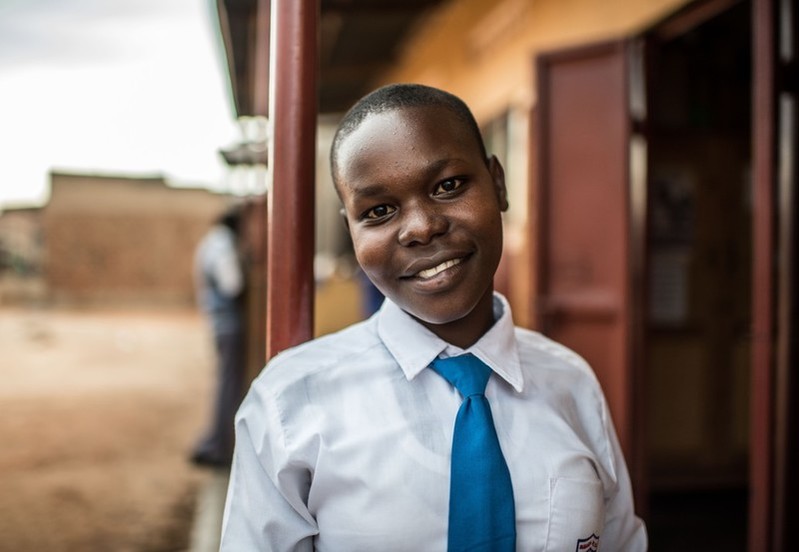
The Safe Abortion Action Fund (SAAF) which is hosted by IPPF was set up in 2006 in order to support grass-roots organisations to increase access to safe abortion. One such organisation which received support under the last round of funding is called Volunteers for Development Association Uganda (VODA). When Noah Musoke was a young man his older sister had an unsafe abortion that nearly took her life. Luckily, his sister was able to tell him what had happened. He put her on his bicycle in rural Uganda and took her to the nearest health centre where she received post abortion care. Abortion was highly restricted in Uganda then and remains so today. The law and constitution are very unclear as to when an abortion is allowed and in practise it is almost impossible to receive a legal abortion in the country. It was because of these legal restrictions that Noah’s sister resorted to crude unsafe abortion which haunted her for life. “She never had a child. She lost many marriages; she lost many of them until she died. I think if there was a safer way to do this my sister would have had happier life” said Noah, one of the few Ugandan men advocating for access to safe abortion in Uganda. His experience led Noah to set up an inspirational organization called Volunteers for Development Association in Uganda (VODA Uganda) which, following a successful application to the Safe Abortion Action Fund (SAAF), in 2013 has been helping women and girls to avoid unwanted pregnancies and to access post abortion care. The SAAF funded project works with schools, communities and healthcare providers, training people to become community counsellors and referrers who are able to listen to young people, offer advice and refer them for services to well-trained local health providers. “People are conservative on some issues and one of very sensitive issues is sexual reproductive health and most especially abortion. Many people have very negative feelings about this yet it is a cause of maternal mortality in Uganda‚” Noah said. The 2016 Uganda Demographic Health Survey put teenage pregnancy at 25% from the 24% in the previous surveys. The increase means 1 in every 4 girls aged between 15-19 years in Uganda is either pregnant or already has a baby. It is for this reason that VODA Uganda’s project targets school girls in Kasawo and Namuganga sub counties located in Mukono district. “Here sex is assumed to be for married people and it is a private issue. Now when these young people, for various reasons, engage in sex, they get pregnant and they know they will miss school or their parents will be very harsh to them so they resort to unsafe abortion” he said. “And as a result, people resort to very crude methods in case she needs to have an abortion. They will resort to very unsafe methods which have always led to death and serious complications,” he adds. In the three years since VODA Uganda started their SAAF funded project they have been able to see some very positive results. They have changed perceptions about abortion in the community, bringing community leaders and health workers on board, explaining the problems of unsafe abortion and directing girls and women to post-abortion care services. Currently there are four health centres in the two sub counties that are offering post-abortion care, contraception and counselling to girls and women referred there by VODA Uganda school counselors as well as community volunteers. At a health facility in Namuganga, Anne* has just received post-abortion-care services from a midwife, Grace. The 14-year-old nearly died of post-abortion complications after her grandmother used local herbs to terminate her pregnancy. “A man just caught me — or raped or defiled me— when I had gone to visit my grandmother. After he had finished, he told me to go back home and never to tell anyone about it” she said. The midwife at the facility, Grace, said the cases of unsafe abortion especially among teenage girls are widespread. “Most of them do come here and the situation is very bad, when they are bleeding severely. We don’t have blood at the health centre so we just give first aid then we refer to the main hospital.” Grace explained. “They go to local herbalists and they give them some drugs. Some of them tell me that they give them emilandira (roots) which they insert inside there to rupture the membranes.” She added. Anne is lucky she did not die. With the successful post-abortion-care, she looks forward to returning to school next term. At the next health centre in Kasawo, Josephine, the midwife would never have thought of helping girls and women with abortion services before she was trained by VODA Uganda about the need to avert the deaths that were occurring in villages due to unsafe abortion. “I used to have negative attitude about it. Because according to my religion, it was not allowed in the church. But again when you look into it, it’s not good to leave someone to die. So I decided to change my attitude to help people.” revealed Josephine. Today, she is happy that fewer women and girls are dying because of unsafe abortion. “VODA people have helped us. We even provide the clients with family planning to avoid another pregnancy since their hormones are very sensitive” she added. In Namuganga and Kasawo, the approach of using school girls and a team of volunteers has worked in changing community perceptions about abortion as well as helping girls to access information about unwanted pregnancies. At Kakoge village, 35-year-old John Owoli is one of the VODA Uganda Community volunteers. He knows that his Catholic religion does not support abortion. However Owoli who is a catechist at a nearby church has used his position to preach against unsafe abortion. Asked why? He replied: “Just to save life. I attended two burials from unsafe abortions because they had used local drugs so I saw that it was a good thing to participate in saving people’s lives.” Owoli, a father of six said before he joined VODA Uganda, he had heard about family planning and unsafe abortion and he did not think they were big issues. “But after this training, I saw it was a serious issue. And I must be included in stopping it. Because if we stop this kind of dying, most especially the young ones, it means that development is coming to our community”. Most girls according to Owoli have changed their behaviours by using condoms, family planning, abstinence and now know about safe abortion. Owoli would like to see more health facilities constructed closer to the villages so that those referred for post-abortion care services don’t have to walk for seven kilometers to a health centre. *not her real name Stories Read more stories about the amazing success of SAAF in Uganda A mother's heart break after losing teen daughter to unsafe abortion A volunteer's special understanding of how safe abortion can save lives Religious leaders help tackle unsafe abortion Collaborating with public health providers Working to stop unsafe abortion for school girls Tackling taboos about abortion $(document).ready(function(){ $(".owl-carousel").owlCarousel({ items:3 }); });
03 May 2017
Providing access to safe abortion and sexual health services for sex workers
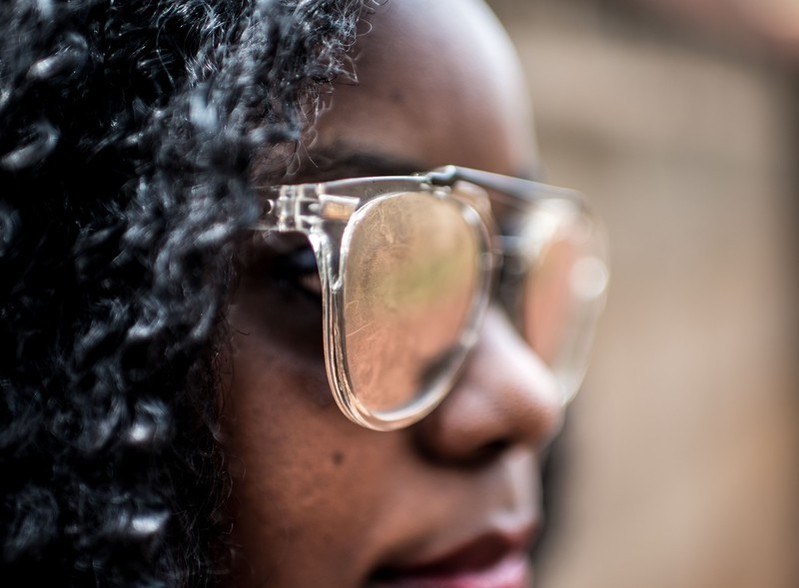
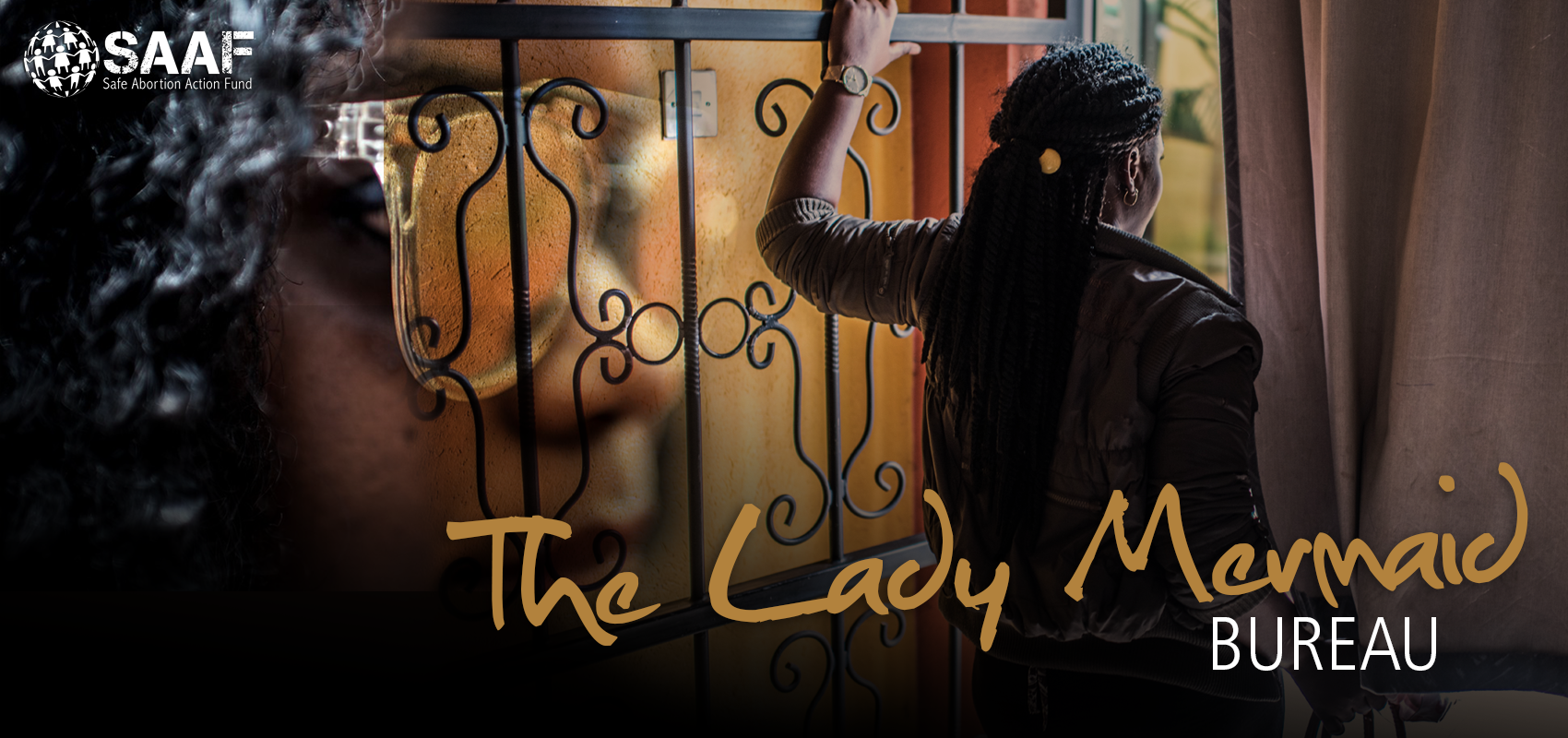
Many sex workers in Uganda end up having unwanted pregnancies often resorting to unsafe abortions. There are many myths and misconceptions about contraception as well as a lack of access. This issue was one of the reasons why Lady Mermaid's Bureau (LMB), a sex workers rights organisation from Kampala, decided to apply for a grant from the Safe Abortion Action Fund (SAAF) in 2013. Founded in 2002 by a group of former sex workers, the Lady Mermaid's Bureau, the first organization of its kind in the region, works to prevent and reduce unsafe abortions amongst sex workers in Uganda and campaigns to decriminalize abortion and sex work. The Safe Abortion Action Fund (SAAF) which is hosted by IPPF was set up in 2006 in order to support grass-roots organisations to increase access to safe abortion. Photography © IPPF/Tommy Trenchard
03 May 2017
Changing perceptions about abortion in rural Uganda
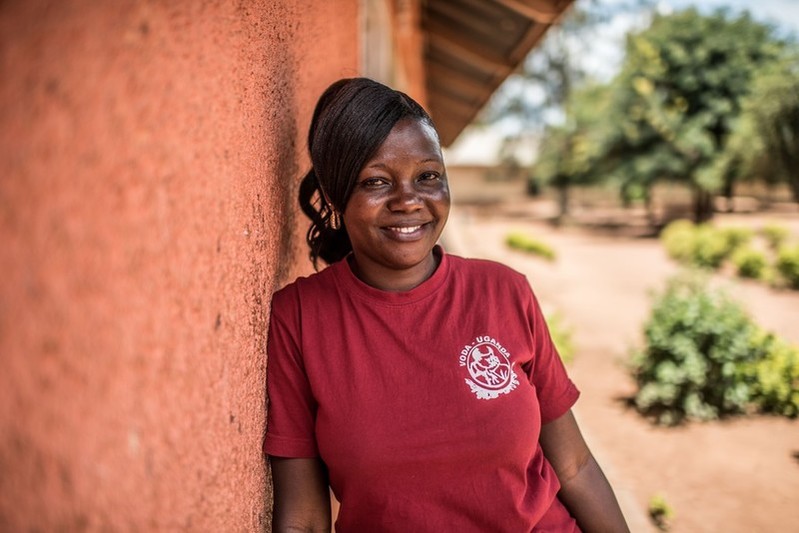
In the three years since the VODA Uganda project started there have been some incredible results. The project has brought about changes in perceptions about abortion in the community and schools, bringing community leaders and health workers on board, explaining the problems of unsafe abortion and directing girls and women to post-abortion care services. VODA (volunteers of development assistance) is a local, grassroots project funded by the Safe Abortion Action Fund (SAAF). The Safe Abortion Action Fund (SAAF) which is hosted by IPPF, was set up in 2006 in order to support grass-roots organisations to increase access to safe abortion. Photography © IPPF/Tommy Trenchard

26 April 2017
Empowering school students for change
Stopping unsafe abortion and stigma through education Rural communities in Uganda have a high prevalence rate of gender inequality, sexual abuse and incest. There is little provision of sexual and reproductive health services and abortion is highly restricted. The Safe Abortion Action Fund, hosted by IPPF, is financing the grassroots organization, VODA, to empower young people as changemakers in their schools and communities. With training and support, peer educators have been educating friends about sexual and reproductive health, and local health providers are serving women in need. Death from unsafe abortion was once a widespread problem but through the power of peer education, these have almost disappeared and community attitudes towards safe abortion has been transformed. READ MORE Maria Midwife Grace "I took care of Anne after she tried an unsafe abortion, she was bleeding a lot, she may have even died. She had been raped ." READ MY STORY Margret Mother Margret "I lost my daughter, Gladys. She was 16 and studying at senior secondary school. I didn't know she was pregnant" READ MY STORY Mary COUNSELOR Mary "Sometimes we receive cases related to incest. I thank VODA for coming to aid these desperate young girls who have had experiences like mine." READ MY STORY John Owoli RELIGIOUS LEADER John Owoli "I decided to join a campaign that focuses on stopping unsafe abortion because I just want to save lives. Stigma was a very widespread problem here." READ MY STORY See more about the Safe Abortion Action Fund in Uganda
26 April 2017
Sex workers in Uganda: fighting violence and inequality
Make abortion safe. Make abortion legal In Uganda, 42% of all pregnancies each year are unintended. The country's weak economy is exacerbated by high levels of gender inequality and poor access to jobs for women. Many women who turn to sex work are at risk of abuse and often rape. Abortion is heavily restricted in Uganda and clandestine safe services are very costly. This results in further poverty for many sex workers and sometimes unplanned pregnancies or even death from unsafe abortion.IPPF hosts the Safe Abortion Action Fund (SAAF), and the Lady Mermaid Bureau - a local grassroots project - is funded by SAAF to empower sex workers with the legal support and reproductive health services they need to make informed decisions. READ MORE Joanna SEX WORKER Joanne "We are not respected - some police rape us. Many have got pregnant, including me." READ MY STORY Masitula SEX WORKER Masitula "I have no family left but this project has changed my life. Now I have a friend." READ MY STORY Debora SEX WORKER Debora "Sex work isn't easy. You don't fit in society because others see you as someone who can be neglected" READ MY STORY Pretty Lynn SEX WORKER Pretty Lynn "Being a sex worker is like a curse. People look at you like you are the worst thing that can happen in society." READ MY STORY See more about the Safe Abortion Action Fund in Uganda

24 April 2017
What are young people around the world learning about abortion?
A recent Guttmacher Institute study of 15-17 year olds in Kenya1 shows that, shockingly, only 2% of students interviewed reported receiving fully comprehensive sexuality education. Almost all students (93%) considered sexuality education to be useful in their personal lives, and indeed a quarter of those interviewed were already sexually active. Despite this, the reality is that comprehensive, rights-based education is simply not being provided – with teachers being under-trained and often misinformed, and both teachers and students reporting embarrassment around broaching the subject of sexuality. One topic which is often left out of education programmes altogether, due to this discomfiture and social stigma, is abortion. Where Kenyan teachers did address the subject, “two thirds strongly emphasized that abortion is immoral”. A similar tendency was found in UNESCO’s review of sexuality education programmes in East and Southern Africa2; where the topic of abortion was either neglected, or was taught in ways deemed to be ‘inappropriate’. Information about abortion was often found to be inaccurate and/or judgemental – for example in Uganda, “Value statements (e.g. ‘abortion is murder’ and ‘masturbation is deviant’) are presented as if they are factual rather than religious perspectives.” The lack of practical information on how to avoid unwanted pregnancy, and on how to access safe abortion, along with the shaming of those who seek abortion is particularly worrying in a region where unsafe abortion is rife. Approximately 1.6 million women in Africa are treated annually for complications resulting from unsafe abortion3 – often due to lack of education and information on safe methods. Reports from the UK and Ireland also show that young people are being given false and stigmatising information about abortion – and a student in Canada recently reported a lesson in which an anti-abortion speaker compared abortion to the Holocaust. Noting that abortion is often left out of sexuality education programmes completely, or covered in ways which misinform, confuse or upset young people, IPPF has created a comprehensive resource to help educators tackle the subject Because we know that a lack of information about contraception and abortion negatively affects young people’s health, we think it’s important that even ‘sensitive’ subjects like this are covered openly and accurately. Only then can young people make informed decisions. Subscribe to IPPF's newsletter! References: 1 https://www.guttmacher.org/fact-sheet/sexuality-education-kenya 2 http://unesdoc.unesco.org/images/0022/002211/221121e.pdf 3 https://www.guttmacher.org/fact-sheet/facts-abortion-africa
Sex workers in Uganda find hope
The Safe Abortion Action Fund (SAAF) which is hosted by IPPF was set up in 2006 in order to support grass-roots organisations to increase access to safe abortion. One such organisation which received support under the last round of funding is called Lady Mermaid's Bureau. Joanne is a sex-worker who has been involved in the project run by Lady Mermaid's Bureau, funded by SAAF. "My name is Joanne, I have been a sex-worker for two years." Joanne was abused as a child and became pregnant at a very young age. She was forced to leave school with only a primary education and could not speak English very well. When she moved to Kampala from her village she was told she could get a good job but she had nowhere to stay and ended up becoming a sex-worker in order to support herself and her two children. While sex-work offers some financial support, the fact that it is illegal and that gender inequality is high in Uganda make sex workers very vulnerable to rape and violence. "The problems are very many. Men don’t want to pay. Someone uses you but he does not want to pay. We are being beaten, and there's a lot of stress and competition." "There is a lot of competition between sex workers. Sometimes you go on the streets and no man is going to buy you and you end up not earning a single coin. Other times, when that man buys you, he tells you the money, you negotiate when you go to the lodge the man does not pay you. That is the most hard thing because you need to feed your children, but someone does not pay you. The men beat us when we are in the lodges. They are rough, they don’t want to use condoms, you tell him to use a condom, and he does not want to use a condom. So they end up infecting you sometimes. My other sex workers most of them got infected through that. We are even being raped by policemen sometimes. They come on the streets to chase us away and if we stay on the streets to work, the policemen force you. When a policeman arrests you, he takes you to a police station because you don’t have money. He asks what you can offer if you want to leave jail. You will say, "I have nothing I don’t have money." So the only thing you can do is to have sex with him. Then he will release you. Women cells are not the same as the ones for men - sometimes you are there alone at night. So police cells are being used to rape women. He has not paid you so that is rape - he has just forced you. There are many women who got pregnant because of this rape. Even me. I have had two abortions." Joanne used local herbs to terminate her pregnancy which led to complications. Then her friend told her about Lady Mermaid's Bureau and they referred her to IPPF's Reproductive Health Uganda (RHU) who were able to help her. Since being involved with Lady Mermaid's Bureau Joanne has been taught English and computer skills and has also got access to contraception and legal support. She thinks that both sex-work and abortion should be legalised in Uganda to reduce the stigma that leads to violence and abuse. "At times men don't respect us as sex-workers. Because it is illegal they abuse you. If they legalise it, it will be good." Stories Read more stories about the amazing success of SAAF in Uganda

11 April 2017
IPPF at the She Decides Conference, Brussels, 2017
In response to President Trump's reinstatement of the Global Gag Rule 50 countries and leading civil society organizations rallied together. The aim of the She Decides Conference was for these governments to reaffirm their commitments to sexual and reproductive health and rights. These are human rights which are now at risk around the world because the Global Gag Rule blocks critical USAID funding to health organizations like IPPF. IPPF is losing $100m in funding from USAID which means programs to deliver life-saving health services will be jeopardised. With increased commitments from other leading governments around the world, civil society organizations like IPPF can continue to provide the access to service and information that millions of women need.
07 April 2017
IPPF defends UN agency on BBC World News
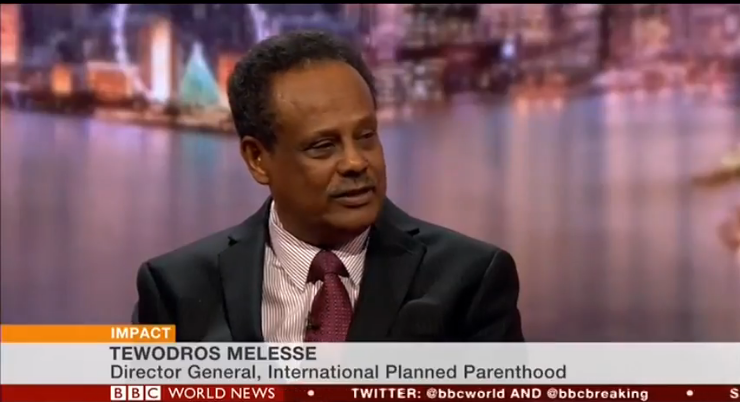
IPPF Director General Tewodros Melesse has defended the record of the United Nations Population Fund (UNFPA) in an interview with BBC World News, the BBC’s global television news channel. Speaking to presenter Philippa Thomas on the programme “Impact”, Mr Melesse rubbished claims from the Trump administration – used to justify the withdrawal of US funding – that UNFPA in any way supported coercive family policies in China. He explained that IPPF and UNFPA, with which IPPF partners across the world to provide vital reproductive health care for millions of women and girls – were committed to defending rights and increasing choice. He added that the loss of funding to UNFPA and IPPF – through the re-imposition of the so-called Global Gag Rule by President Trump – would cost the lives of tens of thousands of women and lead to millions of additional unplanned pregnancies and unsafe abortions. Subscribe to IPPF's updates!
IPPF defends UN agency on BBC World News
IPPF Director General Tewodros Melesse has defended the record of the United Nations Population Fund (UNFPA) in an interview with BBC World News, the BBC’s global television news channel. Speaking to presenter Philippa Thomas on the programme “Impact”, Mr Melesse rubbished claims from the Trump administration – used to justify the withdrawal of US funding – that UNFPA in any way supported coercive family policies in China. He explained that IPPF and UNFPA, with which IPPF partners across the world to provide vital reproductive health care for millions of women and girls – were committed to defending rights and increasing choice. He added that the loss of funding to UNFPA and IPPF – through the re-imposition of the so-called Global Gag Rule by President Trump – would cost the lives of tens of thousands of women and lead to millions of additional unplanned pregnancies and unsafe abortions. Subscribe to IPPF's updates!
15 May 2017
Saving lives in rural Uganda
The Safe Abortion Action Fund (SAAF) which is hosted by IPPF was set up in 2006 in order to support grass-roots organisations to increase access to safe abortion. One such organisation which received support under the last round of funding is called Volunteers for Development Association Uganda (VODA). When Noah Musoke was a young man his older sister had an unsafe abortion that nearly took her life. Luckily, his sister was able to tell him what had happened. He put her on his bicycle in rural Uganda and took her to the nearest health centre where she received post abortion care. Abortion was highly restricted in Uganda then and remains so today. The law and constitution are very unclear as to when an abortion is allowed and in practise it is almost impossible to receive a legal abortion in the country. It was because of these legal restrictions that Noah’s sister resorted to crude unsafe abortion which haunted her for life. “She never had a child. She lost many marriages; she lost many of them until she died. I think if there was a safer way to do this my sister would have had happier life” said Noah, one of the few Ugandan men advocating for access to safe abortion in Uganda. His experience led Noah to set up an inspirational organization called Volunteers for Development Association in Uganda (VODA Uganda) which, following a successful application to the Safe Abortion Action Fund (SAAF), in 2013 has been helping women and girls to avoid unwanted pregnancies and to access post abortion care. The SAAF funded project works with schools, communities and healthcare providers, training people to become community counsellors and referrers who are able to listen to young people, offer advice and refer them for services to well-trained local health providers. “People are conservative on some issues and one of very sensitive issues is sexual reproductive health and most especially abortion. Many people have very negative feelings about this yet it is a cause of maternal mortality in Uganda‚” Noah said. The 2016 Uganda Demographic Health Survey put teenage pregnancy at 25% from the 24% in the previous surveys. The increase means 1 in every 4 girls aged between 15-19 years in Uganda is either pregnant or already has a baby. It is for this reason that VODA Uganda’s project targets school girls in Kasawo and Namuganga sub counties located in Mukono district. “Here sex is assumed to be for married people and it is a private issue. Now when these young people, for various reasons, engage in sex, they get pregnant and they know they will miss school or their parents will be very harsh to them so they resort to unsafe abortion” he said. “And as a result, people resort to very crude methods in case she needs to have an abortion. They will resort to very unsafe methods which have always led to death and serious complications,” he adds. In the three years since VODA Uganda started their SAAF funded project they have been able to see some very positive results. They have changed perceptions about abortion in the community, bringing community leaders and health workers on board, explaining the problems of unsafe abortion and directing girls and women to post-abortion care services. Currently there are four health centres in the two sub counties that are offering post-abortion care, contraception and counselling to girls and women referred there by VODA Uganda school counselors as well as community volunteers. At a health facility in Namuganga, Anne* has just received post-abortion-care services from a midwife, Grace. The 14-year-old nearly died of post-abortion complications after her grandmother used local herbs to terminate her pregnancy. “A man just caught me — or raped or defiled me— when I had gone to visit my grandmother. After he had finished, he told me to go back home and never to tell anyone about it” she said. The midwife at the facility, Grace, said the cases of unsafe abortion especially among teenage girls are widespread. “Most of them do come here and the situation is very bad, when they are bleeding severely. We don’t have blood at the health centre so we just give first aid then we refer to the main hospital.” Grace explained. “They go to local herbalists and they give them some drugs. Some of them tell me that they give them emilandira (roots) which they insert inside there to rupture the membranes.” She added. Anne is lucky she did not die. With the successful post-abortion-care, she looks forward to returning to school next term. At the next health centre in Kasawo, Josephine, the midwife would never have thought of helping girls and women with abortion services before she was trained by VODA Uganda about the need to avert the deaths that were occurring in villages due to unsafe abortion. “I used to have negative attitude about it. Because according to my religion, it was not allowed in the church. But again when you look into it, it’s not good to leave someone to die. So I decided to change my attitude to help people.” revealed Josephine. Today, she is happy that fewer women and girls are dying because of unsafe abortion. “VODA people have helped us. We even provide the clients with family planning to avoid another pregnancy since their hormones are very sensitive” she added. In Namuganga and Kasawo, the approach of using school girls and a team of volunteers has worked in changing community perceptions about abortion as well as helping girls to access information about unwanted pregnancies. At Kakoge village, 35-year-old John Owoli is one of the VODA Uganda Community volunteers. He knows that his Catholic religion does not support abortion. However Owoli who is a catechist at a nearby church has used his position to preach against unsafe abortion. Asked why? He replied: “Just to save life. I attended two burials from unsafe abortions because they had used local drugs so I saw that it was a good thing to participate in saving people’s lives.” Owoli, a father of six said before he joined VODA Uganda, he had heard about family planning and unsafe abortion and he did not think they were big issues. “But after this training, I saw it was a serious issue. And I must be included in stopping it. Because if we stop this kind of dying, most especially the young ones, it means that development is coming to our community”. Most girls according to Owoli have changed their behaviours by using condoms, family planning, abstinence and now know about safe abortion. Owoli would like to see more health facilities constructed closer to the villages so that those referred for post-abortion care services don’t have to walk for seven kilometers to a health centre. *not her real name Stories Read more stories about the amazing success of SAAF in Uganda A mother's heart break after losing teen daughter to unsafe abortion A volunteer's special understanding of how safe abortion can save lives Religious leaders help tackle unsafe abortion Collaborating with public health providers Working to stop unsafe abortion for school girls Tackling taboos about abortion $(document).ready(function(){ $(".owl-carousel").owlCarousel({ items:3 }); });
03 May 2017
Providing access to safe abortion and sexual health services for sex workers
Many sex workers in Uganda end up having unwanted pregnancies often resorting to unsafe abortions. There are many myths and misconceptions about contraception as well as a lack of access. This issue was one of the reasons why Lady Mermaid's Bureau (LMB), a sex workers rights organisation from Kampala, decided to apply for a grant from the Safe Abortion Action Fund (SAAF) in 2013. Founded in 2002 by a group of former sex workers, the Lady Mermaid's Bureau, the first organization of its kind in the region, works to prevent and reduce unsafe abortions amongst sex workers in Uganda and campaigns to decriminalize abortion and sex work. The Safe Abortion Action Fund (SAAF) which is hosted by IPPF was set up in 2006 in order to support grass-roots organisations to increase access to safe abortion. Photography © IPPF/Tommy Trenchard
03 May 2017
Changing perceptions about abortion in rural Uganda
In the three years since the VODA Uganda project started there have been some incredible results. The project has brought about changes in perceptions about abortion in the community and schools, bringing community leaders and health workers on board, explaining the problems of unsafe abortion and directing girls and women to post-abortion care services. VODA (volunteers of development assistance) is a local, grassroots project funded by the Safe Abortion Action Fund (SAAF). The Safe Abortion Action Fund (SAAF) which is hosted by IPPF, was set up in 2006 in order to support grass-roots organisations to increase access to safe abortion. Photography © IPPF/Tommy Trenchard
26 April 2017
Empowering school students for change
Stopping unsafe abortion and stigma through education Rural communities in Uganda have a high prevalence rate of gender inequality, sexual abuse and incest. There is little provision of sexual and reproductive health services and abortion is highly restricted. The Safe Abortion Action Fund, hosted by IPPF, is financing the grassroots organization, VODA, to empower young people as changemakers in their schools and communities. With training and support, peer educators have been educating friends about sexual and reproductive health, and local health providers are serving women in need. Death from unsafe abortion was once a widespread problem but through the power of peer education, these have almost disappeared and community attitudes towards safe abortion has been transformed. READ MORE Maria Midwife Grace "I took care of Anne after she tried an unsafe abortion, she was bleeding a lot, she may have even died. She had been raped ." READ MY STORY Margret Mother Margret "I lost my daughter, Gladys. She was 16 and studying at senior secondary school. I didn't know she was pregnant" READ MY STORY Mary COUNSELOR Mary "Sometimes we receive cases related to incest. I thank VODA for coming to aid these desperate young girls who have had experiences like mine." READ MY STORY John Owoli RELIGIOUS LEADER John Owoli "I decided to join a campaign that focuses on stopping unsafe abortion because I just want to save lives. Stigma was a very widespread problem here." READ MY STORY See more about the Safe Abortion Action Fund in Uganda
26 April 2017
Sex workers in Uganda: fighting violence and inequality
Make abortion safe. Make abortion legal In Uganda, 42% of all pregnancies each year are unintended. The country's weak economy is exacerbated by high levels of gender inequality and poor access to jobs for women. Many women who turn to sex work are at risk of abuse and often rape. Abortion is heavily restricted in Uganda and clandestine safe services are very costly. This results in further poverty for many sex workers and sometimes unplanned pregnancies or even death from unsafe abortion.IPPF hosts the Safe Abortion Action Fund (SAAF), and the Lady Mermaid Bureau - a local grassroots project - is funded by SAAF to empower sex workers with the legal support and reproductive health services they need to make informed decisions. READ MORE Joanna SEX WORKER Joanne "We are not respected - some police rape us. Many have got pregnant, including me." READ MY STORY Masitula SEX WORKER Masitula "I have no family left but this project has changed my life. Now I have a friend." READ MY STORY Debora SEX WORKER Debora "Sex work isn't easy. You don't fit in society because others see you as someone who can be neglected" READ MY STORY Pretty Lynn SEX WORKER Pretty Lynn "Being a sex worker is like a curse. People look at you like you are the worst thing that can happen in society." READ MY STORY See more about the Safe Abortion Action Fund in Uganda
24 April 2017
What are young people around the world learning about abortion?
A recent Guttmacher Institute study of 15-17 year olds in Kenya1 shows that, shockingly, only 2% of students interviewed reported receiving fully comprehensive sexuality education. Almost all students (93%) considered sexuality education to be useful in their personal lives, and indeed a quarter of those interviewed were already sexually active. Despite this, the reality is that comprehensive, rights-based education is simply not being provided – with teachers being under-trained and often misinformed, and both teachers and students reporting embarrassment around broaching the subject of sexuality. One topic which is often left out of education programmes altogether, due to this discomfiture and social stigma, is abortion. Where Kenyan teachers did address the subject, “two thirds strongly emphasized that abortion is immoral”. A similar tendency was found in UNESCO’s review of sexuality education programmes in East and Southern Africa2; where the topic of abortion was either neglected, or was taught in ways deemed to be ‘inappropriate’. Information about abortion was often found to be inaccurate and/or judgemental – for example in Uganda, “Value statements (e.g. ‘abortion is murder’ and ‘masturbation is deviant’) are presented as if they are factual rather than religious perspectives.” The lack of practical information on how to avoid unwanted pregnancy, and on how to access safe abortion, along with the shaming of those who seek abortion is particularly worrying in a region where unsafe abortion is rife. Approximately 1.6 million women in Africa are treated annually for complications resulting from unsafe abortion3 – often due to lack of education and information on safe methods. Reports from the UK and Ireland also show that young people are being given false and stigmatising information about abortion – and a student in Canada recently reported a lesson in which an anti-abortion speaker compared abortion to the Holocaust. Noting that abortion is often left out of sexuality education programmes completely, or covered in ways which misinform, confuse or upset young people, IPPF has created a comprehensive resource to help educators tackle the subject Because we know that a lack of information about contraception and abortion negatively affects young people’s health, we think it’s important that even ‘sensitive’ subjects like this are covered openly and accurately. Only then can young people make informed decisions. Subscribe to IPPF's newsletter! References: 1 https://www.guttmacher.org/fact-sheet/sexuality-education-kenya 2 http://unesdoc.unesco.org/images/0022/002211/221121e.pdf 3 https://www.guttmacher.org/fact-sheet/facts-abortion-africa
Sex workers in Uganda find hope
The Safe Abortion Action Fund (SAAF) which is hosted by IPPF was set up in 2006 in order to support grass-roots organisations to increase access to safe abortion. One such organisation which received support under the last round of funding is called Lady Mermaid's Bureau. Joanne is a sex-worker who has been involved in the project run by Lady Mermaid's Bureau, funded by SAAF. "My name is Joanne, I have been a sex-worker for two years." Joanne was abused as a child and became pregnant at a very young age. She was forced to leave school with only a primary education and could not speak English very well. When she moved to Kampala from her village she was told she could get a good job but she had nowhere to stay and ended up becoming a sex-worker in order to support herself and her two children. While sex-work offers some financial support, the fact that it is illegal and that gender inequality is high in Uganda make sex workers very vulnerable to rape and violence. "The problems are very many. Men don’t want to pay. Someone uses you but he does not want to pay. We are being beaten, and there's a lot of stress and competition." "There is a lot of competition between sex workers. Sometimes you go on the streets and no man is going to buy you and you end up not earning a single coin. Other times, when that man buys you, he tells you the money, you negotiate when you go to the lodge the man does not pay you. That is the most hard thing because you need to feed your children, but someone does not pay you. The men beat us when we are in the lodges. They are rough, they don’t want to use condoms, you tell him to use a condom, and he does not want to use a condom. So they end up infecting you sometimes. My other sex workers most of them got infected through that. We are even being raped by policemen sometimes. They come on the streets to chase us away and if we stay on the streets to work, the policemen force you. When a policeman arrests you, he takes you to a police station because you don’t have money. He asks what you can offer if you want to leave jail. You will say, "I have nothing I don’t have money." So the only thing you can do is to have sex with him. Then he will release you. Women cells are not the same as the ones for men - sometimes you are there alone at night. So police cells are being used to rape women. He has not paid you so that is rape - he has just forced you. There are many women who got pregnant because of this rape. Even me. I have had two abortions." Joanne used local herbs to terminate her pregnancy which led to complications. Then her friend told her about Lady Mermaid's Bureau and they referred her to IPPF's Reproductive Health Uganda (RHU) who were able to help her. Since being involved with Lady Mermaid's Bureau Joanne has been taught English and computer skills and has also got access to contraception and legal support. She thinks that both sex-work and abortion should be legalised in Uganda to reduce the stigma that leads to violence and abuse. "At times men don't respect us as sex-workers. Because it is illegal they abuse you. If they legalise it, it will be good." Stories Read more stories about the amazing success of SAAF in Uganda
11 April 2017
IPPF at the She Decides Conference, Brussels, 2017
In response to President Trump's reinstatement of the Global Gag Rule 50 countries and leading civil society organizations rallied together. The aim of the She Decides Conference was for these governments to reaffirm their commitments to sexual and reproductive health and rights. These are human rights which are now at risk around the world because the Global Gag Rule blocks critical USAID funding to health organizations like IPPF. IPPF is losing $100m in funding from USAID which means programs to deliver life-saving health services will be jeopardised. With increased commitments from other leading governments around the world, civil society organizations like IPPF can continue to provide the access to service and information that millions of women need.
07 April 2017
IPPF defends UN agency on BBC World News
IPPF Director General Tewodros Melesse has defended the record of the United Nations Population Fund (UNFPA) in an interview with BBC World News, the BBC’s global television news channel. Speaking to presenter Philippa Thomas on the programme “Impact”, Mr Melesse rubbished claims from the Trump administration – used to justify the withdrawal of US funding – that UNFPA in any way supported coercive family policies in China. He explained that IPPF and UNFPA, with which IPPF partners across the world to provide vital reproductive health care for millions of women and girls – were committed to defending rights and increasing choice. He added that the loss of funding to UNFPA and IPPF – through the re-imposition of the so-called Global Gag Rule by President Trump – would cost the lives of tens of thousands of women and lead to millions of additional unplanned pregnancies and unsafe abortions. Subscribe to IPPF's updates!
IPPF defends UN agency on BBC World News
IPPF Director General Tewodros Melesse has defended the record of the United Nations Population Fund (UNFPA) in an interview with BBC World News, the BBC’s global television news channel. Speaking to presenter Philippa Thomas on the programme “Impact”, Mr Melesse rubbished claims from the Trump administration – used to justify the withdrawal of US funding – that UNFPA in any way supported coercive family policies in China. He explained that IPPF and UNFPA, with which IPPF partners across the world to provide vital reproductive health care for millions of women and girls – were committed to defending rights and increasing choice. He added that the loss of funding to UNFPA and IPPF – through the re-imposition of the so-called Global Gag Rule by President Trump – would cost the lives of tens of thousands of women and lead to millions of additional unplanned pregnancies and unsafe abortions. Subscribe to IPPF's updates!