



programme
| 18 August 2026
Safe Passage
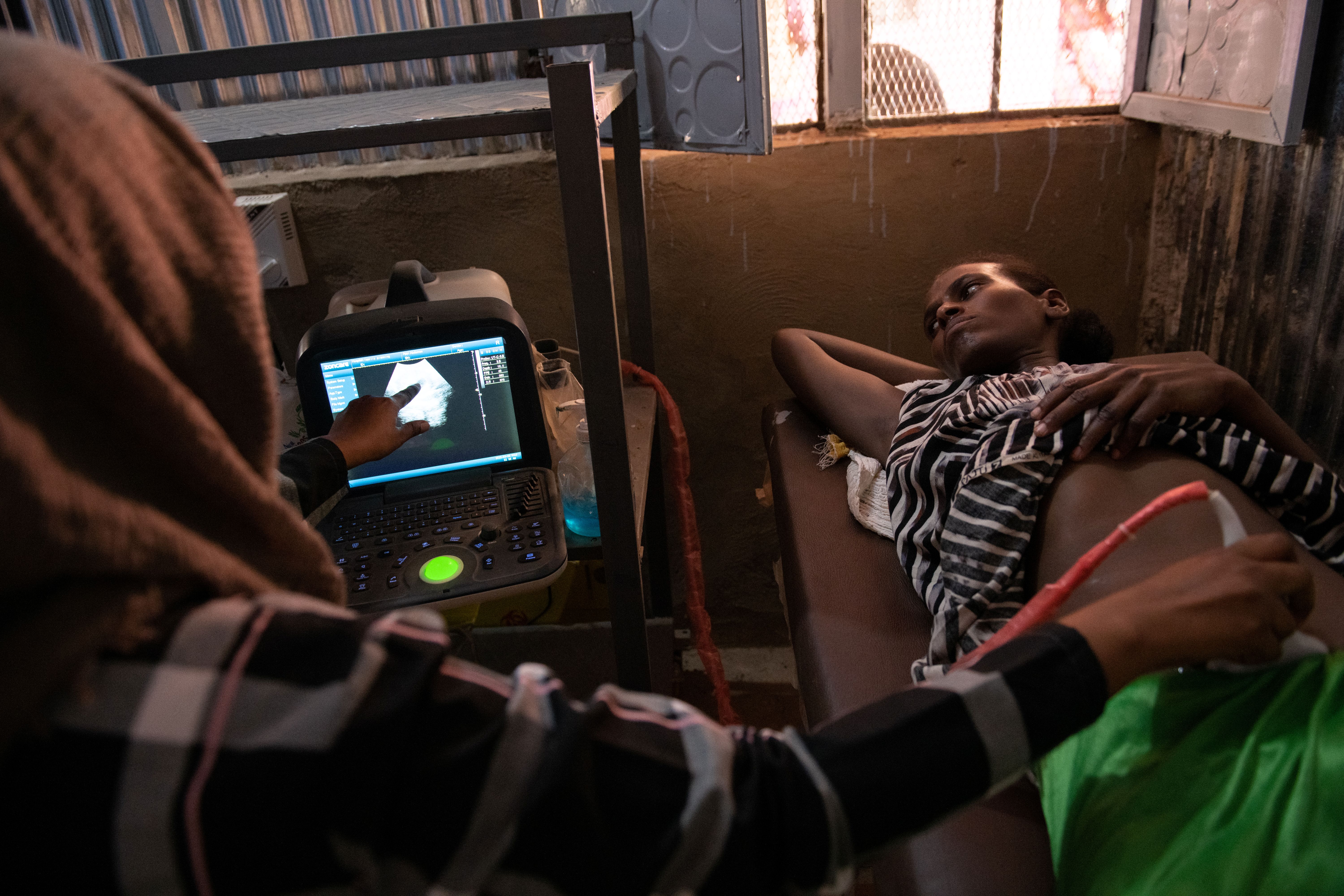
Safe Passage is IPPF’s pioneering global initiative working to deliver uninterrupted sexual and reproductive healthcare for people on the move.Women now make up 47% of all migrants across Africa, and in Latin America and the Caribbean, women represent 52% of all international migrants. With legal pathways for migration shrinking, and funding cuts hitting humanitarian support, at least 8,000 people died on migration routes in 2025.Across every stage of their migration journey, women, girls, LGBTQI communities and sex workers are exposed to violence, exploitation, discrimination and barriers to essential services. Limited access to contraception, antenatal care, and reliable information on the support available to them, increases the risk of unintended pregnancies, untreated infections, and obstetric complications.Connecting care across bordersSafe Passage is led by IPPF Member Associations and connects 15 MAs working in two consortia across Latin America, Africa and the Arab World region. Through a combination of fixed clinics, mobile units, digital health approaches, and referral systems, we ensure that people can access safe, timely, and continuous care throughout their journeys. We provide specialized sexual and reproductive health services, mental health support, and care for survivors of gender-based violence along perilous migration routes.Member Associations are trusted, local organizsations embedded in the communities in which they work. They work alongside government and public authorities and community-based organizations to reduce barriers to accessing care. Alongside supporting internally displaced people, refugees, and migrants, they continue to provide sexual and reproductive health care to host communities, and work to change the narrative on migration from border control to human rights and equality. Safe Passage in Latin AmericaPatterns of migration have become increasingly complex across Latin America, with people often moving back and forth in search of employment, education or essential services – half of cross-border movements in the region are motivated by the need for healthcare, including sexual and reproductive services. In countries such as Colombia, Venezuela and Ecuador, migration is often marked by forced displacement stemming from socioeconomic crisis or persistent conflict. With some transit routes heavily influenced by organized crime gangs, many migrants are exposed to trafficking, exploitation, and extreme sexual violence. The Safe Passage Latin America Consortium is led by ProFamilia and brings together seven Member Associations operating across key migration corridors in Colombia, Peru, Mexico, Honduras, Venezuela, Ecuador, and Chile. Each brings their own technical expertise, including humanitarian response, community outreach and mobile SRH services, psychosocial support, and advocacy. Safe Passage in Africa and the Arab World RegionIn 2024 an estimated 25 million Africans were living in another African country, with over 80% of migration happening within the continent. People take multiple journeys along different routes, many driven by conflict or socioeconomic collapse. The Safe Passage Arab-African Consortium is led by the Family Planning Association of Morocco (AMPF) and brings together eight IPPF Member Associations across Morocco, Tunisia, Mauritania, Sudan, Niger, Nigeria, Cameroon, and Ethiopia. The consortium reflects the diversity of African and Arab migration dynamics, linking contexts of conflict, prolonged displacement, transit, return, and destination.
programme
| 18 August 2026
Safe Passage
Safe Passage is IPPF’s pioneering global initiative working to deliver uninterrupted sexual and reproductive healthcare for people on the move.Women now make up 47% of all migrants across Africa, and in Latin America and the Caribbean, women represent 52% of all international migrants. With legal pathways for migration shrinking, and funding cuts hitting humanitarian support, at least 8,000 people died on migration routes in 2025.Across every stage of their migration journey, women, girls, LGBTQI communities and sex workers are exposed to violence, exploitation, discrimination and barriers to essential services. Limited access to contraception, antenatal care, and reliable information on the support available to them, increases the risk of unintended pregnancies, untreated infections, and obstetric complications.Connecting care across bordersSafe Passage is led by IPPF Member Associations and connects 15 MAs working in two consortia across Latin America, Africa and the Arab World region. Through a combination of fixed clinics, mobile units, digital health approaches, and referral systems, we ensure that people can access safe, timely, and continuous care throughout their journeys. We provide specialized sexual and reproductive health services, mental health support, and care for survivors of gender-based violence along perilous migration routes.Member Associations are trusted, local organizsations embedded in the communities in which they work. They work alongside government and public authorities and community-based organizations to reduce barriers to accessing care. Alongside supporting internally displaced people, refugees, and migrants, they continue to provide sexual and reproductive health care to host communities, and work to change the narrative on migration from border control to human rights and equality. Safe Passage in Latin AmericaPatterns of migration have become increasingly complex across Latin America, with people often moving back and forth in search of employment, education or essential services – half of cross-border movements in the region are motivated by the need for healthcare, including sexual and reproductive services. In countries such as Colombia, Venezuela and Ecuador, migration is often marked by forced displacement stemming from socioeconomic crisis or persistent conflict. With some transit routes heavily influenced by organized crime gangs, many migrants are exposed to trafficking, exploitation, and extreme sexual violence. The Safe Passage Latin America Consortium is led by ProFamilia and brings together seven Member Associations operating across key migration corridors in Colombia, Peru, Mexico, Honduras, Venezuela, Ecuador, and Chile. Each brings their own technical expertise, including humanitarian response, community outreach and mobile SRH services, psychosocial support, and advocacy. Safe Passage in Africa and the Arab World RegionIn 2024 an estimated 25 million Africans were living in another African country, with over 80% of migration happening within the continent. People take multiple journeys along different routes, many driven by conflict or socioeconomic collapse. The Safe Passage Arab-African Consortium is led by the Family Planning Association of Morocco (AMPF) and brings together eight IPPF Member Associations across Morocco, Tunisia, Mauritania, Sudan, Niger, Nigeria, Cameroon, and Ethiopia. The consortium reflects the diversity of African and Arab migration dynamics, linking contexts of conflict, prolonged displacement, transit, return, and destination.

programme
| 26 April 2022
SPRINT: Delivering sexual and reproductive healthcare in crises
SPRINT is IPPF’s humanitarian programme ensuring that lifesaving sexual and reproductive healthcare is available when emergencies strike. Funded by the Australian Government since 2007, it works through IPPF’s locally led network of Member Associations and Collaborative Partners, with a particular focus on the Indo-Pacific region. This includes Pacific Island countries, where geographic isolation, dispersed populations and exposure to climate and natural hazards can make delivering emergency healthcare especially challenging.Because Member Associations are already embedded in the communities they serve, they understand local needs, systems and barriers to care. SPRINT strengthens their capacity to prepare for crises, respond quickly and sustain essential services throughout recovery, enabling responses that are faster, more trusted and more inclusive. PreparednessSPRINT helps communities, health providers and national responders prepare before emergencies occur. This includes training, pre-positioning sexual and reproductive health supplies, strengthening coordination, and integrating sexual and reproductive health into national disaster management policies and plans.The programme also supports advocacy, partnerships and community engagement so that sexual and reproductive health and rights are recognised and protected throughout all phases of the disaster management cycle.ResponseWhen an emergency strikes, Member Associations can apply for funding to deliver lifesaving services through static clinics, mobile health teams and community outreach. Responses are coordinated with governments, humanitarian clusters and community partners. Services follow the Minimum Initial Service Package and can include contraception, maternal and newborn care, STI and HIV services, safe abortion care to the full extent permitted by law, and support and referrals for survivors of sexual and gender-based violence.SPRINT prioritises women, adolescents, displaced people, people with disabilities and other marginalised communities who may face additional barriers to care.RecoverySPRINT helps Member Associations restore and maintain services after an emergency, connecting immediate interventions with longer-term health system strengthening. Post emergency reviews and peer learning ensure lessons from each response inform future preparedness, advocacy and programme planning. SPRINT’s ImpactBetween 2007 and 2025, SPRINT:Reached 2.5 million people with vital health servicesDelivered 11.9 million services to people affected by crisesSupported 133 emergency responses across 33 countriesTrained 26,000 people in emergency preparedness You can read more about IPPF Humanitarian’s work here.
programme
| 26 April 2022
SPRINT: Delivering sexual and reproductive healthcare in crises
SPRINT is IPPF’s humanitarian programme ensuring that lifesaving sexual and reproductive healthcare is available when emergencies strike. Funded by the Australian Government since 2007, it works through IPPF’s locally led network of Member Associations and Collaborative Partners, with a particular focus on the Indo-Pacific region. This includes Pacific Island countries, where geographic isolation, dispersed populations and exposure to climate and natural hazards can make delivering emergency healthcare especially challenging.Because Member Associations are already embedded in the communities they serve, they understand local needs, systems and barriers to care. SPRINT strengthens their capacity to prepare for crises, respond quickly and sustain essential services throughout recovery, enabling responses that are faster, more trusted and more inclusive. PreparednessSPRINT helps communities, health providers and national responders prepare before emergencies occur. This includes training, pre-positioning sexual and reproductive health supplies, strengthening coordination, and integrating sexual and reproductive health into national disaster management policies and plans.The programme also supports advocacy, partnerships and community engagement so that sexual and reproductive health and rights are recognised and protected throughout all phases of the disaster management cycle.ResponseWhen an emergency strikes, Member Associations can apply for funding to deliver lifesaving services through static clinics, mobile health teams and community outreach. Responses are coordinated with governments, humanitarian clusters and community partners. Services follow the Minimum Initial Service Package and can include contraception, maternal and newborn care, STI and HIV services, safe abortion care to the full extent permitted by law, and support and referrals for survivors of sexual and gender-based violence.SPRINT prioritises women, adolescents, displaced people, people with disabilities and other marginalised communities who may face additional barriers to care.RecoverySPRINT helps Member Associations restore and maintain services after an emergency, connecting immediate interventions with longer-term health system strengthening. Post emergency reviews and peer learning ensure lessons from each response inform future preparedness, advocacy and programme planning. SPRINT’s ImpactBetween 2007 and 2025, SPRINT:Reached 2.5 million people with vital health servicesDelivered 11.9 million services to people affected by crisesSupported 133 emergency responses across 33 countriesTrained 26,000 people in emergency preparedness You can read more about IPPF Humanitarian’s work here.
programme
| 30 March 2017
Japan Trust Fund
The Japan Trust Fund (JTF) represents a visionary partnership that began in 2000 between the Government of Japan and IPPF. Together, we invest in programmes that prioritize health equity, gender equality, and human security for all. Traditionally a driving force behind IPPF's efforts to support the integrated HIV prevention programmes of our Member Associations in Africa and Asia, JTF has adjusted to reflect changing global health priorities. We attach importance to universal access to sexual and reproductive health and rights - an essential contributor to universal health coverage and the global development goals. These projects have transformed the lives of people most vulnerable to HIV and high risk of maternal and child mortality. Equally, it ensures that as a donor, the GOJ’s response to HIV remains people-centred and contributes to human security.
programme
| 30 March 2017
Japan Trust Fund
The Japan Trust Fund (JTF) represents a visionary partnership that began in 2000 between the Government of Japan and IPPF. Together, we invest in programmes that prioritize health equity, gender equality, and human security for all. Traditionally a driving force behind IPPF's efforts to support the integrated HIV prevention programmes of our Member Associations in Africa and Asia, JTF has adjusted to reflect changing global health priorities. We attach importance to universal access to sexual and reproductive health and rights - an essential contributor to universal health coverage and the global development goals. These projects have transformed the lives of people most vulnerable to HIV and high risk of maternal and child mortality. Equally, it ensures that as a donor, the GOJ’s response to HIV remains people-centred and contributes to human security.
programme
| 07 February 2017
ACT!2030
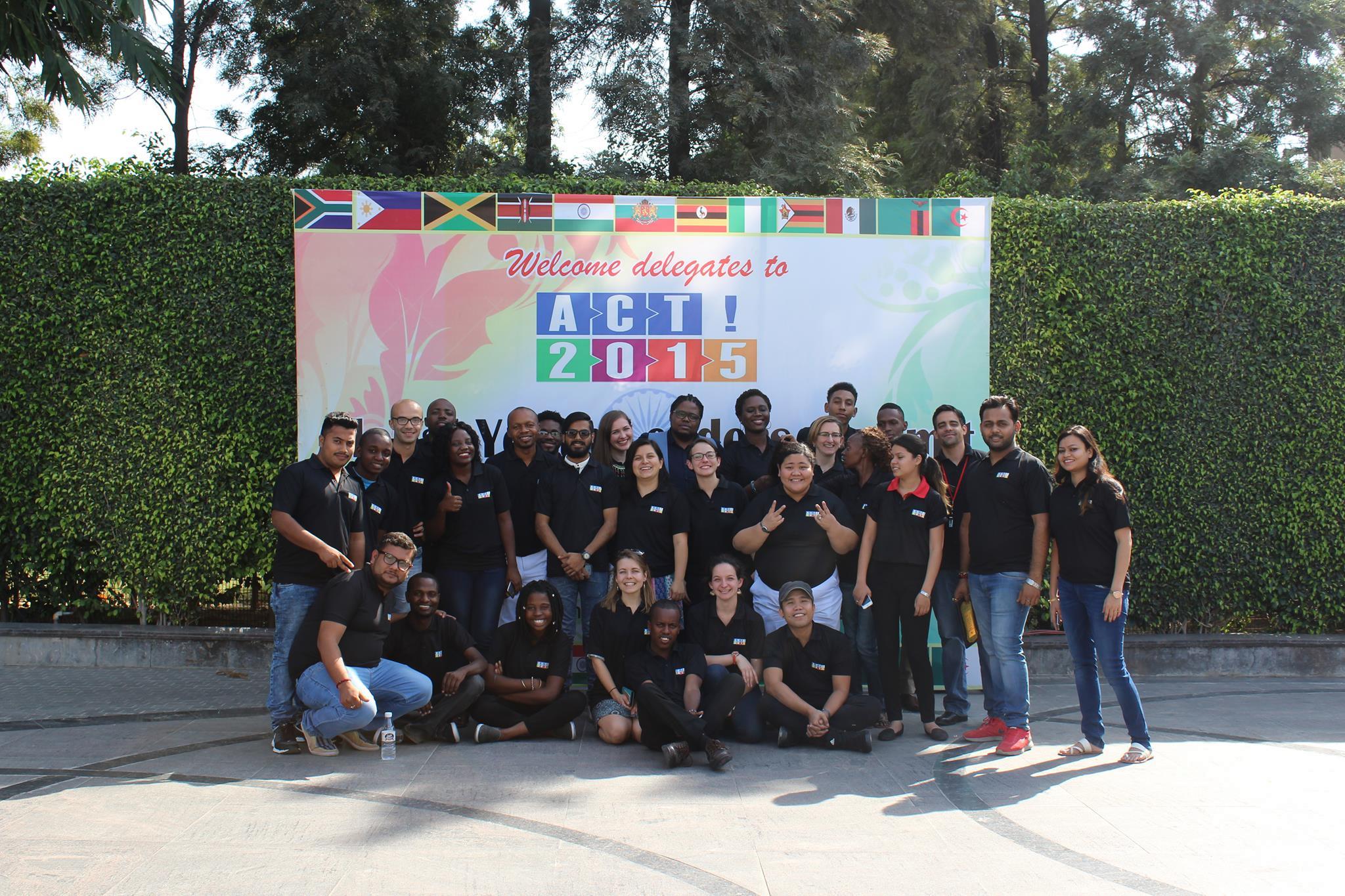
IPPF collaborates with UNAIDS and The PACT to implement ACT!2030 (formerly ACT!2015), a youth-led social action initiative which engages young people in 12 countries with advocacy and accountability around the Sustainable Development Goals (SDGs) and other SRHR agreements/frameworks. ACT!2030 was initiated in 2013 as a way to increase youth participation in the negotiations leading up to the adoption of the post-2015 development agenda, and for two years focused on establishing alliances of youth-led and youth-serving organisations in 12 countries across the world. The project is currently in Phase 4, which runs until the end of 2017, and aims to establish youth-led, data-driven accountability mechanisms to ensure youth engagement with the implementation of the SDGs and build an evidence base for advocacy. Ultimately, Phase 4 of ACT!2030 seeks to identify, assess and address key policy barriers to young people’s sexual and reproductive data by using existing data, supplemented by youth-collected data, to advocate and lobby for policy change. This phase involves four main activities: indicator advocacy (persuading decision makers to adopt youth-friendly SRHR and HIV indicators, including on things like comprehensive sexuality education (CSE) and access to youth-friendly services, into national/global reporting mechanisms); evidence gathering (creating national databases on quality of and access to youth-friendly services and CSE); communications (transforming this data and evidence into communications pieces that can be used to advocacy and lobby at national and international level); and global exchange (facilitating global visibility to share advocacy and engagement learnings and increase youth-led accountability in global and regional processes). ACT!2030 is implemented by national alliances of youth organisations in 12 countries: Algeria, Bulgaria, India, Jamaica, Kenya, Mexico, Nigeria, Philippines, South Africa, Uganda, Zambia and Zimbabwe.
programme
| 07 February 2017
ACT!2030
IPPF collaborates with UNAIDS and The PACT to implement ACT!2030 (formerly ACT!2015), a youth-led social action initiative which engages young people in 12 countries with advocacy and accountability around the Sustainable Development Goals (SDGs) and other SRHR agreements/frameworks. ACT!2030 was initiated in 2013 as a way to increase youth participation in the negotiations leading up to the adoption of the post-2015 development agenda, and for two years focused on establishing alliances of youth-led and youth-serving organisations in 12 countries across the world. The project is currently in Phase 4, which runs until the end of 2017, and aims to establish youth-led, data-driven accountability mechanisms to ensure youth engagement with the implementation of the SDGs and build an evidence base for advocacy. Ultimately, Phase 4 of ACT!2030 seeks to identify, assess and address key policy barriers to young people’s sexual and reproductive data by using existing data, supplemented by youth-collected data, to advocate and lobby for policy change. This phase involves four main activities: indicator advocacy (persuading decision makers to adopt youth-friendly SRHR and HIV indicators, including on things like comprehensive sexuality education (CSE) and access to youth-friendly services, into national/global reporting mechanisms); evidence gathering (creating national databases on quality of and access to youth-friendly services and CSE); communications (transforming this data and evidence into communications pieces that can be used to advocacy and lobby at national and international level); and global exchange (facilitating global visibility to share advocacy and engagement learnings and increase youth-led accountability in global and regional processes). ACT!2030 is implemented by national alliances of youth organisations in 12 countries: Algeria, Bulgaria, India, Jamaica, Kenya, Mexico, Nigeria, Philippines, South Africa, Uganda, Zambia and Zimbabwe.