


programme
| 26 April 2022
SPRINT: Sexual and reproductive health in crisis and post-crisis situations
The SPRINT Initiative delivers one of the most overlooked but life-saving forms of humanitarian assistance: access to essential sexual and reproductive health (SRH) services during emergencies. When disaster or conflict strikes, SPRINT ensures that the reproductive health needs of women, girls, and marginalised groups are not forgotten.Since 2007, the SPRINT programme has supported the provision of lifesaving SRH services in emergencies by IPPF’s Member Associations (MAs) across the Indo-Pacific region and beyond. Drawing on IPPF’s existing local networks and partnerships at the country level, SPRINT covers all stages of the humanitarian programme cycle – from preparedness and response to recovery and post-crisis – while also contributing to long-term system strengthening through mitigation strategies.In 2025, SPRINT IV enabled IPPF MAs to provide essential, life-saving SRH services in crisis situations in the Philippines, Sri Lanka, Afghanistan, Vanuatu, the Democratic Republic of Congo, Sudan, Lebanon, India and Indonesia. Funded by the Australian Government’s Department of Foreign Affairs and Trade (DFAT), SPRINT builds the capacity of local and national actors to deliver the Minimum Initial Service Package (MISP) for reproductive health in emergencies. These life-saving services include support for safe childbirth, contraception, prevention and treatment of sexually transmitted infections, and clinical care for survivors of sexual violence.Since its launch, SPRINT has responded to 133 humanitarian crises across 33 countries, reaching over 2.5 million people with essential services. In each priority country, IPPF works through its local Member Associations to lead and coordinate the SRH response. These partnerships help strengthen national systems, build local capacity, and ensure that services are timely, accessible, and rights-based.Australia’s location in the Indo-Pacific gives DFAT a unique regional perspective on humanitarian action. In addition to supporting direct response, Australia is committed to building the capacity of governments and civil society to lead their own crisis response. DFAT also works in collaboration with other donors, the United Nations, the International Red Cross and Red Crescent Movement, and NGOs to strengthen preparedness and humanitarian coordination.You can read more about IPPF Humanitarian’s work here.
programme
| 26 April 2022
SPRINT: Sexual and reproductive health in crisis and post-crisis situations
The SPRINT Initiative delivers one of the most overlooked but life-saving forms of humanitarian assistance: access to essential sexual and reproductive health (SRH) services during emergencies. When disaster or conflict strikes, SPRINT ensures that the reproductive health needs of women, girls, and marginalised groups are not forgotten.Since 2007, the SPRINT programme has supported the provision of lifesaving SRH services in emergencies by IPPF’s Member Associations (MAs) across the Indo-Pacific region and beyond. Drawing on IPPF’s existing local networks and partnerships at the country level, SPRINT covers all stages of the humanitarian programme cycle – from preparedness and response to recovery and post-crisis – while also contributing to long-term system strengthening through mitigation strategies.In 2025, SPRINT IV enabled IPPF MAs to provide essential, life-saving SRH services in crisis situations in the Philippines, Sri Lanka, Afghanistan, Vanuatu, the Democratic Republic of Congo, Sudan, Lebanon, India and Indonesia. Funded by the Australian Government’s Department of Foreign Affairs and Trade (DFAT), SPRINT builds the capacity of local and national actors to deliver the Minimum Initial Service Package (MISP) for reproductive health in emergencies. These life-saving services include support for safe childbirth, contraception, prevention and treatment of sexually transmitted infections, and clinical care for survivors of sexual violence.Since its launch, SPRINT has responded to 133 humanitarian crises across 33 countries, reaching over 2.5 million people with essential services. In each priority country, IPPF works through its local Member Associations to lead and coordinate the SRH response. These partnerships help strengthen national systems, build local capacity, and ensure that services are timely, accessible, and rights-based.Australia’s location in the Indo-Pacific gives DFAT a unique regional perspective on humanitarian action. In addition to supporting direct response, Australia is committed to building the capacity of governments and civil society to lead their own crisis response. DFAT also works in collaboration with other donors, the United Nations, the International Red Cross and Red Crescent Movement, and NGOs to strengthen preparedness and humanitarian coordination.You can read more about IPPF Humanitarian’s work here.
programme
| 04 October 2019
Women’s Integrated Sexual Health (WISH) 2
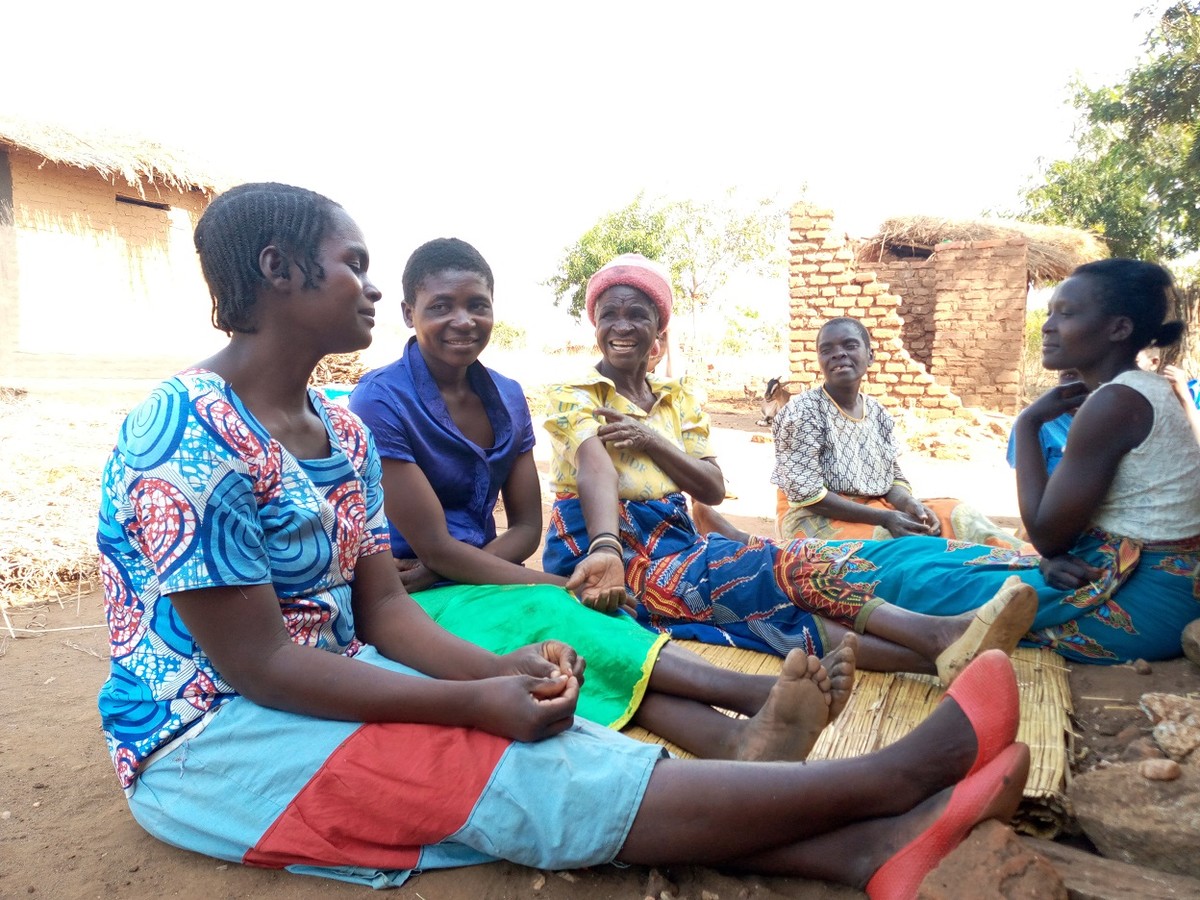
Strengthening the enabling environment for SRHR and reinforcing health systems to deliver sustainable, inclusive access to integrated SRHR services with a special focus on humanitarian and fragile settings.The Women’s Integrated Sexual Health (WISH) project, championed by a ‘Leave No One Behind’ approach, advances quality, integrated, and inclusive family planning and sexual and reproductive health (SRHR) services tailored to the needs of marginalized and hard-to-reach populations. In Eastern Africa, WISH2 builds on proven strategies and successes to extend access for populations often overlooked, young people, persons with disabilities, those living in poverty, and communities affected by conflict or displacement.Donor: Foreign, Commonwealth and Development Office (FCDO)Budget: Total budget of £ 75 million for East and Southern AfricaDuration: 2024 to 2029Funded by the UK Foreign, Commonwealth & Development Office (FCDO) and representing a significant commitment within the UK Government’s family planning framework, the WISH2 Eastern Africa initiative is led by the International Planned Parenthood Federation (IPPF) and executed by a dedicated consortium with partners including the International Rescue Committee (IRC), IPAS, Options Consultancy Services, and the Johns Hopkins Center for Communication Programs (JHU-CCP).Background on WISH 1 to WISH 2 EvolutionsThe Women's Integrated Sexual Health project was launched in 2018 as FCDO’s flagship initiative to expand access to voluntary family planning and sexual and reproductive health and rights services across 27 countries in Africa and Asia. The project was delivered in two parts, with Lot 2 (WISH2ACTION) implemented by a consortium led by IPPF, alongside MSI, Options, Humanity & Inclusion (HI), and IRC. WISH2ACTION aimed to deliver 16.921 million couple years of protection (CYPs) and reach 2.2 million additional users through a comprehensive approach to ensure equitable access to family planning and SRHR, prioritising youth under 20, the very poor, and marginalised populations including persons with disabilities and those in humanitarian or hard-to-reach settings. Its design integrated four core outputs: community and individual choice (Output 1), sustainability through national ownership (Output 2), access to quality services (Output 3), and global goods and evidence (Output 4). The success and learning from WISH2ACTION laid the foundation for WISH 2, which deepens focus on national systems strengthening, disability inclusion, safeguarding, and resilience in fragile contexts, ensuring SRHR remains a global priority while reaching those most at risk of being left behind.WISH 2 builds on successes and learning from WISH 1, while shifting toward greater national ownership, systems resilience, and sustainability. With a sharper focus on fragile and conflict-affected contexts, WISH 2 moves beyond service delivery to embedding SRHR within national policy frameworks, strengthening accountability, and enhancing inclusion through the systematic integration of disability rights, safeguarding, and climate-sensitive approaches. It places greater emphasis on evidence generation, adaptive learning, and localised solutions, ensuring that services are not only available but also accessible, equitable, and responsive to community needs. WISH 2 represents a strategic evolution, aligning with global priorities to “leave no one behind”while reinforcing SRHR as a critical component of universal health coverage and sustainable development.Read more about WISH2.
programme
| 04 October 2019
Women’s Integrated Sexual Health (WISH) 2
Strengthening the enabling environment for SRHR and reinforcing health systems to deliver sustainable, inclusive access to integrated SRHR services with a special focus on humanitarian and fragile settings.The Women’s Integrated Sexual Health (WISH) project, championed by a ‘Leave No One Behind’ approach, advances quality, integrated, and inclusive family planning and sexual and reproductive health (SRHR) services tailored to the needs of marginalized and hard-to-reach populations. In Eastern Africa, WISH2 builds on proven strategies and successes to extend access for populations often overlooked, young people, persons with disabilities, those living in poverty, and communities affected by conflict or displacement.Donor: Foreign, Commonwealth and Development Office (FCDO)Budget: Total budget of £ 75 million for East and Southern AfricaDuration: 2024 to 2029Funded by the UK Foreign, Commonwealth & Development Office (FCDO) and representing a significant commitment within the UK Government’s family planning framework, the WISH2 Eastern Africa initiative is led by the International Planned Parenthood Federation (IPPF) and executed by a dedicated consortium with partners including the International Rescue Committee (IRC), IPAS, Options Consultancy Services, and the Johns Hopkins Center for Communication Programs (JHU-CCP).Background on WISH 1 to WISH 2 EvolutionsThe Women's Integrated Sexual Health project was launched in 2018 as FCDO’s flagship initiative to expand access to voluntary family planning and sexual and reproductive health and rights services across 27 countries in Africa and Asia. The project was delivered in two parts, with Lot 2 (WISH2ACTION) implemented by a consortium led by IPPF, alongside MSI, Options, Humanity & Inclusion (HI), and IRC. WISH2ACTION aimed to deliver 16.921 million couple years of protection (CYPs) and reach 2.2 million additional users through a comprehensive approach to ensure equitable access to family planning and SRHR, prioritising youth under 20, the very poor, and marginalised populations including persons with disabilities and those in humanitarian or hard-to-reach settings. Its design integrated four core outputs: community and individual choice (Output 1), sustainability through national ownership (Output 2), access to quality services (Output 3), and global goods and evidence (Output 4). The success and learning from WISH2ACTION laid the foundation for WISH 2, which deepens focus on national systems strengthening, disability inclusion, safeguarding, and resilience in fragile contexts, ensuring SRHR remains a global priority while reaching those most at risk of being left behind.WISH 2 builds on successes and learning from WISH 1, while shifting toward greater national ownership, systems resilience, and sustainability. With a sharper focus on fragile and conflict-affected contexts, WISH 2 moves beyond service delivery to embedding SRHR within national policy frameworks, strengthening accountability, and enhancing inclusion through the systematic integration of disability rights, safeguarding, and climate-sensitive approaches. It places greater emphasis on evidence generation, adaptive learning, and localised solutions, ensuring that services are not only available but also accessible, equitable, and responsive to community needs. WISH 2 represents a strategic evolution, aligning with global priorities to “leave no one behind”while reinforcing SRHR as a critical component of universal health coverage and sustainable development.Read more about WISH2.