



programme
| 18 August 2026
Safe Passage
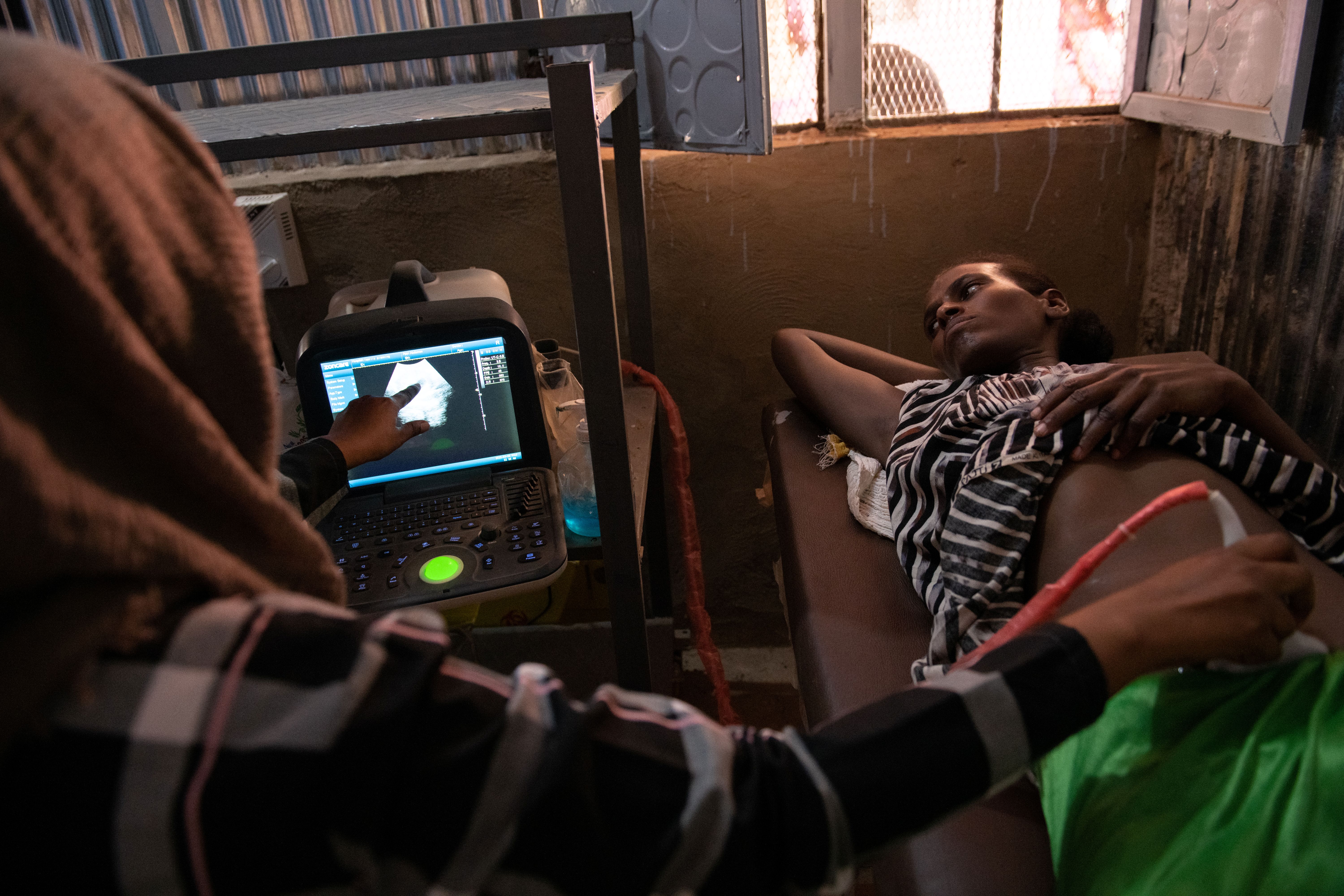
Safe Passage is IPPF’s pioneering global initiative working to deliver uninterrupted sexual and reproductive healthcare for people on the move.Women now make up 47% of all migrants across Africa, and in Latin America and the Caribbean, women represent 52% of all international migrants. With legal pathways for migration shrinking, and funding cuts hitting humanitarian support, at least 8,000 people died on migration routes in 2025.Across every stage of their migration journey, women, girls, LGBTQI communities and sex workers are exposed to violence, exploitation, discrimination and barriers to essential services. Limited access to contraception, antenatal care, and reliable information on the support available to them, increases the risk of unintended pregnancies, untreated infections, and obstetric complications.Connecting care across bordersSafe Passage is led by IPPF Member Associations and connects 15 MAs working in two consortia across Latin America, Africa and the Arab World region. Through a combination of fixed clinics, mobile units, digital health approaches, and referral systems, we ensure that people can access safe, timely, and continuous care throughout their journeys. We provide specialized sexual and reproductive health services, mental health support, and care for survivors of gender-based violence along perilous migration routes.Member Associations are trusted, local organizsations embedded in the communities in which they work. They work alongside government and public authorities and community-based organizations to reduce barriers to accessing care. Alongside supporting internally displaced people, refugees, and migrants, they continue to provide sexual and reproductive health care to host communities, and work to change the narrative on migration from border control to human rights and equality. Safe Passage in Latin AmericaPatterns of migration have become increasingly complex across Latin America, with people often moving back and forth in search of employment, education or essential services – half of cross-border movements in the region are motivated by the need for healthcare, including sexual and reproductive services. In countries such as Colombia, Venezuela and Ecuador, migration is often marked by forced displacement stemming from socioeconomic crisis or persistent conflict. With some transit routes heavily influenced by organized crime gangs, many migrants are exposed to trafficking, exploitation, and extreme sexual violence. The Safe Passage Latin America Consortium is led by ProFamilia and brings together seven Member Associations operating across key migration corridors in Colombia, Peru, Mexico, Honduras, Venezuela, Ecuador, and Chile. Each brings their own technical expertise, including humanitarian response, community outreach and mobile SRH services, psychosocial support, and advocacy. Safe Passage in Africa and the Arab World RegionIn 2024 an estimated 25 million Africans were living in another African country, with over 80% of migration happening within the continent. People take multiple journeys along different routes, many driven by conflict or socioeconomic collapse. The Safe Passage Arab-African Consortium is led by the Family Planning Association of Morocco (AMPF) and brings together eight IPPF Member Associations across Morocco, Tunisia, Mauritania, Sudan, Niger, Nigeria, Cameroon, and Ethiopia. The consortium reflects the diversity of African and Arab migration dynamics, linking contexts of conflict, prolonged displacement, transit, return, and destination.
programme
| 18 August 2026
Safe Passage
Safe Passage is IPPF’s pioneering global initiative working to deliver uninterrupted sexual and reproductive healthcare for people on the move.Women now make up 47% of all migrants across Africa, and in Latin America and the Caribbean, women represent 52% of all international migrants. With legal pathways for migration shrinking, and funding cuts hitting humanitarian support, at least 8,000 people died on migration routes in 2025.Across every stage of their migration journey, women, girls, LGBTQI communities and sex workers are exposed to violence, exploitation, discrimination and barriers to essential services. Limited access to contraception, antenatal care, and reliable information on the support available to them, increases the risk of unintended pregnancies, untreated infections, and obstetric complications.Connecting care across bordersSafe Passage is led by IPPF Member Associations and connects 15 MAs working in two consortia across Latin America, Africa and the Arab World region. Through a combination of fixed clinics, mobile units, digital health approaches, and referral systems, we ensure that people can access safe, timely, and continuous care throughout their journeys. We provide specialized sexual and reproductive health services, mental health support, and care for survivors of gender-based violence along perilous migration routes.Member Associations are trusted, local organizsations embedded in the communities in which they work. They work alongside government and public authorities and community-based organizations to reduce barriers to accessing care. Alongside supporting internally displaced people, refugees, and migrants, they continue to provide sexual and reproductive health care to host communities, and work to change the narrative on migration from border control to human rights and equality. Safe Passage in Latin AmericaPatterns of migration have become increasingly complex across Latin America, with people often moving back and forth in search of employment, education or essential services – half of cross-border movements in the region are motivated by the need for healthcare, including sexual and reproductive services. In countries such as Colombia, Venezuela and Ecuador, migration is often marked by forced displacement stemming from socioeconomic crisis or persistent conflict. With some transit routes heavily influenced by organized crime gangs, many migrants are exposed to trafficking, exploitation, and extreme sexual violence. The Safe Passage Latin America Consortium is led by ProFamilia and brings together seven Member Associations operating across key migration corridors in Colombia, Peru, Mexico, Honduras, Venezuela, Ecuador, and Chile. Each brings their own technical expertise, including humanitarian response, community outreach and mobile SRH services, psychosocial support, and advocacy. Safe Passage in Africa and the Arab World RegionIn 2024 an estimated 25 million Africans were living in another African country, with over 80% of migration happening within the continent. People take multiple journeys along different routes, many driven by conflict or socioeconomic collapse. The Safe Passage Arab-African Consortium is led by the Family Planning Association of Morocco (AMPF) and brings together eight IPPF Member Associations across Morocco, Tunisia, Mauritania, Sudan, Niger, Nigeria, Cameroon, and Ethiopia. The consortium reflects the diversity of African and Arab migration dynamics, linking contexts of conflict, prolonged displacement, transit, return, and destination.

programme
| 26 April 2022
SPRINT: Delivering sexual and reproductive healthcare in crises
SPRINT is IPPF’s humanitarian programme ensuring that lifesaving sexual and reproductive healthcare is available when emergencies strike. Funded by the Australian Government since 2007, it works through IPPF’s locally led network of Member Associations and Collaborative Partners, with a particular focus on the Indo-Pacific region. This includes Pacific Island countries, where geographic isolation, dispersed populations and exposure to climate and natural hazards can make delivering emergency healthcare especially challenging.Because Member Associations are already embedded in the communities they serve, they understand local needs, systems and barriers to care. SPRINT strengthens their capacity to prepare for crises, respond quickly and sustain essential services throughout recovery, enabling responses that are faster, more trusted and more inclusive. PreparednessSPRINT helps communities, health providers and national responders prepare before emergencies occur. This includes training, pre-positioning sexual and reproductive health supplies, strengthening coordination, and integrating sexual and reproductive health into national disaster management policies and plans.The programme also supports advocacy, partnerships and community engagement so that sexual and reproductive health and rights are recognised and protected throughout all phases of the disaster management cycle.ResponseWhen an emergency strikes, Member Associations can apply for funding to deliver lifesaving services through static clinics, mobile health teams and community outreach. Responses are coordinated with governments, humanitarian clusters and community partners. Services follow the Minimum Initial Service Package and can include contraception, maternal and newborn care, STI and HIV services, safe abortion care to the full extent permitted by law, and support and referrals for survivors of sexual and gender-based violence.SPRINT prioritises women, adolescents, displaced people, people with disabilities and other marginalised communities who may face additional barriers to care.RecoverySPRINT helps Member Associations restore and maintain services after an emergency, connecting immediate interventions with longer-term health system strengthening. Post emergency reviews and peer learning ensure lessons from each response inform future preparedness, advocacy and programme planning. SPRINT’s ImpactBetween 2007 and 2025, SPRINT:Reached 2.5 million people with vital health servicesDelivered 11.9 million services to people affected by crisesSupported 133 emergency responses across 33 countriesTrained 26,000 people in emergency preparedness You can read more about IPPF Humanitarian’s work here.
programme
| 26 April 2022
SPRINT: Delivering sexual and reproductive healthcare in crises
SPRINT is IPPF’s humanitarian programme ensuring that lifesaving sexual and reproductive healthcare is available when emergencies strike. Funded by the Australian Government since 2007, it works through IPPF’s locally led network of Member Associations and Collaborative Partners, with a particular focus on the Indo-Pacific region. This includes Pacific Island countries, where geographic isolation, dispersed populations and exposure to climate and natural hazards can make delivering emergency healthcare especially challenging.Because Member Associations are already embedded in the communities they serve, they understand local needs, systems and barriers to care. SPRINT strengthens their capacity to prepare for crises, respond quickly and sustain essential services throughout recovery, enabling responses that are faster, more trusted and more inclusive. PreparednessSPRINT helps communities, health providers and national responders prepare before emergencies occur. This includes training, pre-positioning sexual and reproductive health supplies, strengthening coordination, and integrating sexual and reproductive health into national disaster management policies and plans.The programme also supports advocacy, partnerships and community engagement so that sexual and reproductive health and rights are recognised and protected throughout all phases of the disaster management cycle.ResponseWhen an emergency strikes, Member Associations can apply for funding to deliver lifesaving services through static clinics, mobile health teams and community outreach. Responses are coordinated with governments, humanitarian clusters and community partners. Services follow the Minimum Initial Service Package and can include contraception, maternal and newborn care, STI and HIV services, safe abortion care to the full extent permitted by law, and support and referrals for survivors of sexual and gender-based violence.SPRINT prioritises women, adolescents, displaced people, people with disabilities and other marginalised communities who may face additional barriers to care.RecoverySPRINT helps Member Associations restore and maintain services after an emergency, connecting immediate interventions with longer-term health system strengthening. Post emergency reviews and peer learning ensure lessons from each response inform future preparedness, advocacy and programme planning. SPRINT’s ImpactBetween 2007 and 2025, SPRINT:Reached 2.5 million people with vital health servicesDelivered 11.9 million services to people affected by crisesSupported 133 emergency responses across 33 countriesTrained 26,000 people in emergency preparedness You can read more about IPPF Humanitarian’s work here.
programme
| 04 October 2019
Women’s Integrated Sexual Health (WISH) 2
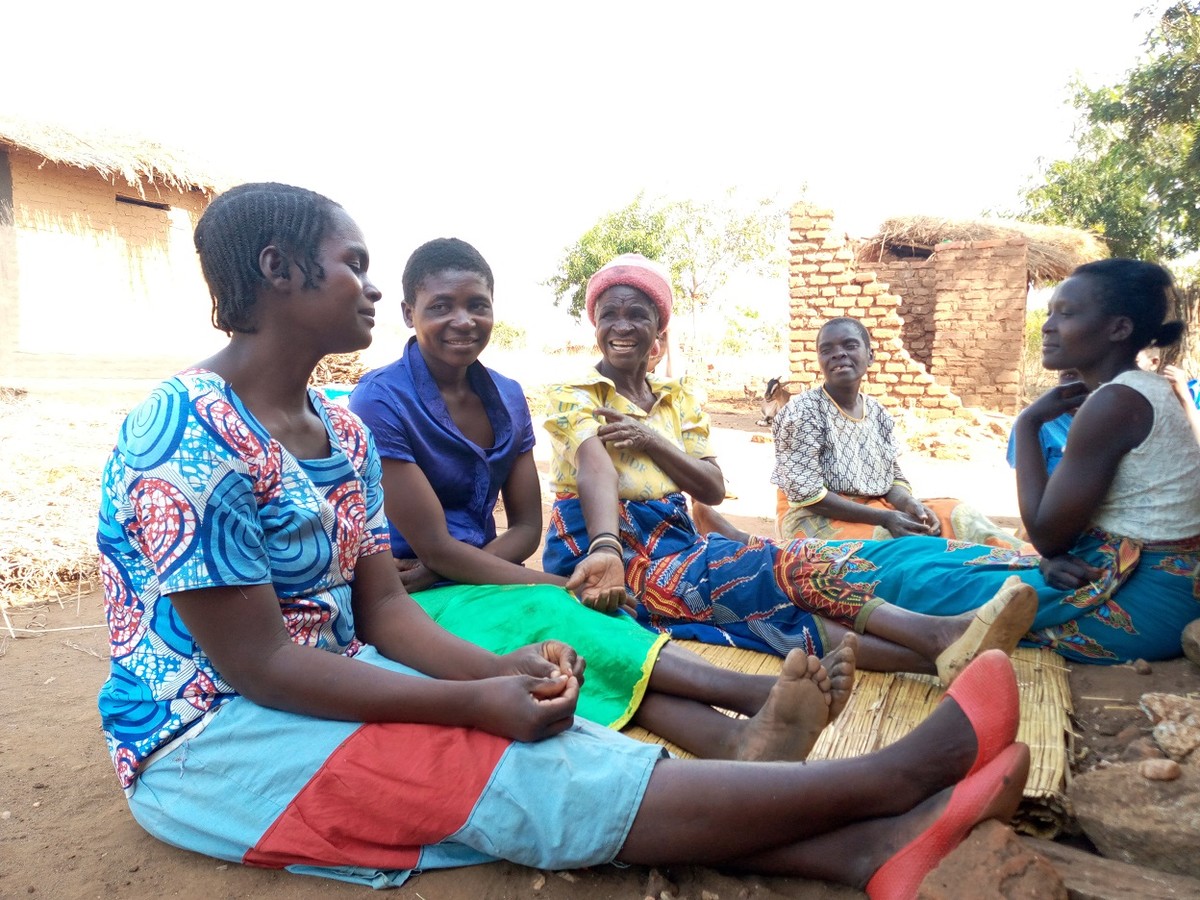
Strengthening the enabling environment for SRHR and reinforcing health systems to deliver sustainable, inclusive access to integrated SRHR services with a special focus on humanitarian and fragile settings.The Women’s Integrated Sexual Health (WISH) project, championed by a ‘Leave No One Behind’ approach, advances quality, integrated, and inclusive family planning and sexual and reproductive health (SRHR) services tailored to the needs of marginalized and hard-to-reach populations. In Eastern Africa, WISH2 builds on proven strategies and successes to extend access for populations often overlooked, young people, persons with disabilities, those living in poverty, and communities affected by conflict or displacement.Donor: Foreign, Commonwealth and Development Office (FCDO)Budget: Total budget of £ 75 million for East and Southern AfricaDuration: 2024 to 2029Funded by the UK Foreign, Commonwealth & Development Office (FCDO) and representing a significant commitment within the UK Government’s family planning framework, the WISH2 Eastern Africa initiative is led by the International Planned Parenthood Federation (IPPF) and executed by a dedicated consortium with partners including the International Rescue Committee (IRC), IPAS, Options Consultancy Services, and the Johns Hopkins Center for Communication Programs (JHU-CCP).Background on WISH 1 to WISH 2 EvolutionsThe Women's Integrated Sexual Health project was launched in 2018 as FCDO’s flagship initiative to expand access to voluntary family planning and sexual and reproductive health and rights services across 27 countries in Africa and Asia. The project was delivered in two parts, with Lot 2 (WISH2ACTION) implemented by a consortium led by IPPF, alongside MSI, Options, Humanity & Inclusion (HI), and IRC. WISH2ACTION aimed to deliver 16.921 million couple years of protection (CYPs) and reach 2.2 million additional users through a comprehensive approach to ensure equitable access to family planning and SRHR, prioritising youth under 20, the very poor, and marginalised populations including persons with disabilities and those in humanitarian or hard-to-reach settings. Its design integrated four core outputs: community and individual choice (Output 1), sustainability through national ownership (Output 2), access to quality services (Output 3), and global goods and evidence (Output 4). The success and learning from WISH2ACTION laid the foundation for WISH 2, which deepens focus on national systems strengthening, disability inclusion, safeguarding, and resilience in fragile contexts, ensuring SRHR remains a global priority while reaching those most at risk of being left behind.WISH 2 builds on successes and learning from WISH 1, while shifting toward greater national ownership, systems resilience, and sustainability. With a sharper focus on fragile and conflict-affected contexts, WISH 2 moves beyond service delivery to embedding SRHR within national policy frameworks, strengthening accountability, and enhancing inclusion through the systematic integration of disability rights, safeguarding, and climate-sensitive approaches. It places greater emphasis on evidence generation, adaptive learning, and localised solutions, ensuring that services are not only available but also accessible, equitable, and responsive to community needs. WISH 2 represents a strategic evolution, aligning with global priorities to “leave no one behind”while reinforcing SRHR as a critical component of universal health coverage and sustainable development.Read more about WISH2.
programme
| 04 October 2019
Women’s Integrated Sexual Health (WISH) 2
Strengthening the enabling environment for SRHR and reinforcing health systems to deliver sustainable, inclusive access to integrated SRHR services with a special focus on humanitarian and fragile settings.The Women’s Integrated Sexual Health (WISH) project, championed by a ‘Leave No One Behind’ approach, advances quality, integrated, and inclusive family planning and sexual and reproductive health (SRHR) services tailored to the needs of marginalized and hard-to-reach populations. In Eastern Africa, WISH2 builds on proven strategies and successes to extend access for populations often overlooked, young people, persons with disabilities, those living in poverty, and communities affected by conflict or displacement.Donor: Foreign, Commonwealth and Development Office (FCDO)Budget: Total budget of £ 75 million for East and Southern AfricaDuration: 2024 to 2029Funded by the UK Foreign, Commonwealth & Development Office (FCDO) and representing a significant commitment within the UK Government’s family planning framework, the WISH2 Eastern Africa initiative is led by the International Planned Parenthood Federation (IPPF) and executed by a dedicated consortium with partners including the International Rescue Committee (IRC), IPAS, Options Consultancy Services, and the Johns Hopkins Center for Communication Programs (JHU-CCP).Background on WISH 1 to WISH 2 EvolutionsThe Women's Integrated Sexual Health project was launched in 2018 as FCDO’s flagship initiative to expand access to voluntary family planning and sexual and reproductive health and rights services across 27 countries in Africa and Asia. The project was delivered in two parts, with Lot 2 (WISH2ACTION) implemented by a consortium led by IPPF, alongside MSI, Options, Humanity & Inclusion (HI), and IRC. WISH2ACTION aimed to deliver 16.921 million couple years of protection (CYPs) and reach 2.2 million additional users through a comprehensive approach to ensure equitable access to family planning and SRHR, prioritising youth under 20, the very poor, and marginalised populations including persons with disabilities and those in humanitarian or hard-to-reach settings. Its design integrated four core outputs: community and individual choice (Output 1), sustainability through national ownership (Output 2), access to quality services (Output 3), and global goods and evidence (Output 4). The success and learning from WISH2ACTION laid the foundation for WISH 2, which deepens focus on national systems strengthening, disability inclusion, safeguarding, and resilience in fragile contexts, ensuring SRHR remains a global priority while reaching those most at risk of being left behind.WISH 2 builds on successes and learning from WISH 1, while shifting toward greater national ownership, systems resilience, and sustainability. With a sharper focus on fragile and conflict-affected contexts, WISH 2 moves beyond service delivery to embedding SRHR within national policy frameworks, strengthening accountability, and enhancing inclusion through the systematic integration of disability rights, safeguarding, and climate-sensitive approaches. It places greater emphasis on evidence generation, adaptive learning, and localised solutions, ensuring that services are not only available but also accessible, equitable, and responsive to community needs. WISH 2 represents a strategic evolution, aligning with global priorities to “leave no one behind”while reinforcing SRHR as a critical component of universal health coverage and sustainable development.Read more about WISH2.