


Spotlight
A selection of resources from across the Federation

Resource
Advancing Sex Workers’ Sexual and Reproductive Health and Rights: A Toolkit for Inclusive Programming
This toolkit is grounded in international guidance and frameworks on sex workers’ health and human rights.
Most Popular This Week

Resource
|
Advancing Sex Workers’ Sexual and Reproductive Health and Rights: A Toolkit for Inclusive Programming
Sexual and reproductive health and rights (SRHR) are not only an integral part of the right to health but also necessary to enjoy many other human rights.

Resource
|
IPPF Annual Report and Financial Statements 2025
IPPF is a global federation and movement of 100+ locally led Member Associations and Collaborative Partnersin 150+ countries, dedicated to sexual and reproductive health, rights

Resource
|
Annual Performance Report 2025
The IPPF Annual Performance Report 2025 tells a story of resilience, solidarity and shared leadership across our Federation.


Resource
|
Review of IPPF’s Governance Reform
Following IPPF’s governance reform in 2019/2020, a review of the reform process was conducted, which provided important insights for the new Board of Trustees and the Secretariat to support the cha

Resource
|
IMAP Statement on Sex Worker-Centred Sexual and Reproductive Health Services
This statement is intended to provide guidance to Member Associations and Collaborative Partners across the Federation on delivering comprehensive, evidence‑based sexual and reproductive health (SR


Filter our resources by:
Resource
| 06 August 2026
Welcome on Board (governance handbook)
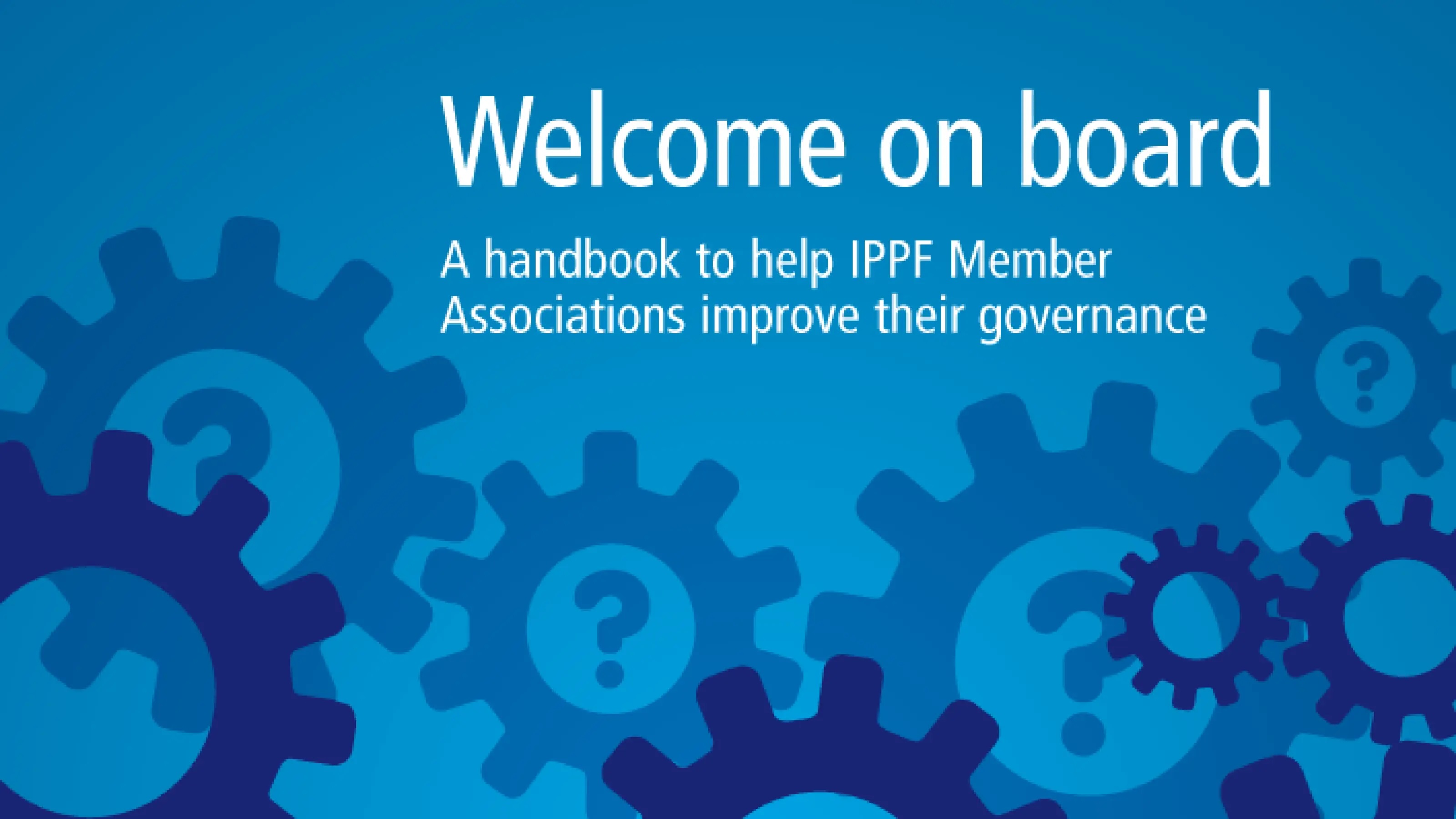
IPPF’s Code of Good Governance was approved by the Governing Council in November 2007 and sets out seven principles for the good governance of the Federation at national, regional and international levels. This handbook is intended to be used in conjunction with the Code and provides examples of good practice, carefully selected for each principle, to help members of governing bodies in IPPF to be as effective as is possible in a variety of circumstances.
Resource
| 19 August 2026
Welcome on Board (governance handbook)
IPPF’s Code of Good Governance was approved by the Governing Council in November 2007 and sets out seven principles for the good governance of the Federation at national, regional and international levels. This handbook is intended to be used in conjunction with the Code and provides examples of good practice, carefully selected for each principle, to help members of governing bodies in IPPF to be as effective as is possible in a variety of circumstances.
Resource
| 04 August 2026
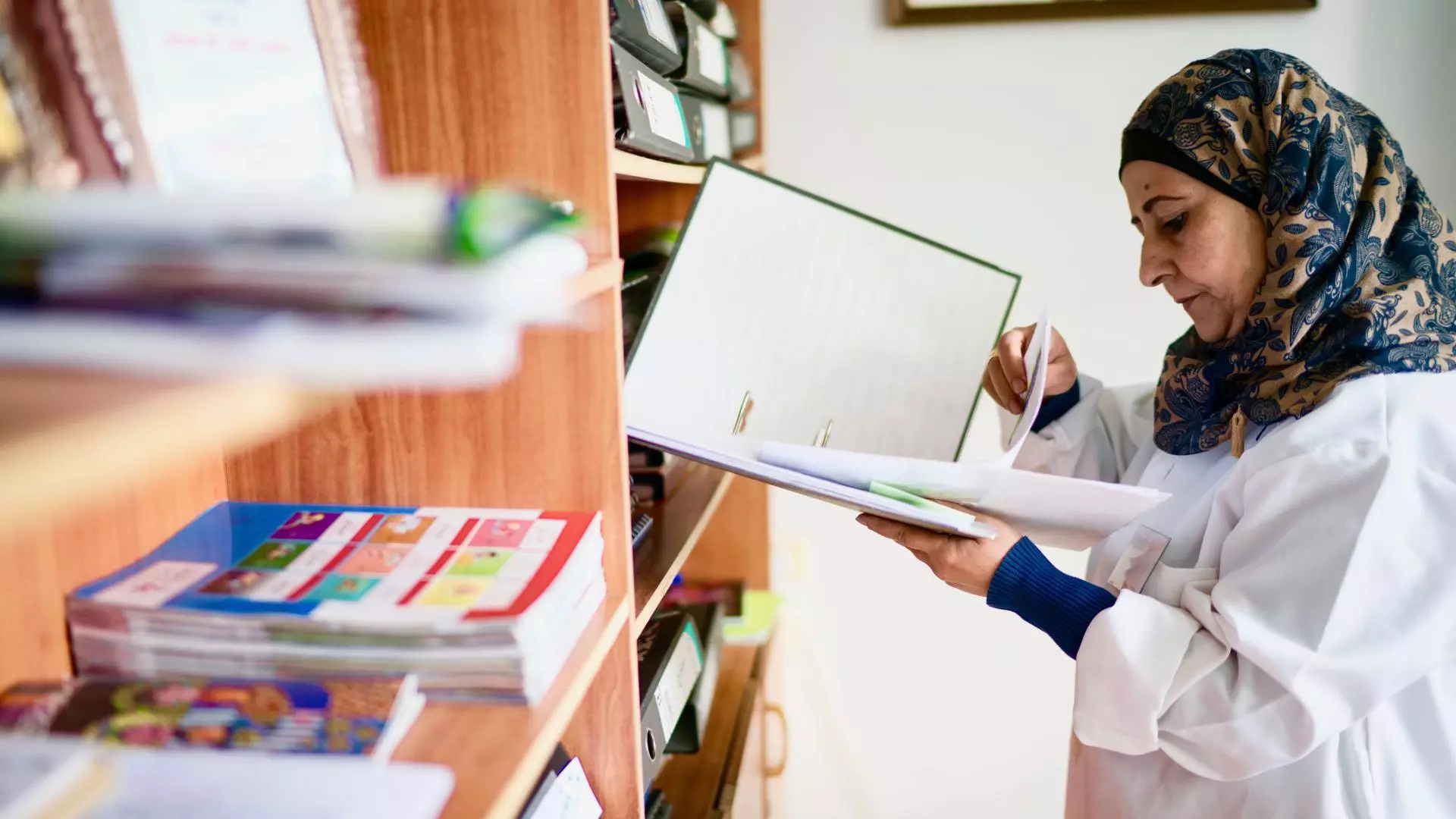
U.S 990 - 2025
IPPF submits a 990 Form in the U.S. every year, as a tax-exempt organisation. The form provides relevant information on our finances, activities, impact and operations.
Resource
| 04 August 2026
U.S 990 - 2025
IPPF submits a 990 Form in the U.S. every year, as a tax-exempt organisation. The form provides relevant information on our finances, activities, impact and operations.
Resource
| 29 July 2026
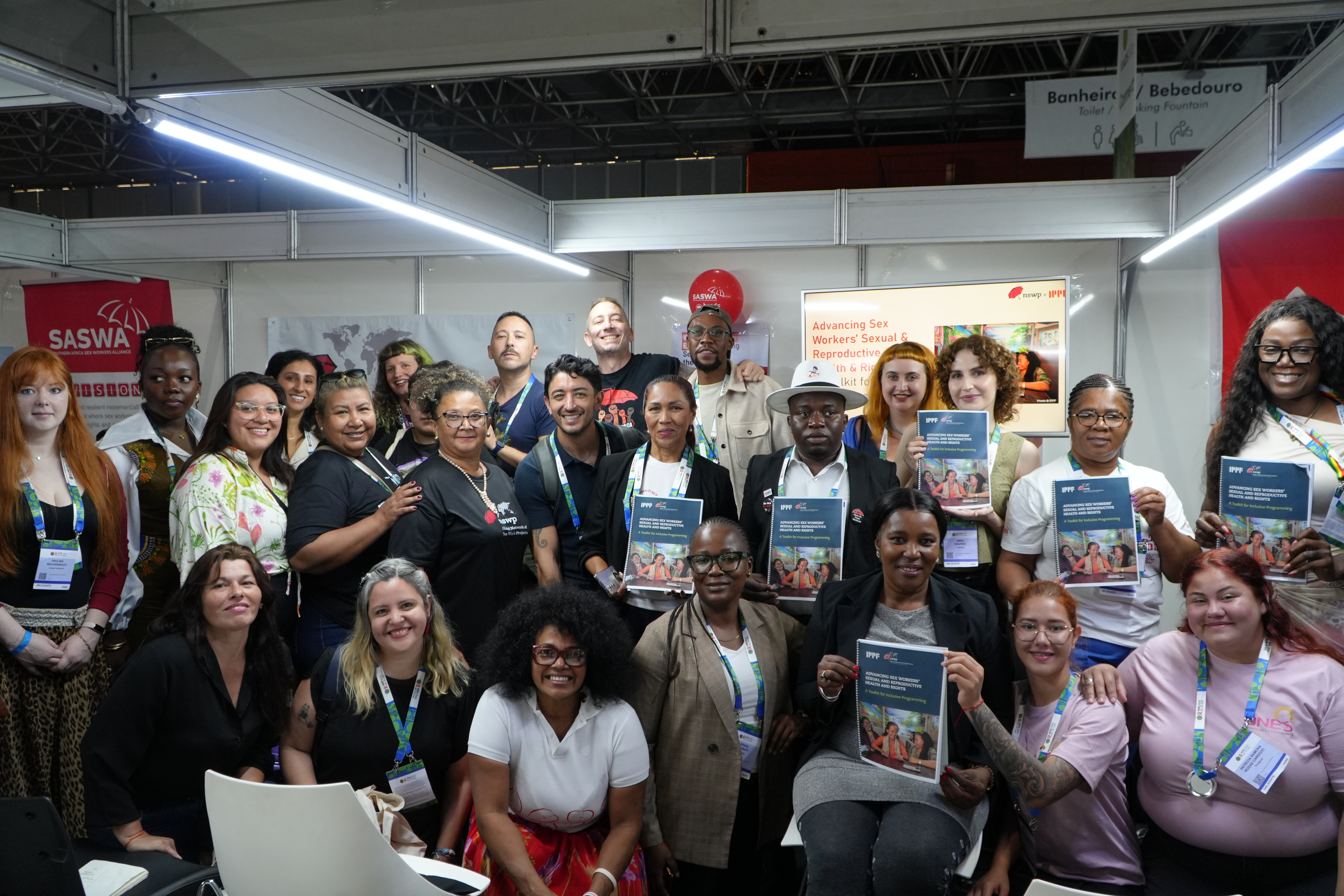
Advancing Sex Workers’ Sexual and Reproductive Health and Rights: A Toolkit for Inclusive Programming
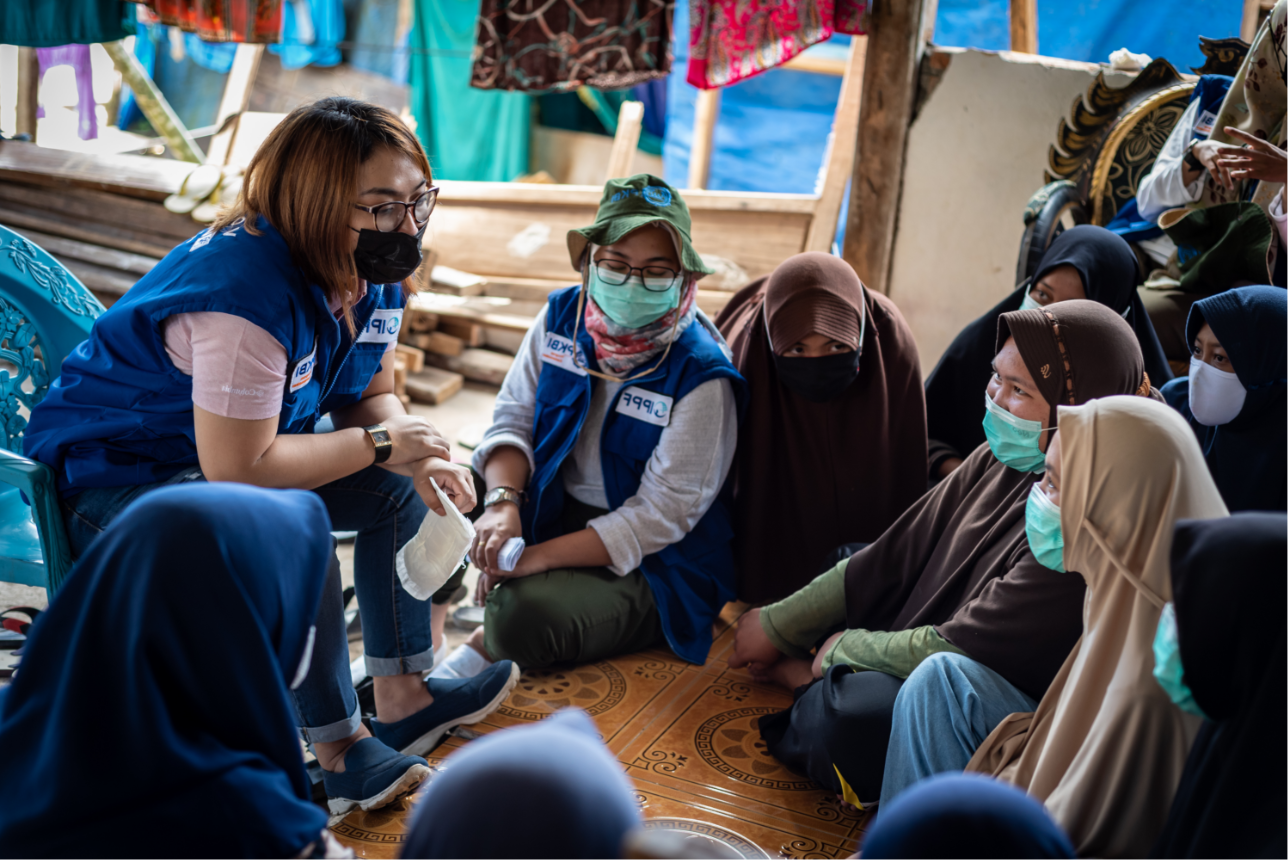
Sexual and reproductive health and rights (SRHR) are not only an integral part of the right to health but also necessary to enjoy many other human rights. Sex workers, like all people, are entitled to access sexual and reproductive health (SRH) care free from stigma, discrimination, coercion and violence. However, due to widespread criminalization, stigma and discrimination, sex workers are often excluded from essential SRH services, exacerbating vulnerabilities and violating their fundamental human rights. Furthermore, the healthcare available to sex workers is seldom informed by the community’s needs and preferences.This toolkit is grounded in international guidance and frameworks on sex workers’ health and human rights. It builds directly on Implementing Comprehensive HIV/STI Programmes with Sex Workers: Practical Approaches from Collaborative Interventions (2013). This publication centres rights-based, inclusive health services for sex workers, anchored in community empowerment and meaningful involvement.This toolkit consolidates key principles, best practices and clinical guidance into a practical resource tailored to the needs of sex worker communities. In addition to outlining comprehensive SRH services, this resource aims to provide tools for designing and delivering rights-based SRH programmes in collaboration with sex workers. Informed by the lived experiences of sex workers, it centres meaningful involvement, inclusivity and sustainability in partnerships with sex worker-led organizations, thereby increasing its effectiveness among this population. The toolkit is intended for healthcare providers, programme managers, sex worker-led organizations, civil society actors, policymakers and others involved in SRH programming and advocacy.You can download this resource below. It is available now in English and will soon be available in French, Russian, Spanish, Chinese and Arabic.
Resource
| 29 July 2026
Advancing Sex Workers’ Sexual and Reproductive Health and Rights: A Toolkit for Inclusive Programming
Sexual and reproductive health and rights (SRHR) are not only an integral part of the right to health but also necessary to enjoy many other human rights. Sex workers, like all people, are entitled to access sexual and reproductive health (SRH) care free from stigma, discrimination, coercion and violence. However, due to widespread criminalization, stigma and discrimination, sex workers are often excluded from essential SRH services, exacerbating vulnerabilities and violating their fundamental human rights. Furthermore, the healthcare available to sex workers is seldom informed by the community’s needs and preferences.This toolkit is grounded in international guidance and frameworks on sex workers’ health and human rights. It builds directly on Implementing Comprehensive HIV/STI Programmes with Sex Workers: Practical Approaches from Collaborative Interventions (2013). This publication centres rights-based, inclusive health services for sex workers, anchored in community empowerment and meaningful involvement.This toolkit consolidates key principles, best practices and clinical guidance into a practical resource tailored to the needs of sex worker communities. In addition to outlining comprehensive SRH services, this resource aims to provide tools for designing and delivering rights-based SRH programmes in collaboration with sex workers. Informed by the lived experiences of sex workers, it centres meaningful involvement, inclusivity and sustainability in partnerships with sex worker-led organizations, thereby increasing its effectiveness among this population. The toolkit is intended for healthcare providers, programme managers, sex worker-led organizations, civil society actors, policymakers and others involved in SRH programming and advocacy.You can download this resource below. It is available now in English and will soon be available in French, Russian, Spanish, Chinese and Arabic.
Resource
| 01 July 2026
IPPF Annual Report and Financial Statements 2025
IPPF is a global federation and movement of 100+ locally led Member Associations and Collaborative Partnersin 150+ countries, dedicated to sexual and reproductive health, rights, and justice. We are healthcare providers, educators, activists, researchers and volunteers. We are united by a commitment to equality and justice for everyone, everywhere. We are locally led and globally connected. We champion not only rights and dignity but also joy, intimacy and pleasure that are essential to human wellbeing.Download our Annual Report and Financial Statements 2025 below.
Resource
| 01 July 2026
IPPF Annual Report and Financial Statements 2025
IPPF is a global federation and movement of 100+ locally led Member Associations and Collaborative Partnersin 150+ countries, dedicated to sexual and reproductive health, rights, and justice. We are healthcare providers, educators, activists, researchers and volunteers. We are united by a commitment to equality and justice for everyone, everywhere. We are locally led and globally connected. We champion not only rights and dignity but also joy, intimacy and pleasure that are essential to human wellbeing.Download our Annual Report and Financial Statements 2025 below.

Resource
| 18 June 2026
Annual Performance Report 2025
The IPPF Annual Performance Report 2025 tells a story of resilience, solidarity and shared leadership across our Federation. In the face of significant challenges, we have responded with courage, clarity, and collective action. We have continued to deliver impact at scale. In 2025, the Federation reached 65.1 million clients, delivered 228.8 million sexual and reproductive health services and provided 17.8 million couple-years of protection. Our humanitarian work, spanning 33 emergency responses and 13.6 million clients in humanitarian and fragile settings, demonstrated what it means to show up with courage, competence and compassion in the hardest of circumstances.We also secured 124 advocacy wins to defend or advance sexual and reproductive health and rights and delivered 163 campaigns, nearly 65 per cent in partnership with other organizations, and more than half alongside allies outside the sexual and reproductive health and rights sector. In a world defined by interconnected crises and coordinated opposition, solidarity is our strategy.Together, we will continue to advance sexual and reproductive health, rights and justice for all.Read more by downloading the 2025 IPPF Annual Performance Report.
Resource
| 18 June 2026
Annual Performance Report 2025
The IPPF Annual Performance Report 2025 tells a story of resilience, solidarity and shared leadership across our Federation. In the face of significant challenges, we have responded with courage, clarity, and collective action. We have continued to deliver impact at scale. In 2025, the Federation reached 65.1 million clients, delivered 228.8 million sexual and reproductive health services and provided 17.8 million couple-years of protection. Our humanitarian work, spanning 33 emergency responses and 13.6 million clients in humanitarian and fragile settings, demonstrated what it means to show up with courage, competence and compassion in the hardest of circumstances.We also secured 124 advocacy wins to defend or advance sexual and reproductive health and rights and delivered 163 campaigns, nearly 65 per cent in partnership with other organizations, and more than half alongside allies outside the sexual and reproductive health and rights sector. In a world defined by interconnected crises and coordinated opposition, solidarity is our strategy.Together, we will continue to advance sexual and reproductive health, rights and justice for all.Read more by downloading the 2025 IPPF Annual Performance Report.
Resource
| 03 June 2026
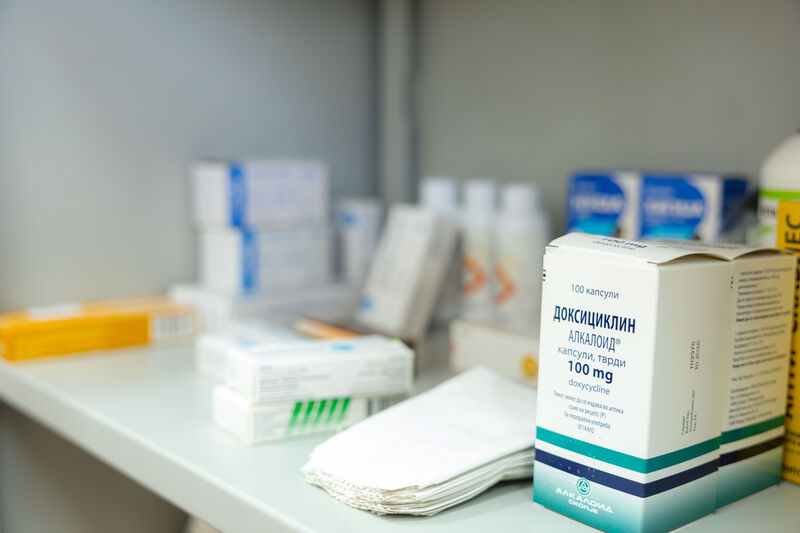
IMAP Frequently Asked Questions: Using pre-exposure prophylaxis (PrEP) and gender affirming hormone therapy (GAHT) for transgender and gender-diverse clients
PrEP is one of the most effective tools we have to prevent HIV, yet many people still have questions about what it is, who it is for, and how it fits into their lives. Can you take PrEP if you are on gender-affirming hormone therapy? Does it have side effects? And why do so many transgender and gender-diverse people still face barriers to accessing it?We consulted the IPPF International Medical Advisory Panel to answer some of the most common questions we have received from the community about PrEP, from how it works and who can benefit from it, to the realities of navigating HIV prevention, healthcare systems, and gender-affirming care. Whether you're considering PrEP yourself, supporting someone who is, or simply curious, here's what you need to know.What is PrEP? PrEP refers to the use of antiretroviral medication by people not infected with HIV to reduce their risk of acquiring HIV (1). PrEP is used during periods when individuals believe they are particularly vulnerable to HIV infection. There are different delivery methods and regimens, with new methods also in development. Currently available options include an oral pill, a vaginal ring, and long-acting injectables. Who should use PrEP? PrEP is appropriate for anyone who perceives themselves to be vulnerable to HIV and wishes to reduce their risk of HIV infection through use of medications (1). Are there side effects to PrEP? Like all medications, PrEP may be associated with side effects in some people. The most common side effects are temporary, and can include nausea, bloating, diarrhoea, headache, feeling dizzy or weak, and trouble sleeping. Side effects from injections can include bruising, pain or small nodules at the injection site. Serious side effects are rare. Does PrEP interfere with gender-affirming hormone therapy? No. PrEP does not lower hormone levels in transgender, nonbinary, and gender diverse people (TGD) on gender-affirming hormone therapy (GAHT) (2). PrEP has been shown to be effective and safe in TGD people and should be provided to high-risk individuals regardless of gender affirming hormone use. There are no measurable differences in hormone levels in blood between PrEP users and non-users who are on GAHT (3). However, blood concentrations of PrEP drugs in transgender women were lower than expected, although at levels unlikely to interfere with their antiviral effect to prevent HIV acquisition (4). Are there sexual side effects to PrEP or gender-affirming hormone therapy for transgender women? PrEP is a medication that reduces the ability of the HIV virus to infect human immune cells; it does not impact the sexual functioning of human sex organs. GAHT for transgender women, however, decreases penile erection function, libido and ejaculatory volume. Discussion of these effects should be an integral part of the informed consent process and shared decision-making at the time of initiating GAHT. If these particular effects are unwanted, there are various strategies that can be used for those who wish to fully maintain penile sexual function, including the use of PDE5 (phosphodiesterase type 5) inhibitors (e.g., sildenafil, tadalafil, vardenafil) to facilitate erections, masturbation/sexual activity to maintain tissue perfusion, lowering antiandrogen doses when feminising goals are met and targeting testosterone levels slightly higher than cisfemale range (either through lower GAHT doses or addition of low-dose add-back testosterone therapy) (5). What are the barriers to using PrEP? Access to healthcare is critical for successful PrEP implementation. Although higher-income regions have had more successful implementation and awareness raising campaigns to date, many low-middle income countries are accelerating access. While PrEP is an important part of HIV preventive care services, studies show transgender women use less preventive care due to multiple factors, including limited access to healthcare, lack of insurance coverage for PrEP and gender-affirming care and medications, and fear of discrimination and stigma by healthcare providers (6). References IMAP statement on biomedical HIV prevention. IPPF, 2023 IMAP Statement on Biomedical HIV Prevention | IPPF, accessed March 2026. Senneker T. Drug-Drug Interactions Between Gender-Affirming Hormone Therapy and Antiretrovirals for Treatment/ Prevention of HIV. Br J Clin Pharmacol. 2024;90:2366–2382. Grant RM, Pellegrini M, Defechereux PA, Anderson PL, Yu M, Glidden DV, O’Neal J, Yager J, Bhasin S, Sevelius J, Deutsch MB. Sex Hormone Therapy and Tenofovir Diphosphate Concentration in Dried Blood Spots: Primary Results of the Interactions Between Antiretrovirals And Transgender Hormones Study. Clin Infect Dis. 2021 Oct 5;73(7):e2117-e2123. doi: 10.1093/cid/ciaa1160. PMID: 32766890; PMCID: PMC8492111. Hiransuthikul A, Janamnuaysook R, Himmad K, et al. Drug drug interactions between feminizing hormone therapy and preexposure prophylaxis among transgender women: the iFACT study. J Int AIDS Soc 2019; 22(7): e25338. DOI: 10. 1002/jia2.25338. Sehgal I. Review of adult gender transition medications: mechanisms, efficacy measures, and pharmacogenomic considerations. Front Endocrinol (Lausanne). 2023 Jul 4;14:1184024. doi: 10.3389/fendo.2023.1184024. Teng F, Sha Y, Fletcher LM, Welsch M, Burns P, Tang W. Barriers to uptake of PrEP across the continuum among transgender women: A global scoping review. Int J STD AIDS. 2023 Apr;34(5):299-314. doi: 10.1177/09564624231152781. Epub 2023 Feb 15. PMID: 36793197.
Resource
| 03 June 2026
IMAP Frequently Asked Questions: Using pre-exposure prophylaxis (PrEP) and gender affirming hormone therapy (GAHT) for transgender and gender-diverse clients
PrEP is one of the most effective tools we have to prevent HIV, yet many people still have questions about what it is, who it is for, and how it fits into their lives. Can you take PrEP if you are on gender-affirming hormone therapy? Does it have side effects? And why do so many transgender and gender-diverse people still face barriers to accessing it?We consulted the IPPF International Medical Advisory Panel to answer some of the most common questions we have received from the community about PrEP, from how it works and who can benefit from it, to the realities of navigating HIV prevention, healthcare systems, and gender-affirming care. Whether you're considering PrEP yourself, supporting someone who is, or simply curious, here's what you need to know.What is PrEP? PrEP refers to the use of antiretroviral medication by people not infected with HIV to reduce their risk of acquiring HIV (1). PrEP is used during periods when individuals believe they are particularly vulnerable to HIV infection. There are different delivery methods and regimens, with new methods also in development. Currently available options include an oral pill, a vaginal ring, and long-acting injectables. Who should use PrEP? PrEP is appropriate for anyone who perceives themselves to be vulnerable to HIV and wishes to reduce their risk of HIV infection through use of medications (1). Are there side effects to PrEP? Like all medications, PrEP may be associated with side effects in some people. The most common side effects are temporary, and can include nausea, bloating, diarrhoea, headache, feeling dizzy or weak, and trouble sleeping. Side effects from injections can include bruising, pain or small nodules at the injection site. Serious side effects are rare. Does PrEP interfere with gender-affirming hormone therapy? No. PrEP does not lower hormone levels in transgender, nonbinary, and gender diverse people (TGD) on gender-affirming hormone therapy (GAHT) (2). PrEP has been shown to be effective and safe in TGD people and should be provided to high-risk individuals regardless of gender affirming hormone use. There are no measurable differences in hormone levels in blood between PrEP users and non-users who are on GAHT (3). However, blood concentrations of PrEP drugs in transgender women were lower than expected, although at levels unlikely to interfere with their antiviral effect to prevent HIV acquisition (4). Are there sexual side effects to PrEP or gender-affirming hormone therapy for transgender women? PrEP is a medication that reduces the ability of the HIV virus to infect human immune cells; it does not impact the sexual functioning of human sex organs. GAHT for transgender women, however, decreases penile erection function, libido and ejaculatory volume. Discussion of these effects should be an integral part of the informed consent process and shared decision-making at the time of initiating GAHT. If these particular effects are unwanted, there are various strategies that can be used for those who wish to fully maintain penile sexual function, including the use of PDE5 (phosphodiesterase type 5) inhibitors (e.g., sildenafil, tadalafil, vardenafil) to facilitate erections, masturbation/sexual activity to maintain tissue perfusion, lowering antiandrogen doses when feminising goals are met and targeting testosterone levels slightly higher than cisfemale range (either through lower GAHT doses or addition of low-dose add-back testosterone therapy) (5). What are the barriers to using PrEP? Access to healthcare is critical for successful PrEP implementation. Although higher-income regions have had more successful implementation and awareness raising campaigns to date, many low-middle income countries are accelerating access. While PrEP is an important part of HIV preventive care services, studies show transgender women use less preventive care due to multiple factors, including limited access to healthcare, lack of insurance coverage for PrEP and gender-affirming care and medications, and fear of discrimination and stigma by healthcare providers (6). References IMAP statement on biomedical HIV prevention. IPPF, 2023 IMAP Statement on Biomedical HIV Prevention | IPPF, accessed March 2026. Senneker T. Drug-Drug Interactions Between Gender-Affirming Hormone Therapy and Antiretrovirals for Treatment/ Prevention of HIV. Br J Clin Pharmacol. 2024;90:2366–2382. Grant RM, Pellegrini M, Defechereux PA, Anderson PL, Yu M, Glidden DV, O’Neal J, Yager J, Bhasin S, Sevelius J, Deutsch MB. Sex Hormone Therapy and Tenofovir Diphosphate Concentration in Dried Blood Spots: Primary Results of the Interactions Between Antiretrovirals And Transgender Hormones Study. Clin Infect Dis. 2021 Oct 5;73(7):e2117-e2123. doi: 10.1093/cid/ciaa1160. PMID: 32766890; PMCID: PMC8492111. Hiransuthikul A, Janamnuaysook R, Himmad K, et al. Drug drug interactions between feminizing hormone therapy and preexposure prophylaxis among transgender women: the iFACT study. J Int AIDS Soc 2019; 22(7): e25338. DOI: 10. 1002/jia2.25338. Sehgal I. Review of adult gender transition medications: mechanisms, efficacy measures, and pharmacogenomic considerations. Front Endocrinol (Lausanne). 2023 Jul 4;14:1184024. doi: 10.3389/fendo.2023.1184024. Teng F, Sha Y, Fletcher LM, Welsch M, Burns P, Tang W. Barriers to uptake of PrEP across the continuum among transgender women: A global scoping review. Int J STD AIDS. 2023 Apr;34(5):299-314. doi: 10.1177/09564624231152781. Epub 2023 Feb 15. PMID: 36793197.

Resource
| 22 March 2026
IMAP Statement on Advancing Fertility Care
Purpose of the statementThis statement provides evidence-based guidance on the recognition, diagnosis, and management of infertility, particularly in low-resource settings. This statement is a resource for IPPF Member Associations (MAs) to promote equitable access to evidence-based family-building options, dispel common misconceptions about infertility, and offer practical recommendations to optimize patient-centred care and outcomes. It was endorsed by IMAP in February 2026.BackgroundInfertility, recognized by the World Health Organization (WHO) as a disease, affects approximately 1 in 6 reproductive aged individuals worldwide, making it one of the most common chronic conditions faced by individuals of childbearing age. An estimated 52.6 to 200 million couples experience an inability to become pregnant, have one or an additional child, with most residing in low- and middle-income countries. Every individual has the right to the highest attainable standard of physical and mental well-being, as well as the freedom to decide the number, timing, and spacing of their children. However, infertility can pose a significant barrier to these rights, impacting personal autonomy and overall well-being. Beyond its medical implications, infertility carries profound emotional and financial consequences, which are further exacerbated in low-resource settings by unavailability of healthcare services, inadequate healthcare infrastructure, prohibitive costs, and socio-cultural barriers to treatment. In some cultures, infertility can result in social ostracization and even gender-based violence, intensifying the challenges faced by affected individuals, particularly women.A priority for International Planned Parenthood Federation (IPPF) is ensuring access to high quality, rights-based, affordable fertility care, tailored to local infrastructures and sensitive to cultural contexts. IPPF recognizes that family planning includes building a family as much as limiting its size. This guideline provides evidence-based recommendations for fertility care in sexual and reproductive health services.You can read the statement in full below.
Resource
| 22 March 2026
IMAP Statement on Advancing Fertility Care
Purpose of the statementThis statement provides evidence-based guidance on the recognition, diagnosis, and management of infertility, particularly in low-resource settings. This statement is a resource for IPPF Member Associations (MAs) to promote equitable access to evidence-based family-building options, dispel common misconceptions about infertility, and offer practical recommendations to optimize patient-centred care and outcomes. It was endorsed by IMAP in February 2026.BackgroundInfertility, recognized by the World Health Organization (WHO) as a disease, affects approximately 1 in 6 reproductive aged individuals worldwide, making it one of the most common chronic conditions faced by individuals of childbearing age. An estimated 52.6 to 200 million couples experience an inability to become pregnant, have one or an additional child, with most residing in low- and middle-income countries. Every individual has the right to the highest attainable standard of physical and mental well-being, as well as the freedom to decide the number, timing, and spacing of their children. However, infertility can pose a significant barrier to these rights, impacting personal autonomy and overall well-being. Beyond its medical implications, infertility carries profound emotional and financial consequences, which are further exacerbated in low-resource settings by unavailability of healthcare services, inadequate healthcare infrastructure, prohibitive costs, and socio-cultural barriers to treatment. In some cultures, infertility can result in social ostracization and even gender-based violence, intensifying the challenges faced by affected individuals, particularly women.A priority for International Planned Parenthood Federation (IPPF) is ensuring access to high quality, rights-based, affordable fertility care, tailored to local infrastructures and sensitive to cultural contexts. IPPF recognizes that family planning includes building a family as much as limiting its size. This guideline provides evidence-based recommendations for fertility care in sexual and reproductive health services.You can read the statement in full below.

Resource
| 10 March 2026
IPPF Case Studies: The impact of the US funding cuts
BackgroundOn 29th January 2025, the Trump Administration issued stop-work orders to its USAID-implementing partners. These resulting funding cuts and ideological attacks on global development and humanitarian assistance had immediate consequences on sexual and reproductive health and rights (SRHR). In February and July 2025, IPPF surveyed its Member Associations (MAs) and Collaborative Partners (CPs) to assess the impact of these funding cuts on their work and the clients they serve. By July 2025, $87.2 million in funding had been lost from 2025 through to 2029 due to cancelled contracts[1]. IPPF MAs / CPs in the Africa Region and the Arab World Region have been most affected, with an estimated loss of $26 million and $9.4 million in funding, respectively. Funding losses have forced the closure of nearly 1,400 clinics - 1,175 in Africa alone. In 2025, 9 million people were estimated to have lost access to SRH services including contraception, HIV testing, and care for survivors of gender-based violence (GBV) from a range of service delivery channels. MAs and CPs also reported declining stock levels of SRH commodities, especially contraceptive products, since January 2025.These case studies document the human cost of this retreat in funding, drawing on case studies from IPPF MAs / CPs in Bangladesh, Ethiopia, Mozambique, and Sudan. Global ContextGovernment donors are withdrawing support as right-wing populism and religious fundamentalism rises. This shift is led by the US but mirrored in Europe, where governments are diverting aid budgets toward defence and border control. Trump’s "America First" Strategy has rejected the traditional model of foreign aid. It has replaced it with an investment model that prioritizes US commercial interests and biodefense, signalling a move away from multilateralism and withdrawal from the World Health Organization (WHO).The Mexico City Policy (also known as the Global Gag Rule) was first introduced in 1984, prohibiting funding to any foreign non-governmental organisation (NGO) that provides comprehensive information on abortion and pregnancy options or performs abortion, thereby severing support for a vast network of SRH providers. The Trump Administration announced a sweeping expansion of the Mexico City Policy in late January 2026. The expanded policy is no longer limited to global health funding, and instead now weaponizes all non-military U.S. foreign assistance amounting to at least US $30 billion annually. This includes diversity, equity and inclusion (DEI) policies, and gender identity rights, recast as threats and condemned as “radical gender ideologies that prey on our children” by Vice-President JD Vance. These latest policies of the Trump Administration further institutionalise fear and paralysis in the global development sector and among the communities IPPF serves. In addition to targeting foreign non-government organisations, the scope has been widened in an attempt to block foreign assistance funding to any U.S. organizations, other governments, parastatals, and multilateral institutions who engage in upholding human rights. This is yet another attack on national sovereignty through the curtailing of SRHR and LGBTQI+ rights.Historically, the reinstatement of the Mexico City Policy has reduced access to contraceptive services and increased abortion rates.[2] Latest measures go beyond historical precedents by:Framing standard contraception as "abortifacients" to broaden prohibited activities.Banning work on gender equality, gender-affirming care and DEI under the guise of preventing "divisive" conceptsFurthermore, the introduction of the America First Global Health Strategy has instigated discussions towards a series of bilateral agreements with a number of African governments. The recent $1.6 billion bilateral agreement with Kenya serves as the blueprint for this new era, imposing strict conditions such as significant co-financing requirements—raising fears of debt distress for partner nations—and mandatory health data sharing, which has already sparked legal challenges regarding patient privacy[3]. We are deeply concerned that this new aid modality will be used as an instrument to pressure governments to restrict sexual and reproductive rights. Compounding the volatility of US withdrawal is the retrenchment of European donors. Nine European donors have cut a combined €30 billion from their development budgets over the next four years[4]. The European Commission has stated it cannot fill the gap left by the US. Against this backdrop of unprecedented funding disruptions and strategic realignment, the experiences of IPPF MAs / CPs provide crucial ground-level evidence of how these macro-level policy shifts translate into real-world consequences for health systems and the people they serve.Explore the case studies in full: Sudan: Bracing for the full impact in the midst of civil warEthiopia: “The biggest challenge in our history”Mozambique: Navigating funding cuts and commodity securityBangladesh – Crisis on crisis for marginalised populations
Resource
| 18 August 2026
IPPF Case Studies: The impact of the US funding cuts
BackgroundOn 29th January 2025, the Trump Administration issued stop-work orders to its USAID-implementing partners. These resulting funding cuts and ideological attacks on global development and humanitarian assistance had immediate consequences on sexual and reproductive health and rights (SRHR). In February and July 2025, IPPF surveyed its Member Associations (MAs) and Collaborative Partners (CPs) to assess the impact of these funding cuts on their work and the clients they serve. By July 2025, $87.2 million in funding had been lost from 2025 through to 2029 due to cancelled contracts[1]. IPPF MAs / CPs in the Africa Region and the Arab World Region have been most affected, with an estimated loss of $26 million and $9.4 million in funding, respectively. Funding losses have forced the closure of nearly 1,400 clinics - 1,175 in Africa alone. In 2025, 9 million people were estimated to have lost access to SRH services including contraception, HIV testing, and care for survivors of gender-based violence (GBV) from a range of service delivery channels. MAs and CPs also reported declining stock levels of SRH commodities, especially contraceptive products, since January 2025.These case studies document the human cost of this retreat in funding, drawing on case studies from IPPF MAs / CPs in Bangladesh, Ethiopia, Mozambique, and Sudan. Global ContextGovernment donors are withdrawing support as right-wing populism and religious fundamentalism rises. This shift is led by the US but mirrored in Europe, where governments are diverting aid budgets toward defence and border control. Trump’s "America First" Strategy has rejected the traditional model of foreign aid. It has replaced it with an investment model that prioritizes US commercial interests and biodefense, signalling a move away from multilateralism and withdrawal from the World Health Organization (WHO).The Mexico City Policy (also known as the Global Gag Rule) was first introduced in 1984, prohibiting funding to any foreign non-governmental organisation (NGO) that provides comprehensive information on abortion and pregnancy options or performs abortion, thereby severing support for a vast network of SRH providers. The Trump Administration announced a sweeping expansion of the Mexico City Policy in late January 2026. The expanded policy is no longer limited to global health funding, and instead now weaponizes all non-military U.S. foreign assistance amounting to at least US $30 billion annually. This includes diversity, equity and inclusion (DEI) policies, and gender identity rights, recast as threats and condemned as “radical gender ideologies that prey on our children” by Vice-President JD Vance. These latest policies of the Trump Administration further institutionalise fear and paralysis in the global development sector and among the communities IPPF serves. In addition to targeting foreign non-government organisations, the scope has been widened in an attempt to block foreign assistance funding to any U.S. organizations, other governments, parastatals, and multilateral institutions who engage in upholding human rights. This is yet another attack on national sovereignty through the curtailing of SRHR and LGBTQI+ rights.Historically, the reinstatement of the Mexico City Policy has reduced access to contraceptive services and increased abortion rates.[2] Latest measures go beyond historical precedents by:Framing standard contraception as "abortifacients" to broaden prohibited activities.Banning work on gender equality, gender-affirming care and DEI under the guise of preventing "divisive" conceptsFurthermore, the introduction of the America First Global Health Strategy has instigated discussions towards a series of bilateral agreements with a number of African governments. The recent $1.6 billion bilateral agreement with Kenya serves as the blueprint for this new era, imposing strict conditions such as significant co-financing requirements—raising fears of debt distress for partner nations—and mandatory health data sharing, which has already sparked legal challenges regarding patient privacy[3]. We are deeply concerned that this new aid modality will be used as an instrument to pressure governments to restrict sexual and reproductive rights. Compounding the volatility of US withdrawal is the retrenchment of European donors. Nine European donors have cut a combined €30 billion from their development budgets over the next four years[4]. The European Commission has stated it cannot fill the gap left by the US. Against this backdrop of unprecedented funding disruptions and strategic realignment, the experiences of IPPF MAs / CPs provide crucial ground-level evidence of how these macro-level policy shifts translate into real-world consequences for health systems and the people they serve.Explore the case studies in full: Sudan: Bracing for the full impact in the midst of civil warEthiopia: “The biggest challenge in our history”Mozambique: Navigating funding cuts and commodity securityBangladesh – Crisis on crisis for marginalised populations

Resource
| 05 February 2026
IMAP Statement on Preventing Female Genital Mutilation
Introduction Female genital mutilation (FGM) involves partial or total removal of the external female genitalia or other injury for cultural or other non-medical reasons. It is a human rights violation, a form of child abuse and an extreme form of gender-based violence (GBV) which affects more than 230 million people globally (UNFPA, 2025). FGM is practiced in more than 90 countries across Africa, Asia and the Middle East, with significant mortality and morbidity as a direct consequence. Studies have shown that, FGM is a leading cause of death of girls and young women in countries where it is practiced (Ghosh, Flowe, & Rockey, 2023).Despite being a cultural practice in certain countries, FGM has no health benefits and can result in long-term and irreversible physical and mental health consequences. The practice is illegal in over 80 countries, either through domestic legislation that specifically prohibits the practice of female genital mutilation within its borders, prohibits it to its expatriate citizens or allows it to be prosecuted through other laws (World Bank, 2025). Purpose of the statement and intended audience This statement was prepared by the International Medical Advisory Panel (IMAP) and approved in February 2026. This statement provides guidance to Member Associations and Collaborative Partners across the Federation on delivering holistic programming to prevent, respond to and mitigate the impact of FGM. The statement provides an update on FGM prevalence and emerging issues including medicalisation, and specific considerations related to humanitarian settings, migration, and displacement. The statement synthesises the latest evidence on effective prevention strategies and survivor-centred service delivery models to guide IPPF affiliates response. Finally, the statement advocates for the elimination of all forms of FGM, including when performed by medically qualified health workers, and supports clinicians’ adherence to human rights principles and professional ethical standards. It supports stakeholders working towards ending FGM, including health providers, policymakers, civil society organisations, and international organisations and funding agencies. You can read the statement in full below.
Resource
| 06 February 2026
IMAP Statement on Preventing Female Genital Mutilation
Introduction Female genital mutilation (FGM) involves partial or total removal of the external female genitalia or other injury for cultural or other non-medical reasons. It is a human rights violation, a form of child abuse and an extreme form of gender-based violence (GBV) which affects more than 230 million people globally (UNFPA, 2025). FGM is practiced in more than 90 countries across Africa, Asia and the Middle East, with significant mortality and morbidity as a direct consequence. Studies have shown that, FGM is a leading cause of death of girls and young women in countries where it is practiced (Ghosh, Flowe, & Rockey, 2023).Despite being a cultural practice in certain countries, FGM has no health benefits and can result in long-term and irreversible physical and mental health consequences. The practice is illegal in over 80 countries, either through domestic legislation that specifically prohibits the practice of female genital mutilation within its borders, prohibits it to its expatriate citizens or allows it to be prosecuted through other laws (World Bank, 2025). Purpose of the statement and intended audience This statement was prepared by the International Medical Advisory Panel (IMAP) and approved in February 2026. This statement provides guidance to Member Associations and Collaborative Partners across the Federation on delivering holistic programming to prevent, respond to and mitigate the impact of FGM. The statement provides an update on FGM prevalence and emerging issues including medicalisation, and specific considerations related to humanitarian settings, migration, and displacement. The statement synthesises the latest evidence on effective prevention strategies and survivor-centred service delivery models to guide IPPF affiliates response. Finally, the statement advocates for the elimination of all forms of FGM, including when performed by medically qualified health workers, and supports clinicians’ adherence to human rights principles and professional ethical standards. It supports stakeholders working towards ending FGM, including health providers, policymakers, civil society organisations, and international organisations and funding agencies. You can read the statement in full below.

Resource
| 19 September 2025
Review of IPPF’s Governance Reform
Following IPPF’s governance reform in 2019/2020, a review of the reform process was conducted, which provided important insights for the new Board of Trustees and the Secretariat to support the changes. Now, five years on, IPPF has commissioned a second review to assess the impact of the governance reform on the Federation, its Member Associations (MAs) and the communities it serves. The objective of the review is to examine whether the reform and resulting changes in global governance are having an impact on how MAs function, donor trust, IPPF operations, on reaching the most excluded communities and, importantly, to establish whether the reform is helping to save lives.This report aims to identify the greatest impacts of the governance reform on the Federation and its work, enabling factors and barriers to reform, opportunities to build on and key lessons learned.
Resource
| 19 September 2025
Review of IPPF’s Governance Reform
Following IPPF’s governance reform in 2019/2020, a review of the reform process was conducted, which provided important insights for the new Board of Trustees and the Secretariat to support the changes. Now, five years on, IPPF has commissioned a second review to assess the impact of the governance reform on the Federation, its Member Associations (MAs) and the communities it serves. The objective of the review is to examine whether the reform and resulting changes in global governance are having an impact on how MAs function, donor trust, IPPF operations, on reaching the most excluded communities and, importantly, to establish whether the reform is helping to save lives.This report aims to identify the greatest impacts of the governance reform on the Federation and its work, enabling factors and barriers to reform, opportunities to build on and key lessons learned.
Resource
| 06 August 2026
Welcome on Board (governance handbook)
IPPF’s Code of Good Governance was approved by the Governing Council in November 2007 and sets out seven principles for the good governance of the Federation at national, regional and international levels. This handbook is intended to be used in conjunction with the Code and provides examples of good practice, carefully selected for each principle, to help members of governing bodies in IPPF to be as effective as is possible in a variety of circumstances.
Resource
| 19 August 2026
Welcome on Board (governance handbook)
IPPF’s Code of Good Governance was approved by the Governing Council in November 2007 and sets out seven principles for the good governance of the Federation at national, regional and international levels. This handbook is intended to be used in conjunction with the Code and provides examples of good practice, carefully selected for each principle, to help members of governing bodies in IPPF to be as effective as is possible in a variety of circumstances.
Resource
| 04 August 2026
U.S 990 - 2025
IPPF submits a 990 Form in the U.S. every year, as a tax-exempt organisation. The form provides relevant information on our finances, activities, impact and operations.
Resource
| 04 August 2026
U.S 990 - 2025
IPPF submits a 990 Form in the U.S. every year, as a tax-exempt organisation. The form provides relevant information on our finances, activities, impact and operations.
Resource
| 29 July 2026
Advancing Sex Workers’ Sexual and Reproductive Health and Rights: A Toolkit for Inclusive Programming
Sexual and reproductive health and rights (SRHR) are not only an integral part of the right to health but also necessary to enjoy many other human rights. Sex workers, like all people, are entitled to access sexual and reproductive health (SRH) care free from stigma, discrimination, coercion and violence. However, due to widespread criminalization, stigma and discrimination, sex workers are often excluded from essential SRH services, exacerbating vulnerabilities and violating their fundamental human rights. Furthermore, the healthcare available to sex workers is seldom informed by the community’s needs and preferences.This toolkit is grounded in international guidance and frameworks on sex workers’ health and human rights. It builds directly on Implementing Comprehensive HIV/STI Programmes with Sex Workers: Practical Approaches from Collaborative Interventions (2013). This publication centres rights-based, inclusive health services for sex workers, anchored in community empowerment and meaningful involvement.This toolkit consolidates key principles, best practices and clinical guidance into a practical resource tailored to the needs of sex worker communities. In addition to outlining comprehensive SRH services, this resource aims to provide tools for designing and delivering rights-based SRH programmes in collaboration with sex workers. Informed by the lived experiences of sex workers, it centres meaningful involvement, inclusivity and sustainability in partnerships with sex worker-led organizations, thereby increasing its effectiveness among this population. The toolkit is intended for healthcare providers, programme managers, sex worker-led organizations, civil society actors, policymakers and others involved in SRH programming and advocacy.You can download this resource below. It is available now in English and will soon be available in French, Russian, Spanish, Chinese and Arabic.
Resource
| 29 July 2026
Advancing Sex Workers’ Sexual and Reproductive Health and Rights: A Toolkit for Inclusive Programming
Sexual and reproductive health and rights (SRHR) are not only an integral part of the right to health but also necessary to enjoy many other human rights. Sex workers, like all people, are entitled to access sexual and reproductive health (SRH) care free from stigma, discrimination, coercion and violence. However, due to widespread criminalization, stigma and discrimination, sex workers are often excluded from essential SRH services, exacerbating vulnerabilities and violating their fundamental human rights. Furthermore, the healthcare available to sex workers is seldom informed by the community’s needs and preferences.This toolkit is grounded in international guidance and frameworks on sex workers’ health and human rights. It builds directly on Implementing Comprehensive HIV/STI Programmes with Sex Workers: Practical Approaches from Collaborative Interventions (2013). This publication centres rights-based, inclusive health services for sex workers, anchored in community empowerment and meaningful involvement.This toolkit consolidates key principles, best practices and clinical guidance into a practical resource tailored to the needs of sex worker communities. In addition to outlining comprehensive SRH services, this resource aims to provide tools for designing and delivering rights-based SRH programmes in collaboration with sex workers. Informed by the lived experiences of sex workers, it centres meaningful involvement, inclusivity and sustainability in partnerships with sex worker-led organizations, thereby increasing its effectiveness among this population. The toolkit is intended for healthcare providers, programme managers, sex worker-led organizations, civil society actors, policymakers and others involved in SRH programming and advocacy.You can download this resource below. It is available now in English and will soon be available in French, Russian, Spanish, Chinese and Arabic.
Resource
| 01 July 2026
IPPF Annual Report and Financial Statements 2025
IPPF is a global federation and movement of 100+ locally led Member Associations and Collaborative Partnersin 150+ countries, dedicated to sexual and reproductive health, rights, and justice. We are healthcare providers, educators, activists, researchers and volunteers. We are united by a commitment to equality and justice for everyone, everywhere. We are locally led and globally connected. We champion not only rights and dignity but also joy, intimacy and pleasure that are essential to human wellbeing.Download our Annual Report and Financial Statements 2025 below.
Resource
| 01 July 2026
IPPF Annual Report and Financial Statements 2025
IPPF is a global federation and movement of 100+ locally led Member Associations and Collaborative Partnersin 150+ countries, dedicated to sexual and reproductive health, rights, and justice. We are healthcare providers, educators, activists, researchers and volunteers. We are united by a commitment to equality and justice for everyone, everywhere. We are locally led and globally connected. We champion not only rights and dignity but also joy, intimacy and pleasure that are essential to human wellbeing.Download our Annual Report and Financial Statements 2025 below.
Resource
| 18 June 2026
Annual Performance Report 2025
The IPPF Annual Performance Report 2025 tells a story of resilience, solidarity and shared leadership across our Federation. In the face of significant challenges, we have responded with courage, clarity, and collective action. We have continued to deliver impact at scale. In 2025, the Federation reached 65.1 million clients, delivered 228.8 million sexual and reproductive health services and provided 17.8 million couple-years of protection. Our humanitarian work, spanning 33 emergency responses and 13.6 million clients in humanitarian and fragile settings, demonstrated what it means to show up with courage, competence and compassion in the hardest of circumstances.We also secured 124 advocacy wins to defend or advance sexual and reproductive health and rights and delivered 163 campaigns, nearly 65 per cent in partnership with other organizations, and more than half alongside allies outside the sexual and reproductive health and rights sector. In a world defined by interconnected crises and coordinated opposition, solidarity is our strategy.Together, we will continue to advance sexual and reproductive health, rights and justice for all.Read more by downloading the 2025 IPPF Annual Performance Report.
Resource
| 18 June 2026
Annual Performance Report 2025
The IPPF Annual Performance Report 2025 tells a story of resilience, solidarity and shared leadership across our Federation. In the face of significant challenges, we have responded with courage, clarity, and collective action. We have continued to deliver impact at scale. In 2025, the Federation reached 65.1 million clients, delivered 228.8 million sexual and reproductive health services and provided 17.8 million couple-years of protection. Our humanitarian work, spanning 33 emergency responses and 13.6 million clients in humanitarian and fragile settings, demonstrated what it means to show up with courage, competence and compassion in the hardest of circumstances.We also secured 124 advocacy wins to defend or advance sexual and reproductive health and rights and delivered 163 campaigns, nearly 65 per cent in partnership with other organizations, and more than half alongside allies outside the sexual and reproductive health and rights sector. In a world defined by interconnected crises and coordinated opposition, solidarity is our strategy.Together, we will continue to advance sexual and reproductive health, rights and justice for all.Read more by downloading the 2025 IPPF Annual Performance Report.
Resource
| 03 June 2026
IMAP Frequently Asked Questions: Using pre-exposure prophylaxis (PrEP) and gender affirming hormone therapy (GAHT) for transgender and gender-diverse clients
PrEP is one of the most effective tools we have to prevent HIV, yet many people still have questions about what it is, who it is for, and how it fits into their lives. Can you take PrEP if you are on gender-affirming hormone therapy? Does it have side effects? And why do so many transgender and gender-diverse people still face barriers to accessing it?We consulted the IPPF International Medical Advisory Panel to answer some of the most common questions we have received from the community about PrEP, from how it works and who can benefit from it, to the realities of navigating HIV prevention, healthcare systems, and gender-affirming care. Whether you're considering PrEP yourself, supporting someone who is, or simply curious, here's what you need to know.What is PrEP? PrEP refers to the use of antiretroviral medication by people not infected with HIV to reduce their risk of acquiring HIV (1). PrEP is used during periods when individuals believe they are particularly vulnerable to HIV infection. There are different delivery methods and regimens, with new methods also in development. Currently available options include an oral pill, a vaginal ring, and long-acting injectables. Who should use PrEP? PrEP is appropriate for anyone who perceives themselves to be vulnerable to HIV and wishes to reduce their risk of HIV infection through use of medications (1). Are there side effects to PrEP? Like all medications, PrEP may be associated with side effects in some people. The most common side effects are temporary, and can include nausea, bloating, diarrhoea, headache, feeling dizzy or weak, and trouble sleeping. Side effects from injections can include bruising, pain or small nodules at the injection site. Serious side effects are rare. Does PrEP interfere with gender-affirming hormone therapy? No. PrEP does not lower hormone levels in transgender, nonbinary, and gender diverse people (TGD) on gender-affirming hormone therapy (GAHT) (2). PrEP has been shown to be effective and safe in TGD people and should be provided to high-risk individuals regardless of gender affirming hormone use. There are no measurable differences in hormone levels in blood between PrEP users and non-users who are on GAHT (3). However, blood concentrations of PrEP drugs in transgender women were lower than expected, although at levels unlikely to interfere with their antiviral effect to prevent HIV acquisition (4). Are there sexual side effects to PrEP or gender-affirming hormone therapy for transgender women? PrEP is a medication that reduces the ability of the HIV virus to infect human immune cells; it does not impact the sexual functioning of human sex organs. GAHT for transgender women, however, decreases penile erection function, libido and ejaculatory volume. Discussion of these effects should be an integral part of the informed consent process and shared decision-making at the time of initiating GAHT. If these particular effects are unwanted, there are various strategies that can be used for those who wish to fully maintain penile sexual function, including the use of PDE5 (phosphodiesterase type 5) inhibitors (e.g., sildenafil, tadalafil, vardenafil) to facilitate erections, masturbation/sexual activity to maintain tissue perfusion, lowering antiandrogen doses when feminising goals are met and targeting testosterone levels slightly higher than cisfemale range (either through lower GAHT doses or addition of low-dose add-back testosterone therapy) (5). What are the barriers to using PrEP? Access to healthcare is critical for successful PrEP implementation. Although higher-income regions have had more successful implementation and awareness raising campaigns to date, many low-middle income countries are accelerating access. While PrEP is an important part of HIV preventive care services, studies show transgender women use less preventive care due to multiple factors, including limited access to healthcare, lack of insurance coverage for PrEP and gender-affirming care and medications, and fear of discrimination and stigma by healthcare providers (6). References IMAP statement on biomedical HIV prevention. IPPF, 2023 IMAP Statement on Biomedical HIV Prevention | IPPF, accessed March 2026. Senneker T. Drug-Drug Interactions Between Gender-Affirming Hormone Therapy and Antiretrovirals for Treatment/ Prevention of HIV. Br J Clin Pharmacol. 2024;90:2366–2382. Grant RM, Pellegrini M, Defechereux PA, Anderson PL, Yu M, Glidden DV, O’Neal J, Yager J, Bhasin S, Sevelius J, Deutsch MB. Sex Hormone Therapy and Tenofovir Diphosphate Concentration in Dried Blood Spots: Primary Results of the Interactions Between Antiretrovirals And Transgender Hormones Study. Clin Infect Dis. 2021 Oct 5;73(7):e2117-e2123. doi: 10.1093/cid/ciaa1160. PMID: 32766890; PMCID: PMC8492111. Hiransuthikul A, Janamnuaysook R, Himmad K, et al. Drug drug interactions between feminizing hormone therapy and preexposure prophylaxis among transgender women: the iFACT study. J Int AIDS Soc 2019; 22(7): e25338. DOI: 10. 1002/jia2.25338. Sehgal I. Review of adult gender transition medications: mechanisms, efficacy measures, and pharmacogenomic considerations. Front Endocrinol (Lausanne). 2023 Jul 4;14:1184024. doi: 10.3389/fendo.2023.1184024. Teng F, Sha Y, Fletcher LM, Welsch M, Burns P, Tang W. Barriers to uptake of PrEP across the continuum among transgender women: A global scoping review. Int J STD AIDS. 2023 Apr;34(5):299-314. doi: 10.1177/09564624231152781. Epub 2023 Feb 15. PMID: 36793197.
Resource
| 03 June 2026
IMAP Frequently Asked Questions: Using pre-exposure prophylaxis (PrEP) and gender affirming hormone therapy (GAHT) for transgender and gender-diverse clients
PrEP is one of the most effective tools we have to prevent HIV, yet many people still have questions about what it is, who it is for, and how it fits into their lives. Can you take PrEP if you are on gender-affirming hormone therapy? Does it have side effects? And why do so many transgender and gender-diverse people still face barriers to accessing it?We consulted the IPPF International Medical Advisory Panel to answer some of the most common questions we have received from the community about PrEP, from how it works and who can benefit from it, to the realities of navigating HIV prevention, healthcare systems, and gender-affirming care. Whether you're considering PrEP yourself, supporting someone who is, or simply curious, here's what you need to know.What is PrEP? PrEP refers to the use of antiretroviral medication by people not infected with HIV to reduce their risk of acquiring HIV (1). PrEP is used during periods when individuals believe they are particularly vulnerable to HIV infection. There are different delivery methods and regimens, with new methods also in development. Currently available options include an oral pill, a vaginal ring, and long-acting injectables. Who should use PrEP? PrEP is appropriate for anyone who perceives themselves to be vulnerable to HIV and wishes to reduce their risk of HIV infection through use of medications (1). Are there side effects to PrEP? Like all medications, PrEP may be associated with side effects in some people. The most common side effects are temporary, and can include nausea, bloating, diarrhoea, headache, feeling dizzy or weak, and trouble sleeping. Side effects from injections can include bruising, pain or small nodules at the injection site. Serious side effects are rare. Does PrEP interfere with gender-affirming hormone therapy? No. PrEP does not lower hormone levels in transgender, nonbinary, and gender diverse people (TGD) on gender-affirming hormone therapy (GAHT) (2). PrEP has been shown to be effective and safe in TGD people and should be provided to high-risk individuals regardless of gender affirming hormone use. There are no measurable differences in hormone levels in blood between PrEP users and non-users who are on GAHT (3). However, blood concentrations of PrEP drugs in transgender women were lower than expected, although at levels unlikely to interfere with their antiviral effect to prevent HIV acquisition (4). Are there sexual side effects to PrEP or gender-affirming hormone therapy for transgender women? PrEP is a medication that reduces the ability of the HIV virus to infect human immune cells; it does not impact the sexual functioning of human sex organs. GAHT for transgender women, however, decreases penile erection function, libido and ejaculatory volume. Discussion of these effects should be an integral part of the informed consent process and shared decision-making at the time of initiating GAHT. If these particular effects are unwanted, there are various strategies that can be used for those who wish to fully maintain penile sexual function, including the use of PDE5 (phosphodiesterase type 5) inhibitors (e.g., sildenafil, tadalafil, vardenafil) to facilitate erections, masturbation/sexual activity to maintain tissue perfusion, lowering antiandrogen doses when feminising goals are met and targeting testosterone levels slightly higher than cisfemale range (either through lower GAHT doses or addition of low-dose add-back testosterone therapy) (5). What are the barriers to using PrEP? Access to healthcare is critical for successful PrEP implementation. Although higher-income regions have had more successful implementation and awareness raising campaigns to date, many low-middle income countries are accelerating access. While PrEP is an important part of HIV preventive care services, studies show transgender women use less preventive care due to multiple factors, including limited access to healthcare, lack of insurance coverage for PrEP and gender-affirming care and medications, and fear of discrimination and stigma by healthcare providers (6). References IMAP statement on biomedical HIV prevention. IPPF, 2023 IMAP Statement on Biomedical HIV Prevention | IPPF, accessed March 2026. Senneker T. Drug-Drug Interactions Between Gender-Affirming Hormone Therapy and Antiretrovirals for Treatment/ Prevention of HIV. Br J Clin Pharmacol. 2024;90:2366–2382. Grant RM, Pellegrini M, Defechereux PA, Anderson PL, Yu M, Glidden DV, O’Neal J, Yager J, Bhasin S, Sevelius J, Deutsch MB. Sex Hormone Therapy and Tenofovir Diphosphate Concentration in Dried Blood Spots: Primary Results of the Interactions Between Antiretrovirals And Transgender Hormones Study. Clin Infect Dis. 2021 Oct 5;73(7):e2117-e2123. doi: 10.1093/cid/ciaa1160. PMID: 32766890; PMCID: PMC8492111. Hiransuthikul A, Janamnuaysook R, Himmad K, et al. Drug drug interactions between feminizing hormone therapy and preexposure prophylaxis among transgender women: the iFACT study. J Int AIDS Soc 2019; 22(7): e25338. DOI: 10. 1002/jia2.25338. Sehgal I. Review of adult gender transition medications: mechanisms, efficacy measures, and pharmacogenomic considerations. Front Endocrinol (Lausanne). 2023 Jul 4;14:1184024. doi: 10.3389/fendo.2023.1184024. Teng F, Sha Y, Fletcher LM, Welsch M, Burns P, Tang W. Barriers to uptake of PrEP across the continuum among transgender women: A global scoping review. Int J STD AIDS. 2023 Apr;34(5):299-314. doi: 10.1177/09564624231152781. Epub 2023 Feb 15. PMID: 36793197.
Resource
| 22 March 2026
IMAP Statement on Advancing Fertility Care
Purpose of the statementThis statement provides evidence-based guidance on the recognition, diagnosis, and management of infertility, particularly in low-resource settings. This statement is a resource for IPPF Member Associations (MAs) to promote equitable access to evidence-based family-building options, dispel common misconceptions about infertility, and offer practical recommendations to optimize patient-centred care and outcomes. It was endorsed by IMAP in February 2026.BackgroundInfertility, recognized by the World Health Organization (WHO) as a disease, affects approximately 1 in 6 reproductive aged individuals worldwide, making it one of the most common chronic conditions faced by individuals of childbearing age. An estimated 52.6 to 200 million couples experience an inability to become pregnant, have one or an additional child, with most residing in low- and middle-income countries. Every individual has the right to the highest attainable standard of physical and mental well-being, as well as the freedom to decide the number, timing, and spacing of their children. However, infertility can pose a significant barrier to these rights, impacting personal autonomy and overall well-being. Beyond its medical implications, infertility carries profound emotional and financial consequences, which are further exacerbated in low-resource settings by unavailability of healthcare services, inadequate healthcare infrastructure, prohibitive costs, and socio-cultural barriers to treatment. In some cultures, infertility can result in social ostracization and even gender-based violence, intensifying the challenges faced by affected individuals, particularly women.A priority for International Planned Parenthood Federation (IPPF) is ensuring access to high quality, rights-based, affordable fertility care, tailored to local infrastructures and sensitive to cultural contexts. IPPF recognizes that family planning includes building a family as much as limiting its size. This guideline provides evidence-based recommendations for fertility care in sexual and reproductive health services.You can read the statement in full below.
Resource
| 22 March 2026
IMAP Statement on Advancing Fertility Care
Purpose of the statementThis statement provides evidence-based guidance on the recognition, diagnosis, and management of infertility, particularly in low-resource settings. This statement is a resource for IPPF Member Associations (MAs) to promote equitable access to evidence-based family-building options, dispel common misconceptions about infertility, and offer practical recommendations to optimize patient-centred care and outcomes. It was endorsed by IMAP in February 2026.BackgroundInfertility, recognized by the World Health Organization (WHO) as a disease, affects approximately 1 in 6 reproductive aged individuals worldwide, making it one of the most common chronic conditions faced by individuals of childbearing age. An estimated 52.6 to 200 million couples experience an inability to become pregnant, have one or an additional child, with most residing in low- and middle-income countries. Every individual has the right to the highest attainable standard of physical and mental well-being, as well as the freedom to decide the number, timing, and spacing of their children. However, infertility can pose a significant barrier to these rights, impacting personal autonomy and overall well-being. Beyond its medical implications, infertility carries profound emotional and financial consequences, which are further exacerbated in low-resource settings by unavailability of healthcare services, inadequate healthcare infrastructure, prohibitive costs, and socio-cultural barriers to treatment. In some cultures, infertility can result in social ostracization and even gender-based violence, intensifying the challenges faced by affected individuals, particularly women.A priority for International Planned Parenthood Federation (IPPF) is ensuring access to high quality, rights-based, affordable fertility care, tailored to local infrastructures and sensitive to cultural contexts. IPPF recognizes that family planning includes building a family as much as limiting its size. This guideline provides evidence-based recommendations for fertility care in sexual and reproductive health services.You can read the statement in full below.
Resource
| 10 March 2026
IPPF Case Studies: The impact of the US funding cuts
BackgroundOn 29th January 2025, the Trump Administration issued stop-work orders to its USAID-implementing partners. These resulting funding cuts and ideological attacks on global development and humanitarian assistance had immediate consequences on sexual and reproductive health and rights (SRHR). In February and July 2025, IPPF surveyed its Member Associations (MAs) and Collaborative Partners (CPs) to assess the impact of these funding cuts on their work and the clients they serve. By July 2025, $87.2 million in funding had been lost from 2025 through to 2029 due to cancelled contracts[1]. IPPF MAs / CPs in the Africa Region and the Arab World Region have been most affected, with an estimated loss of $26 million and $9.4 million in funding, respectively. Funding losses have forced the closure of nearly 1,400 clinics - 1,175 in Africa alone. In 2025, 9 million people were estimated to have lost access to SRH services including contraception, HIV testing, and care for survivors of gender-based violence (GBV) from a range of service delivery channels. MAs and CPs also reported declining stock levels of SRH commodities, especially contraceptive products, since January 2025.These case studies document the human cost of this retreat in funding, drawing on case studies from IPPF MAs / CPs in Bangladesh, Ethiopia, Mozambique, and Sudan. Global ContextGovernment donors are withdrawing support as right-wing populism and religious fundamentalism rises. This shift is led by the US but mirrored in Europe, where governments are diverting aid budgets toward defence and border control. Trump’s "America First" Strategy has rejected the traditional model of foreign aid. It has replaced it with an investment model that prioritizes US commercial interests and biodefense, signalling a move away from multilateralism and withdrawal from the World Health Organization (WHO).The Mexico City Policy (also known as the Global Gag Rule) was first introduced in 1984, prohibiting funding to any foreign non-governmental organisation (NGO) that provides comprehensive information on abortion and pregnancy options or performs abortion, thereby severing support for a vast network of SRH providers. The Trump Administration announced a sweeping expansion of the Mexico City Policy in late January 2026. The expanded policy is no longer limited to global health funding, and instead now weaponizes all non-military U.S. foreign assistance amounting to at least US $30 billion annually. This includes diversity, equity and inclusion (DEI) policies, and gender identity rights, recast as threats and condemned as “radical gender ideologies that prey on our children” by Vice-President JD Vance. These latest policies of the Trump Administration further institutionalise fear and paralysis in the global development sector and among the communities IPPF serves. In addition to targeting foreign non-government organisations, the scope has been widened in an attempt to block foreign assistance funding to any U.S. organizations, other governments, parastatals, and multilateral institutions who engage in upholding human rights. This is yet another attack on national sovereignty through the curtailing of SRHR and LGBTQI+ rights.Historically, the reinstatement of the Mexico City Policy has reduced access to contraceptive services and increased abortion rates.[2] Latest measures go beyond historical precedents by:Framing standard contraception as "abortifacients" to broaden prohibited activities.Banning work on gender equality, gender-affirming care and DEI under the guise of preventing "divisive" conceptsFurthermore, the introduction of the America First Global Health Strategy has instigated discussions towards a series of bilateral agreements with a number of African governments. The recent $1.6 billion bilateral agreement with Kenya serves as the blueprint for this new era, imposing strict conditions such as significant co-financing requirements—raising fears of debt distress for partner nations—and mandatory health data sharing, which has already sparked legal challenges regarding patient privacy[3]. We are deeply concerned that this new aid modality will be used as an instrument to pressure governments to restrict sexual and reproductive rights. Compounding the volatility of US withdrawal is the retrenchment of European donors. Nine European donors have cut a combined €30 billion from their development budgets over the next four years[4]. The European Commission has stated it cannot fill the gap left by the US. Against this backdrop of unprecedented funding disruptions and strategic realignment, the experiences of IPPF MAs / CPs provide crucial ground-level evidence of how these macro-level policy shifts translate into real-world consequences for health systems and the people they serve.Explore the case studies in full: Sudan: Bracing for the full impact in the midst of civil warEthiopia: “The biggest challenge in our history”Mozambique: Navigating funding cuts and commodity securityBangladesh – Crisis on crisis for marginalised populations
Resource
| 18 August 2026
IPPF Case Studies: The impact of the US funding cuts
BackgroundOn 29th January 2025, the Trump Administration issued stop-work orders to its USAID-implementing partners. These resulting funding cuts and ideological attacks on global development and humanitarian assistance had immediate consequences on sexual and reproductive health and rights (SRHR). In February and July 2025, IPPF surveyed its Member Associations (MAs) and Collaborative Partners (CPs) to assess the impact of these funding cuts on their work and the clients they serve. By July 2025, $87.2 million in funding had been lost from 2025 through to 2029 due to cancelled contracts[1]. IPPF MAs / CPs in the Africa Region and the Arab World Region have been most affected, with an estimated loss of $26 million and $9.4 million in funding, respectively. Funding losses have forced the closure of nearly 1,400 clinics - 1,175 in Africa alone. In 2025, 9 million people were estimated to have lost access to SRH services including contraception, HIV testing, and care for survivors of gender-based violence (GBV) from a range of service delivery channels. MAs and CPs also reported declining stock levels of SRH commodities, especially contraceptive products, since January 2025.These case studies document the human cost of this retreat in funding, drawing on case studies from IPPF MAs / CPs in Bangladesh, Ethiopia, Mozambique, and Sudan. Global ContextGovernment donors are withdrawing support as right-wing populism and religious fundamentalism rises. This shift is led by the US but mirrored in Europe, where governments are diverting aid budgets toward defence and border control. Trump’s "America First" Strategy has rejected the traditional model of foreign aid. It has replaced it with an investment model that prioritizes US commercial interests and biodefense, signalling a move away from multilateralism and withdrawal from the World Health Organization (WHO).The Mexico City Policy (also known as the Global Gag Rule) was first introduced in 1984, prohibiting funding to any foreign non-governmental organisation (NGO) that provides comprehensive information on abortion and pregnancy options or performs abortion, thereby severing support for a vast network of SRH providers. The Trump Administration announced a sweeping expansion of the Mexico City Policy in late January 2026. The expanded policy is no longer limited to global health funding, and instead now weaponizes all non-military U.S. foreign assistance amounting to at least US $30 billion annually. This includes diversity, equity and inclusion (DEI) policies, and gender identity rights, recast as threats and condemned as “radical gender ideologies that prey on our children” by Vice-President JD Vance. These latest policies of the Trump Administration further institutionalise fear and paralysis in the global development sector and among the communities IPPF serves. In addition to targeting foreign non-government organisations, the scope has been widened in an attempt to block foreign assistance funding to any U.S. organizations, other governments, parastatals, and multilateral institutions who engage in upholding human rights. This is yet another attack on national sovereignty through the curtailing of SRHR and LGBTQI+ rights.Historically, the reinstatement of the Mexico City Policy has reduced access to contraceptive services and increased abortion rates.[2] Latest measures go beyond historical precedents by:Framing standard contraception as "abortifacients" to broaden prohibited activities.Banning work on gender equality, gender-affirming care and DEI under the guise of preventing "divisive" conceptsFurthermore, the introduction of the America First Global Health Strategy has instigated discussions towards a series of bilateral agreements with a number of African governments. The recent $1.6 billion bilateral agreement with Kenya serves as the blueprint for this new era, imposing strict conditions such as significant co-financing requirements—raising fears of debt distress for partner nations—and mandatory health data sharing, which has already sparked legal challenges regarding patient privacy[3]. We are deeply concerned that this new aid modality will be used as an instrument to pressure governments to restrict sexual and reproductive rights. Compounding the volatility of US withdrawal is the retrenchment of European donors. Nine European donors have cut a combined €30 billion from their development budgets over the next four years[4]. The European Commission has stated it cannot fill the gap left by the US. Against this backdrop of unprecedented funding disruptions and strategic realignment, the experiences of IPPF MAs / CPs provide crucial ground-level evidence of how these macro-level policy shifts translate into real-world consequences for health systems and the people they serve.Explore the case studies in full: Sudan: Bracing for the full impact in the midst of civil warEthiopia: “The biggest challenge in our history”Mozambique: Navigating funding cuts and commodity securityBangladesh – Crisis on crisis for marginalised populations
Resource
| 05 February 2026
IMAP Statement on Preventing Female Genital Mutilation
Introduction Female genital mutilation (FGM) involves partial or total removal of the external female genitalia or other injury for cultural or other non-medical reasons. It is a human rights violation, a form of child abuse and an extreme form of gender-based violence (GBV) which affects more than 230 million people globally (UNFPA, 2025). FGM is practiced in more than 90 countries across Africa, Asia and the Middle East, with significant mortality and morbidity as a direct consequence. Studies have shown that, FGM is a leading cause of death of girls and young women in countries where it is practiced (Ghosh, Flowe, & Rockey, 2023).Despite being a cultural practice in certain countries, FGM has no health benefits and can result in long-term and irreversible physical and mental health consequences. The practice is illegal in over 80 countries, either through domestic legislation that specifically prohibits the practice of female genital mutilation within its borders, prohibits it to its expatriate citizens or allows it to be prosecuted through other laws (World Bank, 2025). Purpose of the statement and intended audience This statement was prepared by the International Medical Advisory Panel (IMAP) and approved in February 2026. This statement provides guidance to Member Associations and Collaborative Partners across the Federation on delivering holistic programming to prevent, respond to and mitigate the impact of FGM. The statement provides an update on FGM prevalence and emerging issues including medicalisation, and specific considerations related to humanitarian settings, migration, and displacement. The statement synthesises the latest evidence on effective prevention strategies and survivor-centred service delivery models to guide IPPF affiliates response. Finally, the statement advocates for the elimination of all forms of FGM, including when performed by medically qualified health workers, and supports clinicians’ adherence to human rights principles and professional ethical standards. It supports stakeholders working towards ending FGM, including health providers, policymakers, civil society organisations, and international organisations and funding agencies. You can read the statement in full below.
Resource
| 06 February 2026
IMAP Statement on Preventing Female Genital Mutilation
Introduction Female genital mutilation (FGM) involves partial or total removal of the external female genitalia or other injury for cultural or other non-medical reasons. It is a human rights violation, a form of child abuse and an extreme form of gender-based violence (GBV) which affects more than 230 million people globally (UNFPA, 2025). FGM is practiced in more than 90 countries across Africa, Asia and the Middle East, with significant mortality and morbidity as a direct consequence. Studies have shown that, FGM is a leading cause of death of girls and young women in countries where it is practiced (Ghosh, Flowe, & Rockey, 2023).Despite being a cultural practice in certain countries, FGM has no health benefits and can result in long-term and irreversible physical and mental health consequences. The practice is illegal in over 80 countries, either through domestic legislation that specifically prohibits the practice of female genital mutilation within its borders, prohibits it to its expatriate citizens or allows it to be prosecuted through other laws (World Bank, 2025). Purpose of the statement and intended audience This statement was prepared by the International Medical Advisory Panel (IMAP) and approved in February 2026. This statement provides guidance to Member Associations and Collaborative Partners across the Federation on delivering holistic programming to prevent, respond to and mitigate the impact of FGM. The statement provides an update on FGM prevalence and emerging issues including medicalisation, and specific considerations related to humanitarian settings, migration, and displacement. The statement synthesises the latest evidence on effective prevention strategies and survivor-centred service delivery models to guide IPPF affiliates response. Finally, the statement advocates for the elimination of all forms of FGM, including when performed by medically qualified health workers, and supports clinicians’ adherence to human rights principles and professional ethical standards. It supports stakeholders working towards ending FGM, including health providers, policymakers, civil society organisations, and international organisations and funding agencies. You can read the statement in full below.
Resource
| 19 September 2025
Review of IPPF’s Governance Reform
Following IPPF’s governance reform in 2019/2020, a review of the reform process was conducted, which provided important insights for the new Board of Trustees and the Secretariat to support the changes. Now, five years on, IPPF has commissioned a second review to assess the impact of the governance reform on the Federation, its Member Associations (MAs) and the communities it serves. The objective of the review is to examine whether the reform and resulting changes in global governance are having an impact on how MAs function, donor trust, IPPF operations, on reaching the most excluded communities and, importantly, to establish whether the reform is helping to save lives.This report aims to identify the greatest impacts of the governance reform on the Federation and its work, enabling factors and barriers to reform, opportunities to build on and key lessons learned.
Resource
| 19 September 2025
Review of IPPF’s Governance Reform
Following IPPF’s governance reform in 2019/2020, a review of the reform process was conducted, which provided important insights for the new Board of Trustees and the Secretariat to support the changes. Now, five years on, IPPF has commissioned a second review to assess the impact of the governance reform on the Federation, its Member Associations (MAs) and the communities it serves. The objective of the review is to examine whether the reform and resulting changes in global governance are having an impact on how MAs function, donor trust, IPPF operations, on reaching the most excluded communities and, importantly, to establish whether the reform is helping to save lives.This report aims to identify the greatest impacts of the governance reform on the Federation and its work, enabling factors and barriers to reform, opportunities to build on and key lessons learned.
