



Spotlight
A selection of resources from across the Federation

Resource
Advancing Sex Workers’ Sexual and Reproductive Health and Rights: A Toolkit for Inclusive Programming
This toolkit is grounded in international guidance and frameworks on sex workers’ health and human rights.
Most Popular This Week

Resource
|
Advancing Sex Workers’ Sexual and Reproductive Health and Rights: A Toolkit for Inclusive Programming
Sexual and reproductive health and rights (SRHR) are not only an integral part of the right to health but also necessary to enjoy many other human rights.

Resource
|
IPPF Annual Report and Financial Statements 2025
IPPF is a global federation and movement of 100+ locally led Member Associations and Collaborative Partnersin 150+ countries, dedicated to sexual and reproductive health, rights

Resource
|
Annual Performance Report 2025
The IPPF Annual Performance Report 2025 tells a story of resilience, solidarity and shared leadership across our Federation.


Resource
|
Review of IPPF’s Governance Reform
Following IPPF’s governance reform in 2019/2020, a review of the reform process was conducted, which provided important insights for the new Board of Trustees and the Secretariat to support the cha

Resource
|
IMAP Statement on Sex Worker-Centred Sexual and Reproductive Health Services
This statement is intended to provide guidance to Member Associations and Collaborative Partners across the Federation on delivering comprehensive, evidence‑based sexual and reproductive health (SR


Filter our resources by:
Resource
| 23 September 2022
IMAP Statement on DHI for SRHR
IPPF understands that DHIs can bridge gaps between formal and community-based models of SRH service delivery and offer unique benefits such as accessibility, privacy, anonymity, linkages to the health system and opportunities for continuous programme monitoring and evaluation. The COVID-19 pandemic accelerated the use of DHIs in SRH care globally, and these are becoming part of the spectrum of SRH service delivery options, complementary to in-person and self-care options. This statement addresses the key attributes for providing safe, quality, accessible person-centered care, and ultimately fulfilling clients’, including women's and girls' right to SRH care when, where, and how they choose to. Download in English, French, Spanish and Arabic below.
Resource
| 23 September 2022
IMAP Statement on DHI for SRHR
IPPF understands that DHIs can bridge gaps between formal and community-based models of SRH service delivery and offer unique benefits such as accessibility, privacy, anonymity, linkages to the health system and opportunities for continuous programme monitoring and evaluation. The COVID-19 pandemic accelerated the use of DHIs in SRH care globally, and these are becoming part of the spectrum of SRH service delivery options, complementary to in-person and self-care options. This statement addresses the key attributes for providing safe, quality, accessible person-centered care, and ultimately fulfilling clients’, including women's and girls' right to SRH care when, where, and how they choose to. Download in English, French, Spanish and Arabic below.

Resource
| 28 July 2022
Technical Brief: Fulfilling the sexual and reproductive rights of women living with HIV, preventing coerced and forced sterilization
The purpose of this technical brief is to promote gender-transformative, rights-based and scientifically accurate information for advocacy and service-delivery to fulfil the sexual and reproductive rights of women, girls and people who have the capacity to become pregnant, who are living with HIV. In doing so, we also aim to provide sufficient evidence to prevent sexual and reproductive rights violations, especially coerced and/or forced sterilization against those living with HIV. The technical brief documents that coerced and/or forced sterilization of women living with HIV is a persistent and serious human rights violation requiring urgent action. The brief reviews components of comprehensive sexual and reproductive health (SRH) service delivery and international medical guidance to uphold and fulfil the sexual and reproductive health and rights of women living with HIV to choose if and when to have children. This brief is primarily intended to inform IPPF Member Associations, secretariat staff, and partners including other SRH service delivery organizations and stakeholders. The brief reinforces IPPF’s position and commitment to person-centred and rights-based HIV care that is integrated within a comprehensive package of SRH services. Download the technical brief below in English or Spanish.
Resource
| 02 October 2026
Technical Brief: Fulfilling the sexual and reproductive rights of women living with HIV, preventing coerced and forced sterilization
The purpose of this technical brief is to promote gender-transformative, rights-based and scientifically accurate information for advocacy and service-delivery to fulfil the sexual and reproductive rights of women, girls and people who have the capacity to become pregnant, who are living with HIV. In doing so, we also aim to provide sufficient evidence to prevent sexual and reproductive rights violations, especially coerced and/or forced sterilization against those living with HIV. The technical brief documents that coerced and/or forced sterilization of women living with HIV is a persistent and serious human rights violation requiring urgent action. The brief reviews components of comprehensive sexual and reproductive health (SRH) service delivery and international medical guidance to uphold and fulfil the sexual and reproductive health and rights of women living with HIV to choose if and when to have children. This brief is primarily intended to inform IPPF Member Associations, secretariat staff, and partners including other SRH service delivery organizations and stakeholders. The brief reinforces IPPF’s position and commitment to person-centred and rights-based HIV care that is integrated within a comprehensive package of SRH services. Download the technical brief below in English or Spanish.
Resource
| 04 July 2022
Financial Statements 2021
This is the 2021 audited consolidated Financial Statements for the year that ended 31 December 2021. Download the report below.
Resource
| 02 October 2026
Financial Statements 2021
This is the 2021 audited consolidated Financial Statements for the year that ended 31 December 2021. Download the report below.

Resource
| 08 June 2022
2021 Annual Performance Report
IPPF has always done the utmost to advance sexual and reproductive health and rights for all. In 2021, IPPF Member Associations (MAs) continued to demonstrate their resilience and adaptability to carry on serving people in spite of the severe disruption caused by the COVID-19 pandemic. A total of 231.4 million services were delivered, a six per cent increase on 2020. Despite comprising fewer MAs, IPPF recovered more than half the decrease caused the previous year by clinic closures and other restrictions. Couple years of protection (CYP) increased by eight percent to reach 29 million – higher than in any year prior to the pandemic.
Resource
| 08 June 2022
2021 Annual Performance Report
IPPF has always done the utmost to advance sexual and reproductive health and rights for all. In 2021, IPPF Member Associations (MAs) continued to demonstrate their resilience and adaptability to carry on serving people in spite of the severe disruption caused by the COVID-19 pandemic. A total of 231.4 million services were delivered, a six per cent increase on 2020. Despite comprising fewer MAs, IPPF recovered more than half the decrease caused the previous year by clinic closures and other restrictions. Couple years of protection (CYP) increased by eight percent to reach 29 million – higher than in any year prior to the pandemic.
Resource
| 07 June 2022
Understanding abortion: a visual resource
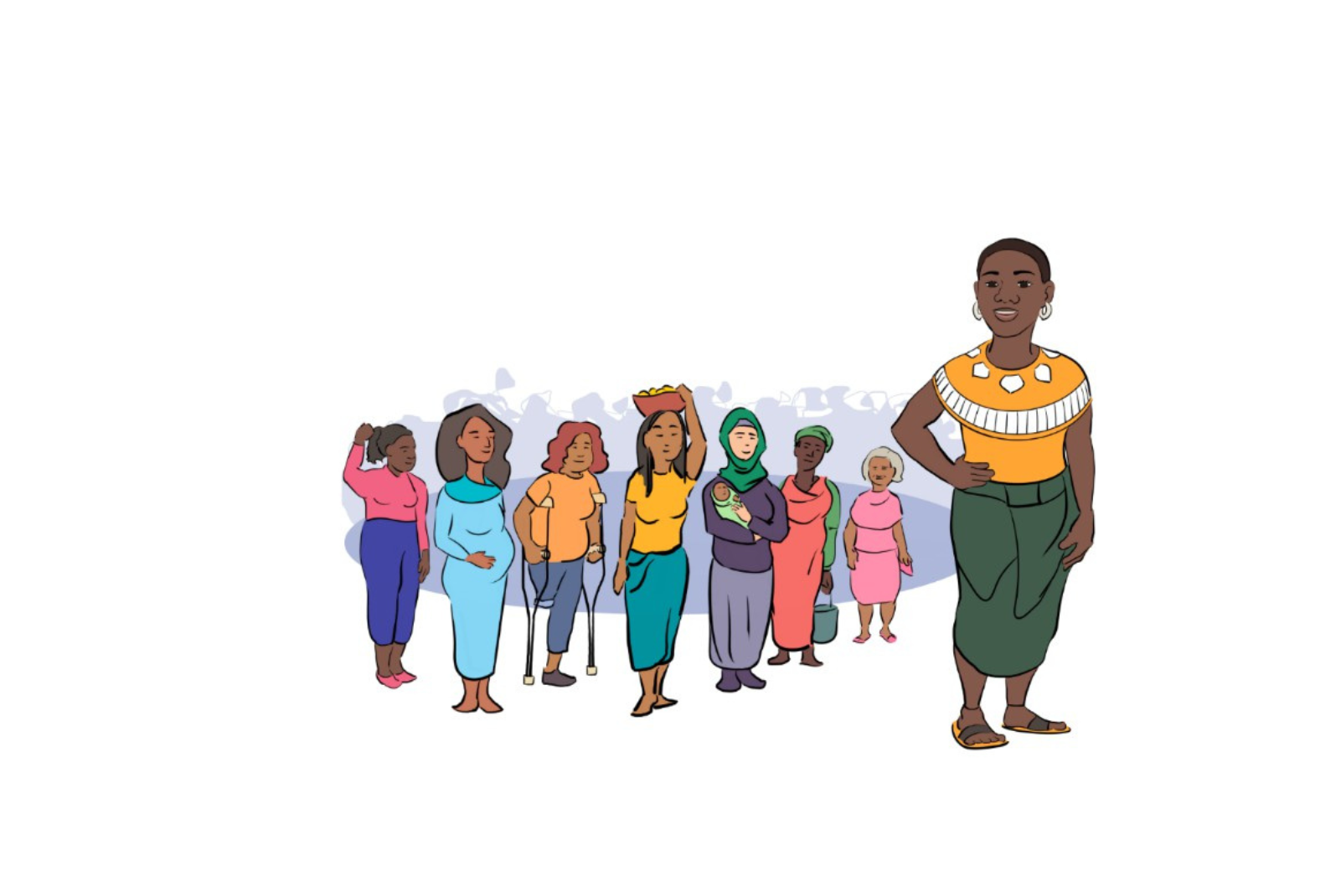
Understanding abortion: a visual resource aims to fill a gap in communication, reducing literacy and language barriers around abortion messaging. It can be used with a range of different audiences, including people with learning disabilities, to support them in the process of making an informed and consensual decision on pregnancy and abortion. This resource offers an insight into what the process of having an abortion is like, showing what a young person’s journey would be if they decided to have an abortion. It is aimed to support community health workers, young people, and others people advocating for an increase in knowledge and information on abortion and reducing the stigma surrounding it. This is a versatile tool, in which the reader can select the most relevant parts of the story according to their needs or those of their audience. We hope this tool can support those who require more information and may need to access safe abortion services. This resource can be used on its own or alongside other IPPF resources around abortion, such as the How to talk about abortion: a guide to rights based messaging or How to educate about abortion: A guide for peer educators, teachers and trainers. In addition, IPPF have produced videos on What is a surgical abortion and What is a medical abortion. For further information on this resource, such as translation into other languages, contact abortionstigma@ippf.org.
Resource
| 30 November 2020
Understanding abortion: a visual resource
Understanding abortion: a visual resource aims to fill a gap in communication, reducing literacy and language barriers around abortion messaging. It can be used with a range of different audiences, including people with learning disabilities, to support them in the process of making an informed and consensual decision on pregnancy and abortion. This resource offers an insight into what the process of having an abortion is like, showing what a young person’s journey would be if they decided to have an abortion. It is aimed to support community health workers, young people, and others people advocating for an increase in knowledge and information on abortion and reducing the stigma surrounding it. This is a versatile tool, in which the reader can select the most relevant parts of the story according to their needs or those of their audience. We hope this tool can support those who require more information and may need to access safe abortion services. This resource can be used on its own or alongside other IPPF resources around abortion, such as the How to talk about abortion: a guide to rights based messaging or How to educate about abortion: A guide for peer educators, teachers and trainers. In addition, IPPF have produced videos on What is a surgical abortion and What is a medical abortion. For further information on this resource, such as translation into other languages, contact abortionstigma@ippf.org.

Resource
| 19 April 2022
IMAP Statement Abortion Self-Care
IPPF understands abortion self-care as the right of women and girls to lead, in part or entirely, their abortion process, with or without support from health providers. Guided by the existing evidence and practices, this statement provides practical recommendations for IPPF Member Associations and other sexual and reproductive health stakeholders on how to manage abortion care within a people-centred model which empowers individuals and is supported by community collectives and social networks, however still backed-up by the healthcare system whenever needed or required. This statement also serves as an advocacy tool to create an enabling environment for abortion self-care. Download in English, French, and Spanish below.
Resource
| 10 June 2021
IMAP Statement Abortion Self-Care
IPPF understands abortion self-care as the right of women and girls to lead, in part or entirely, their abortion process, with or without support from health providers. Guided by the existing evidence and practices, this statement provides practical recommendations for IPPF Member Associations and other sexual and reproductive health stakeholders on how to manage abortion care within a people-centred model which empowers individuals and is supported by community collectives and social networks, however still backed-up by the healthcare system whenever needed or required. This statement also serves as an advocacy tool to create an enabling environment for abortion self-care. Download in English, French, and Spanish below.
Resource
| 06 April 2022
IPPF position paper: The climate crisis and sexual and reproductive health and rights
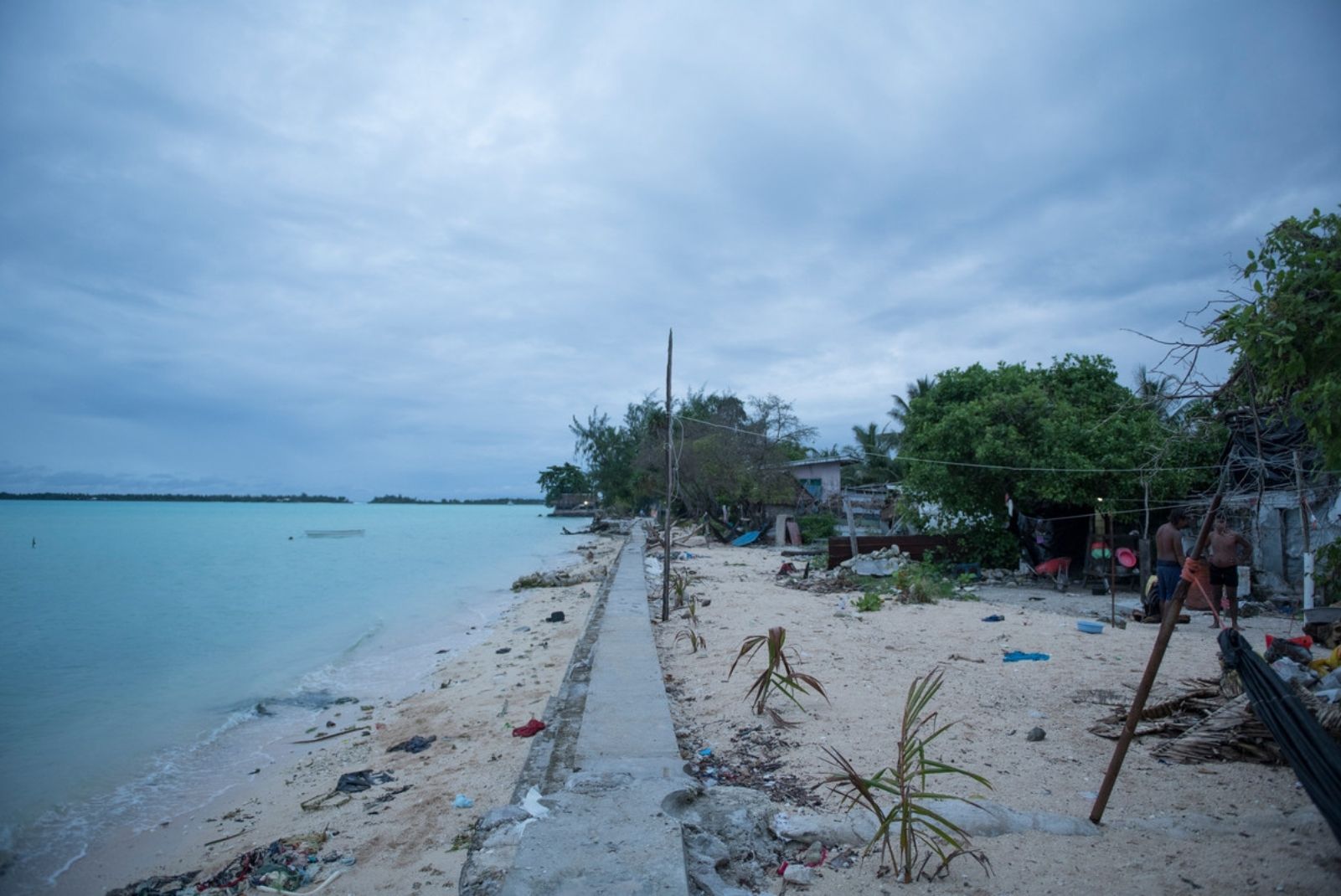
As a major healthcare provider and advocate of sexual and reproductive health and rights, IPPF is committed to supporting communities to adapt to the effects of the climate crisis while calling for inclusive, human rights‑based, and gender‑transformative action to respond to the climate crisis and its impacts at all levels. This position paper describes IPPF’s priorities for advocacy and engagement on the intersections of sexual and reproductive health and rights and the climate crisis. It highlights what we see as our strengths on the issue as a healthcare provider and advocate and points to the values that will underpin our work in this space. Document de position de l’IPPF: La crise climatique et la santé et les droits sexuels et reproductifs En tant que principal prestataire de soins de santé et défenseur de la santé et des droits sexuels et reproductifs, l’IPPF s’engage à aider les communautés à s’adapter aux effets de la crise climatique tout en appelant à une action inclusive, fondée sur les droits humains, et transformatrice de genre pour répondre à la crise climatique et à ses conséquences à tous les niveaux. Le présent document de position décrit les priorités de l’IPPF en matière de plaidoyer et d’engagement sur les liens entre la santé et les droits sexuels et reproductifs et la crise climatique. Il met en évidence ce que nous considérons comme nos points forts sur cette question en tant que prestataire de soins et défenseur des droits, et souligne les valeurs qui sous-tendront notre travail dans ce domaine. Documento de posición de IPPF: La crisis climática y la salud y los derechos sexuales y reproductivos Al ser una importante proveedora de servicios sanitarios y defensora de la salud y los derechos sexuales y reproductivos, la IPPF quiere ayudar a las comunidades a adaptarse a los efectos de la crisis climática y al mismo tiempo promover acciones integradoras, basadas en los derechos humanos y transformativas de género que permitan hacer frente a la crisis climática y sus efectos en todos los ámbitos. Este documento de posición describe las prioridades de la IPPF en materia de incidencia y participación en los espacios de convergencia de la salud y los derechos sexuales y reproductivos y la crisis climática. Pone de relieve los que consideramos nuestros puntos fuertes como proveedores y defensores de servicios de salud, y señala los valores que apuntalarán nuestro trabajo en esta área.
Resource
| 01 March 2021
IPPF position paper: The climate crisis and sexual and reproductive health and rights
As a major healthcare provider and advocate of sexual and reproductive health and rights, IPPF is committed to supporting communities to adapt to the effects of the climate crisis while calling for inclusive, human rights‑based, and gender‑transformative action to respond to the climate crisis and its impacts at all levels. This position paper describes IPPF’s priorities for advocacy and engagement on the intersections of sexual and reproductive health and rights and the climate crisis. It highlights what we see as our strengths on the issue as a healthcare provider and advocate and points to the values that will underpin our work in this space. Document de position de l’IPPF: La crise climatique et la santé et les droits sexuels et reproductifs En tant que principal prestataire de soins de santé et défenseur de la santé et des droits sexuels et reproductifs, l’IPPF s’engage à aider les communautés à s’adapter aux effets de la crise climatique tout en appelant à une action inclusive, fondée sur les droits humains, et transformatrice de genre pour répondre à la crise climatique et à ses conséquences à tous les niveaux. Le présent document de position décrit les priorités de l’IPPF en matière de plaidoyer et d’engagement sur les liens entre la santé et les droits sexuels et reproductifs et la crise climatique. Il met en évidence ce que nous considérons comme nos points forts sur cette question en tant que prestataire de soins et défenseur des droits, et souligne les valeurs qui sous-tendront notre travail dans ce domaine. Documento de posición de IPPF: La crisis climática y la salud y los derechos sexuales y reproductivos Al ser una importante proveedora de servicios sanitarios y defensora de la salud y los derechos sexuales y reproductivos, la IPPF quiere ayudar a las comunidades a adaptarse a los efectos de la crisis climática y al mismo tiempo promover acciones integradoras, basadas en los derechos humanos y transformativas de género que permitan hacer frente a la crisis climática y sus efectos en todos los ámbitos. Este documento de posición describe las prioridades de la IPPF en materia de incidencia y participación en los espacios de convergencia de la salud y los derechos sexuales y reproductivos y la crisis climática. Pone de relieve los que consideramos nuestros puntos fuertes como proveedores y defensores de servicios de salud, y señala los valores que apuntalarán nuestro trabajo en esta área.

Resource
| 11 March 2022
IPPF Policy Handbook
IPPF's Policy Handbook in various languages – October 2025Each of the policies in this IPPF Policy Handbook represent a course of action adopted by the Board of Trustees after appropriate consideration of the issues involved. IPPF policies are intended to provide guidance to the whole Federation on a particular subject in order to assist future action by volunteers or staff. IPPF policies should reveal the values and internationally accepted principles-of-best-practice that IPPF wishes to bring to bear on an issue.
Resource
| 01 November 2025
IPPF Policy Handbook
IPPF's Policy Handbook in various languages – October 2025Each of the policies in this IPPF Policy Handbook represent a course of action adopted by the Board of Trustees after appropriate consideration of the issues involved. IPPF policies are intended to provide guidance to the whole Federation on a particular subject in order to assist future action by volunteers or staff. IPPF policies should reveal the values and internationally accepted principles-of-best-practice that IPPF wishes to bring to bear on an issue.
Resource
| 22 February 2022
Delivering no matter what: IPPF’s response to the COVID-19 pandemic
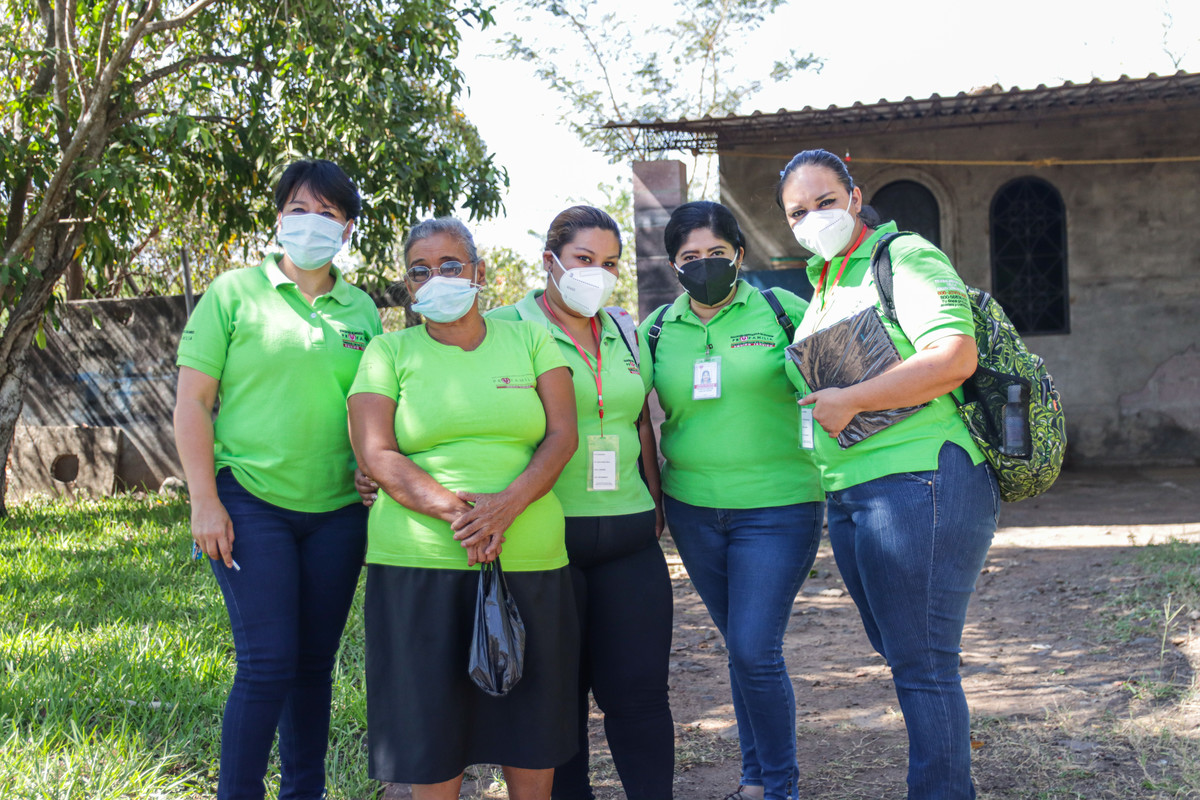
All around the world, the COVID-19 pandemic has, and continues to change the way that people live and the way that they experience sexual and reproductive health and rights. The COVID-19 pandemic has been transformative for IPPF as it has necessitated rapid, dramatic shifts in healthcare and programme delivery so that IPPF can continue meeting the needs of their clients and communities. In the first half of 2020, the Federation responded rapidly by convening a strong, multi-faceted global coordination mechanism – a COVID-19 Task Force – that serves to gather and disseminate intelligence about the pandemic; to lead strategic, joined up actions and learning; and to scale up innovations, all with the aim of supporting Member Associations (MAs) to deliver services in exceptionally difficult contexts. Working together, we have found solutions to provide ever more options and routes for rights-based support and care. Many of these will endure long past the pandemic. Read the report below for more.
Resource
| 21 February 2022
Delivering no matter what: IPPF’s response to the COVID-19 pandemic
All around the world, the COVID-19 pandemic has, and continues to change the way that people live and the way that they experience sexual and reproductive health and rights. The COVID-19 pandemic has been transformative for IPPF as it has necessitated rapid, dramatic shifts in healthcare and programme delivery so that IPPF can continue meeting the needs of their clients and communities. In the first half of 2020, the Federation responded rapidly by convening a strong, multi-faceted global coordination mechanism – a COVID-19 Task Force – that serves to gather and disseminate intelligence about the pandemic; to lead strategic, joined up actions and learning; and to scale up innovations, all with the aim of supporting Member Associations (MAs) to deliver services in exceptionally difficult contexts. Working together, we have found solutions to provide ever more options and routes for rights-based support and care. Many of these will endure long past the pandemic. Read the report below for more.

Resource
| 10 January 2022
Technical Brief on Comprehensive Sexuality Education for Adolescents in Protracted Humanitarian Settings
In line with the IPPF Humanitarian Strategy 2018–2022, we present promising practices to guide IPPF Member Associations and partners in the provision of CSE, specifically when operating in protracted humanitarian crisis environments and call the humanitarian community to action to recognize and adolescent sexual and reproductive health (ASRH) needs and rights in emergency response programming. This technical brief is available below in English, Arabic, French, and Spanish.
Resource
| 02 October 2026
Technical Brief on Comprehensive Sexuality Education for Adolescents in Protracted Humanitarian Settings
In line with the IPPF Humanitarian Strategy 2018–2022, we present promising practices to guide IPPF Member Associations and partners in the provision of CSE, specifically when operating in protracted humanitarian crisis environments and call the humanitarian community to action to recognize and adolescent sexual and reproductive health (ASRH) needs and rights in emergency response programming. This technical brief is available below in English, Arabic, French, and Spanish.
Resource
| 23 September 2022
IMAP Statement on DHI for SRHR
IPPF understands that DHIs can bridge gaps between formal and community-based models of SRH service delivery and offer unique benefits such as accessibility, privacy, anonymity, linkages to the health system and opportunities for continuous programme monitoring and evaluation. The COVID-19 pandemic accelerated the use of DHIs in SRH care globally, and these are becoming part of the spectrum of SRH service delivery options, complementary to in-person and self-care options. This statement addresses the key attributes for providing safe, quality, accessible person-centered care, and ultimately fulfilling clients’, including women's and girls' right to SRH care when, where, and how they choose to. Download in English, French, Spanish and Arabic below.
Resource
| 23 September 2022
IMAP Statement on DHI for SRHR
IPPF understands that DHIs can bridge gaps between formal and community-based models of SRH service delivery and offer unique benefits such as accessibility, privacy, anonymity, linkages to the health system and opportunities for continuous programme monitoring and evaluation. The COVID-19 pandemic accelerated the use of DHIs in SRH care globally, and these are becoming part of the spectrum of SRH service delivery options, complementary to in-person and self-care options. This statement addresses the key attributes for providing safe, quality, accessible person-centered care, and ultimately fulfilling clients’, including women's and girls' right to SRH care when, where, and how they choose to. Download in English, French, Spanish and Arabic below.
Resource
| 28 July 2022
Technical Brief: Fulfilling the sexual and reproductive rights of women living with HIV, preventing coerced and forced sterilization
The purpose of this technical brief is to promote gender-transformative, rights-based and scientifically accurate information for advocacy and service-delivery to fulfil the sexual and reproductive rights of women, girls and people who have the capacity to become pregnant, who are living with HIV. In doing so, we also aim to provide sufficient evidence to prevent sexual and reproductive rights violations, especially coerced and/or forced sterilization against those living with HIV. The technical brief documents that coerced and/or forced sterilization of women living with HIV is a persistent and serious human rights violation requiring urgent action. The brief reviews components of comprehensive sexual and reproductive health (SRH) service delivery and international medical guidance to uphold and fulfil the sexual and reproductive health and rights of women living with HIV to choose if and when to have children. This brief is primarily intended to inform IPPF Member Associations, secretariat staff, and partners including other SRH service delivery organizations and stakeholders. The brief reinforces IPPF’s position and commitment to person-centred and rights-based HIV care that is integrated within a comprehensive package of SRH services. Download the technical brief below in English or Spanish.
Resource
| 02 October 2026
Technical Brief: Fulfilling the sexual and reproductive rights of women living with HIV, preventing coerced and forced sterilization
The purpose of this technical brief is to promote gender-transformative, rights-based and scientifically accurate information for advocacy and service-delivery to fulfil the sexual and reproductive rights of women, girls and people who have the capacity to become pregnant, who are living with HIV. In doing so, we also aim to provide sufficient evidence to prevent sexual and reproductive rights violations, especially coerced and/or forced sterilization against those living with HIV. The technical brief documents that coerced and/or forced sterilization of women living with HIV is a persistent and serious human rights violation requiring urgent action. The brief reviews components of comprehensive sexual and reproductive health (SRH) service delivery and international medical guidance to uphold and fulfil the sexual and reproductive health and rights of women living with HIV to choose if and when to have children. This brief is primarily intended to inform IPPF Member Associations, secretariat staff, and partners including other SRH service delivery organizations and stakeholders. The brief reinforces IPPF’s position and commitment to person-centred and rights-based HIV care that is integrated within a comprehensive package of SRH services. Download the technical brief below in English or Spanish.
Resource
| 04 July 2022
Financial Statements 2021
This is the 2021 audited consolidated Financial Statements for the year that ended 31 December 2021. Download the report below.
Resource
| 02 October 2026
Financial Statements 2021
This is the 2021 audited consolidated Financial Statements for the year that ended 31 December 2021. Download the report below.
Resource
| 08 June 2022
2021 Annual Performance Report
IPPF has always done the utmost to advance sexual and reproductive health and rights for all. In 2021, IPPF Member Associations (MAs) continued to demonstrate their resilience and adaptability to carry on serving people in spite of the severe disruption caused by the COVID-19 pandemic. A total of 231.4 million services were delivered, a six per cent increase on 2020. Despite comprising fewer MAs, IPPF recovered more than half the decrease caused the previous year by clinic closures and other restrictions. Couple years of protection (CYP) increased by eight percent to reach 29 million – higher than in any year prior to the pandemic.
Resource
| 08 June 2022
2021 Annual Performance Report
IPPF has always done the utmost to advance sexual and reproductive health and rights for all. In 2021, IPPF Member Associations (MAs) continued to demonstrate their resilience and adaptability to carry on serving people in spite of the severe disruption caused by the COVID-19 pandemic. A total of 231.4 million services were delivered, a six per cent increase on 2020. Despite comprising fewer MAs, IPPF recovered more than half the decrease caused the previous year by clinic closures and other restrictions. Couple years of protection (CYP) increased by eight percent to reach 29 million – higher than in any year prior to the pandemic.
Resource
| 07 June 2022
Understanding abortion: a visual resource
Understanding abortion: a visual resource aims to fill a gap in communication, reducing literacy and language barriers around abortion messaging. It can be used with a range of different audiences, including people with learning disabilities, to support them in the process of making an informed and consensual decision on pregnancy and abortion. This resource offers an insight into what the process of having an abortion is like, showing what a young person’s journey would be if they decided to have an abortion. It is aimed to support community health workers, young people, and others people advocating for an increase in knowledge and information on abortion and reducing the stigma surrounding it. This is a versatile tool, in which the reader can select the most relevant parts of the story according to their needs or those of their audience. We hope this tool can support those who require more information and may need to access safe abortion services. This resource can be used on its own or alongside other IPPF resources around abortion, such as the How to talk about abortion: a guide to rights based messaging or How to educate about abortion: A guide for peer educators, teachers and trainers. In addition, IPPF have produced videos on What is a surgical abortion and What is a medical abortion. For further information on this resource, such as translation into other languages, contact abortionstigma@ippf.org.
Resource
| 30 November 2020
Understanding abortion: a visual resource
Understanding abortion: a visual resource aims to fill a gap in communication, reducing literacy and language barriers around abortion messaging. It can be used with a range of different audiences, including people with learning disabilities, to support them in the process of making an informed and consensual decision on pregnancy and abortion. This resource offers an insight into what the process of having an abortion is like, showing what a young person’s journey would be if they decided to have an abortion. It is aimed to support community health workers, young people, and others people advocating for an increase in knowledge and information on abortion and reducing the stigma surrounding it. This is a versatile tool, in which the reader can select the most relevant parts of the story according to their needs or those of their audience. We hope this tool can support those who require more information and may need to access safe abortion services. This resource can be used on its own or alongside other IPPF resources around abortion, such as the How to talk about abortion: a guide to rights based messaging or How to educate about abortion: A guide for peer educators, teachers and trainers. In addition, IPPF have produced videos on What is a surgical abortion and What is a medical abortion. For further information on this resource, such as translation into other languages, contact abortionstigma@ippf.org.
Resource
| 19 April 2022
IMAP Statement Abortion Self-Care
IPPF understands abortion self-care as the right of women and girls to lead, in part or entirely, their abortion process, with or without support from health providers. Guided by the existing evidence and practices, this statement provides practical recommendations for IPPF Member Associations and other sexual and reproductive health stakeholders on how to manage abortion care within a people-centred model which empowers individuals and is supported by community collectives and social networks, however still backed-up by the healthcare system whenever needed or required. This statement also serves as an advocacy tool to create an enabling environment for abortion self-care. Download in English, French, and Spanish below.
Resource
| 10 June 2021
IMAP Statement Abortion Self-Care
IPPF understands abortion self-care as the right of women and girls to lead, in part or entirely, their abortion process, with or without support from health providers. Guided by the existing evidence and practices, this statement provides practical recommendations for IPPF Member Associations and other sexual and reproductive health stakeholders on how to manage abortion care within a people-centred model which empowers individuals and is supported by community collectives and social networks, however still backed-up by the healthcare system whenever needed or required. This statement also serves as an advocacy tool to create an enabling environment for abortion self-care. Download in English, French, and Spanish below.
Resource
| 06 April 2022
IPPF position paper: The climate crisis and sexual and reproductive health and rights
As a major healthcare provider and advocate of sexual and reproductive health and rights, IPPF is committed to supporting communities to adapt to the effects of the climate crisis while calling for inclusive, human rights‑based, and gender‑transformative action to respond to the climate crisis and its impacts at all levels. This position paper describes IPPF’s priorities for advocacy and engagement on the intersections of sexual and reproductive health and rights and the climate crisis. It highlights what we see as our strengths on the issue as a healthcare provider and advocate and points to the values that will underpin our work in this space. Document de position de l’IPPF: La crise climatique et la santé et les droits sexuels et reproductifs En tant que principal prestataire de soins de santé et défenseur de la santé et des droits sexuels et reproductifs, l’IPPF s’engage à aider les communautés à s’adapter aux effets de la crise climatique tout en appelant à une action inclusive, fondée sur les droits humains, et transformatrice de genre pour répondre à la crise climatique et à ses conséquences à tous les niveaux. Le présent document de position décrit les priorités de l’IPPF en matière de plaidoyer et d’engagement sur les liens entre la santé et les droits sexuels et reproductifs et la crise climatique. Il met en évidence ce que nous considérons comme nos points forts sur cette question en tant que prestataire de soins et défenseur des droits, et souligne les valeurs qui sous-tendront notre travail dans ce domaine. Documento de posición de IPPF: La crisis climática y la salud y los derechos sexuales y reproductivos Al ser una importante proveedora de servicios sanitarios y defensora de la salud y los derechos sexuales y reproductivos, la IPPF quiere ayudar a las comunidades a adaptarse a los efectos de la crisis climática y al mismo tiempo promover acciones integradoras, basadas en los derechos humanos y transformativas de género que permitan hacer frente a la crisis climática y sus efectos en todos los ámbitos. Este documento de posición describe las prioridades de la IPPF en materia de incidencia y participación en los espacios de convergencia de la salud y los derechos sexuales y reproductivos y la crisis climática. Pone de relieve los que consideramos nuestros puntos fuertes como proveedores y defensores de servicios de salud, y señala los valores que apuntalarán nuestro trabajo en esta área.
Resource
| 01 March 2021
IPPF position paper: The climate crisis and sexual and reproductive health and rights
As a major healthcare provider and advocate of sexual and reproductive health and rights, IPPF is committed to supporting communities to adapt to the effects of the climate crisis while calling for inclusive, human rights‑based, and gender‑transformative action to respond to the climate crisis and its impacts at all levels. This position paper describes IPPF’s priorities for advocacy and engagement on the intersections of sexual and reproductive health and rights and the climate crisis. It highlights what we see as our strengths on the issue as a healthcare provider and advocate and points to the values that will underpin our work in this space. Document de position de l’IPPF: La crise climatique et la santé et les droits sexuels et reproductifs En tant que principal prestataire de soins de santé et défenseur de la santé et des droits sexuels et reproductifs, l’IPPF s’engage à aider les communautés à s’adapter aux effets de la crise climatique tout en appelant à une action inclusive, fondée sur les droits humains, et transformatrice de genre pour répondre à la crise climatique et à ses conséquences à tous les niveaux. Le présent document de position décrit les priorités de l’IPPF en matière de plaidoyer et d’engagement sur les liens entre la santé et les droits sexuels et reproductifs et la crise climatique. Il met en évidence ce que nous considérons comme nos points forts sur cette question en tant que prestataire de soins et défenseur des droits, et souligne les valeurs qui sous-tendront notre travail dans ce domaine. Documento de posición de IPPF: La crisis climática y la salud y los derechos sexuales y reproductivos Al ser una importante proveedora de servicios sanitarios y defensora de la salud y los derechos sexuales y reproductivos, la IPPF quiere ayudar a las comunidades a adaptarse a los efectos de la crisis climática y al mismo tiempo promover acciones integradoras, basadas en los derechos humanos y transformativas de género que permitan hacer frente a la crisis climática y sus efectos en todos los ámbitos. Este documento de posición describe las prioridades de la IPPF en materia de incidencia y participación en los espacios de convergencia de la salud y los derechos sexuales y reproductivos y la crisis climática. Pone de relieve los que consideramos nuestros puntos fuertes como proveedores y defensores de servicios de salud, y señala los valores que apuntalarán nuestro trabajo en esta área.
Resource
| 11 March 2022
IPPF Policy Handbook
IPPF's Policy Handbook in various languages – October 2025Each of the policies in this IPPF Policy Handbook represent a course of action adopted by the Board of Trustees after appropriate consideration of the issues involved. IPPF policies are intended to provide guidance to the whole Federation on a particular subject in order to assist future action by volunteers or staff. IPPF policies should reveal the values and internationally accepted principles-of-best-practice that IPPF wishes to bring to bear on an issue.
Resource
| 01 November 2025
IPPF Policy Handbook
IPPF's Policy Handbook in various languages – October 2025Each of the policies in this IPPF Policy Handbook represent a course of action adopted by the Board of Trustees after appropriate consideration of the issues involved. IPPF policies are intended to provide guidance to the whole Federation on a particular subject in order to assist future action by volunteers or staff. IPPF policies should reveal the values and internationally accepted principles-of-best-practice that IPPF wishes to bring to bear on an issue.
Resource
| 22 February 2022
Delivering no matter what: IPPF’s response to the COVID-19 pandemic
All around the world, the COVID-19 pandemic has, and continues to change the way that people live and the way that they experience sexual and reproductive health and rights. The COVID-19 pandemic has been transformative for IPPF as it has necessitated rapid, dramatic shifts in healthcare and programme delivery so that IPPF can continue meeting the needs of their clients and communities. In the first half of 2020, the Federation responded rapidly by convening a strong, multi-faceted global coordination mechanism – a COVID-19 Task Force – that serves to gather and disseminate intelligence about the pandemic; to lead strategic, joined up actions and learning; and to scale up innovations, all with the aim of supporting Member Associations (MAs) to deliver services in exceptionally difficult contexts. Working together, we have found solutions to provide ever more options and routes for rights-based support and care. Many of these will endure long past the pandemic. Read the report below for more.
Resource
| 21 February 2022
Delivering no matter what: IPPF’s response to the COVID-19 pandemic
All around the world, the COVID-19 pandemic has, and continues to change the way that people live and the way that they experience sexual and reproductive health and rights. The COVID-19 pandemic has been transformative for IPPF as it has necessitated rapid, dramatic shifts in healthcare and programme delivery so that IPPF can continue meeting the needs of their clients and communities. In the first half of 2020, the Federation responded rapidly by convening a strong, multi-faceted global coordination mechanism – a COVID-19 Task Force – that serves to gather and disseminate intelligence about the pandemic; to lead strategic, joined up actions and learning; and to scale up innovations, all with the aim of supporting Member Associations (MAs) to deliver services in exceptionally difficult contexts. Working together, we have found solutions to provide ever more options and routes for rights-based support and care. Many of these will endure long past the pandemic. Read the report below for more.
Resource
| 10 January 2022
Technical Brief on Comprehensive Sexuality Education for Adolescents in Protracted Humanitarian Settings
In line with the IPPF Humanitarian Strategy 2018–2022, we present promising practices to guide IPPF Member Associations and partners in the provision of CSE, specifically when operating in protracted humanitarian crisis environments and call the humanitarian community to action to recognize and adolescent sexual and reproductive health (ASRH) needs and rights in emergency response programming. This technical brief is available below in English, Arabic, French, and Spanish.
Resource
| 02 October 2026
Technical Brief on Comprehensive Sexuality Education for Adolescents in Protracted Humanitarian Settings
In line with the IPPF Humanitarian Strategy 2018–2022, we present promising practices to guide IPPF Member Associations and partners in the provision of CSE, specifically when operating in protracted humanitarian crisis environments and call the humanitarian community to action to recognize and adolescent sexual and reproductive health (ASRH) needs and rights in emergency response programming. This technical brief is available below in English, Arabic, French, and Spanish.
