



Spotlight
A selection of resources from across the Federation

Resource
Advancing Sex Workers’ Sexual and Reproductive Health and Rights: A Toolkit for Inclusive Programming
This toolkit is grounded in international guidance and frameworks on sex workers’ health and human rights.
Most Popular This Week

Resource
|
Advancing Sex Workers’ Sexual and Reproductive Health and Rights: A Toolkit for Inclusive Programming
Sexual and reproductive health and rights (SRHR) are not only an integral part of the right to health but also necessary to enjoy many other human rights.

Resource
|
IPPF Annual Report and Financial Statements 2025
IPPF is a global federation and movement of 100+ locally led Member Associations and Collaborative Partnersin 150+ countries, dedicated to sexual and reproductive health, rights

Resource
|
Annual Performance Report 2025
The IPPF Annual Performance Report 2025 tells a story of resilience, solidarity and shared leadership across our Federation.


Resource
|
Review of IPPF’s Governance Reform
Following IPPF’s governance reform in 2019/2020, a review of the reform process was conducted, which provided important insights for the new Board of Trustees and the Secretariat to support the cha

Resource
|
IMAP Statement on Sex Worker-Centred Sexual and Reproductive Health Services
This statement is intended to provide guidance to Member Associations and Collaborative Partners across the Federation on delivering comprehensive, evidence‑based sexual and reproductive health (SR


Filter our resources by:

Resource
| 23 February 2017
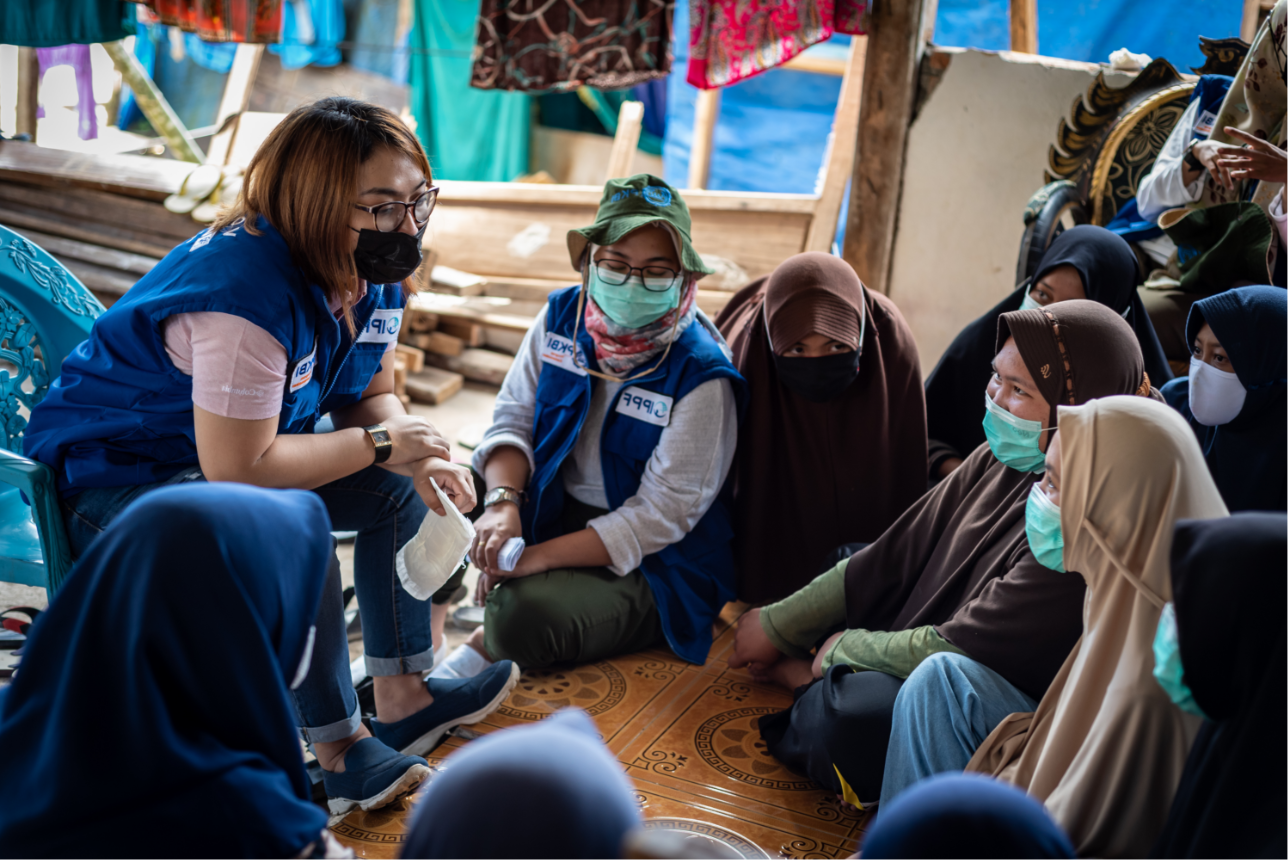
Celebrating over 60 years of service delivery
For over 60 years, IPPF has been at the vanguard of the family planning movement, championing and fighting for rights‑based, voluntary family planning worldwide.
Resource
| 23 February 2017
Celebrating over 60 years of service delivery
For over 60 years, IPPF has been at the vanguard of the family planning movement, championing and fighting for rights‑based, voluntary family planning worldwide.
Resource
| 01 February 2017
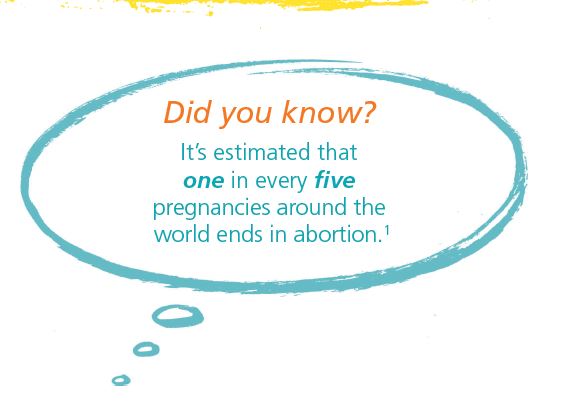
How to educate about abortion - The essentials
Abortion is an issue which people can have strong feelings about. Some consider it too ‘controversial' to include in education programmes. However, unplanned pregnancy and abortion are common occurrences around the world and IPPF believes that we all need accurate information to form our own values and make informed choices. This publication is a summary version of the peer education guide previously published.
Resource
| 01 February 2017
How to educate about abortion - The essentials
Abortion is an issue which people can have strong feelings about. Some consider it too ‘controversial' to include in education programmes. However, unplanned pregnancy and abortion are common occurrences around the world and IPPF believes that we all need accurate information to form our own values and make informed choices. This publication is a summary version of the peer education guide previously published.

Resource
| 24 January 2017
IMAP Statement on conscientious objection
Sexual and reproductive health is related to multiple human rights, including the right to life, the right to health, the right to privacy and the prohibition of discrimination. The right to health include sexual and reproductive health. This means that the states have obligations to respect, protect and fulfil the rights related to women’s and men’s sexual and reproductive health.
Resource
| 24 January 2017
IMAP Statement on conscientious objection
Sexual and reproductive health is related to multiple human rights, including the right to life, the right to health, the right to privacy and the prohibition of discrimination. The right to health include sexual and reproductive health. This means that the states have obligations to respect, protect and fulfil the rights related to women’s and men’s sexual and reproductive health.

Resource
| 16 January 2017
IPPF's humanitarian response: dignity, protection, care
During times of crisis sexual reproductive health services are a necessity. Access to sexual and reproductive health services, even in the midst of war or natural disaster, is a human right which does not only saves lives in the short run, but also helps build resilience amongst refugees and displaced people. The statistics of women affected in humanitarian crises are shocking. It is estimated that more that 33 million of the 130 million people are in need of humanitarian assistance, are women and adolescent girls of reproductive age - 500 of these women and girls die every day from complications related to pregnancy and childbirths. WANT TO GET INVOLVED? SUBSCRIBE NOW TO GET UPDATES FROM IPPF SUPPORT OUR WORK WITH A DONATION
Resource
| 16 January 2017
IPPF's humanitarian response: dignity, protection, care
During times of crisis sexual reproductive health services are a necessity. Access to sexual and reproductive health services, even in the midst of war or natural disaster, is a human right which does not only saves lives in the short run, but also helps build resilience amongst refugees and displaced people. The statistics of women affected in humanitarian crises are shocking. It is estimated that more that 33 million of the 130 million people are in need of humanitarian assistance, are women and adolescent girls of reproductive age - 500 of these women and girls die every day from complications related to pregnancy and childbirths. WANT TO GET INVOLVED? SUBSCRIBE NOW TO GET UPDATES FROM IPPF SUPPORT OUR WORK WITH A DONATION
Resource
| 13 January 2017
IMAP Statement on safeguarding reproductive rights in the face of declining fertility
Profound changes in demographic patterns are taking place globally. Birth rates are falling in most countries around the world. Many governments are concerned about the impact of population ageing, and its consequent effects on lower economic productivity and escalating costs for medical care for older people. Some argue that birth rates must be stimulated to increase again. A few have begun to question the legitimacy of contraception and parenthood by choice, as well as challenging the principle of gender equality. This concern may also result in reduced focus on ‘the other side of the story’, namely that 225 million women who wish to avoid or delay pregnancy are not using modern contraception. Such restrictive approaches contravene people’s right to “reproduce and the freedom to decide if, when and how often to do so” as agreed at the 1994 International Conference on Population and Development, and reiterated through the 2015 Sustainable Development Goals.
Resource
| 13 January 2017
IMAP Statement on safeguarding reproductive rights in the face of declining fertility
Profound changes in demographic patterns are taking place globally. Birth rates are falling in most countries around the world. Many governments are concerned about the impact of population ageing, and its consequent effects on lower economic productivity and escalating costs for medical care for older people. Some argue that birth rates must be stimulated to increase again. A few have begun to question the legitimacy of contraception and parenthood by choice, as well as challenging the principle of gender equality. This concern may also result in reduced focus on ‘the other side of the story’, namely that 225 million women who wish to avoid or delay pregnancy are not using modern contraception. Such restrictive approaches contravene people’s right to “reproduce and the freedom to decide if, when and how often to do so” as agreed at the 1994 International Conference on Population and Development, and reiterated through the 2015 Sustainable Development Goals.
Resource
| 22 December 2016
IMAP Statement on preventing cervical cancer
Cervical cancer, largely preventable, is one of the main causes of cancer death in women. In 2012, 528,000 new cases of cervical cancer were diagnosed and 266,000 women died of the disease, nearly 90 per cent of them in low to middle income countries. Deaths due to cervical cancer are projected to rise by almost 25 per cent over the next 10 years.1 Most women die of the disease when they are still in the workplace and caring for their families, at a high cost to society and to the economy. Cervical cancer prevention encompasses a wide range of interventions, which provide IPPF Member Associations with multiple opportunities within the continuum of care to decrease mortality and morbidity from the disease.
Resource
| 22 December 2016
IMAP Statement on preventing cervical cancer
Cervical cancer, largely preventable, is one of the main causes of cancer death in women. In 2012, 528,000 new cases of cervical cancer were diagnosed and 266,000 women died of the disease, nearly 90 per cent of them in low to middle income countries. Deaths due to cervical cancer are projected to rise by almost 25 per cent over the next 10 years.1 Most women die of the disease when they are still in the workplace and caring for their families, at a high cost to society and to the economy. Cervical cancer prevention encompasses a wide range of interventions, which provide IPPF Member Associations with multiple opportunities within the continuum of care to decrease mortality and morbidity from the disease.

Resource
| 22 December 2016
IMAP Statement on human reproductive tissue donation for research
Research involving human subjects – including the study of human reproductive tissues, cells and fluids – has been and will continue to be essential for scientific advancement. For example, organ biopsies (such as cervix, ovary, uterus, testes, prostate, placenta and so on), cell lines developed and maintained in laboratories derived from both normal and abnormal reproductive tissues, and sampling of reproductive fluids (such as semen, cervical mucus, uterine and amniotic fluid) have contributed to both the understanding of normal reproductive physiology and pregnancy as well as the pathogenesis of disease. Modern contraceptive methods, the human papillomavirus vaccine, the Papanicolaou test, amniocentesis, regimens for the treatment of reproductive cancers and advanced reproductive technologies for infertility are examples of the diverse preventive, diagnostic and therapeutic innovations resulting from studies of human reproductive tissues.
Resource
| 22 December 2016
IMAP Statement on human reproductive tissue donation for research
Research involving human subjects – including the study of human reproductive tissues, cells and fluids – has been and will continue to be essential for scientific advancement. For example, organ biopsies (such as cervix, ovary, uterus, testes, prostate, placenta and so on), cell lines developed and maintained in laboratories derived from both normal and abnormal reproductive tissues, and sampling of reproductive fluids (such as semen, cervical mucus, uterine and amniotic fluid) have contributed to both the understanding of normal reproductive physiology and pregnancy as well as the pathogenesis of disease. Modern contraceptive methods, the human papillomavirus vaccine, the Papanicolaou test, amniocentesis, regimens for the treatment of reproductive cancers and advanced reproductive technologies for infertility are examples of the diverse preventive, diagnostic and therapeutic innovations resulting from studies of human reproductive tissues.
Resource
| 16 December 2016
Syrian Family Planning Association is still in Aleppo, providing assistance to war-torn population
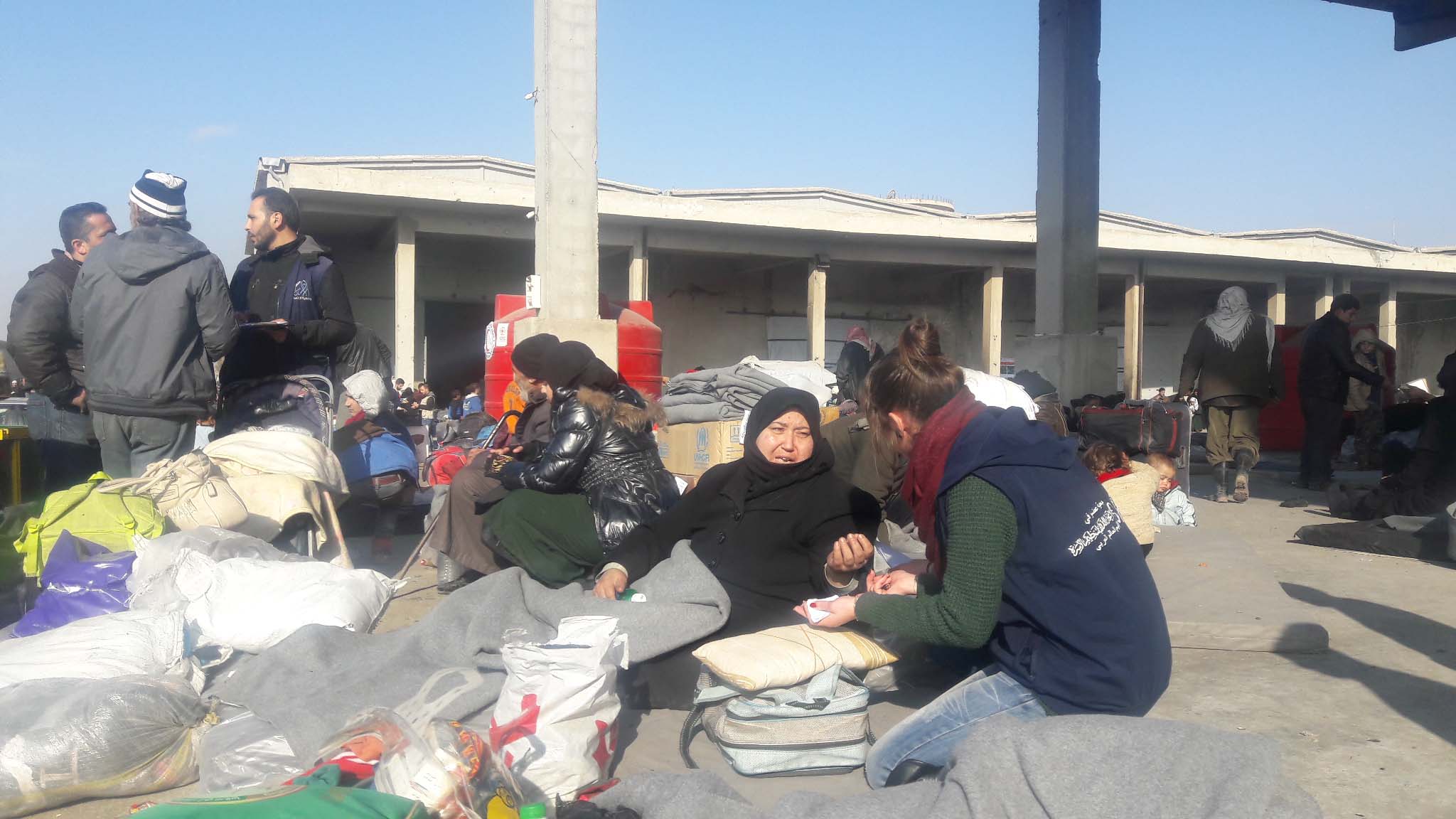
We still are in Aleppo. The situation is difficult. We are struggling to survive. People are coming here because they are not safe. Thousands have left East Aleppo in fear. It is cold. People walk long distances. There is so much crowding and for my staff the hours are very long. Read the full report from Dr Lama Mouakea, Syrian Family Planning Association Please donate to support women and girls in Aleppo Photo credits go to the Syrian Family Planning Association.
Resource
| 16 December 2016
Syrian Family Planning Association is still in Aleppo, providing assistance to war-torn population
We still are in Aleppo. The situation is difficult. We are struggling to survive. People are coming here because they are not safe. Thousands have left East Aleppo in fear. It is cold. People walk long distances. There is so much crowding and for my staff the hours are very long. Read the full report from Dr Lama Mouakea, Syrian Family Planning Association Please donate to support women and girls in Aleppo Photo credits go to the Syrian Family Planning Association.
Resource
| 09 December 2016
People around the world campaigning to #StopViolence against women and girls
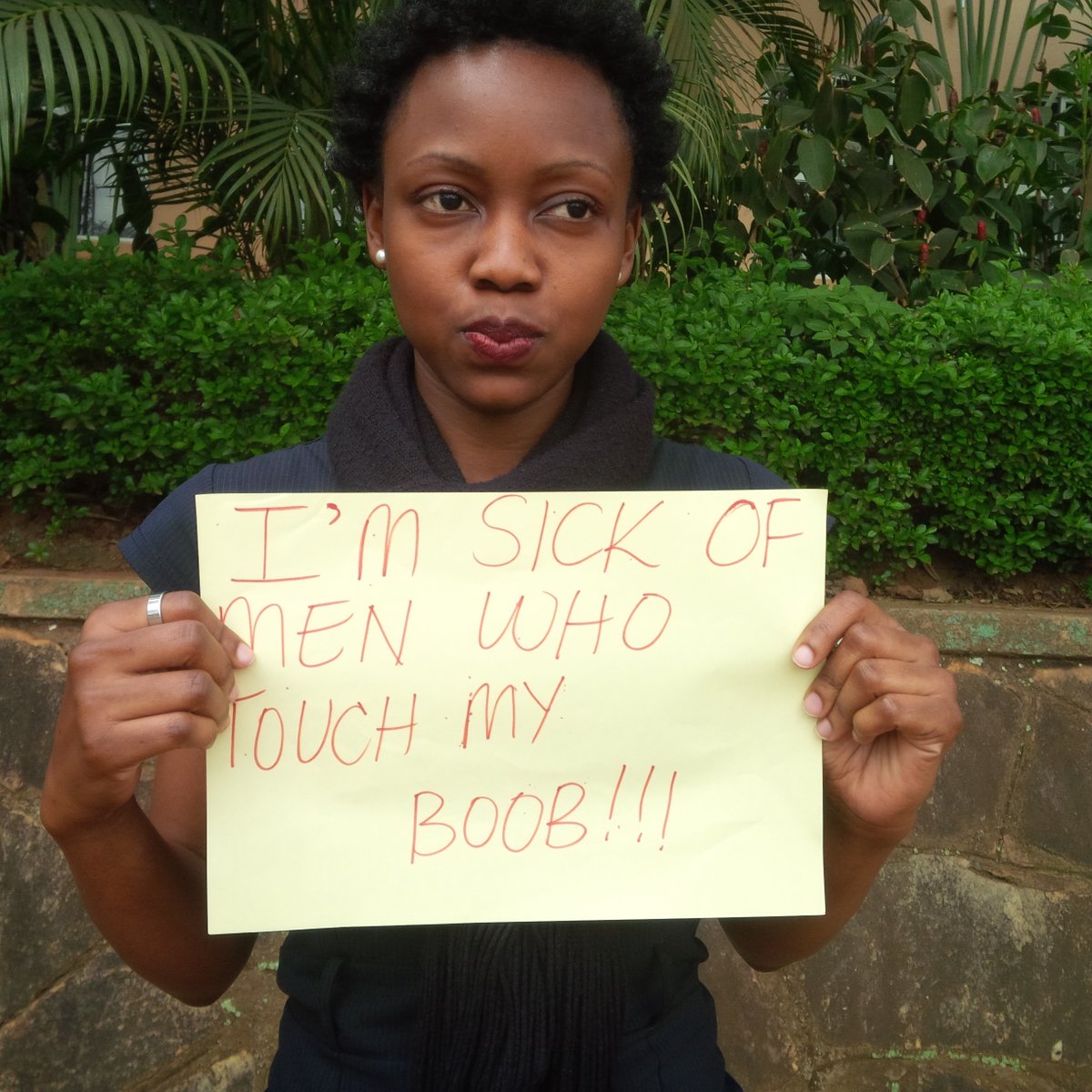
Activists around the world took the social media to say, in several languages: "Stop Violence against women and girls!" The IPPF #StopViolence campaign, to mark the 16 days of activism against gender-based violence, was launched by IPPF Champion Jessica Pratt and Yvonne Chaka Chaka. For 16 days, women and men shared the aspect of violence against women that affects or hurts them the most, always with a clear message: we're sick of it.
Resource
| 09 December 2016
People around the world campaigning to #StopViolence against women and girls
Activists around the world took the social media to say, in several languages: "Stop Violence against women and girls!" The IPPF #StopViolence campaign, to mark the 16 days of activism against gender-based violence, was launched by IPPF Champion Jessica Pratt and Yvonne Chaka Chaka. For 16 days, women and men shared the aspect of violence against women that affects or hurts them the most, always with a clear message: we're sick of it.
Resource
| 28 November 2016
IPPF & Durex launch World AIDS Day Campaign video
IPPF join forces with Durex on December 1st to raise awareness of the risks of unprotected sex as more than 75% of 16-35 year olds surveyed* use emojis to discuss sex, with 9 out of 10 claiming that a safe sex emoji would help them to talk more openly about safe sex. * 3GEM research questioning 3500 people from UK, USA, Brazil, China, India and South Africa commissioned by Durex – UK, October 2016
Resource
| 23 February 2017
Celebrating over 60 years of service delivery
For over 60 years, IPPF has been at the vanguard of the family planning movement, championing and fighting for rights‑based, voluntary family planning worldwide.
Resource
| 23 February 2017
Celebrating over 60 years of service delivery
For over 60 years, IPPF has been at the vanguard of the family planning movement, championing and fighting for rights‑based, voluntary family planning worldwide.
Resource
| 01 February 2017
How to educate about abortion - The essentials
Abortion is an issue which people can have strong feelings about. Some consider it too ‘controversial' to include in education programmes. However, unplanned pregnancy and abortion are common occurrences around the world and IPPF believes that we all need accurate information to form our own values and make informed choices. This publication is a summary version of the peer education guide previously published.
Resource
| 01 February 2017
How to educate about abortion - The essentials
Abortion is an issue which people can have strong feelings about. Some consider it too ‘controversial' to include in education programmes. However, unplanned pregnancy and abortion are common occurrences around the world and IPPF believes that we all need accurate information to form our own values and make informed choices. This publication is a summary version of the peer education guide previously published.
Resource
| 24 January 2017
IMAP Statement on conscientious objection
Sexual and reproductive health is related to multiple human rights, including the right to life, the right to health, the right to privacy and the prohibition of discrimination. The right to health include sexual and reproductive health. This means that the states have obligations to respect, protect and fulfil the rights related to women’s and men’s sexual and reproductive health.
Resource
| 24 January 2017
IMAP Statement on conscientious objection
Sexual and reproductive health is related to multiple human rights, including the right to life, the right to health, the right to privacy and the prohibition of discrimination. The right to health include sexual and reproductive health. This means that the states have obligations to respect, protect and fulfil the rights related to women’s and men’s sexual and reproductive health.
Resource
| 16 January 2017
IPPF's humanitarian response: dignity, protection, care
During times of crisis sexual reproductive health services are a necessity. Access to sexual and reproductive health services, even in the midst of war or natural disaster, is a human right which does not only saves lives in the short run, but also helps build resilience amongst refugees and displaced people. The statistics of women affected in humanitarian crises are shocking. It is estimated that more that 33 million of the 130 million people are in need of humanitarian assistance, are women and adolescent girls of reproductive age - 500 of these women and girls die every day from complications related to pregnancy and childbirths. WANT TO GET INVOLVED? SUBSCRIBE NOW TO GET UPDATES FROM IPPF SUPPORT OUR WORK WITH A DONATION
Resource
| 16 January 2017
IPPF's humanitarian response: dignity, protection, care
During times of crisis sexual reproductive health services are a necessity. Access to sexual and reproductive health services, even in the midst of war or natural disaster, is a human right which does not only saves lives in the short run, but also helps build resilience amongst refugees and displaced people. The statistics of women affected in humanitarian crises are shocking. It is estimated that more that 33 million of the 130 million people are in need of humanitarian assistance, are women and adolescent girls of reproductive age - 500 of these women and girls die every day from complications related to pregnancy and childbirths. WANT TO GET INVOLVED? SUBSCRIBE NOW TO GET UPDATES FROM IPPF SUPPORT OUR WORK WITH A DONATION
Resource
| 13 January 2017
IMAP Statement on safeguarding reproductive rights in the face of declining fertility
Profound changes in demographic patterns are taking place globally. Birth rates are falling in most countries around the world. Many governments are concerned about the impact of population ageing, and its consequent effects on lower economic productivity and escalating costs for medical care for older people. Some argue that birth rates must be stimulated to increase again. A few have begun to question the legitimacy of contraception and parenthood by choice, as well as challenging the principle of gender equality. This concern may also result in reduced focus on ‘the other side of the story’, namely that 225 million women who wish to avoid or delay pregnancy are not using modern contraception. Such restrictive approaches contravene people’s right to “reproduce and the freedom to decide if, when and how often to do so” as agreed at the 1994 International Conference on Population and Development, and reiterated through the 2015 Sustainable Development Goals.
Resource
| 13 January 2017
IMAP Statement on safeguarding reproductive rights in the face of declining fertility
Profound changes in demographic patterns are taking place globally. Birth rates are falling in most countries around the world. Many governments are concerned about the impact of population ageing, and its consequent effects on lower economic productivity and escalating costs for medical care for older people. Some argue that birth rates must be stimulated to increase again. A few have begun to question the legitimacy of contraception and parenthood by choice, as well as challenging the principle of gender equality. This concern may also result in reduced focus on ‘the other side of the story’, namely that 225 million women who wish to avoid or delay pregnancy are not using modern contraception. Such restrictive approaches contravene people’s right to “reproduce and the freedom to decide if, when and how often to do so” as agreed at the 1994 International Conference on Population and Development, and reiterated through the 2015 Sustainable Development Goals.
Resource
| 22 December 2016
IMAP Statement on preventing cervical cancer
Cervical cancer, largely preventable, is one of the main causes of cancer death in women. In 2012, 528,000 new cases of cervical cancer were diagnosed and 266,000 women died of the disease, nearly 90 per cent of them in low to middle income countries. Deaths due to cervical cancer are projected to rise by almost 25 per cent over the next 10 years.1 Most women die of the disease when they are still in the workplace and caring for their families, at a high cost to society and to the economy. Cervical cancer prevention encompasses a wide range of interventions, which provide IPPF Member Associations with multiple opportunities within the continuum of care to decrease mortality and morbidity from the disease.
Resource
| 22 December 2016
IMAP Statement on preventing cervical cancer
Cervical cancer, largely preventable, is one of the main causes of cancer death in women. In 2012, 528,000 new cases of cervical cancer were diagnosed and 266,000 women died of the disease, nearly 90 per cent of them in low to middle income countries. Deaths due to cervical cancer are projected to rise by almost 25 per cent over the next 10 years.1 Most women die of the disease when they are still in the workplace and caring for their families, at a high cost to society and to the economy. Cervical cancer prevention encompasses a wide range of interventions, which provide IPPF Member Associations with multiple opportunities within the continuum of care to decrease mortality and morbidity from the disease.
Resource
| 22 December 2016
IMAP Statement on human reproductive tissue donation for research
Research involving human subjects – including the study of human reproductive tissues, cells and fluids – has been and will continue to be essential for scientific advancement. For example, organ biopsies (such as cervix, ovary, uterus, testes, prostate, placenta and so on), cell lines developed and maintained in laboratories derived from both normal and abnormal reproductive tissues, and sampling of reproductive fluids (such as semen, cervical mucus, uterine and amniotic fluid) have contributed to both the understanding of normal reproductive physiology and pregnancy as well as the pathogenesis of disease. Modern contraceptive methods, the human papillomavirus vaccine, the Papanicolaou test, amniocentesis, regimens for the treatment of reproductive cancers and advanced reproductive technologies for infertility are examples of the diverse preventive, diagnostic and therapeutic innovations resulting from studies of human reproductive tissues.
Resource
| 22 December 2016
IMAP Statement on human reproductive tissue donation for research
Research involving human subjects – including the study of human reproductive tissues, cells and fluids – has been and will continue to be essential for scientific advancement. For example, organ biopsies (such as cervix, ovary, uterus, testes, prostate, placenta and so on), cell lines developed and maintained in laboratories derived from both normal and abnormal reproductive tissues, and sampling of reproductive fluids (such as semen, cervical mucus, uterine and amniotic fluid) have contributed to both the understanding of normal reproductive physiology and pregnancy as well as the pathogenesis of disease. Modern contraceptive methods, the human papillomavirus vaccine, the Papanicolaou test, amniocentesis, regimens for the treatment of reproductive cancers and advanced reproductive technologies for infertility are examples of the diverse preventive, diagnostic and therapeutic innovations resulting from studies of human reproductive tissues.
Resource
| 16 December 2016
Syrian Family Planning Association is still in Aleppo, providing assistance to war-torn population
We still are in Aleppo. The situation is difficult. We are struggling to survive. People are coming here because they are not safe. Thousands have left East Aleppo in fear. It is cold. People walk long distances. There is so much crowding and for my staff the hours are very long. Read the full report from Dr Lama Mouakea, Syrian Family Planning Association Please donate to support women and girls in Aleppo Photo credits go to the Syrian Family Planning Association.
Resource
| 16 December 2016
Syrian Family Planning Association is still in Aleppo, providing assistance to war-torn population
We still are in Aleppo. The situation is difficult. We are struggling to survive. People are coming here because they are not safe. Thousands have left East Aleppo in fear. It is cold. People walk long distances. There is so much crowding and for my staff the hours are very long. Read the full report from Dr Lama Mouakea, Syrian Family Planning Association Please donate to support women and girls in Aleppo Photo credits go to the Syrian Family Planning Association.
Resource
| 09 December 2016
People around the world campaigning to #StopViolence against women and girls
Activists around the world took the social media to say, in several languages: "Stop Violence against women and girls!" The IPPF #StopViolence campaign, to mark the 16 days of activism against gender-based violence, was launched by IPPF Champion Jessica Pratt and Yvonne Chaka Chaka. For 16 days, women and men shared the aspect of violence against women that affects or hurts them the most, always with a clear message: we're sick of it.
Resource
| 09 December 2016
People around the world campaigning to #StopViolence against women and girls
Activists around the world took the social media to say, in several languages: "Stop Violence against women and girls!" The IPPF #StopViolence campaign, to mark the 16 days of activism against gender-based violence, was launched by IPPF Champion Jessica Pratt and Yvonne Chaka Chaka. For 16 days, women and men shared the aspect of violence against women that affects or hurts them the most, always with a clear message: we're sick of it.
Resource
| 28 November 2016
IPPF & Durex launch World AIDS Day Campaign video
IPPF join forces with Durex on December 1st to raise awareness of the risks of unprotected sex as more than 75% of 16-35 year olds surveyed* use emojis to discuss sex, with 9 out of 10 claiming that a safe sex emoji would help them to talk more openly about safe sex. * 3GEM research questioning 3500 people from UK, USA, Brazil, China, India and South Africa commissioned by Durex – UK, October 2016
