


Spotlight
A selection of resources from across the Federation

Resource
Advancing Sex Workers’ Sexual and Reproductive Health and Rights: A Toolkit for Inclusive Programming
This toolkit is grounded in international guidance and frameworks on sex workers’ health and human rights.
Most Popular This Week

Resource
|
Advancing Sex Workers’ Sexual and Reproductive Health and Rights: A Toolkit for Inclusive Programming
Sexual and reproductive health and rights (SRHR) are not only an integral part of the right to health but also necessary to enjoy many other human rights.

Resource
|
IPPF Annual Report and Financial Statements 2025
IPPF is a global federation and movement of 100+ locally led Member Associations and Collaborative Partnersin 150+ countries, dedicated to sexual and reproductive health, rights

Resource
|
Annual Performance Report 2025
The IPPF Annual Performance Report 2025 tells a story of resilience, solidarity and shared leadership across our Federation.


Resource
|
Review of IPPF’s Governance Reform
Following IPPF’s governance reform in 2019/2020, a review of the reform process was conducted, which provided important insights for the new Board of Trustees and the Secretariat to support the cha

Resource
|
IMAP Statement on Sex Worker-Centred Sexual and Reproductive Health Services
This statement is intended to provide guidance to Member Associations and Collaborative Partners across the Federation on delivering comprehensive, evidence‑based sexual and reproductive health (SR


Filter our resources by:

Resource
| 01 December 2017
The college student using music to tackle HIV stigma
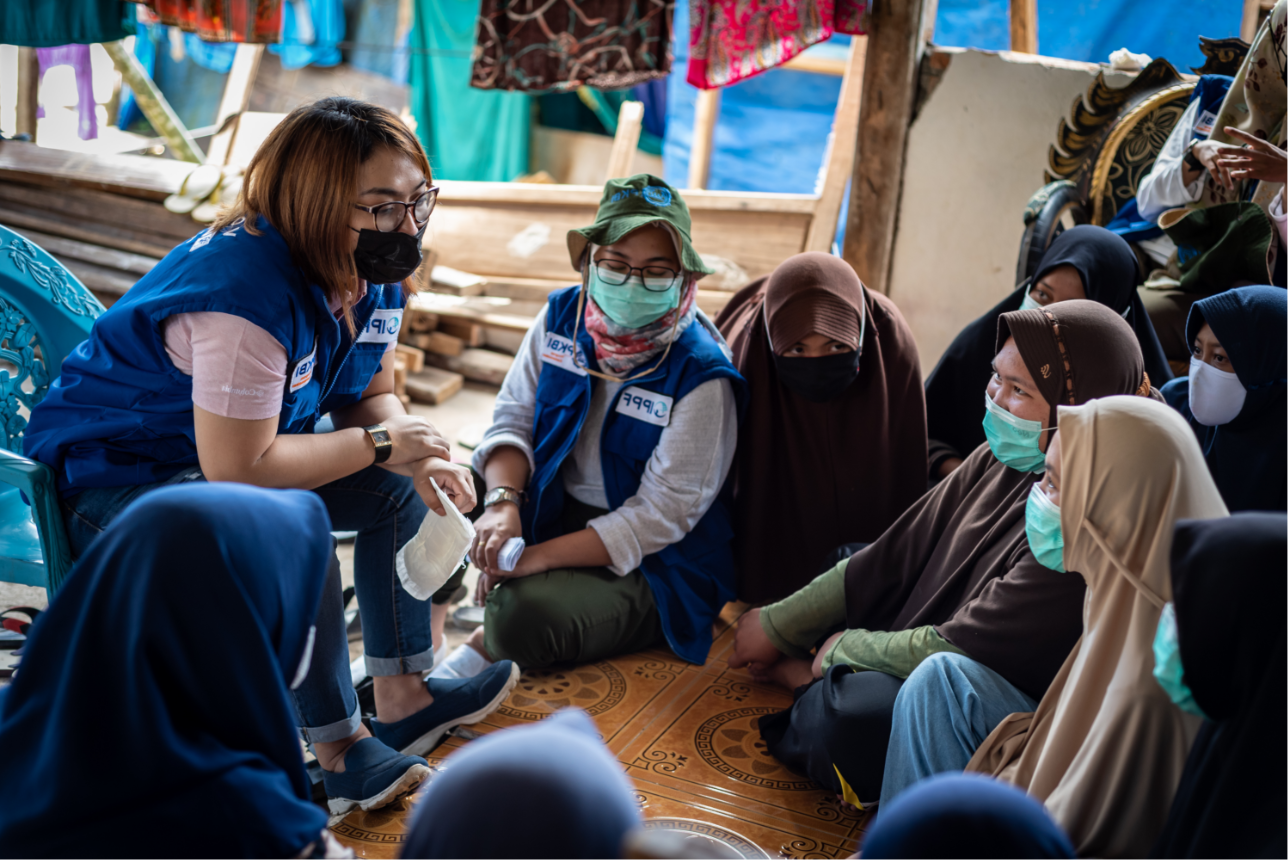
Compared to many developing countries, HIV prevalence in Nepal is low. Yet there are deep and complex problems around HIV. Stigma remains a huge problem. People living with HIV say they have faced enormous discrimination, including being ostracized by their communities, bullied at school and work, and exposed to insults and even violence. HIV services and support are central to the work of the Family Planning Association of Nepal (FPAN). Its staff and volunteers run services around the country, providing HIV counselling, education on prevention and treatment, and community home-based care services. People living with HIV are at the forefront of this work: FPAN employs thousands of community home-based care mobilisers who are themselves HIV-positive, meaning they are able to provide people with clear, sensitive and empathetic support that draws on their own experiences. Photography © IPPF/Jon Spaull Read Milan's story and watch the video
Resource
| 01 December 2017
The college student using music to tackle HIV stigma
Compared to many developing countries, HIV prevalence in Nepal is low. Yet there are deep and complex problems around HIV. Stigma remains a huge problem. People living with HIV say they have faced enormous discrimination, including being ostracized by their communities, bullied at school and work, and exposed to insults and even violence. HIV services and support are central to the work of the Family Planning Association of Nepal (FPAN). Its staff and volunteers run services around the country, providing HIV counselling, education on prevention and treatment, and community home-based care services. People living with HIV are at the forefront of this work: FPAN employs thousands of community home-based care mobilisers who are themselves HIV-positive, meaning they are able to provide people with clear, sensitive and empathetic support that draws on their own experiences. Photography © IPPF/Jon Spaull Read Milan's story and watch the video

Resource
| 29 November 2017
Tackling HIV stigma through music
Milan Khadka once suffered discrimination within his community when they found out he was living with HIV. He is now a community home-based care mobiliser with Family Planning Association of Nepal. He uses his music to educate the youth about HIV and to confront the stigma around HIV. Read Milan's story
Resource
| 29 November 2017
Tackling HIV stigma through music
Milan Khadka once suffered discrimination within his community when they found out he was living with HIV. He is now a community home-based care mobiliser with Family Planning Association of Nepal. He uses his music to educate the youth about HIV and to confront the stigma around HIV. Read Milan's story
Resource
| 24 September 2017
Global Sexual and Reproductive Health Package for Men and Adolescent Boys
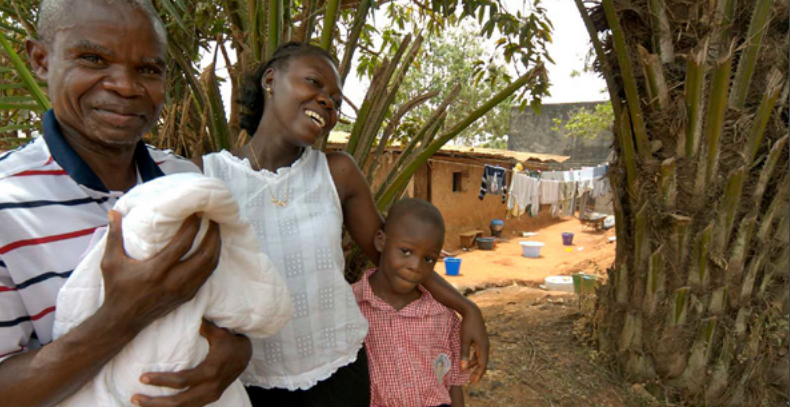
The Global Sexual and Reproductive Health Service Package for Men and Adolescent Boys has been developed to support providers of sexual and reproductive health services. It aims to increase the range and quality of sexual and reproductive services provided that meet the specific and diverse needs of men and adolescents boys. It covers men and adolescent boys in all their diversity, and takes a positive approach to sexual and reproductive health, seeing this not just as the absence of disease, but the positive expression of one’s gender, sex and sexuality. Men have substantial sexual and reproductive health needs, including the need for contraception, prevention and treatment of HIV and other sexually transmitted infections (STIs), sexual dysfunction, infertility and male cancers. Yet these needs are often unfulfilled due to a combination of factors, including a lack of service availability, poor health-seeking behaviour among men, health facilities often not considered "male-friendly," and a lack of agreed standards for delivering clinical and preventative services to men and adolescent boys.
Resource
| 24 September 2017
Global Sexual and Reproductive Health Package for Men and Adolescent Boys
The Global Sexual and Reproductive Health Service Package for Men and Adolescent Boys has been developed to support providers of sexual and reproductive health services. It aims to increase the range and quality of sexual and reproductive services provided that meet the specific and diverse needs of men and adolescents boys. It covers men and adolescent boys in all their diversity, and takes a positive approach to sexual and reproductive health, seeing this not just as the absence of disease, but the positive expression of one’s gender, sex and sexuality. Men have substantial sexual and reproductive health needs, including the need for contraception, prevention and treatment of HIV and other sexually transmitted infections (STIs), sexual dysfunction, infertility and male cancers. Yet these needs are often unfulfilled due to a combination of factors, including a lack of service availability, poor health-seeking behaviour among men, health facilities often not considered "male-friendly," and a lack of agreed standards for delivering clinical and preventative services to men and adolescent boys.

Resource
| 19 July 2017
Myth-busting facts about withdrawal
Decided you want to learn more about contraception options? Find out more with us!
Resource
| 19 July 2017
Myth-busting facts about withdrawal
Decided you want to learn more about contraception options? Find out more with us!

Resource
| 05 April 2017
Improving the sexual health of young people after Cyclone Winston, Fiji
Even before Cyclone Winston, there was very little knowledge about contraception and sexually transmitted infections in Fiji. IPPF health professionals are now providing the affected population with counselling and advice on family planning and sexual health.
Resource
| 05 April 2017
Improving the sexual health of young people after Cyclone Winston, Fiji
Even before Cyclone Winston, there was very little knowledge about contraception and sexually transmitted infections in Fiji. IPPF health professionals are now providing the affected population with counselling and advice on family planning and sexual health.
Resource
| 08 March 2017
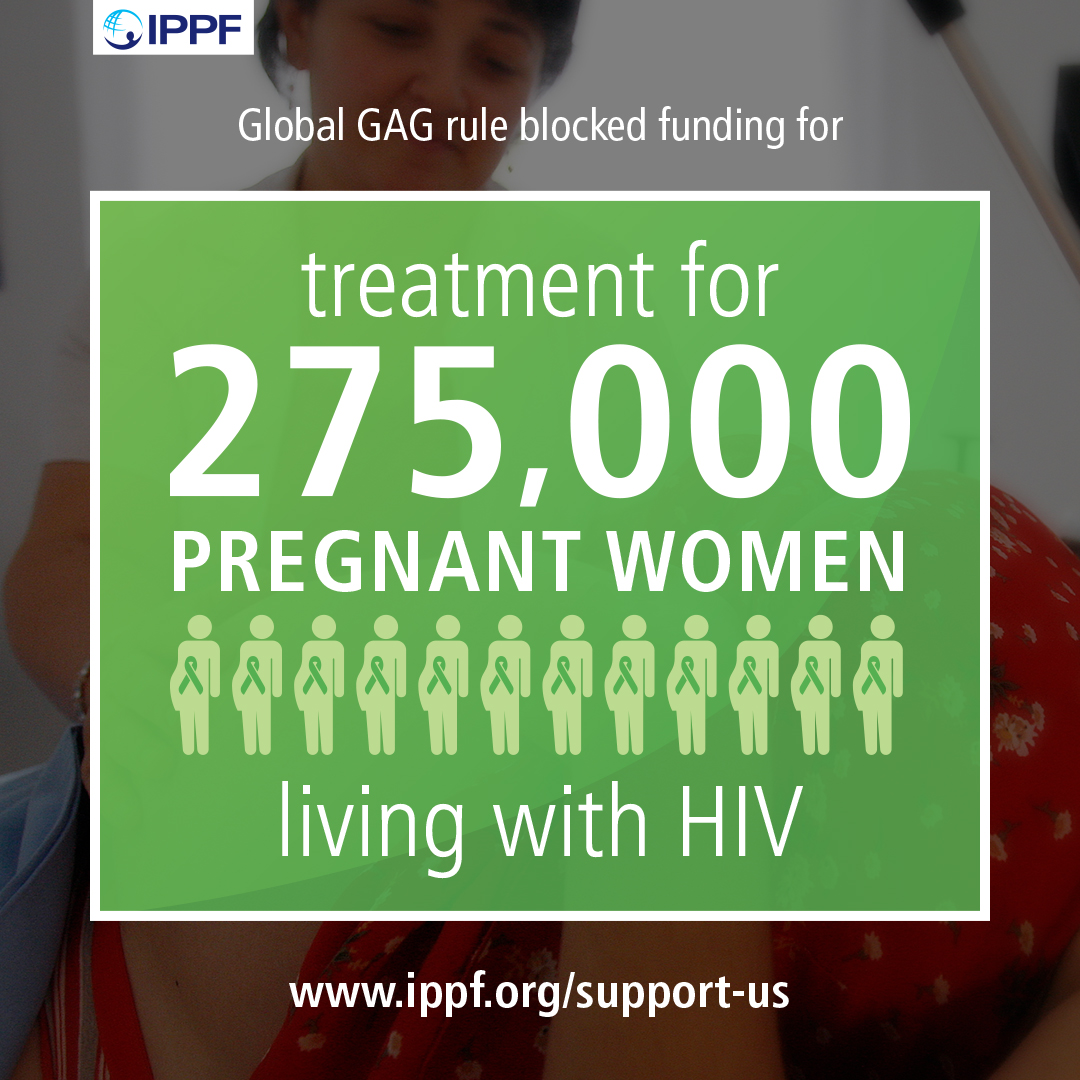
Watch: What's the impact of the Global Gag Rule?
We calculated the human cost of the U.S. Global Gag Rule. The effects can be devastating for millions of poor and marginalised women. WANT TO GET INVOLVED? SUBSCRIBE NOW TO GET UPDATES FROM IPPF SUPPORT OUR WORK WITH A DONATION
Resource
| 08 March 2017
Watch: What's the impact of the Global Gag Rule?
We calculated the human cost of the U.S. Global Gag Rule. The effects can be devastating for millions of poor and marginalised women. WANT TO GET INVOLVED? SUBSCRIBE NOW TO GET UPDATES FROM IPPF SUPPORT OUR WORK WITH A DONATION

Resource
| 23 February 2017
Celebrating over 60 years of service delivery
For over 60 years, IPPF has been at the vanguard of the family planning movement, championing and fighting for rights‑based, voluntary family planning worldwide.
Resource
| 23 February 2017
Celebrating over 60 years of service delivery
For over 60 years, IPPF has been at the vanguard of the family planning movement, championing and fighting for rights‑based, voluntary family planning worldwide.
Resource
| 28 November 2016
IPPF & Durex launch World AIDS Day Campaign video
IPPF join forces with Durex on December 1st to raise awareness of the risks of unprotected sex as more than 75% of 16-35 year olds surveyed* use emojis to discuss sex, with 9 out of 10 claiming that a safe sex emoji would help them to talk more openly about safe sex. * 3GEM research questioning 3500 people from UK, USA, Brazil, China, India and South Africa commissioned by Durex – UK, October 2016
Resource
| 22 November 2016
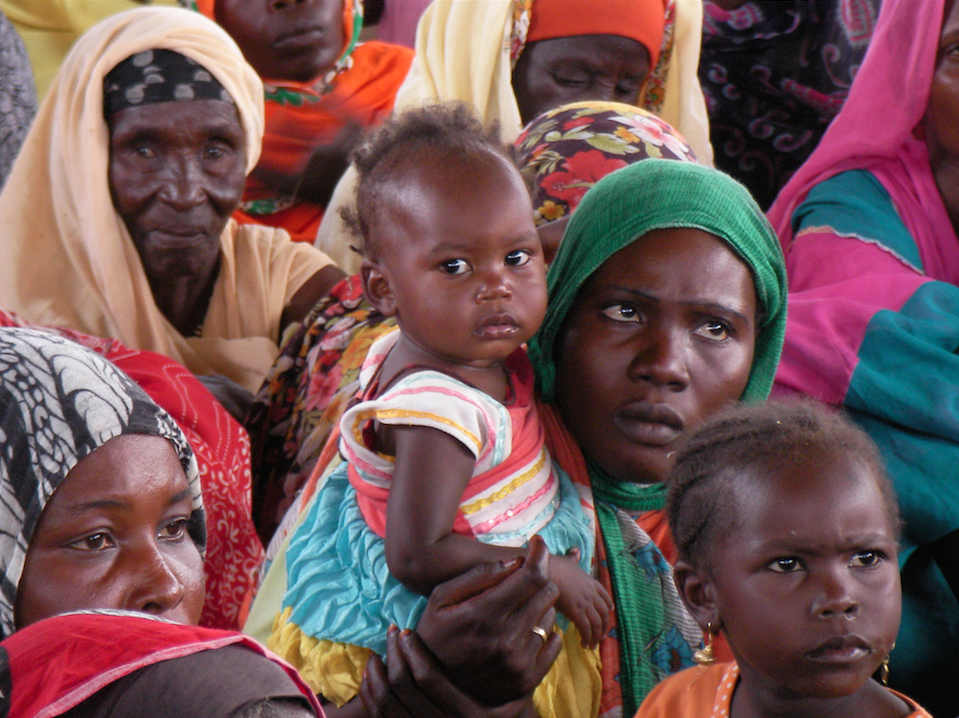
Resilience and survival in the camps of Nyala
Read more
Resource
| 22 November 2016
Resilience and survival in the camps of Nyala
Read more
Resource
| 11 October 2016
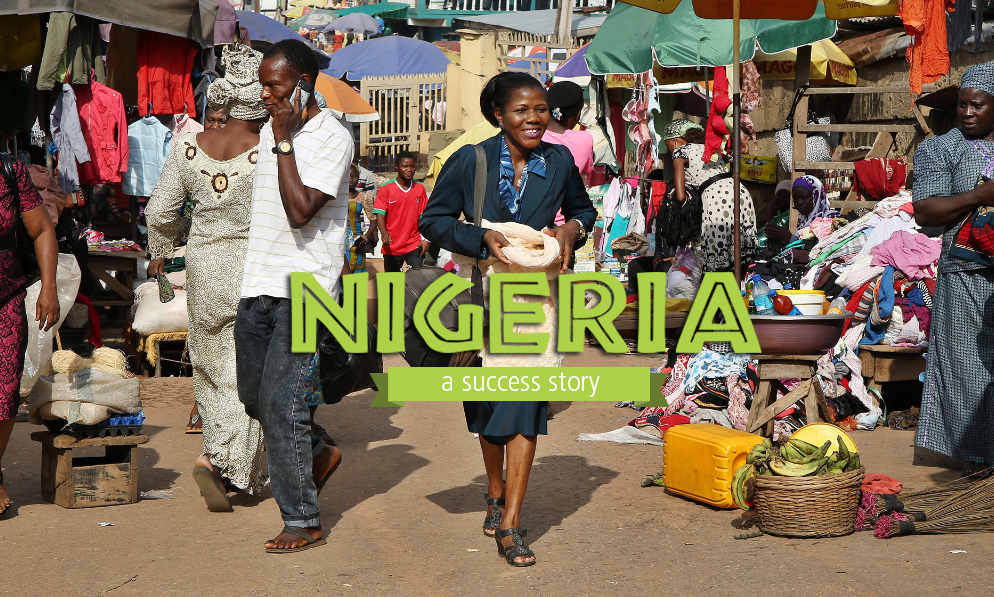
Changing lives in Nigeria
Nigeria has Africa’s biggest population. And it’s still growing at 3% a year. A lack of family planning is one reason – many women and girls want contraception – but like millions around the world – can’t get it. But that could be about to change, thanks to a pilot project run by Planned Parenthood Federation of Nigeria (PPFN), IPPF’s national member. It’s proving a huge success. This is its story, told by the women whose lives it has changed and the people working to change them. LAUNCH THE INTERACTIVE STORY
Resource
| 11 October 2016
Changing lives in Nigeria
Nigeria has Africa’s biggest population. And it’s still growing at 3% a year. A lack of family planning is one reason – many women and girls want contraception – but like millions around the world – can’t get it. But that could be about to change, thanks to a pilot project run by Planned Parenthood Federation of Nigeria (PPFN), IPPF’s national member. It’s proving a huge success. This is its story, told by the women whose lives it has changed and the people working to change them. LAUNCH THE INTERACTIVE STORY
Resource
| 01 December 2017
The college student using music to tackle HIV stigma
Compared to many developing countries, HIV prevalence in Nepal is low. Yet there are deep and complex problems around HIV. Stigma remains a huge problem. People living with HIV say they have faced enormous discrimination, including being ostracized by their communities, bullied at school and work, and exposed to insults and even violence. HIV services and support are central to the work of the Family Planning Association of Nepal (FPAN). Its staff and volunteers run services around the country, providing HIV counselling, education on prevention and treatment, and community home-based care services. People living with HIV are at the forefront of this work: FPAN employs thousands of community home-based care mobilisers who are themselves HIV-positive, meaning they are able to provide people with clear, sensitive and empathetic support that draws on their own experiences. Photography © IPPF/Jon Spaull Read Milan's story and watch the video
Resource
| 01 December 2017
The college student using music to tackle HIV stigma
Compared to many developing countries, HIV prevalence in Nepal is low. Yet there are deep and complex problems around HIV. Stigma remains a huge problem. People living with HIV say they have faced enormous discrimination, including being ostracized by their communities, bullied at school and work, and exposed to insults and even violence. HIV services and support are central to the work of the Family Planning Association of Nepal (FPAN). Its staff and volunteers run services around the country, providing HIV counselling, education on prevention and treatment, and community home-based care services. People living with HIV are at the forefront of this work: FPAN employs thousands of community home-based care mobilisers who are themselves HIV-positive, meaning they are able to provide people with clear, sensitive and empathetic support that draws on their own experiences. Photography © IPPF/Jon Spaull Read Milan's story and watch the video
Resource
| 29 November 2017
Tackling HIV stigma through music
Milan Khadka once suffered discrimination within his community when they found out he was living with HIV. He is now a community home-based care mobiliser with Family Planning Association of Nepal. He uses his music to educate the youth about HIV and to confront the stigma around HIV. Read Milan's story
Resource
| 29 November 2017
Tackling HIV stigma through music
Milan Khadka once suffered discrimination within his community when they found out he was living with HIV. He is now a community home-based care mobiliser with Family Planning Association of Nepal. He uses his music to educate the youth about HIV and to confront the stigma around HIV. Read Milan's story
Resource
| 24 September 2017
Global Sexual and Reproductive Health Package for Men and Adolescent Boys
The Global Sexual and Reproductive Health Service Package for Men and Adolescent Boys has been developed to support providers of sexual and reproductive health services. It aims to increase the range and quality of sexual and reproductive services provided that meet the specific and diverse needs of men and adolescents boys. It covers men and adolescent boys in all their diversity, and takes a positive approach to sexual and reproductive health, seeing this not just as the absence of disease, but the positive expression of one’s gender, sex and sexuality. Men have substantial sexual and reproductive health needs, including the need for contraception, prevention and treatment of HIV and other sexually transmitted infections (STIs), sexual dysfunction, infertility and male cancers. Yet these needs are often unfulfilled due to a combination of factors, including a lack of service availability, poor health-seeking behaviour among men, health facilities often not considered "male-friendly," and a lack of agreed standards for delivering clinical and preventative services to men and adolescent boys.
Resource
| 24 September 2017
Global Sexual and Reproductive Health Package for Men and Adolescent Boys
The Global Sexual and Reproductive Health Service Package for Men and Adolescent Boys has been developed to support providers of sexual and reproductive health services. It aims to increase the range and quality of sexual and reproductive services provided that meet the specific and diverse needs of men and adolescents boys. It covers men and adolescent boys in all their diversity, and takes a positive approach to sexual and reproductive health, seeing this not just as the absence of disease, but the positive expression of one’s gender, sex and sexuality. Men have substantial sexual and reproductive health needs, including the need for contraception, prevention and treatment of HIV and other sexually transmitted infections (STIs), sexual dysfunction, infertility and male cancers. Yet these needs are often unfulfilled due to a combination of factors, including a lack of service availability, poor health-seeking behaviour among men, health facilities often not considered "male-friendly," and a lack of agreed standards for delivering clinical and preventative services to men and adolescent boys.
Resource
| 19 July 2017
Myth-busting facts about withdrawal
Decided you want to learn more about contraception options? Find out more with us!
Resource
| 19 July 2017
Myth-busting facts about withdrawal
Decided you want to learn more about contraception options? Find out more with us!
Resource
| 05 April 2017
Improving the sexual health of young people after Cyclone Winston, Fiji
Even before Cyclone Winston, there was very little knowledge about contraception and sexually transmitted infections in Fiji. IPPF health professionals are now providing the affected population with counselling and advice on family planning and sexual health.
Resource
| 05 April 2017
Improving the sexual health of young people after Cyclone Winston, Fiji
Even before Cyclone Winston, there was very little knowledge about contraception and sexually transmitted infections in Fiji. IPPF health professionals are now providing the affected population with counselling and advice on family planning and sexual health.
Resource
| 08 March 2017
Watch: What's the impact of the Global Gag Rule?
We calculated the human cost of the U.S. Global Gag Rule. The effects can be devastating for millions of poor and marginalised women. WANT TO GET INVOLVED? SUBSCRIBE NOW TO GET UPDATES FROM IPPF SUPPORT OUR WORK WITH A DONATION
Resource
| 08 March 2017
Watch: What's the impact of the Global Gag Rule?
We calculated the human cost of the U.S. Global Gag Rule. The effects can be devastating for millions of poor and marginalised women. WANT TO GET INVOLVED? SUBSCRIBE NOW TO GET UPDATES FROM IPPF SUPPORT OUR WORK WITH A DONATION
Resource
| 23 February 2017
Celebrating over 60 years of service delivery
For over 60 years, IPPF has been at the vanguard of the family planning movement, championing and fighting for rights‑based, voluntary family planning worldwide.
Resource
| 23 February 2017
Celebrating over 60 years of service delivery
For over 60 years, IPPF has been at the vanguard of the family planning movement, championing and fighting for rights‑based, voluntary family planning worldwide.
Resource
| 28 November 2016
IPPF & Durex launch World AIDS Day Campaign video
IPPF join forces with Durex on December 1st to raise awareness of the risks of unprotected sex as more than 75% of 16-35 year olds surveyed* use emojis to discuss sex, with 9 out of 10 claiming that a safe sex emoji would help them to talk more openly about safe sex. * 3GEM research questioning 3500 people from UK, USA, Brazil, China, India and South Africa commissioned by Durex – UK, October 2016
Resource
| 22 November 2016
Resilience and survival in the camps of Nyala
Read more
Resource
| 22 November 2016
Resilience and survival in the camps of Nyala
Read more
Resource
| 11 October 2016
Changing lives in Nigeria
Nigeria has Africa’s biggest population. And it’s still growing at 3% a year. A lack of family planning is one reason – many women and girls want contraception – but like millions around the world – can’t get it. But that could be about to change, thanks to a pilot project run by Planned Parenthood Federation of Nigeria (PPFN), IPPF’s national member. It’s proving a huge success. This is its story, told by the women whose lives it has changed and the people working to change them. LAUNCH THE INTERACTIVE STORY
Resource
| 11 October 2016
Changing lives in Nigeria
Nigeria has Africa’s biggest population. And it’s still growing at 3% a year. A lack of family planning is one reason – many women and girls want contraception – but like millions around the world – can’t get it. But that could be about to change, thanks to a pilot project run by Planned Parenthood Federation of Nigeria (PPFN), IPPF’s national member. It’s proving a huge success. This is its story, told by the women whose lives it has changed and the people working to change them. LAUNCH THE INTERACTIVE STORY
