




Spotlight
A selection of resources from across the Federation

Resource
Advancing Sex Workers’ Sexual and Reproductive Health and Rights: A Toolkit for Inclusive Programming
This toolkit is grounded in international guidance and frameworks on sex workers’ health and human rights.
Most Popular This Week

Resource
|
Advancing Sex Workers’ Sexual and Reproductive Health and Rights: A Toolkit for Inclusive Programming
Sexual and reproductive health and rights (SRHR) are not only an integral part of the right to health but also necessary to enjoy many other human rights.

Resource
|
IPPF Annual Report and Financial Statements 2025
IPPF is a global federation and movement of 100+ locally led Member Associations and Collaborative Partnersin 150+ countries, dedicated to sexual and reproductive health, rights

Resource
|
Annual Performance Report 2025
The IPPF Annual Performance Report 2025 tells a story of resilience, solidarity and shared leadership across our Federation.


Resource
|
Review of IPPF’s Governance Reform
Following IPPF’s governance reform in 2019/2020, a review of the reform process was conducted, which provided important insights for the new Board of Trustees and the Secretariat to support the cha

Resource
|
IMAP Statement on Sex Worker-Centred Sexual and Reproductive Health Services
This statement is intended to provide guidance to Member Associations and Collaborative Partners across the Federation on delivering comprehensive, evidence‑based sexual and reproductive health (SR


Filter our resources by:
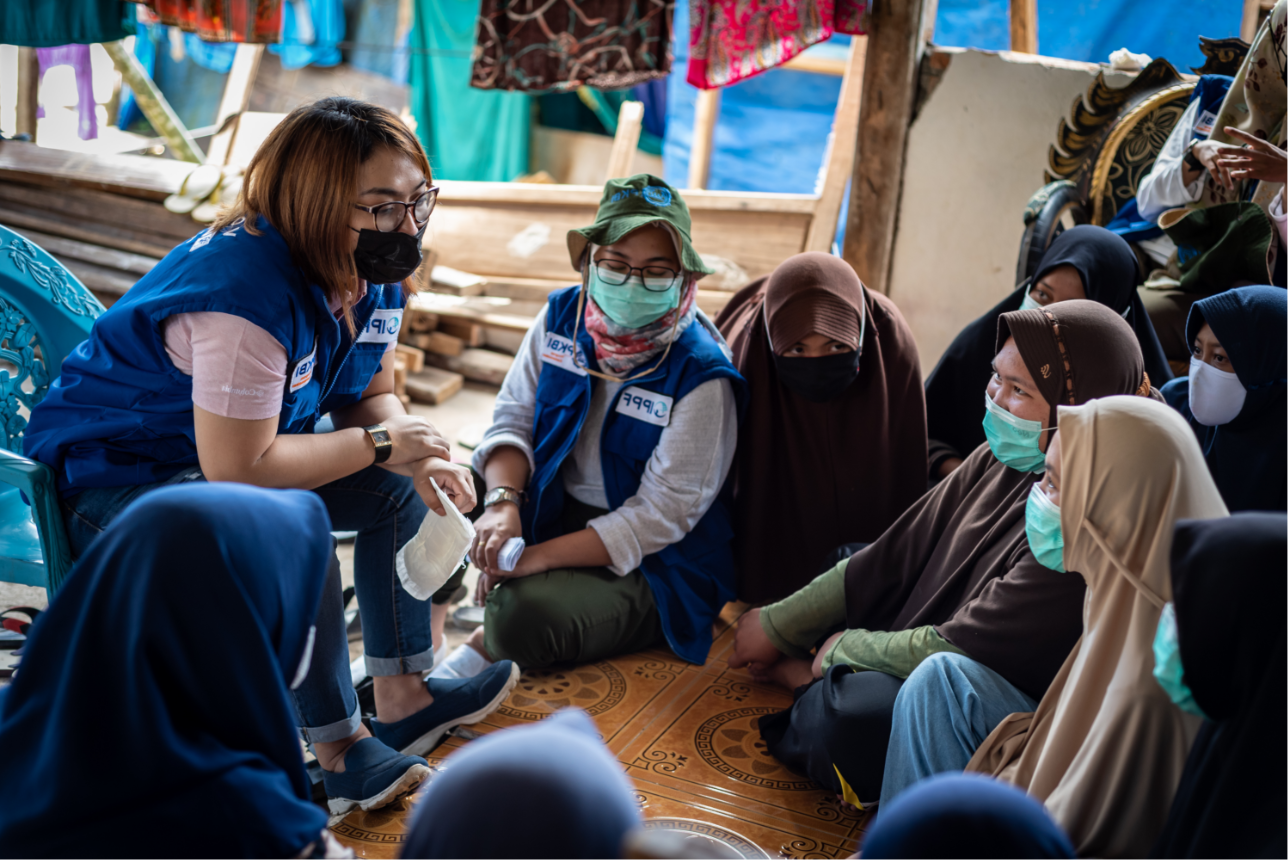

Resource
| 14 March 2018
IMAP Statement on emergency contraception
Emergency contraception (EC) refers to any contraceptive method that can be used after having unprotected or inadequately protected sexual intercourse (UPSI) but before pregnancy occurs, providing women with the opportunity to prevent an unwanted pregnancy. EC is a safe and effective method for preventing unwanted pregnancy and can reduce the risk of pregnancy by up to 99%. In spite of its effectiveness, EC is not frequently used. In many countries, women face barriers to accessing EC. The majority of women in low‑income countries are unaware of EC. Moreover, some providers have negative attitudes toward providing EC to women and girls.
Resource
| 14 March 2018
IMAP Statement on emergency contraception
Emergency contraception (EC) refers to any contraceptive method that can be used after having unprotected or inadequately protected sexual intercourse (UPSI) but before pregnancy occurs, providing women with the opportunity to prevent an unwanted pregnancy. EC is a safe and effective method for preventing unwanted pregnancy and can reduce the risk of pregnancy by up to 99%. In spite of its effectiveness, EC is not frequently used. In many countries, women face barriers to accessing EC. The majority of women in low‑income countries are unaware of EC. Moreover, some providers have negative attitudes toward providing EC to women and girls.
Resource
| 14 March 2018
IMAP Statement on emergency contraception
Emergency contraception (EC) refers to any contraceptive method that can be used after having unprotected or inadequately protected sexual intercourse (UPSI) but before pregnancy occurs, providing women with the opportunity to prevent an unwanted pregnancy. EC is a safe and effective method for preventing unwanted pregnancy and can reduce the risk of pregnancy by up to 99%. In spite of its effectiveness, EC is not frequently used. In many countries, women face barriers to accessing EC. The majority of women in low‑income countries are unaware of EC. Moreover, some providers have negative attitudes toward providing EC to women and girls.
Resource
| 14 March 2018
IMAP Statement on emergency contraception
Emergency contraception (EC) refers to any contraceptive method that can be used after having unprotected or inadequately protected sexual intercourse (UPSI) but before pregnancy occurs, providing women with the opportunity to prevent an unwanted pregnancy. EC is a safe and effective method for preventing unwanted pregnancy and can reduce the risk of pregnancy by up to 99%. In spite of its effectiveness, EC is not frequently used. In many countries, women face barriers to accessing EC. The majority of women in low‑income countries are unaware of EC. Moreover, some providers have negative attitudes toward providing EC to women and girls.
