



Spotlight
A selection of resources from across the Federation

Resource
Advancing Sex Workers’ Sexual and Reproductive Health and Rights: A Toolkit for Inclusive Programming
This toolkit is grounded in international guidance and frameworks on sex workers’ health and human rights.
Most Popular This Week

Resource
|
Advancing Sex Workers’ Sexual and Reproductive Health and Rights: A Toolkit for Inclusive Programming
Sexual and reproductive health and rights (SRHR) are not only an integral part of the right to health but also necessary to enjoy many other human rights.

Resource
|
IPPF Annual Report and Financial Statements 2025
IPPF is a global federation and movement of 100+ locally led Member Associations and Collaborative Partnersin 150+ countries, dedicated to sexual and reproductive health, rights

Resource
|
Annual Performance Report 2025
The IPPF Annual Performance Report 2025 tells a story of resilience, solidarity and shared leadership across our Federation.


Resource
|
Review of IPPF’s Governance Reform
Following IPPF’s governance reform in 2019/2020, a review of the reform process was conducted, which provided important insights for the new Board of Trustees and the Secretariat to support the cha

Resource
|
IMAP Statement on Sex Worker-Centred Sexual and Reproductive Health Services
This statement is intended to provide guidance to Member Associations and Collaborative Partners across the Federation on delivering comprehensive, evidence‑based sexual and reproductive health (SR


Filter our resources by:
Resource
| 19 July 2017
Taking health and care to rural mountain villages when disaster strikes
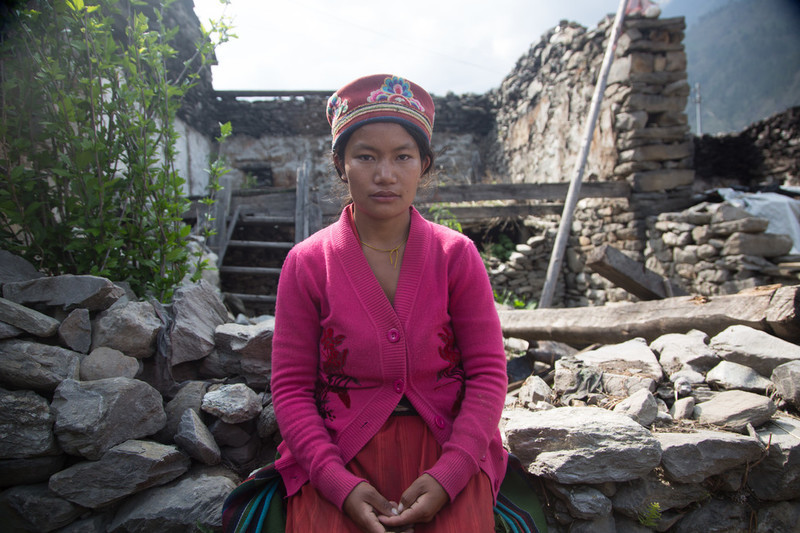
The earthquake that struck Nepal in April 2015 caused devastation and destruction that the country has still not recovered from. Almost 9,000 people lost their lives and over 22,000 were injured in Nepal’s worst natural disaster for 80 years. The earthquake severely disrupted access to healthcare and family planning. Thousands of people were displaced far from their usual clinics or support networks. In the days and weeks after the earthquake, the Family Planning Association of Nepal (FPAN) took action to make people’s health and family planning needs a top priority. Within 48 hours they were running emergency health camps across the country, dispensing medicines and bringing vital, changing support to thousands of survivors. Photography © IPPF/Jon Spaull
Resource
| 19 July 2017
Taking health and care to rural mountain villages when disaster strikes
The earthquake that struck Nepal in April 2015 caused devastation and destruction that the country has still not recovered from. Almost 9,000 people lost their lives and over 22,000 were injured in Nepal’s worst natural disaster for 80 years. The earthquake severely disrupted access to healthcare and family planning. Thousands of people were displaced far from their usual clinics or support networks. In the days and weeks after the earthquake, the Family Planning Association of Nepal (FPAN) took action to make people’s health and family planning needs a top priority. Within 48 hours they were running emergency health camps across the country, dispensing medicines and bringing vital, changing support to thousands of survivors. Photography © IPPF/Jon Spaull
Resource
| 19 July 2017
Taking health and care to rural mountain villages when disaster strikes
The earthquake that struck Nepal in April 2015 caused devastation and destruction that the country has still not recovered from. Almost 9,000 people lost their lives and over 22,000 were injured in Nepal’s worst natural disaster for 80 years. The earthquake severely disrupted access to healthcare and family planning. Thousands of people were displaced far from their usual clinics or support networks. In the days and weeks after the earthquake, the Family Planning Association of Nepal (FPAN) took action to make people’s health and family planning needs a top priority. Within 48 hours they were running emergency health camps across the country, dispensing medicines and bringing vital, changing support to thousands of survivors. Photography © IPPF/Jon Spaull
Resource
| 19 July 2017
Taking health and care to rural mountain villages when disaster strikes
The earthquake that struck Nepal in April 2015 caused devastation and destruction that the country has still not recovered from. Almost 9,000 people lost their lives and over 22,000 were injured in Nepal’s worst natural disaster for 80 years. The earthquake severely disrupted access to healthcare and family planning. Thousands of people were displaced far from their usual clinics or support networks. In the days and weeks after the earthquake, the Family Planning Association of Nepal (FPAN) took action to make people’s health and family planning needs a top priority. Within 48 hours they were running emergency health camps across the country, dispensing medicines and bringing vital, changing support to thousands of survivors. Photography © IPPF/Jon Spaull
