




One of our main priorities is to ensure universal access to, and informed use of effective contraception. Millions of people lack the knowledge and information to determine when or whether they have children, and they are unable to protect themselves against sexually transmitted infections (STIs).
Articles about Contraception

PRESS RELEASE: Groundbreaking new report outlines the impact of Australia’s investment in SRHR
28 April 2026, Narrm (Melbourne) - Guttmacher has today released its latest report '‘Just the Numbers Australia 2026’’, providing vital analysis on the impact of Australia’s foreign aid contributions for sexual and reproductive health and rights (SRHR) programming in the Asia and Pacific Region. Australia has established itself as an incredibly important partner in advancing SRHR, particularly across Asia and the Pacific region, where it directs nearly all of its bilateral family planning support. SRHR accounted for approximately 2.8% of Australia’s official development assistance in 2023.Australia contributed an estimated AUD $49.2 million in 2024 for family planning. This investment enabled roughly 2.8 million women and couples globally to access modern contraception, leading to 830,000 unintended pregnancies averted. Yet significant gaps remain in the region, with 27.7 million women estimated to have an unmet demand for modern contraception. The research found that even modest investments at the country level would have a profound impact. For example, an additional AUD $1 million per year for the Philippines would serve an extra 56,000 contraceptive users, reducing unmet demand by 5%. Elizabeth Sully, Director of International Research at the Guttmacher Institute highlighted: “Australia's foreign investments in family planning are delivering measurable, life-saving results, but with global sexual and reproductive health financing in crisis, the stakes have never been higher. Australia has a real opportunity to deepen its leadership on gender equality and reproductive choice--and the data shows exactly what sustained investment can achieve: preventing unintended pregnancies, unsafe abortions, and maternal deaths. These aren't abstract numbers. They are real people who depend on these services.”Maria Antoineta Alcade, IPPF’s Director General, reflected: “We know that contraceptive services provide a significant return on investment - but most importantly, it's what women want and ask for. The question is not whether we can afford to invest in family planning - it’s whether we can afford not to. Our responsibility, as global leaders and funders, is to listen, and to act on what women need to prosper and thrive. These investments are not abstract, they prevent unintended pregnancies, unsafe abortions and maternal deaths, and give women the ability to have control over their own futures.”ENDS For further information or to arrange media interviews with our spokespeople from IPPF or Guttmacher, please contact Nerida Williams on newilliams@ippf.org or +66 62868 3089 (WhatsApp). NotesTo download the full report, please visit this link: https://www.guttmacher.org/2026/04/just-numbers-australia-global-srhr-investment-impact-2024 Australia is an established development partner in SRHR, contributing a portion of its official development assistance to expand access to essential services across low- and middle-income countries (LMICs). These investments have delivered measurable, life-saving results.In 2024, Australia’s family planning funding—estimated at AUD$49.2 million—supported access to modern contraception for 2.8 million women and couples globally, resulting in:830,000 unintended pregnancies averted303,000 unsafe abortions avoided259,000 unplanned births preventedApproximately 588 maternal deaths prevented

Nearly 9 Million Denied Essential Reproductive Healthcare as Trump-Era Funding Cuts Force Global Clinic Closures, IPPF Reports
17 December 2025 - New data reveals the Trump Administration's funding cuts have forced 34 of International Planned Parenthood Federation (IPPF) Member Associations (MAs) to terminate staff, representing 969 jobs across MAs globally. Nearly 9 million clients worldwide are estimated to lose access to contraception, HIV testing, and clinical care for survivors of gender-based violence. This is in large part due to 1,394 health sites that have been forced to close, or not open as planned, many in remote or conflict-affected areas where our partners were the only provider of sexual and reproductive healthcare. IPPF's second global survey, conducted in July 2025 with 86 organizations responding across all regions, documents how U.S. funding withdrawals and policy decisions continue to impede access to sexual and reproductive health information and care in contexts where it’s critically needed. Across the Federation, $87.2 million in funding has been lost from 2025 through to 2029 due to cancelled contracts and reduced budgets. The impacts go far beyond dollar figures; they represent the collapse of health infrastructure that communities have relied on for decades, and a radical shift towards conservative ideologies that deliberately block human rights.By the Numbers: Africa and the Arab World Bear the BruntIPPF MAs in the Africa Region have lost $26.0 million in funding, and those in the Arab World Region have lost $9.4 million, accounting for the majority of service disruptions globally.1,175 health sites have closed (or not been able to open) and 396 staff members lost their jobs in the Africa Region alone, affecting 5.9 million clients.2.6 million clients are set to lose access to sexual and reproductive healthcare in IPPF’s Arab World Region."The Trump Administration's funding cuts have gutted local health systems that took decades to build," says Alvaro Bermejo, IPPF’s Director-General. "We're talking about clinics in remote areas, conflict zones, and places where IPPF MAs are often the only providers of contraception and HIV services. When we close, there's nowhere else for people to go."Commodity Shortages Compound Crisis28 MAs reported declining stock levels of sexual and reproductive health commodities since January 2025, with contraceptive commodities the most impacted. Five MAs in Uganda, Mozambique, Nigeria, Tanzania, and Bangladesh report a combined 2-year commodity funding gap of $13 million, a crisis made worse by the Trump Administration holding $9.7 million worth of U.S.-funded contraceptives in Belgium rather than delivering them to their intended recipients. IPPF and other organizations have offered to redistribute these supplies at no cost to the U.S. government, but all offers have been rejected. The contraceptives represent 28% of Tanzania's total annual need, and many products risk becoming ineligible for import as the U.S. government holds them in storage.Beyond contraception, MAs face shortages in STI testing and treatment commodities, gynecology supplies, and clinical support resources for sexual and gender-based violence survivors.Financial Sustainability at RiskOf the 77 MAs who responded, 33 reported their financial sustainability has been impacted, while 27 reported reduced capacity to engage in partnerships, movement building, and networking with other civil society organizations.The ripple effects extend beyond IPPF. In 2025, several MAs have observed national civil society and NGO partners closing down or reducing staff in their countries, with reduced sexual and reproductive health service provisions reported nationwide.IPPF's ResponseIPPF continues to provide emergency support through its Harm Mitigation Fund, with a second round of grants to be distributed to the most affected MAs. The Federation is also working to address commodity gaps and support organizations facing the most severe service disruptions."We will not allow these radical macho-political agendas to determine who can and cannot access healthcare," says Alvaro. "These funding cuts have clear and immediate consequences. They mean women giving birth without skilled care, people living with HIV unable to access testing and treatment to stay alive, and survivors of violence being turned away from the only clinic in their area."ENDSFor more information or to interview one of our staff, please contact media@ippf.org or +66628683089.

Almost US$10 mil in US-Funded Contraceptives May Go to Waste in Belgium as Trump Administration Keeps Them In Holding
16 October 2025 - The International Planned Parenthood Federation (IPPF) has been tracking the developing situation in Brussels, where the Trump administration is holding over $9.7 million of U.S.-funded contraceptives set to be destroyed. In August, IPPF shared that 77 percent of these resources were destined for five countries in the African region, with 1,031,400 injectable contraceptives and 365,100 implants earmarked for Tanzania alone. These countries have specific rules for pharmaceutical imports, and as the U.S. government holds these resources, the risk of them becoming ineligible for import becomes imminent and critical. In addition to the cruel and ideological reasons for withholding these contraceptives, the U.S. government is exploiting import regulations to:Skirt around pressure from the Belgian government that would make incinerating these products in Belgium (Flanders) illegal while they are still eligible for import.Enact their initial plan to ensure these life-saving resources do not reach the communities who need them most by withholding them until they become ineligible for importation, and eligible for legal incineration.Use the import thresholds as a loophole to legally incinerate resources before their expiration dates in 2027 to 2029.“Destination countries, including Tanzania (the main recipient), as well as others such as Malawi, Bangladesh, DR Congo, Kenya, apply importation rules that limit entry to medicines with a specific percentage of remaining shelf life. In Tanzania, for example, products with an original shelf life of more than 24 months cannot be imported if less than 60% of the total shelf life remains,” says Marcel Van Valen, Head of Supply Chain at IPPF. “Unless a practical solution is found urgently, the U.S. government may exploit this gap, allowing the products to sit until they technically fall below import thresholds and then justifying their destruction under the pretext of regulatory compliance.”IPPF made continuous efforts to take ownership of these contraceptives and distribute them at no cost to the U.S. government, only to have offers denied. “There is no doubt we could have gone and collected the products in Belgium, processed them in the Netherlands and re-distributed them to where they were needed and/or destined for,” added Van Valen. “Since the start of the negotiations until this day, IPPF is in the position to release a budget (estimated to be max $1.5 million) to support the redistribution.”Instead, the Trump administration has chosen to pursue destroying these resources, a decision that will create catastrophe for women and girls in Africa. By Tanzania’s standards, some products are below threshold already and many others come close to it; the country would have to grant an exemption waiver to allow their importation at this stage.“Even if we were given the opportunity to push for a waiver to receive the contraceptives, because the Tanzanian government is restrictive around reproductive rights, we don’t know that such an exemption would be granted,” says Dr. Bakari Omary, Project Coordinator at Umati, IPPF's Member Association in Tanzania. “It’s urgent that we receive these resources before they become ineligible for import. The contraceptives being held represent 28% of the country’s total annual need, and not having them is already impacting clients’ reproductive health and family planning freedoms.”“African women have long led the fight for reproductive rights and freedoms. The deliberate destruction of contraceptives for the sake of a political agenda is an attempt to strip them of the very freedoms for which they’ve been global advocates,” says Mallah Tabot, SRHR Lead at IPPF Africa. “The Trump administration’s use of import rules to push the blame onto African countries is a waste of millions of dollars, a crisis for human rights, and a betrayal of women’s freedom globally.”Such a critical moment demands collective action. We call on the U.S. government to immediately distribute these resources to their destination countries, and on the European Union and European countries to champion SRHRJ by advocating for the release of the contraceptives. Just as the Belgian government has done in enforcing an incineration ban on these goods, leaders of the European Union have an opportunity to demonstrate their values in action. We call on the E.U. to rally Member States, negotiate with the U.S., and explore all legal and diplomatic avenues to release these contraceptives from their hold and ensure they reach their destination countries.For more information or to interview one of our staff, please contact media@ippf.org or +66628683089.

Over 1.4 Million Women and Girls in Africa Left Without Contraception as U.S. Orders Destruction of Global Supply
6 August 2025 - The International Planned Parenthood Federation (IPPF) has learned that over $9.7 million worth of US-funded contraceptives are now set to be incinerated in France. Seventy-seven percent of these essential supplies were earmarked for five countries in the Africa Region - including the Democratic Republic of the Congo (DRC), Kenya, Tanzania, Zambia, and Mali — many of which are already facing severe humanitarian crises. The incineration of these contraceptives will deny more than 1.4 million women and girls access to life-saving care. Rather than reaching the communities who need them most, these essential medical supplies - many of which don’t expire until 2027 to 2029 - are being needlessly and egregiously destroyed.IPPF Member Associations in the affected countries were due to receive a share of these contraceptive stocks. Instead, they are now facing a sharp decline in supply following the decision to incinerate them. More than 40% of the total value of the contraceptive stockpiled in Brussels was allocated for shipment to Tanzania alone. Dr Bakari Omary, Project Coordinator at UMATI, IPPF’s Member Association in Tanzania, said: “We are facing a major challenge. The impact of the USAID funding cuts has already significantly affected the provision of sexual and reproductive health services in Tanzania - leading to a shortage of contraceptive commodities, especially implants. This shortage has directly impacted clients' choices regarding family planning uptake.”This development adds a new layer of outrage to what is already a cruel political decision. These contraceptives were already manufactured, packaged, and ready for distribution. IPPF offered to take them for redistribution at no cost to the US taxpayer, but this offer was declined. The actions of the U.S. administration make it clear that politics trump economics, given the additional costs necessary for transportation, storage, and incineration of these products. “This decision to destroy ready-to-use commodities is appalling and extremely wasteful. These life-saving medical supplies were destined to countries where access to reproductive care is already limited, and in some cases, part of a broader humanitarian response, such as in the DRC. The choice to incinerate them is unjustifiable and undermines efforts to protect the health and rights of women and girls,” said Marie-Evelyne Petrus-Barry, Africa Regional Director of IPPF.IPPF's local partners in Africa will now face increased challenges to deliver essential and life-saving care. According to RHSC, the loss of these supplies is projected to result in 362,000 unintended pregnancies and 110,000 unsafe abortions: Tanzania: 1,031,400 injectable contraceptives and 365,100 implants will not be distributed. These products represent over 50% of USAID annual support to Tanzania's health system and a terrifying 28% of the total annual need of the country.Mali: 1,100,880 oral contraceptives and 95,800 implants will be denied, 24% of Mali’s annual need.Zambia: 48,400 implants and 295,000 injectable contraceptives will be denied to women.Kenya: 108,000 women will not have access to contraceptive implants, 13.5% of its annual need. Nelly Munyasia, Executive Director for the Reproductive Health Network in Kenya (IPPF Member Association): “In Kenya, the effects of US funding disruptions are already being felt. The funding freeze has caused stockouts of contraceptives, leaving facilities with less than five months' supply instead of the required 15 months; reduced capacity building for health workers; disrupted digital logistics and health information systems, and caused a 46% funding gap in Kenya’s national family planning program. These systemic setbacks come at a time when unmet need for contraception remains high. Nearly 1 in 5 girls aged 15–19 is already pregnant or has given birth. Unsafe abortions remain among the five leading causes of maternal deaths in Kenya.” Sarah Durocher, President of Le Planning familial (IPPF’s French Member Association): “We call on the French government to take responsibility and act urgently to prevent the destruction of USAID-funded contraceptives. It is unacceptable that France, a country that champions feminist diplomacy, has remained silent while others, like Belgium, have stepped in to engage with the US government. In the face of this injustice, solidarity with the people who were counting on these life-saving supplies is not optional: it is a moral imperative.”“We will not stay silent while essential care is destroyed by ideology”, continued Marie-Evelyne Petrus-Barry.Notes: IPPF’s local partners in the countries affected include Reproductive Health Network Kenya, Chama cha Uzazi na Malezi Bora Tanzania, Association Malienne pour la Protection et la Promotion de la Famille, Planned Parenthood Association of Zambia, Association Burkinabé pour le Bien-Etre Familial and the Association pour le Bien-Etre Familial/Naissances Désirables.For more information or to interview one of our staff, please contact media@ippf.org or +66628683089. About the International Planned Parenthood Federation IPPF is a global healthcare provider and a leading advocate of sexual and reproductive health and rights (SRHR) for all. Led by a courageous and determined group of women, IPPF was founded in 1952 at the Third International Planned Parenthood Conference. Today, we are a movement of 158 Member Associations and Collaborative Partners with a presence in over 153 countries. Our work is wide-ranging, and includes services for sexual health and well-being, contraception, abortion care, sexually transmitted infections and reproductive tract infections, HIV, obstetrics and gynecology, fertility support, sexual and gender-based violence, comprehensive sex education, and responding to humanitarian crises. We pride ourselves on being local through our members and global through our network. At the heart of our mission is the provision of – and advocacy in support of – integrated healthcare to anyone who needs it regardless of race, gender, sex, income, and, crucially, no matter how remote.

IMAP Statement on Advances in Emergency Contraception
The purpose of this statement is to review newly published data on increasing the effectiveness of levonorgestrel emergency contraceptive pills by using pre‑coital administration or combined with a non‑steroidal anti‑inflammatory drug; the potential use of LNG‑ECP as a regular contraceptive method for infrequent sex; ulipristal acetate which is an established EC method and is now being studied combined with misoprostol for termination of early pregnancy; and the underutilization of low dose mifepristone as an EC method.

23 September 2024
Contraception and Trans Identities: The Urgent Need for Inclusive Healthcare
As we observe World Contraception Day, it’s essential to recognize that contraception is not just a concern for cisgender people. For many trans men, trans women, and non-binary individuals, access to contraception is a critical aspect of sexual and reproductive health. However, the healthcare system often overlooks or inadequately serves trans people when it comes to contraception. This blog highlights the reasons why trans people need access to contraception and the importance of developing trans-friendly healthcare services. Why Trans People Use Contraception Contraception is relevant to many trans people, regardless of their transition status or identity. For trans men who have sex with cis men, contraception may be necessary to prevent pregnancy, even if they are on testosterone. While testosterone can reduce the likelihood of ovulation, it does not entirely eliminate the possibility of pregnancy. Additionally, some trans men use hormonal contraception to stop menstruation, which can help align their physical experience with their gender identity. For trans women, while pregnancy prevention may not be a direct concern, contraception can still play a significant role. Some trans women in sexual relationships with cis women may use contraceptive pills or other methods to help prevent unintended pregnancies for their female partners. Additionally, trans women may use contraception to protect against sexually transmitted infections (STIs) or to manage hormone levels in ways that complement their gender-affirming treatments. In short, contraception plays a role beyond pregnancy prevention—it is an important part of broader sexual and reproductive health for all trans people.

10 September 2024
Is emergency contraception effective?
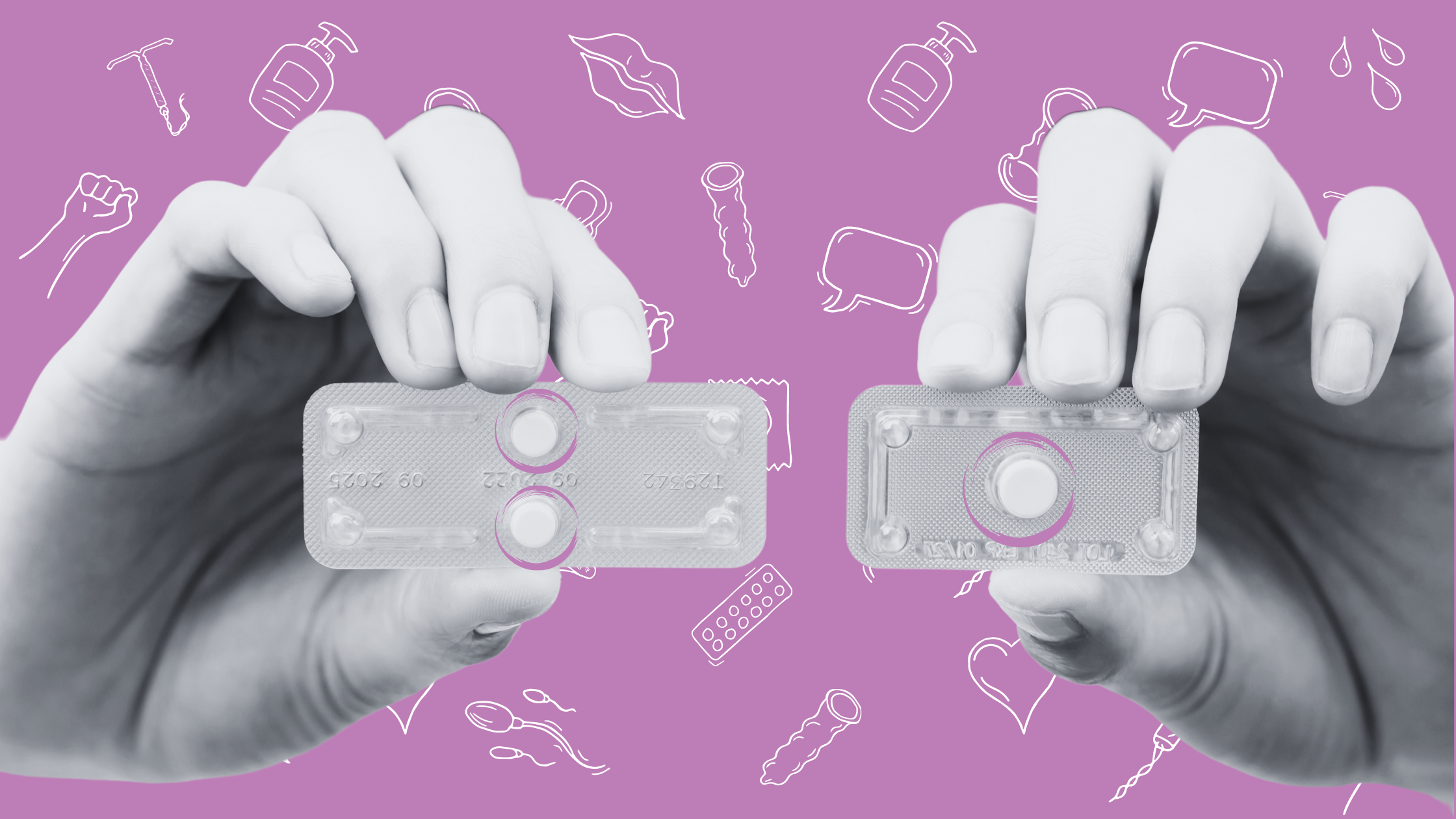
Emergency contraception refers to any contraceptive method that can be used after having unprotected or inadequately protected sexual intercourse but before pregnancy occurs. It prevents an unwanted pregnancy. Emergency contraception is a safe and effective method for preventing unwanted pregnancy. It can reduce the risk of pregnancy by up to 99%. There are several methods for emergency contraception, including copper IUDs and various pills (emergency contraceptive pills). The most effective method for emergency contraception is placement of a copper intrauterine device (IUD) within five days of an episode of unprotected sex. If oral emergency contraception pills are preferred, UPA is the method of choice because it is more effective than Levonorgestrel, particularly if more than 72 hours have lapsed. However, if Levonorgestrel is more readily available and the window of 120 hours has not been exceeded, it is generally advisable to use Levonorgestrel, as the effectiveness of emergency contraception pills decreases over time. If a progestogen‑containing contraceptive (which is true for all hormonal contraceptive methods) has been taken within a week prior to the emergency contraception pill use or if the start of such a method is planned within five days after emergency contraception use (or since unprotected sex), then Levonorgestrel should be recommended. Where no dedicated emergency contraception pill products are available, the Yuzpe method is an option, because 8‑10 ordinary combined oral contraceptive pills (OCPs) can be used, depending on their dosage (adding up to 0.1 mg of ethinyl estradiol and 0.5 mg of LNG, with the same dose repeated after 12 hours). Women with high body weight who do not want to use an IUD may be advised to take UPA. There is some evidence that the effectiveness of Levonorgestrel emergency contraception pills decreases with increasing body weight, more so than with UPA emergency contraception pills. INTRAUTERINE DEVICES The most effective method for emergency contraception is placement of a copper intrauterine device (IUD) within five days of an episode of unprotected sex. When the time of ovulation can be estimated, a Cu‑IUD can be inserted beyond five days after intercourse, as long as insertion does not occur more than five days after ovulation. Any copper IUD is safe and effective. After post‑coital insertion of an IUD, the pregnancy rate is less than 0.1%. Furthermore, the IUD can provide up to 12 years of ongoing contraceptive protection after placement. The main mechanism of action of the IUD is to prevent fertilisation by inhibiting sperm viability and function. If ovulation has already occurred and fertilisation has taken place, copper ions influence the female reproductive tract and impair endometrial receptivity. If a woman is already pregnant, use of an IUD is contraindicated. LEVONORGESTREL PILLS According to the World Health Organization (WHO), Levonorgestrel emergency contraception pills can be used until 120 hours (five days) after unprotected or inadequately protected sexual intercourse, but they should be used as soon as possible. Based on recent analyses, the Faculty of Sexual and Reproductive Healthcare (FSRH) in the United Kingdom has concluded that Levonorgestrel is ineffective after 96 hours. The effectiveness of Levonorgestrel emergency contraception pills was studied in a multicentre World Health Organization (WHO) trial in 1998. Overall, 1.1% of the women became pregnant after using Levonorgestrel ECPs within 72 hours after unprotected or inadequately protected sexual intercourse. In a meta‑analysis of two more recent studies, comparing Levonorgestrel emergency contraception pills with ones containing ulipristal, the effectiveness appeared to be lower. In this meta‑analysis, 2.2% of the women became pregnant despite using Levonorgestrel emergency contraception pills. Levonorgestrel is a progestin that has been used for contraception for more than 50 years. Each emergency contraception pill contains 1.5 mg of Levonorgestrel. It is also available in the form of two pills of 750 mcg, which can be taken together. Levonorgestrel emergency contraception pills work by inhibiting or delaying ovulation. Levonorgestrel emergency contraception pills have no effect on sperm function, embryo viability, or endometrial receptivity. Because ovulation is delayed, no fertilisation takes place. Levonorgestrel emergency contraception pills do not cause an abortion. They are no longer effective if ovulation or fertilisation have occurred. ULIPRISTAL ACETATE PILLS Ulipristal acetate (UPA) is a selective progesterone receptor modulator. It was recently introduced as an alternative to Levonorgestrel emergency contraception pills. It is dosed at 30 mg. UPA emergency contraception pills have been approved for use until 120 hours (five days) after unprotected or inadequately protected sexual intercourse. The previously mentioned meta‑analysis of studies in which Levonorgestrel and UPA were compared showed a higher effectiveness of UPA. Of the women who had used UPA emergency contraception pills within 72 hours after UPSI, 1.4% became pregnant, compared to 2.2% pregnancies within the Levonorgestrel group. If emergency contraception was taken within 24 hours after unprotected sex, there was an even larger difference (0.9% versus 2.3% in the UPA and Levonorgestrel groups respectively). Like Levonorgestrel emergency contraception pills, the main mechanism of action of UPA is prevention of follicular rupture and ovulation. However, in contrast with Levonorgestrel, UPA is still effective after the onset of the luteinising hormone (LH) surge which precedes ovulation but not post LH peak. This means that there is a wider ‘window of effect’ for UPA, which explains its higher effectiveness. STI risk Emergency contraception pills do not prevent the transmission of sexually transmitted infections (STIs). It is important to emphasise that this applies to all contraceptives other than condoms and should not constitute a selective bias against emergency contraception pills. If a woman is at risk of an unwanted pregnancy, she may be at risk of STIs as well and STI and HIV testing could be offered.
26 September 2024
What are the emergency contraception methods?
There are several methods for emergency contraception, including copper IUDs and various pills (emergency contraceptive pills). The most commonly used methods are described below. INTRAUTERINE DEVICES The most effective method for emergency contraception is placement of a copper intrauterine device (IUD) within five days of an episode of unprotected sex. When the time of ovulation can be estimated, a Cu‑IUD can be inserted beyond five days after intercourse, as long as insertion does not occur more than five days after ovulation. Any copper IUD is safe and effective. After post‑coital insertion of an IUD, the pregnancy rate is less than 0.1%. Furthermore, the IUD can provide up to 12 years of ongoing contraceptive protection after placement. The main mechanism of action of the IUD is to prevent fertilisation by inhibiting sperm viability and function. If ovulation has already occurred and fertilisation has taken place, copper ions influence the female reproductive tract and impair endometrial receptivity. If a woman is already pregnant, use of an IUD is contraindicated. LEVONORGESTREL PILLS Levonorgestrel is a progestin that has been used for contraception for more than 50 years. Each emergency contraception pill contains 1.5 mg of Levonorgestrel. It is also available in the form of two pills of 750 mcg, which can be taken together. According to the World Health Organization (WHO), Levonorgestrel emergency contraception pills can be used until 120 hours (five days) after unprotected or inadequately protected sexual intercourse, but they should be used as soon as possible. Based on recent analyses, the Faculty of Sexual and Reproductive Healthcare (FSRH) in the United Kingdom has concluded that Levonorgestrel is ineffective after 96 hours. The effectiveness of Levonorgestrel emergency contraception pills was studied in a multicentre World Health Organization (WHO) trial in 1998. Overall, 1.1% of the women became pregnant after using Levonorgestrel emergency contraception pills within 72 hours after unprotected or inadequately protected sexual intercourse. In a meta‑analysis of two more recent studies, comparing Levonorgestrel emergency contraception pills with ones containing ulipristal, the effectiveness appeared to be lower. In this meta‑analysis, 2.2% of the women became pregnant despite using Levonorgestrel emergency contraception pills. Levonorgestrel emergency contraception pills work by inhibiting or delaying ovulation. Levonorgestrel emergency contraception pills have no effect on sperm function, embryo viability, or endometrial receptivity. Because ovulation is delayed, no fertilisation takes place. Levonorgestrel emergency contraception pills do not cause an abortion. They are no longer effective if ovulation or fertilisation have occurred. They also do not harm a pregnancy if the woman is already pregnant. ULIPRISTAL ACETATE PILLS Ulipristal acetate (UPA) is a selective progesterone receptor modulator. It was recently introduced as an alternative to Levonorgestrel emergency contraception pills. It is dosed at 30 mg. UPA emergency contraception pills have been approved for use until 120 hours (five days) after unprotected or inadequately protected sexual intercourse. The previously mentioned meta‑analysis of studies in which Levonorgestrel and UPA were compared showed a higher effectiveness of UPA. Of the women who had used UPA emergency contraception pills within 72 hours after UPSI, 1.4% became pregnant, compared to 2.2% pregnancies within the Levonorgestrel group. If emergency contraception was taken within 24 hours after unprotected sex, there was an even larger difference (0.9% versus 2.3% in the UPA and Levonorgestrel groups respectively). Like Levonorgestrel emergency contraception pills, the main mechanism of action of UPA is prevention of follicular rupture and ovulation. However, in contrast with Levonorgestrel, UPA is still effective after the onset of the luteinising hormone (LH) surge which precedes ovulation but not post LH peak. This means that there is a wider ‘window of effect’ for UPA, which explains its higher effectiveness. OTHER EMERGENCY CONTRACEPTION METHODS A few methods are less common: Low‑dose mifepristone pills (10, 25 or 50 mg) are available in a few countries, such as Russia, China and Vietnam. A high dose of combined hormonal pills (the Yuzpe method) was commonly used until Levonorgestrel‑only pills were introduced, and they still are in contexts where no other options are available. This consists of a dose of 0.1 mg ethinylestradiol and 0.5 mg Levonorgestrel and a repeat dose 12 hours later. It is less effective and leads to more side effects than Levonorgestrel‑only ECPs. How do I choose the right emergency contraceptive method? Many people are unaware that the copper IUD can be used as emergency contraception. Because of its high effectiveness and its ability to function as an ongoing method, the IUD should be made available and offered to every woman who needs emergency contraception. Women who decide to use an IUD must be medically eligible for the insertion. If oral emergency contraception pills are preferred, UPA is the method of choice because it is more effective than Levonorgestrel, particularly if more than 72 hours have lapsed. However, if Levonorgestrel is more readily available and the window of 120 hours has not been exceeded, it is generally advisable to use Levonorgestrel, as the effectiveness of emergency contraception pills decreases over time. If a progestogen‑containing contraceptive (which is true for all hormonal contraceptive methods) has been taken within a week prior to the emergency contraception pill use or if the start of such a method is planned within five days after emergency contraception use (or since unprotected sex), then Levonorgestrel should be recommended. Where no dedicated emergency contraception pill products are available, the Yuzpe method is an option, because 8‑10 ordinary combined oral contraceptive pills (OCPs) can be used, depending on their dosage (adding up to 0.1 mg of ethinyl estradiol and 0.5 mg of Levonorgestrel, with the same dose repeated after 12 hours). Women with high body weight who do not want to use an IUD may be advised to take UPA. There is some evidence that the effectiveness of Levonorgestrel emergency contraception pills decreases with increasing body weight, more so than with UPA emergency contraception pills.

24 September 2024
What are the side effects of emergency contraception?
Emergency contraception is safe All common emergency contraception methods are extremely safe and have limited side effects. The World Health Organization (WHO) eligibility criteria have no absolute contraindications for using emergency contraception pills. The main contraindication against all emergency contraception methods is a pre‑existing pregnancy. In such cases, emergency contraception pills are no longer effective. A pregnancy test is however not necessary before taking emergency contraception pills, since they have no adverse effect on an existing pregnancy. What are the side effect of emergency contraception methods? The side effects that are reported by users of Levonorgestrel* and UPA** emergency contraception pills are similar. Most common are headaches, which are mentioned by less than 20%. Dysmenorrhoea and nausea are each reported by less than 15% of users. Abdominal pain, dizziness, fatigue, upper abdominal pain and back pain are mentioned by around 5% or less of users. Additionally, women may experience irregular vaginal bleeding after using emergency contraception pills. The side effects after insertion of an IUD for emergency contraception are the same as when an IUD is inserted for ongoing contraception. These include abdominal discomfort and changes in vaginal bleeding or spotting. Some of the side effects of copper IUDs, such as expulsion or heavy menstrual bleeding, are only relevant when a woman decides to keep the IUD for ongoing protection. * Levonorgestrel (LNG) is a progestin that has been used for contraception for more than 50 years. ** Ulipristal acetate (UPA) is a selective progesterone receptor modulator. It was recently introduced as an alternative to LNG emergency contraception pills. It is dosed at 30 mg. UPA emergency contraception pills have been approved for use until 120 hours (five days) after unprotected sex. Are there long-term health effects? No serious adverse health effects have been reported for emergency contraception pills. Specifically, no causal relationship has been found with thromboembolism after emergency contraception pills use. Because emergency contraception pills are used occasionally, the hormonal intake is much lower than among women who use Levonorgestrel for a longer period of time, therefore adverse events are unlikely. Experience with UPA is less extensive, but so far no serious adverse health outcomes have been identified. Is the use of IUD as an emergency contraception method safe? The most effective method for EC is placement of a copper intrauterine device (IUD) within five days of an episode of unprotected sex. When the time of ovulation can be estimated, a Cu‑IUD can be inserted beyond five days after intercourse, as long as insertion does not occur more than five days after ovulation. Any copper IUD is safe and effective. No evidence exists on the effectiveness and safety of hormonal intrauterine contraception as emergency contraception. After post‑coital insertion of an IUD, the pregnancy rate is less than 0.1%.7 Furthermore, the IUD can provide up to 12 years of ongoing contraceptive protection after placement. The main mechanism of action of the IUD is to prevent fertilisation by inhibiting sperm viability and function. If ovulation has already occurred and fertilisation has taken place, copper ions influence the female reproductive tract and impair endometrial receptivity. If a woman is already pregnant, use of an IUD is contraindicated. The only examination that is essential before using copper IUDs is a pelvic/genital examination/STI clinical risk assessment. It is recommended that a routine pregnancy check is done before insertion of an IUD, because this may lead to a spontaneous abortion if a woman is already pregnant. IUDs may be inserted regardless of history or risk of STIs, previous ectopic pregnancy, young age, and nulliparity. However, if a woman is diagnosed with STIs, particularly gonorrhoea or chlamydia, broad‑spectrum antibiotics should be used. What are the emergency contraception methods to use if a woman is breastfeeding? When a woman is breastfeeding, IUDs can be used for emergency contraception. If emergency contraception pills are preferred, Levonorgestrel emergency contraception pills may be used. Although a small amount of Levonorgestrel appears in breast milk, no adverse effects on the quality or quantity of the milk, or on the infant have been identified. When UPA emergency contraception pills are used, it is recommended to pump and discard the milk during one week, after which breastfeeding can be resumed. Nevertheless, studies on mifepristone (a compound very similar to UPA) at higher doses show very low levels in breast milk that are not considered to be harmful. What emergency contraception method a woman with severe cardiovascular disease, migraine or severe liver disease should take? In case of a history of severe cardiovascular disease, migraine or severe liver disease, there may be theoretical risks in using emergency contraception pills, but the advantages generally outweigh the disadvantages. Is there a health risk in case of repeat use of the emergency contraception? There are no known adverse health effects if emergency contraception pills are used more than once during the same menstrual cycle, although the bleeding pattern will be affected. Although no long‑term adverse health effects are to be expected from repeat use, women do suffer more from side effects if they use emergency contraception pills repeatedly, particularly bleeding irregularities. Effectiveness of emergency contraception pills is not affected by repeat use.

22 September 2024
When should I take emergency contraception?
When can emergency contraception be used? Emergency contraception is recommended after any episode of unprotected or inadequately protected sexual intercourse for any girl or woman or person with a uterus who wants to avoid becoming pregnant. Unprotected or inadequately protected sexual intercourse generally means that either: No contraceptive method was used during intercourse, Or that the effectiveness of the contraceptive method was compromised during its use. Example: The effectiveness of contraception may be lower due to, for example, irregular use of pills or incorrect use of a condom. If a woman is aware of these risks, she may reduce the chance of getting pregnant by taking emergency contraception. The time frame for using emergency contraception It is important to let women know that emergency contraception may still be used later than ‘the morning after’. However, emergency contraception pills should be taken as soon as possible after unprotected or inadequately protected sexual intercourse. The effectiveness of emergency contraception pills is highest when they are taken within 24 hours of unprotected sex. Emergency contraception can be used to prevent pregnancy up to 120 hours (five days) after unprotected sex. Repeat use of the emergency contraception There are no known adverse health effects if emergency contraception pills are used more than once during the same menstrual cycle. Although the bleeding pattern will be affected. Repeated use of emergency contraception pills would entail the same contraindications as those of regular hormonal contraceptive methods. Although no long‑term adverse health effects are to be expected from repeat use, women do suffer more from side effects if they use emergency contraception pills repeatedly, particularly bleeding irregularities. Effectiveness of emergency contraception pills is not affected by repeat use. However, overall effectiveness over one‑year use is lower than most modern contraceptives, so emergency contraception pills should not be recommended as an ongoing method of contraception. Concerns have been raised about whether easy access to emergency contraception pills could lead to lower uptake of regular contraception. However, there is no evidence of such a relationship. Example: Women who receive an advance supply of emergency contraception pills have been found to be more likely to use them when they have had unprotected sex, but are not more likely to abandon regular contraception. However, if overall effectiveness over one‑year use of emergency contraception pills is lower than most modern contraceptives, so emergency contraception should not be recommended as an ongoing method of contraception. If a woman has many episodes of unprotected or inadequately protected sexual intercourse, it may be advisable to recommend that she considers using a more effective contraceptive method or that she changes her current method. An IUD as emergency contraception may be useful in this case, and should be suggested as a first choice. What about STI risk? Emergency contraception pills do not prevent the transmission of sexually transmitted infections (STIs). It is important to emphasise that this applies to all contraceptives other than condoms and should not constitute a selective bias against emergency contraception pills. If a woman is at risk of an unwanted pregnancy, she may be at risk of STIs as well and STI and HIV testing could be offered.
PRESS RELEASE: Groundbreaking new report outlines the impact of Australia’s investment in SRHR
28 April 2026, Narrm (Melbourne) - Guttmacher has today released its latest report '‘Just the Numbers Australia 2026’’, providing vital analysis on the impact of Australia’s foreign aid contributions for sexual and reproductive health and rights (SRHR) programming in the Asia and Pacific Region. Australia has established itself as an incredibly important partner in advancing SRHR, particularly across Asia and the Pacific region, where it directs nearly all of its bilateral family planning support. SRHR accounted for approximately 2.8% of Australia’s official development assistance in 2023.Australia contributed an estimated AUD $49.2 million in 2024 for family planning. This investment enabled roughly 2.8 million women and couples globally to access modern contraception, leading to 830,000 unintended pregnancies averted. Yet significant gaps remain in the region, with 27.7 million women estimated to have an unmet demand for modern contraception. The research found that even modest investments at the country level would have a profound impact. For example, an additional AUD $1 million per year for the Philippines would serve an extra 56,000 contraceptive users, reducing unmet demand by 5%. Elizabeth Sully, Director of International Research at the Guttmacher Institute highlighted: “Australia's foreign investments in family planning are delivering measurable, life-saving results, but with global sexual and reproductive health financing in crisis, the stakes have never been higher. Australia has a real opportunity to deepen its leadership on gender equality and reproductive choice--and the data shows exactly what sustained investment can achieve: preventing unintended pregnancies, unsafe abortions, and maternal deaths. These aren't abstract numbers. They are real people who depend on these services.”Maria Antoineta Alcade, IPPF’s Director General, reflected: “We know that contraceptive services provide a significant return on investment - but most importantly, it's what women want and ask for. The question is not whether we can afford to invest in family planning - it’s whether we can afford not to. Our responsibility, as global leaders and funders, is to listen, and to act on what women need to prosper and thrive. These investments are not abstract, they prevent unintended pregnancies, unsafe abortions and maternal deaths, and give women the ability to have control over their own futures.”ENDS For further information or to arrange media interviews with our spokespeople from IPPF or Guttmacher, please contact Nerida Williams on newilliams@ippf.org or +66 62868 3089 (WhatsApp). NotesTo download the full report, please visit this link: https://www.guttmacher.org/2026/04/just-numbers-australia-global-srhr-investment-impact-2024 Australia is an established development partner in SRHR, contributing a portion of its official development assistance to expand access to essential services across low- and middle-income countries (LMICs). These investments have delivered measurable, life-saving results.In 2024, Australia’s family planning funding—estimated at AUD$49.2 million—supported access to modern contraception for 2.8 million women and couples globally, resulting in:830,000 unintended pregnancies averted303,000 unsafe abortions avoided259,000 unplanned births preventedApproximately 588 maternal deaths prevented
Nearly 9 Million Denied Essential Reproductive Healthcare as Trump-Era Funding Cuts Force Global Clinic Closures, IPPF Reports
17 December 2025 - New data reveals the Trump Administration's funding cuts have forced 34 of International Planned Parenthood Federation (IPPF) Member Associations (MAs) to terminate staff, representing 969 jobs across MAs globally. Nearly 9 million clients worldwide are estimated to lose access to contraception, HIV testing, and clinical care for survivors of gender-based violence. This is in large part due to 1,394 health sites that have been forced to close, or not open as planned, many in remote or conflict-affected areas where our partners were the only provider of sexual and reproductive healthcare. IPPF's second global survey, conducted in July 2025 with 86 organizations responding across all regions, documents how U.S. funding withdrawals and policy decisions continue to impede access to sexual and reproductive health information and care in contexts where it’s critically needed. Across the Federation, $87.2 million in funding has been lost from 2025 through to 2029 due to cancelled contracts and reduced budgets. The impacts go far beyond dollar figures; they represent the collapse of health infrastructure that communities have relied on for decades, and a radical shift towards conservative ideologies that deliberately block human rights.By the Numbers: Africa and the Arab World Bear the BruntIPPF MAs in the Africa Region have lost $26.0 million in funding, and those in the Arab World Region have lost $9.4 million, accounting for the majority of service disruptions globally.1,175 health sites have closed (or not been able to open) and 396 staff members lost their jobs in the Africa Region alone, affecting 5.9 million clients.2.6 million clients are set to lose access to sexual and reproductive healthcare in IPPF’s Arab World Region."The Trump Administration's funding cuts have gutted local health systems that took decades to build," says Alvaro Bermejo, IPPF’s Director-General. "We're talking about clinics in remote areas, conflict zones, and places where IPPF MAs are often the only providers of contraception and HIV services. When we close, there's nowhere else for people to go."Commodity Shortages Compound Crisis28 MAs reported declining stock levels of sexual and reproductive health commodities since January 2025, with contraceptive commodities the most impacted. Five MAs in Uganda, Mozambique, Nigeria, Tanzania, and Bangladesh report a combined 2-year commodity funding gap of $13 million, a crisis made worse by the Trump Administration holding $9.7 million worth of U.S.-funded contraceptives in Belgium rather than delivering them to their intended recipients. IPPF and other organizations have offered to redistribute these supplies at no cost to the U.S. government, but all offers have been rejected. The contraceptives represent 28% of Tanzania's total annual need, and many products risk becoming ineligible for import as the U.S. government holds them in storage.Beyond contraception, MAs face shortages in STI testing and treatment commodities, gynecology supplies, and clinical support resources for sexual and gender-based violence survivors.Financial Sustainability at RiskOf the 77 MAs who responded, 33 reported their financial sustainability has been impacted, while 27 reported reduced capacity to engage in partnerships, movement building, and networking with other civil society organizations.The ripple effects extend beyond IPPF. In 2025, several MAs have observed national civil society and NGO partners closing down or reducing staff in their countries, with reduced sexual and reproductive health service provisions reported nationwide.IPPF's ResponseIPPF continues to provide emergency support through its Harm Mitigation Fund, with a second round of grants to be distributed to the most affected MAs. The Federation is also working to address commodity gaps and support organizations facing the most severe service disruptions."We will not allow these radical macho-political agendas to determine who can and cannot access healthcare," says Alvaro. "These funding cuts have clear and immediate consequences. They mean women giving birth without skilled care, people living with HIV unable to access testing and treatment to stay alive, and survivors of violence being turned away from the only clinic in their area."ENDSFor more information or to interview one of our staff, please contact media@ippf.org or +66628683089.
Almost US$10 mil in US-Funded Contraceptives May Go to Waste in Belgium as Trump Administration Keeps Them In Holding
16 October 2025 - The International Planned Parenthood Federation (IPPF) has been tracking the developing situation in Brussels, where the Trump administration is holding over $9.7 million of U.S.-funded contraceptives set to be destroyed. In August, IPPF shared that 77 percent of these resources were destined for five countries in the African region, with 1,031,400 injectable contraceptives and 365,100 implants earmarked for Tanzania alone. These countries have specific rules for pharmaceutical imports, and as the U.S. government holds these resources, the risk of them becoming ineligible for import becomes imminent and critical. In addition to the cruel and ideological reasons for withholding these contraceptives, the U.S. government is exploiting import regulations to:Skirt around pressure from the Belgian government that would make incinerating these products in Belgium (Flanders) illegal while they are still eligible for import.Enact their initial plan to ensure these life-saving resources do not reach the communities who need them most by withholding them until they become ineligible for importation, and eligible for legal incineration.Use the import thresholds as a loophole to legally incinerate resources before their expiration dates in 2027 to 2029.“Destination countries, including Tanzania (the main recipient), as well as others such as Malawi, Bangladesh, DR Congo, Kenya, apply importation rules that limit entry to medicines with a specific percentage of remaining shelf life. In Tanzania, for example, products with an original shelf life of more than 24 months cannot be imported if less than 60% of the total shelf life remains,” says Marcel Van Valen, Head of Supply Chain at IPPF. “Unless a practical solution is found urgently, the U.S. government may exploit this gap, allowing the products to sit until they technically fall below import thresholds and then justifying their destruction under the pretext of regulatory compliance.”IPPF made continuous efforts to take ownership of these contraceptives and distribute them at no cost to the U.S. government, only to have offers denied. “There is no doubt we could have gone and collected the products in Belgium, processed them in the Netherlands and re-distributed them to where they were needed and/or destined for,” added Van Valen. “Since the start of the negotiations until this day, IPPF is in the position to release a budget (estimated to be max $1.5 million) to support the redistribution.”Instead, the Trump administration has chosen to pursue destroying these resources, a decision that will create catastrophe for women and girls in Africa. By Tanzania’s standards, some products are below threshold already and many others come close to it; the country would have to grant an exemption waiver to allow their importation at this stage.“Even if we were given the opportunity to push for a waiver to receive the contraceptives, because the Tanzanian government is restrictive around reproductive rights, we don’t know that such an exemption would be granted,” says Dr. Bakari Omary, Project Coordinator at Umati, IPPF's Member Association in Tanzania. “It’s urgent that we receive these resources before they become ineligible for import. The contraceptives being held represent 28% of the country’s total annual need, and not having them is already impacting clients’ reproductive health and family planning freedoms.”“African women have long led the fight for reproductive rights and freedoms. The deliberate destruction of contraceptives for the sake of a political agenda is an attempt to strip them of the very freedoms for which they’ve been global advocates,” says Mallah Tabot, SRHR Lead at IPPF Africa. “The Trump administration’s use of import rules to push the blame onto African countries is a waste of millions of dollars, a crisis for human rights, and a betrayal of women’s freedom globally.”Such a critical moment demands collective action. We call on the U.S. government to immediately distribute these resources to their destination countries, and on the European Union and European countries to champion SRHRJ by advocating for the release of the contraceptives. Just as the Belgian government has done in enforcing an incineration ban on these goods, leaders of the European Union have an opportunity to demonstrate their values in action. We call on the E.U. to rally Member States, negotiate with the U.S., and explore all legal and diplomatic avenues to release these contraceptives from their hold and ensure they reach their destination countries.For more information or to interview one of our staff, please contact media@ippf.org or +66628683089.
Over 1.4 Million Women and Girls in Africa Left Without Contraception as U.S. Orders Destruction of Global Supply
6 August 2025 - The International Planned Parenthood Federation (IPPF) has learned that over $9.7 million worth of US-funded contraceptives are now set to be incinerated in France. Seventy-seven percent of these essential supplies were earmarked for five countries in the Africa Region - including the Democratic Republic of the Congo (DRC), Kenya, Tanzania, Zambia, and Mali — many of which are already facing severe humanitarian crises. The incineration of these contraceptives will deny more than 1.4 million women and girls access to life-saving care. Rather than reaching the communities who need them most, these essential medical supplies - many of which don’t expire until 2027 to 2029 - are being needlessly and egregiously destroyed.IPPF Member Associations in the affected countries were due to receive a share of these contraceptive stocks. Instead, they are now facing a sharp decline in supply following the decision to incinerate them. More than 40% of the total value of the contraceptive stockpiled in Brussels was allocated for shipment to Tanzania alone. Dr Bakari Omary, Project Coordinator at UMATI, IPPF’s Member Association in Tanzania, said: “We are facing a major challenge. The impact of the USAID funding cuts has already significantly affected the provision of sexual and reproductive health services in Tanzania - leading to a shortage of contraceptive commodities, especially implants. This shortage has directly impacted clients' choices regarding family planning uptake.”This development adds a new layer of outrage to what is already a cruel political decision. These contraceptives were already manufactured, packaged, and ready for distribution. IPPF offered to take them for redistribution at no cost to the US taxpayer, but this offer was declined. The actions of the U.S. administration make it clear that politics trump economics, given the additional costs necessary for transportation, storage, and incineration of these products. “This decision to destroy ready-to-use commodities is appalling and extremely wasteful. These life-saving medical supplies were destined to countries where access to reproductive care is already limited, and in some cases, part of a broader humanitarian response, such as in the DRC. The choice to incinerate them is unjustifiable and undermines efforts to protect the health and rights of women and girls,” said Marie-Evelyne Petrus-Barry, Africa Regional Director of IPPF.IPPF's local partners in Africa will now face increased challenges to deliver essential and life-saving care. According to RHSC, the loss of these supplies is projected to result in 362,000 unintended pregnancies and 110,000 unsafe abortions: Tanzania: 1,031,400 injectable contraceptives and 365,100 implants will not be distributed. These products represent over 50% of USAID annual support to Tanzania's health system and a terrifying 28% of the total annual need of the country.Mali: 1,100,880 oral contraceptives and 95,800 implants will be denied, 24% of Mali’s annual need.Zambia: 48,400 implants and 295,000 injectable contraceptives will be denied to women.Kenya: 108,000 women will not have access to contraceptive implants, 13.5% of its annual need. Nelly Munyasia, Executive Director for the Reproductive Health Network in Kenya (IPPF Member Association): “In Kenya, the effects of US funding disruptions are already being felt. The funding freeze has caused stockouts of contraceptives, leaving facilities with less than five months' supply instead of the required 15 months; reduced capacity building for health workers; disrupted digital logistics and health information systems, and caused a 46% funding gap in Kenya’s national family planning program. These systemic setbacks come at a time when unmet need for contraception remains high. Nearly 1 in 5 girls aged 15–19 is already pregnant or has given birth. Unsafe abortions remain among the five leading causes of maternal deaths in Kenya.” Sarah Durocher, President of Le Planning familial (IPPF’s French Member Association): “We call on the French government to take responsibility and act urgently to prevent the destruction of USAID-funded contraceptives. It is unacceptable that France, a country that champions feminist diplomacy, has remained silent while others, like Belgium, have stepped in to engage with the US government. In the face of this injustice, solidarity with the people who were counting on these life-saving supplies is not optional: it is a moral imperative.”“We will not stay silent while essential care is destroyed by ideology”, continued Marie-Evelyne Petrus-Barry.Notes: IPPF’s local partners in the countries affected include Reproductive Health Network Kenya, Chama cha Uzazi na Malezi Bora Tanzania, Association Malienne pour la Protection et la Promotion de la Famille, Planned Parenthood Association of Zambia, Association Burkinabé pour le Bien-Etre Familial and the Association pour le Bien-Etre Familial/Naissances Désirables.For more information or to interview one of our staff, please contact media@ippf.org or +66628683089. About the International Planned Parenthood Federation IPPF is a global healthcare provider and a leading advocate of sexual and reproductive health and rights (SRHR) for all. Led by a courageous and determined group of women, IPPF was founded in 1952 at the Third International Planned Parenthood Conference. Today, we are a movement of 158 Member Associations and Collaborative Partners with a presence in over 153 countries. Our work is wide-ranging, and includes services for sexual health and well-being, contraception, abortion care, sexually transmitted infections and reproductive tract infections, HIV, obstetrics and gynecology, fertility support, sexual and gender-based violence, comprehensive sex education, and responding to humanitarian crises. We pride ourselves on being local through our members and global through our network. At the heart of our mission is the provision of – and advocacy in support of – integrated healthcare to anyone who needs it regardless of race, gender, sex, income, and, crucially, no matter how remote.
IMAP Statement on Advances in Emergency Contraception
The purpose of this statement is to review newly published data on increasing the effectiveness of levonorgestrel emergency contraceptive pills by using pre‑coital administration or combined with a non‑steroidal anti‑inflammatory drug; the potential use of LNG‑ECP as a regular contraceptive method for infrequent sex; ulipristal acetate which is an established EC method and is now being studied combined with misoprostol for termination of early pregnancy; and the underutilization of low dose mifepristone as an EC method.
23 September 2024
Contraception and Trans Identities: The Urgent Need for Inclusive Healthcare
As we observe World Contraception Day, it’s essential to recognize that contraception is not just a concern for cisgender people. For many trans men, trans women, and non-binary individuals, access to contraception is a critical aspect of sexual and reproductive health. However, the healthcare system often overlooks or inadequately serves trans people when it comes to contraception. This blog highlights the reasons why trans people need access to contraception and the importance of developing trans-friendly healthcare services. Why Trans People Use Contraception Contraception is relevant to many trans people, regardless of their transition status or identity. For trans men who have sex with cis men, contraception may be necessary to prevent pregnancy, even if they are on testosterone. While testosterone can reduce the likelihood of ovulation, it does not entirely eliminate the possibility of pregnancy. Additionally, some trans men use hormonal contraception to stop menstruation, which can help align their physical experience with their gender identity. For trans women, while pregnancy prevention may not be a direct concern, contraception can still play a significant role. Some trans women in sexual relationships with cis women may use contraceptive pills or other methods to help prevent unintended pregnancies for their female partners. Additionally, trans women may use contraception to protect against sexually transmitted infections (STIs) or to manage hormone levels in ways that complement their gender-affirming treatments. In short, contraception plays a role beyond pregnancy prevention—it is an important part of broader sexual and reproductive health for all trans people.
10 September 2024
Is emergency contraception effective?
Emergency contraception refers to any contraceptive method that can be used after having unprotected or inadequately protected sexual intercourse but before pregnancy occurs. It prevents an unwanted pregnancy. Emergency contraception is a safe and effective method for preventing unwanted pregnancy. It can reduce the risk of pregnancy by up to 99%. There are several methods for emergency contraception, including copper IUDs and various pills (emergency contraceptive pills). The most effective method for emergency contraception is placement of a copper intrauterine device (IUD) within five days of an episode of unprotected sex. If oral emergency contraception pills are preferred, UPA is the method of choice because it is more effective than Levonorgestrel, particularly if more than 72 hours have lapsed. However, if Levonorgestrel is more readily available and the window of 120 hours has not been exceeded, it is generally advisable to use Levonorgestrel, as the effectiveness of emergency contraception pills decreases over time. If a progestogen‑containing contraceptive (which is true for all hormonal contraceptive methods) has been taken within a week prior to the emergency contraception pill use or if the start of such a method is planned within five days after emergency contraception use (or since unprotected sex), then Levonorgestrel should be recommended. Where no dedicated emergency contraception pill products are available, the Yuzpe method is an option, because 8‑10 ordinary combined oral contraceptive pills (OCPs) can be used, depending on their dosage (adding up to 0.1 mg of ethinyl estradiol and 0.5 mg of LNG, with the same dose repeated after 12 hours). Women with high body weight who do not want to use an IUD may be advised to take UPA. There is some evidence that the effectiveness of Levonorgestrel emergency contraception pills decreases with increasing body weight, more so than with UPA emergency contraception pills. INTRAUTERINE DEVICES The most effective method for emergency contraception is placement of a copper intrauterine device (IUD) within five days of an episode of unprotected sex. When the time of ovulation can be estimated, a Cu‑IUD can be inserted beyond five days after intercourse, as long as insertion does not occur more than five days after ovulation. Any copper IUD is safe and effective. After post‑coital insertion of an IUD, the pregnancy rate is less than 0.1%. Furthermore, the IUD can provide up to 12 years of ongoing contraceptive protection after placement. The main mechanism of action of the IUD is to prevent fertilisation by inhibiting sperm viability and function. If ovulation has already occurred and fertilisation has taken place, copper ions influence the female reproductive tract and impair endometrial receptivity. If a woman is already pregnant, use of an IUD is contraindicated. LEVONORGESTREL PILLS According to the World Health Organization (WHO), Levonorgestrel emergency contraception pills can be used until 120 hours (five days) after unprotected or inadequately protected sexual intercourse, but they should be used as soon as possible. Based on recent analyses, the Faculty of Sexual and Reproductive Healthcare (FSRH) in the United Kingdom has concluded that Levonorgestrel is ineffective after 96 hours. The effectiveness of Levonorgestrel emergency contraception pills was studied in a multicentre World Health Organization (WHO) trial in 1998. Overall, 1.1% of the women became pregnant after using Levonorgestrel ECPs within 72 hours after unprotected or inadequately protected sexual intercourse. In a meta‑analysis of two more recent studies, comparing Levonorgestrel emergency contraception pills with ones containing ulipristal, the effectiveness appeared to be lower. In this meta‑analysis, 2.2% of the women became pregnant despite using Levonorgestrel emergency contraception pills. Levonorgestrel is a progestin that has been used for contraception for more than 50 years. Each emergency contraception pill contains 1.5 mg of Levonorgestrel. It is also available in the form of two pills of 750 mcg, which can be taken together. Levonorgestrel emergency contraception pills work by inhibiting or delaying ovulation. Levonorgestrel emergency contraception pills have no effect on sperm function, embryo viability, or endometrial receptivity. Because ovulation is delayed, no fertilisation takes place. Levonorgestrel emergency contraception pills do not cause an abortion. They are no longer effective if ovulation or fertilisation have occurred. ULIPRISTAL ACETATE PILLS Ulipristal acetate (UPA) is a selective progesterone receptor modulator. It was recently introduced as an alternative to Levonorgestrel emergency contraception pills. It is dosed at 30 mg. UPA emergency contraception pills have been approved for use until 120 hours (five days) after unprotected or inadequately protected sexual intercourse. The previously mentioned meta‑analysis of studies in which Levonorgestrel and UPA were compared showed a higher effectiveness of UPA. Of the women who had used UPA emergency contraception pills within 72 hours after UPSI, 1.4% became pregnant, compared to 2.2% pregnancies within the Levonorgestrel group. If emergency contraception was taken within 24 hours after unprotected sex, there was an even larger difference (0.9% versus 2.3% in the UPA and Levonorgestrel groups respectively). Like Levonorgestrel emergency contraception pills, the main mechanism of action of UPA is prevention of follicular rupture and ovulation. However, in contrast with Levonorgestrel, UPA is still effective after the onset of the luteinising hormone (LH) surge which precedes ovulation but not post LH peak. This means that there is a wider ‘window of effect’ for UPA, which explains its higher effectiveness. STI risk Emergency contraception pills do not prevent the transmission of sexually transmitted infections (STIs). It is important to emphasise that this applies to all contraceptives other than condoms and should not constitute a selective bias against emergency contraception pills. If a woman is at risk of an unwanted pregnancy, she may be at risk of STIs as well and STI and HIV testing could be offered.
26 September 2024
What are the emergency contraception methods?
There are several methods for emergency contraception, including copper IUDs and various pills (emergency contraceptive pills). The most commonly used methods are described below. INTRAUTERINE DEVICES The most effective method for emergency contraception is placement of a copper intrauterine device (IUD) within five days of an episode of unprotected sex. When the time of ovulation can be estimated, a Cu‑IUD can be inserted beyond five days after intercourse, as long as insertion does not occur more than five days after ovulation. Any copper IUD is safe and effective. After post‑coital insertion of an IUD, the pregnancy rate is less than 0.1%. Furthermore, the IUD can provide up to 12 years of ongoing contraceptive protection after placement. The main mechanism of action of the IUD is to prevent fertilisation by inhibiting sperm viability and function. If ovulation has already occurred and fertilisation has taken place, copper ions influence the female reproductive tract and impair endometrial receptivity. If a woman is already pregnant, use of an IUD is contraindicated. LEVONORGESTREL PILLS Levonorgestrel is a progestin that has been used for contraception for more than 50 years. Each emergency contraception pill contains 1.5 mg of Levonorgestrel. It is also available in the form of two pills of 750 mcg, which can be taken together. According to the World Health Organization (WHO), Levonorgestrel emergency contraception pills can be used until 120 hours (five days) after unprotected or inadequately protected sexual intercourse, but they should be used as soon as possible. Based on recent analyses, the Faculty of Sexual and Reproductive Healthcare (FSRH) in the United Kingdom has concluded that Levonorgestrel is ineffective after 96 hours. The effectiveness of Levonorgestrel emergency contraception pills was studied in a multicentre World Health Organization (WHO) trial in 1998. Overall, 1.1% of the women became pregnant after using Levonorgestrel emergency contraception pills within 72 hours after unprotected or inadequately protected sexual intercourse. In a meta‑analysis of two more recent studies, comparing Levonorgestrel emergency contraception pills with ones containing ulipristal, the effectiveness appeared to be lower. In this meta‑analysis, 2.2% of the women became pregnant despite using Levonorgestrel emergency contraception pills. Levonorgestrel emergency contraception pills work by inhibiting or delaying ovulation. Levonorgestrel emergency contraception pills have no effect on sperm function, embryo viability, or endometrial receptivity. Because ovulation is delayed, no fertilisation takes place. Levonorgestrel emergency contraception pills do not cause an abortion. They are no longer effective if ovulation or fertilisation have occurred. They also do not harm a pregnancy if the woman is already pregnant. ULIPRISTAL ACETATE PILLS Ulipristal acetate (UPA) is a selective progesterone receptor modulator. It was recently introduced as an alternative to Levonorgestrel emergency contraception pills. It is dosed at 30 mg. UPA emergency contraception pills have been approved for use until 120 hours (five days) after unprotected or inadequately protected sexual intercourse. The previously mentioned meta‑analysis of studies in which Levonorgestrel and UPA were compared showed a higher effectiveness of UPA. Of the women who had used UPA emergency contraception pills within 72 hours after UPSI, 1.4% became pregnant, compared to 2.2% pregnancies within the Levonorgestrel group. If emergency contraception was taken within 24 hours after unprotected sex, there was an even larger difference (0.9% versus 2.3% in the UPA and Levonorgestrel groups respectively). Like Levonorgestrel emergency contraception pills, the main mechanism of action of UPA is prevention of follicular rupture and ovulation. However, in contrast with Levonorgestrel, UPA is still effective after the onset of the luteinising hormone (LH) surge which precedes ovulation but not post LH peak. This means that there is a wider ‘window of effect’ for UPA, which explains its higher effectiveness. OTHER EMERGENCY CONTRACEPTION METHODS A few methods are less common: Low‑dose mifepristone pills (10, 25 or 50 mg) are available in a few countries, such as Russia, China and Vietnam. A high dose of combined hormonal pills (the Yuzpe method) was commonly used until Levonorgestrel‑only pills were introduced, and they still are in contexts where no other options are available. This consists of a dose of 0.1 mg ethinylestradiol and 0.5 mg Levonorgestrel and a repeat dose 12 hours later. It is less effective and leads to more side effects than Levonorgestrel‑only ECPs. How do I choose the right emergency contraceptive method? Many people are unaware that the copper IUD can be used as emergency contraception. Because of its high effectiveness and its ability to function as an ongoing method, the IUD should be made available and offered to every woman who needs emergency contraception. Women who decide to use an IUD must be medically eligible for the insertion. If oral emergency contraception pills are preferred, UPA is the method of choice because it is more effective than Levonorgestrel, particularly if more than 72 hours have lapsed. However, if Levonorgestrel is more readily available and the window of 120 hours has not been exceeded, it is generally advisable to use Levonorgestrel, as the effectiveness of emergency contraception pills decreases over time. If a progestogen‑containing contraceptive (which is true for all hormonal contraceptive methods) has been taken within a week prior to the emergency contraception pill use or if the start of such a method is planned within five days after emergency contraception use (or since unprotected sex), then Levonorgestrel should be recommended. Where no dedicated emergency contraception pill products are available, the Yuzpe method is an option, because 8‑10 ordinary combined oral contraceptive pills (OCPs) can be used, depending on their dosage (adding up to 0.1 mg of ethinyl estradiol and 0.5 mg of Levonorgestrel, with the same dose repeated after 12 hours). Women with high body weight who do not want to use an IUD may be advised to take UPA. There is some evidence that the effectiveness of Levonorgestrel emergency contraception pills decreases with increasing body weight, more so than with UPA emergency contraception pills.
24 September 2024
What are the side effects of emergency contraception?
Emergency contraception is safe All common emergency contraception methods are extremely safe and have limited side effects. The World Health Organization (WHO) eligibility criteria have no absolute contraindications for using emergency contraception pills. The main contraindication against all emergency contraception methods is a pre‑existing pregnancy. In such cases, emergency contraception pills are no longer effective. A pregnancy test is however not necessary before taking emergency contraception pills, since they have no adverse effect on an existing pregnancy. What are the side effect of emergency contraception methods? The side effects that are reported by users of Levonorgestrel* and UPA** emergency contraception pills are similar. Most common are headaches, which are mentioned by less than 20%. Dysmenorrhoea and nausea are each reported by less than 15% of users. Abdominal pain, dizziness, fatigue, upper abdominal pain and back pain are mentioned by around 5% or less of users. Additionally, women may experience irregular vaginal bleeding after using emergency contraception pills. The side effects after insertion of an IUD for emergency contraception are the same as when an IUD is inserted for ongoing contraception. These include abdominal discomfort and changes in vaginal bleeding or spotting. Some of the side effects of copper IUDs, such as expulsion or heavy menstrual bleeding, are only relevant when a woman decides to keep the IUD for ongoing protection. * Levonorgestrel (LNG) is a progestin that has been used for contraception for more than 50 years. ** Ulipristal acetate (UPA) is a selective progesterone receptor modulator. It was recently introduced as an alternative to LNG emergency contraception pills. It is dosed at 30 mg. UPA emergency contraception pills have been approved for use until 120 hours (five days) after unprotected sex. Are there long-term health effects? No serious adverse health effects have been reported for emergency contraception pills. Specifically, no causal relationship has been found with thromboembolism after emergency contraception pills use. Because emergency contraception pills are used occasionally, the hormonal intake is much lower than among women who use Levonorgestrel for a longer period of time, therefore adverse events are unlikely. Experience with UPA is less extensive, but so far no serious adverse health outcomes have been identified. Is the use of IUD as an emergency contraception method safe? The most effective method for EC is placement of a copper intrauterine device (IUD) within five days of an episode of unprotected sex. When the time of ovulation can be estimated, a Cu‑IUD can be inserted beyond five days after intercourse, as long as insertion does not occur more than five days after ovulation. Any copper IUD is safe and effective. No evidence exists on the effectiveness and safety of hormonal intrauterine contraception as emergency contraception. After post‑coital insertion of an IUD, the pregnancy rate is less than 0.1%.7 Furthermore, the IUD can provide up to 12 years of ongoing contraceptive protection after placement. The main mechanism of action of the IUD is to prevent fertilisation by inhibiting sperm viability and function. If ovulation has already occurred and fertilisation has taken place, copper ions influence the female reproductive tract and impair endometrial receptivity. If a woman is already pregnant, use of an IUD is contraindicated. The only examination that is essential before using copper IUDs is a pelvic/genital examination/STI clinical risk assessment. It is recommended that a routine pregnancy check is done before insertion of an IUD, because this may lead to a spontaneous abortion if a woman is already pregnant. IUDs may be inserted regardless of history or risk of STIs, previous ectopic pregnancy, young age, and nulliparity. However, if a woman is diagnosed with STIs, particularly gonorrhoea or chlamydia, broad‑spectrum antibiotics should be used. What are the emergency contraception methods to use if a woman is breastfeeding? When a woman is breastfeeding, IUDs can be used for emergency contraception. If emergency contraception pills are preferred, Levonorgestrel emergency contraception pills may be used. Although a small amount of Levonorgestrel appears in breast milk, no adverse effects on the quality or quantity of the milk, or on the infant have been identified. When UPA emergency contraception pills are used, it is recommended to pump and discard the milk during one week, after which breastfeeding can be resumed. Nevertheless, studies on mifepristone (a compound very similar to UPA) at higher doses show very low levels in breast milk that are not considered to be harmful. What emergency contraception method a woman with severe cardiovascular disease, migraine or severe liver disease should take? In case of a history of severe cardiovascular disease, migraine or severe liver disease, there may be theoretical risks in using emergency contraception pills, but the advantages generally outweigh the disadvantages. Is there a health risk in case of repeat use of the emergency contraception? There are no known adverse health effects if emergency contraception pills are used more than once during the same menstrual cycle, although the bleeding pattern will be affected. Although no long‑term adverse health effects are to be expected from repeat use, women do suffer more from side effects if they use emergency contraception pills repeatedly, particularly bleeding irregularities. Effectiveness of emergency contraception pills is not affected by repeat use.
22 September 2024
When should I take emergency contraception?
When can emergency contraception be used? Emergency contraception is recommended after any episode of unprotected or inadequately protected sexual intercourse for any girl or woman or person with a uterus who wants to avoid becoming pregnant. Unprotected or inadequately protected sexual intercourse generally means that either: No contraceptive method was used during intercourse, Or that the effectiveness of the contraceptive method was compromised during its use. Example: The effectiveness of contraception may be lower due to, for example, irregular use of pills or incorrect use of a condom. If a woman is aware of these risks, she may reduce the chance of getting pregnant by taking emergency contraception. The time frame for using emergency contraception It is important to let women know that emergency contraception may still be used later than ‘the morning after’. However, emergency contraception pills should be taken as soon as possible after unprotected or inadequately protected sexual intercourse. The effectiveness of emergency contraception pills is highest when they are taken within 24 hours of unprotected sex. Emergency contraception can be used to prevent pregnancy up to 120 hours (five days) after unprotected sex. Repeat use of the emergency contraception There are no known adverse health effects if emergency contraception pills are used more than once during the same menstrual cycle. Although the bleeding pattern will be affected. Repeated use of emergency contraception pills would entail the same contraindications as those of regular hormonal contraceptive methods. Although no long‑term adverse health effects are to be expected from repeat use, women do suffer more from side effects if they use emergency contraception pills repeatedly, particularly bleeding irregularities. Effectiveness of emergency contraception pills is not affected by repeat use. However, overall effectiveness over one‑year use is lower than most modern contraceptives, so emergency contraception pills should not be recommended as an ongoing method of contraception. Concerns have been raised about whether easy access to emergency contraception pills could lead to lower uptake of regular contraception. However, there is no evidence of such a relationship. Example: Women who receive an advance supply of emergency contraception pills have been found to be more likely to use them when they have had unprotected sex, but are not more likely to abandon regular contraception. However, if overall effectiveness over one‑year use of emergency contraception pills is lower than most modern contraceptives, so emergency contraception should not be recommended as an ongoing method of contraception. If a woman has many episodes of unprotected or inadequately protected sexual intercourse, it may be advisable to recommend that she considers using a more effective contraceptive method or that she changes her current method. An IUD as emergency contraception may be useful in this case, and should be suggested as a first choice. What about STI risk? Emergency contraception pills do not prevent the transmission of sexually transmitted infections (STIs). It is important to emphasise that this applies to all contraceptives other than condoms and should not constitute a selective bias against emergency contraception pills. If a woman is at risk of an unwanted pregnancy, she may be at risk of STIs as well and STI and HIV testing could be offered.