


The majority of HIV infections are sexually transmitted or are associated with pregnancy, childbirth and breastfeeding.
Our work links prevention with treatment, care and support, reduces HIV-related stigma and discrimination, and responds to unique regional and national characteristics of the epidemic.
Articles about HIV and STIs
18 January 2021
The Global Gag Rule stops care to sex workers
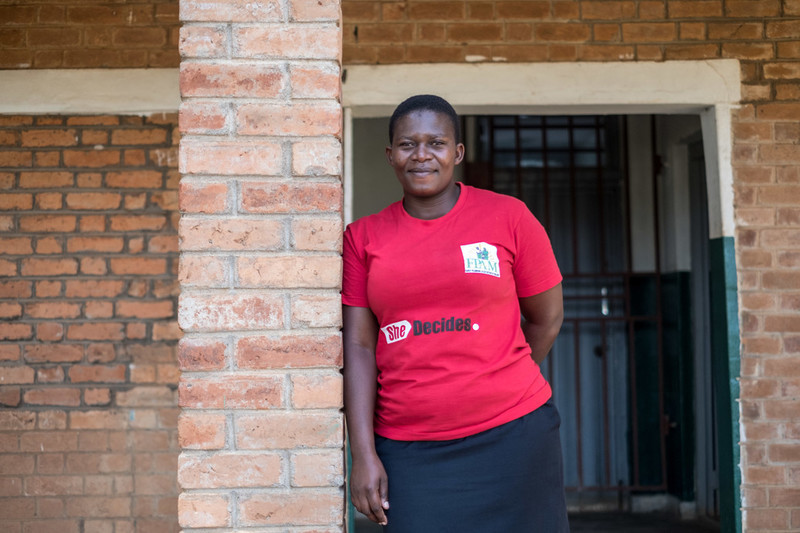
“People think many things of sex workers. They shout at them, speak ill of them, think they are bad people,” says Rachael Banda, a 32-year-old community reproductive health promoter for the Family Planning Association of Malawi (FPAM) in the sleepy northern city of Mzuzu. “But they are not only sex workers, they are many things. Some of them want to do this work, some are there because it’s their business - and with the money they build houses, they pay school fees for their children." Rachael was an outreach worker for Linkages, a project providing sexual and reproductive healthcare to sex workers, which ran in Mzuzu. But in 2017 it was suddenly discontinued following the Global Gag Rule. In 2018, UNAIDS reported that 55% of sex workers in Malawi were estimated to be living with HIV. While condom and ARV use has significantly improved within the community, in 2018 it was also estimated that close to a quarter of HIV-positive sex workers were unaware of their status. Keeping each other safe “I wouldn’t be alive today if it wasn’t for Linkages,” says 30-year-old sex worker *Marianne simply. When outreach workers in Mzuzu met Marianne at a bar, she says she was having unprotected sex and drinking and smoking heavily. “I was just doing everything that I could think of doing,” she explains, but says the project gave her the information she needed to “take care of myself.” Marianne, who is HIV positive, says she was often ill but now feels in a better position to take care of her family. In her eyes, the main benefit of Linkages was that it reached everyone in her community - including those who didn’t feel comfortable going to hospitals for care. Going to hospitals can be difficult for sex workers in Malawi, who are often stigmatized by patients and service providers alike. They can even encounter clients at hospitals, which can mean “clients can end their relationships with us because they know we are testing for STIs,” says Memory, a 32-year-old sex worker in Lilongwe. Because public hospitals are oversubscribed, patients need to arrive early to queue - but this is often not possible for sex workers who have been up through the night, explains Marianne. In Mzuzu, she says the situation improved when Linkages trained hospital staff to treat sex workers respectfully and provided the women with “slips which meant we would be seen quickly and could return to our work,” she says. Bringing care directly to clients “Sex workers are very busy people,” explains Rachael, who travelled to ‘hotspot’ bars in Mzuzu around-the-clock to provide sex workers with contraception and STI testing and treatment. “If we go to them, they can leave a client in their room, receive services from us and then go back to their room and make their business,” she says, adding that it was her responsibility to follow up with the sex workers afterwards to make sure their treatment was working. “I can say I know every bar in this town now!” Rachael laughs. “We treat everyone equally, out in the community and here in the centre,” says Rachael, speaking at the FPAM Youth Life Centre in Mzuzu. Through the Linkages initiative, sex workers were also trained and hired in two other drop-in centres as receptionists, cleaners, and outreach workers. Though FPAM is no longer running those centres, the women are still working there. In Mzuzu and Lilongwe, Malawi’s capital, Linkages trained sex workers as peer educators in sexual and reproductive healthcare and information, which women in both cities say has had a lasting impact. Cecilia, a 36-year-old sex worker and peer educator from Lilongwe, says that going through an HIV test herself gave her the confidence to encourage her friends to do the same. “That can only happen when you’re from the same community and are facing the same issues,” she explained. Her friend Mary, also a Lilongwe-based sex worker, agrees that Linkages brought their community together, particularly when deciding as a group what action to take when someone has been sexually assaulted. Marianne says that she now takes pride in keeping herself and her community safe. “With the new information I got, I was protecting my friends by using a condom when a man comes, so that when another woman sleeps with the same man she won’t get the same infection.” *Pseudonym
IPPF statement on revised WHO contraception guidance
Since the early 1990s, evidence had been inconclusive as to whether using hormonal contraception increased women’s risk of acquiring HIV. This was a critical issue, particularly for areas with high HIV prevalence, such as sub-Saharan Africa. To address this, the ECHO trial, a randomised clinical trial, was designed to compare three highly effective, reversible methods of contraception – a progestogen-only intramuscular injectable, depot medroxyprogesterone acetate (DMPA-IM); a progestogen implant (Jadelle®); and the non-hormonal copper intrauterine device (IUD). The results – that the ECHO trial did not find a statistically significant difference in HIV risk between the contraceptive methods it evaluated – were published in The Lancet on 13 June 2019. IPPF International Medical Advisory Panel (IMAP) issued a statement and a technical brief was developed to discuss the results and highlight key recommendations to local IPPF affiliates and other organizations in the field. Following on the release of the results of the ECHO trial, the World Health Organization (WHO) released an updated guidance statement on contraceptive eligibility for women at high risk of HIV on 29 August 2019. WHO now recommends that women at high risk of HIV can use all methods of contraception without restriction (Medical Eligibility Criteria (MEC) Category 1), including progestogen-only contraceptives such as DMPA-IM and DMPA-SC. This is a change from WHO’s March 2017 guidance which classified progestogen-only injectables as MEC Category 2 for women at high risk of HIV acquisition, which states “the benefits of a method outweigh the theoretical or proven risks.” The change is in response to the new epidemiological and biological evidence, as well as related information. The ECHO trial results and WHO’s updated guidance underscores the continued need to expand and ensure equitable access to a broad mix of contraceptive methods. WHO also emphasizes the importance of HIV/STIs testing and prevention services, including the integration of family planning and HIV/STIs services as appropriate, along with other SRH services. IPPF welcomes the efforts of WHO in providing evidence-based guidance and recommendations to organizations providing sexual and reproductive health services. IPPF will continue supporting the right of women and girls to have access to broader contraceptive options, ensuring a woman’s risk of HIV does not restrict her contraceptive choice. IPPF reaffirms the importance of providing rights-based information and services to support all people in realizing their reproductive choices as part of an integrated package of interventions including HIV/STIs prevention. The results from the recent ECHO trial remind us of the risks of vertical programmes and the need to accelerate efforts in HIV/STIs prevention and treatment as an integral part of SRH services.
09 July 2019
IMAP statement on the ECHO trial
The body of evidence on possible increased risk of HIV acquisition with use of progestogen‑only contraception has remained mixed since 1991, with the greatest concern of an increased risk of HIV acquisition centred on the use of intramuscular depot‑medroxyprogesterone acetate (DMPA‑IM). Data on the risk of HIV acquisition and use of other highly effective contraceptives such as norethisterone enanthate (NET‑EN), hormonal implants, and hormonal and non‑hormonal IUDs are limited.2 And there are no data on subcutaneous DMPA (DMPA‑SC) and HIV risk. In 2016, an updated systematic review of epidemiological evidence on hormonal contraception and HIV acquisition concluded that there was a significant association between the use of DMPA and HIV acquisition and no increased HIV risk with oral contraceptive pills.3 The updated systematic review provided important data regarding DMPA users at high risk of HIV; however, confounding in these observational data could not be excluded. The historically mixed data and the need to control for confounding required further investigation into the association between use of progestogen‑only injectables and increased risk of HIV acquisition, using a more robust research design. This led to the development of the Evidence for Contraceptive Options and HIV Outcomes (ECHO) trial.

20 March 2019
20 March: International Day of Happiness
Our Member Associations around the globe help bring happiness to people every day, by allowing them to access the sexual and reproductive rights they are entitled to. This International Day of Happiness, we’re sharing just a few of the stories of those who told us they were glad to be the recipient of IPPF services. "I’m so happy I now don’t have to worry about contraception for another 5 years" – Muna, Nepal Muna, now 21, got married when she was a teenager and soon had two children, a girl and a boy. She was keen to know more about her contraception options, particularly after flash flooding hit her country. IPPF Humanitarian, through the Family Planning Association of Nepal, were able to step in to help her. Read more about Muna "I am happy about life here" – Antonio, Mozambique 12-year-old Antonio moved in with his aunt after both his parents died from HIV-related illnesses. Antonio is also HIV positive, and with the help of IPPF Member Association AMODEFA, his aunt was able to tell him about it in an appropriate way, and to seek medication that best suited him. Read more about Antonio "I was very happy when my daughter was born" – Sineang, Cambodia After three years of marriage, garment worker Sineang had started to wonder why she hadn’t yet become pregnant. After noticing some vaginal discharge, she visited a Reproductive Health Association of Cambodia clinic to seek treatment, and for support on her journey to become a mother. Read more about Sineang
15 February 2019
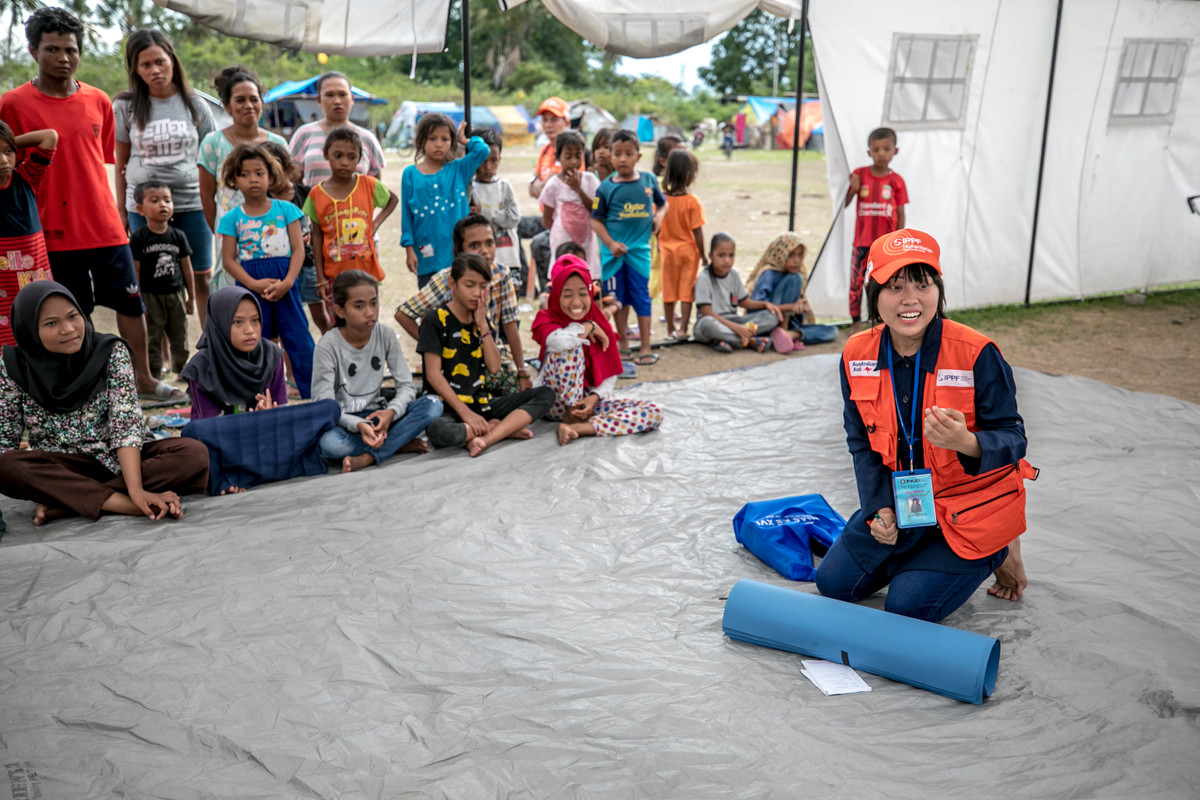
Indonesia: Youth volunteerism in the aftermath of a triple disaster
Statement: The Global HIV Prevention Coalition
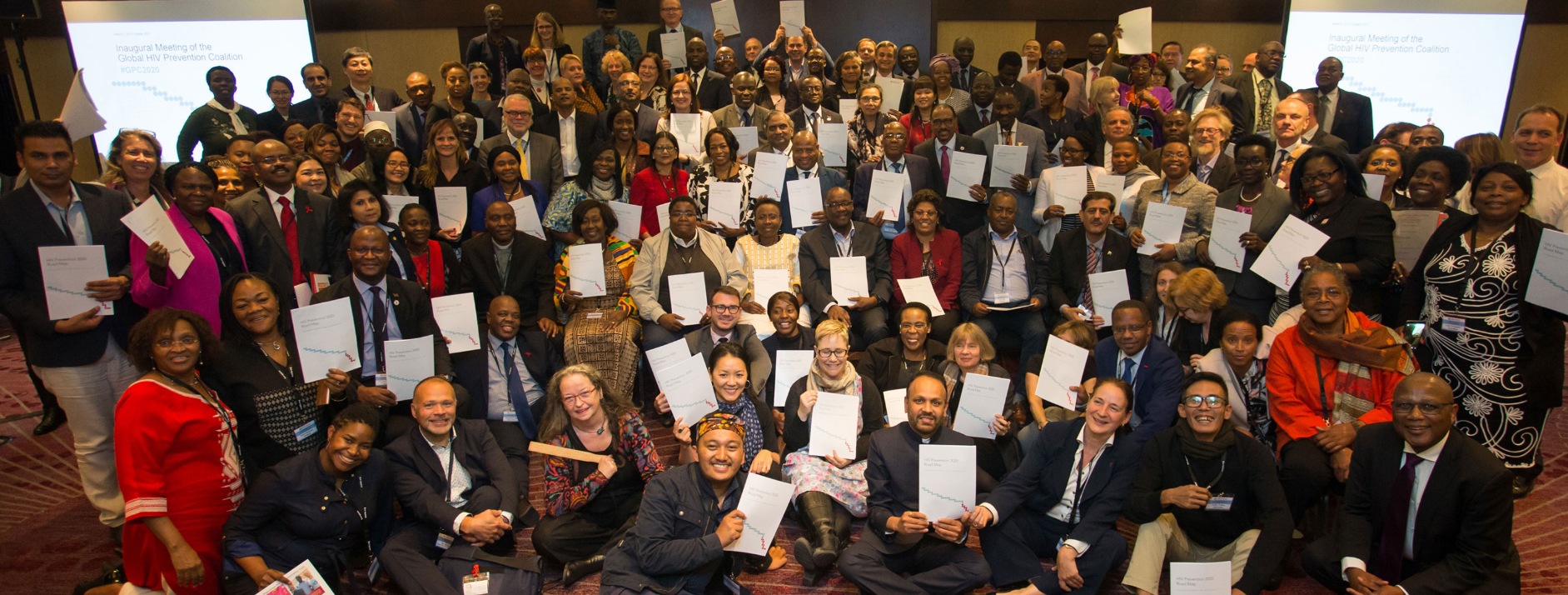
Joint statement by Dr Alvaro Bermejo and Professor Sheila Tlou, the co-chairs of the Global HIV Prevention Coalition welcoming the Global Partnership to Eliminate all forms of HIV-related Stigma and Discrimination: "Addressing stigma and discrimination remains at the core of ensuring effective scaled HIV prevention programmes and HIV programmes overall. Efforts and investments to eliminate stigma and discrimination, which are violations of human rights, remain insufficient. The Global HIV Prevention Coalition and the actions on comprehensive prevention programmes, addressing biomedical, behavioural and structural issues, called for in the 2020 HIV Prevention Roadmap include stigma and discrimination. People face discrimination every day based on who they are, who they love or what they do or how old they are. Human rights challenges, including stigma and discrimination, denial of sexual and reproductive health and rights, punitive approaches and misuse of criminal law remain key barriers to an effective HIV prevention response. The Global HIV Prevention Coalition looks forward to working closely with GNP+, UN Women, UNDP and the UNAIDS Secretariat to accelerate global action towards the elimination of HIV-related stigma and discrimination to help close prevention, testing, and treatment gaps."
04 December 2018
Leaving no one behind: Universal health coverage and sexual and reproductive health and rights
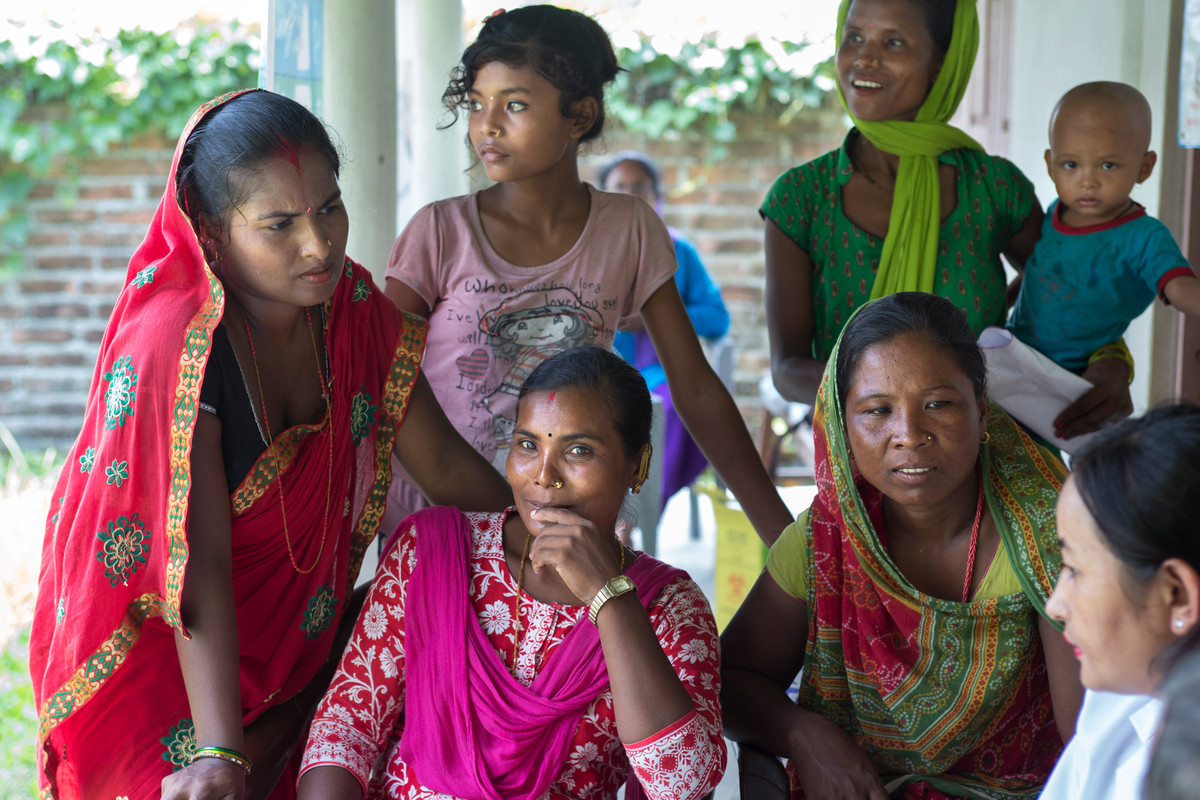
Universal health coverage means ensuring every person has access to quality, affordable health services and plays a pivotal role in achieving global development targets. Healthy populations can better contribute socially and economically, while poor health is a major driver of poverty. Universal access to sexual and reproductive health care services is identified in the Sustainable Development Goals as an essential contributor to ensuring healthy lives and promoting well-being for all at all ages. IPPF, together with the London School of Hygiene and Tropical Medicine, undertook a literature review looking at progress to date in and challenges to achieving universal access to sexual and reproductive health and rights. The review, Leaving no one behind, is illustrated with case studies on Afghanistan, Cambodia, Kenya and Sudan. Supported by the Japan Trust Fund.

30 November 2018
Quiz: "Can I get HIV from kissing?"
World AIDS Day: “Can I get HIV from kissing?” and other questions answered1 December is World AIDS Day, an opportunity for us all to unite in the fight against HIV, to stand in solidarity with the 36.9 million people living with HIV around the world, and to commemorate those who have died from an AIDS-related illness. Over the past few decades, HIV and AIDS have been discussed a lot, but what do you really know about them? Find out in our quiz >> 1/10. True or false: HIV and AIDS are the same thing2/10. How might HIV be transmitted from one person to another?3/10. If both sexual partners have HIV, then they don’t need to worry about using condoms – true or false?4/10. There are 36.9 million people living with HIV globally. How many of them are not aware of their HIV status?5/10. Can people living with HIV safely have children?6/10. HIV only affects certain groups of people – true or false?7/10. Which of the following is the best way to prevent transmission of HIV and other STIs?8/10. True or false: If you have taken an HIV test already, then you don't need to do it again9/10. How long should you wait before going for an HIV test?10/10. What does being “undetectable” mean?Good try! If you learned something new today, scroll down to share this with friends :point_down:Pretty good! If you learned something new today, scroll down to share this with friends :point_down:Great work! If you learned something new today, scroll down to share this with friends :point_down:

“We are losing precious time"
In November 2017, Planned Parenthood Association of Zambia (PPAZ) received the news that they must cease all USAID funded programmes. The stop order was a result of the 'Global Gag Rule' (GGR), also referred to as the Mexico City Policy. The reinstatement of the policy has resulted in Planned Parenthood Association of Zambia losing 46% of its funding. You can learn more about the Global Gag Rule here. “When I lost my job as service delivery manager [at PPAZ USAID's Open Doors project], I felt like a part of me had died, I’m very passionate about this. I look forward to seeing a day where everybody will be free to access health services without stigma and discrimination, especially public health facilities. That’s what I’d like to see, [I] want to see integrated services, being provided to key populations, without stigma and discrimination, and fear of being arrested." The Global Gag Rule The reinstatement of the ‘Global Gag Rule’ resulted in the termination of Planned Parenthood Association of Zambia grant for the USAID Open Doors being terminated. Chipili says “We didn’t expect its implementation to come with the termination of the grants suddenly. We thought that we were going to be given time, a year, one year to work and complete the project and hand over to the partner that was going to take over the responsibilities that Planned Parenthood Association of Zambia handled.” The termination of the project means progress that has been made, especially the work done to help reduce the number of HIV and STIs cases among the key populations will be undone. Progress, that is desperately needed to meet Zambia’s targets on HIV reduction. “We are losing precious time. We have got targets to meet as a nation, we need to ensure that by 2020 we reach the 90/90 goals, set by UNAIDS, and also the country has a broader vision of eliminating the threat of HIV, HIV as a public threat by 2030. So if we have such stumbling blocks, then the targets might not be met. And then these key populations are also linked with the general population, we have men who sex with men, they also have partners, some of them are married, and if we don’t get into their networks, HIV and STIs will end up in the general population, therefore putting everybody at risk." Other impacts have been the increased vulnerability and the lost investment of peer promoters from the key populations and loss of safety and security that was provided by the organization. Loss of safety and security “For safety and security, key populations cannot freely go to facilities they don’t know very well. The clinic setup was the most ideal set up for them. No one would question them, because this is open to everybody. But now what the project is doing, they are renting houses, the USAID is renting houses where they are providing services, so a house is very different from a clinic, that also affects the element of sustainability. The element of sustainability has also been lost because PPAZ has been here for a long time, since 1972, so we were hoping that the project was going to build the capacity for PPAZ to continue providing services to key populations that are free from stigma and discrimination. That has been lost. To me it’s a lost opportunity.” The Zambia National AIDS/HIV Strategic Framework for 2017 to 2021, bears a strong emphasis on leaving no one behind when it comes to stopping the HIV/AIDS epidemic. “No one should be left behind, if we are to reduce HIV infections to zero, if this is not done, the dream, the vision will not be achieved, we cannot afford to start pointing fingers, we have to use the public health approach and eliminate the risk of HIV infection amidst our people”.
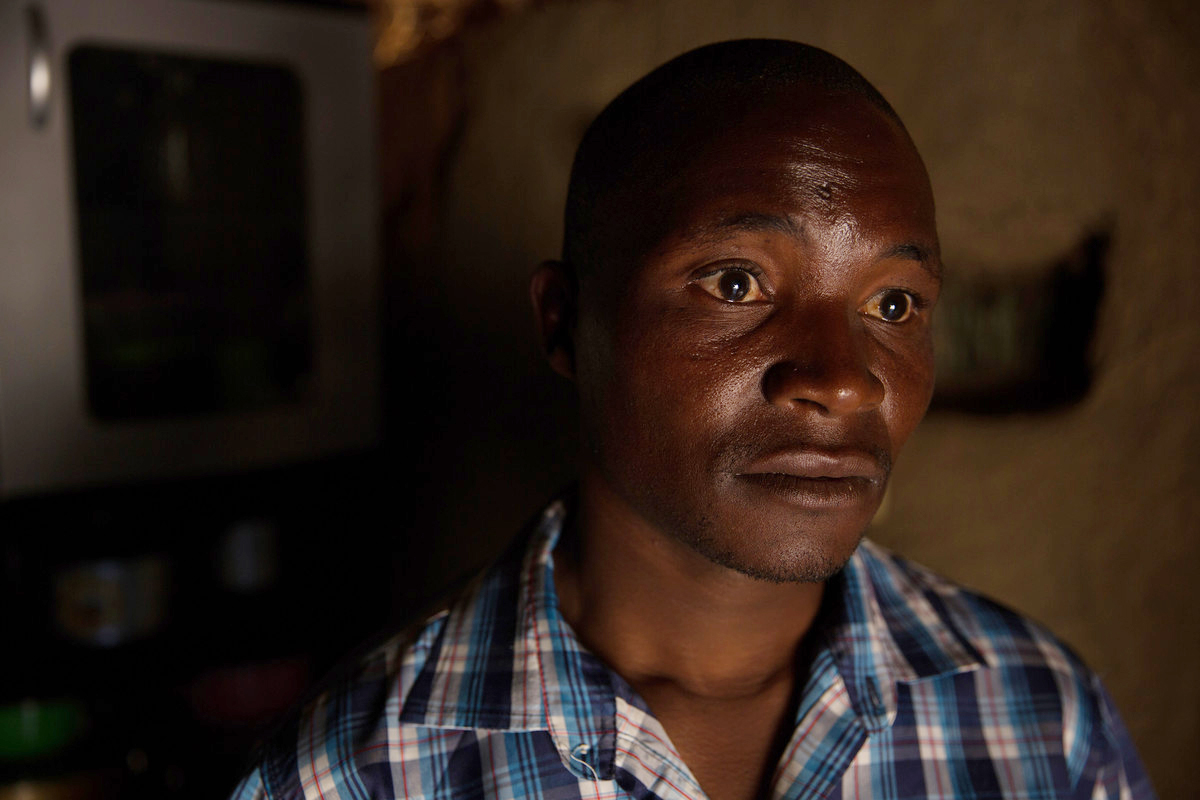
"The community really appreciated the services we were offering"
In November 2017, Planned Parenthood Association of Zambia (PPAZ) received the news that they must cease all USAID funded programmes. The stop order was a result of the 'Global Gag Rule' (GGR), also referred to as the Mexico City Policy. The reinstatement of the policy has resulted in Planned Parenthood Association of Zambia losing 46% of its funding. You can learn more about the Global Gag Rule here. "My name is Thomas, I’m 34 years old. At PPAZ I worked as a peer educator and counsellor, I used to work on the outreach programmes in the community to offer access to health services like voluntary counselling and testing, we also used to sensitize women on the importance of family planning. We also used to refer women we would find had different problems, to the facilities so they can access health services. We also used to help by giving information on things like HIV prevention and signs and symptoms to look out for. At other times, since the places were very far, we would take the services from the facilities to where the people were, so PPAZ used to help us do that. I was at the clinic when they came to tell us that PPAZ would no longer be involved in the project because the funding had been stopped. It was a challenge for us because the services that people had become accustomed to in the communities, HIV counselling and testing services levels reduced because we couldn’t manage to go and take these services to them in the places where they live. When we worked with PPAZ we used to put condoms in these places for them, in the bars and taverns, and even pool tables. Now that PPAZ is gone, the government cannot meet the supply of condoms needed in these places, even the services can’t be offered on the same scale. Unable to meet needs in rural areas Like you can see here, I look after my grandmother and other family members and that money [peer educators' allowance] used to go a long way in helping us look after our children and buy food, and other things. At the moment it is very difficult. Nyangwena is a very big place, it also includes 14 villages, so there are many people in this area. With the money that we were given through PPAZ, my friend and I would manage to get tyres for a bicycle and go to these places, we’d cycle distances as far as 14Km away. It was very helpful; the community really appreciated the services we were offering because we used to take them to the people. We would be very happy if PPAZ were to start them again because we would really help our communities a great deal with these services. Even school children would go and access them, at the youth-friendly corner twice a week. Information is really needed amongst these school children."
18 January 2021
The Global Gag Rule stops care to sex workers
“People think many things of sex workers. They shout at them, speak ill of them, think they are bad people,” says Rachael Banda, a 32-year-old community reproductive health promoter for the Family Planning Association of Malawi (FPAM) in the sleepy northern city of Mzuzu. “But they are not only sex workers, they are many things. Some of them want to do this work, some are there because it’s their business - and with the money they build houses, they pay school fees for their children." Rachael was an outreach worker for Linkages, a project providing sexual and reproductive healthcare to sex workers, which ran in Mzuzu. But in 2017 it was suddenly discontinued following the Global Gag Rule. In 2018, UNAIDS reported that 55% of sex workers in Malawi were estimated to be living with HIV. While condom and ARV use has significantly improved within the community, in 2018 it was also estimated that close to a quarter of HIV-positive sex workers were unaware of their status. Keeping each other safe “I wouldn’t be alive today if it wasn’t for Linkages,” says 30-year-old sex worker *Marianne simply. When outreach workers in Mzuzu met Marianne at a bar, she says she was having unprotected sex and drinking and smoking heavily. “I was just doing everything that I could think of doing,” she explains, but says the project gave her the information she needed to “take care of myself.” Marianne, who is HIV positive, says she was often ill but now feels in a better position to take care of her family. In her eyes, the main benefit of Linkages was that it reached everyone in her community - including those who didn’t feel comfortable going to hospitals for care. Going to hospitals can be difficult for sex workers in Malawi, who are often stigmatized by patients and service providers alike. They can even encounter clients at hospitals, which can mean “clients can end their relationships with us because they know we are testing for STIs,” says Memory, a 32-year-old sex worker in Lilongwe. Because public hospitals are oversubscribed, patients need to arrive early to queue - but this is often not possible for sex workers who have been up through the night, explains Marianne. In Mzuzu, she says the situation improved when Linkages trained hospital staff to treat sex workers respectfully and provided the women with “slips which meant we would be seen quickly and could return to our work,” she says. Bringing care directly to clients “Sex workers are very busy people,” explains Rachael, who travelled to ‘hotspot’ bars in Mzuzu around-the-clock to provide sex workers with contraception and STI testing and treatment. “If we go to them, they can leave a client in their room, receive services from us and then go back to their room and make their business,” she says, adding that it was her responsibility to follow up with the sex workers afterwards to make sure their treatment was working. “I can say I know every bar in this town now!” Rachael laughs. “We treat everyone equally, out in the community and here in the centre,” says Rachael, speaking at the FPAM Youth Life Centre in Mzuzu. Through the Linkages initiative, sex workers were also trained and hired in two other drop-in centres as receptionists, cleaners, and outreach workers. Though FPAM is no longer running those centres, the women are still working there. In Mzuzu and Lilongwe, Malawi’s capital, Linkages trained sex workers as peer educators in sexual and reproductive healthcare and information, which women in both cities say has had a lasting impact. Cecilia, a 36-year-old sex worker and peer educator from Lilongwe, says that going through an HIV test herself gave her the confidence to encourage her friends to do the same. “That can only happen when you’re from the same community and are facing the same issues,” she explained. Her friend Mary, also a Lilongwe-based sex worker, agrees that Linkages brought their community together, particularly when deciding as a group what action to take when someone has been sexually assaulted. Marianne says that she now takes pride in keeping herself and her community safe. “With the new information I got, I was protecting my friends by using a condom when a man comes, so that when another woman sleeps with the same man she won’t get the same infection.” *Pseudonym
IPPF statement on revised WHO contraception guidance
Since the early 1990s, evidence had been inconclusive as to whether using hormonal contraception increased women’s risk of acquiring HIV. This was a critical issue, particularly for areas with high HIV prevalence, such as sub-Saharan Africa. To address this, the ECHO trial, a randomised clinical trial, was designed to compare three highly effective, reversible methods of contraception – a progestogen-only intramuscular injectable, depot medroxyprogesterone acetate (DMPA-IM); a progestogen implant (Jadelle®); and the non-hormonal copper intrauterine device (IUD). The results – that the ECHO trial did not find a statistically significant difference in HIV risk between the contraceptive methods it evaluated – were published in The Lancet on 13 June 2019. IPPF International Medical Advisory Panel (IMAP) issued a statement and a technical brief was developed to discuss the results and highlight key recommendations to local IPPF affiliates and other organizations in the field. Following on the release of the results of the ECHO trial, the World Health Organization (WHO) released an updated guidance statement on contraceptive eligibility for women at high risk of HIV on 29 August 2019. WHO now recommends that women at high risk of HIV can use all methods of contraception without restriction (Medical Eligibility Criteria (MEC) Category 1), including progestogen-only contraceptives such as DMPA-IM and DMPA-SC. This is a change from WHO’s March 2017 guidance which classified progestogen-only injectables as MEC Category 2 for women at high risk of HIV acquisition, which states “the benefits of a method outweigh the theoretical or proven risks.” The change is in response to the new epidemiological and biological evidence, as well as related information. The ECHO trial results and WHO’s updated guidance underscores the continued need to expand and ensure equitable access to a broad mix of contraceptive methods. WHO also emphasizes the importance of HIV/STIs testing and prevention services, including the integration of family planning and HIV/STIs services as appropriate, along with other SRH services. IPPF welcomes the efforts of WHO in providing evidence-based guidance and recommendations to organizations providing sexual and reproductive health services. IPPF will continue supporting the right of women and girls to have access to broader contraceptive options, ensuring a woman’s risk of HIV does not restrict her contraceptive choice. IPPF reaffirms the importance of providing rights-based information and services to support all people in realizing their reproductive choices as part of an integrated package of interventions including HIV/STIs prevention. The results from the recent ECHO trial remind us of the risks of vertical programmes and the need to accelerate efforts in HIV/STIs prevention and treatment as an integral part of SRH services.
09 July 2019
IMAP statement on the ECHO trial
The body of evidence on possible increased risk of HIV acquisition with use of progestogen‑only contraception has remained mixed since 1991, with the greatest concern of an increased risk of HIV acquisition centred on the use of intramuscular depot‑medroxyprogesterone acetate (DMPA‑IM). Data on the risk of HIV acquisition and use of other highly effective contraceptives such as norethisterone enanthate (NET‑EN), hormonal implants, and hormonal and non‑hormonal IUDs are limited.2 And there are no data on subcutaneous DMPA (DMPA‑SC) and HIV risk. In 2016, an updated systematic review of epidemiological evidence on hormonal contraception and HIV acquisition concluded that there was a significant association between the use of DMPA and HIV acquisition and no increased HIV risk with oral contraceptive pills.3 The updated systematic review provided important data regarding DMPA users at high risk of HIV; however, confounding in these observational data could not be excluded. The historically mixed data and the need to control for confounding required further investigation into the association between use of progestogen‑only injectables and increased risk of HIV acquisition, using a more robust research design. This led to the development of the Evidence for Contraceptive Options and HIV Outcomes (ECHO) trial.
20 March 2019
20 March: International Day of Happiness
Our Member Associations around the globe help bring happiness to people every day, by allowing them to access the sexual and reproductive rights they are entitled to. This International Day of Happiness, we’re sharing just a few of the stories of those who told us they were glad to be the recipient of IPPF services. "I’m so happy I now don’t have to worry about contraception for another 5 years" – Muna, Nepal Muna, now 21, got married when she was a teenager and soon had two children, a girl and a boy. She was keen to know more about her contraception options, particularly after flash flooding hit her country. IPPF Humanitarian, through the Family Planning Association of Nepal, were able to step in to help her. Read more about Muna "I am happy about life here" – Antonio, Mozambique 12-year-old Antonio moved in with his aunt after both his parents died from HIV-related illnesses. Antonio is also HIV positive, and with the help of IPPF Member Association AMODEFA, his aunt was able to tell him about it in an appropriate way, and to seek medication that best suited him. Read more about Antonio "I was very happy when my daughter was born" – Sineang, Cambodia After three years of marriage, garment worker Sineang had started to wonder why she hadn’t yet become pregnant. After noticing some vaginal discharge, she visited a Reproductive Health Association of Cambodia clinic to seek treatment, and for support on her journey to become a mother. Read more about Sineang
15 February 2019
Indonesia: Youth volunteerism in the aftermath of a triple disaster
Statement: The Global HIV Prevention Coalition
Joint statement by Dr Alvaro Bermejo and Professor Sheila Tlou, the co-chairs of the Global HIV Prevention Coalition welcoming the Global Partnership to Eliminate all forms of HIV-related Stigma and Discrimination: "Addressing stigma and discrimination remains at the core of ensuring effective scaled HIV prevention programmes and HIV programmes overall. Efforts and investments to eliminate stigma and discrimination, which are violations of human rights, remain insufficient. The Global HIV Prevention Coalition and the actions on comprehensive prevention programmes, addressing biomedical, behavioural and structural issues, called for in the 2020 HIV Prevention Roadmap include stigma and discrimination. People face discrimination every day based on who they are, who they love or what they do or how old they are. Human rights challenges, including stigma and discrimination, denial of sexual and reproductive health and rights, punitive approaches and misuse of criminal law remain key barriers to an effective HIV prevention response. The Global HIV Prevention Coalition looks forward to working closely with GNP+, UN Women, UNDP and the UNAIDS Secretariat to accelerate global action towards the elimination of HIV-related stigma and discrimination to help close prevention, testing, and treatment gaps."
04 December 2018
Leaving no one behind: Universal health coverage and sexual and reproductive health and rights
Universal health coverage means ensuring every person has access to quality, affordable health services and plays a pivotal role in achieving global development targets. Healthy populations can better contribute socially and economically, while poor health is a major driver of poverty. Universal access to sexual and reproductive health care services is identified in the Sustainable Development Goals as an essential contributor to ensuring healthy lives and promoting well-being for all at all ages. IPPF, together with the London School of Hygiene and Tropical Medicine, undertook a literature review looking at progress to date in and challenges to achieving universal access to sexual and reproductive health and rights. The review, Leaving no one behind, is illustrated with case studies on Afghanistan, Cambodia, Kenya and Sudan. Supported by the Japan Trust Fund.
30 November 2018
Quiz: "Can I get HIV from kissing?"
World AIDS Day: “Can I get HIV from kissing?” and other questions answered1 December is World AIDS Day, an opportunity for us all to unite in the fight against HIV, to stand in solidarity with the 36.9 million people living with HIV around the world, and to commemorate those who have died from an AIDS-related illness. Over the past few decades, HIV and AIDS have been discussed a lot, but what do you really know about them? Find out in our quiz >> 1/10. True or false: HIV and AIDS are the same thing2/10. How might HIV be transmitted from one person to another?3/10. If both sexual partners have HIV, then they don’t need to worry about using condoms – true or false?4/10. There are 36.9 million people living with HIV globally. How many of them are not aware of their HIV status?5/10. Can people living with HIV safely have children?6/10. HIV only affects certain groups of people – true or false?7/10. Which of the following is the best way to prevent transmission of HIV and other STIs?8/10. True or false: If you have taken an HIV test already, then you don't need to do it again9/10. How long should you wait before going for an HIV test?10/10. What does being “undetectable” mean?Good try! If you learned something new today, scroll down to share this with friends :point_down:Pretty good! If you learned something new today, scroll down to share this with friends :point_down:Great work! If you learned something new today, scroll down to share this with friends :point_down:
“We are losing precious time"
In November 2017, Planned Parenthood Association of Zambia (PPAZ) received the news that they must cease all USAID funded programmes. The stop order was a result of the 'Global Gag Rule' (GGR), also referred to as the Mexico City Policy. The reinstatement of the policy has resulted in Planned Parenthood Association of Zambia losing 46% of its funding. You can learn more about the Global Gag Rule here. “When I lost my job as service delivery manager [at PPAZ USAID's Open Doors project], I felt like a part of me had died, I’m very passionate about this. I look forward to seeing a day where everybody will be free to access health services without stigma and discrimination, especially public health facilities. That’s what I’d like to see, [I] want to see integrated services, being provided to key populations, without stigma and discrimination, and fear of being arrested." The Global Gag Rule The reinstatement of the ‘Global Gag Rule’ resulted in the termination of Planned Parenthood Association of Zambia grant for the USAID Open Doors being terminated. Chipili says “We didn’t expect its implementation to come with the termination of the grants suddenly. We thought that we were going to be given time, a year, one year to work and complete the project and hand over to the partner that was going to take over the responsibilities that Planned Parenthood Association of Zambia handled.” The termination of the project means progress that has been made, especially the work done to help reduce the number of HIV and STIs cases among the key populations will be undone. Progress, that is desperately needed to meet Zambia’s targets on HIV reduction. “We are losing precious time. We have got targets to meet as a nation, we need to ensure that by 2020 we reach the 90/90 goals, set by UNAIDS, and also the country has a broader vision of eliminating the threat of HIV, HIV as a public threat by 2030. So if we have such stumbling blocks, then the targets might not be met. And then these key populations are also linked with the general population, we have men who sex with men, they also have partners, some of them are married, and if we don’t get into their networks, HIV and STIs will end up in the general population, therefore putting everybody at risk." Other impacts have been the increased vulnerability and the lost investment of peer promoters from the key populations and loss of safety and security that was provided by the organization. Loss of safety and security “For safety and security, key populations cannot freely go to facilities they don’t know very well. The clinic setup was the most ideal set up for them. No one would question them, because this is open to everybody. But now what the project is doing, they are renting houses, the USAID is renting houses where they are providing services, so a house is very different from a clinic, that also affects the element of sustainability. The element of sustainability has also been lost because PPAZ has been here for a long time, since 1972, so we were hoping that the project was going to build the capacity for PPAZ to continue providing services to key populations that are free from stigma and discrimination. That has been lost. To me it’s a lost opportunity.” The Zambia National AIDS/HIV Strategic Framework for 2017 to 2021, bears a strong emphasis on leaving no one behind when it comes to stopping the HIV/AIDS epidemic. “No one should be left behind, if we are to reduce HIV infections to zero, if this is not done, the dream, the vision will not be achieved, we cannot afford to start pointing fingers, we have to use the public health approach and eliminate the risk of HIV infection amidst our people”.
"The community really appreciated the services we were offering"
In November 2017, Planned Parenthood Association of Zambia (PPAZ) received the news that they must cease all USAID funded programmes. The stop order was a result of the 'Global Gag Rule' (GGR), also referred to as the Mexico City Policy. The reinstatement of the policy has resulted in Planned Parenthood Association of Zambia losing 46% of its funding. You can learn more about the Global Gag Rule here. "My name is Thomas, I’m 34 years old. At PPAZ I worked as a peer educator and counsellor, I used to work on the outreach programmes in the community to offer access to health services like voluntary counselling and testing, we also used to sensitize women on the importance of family planning. We also used to refer women we would find had different problems, to the facilities so they can access health services. We also used to help by giving information on things like HIV prevention and signs and symptoms to look out for. At other times, since the places were very far, we would take the services from the facilities to where the people were, so PPAZ used to help us do that. I was at the clinic when they came to tell us that PPAZ would no longer be involved in the project because the funding had been stopped. It was a challenge for us because the services that people had become accustomed to in the communities, HIV counselling and testing services levels reduced because we couldn’t manage to go and take these services to them in the places where they live. When we worked with PPAZ we used to put condoms in these places for them, in the bars and taverns, and even pool tables. Now that PPAZ is gone, the government cannot meet the supply of condoms needed in these places, even the services can’t be offered on the same scale. Unable to meet needs in rural areas Like you can see here, I look after my grandmother and other family members and that money [peer educators' allowance] used to go a long way in helping us look after our children and buy food, and other things. At the moment it is very difficult. Nyangwena is a very big place, it also includes 14 villages, so there are many people in this area. With the money that we were given through PPAZ, my friend and I would manage to get tyres for a bicycle and go to these places, we’d cycle distances as far as 14Km away. It was very helpful; the community really appreciated the services we were offering because we used to take them to the people. We would be very happy if PPAZ were to start them again because we would really help our communities a great deal with these services. Even school children would go and access them, at the youth-friendly corner twice a week. Information is really needed amongst these school children."