


IPPF works to ensure that every woman and girl has the human right to choose to be pregnant or not and we will continue to supply and support safe and legal abortion services and care. We are committed to reducing the number of deaths of women and girls who are forced to turn to unsafe abortion methods. Make Abortion Safe. Make Abortion Legal. For all Women and Girls. Everywhere.
Articles about Abortion Care
10 June 2021
IMAP Statement Abortion Self-Care
IPPF understands abortion self-care as the right of women and girls to lead, in part or entirely, their abortion process, with or without support from health providers. Guided by the existing evidence and practices, this statement provides practical recommendations for IPPF Member Associations and other sexual and reproductive health stakeholders on how to manage abortion care within a people-centred model which empowers individuals and is supported by community collectives and social networks, however still backed-up by the healthcare system whenever needed or required. This statement also serves as an advocacy tool to create an enabling environment for abortion self-care.
09 March 2021
Tackling abortion stigma
Abortion stigma affects women and girls, abortion providers, reproductive rights advocates and communities. Although abortion is a common experience around the world, it is still largely stigmatised. Negative attitudes and beliefs about abortion may act as barriers to accessing safe services and can make it difficult for people to talk about their experiences of abortion. This can be very isolating, and may force people to continue unwanted pregnancies or to seek unsafe abortion. Since 2011 the David & Lucile Packard Foundation has supported IPPF to implement a range of initiatives to investigate and address abortion stigma. It is often young people who are most severely affected by abortion stigma, and who are most at risk of suffering health complications as a result of unsafe abortion. Since 2014 IPPF has delivered the Youth and Abortion Stigma project, a project focused on challenging abortion stigma and supporting young people’s access to safe abortion services – working with communities, service providers, and young people, conducting research, supporting youth initiatives and developing a range of resources to achieve an better environment for young people’s right to safe abortion and other reproductive and sexual rights. This project has conducted targeted work with our Member Associations in Benin, Burkina Faso, Ghana, India, Nepal and Pakistan. Implementing individual, community and clinic-based interventions in the countries where abortion stigma research was conducted. Abortion stigma was measured at the community level at the beginning and end of each phase of the project, by using an adaptation of the Stigmatizing Attitudes, Beliefs and Actions Scale (SABAS) developed by Ipas. Read more about the SABAS results Find out more about this ground-breaking work in Reducing Abortion Stigma: Global Achievements since 2014. Read summary report Tools and resources Through this project IPPF has created a range of tools and resources to support understanding of abortion stigma and to increase the capacity of our Member Associations to advocate for safe abortion, and to provide non-stigmatising education and information. How to talk about abortion: A guide to rights-based messaging Designed to help individuals and organizations think about the language and images they use to communicate about abortion and offers best practice tips. AR EN FR ES Video: How to talk about abortion Bright and colourful short animation to share the tips from the guide “How to talk about abortion”. EN FR ES How to talk about abortion: A guide for journalists, editors and media outlets This guide encourages accurate reporting of the facts about abortion, and honest portrayals of abortion as part of real people’s lives and relationships. EN ES How to educate about abortion: the essentials Brief version of the guide “How to educate about abortion”. EN FR ES Video: How to educate about abortion Accompanying the guide with the same name, this short animation distils advice from the guide into just two minutes! EN FR ES How to educate about abortion: A guide for peer educators, trainers and teachers This comprehensive guide provides the rationale for teaching about abortion issues, as well a number of practical activities for doing so. EN FR ES Abortion matters: an introduction A free online class that covers all the basics of abortion. A free DisasterReady account is required. EN FR ES Understanding abortion: a visual resource This resource fills a gap in communication, reducing literacy and language barriers around abortion messaging. EN FR HI NE ES Strategies to improve young people’s access to stigma free services IPPF recognizes the value of young people’s voices, perspectives and insights, as well as their keen understanding of which messages, media and resources will resonate with their peers. We have listened to young people and employed a range of strategies to ensure that our initiatives were genuinely led by youth. Four of our Member Associations have shared their best practices to improve young people’s access to safe abortion services. These include strategies such as creating a ‘buddy system’ for young people accessing services, working with educational establishments, using social media, and youth friendly spaces. Bosnia and Herzegovina: Using a buddy system EN FR ES Cameroon: Partnering with educational institutions EN FR ES Ghana: Using social media EN FR ES Pakistan: Youth Friendly Spaces EN FR ES Youth-led projects to tackle abortion stigma As part of our work in tackling abortion stigma, this project has supported smaller ground-breaking youth-led projects in 14 different countries, in order to tackle the issue of abortion stigma in their communities. These small grants have been awarded to projects in Albania, Colombia, Ghana, Guinea, Kenya, Macedonia, Nepal, Nigeria, Palestine, Puerto Rico, Sierra Leone, Spain, Tanzania and Venezuela. Read more about these youth-led projects The ‘Youth Against Abortion Stigma’ blog features entries written by young IPPF volunteers, youth grantees and project champions from around the world. Visit the Youth Against Abortion Stigma blog For further information on this project, contact abortionstigma@ippf.org.
10 February 2021
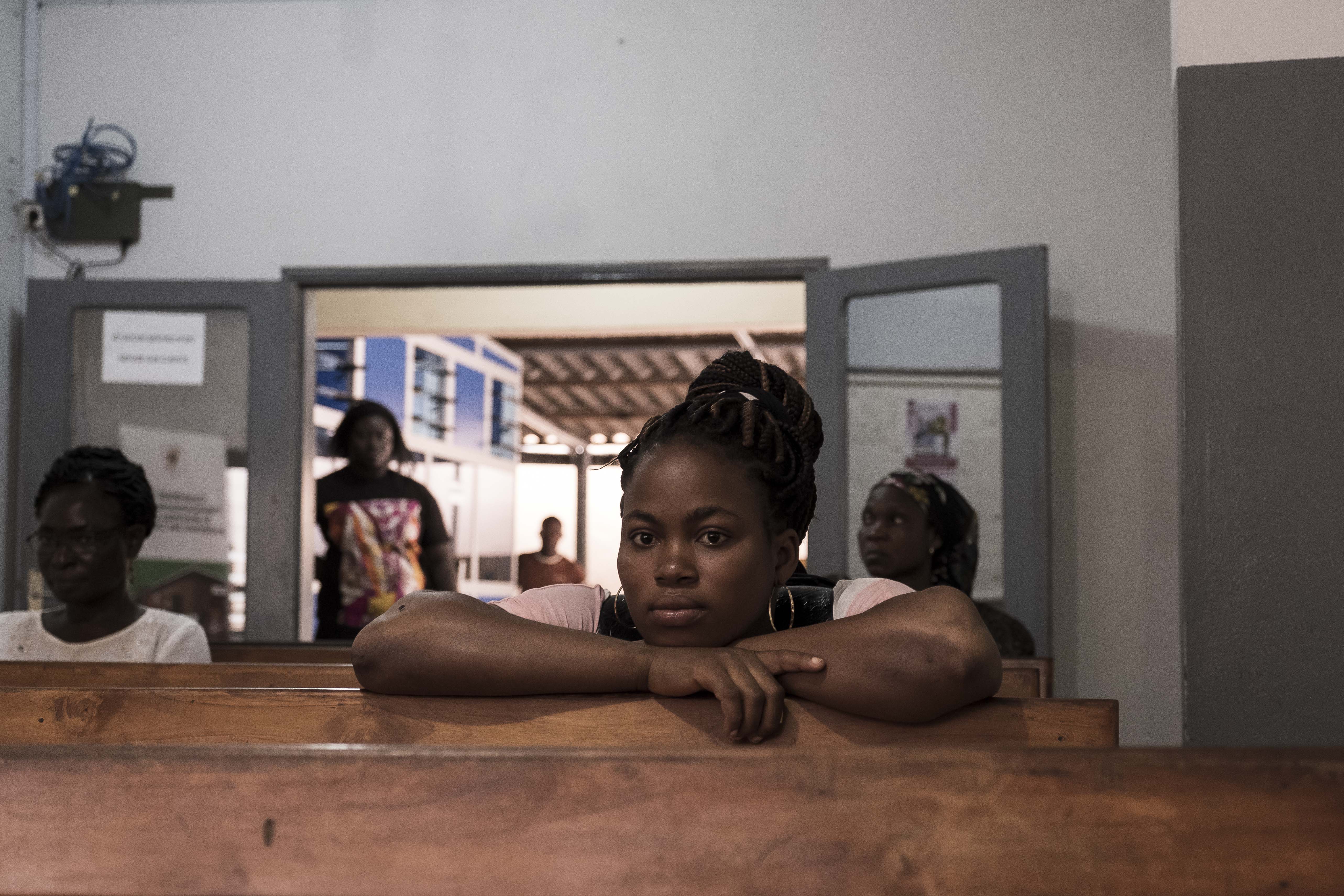
Reducing Abortion Stigma: Global Achievements since 2014
Abortion stigma affects everyone: individuals, communities and service providers. Young women and adolescent girls bear the brunt of abortion stigma. It causes delays in people seeking abortion and stops others from accessing it, leading to unintended pregnancies. Stigma drives abortion underground, where it is more likely to be unsafe. Since 2014, the support of the David & Lucile Packard Foundation has enabled IPPF to reduce abortion stigma affecting young people around the world, working directly with Member Associations in six countries (Bénin, Burkina Faso, India, Pakistan, Ghana and Nepal). Meaningful youth participation has ensured that young people’s lived experiences were central in every aspect of this work. This project has also supported smaller ground-breaking youth-led projects in 14 different countries: Albania, Colombia, Ghana, Guinea, Kenya, Macedonia, Nepal, Nigeria, Palestine, Puerto Rico, Sierra Leone, Spain, Tanzania and Venezuela. This document highlights the achievements and learnings from the Abortion Stigma Project between 2014 and 2020, including case studies, research and evidence generated around abortion stigma, and popular resources and tools developed throughout the project, and more. We invite you to read more on this ground-breaking work in Reducing Abortion Stigma: Global Achievements since 2014
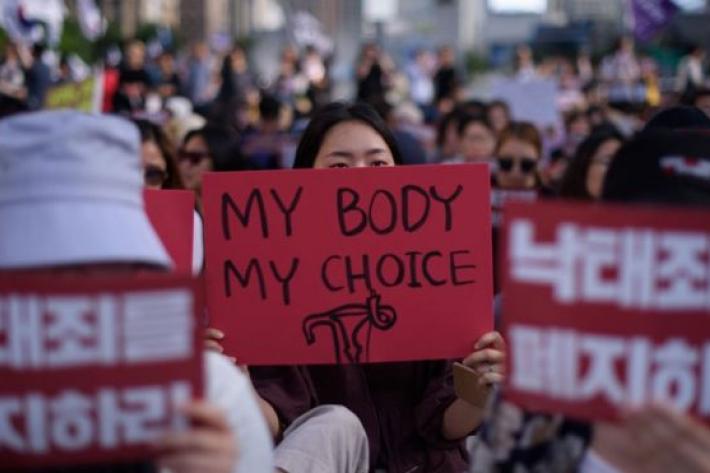
A win for women's rights: South Korea decriminalizes abortion care
The International Planned Parenthood Federation welcomes the news of the removal of abortion care from South Korea’s Criminal Code effective from 1 January 2021. This means those seeking abortion care will no longer face legal barriers in accessing care. Abortion in South Korea was illegal in most circumstances from 1953 to 2020. On April 11, 2019, the Constitutional Court ruled the abortion ban unconstitutional and ordered the law's revision by the end of 2020. Revisions to the law were proposed in October 2020, but not voted on by the deadline of 31 December 2020. The Ministry of Health and Welfare announced that they will consider expanding coverage of health insurance to include abortion care and the approval of mifepristone (used in medical abortion). IPPF’s Director-General, Dr Alvaro Bermejo said: “Abortion care is a human right, and those rights are now being realized in countries with some of the strictest abortion laws. The decision to remove abortion from South Korea’s criminal code is a step in the right direction for women’s rights, but we also know there is much work to do. ‘Conscientious objection’ cannot be allowed to limit access to abortion care. IPPF and its Member Associations will continue to fight for safe and legal abortion care for those who need it.” Ms Kyung Ae Cho, Secretary-General, Korea Population, Health and Welfare Association (KoPHWA) said: “I am pleased that we reached here today [repeal of the criminal provision on abortion] as a result of many years of efforts led by Korean women. "With these changes, law amendments and services are urgently needed, including expanding Universal Health Coverage (UHC), to ensure equal access to reproductive healthcare for all women. We [KoPHWA) shall continue to deliver accurate and rights-based information and counselling on safe abortion care appropriate to the Korean women context, and contribute to the fulfilment of universal access to sexual and reproductive health for all women worldwide.”
24 September 2020
Innovating to provide abortion care during COVID-19
During the COVID-19 pandemic, women globally face compounded barriers to accessing safe abortion care. The de-prioritization of sexual and reproductive health services including abortion care, overwhelmed health systems, restrictions on movement and fear of visiting health facilities have all created additional challenges for women to safely end a pregnancy. However, recognizing the need to adapt to ensure women have access to the care they need, this crisis has sparked innovation among IPPF Member Associations. They developed new approaches to reach women with safe abortion information and care, while keeping women’s choice and quality of care at the centre of their work. This document illustrates some of the innovative approaches used to ensure continued access to quality abortion care during the pandemic.

In pictures: Innovating during COVID-19
Women around the world have faced multiple barriers to accessing safe abortion care during the COVID-19 pandemic including the de-prioritization of sexual and reproductive healthcare, overwhelmed health systems and restrictions on movement. The COVID-19 crisis has sparked innovation among IPPF Member Associations who responded swiftly by developing new approaches to reach women with safe abortion care including telemedicine and home-based provision of medical abortion. Strong evidence generated from this work supports the continuation and strengthening of these approaches beyond the end of the pandemic. Cameroon Cameroon National Planning Association for Family Welfare (CAMNAFAW) To ensure that quality abortion care can be provided to women during travel restrictions, CAMNAFAW’s service providers travel to partner clinics in underserved areas and to clients’ homes to provide medical and surgical abortion care. This model of taking safe abortion care closer to women will continue even with easing of travel restrictions, as this has been found to be an effective and acceptable approach to increasing access.Photo: IPPF/Xaume Olleros/Cameroon Share on Twitter Share on Facebook Share via WhatsApp Share via Email Guinea Association Guinéenne pour le Bien-Etre Familial (AGBEF) Building on lessons learned during the Ebola crisis in Guinea, AGBEF quickly took measures to prevent infection in its clinics to continue providing sexual and reproductive healthcare, including surgical and medical abortion, in a safe environment. AGBEF donated protective materials to communities, including hand-washing stations, face masks and antibacterial gel, alongside messaging on infection prevention. This community visibility reassures clients they can safely attend AGBEF clinics for abortion and contraceptive care.Photo: AGBEF/Guinea Share on Twitter Share on Facebook Share via WhatsApp Share via Email India Family Planning Association of India (FPA India) FPA India and partners advocated to have sexual and reproductive healthcare, including abortion, recognized as essential by the government, which meant FPA India could continue healthcare delivery during the national lockdown. To reduce in-person clinic visits, FPA India established teleconsultation and counselling for abortion care, and is continuing to provide in-clinic care for both medical and surgical abortion. Photo: IPPF/Alison Joyce/India Share on Twitter Share on Facebook Share via WhatsApp Share via Email Nepal Family Planning Association of Nepal (FPAN) FPAN and partners advocated for interim approval of home provision of medical abortion and telemedicine for abortion counselling during COVID-19. FPAN is now implementing these approaches, ensuring continued access to abortion care in Nepal, where many people live in remote locations with limited mobility, which has been further restricted by COVID-19 lockdowns. Photo: FPAN/Nepal Share on Twitter Share on Facebook Share via WhatsApp Share via Email Pakistan Rahnuma – Family Planning Association of Pakistan (Rahnuma-FPAP) Rahnuma-FPAP and partners successfully advocated for the government to class sexual and reproductive healthcare as ‘essential’, which enabled the team to continue providing post-abortion care during the pandemic. Rahnuma-FPAP expanded its telemedicine and home-based provision for menstrual regulation counselling and post-abortion care. These new approaches have ensured continued access to services for clients unable to reach clinics.Photo: Rahnuma-FPAP/Pakistan Share on Twitter Share on Facebook Share via WhatsApp Share via Email Palestine Palestinian Family Planning and Protection Association (PFPPA) In response to the government-mandated closure of its clinics, PFPPA quickly established a toll-free call centre which provides consultations, counselling, referrals and follow-up, including consultation for abortion care through a harm reduction approach, ensuring that women are provided with accurate information. Due to its success, PFPPA is exploring options for continuing this healthcare delivery model beyond the pandemic, with the aim of keeping it free of charge for users.Photo: SAAF/Samar Hazboun/Palestine Share on Twitter Share on Facebook Share via WhatsApp Share via Email Sudan Sudan Family Planning Association (SFPA) Following a nation-wide shutdown in April, SFPA established a call centre to increase access to healthcare, including abortion and contraceptive counselling and referrals. An unexpected outcome of the new call centre is that it has reached an increased number of young women who regularly call to discuss their reproductive health and rights. SFPA is working towards institutionalizing this model for continuation beyond the pandemic.Photo: SFPA/Sudan Share on Twitter Share on Facebook Share via WhatsApp Share via Email Togo Association Togolaise pour le Bien-Etre Familial (ATBEF) ATBEF adapted its mobile application ‘Infos Ado Jeunes’, adding a toll-free teleconsultation service for young clients to use to access abortion consultations and pre- and post-abortion counselling. This app has given young clients ongoing access to care when they face challenges travelling to clinics. It has also eased overall client flow in clinics at a time when social distancing is being implemented.Photo: ATBEF/Togo Share on Twitter Share on Facebook Share via WhatsApp Share via Email
30 July 2020
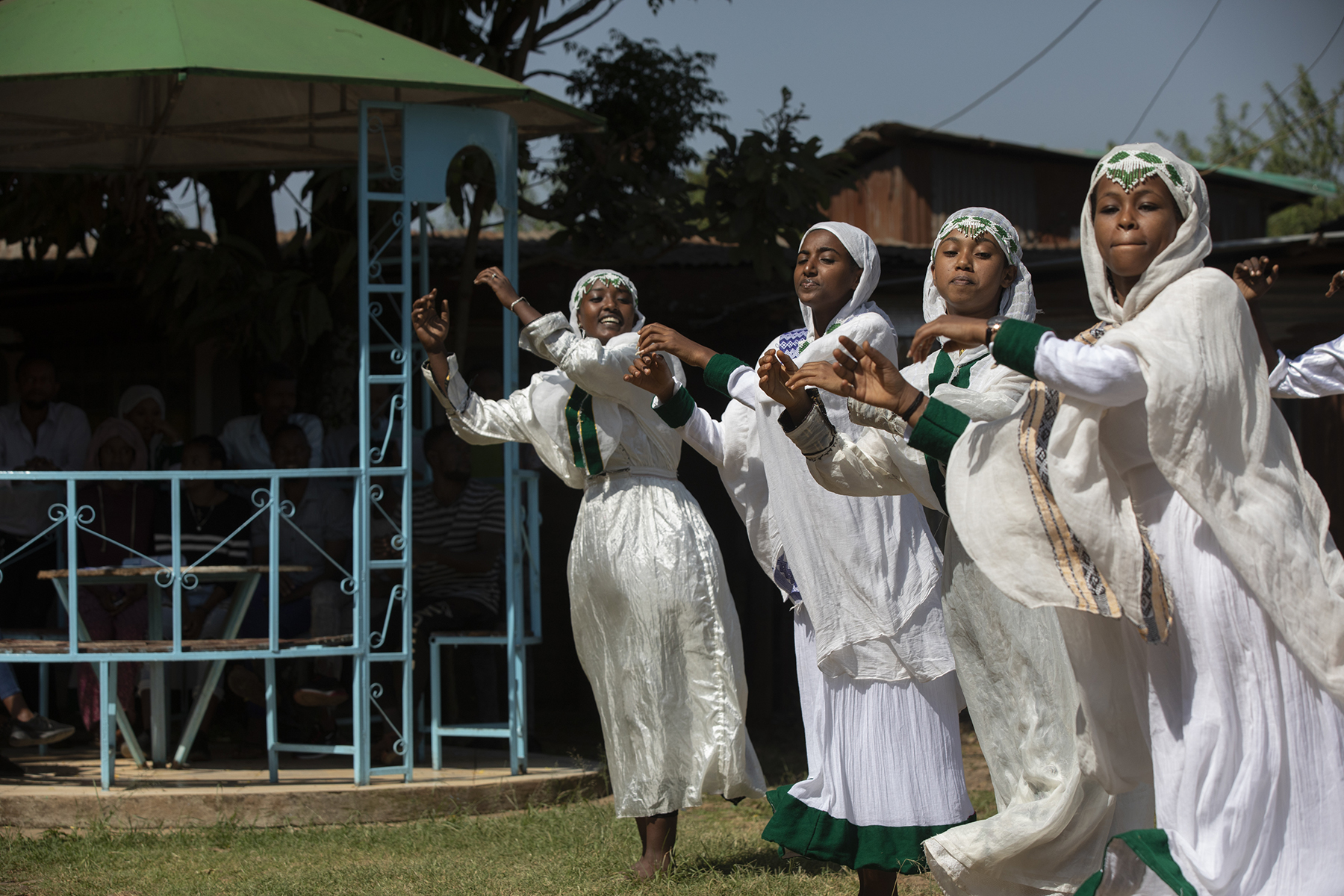
Youth-led sexual healthcare through dance, song, and poetry
In Ethiopia, getting young people’s attention about sexual and reproductive healthcare is no easy task. But at a youth centre in Jimma, the capital Oromia region, groups of young people are getting vital messages about sexual health and contraception out to their peers through dance, song, and poetry. Student Jumeya Mohammed Amin came here to train as a peer educator for sexual and reproductive health [SRH] three years ago, when she was 14 years old. In her community – a conservative village 20 km outside the city – early marriage and pregnancy was common, and information about SRH practically unheard of. Navigating traditional norms “Girls younger than me at the time were married. The youngest was only nine,” said Amin, who would watch her classmates have to leave their home, school, and playmates behind. In Amin’s community, to opt out of unintended pregnancies involves unsafe abortion methods such as remedies prescribed by traditional healers – which can be fatal. “I know one girl from 10th grade who was 15 years old, and she died from this in 2017,” she said. But Amin’s work educating hundreds of young people each year on sexual health has changed attitudes in her community around early marriage, unplanned pregnancy and the options available to prevent it, she says, with many of her peers now waiting to start becoming sexually active. Tackling high rates of teen pregnancy Oromia has the third highest rate of teenage pregnancy in Ethiopia, after the Afar and Somali regions, says Dessalegn Workineh, who runs the Jimma office of the Family Guidance Association of Ethiopia [FGAE], which is supported by IPPF. “In Oromia, out of this rate of teen pregnancies, almost twenty percent end up in abortion,” he said. The region also has the third lowest uptake of contraceptives among women aged 15 to 49. 17-year-old peer educator Mastewal Ephrem says that the problem comes down to a lack of information. “People don’t know about reproductive health and they need this information about how to manage their family, sex and infections,” she said. Religious and social conservatism make this difficult, especially in poor and rural areas where families receive dowries in the form of money and gifts when their daughters marry. “Because of not having confidence and not talking to people, girls are doing early marriage,” said Ephrem. Poverty and other hardships also push girls out of their family homes early and leave them in precarious situations, where they run a high risk of encountering abuse. “I see girls aged 10, 13 and 15, who live on the streets and take drugs,” said Emebet Bekele, a counsellor working at an IPPF-supported clinic in Jimma that is aimed at helping sex workers. Bekele provides counselling and testing for HIV and STIs. She talks to girls and women about the full range of free and confidential family planning services available at the clinic. “Sometimes we bring them from the streets and we test them. Most of them get pregnant,” she said. She often supports students to get safe abortion care; including girls as young as 13. Taking sexual healthcare to the streets The youth centre reaches a lot of young people in schools and directs them towards the youth centre, where there is a library and many group activities and performances to teach them about SRH. Groups of young people practice and perform short plays and dances about topics such as unsafe sex and STIs here, as well as on the streets, where they draw a crowd. Fourteen-year-old Simret Abiyu has turned what she has learned into SRH-themed poems that she pens and performs to her peers in English, Amharic and Oromo. “Sometimes I get training here and write poems about family planning and the work of FGAE and the development of the country,” she said. Healthcare and advice via the phone University student Nebiyu Ephirem, 26, is a youth leader at the centre. He has been managing the two SRH helplines – located in a quiet back office – since it started in 2017. He answers a lot of calls from young people asking about contraception or their bodies and people dealing with emergencies and tries to answer their questions or refer them to public, private or FGAE clinics across the country. “Culturally, people used not to want to discuss sexual issues. They fear discussing these openly with family, and due to religious beliefs, so people like to call me,” said Ephirem. The youth centre reaches more than 11,000 young people a year through its work at schools, and through outreach clinics located in coffee plantations, where many young people work. Currently, the youth centre uses the helpline, radio adverts and social media to inform people about sexual health. The team hopes that media campaigns can spread the message wider in order to raise awareness about young peoples’ sexual health needs.

"Before, there was no safe abortion"
Rewda Kedir works as a midwife in a rural area of the Oromia region in southwest Ethiopia. Only 14% of married women are using any method of contraception here. The government hospital Rewda works in is supported to provide a full range of sexual and reproductive healthcare, which includes providing free contraceptives and comprehensive abortion care. In January 2017, the maternal healthcare clinic faced shortages of contraceptives after the US administration reactivated and expanded the Global Gag Rule, which does not allow any funding to go to organizations associated with providing abortion care. Fortunately in this case, the shortages only lasted a month due to the government of the Netherlands stepping in and matching lost funding. “Before, we had a shortage of contraceptive pills and emergency contraceptives. We would have to give people prescriptions and they would go to private clinics and where they had to pay," Rewda tells us. "When I first came to this clinic, there was a real shortage of people trained in family planning. I was the only one. Now there are many people trained on family planning, and when I’m not here, people can help." "There used to be a shortage of choice and alternatives, and now there are many. And the implant procedures are better because there are newer products that are much smaller so putting them in is less invasive.” Opening a dialogue on contraception The hospital has been providing medical abortions for six years. “Before, there was no safe abortion," says Rewda. She explains how people would go to 'traditional' healers and then come to the clinic with complications like sepsis, bleeding, anaemia and toxic shock. If they had complications or infections above nine weeks, Rewda and her colleagues would send them to Jimma, the regional capital. "Before, it was very difficult to persuade them to use family planning, and we had to have a lot of conversations. Now, they come 45 days after delivery to speak to us about this and get their babies immunised," she explains. "They want contraceptives to space out their children. Sometimes their husbands don’t like them coming to get family planning so we have to lock their appointment cards away. Their husbands want more children and they think that women who do not keep having their children will go with other men." "More kids, more wealth" Rewda tells us that they've used family counselling to try and persuade men to reconsider their ideas about contraception, by explaining to them that continuously giving birth under unsafe circumstances can affect a woman's health and might lead to maternal death, damage the uterus and lead to long-term complications. "Here, people believe that more kids means more wealth, and religion restricts family planning services. Before, they did not have good training on family planning and abortion. Now, women that have abortions get proper care and the counseling and education has improved. There are still unsafe abortions but they have really reduced. We used to see about 40 a year and now it’s one or two." However, problems still exist. "There are some complications, like irregular bleeding from some contraceptives," Rewda says, and that "women still face conflict with their husbands over family planning and sometimes have to go to court to fight this or divorce them.”
16 July 2020
Delivering healthcare to women in rural Ethiopia
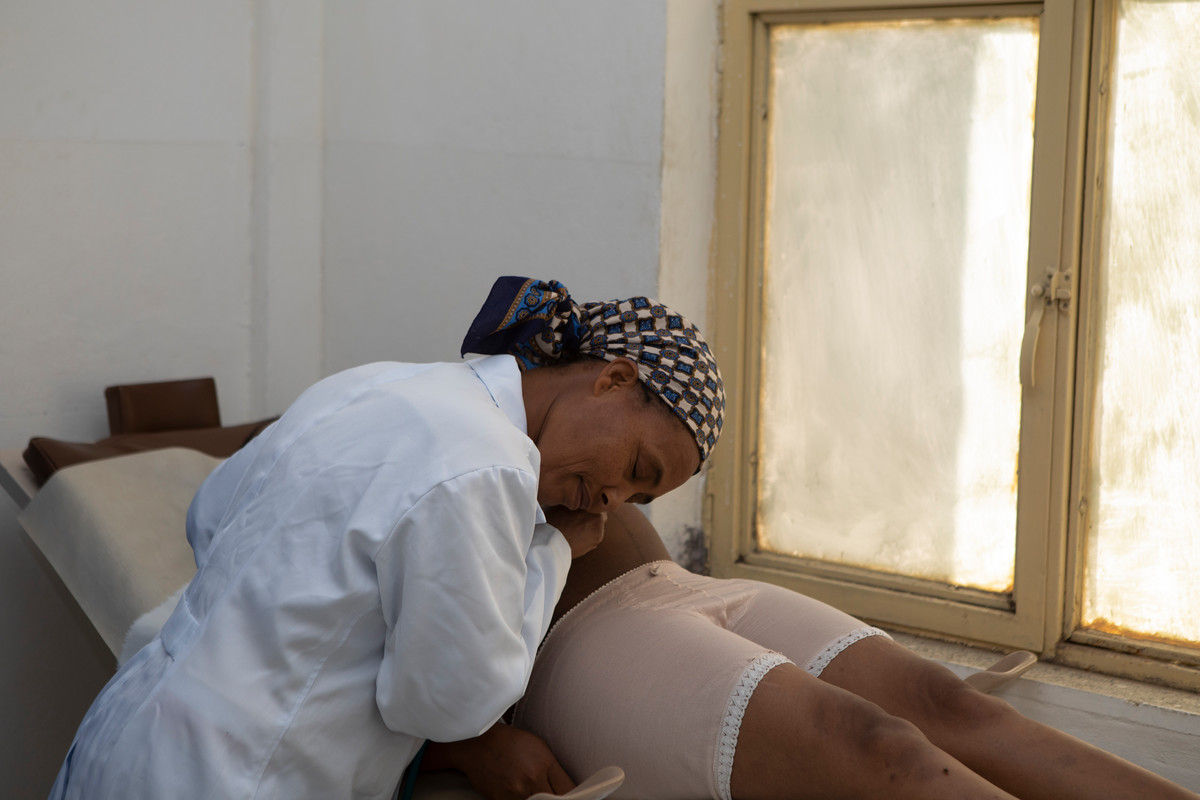
In a room that is bare but for a few beds, Kuzema Abba Naga is resting after giving birth hours before to her tenth child, and now she thinks, her last. Before coming from her village to this remote and rural government health center in the Kebele district to give birth, Naga never knew it was possible to choose when or whether to have a baby. “I am 38 years old and I had my first baby at age 15,” she said. “This is my first baby for eight years.” Naga named the baby Nejat, which translates to ‘liberation’, after giving birth and discovering the contraception options available to her, she decides to have an IUD fitted immediately. Lack of access to contraception in rural areas This is the first time midwife Rewda Kedir has fitted a woman who has just had a baby with an IUD, though it is not uncommon to meet women coming from rural areas who have never heard about family planning. When they do, many are interested in it, even if they have to fight their husbands to use it or they are forced to hide it from them. “They want contraceptives to space out their children,” said Kedir. “Sometimes their husbands don’t like them coming in to get family planning, so we have to lock their appointment cards away. Their husbands want more children and some think that women who do not keep having their children will go with other men,” she said. Kedir says that most women prefer using the contraceptive implants because they feel few side effects, are long-lasting, easy and painless to have fitted and to conceal. “Here, people believe that more kids means more wealth, and religion restricts family planning services,” she said. “Only 28 percent of women aged 15 to 49 use modern contraceptives,” says Dessalegn Workineh, who manages the Family Guidance Association of Ethiopia’s south west area office in Jimma. Expanding contraceptive access in Ethiopia With support from the Family Planning Association of Ethiopia (FGAE), who work with the Ethiopian government, clinics in remote rural areas like this one can now provide a full range of sexual and reproductive health (SRH) services for free. Having all the products and services available and under one roof makes it easier to reach people who might really benefit from help with family planning. In Oromia, 43 percent of women give birth at a health facility. Kedir finds a lot of women coming in for maternal and post-natal health services who she speaks to about family planning, end up staying or returning to get family planning services. “Before, it was very difficult to persuade people to use family planning and we had to have a lot of conversations. Now, they come 45 days after delivery to speak to us about this when they get their babies immunised,” she said. Staff at the clinic also provide family counselling to try and encourage men that contraception is a good idea for the whole family. “We tell them that continuously giving birth can affect the mother’s health and might lead to maternal death, damage the uterus and lead to long-term complications,” said Kedir. A number of staff at the clinic have been trained on family planning and can answer queries and deliver services, “So when I’m not here, people can help.” “The implant procedures are better because there are newer products,” said Kedir, who sits next to a handmade poster with the options for contraception glued on that still has the older, match-sized implants and the new, thinner implants. Providing comprehensive abortion care The clinic also provides comprehensive abortion care and for the past six years, medical abortions. This involves taking a pill rather than having vacuum aspiration or surgery, and is helping to stop women turning to unsafe abortion methods. “Before, there was no safe abortion. People would go to traditional healers and then come here with complications like sepsis, bleeding, anaemia and toxic shock,” said Kedir. “The good thing is that the women that have [safe] abortions get proper care and the counselling and education has improved,” said Kedir. In Ethiopia, these services are vital “to save mothers from dying due to cases of unsafe abortion,” says Workineh. “Working on comprehensive abortion care reduces complications and therefore maternal mortality,” he added. Kedir says women still have to fight their husbands to get access to family planning and cases can end up in court or divorce. But the cases of complications resulting from unsafe abortion have plummeted. “We used to see about 40 a year. Now it’s one or two,” she said.
26 June 2020
The role of quality medical abortion during the coronavirus crisis
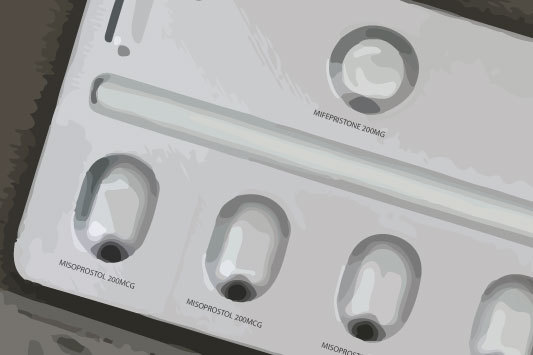
During the global COVID-19 pandemic, medical abortion has an increasingly important role to play in ensuring access to safe abortion care for those who choose not to continue their pregnancy. This healthcare crisis will put millions of additional women at risk of sexual violence, lack of access to contraception and unintended pregnancy. This, in turn, will significantly increase the need for access to safe abortion care. Access, however, is simultaneously decreasing, with clinics closed or working at reduced capacity, public health systems focusing on their COVID-19 response, and many governments not recognizing abortion as an essential health service. Fear of contracting COVID-19, coupled with government lockdown measures restricting movement, are also keeping women at home, preventing them from accessing essential SRH services, including abortion. The increase in demand, decrease in supply and restrictions on movement around the world are creating an environment in which we can expect to see a rise in unsafe abortion. Many IPPF Member Associations, therefore, are exploring and implementing alternate solutions to clinic-based abortion care, including supported self-managed medical abortion at home, community-based provision of medical abortion and a telemedicine approach that minimizes contact with service providers. Member Associations are also strengthening partnerships with government healthcare facilities, which have shifted their focus to COVID-19 response and are now referring abortion clients to Member Association clinics. In one African country, a government-imposed curfew required IPPF’s Member Association to temporarily suspend its clinics’ night-time opening hours, which meant reduced access for abortion care. “Many clients prefer to receive abortion services during the night, when we offer an on-call service,” explains the Programme Director. “This will certainly force clients to resort to clandestine and unsafe abortion practices.” This Association has responded by increasing access through new strategies, including community-based provision of medical abortion. The team has trained private service providers in the provision of quality medical abortion and is equipping them with medical abortion pills so that they can bring this essential service to women in their communities. With accurate information, quality medical abortion pills and effective follow-up and support, new or altered service delivery approaches are enabling women to access safe abortion care while maintaining social distancing and reducing the risk of COVID-19 transmission. It is vital that women’s experience of abortion and the quality of the care they receive is not compromised during this crisis. Medical abortion, whether self-managed or with the support of a health professional, should be undertaken using quality medical abortion pills and with accurate information available to the user. Quality pills will increase effectiveness and minimize the risk of complications and the need for subsequent clinic-based care. Now, more than ever, it is critical that women are able to access quality medical abortion commodities. With the COVID-19 pandemic causing global supply chain disruption, many providers of safe abortion care are finding themselves needing to seek alternate solutions to procuring medical abortion commodities. IPPF is improving access to information and visibility on the availability of quality medical abortion pills by country. Our Medical Abortion Commodities Database contains information on medical abortion products in 100 countries, including 20 brands of quality misoprostol and 14 brands of quality combipacks. The database has seen a spike in users since March, coinciding with the beginning of the COVID-19 pandemic. This is evidence of an increased demand for information on medical abortion supplies, signalling the importance of access to accurate information and quality medical abortion during a time when barriers to accessing safe abortion are increasing for many women all over the world. IPPF Member Associations continue to provide comprehensive abortion care, using the latest technologies and innovations to ensure access for the most marginalized and under-served groups. We will continue to leverage on the opportunities that medical abortion brings to support these efforts, and in collaboration with our partners around the world, IPPF will strive to continue to fill a knowledge gap and ensure the best possible care and support for those choosing a medical abortion. - Catherine Kilfedder, Senior Programme Adviser, Global Comprehensive Abortion Care Initiative (GCACI)
10 June 2021
IMAP Statement Abortion Self-Care
IPPF understands abortion self-care as the right of women and girls to lead, in part or entirely, their abortion process, with or without support from health providers. Guided by the existing evidence and practices, this statement provides practical recommendations for IPPF Member Associations and other sexual and reproductive health stakeholders on how to manage abortion care within a people-centred model which empowers individuals and is supported by community collectives and social networks, however still backed-up by the healthcare system whenever needed or required. This statement also serves as an advocacy tool to create an enabling environment for abortion self-care.
09 March 2021
Tackling abortion stigma
Abortion stigma affects women and girls, abortion providers, reproductive rights advocates and communities. Although abortion is a common experience around the world, it is still largely stigmatised. Negative attitudes and beliefs about abortion may act as barriers to accessing safe services and can make it difficult for people to talk about their experiences of abortion. This can be very isolating, and may force people to continue unwanted pregnancies or to seek unsafe abortion. Since 2011 the David & Lucile Packard Foundation has supported IPPF to implement a range of initiatives to investigate and address abortion stigma. It is often young people who are most severely affected by abortion stigma, and who are most at risk of suffering health complications as a result of unsafe abortion. Since 2014 IPPF has delivered the Youth and Abortion Stigma project, a project focused on challenging abortion stigma and supporting young people’s access to safe abortion services – working with communities, service providers, and young people, conducting research, supporting youth initiatives and developing a range of resources to achieve an better environment for young people’s right to safe abortion and other reproductive and sexual rights. This project has conducted targeted work with our Member Associations in Benin, Burkina Faso, Ghana, India, Nepal and Pakistan. Implementing individual, community and clinic-based interventions in the countries where abortion stigma research was conducted. Abortion stigma was measured at the community level at the beginning and end of each phase of the project, by using an adaptation of the Stigmatizing Attitudes, Beliefs and Actions Scale (SABAS) developed by Ipas. Read more about the SABAS results Find out more about this ground-breaking work in Reducing Abortion Stigma: Global Achievements since 2014. Read summary report Tools and resources Through this project IPPF has created a range of tools and resources to support understanding of abortion stigma and to increase the capacity of our Member Associations to advocate for safe abortion, and to provide non-stigmatising education and information. How to talk about abortion: A guide to rights-based messaging Designed to help individuals and organizations think about the language and images they use to communicate about abortion and offers best practice tips. AR EN FR ES Video: How to talk about abortion Bright and colourful short animation to share the tips from the guide “How to talk about abortion”. EN FR ES How to talk about abortion: A guide for journalists, editors and media outlets This guide encourages accurate reporting of the facts about abortion, and honest portrayals of abortion as part of real people’s lives and relationships. EN ES How to educate about abortion: the essentials Brief version of the guide “How to educate about abortion”. EN FR ES Video: How to educate about abortion Accompanying the guide with the same name, this short animation distils advice from the guide into just two minutes! EN FR ES How to educate about abortion: A guide for peer educators, trainers and teachers This comprehensive guide provides the rationale for teaching about abortion issues, as well a number of practical activities for doing so. EN FR ES Abortion matters: an introduction A free online class that covers all the basics of abortion. A free DisasterReady account is required. EN FR ES Understanding abortion: a visual resource This resource fills a gap in communication, reducing literacy and language barriers around abortion messaging. EN FR HI NE ES Strategies to improve young people’s access to stigma free services IPPF recognizes the value of young people’s voices, perspectives and insights, as well as their keen understanding of which messages, media and resources will resonate with their peers. We have listened to young people and employed a range of strategies to ensure that our initiatives were genuinely led by youth. Four of our Member Associations have shared their best practices to improve young people’s access to safe abortion services. These include strategies such as creating a ‘buddy system’ for young people accessing services, working with educational establishments, using social media, and youth friendly spaces. Bosnia and Herzegovina: Using a buddy system EN FR ES Cameroon: Partnering with educational institutions EN FR ES Ghana: Using social media EN FR ES Pakistan: Youth Friendly Spaces EN FR ES Youth-led projects to tackle abortion stigma As part of our work in tackling abortion stigma, this project has supported smaller ground-breaking youth-led projects in 14 different countries, in order to tackle the issue of abortion stigma in their communities. These small grants have been awarded to projects in Albania, Colombia, Ghana, Guinea, Kenya, Macedonia, Nepal, Nigeria, Palestine, Puerto Rico, Sierra Leone, Spain, Tanzania and Venezuela. Read more about these youth-led projects The ‘Youth Against Abortion Stigma’ blog features entries written by young IPPF volunteers, youth grantees and project champions from around the world. Visit the Youth Against Abortion Stigma blog For further information on this project, contact abortionstigma@ippf.org.
10 February 2021
Reducing Abortion Stigma: Global Achievements since 2014
Abortion stigma affects everyone: individuals, communities and service providers. Young women and adolescent girls bear the brunt of abortion stigma. It causes delays in people seeking abortion and stops others from accessing it, leading to unintended pregnancies. Stigma drives abortion underground, where it is more likely to be unsafe. Since 2014, the support of the David & Lucile Packard Foundation has enabled IPPF to reduce abortion stigma affecting young people around the world, working directly with Member Associations in six countries (Bénin, Burkina Faso, India, Pakistan, Ghana and Nepal). Meaningful youth participation has ensured that young people’s lived experiences were central in every aspect of this work. This project has also supported smaller ground-breaking youth-led projects in 14 different countries: Albania, Colombia, Ghana, Guinea, Kenya, Macedonia, Nepal, Nigeria, Palestine, Puerto Rico, Sierra Leone, Spain, Tanzania and Venezuela. This document highlights the achievements and learnings from the Abortion Stigma Project between 2014 and 2020, including case studies, research and evidence generated around abortion stigma, and popular resources and tools developed throughout the project, and more. We invite you to read more on this ground-breaking work in Reducing Abortion Stigma: Global Achievements since 2014
A win for women's rights: South Korea decriminalizes abortion care
The International Planned Parenthood Federation welcomes the news of the removal of abortion care from South Korea’s Criminal Code effective from 1 January 2021. This means those seeking abortion care will no longer face legal barriers in accessing care. Abortion in South Korea was illegal in most circumstances from 1953 to 2020. On April 11, 2019, the Constitutional Court ruled the abortion ban unconstitutional and ordered the law's revision by the end of 2020. Revisions to the law were proposed in October 2020, but not voted on by the deadline of 31 December 2020. The Ministry of Health and Welfare announced that they will consider expanding coverage of health insurance to include abortion care and the approval of mifepristone (used in medical abortion). IPPF’s Director-General, Dr Alvaro Bermejo said: “Abortion care is a human right, and those rights are now being realized in countries with some of the strictest abortion laws. The decision to remove abortion from South Korea’s criminal code is a step in the right direction for women’s rights, but we also know there is much work to do. ‘Conscientious objection’ cannot be allowed to limit access to abortion care. IPPF and its Member Associations will continue to fight for safe and legal abortion care for those who need it.” Ms Kyung Ae Cho, Secretary-General, Korea Population, Health and Welfare Association (KoPHWA) said: “I am pleased that we reached here today [repeal of the criminal provision on abortion] as a result of many years of efforts led by Korean women. "With these changes, law amendments and services are urgently needed, including expanding Universal Health Coverage (UHC), to ensure equal access to reproductive healthcare for all women. We [KoPHWA) shall continue to deliver accurate and rights-based information and counselling on safe abortion care appropriate to the Korean women context, and contribute to the fulfilment of universal access to sexual and reproductive health for all women worldwide.”
24 September 2020
Innovating to provide abortion care during COVID-19
During the COVID-19 pandemic, women globally face compounded barriers to accessing safe abortion care. The de-prioritization of sexual and reproductive health services including abortion care, overwhelmed health systems, restrictions on movement and fear of visiting health facilities have all created additional challenges for women to safely end a pregnancy. However, recognizing the need to adapt to ensure women have access to the care they need, this crisis has sparked innovation among IPPF Member Associations. They developed new approaches to reach women with safe abortion information and care, while keeping women’s choice and quality of care at the centre of their work. This document illustrates some of the innovative approaches used to ensure continued access to quality abortion care during the pandemic.
In pictures: Innovating during COVID-19
Women around the world have faced multiple barriers to accessing safe abortion care during the COVID-19 pandemic including the de-prioritization of sexual and reproductive healthcare, overwhelmed health systems and restrictions on movement. The COVID-19 crisis has sparked innovation among IPPF Member Associations who responded swiftly by developing new approaches to reach women with safe abortion care including telemedicine and home-based provision of medical abortion. Strong evidence generated from this work supports the continuation and strengthening of these approaches beyond the end of the pandemic. Cameroon Cameroon National Planning Association for Family Welfare (CAMNAFAW) To ensure that quality abortion care can be provided to women during travel restrictions, CAMNAFAW’s service providers travel to partner clinics in underserved areas and to clients’ homes to provide medical and surgical abortion care. This model of taking safe abortion care closer to women will continue even with easing of travel restrictions, as this has been found to be an effective and acceptable approach to increasing access.Photo: IPPF/Xaume Olleros/Cameroon Share on Twitter Share on Facebook Share via WhatsApp Share via Email Guinea Association Guinéenne pour le Bien-Etre Familial (AGBEF) Building on lessons learned during the Ebola crisis in Guinea, AGBEF quickly took measures to prevent infection in its clinics to continue providing sexual and reproductive healthcare, including surgical and medical abortion, in a safe environment. AGBEF donated protective materials to communities, including hand-washing stations, face masks and antibacterial gel, alongside messaging on infection prevention. This community visibility reassures clients they can safely attend AGBEF clinics for abortion and contraceptive care.Photo: AGBEF/Guinea Share on Twitter Share on Facebook Share via WhatsApp Share via Email India Family Planning Association of India (FPA India) FPA India and partners advocated to have sexual and reproductive healthcare, including abortion, recognized as essential by the government, which meant FPA India could continue healthcare delivery during the national lockdown. To reduce in-person clinic visits, FPA India established teleconsultation and counselling for abortion care, and is continuing to provide in-clinic care for both medical and surgical abortion. Photo: IPPF/Alison Joyce/India Share on Twitter Share on Facebook Share via WhatsApp Share via Email Nepal Family Planning Association of Nepal (FPAN) FPAN and partners advocated for interim approval of home provision of medical abortion and telemedicine for abortion counselling during COVID-19. FPAN is now implementing these approaches, ensuring continued access to abortion care in Nepal, where many people live in remote locations with limited mobility, which has been further restricted by COVID-19 lockdowns. Photo: FPAN/Nepal Share on Twitter Share on Facebook Share via WhatsApp Share via Email Pakistan Rahnuma – Family Planning Association of Pakistan (Rahnuma-FPAP) Rahnuma-FPAP and partners successfully advocated for the government to class sexual and reproductive healthcare as ‘essential’, which enabled the team to continue providing post-abortion care during the pandemic. Rahnuma-FPAP expanded its telemedicine and home-based provision for menstrual regulation counselling and post-abortion care. These new approaches have ensured continued access to services for clients unable to reach clinics.Photo: Rahnuma-FPAP/Pakistan Share on Twitter Share on Facebook Share via WhatsApp Share via Email Palestine Palestinian Family Planning and Protection Association (PFPPA) In response to the government-mandated closure of its clinics, PFPPA quickly established a toll-free call centre which provides consultations, counselling, referrals and follow-up, including consultation for abortion care through a harm reduction approach, ensuring that women are provided with accurate information. Due to its success, PFPPA is exploring options for continuing this healthcare delivery model beyond the pandemic, with the aim of keeping it free of charge for users.Photo: SAAF/Samar Hazboun/Palestine Share on Twitter Share on Facebook Share via WhatsApp Share via Email Sudan Sudan Family Planning Association (SFPA) Following a nation-wide shutdown in April, SFPA established a call centre to increase access to healthcare, including abortion and contraceptive counselling and referrals. An unexpected outcome of the new call centre is that it has reached an increased number of young women who regularly call to discuss their reproductive health and rights. SFPA is working towards institutionalizing this model for continuation beyond the pandemic.Photo: SFPA/Sudan Share on Twitter Share on Facebook Share via WhatsApp Share via Email Togo Association Togolaise pour le Bien-Etre Familial (ATBEF) ATBEF adapted its mobile application ‘Infos Ado Jeunes’, adding a toll-free teleconsultation service for young clients to use to access abortion consultations and pre- and post-abortion counselling. This app has given young clients ongoing access to care when they face challenges travelling to clinics. It has also eased overall client flow in clinics at a time when social distancing is being implemented.Photo: ATBEF/Togo Share on Twitter Share on Facebook Share via WhatsApp Share via Email
30 July 2020
Youth-led sexual healthcare through dance, song, and poetry
In Ethiopia, getting young people’s attention about sexual and reproductive healthcare is no easy task. But at a youth centre in Jimma, the capital Oromia region, groups of young people are getting vital messages about sexual health and contraception out to their peers through dance, song, and poetry. Student Jumeya Mohammed Amin came here to train as a peer educator for sexual and reproductive health [SRH] three years ago, when she was 14 years old. In her community – a conservative village 20 km outside the city – early marriage and pregnancy was common, and information about SRH practically unheard of. Navigating traditional norms “Girls younger than me at the time were married. The youngest was only nine,” said Amin, who would watch her classmates have to leave their home, school, and playmates behind. In Amin’s community, to opt out of unintended pregnancies involves unsafe abortion methods such as remedies prescribed by traditional healers – which can be fatal. “I know one girl from 10th grade who was 15 years old, and she died from this in 2017,” she said. But Amin’s work educating hundreds of young people each year on sexual health has changed attitudes in her community around early marriage, unplanned pregnancy and the options available to prevent it, she says, with many of her peers now waiting to start becoming sexually active. Tackling high rates of teen pregnancy Oromia has the third highest rate of teenage pregnancy in Ethiopia, after the Afar and Somali regions, says Dessalegn Workineh, who runs the Jimma office of the Family Guidance Association of Ethiopia [FGAE], which is supported by IPPF. “In Oromia, out of this rate of teen pregnancies, almost twenty percent end up in abortion,” he said. The region also has the third lowest uptake of contraceptives among women aged 15 to 49. 17-year-old peer educator Mastewal Ephrem says that the problem comes down to a lack of information. “People don’t know about reproductive health and they need this information about how to manage their family, sex and infections,” she said. Religious and social conservatism make this difficult, especially in poor and rural areas where families receive dowries in the form of money and gifts when their daughters marry. “Because of not having confidence and not talking to people, girls are doing early marriage,” said Ephrem. Poverty and other hardships also push girls out of their family homes early and leave them in precarious situations, where they run a high risk of encountering abuse. “I see girls aged 10, 13 and 15, who live on the streets and take drugs,” said Emebet Bekele, a counsellor working at an IPPF-supported clinic in Jimma that is aimed at helping sex workers. Bekele provides counselling and testing for HIV and STIs. She talks to girls and women about the full range of free and confidential family planning services available at the clinic. “Sometimes we bring them from the streets and we test them. Most of them get pregnant,” she said. She often supports students to get safe abortion care; including girls as young as 13. Taking sexual healthcare to the streets The youth centre reaches a lot of young people in schools and directs them towards the youth centre, where there is a library and many group activities and performances to teach them about SRH. Groups of young people practice and perform short plays and dances about topics such as unsafe sex and STIs here, as well as on the streets, where they draw a crowd. Fourteen-year-old Simret Abiyu has turned what she has learned into SRH-themed poems that she pens and performs to her peers in English, Amharic and Oromo. “Sometimes I get training here and write poems about family planning and the work of FGAE and the development of the country,” she said. Healthcare and advice via the phone University student Nebiyu Ephirem, 26, is a youth leader at the centre. He has been managing the two SRH helplines – located in a quiet back office – since it started in 2017. He answers a lot of calls from young people asking about contraception or their bodies and people dealing with emergencies and tries to answer their questions or refer them to public, private or FGAE clinics across the country. “Culturally, people used not to want to discuss sexual issues. They fear discussing these openly with family, and due to religious beliefs, so people like to call me,” said Ephirem. The youth centre reaches more than 11,000 young people a year through its work at schools, and through outreach clinics located in coffee plantations, where many young people work. Currently, the youth centre uses the helpline, radio adverts and social media to inform people about sexual health. The team hopes that media campaigns can spread the message wider in order to raise awareness about young peoples’ sexual health needs.
"Before, there was no safe abortion"
Rewda Kedir works as a midwife in a rural area of the Oromia region in southwest Ethiopia. Only 14% of married women are using any method of contraception here. The government hospital Rewda works in is supported to provide a full range of sexual and reproductive healthcare, which includes providing free contraceptives and comprehensive abortion care. In January 2017, the maternal healthcare clinic faced shortages of contraceptives after the US administration reactivated and expanded the Global Gag Rule, which does not allow any funding to go to organizations associated with providing abortion care. Fortunately in this case, the shortages only lasted a month due to the government of the Netherlands stepping in and matching lost funding. “Before, we had a shortage of contraceptive pills and emergency contraceptives. We would have to give people prescriptions and they would go to private clinics and where they had to pay," Rewda tells us. "When I first came to this clinic, there was a real shortage of people trained in family planning. I was the only one. Now there are many people trained on family planning, and when I’m not here, people can help." "There used to be a shortage of choice and alternatives, and now there are many. And the implant procedures are better because there are newer products that are much smaller so putting them in is less invasive.” Opening a dialogue on contraception The hospital has been providing medical abortions for six years. “Before, there was no safe abortion," says Rewda. She explains how people would go to 'traditional' healers and then come to the clinic with complications like sepsis, bleeding, anaemia and toxic shock. If they had complications or infections above nine weeks, Rewda and her colleagues would send them to Jimma, the regional capital. "Before, it was very difficult to persuade them to use family planning, and we had to have a lot of conversations. Now, they come 45 days after delivery to speak to us about this and get their babies immunised," she explains. "They want contraceptives to space out their children. Sometimes their husbands don’t like them coming to get family planning so we have to lock their appointment cards away. Their husbands want more children and they think that women who do not keep having their children will go with other men." "More kids, more wealth" Rewda tells us that they've used family counselling to try and persuade men to reconsider their ideas about contraception, by explaining to them that continuously giving birth under unsafe circumstances can affect a woman's health and might lead to maternal death, damage the uterus and lead to long-term complications. "Here, people believe that more kids means more wealth, and religion restricts family planning services. Before, they did not have good training on family planning and abortion. Now, women that have abortions get proper care and the counseling and education has improved. There are still unsafe abortions but they have really reduced. We used to see about 40 a year and now it’s one or two." However, problems still exist. "There are some complications, like irregular bleeding from some contraceptives," Rewda says, and that "women still face conflict with their husbands over family planning and sometimes have to go to court to fight this or divorce them.”
16 July 2020
Delivering healthcare to women in rural Ethiopia
In a room that is bare but for a few beds, Kuzema Abba Naga is resting after giving birth hours before to her tenth child, and now she thinks, her last. Before coming from her village to this remote and rural government health center in the Kebele district to give birth, Naga never knew it was possible to choose when or whether to have a baby. “I am 38 years old and I had my first baby at age 15,” she said. “This is my first baby for eight years.” Naga named the baby Nejat, which translates to ‘liberation’, after giving birth and discovering the contraception options available to her, she decides to have an IUD fitted immediately. Lack of access to contraception in rural areas This is the first time midwife Rewda Kedir has fitted a woman who has just had a baby with an IUD, though it is not uncommon to meet women coming from rural areas who have never heard about family planning. When they do, many are interested in it, even if they have to fight their husbands to use it or they are forced to hide it from them. “They want contraceptives to space out their children,” said Kedir. “Sometimes their husbands don’t like them coming in to get family planning, so we have to lock their appointment cards away. Their husbands want more children and some think that women who do not keep having their children will go with other men,” she said. Kedir says that most women prefer using the contraceptive implants because they feel few side effects, are long-lasting, easy and painless to have fitted and to conceal. “Here, people believe that more kids means more wealth, and religion restricts family planning services,” she said. “Only 28 percent of women aged 15 to 49 use modern contraceptives,” says Dessalegn Workineh, who manages the Family Guidance Association of Ethiopia’s south west area office in Jimma. Expanding contraceptive access in Ethiopia With support from the Family Planning Association of Ethiopia (FGAE), who work with the Ethiopian government, clinics in remote rural areas like this one can now provide a full range of sexual and reproductive health (SRH) services for free. Having all the products and services available and under one roof makes it easier to reach people who might really benefit from help with family planning. In Oromia, 43 percent of women give birth at a health facility. Kedir finds a lot of women coming in for maternal and post-natal health services who she speaks to about family planning, end up staying or returning to get family planning services. “Before, it was very difficult to persuade people to use family planning and we had to have a lot of conversations. Now, they come 45 days after delivery to speak to us about this when they get their babies immunised,” she said. Staff at the clinic also provide family counselling to try and encourage men that contraception is a good idea for the whole family. “We tell them that continuously giving birth can affect the mother’s health and might lead to maternal death, damage the uterus and lead to long-term complications,” said Kedir. A number of staff at the clinic have been trained on family planning and can answer queries and deliver services, “So when I’m not here, people can help.” “The implant procedures are better because there are newer products,” said Kedir, who sits next to a handmade poster with the options for contraception glued on that still has the older, match-sized implants and the new, thinner implants. Providing comprehensive abortion care The clinic also provides comprehensive abortion care and for the past six years, medical abortions. This involves taking a pill rather than having vacuum aspiration or surgery, and is helping to stop women turning to unsafe abortion methods. “Before, there was no safe abortion. People would go to traditional healers and then come here with complications like sepsis, bleeding, anaemia and toxic shock,” said Kedir. “The good thing is that the women that have [safe] abortions get proper care and the counselling and education has improved,” said Kedir. In Ethiopia, these services are vital “to save mothers from dying due to cases of unsafe abortion,” says Workineh. “Working on comprehensive abortion care reduces complications and therefore maternal mortality,” he added. Kedir says women still have to fight their husbands to get access to family planning and cases can end up in court or divorce. But the cases of complications resulting from unsafe abortion have plummeted. “We used to see about 40 a year. Now it’s one or two,” she said.
26 June 2020
The role of quality medical abortion during the coronavirus crisis
During the global COVID-19 pandemic, medical abortion has an increasingly important role to play in ensuring access to safe abortion care for those who choose not to continue their pregnancy. This healthcare crisis will put millions of additional women at risk of sexual violence, lack of access to contraception and unintended pregnancy. This, in turn, will significantly increase the need for access to safe abortion care. Access, however, is simultaneously decreasing, with clinics closed or working at reduced capacity, public health systems focusing on their COVID-19 response, and many governments not recognizing abortion as an essential health service. Fear of contracting COVID-19, coupled with government lockdown measures restricting movement, are also keeping women at home, preventing them from accessing essential SRH services, including abortion. The increase in demand, decrease in supply and restrictions on movement around the world are creating an environment in which we can expect to see a rise in unsafe abortion. Many IPPF Member Associations, therefore, are exploring and implementing alternate solutions to clinic-based abortion care, including supported self-managed medical abortion at home, community-based provision of medical abortion and a telemedicine approach that minimizes contact with service providers. Member Associations are also strengthening partnerships with government healthcare facilities, which have shifted their focus to COVID-19 response and are now referring abortion clients to Member Association clinics. In one African country, a government-imposed curfew required IPPF’s Member Association to temporarily suspend its clinics’ night-time opening hours, which meant reduced access for abortion care. “Many clients prefer to receive abortion services during the night, when we offer an on-call service,” explains the Programme Director. “This will certainly force clients to resort to clandestine and unsafe abortion practices.” This Association has responded by increasing access through new strategies, including community-based provision of medical abortion. The team has trained private service providers in the provision of quality medical abortion and is equipping them with medical abortion pills so that they can bring this essential service to women in their communities. With accurate information, quality medical abortion pills and effective follow-up and support, new or altered service delivery approaches are enabling women to access safe abortion care while maintaining social distancing and reducing the risk of COVID-19 transmission. It is vital that women’s experience of abortion and the quality of the care they receive is not compromised during this crisis. Medical abortion, whether self-managed or with the support of a health professional, should be undertaken using quality medical abortion pills and with accurate information available to the user. Quality pills will increase effectiveness and minimize the risk of complications and the need for subsequent clinic-based care. Now, more than ever, it is critical that women are able to access quality medical abortion commodities. With the COVID-19 pandemic causing global supply chain disruption, many providers of safe abortion care are finding themselves needing to seek alternate solutions to procuring medical abortion commodities. IPPF is improving access to information and visibility on the availability of quality medical abortion pills by country. Our Medical Abortion Commodities Database contains information on medical abortion products in 100 countries, including 20 brands of quality misoprostol and 14 brands of quality combipacks. The database has seen a spike in users since March, coinciding with the beginning of the COVID-19 pandemic. This is evidence of an increased demand for information on medical abortion supplies, signalling the importance of access to accurate information and quality medical abortion during a time when barriers to accessing safe abortion are increasing for many women all over the world. IPPF Member Associations continue to provide comprehensive abortion care, using the latest technologies and innovations to ensure access for the most marginalized and under-served groups. We will continue to leverage on the opportunities that medical abortion brings to support these efforts, and in collaboration with our partners around the world, IPPF will strive to continue to fill a knowledge gap and ensure the best possible care and support for those choosing a medical abortion. - Catherine Kilfedder, Senior Programme Adviser, Global Comprehensive Abortion Care Initiative (GCACI)