Safe Passage is a pioneering initiative bringing together 15 Member Associations across the International Planned Parenthood Federation – delivering and connecting vital sexual and reproductive healthcare services along perilous migration routes in Africa, the Arab World region and Latin America.
Here, Professor Maamri Abdellatif, Executive Director of The Moroccan Family Planning Association (AMPF), which leads the Arab-Africa Safe Passage Consortium, shares his insights into why Safe Passage is so needed, and the innovations that are already underway.
What is the Safe Passage Arab-Africa Consortium?
This consortium brings together eight IPPF Member Associations (MAs) across Morocco, Tunisia, Mauritania, Sudan, Niger, Nigeria, Cameroon, and Ethiopia. It really reflects the diversity of African and Arab migration dynamics - connecting contexts of conflict, prolonged displacement, transit, return, and destination.
Together, we’re aiming to improve access for migrants, refugees, internally displaced persons and other mobile populations to sexual and reproductive health services that are safe, inclusive, confidential and non-discriminatory - with a particular focus on women, girls, young people and marginalized communities.
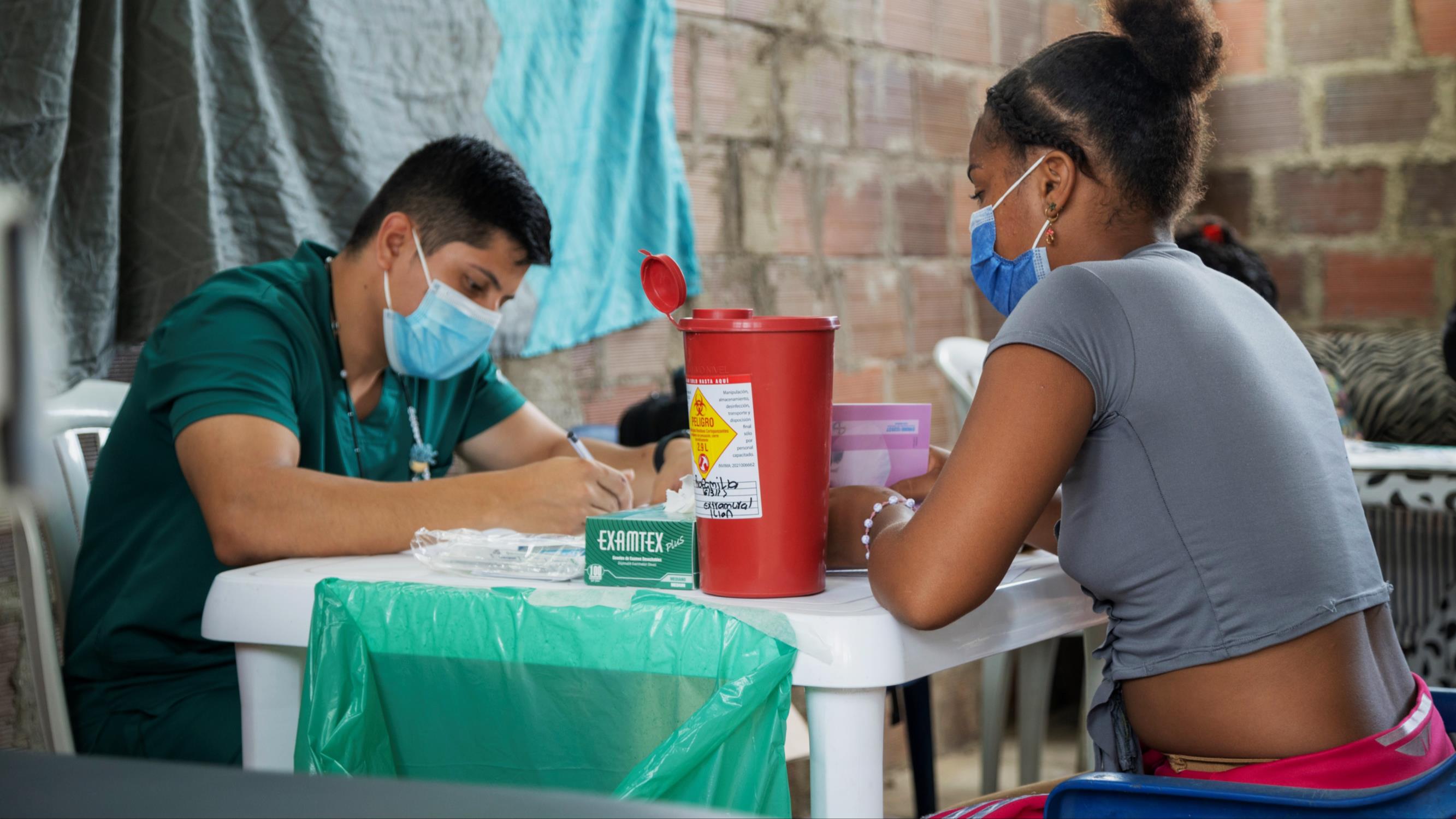
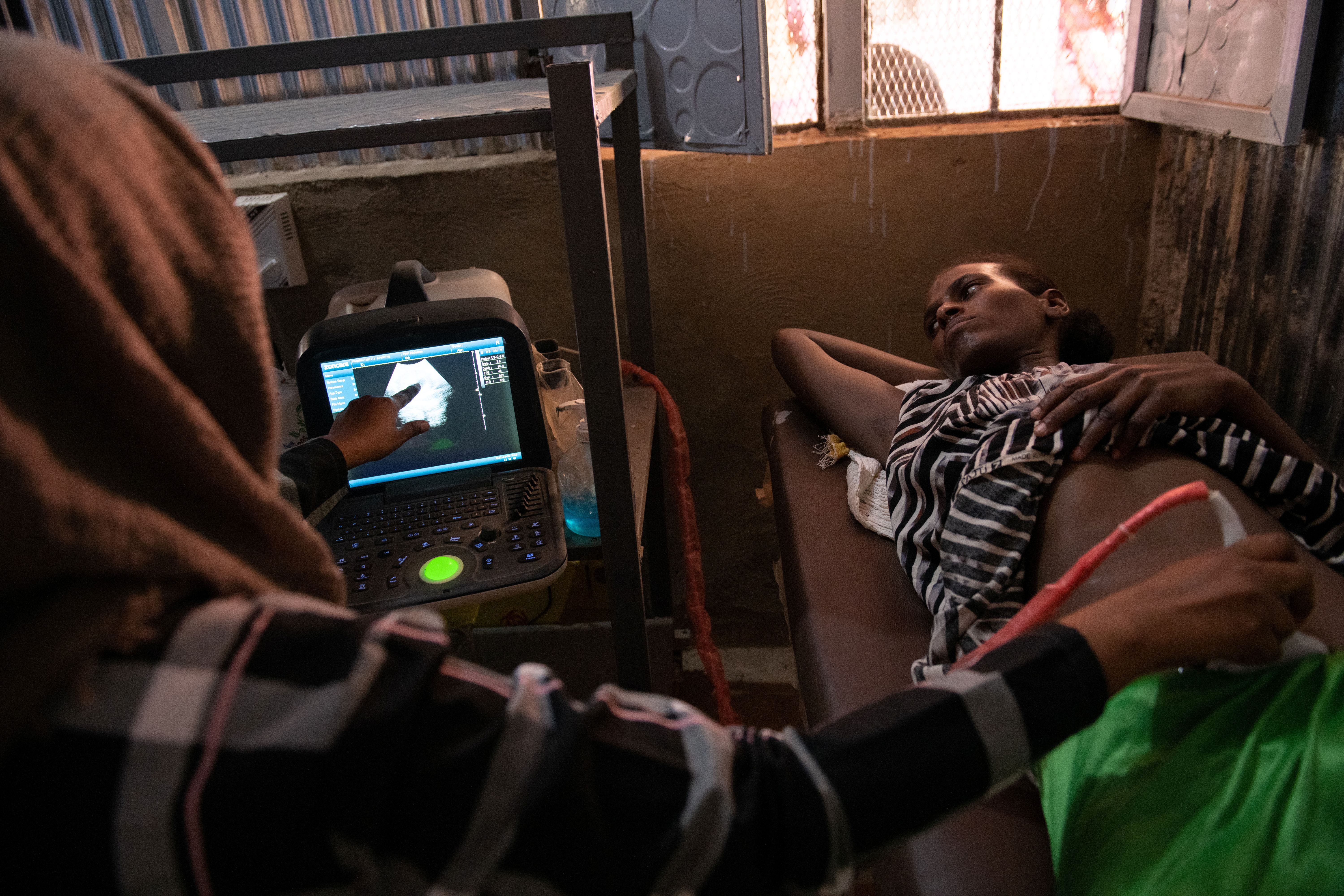
We are responding to the realities of the different countries we work in, using fixed centres, mobile services and clinics, interventions in camps and displacement sites, telemedicine and digital tools, strengthening referral systems, community mobilisation, evidence generation and advocacy. We’re also working with public authorities, humanitarian and community-based organisations and technical partners to reduce the barriers migrants face in accessing care.
What are the sexual and reproductive health challenges facing people on the move across Africa and the Arab World Region?
Africa hosts some of the world’s largest mobility and displacement corridors, and people take multiple journeys along different routes. Nearly half of migrants across Africa are women and children and they are disproportionately exposed to sexual and gender-based violence (SGBV), exploitation and human trafficking, interrupted healthcare, and limited access to protection.
In countries like Sudan, Ethiopia, Cameroon and Nigeria prolonged conflict or crisis and repeated displacement disrupts healthcare and protection systems, increasing the risks of sexual violence and maternal health complications. Women are often exposed to sexual exploitation, survival sex, and disruptions in access to SRH services, or in some cases no access at all.
In Niger and Mauritania, most migrants are travelling across West Africa and the Sahel, where women and girls often face exploitation, unsafe living conditions, and limited access to healthcare. In Mauritania particularly, many stranded migrants remain blocked for prolonged periods.
In Morocco and Tunisia, migrants are often either in transit, or decide to stay in these countries, creating evolving needs related to continuity of care, mental health support, protection, and social inclusion.
National migration policies across the region remain focussed on border control and containment rather than on protection or inclusion, reinforcing discrimination and eroding access to SRH and SGBV services. Migrants face systematic barriers such as denial of HIV care or safe abortion services, particularly in restrictive settings like Mauritania and Sudan.
What are the benefits of working in collaboration as a consortium?
Migrants often move across several countries during their journeys, but healthcare and protection are restricted to national boundaries. What is distinctive about this consortium, is its innovation in providing cross-border care. For the first time, a migrant leaving their country of origin will be able to find support and assistance throughout their migration journey.
For these eight countries, this is the first time we have come together within this consortium to respond continuously, effectively and comprehensively. Each consortium Member Association brings their own area of knowledge and expertise, so we can learn from one another.
In Niger and Mauritania, for example, MAs have strong operational knowledge of migration corridors, mobile outreach approaches, and supporting mobile and hard-to-reach populations, whilst in Morocco and Tunisia MAs bring experience in policy dialogue and coordination with institutions.
Member Associations operating in Sudan and Ethiopia have significant experience in humanitarian response, and adapting their services in fragile and rapidly changing environments, whilst in Cameroon and Nigeria they have built trusted local networks and have strong experience of rights-based outreach and service delivery for marginalized populations - in Nigeria, this includes working with sex workers and LGBTQI communities.
Safe Passage is a space for innovation. What innovations have you already implemented as part of your work?
I think digitalisation is one of the most transformative features of Safe Passage so far. In Morocco, we are using telemedicine to bring medical expertise within reach of people who cannot easily access one of our four Safe Passage pilot centres in the country. In Mauritania, two mulitilingual WhatsApp lines are operational, offering information, confidential advice and referral services and in Tunisia, the MA has established remote counselling via a helpline to maintain contact with clients who face precarious living conditions, stigma or security risks.
Already Safe Passage is shifting the model of health care for migrants from one in which people had to travel to find a service, to one in which the services come to the people. In our first six months, we have delivered more than 63,000 sexual and reproductive health services for people on the move.
The next step is to better link these solutions to ensure genuine continuity of care along migration routes. We have developed a Safe Passage cross-border mobile app which we are about to roll out across all eight countries in the consortium. The app will enable people on the move to quickly locate available Safe Passage centres and services, identify safe points of contact and securely store essential health information so they can continue their care when moving from one country to another – including where connectivity is limited.
The app is also connected to a data-collection system installed in the Safe Passage pilot centres. This allows us to collect and compile essential information and, when a migrant crosses into another country, securely transfer the information needed to support continuity of care. The aim is to address the legal and confidentiality challenges linked to cross-border transfers of medical data, while also helping us document and learn from migrants’ cases.
This app will not only make the Safe Passage services and facilities more visible and easier to access but will also help build trust among people who are often frightened and travel in fear throughout their journey.
What’s next for Safe Passage in your region?
Our priority now is to build on what has already been established and make Safe Passage a truly connected, cross-border model of care. Migrants do not experience their journeys within the boundaries of one country, so our response cannot stop at national borders either. We also want to strengthen coordination and learning between Member Associations, build more effective referral pathways across borders, and continue adapting our services to the very different realities people face, from conflict and displacement to transit, settlement and integration.
This work needs to continue because mobility across the region is not temporary, and neither are the health and protection needs associated with it.
when
region
Africa, Arab World