


In the last month, cases of the Bundibugyo Ebola virus have been confirmed in Kenya and Nigeria, as the outbreak which was first detected in the Democratic Republic of Congo (DRC), continues to spread at an alarming pace. It is now the second largest outbreak ever recorded, with more than 9,700 confirmed cases in the DRC alone, and 4,700 deaths. The spread of the Bundibugyo species of the virus, which currently has no vaccine, is compounded in the DRC by insecurity, misinformation and attacks on response teams.
We know from previous Ebola outbreaks, that women are disproportionally impacted by the disease, with their roles as caregivers and health workers putting them at increased risk of infection. We also known that when communities go into lockdown or face economic hardship, women and girls are at greater risk of sexual and gender-based violence. Fear of contracting Ebola inside clinics has also led to a sharp decline in women seeking post‑rape care or essential SRH services.
In response to the outbreak, IPPF Members in the DRC, and the bordering countries of South Sudan, Rwanda and Uganda, are working to protect access to lifesaving SRH care, strengthen community trust in health services, and support frontline health workers.
Here, colleagues share the challenges they are facing, the realities for women and girls in an Ebola outbreak, and how SRH services are being adapted in a rapidly evolving crisis.
- The Reproductive Health Association of South Sudan (RHASS) - Dr Lou Eluzai, Executive Director
- Health Development Initiative Rwanda (HDI) - Norbert Tuyishimire, Medical Officer
- Association des Femmes pour la Promotion de le Développement Endogène (AFPDE) - Emmanuel Mlondani, Democratic Republic of Congo
How is the Ebola outbreak affecting access to sexual and reproductive health services?
Rwanda (HDI): In the border districts, particularly Rubavu and Rusizi, there has been a definite reduction in the uptake of services because of concerns about possible exposure to the virus. In some locations, health facilities have had to prioritize Ebola preparedness and management, including treatment, which has disrupted the routine delivery of SRH services such as family planning.
South Sudan (RHASS): At the beginning of the outbreak the population along the borders with DRC and Uganda were afraid to visit crowded places such as the health facilities and outreach sites because they were so afraid of contracting the disease.
Democratic Republic of Congo (AFPDE): The use of sexual and reproductive health services has fallen dramatically in health facilities. Attendance figures for antenatal and postnatal consultations, family planning and even for childbirth are down – before facilities would see 30 to 40 women for SRH care each week, now it's fewer than 10.
Healthcare staff in the Ebola affected areas live under constant stress, as they are highly exposed to the virus. The number of deaths amongst frontline healthcare workers has plunged them into a state of daily fear. This then means that patients avoid health facilities, fearing that they too will be exposed to the virus.
How is the outbreak impacting women and girls specifically?
Democratic Republic of Congo (AFPDE): Women and girls are the hardest hit by this epidemic. Culturally, they take on the role of carers at home, without taking any protective measures whatsoever. This alone puts them at risk of infection. During funeral ceremonies too, women and girls are involved in rituals, and touch the bodies, exposing themselves to risks.
Ebola is also restricting women's access to sexual and reproductive health services, and increasing the risks of maternal and infant mortality. One resident I met at a health center explained how his family wanted him to take his wife to a prayer room or a traditional midwife from the neighbourhood to give birth, because they were so fearful of her contracting Ebola in the health centre.
What are you doing to ensure women and girls still access SRH services?
Democratic Republic of Congo (AFPDE): Our outreach team are working with community leaders and grassroots women's groups to try and combat some of the misinformation and fear around using health facilities. They are also carrying out home visits to pregnant women and coordinating their referral for care, as well as providing psychosocial support for survivors of sexual violence.
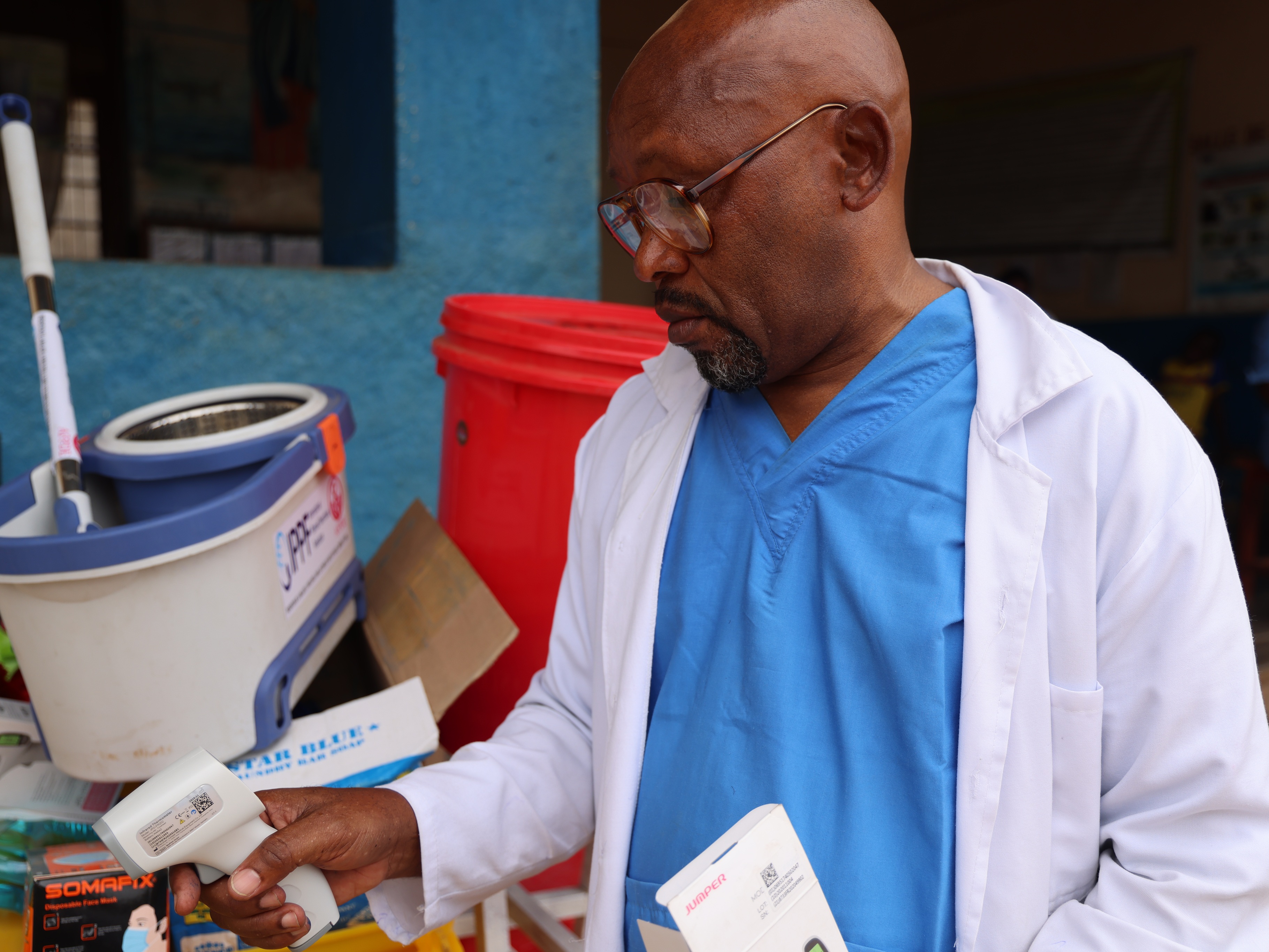
We are also providing kits to health facilities to help them in preventing and controlling infections, as well as providing female condoms and other contraceptive methods to prevent transmission through contact.
South Sudan (RHASS): We are working to ensure that SRH health facilities continue to be safe places for people to visit. For example, we're ensuring healthcare workers have and use personal protective equipment, encouraging the use of hygiene and sanitation facilities, and are regularly screening people using and working at clinics.
Rwanda (HDI): We've been training health care providers for a potential outbreak, on topics such as infection prevention and control, and referral. We're using radio messages to reassure communities that essential health services remain available, and to reduce the fear, misinformation, and stigma associated with Ebola. In addition, mobile clinics are being periodically deployed in border areas to bring services closer to communities, particularly where routine access to HIV testing, counselling, family planning and other SRH services have been interrupted.
Is there anything you have learnt from previous Ebola outbreaks that is shaping your work now?
Rwanda (HDI): One important lesson is the need to act early in border districts and other high-risk areas rather than waiting for cases to be detected locally. Communities living near international borders are particularly vulnerable because of frequent cross-border movement and may also experience greater fear and stigma.
We have also learnt that emergency preparedness should not focus only on Ebola prevention and response. Continuity of essential services, including SRH, maternal health, HIV services, and SGBV response, must be planned from the beginning. Strengthening IPC, community communication, alternative service-delivery mechanisms, referral pathways, and mobile outreach can help prevent disruption of essential care.
What do you think the long-term impacts of this Ebola outbreak might be on SRHR?
Democratic Republic of Congo (AFPDE): I think we may see an increase in infant and neonatal mortality because people have been afraid to use healthcare facilities, as well as the significant decline in accessing family planning services. I think there is also a danger that the disease will continue to spread because rape and sexual violence is so prevalent in DRC, and not all survivors will report this or seek immediate support.
Rwanda (HDI): If disruptions continue, the longer-term effects could include reduced use of family planning and other SRH services, interruptions in HIV and STI prevention and treatment, delayed maternal health care, and reduced access to SGBV services. Fear and mistrust of health facilities may also continue even after the immediate Ebola threat decreases.
As this outbreak continues, maintaining access to sexual and reproductive health services will remain critical. IPPF Member Associations will continue to prioritize protecting essential SRH care, building community trust in health care services, and ensuring that women and girls are not left behind in the Ebola response.
when
Subject
Humanitarian
