




“At one point, we thought it was going to stop, but then the building began shaking even more violently...there was an incredibly loud roar, unlike anything I had ever heard. We could hear people screaming. It was horrible. When it finally seemed to stop, we gathered a few things, put them in a bag and ran out."
Maribel Bapista was in her apartment when two devastating earthquakes struck northern and central Venezuela on 24th June, destroying buildings, homes and infrastructure. More than 6,500 people are now known to have died in the quakes, and thousands remain missing:
“When we reached the street, it was total chaos. There was a level of panic I cannot even describe: the pain, anguish and terror we felt; the car alarms; people screaming, crying and running. It was utterly horrible.”
Maribel is the Education Coordinator at Asociación Venezolana para una Educación Sexual Alternativa (AVESA) IPPF’s Affiliate in Venezuela, and one of the first organisations to respond with psychosocial first aid. A feminist organisation, they provide specialised psychological care relating to gender-based violence and sexual violence, as well as sexual and reproductive health care services. AVESA is an organisation rooted in the communities in which it works. A fact which Magdymar Léon, Director General of AVESA, believes is crucial in an humanitarian emergency:
“AVESA has spent 42 years in the country providing psychological care, legal guidance, and sexual and reproductive healthcare. We have spent years working within Venezuela's complex humanitarian emergency. We have strengthened our capacity and learned how to work in humanitarian response.”

This disaster comes on top of an already considerable humanitarian crisis in the country – nearly 8 million people are currently in need of humanitarian assistance, driven by a combination of economic stagnation, hyperinflation and overstretched public health services over the last decade. This was compounded by increasing restrictions on NGOs, culminating in the so-called Anti-NGO law in 2024. In this complex socio-economic and political landscape, it is trusted and knowledgeble local organisations like AVESA who are best placed to deliver tailored and culturally-appropriate humanitarian services for the communities they support:
“We are Venezuelan. We know the country, we know our people, and we know the organisations we work with in Venezuela,” says Magdymar. “We coordinate very closely to provide a locally led response, as people who are living through and sharing this tragedy, because we have also been affected by it.”
Two months on from the earthquake, in which more than 44,000 people lost their homes, an estimated 12,500 people are still being housed in temporary camps and shelters. For women, adolescents and children, in particular, these informal camps with limited and irregular security put them at a greater risk of sexual and gender-based violence (SGBV). Marialbert Barrios, is a Project Coordinator at AVESA:
“From the moment women, adolescents and girls were forced to leave their homes for shelters or temporary camps, they have been placed in vulnerable circumstances and at risk of gender-based violence, sexual violence or child abuse. We must also remember that caring responsibilities ultimately fall on them and that they face a triple burden.”

AVESA is working across eight temporary shelters and surrounding communities in Caracas and La Guaira. As part of their response, they are helping to train camp teams to identify cases of SGBV, alongside providing emergency medical and psychosocial care for survivors. They are also providing emergency sexual and reproductive health care – something that is too often overlooked in a humanitarian crisis. This includes distributing hygiene kits and contraceptives, HIV and STI testing and treatment, anti-natal check-ups and referrals for emergency obstetric services.
And because AVESA is based in the communities affected by the earthquake, they are able to provide consistent care rooted in an understanding of both the people they are supporting and the organisations best placed to help them. Gabriela Franquiz, AVESA’s sexual and gender-based violence psychologist, explains what this locally-led approach means in practice:
“Although we do not have all the answers, simply being present matters. One of the things that has surprised me most is that people want someone to be there with them. Not for just one day, but staying, returning, building relationships with them, understanding their circumstances and experience to some extent. It is not only about accompanying them, but also about offering a response or a way forward. We can say: 'Look, I do not have every solution, but we can begin by doing this’ or ‘the appropriate support is available through this organisation.'"
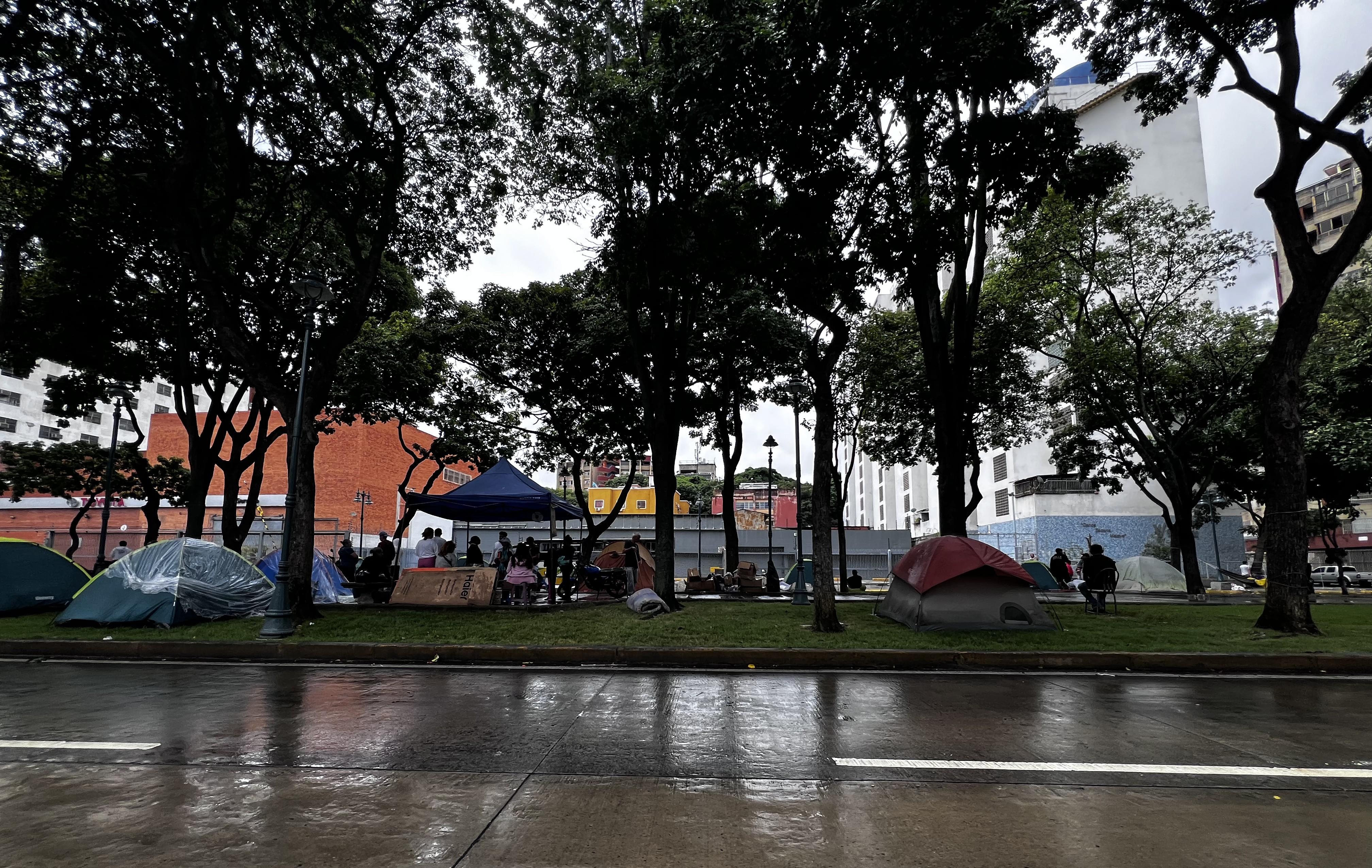
Even before the earthquake, the complex humanitarian crisis and declining security situation in Venezuela was disproportionately impacting women and girls, driving increased rates of sexual exploitation and trafficking, and maternal mortality as health systems deteriorated. As local organisations like AVESA meet this new crisis, they know that a gender‑responsive approach is essential, explains Marialbert Barrios:
“This involves including women in decision-making and delivering the response in a way that seeks to prevent gender-based violence, sexual violence and the sexual abuse of children. This is only possible if we understand and address the distinct impact this crisis has had on women and girls. This will enable a humanitarian response that is not only rapid but, most importantly, effective.”
As one of IPPF’s Collaborative Partners, AVESA has been able to draw on support from across the Federation. As well as emergency funding from IPPF’s HER Fund, they received support on strategy, and guidance on implementing the Minimum Initial Service Package (MISP) - the global standard for sexual and reproductive health responses in acute emergencies. AVESA is also received ongoing advice and support from ProFamilia, IPPF’s Member Association in Colombia, on establishing mobile clinics.
Valerie Dourdin, IPPF’s Humanitarian Director, visited Venezuela in the early weeks of their response:
"The work and dedication of the AVESA team was impressive, so much so that organisations in the shelters were referring cases or asking for AVESA support in dealing with complicated cases. Through this response AVESA is establishing itself as a humanitarian organisation on top of being a psychosocial care centre."
when
country
Venezuela
Subject
Humanitarian
Related Member Association
Asociación Venezolana para una Educación Sexual Alternativa (AVESA) - Venezuela
