




As search and rescue operations continue following the devastating floods and landslides in northern Nepal and Tibet, the thoughts of the International Planned Parenthood Federation (IPPF) are with the communities and families affected by the disaster.
The floods and landslides have caused extensive loss of life and widespread destruction in Rasuwa, Nuwakot and Dhading districts. Thousands of people remain unaccounted for, and families are facing grief and uncertainty. Floodwater, mud and debris have wiped out villages, damaged homes, roads, bridges, communications, and essential health infrastructure. Steep mountainous terrain, the continuing risk of flooding, and severe disruption to transport routes are making it extremely difficult for emergency teams to reach cut-off communities.
The Family Planning Association of Nepal (FPAN), an IPPF Member Association, has confirmed that its staff and families are safe. An FPAN team has visited areas of Nuwakot to assess community needs, meet with local partners and identify how the organisation can best contribute to the response.
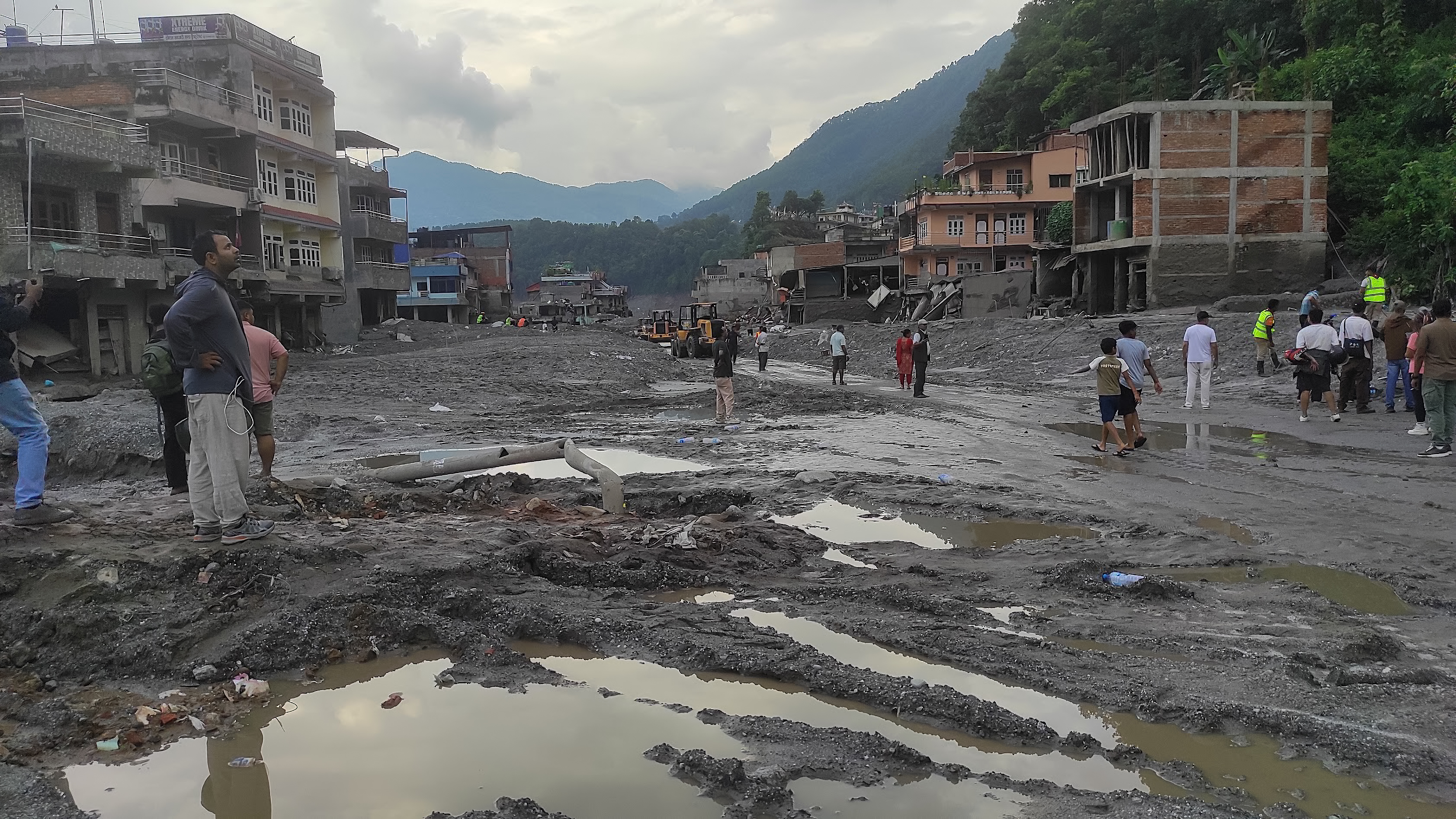
FPAN has extensive experience responding to emergencies in Nepal and delivering sexual and reproductive healthcare through mobile outreach. Its teams have worked in rural, remote and underserved communities, including the affected areas, where difficult terrain makes access particularly challenging.
Dr. Prabin Shakya, Executive Director of the Family Planning Association of Nepal, said:
"The situation in Rasuwa and Nuwakot is devastating. Health facilities have been damaged, roads and bridges destroyed, and many communities remain difficult or impossible to reach. Many families have lost loved ones, homes and livelihoods.
As the initial search and rescue phase concludes, FPAN stands ready to act immediately, guided by the Government and working through the established humanitarian coordination mechanisms. As one of Nepal's pioneer SRHR organisations, with decades of experience reaching rural, remote and underserved communities and responding to emergencies, we can mobilise our expertise, health professionals and mobile outreach capacity to deliver essential SRH and life-saving services where they are most needed.
FPAN is closely coordinating with the Ministry of Health, Family Welfare Division, and other relevant government authorities, the Reproductive Health Working Group, I/NGOs and other partners. The Government has requested that relief and medical assistance follow the One Door System and has encouraged contributions through the designated basket fund to ensure that resources are coordinated and reach affected communities according to identified priorities."
With the destruction of health centres and hospitals, pregnant women and others requiring urgent or time-sensitive care will be unable to access antenatal services, skilled assistance during childbirth or emergency obstetric care. Access to contraception, HIV and STI services, menstrual-health supplies and essential medicines will also be interrupted. Displacement, overcrowded living conditions and damage to water, sanitation and protection systems can further increase health and protection risks, including sexual and gender-based violence and exploitation.
People with disabilities, LGBTQI+ people, older people, adolescents, people living with HIV and other marginalised communities may face additional physical, social, financial and communication barriers to assistance. "We are particularly concerned about those who are most vulnerable and more likely to need urgent SRH support... As access improves and affected communities are temporarily settled, we are prepared to mobilise quickly to help save lives, prevent avoidable morbidity, protect women and girls from violence and ensure that people with disabilities and other marginalised groups are not left behind...Their health, safety, dignity and rights must not be overlooked in the emergency response" said Dr Prabin Shakya.
This emergency is unfolding against a backdrop of accelerating climate risks, with the most severe consequences often falling on communities with the fewest resources.
Valerie Dourdin, Global Humanitarian Director at IPPF, said:
"Nepal is paying the ultimate price for the unwillingness of many governments and international communities to recognise the escalating threat of global heating. They must accelerate climate action, strengthen accountability for addressing its impacts, and protect communities bearing the greatest burden. Resources must reach everyone on the front lines, including women, girls and marginalised communities, whose sexual and reproductive health and rights are too often overlooked in emergencies. As we move beyond search and rescue, locally led humanitarian expertise like FPAN, will continue to be essential for months to come in reaching people whose needs might otherwise go unseen."
As the scale of needs arising from this emergency becomes clearer, IPPF remains ready to support a locally led humanitarian response that protects access to essential, life-saving sexual and reproductive healthcare. "This is a time for solidarity, coordinated action and timely investment. With the right support, FPAN can help bring essential, rights-based SRH and protection services to people who need them most." said Dr Prabin Shakya, FPAN.
when
country
Nepal
region
South Asia
Related Member Association
Family Planning Association of Nepal
"Nepal is paying the ultimate price for the unwillingness of many governments and international communities to recognise the escalating threat of global heating." - Valerie Dourdin, Global Humanitarian Director, IPPF


