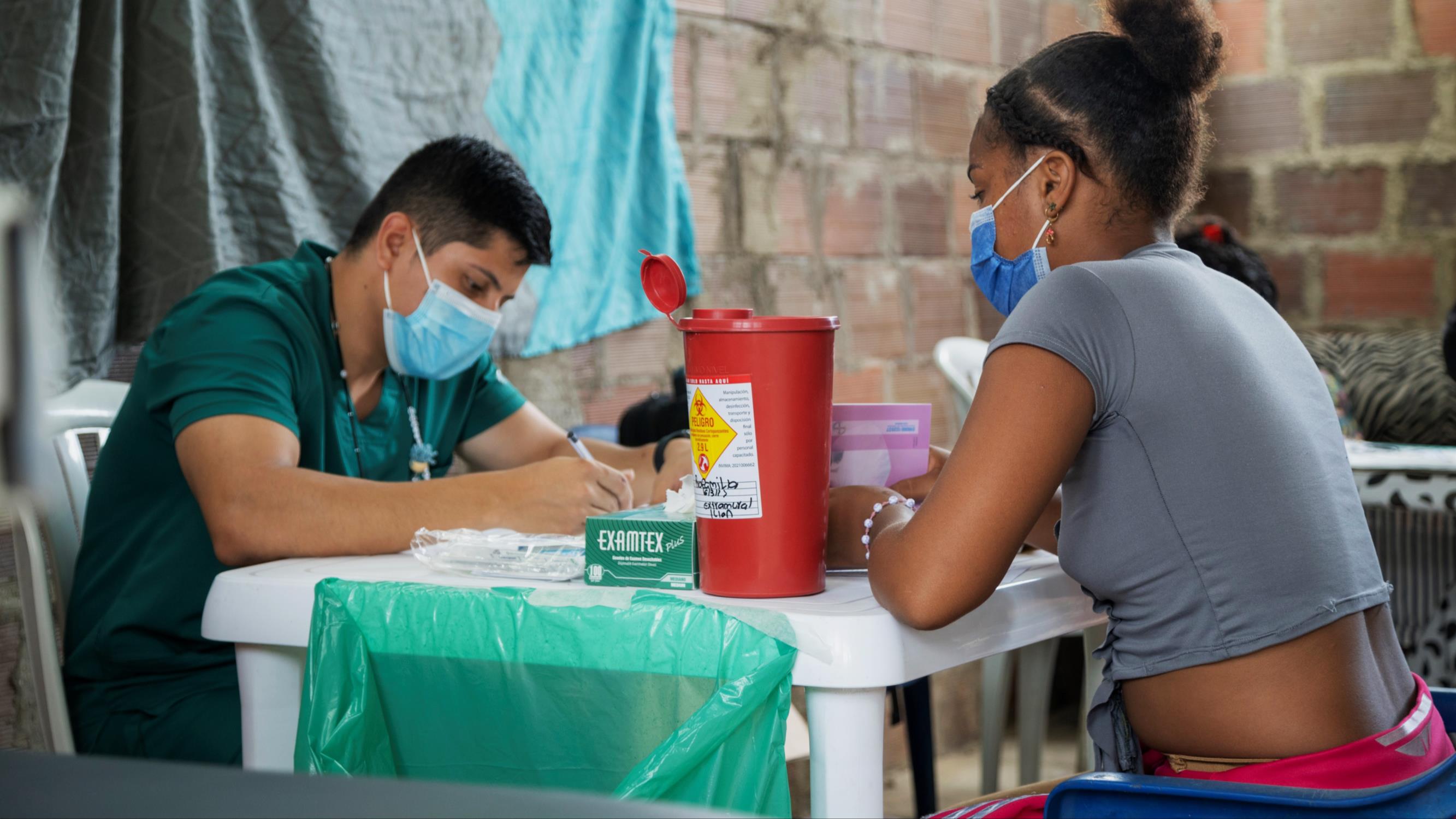




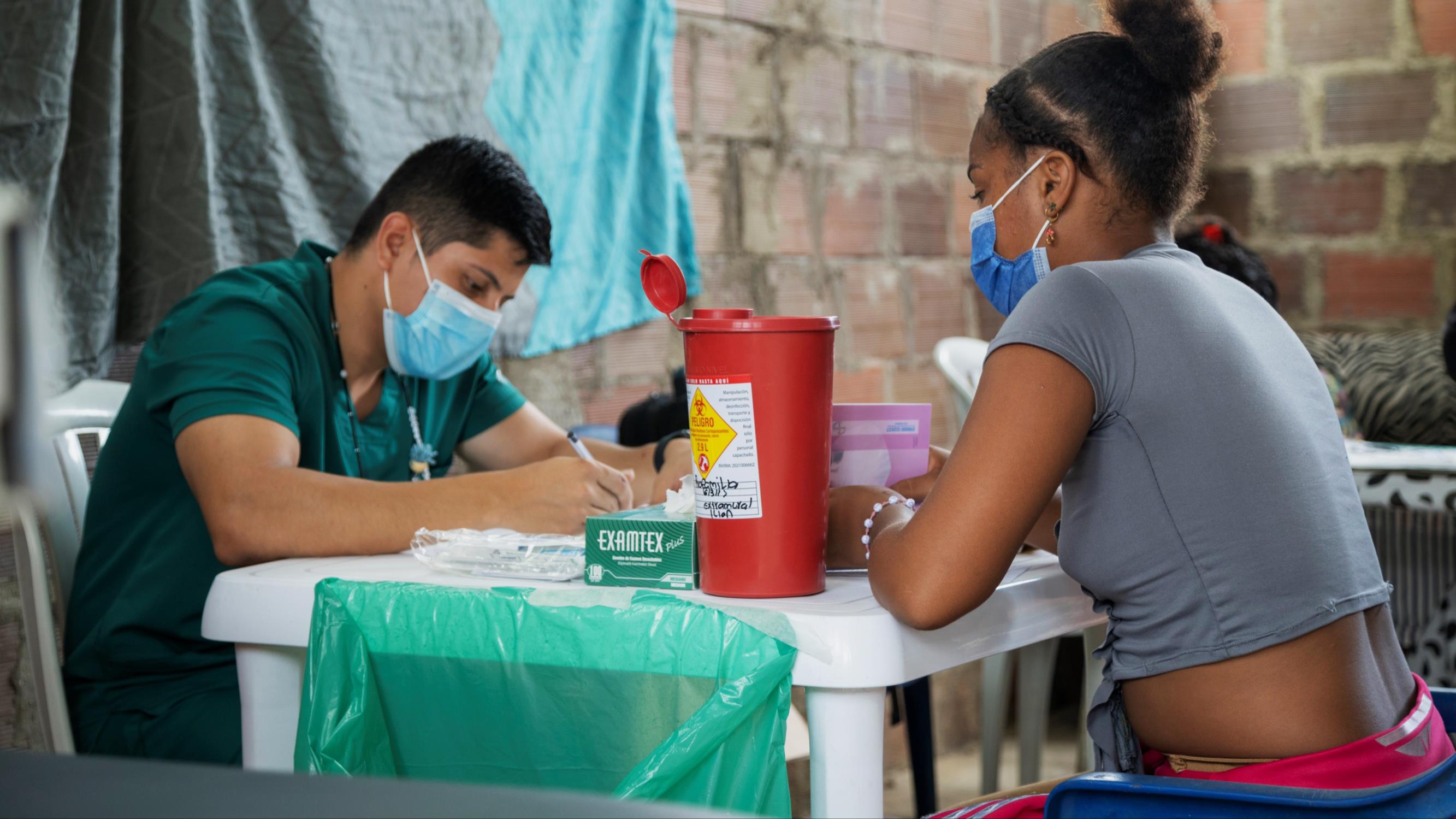
Safe Passage is IPPF’s pioneering global initiative working to deliver uninterrupted sexual and reproductive healthcare for people on the move.
Women now make up 47% of all migrants across Africa, and in Latin America and the Caribbean, women represent 52% of all international migrants. With legal pathways for migration shrinking, and funding cuts hitting humanitarian support, at least 8,000 people died on migration routes in 2025.
Across every stage of their migration journey, women, girls, LGBTQI communities and sex workers are exposed to violence, exploitation, discrimination and barriers to essential services. Limited access to contraception, antenatal care, and reliable information on the support available to them, increases the risk of unintended pregnancies, untreated infections, and obstetric complications.
Connecting care across borders
Safe Passage is led by IPPF Member Associations and connects 15 MAs working in two consortia across Latin America, Africa and the Arab World region. Through a combination of fixed clinics, mobile units, digital health approaches, and referral systems, we ensure that people can access safe, timely, and continuous care throughout their journeys. We provide specialized sexual and reproductive health services, mental health support, and care for survivors of gender-based violence along perilous migration routes.
Member Associations are trusted, local organizsations embedded in the communities in which they work. They work alongside government and public authorities and community-based organizations to reduce barriers to accessing care. Alongside supporting internally displaced people, refugees, and migrants, they continue to provide sexual and reproductive health care to host communities, and work to change the narrative on migration from border control to human rights and equality.
Safe Passage in Latin America
Patterns of migration have become increasingly complex across Latin America, with people often moving back and forth in search of employment, education or essential services – half of cross-border movements in the region are motivated by the need for healthcare, including sexual and reproductive services. In countries such as Colombia, Venezuela and Ecuador, migration is often marked by forced displacement stemming from socioeconomic crisis or persistent conflict. With some transit routes heavily influenced by organized crime gangs, many migrants are exposed to trafficking, exploitation, and extreme sexual violence.
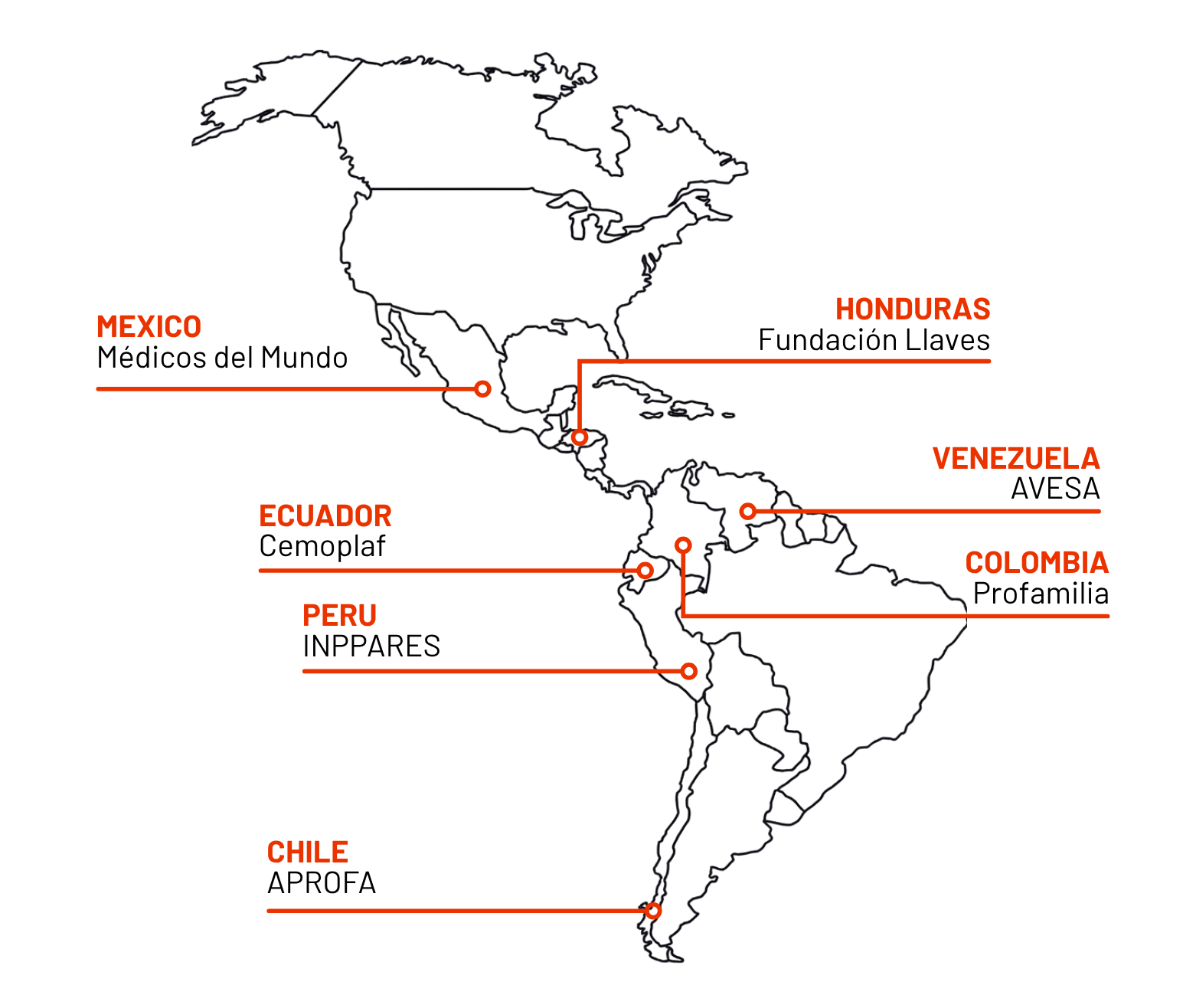
The Safe Passage Latin America Consortium is led by ProFamilia and brings together seven Member Associations operating across key migration corridors in Colombia, Peru, Mexico, Honduras, Venezuela, Ecuador, and Chile. Each brings their own technical expertise, including humanitarian response, community outreach and mobile SRH services, psychosocial support, and advocacy.
Safe Passage in Africa and the Arab World Region
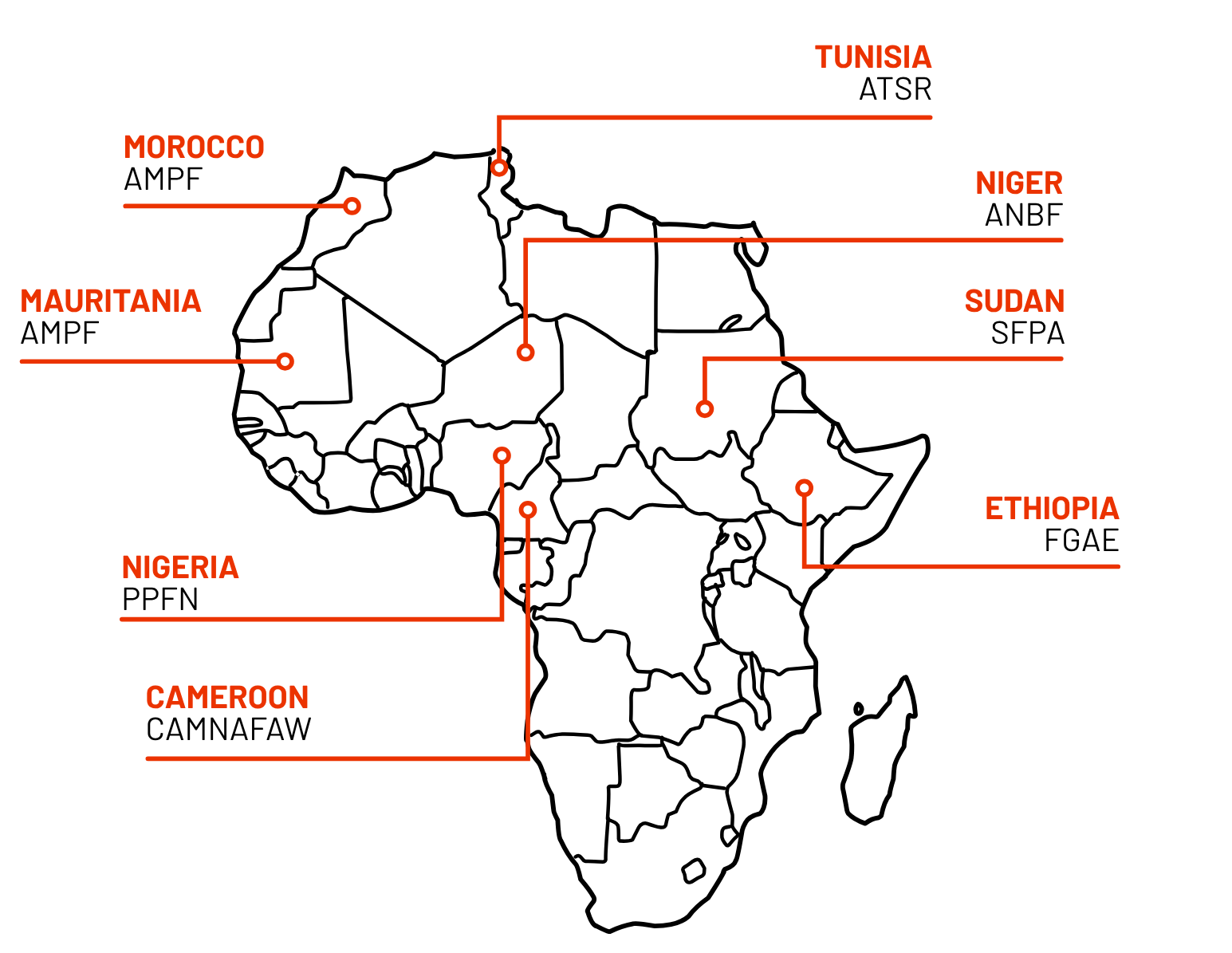
In 2024 an estimated 25 million Africans were living in another African country, with over 80% of migration happening within the continent. People take multiple journeys along different routes, many driven by conflict or socioeconomic collapse. The Safe Passage Arab-African Consortium is led by the Family Planning Association of Morocco (AMPF) and brings together eight IPPF Member Associations across Morocco, Tunisia, Mauritania, Sudan, Niger, Nigeria, Cameroon, and Ethiopia. The consortium reflects the diversity of African and Arab migration dynamics, linking contexts of conflict, prolonged displacement, transit, return, and destination.
when
country
Morocco, Tunisia, Mauritania, Sudan, Niger, Nigeria, Cameroon, Ethiopia, Colombia, Peru, Mexico, Honduras, Venezuela, Ecuador, Chile
Subject
Humanitarian