


In 2025, back-to-back typhoons devastated communities in the Philippines, destroying homes, disrupting livelihoods and cutting people off from essential healthcare. For the Family Planning Organization of the Philippines (FPOP), the response to Typhoon Opong and Typhoon Uwan showed why sexual and reproductive healthcare must be protected before, during and after climate shocks. Now, as the region prepares for the possible impacts of El Niño, those lessons are shaping how FPOP is working with communities and local authorities to keep lifesaving SRH care within reach.
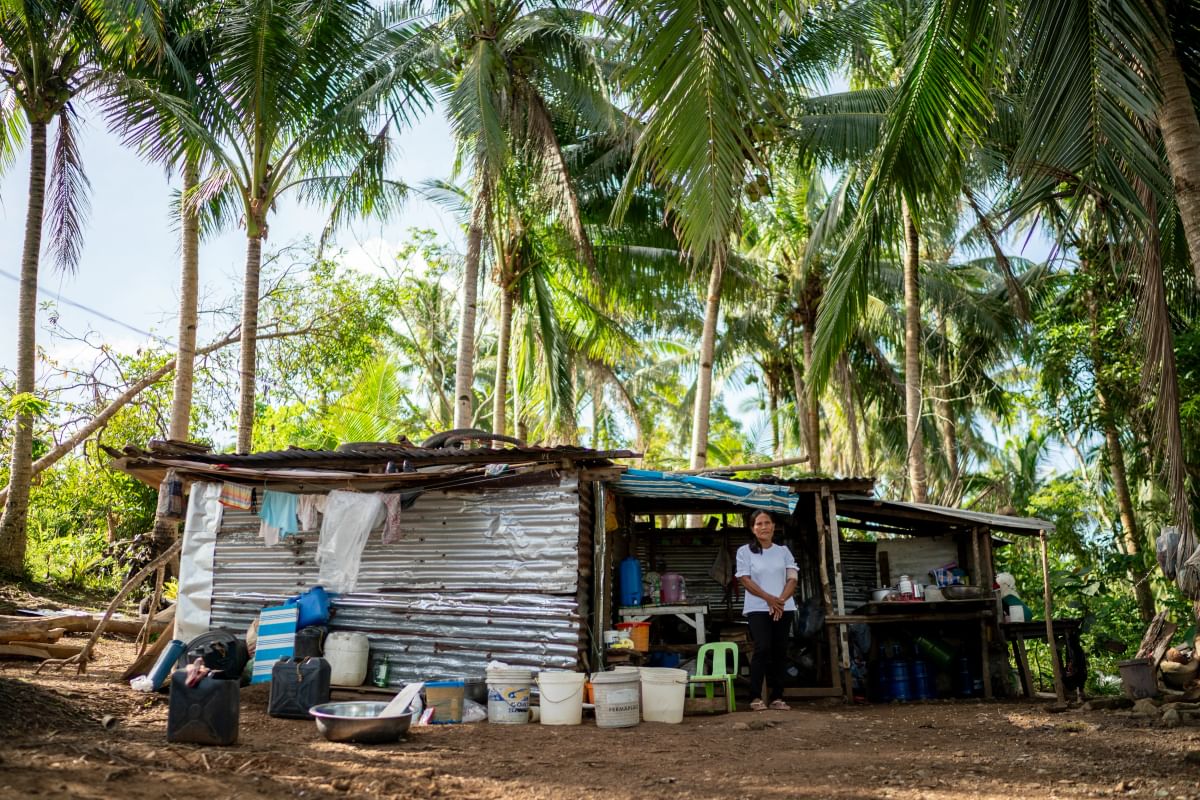
Marites was seven months pregnant when Typhoon Opong hit the island of Masbate in the Philippines on 25th September 2025. Winds of up to 165km/h battered the exposed island, destroying houses, infrastructure and livelihoods, and impacting more than 57,000 people:
“The wind howled so loud it shook our house. The walls began to tremble. My husband woke the children and told us to run to the neighbor’s house. It was dark, raining hard and the wind was fierce. I was scared I might fall, scared something might happen to the baby inside me. We made it to our neighbor’s house just in time. By morning, our own house was gone.”
The Philippines is one of the world’s most climate-exposed countries, and extreme weather is already reshaping daily life. Typhoons, flooding and droughts are becoming more frequent and intense, whilst rising sea levels threaten to engulf coastal communities. This week, the UN warned of a 'supersized' El Niño in 2026, with scientists fearing that the combined effect of the naturally occurring El Niño, and man-made climate change will drive even more extreme weather across the globe until at least February 2027. The latest data from the World Meteorological Organization (WMO) predicts this could be the strongest El Niño for more than 70 years.
Riziel Castro is the Humanitarian Programme Coordinator for IPPF Member Association, the Family Planning Organization of the Philippines (FPOP):
“It’s becoming increasingly precarious. We are seeing more category four or five super typhoons, with higher winds and more destructive storm surges. The wet and dry seasons are changing too. We used to be able to predict that the start of the year would be dry, but we are already experiencing typhoons.”
FPOP deliver essential sexual and reproductive health services via 21 clinics across 12 regions of the Philippines, and they are already seeing the impact of this changing climate on sexual and reproductive health:
“Heat stroke is rampant nowadays – in some parts of the Philippines, the temperature can reach 41 degrees celsius. Heat stress is affecting outdoor workers, especially in the island provinces.”
With studies showing that every 1°C increase in heat exposure raises the odds of preterm birth by 4%, climate change is rapidly becoming a maternal health emergency.
The changing climate is also having a long-term impact on where people live and work, with knock-on effects for sexual and reproductive health and rights. With extreme weather impacting agricultural production, and climate shocks causing mass disruption, women have been forced into survival sex or early marriages to support themselves and their families:
“We have a very traditional culture here in the Philippines, and many people believe modern contraceptives should not be used. This, combined with an increase in survival sex, is increasing the risk of unintended and unwanted pregnancies.”
On the front lines when climate shocks strike
When Typhoon Opong devastated Masbate, FPOP stepped up to provide life-saving emergency reproductive health services for the island's inhabitants. Through a static clinic and medical outreach missions, they delivered antenatal and postnatal care, newborn and maternity kits, contraception, and community-based HIV screenings to over 4,400 people impacted by the disaster.
“We had a whole mobile team of personnel that went with local government units to the community, composed of health care providers, doctors, midwives and our youth volunteers who did health education awareness sessions.”
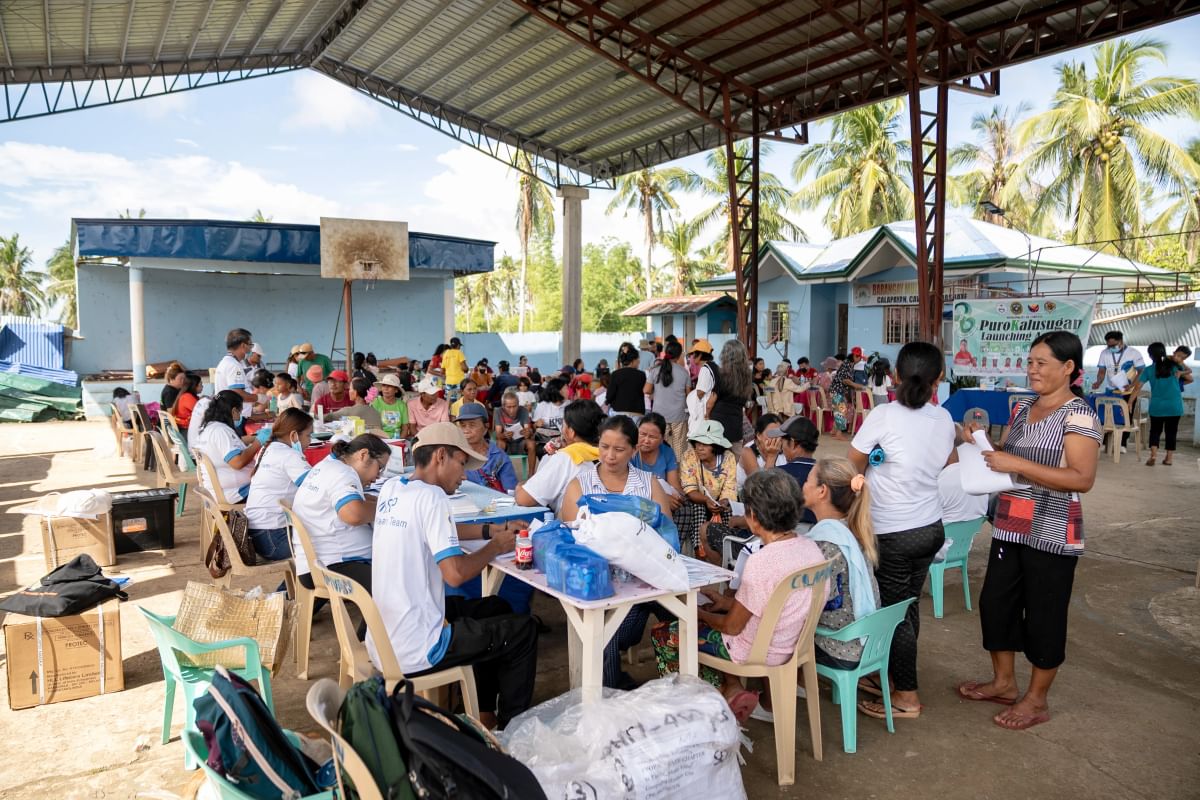
The strength and speed of FPOP’s response lies in their community roots, and the courage of their local staff and volunteers. Despite the typhoon blowing the windows out of their clinic, cutting off electricity and communications, and damaging staff members’ homes, they were determined to continue providing care.
Ana Tina Antonio is FPOP Chapter Manager, based on the island. The roof of her house was blown off in the storm:
“In emergencies, SRH needs are not given enough attention. Women still menstruate. Women still give birth. Women still experience violence. And so we returned to work because people needed us, especially women. I do not want to fail the community when it matters most.”
Jean, 20, was one of the thousands of women supported by Ana and her team. She was eight months pregnant when the storm hit Masbate, and was given an ultrasound as part of FPOP’s emergency response:
“There were moments I felt like I would give up. Then I remembered, there is a little life inside me who needs me. In the middle of fear and uncertainty, this medical mission became a lifeline. These weren’t just services, they gave me knowledge, choices and hope.”
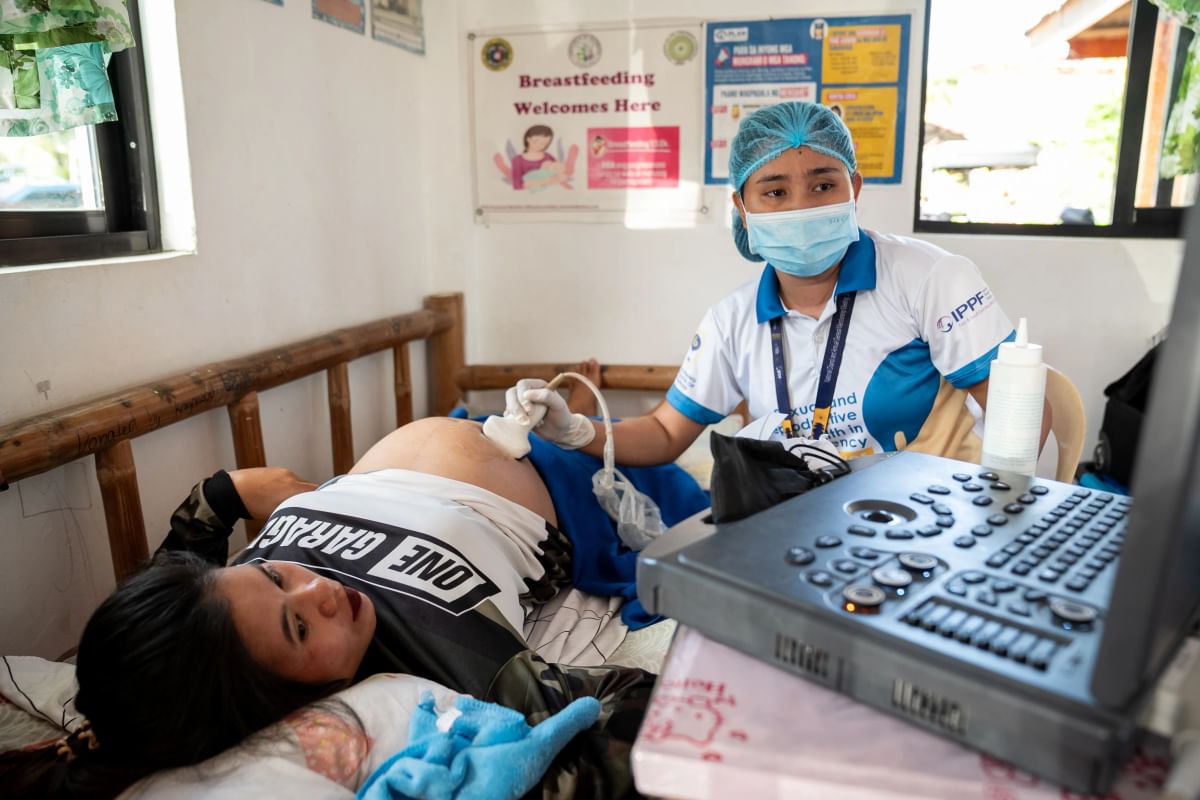
Through community awareness and family planning sessions, the FPOP team are also helping women to have more control over their reproductive health, at a time when the rapidly changing climate is throwing their livelihoods and futures into uncertainty. 26-year-old Richel visited the clinic after the storm blew the roof off her house:
“Through the medical mission, I was able to have my child checked and secure contraceptive support, giving me control over our health and our future.
“My partner and I chose to use birth control because life here in the countryside is hard. Having children should be a planned decision, at the right time and when the situation is right.”
Adapting to a changing climate
With a super El Niño, and more climate shocks, on the horizon, FPOP is working hard to ensure that sexual and reproductive healthcare is better integrated into emergency responses. Riziel explains:
“We are shifting our work to not just be a reactive organisation, but to be more proactive in preparing for natural disasters and the changing climate."
“We’re working to inform leaders, politicians and others in power to integrate sexual and reproductive health into emergency responses. This can be a challenge in some areas, where we have pushback from more traditional leaders. So we are championing the local leaders that we know are supportive and showcasing their work to help convince others of the importance of SRH in emergency programmes.”
The organisation also works closely with local government health officers, coordinating responses and providing training for government staff on responding to sexual and gender based violence, and delivering sexual and reproductive healthcare in emergencies:
“There is a real advantage to already having a presence in a region when disasters hit. We already have partnerships with the local government units, and plans for how we will implement a response.”
In a country made of up over 7,000 islands, when climate shocks strike, one of the biggest challenges is reaching those in need with supplies when roads, airports, and communications are destroyed.
“Some of our clinics don’t have the space to store supplies, so we distribute them from our central office. But now, we’re looking to position our commodities like family planning and contraceptive supplies, so that when disasters happen and islands are cut off, clinics have what they need to support those affected.”
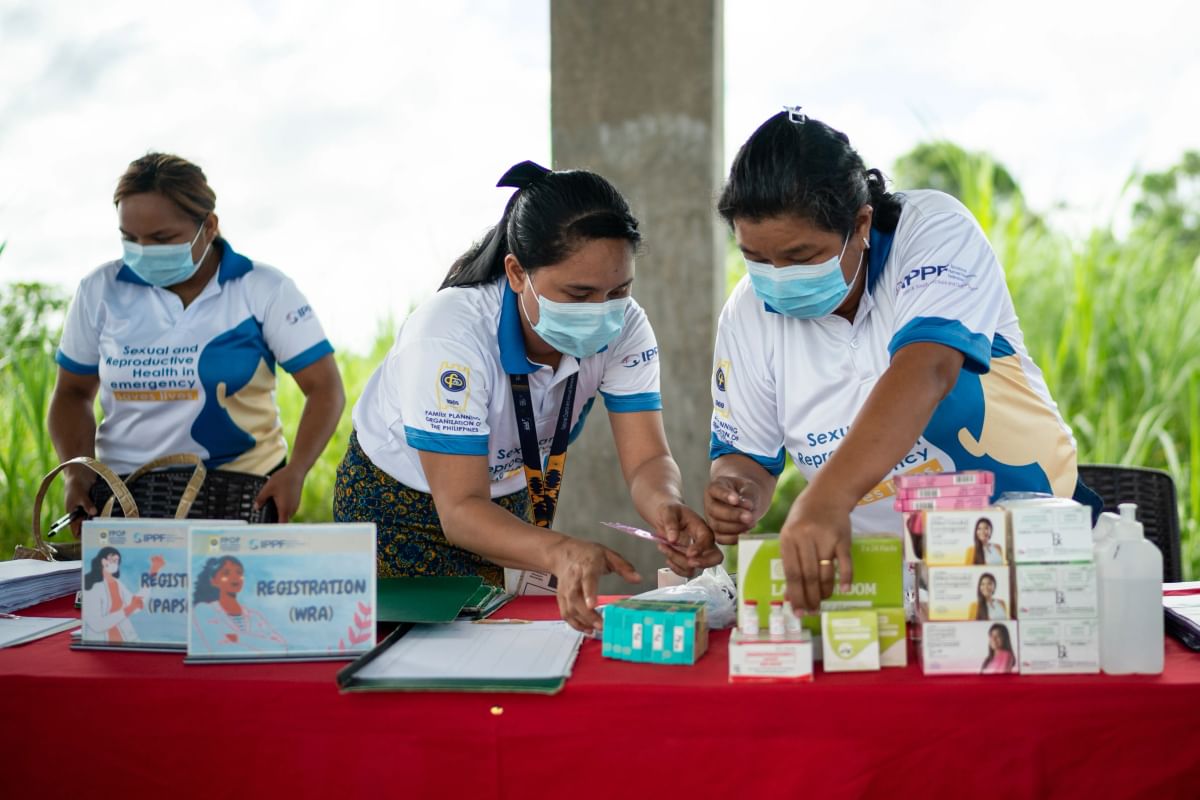
Courage in the face of chaos
As the Philippines readies itself for more extreme weather events in the coming months, the dedicated team of FPOP staff and volunteers are prepared to ensure that sexual and reproductive healthcare isn’t forgotten in the chaos:
“Storms will come again”, says Ana Antonio, “But we will stand. We will prepare. We will insist that women’s dignity, choice and rights are never optional, not in calm days and not in the middle of the storm. Because through hardship and comfort alike, we remain FPOP.”
For Glezyl, 19, who was expecting her first child when Typhoon Opong hit, FPOP’s continued support is intertwined with her and her family's futures – a lifeline in an increasingly unpredictable world:
“After Opong hit the island, I see how climate disasters can disrupt lives in an instant. I want my child to grow up in a world where storms don’t control our future, where families don’t have to worry about basic safety and access to care. That’s why having medical services, maternal health support and community care is so important so we can survive, recover and still dream of a better, safer future."
when
country
Philippines
Subject
Climate Crisis, Humanitarian
Related Member Association
Family Planning Organization of the Philippines
