



Latest press releases
A selection of stories from across the Federation

Türkiye
Media center
PRESS RELEASE: Türkiye Must Drop All Charges Against LGBTQI+ Activists
Repro Uncensored and the International Planned Parenthood Federation condemn the coordinated raids, detentions and digital censorship targeting LGBTQI+ organizations, activists and community spaces.
For media enquiries
Telephone:
+66 62868 3089Media Inbox:
media@ippf.orgMost Popular This Week
Türkiye

Media center
|
PRESS RELEASE: Türkiye Must Drop All Charges Against LGBTQI+ Activists
For immediate release
Türkiye

Media center
|
Press Release: Amid Crackdown on Pride in Türkiye, More Than 120 LGBTQI+ and Feminist Social Media Accounts Suspended
Brussels / Istanbul, 13 July 2026 - Amid an escalating crackdown on LGBTQI+ communities in Türkiye, Repro Uncensored, the International Planned Par

Media center
|
May 17, IDAHOBIT: Global day celebrates sexual and gender diversity at the heart of democracy
FOR IMMEDIATE RELEASEILGA World x International Planned Parenthood Federation (IPPF)

Media center
|
RightsCon Cancelled as Global Attacks on SRHR and Digital Freedoms Intensify
FOR IMMEDIATE RELEASERepro Uncensored x International Planned Parenthood Federation (IPPF)
East and South East Asia and Oceania

Media center
|
PRESS RELEASE: Groundbreaking new report outlines the impact of Australia’s investment in SRHR
28 April 2026, Narrm (Melbourne) - Guttmacher has today released its latest report '‘Just the Numbers Australia 2026’’, providing vital analysis on the impact
South Asia, Africa

Media center
|
IPPF condemns the UK’s latest ODA budget allocations and warn of life-threatening consequences for millions
20 March 2026 - The International Planned Parenthood Federation (IPPF) strongly condemns the UK Government’s

Media center
|
US Government Expands Global Gag Rule in a Major Escalation of Regressive Foreign Policy
23 January 2026 - The International Planned Parenthood Federation

Media center
|
Nearly 9 Million Denied Essential Reproductive Healthcare as Trump-Era Funding Cuts Force Global Clinic Closures, IPPF Reports
17 December 2025 - New data reveals the Trump Administration's funding cuts have forced 34 of International Planned Parenthood Federation (IPPF) Member Associa

media center
| 15 September 2026
PRESS RELEASE: Türkiye Must Drop All Charges Against LGBTQI+ Activists
For immediate releaseBrussels / Istanbul, 15 September 2026 — Repro Uncensored and the International Planned Parenthood Federation (IPPF) condemn the sweeping attacks on LGBTQI+ communities in Türkiye and call for the immediate release of those detained, the dismissal of all discriminatory charges, and the restoration of blocked websites and social media accounts.Beginning on 12 September, Turkish authorities restricted access to the websites and social media accounts of numerous LGBTQI+ organizations, media platforms, student groups and human rights defenders. Coordinated police operations followed across multiple provinces, including Istanbul, Ankara, İzmir, Aydın and Mersin.They reportedly targeted 162 people, nine associations and 13 businesses across 15 provinces. Dozens of people have been detained, offices and homes searched, and phones, computers and other digital equipment seized.Among those targeted was partner organization and IPPF Associate Member Association KAOS GL, whose offices were raided as part of the coordinated operations. KAOS GL had previously warned of escalating repression and censorship facing LGBTQI+ communities across Türkiye, including coercive investigations into its finances, despite regularly reporting its accounts to the relevant authorities and operating in accordance with national laws.The crackdown has also involved widespread digital censorship. Websites and social media accounts connected to LGBTQI+ organizations, activists and independent media have been blocked or made inaccessible. Repro Uncensored is investigating the scale and impact of these restrictions, including how they have disrupted access to health information, legal support and essential community services.This escalation follows the suppression of Pride events in June, when marches across Türkiye were banned or violently dispersed and at least 125 people were detained. During the same period, more than 120 LGBTQI+ and feminist social media accounts were suspended across major platforms. At the time, the organizations warned that digital censorship was reinforcing the repression of LGBTQI+ communities on the streets and accelerating the erosion of democratic space. The latest raids and detentions demonstrate how urgently those warnings should have been addressed.These events demonstrate how digital censorship and physical repression increasingly reinforce one another. Restricting organizations online while raiding their offices, detaining their members and seizing their equipment is a direct attack on civil society, freedom of expression and democracy.“Digital censorship is being used alongside raids and detentions to isolate LGBTQI+ communities, silence their voices and dismantle their ability to organize. This coordinated repression is a direct threat to democracy, freedom of expression and respect for fundamental human rights. LGBTQI+ visibility, solidarity and community care are not crimes. Türkiye must immediately release those detained, drop all discriminatory charges and restore access to the websites and social media accounts it has blocked.”- Martha Dimitratou, Founder & Executive Director, Repro Uncensored“The actions taken against LGBTQI+ activists by the Turkish government over the weekend are deplorable. People are being attacked and detained simply for being who they are and for standing up for their rights. At IPPF, we fully recognise the tactic of using the language of ‘protecting children and family’ to supposedly justify attacks on LGBTQI+ people and their rights. We reject it. ”- Micah Grzywnowicz, European Network Regional Director at the International Planned Parenthood Federation (IPPF)As an EU candidate country, Türkiye is required to uphold the Copenhagen criteria, including democracy, the rule of law, human rights and the protection of minorities. The coordinated targeting of LGBTQI+ organizations, activists and community spaces stands in direct contradiction to these fundamental requirements.Repro Uncensored and IPPF call on Turkish authorities to immediately release those detained for lawful organizing, drop all discriminatory charges, end the intimidation of LGBTQI+ civil society, restore blocked digital platforms and return seized equipment.“This repression will not silence us. We will continue to organise, defend our rights, and stand together against any attempts to criminalise the existence of, or activism by, the LGBTIQA+ community. We call on the international community, human rights organisations, and all those committed to equality and freedom, to stand in solidarity with us and support our struggle. As we always say at UniKuir, “Through resistance and solidarity.” - UniKuir NGOThey also urge the European Union, European Commission, the European Parliament, Member States, and the Council of Europe to address these violations clearly in its relations with Türkiye and make respect for fundamental rights central to any future progress in the accession process.For more information or to speak to one of our spokespeople, contact:Martha DimitratouFounder & Executive Director, Repro Uncensoredmartha@reprouncensored.orgNerida WilliamsInternational Planned Parenthood Federationnewilliams@ippf.orgAbout Repro UncensoredRepro Uncensored is the leading global nonprofit documenting digital censorship, reinstating accounts and protecting freedom of expression. It has documented thousands of censorship cases across more than 50 countries and reinstated dozens of accounts with millions in reach.Through research, legal action, policy reform and direct support, Repro Uncensored works to hold technology companies accountable and protect access to information.About the International Planned Parenthood FederationThe International Planned Parenthood Federation is a global healthcare provider and advocacy organization working in over 140 countries to advance sexual and reproductive health and rights. It delivers essential services and advocates for access to accurate information, equality and bodily autonomy worldwide.
media_center
| 15 September 2026
PRESS RELEASE: Türkiye Must Drop All Charges Against LGBTQI+ Activists
For immediate releaseBrussels / Istanbul, 15 September 2026 — Repro Uncensored and the International Planned Parenthood Federation (IPPF) condemn the sweeping attacks on LGBTQI+ communities in Türkiye and call for the immediate release of those detained, the dismissal of all discriminatory charges, and the restoration of blocked websites and social media accounts.Beginning on 12 September, Turkish authorities restricted access to the websites and social media accounts of numerous LGBTQI+ organizations, media platforms, student groups and human rights defenders. Coordinated police operations followed across multiple provinces, including Istanbul, Ankara, İzmir, Aydın and Mersin.They reportedly targeted 162 people, nine associations and 13 businesses across 15 provinces. Dozens of people have been detained, offices and homes searched, and phones, computers and other digital equipment seized.Among those targeted was partner organization and IPPF Associate Member Association KAOS GL, whose offices were raided as part of the coordinated operations. KAOS GL had previously warned of escalating repression and censorship facing LGBTQI+ communities across Türkiye, including coercive investigations into its finances, despite regularly reporting its accounts to the relevant authorities and operating in accordance with national laws.The crackdown has also involved widespread digital censorship. Websites and social media accounts connected to LGBTQI+ organizations, activists and independent media have been blocked or made inaccessible. Repro Uncensored is investigating the scale and impact of these restrictions, including how they have disrupted access to health information, legal support and essential community services.This escalation follows the suppression of Pride events in June, when marches across Türkiye were banned or violently dispersed and at least 125 people were detained. During the same period, more than 120 LGBTQI+ and feminist social media accounts were suspended across major platforms. At the time, the organizations warned that digital censorship was reinforcing the repression of LGBTQI+ communities on the streets and accelerating the erosion of democratic space. The latest raids and detentions demonstrate how urgently those warnings should have been addressed.These events demonstrate how digital censorship and physical repression increasingly reinforce one another. Restricting organizations online while raiding their offices, detaining their members and seizing their equipment is a direct attack on civil society, freedom of expression and democracy.“Digital censorship is being used alongside raids and detentions to isolate LGBTQI+ communities, silence their voices and dismantle their ability to organize. This coordinated repression is a direct threat to democracy, freedom of expression and respect for fundamental human rights. LGBTQI+ visibility, solidarity and community care are not crimes. Türkiye must immediately release those detained, drop all discriminatory charges and restore access to the websites and social media accounts it has blocked.”- Martha Dimitratou, Founder & Executive Director, Repro Uncensored“The actions taken against LGBTQI+ activists by the Turkish government over the weekend are deplorable. People are being attacked and detained simply for being who they are and for standing up for their rights. At IPPF, we fully recognise the tactic of using the language of ‘protecting children and family’ to supposedly justify attacks on LGBTQI+ people and their rights. We reject it. ”- Micah Grzywnowicz, European Network Regional Director at the International Planned Parenthood Federation (IPPF)As an EU candidate country, Türkiye is required to uphold the Copenhagen criteria, including democracy, the rule of law, human rights and the protection of minorities. The coordinated targeting of LGBTQI+ organizations, activists and community spaces stands in direct contradiction to these fundamental requirements.Repro Uncensored and IPPF call on Turkish authorities to immediately release those detained for lawful organizing, drop all discriminatory charges, end the intimidation of LGBTQI+ civil society, restore blocked digital platforms and return seized equipment.“This repression will not silence us. We will continue to organise, defend our rights, and stand together against any attempts to criminalise the existence of, or activism by, the LGBTIQA+ community. We call on the international community, human rights organisations, and all those committed to equality and freedom, to stand in solidarity with us and support our struggle. As we always say at UniKuir, “Through resistance and solidarity.” - UniKuir NGOThey also urge the European Union, European Commission, the European Parliament, Member States, and the Council of Europe to address these violations clearly in its relations with Türkiye and make respect for fundamental rights central to any future progress in the accession process.For more information or to speak to one of our spokespeople, contact:Martha DimitratouFounder & Executive Director, Repro Uncensoredmartha@reprouncensored.orgNerida WilliamsInternational Planned Parenthood Federationnewilliams@ippf.orgAbout Repro UncensoredRepro Uncensored is the leading global nonprofit documenting digital censorship, reinstating accounts and protecting freedom of expression. It has documented thousands of censorship cases across more than 50 countries and reinstated dozens of accounts with millions in reach.Through research, legal action, policy reform and direct support, Repro Uncensored works to hold technology companies accountable and protect access to information.About the International Planned Parenthood FederationThe International Planned Parenthood Federation is a global healthcare provider and advocacy organization working in over 140 countries to advance sexual and reproductive health and rights. It delivers essential services and advocates for access to accurate information, equality and bodily autonomy worldwide.

media center
| 13 July 2026
Press Release: Amid Crackdown on Pride in Türkiye, More Than 120 LGBTQI+ and Feminist Social Media Accounts Suspended
Brussels / Istanbul, 13 July 2026 - Amid an escalating crackdown on LGBTQI+ communities in Türkiye, Repro Uncensored, the International Planned Parenthood Federation (IPPF), ÜniKuir Association and Kaos GL are raising alarm over the suspension of more than 120 LGBTQI+ and feminist social media accounts across major social media platforms beginning on 19 June 2026, according to documentation compiled by Turkish civil society organizations. Homosexuality is not illegal in Turkey, but the annual Pride march has been almost systematically banned and suppressed since 2015. This year's suspensions coincided with the violent suppression of Pride Month events by Turkish authorities, widespread police violence, arbitrary detentions, and broader restrictions on freedom of expression, severely limiting organizations' ability to share urgent safety information, document human rights violations, and support their communities.As authorities intensified restrictions on public assembly, Pride Month events across Türkiye were systematically targeted. Pride marches in Kuşadası, Ankara, İstanbul Trans Pride, İzmir, and İstanbul were banned or violently dispersed. At least 125 people were detained, while journalists, activists, and community organizers reported increased police surveillance, arbitrary arrests, and broader restrictions on civic space. During the same period, the widespread suspension of LGBTQI+ and feminist social media accounts significantly undermined civil society organizations' ability to communicate with affected communities, provide legal information, document abuses, and coordinate emergency responses at a moment of acute need.The suspensions in Türkiye form part of a broader global pattern of platform censorship affecting organizations working on sexual and reproductive health and rights, LGBTQI+ rights, gender equality, public health, and democratic participation. Repro Uncensored has documented more than 500 incidents of account suspensions, content removals, shadow banning, and other forms of platform enforcement in 2026 alone.Just days before these events, Repro Uncensored convened a press conference at the European Parliament with MEP Alexandra Geese (Greens/EFA) and affected organizations to warn of the growing censorship of lawful public interest content across major social media platforms. The suspensions in Türkiye further demonstrate that these are not isolated incidents, but part of a broader pattern with serious implications for freedom of expression, democratic participation, and human rights.The events in Türkiye also follow recent waves of platform enforcement affecting abortion rights organizations in Poland, queer organizations in the Netherlands and Germany, feminist creators across Europe, and civil society organizations documenting human rights violations in multiple regions. Taken together, these incidents raise growing concerns about the role of major technology platforms in restricting access to lawful information during moments of political crisis and civic mobilization."The events in Türkiye demonstrate how digital censorship and offline repression increasingly reinforce one another. Silencing civil society online while communities face repression on the streets accelerates the erosion of democratic space. With more than 500 cases documented this year, these are not isolated incidents—they reflect a broader pattern of opaque platform governance with profound implications for freedom of expression, democratic participation, and human rights." — Martha Dimitratou, Founder & Executive Director, Repro Uncensored"Algorithms are never neutral. When LGBTQI+ and feminist organisations are silenced during Pride Month, the impact extends far beyond social media - it essentially denies people access to vital health information, solidarity and support. Technology companies cannot claim to champion inclusion while allowing their platforms to erase the very communities they say they stand with." — Micah Grzywnowicz, European Network Regional Director, IPPF"This year, Pride events across Türkiye were met with bans, police violence, and arbitrary detentions, while the social media accounts used to organize, document violations, and support communities were suspended or restricted. For LGBTI+ students and young people, these platforms are essential for information, safety, and solidarity. Silencing them during Pride further isolates communities already facing repression." — İzot Ergün, ÜniKuir Association"The suspension of social media accounts should be understood as a violation of civil society organizations' rights to freedom of expression and freedom of association. However, the more critical issue is that these actions also prevent rights holders from accessing essential services, constituting discrimination and violating the principle of non-discrimination. LGBTQI+ people seeking counselling and support, including services related to sexual and reproductive health and rights (SRHR), are being denied access to these vital resources. This amounts to a direct obstruction of the right to health." — Umut Güner, General Coordinator, KAOS GLRepro Uncensored, IPPF, ÜniKuir Association, and KAOS GL call on Meta and X to urgently investigate the suspensions, provide meaningful transparency regarding enforcement decisions, restore accounts that were removed in error, and ensure accessible and effective mechanisms for appeal and redress. The organizations also urge policymakers and regulators to examine the broader human rights implications of opaque platform governance, particularly when moderation actions coincide with moments of political unrest, protests, and restrictions on civic space.The ability of civil society organizations to communicate online has become indispensable to democratic participation, freedom of expression, public health, and access to human rights information. Ensuring that lawful organizations can continue reaching their communities without arbitrary interruption is fundamental to protecting civic space in the digital age.For more information or to speak to one of our spokespeople, contact:Martha DimitratouFounder & Executive Director, Repro Uncensoredmartha@reprouncensored.orgNerida WilliamsInternational Planned Parenthood Federation (IPPF)newilliams@ippf.orgİzot ErgünÜniKuir Association from Turkeyizot@unikuir.orgUmut GünerGeneral Coordinator, KAOS GL from Turkeyumut@kaosgl.orgAbout Repro UncensoredRepro Uncensored is a global nonprofit documenting digital suppression and supporting organizations affected by discriminatory moderation systems. Through multilingual incident tracking, its global censorship map, research, and cultural advocacy, Repro Uncensored works with sexual and reproductive health organizations, queer collectives, and cultural communities to ensure their content remains accessible. The organization also supports account reinstatements and leads work on emerging forms of technology-enabled harm, including AI-driven abuse.About The International Planned Parenthood Federation (IPPF)The International Planned Parenthood Federation is a global healthcare provider and advocacy organization working in over 140 countries to advance sexual and reproductive health and rights. It delivers essential services, including contraception and safe abortion care, and advocates for access to accurate information and bodily autonomy worldwide.About ÜniKuir AssociationÜniKuir Association is a legally registered non-governmental organization based in Türkiye. It works to support LGBTI+ youth and university students through human rights advocacy, access to accurate information, solidarity, awareness-raising, and the promotion of safer, more equal, and inclusive university environments. Through educational initiatives, rights monitoring, support for student communities, and advocacy for youth participation in social and decision-making processes, ÜniKuir works to advance equality, strengthen civic participation, and protect the rights of LGBTI+ people across Türkiye. About KAOS GLKAOS GL is a rights-based non-governmental organization in Türkiye committed to fostering an equal and inclusive society through scientific, cultural, social, artistic, and educational programs that combat all forms of discrimination based on sexual orientation, gender identity, gender expression, and individual sexual characteristics. Founded in 1994, KAOS GL emerged with a simple yet powerful mission: to protect the lives of the LGBTQI community and loudly say, "We exist. We live in a society that is not only sexist but also heterosexist." The organization’s work is structured around four core strategic programs: Academic and Cultural Studies, Human Rights, Media and Communication, and Refugee Rights.
media_center
| 13 July 2026
Press Release: Amid Crackdown on Pride in Türkiye, More Than 120 LGBTQI+ and Feminist Social Media Accounts Suspended
Brussels / Istanbul, 13 July 2026 - Amid an escalating crackdown on LGBTQI+ communities in Türkiye, Repro Uncensored, the International Planned Parenthood Federation (IPPF), ÜniKuir Association and Kaos GL are raising alarm over the suspension of more than 120 LGBTQI+ and feminist social media accounts across major social media platforms beginning on 19 June 2026, according to documentation compiled by Turkish civil society organizations. Homosexuality is not illegal in Turkey, but the annual Pride march has been almost systematically banned and suppressed since 2015. This year's suspensions coincided with the violent suppression of Pride Month events by Turkish authorities, widespread police violence, arbitrary detentions, and broader restrictions on freedom of expression, severely limiting organizations' ability to share urgent safety information, document human rights violations, and support their communities.As authorities intensified restrictions on public assembly, Pride Month events across Türkiye were systematically targeted. Pride marches in Kuşadası, Ankara, İstanbul Trans Pride, İzmir, and İstanbul were banned or violently dispersed. At least 125 people were detained, while journalists, activists, and community organizers reported increased police surveillance, arbitrary arrests, and broader restrictions on civic space. During the same period, the widespread suspension of LGBTQI+ and feminist social media accounts significantly undermined civil society organizations' ability to communicate with affected communities, provide legal information, document abuses, and coordinate emergency responses at a moment of acute need.The suspensions in Türkiye form part of a broader global pattern of platform censorship affecting organizations working on sexual and reproductive health and rights, LGBTQI+ rights, gender equality, public health, and democratic participation. Repro Uncensored has documented more than 500 incidents of account suspensions, content removals, shadow banning, and other forms of platform enforcement in 2026 alone.Just days before these events, Repro Uncensored convened a press conference at the European Parliament with MEP Alexandra Geese (Greens/EFA) and affected organizations to warn of the growing censorship of lawful public interest content across major social media platforms. The suspensions in Türkiye further demonstrate that these are not isolated incidents, but part of a broader pattern with serious implications for freedom of expression, democratic participation, and human rights.The events in Türkiye also follow recent waves of platform enforcement affecting abortion rights organizations in Poland, queer organizations in the Netherlands and Germany, feminist creators across Europe, and civil society organizations documenting human rights violations in multiple regions. Taken together, these incidents raise growing concerns about the role of major technology platforms in restricting access to lawful information during moments of political crisis and civic mobilization."The events in Türkiye demonstrate how digital censorship and offline repression increasingly reinforce one another. Silencing civil society online while communities face repression on the streets accelerates the erosion of democratic space. With more than 500 cases documented this year, these are not isolated incidents—they reflect a broader pattern of opaque platform governance with profound implications for freedom of expression, democratic participation, and human rights." — Martha Dimitratou, Founder & Executive Director, Repro Uncensored"Algorithms are never neutral. When LGBTQI+ and feminist organisations are silenced during Pride Month, the impact extends far beyond social media - it essentially denies people access to vital health information, solidarity and support. Technology companies cannot claim to champion inclusion while allowing their platforms to erase the very communities they say they stand with." — Micah Grzywnowicz, European Network Regional Director, IPPF"This year, Pride events across Türkiye were met with bans, police violence, and arbitrary detentions, while the social media accounts used to organize, document violations, and support communities were suspended or restricted. For LGBTI+ students and young people, these platforms are essential for information, safety, and solidarity. Silencing them during Pride further isolates communities already facing repression." — İzot Ergün, ÜniKuir Association"The suspension of social media accounts should be understood as a violation of civil society organizations' rights to freedom of expression and freedom of association. However, the more critical issue is that these actions also prevent rights holders from accessing essential services, constituting discrimination and violating the principle of non-discrimination. LGBTQI+ people seeking counselling and support, including services related to sexual and reproductive health and rights (SRHR), are being denied access to these vital resources. This amounts to a direct obstruction of the right to health." — Umut Güner, General Coordinator, KAOS GLRepro Uncensored, IPPF, ÜniKuir Association, and KAOS GL call on Meta and X to urgently investigate the suspensions, provide meaningful transparency regarding enforcement decisions, restore accounts that were removed in error, and ensure accessible and effective mechanisms for appeal and redress. The organizations also urge policymakers and regulators to examine the broader human rights implications of opaque platform governance, particularly when moderation actions coincide with moments of political unrest, protests, and restrictions on civic space.The ability of civil society organizations to communicate online has become indispensable to democratic participation, freedom of expression, public health, and access to human rights information. Ensuring that lawful organizations can continue reaching their communities without arbitrary interruption is fundamental to protecting civic space in the digital age.For more information or to speak to one of our spokespeople, contact:Martha DimitratouFounder & Executive Director, Repro Uncensoredmartha@reprouncensored.orgNerida WilliamsInternational Planned Parenthood Federation (IPPF)newilliams@ippf.orgİzot ErgünÜniKuir Association from Turkeyizot@unikuir.orgUmut GünerGeneral Coordinator, KAOS GL from Turkeyumut@kaosgl.orgAbout Repro UncensoredRepro Uncensored is a global nonprofit documenting digital suppression and supporting organizations affected by discriminatory moderation systems. Through multilingual incident tracking, its global censorship map, research, and cultural advocacy, Repro Uncensored works with sexual and reproductive health organizations, queer collectives, and cultural communities to ensure their content remains accessible. The organization also supports account reinstatements and leads work on emerging forms of technology-enabled harm, including AI-driven abuse.About The International Planned Parenthood Federation (IPPF)The International Planned Parenthood Federation is a global healthcare provider and advocacy organization working in over 140 countries to advance sexual and reproductive health and rights. It delivers essential services, including contraception and safe abortion care, and advocates for access to accurate information and bodily autonomy worldwide.About ÜniKuir AssociationÜniKuir Association is a legally registered non-governmental organization based in Türkiye. It works to support LGBTI+ youth and university students through human rights advocacy, access to accurate information, solidarity, awareness-raising, and the promotion of safer, more equal, and inclusive university environments. Through educational initiatives, rights monitoring, support for student communities, and advocacy for youth participation in social and decision-making processes, ÜniKuir works to advance equality, strengthen civic participation, and protect the rights of LGBTI+ people across Türkiye. About KAOS GLKAOS GL is a rights-based non-governmental organization in Türkiye committed to fostering an equal and inclusive society through scientific, cultural, social, artistic, and educational programs that combat all forms of discrimination based on sexual orientation, gender identity, gender expression, and individual sexual characteristics. Founded in 1994, KAOS GL emerged with a simple yet powerful mission: to protect the lives of the LGBTQI community and loudly say, "We exist. We live in a society that is not only sexist but also heterosexist." The organization’s work is structured around four core strategic programs: Academic and Cultural Studies, Human Rights, Media and Communication, and Refugee Rights.
media center
| 06 July 2026
IPPF launches major new programme supporting safe passage for migrants
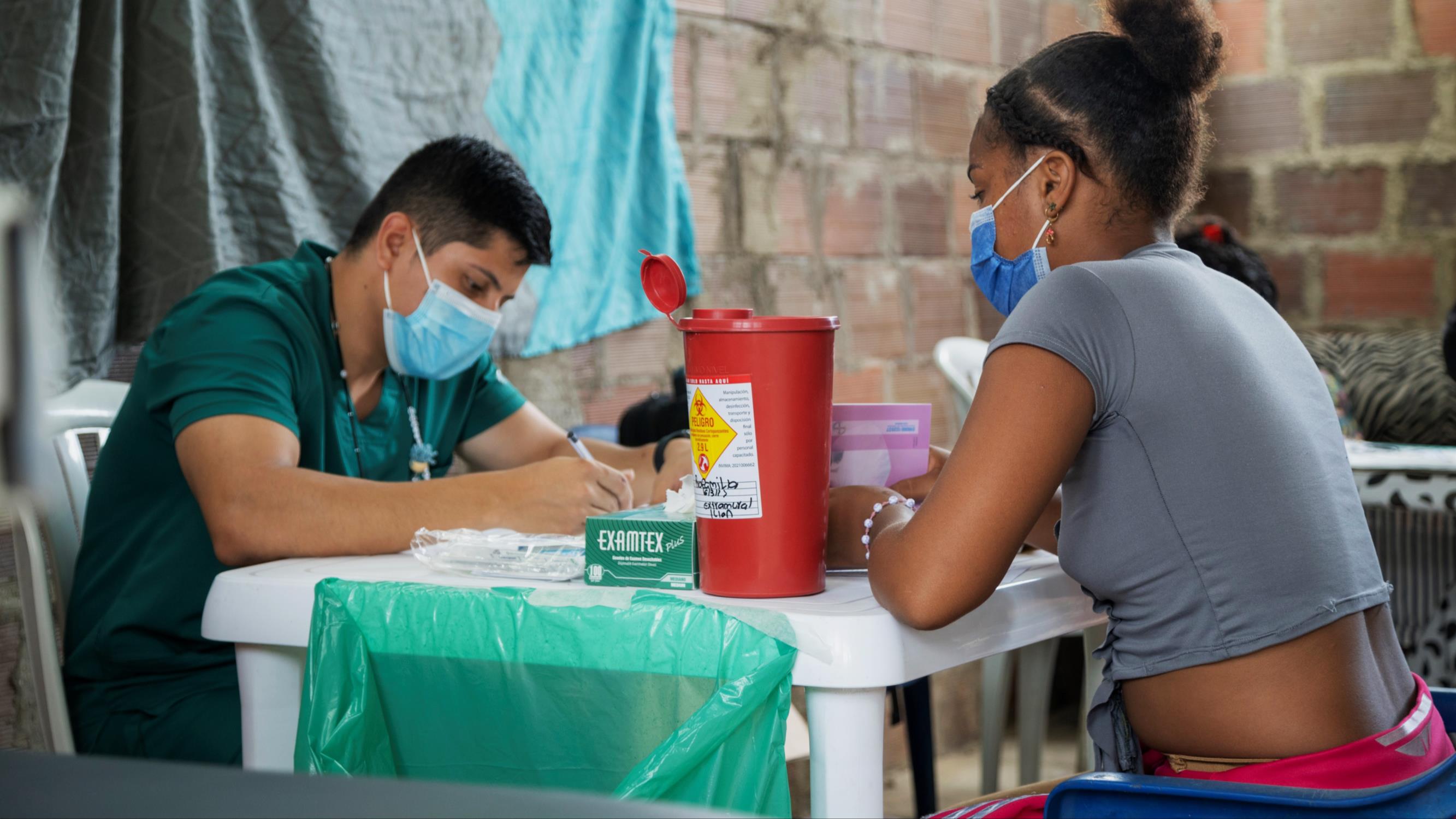
The International Planned Parenthood Federation is collaborating with 15 of its Member Associations in a major new programme delivering vital sexual and reproductive healthcare along perilous migration routes. The Safe Passage initiative will connect healthcare providers along key migration corridors in Africa, the Arab World region and Latin America, ensuring women, girls and marginalised communities have consistent access to essential services. Women now make up 47% of all migrants across Africa, and in Latin America and the Caribbean, women represent 52% of all international migrants. With legal pathways for migration shrinking, and funding cuts hitting humanitarian support, at least 8,000 people died on migration routes in 2025.Across every stage of their migration journey, women, girls and marginalised communities are exposed to violence, exploitation, discrimination and barriers to essential services. Limited access to contraception, antenatal care, and reliable information on the support available to them, increases the risk of unintended pregnancies, untreated infections, and obstetric complications. Led by a consortium of Member Associations on both continents, the Safe Passage initiative will ensure that women, girls, adolescents, and marginalised communities can access safe and integrated sexual and reproductive health care, mental health support, and sexual and gender-based violence prevention and response services, regardless of where they are along the migration route. Fixed and mobile health clinics will deliver healthcare and information for those on the move, and the consortia are exploring using digital health innovations, such as mobile health apps, to ensure the continuity of care across borders. "Safe Passage embodies a vision we have upheld for over fifty years: ensuring sexual and reproductive health is accessible to all, without borders. By pooling the expertise of our Member Associations and integrating digital health into our fixed and mobile clinics, we are building a continuum of care that follows individuals throughout their migration journey. For AMPF, engaging in Safe Passage demonstrates that innovation is driven by solidarity across countries and even across continents." Pr Maamri Abdellatif, Executive Director of The Moroccan Family Planning Association (AMPF)"Human mobility in our region demands that we look beyond transit; today, the urgent need is to focus on safe returns and how we firmly respond to complex realities such as human trafficking, gender-based violence against women and children, and the lack of protection faced by LGBTIQ+ individuals. Safe Passage represents the opportunity to prove that human rights have no borders and that sexual and reproductive healthcare must be a continuous bridge. Through this programme, we are not only mitigating risks, but building an integrated protection model in the region that accompanies individuals through all stages of their migratory journey, ensuring their dignity remains intact regardless of the legal or geographical map." Marta Royo, CEO, Profamilia Colombia. Alongside providing medical care, the initiative will champion the rights and protection of migrants through coordinated regional advocacy and communications. This includes campaigning for the inclusion of migrants’ rights in national and regional policies and legal frameworks, and working to shift the narrative on migration from border control to human rights and equality.“Sexual and reproductive healthcare saves lives, but it must be a joint and consistent effort. As border controls tighten and xenophobia rises, IPPF calls on partners, donors, and governments to join us in safeguarding the health, dignity and rights of people on the move.” Diana Pulido, Head of Humanitarian Quality Services, IPPF. About IPPFIPPF is a global healthcare provider and a leading advocate of sexual and reproductive health and rights (SRHR) for all. Led by a courageous and determined group of women, IPPF was founded in 1952 at the Third International Planned Parenthood Conference. Today, we are a movement of 100+ locally led Member Associations with a presence in 150+ countries.Our work is wide-ranging, and includes services for sexual health and well-being, contraception, abortion care, sexually transmitted infections and reproductive tract infections, HIV, obstetrics and gynaecology, fertility support, sexual and gender-based violence, comprehensive sex education, and responding to humanitarian crises. We pride ourselves on being local through our members and global through our network. At the heart of our mission is the provision of – and advocacy in support of – integrated healthcare to anyone who needs it regardless of race, gender, sex, income, and, crucially, no matter how remote. About the Moroccan Family Planning AssociationFounded in 1971 and recognized as a public utility organization since 1972, the Moroccan Association for Family Planning (AMPF) is a leading civil society organization. For over five decades, AMPF has promoted sexual and reproductive health and rights through an approach grounded in equality, inclusion, and social justice.With a strong regional presence across 7 out of 9 regions in Morocco and a network of 30 service delivery centers, AMPF ensures access to quality and adapted care for young people, women, and vulnerable groups. The association is a recognized expert in managing complex, multicultural contexts and coordinating multi-stakeholder interventions involving both institutional and community-based actors. Within the Safe Passage initiative, AMPF leads the consortium in Africa and the Arab World Region.About ProfamiliaFor more than six decades, Profamilia has promoted and defended the Sexual and Reproductive Rights of people in Colombia. It is the largest organization specializing in Sexual and Reproductive Health in the country. Profamilia works so that all people, regardless of their origin, condition, or context, can make free and informed decisions about their bodies and lives. Its approach is based on quality health service delivery, Comprehensive Sexuality Education (CSE), and advocacy for social transformation. Within the framework of the Safe Passage initiative, Profamilia leads the consortium in Latin America, coordinating efforts with allied organizations and key actors to ensure access to sexual and reproductive health services along migratory routes.
media_center
| 06 July 2026
IPPF launches major new programme supporting safe passage for migrants
The International Planned Parenthood Federation is collaborating with 15 of its Member Associations in a major new programme delivering vital sexual and reproductive healthcare along perilous migration routes. The Safe Passage initiative will connect healthcare providers along key migration corridors in Africa, the Arab World region and Latin America, ensuring women, girls and marginalised communities have consistent access to essential services. Women now make up 47% of all migrants across Africa, and in Latin America and the Caribbean, women represent 52% of all international migrants. With legal pathways for migration shrinking, and funding cuts hitting humanitarian support, at least 8,000 people died on migration routes in 2025.Across every stage of their migration journey, women, girls and marginalised communities are exposed to violence, exploitation, discrimination and barriers to essential services. Limited access to contraception, antenatal care, and reliable information on the support available to them, increases the risk of unintended pregnancies, untreated infections, and obstetric complications. Led by a consortium of Member Associations on both continents, the Safe Passage initiative will ensure that women, girls, adolescents, and marginalised communities can access safe and integrated sexual and reproductive health care, mental health support, and sexual and gender-based violence prevention and response services, regardless of where they are along the migration route. Fixed and mobile health clinics will deliver healthcare and information for those on the move, and the consortia are exploring using digital health innovations, such as mobile health apps, to ensure the continuity of care across borders. "Safe Passage embodies a vision we have upheld for over fifty years: ensuring sexual and reproductive health is accessible to all, without borders. By pooling the expertise of our Member Associations and integrating digital health into our fixed and mobile clinics, we are building a continuum of care that follows individuals throughout their migration journey. For AMPF, engaging in Safe Passage demonstrates that innovation is driven by solidarity across countries and even across continents." Pr Maamri Abdellatif, Executive Director of The Moroccan Family Planning Association (AMPF)"Human mobility in our region demands that we look beyond transit; today, the urgent need is to focus on safe returns and how we firmly respond to complex realities such as human trafficking, gender-based violence against women and children, and the lack of protection faced by LGBTIQ+ individuals. Safe Passage represents the opportunity to prove that human rights have no borders and that sexual and reproductive healthcare must be a continuous bridge. Through this programme, we are not only mitigating risks, but building an integrated protection model in the region that accompanies individuals through all stages of their migratory journey, ensuring their dignity remains intact regardless of the legal or geographical map." Marta Royo, CEO, Profamilia Colombia. Alongside providing medical care, the initiative will champion the rights and protection of migrants through coordinated regional advocacy and communications. This includes campaigning for the inclusion of migrants’ rights in national and regional policies and legal frameworks, and working to shift the narrative on migration from border control to human rights and equality.“Sexual and reproductive healthcare saves lives, but it must be a joint and consistent effort. As border controls tighten and xenophobia rises, IPPF calls on partners, donors, and governments to join us in safeguarding the health, dignity and rights of people on the move.” Diana Pulido, Head of Humanitarian Quality Services, IPPF. About IPPFIPPF is a global healthcare provider and a leading advocate of sexual and reproductive health and rights (SRHR) for all. Led by a courageous and determined group of women, IPPF was founded in 1952 at the Third International Planned Parenthood Conference. Today, we are a movement of 100+ locally led Member Associations with a presence in 150+ countries.Our work is wide-ranging, and includes services for sexual health and well-being, contraception, abortion care, sexually transmitted infections and reproductive tract infections, HIV, obstetrics and gynaecology, fertility support, sexual and gender-based violence, comprehensive sex education, and responding to humanitarian crises. We pride ourselves on being local through our members and global through our network. At the heart of our mission is the provision of – and advocacy in support of – integrated healthcare to anyone who needs it regardless of race, gender, sex, income, and, crucially, no matter how remote. About the Moroccan Family Planning AssociationFounded in 1971 and recognized as a public utility organization since 1972, the Moroccan Association for Family Planning (AMPF) is a leading civil society organization. For over five decades, AMPF has promoted sexual and reproductive health and rights through an approach grounded in equality, inclusion, and social justice.With a strong regional presence across 7 out of 9 regions in Morocco and a network of 30 service delivery centers, AMPF ensures access to quality and adapted care for young people, women, and vulnerable groups. The association is a recognized expert in managing complex, multicultural contexts and coordinating multi-stakeholder interventions involving both institutional and community-based actors. Within the Safe Passage initiative, AMPF leads the consortium in Africa and the Arab World Region.About ProfamiliaFor more than six decades, Profamilia has promoted and defended the Sexual and Reproductive Rights of people in Colombia. It is the largest organization specializing in Sexual and Reproductive Health in the country. Profamilia works so that all people, regardless of their origin, condition, or context, can make free and informed decisions about their bodies and lives. Its approach is based on quality health service delivery, Comprehensive Sexuality Education (CSE), and advocacy for social transformation. Within the framework of the Safe Passage initiative, Profamilia leads the consortium in Latin America, coordinating efforts with allied organizations and key actors to ensure access to sexual and reproductive health services along migratory routes.

media center
| 15 May 2026
May 17, IDAHOBIT: Global day celebrates sexual and gender diversity at the heart of democracy
FOR IMMEDIATE RELEASEILGA World x International Planned Parenthood Federation (IPPF) On May 17, the world celebrates the International Day against Homophobia, Transphobia, and Biphobia (IDAHOBIT)The day marks the anniversary of the World Health Organisation’s (WHO) decision in 1990 to declassify homosexuality as a mental disorderIn 2026, people worldwide will celebrate IDAHOBIT under the theme “At the heart of democracy”The IDAHOBIT advisory group estimates that events will take place in more than 60 countries and territories worldwideThis press release is issued by the IDAHOBIT Advisory Group, which brings together 18 organisations and networks working to advance LGBTQIA+ rights at global and regional levels.ILGA World coordinates the group, which includes also: APCOM, Asean SOGIE Caucus, Asia-Pacific Transgender Network, CariFLAGS, EATHAN, LGBTI ERA, Global Alliance for Trans Equality (GATE), GIN-SSOGIE, IGLYO, ILGA Asia, ILGALAC, IPPF, Out Leadership, SOGI Campaigns, TGEU, and Workplace Pride.Geneva (Switzerland), 15 May 2026 – From grassroots groups to global institutions, people across the world will unite on May 17 to celebrate sexual and gender diversity as part of the International Day against Homophobia, Transphobia, and Biphobia (IDAHOBIT). The IDAHOBIT advisory group estimates that events will take place in more than 60 countries and territories worldwide.Celebrated every year since 2005, the day marks the anniversary of the World Health Organisation’s (WHO) decision in 1990 to declassify homosexuality as a mental disorder.Over the years, IDAHOBIT has brought together individuals, organisations, and governments from around the world to raise awareness of how stigma, violence, and discrimination still affect people of diverse sexual orientations, gender identities and expressions, and sex characteristics, and to advocate for the laws and policies allowing LGBTQIA+ people to truly exercise their rights. The theme for 2026: “At the heart of democracy”In 2026, the world will celebrate IDAHOBIT under the theme “At the heart of democracy.” At a time when reactionary governments are making attacks on sexual and gender diversity and on bodily autonomy, a staple of their tactics to test the resilience of democratic systems, the actions of LGBTQIA+ people and their allies remind everyone that societies can flourish only when there is genuine equity and justice for all.“No matter where we live, who we are, or the faiths that drive us, most people want to nurture neighbourhoods and communities where every life can bloom. But today, reactionary governments worldwide are poisoning our gardens with the invasive weeds of their authoritarian policies and exclusionary legislations.Time and again, LGBTQIA+ people have resisted, rolled up their sleeves together with all the good people caring about their communities, and sowed the seeds of change. On IDAHOBIT 2026, and every day, you are invited to join in — at the heart of democracy: together, we can prepare the ground for a better future for everyone.” IDAHOBIT advisory groupThe past year in LGBTQIA+ people’s rights: criminalisation risesThe current wave of democratic backsliding is unfolding as governments retreat from the promise of equity and justice for all. Throughout 2025, governments worldwide slashed foreign aid, which enabled civil society organisations to operate, precisely when far-right movements and authoritarian governments were trying to dismantle social progress.As data from the ILGA World Database indicates, the number of countries criminalising consensual same-sex sexual acts rose for the first time in years: 65 UN member States still have such laws on the books.At least 62 countries have restrictions on freedom of expression related to sexual and gender diversity issues. While laws protecting individuals from hate crimes based on sexual orientation exist in 63 UN member States, only 40 do so based on gender identity, 10 on gender expression, and 8 on sex characteristics.A map of how consensual same-sex sexual acts are criminalised across the world (source: ILGA World Database).Despite the setbacks, however, progress is still happening. The Human Rights Council renewed the mandate of the only UN expert explicitly tasked with protecting LGBT and gender-diverse people from violence and discrimination. Legal victories emerged globally: Saint Lucia decriminalised consensual same-sex acts, and the Dominican Republic did likewise for its armed forces.Courts upheld our rights: the Court of Justice of the European Union (CJEU) issued key judgements on trans people’s rights and recognition of same-sex marriage across EU member states. In Hong Kong, a judge recognised a son of a lesbian couple, after only one parent had been listed as the child’s mother for years. Kenya’s Eldoret High Court directed the government to introduce trans-protection legislation—a continental first. In the United States, the Supreme Court rejected efforts to overturn its 2015 marriage-equality ruling. Tens of thousands defied the Budapest Pride ban, marking a landmark moment for European democracy. The Council of Europe set its first intersex human rights standards, and the UN High Commissioner for Human Rights released its inaugural report on intersex discrimination and violence.To date, 17 UN member States have implemented bans on so-called ‘conversion therapies’ at the national level, while 9 have introduced nationwide restrictions on unnecessary interventions for intersex youth. Additionally, 18 UN member States allow for legal gender recognition without restrictive preconditions at the national level, and 37 have legalised marriage equality.For a list of registered events in countries around the world, resources, and tips on how to celebrate the day, please visit may17.org.
media_center
| 15 May 2026
May 17, IDAHOBIT: Global day celebrates sexual and gender diversity at the heart of democracy
FOR IMMEDIATE RELEASEILGA World x International Planned Parenthood Federation (IPPF) On May 17, the world celebrates the International Day against Homophobia, Transphobia, and Biphobia (IDAHOBIT)The day marks the anniversary of the World Health Organisation’s (WHO) decision in 1990 to declassify homosexuality as a mental disorderIn 2026, people worldwide will celebrate IDAHOBIT under the theme “At the heart of democracy”The IDAHOBIT advisory group estimates that events will take place in more than 60 countries and territories worldwideThis press release is issued by the IDAHOBIT Advisory Group, which brings together 18 organisations and networks working to advance LGBTQIA+ rights at global and regional levels.ILGA World coordinates the group, which includes also: APCOM, Asean SOGIE Caucus, Asia-Pacific Transgender Network, CariFLAGS, EATHAN, LGBTI ERA, Global Alliance for Trans Equality (GATE), GIN-SSOGIE, IGLYO, ILGA Asia, ILGALAC, IPPF, Out Leadership, SOGI Campaigns, TGEU, and Workplace Pride.Geneva (Switzerland), 15 May 2026 – From grassroots groups to global institutions, people across the world will unite on May 17 to celebrate sexual and gender diversity as part of the International Day against Homophobia, Transphobia, and Biphobia (IDAHOBIT). The IDAHOBIT advisory group estimates that events will take place in more than 60 countries and territories worldwide.Celebrated every year since 2005, the day marks the anniversary of the World Health Organisation’s (WHO) decision in 1990 to declassify homosexuality as a mental disorder.Over the years, IDAHOBIT has brought together individuals, organisations, and governments from around the world to raise awareness of how stigma, violence, and discrimination still affect people of diverse sexual orientations, gender identities and expressions, and sex characteristics, and to advocate for the laws and policies allowing LGBTQIA+ people to truly exercise their rights. The theme for 2026: “At the heart of democracy”In 2026, the world will celebrate IDAHOBIT under the theme “At the heart of democracy.” At a time when reactionary governments are making attacks on sexual and gender diversity and on bodily autonomy, a staple of their tactics to test the resilience of democratic systems, the actions of LGBTQIA+ people and their allies remind everyone that societies can flourish only when there is genuine equity and justice for all.“No matter where we live, who we are, or the faiths that drive us, most people want to nurture neighbourhoods and communities where every life can bloom. But today, reactionary governments worldwide are poisoning our gardens with the invasive weeds of their authoritarian policies and exclusionary legislations.Time and again, LGBTQIA+ people have resisted, rolled up their sleeves together with all the good people caring about their communities, and sowed the seeds of change. On IDAHOBIT 2026, and every day, you are invited to join in — at the heart of democracy: together, we can prepare the ground for a better future for everyone.” IDAHOBIT advisory groupThe past year in LGBTQIA+ people’s rights: criminalisation risesThe current wave of democratic backsliding is unfolding as governments retreat from the promise of equity and justice for all. Throughout 2025, governments worldwide slashed foreign aid, which enabled civil society organisations to operate, precisely when far-right movements and authoritarian governments were trying to dismantle social progress.As data from the ILGA World Database indicates, the number of countries criminalising consensual same-sex sexual acts rose for the first time in years: 65 UN member States still have such laws on the books.At least 62 countries have restrictions on freedom of expression related to sexual and gender diversity issues. While laws protecting individuals from hate crimes based on sexual orientation exist in 63 UN member States, only 40 do so based on gender identity, 10 on gender expression, and 8 on sex characteristics.A map of how consensual same-sex sexual acts are criminalised across the world (source: ILGA World Database).Despite the setbacks, however, progress is still happening. The Human Rights Council renewed the mandate of the only UN expert explicitly tasked with protecting LGBT and gender-diverse people from violence and discrimination. Legal victories emerged globally: Saint Lucia decriminalised consensual same-sex acts, and the Dominican Republic did likewise for its armed forces.Courts upheld our rights: the Court of Justice of the European Union (CJEU) issued key judgements on trans people’s rights and recognition of same-sex marriage across EU member states. In Hong Kong, a judge recognised a son of a lesbian couple, after only one parent had been listed as the child’s mother for years. Kenya’s Eldoret High Court directed the government to introduce trans-protection legislation—a continental first. In the United States, the Supreme Court rejected efforts to overturn its 2015 marriage-equality ruling. Tens of thousands defied the Budapest Pride ban, marking a landmark moment for European democracy. The Council of Europe set its first intersex human rights standards, and the UN High Commissioner for Human Rights released its inaugural report on intersex discrimination and violence.To date, 17 UN member States have implemented bans on so-called ‘conversion therapies’ at the national level, while 9 have introduced nationwide restrictions on unnecessary interventions for intersex youth. Additionally, 18 UN member States allow for legal gender recognition without restrictive preconditions at the national level, and 37 have legalised marriage equality.For a list of registered events in countries around the world, resources, and tips on how to celebrate the day, please visit may17.org.
media center
| 30 April 2026
RightsCon Cancelled as Global Attacks on SRHR and Digital Freedoms Intensify
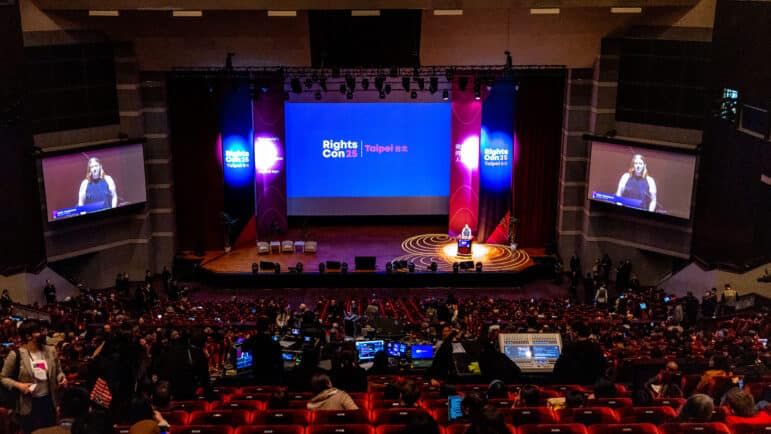
FOR IMMEDIATE RELEASERepro Uncensored x International Planned Parenthood Federation (IPPF) 30 April 2026 - At a time of growing global rollback on fundamental rights, including freedom of expression, access to information, and sexual and reproductive health and rights (SRHR), the Zambian government has abruptly cancelled RightsCon 2026, the world’s largest conference on human rights in the digital age, just five days before it was set to begin in Lusaka.This cancellation comes amid escalating restrictions on access to sexual and reproductive health information online, increasing censorship of SRHR content, and the criminalization of individuals seeking or providing care in many parts of the world.More than 5,000 participants from around the world were expected to attend the summit, organized by Access Now. Attendees, including speakers and partners, were informed this morning following public statements by Zambia’s Ministry of Technology and Science reported in local media.The government cited vague concerns related to “security clearances” and the need for “further consultations,” without providing a clear or substantiated justification.The cancellation has disrupted extensive international coordination. Researchers, activists, and civil society leaders had already confirmed travel and accommodation, and a full program of five days of round-the-clock workshops, dialogues, and regional sessions had been released.“This last-minute cancellation is a serious setback for global digital rights and democracies,” said Martha Dimitratou, Executive Director of Repro Uncensored. “Shutting down RightsCon 2026 without clear justification raises real concerns about who gets to participate in shaping the future of our digital public spaces. At a time when our rights are increasingly under threat around the world, it is deeply ironic that a conference dedicated to strengthening rights, accountability, and democratic participation in digital spaces is being shut down in this way. RightsCon is one of the few spaces where researchers, activists, and communities can come together to address urgent issues like censorship, surveillance, and access to reproductive health information.”“Spaces like RightsCon 2026 are critical for communities who are already pushed to the margins, including sex workers, LGBTQIA+ people, and those seeking sexual and reproductive healthcare,” said Luca Stevenson of International Planned Parenthood Federation. “The cancellation disproportionately impacts those most affected by censorship, criminalisation, and digital exclusion. At a time when sex workers’ voices are already suppressed online, losing one of the few global spaces to connect, organise, and advocate is deeply concerning.”“Sexual and reproductive rights are under attack around the world”, said Dr Zahra Stardust, Australian Research Council Fellow working at the QUT Digital Media Research Centre. “Global tech companies are perpetrating, aiding and abetting mass scale sexual and reproductive rights violation and war crimes, by providing internet infrastructure and AI surveillance technologies to target civilian life, especially infants, children, pregnant people, maternity wards and embryo storage facilities. People’s intimate data (around menstruation, HIV status, trans experience and sex work history) is being shared and sold to third parties, including in context where abortion, same sex activity, HIV and sex work are criminalised. Social media platforms systematically suppress sex education, harm reduction and health promotion content and spread disinformation about trans health, abortion and sex. RightsCon was set to provide an essential platform for stakeholders to come together and strategise over how to hold governments and big tech accountable for their extensive and severe sexual and reproductive rights violations.”The conference included a significant focus on SRHR online, an area facing escalating challenges globally. Planned sessions involved partnerships with International Planned Parenthood Federation, ILGA World, Pan Africa ILGA, European Sex Workers Alliance, UNESCO, and the Centre for Intimacy Justice, alongside academic collaborators including Berkman Klein Center for Internet & Society.The cancellation is particularly concerning in the Zambian context, where same-sex activity remains criminalized under sections 155, 156, and 158 of the penal code, and where access to SRHR information and services is already constrained. RightsCon has historically provided a rare and vital space for dialogue across sectors, including for communities facing legal, social, and digital marginalization.Participants were scheduled to address urgent global issues including the censorship and suppression of SRHR content online, surveillance of individuals seeking abortion and reproductive healthcare, the use of digital evidence in criminalization, disinformation on reproductive health, as well as broader concerns around AI, digital colonialism, and governance frameworks shaping access to information.Repro Uncensored and the QUT Digital Media Research Centre remain committed to ensuring that these critical conversations continue despite the disruption.For more information or to speak to one of our spokespeople, contact: Martha Dimitratou, martha@reprouncensored.org Nerida Williams, newilliams@ippf.orgZahra Stardust, zahra.stardust@qut.edu.auAbout Repro UncensoredRepro Uncensored is a global nonprofit documenting digital suppression and supporting organizations affected by discriminatory moderation systems. Through multilingual incident tracking, its global censorship map, research, and cultural advocacy, Repro Uncensored works with sexual and reproductive health organizations, queer collectives, and cultural communities to ensure their content remains accessible. The organization also supports account reinstatements and leads work on emerging forms of technology-enabled harm, including AI-driven abuse.About International Planned Parenthood Federation (IPPF)The International Planned Parenthood Federation is a global healthcare provider and advocacy organization working in over 140 countries to advance sexual and reproductive health and rights. It delivers essential services, including contraception and safe abortion care, and advocates for access to accurate information and bodily autonomy worldwide.About QUT Digital Media Research CentreThe QUT Digital Media Research Centre is a globally recognized leader in digital media and communication research, examining the societal, legal, and policy impacts of emerging technologies. Its work focuses on digital governance, platform power, AI and automation, digital inclusion, and the transformation of media and public communication, supported by advanced computational research methods and international collaborations.
media_center
| 30 April 2026
RightsCon Cancelled as Global Attacks on SRHR and Digital Freedoms Intensify
FOR IMMEDIATE RELEASERepro Uncensored x International Planned Parenthood Federation (IPPF) 30 April 2026 - At a time of growing global rollback on fundamental rights, including freedom of expression, access to information, and sexual and reproductive health and rights (SRHR), the Zambian government has abruptly cancelled RightsCon 2026, the world’s largest conference on human rights in the digital age, just five days before it was set to begin in Lusaka.This cancellation comes amid escalating restrictions on access to sexual and reproductive health information online, increasing censorship of SRHR content, and the criminalization of individuals seeking or providing care in many parts of the world.More than 5,000 participants from around the world were expected to attend the summit, organized by Access Now. Attendees, including speakers and partners, were informed this morning following public statements by Zambia’s Ministry of Technology and Science reported in local media.The government cited vague concerns related to “security clearances” and the need for “further consultations,” without providing a clear or substantiated justification.The cancellation has disrupted extensive international coordination. Researchers, activists, and civil society leaders had already confirmed travel and accommodation, and a full program of five days of round-the-clock workshops, dialogues, and regional sessions had been released.“This last-minute cancellation is a serious setback for global digital rights and democracies,” said Martha Dimitratou, Executive Director of Repro Uncensored. “Shutting down RightsCon 2026 without clear justification raises real concerns about who gets to participate in shaping the future of our digital public spaces. At a time when our rights are increasingly under threat around the world, it is deeply ironic that a conference dedicated to strengthening rights, accountability, and democratic participation in digital spaces is being shut down in this way. RightsCon is one of the few spaces where researchers, activists, and communities can come together to address urgent issues like censorship, surveillance, and access to reproductive health information.”“Spaces like RightsCon 2026 are critical for communities who are already pushed to the margins, including sex workers, LGBTQIA+ people, and those seeking sexual and reproductive healthcare,” said Luca Stevenson of International Planned Parenthood Federation. “The cancellation disproportionately impacts those most affected by censorship, criminalisation, and digital exclusion. At a time when sex workers’ voices are already suppressed online, losing one of the few global spaces to connect, organise, and advocate is deeply concerning.”“Sexual and reproductive rights are under attack around the world”, said Dr Zahra Stardust, Australian Research Council Fellow working at the QUT Digital Media Research Centre. “Global tech companies are perpetrating, aiding and abetting mass scale sexual and reproductive rights violation and war crimes, by providing internet infrastructure and AI surveillance technologies to target civilian life, especially infants, children, pregnant people, maternity wards and embryo storage facilities. People’s intimate data (around menstruation, HIV status, trans experience and sex work history) is being shared and sold to third parties, including in context where abortion, same sex activity, HIV and sex work are criminalised. Social media platforms systematically suppress sex education, harm reduction and health promotion content and spread disinformation about trans health, abortion and sex. RightsCon was set to provide an essential platform for stakeholders to come together and strategise over how to hold governments and big tech accountable for their extensive and severe sexual and reproductive rights violations.”The conference included a significant focus on SRHR online, an area facing escalating challenges globally. Planned sessions involved partnerships with International Planned Parenthood Federation, ILGA World, Pan Africa ILGA, European Sex Workers Alliance, UNESCO, and the Centre for Intimacy Justice, alongside academic collaborators including Berkman Klein Center for Internet & Society.The cancellation is particularly concerning in the Zambian context, where same-sex activity remains criminalized under sections 155, 156, and 158 of the penal code, and where access to SRHR information and services is already constrained. RightsCon has historically provided a rare and vital space for dialogue across sectors, including for communities facing legal, social, and digital marginalization.Participants were scheduled to address urgent global issues including the censorship and suppression of SRHR content online, surveillance of individuals seeking abortion and reproductive healthcare, the use of digital evidence in criminalization, disinformation on reproductive health, as well as broader concerns around AI, digital colonialism, and governance frameworks shaping access to information.Repro Uncensored and the QUT Digital Media Research Centre remain committed to ensuring that these critical conversations continue despite the disruption.For more information or to speak to one of our spokespeople, contact: Martha Dimitratou, martha@reprouncensored.org Nerida Williams, newilliams@ippf.orgZahra Stardust, zahra.stardust@qut.edu.auAbout Repro UncensoredRepro Uncensored is a global nonprofit documenting digital suppression and supporting organizations affected by discriminatory moderation systems. Through multilingual incident tracking, its global censorship map, research, and cultural advocacy, Repro Uncensored works with sexual and reproductive health organizations, queer collectives, and cultural communities to ensure their content remains accessible. The organization also supports account reinstatements and leads work on emerging forms of technology-enabled harm, including AI-driven abuse.About International Planned Parenthood Federation (IPPF)The International Planned Parenthood Federation is a global healthcare provider and advocacy organization working in over 140 countries to advance sexual and reproductive health and rights. It delivers essential services, including contraception and safe abortion care, and advocates for access to accurate information and bodily autonomy worldwide.About QUT Digital Media Research CentreThe QUT Digital Media Research Centre is a globally recognized leader in digital media and communication research, examining the societal, legal, and policy impacts of emerging technologies. Its work focuses on digital governance, platform power, AI and automation, digital inclusion, and the transformation of media and public communication, supported by advanced computational research methods and international collaborations.
media center
| 28 April 2026
PRESS RELEASE: Groundbreaking new report outlines the impact of Australia’s investment in SRHR
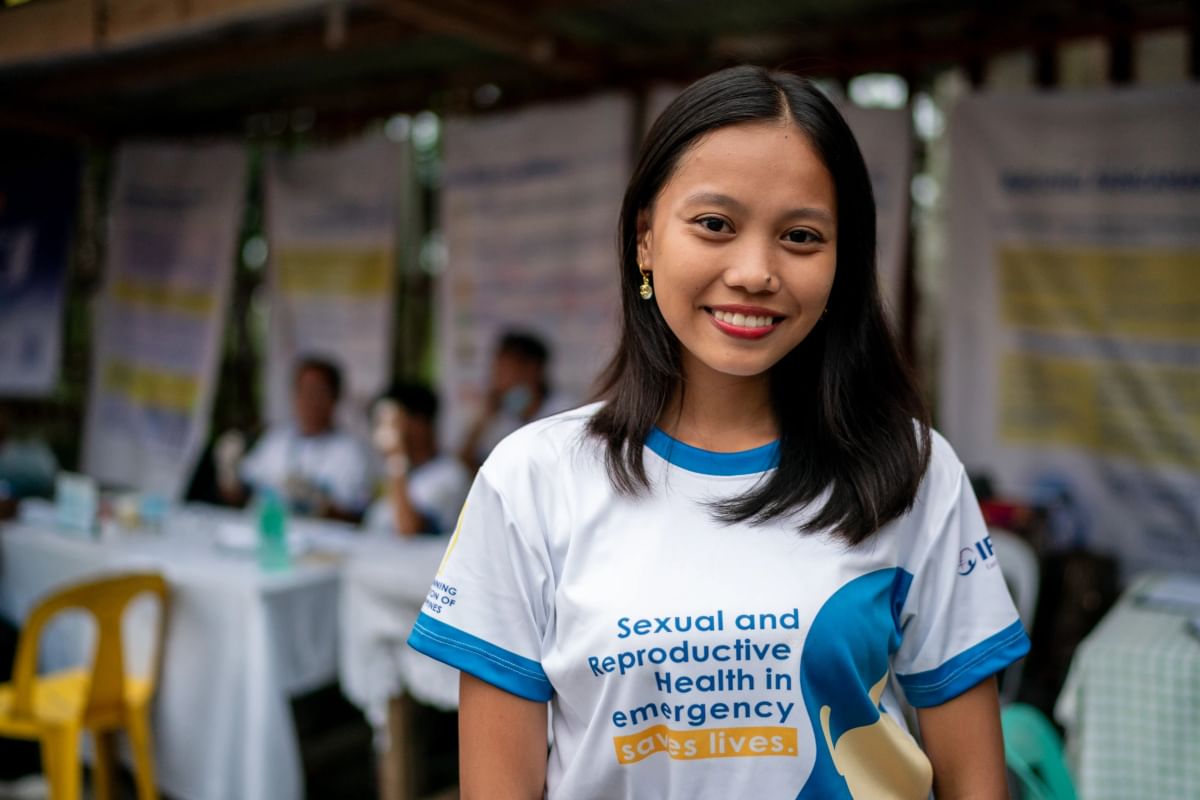
28 April 2026, Narrm (Melbourne) - Guttmacher has today released its latest report '‘Just the Numbers Australia 2026’’, providing vital analysis on the impact of Australia’s foreign aid contributions for sexual and reproductive health and rights (SRHR) programming in the Asia and Pacific Region. Australia has established itself as an incredibly important partner in advancing SRHR, particularly across Asia and the Pacific region, where it directs nearly all of its bilateral family planning support. SRHR accounted for approximately 2.8% of Australia’s official development assistance in 2023.Australia contributed an estimated AUD $49.2 million in 2024 for family planning. This investment enabled roughly 2.8 million women and couples globally to access modern contraception, leading to 830,000 unintended pregnancies averted. Yet significant gaps remain in the region, with 27.7 million women estimated to have an unmet demand for modern contraception. The research found that even modest investments at the country level would have a profound impact. For example, an additional AUD $1 million per year for the Philippines would serve an extra 56,000 contraceptive users, reducing unmet demand by 5%. Elizabeth Sully, Director of International Research at the Guttmacher Institute highlighted: “Australia's foreign investments in family planning are delivering measurable, life-saving results, but with global sexual and reproductive health financing in crisis, the stakes have never been higher. Australia has a real opportunity to deepen its leadership on gender equality and reproductive choice--and the data shows exactly what sustained investment can achieve: preventing unintended pregnancies, unsafe abortions, and maternal deaths. These aren't abstract numbers. They are real people who depend on these services.”Maria Antoineta Alcade, IPPF’s Director General, reflected: “We know that contraceptive services provide a significant return on investment - but most importantly, it's what women want and ask for. The question is not whether we can afford to invest in family planning - it’s whether we can afford not to. Our responsibility, as global leaders and funders, is to listen, and to act on what women need to prosper and thrive. These investments are not abstract, they prevent unintended pregnancies, unsafe abortions and maternal deaths, and give women the ability to have control over their own futures.”ENDS For further information or to arrange media interviews with our spokespeople from IPPF or Guttmacher, please contact Nerida Williams on newilliams@ippf.org or +66 62868 3089 (WhatsApp). NotesTo download the full report, please visit this link: https://www.guttmacher.org/2026/04/just-numbers-australia-global-srhr-investment-impact-2024 Australia is an established development partner in SRHR, contributing a portion of its official development assistance to expand access to essential services across low- and middle-income countries (LMICs). These investments have delivered measurable, life-saving results.In 2024, Australia’s family planning funding—estimated at AUD$49.2 million—supported access to modern contraception for 2.8 million women and couples globally, resulting in:830,000 unintended pregnancies averted303,000 unsafe abortions avoided259,000 unplanned births preventedApproximately 588 maternal deaths prevented
media_center
| 28 April 2026
PRESS RELEASE: Groundbreaking new report outlines the impact of Australia’s investment in SRHR
28 April 2026, Narrm (Melbourne) - Guttmacher has today released its latest report '‘Just the Numbers Australia 2026’’, providing vital analysis on the impact of Australia’s foreign aid contributions for sexual and reproductive health and rights (SRHR) programming in the Asia and Pacific Region. Australia has established itself as an incredibly important partner in advancing SRHR, particularly across Asia and the Pacific region, where it directs nearly all of its bilateral family planning support. SRHR accounted for approximately 2.8% of Australia’s official development assistance in 2023.Australia contributed an estimated AUD $49.2 million in 2024 for family planning. This investment enabled roughly 2.8 million women and couples globally to access modern contraception, leading to 830,000 unintended pregnancies averted. Yet significant gaps remain in the region, with 27.7 million women estimated to have an unmet demand for modern contraception. The research found that even modest investments at the country level would have a profound impact. For example, an additional AUD $1 million per year for the Philippines would serve an extra 56,000 contraceptive users, reducing unmet demand by 5%. Elizabeth Sully, Director of International Research at the Guttmacher Institute highlighted: “Australia's foreign investments in family planning are delivering measurable, life-saving results, but with global sexual and reproductive health financing in crisis, the stakes have never been higher. Australia has a real opportunity to deepen its leadership on gender equality and reproductive choice--and the data shows exactly what sustained investment can achieve: preventing unintended pregnancies, unsafe abortions, and maternal deaths. These aren't abstract numbers. They are real people who depend on these services.”Maria Antoineta Alcade, IPPF’s Director General, reflected: “We know that contraceptive services provide a significant return on investment - but most importantly, it's what women want and ask for. The question is not whether we can afford to invest in family planning - it’s whether we can afford not to. Our responsibility, as global leaders and funders, is to listen, and to act on what women need to prosper and thrive. These investments are not abstract, they prevent unintended pregnancies, unsafe abortions and maternal deaths, and give women the ability to have control over their own futures.”ENDS For further information or to arrange media interviews with our spokespeople from IPPF or Guttmacher, please contact Nerida Williams on newilliams@ippf.org or +66 62868 3089 (WhatsApp). NotesTo download the full report, please visit this link: https://www.guttmacher.org/2026/04/just-numbers-australia-global-srhr-investment-impact-2024 Australia is an established development partner in SRHR, contributing a portion of its official development assistance to expand access to essential services across low- and middle-income countries (LMICs). These investments have delivered measurable, life-saving results.In 2024, Australia’s family planning funding—estimated at AUD$49.2 million—supported access to modern contraception for 2.8 million women and couples globally, resulting in:830,000 unintended pregnancies averted303,000 unsafe abortions avoided259,000 unplanned births preventedApproximately 588 maternal deaths prevented
media center
| 16 April 2026
IPPF and Japan team up on another project to sustain sexual and reproductive health services in the West Bank, Palestine
21st April 2026 - IPPF and its Member Association in Palestine (PFPPA) are pleased to announce the launch of a new project financed by the Government of Japan, "Provision of health and medical services for women and children affected by crisis in the West Bank." This project will deliver life-saving maternal healthcare, psychosocial support, and sexual and reproductive health services, in even the hardest-to-reach areas of the West Bank, Palestine, through health centres, mobile medical teams, tele-consultations, and community outreach. The destruction of health facilities, severe restrictions on movement, and raids and attacks on communities in the West Bank have left Palestinians with little to no access to healthcare. According to the UNFPA, over 230,000 women and girls experience difficulties in accessing reproductive health services. Key project activities will include:Maintaining essential sexual and reproductive health (SRH) services, through three static clinics in Khalil, Halhoul and Bethlehem in the West Bank. These clinics will offer services including family planning, obstetrics and gynaecology care and management of sexually transmitted infections, for over 22,000 women and children. This will include specialised support for an estimated 2,300 survivors of sexual and gender-based violence, who will receive medical care, counselling or referrals. Providing maternal and child health care services for 4,600 women and children in hard-to-reach and marginalised areas of the West Bank via a mobile team of doctors, midwives, paediatricians, social workers, pharmacists and lab technicians. The mobile team will also provide psychosocial support services, support for survivors of sexual and gender-based violence, and family planning services. Providing counselling and consultation services via telecommunications and digital channels for those unable to access clinics.Conducting five ‘preparing for birth’ sessions for 90 first time mothers, providing information and support on maternal care and options for labour and delivery. Mr. ARAIKE Katsuhiko, Ambassador of Japan for the Palestinian Affairs says: “As a flagbearer of Universal Health Coverage (UHC) and the Women, Peace, and Security (WPS) agenda, we hope that our new collaboration with IPPF facilitates Palestinian women and children, who are affected by conflicts and live outside service catchment areas, to enjoy Obstetrics and Gynecology (OBGYN) and family planning services, improved well-being, and social participation. This project is part of Japan’s 2026–2027 cooperation package for Palestine. Japan will continue to provide support for the stability and prosperity of Palestine.” Dr. Fadoua Bakhadda, Regional Director of the IPPF Arab World Regional Office adds: “Thanks to the support of the people of Japan, we can continue delivering essential maternal and child health services to communities that have been systematically cut off from care, helping to prevent avoidable maternal and newborn deaths in the West Bank, Palestine.” -- About International Planned Parenthood Federation (IPPF) Arab World Office IPPF is a global healthcare provider and a leading advocate of sexual and reproductive health and rights (SRHR) for all. Led by a courageous and determined group of women, IPPF was founded in 1952. Today, we are a movement of over 120 autonomous member associations and 23 collaborative partners with a presence in 146 countries. Established in 1971, the IPPF Arab World Region (IPPF AWR) is one of IPPF’s six regional offices. Based in Tunis, it is the leading Sexual and Reproductive Health (SRH) service delivery organization in the North Africa and the Middle East, and the leading Sexual and Reproductive Health and Rights (SRHR) advocacy voice in the region.
media_center
| 21 April 2026
IPPF and Japan team up on another project to sustain sexual and reproductive health services in the West Bank, Palestine
21st April 2026 - IPPF and its Member Association in Palestine (PFPPA) are pleased to announce the launch of a new project financed by the Government of Japan, "Provision of health and medical services for women and children affected by crisis in the West Bank." This project will deliver life-saving maternal healthcare, psychosocial support, and sexual and reproductive health services, in even the hardest-to-reach areas of the West Bank, Palestine, through health centres, mobile medical teams, tele-consultations, and community outreach. The destruction of health facilities, severe restrictions on movement, and raids and attacks on communities in the West Bank have left Palestinians with little to no access to healthcare. According to the UNFPA, over 230,000 women and girls experience difficulties in accessing reproductive health services. Key project activities will include:Maintaining essential sexual and reproductive health (SRH) services, through three static clinics in Khalil, Halhoul and Bethlehem in the West Bank. These clinics will offer services including family planning, obstetrics and gynaecology care and management of sexually transmitted infections, for over 22,000 women and children. This will include specialised support for an estimated 2,300 survivors of sexual and gender-based violence, who will receive medical care, counselling or referrals. Providing maternal and child health care services for 4,600 women and children in hard-to-reach and marginalised areas of the West Bank via a mobile team of doctors, midwives, paediatricians, social workers, pharmacists and lab technicians. The mobile team will also provide psychosocial support services, support for survivors of sexual and gender-based violence, and family planning services. Providing counselling and consultation services via telecommunications and digital channels for those unable to access clinics.Conducting five ‘preparing for birth’ sessions for 90 first time mothers, providing information and support on maternal care and options for labour and delivery. Mr. ARAIKE Katsuhiko, Ambassador of Japan for the Palestinian Affairs says: “As a flagbearer of Universal Health Coverage (UHC) and the Women, Peace, and Security (WPS) agenda, we hope that our new collaboration with IPPF facilitates Palestinian women and children, who are affected by conflicts and live outside service catchment areas, to enjoy Obstetrics and Gynecology (OBGYN) and family planning services, improved well-being, and social participation. This project is part of Japan’s 2026–2027 cooperation package for Palestine. Japan will continue to provide support for the stability and prosperity of Palestine.” Dr. Fadoua Bakhadda, Regional Director of the IPPF Arab World Regional Office adds: “Thanks to the support of the people of Japan, we can continue delivering essential maternal and child health services to communities that have been systematically cut off from care, helping to prevent avoidable maternal and newborn deaths in the West Bank, Palestine.” -- About International Planned Parenthood Federation (IPPF) Arab World Office IPPF is a global healthcare provider and a leading advocate of sexual and reproductive health and rights (SRHR) for all. Led by a courageous and determined group of women, IPPF was founded in 1952. Today, we are a movement of over 120 autonomous member associations and 23 collaborative partners with a presence in 146 countries. Established in 1971, the IPPF Arab World Region (IPPF AWR) is one of IPPF’s six regional offices. Based in Tunis, it is the leading Sexual and Reproductive Health (SRH) service delivery organization in the North Africa and the Middle East, and the leading Sexual and Reproductive Health and Rights (SRHR) advocacy voice in the region.
media center
| 16 April 2026
Japan funds new project to support critical health services in Ukraine
16th April 2026 - A new project ensuring access to life-saving sexual and reproductive health (SRH) services for women and adolescents has been launched in Ukraine. Funded by the Government of Japan, and implemented by IPPF Member Association, Women Health and Family Planning (WHFP), the project will support internally displaced persons (IDPs) and host communities in the Mykolaiv region of the country. Ongoing conflict in Ukraine means nearly 13 million people now have acute humanitarian needs, and 3.8 million are internally displaced. Escalations in April 2025 resulted in a new wave of IDPs from frontline districts to regions such as Mykolaiv, creating additional pressures on an already stretched healthcare system. 68 healthcare facilities in the region have been damaged since February 2022, and there has been a significant reduction in medical personnel. More than half of IDPs live in rural areas, where their only option is to seek medical care in community healthcare facilitiesThis project aims to strengthen the sexual and reproductive health services provided by these primary healthcare facilities, ensuring women and adolescents, and particularly IDPs, can access quality care. The work will also raise awareness of sexual and reproductive health and rights among women and young people in the region and provide information on how to access services. Key activities and expected outcomes include:Supporting three primary healthcare facilities in the Mykolaiv region to provide quality sexual and reproductive health services, such as gynecological examinations, non-urgent pregnancy care, HIV prevention, contraception, sexual and reproductive health counselling and referrals. Equipping these healthcare facilities with essential tools and medication, such as dopplers for fetal heart monitoring, contraceptives, pharmaceutical refrigerators, and gynecological examination sets. Training 30 primary healthcare level specialists, such as family doctors and midwives, in sexual and reproductive health services such as family planning, HIV prevention, patient examinations, and caring for survivors of sexual and gender-based violence. Using social media channels, public platforms and regional media to reach at least 10,000 women and adolescents with information on sexual and reproductive health, and how to access support. Dr. Galyna Maystruk, Executive Director of Woman Health and Family Planning said: “We see how the destruction of medical infrastructure and the shortage of personnel are severely limiting access to essential services that are vital for women. This initiative is a significant contribution to restoring and strengthening sexual and reproductive health security in one of the most important regions of Ukraine in all respects. We are focusing our efforts on the Mykolaiv region, since the needs are particularly acute. Our long-term humanitarian experience shows that special attention to the essential needs of the population makes these people safer - especially vulnerable groups. Thanks to the targeted and practical support of Japan, together with our partners, we are building a sustainable system that supports the different needs of the population.” Valerie Dourdin, IPPF Global Humanitarian Director, added “In crisis situations, ensuring access to safe care is not optional - it is life saving. Thanks to the support of the Government of Japan, this project strengthens healthcare facilities so that people displaced by conflict can access safe, quality sexual and reproductive health services.” --About WHFPFor 20 years WHFP has been consistently and actively working in the field of reproductive health, strengthening and protecting the reproductive rights of people in Ukraine.Its main spheres of activity include: independent expertise and strategic development relating to national legislation and development of the legal framework in the field of reproductive health and family planning; education programs on sexuality education and healthy lifestyles; training for medical professionals; public awareness campaigns on cancer prevention among women; and rehabilitation programs for breast cancer survivors.About IPPF EN regionIPPF European Network is one of the International Planned Parenthood Federation’s six regional networks. IPPF EN works in over 40 countries across Europe and Central Asia to empower everyone, especially the most socially excluded, to live with dignity and to have access to sexual and reproductive health and rights.
media_center
| 16 April 2026
Japan funds new project to support critical health services in Ukraine
16th April 2026 - A new project ensuring access to life-saving sexual and reproductive health (SRH) services for women and adolescents has been launched in Ukraine. Funded by the Government of Japan, and implemented by IPPF Member Association, Women Health and Family Planning (WHFP), the project will support internally displaced persons (IDPs) and host communities in the Mykolaiv region of the country. Ongoing conflict in Ukraine means nearly 13 million people now have acute humanitarian needs, and 3.8 million are internally displaced. Escalations in April 2025 resulted in a new wave of IDPs from frontline districts to regions such as Mykolaiv, creating additional pressures on an already stretched healthcare system. 68 healthcare facilities in the region have been damaged since February 2022, and there has been a significant reduction in medical personnel. More than half of IDPs live in rural areas, where their only option is to seek medical care in community healthcare facilitiesThis project aims to strengthen the sexual and reproductive health services provided by these primary healthcare facilities, ensuring women and adolescents, and particularly IDPs, can access quality care. The work will also raise awareness of sexual and reproductive health and rights among women and young people in the region and provide information on how to access services. Key activities and expected outcomes include:Supporting three primary healthcare facilities in the Mykolaiv region to provide quality sexual and reproductive health services, such as gynecological examinations, non-urgent pregnancy care, HIV prevention, contraception, sexual and reproductive health counselling and referrals. Equipping these healthcare facilities with essential tools and medication, such as dopplers for fetal heart monitoring, contraceptives, pharmaceutical refrigerators, and gynecological examination sets. Training 30 primary healthcare level specialists, such as family doctors and midwives, in sexual and reproductive health services such as family planning, HIV prevention, patient examinations, and caring for survivors of sexual and gender-based violence. Using social media channels, public platforms and regional media to reach at least 10,000 women and adolescents with information on sexual and reproductive health, and how to access support. Dr. Galyna Maystruk, Executive Director of Woman Health and Family Planning said: “We see how the destruction of medical infrastructure and the shortage of personnel are severely limiting access to essential services that are vital for women. This initiative is a significant contribution to restoring and strengthening sexual and reproductive health security in one of the most important regions of Ukraine in all respects. We are focusing our efforts on the Mykolaiv region, since the needs are particularly acute. Our long-term humanitarian experience shows that special attention to the essential needs of the population makes these people safer - especially vulnerable groups. Thanks to the targeted and practical support of Japan, together with our partners, we are building a sustainable system that supports the different needs of the population.” Valerie Dourdin, IPPF Global Humanitarian Director, added “In crisis situations, ensuring access to safe care is not optional - it is life saving. Thanks to the support of the Government of Japan, this project strengthens healthcare facilities so that people displaced by conflict can access safe, quality sexual and reproductive health services.” --About WHFPFor 20 years WHFP has been consistently and actively working in the field of reproductive health, strengthening and protecting the reproductive rights of people in Ukraine.Its main spheres of activity include: independent expertise and strategic development relating to national legislation and development of the legal framework in the field of reproductive health and family planning; education programs on sexuality education and healthy lifestyles; training for medical professionals; public awareness campaigns on cancer prevention among women; and rehabilitation programs for breast cancer survivors.About IPPF EN regionIPPF European Network is one of the International Planned Parenthood Federation’s six regional networks. IPPF EN works in over 40 countries across Europe and Central Asia to empower everyone, especially the most socially excluded, to live with dignity and to have access to sexual and reproductive health and rights.
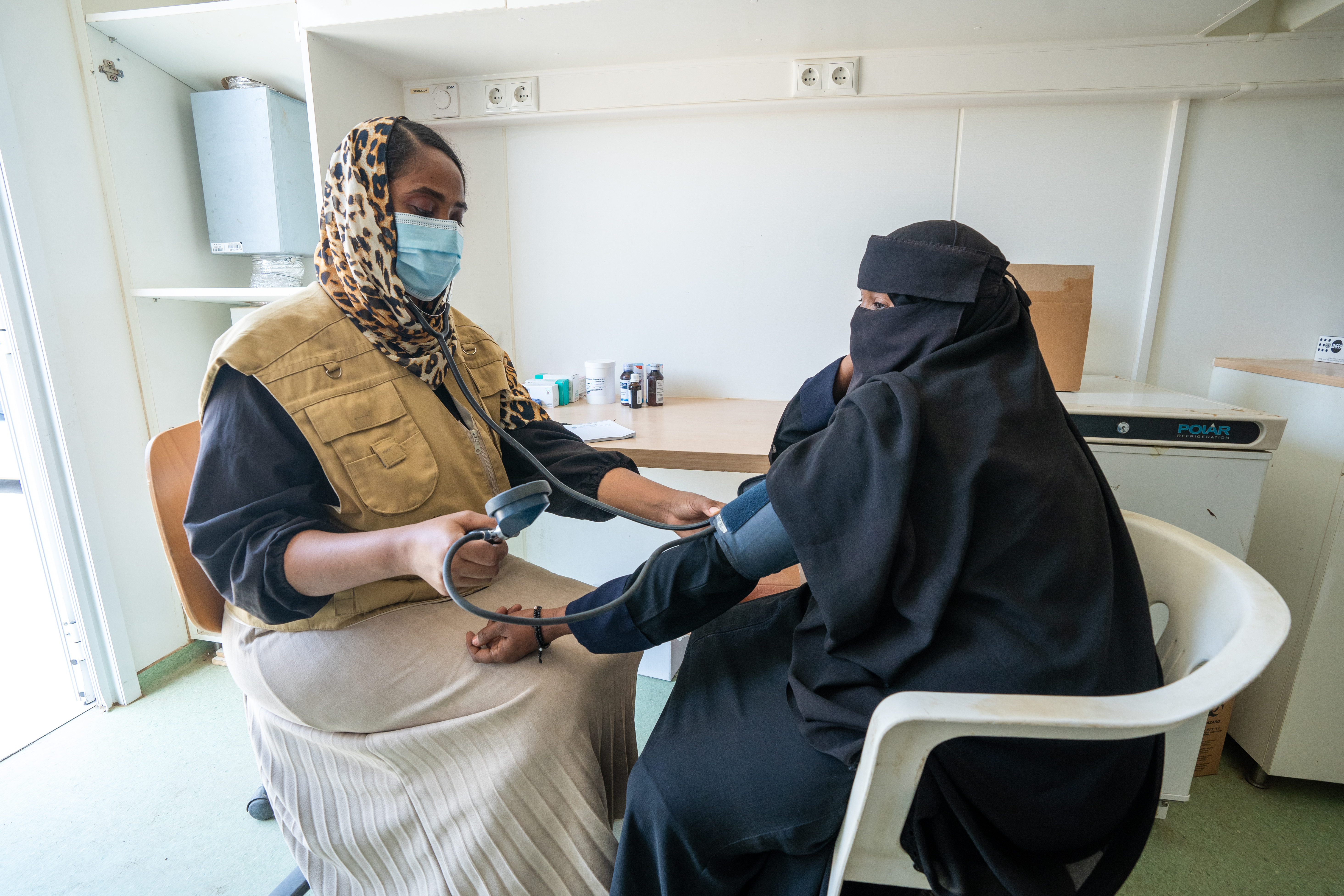
media center
| 16 April 2026
Japan funds essential supplies for healthcare clinics in Sudan
16th April 2026 - A new project titled Strengthening Life-saving Sexual and Reproductive Health (SRH) Services for Internally Displaced Persons (IDPs), has been launched in Sudan. Funded by the Government of Japan and implemented by the IPPF Member Association Sudan Family Planning Association (SFPA), the project will support women and girls in crisis in the Red Sea and Khartoum States. Fifteen million people in Sudan have been displaced by the civil war, and conflicts in neighbouring countries have triggered an influx of returnees and displaced people into Sudan. As a result, the country now hosts 15% of the world’s IDPs. But widespread destruction of infrastructure and deadly disease outbreaks have left the healthcare system unable to cope.An estimated 1.75 million women and girls require urgent sexual and reproductive health (SRH) services, including 270,000 internally displaced pregnant women. With rape increasingly used as a weapon of war, many require urgent medical and psychosocial support. However, essential SRH commodities, including contraceptives, emergency obstetric kits, and menstrual hygiene products, are in critically low supply. SFPA provides essential sexual and reproductive health services to women and girls, including internally displaced persons, through 26 static clinics and 11 mobile clinics across the country. This new funding will enable them to procure, transport and distribute essential supplies to two of the organisation’s static clinics in the Red Sea State and Khartoum State. This vital equipment, including microscopes, blood-testing devices, thermometers, and examination lamps, will enable these clinics to continue providing SRH services, expanding their reach to an additional 2,400 internally displaced people and individuals in host communities. Mr. Nakahara Takanobu, the Chargé d’Affaires ad interim of the Embassy of Japan to Sudan, stated that, “The provision of sexual and reproductive healthcare for women and girls is a critical step in supporting this vulnerable category in Sudan. This is more so when they are IDPs. Thus, we are happy to be able to support IPPF’s Member Association in Sudan - the Sudan Family Planning Association - in this domain, so that we can contribute to improving the safety and well-being of these women and girls, and reassure them that we acknowledge the challenges they face and endure.” Dr Hiba Ahmed Khalil, Emergency and Humanitarian Interventions Manager at SFPA added, “SFPA is honoured to join the Japan Supplementary Budget 2025 project, advancing inclusive health and humanitarian responses that strengthen access to essential services and uphold the rights of communities most at risk. Together, we are building pathways for resilience and equity.” Dr. Fadoua Bakhadda, Regional Director of the IPPF Arab World Regional Office, added, “Every woman and girl deserves access to safe, reliable healthcare, no matter the circumstances. Thanks to the people of Japan, we can equip clinics with the essential tools and supplies needed to continue providing critical sexual and reproductive healthcare. This investment will directly improve the safety, health, and resilience of thousands of internally displaced women and girls.” ---About the Sudan Family Planning Association The Sudan Family Planning Association (SFPA) was established in 1965 by pioneers in obstetrics and gynaecology in response to increases in maternal, neonatal and infant mortality and morbidity. As the statistics show, Sudan is a country in great need of frontline sexual and reproductive health (SRH) services. Advocacy, and undertaking information, education and communication (IEC) programs are critical.About International Planned Parenthood Federation (IPPF) Arab World Office IPPF is a global healthcare provider and a leading advocate of sexual and reproductive health and rights (SRHR) for all. Led by a courageous and determined group of women, IPPF was founded in 1952. Today, we are a movement of over 120 autonomous member associations and 23 collaborative partners with a presence in 146 countries. Established in 1971, the IPPF Arab World Region (IPPF AWR) is one of IPPF’s six regional offices. Based in Tunis, it is the leading Sexual and Reproductive Health (SRH) service delivery organization in North Africa and the Middle East, and the leading Sexual and Reproductive Health and Rights (SRHR) advocacy voice in the region.
media_center
| 16 April 2026
Japan funds essential supplies for healthcare clinics in Sudan
16th April 2026 - A new project titled Strengthening Life-saving Sexual and Reproductive Health (SRH) Services for Internally Displaced Persons (IDPs), has been launched in Sudan. Funded by the Government of Japan and implemented by the IPPF Member Association Sudan Family Planning Association (SFPA), the project will support women and girls in crisis in the Red Sea and Khartoum States. Fifteen million people in Sudan have been displaced by the civil war, and conflicts in neighbouring countries have triggered an influx of returnees and displaced people into Sudan. As a result, the country now hosts 15% of the world’s IDPs. But widespread destruction of infrastructure and deadly disease outbreaks have left the healthcare system unable to cope.An estimated 1.75 million women and girls require urgent sexual and reproductive health (SRH) services, including 270,000 internally displaced pregnant women. With rape increasingly used as a weapon of war, many require urgent medical and psychosocial support. However, essential SRH commodities, including contraceptives, emergency obstetric kits, and menstrual hygiene products, are in critically low supply. SFPA provides essential sexual and reproductive health services to women and girls, including internally displaced persons, through 26 static clinics and 11 mobile clinics across the country. This new funding will enable them to procure, transport and distribute essential supplies to two of the organisation’s static clinics in the Red Sea State and Khartoum State. This vital equipment, including microscopes, blood-testing devices, thermometers, and examination lamps, will enable these clinics to continue providing SRH services, expanding their reach to an additional 2,400 internally displaced people and individuals in host communities. Mr. Nakahara Takanobu, the Chargé d’Affaires ad interim of the Embassy of Japan to Sudan, stated that, “The provision of sexual and reproductive healthcare for women and girls is a critical step in supporting this vulnerable category in Sudan. This is more so when they are IDPs. Thus, we are happy to be able to support IPPF’s Member Association in Sudan - the Sudan Family Planning Association - in this domain, so that we can contribute to improving the safety and well-being of these women and girls, and reassure them that we acknowledge the challenges they face and endure.” Dr Hiba Ahmed Khalil, Emergency and Humanitarian Interventions Manager at SFPA added, “SFPA is honoured to join the Japan Supplementary Budget 2025 project, advancing inclusive health and humanitarian responses that strengthen access to essential services and uphold the rights of communities most at risk. Together, we are building pathways for resilience and equity.” Dr. Fadoua Bakhadda, Regional Director of the IPPF Arab World Regional Office, added, “Every woman and girl deserves access to safe, reliable healthcare, no matter the circumstances. Thanks to the people of Japan, we can equip clinics with the essential tools and supplies needed to continue providing critical sexual and reproductive healthcare. This investment will directly improve the safety, health, and resilience of thousands of internally displaced women and girls.” ---About the Sudan Family Planning Association The Sudan Family Planning Association (SFPA) was established in 1965 by pioneers in obstetrics and gynaecology in response to increases in maternal, neonatal and infant mortality and morbidity. As the statistics show, Sudan is a country in great need of frontline sexual and reproductive health (SRH) services. Advocacy, and undertaking information, education and communication (IEC) programs are critical.About International Planned Parenthood Federation (IPPF) Arab World Office IPPF is a global healthcare provider and a leading advocate of sexual and reproductive health and rights (SRHR) for all. Led by a courageous and determined group of women, IPPF was founded in 1952. Today, we are a movement of over 120 autonomous member associations and 23 collaborative partners with a presence in 146 countries. Established in 1971, the IPPF Arab World Region (IPPF AWR) is one of IPPF’s six regional offices. Based in Tunis, it is the leading Sexual and Reproductive Health (SRH) service delivery organization in North Africa and the Middle East, and the leading Sexual and Reproductive Health and Rights (SRHR) advocacy voice in the region.

media center
| 20 March 2026
IPPF condemns the UK’s latest ODA budget allocations and warn of life-threatening consequences for millions
20 March 2026 - The International Planned Parenthood Federation (IPPF) strongly condemns the UK Government’s latest ODA budget allocations, which entrench deep cuts to UK aid and mark a profound and damaging retreat from its commitment to women and girls, with immediate and life-threatening consequences for millions.UK ODA will fall to £6.8 billion in 2026/27 and £6.2 billion in 2027/28, with only a partial recovery to £6.9 billion in 2028/29, locking in years of reduced support. This is not a reprioritisation of aid, it is the continuation of a political choice by successive UK governments to cut lifesaving support as global crises intensify, prioritising military spending over the health and rights of civilians, a decision that directly endangers the lives of women, children, and health workers.Among the programmes affected is the Women’s Integrated Sexual Health 2 (WISH2) programme, the UK’s flagship initiative delivering contraception and sexual and reproductive health services across 13 African countries, with IPPF delivering in seven of those countries in Eastern and Southern Africa. Despite being described as “relatively protected” according to the government’s own Equality Impact Assessment (EIA), IPPF’s delivery will receive a 22% funding cut.These reductions will force a rollback of frontline services, severely disrupting access to lifesaving care for millions of women and girls. The consequences are stark: fewer clinics, fewer trained providers, and reduced access to contraception and essential life-saving health services. Since 2024, IPPF’s implementation of WISH2 has averted over 567,000 unintended pregnancies, 157,000 unsafe abortions, and more than 1,000 maternal deaths. However, a 22% funding cut now threatens to reverse this progress, projected to lead to over 442,000 unintended pregnancies, 122,000 unsafe abortions, and 770 maternal deaths due to reductions in IPPF’s programming — outcomes that would otherwise have been prevented.This decision will also have significant consequences for the UK’s relationships with partner governments across Africa. The programme has been a cornerstone of long-standing, trusted partnerships in fragile and conflict-affected settings, supporting national priorities and strengthening public systems. Abrupt funding reductions risk undermining that trust, disrupting jointly planned programmes, and weakening the UK’s credibility as a reliable and predictable partner.At a time when global aid is contracting and opposition to sexual and reproductive health and rights is growing, this decision sends a dangerous signal about the future of UK leadership on women’s health and rights.Maria Antonieta Alcalde, IPPF Director General, said:“Yesterday’s confirmation of deep cuts to UK aid through the government’s budget allocations will have devastating and immediate consequences. We know what these decisions mean in practice. They mean more women dying in childbirth, more unsafe abortions, and millions denied access to the most basic, lifesaving care.These decisions reflect a deliberate and sustained choice, in the UK and globally, to scale back aid while increasing military spending, placing the communities we serve and our healthcare workers directly in harm’s way. At the same time, we are seeing a growing and coordinated opposition to sexual and reproductive health and rights, exploiting the gaps left behind as funding is withdrawn.”We call on the UK Government to urgently reconsider these decisions, restore its commitment to women and girls, in all their diversity, and ensure that programmes like WISH2 can continue delivering the care that millions depend on. The consequences of inaction will be measured in lives lost.ENDSAbout WISH:The Women’s Integrated Sexual Health 2 (WISH2) programme is funded by the UK’s Foreign, Commonwealth and Development Office (FCDO) and delivered through two consortia led by IPPF and MSI, alongside partners. The WISH2 Lot 2 Consortium is led by International Planned Parenthood Federation (IPPF), with Ipas, International Rescue Committee (IRC), John Hopkins Center for Communication Programs (JHUCCP), and Options.The programme operates across 13 countries in Africa, with IPPF delivering in seven, and has been critical in expanding access to contraception, supporting community-based healthcare providers, and strengthening health systems in some of the most underserved and fragile settings.The sudden reduction in funding now puts this progress at risk, threatening clinic closures, disrupting contraceptive supply chains, and limiting outreach to the most marginalised communities.IPPF’s Impact:WISH2 builds on the success of the original WISH programme (2018–2024), which reached an estimated 16.9 million women and adolescent girls with modern methods of contraception across Africa and Asia.Since launching in 2024, IPPF’s delivery under WISH2 has achieved:1.8 million family planning visits, including 15% for young people under 201.2 million couple-years of protection567,000 unintended pregnancies averted157,000 unsafe abortions averted1,000 maternal deaths averted11,000 child deaths avertedIPPF’s partners have also generated £39.8 million in healthcare cost savings across seven countries, while driving policy reform and strengthening national health systems.About IPPF:IPPF is a global healthcare provider and a leading advocate of sexual and reproductive health and rights (SRHR) for all. Led by a courageous and determined group of women, IPPF was founded in 1952 at the Third International Planned Parenthood Conference. Today, we are a movement of 100+ locally led Member Associations with a presence in 150+ countries.Our work is wide-ranging, and includes services for sexual health and well-being, contraception, abortion care, sexually transmitted infections and reproductive tract infections, HIV, obstetrics and gynaecology, fertility support, sexual and gender-based violence, comprehensive sex education, and responding to humanitarian crises. We pride ourselves on being local through our members and global through our network. At the heart of our mission is the provision of – and advocacy in support of – integrated healthcare to anyone who needs it regardless of race, gender, sex, income, and, crucially, no matter how remote.
media_center
| 20 March 2026
IPPF condemns the UK’s latest ODA budget allocations and warn of life-threatening consequences for millions
20 March 2026 - The International Planned Parenthood Federation (IPPF) strongly condemns the UK Government’s latest ODA budget allocations, which entrench deep cuts to UK aid and mark a profound and damaging retreat from its commitment to women and girls, with immediate and life-threatening consequences for millions.UK ODA will fall to £6.8 billion in 2026/27 and £6.2 billion in 2027/28, with only a partial recovery to £6.9 billion in 2028/29, locking in years of reduced support. This is not a reprioritisation of aid, it is the continuation of a political choice by successive UK governments to cut lifesaving support as global crises intensify, prioritising military spending over the health and rights of civilians, a decision that directly endangers the lives of women, children, and health workers.Among the programmes affected is the Women’s Integrated Sexual Health 2 (WISH2) programme, the UK’s flagship initiative delivering contraception and sexual and reproductive health services across 13 African countries, with IPPF delivering in seven of those countries in Eastern and Southern Africa. Despite being described as “relatively protected” according to the government’s own Equality Impact Assessment (EIA), IPPF’s delivery will receive a 22% funding cut.These reductions will force a rollback of frontline services, severely disrupting access to lifesaving care for millions of women and girls. The consequences are stark: fewer clinics, fewer trained providers, and reduced access to contraception and essential life-saving health services. Since 2024, IPPF’s implementation of WISH2 has averted over 567,000 unintended pregnancies, 157,000 unsafe abortions, and more than 1,000 maternal deaths. However, a 22% funding cut now threatens to reverse this progress, projected to lead to over 442,000 unintended pregnancies, 122,000 unsafe abortions, and 770 maternal deaths due to reductions in IPPF’s programming — outcomes that would otherwise have been prevented.This decision will also have significant consequences for the UK’s relationships with partner governments across Africa. The programme has been a cornerstone of long-standing, trusted partnerships in fragile and conflict-affected settings, supporting national priorities and strengthening public systems. Abrupt funding reductions risk undermining that trust, disrupting jointly planned programmes, and weakening the UK’s credibility as a reliable and predictable partner.At a time when global aid is contracting and opposition to sexual and reproductive health and rights is growing, this decision sends a dangerous signal about the future of UK leadership on women’s health and rights.Maria Antonieta Alcalde, IPPF Director General, said:“Yesterday’s confirmation of deep cuts to UK aid through the government’s budget allocations will have devastating and immediate consequences. We know what these decisions mean in practice. They mean more women dying in childbirth, more unsafe abortions, and millions denied access to the most basic, lifesaving care.These decisions reflect a deliberate and sustained choice, in the UK and globally, to scale back aid while increasing military spending, placing the communities we serve and our healthcare workers directly in harm’s way. At the same time, we are seeing a growing and coordinated opposition to sexual and reproductive health and rights, exploiting the gaps left behind as funding is withdrawn.”We call on the UK Government to urgently reconsider these decisions, restore its commitment to women and girls, in all their diversity, and ensure that programmes like WISH2 can continue delivering the care that millions depend on. The consequences of inaction will be measured in lives lost.ENDSAbout WISH:The Women’s Integrated Sexual Health 2 (WISH2) programme is funded by the UK’s Foreign, Commonwealth and Development Office (FCDO) and delivered through two consortia led by IPPF and MSI, alongside partners. The WISH2 Lot 2 Consortium is led by International Planned Parenthood Federation (IPPF), with Ipas, International Rescue Committee (IRC), John Hopkins Center for Communication Programs (JHUCCP), and Options.The programme operates across 13 countries in Africa, with IPPF delivering in seven, and has been critical in expanding access to contraception, supporting community-based healthcare providers, and strengthening health systems in some of the most underserved and fragile settings.The sudden reduction in funding now puts this progress at risk, threatening clinic closures, disrupting contraceptive supply chains, and limiting outreach to the most marginalised communities.IPPF’s Impact:WISH2 builds on the success of the original WISH programme (2018–2024), which reached an estimated 16.9 million women and adolescent girls with modern methods of contraception across Africa and Asia.Since launching in 2024, IPPF’s delivery under WISH2 has achieved:1.8 million family planning visits, including 15% for young people under 201.2 million couple-years of protection567,000 unintended pregnancies averted157,000 unsafe abortions averted1,000 maternal deaths averted11,000 child deaths avertedIPPF’s partners have also generated £39.8 million in healthcare cost savings across seven countries, while driving policy reform and strengthening national health systems.About IPPF:IPPF is a global healthcare provider and a leading advocate of sexual and reproductive health and rights (SRHR) for all. Led by a courageous and determined group of women, IPPF was founded in 1952 at the Third International Planned Parenthood Conference. Today, we are a movement of 100+ locally led Member Associations with a presence in 150+ countries.Our work is wide-ranging, and includes services for sexual health and well-being, contraception, abortion care, sexually transmitted infections and reproductive tract infections, HIV, obstetrics and gynaecology, fertility support, sexual and gender-based violence, comprehensive sex education, and responding to humanitarian crises. We pride ourselves on being local through our members and global through our network. At the heart of our mission is the provision of – and advocacy in support of – integrated healthcare to anyone who needs it regardless of race, gender, sex, income, and, crucially, no matter how remote.
media center
| 15 September 2026
PRESS RELEASE: Türkiye Must Drop All Charges Against LGBTQI+ Activists
For immediate releaseBrussels / Istanbul, 15 September 2026 — Repro Uncensored and the International Planned Parenthood Federation (IPPF) condemn the sweeping attacks on LGBTQI+ communities in Türkiye and call for the immediate release of those detained, the dismissal of all discriminatory charges, and the restoration of blocked websites and social media accounts.Beginning on 12 September, Turkish authorities restricted access to the websites and social media accounts of numerous LGBTQI+ organizations, media platforms, student groups and human rights defenders. Coordinated police operations followed across multiple provinces, including Istanbul, Ankara, İzmir, Aydın and Mersin.They reportedly targeted 162 people, nine associations and 13 businesses across 15 provinces. Dozens of people have been detained, offices and homes searched, and phones, computers and other digital equipment seized.Among those targeted was partner organization and IPPF Associate Member Association KAOS GL, whose offices were raided as part of the coordinated operations. KAOS GL had previously warned of escalating repression and censorship facing LGBTQI+ communities across Türkiye, including coercive investigations into its finances, despite regularly reporting its accounts to the relevant authorities and operating in accordance with national laws.The crackdown has also involved widespread digital censorship. Websites and social media accounts connected to LGBTQI+ organizations, activists and independent media have been blocked or made inaccessible. Repro Uncensored is investigating the scale and impact of these restrictions, including how they have disrupted access to health information, legal support and essential community services.This escalation follows the suppression of Pride events in June, when marches across Türkiye were banned or violently dispersed and at least 125 people were detained. During the same period, more than 120 LGBTQI+ and feminist social media accounts were suspended across major platforms. At the time, the organizations warned that digital censorship was reinforcing the repression of LGBTQI+ communities on the streets and accelerating the erosion of democratic space. The latest raids and detentions demonstrate how urgently those warnings should have been addressed.These events demonstrate how digital censorship and physical repression increasingly reinforce one another. Restricting organizations online while raiding their offices, detaining their members and seizing their equipment is a direct attack on civil society, freedom of expression and democracy.“Digital censorship is being used alongside raids and detentions to isolate LGBTQI+ communities, silence their voices and dismantle their ability to organize. This coordinated repression is a direct threat to democracy, freedom of expression and respect for fundamental human rights. LGBTQI+ visibility, solidarity and community care are not crimes. Türkiye must immediately release those detained, drop all discriminatory charges and restore access to the websites and social media accounts it has blocked.”- Martha Dimitratou, Founder & Executive Director, Repro Uncensored“The actions taken against LGBTQI+ activists by the Turkish government over the weekend are deplorable. People are being attacked and detained simply for being who they are and for standing up for their rights. At IPPF, we fully recognise the tactic of using the language of ‘protecting children and family’ to supposedly justify attacks on LGBTQI+ people and their rights. We reject it. ”- Micah Grzywnowicz, European Network Regional Director at the International Planned Parenthood Federation (IPPF)As an EU candidate country, Türkiye is required to uphold the Copenhagen criteria, including democracy, the rule of law, human rights and the protection of minorities. The coordinated targeting of LGBTQI+ organizations, activists and community spaces stands in direct contradiction to these fundamental requirements.Repro Uncensored and IPPF call on Turkish authorities to immediately release those detained for lawful organizing, drop all discriminatory charges, end the intimidation of LGBTQI+ civil society, restore blocked digital platforms and return seized equipment.“This repression will not silence us. We will continue to organise, defend our rights, and stand together against any attempts to criminalise the existence of, or activism by, the LGBTIQA+ community. We call on the international community, human rights organisations, and all those committed to equality and freedom, to stand in solidarity with us and support our struggle. As we always say at UniKuir, “Through resistance and solidarity.” - UniKuir NGOThey also urge the European Union, European Commission, the European Parliament, Member States, and the Council of Europe to address these violations clearly in its relations with Türkiye and make respect for fundamental rights central to any future progress in the accession process.For more information or to speak to one of our spokespeople, contact:Martha DimitratouFounder & Executive Director, Repro Uncensoredmartha@reprouncensored.orgNerida WilliamsInternational Planned Parenthood Federationnewilliams@ippf.orgAbout Repro UncensoredRepro Uncensored is the leading global nonprofit documenting digital censorship, reinstating accounts and protecting freedom of expression. It has documented thousands of censorship cases across more than 50 countries and reinstated dozens of accounts with millions in reach.Through research, legal action, policy reform and direct support, Repro Uncensored works to hold technology companies accountable and protect access to information.About the International Planned Parenthood FederationThe International Planned Parenthood Federation is a global healthcare provider and advocacy organization working in over 140 countries to advance sexual and reproductive health and rights. It delivers essential services and advocates for access to accurate information, equality and bodily autonomy worldwide.
media_center
| 15 September 2026
PRESS RELEASE: Türkiye Must Drop All Charges Against LGBTQI+ Activists
For immediate releaseBrussels / Istanbul, 15 September 2026 — Repro Uncensored and the International Planned Parenthood Federation (IPPF) condemn the sweeping attacks on LGBTQI+ communities in Türkiye and call for the immediate release of those detained, the dismissal of all discriminatory charges, and the restoration of blocked websites and social media accounts.Beginning on 12 September, Turkish authorities restricted access to the websites and social media accounts of numerous LGBTQI+ organizations, media platforms, student groups and human rights defenders. Coordinated police operations followed across multiple provinces, including Istanbul, Ankara, İzmir, Aydın and Mersin.They reportedly targeted 162 people, nine associations and 13 businesses across 15 provinces. Dozens of people have been detained, offices and homes searched, and phones, computers and other digital equipment seized.Among those targeted was partner organization and IPPF Associate Member Association KAOS GL, whose offices were raided as part of the coordinated operations. KAOS GL had previously warned of escalating repression and censorship facing LGBTQI+ communities across Türkiye, including coercive investigations into its finances, despite regularly reporting its accounts to the relevant authorities and operating in accordance with national laws.The crackdown has also involved widespread digital censorship. Websites and social media accounts connected to LGBTQI+ organizations, activists and independent media have been blocked or made inaccessible. Repro Uncensored is investigating the scale and impact of these restrictions, including how they have disrupted access to health information, legal support and essential community services.This escalation follows the suppression of Pride events in June, when marches across Türkiye were banned or violently dispersed and at least 125 people were detained. During the same period, more than 120 LGBTQI+ and feminist social media accounts were suspended across major platforms. At the time, the organizations warned that digital censorship was reinforcing the repression of LGBTQI+ communities on the streets and accelerating the erosion of democratic space. The latest raids and detentions demonstrate how urgently those warnings should have been addressed.These events demonstrate how digital censorship and physical repression increasingly reinforce one another. Restricting organizations online while raiding their offices, detaining their members and seizing their equipment is a direct attack on civil society, freedom of expression and democracy.“Digital censorship is being used alongside raids and detentions to isolate LGBTQI+ communities, silence their voices and dismantle their ability to organize. This coordinated repression is a direct threat to democracy, freedom of expression and respect for fundamental human rights. LGBTQI+ visibility, solidarity and community care are not crimes. Türkiye must immediately release those detained, drop all discriminatory charges and restore access to the websites and social media accounts it has blocked.”- Martha Dimitratou, Founder & Executive Director, Repro Uncensored“The actions taken against LGBTQI+ activists by the Turkish government over the weekend are deplorable. People are being attacked and detained simply for being who they are and for standing up for their rights. At IPPF, we fully recognise the tactic of using the language of ‘protecting children and family’ to supposedly justify attacks on LGBTQI+ people and their rights. We reject it. ”- Micah Grzywnowicz, European Network Regional Director at the International Planned Parenthood Federation (IPPF)As an EU candidate country, Türkiye is required to uphold the Copenhagen criteria, including democracy, the rule of law, human rights and the protection of minorities. The coordinated targeting of LGBTQI+ organizations, activists and community spaces stands in direct contradiction to these fundamental requirements.Repro Uncensored and IPPF call on Turkish authorities to immediately release those detained for lawful organizing, drop all discriminatory charges, end the intimidation of LGBTQI+ civil society, restore blocked digital platforms and return seized equipment.“This repression will not silence us. We will continue to organise, defend our rights, and stand together against any attempts to criminalise the existence of, or activism by, the LGBTIQA+ community. We call on the international community, human rights organisations, and all those committed to equality and freedom, to stand in solidarity with us and support our struggle. As we always say at UniKuir, “Through resistance and solidarity.” - UniKuir NGOThey also urge the European Union, European Commission, the European Parliament, Member States, and the Council of Europe to address these violations clearly in its relations with Türkiye and make respect for fundamental rights central to any future progress in the accession process.For more information or to speak to one of our spokespeople, contact:Martha DimitratouFounder & Executive Director, Repro Uncensoredmartha@reprouncensored.orgNerida WilliamsInternational Planned Parenthood Federationnewilliams@ippf.orgAbout Repro UncensoredRepro Uncensored is the leading global nonprofit documenting digital censorship, reinstating accounts and protecting freedom of expression. It has documented thousands of censorship cases across more than 50 countries and reinstated dozens of accounts with millions in reach.Through research, legal action, policy reform and direct support, Repro Uncensored works to hold technology companies accountable and protect access to information.About the International Planned Parenthood FederationThe International Planned Parenthood Federation is a global healthcare provider and advocacy organization working in over 140 countries to advance sexual and reproductive health and rights. It delivers essential services and advocates for access to accurate information, equality and bodily autonomy worldwide.
media center
| 13 July 2026
Press Release: Amid Crackdown on Pride in Türkiye, More Than 120 LGBTQI+ and Feminist Social Media Accounts Suspended
Brussels / Istanbul, 13 July 2026 - Amid an escalating crackdown on LGBTQI+ communities in Türkiye, Repro Uncensored, the International Planned Parenthood Federation (IPPF), ÜniKuir Association and Kaos GL are raising alarm over the suspension of more than 120 LGBTQI+ and feminist social media accounts across major social media platforms beginning on 19 June 2026, according to documentation compiled by Turkish civil society organizations. Homosexuality is not illegal in Turkey, but the annual Pride march has been almost systematically banned and suppressed since 2015. This year's suspensions coincided with the violent suppression of Pride Month events by Turkish authorities, widespread police violence, arbitrary detentions, and broader restrictions on freedom of expression, severely limiting organizations' ability to share urgent safety information, document human rights violations, and support their communities.As authorities intensified restrictions on public assembly, Pride Month events across Türkiye were systematically targeted. Pride marches in Kuşadası, Ankara, İstanbul Trans Pride, İzmir, and İstanbul were banned or violently dispersed. At least 125 people were detained, while journalists, activists, and community organizers reported increased police surveillance, arbitrary arrests, and broader restrictions on civic space. During the same period, the widespread suspension of LGBTQI+ and feminist social media accounts significantly undermined civil society organizations' ability to communicate with affected communities, provide legal information, document abuses, and coordinate emergency responses at a moment of acute need.The suspensions in Türkiye form part of a broader global pattern of platform censorship affecting organizations working on sexual and reproductive health and rights, LGBTQI+ rights, gender equality, public health, and democratic participation. Repro Uncensored has documented more than 500 incidents of account suspensions, content removals, shadow banning, and other forms of platform enforcement in 2026 alone.Just days before these events, Repro Uncensored convened a press conference at the European Parliament with MEP Alexandra Geese (Greens/EFA) and affected organizations to warn of the growing censorship of lawful public interest content across major social media platforms. The suspensions in Türkiye further demonstrate that these are not isolated incidents, but part of a broader pattern with serious implications for freedom of expression, democratic participation, and human rights.The events in Türkiye also follow recent waves of platform enforcement affecting abortion rights organizations in Poland, queer organizations in the Netherlands and Germany, feminist creators across Europe, and civil society organizations documenting human rights violations in multiple regions. Taken together, these incidents raise growing concerns about the role of major technology platforms in restricting access to lawful information during moments of political crisis and civic mobilization."The events in Türkiye demonstrate how digital censorship and offline repression increasingly reinforce one another. Silencing civil society online while communities face repression on the streets accelerates the erosion of democratic space. With more than 500 cases documented this year, these are not isolated incidents—they reflect a broader pattern of opaque platform governance with profound implications for freedom of expression, democratic participation, and human rights." — Martha Dimitratou, Founder & Executive Director, Repro Uncensored"Algorithms are never neutral. When LGBTQI+ and feminist organisations are silenced during Pride Month, the impact extends far beyond social media - it essentially denies people access to vital health information, solidarity and support. Technology companies cannot claim to champion inclusion while allowing their platforms to erase the very communities they say they stand with." — Micah Grzywnowicz, European Network Regional Director, IPPF"This year, Pride events across Türkiye were met with bans, police violence, and arbitrary detentions, while the social media accounts used to organize, document violations, and support communities were suspended or restricted. For LGBTI+ students and young people, these platforms are essential for information, safety, and solidarity. Silencing them during Pride further isolates communities already facing repression." — İzot Ergün, ÜniKuir Association"The suspension of social media accounts should be understood as a violation of civil society organizations' rights to freedom of expression and freedom of association. However, the more critical issue is that these actions also prevent rights holders from accessing essential services, constituting discrimination and violating the principle of non-discrimination. LGBTQI+ people seeking counselling and support, including services related to sexual and reproductive health and rights (SRHR), are being denied access to these vital resources. This amounts to a direct obstruction of the right to health." — Umut Güner, General Coordinator, KAOS GLRepro Uncensored, IPPF, ÜniKuir Association, and KAOS GL call on Meta and X to urgently investigate the suspensions, provide meaningful transparency regarding enforcement decisions, restore accounts that were removed in error, and ensure accessible and effective mechanisms for appeal and redress. The organizations also urge policymakers and regulators to examine the broader human rights implications of opaque platform governance, particularly when moderation actions coincide with moments of political unrest, protests, and restrictions on civic space.The ability of civil society organizations to communicate online has become indispensable to democratic participation, freedom of expression, public health, and access to human rights information. Ensuring that lawful organizations can continue reaching their communities without arbitrary interruption is fundamental to protecting civic space in the digital age.For more information or to speak to one of our spokespeople, contact:Martha DimitratouFounder & Executive Director, Repro Uncensoredmartha@reprouncensored.orgNerida WilliamsInternational Planned Parenthood Federation (IPPF)newilliams@ippf.orgİzot ErgünÜniKuir Association from Turkeyizot@unikuir.orgUmut GünerGeneral Coordinator, KAOS GL from Turkeyumut@kaosgl.orgAbout Repro UncensoredRepro Uncensored is a global nonprofit documenting digital suppression and supporting organizations affected by discriminatory moderation systems. Through multilingual incident tracking, its global censorship map, research, and cultural advocacy, Repro Uncensored works with sexual and reproductive health organizations, queer collectives, and cultural communities to ensure their content remains accessible. The organization also supports account reinstatements and leads work on emerging forms of technology-enabled harm, including AI-driven abuse.About The International Planned Parenthood Federation (IPPF)The International Planned Parenthood Federation is a global healthcare provider and advocacy organization working in over 140 countries to advance sexual and reproductive health and rights. It delivers essential services, including contraception and safe abortion care, and advocates for access to accurate information and bodily autonomy worldwide.About ÜniKuir AssociationÜniKuir Association is a legally registered non-governmental organization based in Türkiye. It works to support LGBTI+ youth and university students through human rights advocacy, access to accurate information, solidarity, awareness-raising, and the promotion of safer, more equal, and inclusive university environments. Through educational initiatives, rights monitoring, support for student communities, and advocacy for youth participation in social and decision-making processes, ÜniKuir works to advance equality, strengthen civic participation, and protect the rights of LGBTI+ people across Türkiye. About KAOS GLKAOS GL is a rights-based non-governmental organization in Türkiye committed to fostering an equal and inclusive society through scientific, cultural, social, artistic, and educational programs that combat all forms of discrimination based on sexual orientation, gender identity, gender expression, and individual sexual characteristics. Founded in 1994, KAOS GL emerged with a simple yet powerful mission: to protect the lives of the LGBTQI community and loudly say, "We exist. We live in a society that is not only sexist but also heterosexist." The organization’s work is structured around four core strategic programs: Academic and Cultural Studies, Human Rights, Media and Communication, and Refugee Rights.
media_center
| 13 July 2026
Press Release: Amid Crackdown on Pride in Türkiye, More Than 120 LGBTQI+ and Feminist Social Media Accounts Suspended
Brussels / Istanbul, 13 July 2026 - Amid an escalating crackdown on LGBTQI+ communities in Türkiye, Repro Uncensored, the International Planned Parenthood Federation (IPPF), ÜniKuir Association and Kaos GL are raising alarm over the suspension of more than 120 LGBTQI+ and feminist social media accounts across major social media platforms beginning on 19 June 2026, according to documentation compiled by Turkish civil society organizations. Homosexuality is not illegal in Turkey, but the annual Pride march has been almost systematically banned and suppressed since 2015. This year's suspensions coincided with the violent suppression of Pride Month events by Turkish authorities, widespread police violence, arbitrary detentions, and broader restrictions on freedom of expression, severely limiting organizations' ability to share urgent safety information, document human rights violations, and support their communities.As authorities intensified restrictions on public assembly, Pride Month events across Türkiye were systematically targeted. Pride marches in Kuşadası, Ankara, İstanbul Trans Pride, İzmir, and İstanbul were banned or violently dispersed. At least 125 people were detained, while journalists, activists, and community organizers reported increased police surveillance, arbitrary arrests, and broader restrictions on civic space. During the same period, the widespread suspension of LGBTQI+ and feminist social media accounts significantly undermined civil society organizations' ability to communicate with affected communities, provide legal information, document abuses, and coordinate emergency responses at a moment of acute need.The suspensions in Türkiye form part of a broader global pattern of platform censorship affecting organizations working on sexual and reproductive health and rights, LGBTQI+ rights, gender equality, public health, and democratic participation. Repro Uncensored has documented more than 500 incidents of account suspensions, content removals, shadow banning, and other forms of platform enforcement in 2026 alone.Just days before these events, Repro Uncensored convened a press conference at the European Parliament with MEP Alexandra Geese (Greens/EFA) and affected organizations to warn of the growing censorship of lawful public interest content across major social media platforms. The suspensions in Türkiye further demonstrate that these are not isolated incidents, but part of a broader pattern with serious implications for freedom of expression, democratic participation, and human rights.The events in Türkiye also follow recent waves of platform enforcement affecting abortion rights organizations in Poland, queer organizations in the Netherlands and Germany, feminist creators across Europe, and civil society organizations documenting human rights violations in multiple regions. Taken together, these incidents raise growing concerns about the role of major technology platforms in restricting access to lawful information during moments of political crisis and civic mobilization."The events in Türkiye demonstrate how digital censorship and offline repression increasingly reinforce one another. Silencing civil society online while communities face repression on the streets accelerates the erosion of democratic space. With more than 500 cases documented this year, these are not isolated incidents—they reflect a broader pattern of opaque platform governance with profound implications for freedom of expression, democratic participation, and human rights." — Martha Dimitratou, Founder & Executive Director, Repro Uncensored"Algorithms are never neutral. When LGBTQI+ and feminist organisations are silenced during Pride Month, the impact extends far beyond social media - it essentially denies people access to vital health information, solidarity and support. Technology companies cannot claim to champion inclusion while allowing their platforms to erase the very communities they say they stand with." — Micah Grzywnowicz, European Network Regional Director, IPPF"This year, Pride events across Türkiye were met with bans, police violence, and arbitrary detentions, while the social media accounts used to organize, document violations, and support communities were suspended or restricted. For LGBTI+ students and young people, these platforms are essential for information, safety, and solidarity. Silencing them during Pride further isolates communities already facing repression." — İzot Ergün, ÜniKuir Association"The suspension of social media accounts should be understood as a violation of civil society organizations' rights to freedom of expression and freedom of association. However, the more critical issue is that these actions also prevent rights holders from accessing essential services, constituting discrimination and violating the principle of non-discrimination. LGBTQI+ people seeking counselling and support, including services related to sexual and reproductive health and rights (SRHR), are being denied access to these vital resources. This amounts to a direct obstruction of the right to health." — Umut Güner, General Coordinator, KAOS GLRepro Uncensored, IPPF, ÜniKuir Association, and KAOS GL call on Meta and X to urgently investigate the suspensions, provide meaningful transparency regarding enforcement decisions, restore accounts that were removed in error, and ensure accessible and effective mechanisms for appeal and redress. The organizations also urge policymakers and regulators to examine the broader human rights implications of opaque platform governance, particularly when moderation actions coincide with moments of political unrest, protests, and restrictions on civic space.The ability of civil society organizations to communicate online has become indispensable to democratic participation, freedom of expression, public health, and access to human rights information. Ensuring that lawful organizations can continue reaching their communities without arbitrary interruption is fundamental to protecting civic space in the digital age.For more information or to speak to one of our spokespeople, contact:Martha DimitratouFounder & Executive Director, Repro Uncensoredmartha@reprouncensored.orgNerida WilliamsInternational Planned Parenthood Federation (IPPF)newilliams@ippf.orgİzot ErgünÜniKuir Association from Turkeyizot@unikuir.orgUmut GünerGeneral Coordinator, KAOS GL from Turkeyumut@kaosgl.orgAbout Repro UncensoredRepro Uncensored is a global nonprofit documenting digital suppression and supporting organizations affected by discriminatory moderation systems. Through multilingual incident tracking, its global censorship map, research, and cultural advocacy, Repro Uncensored works with sexual and reproductive health organizations, queer collectives, and cultural communities to ensure their content remains accessible. The organization also supports account reinstatements and leads work on emerging forms of technology-enabled harm, including AI-driven abuse.About The International Planned Parenthood Federation (IPPF)The International Planned Parenthood Federation is a global healthcare provider and advocacy organization working in over 140 countries to advance sexual and reproductive health and rights. It delivers essential services, including contraception and safe abortion care, and advocates for access to accurate information and bodily autonomy worldwide.About ÜniKuir AssociationÜniKuir Association is a legally registered non-governmental organization based in Türkiye. It works to support LGBTI+ youth and university students through human rights advocacy, access to accurate information, solidarity, awareness-raising, and the promotion of safer, more equal, and inclusive university environments. Through educational initiatives, rights monitoring, support for student communities, and advocacy for youth participation in social and decision-making processes, ÜniKuir works to advance equality, strengthen civic participation, and protect the rights of LGBTI+ people across Türkiye. About KAOS GLKAOS GL is a rights-based non-governmental organization in Türkiye committed to fostering an equal and inclusive society through scientific, cultural, social, artistic, and educational programs that combat all forms of discrimination based on sexual orientation, gender identity, gender expression, and individual sexual characteristics. Founded in 1994, KAOS GL emerged with a simple yet powerful mission: to protect the lives of the LGBTQI community and loudly say, "We exist. We live in a society that is not only sexist but also heterosexist." The organization’s work is structured around four core strategic programs: Academic and Cultural Studies, Human Rights, Media and Communication, and Refugee Rights.
media center
| 06 July 2026
IPPF launches major new programme supporting safe passage for migrants
The International Planned Parenthood Federation is collaborating with 15 of its Member Associations in a major new programme delivering vital sexual and reproductive healthcare along perilous migration routes. The Safe Passage initiative will connect healthcare providers along key migration corridors in Africa, the Arab World region and Latin America, ensuring women, girls and marginalised communities have consistent access to essential services. Women now make up 47% of all migrants across Africa, and in Latin America and the Caribbean, women represent 52% of all international migrants. With legal pathways for migration shrinking, and funding cuts hitting humanitarian support, at least 8,000 people died on migration routes in 2025.Across every stage of their migration journey, women, girls and marginalised communities are exposed to violence, exploitation, discrimination and barriers to essential services. Limited access to contraception, antenatal care, and reliable information on the support available to them, increases the risk of unintended pregnancies, untreated infections, and obstetric complications. Led by a consortium of Member Associations on both continents, the Safe Passage initiative will ensure that women, girls, adolescents, and marginalised communities can access safe and integrated sexual and reproductive health care, mental health support, and sexual and gender-based violence prevention and response services, regardless of where they are along the migration route. Fixed and mobile health clinics will deliver healthcare and information for those on the move, and the consortia are exploring using digital health innovations, such as mobile health apps, to ensure the continuity of care across borders. "Safe Passage embodies a vision we have upheld for over fifty years: ensuring sexual and reproductive health is accessible to all, without borders. By pooling the expertise of our Member Associations and integrating digital health into our fixed and mobile clinics, we are building a continuum of care that follows individuals throughout their migration journey. For AMPF, engaging in Safe Passage demonstrates that innovation is driven by solidarity across countries and even across continents." Pr Maamri Abdellatif, Executive Director of The Moroccan Family Planning Association (AMPF)"Human mobility in our region demands that we look beyond transit; today, the urgent need is to focus on safe returns and how we firmly respond to complex realities such as human trafficking, gender-based violence against women and children, and the lack of protection faced by LGBTIQ+ individuals. Safe Passage represents the opportunity to prove that human rights have no borders and that sexual and reproductive healthcare must be a continuous bridge. Through this programme, we are not only mitigating risks, but building an integrated protection model in the region that accompanies individuals through all stages of their migratory journey, ensuring their dignity remains intact regardless of the legal or geographical map." Marta Royo, CEO, Profamilia Colombia. Alongside providing medical care, the initiative will champion the rights and protection of migrants through coordinated regional advocacy and communications. This includes campaigning for the inclusion of migrants’ rights in national and regional policies and legal frameworks, and working to shift the narrative on migration from border control to human rights and equality.“Sexual and reproductive healthcare saves lives, but it must be a joint and consistent effort. As border controls tighten and xenophobia rises, IPPF calls on partners, donors, and governments to join us in safeguarding the health, dignity and rights of people on the move.” Diana Pulido, Head of Humanitarian Quality Services, IPPF. About IPPFIPPF is a global healthcare provider and a leading advocate of sexual and reproductive health and rights (SRHR) for all. Led by a courageous and determined group of women, IPPF was founded in 1952 at the Third International Planned Parenthood Conference. Today, we are a movement of 100+ locally led Member Associations with a presence in 150+ countries.Our work is wide-ranging, and includes services for sexual health and well-being, contraception, abortion care, sexually transmitted infections and reproductive tract infections, HIV, obstetrics and gynaecology, fertility support, sexual and gender-based violence, comprehensive sex education, and responding to humanitarian crises. We pride ourselves on being local through our members and global through our network. At the heart of our mission is the provision of – and advocacy in support of – integrated healthcare to anyone who needs it regardless of race, gender, sex, income, and, crucially, no matter how remote. About the Moroccan Family Planning AssociationFounded in 1971 and recognized as a public utility organization since 1972, the Moroccan Association for Family Planning (AMPF) is a leading civil society organization. For over five decades, AMPF has promoted sexual and reproductive health and rights through an approach grounded in equality, inclusion, and social justice.With a strong regional presence across 7 out of 9 regions in Morocco and a network of 30 service delivery centers, AMPF ensures access to quality and adapted care for young people, women, and vulnerable groups. The association is a recognized expert in managing complex, multicultural contexts and coordinating multi-stakeholder interventions involving both institutional and community-based actors. Within the Safe Passage initiative, AMPF leads the consortium in Africa and the Arab World Region.About ProfamiliaFor more than six decades, Profamilia has promoted and defended the Sexual and Reproductive Rights of people in Colombia. It is the largest organization specializing in Sexual and Reproductive Health in the country. Profamilia works so that all people, regardless of their origin, condition, or context, can make free and informed decisions about their bodies and lives. Its approach is based on quality health service delivery, Comprehensive Sexuality Education (CSE), and advocacy for social transformation. Within the framework of the Safe Passage initiative, Profamilia leads the consortium in Latin America, coordinating efforts with allied organizations and key actors to ensure access to sexual and reproductive health services along migratory routes.
media_center
| 06 July 2026
IPPF launches major new programme supporting safe passage for migrants
The International Planned Parenthood Federation is collaborating with 15 of its Member Associations in a major new programme delivering vital sexual and reproductive healthcare along perilous migration routes. The Safe Passage initiative will connect healthcare providers along key migration corridors in Africa, the Arab World region and Latin America, ensuring women, girls and marginalised communities have consistent access to essential services. Women now make up 47% of all migrants across Africa, and in Latin America and the Caribbean, women represent 52% of all international migrants. With legal pathways for migration shrinking, and funding cuts hitting humanitarian support, at least 8,000 people died on migration routes in 2025.Across every stage of their migration journey, women, girls and marginalised communities are exposed to violence, exploitation, discrimination and barriers to essential services. Limited access to contraception, antenatal care, and reliable information on the support available to them, increases the risk of unintended pregnancies, untreated infections, and obstetric complications. Led by a consortium of Member Associations on both continents, the Safe Passage initiative will ensure that women, girls, adolescents, and marginalised communities can access safe and integrated sexual and reproductive health care, mental health support, and sexual and gender-based violence prevention and response services, regardless of where they are along the migration route. Fixed and mobile health clinics will deliver healthcare and information for those on the move, and the consortia are exploring using digital health innovations, such as mobile health apps, to ensure the continuity of care across borders. "Safe Passage embodies a vision we have upheld for over fifty years: ensuring sexual and reproductive health is accessible to all, without borders. By pooling the expertise of our Member Associations and integrating digital health into our fixed and mobile clinics, we are building a continuum of care that follows individuals throughout their migration journey. For AMPF, engaging in Safe Passage demonstrates that innovation is driven by solidarity across countries and even across continents." Pr Maamri Abdellatif, Executive Director of The Moroccan Family Planning Association (AMPF)"Human mobility in our region demands that we look beyond transit; today, the urgent need is to focus on safe returns and how we firmly respond to complex realities such as human trafficking, gender-based violence against women and children, and the lack of protection faced by LGBTIQ+ individuals. Safe Passage represents the opportunity to prove that human rights have no borders and that sexual and reproductive healthcare must be a continuous bridge. Through this programme, we are not only mitigating risks, but building an integrated protection model in the region that accompanies individuals through all stages of their migratory journey, ensuring their dignity remains intact regardless of the legal or geographical map." Marta Royo, CEO, Profamilia Colombia. Alongside providing medical care, the initiative will champion the rights and protection of migrants through coordinated regional advocacy and communications. This includes campaigning for the inclusion of migrants’ rights in national and regional policies and legal frameworks, and working to shift the narrative on migration from border control to human rights and equality.“Sexual and reproductive healthcare saves lives, but it must be a joint and consistent effort. As border controls tighten and xenophobia rises, IPPF calls on partners, donors, and governments to join us in safeguarding the health, dignity and rights of people on the move.” Diana Pulido, Head of Humanitarian Quality Services, IPPF. About IPPFIPPF is a global healthcare provider and a leading advocate of sexual and reproductive health and rights (SRHR) for all. Led by a courageous and determined group of women, IPPF was founded in 1952 at the Third International Planned Parenthood Conference. Today, we are a movement of 100+ locally led Member Associations with a presence in 150+ countries.Our work is wide-ranging, and includes services for sexual health and well-being, contraception, abortion care, sexually transmitted infections and reproductive tract infections, HIV, obstetrics and gynaecology, fertility support, sexual and gender-based violence, comprehensive sex education, and responding to humanitarian crises. We pride ourselves on being local through our members and global through our network. At the heart of our mission is the provision of – and advocacy in support of – integrated healthcare to anyone who needs it regardless of race, gender, sex, income, and, crucially, no matter how remote. About the Moroccan Family Planning AssociationFounded in 1971 and recognized as a public utility organization since 1972, the Moroccan Association for Family Planning (AMPF) is a leading civil society organization. For over five decades, AMPF has promoted sexual and reproductive health and rights through an approach grounded in equality, inclusion, and social justice.With a strong regional presence across 7 out of 9 regions in Morocco and a network of 30 service delivery centers, AMPF ensures access to quality and adapted care for young people, women, and vulnerable groups. The association is a recognized expert in managing complex, multicultural contexts and coordinating multi-stakeholder interventions involving both institutional and community-based actors. Within the Safe Passage initiative, AMPF leads the consortium in Africa and the Arab World Region.About ProfamiliaFor more than six decades, Profamilia has promoted and defended the Sexual and Reproductive Rights of people in Colombia. It is the largest organization specializing in Sexual and Reproductive Health in the country. Profamilia works so that all people, regardless of their origin, condition, or context, can make free and informed decisions about their bodies and lives. Its approach is based on quality health service delivery, Comprehensive Sexuality Education (CSE), and advocacy for social transformation. Within the framework of the Safe Passage initiative, Profamilia leads the consortium in Latin America, coordinating efforts with allied organizations and key actors to ensure access to sexual and reproductive health services along migratory routes.
media center
| 15 May 2026
May 17, IDAHOBIT: Global day celebrates sexual and gender diversity at the heart of democracy
FOR IMMEDIATE RELEASEILGA World x International Planned Parenthood Federation (IPPF) On May 17, the world celebrates the International Day against Homophobia, Transphobia, and Biphobia (IDAHOBIT)The day marks the anniversary of the World Health Organisation’s (WHO) decision in 1990 to declassify homosexuality as a mental disorderIn 2026, people worldwide will celebrate IDAHOBIT under the theme “At the heart of democracy”The IDAHOBIT advisory group estimates that events will take place in more than 60 countries and territories worldwideThis press release is issued by the IDAHOBIT Advisory Group, which brings together 18 organisations and networks working to advance LGBTQIA+ rights at global and regional levels.ILGA World coordinates the group, which includes also: APCOM, Asean SOGIE Caucus, Asia-Pacific Transgender Network, CariFLAGS, EATHAN, LGBTI ERA, Global Alliance for Trans Equality (GATE), GIN-SSOGIE, IGLYO, ILGA Asia, ILGALAC, IPPF, Out Leadership, SOGI Campaigns, TGEU, and Workplace Pride.Geneva (Switzerland), 15 May 2026 – From grassroots groups to global institutions, people across the world will unite on May 17 to celebrate sexual and gender diversity as part of the International Day against Homophobia, Transphobia, and Biphobia (IDAHOBIT). The IDAHOBIT advisory group estimates that events will take place in more than 60 countries and territories worldwide.Celebrated every year since 2005, the day marks the anniversary of the World Health Organisation’s (WHO) decision in 1990 to declassify homosexuality as a mental disorder.Over the years, IDAHOBIT has brought together individuals, organisations, and governments from around the world to raise awareness of how stigma, violence, and discrimination still affect people of diverse sexual orientations, gender identities and expressions, and sex characteristics, and to advocate for the laws and policies allowing LGBTQIA+ people to truly exercise their rights. The theme for 2026: “At the heart of democracy”In 2026, the world will celebrate IDAHOBIT under the theme “At the heart of democracy.” At a time when reactionary governments are making attacks on sexual and gender diversity and on bodily autonomy, a staple of their tactics to test the resilience of democratic systems, the actions of LGBTQIA+ people and their allies remind everyone that societies can flourish only when there is genuine equity and justice for all.“No matter where we live, who we are, or the faiths that drive us, most people want to nurture neighbourhoods and communities where every life can bloom. But today, reactionary governments worldwide are poisoning our gardens with the invasive weeds of their authoritarian policies and exclusionary legislations.Time and again, LGBTQIA+ people have resisted, rolled up their sleeves together with all the good people caring about their communities, and sowed the seeds of change. On IDAHOBIT 2026, and every day, you are invited to join in — at the heart of democracy: together, we can prepare the ground for a better future for everyone.” IDAHOBIT advisory groupThe past year in LGBTQIA+ people’s rights: criminalisation risesThe current wave of democratic backsliding is unfolding as governments retreat from the promise of equity and justice for all. Throughout 2025, governments worldwide slashed foreign aid, which enabled civil society organisations to operate, precisely when far-right movements and authoritarian governments were trying to dismantle social progress.As data from the ILGA World Database indicates, the number of countries criminalising consensual same-sex sexual acts rose for the first time in years: 65 UN member States still have such laws on the books.At least 62 countries have restrictions on freedom of expression related to sexual and gender diversity issues. While laws protecting individuals from hate crimes based on sexual orientation exist in 63 UN member States, only 40 do so based on gender identity, 10 on gender expression, and 8 on sex characteristics.A map of how consensual same-sex sexual acts are criminalised across the world (source: ILGA World Database).Despite the setbacks, however, progress is still happening. The Human Rights Council renewed the mandate of the only UN expert explicitly tasked with protecting LGBT and gender-diverse people from violence and discrimination. Legal victories emerged globally: Saint Lucia decriminalised consensual same-sex acts, and the Dominican Republic did likewise for its armed forces.Courts upheld our rights: the Court of Justice of the European Union (CJEU) issued key judgements on trans people’s rights and recognition of same-sex marriage across EU member states. In Hong Kong, a judge recognised a son of a lesbian couple, after only one parent had been listed as the child’s mother for years. Kenya’s Eldoret High Court directed the government to introduce trans-protection legislation—a continental first. In the United States, the Supreme Court rejected efforts to overturn its 2015 marriage-equality ruling. Tens of thousands defied the Budapest Pride ban, marking a landmark moment for European democracy. The Council of Europe set its first intersex human rights standards, and the UN High Commissioner for Human Rights released its inaugural report on intersex discrimination and violence.To date, 17 UN member States have implemented bans on so-called ‘conversion therapies’ at the national level, while 9 have introduced nationwide restrictions on unnecessary interventions for intersex youth. Additionally, 18 UN member States allow for legal gender recognition without restrictive preconditions at the national level, and 37 have legalised marriage equality.For a list of registered events in countries around the world, resources, and tips on how to celebrate the day, please visit may17.org.
media_center
| 15 May 2026
May 17, IDAHOBIT: Global day celebrates sexual and gender diversity at the heart of democracy
FOR IMMEDIATE RELEASEILGA World x International Planned Parenthood Federation (IPPF) On May 17, the world celebrates the International Day against Homophobia, Transphobia, and Biphobia (IDAHOBIT)The day marks the anniversary of the World Health Organisation’s (WHO) decision in 1990 to declassify homosexuality as a mental disorderIn 2026, people worldwide will celebrate IDAHOBIT under the theme “At the heart of democracy”The IDAHOBIT advisory group estimates that events will take place in more than 60 countries and territories worldwideThis press release is issued by the IDAHOBIT Advisory Group, which brings together 18 organisations and networks working to advance LGBTQIA+ rights at global and regional levels.ILGA World coordinates the group, which includes also: APCOM, Asean SOGIE Caucus, Asia-Pacific Transgender Network, CariFLAGS, EATHAN, LGBTI ERA, Global Alliance for Trans Equality (GATE), GIN-SSOGIE, IGLYO, ILGA Asia, ILGALAC, IPPF, Out Leadership, SOGI Campaigns, TGEU, and Workplace Pride.Geneva (Switzerland), 15 May 2026 – From grassroots groups to global institutions, people across the world will unite on May 17 to celebrate sexual and gender diversity as part of the International Day against Homophobia, Transphobia, and Biphobia (IDAHOBIT). The IDAHOBIT advisory group estimates that events will take place in more than 60 countries and territories worldwide.Celebrated every year since 2005, the day marks the anniversary of the World Health Organisation’s (WHO) decision in 1990 to declassify homosexuality as a mental disorder.Over the years, IDAHOBIT has brought together individuals, organisations, and governments from around the world to raise awareness of how stigma, violence, and discrimination still affect people of diverse sexual orientations, gender identities and expressions, and sex characteristics, and to advocate for the laws and policies allowing LGBTQIA+ people to truly exercise their rights. The theme for 2026: “At the heart of democracy”In 2026, the world will celebrate IDAHOBIT under the theme “At the heart of democracy.” At a time when reactionary governments are making attacks on sexual and gender diversity and on bodily autonomy, a staple of their tactics to test the resilience of democratic systems, the actions of LGBTQIA+ people and their allies remind everyone that societies can flourish only when there is genuine equity and justice for all.“No matter where we live, who we are, or the faiths that drive us, most people want to nurture neighbourhoods and communities where every life can bloom. But today, reactionary governments worldwide are poisoning our gardens with the invasive weeds of their authoritarian policies and exclusionary legislations.Time and again, LGBTQIA+ people have resisted, rolled up their sleeves together with all the good people caring about their communities, and sowed the seeds of change. On IDAHOBIT 2026, and every day, you are invited to join in — at the heart of democracy: together, we can prepare the ground for a better future for everyone.” IDAHOBIT advisory groupThe past year in LGBTQIA+ people’s rights: criminalisation risesThe current wave of democratic backsliding is unfolding as governments retreat from the promise of equity and justice for all. Throughout 2025, governments worldwide slashed foreign aid, which enabled civil society organisations to operate, precisely when far-right movements and authoritarian governments were trying to dismantle social progress.As data from the ILGA World Database indicates, the number of countries criminalising consensual same-sex sexual acts rose for the first time in years: 65 UN member States still have such laws on the books.At least 62 countries have restrictions on freedom of expression related to sexual and gender diversity issues. While laws protecting individuals from hate crimes based on sexual orientation exist in 63 UN member States, only 40 do so based on gender identity, 10 on gender expression, and 8 on sex characteristics.A map of how consensual same-sex sexual acts are criminalised across the world (source: ILGA World Database).Despite the setbacks, however, progress is still happening. The Human Rights Council renewed the mandate of the only UN expert explicitly tasked with protecting LGBT and gender-diverse people from violence and discrimination. Legal victories emerged globally: Saint Lucia decriminalised consensual same-sex acts, and the Dominican Republic did likewise for its armed forces.Courts upheld our rights: the Court of Justice of the European Union (CJEU) issued key judgements on trans people’s rights and recognition of same-sex marriage across EU member states. In Hong Kong, a judge recognised a son of a lesbian couple, after only one parent had been listed as the child’s mother for years. Kenya’s Eldoret High Court directed the government to introduce trans-protection legislation—a continental first. In the United States, the Supreme Court rejected efforts to overturn its 2015 marriage-equality ruling. Tens of thousands defied the Budapest Pride ban, marking a landmark moment for European democracy. The Council of Europe set its first intersex human rights standards, and the UN High Commissioner for Human Rights released its inaugural report on intersex discrimination and violence.To date, 17 UN member States have implemented bans on so-called ‘conversion therapies’ at the national level, while 9 have introduced nationwide restrictions on unnecessary interventions for intersex youth. Additionally, 18 UN member States allow for legal gender recognition without restrictive preconditions at the national level, and 37 have legalised marriage equality.For a list of registered events in countries around the world, resources, and tips on how to celebrate the day, please visit may17.org.
media center
| 30 April 2026
RightsCon Cancelled as Global Attacks on SRHR and Digital Freedoms Intensify
FOR IMMEDIATE RELEASERepro Uncensored x International Planned Parenthood Federation (IPPF) 30 April 2026 - At a time of growing global rollback on fundamental rights, including freedom of expression, access to information, and sexual and reproductive health and rights (SRHR), the Zambian government has abruptly cancelled RightsCon 2026, the world’s largest conference on human rights in the digital age, just five days before it was set to begin in Lusaka.This cancellation comes amid escalating restrictions on access to sexual and reproductive health information online, increasing censorship of SRHR content, and the criminalization of individuals seeking or providing care in many parts of the world.More than 5,000 participants from around the world were expected to attend the summit, organized by Access Now. Attendees, including speakers and partners, were informed this morning following public statements by Zambia’s Ministry of Technology and Science reported in local media.The government cited vague concerns related to “security clearances” and the need for “further consultations,” without providing a clear or substantiated justification.The cancellation has disrupted extensive international coordination. Researchers, activists, and civil society leaders had already confirmed travel and accommodation, and a full program of five days of round-the-clock workshops, dialogues, and regional sessions had been released.“This last-minute cancellation is a serious setback for global digital rights and democracies,” said Martha Dimitratou, Executive Director of Repro Uncensored. “Shutting down RightsCon 2026 without clear justification raises real concerns about who gets to participate in shaping the future of our digital public spaces. At a time when our rights are increasingly under threat around the world, it is deeply ironic that a conference dedicated to strengthening rights, accountability, and democratic participation in digital spaces is being shut down in this way. RightsCon is one of the few spaces where researchers, activists, and communities can come together to address urgent issues like censorship, surveillance, and access to reproductive health information.”“Spaces like RightsCon 2026 are critical for communities who are already pushed to the margins, including sex workers, LGBTQIA+ people, and those seeking sexual and reproductive healthcare,” said Luca Stevenson of International Planned Parenthood Federation. “The cancellation disproportionately impacts those most affected by censorship, criminalisation, and digital exclusion. At a time when sex workers’ voices are already suppressed online, losing one of the few global spaces to connect, organise, and advocate is deeply concerning.”“Sexual and reproductive rights are under attack around the world”, said Dr Zahra Stardust, Australian Research Council Fellow working at the QUT Digital Media Research Centre. “Global tech companies are perpetrating, aiding and abetting mass scale sexual and reproductive rights violation and war crimes, by providing internet infrastructure and AI surveillance technologies to target civilian life, especially infants, children, pregnant people, maternity wards and embryo storage facilities. People’s intimate data (around menstruation, HIV status, trans experience and sex work history) is being shared and sold to third parties, including in context where abortion, same sex activity, HIV and sex work are criminalised. Social media platforms systematically suppress sex education, harm reduction and health promotion content and spread disinformation about trans health, abortion and sex. RightsCon was set to provide an essential platform for stakeholders to come together and strategise over how to hold governments and big tech accountable for their extensive and severe sexual and reproductive rights violations.”The conference included a significant focus on SRHR online, an area facing escalating challenges globally. Planned sessions involved partnerships with International Planned Parenthood Federation, ILGA World, Pan Africa ILGA, European Sex Workers Alliance, UNESCO, and the Centre for Intimacy Justice, alongside academic collaborators including Berkman Klein Center for Internet & Society.The cancellation is particularly concerning in the Zambian context, where same-sex activity remains criminalized under sections 155, 156, and 158 of the penal code, and where access to SRHR information and services is already constrained. RightsCon has historically provided a rare and vital space for dialogue across sectors, including for communities facing legal, social, and digital marginalization.Participants were scheduled to address urgent global issues including the censorship and suppression of SRHR content online, surveillance of individuals seeking abortion and reproductive healthcare, the use of digital evidence in criminalization, disinformation on reproductive health, as well as broader concerns around AI, digital colonialism, and governance frameworks shaping access to information.Repro Uncensored and the QUT Digital Media Research Centre remain committed to ensuring that these critical conversations continue despite the disruption.For more information or to speak to one of our spokespeople, contact: Martha Dimitratou, martha@reprouncensored.org Nerida Williams, newilliams@ippf.orgZahra Stardust, zahra.stardust@qut.edu.auAbout Repro UncensoredRepro Uncensored is a global nonprofit documenting digital suppression and supporting organizations affected by discriminatory moderation systems. Through multilingual incident tracking, its global censorship map, research, and cultural advocacy, Repro Uncensored works with sexual and reproductive health organizations, queer collectives, and cultural communities to ensure their content remains accessible. The organization also supports account reinstatements and leads work on emerging forms of technology-enabled harm, including AI-driven abuse.About International Planned Parenthood Federation (IPPF)The International Planned Parenthood Federation is a global healthcare provider and advocacy organization working in over 140 countries to advance sexual and reproductive health and rights. It delivers essential services, including contraception and safe abortion care, and advocates for access to accurate information and bodily autonomy worldwide.About QUT Digital Media Research CentreThe QUT Digital Media Research Centre is a globally recognized leader in digital media and communication research, examining the societal, legal, and policy impacts of emerging technologies. Its work focuses on digital governance, platform power, AI and automation, digital inclusion, and the transformation of media and public communication, supported by advanced computational research methods and international collaborations.
media_center
| 30 April 2026
RightsCon Cancelled as Global Attacks on SRHR and Digital Freedoms Intensify
FOR IMMEDIATE RELEASERepro Uncensored x International Planned Parenthood Federation (IPPF) 30 April 2026 - At a time of growing global rollback on fundamental rights, including freedom of expression, access to information, and sexual and reproductive health and rights (SRHR), the Zambian government has abruptly cancelled RightsCon 2026, the world’s largest conference on human rights in the digital age, just five days before it was set to begin in Lusaka.This cancellation comes amid escalating restrictions on access to sexual and reproductive health information online, increasing censorship of SRHR content, and the criminalization of individuals seeking or providing care in many parts of the world.More than 5,000 participants from around the world were expected to attend the summit, organized by Access Now. Attendees, including speakers and partners, were informed this morning following public statements by Zambia’s Ministry of Technology and Science reported in local media.The government cited vague concerns related to “security clearances” and the need for “further consultations,” without providing a clear or substantiated justification.The cancellation has disrupted extensive international coordination. Researchers, activists, and civil society leaders had already confirmed travel and accommodation, and a full program of five days of round-the-clock workshops, dialogues, and regional sessions had been released.“This last-minute cancellation is a serious setback for global digital rights and democracies,” said Martha Dimitratou, Executive Director of Repro Uncensored. “Shutting down RightsCon 2026 without clear justification raises real concerns about who gets to participate in shaping the future of our digital public spaces. At a time when our rights are increasingly under threat around the world, it is deeply ironic that a conference dedicated to strengthening rights, accountability, and democratic participation in digital spaces is being shut down in this way. RightsCon is one of the few spaces where researchers, activists, and communities can come together to address urgent issues like censorship, surveillance, and access to reproductive health information.”“Spaces like RightsCon 2026 are critical for communities who are already pushed to the margins, including sex workers, LGBTQIA+ people, and those seeking sexual and reproductive healthcare,” said Luca Stevenson of International Planned Parenthood Federation. “The cancellation disproportionately impacts those most affected by censorship, criminalisation, and digital exclusion. At a time when sex workers’ voices are already suppressed online, losing one of the few global spaces to connect, organise, and advocate is deeply concerning.”“Sexual and reproductive rights are under attack around the world”, said Dr Zahra Stardust, Australian Research Council Fellow working at the QUT Digital Media Research Centre. “Global tech companies are perpetrating, aiding and abetting mass scale sexual and reproductive rights violation and war crimes, by providing internet infrastructure and AI surveillance technologies to target civilian life, especially infants, children, pregnant people, maternity wards and embryo storage facilities. People’s intimate data (around menstruation, HIV status, trans experience and sex work history) is being shared and sold to third parties, including in context where abortion, same sex activity, HIV and sex work are criminalised. Social media platforms systematically suppress sex education, harm reduction and health promotion content and spread disinformation about trans health, abortion and sex. RightsCon was set to provide an essential platform for stakeholders to come together and strategise over how to hold governments and big tech accountable for their extensive and severe sexual and reproductive rights violations.”The conference included a significant focus on SRHR online, an area facing escalating challenges globally. Planned sessions involved partnerships with International Planned Parenthood Federation, ILGA World, Pan Africa ILGA, European Sex Workers Alliance, UNESCO, and the Centre for Intimacy Justice, alongside academic collaborators including Berkman Klein Center for Internet & Society.The cancellation is particularly concerning in the Zambian context, where same-sex activity remains criminalized under sections 155, 156, and 158 of the penal code, and where access to SRHR information and services is already constrained. RightsCon has historically provided a rare and vital space for dialogue across sectors, including for communities facing legal, social, and digital marginalization.Participants were scheduled to address urgent global issues including the censorship and suppression of SRHR content online, surveillance of individuals seeking abortion and reproductive healthcare, the use of digital evidence in criminalization, disinformation on reproductive health, as well as broader concerns around AI, digital colonialism, and governance frameworks shaping access to information.Repro Uncensored and the QUT Digital Media Research Centre remain committed to ensuring that these critical conversations continue despite the disruption.For more information or to speak to one of our spokespeople, contact: Martha Dimitratou, martha@reprouncensored.org Nerida Williams, newilliams@ippf.orgZahra Stardust, zahra.stardust@qut.edu.auAbout Repro UncensoredRepro Uncensored is a global nonprofit documenting digital suppression and supporting organizations affected by discriminatory moderation systems. Through multilingual incident tracking, its global censorship map, research, and cultural advocacy, Repro Uncensored works with sexual and reproductive health organizations, queer collectives, and cultural communities to ensure their content remains accessible. The organization also supports account reinstatements and leads work on emerging forms of technology-enabled harm, including AI-driven abuse.About International Planned Parenthood Federation (IPPF)The International Planned Parenthood Federation is a global healthcare provider and advocacy organization working in over 140 countries to advance sexual and reproductive health and rights. It delivers essential services, including contraception and safe abortion care, and advocates for access to accurate information and bodily autonomy worldwide.About QUT Digital Media Research CentreThe QUT Digital Media Research Centre is a globally recognized leader in digital media and communication research, examining the societal, legal, and policy impacts of emerging technologies. Its work focuses on digital governance, platform power, AI and automation, digital inclusion, and the transformation of media and public communication, supported by advanced computational research methods and international collaborations.
media center
| 28 April 2026
PRESS RELEASE: Groundbreaking new report outlines the impact of Australia’s investment in SRHR
28 April 2026, Narrm (Melbourne) - Guttmacher has today released its latest report '‘Just the Numbers Australia 2026’’, providing vital analysis on the impact of Australia’s foreign aid contributions for sexual and reproductive health and rights (SRHR) programming in the Asia and Pacific Region. Australia has established itself as an incredibly important partner in advancing SRHR, particularly across Asia and the Pacific region, where it directs nearly all of its bilateral family planning support. SRHR accounted for approximately 2.8% of Australia’s official development assistance in 2023.Australia contributed an estimated AUD $49.2 million in 2024 for family planning. This investment enabled roughly 2.8 million women and couples globally to access modern contraception, leading to 830,000 unintended pregnancies averted. Yet significant gaps remain in the region, with 27.7 million women estimated to have an unmet demand for modern contraception. The research found that even modest investments at the country level would have a profound impact. For example, an additional AUD $1 million per year for the Philippines would serve an extra 56,000 contraceptive users, reducing unmet demand by 5%. Elizabeth Sully, Director of International Research at the Guttmacher Institute highlighted: “Australia's foreign investments in family planning are delivering measurable, life-saving results, but with global sexual and reproductive health financing in crisis, the stakes have never been higher. Australia has a real opportunity to deepen its leadership on gender equality and reproductive choice--and the data shows exactly what sustained investment can achieve: preventing unintended pregnancies, unsafe abortions, and maternal deaths. These aren't abstract numbers. They are real people who depend on these services.”Maria Antoineta Alcade, IPPF’s Director General, reflected: “We know that contraceptive services provide a significant return on investment - but most importantly, it's what women want and ask for. The question is not whether we can afford to invest in family planning - it’s whether we can afford not to. Our responsibility, as global leaders and funders, is to listen, and to act on what women need to prosper and thrive. These investments are not abstract, they prevent unintended pregnancies, unsafe abortions and maternal deaths, and give women the ability to have control over their own futures.”ENDS For further information or to arrange media interviews with our spokespeople from IPPF or Guttmacher, please contact Nerida Williams on newilliams@ippf.org or +66 62868 3089 (WhatsApp). NotesTo download the full report, please visit this link: https://www.guttmacher.org/2026/04/just-numbers-australia-global-srhr-investment-impact-2024 Australia is an established development partner in SRHR, contributing a portion of its official development assistance to expand access to essential services across low- and middle-income countries (LMICs). These investments have delivered measurable, life-saving results.In 2024, Australia’s family planning funding—estimated at AUD$49.2 million—supported access to modern contraception for 2.8 million women and couples globally, resulting in:830,000 unintended pregnancies averted303,000 unsafe abortions avoided259,000 unplanned births preventedApproximately 588 maternal deaths prevented
media_center
| 28 April 2026
PRESS RELEASE: Groundbreaking new report outlines the impact of Australia’s investment in SRHR
28 April 2026, Narrm (Melbourne) - Guttmacher has today released its latest report '‘Just the Numbers Australia 2026’’, providing vital analysis on the impact of Australia’s foreign aid contributions for sexual and reproductive health and rights (SRHR) programming in the Asia and Pacific Region. Australia has established itself as an incredibly important partner in advancing SRHR, particularly across Asia and the Pacific region, where it directs nearly all of its bilateral family planning support. SRHR accounted for approximately 2.8% of Australia’s official development assistance in 2023.Australia contributed an estimated AUD $49.2 million in 2024 for family planning. This investment enabled roughly 2.8 million women and couples globally to access modern contraception, leading to 830,000 unintended pregnancies averted. Yet significant gaps remain in the region, with 27.7 million women estimated to have an unmet demand for modern contraception. The research found that even modest investments at the country level would have a profound impact. For example, an additional AUD $1 million per year for the Philippines would serve an extra 56,000 contraceptive users, reducing unmet demand by 5%. Elizabeth Sully, Director of International Research at the Guttmacher Institute highlighted: “Australia's foreign investments in family planning are delivering measurable, life-saving results, but with global sexual and reproductive health financing in crisis, the stakes have never been higher. Australia has a real opportunity to deepen its leadership on gender equality and reproductive choice--and the data shows exactly what sustained investment can achieve: preventing unintended pregnancies, unsafe abortions, and maternal deaths. These aren't abstract numbers. They are real people who depend on these services.”Maria Antoineta Alcade, IPPF’s Director General, reflected: “We know that contraceptive services provide a significant return on investment - but most importantly, it's what women want and ask for. The question is not whether we can afford to invest in family planning - it’s whether we can afford not to. Our responsibility, as global leaders and funders, is to listen, and to act on what women need to prosper and thrive. These investments are not abstract, they prevent unintended pregnancies, unsafe abortions and maternal deaths, and give women the ability to have control over their own futures.”ENDS For further information or to arrange media interviews with our spokespeople from IPPF or Guttmacher, please contact Nerida Williams on newilliams@ippf.org or +66 62868 3089 (WhatsApp). NotesTo download the full report, please visit this link: https://www.guttmacher.org/2026/04/just-numbers-australia-global-srhr-investment-impact-2024 Australia is an established development partner in SRHR, contributing a portion of its official development assistance to expand access to essential services across low- and middle-income countries (LMICs). These investments have delivered measurable, life-saving results.In 2024, Australia’s family planning funding—estimated at AUD$49.2 million—supported access to modern contraception for 2.8 million women and couples globally, resulting in:830,000 unintended pregnancies averted303,000 unsafe abortions avoided259,000 unplanned births preventedApproximately 588 maternal deaths prevented
media center
| 16 April 2026
IPPF and Japan team up on another project to sustain sexual and reproductive health services in the West Bank, Palestine
21st April 2026 - IPPF and its Member Association in Palestine (PFPPA) are pleased to announce the launch of a new project financed by the Government of Japan, "Provision of health and medical services for women and children affected by crisis in the West Bank." This project will deliver life-saving maternal healthcare, psychosocial support, and sexual and reproductive health services, in even the hardest-to-reach areas of the West Bank, Palestine, through health centres, mobile medical teams, tele-consultations, and community outreach. The destruction of health facilities, severe restrictions on movement, and raids and attacks on communities in the West Bank have left Palestinians with little to no access to healthcare. According to the UNFPA, over 230,000 women and girls experience difficulties in accessing reproductive health services. Key project activities will include:Maintaining essential sexual and reproductive health (SRH) services, through three static clinics in Khalil, Halhoul and Bethlehem in the West Bank. These clinics will offer services including family planning, obstetrics and gynaecology care and management of sexually transmitted infections, for over 22,000 women and children. This will include specialised support for an estimated 2,300 survivors of sexual and gender-based violence, who will receive medical care, counselling or referrals. Providing maternal and child health care services for 4,600 women and children in hard-to-reach and marginalised areas of the West Bank via a mobile team of doctors, midwives, paediatricians, social workers, pharmacists and lab technicians. The mobile team will also provide psychosocial support services, support for survivors of sexual and gender-based violence, and family planning services. Providing counselling and consultation services via telecommunications and digital channels for those unable to access clinics.Conducting five ‘preparing for birth’ sessions for 90 first time mothers, providing information and support on maternal care and options for labour and delivery. Mr. ARAIKE Katsuhiko, Ambassador of Japan for the Palestinian Affairs says: “As a flagbearer of Universal Health Coverage (UHC) and the Women, Peace, and Security (WPS) agenda, we hope that our new collaboration with IPPF facilitates Palestinian women and children, who are affected by conflicts and live outside service catchment areas, to enjoy Obstetrics and Gynecology (OBGYN) and family planning services, improved well-being, and social participation. This project is part of Japan’s 2026–2027 cooperation package for Palestine. Japan will continue to provide support for the stability and prosperity of Palestine.” Dr. Fadoua Bakhadda, Regional Director of the IPPF Arab World Regional Office adds: “Thanks to the support of the people of Japan, we can continue delivering essential maternal and child health services to communities that have been systematically cut off from care, helping to prevent avoidable maternal and newborn deaths in the West Bank, Palestine.” -- About International Planned Parenthood Federation (IPPF) Arab World Office IPPF is a global healthcare provider and a leading advocate of sexual and reproductive health and rights (SRHR) for all. Led by a courageous and determined group of women, IPPF was founded in 1952. Today, we are a movement of over 120 autonomous member associations and 23 collaborative partners with a presence in 146 countries. Established in 1971, the IPPF Arab World Region (IPPF AWR) is one of IPPF’s six regional offices. Based in Tunis, it is the leading Sexual and Reproductive Health (SRH) service delivery organization in the North Africa and the Middle East, and the leading Sexual and Reproductive Health and Rights (SRHR) advocacy voice in the region.
media_center
| 21 April 2026
IPPF and Japan team up on another project to sustain sexual and reproductive health services in the West Bank, Palestine
21st April 2026 - IPPF and its Member Association in Palestine (PFPPA) are pleased to announce the launch of a new project financed by the Government of Japan, "Provision of health and medical services for women and children affected by crisis in the West Bank." This project will deliver life-saving maternal healthcare, psychosocial support, and sexual and reproductive health services, in even the hardest-to-reach areas of the West Bank, Palestine, through health centres, mobile medical teams, tele-consultations, and community outreach. The destruction of health facilities, severe restrictions on movement, and raids and attacks on communities in the West Bank have left Palestinians with little to no access to healthcare. According to the UNFPA, over 230,000 women and girls experience difficulties in accessing reproductive health services. Key project activities will include:Maintaining essential sexual and reproductive health (SRH) services, through three static clinics in Khalil, Halhoul and Bethlehem in the West Bank. These clinics will offer services including family planning, obstetrics and gynaecology care and management of sexually transmitted infections, for over 22,000 women and children. This will include specialised support for an estimated 2,300 survivors of sexual and gender-based violence, who will receive medical care, counselling or referrals. Providing maternal and child health care services for 4,600 women and children in hard-to-reach and marginalised areas of the West Bank via a mobile team of doctors, midwives, paediatricians, social workers, pharmacists and lab technicians. The mobile team will also provide psychosocial support services, support for survivors of sexual and gender-based violence, and family planning services. Providing counselling and consultation services via telecommunications and digital channels for those unable to access clinics.Conducting five ‘preparing for birth’ sessions for 90 first time mothers, providing information and support on maternal care and options for labour and delivery. Mr. ARAIKE Katsuhiko, Ambassador of Japan for the Palestinian Affairs says: “As a flagbearer of Universal Health Coverage (UHC) and the Women, Peace, and Security (WPS) agenda, we hope that our new collaboration with IPPF facilitates Palestinian women and children, who are affected by conflicts and live outside service catchment areas, to enjoy Obstetrics and Gynecology (OBGYN) and family planning services, improved well-being, and social participation. This project is part of Japan’s 2026–2027 cooperation package for Palestine. Japan will continue to provide support for the stability and prosperity of Palestine.” Dr. Fadoua Bakhadda, Regional Director of the IPPF Arab World Regional Office adds: “Thanks to the support of the people of Japan, we can continue delivering essential maternal and child health services to communities that have been systematically cut off from care, helping to prevent avoidable maternal and newborn deaths in the West Bank, Palestine.” -- About International Planned Parenthood Federation (IPPF) Arab World Office IPPF is a global healthcare provider and a leading advocate of sexual and reproductive health and rights (SRHR) for all. Led by a courageous and determined group of women, IPPF was founded in 1952. Today, we are a movement of over 120 autonomous member associations and 23 collaborative partners with a presence in 146 countries. Established in 1971, the IPPF Arab World Region (IPPF AWR) is one of IPPF’s six regional offices. Based in Tunis, it is the leading Sexual and Reproductive Health (SRH) service delivery organization in the North Africa and the Middle East, and the leading Sexual and Reproductive Health and Rights (SRHR) advocacy voice in the region.
media center
| 16 April 2026
Japan funds new project to support critical health services in Ukraine
16th April 2026 - A new project ensuring access to life-saving sexual and reproductive health (SRH) services for women and adolescents has been launched in Ukraine. Funded by the Government of Japan, and implemented by IPPF Member Association, Women Health and Family Planning (WHFP), the project will support internally displaced persons (IDPs) and host communities in the Mykolaiv region of the country. Ongoing conflict in Ukraine means nearly 13 million people now have acute humanitarian needs, and 3.8 million are internally displaced. Escalations in April 2025 resulted in a new wave of IDPs from frontline districts to regions such as Mykolaiv, creating additional pressures on an already stretched healthcare system. 68 healthcare facilities in the region have been damaged since February 2022, and there has been a significant reduction in medical personnel. More than half of IDPs live in rural areas, where their only option is to seek medical care in community healthcare facilitiesThis project aims to strengthen the sexual and reproductive health services provided by these primary healthcare facilities, ensuring women and adolescents, and particularly IDPs, can access quality care. The work will also raise awareness of sexual and reproductive health and rights among women and young people in the region and provide information on how to access services. Key activities and expected outcomes include:Supporting three primary healthcare facilities in the Mykolaiv region to provide quality sexual and reproductive health services, such as gynecological examinations, non-urgent pregnancy care, HIV prevention, contraception, sexual and reproductive health counselling and referrals. Equipping these healthcare facilities with essential tools and medication, such as dopplers for fetal heart monitoring, contraceptives, pharmaceutical refrigerators, and gynecological examination sets. Training 30 primary healthcare level specialists, such as family doctors and midwives, in sexual and reproductive health services such as family planning, HIV prevention, patient examinations, and caring for survivors of sexual and gender-based violence. Using social media channels, public platforms and regional media to reach at least 10,000 women and adolescents with information on sexual and reproductive health, and how to access support. Dr. Galyna Maystruk, Executive Director of Woman Health and Family Planning said: “We see how the destruction of medical infrastructure and the shortage of personnel are severely limiting access to essential services that are vital for women. This initiative is a significant contribution to restoring and strengthening sexual and reproductive health security in one of the most important regions of Ukraine in all respects. We are focusing our efforts on the Mykolaiv region, since the needs are particularly acute. Our long-term humanitarian experience shows that special attention to the essential needs of the population makes these people safer - especially vulnerable groups. Thanks to the targeted and practical support of Japan, together with our partners, we are building a sustainable system that supports the different needs of the population.” Valerie Dourdin, IPPF Global Humanitarian Director, added “In crisis situations, ensuring access to safe care is not optional - it is life saving. Thanks to the support of the Government of Japan, this project strengthens healthcare facilities so that people displaced by conflict can access safe, quality sexual and reproductive health services.” --About WHFPFor 20 years WHFP has been consistently and actively working in the field of reproductive health, strengthening and protecting the reproductive rights of people in Ukraine.Its main spheres of activity include: independent expertise and strategic development relating to national legislation and development of the legal framework in the field of reproductive health and family planning; education programs on sexuality education and healthy lifestyles; training for medical professionals; public awareness campaigns on cancer prevention among women; and rehabilitation programs for breast cancer survivors.About IPPF EN regionIPPF European Network is one of the International Planned Parenthood Federation’s six regional networks. IPPF EN works in over 40 countries across Europe and Central Asia to empower everyone, especially the most socially excluded, to live with dignity and to have access to sexual and reproductive health and rights.
media_center
| 16 April 2026
Japan funds new project to support critical health services in Ukraine
16th April 2026 - A new project ensuring access to life-saving sexual and reproductive health (SRH) services for women and adolescents has been launched in Ukraine. Funded by the Government of Japan, and implemented by IPPF Member Association, Women Health and Family Planning (WHFP), the project will support internally displaced persons (IDPs) and host communities in the Mykolaiv region of the country. Ongoing conflict in Ukraine means nearly 13 million people now have acute humanitarian needs, and 3.8 million are internally displaced. Escalations in April 2025 resulted in a new wave of IDPs from frontline districts to regions such as Mykolaiv, creating additional pressures on an already stretched healthcare system. 68 healthcare facilities in the region have been damaged since February 2022, and there has been a significant reduction in medical personnel. More than half of IDPs live in rural areas, where their only option is to seek medical care in community healthcare facilitiesThis project aims to strengthen the sexual and reproductive health services provided by these primary healthcare facilities, ensuring women and adolescents, and particularly IDPs, can access quality care. The work will also raise awareness of sexual and reproductive health and rights among women and young people in the region and provide information on how to access services. Key activities and expected outcomes include:Supporting three primary healthcare facilities in the Mykolaiv region to provide quality sexual and reproductive health services, such as gynecological examinations, non-urgent pregnancy care, HIV prevention, contraception, sexual and reproductive health counselling and referrals. Equipping these healthcare facilities with essential tools and medication, such as dopplers for fetal heart monitoring, contraceptives, pharmaceutical refrigerators, and gynecological examination sets. Training 30 primary healthcare level specialists, such as family doctors and midwives, in sexual and reproductive health services such as family planning, HIV prevention, patient examinations, and caring for survivors of sexual and gender-based violence. Using social media channels, public platforms and regional media to reach at least 10,000 women and adolescents with information on sexual and reproductive health, and how to access support. Dr. Galyna Maystruk, Executive Director of Woman Health and Family Planning said: “We see how the destruction of medical infrastructure and the shortage of personnel are severely limiting access to essential services that are vital for women. This initiative is a significant contribution to restoring and strengthening sexual and reproductive health security in one of the most important regions of Ukraine in all respects. We are focusing our efforts on the Mykolaiv region, since the needs are particularly acute. Our long-term humanitarian experience shows that special attention to the essential needs of the population makes these people safer - especially vulnerable groups. Thanks to the targeted and practical support of Japan, together with our partners, we are building a sustainable system that supports the different needs of the population.” Valerie Dourdin, IPPF Global Humanitarian Director, added “In crisis situations, ensuring access to safe care is not optional - it is life saving. Thanks to the support of the Government of Japan, this project strengthens healthcare facilities so that people displaced by conflict can access safe, quality sexual and reproductive health services.” --About WHFPFor 20 years WHFP has been consistently and actively working in the field of reproductive health, strengthening and protecting the reproductive rights of people in Ukraine.Its main spheres of activity include: independent expertise and strategic development relating to national legislation and development of the legal framework in the field of reproductive health and family planning; education programs on sexuality education and healthy lifestyles; training for medical professionals; public awareness campaigns on cancer prevention among women; and rehabilitation programs for breast cancer survivors.About IPPF EN regionIPPF European Network is one of the International Planned Parenthood Federation’s six regional networks. IPPF EN works in over 40 countries across Europe and Central Asia to empower everyone, especially the most socially excluded, to live with dignity and to have access to sexual and reproductive health and rights.
media center
| 16 April 2026
Japan funds essential supplies for healthcare clinics in Sudan
16th April 2026 - A new project titled Strengthening Life-saving Sexual and Reproductive Health (SRH) Services for Internally Displaced Persons (IDPs), has been launched in Sudan. Funded by the Government of Japan and implemented by the IPPF Member Association Sudan Family Planning Association (SFPA), the project will support women and girls in crisis in the Red Sea and Khartoum States. Fifteen million people in Sudan have been displaced by the civil war, and conflicts in neighbouring countries have triggered an influx of returnees and displaced people into Sudan. As a result, the country now hosts 15% of the world’s IDPs. But widespread destruction of infrastructure and deadly disease outbreaks have left the healthcare system unable to cope.An estimated 1.75 million women and girls require urgent sexual and reproductive health (SRH) services, including 270,000 internally displaced pregnant women. With rape increasingly used as a weapon of war, many require urgent medical and psychosocial support. However, essential SRH commodities, including contraceptives, emergency obstetric kits, and menstrual hygiene products, are in critically low supply. SFPA provides essential sexual and reproductive health services to women and girls, including internally displaced persons, through 26 static clinics and 11 mobile clinics across the country. This new funding will enable them to procure, transport and distribute essential supplies to two of the organisation’s static clinics in the Red Sea State and Khartoum State. This vital equipment, including microscopes, blood-testing devices, thermometers, and examination lamps, will enable these clinics to continue providing SRH services, expanding their reach to an additional 2,400 internally displaced people and individuals in host communities. Mr. Nakahara Takanobu, the Chargé d’Affaires ad interim of the Embassy of Japan to Sudan, stated that, “The provision of sexual and reproductive healthcare for women and girls is a critical step in supporting this vulnerable category in Sudan. This is more so when they are IDPs. Thus, we are happy to be able to support IPPF’s Member Association in Sudan - the Sudan Family Planning Association - in this domain, so that we can contribute to improving the safety and well-being of these women and girls, and reassure them that we acknowledge the challenges they face and endure.” Dr Hiba Ahmed Khalil, Emergency and Humanitarian Interventions Manager at SFPA added, “SFPA is honoured to join the Japan Supplementary Budget 2025 project, advancing inclusive health and humanitarian responses that strengthen access to essential services and uphold the rights of communities most at risk. Together, we are building pathways for resilience and equity.” Dr. Fadoua Bakhadda, Regional Director of the IPPF Arab World Regional Office, added, “Every woman and girl deserves access to safe, reliable healthcare, no matter the circumstances. Thanks to the people of Japan, we can equip clinics with the essential tools and supplies needed to continue providing critical sexual and reproductive healthcare. This investment will directly improve the safety, health, and resilience of thousands of internally displaced women and girls.” ---About the Sudan Family Planning Association The Sudan Family Planning Association (SFPA) was established in 1965 by pioneers in obstetrics and gynaecology in response to increases in maternal, neonatal and infant mortality and morbidity. As the statistics show, Sudan is a country in great need of frontline sexual and reproductive health (SRH) services. Advocacy, and undertaking information, education and communication (IEC) programs are critical.About International Planned Parenthood Federation (IPPF) Arab World Office IPPF is a global healthcare provider and a leading advocate of sexual and reproductive health and rights (SRHR) for all. Led by a courageous and determined group of women, IPPF was founded in 1952. Today, we are a movement of over 120 autonomous member associations and 23 collaborative partners with a presence in 146 countries. Established in 1971, the IPPF Arab World Region (IPPF AWR) is one of IPPF’s six regional offices. Based in Tunis, it is the leading Sexual and Reproductive Health (SRH) service delivery organization in North Africa and the Middle East, and the leading Sexual and Reproductive Health and Rights (SRHR) advocacy voice in the region.
media_center
| 16 April 2026
Japan funds essential supplies for healthcare clinics in Sudan
16th April 2026 - A new project titled Strengthening Life-saving Sexual and Reproductive Health (SRH) Services for Internally Displaced Persons (IDPs), has been launched in Sudan. Funded by the Government of Japan and implemented by the IPPF Member Association Sudan Family Planning Association (SFPA), the project will support women and girls in crisis in the Red Sea and Khartoum States. Fifteen million people in Sudan have been displaced by the civil war, and conflicts in neighbouring countries have triggered an influx of returnees and displaced people into Sudan. As a result, the country now hosts 15% of the world’s IDPs. But widespread destruction of infrastructure and deadly disease outbreaks have left the healthcare system unable to cope.An estimated 1.75 million women and girls require urgent sexual and reproductive health (SRH) services, including 270,000 internally displaced pregnant women. With rape increasingly used as a weapon of war, many require urgent medical and psychosocial support. However, essential SRH commodities, including contraceptives, emergency obstetric kits, and menstrual hygiene products, are in critically low supply. SFPA provides essential sexual and reproductive health services to women and girls, including internally displaced persons, through 26 static clinics and 11 mobile clinics across the country. This new funding will enable them to procure, transport and distribute essential supplies to two of the organisation’s static clinics in the Red Sea State and Khartoum State. This vital equipment, including microscopes, blood-testing devices, thermometers, and examination lamps, will enable these clinics to continue providing SRH services, expanding their reach to an additional 2,400 internally displaced people and individuals in host communities. Mr. Nakahara Takanobu, the Chargé d’Affaires ad interim of the Embassy of Japan to Sudan, stated that, “The provision of sexual and reproductive healthcare for women and girls is a critical step in supporting this vulnerable category in Sudan. This is more so when they are IDPs. Thus, we are happy to be able to support IPPF’s Member Association in Sudan - the Sudan Family Planning Association - in this domain, so that we can contribute to improving the safety and well-being of these women and girls, and reassure them that we acknowledge the challenges they face and endure.” Dr Hiba Ahmed Khalil, Emergency and Humanitarian Interventions Manager at SFPA added, “SFPA is honoured to join the Japan Supplementary Budget 2025 project, advancing inclusive health and humanitarian responses that strengthen access to essential services and uphold the rights of communities most at risk. Together, we are building pathways for resilience and equity.” Dr. Fadoua Bakhadda, Regional Director of the IPPF Arab World Regional Office, added, “Every woman and girl deserves access to safe, reliable healthcare, no matter the circumstances. Thanks to the people of Japan, we can equip clinics with the essential tools and supplies needed to continue providing critical sexual and reproductive healthcare. This investment will directly improve the safety, health, and resilience of thousands of internally displaced women and girls.” ---About the Sudan Family Planning Association The Sudan Family Planning Association (SFPA) was established in 1965 by pioneers in obstetrics and gynaecology in response to increases in maternal, neonatal and infant mortality and morbidity. As the statistics show, Sudan is a country in great need of frontline sexual and reproductive health (SRH) services. Advocacy, and undertaking information, education and communication (IEC) programs are critical.About International Planned Parenthood Federation (IPPF) Arab World Office IPPF is a global healthcare provider and a leading advocate of sexual and reproductive health and rights (SRHR) for all. Led by a courageous and determined group of women, IPPF was founded in 1952. Today, we are a movement of over 120 autonomous member associations and 23 collaborative partners with a presence in 146 countries. Established in 1971, the IPPF Arab World Region (IPPF AWR) is one of IPPF’s six regional offices. Based in Tunis, it is the leading Sexual and Reproductive Health (SRH) service delivery organization in North Africa and the Middle East, and the leading Sexual and Reproductive Health and Rights (SRHR) advocacy voice in the region.
media center
| 20 March 2026
IPPF condemns the UK’s latest ODA budget allocations and warn of life-threatening consequences for millions
20 March 2026 - The International Planned Parenthood Federation (IPPF) strongly condemns the UK Government’s latest ODA budget allocations, which entrench deep cuts to UK aid and mark a profound and damaging retreat from its commitment to women and girls, with immediate and life-threatening consequences for millions.UK ODA will fall to £6.8 billion in 2026/27 and £6.2 billion in 2027/28, with only a partial recovery to £6.9 billion in 2028/29, locking in years of reduced support. This is not a reprioritisation of aid, it is the continuation of a political choice by successive UK governments to cut lifesaving support as global crises intensify, prioritising military spending over the health and rights of civilians, a decision that directly endangers the lives of women, children, and health workers.Among the programmes affected is the Women’s Integrated Sexual Health 2 (WISH2) programme, the UK’s flagship initiative delivering contraception and sexual and reproductive health services across 13 African countries, with IPPF delivering in seven of those countries in Eastern and Southern Africa. Despite being described as “relatively protected” according to the government’s own Equality Impact Assessment (EIA), IPPF’s delivery will receive a 22% funding cut.These reductions will force a rollback of frontline services, severely disrupting access to lifesaving care for millions of women and girls. The consequences are stark: fewer clinics, fewer trained providers, and reduced access to contraception and essential life-saving health services. Since 2024, IPPF’s implementation of WISH2 has averted over 567,000 unintended pregnancies, 157,000 unsafe abortions, and more than 1,000 maternal deaths. However, a 22% funding cut now threatens to reverse this progress, projected to lead to over 442,000 unintended pregnancies, 122,000 unsafe abortions, and 770 maternal deaths due to reductions in IPPF’s programming — outcomes that would otherwise have been prevented.This decision will also have significant consequences for the UK’s relationships with partner governments across Africa. The programme has been a cornerstone of long-standing, trusted partnerships in fragile and conflict-affected settings, supporting national priorities and strengthening public systems. Abrupt funding reductions risk undermining that trust, disrupting jointly planned programmes, and weakening the UK’s credibility as a reliable and predictable partner.At a time when global aid is contracting and opposition to sexual and reproductive health and rights is growing, this decision sends a dangerous signal about the future of UK leadership on women’s health and rights.Maria Antonieta Alcalde, IPPF Director General, said:“Yesterday’s confirmation of deep cuts to UK aid through the government’s budget allocations will have devastating and immediate consequences. We know what these decisions mean in practice. They mean more women dying in childbirth, more unsafe abortions, and millions denied access to the most basic, lifesaving care.These decisions reflect a deliberate and sustained choice, in the UK and globally, to scale back aid while increasing military spending, placing the communities we serve and our healthcare workers directly in harm’s way. At the same time, we are seeing a growing and coordinated opposition to sexual and reproductive health and rights, exploiting the gaps left behind as funding is withdrawn.”We call on the UK Government to urgently reconsider these decisions, restore its commitment to women and girls, in all their diversity, and ensure that programmes like WISH2 can continue delivering the care that millions depend on. The consequences of inaction will be measured in lives lost.ENDSAbout WISH:The Women’s Integrated Sexual Health 2 (WISH2) programme is funded by the UK’s Foreign, Commonwealth and Development Office (FCDO) and delivered through two consortia led by IPPF and MSI, alongside partners. The WISH2 Lot 2 Consortium is led by International Planned Parenthood Federation (IPPF), with Ipas, International Rescue Committee (IRC), John Hopkins Center for Communication Programs (JHUCCP), and Options.The programme operates across 13 countries in Africa, with IPPF delivering in seven, and has been critical in expanding access to contraception, supporting community-based healthcare providers, and strengthening health systems in some of the most underserved and fragile settings.The sudden reduction in funding now puts this progress at risk, threatening clinic closures, disrupting contraceptive supply chains, and limiting outreach to the most marginalised communities.IPPF’s Impact:WISH2 builds on the success of the original WISH programme (2018–2024), which reached an estimated 16.9 million women and adolescent girls with modern methods of contraception across Africa and Asia.Since launching in 2024, IPPF’s delivery under WISH2 has achieved:1.8 million family planning visits, including 15% for young people under 201.2 million couple-years of protection567,000 unintended pregnancies averted157,000 unsafe abortions averted1,000 maternal deaths averted11,000 child deaths avertedIPPF’s partners have also generated £39.8 million in healthcare cost savings across seven countries, while driving policy reform and strengthening national health systems.About IPPF:IPPF is a global healthcare provider and a leading advocate of sexual and reproductive health and rights (SRHR) for all. Led by a courageous and determined group of women, IPPF was founded in 1952 at the Third International Planned Parenthood Conference. Today, we are a movement of 100+ locally led Member Associations with a presence in 150+ countries.Our work is wide-ranging, and includes services for sexual health and well-being, contraception, abortion care, sexually transmitted infections and reproductive tract infections, HIV, obstetrics and gynaecology, fertility support, sexual and gender-based violence, comprehensive sex education, and responding to humanitarian crises. We pride ourselves on being local through our members and global through our network. At the heart of our mission is the provision of – and advocacy in support of – integrated healthcare to anyone who needs it regardless of race, gender, sex, income, and, crucially, no matter how remote.
media_center
| 20 March 2026
IPPF condemns the UK’s latest ODA budget allocations and warn of life-threatening consequences for millions
20 March 2026 - The International Planned Parenthood Federation (IPPF) strongly condemns the UK Government’s latest ODA budget allocations, which entrench deep cuts to UK aid and mark a profound and damaging retreat from its commitment to women and girls, with immediate and life-threatening consequences for millions.UK ODA will fall to £6.8 billion in 2026/27 and £6.2 billion in 2027/28, with only a partial recovery to £6.9 billion in 2028/29, locking in years of reduced support. This is not a reprioritisation of aid, it is the continuation of a political choice by successive UK governments to cut lifesaving support as global crises intensify, prioritising military spending over the health and rights of civilians, a decision that directly endangers the lives of women, children, and health workers.Among the programmes affected is the Women’s Integrated Sexual Health 2 (WISH2) programme, the UK’s flagship initiative delivering contraception and sexual and reproductive health services across 13 African countries, with IPPF delivering in seven of those countries in Eastern and Southern Africa. Despite being described as “relatively protected” according to the government’s own Equality Impact Assessment (EIA), IPPF’s delivery will receive a 22% funding cut.These reductions will force a rollback of frontline services, severely disrupting access to lifesaving care for millions of women and girls. The consequences are stark: fewer clinics, fewer trained providers, and reduced access to contraception and essential life-saving health services. Since 2024, IPPF’s implementation of WISH2 has averted over 567,000 unintended pregnancies, 157,000 unsafe abortions, and more than 1,000 maternal deaths. However, a 22% funding cut now threatens to reverse this progress, projected to lead to over 442,000 unintended pregnancies, 122,000 unsafe abortions, and 770 maternal deaths due to reductions in IPPF’s programming — outcomes that would otherwise have been prevented.This decision will also have significant consequences for the UK’s relationships with partner governments across Africa. The programme has been a cornerstone of long-standing, trusted partnerships in fragile and conflict-affected settings, supporting national priorities and strengthening public systems. Abrupt funding reductions risk undermining that trust, disrupting jointly planned programmes, and weakening the UK’s credibility as a reliable and predictable partner.At a time when global aid is contracting and opposition to sexual and reproductive health and rights is growing, this decision sends a dangerous signal about the future of UK leadership on women’s health and rights.Maria Antonieta Alcalde, IPPF Director General, said:“Yesterday’s confirmation of deep cuts to UK aid through the government’s budget allocations will have devastating and immediate consequences. We know what these decisions mean in practice. They mean more women dying in childbirth, more unsafe abortions, and millions denied access to the most basic, lifesaving care.These decisions reflect a deliberate and sustained choice, in the UK and globally, to scale back aid while increasing military spending, placing the communities we serve and our healthcare workers directly in harm’s way. At the same time, we are seeing a growing and coordinated opposition to sexual and reproductive health and rights, exploiting the gaps left behind as funding is withdrawn.”We call on the UK Government to urgently reconsider these decisions, restore its commitment to women and girls, in all their diversity, and ensure that programmes like WISH2 can continue delivering the care that millions depend on. The consequences of inaction will be measured in lives lost.ENDSAbout WISH:The Women’s Integrated Sexual Health 2 (WISH2) programme is funded by the UK’s Foreign, Commonwealth and Development Office (FCDO) and delivered through two consortia led by IPPF and MSI, alongside partners. The WISH2 Lot 2 Consortium is led by International Planned Parenthood Federation (IPPF), with Ipas, International Rescue Committee (IRC), John Hopkins Center for Communication Programs (JHUCCP), and Options.The programme operates across 13 countries in Africa, with IPPF delivering in seven, and has been critical in expanding access to contraception, supporting community-based healthcare providers, and strengthening health systems in some of the most underserved and fragile settings.The sudden reduction in funding now puts this progress at risk, threatening clinic closures, disrupting contraceptive supply chains, and limiting outreach to the most marginalised communities.IPPF’s Impact:WISH2 builds on the success of the original WISH programme (2018–2024), which reached an estimated 16.9 million women and adolescent girls with modern methods of contraception across Africa and Asia.Since launching in 2024, IPPF’s delivery under WISH2 has achieved:1.8 million family planning visits, including 15% for young people under 201.2 million couple-years of protection567,000 unintended pregnancies averted157,000 unsafe abortions averted1,000 maternal deaths averted11,000 child deaths avertedIPPF’s partners have also generated £39.8 million in healthcare cost savings across seven countries, while driving policy reform and strengthening national health systems.About IPPF:IPPF is a global healthcare provider and a leading advocate of sexual and reproductive health and rights (SRHR) for all. Led by a courageous and determined group of women, IPPF was founded in 1952 at the Third International Planned Parenthood Conference. Today, we are a movement of 100+ locally led Member Associations with a presence in 150+ countries.Our work is wide-ranging, and includes services for sexual health and well-being, contraception, abortion care, sexually transmitted infections and reproductive tract infections, HIV, obstetrics and gynaecology, fertility support, sexual and gender-based violence, comprehensive sex education, and responding to humanitarian crises. We pride ourselves on being local through our members and global through our network. At the heart of our mission is the provision of – and advocacy in support of – integrated healthcare to anyone who needs it regardless of race, gender, sex, income, and, crucially, no matter how remote.
