


Latest press releases
A selection of stories from across the Federation

Media center
PRESS RELEASE: HIV supplies under critical pressure; threatening service provision, new IPPF survey finds
The International Planned Parenthood Federation (IPPF) has today released its latest survey findings from global research with 40 Member Associations. More than half (55%) of those surveyed experienced an HIV commodity stock out in the last 12 months, directly affecting their ability to provide HIV services.
For media enquiries
Telephone:
+66 62868 3089Media Inbox:
media@ippf.orgMost Popular This Week

Media center
|
PRESS RELEASE: HIV supplies under critical pressure; threatening service provision, new IPPF survey finds
5 October 2026 – The International Planned Parenthood Federation (IPPF) has today released its latest survey findings from global research with 40 Member Associatio
Türkiye

Media center
|
PRESS RELEASE: Türkiye Must Drop All Charges Against LGBTQI+ Activists
For immediate release
Türkiye

Media center
|
Press Release: Amid Crackdown on Pride in Türkiye, More Than 120 LGBTQI+ and Feminist Social Media Accounts Suspended
Brussels / Istanbul, 13 July 2026 - Amid an escalating crackdown on LGBTQI+ communities in Türkiye, Repro Uncensored, the International Planned Par

Media center
|
May 17, IDAHOBIT: Global day celebrates sexual and gender diversity at the heart of democracy
FOR IMMEDIATE RELEASEILGA World x International Planned Parenthood Federation (IPPF)

Media center
|
RightsCon Cancelled as Global Attacks on SRHR and Digital Freedoms Intensify
FOR IMMEDIATE RELEASERepro Uncensored x International Planned Parenthood Federation (IPPF)
East and South East Asia and Oceania

Media center
|
PRESS RELEASE: Groundbreaking new report outlines the impact of Australia’s investment in SRHR
28 April 2026, Narrm (Melbourne) - Guttmacher has today released its latest report '‘Just the Numbers Australia 2026’’, providing vital analysis on the impact
South Asia, Africa

Media center
|
IPPF condemns the UK’s latest ODA budget allocations and warn of life-threatening consequences for millions
20 March 2026 - The International Planned Parenthood Federation (IPPF) strongly condemns the UK Government’s

Media center
|
US Government Expands Global Gag Rule in a Major Escalation of Regressive Foreign Policy
23 January 2026 - The International Planned Parenthood Federation
media center
| 06 October 2026
PRESS RELEASE: HIV supplies under critical pressure; threatening service provision, new IPPF survey finds
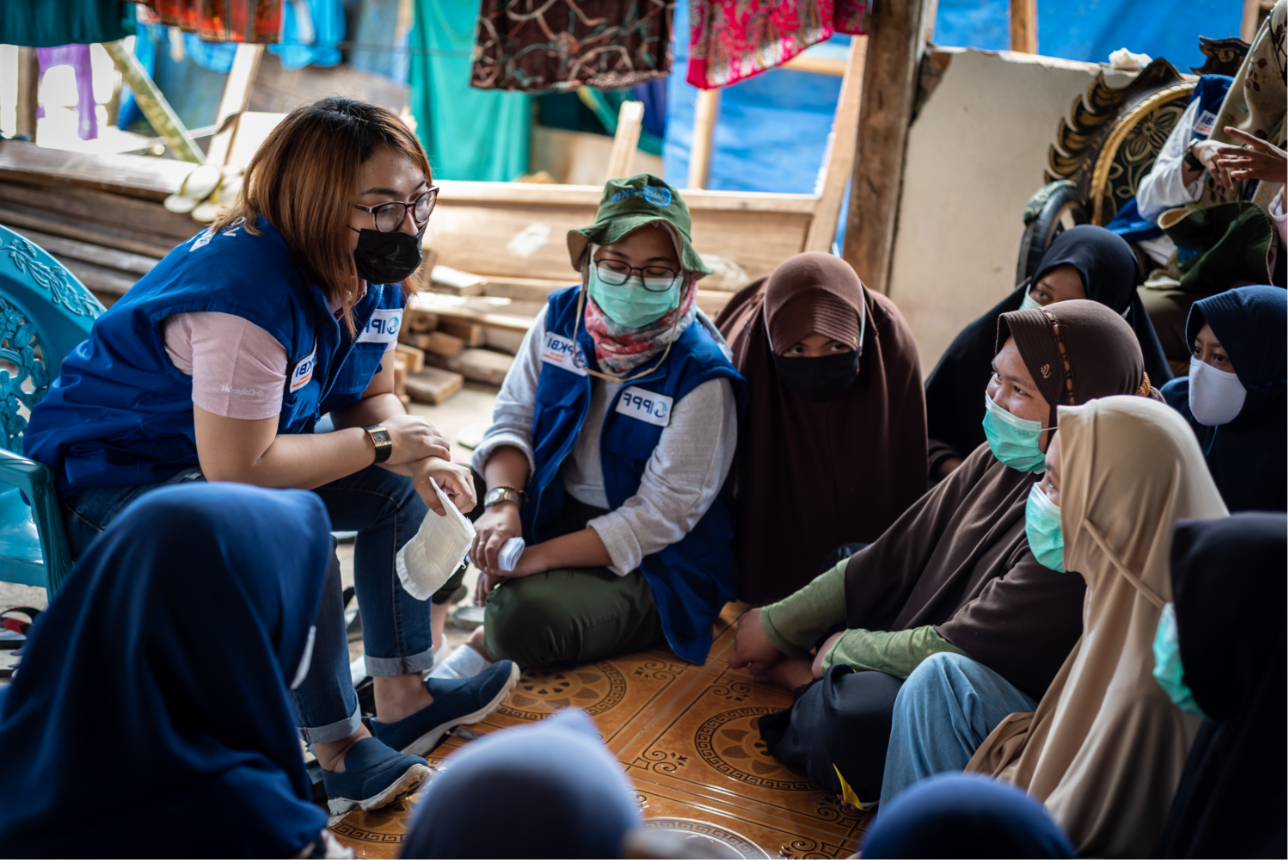
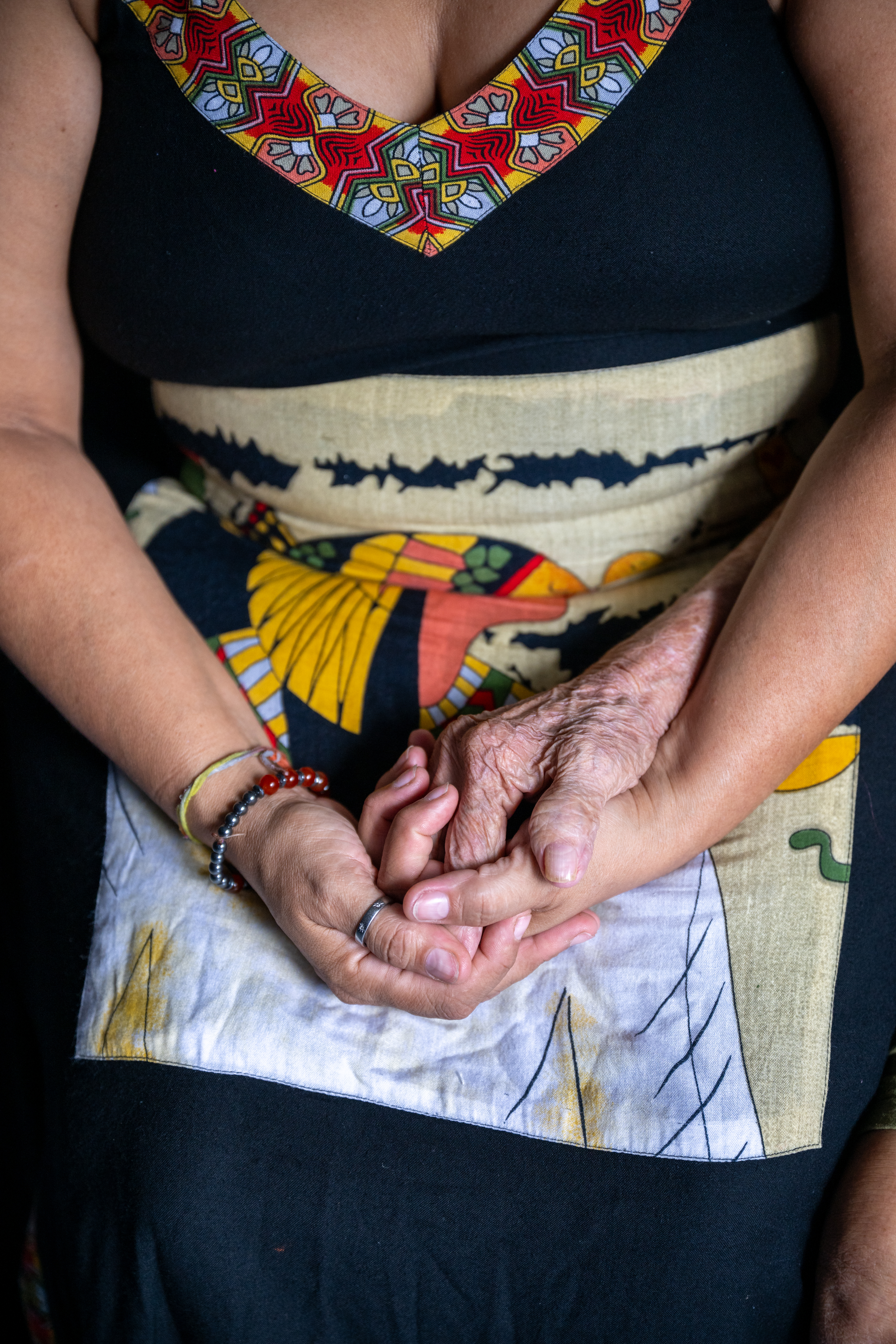
5 October 2026 – The International Planned Parenthood Federation (IPPF) has today released its latest survey findings from global research with 40 Member Associations. More than half (55%) of those surveyed experienced an HIV commodity stock out in the last 12 months, directly affecting their ability to provide HIV services At the time of the survey, 40% of Member Associations reported an active product stock out, and 60% had at least one product at low stock levels. Survey findings also pointed to a generalised problem of supply unreliability and fragility, not simply isolated stockouts. HIV rapid diagnostic tests were the most critically affected product category across all respondents. This is particularly concerning amidst rising HIV epidemics around the world, including in countries where the Member Associations surveyed are responding. An estimated 40.8 million people are living with HIV worldwide, yet the response is being undermined by deep funding gaps, a sharp downturn in external assistance and a fracturing global health architecture. Abrupt shifts in major donor policies, particularly changes to U.S. foreign assistance and uncertainty around the future of PEPFAR, are driving shortages of HIV tests, pre-exposure prophylaxis (PrEP), condoms and antiretroviral therapy in some settings. Meanwhile, under-resourced health systems are struggling with workforce gaps and service disruption. IPPF’s research also found that: 98% of our partners surveyed provide HIV testing and counselling, yet more than half (55%) cannot reliably sustain HIV testing at point of care because of low stocks or stockouts of rapid diagnostic tests. 85% receive HIV commodity supplies from their Ministry of Health or government, leaving them with limited alternatives when national or donor-supported supply chains break down. These shortages are a warning of what happens when funding becomes uncertain and the supply systems communities depend on grow fragile. We cannot let decades of progress against HIV be undone simply because products aren't available. This is not a distant risk. It is already happening: HIV infections are rising in a number of countries around the world, and lives are being lost.ENDS For further information or to arrange media interviews with our spokespeople, please contact Nerida Williams on newilliams@ippf.org. Notes In Quarter 2 of 2026, IPPF’s Harm Mitigation Task Force surveyed 55 of the 102 Member Associations that provide HIV-related services, based on identified and anticipated need. 40 Member Associations responded (a 73 per cent response rate). Respondents were from all six of IPPF’s regions, including Africa (18), the Arab World (4), East and Southeast Asia/Oceania (3), Europe (4), Americas and the Caribbean (8, and South Asia (3). In 2025, IPPF Member Associations provided 29.8 million HIV/AIDS related services.
media_center
| 05 October 2026
PRESS RELEASE: HIV supplies under critical pressure; threatening service provision, new IPPF survey finds
5 October 2026 – The International Planned Parenthood Federation (IPPF) has today released its latest survey findings from global research with 40 Member Associations. More than half (55%) of those surveyed experienced an HIV commodity stock out in the last 12 months, directly affecting their ability to provide HIV services At the time of the survey, 40% of Member Associations reported an active product stock out, and 60% had at least one product at low stock levels. Survey findings also pointed to a generalised problem of supply unreliability and fragility, not simply isolated stockouts. HIV rapid diagnostic tests were the most critically affected product category across all respondents. This is particularly concerning amidst rising HIV epidemics around the world, including in countries where the Member Associations surveyed are responding. An estimated 40.8 million people are living with HIV worldwide, yet the response is being undermined by deep funding gaps, a sharp downturn in external assistance and a fracturing global health architecture. Abrupt shifts in major donor policies, particularly changes to U.S. foreign assistance and uncertainty around the future of PEPFAR, are driving shortages of HIV tests, pre-exposure prophylaxis (PrEP), condoms and antiretroviral therapy in some settings. Meanwhile, under-resourced health systems are struggling with workforce gaps and service disruption. IPPF’s research also found that: 98% of our partners surveyed provide HIV testing and counselling, yet more than half (55%) cannot reliably sustain HIV testing at point of care because of low stocks or stockouts of rapid diagnostic tests. 85% receive HIV commodity supplies from their Ministry of Health or government, leaving them with limited alternatives when national or donor-supported supply chains break down. These shortages are a warning of what happens when funding becomes uncertain and the supply systems communities depend on grow fragile. We cannot let decades of progress against HIV be undone simply because products aren't available. This is not a distant risk. It is already happening: HIV infections are rising in a number of countries around the world, and lives are being lost.ENDS For further information or to arrange media interviews with our spokespeople, please contact Nerida Williams on newilliams@ippf.org. Notes In Quarter 2 of 2026, IPPF’s Harm Mitigation Task Force surveyed 55 of the 102 Member Associations that provide HIV-related services, based on identified and anticipated need. 40 Member Associations responded (a 73 per cent response rate). Respondents were from all six of IPPF’s regions, including Africa (18), the Arab World (4), East and Southeast Asia/Oceania (3), Europe (4), Americas and the Caribbean (8, and South Asia (3). In 2025, IPPF Member Associations provided 29.8 million HIV/AIDS related services.
media center
| 28 April 2026
PRESS RELEASE: Groundbreaking new report outlines the impact of Australia’s investment in SRHR
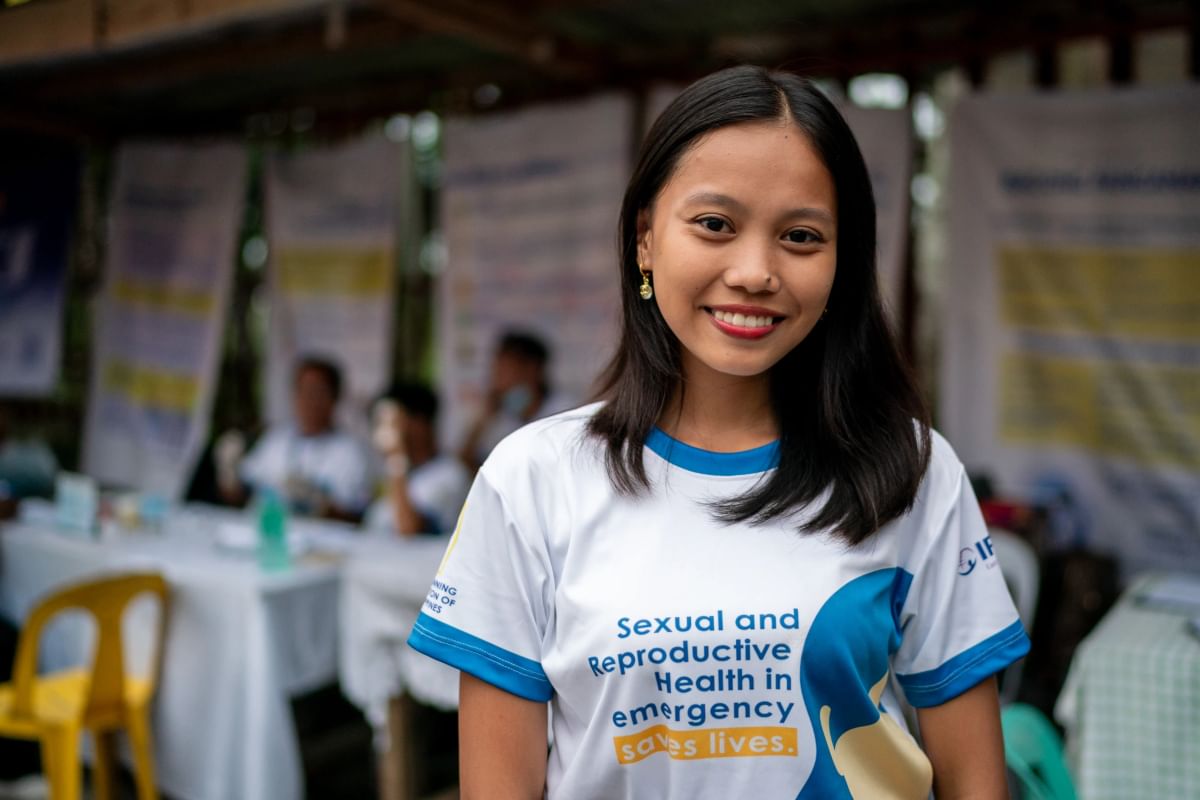
28 April 2026, Narrm (Melbourne) - Guttmacher has today released its latest report '‘Just the Numbers Australia 2026’’, providing vital analysis on the impact of Australia’s foreign aid contributions for sexual and reproductive health and rights (SRHR) programming in the Asia and Pacific Region. Australia has established itself as an incredibly important partner in advancing SRHR, particularly across Asia and the Pacific region, where it directs nearly all of its bilateral family planning support. SRHR accounted for approximately 2.8% of Australia’s official development assistance in 2023.Australia contributed an estimated AUD $49.2 million in 2024 for family planning. This investment enabled roughly 2.8 million women and couples globally to access modern contraception, leading to 830,000 unintended pregnancies averted. Yet significant gaps remain in the region, with 27.7 million women estimated to have an unmet demand for modern contraception. The research found that even modest investments at the country level would have a profound impact. For example, an additional AUD $1 million per year for the Philippines would serve an extra 56,000 contraceptive users, reducing unmet demand by 5%. Elizabeth Sully, Director of International Research at the Guttmacher Institute highlighted: “Australia's foreign investments in family planning are delivering measurable, life-saving results, but with global sexual and reproductive health financing in crisis, the stakes have never been higher. Australia has a real opportunity to deepen its leadership on gender equality and reproductive choice--and the data shows exactly what sustained investment can achieve: preventing unintended pregnancies, unsafe abortions, and maternal deaths. These aren't abstract numbers. They are real people who depend on these services.”Maria Antoineta Alcade, IPPF’s Director General, reflected: “We know that contraceptive services provide a significant return on investment - but most importantly, it's what women want and ask for. The question is not whether we can afford to invest in family planning - it’s whether we can afford not to. Our responsibility, as global leaders and funders, is to listen, and to act on what women need to prosper and thrive. These investments are not abstract, they prevent unintended pregnancies, unsafe abortions and maternal deaths, and give women the ability to have control over their own futures.”ENDS For further information or to arrange media interviews with our spokespeople from IPPF or Guttmacher, please contact Nerida Williams on newilliams@ippf.org or +66 62868 3089 (WhatsApp). NotesTo download the full report, please visit this link: https://www.guttmacher.org/2026/04/just-numbers-australia-global-srhr-investment-impact-2024 Australia is an established development partner in SRHR, contributing a portion of its official development assistance to expand access to essential services across low- and middle-income countries (LMICs). These investments have delivered measurable, life-saving results.In 2024, Australia’s family planning funding—estimated at AUD$49.2 million—supported access to modern contraception for 2.8 million women and couples globally, resulting in:830,000 unintended pregnancies averted303,000 unsafe abortions avoided259,000 unplanned births preventedApproximately 588 maternal deaths prevented
media_center
| 28 April 2026
PRESS RELEASE: Groundbreaking new report outlines the impact of Australia’s investment in SRHR
28 April 2026, Narrm (Melbourne) - Guttmacher has today released its latest report '‘Just the Numbers Australia 2026’’, providing vital analysis on the impact of Australia’s foreign aid contributions for sexual and reproductive health and rights (SRHR) programming in the Asia and Pacific Region. Australia has established itself as an incredibly important partner in advancing SRHR, particularly across Asia and the Pacific region, where it directs nearly all of its bilateral family planning support. SRHR accounted for approximately 2.8% of Australia’s official development assistance in 2023.Australia contributed an estimated AUD $49.2 million in 2024 for family planning. This investment enabled roughly 2.8 million women and couples globally to access modern contraception, leading to 830,000 unintended pregnancies averted. Yet significant gaps remain in the region, with 27.7 million women estimated to have an unmet demand for modern contraception. The research found that even modest investments at the country level would have a profound impact. For example, an additional AUD $1 million per year for the Philippines would serve an extra 56,000 contraceptive users, reducing unmet demand by 5%. Elizabeth Sully, Director of International Research at the Guttmacher Institute highlighted: “Australia's foreign investments in family planning are delivering measurable, life-saving results, but with global sexual and reproductive health financing in crisis, the stakes have never been higher. Australia has a real opportunity to deepen its leadership on gender equality and reproductive choice--and the data shows exactly what sustained investment can achieve: preventing unintended pregnancies, unsafe abortions, and maternal deaths. These aren't abstract numbers. They are real people who depend on these services.”Maria Antoineta Alcade, IPPF’s Director General, reflected: “We know that contraceptive services provide a significant return on investment - but most importantly, it's what women want and ask for. The question is not whether we can afford to invest in family planning - it’s whether we can afford not to. Our responsibility, as global leaders and funders, is to listen, and to act on what women need to prosper and thrive. These investments are not abstract, they prevent unintended pregnancies, unsafe abortions and maternal deaths, and give women the ability to have control over their own futures.”ENDS For further information or to arrange media interviews with our spokespeople from IPPF or Guttmacher, please contact Nerida Williams on newilliams@ippf.org or +66 62868 3089 (WhatsApp). NotesTo download the full report, please visit this link: https://www.guttmacher.org/2026/04/just-numbers-australia-global-srhr-investment-impact-2024 Australia is an established development partner in SRHR, contributing a portion of its official development assistance to expand access to essential services across low- and middle-income countries (LMICs). These investments have delivered measurable, life-saving results.In 2024, Australia’s family planning funding—estimated at AUD$49.2 million—supported access to modern contraception for 2.8 million women and couples globally, resulting in:830,000 unintended pregnancies averted303,000 unsafe abortions avoided259,000 unplanned births preventedApproximately 588 maternal deaths prevented
media center
| 06 October 2026
PRESS RELEASE: HIV supplies under critical pressure; threatening service provision, new IPPF survey finds
5 October 2026 – The International Planned Parenthood Federation (IPPF) has today released its latest survey findings from global research with 40 Member Associations. More than half (55%) of those surveyed experienced an HIV commodity stock out in the last 12 months, directly affecting their ability to provide HIV services At the time of the survey, 40% of Member Associations reported an active product stock out, and 60% had at least one product at low stock levels. Survey findings also pointed to a generalised problem of supply unreliability and fragility, not simply isolated stockouts. HIV rapid diagnostic tests were the most critically affected product category across all respondents. This is particularly concerning amidst rising HIV epidemics around the world, including in countries where the Member Associations surveyed are responding. An estimated 40.8 million people are living with HIV worldwide, yet the response is being undermined by deep funding gaps, a sharp downturn in external assistance and a fracturing global health architecture. Abrupt shifts in major donor policies, particularly changes to U.S. foreign assistance and uncertainty around the future of PEPFAR, are driving shortages of HIV tests, pre-exposure prophylaxis (PrEP), condoms and antiretroviral therapy in some settings. Meanwhile, under-resourced health systems are struggling with workforce gaps and service disruption. IPPF’s research also found that: 98% of our partners surveyed provide HIV testing and counselling, yet more than half (55%) cannot reliably sustain HIV testing at point of care because of low stocks or stockouts of rapid diagnostic tests. 85% receive HIV commodity supplies from their Ministry of Health or government, leaving them with limited alternatives when national or donor-supported supply chains break down. These shortages are a warning of what happens when funding becomes uncertain and the supply systems communities depend on grow fragile. We cannot let decades of progress against HIV be undone simply because products aren't available. This is not a distant risk. It is already happening: HIV infections are rising in a number of countries around the world, and lives are being lost.ENDS For further information or to arrange media interviews with our spokespeople, please contact Nerida Williams on newilliams@ippf.org. Notes In Quarter 2 of 2026, IPPF’s Harm Mitigation Task Force surveyed 55 of the 102 Member Associations that provide HIV-related services, based on identified and anticipated need. 40 Member Associations responded (a 73 per cent response rate). Respondents were from all six of IPPF’s regions, including Africa (18), the Arab World (4), East and Southeast Asia/Oceania (3), Europe (4), Americas and the Caribbean (8, and South Asia (3). In 2025, IPPF Member Associations provided 29.8 million HIV/AIDS related services.
media_center
| 05 October 2026
PRESS RELEASE: HIV supplies under critical pressure; threatening service provision, new IPPF survey finds
5 October 2026 – The International Planned Parenthood Federation (IPPF) has today released its latest survey findings from global research with 40 Member Associations. More than half (55%) of those surveyed experienced an HIV commodity stock out in the last 12 months, directly affecting their ability to provide HIV services At the time of the survey, 40% of Member Associations reported an active product stock out, and 60% had at least one product at low stock levels. Survey findings also pointed to a generalised problem of supply unreliability and fragility, not simply isolated stockouts. HIV rapid diagnostic tests were the most critically affected product category across all respondents. This is particularly concerning amidst rising HIV epidemics around the world, including in countries where the Member Associations surveyed are responding. An estimated 40.8 million people are living with HIV worldwide, yet the response is being undermined by deep funding gaps, a sharp downturn in external assistance and a fracturing global health architecture. Abrupt shifts in major donor policies, particularly changes to U.S. foreign assistance and uncertainty around the future of PEPFAR, are driving shortages of HIV tests, pre-exposure prophylaxis (PrEP), condoms and antiretroviral therapy in some settings. Meanwhile, under-resourced health systems are struggling with workforce gaps and service disruption. IPPF’s research also found that: 98% of our partners surveyed provide HIV testing and counselling, yet more than half (55%) cannot reliably sustain HIV testing at point of care because of low stocks or stockouts of rapid diagnostic tests. 85% receive HIV commodity supplies from their Ministry of Health or government, leaving them with limited alternatives when national or donor-supported supply chains break down. These shortages are a warning of what happens when funding becomes uncertain and the supply systems communities depend on grow fragile. We cannot let decades of progress against HIV be undone simply because products aren't available. This is not a distant risk. It is already happening: HIV infections are rising in a number of countries around the world, and lives are being lost.ENDS For further information or to arrange media interviews with our spokespeople, please contact Nerida Williams on newilliams@ippf.org. Notes In Quarter 2 of 2026, IPPF’s Harm Mitigation Task Force surveyed 55 of the 102 Member Associations that provide HIV-related services, based on identified and anticipated need. 40 Member Associations responded (a 73 per cent response rate). Respondents were from all six of IPPF’s regions, including Africa (18), the Arab World (4), East and Southeast Asia/Oceania (3), Europe (4), Americas and the Caribbean (8, and South Asia (3). In 2025, IPPF Member Associations provided 29.8 million HIV/AIDS related services.
media center
| 28 April 2026
PRESS RELEASE: Groundbreaking new report outlines the impact of Australia’s investment in SRHR
28 April 2026, Narrm (Melbourne) - Guttmacher has today released its latest report '‘Just the Numbers Australia 2026’’, providing vital analysis on the impact of Australia’s foreign aid contributions for sexual and reproductive health and rights (SRHR) programming in the Asia and Pacific Region. Australia has established itself as an incredibly important partner in advancing SRHR, particularly across Asia and the Pacific region, where it directs nearly all of its bilateral family planning support. SRHR accounted for approximately 2.8% of Australia’s official development assistance in 2023.Australia contributed an estimated AUD $49.2 million in 2024 for family planning. This investment enabled roughly 2.8 million women and couples globally to access modern contraception, leading to 830,000 unintended pregnancies averted. Yet significant gaps remain in the region, with 27.7 million women estimated to have an unmet demand for modern contraception. The research found that even modest investments at the country level would have a profound impact. For example, an additional AUD $1 million per year for the Philippines would serve an extra 56,000 contraceptive users, reducing unmet demand by 5%. Elizabeth Sully, Director of International Research at the Guttmacher Institute highlighted: “Australia's foreign investments in family planning are delivering measurable, life-saving results, but with global sexual and reproductive health financing in crisis, the stakes have never been higher. Australia has a real opportunity to deepen its leadership on gender equality and reproductive choice--and the data shows exactly what sustained investment can achieve: preventing unintended pregnancies, unsafe abortions, and maternal deaths. These aren't abstract numbers. They are real people who depend on these services.”Maria Antoineta Alcade, IPPF’s Director General, reflected: “We know that contraceptive services provide a significant return on investment - but most importantly, it's what women want and ask for. The question is not whether we can afford to invest in family planning - it’s whether we can afford not to. Our responsibility, as global leaders and funders, is to listen, and to act on what women need to prosper and thrive. These investments are not abstract, they prevent unintended pregnancies, unsafe abortions and maternal deaths, and give women the ability to have control over their own futures.”ENDS For further information or to arrange media interviews with our spokespeople from IPPF or Guttmacher, please contact Nerida Williams on newilliams@ippf.org or +66 62868 3089 (WhatsApp). NotesTo download the full report, please visit this link: https://www.guttmacher.org/2026/04/just-numbers-australia-global-srhr-investment-impact-2024 Australia is an established development partner in SRHR, contributing a portion of its official development assistance to expand access to essential services across low- and middle-income countries (LMICs). These investments have delivered measurable, life-saving results.In 2024, Australia’s family planning funding—estimated at AUD$49.2 million—supported access to modern contraception for 2.8 million women and couples globally, resulting in:830,000 unintended pregnancies averted303,000 unsafe abortions avoided259,000 unplanned births preventedApproximately 588 maternal deaths prevented
media_center
| 28 April 2026
PRESS RELEASE: Groundbreaking new report outlines the impact of Australia’s investment in SRHR
28 April 2026, Narrm (Melbourne) - Guttmacher has today released its latest report '‘Just the Numbers Australia 2026’’, providing vital analysis on the impact of Australia’s foreign aid contributions for sexual and reproductive health and rights (SRHR) programming in the Asia and Pacific Region. Australia has established itself as an incredibly important partner in advancing SRHR, particularly across Asia and the Pacific region, where it directs nearly all of its bilateral family planning support. SRHR accounted for approximately 2.8% of Australia’s official development assistance in 2023.Australia contributed an estimated AUD $49.2 million in 2024 for family planning. This investment enabled roughly 2.8 million women and couples globally to access modern contraception, leading to 830,000 unintended pregnancies averted. Yet significant gaps remain in the region, with 27.7 million women estimated to have an unmet demand for modern contraception. The research found that even modest investments at the country level would have a profound impact. For example, an additional AUD $1 million per year for the Philippines would serve an extra 56,000 contraceptive users, reducing unmet demand by 5%. Elizabeth Sully, Director of International Research at the Guttmacher Institute highlighted: “Australia's foreign investments in family planning are delivering measurable, life-saving results, but with global sexual and reproductive health financing in crisis, the stakes have never been higher. Australia has a real opportunity to deepen its leadership on gender equality and reproductive choice--and the data shows exactly what sustained investment can achieve: preventing unintended pregnancies, unsafe abortions, and maternal deaths. These aren't abstract numbers. They are real people who depend on these services.”Maria Antoineta Alcade, IPPF’s Director General, reflected: “We know that contraceptive services provide a significant return on investment - but most importantly, it's what women want and ask for. The question is not whether we can afford to invest in family planning - it’s whether we can afford not to. Our responsibility, as global leaders and funders, is to listen, and to act on what women need to prosper and thrive. These investments are not abstract, they prevent unintended pregnancies, unsafe abortions and maternal deaths, and give women the ability to have control over their own futures.”ENDS For further information or to arrange media interviews with our spokespeople from IPPF or Guttmacher, please contact Nerida Williams on newilliams@ippf.org or +66 62868 3089 (WhatsApp). NotesTo download the full report, please visit this link: https://www.guttmacher.org/2026/04/just-numbers-australia-global-srhr-investment-impact-2024 Australia is an established development partner in SRHR, contributing a portion of its official development assistance to expand access to essential services across low- and middle-income countries (LMICs). These investments have delivered measurable, life-saving results.In 2024, Australia’s family planning funding—estimated at AUD$49.2 million—supported access to modern contraception for 2.8 million women and couples globally, resulting in:830,000 unintended pregnancies averted303,000 unsafe abortions avoided259,000 unplanned births preventedApproximately 588 maternal deaths prevented
