


Latest press releases
A selection of stories from across the Federation

Türkiye
Media center
PRESS RELEASE: Türkiye Must Drop All Charges Against LGBTQI+ Activists
Repro Uncensored and the International Planned Parenthood Federation condemn the coordinated raids, detentions and digital censorship targeting LGBTQI+ organizations, activists and community spaces.
For media enquiries
Telephone:
+66 62868 3089Media Inbox:
media@ippf.orgMost Popular This Week
Türkiye

Media center
|
PRESS RELEASE: Türkiye Must Drop All Charges Against LGBTQI+ Activists
For immediate release
Türkiye

Media center
|
Press Release: Amid Crackdown on Pride in Türkiye, More Than 120 LGBTQI+ and Feminist Social Media Accounts Suspended
Brussels / Istanbul, 13 July 2026 - Amid an escalating crackdown on LGBTQI+ communities in Türkiye, Repro Uncensored, the International Planned Par

Media center
|
May 17, IDAHOBIT: Global day celebrates sexual and gender diversity at the heart of democracy
FOR IMMEDIATE RELEASEILGA World x International Planned Parenthood Federation (IPPF)

Media center
|
RightsCon Cancelled as Global Attacks on SRHR and Digital Freedoms Intensify
FOR IMMEDIATE RELEASERepro Uncensored x International Planned Parenthood Federation (IPPF)
East and South East Asia and Oceania

Media center
|
PRESS RELEASE: Groundbreaking new report outlines the impact of Australia’s investment in SRHR
28 April 2026, Narrm (Melbourne) - Guttmacher has today released its latest report '‘Just the Numbers Australia 2026’’, providing vital analysis on the impact
South Asia, Africa

Media center
|
IPPF condemns the UK’s latest ODA budget allocations and warn of life-threatening consequences for millions
20 March 2026 - The International Planned Parenthood Federation (IPPF) strongly condemns the UK Government’s

Media center
|
US Government Expands Global Gag Rule in a Major Escalation of Regressive Foreign Policy
23 January 2026 - The International Planned Parenthood Federation

Media center
|
Nearly 9 Million Denied Essential Reproductive Healthcare as Trump-Era Funding Cuts Force Global Clinic Closures, IPPF Reports
17 December 2025 - New data reveals the Trump Administration's funding cuts have forced 34 of International Planned Parenthood Federation (IPPF) Member Associa

media center
| 15 September 2026
PRESS RELEASE: Türkiye Must Drop All Charges Against LGBTQI+ Activists
For immediate releaseBrussels / Istanbul, 15 September 2026 — Repro Uncensored and the International Planned Parenthood Federation (IPPF) condemn the sweeping attacks on LGBTQI+ communities in Türkiye and call for the immediate release of those detained, the dismissal of all discriminatory charges, and the restoration of blocked websites and social media accounts.Beginning on 12 September, Turkish authorities restricted access to the websites and social media accounts of numerous LGBTQI+ organizations, media platforms, student groups and human rights defenders. Coordinated police operations followed across multiple provinces, including Istanbul, Ankara, İzmir, Aydın and Mersin.They reportedly targeted 162 people, nine associations and 13 businesses across 15 provinces. Dozens of people have been detained, offices and homes searched, and phones, computers and other digital equipment seized.Among those targeted was partner organization and IPPF Associate Member Association KAOS GL, whose offices were raided as part of the coordinated operations. KAOS GL had previously warned of escalating repression and censorship facing LGBTQI+ communities across Türkiye, including coercive investigations into its finances, despite regularly reporting its accounts to the relevant authorities and operating in accordance with national laws.The crackdown has also involved widespread digital censorship. Websites and social media accounts connected to LGBTQI+ organizations, activists and independent media have been blocked or made inaccessible. Repro Uncensored is investigating the scale and impact of these restrictions, including how they have disrupted access to health information, legal support and essential community services.This escalation follows the suppression of Pride events in June, when marches across Türkiye were banned or violently dispersed and at least 125 people were detained. During the same period, more than 120 LGBTQI+ and feminist social media accounts were suspended across major platforms. At the time, the organizations warned that digital censorship was reinforcing the repression of LGBTQI+ communities on the streets and accelerating the erosion of democratic space. The latest raids and detentions demonstrate how urgently those warnings should have been addressed.These events demonstrate how digital censorship and physical repression increasingly reinforce one another. Restricting organizations online while raiding their offices, detaining their members and seizing their equipment is a direct attack on civil society, freedom of expression and democracy.“Digital censorship is being used alongside raids and detentions to isolate LGBTQI+ communities, silence their voices and dismantle their ability to organize. This coordinated repression is a direct threat to democracy, freedom of expression and respect for fundamental human rights. LGBTQI+ visibility, solidarity and community care are not crimes. Türkiye must immediately release those detained, drop all discriminatory charges and restore access to the websites and social media accounts it has blocked.”- Martha Dimitratou, Founder & Executive Director, Repro Uncensored“The actions taken against LGBTQI+ activists by the Turkish government over the weekend are deplorable. People are being attacked and detained simply for being who they are and for standing up for their rights. At IPPF, we fully recognise the tactic of using the language of ‘protecting children and family’ to supposedly justify attacks on LGBTQI+ people and their rights. We reject it. ”- Micah Grzywnowicz, European Network Regional Director at the International Planned Parenthood Federation (IPPF)As an EU candidate country, Türkiye is required to uphold the Copenhagen criteria, including democracy, the rule of law, human rights and the protection of minorities. The coordinated targeting of LGBTQI+ organizations, activists and community spaces stands in direct contradiction to these fundamental requirements.Repro Uncensored and IPPF call on Turkish authorities to immediately release those detained for lawful organizing, drop all discriminatory charges, end the intimidation of LGBTQI+ civil society, restore blocked digital platforms and return seized equipment.“This repression will not silence us. We will continue to organise, defend our rights, and stand together against any attempts to criminalise the existence of, or activism by, the LGBTIQA+ community. We call on the international community, human rights organisations, and all those committed to equality and freedom, to stand in solidarity with us and support our struggle. As we always say at UniKuir, “Through resistance and solidarity.” - UniKuir NGOThey also urge the European Union, European Commission, the European Parliament, Member States, and the Council of Europe to address these violations clearly in its relations with Türkiye and make respect for fundamental rights central to any future progress in the accession process.For more information or to speak to one of our spokespeople, contact:Martha DimitratouFounder & Executive Director, Repro Uncensoredmartha@reprouncensored.orgNerida WilliamsInternational Planned Parenthood Federationnewilliams@ippf.orgAbout Repro UncensoredRepro Uncensored is the leading global nonprofit documenting digital censorship, reinstating accounts and protecting freedom of expression. It has documented thousands of censorship cases across more than 50 countries and reinstated dozens of accounts with millions in reach.Through research, legal action, policy reform and direct support, Repro Uncensored works to hold technology companies accountable and protect access to information.About the International Planned Parenthood FederationThe International Planned Parenthood Federation is a global healthcare provider and advocacy organization working in over 140 countries to advance sexual and reproductive health and rights. It delivers essential services and advocates for access to accurate information, equality and bodily autonomy worldwide.
media_center
| 15 September 2026
PRESS RELEASE: Türkiye Must Drop All Charges Against LGBTQI+ Activists
For immediate releaseBrussels / Istanbul, 15 September 2026 — Repro Uncensored and the International Planned Parenthood Federation (IPPF) condemn the sweeping attacks on LGBTQI+ communities in Türkiye and call for the immediate release of those detained, the dismissal of all discriminatory charges, and the restoration of blocked websites and social media accounts.Beginning on 12 September, Turkish authorities restricted access to the websites and social media accounts of numerous LGBTQI+ organizations, media platforms, student groups and human rights defenders. Coordinated police operations followed across multiple provinces, including Istanbul, Ankara, İzmir, Aydın and Mersin.They reportedly targeted 162 people, nine associations and 13 businesses across 15 provinces. Dozens of people have been detained, offices and homes searched, and phones, computers and other digital equipment seized.Among those targeted was partner organization and IPPF Associate Member Association KAOS GL, whose offices were raided as part of the coordinated operations. KAOS GL had previously warned of escalating repression and censorship facing LGBTQI+ communities across Türkiye, including coercive investigations into its finances, despite regularly reporting its accounts to the relevant authorities and operating in accordance with national laws.The crackdown has also involved widespread digital censorship. Websites and social media accounts connected to LGBTQI+ organizations, activists and independent media have been blocked or made inaccessible. Repro Uncensored is investigating the scale and impact of these restrictions, including how they have disrupted access to health information, legal support and essential community services.This escalation follows the suppression of Pride events in June, when marches across Türkiye were banned or violently dispersed and at least 125 people were detained. During the same period, more than 120 LGBTQI+ and feminist social media accounts were suspended across major platforms. At the time, the organizations warned that digital censorship was reinforcing the repression of LGBTQI+ communities on the streets and accelerating the erosion of democratic space. The latest raids and detentions demonstrate how urgently those warnings should have been addressed.These events demonstrate how digital censorship and physical repression increasingly reinforce one another. Restricting organizations online while raiding their offices, detaining their members and seizing their equipment is a direct attack on civil society, freedom of expression and democracy.“Digital censorship is being used alongside raids and detentions to isolate LGBTQI+ communities, silence their voices and dismantle their ability to organize. This coordinated repression is a direct threat to democracy, freedom of expression and respect for fundamental human rights. LGBTQI+ visibility, solidarity and community care are not crimes. Türkiye must immediately release those detained, drop all discriminatory charges and restore access to the websites and social media accounts it has blocked.”- Martha Dimitratou, Founder & Executive Director, Repro Uncensored“The actions taken against LGBTQI+ activists by the Turkish government over the weekend are deplorable. People are being attacked and detained simply for being who they are and for standing up for their rights. At IPPF, we fully recognise the tactic of using the language of ‘protecting children and family’ to supposedly justify attacks on LGBTQI+ people and their rights. We reject it. ”- Micah Grzywnowicz, European Network Regional Director at the International Planned Parenthood Federation (IPPF)As an EU candidate country, Türkiye is required to uphold the Copenhagen criteria, including democracy, the rule of law, human rights and the protection of minorities. The coordinated targeting of LGBTQI+ organizations, activists and community spaces stands in direct contradiction to these fundamental requirements.Repro Uncensored and IPPF call on Turkish authorities to immediately release those detained for lawful organizing, drop all discriminatory charges, end the intimidation of LGBTQI+ civil society, restore blocked digital platforms and return seized equipment.“This repression will not silence us. We will continue to organise, defend our rights, and stand together against any attempts to criminalise the existence of, or activism by, the LGBTIQA+ community. We call on the international community, human rights organisations, and all those committed to equality and freedom, to stand in solidarity with us and support our struggle. As we always say at UniKuir, “Through resistance and solidarity.” - UniKuir NGOThey also urge the European Union, European Commission, the European Parliament, Member States, and the Council of Europe to address these violations clearly in its relations with Türkiye and make respect for fundamental rights central to any future progress in the accession process.For more information or to speak to one of our spokespeople, contact:Martha DimitratouFounder & Executive Director, Repro Uncensoredmartha@reprouncensored.orgNerida WilliamsInternational Planned Parenthood Federationnewilliams@ippf.orgAbout Repro UncensoredRepro Uncensored is the leading global nonprofit documenting digital censorship, reinstating accounts and protecting freedom of expression. It has documented thousands of censorship cases across more than 50 countries and reinstated dozens of accounts with millions in reach.Through research, legal action, policy reform and direct support, Repro Uncensored works to hold technology companies accountable and protect access to information.About the International Planned Parenthood FederationThe International Planned Parenthood Federation is a global healthcare provider and advocacy organization working in over 140 countries to advance sexual and reproductive health and rights. It delivers essential services and advocates for access to accurate information, equality and bodily autonomy worldwide.

media center
| 13 July 2026
Press Release: Amid Crackdown on Pride in Türkiye, More Than 120 LGBTQI+ and Feminist Social Media Accounts Suspended
Brussels / Istanbul, 13 July 2026 - Amid an escalating crackdown on LGBTQI+ communities in Türkiye, Repro Uncensored, the International Planned Parenthood Federation (IPPF), ÜniKuir Association and Kaos GL are raising alarm over the suspension of more than 120 LGBTQI+ and feminist social media accounts across major social media platforms beginning on 19 June 2026, according to documentation compiled by Turkish civil society organizations. Homosexuality is not illegal in Turkey, but the annual Pride march has been almost systematically banned and suppressed since 2015. This year's suspensions coincided with the violent suppression of Pride Month events by Turkish authorities, widespread police violence, arbitrary detentions, and broader restrictions on freedom of expression, severely limiting organizations' ability to share urgent safety information, document human rights violations, and support their communities.As authorities intensified restrictions on public assembly, Pride Month events across Türkiye were systematically targeted. Pride marches in Kuşadası, Ankara, İstanbul Trans Pride, İzmir, and İstanbul were banned or violently dispersed. At least 125 people were detained, while journalists, activists, and community organizers reported increased police surveillance, arbitrary arrests, and broader restrictions on civic space. During the same period, the widespread suspension of LGBTQI+ and feminist social media accounts significantly undermined civil society organizations' ability to communicate with affected communities, provide legal information, document abuses, and coordinate emergency responses at a moment of acute need.The suspensions in Türkiye form part of a broader global pattern of platform censorship affecting organizations working on sexual and reproductive health and rights, LGBTQI+ rights, gender equality, public health, and democratic participation. Repro Uncensored has documented more than 500 incidents of account suspensions, content removals, shadow banning, and other forms of platform enforcement in 2026 alone.Just days before these events, Repro Uncensored convened a press conference at the European Parliament with MEP Alexandra Geese (Greens/EFA) and affected organizations to warn of the growing censorship of lawful public interest content across major social media platforms. The suspensions in Türkiye further demonstrate that these are not isolated incidents, but part of a broader pattern with serious implications for freedom of expression, democratic participation, and human rights.The events in Türkiye also follow recent waves of platform enforcement affecting abortion rights organizations in Poland, queer organizations in the Netherlands and Germany, feminist creators across Europe, and civil society organizations documenting human rights violations in multiple regions. Taken together, these incidents raise growing concerns about the role of major technology platforms in restricting access to lawful information during moments of political crisis and civic mobilization."The events in Türkiye demonstrate how digital censorship and offline repression increasingly reinforce one another. Silencing civil society online while communities face repression on the streets accelerates the erosion of democratic space. With more than 500 cases documented this year, these are not isolated incidents—they reflect a broader pattern of opaque platform governance with profound implications for freedom of expression, democratic participation, and human rights." — Martha Dimitratou, Founder & Executive Director, Repro Uncensored"Algorithms are never neutral. When LGBTQI+ and feminist organisations are silenced during Pride Month, the impact extends far beyond social media - it essentially denies people access to vital health information, solidarity and support. Technology companies cannot claim to champion inclusion while allowing their platforms to erase the very communities they say they stand with." — Micah Grzywnowicz, European Network Regional Director, IPPF"This year, Pride events across Türkiye were met with bans, police violence, and arbitrary detentions, while the social media accounts used to organize, document violations, and support communities were suspended or restricted. For LGBTI+ students and young people, these platforms are essential for information, safety, and solidarity. Silencing them during Pride further isolates communities already facing repression." — İzot Ergün, ÜniKuir Association"The suspension of social media accounts should be understood as a violation of civil society organizations' rights to freedom of expression and freedom of association. However, the more critical issue is that these actions also prevent rights holders from accessing essential services, constituting discrimination and violating the principle of non-discrimination. LGBTQI+ people seeking counselling and support, including services related to sexual and reproductive health and rights (SRHR), are being denied access to these vital resources. This amounts to a direct obstruction of the right to health." — Umut Güner, General Coordinator, KAOS GLRepro Uncensored, IPPF, ÜniKuir Association, and KAOS GL call on Meta and X to urgently investigate the suspensions, provide meaningful transparency regarding enforcement decisions, restore accounts that were removed in error, and ensure accessible and effective mechanisms for appeal and redress. The organizations also urge policymakers and regulators to examine the broader human rights implications of opaque platform governance, particularly when moderation actions coincide with moments of political unrest, protests, and restrictions on civic space.The ability of civil society organizations to communicate online has become indispensable to democratic participation, freedom of expression, public health, and access to human rights information. Ensuring that lawful organizations can continue reaching their communities without arbitrary interruption is fundamental to protecting civic space in the digital age.For more information or to speak to one of our spokespeople, contact:Martha DimitratouFounder & Executive Director, Repro Uncensoredmartha@reprouncensored.orgNerida WilliamsInternational Planned Parenthood Federation (IPPF)newilliams@ippf.orgİzot ErgünÜniKuir Association from Turkeyizot@unikuir.orgUmut GünerGeneral Coordinator, KAOS GL from Turkeyumut@kaosgl.orgAbout Repro UncensoredRepro Uncensored is a global nonprofit documenting digital suppression and supporting organizations affected by discriminatory moderation systems. Through multilingual incident tracking, its global censorship map, research, and cultural advocacy, Repro Uncensored works with sexual and reproductive health organizations, queer collectives, and cultural communities to ensure their content remains accessible. The organization also supports account reinstatements and leads work on emerging forms of technology-enabled harm, including AI-driven abuse.About The International Planned Parenthood Federation (IPPF)The International Planned Parenthood Federation is a global healthcare provider and advocacy organization working in over 140 countries to advance sexual and reproductive health and rights. It delivers essential services, including contraception and safe abortion care, and advocates for access to accurate information and bodily autonomy worldwide.About ÜniKuir AssociationÜniKuir Association is a legally registered non-governmental organization based in Türkiye. It works to support LGBTI+ youth and university students through human rights advocacy, access to accurate information, solidarity, awareness-raising, and the promotion of safer, more equal, and inclusive university environments. Through educational initiatives, rights monitoring, support for student communities, and advocacy for youth participation in social and decision-making processes, ÜniKuir works to advance equality, strengthen civic participation, and protect the rights of LGBTI+ people across Türkiye. About KAOS GLKAOS GL is a rights-based non-governmental organization in Türkiye committed to fostering an equal and inclusive society through scientific, cultural, social, artistic, and educational programs that combat all forms of discrimination based on sexual orientation, gender identity, gender expression, and individual sexual characteristics. Founded in 1994, KAOS GL emerged with a simple yet powerful mission: to protect the lives of the LGBTQI community and loudly say, "We exist. We live in a society that is not only sexist but also heterosexist." The organization’s work is structured around four core strategic programs: Academic and Cultural Studies, Human Rights, Media and Communication, and Refugee Rights.
media_center
| 13 July 2026
Press Release: Amid Crackdown on Pride in Türkiye, More Than 120 LGBTQI+ and Feminist Social Media Accounts Suspended
Brussels / Istanbul, 13 July 2026 - Amid an escalating crackdown on LGBTQI+ communities in Türkiye, Repro Uncensored, the International Planned Parenthood Federation (IPPF), ÜniKuir Association and Kaos GL are raising alarm over the suspension of more than 120 LGBTQI+ and feminist social media accounts across major social media platforms beginning on 19 June 2026, according to documentation compiled by Turkish civil society organizations. Homosexuality is not illegal in Turkey, but the annual Pride march has been almost systematically banned and suppressed since 2015. This year's suspensions coincided with the violent suppression of Pride Month events by Turkish authorities, widespread police violence, arbitrary detentions, and broader restrictions on freedom of expression, severely limiting organizations' ability to share urgent safety information, document human rights violations, and support their communities.As authorities intensified restrictions on public assembly, Pride Month events across Türkiye were systematically targeted. Pride marches in Kuşadası, Ankara, İstanbul Trans Pride, İzmir, and İstanbul were banned or violently dispersed. At least 125 people were detained, while journalists, activists, and community organizers reported increased police surveillance, arbitrary arrests, and broader restrictions on civic space. During the same period, the widespread suspension of LGBTQI+ and feminist social media accounts significantly undermined civil society organizations' ability to communicate with affected communities, provide legal information, document abuses, and coordinate emergency responses at a moment of acute need.The suspensions in Türkiye form part of a broader global pattern of platform censorship affecting organizations working on sexual and reproductive health and rights, LGBTQI+ rights, gender equality, public health, and democratic participation. Repro Uncensored has documented more than 500 incidents of account suspensions, content removals, shadow banning, and other forms of platform enforcement in 2026 alone.Just days before these events, Repro Uncensored convened a press conference at the European Parliament with MEP Alexandra Geese (Greens/EFA) and affected organizations to warn of the growing censorship of lawful public interest content across major social media platforms. The suspensions in Türkiye further demonstrate that these are not isolated incidents, but part of a broader pattern with serious implications for freedom of expression, democratic participation, and human rights.The events in Türkiye also follow recent waves of platform enforcement affecting abortion rights organizations in Poland, queer organizations in the Netherlands and Germany, feminist creators across Europe, and civil society organizations documenting human rights violations in multiple regions. Taken together, these incidents raise growing concerns about the role of major technology platforms in restricting access to lawful information during moments of political crisis and civic mobilization."The events in Türkiye demonstrate how digital censorship and offline repression increasingly reinforce one another. Silencing civil society online while communities face repression on the streets accelerates the erosion of democratic space. With more than 500 cases documented this year, these are not isolated incidents—they reflect a broader pattern of opaque platform governance with profound implications for freedom of expression, democratic participation, and human rights." — Martha Dimitratou, Founder & Executive Director, Repro Uncensored"Algorithms are never neutral. When LGBTQI+ and feminist organisations are silenced during Pride Month, the impact extends far beyond social media - it essentially denies people access to vital health information, solidarity and support. Technology companies cannot claim to champion inclusion while allowing their platforms to erase the very communities they say they stand with." — Micah Grzywnowicz, European Network Regional Director, IPPF"This year, Pride events across Türkiye were met with bans, police violence, and arbitrary detentions, while the social media accounts used to organize, document violations, and support communities were suspended or restricted. For LGBTI+ students and young people, these platforms are essential for information, safety, and solidarity. Silencing them during Pride further isolates communities already facing repression." — İzot Ergün, ÜniKuir Association"The suspension of social media accounts should be understood as a violation of civil society organizations' rights to freedom of expression and freedom of association. However, the more critical issue is that these actions also prevent rights holders from accessing essential services, constituting discrimination and violating the principle of non-discrimination. LGBTQI+ people seeking counselling and support, including services related to sexual and reproductive health and rights (SRHR), are being denied access to these vital resources. This amounts to a direct obstruction of the right to health." — Umut Güner, General Coordinator, KAOS GLRepro Uncensored, IPPF, ÜniKuir Association, and KAOS GL call on Meta and X to urgently investigate the suspensions, provide meaningful transparency regarding enforcement decisions, restore accounts that were removed in error, and ensure accessible and effective mechanisms for appeal and redress. The organizations also urge policymakers and regulators to examine the broader human rights implications of opaque platform governance, particularly when moderation actions coincide with moments of political unrest, protests, and restrictions on civic space.The ability of civil society organizations to communicate online has become indispensable to democratic participation, freedom of expression, public health, and access to human rights information. Ensuring that lawful organizations can continue reaching their communities without arbitrary interruption is fundamental to protecting civic space in the digital age.For more information or to speak to one of our spokespeople, contact:Martha DimitratouFounder & Executive Director, Repro Uncensoredmartha@reprouncensored.orgNerida WilliamsInternational Planned Parenthood Federation (IPPF)newilliams@ippf.orgİzot ErgünÜniKuir Association from Turkeyizot@unikuir.orgUmut GünerGeneral Coordinator, KAOS GL from Turkeyumut@kaosgl.orgAbout Repro UncensoredRepro Uncensored is a global nonprofit documenting digital suppression and supporting organizations affected by discriminatory moderation systems. Through multilingual incident tracking, its global censorship map, research, and cultural advocacy, Repro Uncensored works with sexual and reproductive health organizations, queer collectives, and cultural communities to ensure their content remains accessible. The organization also supports account reinstatements and leads work on emerging forms of technology-enabled harm, including AI-driven abuse.About The International Planned Parenthood Federation (IPPF)The International Planned Parenthood Federation is a global healthcare provider and advocacy organization working in over 140 countries to advance sexual and reproductive health and rights. It delivers essential services, including contraception and safe abortion care, and advocates for access to accurate information and bodily autonomy worldwide.About ÜniKuir AssociationÜniKuir Association is a legally registered non-governmental organization based in Türkiye. It works to support LGBTI+ youth and university students through human rights advocacy, access to accurate information, solidarity, awareness-raising, and the promotion of safer, more equal, and inclusive university environments. Through educational initiatives, rights monitoring, support for student communities, and advocacy for youth participation in social and decision-making processes, ÜniKuir works to advance equality, strengthen civic participation, and protect the rights of LGBTI+ people across Türkiye. About KAOS GLKAOS GL is a rights-based non-governmental organization in Türkiye committed to fostering an equal and inclusive society through scientific, cultural, social, artistic, and educational programs that combat all forms of discrimination based on sexual orientation, gender identity, gender expression, and individual sexual characteristics. Founded in 1994, KAOS GL emerged with a simple yet powerful mission: to protect the lives of the LGBTQI community and loudly say, "We exist. We live in a society that is not only sexist but also heterosexist." The organization’s work is structured around four core strategic programs: Academic and Cultural Studies, Human Rights, Media and Communication, and Refugee Rights.
media center
| 28 April 2026
PRESS RELEASE: Groundbreaking new report outlines the impact of Australia’s investment in SRHR
28 April 2026, Narrm (Melbourne) - Guttmacher has today released its latest report '‘Just the Numbers Australia 2026’’, providing vital analysis on the impact of Australia’s foreign aid contributions for sexual and reproductive health and rights (SRHR) programming in the Asia and Pacific Region. Australia has established itself as an incredibly important partner in advancing SRHR, particularly across Asia and the Pacific region, where it directs nearly all of its bilateral family planning support. SRHR accounted for approximately 2.8% of Australia’s official development assistance in 2023.Australia contributed an estimated AUD $49.2 million in 2024 for family planning. This investment enabled roughly 2.8 million women and couples globally to access modern contraception, leading to 830,000 unintended pregnancies averted. Yet significant gaps remain in the region, with 27.7 million women estimated to have an unmet demand for modern contraception. The research found that even modest investments at the country level would have a profound impact. For example, an additional AUD $1 million per year for the Philippines would serve an extra 56,000 contraceptive users, reducing unmet demand by 5%. Elizabeth Sully, Director of International Research at the Guttmacher Institute highlighted: “Australia's foreign investments in family planning are delivering measurable, life-saving results, but with global sexual and reproductive health financing in crisis, the stakes have never been higher. Australia has a real opportunity to deepen its leadership on gender equality and reproductive choice--and the data shows exactly what sustained investment can achieve: preventing unintended pregnancies, unsafe abortions, and maternal deaths. These aren't abstract numbers. They are real people who depend on these services.”Maria Antoineta Alcade, IPPF’s Director General, reflected: “We know that contraceptive services provide a significant return on investment - but most importantly, it's what women want and ask for. The question is not whether we can afford to invest in family planning - it’s whether we can afford not to. Our responsibility, as global leaders and funders, is to listen, and to act on what women need to prosper and thrive. These investments are not abstract, they prevent unintended pregnancies, unsafe abortions and maternal deaths, and give women the ability to have control over their own futures.”ENDS For further information or to arrange media interviews with our spokespeople from IPPF or Guttmacher, please contact Nerida Williams on newilliams@ippf.org or +66 62868 3089 (WhatsApp). NotesTo download the full report, please visit this link: https://www.guttmacher.org/2026/04/just-numbers-australia-global-srhr-investment-impact-2024 Australia is an established development partner in SRHR, contributing a portion of its official development assistance to expand access to essential services across low- and middle-income countries (LMICs). These investments have delivered measurable, life-saving results.In 2024, Australia’s family planning funding—estimated at AUD$49.2 million—supported access to modern contraception for 2.8 million women and couples globally, resulting in:830,000 unintended pregnancies averted303,000 unsafe abortions avoided259,000 unplanned births preventedApproximately 588 maternal deaths prevented
media_center
| 28 April 2026
PRESS RELEASE: Groundbreaking new report outlines the impact of Australia’s investment in SRHR
28 April 2026, Narrm (Melbourne) - Guttmacher has today released its latest report '‘Just the Numbers Australia 2026’’, providing vital analysis on the impact of Australia’s foreign aid contributions for sexual and reproductive health and rights (SRHR) programming in the Asia and Pacific Region. Australia has established itself as an incredibly important partner in advancing SRHR, particularly across Asia and the Pacific region, where it directs nearly all of its bilateral family planning support. SRHR accounted for approximately 2.8% of Australia’s official development assistance in 2023.Australia contributed an estimated AUD $49.2 million in 2024 for family planning. This investment enabled roughly 2.8 million women and couples globally to access modern contraception, leading to 830,000 unintended pregnancies averted. Yet significant gaps remain in the region, with 27.7 million women estimated to have an unmet demand for modern contraception. The research found that even modest investments at the country level would have a profound impact. For example, an additional AUD $1 million per year for the Philippines would serve an extra 56,000 contraceptive users, reducing unmet demand by 5%. Elizabeth Sully, Director of International Research at the Guttmacher Institute highlighted: “Australia's foreign investments in family planning are delivering measurable, life-saving results, but with global sexual and reproductive health financing in crisis, the stakes have never been higher. Australia has a real opportunity to deepen its leadership on gender equality and reproductive choice--and the data shows exactly what sustained investment can achieve: preventing unintended pregnancies, unsafe abortions, and maternal deaths. These aren't abstract numbers. They are real people who depend on these services.”Maria Antoineta Alcade, IPPF’s Director General, reflected: “We know that contraceptive services provide a significant return on investment - but most importantly, it's what women want and ask for. The question is not whether we can afford to invest in family planning - it’s whether we can afford not to. Our responsibility, as global leaders and funders, is to listen, and to act on what women need to prosper and thrive. These investments are not abstract, they prevent unintended pregnancies, unsafe abortions and maternal deaths, and give women the ability to have control over their own futures.”ENDS For further information or to arrange media interviews with our spokespeople from IPPF or Guttmacher, please contact Nerida Williams on newilliams@ippf.org or +66 62868 3089 (WhatsApp). NotesTo download the full report, please visit this link: https://www.guttmacher.org/2026/04/just-numbers-australia-global-srhr-investment-impact-2024 Australia is an established development partner in SRHR, contributing a portion of its official development assistance to expand access to essential services across low- and middle-income countries (LMICs). These investments have delivered measurable, life-saving results.In 2024, Australia’s family planning funding—estimated at AUD$49.2 million—supported access to modern contraception for 2.8 million women and couples globally, resulting in:830,000 unintended pregnancies averted303,000 unsafe abortions avoided259,000 unplanned births preventedApproximately 588 maternal deaths prevented
media center
| 16 April 2026
Japan funds new project to support critical health services in Ukraine
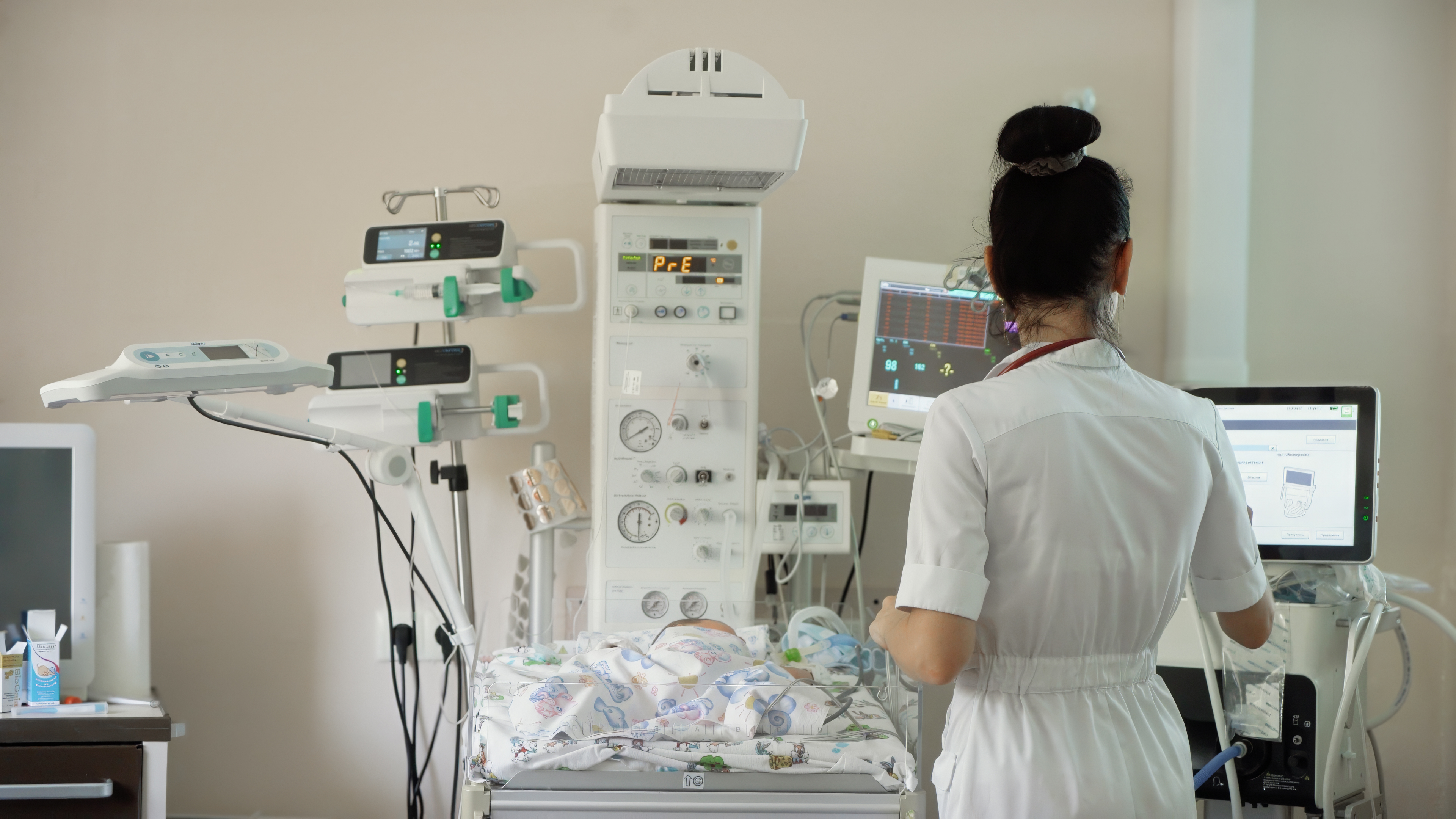
16th April 2026 - A new project ensuring access to life-saving sexual and reproductive health (SRH) services for women and adolescents has been launched in Ukraine. Funded by the Government of Japan, and implemented by IPPF Member Association, Women Health and Family Planning (WHFP), the project will support internally displaced persons (IDPs) and host communities in the Mykolaiv region of the country. Ongoing conflict in Ukraine means nearly 13 million people now have acute humanitarian needs, and 3.8 million are internally displaced. Escalations in April 2025 resulted in a new wave of IDPs from frontline districts to regions such as Mykolaiv, creating additional pressures on an already stretched healthcare system. 68 healthcare facilities in the region have been damaged since February 2022, and there has been a significant reduction in medical personnel. More than half of IDPs live in rural areas, where their only option is to seek medical care in community healthcare facilitiesThis project aims to strengthen the sexual and reproductive health services provided by these primary healthcare facilities, ensuring women and adolescents, and particularly IDPs, can access quality care. The work will also raise awareness of sexual and reproductive health and rights among women and young people in the region and provide information on how to access services. Key activities and expected outcomes include:Supporting three primary healthcare facilities in the Mykolaiv region to provide quality sexual and reproductive health services, such as gynecological examinations, non-urgent pregnancy care, HIV prevention, contraception, sexual and reproductive health counselling and referrals. Equipping these healthcare facilities with essential tools and medication, such as dopplers for fetal heart monitoring, contraceptives, pharmaceutical refrigerators, and gynecological examination sets. Training 30 primary healthcare level specialists, such as family doctors and midwives, in sexual and reproductive health services such as family planning, HIV prevention, patient examinations, and caring for survivors of sexual and gender-based violence. Using social media channels, public platforms and regional media to reach at least 10,000 women and adolescents with information on sexual and reproductive health, and how to access support. Dr. Galyna Maystruk, Executive Director of Woman Health and Family Planning said: “We see how the destruction of medical infrastructure and the shortage of personnel are severely limiting access to essential services that are vital for women. This initiative is a significant contribution to restoring and strengthening sexual and reproductive health security in one of the most important regions of Ukraine in all respects. We are focusing our efforts on the Mykolaiv region, since the needs are particularly acute. Our long-term humanitarian experience shows that special attention to the essential needs of the population makes these people safer - especially vulnerable groups. Thanks to the targeted and practical support of Japan, together with our partners, we are building a sustainable system that supports the different needs of the population.” Valerie Dourdin, IPPF Global Humanitarian Director, added “In crisis situations, ensuring access to safe care is not optional - it is life saving. Thanks to the support of the Government of Japan, this project strengthens healthcare facilities so that people displaced by conflict can access safe, quality sexual and reproductive health services.” --About WHFPFor 20 years WHFP has been consistently and actively working in the field of reproductive health, strengthening and protecting the reproductive rights of people in Ukraine.Its main spheres of activity include: independent expertise and strategic development relating to national legislation and development of the legal framework in the field of reproductive health and family planning; education programs on sexuality education and healthy lifestyles; training for medical professionals; public awareness campaigns on cancer prevention among women; and rehabilitation programs for breast cancer survivors.About IPPF EN regionIPPF European Network is one of the International Planned Parenthood Federation’s six regional networks. IPPF EN works in over 40 countries across Europe and Central Asia to empower everyone, especially the most socially excluded, to live with dignity and to have access to sexual and reproductive health and rights.
media_center
| 16 April 2026
Japan funds new project to support critical health services in Ukraine
16th April 2026 - A new project ensuring access to life-saving sexual and reproductive health (SRH) services for women and adolescents has been launched in Ukraine. Funded by the Government of Japan, and implemented by IPPF Member Association, Women Health and Family Planning (WHFP), the project will support internally displaced persons (IDPs) and host communities in the Mykolaiv region of the country. Ongoing conflict in Ukraine means nearly 13 million people now have acute humanitarian needs, and 3.8 million are internally displaced. Escalations in April 2025 resulted in a new wave of IDPs from frontline districts to regions such as Mykolaiv, creating additional pressures on an already stretched healthcare system. 68 healthcare facilities in the region have been damaged since February 2022, and there has been a significant reduction in medical personnel. More than half of IDPs live in rural areas, where their only option is to seek medical care in community healthcare facilitiesThis project aims to strengthen the sexual and reproductive health services provided by these primary healthcare facilities, ensuring women and adolescents, and particularly IDPs, can access quality care. The work will also raise awareness of sexual and reproductive health and rights among women and young people in the region and provide information on how to access services. Key activities and expected outcomes include:Supporting three primary healthcare facilities in the Mykolaiv region to provide quality sexual and reproductive health services, such as gynecological examinations, non-urgent pregnancy care, HIV prevention, contraception, sexual and reproductive health counselling and referrals. Equipping these healthcare facilities with essential tools and medication, such as dopplers for fetal heart monitoring, contraceptives, pharmaceutical refrigerators, and gynecological examination sets. Training 30 primary healthcare level specialists, such as family doctors and midwives, in sexual and reproductive health services such as family planning, HIV prevention, patient examinations, and caring for survivors of sexual and gender-based violence. Using social media channels, public platforms and regional media to reach at least 10,000 women and adolescents with information on sexual and reproductive health, and how to access support. Dr. Galyna Maystruk, Executive Director of Woman Health and Family Planning said: “We see how the destruction of medical infrastructure and the shortage of personnel are severely limiting access to essential services that are vital for women. This initiative is a significant contribution to restoring and strengthening sexual and reproductive health security in one of the most important regions of Ukraine in all respects. We are focusing our efforts on the Mykolaiv region, since the needs are particularly acute. Our long-term humanitarian experience shows that special attention to the essential needs of the population makes these people safer - especially vulnerable groups. Thanks to the targeted and practical support of Japan, together with our partners, we are building a sustainable system that supports the different needs of the population.” Valerie Dourdin, IPPF Global Humanitarian Director, added “In crisis situations, ensuring access to safe care is not optional - it is life saving. Thanks to the support of the Government of Japan, this project strengthens healthcare facilities so that people displaced by conflict can access safe, quality sexual and reproductive health services.” --About WHFPFor 20 years WHFP has been consistently and actively working in the field of reproductive health, strengthening and protecting the reproductive rights of people in Ukraine.Its main spheres of activity include: independent expertise and strategic development relating to national legislation and development of the legal framework in the field of reproductive health and family planning; education programs on sexuality education and healthy lifestyles; training for medical professionals; public awareness campaigns on cancer prevention among women; and rehabilitation programs for breast cancer survivors.About IPPF EN regionIPPF European Network is one of the International Planned Parenthood Federation’s six regional networks. IPPF EN works in over 40 countries across Europe and Central Asia to empower everyone, especially the most socially excluded, to live with dignity and to have access to sexual and reproductive health and rights.
media center
| 15 September 2026
PRESS RELEASE: Türkiye Must Drop All Charges Against LGBTQI+ Activists
For immediate releaseBrussels / Istanbul, 15 September 2026 — Repro Uncensored and the International Planned Parenthood Federation (IPPF) condemn the sweeping attacks on LGBTQI+ communities in Türkiye and call for the immediate release of those detained, the dismissal of all discriminatory charges, and the restoration of blocked websites and social media accounts.Beginning on 12 September, Turkish authorities restricted access to the websites and social media accounts of numerous LGBTQI+ organizations, media platforms, student groups and human rights defenders. Coordinated police operations followed across multiple provinces, including Istanbul, Ankara, İzmir, Aydın and Mersin.They reportedly targeted 162 people, nine associations and 13 businesses across 15 provinces. Dozens of people have been detained, offices and homes searched, and phones, computers and other digital equipment seized.Among those targeted was partner organization and IPPF Associate Member Association KAOS GL, whose offices were raided as part of the coordinated operations. KAOS GL had previously warned of escalating repression and censorship facing LGBTQI+ communities across Türkiye, including coercive investigations into its finances, despite regularly reporting its accounts to the relevant authorities and operating in accordance with national laws.The crackdown has also involved widespread digital censorship. Websites and social media accounts connected to LGBTQI+ organizations, activists and independent media have been blocked or made inaccessible. Repro Uncensored is investigating the scale and impact of these restrictions, including how they have disrupted access to health information, legal support and essential community services.This escalation follows the suppression of Pride events in June, when marches across Türkiye were banned or violently dispersed and at least 125 people were detained. During the same period, more than 120 LGBTQI+ and feminist social media accounts were suspended across major platforms. At the time, the organizations warned that digital censorship was reinforcing the repression of LGBTQI+ communities on the streets and accelerating the erosion of democratic space. The latest raids and detentions demonstrate how urgently those warnings should have been addressed.These events demonstrate how digital censorship and physical repression increasingly reinforce one another. Restricting organizations online while raiding their offices, detaining their members and seizing their equipment is a direct attack on civil society, freedom of expression and democracy.“Digital censorship is being used alongside raids and detentions to isolate LGBTQI+ communities, silence their voices and dismantle their ability to organize. This coordinated repression is a direct threat to democracy, freedom of expression and respect for fundamental human rights. LGBTQI+ visibility, solidarity and community care are not crimes. Türkiye must immediately release those detained, drop all discriminatory charges and restore access to the websites and social media accounts it has blocked.”- Martha Dimitratou, Founder & Executive Director, Repro Uncensored“The actions taken against LGBTQI+ activists by the Turkish government over the weekend are deplorable. People are being attacked and detained simply for being who they are and for standing up for their rights. At IPPF, we fully recognise the tactic of using the language of ‘protecting children and family’ to supposedly justify attacks on LGBTQI+ people and their rights. We reject it. ”- Micah Grzywnowicz, European Network Regional Director at the International Planned Parenthood Federation (IPPF)As an EU candidate country, Türkiye is required to uphold the Copenhagen criteria, including democracy, the rule of law, human rights and the protection of minorities. The coordinated targeting of LGBTQI+ organizations, activists and community spaces stands in direct contradiction to these fundamental requirements.Repro Uncensored and IPPF call on Turkish authorities to immediately release those detained for lawful organizing, drop all discriminatory charges, end the intimidation of LGBTQI+ civil society, restore blocked digital platforms and return seized equipment.“This repression will not silence us. We will continue to organise, defend our rights, and stand together against any attempts to criminalise the existence of, or activism by, the LGBTIQA+ community. We call on the international community, human rights organisations, and all those committed to equality and freedom, to stand in solidarity with us and support our struggle. As we always say at UniKuir, “Through resistance and solidarity.” - UniKuir NGOThey also urge the European Union, European Commission, the European Parliament, Member States, and the Council of Europe to address these violations clearly in its relations with Türkiye and make respect for fundamental rights central to any future progress in the accession process.For more information or to speak to one of our spokespeople, contact:Martha DimitratouFounder & Executive Director, Repro Uncensoredmartha@reprouncensored.orgNerida WilliamsInternational Planned Parenthood Federationnewilliams@ippf.orgAbout Repro UncensoredRepro Uncensored is the leading global nonprofit documenting digital censorship, reinstating accounts and protecting freedom of expression. It has documented thousands of censorship cases across more than 50 countries and reinstated dozens of accounts with millions in reach.Through research, legal action, policy reform and direct support, Repro Uncensored works to hold technology companies accountable and protect access to information.About the International Planned Parenthood FederationThe International Planned Parenthood Federation is a global healthcare provider and advocacy organization working in over 140 countries to advance sexual and reproductive health and rights. It delivers essential services and advocates for access to accurate information, equality and bodily autonomy worldwide.
media_center
| 15 September 2026
PRESS RELEASE: Türkiye Must Drop All Charges Against LGBTQI+ Activists
For immediate releaseBrussels / Istanbul, 15 September 2026 — Repro Uncensored and the International Planned Parenthood Federation (IPPF) condemn the sweeping attacks on LGBTQI+ communities in Türkiye and call for the immediate release of those detained, the dismissal of all discriminatory charges, and the restoration of blocked websites and social media accounts.Beginning on 12 September, Turkish authorities restricted access to the websites and social media accounts of numerous LGBTQI+ organizations, media platforms, student groups and human rights defenders. Coordinated police operations followed across multiple provinces, including Istanbul, Ankara, İzmir, Aydın and Mersin.They reportedly targeted 162 people, nine associations and 13 businesses across 15 provinces. Dozens of people have been detained, offices and homes searched, and phones, computers and other digital equipment seized.Among those targeted was partner organization and IPPF Associate Member Association KAOS GL, whose offices were raided as part of the coordinated operations. KAOS GL had previously warned of escalating repression and censorship facing LGBTQI+ communities across Türkiye, including coercive investigations into its finances, despite regularly reporting its accounts to the relevant authorities and operating in accordance with national laws.The crackdown has also involved widespread digital censorship. Websites and social media accounts connected to LGBTQI+ organizations, activists and independent media have been blocked or made inaccessible. Repro Uncensored is investigating the scale and impact of these restrictions, including how they have disrupted access to health information, legal support and essential community services.This escalation follows the suppression of Pride events in June, when marches across Türkiye were banned or violently dispersed and at least 125 people were detained. During the same period, more than 120 LGBTQI+ and feminist social media accounts were suspended across major platforms. At the time, the organizations warned that digital censorship was reinforcing the repression of LGBTQI+ communities on the streets and accelerating the erosion of democratic space. The latest raids and detentions demonstrate how urgently those warnings should have been addressed.These events demonstrate how digital censorship and physical repression increasingly reinforce one another. Restricting organizations online while raiding their offices, detaining their members and seizing their equipment is a direct attack on civil society, freedom of expression and democracy.“Digital censorship is being used alongside raids and detentions to isolate LGBTQI+ communities, silence their voices and dismantle their ability to organize. This coordinated repression is a direct threat to democracy, freedom of expression and respect for fundamental human rights. LGBTQI+ visibility, solidarity and community care are not crimes. Türkiye must immediately release those detained, drop all discriminatory charges and restore access to the websites and social media accounts it has blocked.”- Martha Dimitratou, Founder & Executive Director, Repro Uncensored“The actions taken against LGBTQI+ activists by the Turkish government over the weekend are deplorable. People are being attacked and detained simply for being who they are and for standing up for their rights. At IPPF, we fully recognise the tactic of using the language of ‘protecting children and family’ to supposedly justify attacks on LGBTQI+ people and their rights. We reject it. ”- Micah Grzywnowicz, European Network Regional Director at the International Planned Parenthood Federation (IPPF)As an EU candidate country, Türkiye is required to uphold the Copenhagen criteria, including democracy, the rule of law, human rights and the protection of minorities. The coordinated targeting of LGBTQI+ organizations, activists and community spaces stands in direct contradiction to these fundamental requirements.Repro Uncensored and IPPF call on Turkish authorities to immediately release those detained for lawful organizing, drop all discriminatory charges, end the intimidation of LGBTQI+ civil society, restore blocked digital platforms and return seized equipment.“This repression will not silence us. We will continue to organise, defend our rights, and stand together against any attempts to criminalise the existence of, or activism by, the LGBTIQA+ community. We call on the international community, human rights organisations, and all those committed to equality and freedom, to stand in solidarity with us and support our struggle. As we always say at UniKuir, “Through resistance and solidarity.” - UniKuir NGOThey also urge the European Union, European Commission, the European Parliament, Member States, and the Council of Europe to address these violations clearly in its relations with Türkiye and make respect for fundamental rights central to any future progress in the accession process.For more information or to speak to one of our spokespeople, contact:Martha DimitratouFounder & Executive Director, Repro Uncensoredmartha@reprouncensored.orgNerida WilliamsInternational Planned Parenthood Federationnewilliams@ippf.orgAbout Repro UncensoredRepro Uncensored is the leading global nonprofit documenting digital censorship, reinstating accounts and protecting freedom of expression. It has documented thousands of censorship cases across more than 50 countries and reinstated dozens of accounts with millions in reach.Through research, legal action, policy reform and direct support, Repro Uncensored works to hold technology companies accountable and protect access to information.About the International Planned Parenthood FederationThe International Planned Parenthood Federation is a global healthcare provider and advocacy organization working in over 140 countries to advance sexual and reproductive health and rights. It delivers essential services and advocates for access to accurate information, equality and bodily autonomy worldwide.
media center
| 13 July 2026
Press Release: Amid Crackdown on Pride in Türkiye, More Than 120 LGBTQI+ and Feminist Social Media Accounts Suspended
Brussels / Istanbul, 13 July 2026 - Amid an escalating crackdown on LGBTQI+ communities in Türkiye, Repro Uncensored, the International Planned Parenthood Federation (IPPF), ÜniKuir Association and Kaos GL are raising alarm over the suspension of more than 120 LGBTQI+ and feminist social media accounts across major social media platforms beginning on 19 June 2026, according to documentation compiled by Turkish civil society organizations. Homosexuality is not illegal in Turkey, but the annual Pride march has been almost systematically banned and suppressed since 2015. This year's suspensions coincided with the violent suppression of Pride Month events by Turkish authorities, widespread police violence, arbitrary detentions, and broader restrictions on freedom of expression, severely limiting organizations' ability to share urgent safety information, document human rights violations, and support their communities.As authorities intensified restrictions on public assembly, Pride Month events across Türkiye were systematically targeted. Pride marches in Kuşadası, Ankara, İstanbul Trans Pride, İzmir, and İstanbul were banned or violently dispersed. At least 125 people were detained, while journalists, activists, and community organizers reported increased police surveillance, arbitrary arrests, and broader restrictions on civic space. During the same period, the widespread suspension of LGBTQI+ and feminist social media accounts significantly undermined civil society organizations' ability to communicate with affected communities, provide legal information, document abuses, and coordinate emergency responses at a moment of acute need.The suspensions in Türkiye form part of a broader global pattern of platform censorship affecting organizations working on sexual and reproductive health and rights, LGBTQI+ rights, gender equality, public health, and democratic participation. Repro Uncensored has documented more than 500 incidents of account suspensions, content removals, shadow banning, and other forms of platform enforcement in 2026 alone.Just days before these events, Repro Uncensored convened a press conference at the European Parliament with MEP Alexandra Geese (Greens/EFA) and affected organizations to warn of the growing censorship of lawful public interest content across major social media platforms. The suspensions in Türkiye further demonstrate that these are not isolated incidents, but part of a broader pattern with serious implications for freedom of expression, democratic participation, and human rights.The events in Türkiye also follow recent waves of platform enforcement affecting abortion rights organizations in Poland, queer organizations in the Netherlands and Germany, feminist creators across Europe, and civil society organizations documenting human rights violations in multiple regions. Taken together, these incidents raise growing concerns about the role of major technology platforms in restricting access to lawful information during moments of political crisis and civic mobilization."The events in Türkiye demonstrate how digital censorship and offline repression increasingly reinforce one another. Silencing civil society online while communities face repression on the streets accelerates the erosion of democratic space. With more than 500 cases documented this year, these are not isolated incidents—they reflect a broader pattern of opaque platform governance with profound implications for freedom of expression, democratic participation, and human rights." — Martha Dimitratou, Founder & Executive Director, Repro Uncensored"Algorithms are never neutral. When LGBTQI+ and feminist organisations are silenced during Pride Month, the impact extends far beyond social media - it essentially denies people access to vital health information, solidarity and support. Technology companies cannot claim to champion inclusion while allowing their platforms to erase the very communities they say they stand with." — Micah Grzywnowicz, European Network Regional Director, IPPF"This year, Pride events across Türkiye were met with bans, police violence, and arbitrary detentions, while the social media accounts used to organize, document violations, and support communities were suspended or restricted. For LGBTI+ students and young people, these platforms are essential for information, safety, and solidarity. Silencing them during Pride further isolates communities already facing repression." — İzot Ergün, ÜniKuir Association"The suspension of social media accounts should be understood as a violation of civil society organizations' rights to freedom of expression and freedom of association. However, the more critical issue is that these actions also prevent rights holders from accessing essential services, constituting discrimination and violating the principle of non-discrimination. LGBTQI+ people seeking counselling and support, including services related to sexual and reproductive health and rights (SRHR), are being denied access to these vital resources. This amounts to a direct obstruction of the right to health." — Umut Güner, General Coordinator, KAOS GLRepro Uncensored, IPPF, ÜniKuir Association, and KAOS GL call on Meta and X to urgently investigate the suspensions, provide meaningful transparency regarding enforcement decisions, restore accounts that were removed in error, and ensure accessible and effective mechanisms for appeal and redress. The organizations also urge policymakers and regulators to examine the broader human rights implications of opaque platform governance, particularly when moderation actions coincide with moments of political unrest, protests, and restrictions on civic space.The ability of civil society organizations to communicate online has become indispensable to democratic participation, freedom of expression, public health, and access to human rights information. Ensuring that lawful organizations can continue reaching their communities without arbitrary interruption is fundamental to protecting civic space in the digital age.For more information or to speak to one of our spokespeople, contact:Martha DimitratouFounder & Executive Director, Repro Uncensoredmartha@reprouncensored.orgNerida WilliamsInternational Planned Parenthood Federation (IPPF)newilliams@ippf.orgİzot ErgünÜniKuir Association from Turkeyizot@unikuir.orgUmut GünerGeneral Coordinator, KAOS GL from Turkeyumut@kaosgl.orgAbout Repro UncensoredRepro Uncensored is a global nonprofit documenting digital suppression and supporting organizations affected by discriminatory moderation systems. Through multilingual incident tracking, its global censorship map, research, and cultural advocacy, Repro Uncensored works with sexual and reproductive health organizations, queer collectives, and cultural communities to ensure their content remains accessible. The organization also supports account reinstatements and leads work on emerging forms of technology-enabled harm, including AI-driven abuse.About The International Planned Parenthood Federation (IPPF)The International Planned Parenthood Federation is a global healthcare provider and advocacy organization working in over 140 countries to advance sexual and reproductive health and rights. It delivers essential services, including contraception and safe abortion care, and advocates for access to accurate information and bodily autonomy worldwide.About ÜniKuir AssociationÜniKuir Association is a legally registered non-governmental organization based in Türkiye. It works to support LGBTI+ youth and university students through human rights advocacy, access to accurate information, solidarity, awareness-raising, and the promotion of safer, more equal, and inclusive university environments. Through educational initiatives, rights monitoring, support for student communities, and advocacy for youth participation in social and decision-making processes, ÜniKuir works to advance equality, strengthen civic participation, and protect the rights of LGBTI+ people across Türkiye. About KAOS GLKAOS GL is a rights-based non-governmental organization in Türkiye committed to fostering an equal and inclusive society through scientific, cultural, social, artistic, and educational programs that combat all forms of discrimination based on sexual orientation, gender identity, gender expression, and individual sexual characteristics. Founded in 1994, KAOS GL emerged with a simple yet powerful mission: to protect the lives of the LGBTQI community and loudly say, "We exist. We live in a society that is not only sexist but also heterosexist." The organization’s work is structured around four core strategic programs: Academic and Cultural Studies, Human Rights, Media and Communication, and Refugee Rights.
media_center
| 13 July 2026
Press Release: Amid Crackdown on Pride in Türkiye, More Than 120 LGBTQI+ and Feminist Social Media Accounts Suspended
Brussels / Istanbul, 13 July 2026 - Amid an escalating crackdown on LGBTQI+ communities in Türkiye, Repro Uncensored, the International Planned Parenthood Federation (IPPF), ÜniKuir Association and Kaos GL are raising alarm over the suspension of more than 120 LGBTQI+ and feminist social media accounts across major social media platforms beginning on 19 June 2026, according to documentation compiled by Turkish civil society organizations. Homosexuality is not illegal in Turkey, but the annual Pride march has been almost systematically banned and suppressed since 2015. This year's suspensions coincided with the violent suppression of Pride Month events by Turkish authorities, widespread police violence, arbitrary detentions, and broader restrictions on freedom of expression, severely limiting organizations' ability to share urgent safety information, document human rights violations, and support their communities.As authorities intensified restrictions on public assembly, Pride Month events across Türkiye were systematically targeted. Pride marches in Kuşadası, Ankara, İstanbul Trans Pride, İzmir, and İstanbul were banned or violently dispersed. At least 125 people were detained, while journalists, activists, and community organizers reported increased police surveillance, arbitrary arrests, and broader restrictions on civic space. During the same period, the widespread suspension of LGBTQI+ and feminist social media accounts significantly undermined civil society organizations' ability to communicate with affected communities, provide legal information, document abuses, and coordinate emergency responses at a moment of acute need.The suspensions in Türkiye form part of a broader global pattern of platform censorship affecting organizations working on sexual and reproductive health and rights, LGBTQI+ rights, gender equality, public health, and democratic participation. Repro Uncensored has documented more than 500 incidents of account suspensions, content removals, shadow banning, and other forms of platform enforcement in 2026 alone.Just days before these events, Repro Uncensored convened a press conference at the European Parliament with MEP Alexandra Geese (Greens/EFA) and affected organizations to warn of the growing censorship of lawful public interest content across major social media platforms. The suspensions in Türkiye further demonstrate that these are not isolated incidents, but part of a broader pattern with serious implications for freedom of expression, democratic participation, and human rights.The events in Türkiye also follow recent waves of platform enforcement affecting abortion rights organizations in Poland, queer organizations in the Netherlands and Germany, feminist creators across Europe, and civil society organizations documenting human rights violations in multiple regions. Taken together, these incidents raise growing concerns about the role of major technology platforms in restricting access to lawful information during moments of political crisis and civic mobilization."The events in Türkiye demonstrate how digital censorship and offline repression increasingly reinforce one another. Silencing civil society online while communities face repression on the streets accelerates the erosion of democratic space. With more than 500 cases documented this year, these are not isolated incidents—they reflect a broader pattern of opaque platform governance with profound implications for freedom of expression, democratic participation, and human rights." — Martha Dimitratou, Founder & Executive Director, Repro Uncensored"Algorithms are never neutral. When LGBTQI+ and feminist organisations are silenced during Pride Month, the impact extends far beyond social media - it essentially denies people access to vital health information, solidarity and support. Technology companies cannot claim to champion inclusion while allowing their platforms to erase the very communities they say they stand with." — Micah Grzywnowicz, European Network Regional Director, IPPF"This year, Pride events across Türkiye were met with bans, police violence, and arbitrary detentions, while the social media accounts used to organize, document violations, and support communities were suspended or restricted. For LGBTI+ students and young people, these platforms are essential for information, safety, and solidarity. Silencing them during Pride further isolates communities already facing repression." — İzot Ergün, ÜniKuir Association"The suspension of social media accounts should be understood as a violation of civil society organizations' rights to freedom of expression and freedom of association. However, the more critical issue is that these actions also prevent rights holders from accessing essential services, constituting discrimination and violating the principle of non-discrimination. LGBTQI+ people seeking counselling and support, including services related to sexual and reproductive health and rights (SRHR), are being denied access to these vital resources. This amounts to a direct obstruction of the right to health." — Umut Güner, General Coordinator, KAOS GLRepro Uncensored, IPPF, ÜniKuir Association, and KAOS GL call on Meta and X to urgently investigate the suspensions, provide meaningful transparency regarding enforcement decisions, restore accounts that were removed in error, and ensure accessible and effective mechanisms for appeal and redress. The organizations also urge policymakers and regulators to examine the broader human rights implications of opaque platform governance, particularly when moderation actions coincide with moments of political unrest, protests, and restrictions on civic space.The ability of civil society organizations to communicate online has become indispensable to democratic participation, freedom of expression, public health, and access to human rights information. Ensuring that lawful organizations can continue reaching their communities without arbitrary interruption is fundamental to protecting civic space in the digital age.For more information or to speak to one of our spokespeople, contact:Martha DimitratouFounder & Executive Director, Repro Uncensoredmartha@reprouncensored.orgNerida WilliamsInternational Planned Parenthood Federation (IPPF)newilliams@ippf.orgİzot ErgünÜniKuir Association from Turkeyizot@unikuir.orgUmut GünerGeneral Coordinator, KAOS GL from Turkeyumut@kaosgl.orgAbout Repro UncensoredRepro Uncensored is a global nonprofit documenting digital suppression and supporting organizations affected by discriminatory moderation systems. Through multilingual incident tracking, its global censorship map, research, and cultural advocacy, Repro Uncensored works with sexual and reproductive health organizations, queer collectives, and cultural communities to ensure their content remains accessible. The organization also supports account reinstatements and leads work on emerging forms of technology-enabled harm, including AI-driven abuse.About The International Planned Parenthood Federation (IPPF)The International Planned Parenthood Federation is a global healthcare provider and advocacy organization working in over 140 countries to advance sexual and reproductive health and rights. It delivers essential services, including contraception and safe abortion care, and advocates for access to accurate information and bodily autonomy worldwide.About ÜniKuir AssociationÜniKuir Association is a legally registered non-governmental organization based in Türkiye. It works to support LGBTI+ youth and university students through human rights advocacy, access to accurate information, solidarity, awareness-raising, and the promotion of safer, more equal, and inclusive university environments. Through educational initiatives, rights monitoring, support for student communities, and advocacy for youth participation in social and decision-making processes, ÜniKuir works to advance equality, strengthen civic participation, and protect the rights of LGBTI+ people across Türkiye. About KAOS GLKAOS GL is a rights-based non-governmental organization in Türkiye committed to fostering an equal and inclusive society through scientific, cultural, social, artistic, and educational programs that combat all forms of discrimination based on sexual orientation, gender identity, gender expression, and individual sexual characteristics. Founded in 1994, KAOS GL emerged with a simple yet powerful mission: to protect the lives of the LGBTQI community and loudly say, "We exist. We live in a society that is not only sexist but also heterosexist." The organization’s work is structured around four core strategic programs: Academic and Cultural Studies, Human Rights, Media and Communication, and Refugee Rights.
media center
| 28 April 2026
PRESS RELEASE: Groundbreaking new report outlines the impact of Australia’s investment in SRHR
28 April 2026, Narrm (Melbourne) - Guttmacher has today released its latest report '‘Just the Numbers Australia 2026’’, providing vital analysis on the impact of Australia’s foreign aid contributions for sexual and reproductive health and rights (SRHR) programming in the Asia and Pacific Region. Australia has established itself as an incredibly important partner in advancing SRHR, particularly across Asia and the Pacific region, where it directs nearly all of its bilateral family planning support. SRHR accounted for approximately 2.8% of Australia’s official development assistance in 2023.Australia contributed an estimated AUD $49.2 million in 2024 for family planning. This investment enabled roughly 2.8 million women and couples globally to access modern contraception, leading to 830,000 unintended pregnancies averted. Yet significant gaps remain in the region, with 27.7 million women estimated to have an unmet demand for modern contraception. The research found that even modest investments at the country level would have a profound impact. For example, an additional AUD $1 million per year for the Philippines would serve an extra 56,000 contraceptive users, reducing unmet demand by 5%. Elizabeth Sully, Director of International Research at the Guttmacher Institute highlighted: “Australia's foreign investments in family planning are delivering measurable, life-saving results, but with global sexual and reproductive health financing in crisis, the stakes have never been higher. Australia has a real opportunity to deepen its leadership on gender equality and reproductive choice--and the data shows exactly what sustained investment can achieve: preventing unintended pregnancies, unsafe abortions, and maternal deaths. These aren't abstract numbers. They are real people who depend on these services.”Maria Antoineta Alcade, IPPF’s Director General, reflected: “We know that contraceptive services provide a significant return on investment - but most importantly, it's what women want and ask for. The question is not whether we can afford to invest in family planning - it’s whether we can afford not to. Our responsibility, as global leaders and funders, is to listen, and to act on what women need to prosper and thrive. These investments are not abstract, they prevent unintended pregnancies, unsafe abortions and maternal deaths, and give women the ability to have control over their own futures.”ENDS For further information or to arrange media interviews with our spokespeople from IPPF or Guttmacher, please contact Nerida Williams on newilliams@ippf.org or +66 62868 3089 (WhatsApp). NotesTo download the full report, please visit this link: https://www.guttmacher.org/2026/04/just-numbers-australia-global-srhr-investment-impact-2024 Australia is an established development partner in SRHR, contributing a portion of its official development assistance to expand access to essential services across low- and middle-income countries (LMICs). These investments have delivered measurable, life-saving results.In 2024, Australia’s family planning funding—estimated at AUD$49.2 million—supported access to modern contraception for 2.8 million women and couples globally, resulting in:830,000 unintended pregnancies averted303,000 unsafe abortions avoided259,000 unplanned births preventedApproximately 588 maternal deaths prevented
media_center
| 28 April 2026
PRESS RELEASE: Groundbreaking new report outlines the impact of Australia’s investment in SRHR
28 April 2026, Narrm (Melbourne) - Guttmacher has today released its latest report '‘Just the Numbers Australia 2026’’, providing vital analysis on the impact of Australia’s foreign aid contributions for sexual and reproductive health and rights (SRHR) programming in the Asia and Pacific Region. Australia has established itself as an incredibly important partner in advancing SRHR, particularly across Asia and the Pacific region, where it directs nearly all of its bilateral family planning support. SRHR accounted for approximately 2.8% of Australia’s official development assistance in 2023.Australia contributed an estimated AUD $49.2 million in 2024 for family planning. This investment enabled roughly 2.8 million women and couples globally to access modern contraception, leading to 830,000 unintended pregnancies averted. Yet significant gaps remain in the region, with 27.7 million women estimated to have an unmet demand for modern contraception. The research found that even modest investments at the country level would have a profound impact. For example, an additional AUD $1 million per year for the Philippines would serve an extra 56,000 contraceptive users, reducing unmet demand by 5%. Elizabeth Sully, Director of International Research at the Guttmacher Institute highlighted: “Australia's foreign investments in family planning are delivering measurable, life-saving results, but with global sexual and reproductive health financing in crisis, the stakes have never been higher. Australia has a real opportunity to deepen its leadership on gender equality and reproductive choice--and the data shows exactly what sustained investment can achieve: preventing unintended pregnancies, unsafe abortions, and maternal deaths. These aren't abstract numbers. They are real people who depend on these services.”Maria Antoineta Alcade, IPPF’s Director General, reflected: “We know that contraceptive services provide a significant return on investment - but most importantly, it's what women want and ask for. The question is not whether we can afford to invest in family planning - it’s whether we can afford not to. Our responsibility, as global leaders and funders, is to listen, and to act on what women need to prosper and thrive. These investments are not abstract, they prevent unintended pregnancies, unsafe abortions and maternal deaths, and give women the ability to have control over their own futures.”ENDS For further information or to arrange media interviews with our spokespeople from IPPF or Guttmacher, please contact Nerida Williams on newilliams@ippf.org or +66 62868 3089 (WhatsApp). NotesTo download the full report, please visit this link: https://www.guttmacher.org/2026/04/just-numbers-australia-global-srhr-investment-impact-2024 Australia is an established development partner in SRHR, contributing a portion of its official development assistance to expand access to essential services across low- and middle-income countries (LMICs). These investments have delivered measurable, life-saving results.In 2024, Australia’s family planning funding—estimated at AUD$49.2 million—supported access to modern contraception for 2.8 million women and couples globally, resulting in:830,000 unintended pregnancies averted303,000 unsafe abortions avoided259,000 unplanned births preventedApproximately 588 maternal deaths prevented
media center
| 16 April 2026
Japan funds new project to support critical health services in Ukraine
16th April 2026 - A new project ensuring access to life-saving sexual and reproductive health (SRH) services for women and adolescents has been launched in Ukraine. Funded by the Government of Japan, and implemented by IPPF Member Association, Women Health and Family Planning (WHFP), the project will support internally displaced persons (IDPs) and host communities in the Mykolaiv region of the country. Ongoing conflict in Ukraine means nearly 13 million people now have acute humanitarian needs, and 3.8 million are internally displaced. Escalations in April 2025 resulted in a new wave of IDPs from frontline districts to regions such as Mykolaiv, creating additional pressures on an already stretched healthcare system. 68 healthcare facilities in the region have been damaged since February 2022, and there has been a significant reduction in medical personnel. More than half of IDPs live in rural areas, where their only option is to seek medical care in community healthcare facilitiesThis project aims to strengthen the sexual and reproductive health services provided by these primary healthcare facilities, ensuring women and adolescents, and particularly IDPs, can access quality care. The work will also raise awareness of sexual and reproductive health and rights among women and young people in the region and provide information on how to access services. Key activities and expected outcomes include:Supporting three primary healthcare facilities in the Mykolaiv region to provide quality sexual and reproductive health services, such as gynecological examinations, non-urgent pregnancy care, HIV prevention, contraception, sexual and reproductive health counselling and referrals. Equipping these healthcare facilities with essential tools and medication, such as dopplers for fetal heart monitoring, contraceptives, pharmaceutical refrigerators, and gynecological examination sets. Training 30 primary healthcare level specialists, such as family doctors and midwives, in sexual and reproductive health services such as family planning, HIV prevention, patient examinations, and caring for survivors of sexual and gender-based violence. Using social media channels, public platforms and regional media to reach at least 10,000 women and adolescents with information on sexual and reproductive health, and how to access support. Dr. Galyna Maystruk, Executive Director of Woman Health and Family Planning said: “We see how the destruction of medical infrastructure and the shortage of personnel are severely limiting access to essential services that are vital for women. This initiative is a significant contribution to restoring and strengthening sexual and reproductive health security in one of the most important regions of Ukraine in all respects. We are focusing our efforts on the Mykolaiv region, since the needs are particularly acute. Our long-term humanitarian experience shows that special attention to the essential needs of the population makes these people safer - especially vulnerable groups. Thanks to the targeted and practical support of Japan, together with our partners, we are building a sustainable system that supports the different needs of the population.” Valerie Dourdin, IPPF Global Humanitarian Director, added “In crisis situations, ensuring access to safe care is not optional - it is life saving. Thanks to the support of the Government of Japan, this project strengthens healthcare facilities so that people displaced by conflict can access safe, quality sexual and reproductive health services.” --About WHFPFor 20 years WHFP has been consistently and actively working in the field of reproductive health, strengthening and protecting the reproductive rights of people in Ukraine.Its main spheres of activity include: independent expertise and strategic development relating to national legislation and development of the legal framework in the field of reproductive health and family planning; education programs on sexuality education and healthy lifestyles; training for medical professionals; public awareness campaigns on cancer prevention among women; and rehabilitation programs for breast cancer survivors.About IPPF EN regionIPPF European Network is one of the International Planned Parenthood Federation’s six regional networks. IPPF EN works in over 40 countries across Europe and Central Asia to empower everyone, especially the most socially excluded, to live with dignity and to have access to sexual and reproductive health and rights.
media_center
| 16 April 2026
Japan funds new project to support critical health services in Ukraine
16th April 2026 - A new project ensuring access to life-saving sexual and reproductive health (SRH) services for women and adolescents has been launched in Ukraine. Funded by the Government of Japan, and implemented by IPPF Member Association, Women Health and Family Planning (WHFP), the project will support internally displaced persons (IDPs) and host communities in the Mykolaiv region of the country. Ongoing conflict in Ukraine means nearly 13 million people now have acute humanitarian needs, and 3.8 million are internally displaced. Escalations in April 2025 resulted in a new wave of IDPs from frontline districts to regions such as Mykolaiv, creating additional pressures on an already stretched healthcare system. 68 healthcare facilities in the region have been damaged since February 2022, and there has been a significant reduction in medical personnel. More than half of IDPs live in rural areas, where their only option is to seek medical care in community healthcare facilitiesThis project aims to strengthen the sexual and reproductive health services provided by these primary healthcare facilities, ensuring women and adolescents, and particularly IDPs, can access quality care. The work will also raise awareness of sexual and reproductive health and rights among women and young people in the region and provide information on how to access services. Key activities and expected outcomes include:Supporting three primary healthcare facilities in the Mykolaiv region to provide quality sexual and reproductive health services, such as gynecological examinations, non-urgent pregnancy care, HIV prevention, contraception, sexual and reproductive health counselling and referrals. Equipping these healthcare facilities with essential tools and medication, such as dopplers for fetal heart monitoring, contraceptives, pharmaceutical refrigerators, and gynecological examination sets. Training 30 primary healthcare level specialists, such as family doctors and midwives, in sexual and reproductive health services such as family planning, HIV prevention, patient examinations, and caring for survivors of sexual and gender-based violence. Using social media channels, public platforms and regional media to reach at least 10,000 women and adolescents with information on sexual and reproductive health, and how to access support. Dr. Galyna Maystruk, Executive Director of Woman Health and Family Planning said: “We see how the destruction of medical infrastructure and the shortage of personnel are severely limiting access to essential services that are vital for women. This initiative is a significant contribution to restoring and strengthening sexual and reproductive health security in one of the most important regions of Ukraine in all respects. We are focusing our efforts on the Mykolaiv region, since the needs are particularly acute. Our long-term humanitarian experience shows that special attention to the essential needs of the population makes these people safer - especially vulnerable groups. Thanks to the targeted and practical support of Japan, together with our partners, we are building a sustainable system that supports the different needs of the population.” Valerie Dourdin, IPPF Global Humanitarian Director, added “In crisis situations, ensuring access to safe care is not optional - it is life saving. Thanks to the support of the Government of Japan, this project strengthens healthcare facilities so that people displaced by conflict can access safe, quality sexual and reproductive health services.” --About WHFPFor 20 years WHFP has been consistently and actively working in the field of reproductive health, strengthening and protecting the reproductive rights of people in Ukraine.Its main spheres of activity include: independent expertise and strategic development relating to national legislation and development of the legal framework in the field of reproductive health and family planning; education programs on sexuality education and healthy lifestyles; training for medical professionals; public awareness campaigns on cancer prevention among women; and rehabilitation programs for breast cancer survivors.About IPPF EN regionIPPF European Network is one of the International Planned Parenthood Federation’s six regional networks. IPPF EN works in over 40 countries across Europe and Central Asia to empower everyone, especially the most socially excluded, to live with dignity and to have access to sexual and reproductive health and rights.
