




Latest press releases
A selection of stories from across the Federation

Türkiye
Media center
PRESS RELEASE: Türkiye Must Drop All Charges Against LGBTQI+ Activists
Repro Uncensored and the International Planned Parenthood Federation condemn the coordinated raids, detentions and digital censorship targeting LGBTQI+ organizations, activists and community spaces.
For media enquiries
Telephone:
+66 62868 3089Media Inbox:
media@ippf.orgMost Popular This Week
Türkiye

Media center
|
PRESS RELEASE: Türkiye Must Drop All Charges Against LGBTQI+ Activists
For immediate release
Türkiye

Media center
|
Press Release: Amid Crackdown on Pride in Türkiye, More Than 120 LGBTQI+ and Feminist Social Media Accounts Suspended
Brussels / Istanbul, 13 July 2026 - Amid an escalating crackdown on LGBTQI+ communities in Türkiye, Repro Uncensored, the International Planned Par

Media center
|
May 17, IDAHOBIT: Global day celebrates sexual and gender diversity at the heart of democracy
FOR IMMEDIATE RELEASEILGA World x International Planned Parenthood Federation (IPPF)

Media center
|
RightsCon Cancelled as Global Attacks on SRHR and Digital Freedoms Intensify
FOR IMMEDIATE RELEASERepro Uncensored x International Planned Parenthood Federation (IPPF)
East and South East Asia and Oceania

Media center
|
PRESS RELEASE: Groundbreaking new report outlines the impact of Australia’s investment in SRHR
28 April 2026, Narrm (Melbourne) - Guttmacher has today released its latest report '‘Just the Numbers Australia 2026’’, providing vital analysis on the impact
South Asia, Africa

Media center
|
IPPF condemns the UK’s latest ODA budget allocations and warn of life-threatening consequences for millions
20 March 2026 - The International Planned Parenthood Federation (IPPF) strongly condemns the UK Government’s

Media center
|
US Government Expands Global Gag Rule in a Major Escalation of Regressive Foreign Policy
23 January 2026 - The International Planned Parenthood Federation

Media center
|
Nearly 9 Million Denied Essential Reproductive Healthcare as Trump-Era Funding Cuts Force Global Clinic Closures, IPPF Reports
17 December 2025 - New data reveals the Trump Administration's funding cuts have forced 34 of International Planned Parenthood Federation (IPPF) Member Associa
media center
| 16 April 2026
Japan funds new project to support critical health services in Ukraine
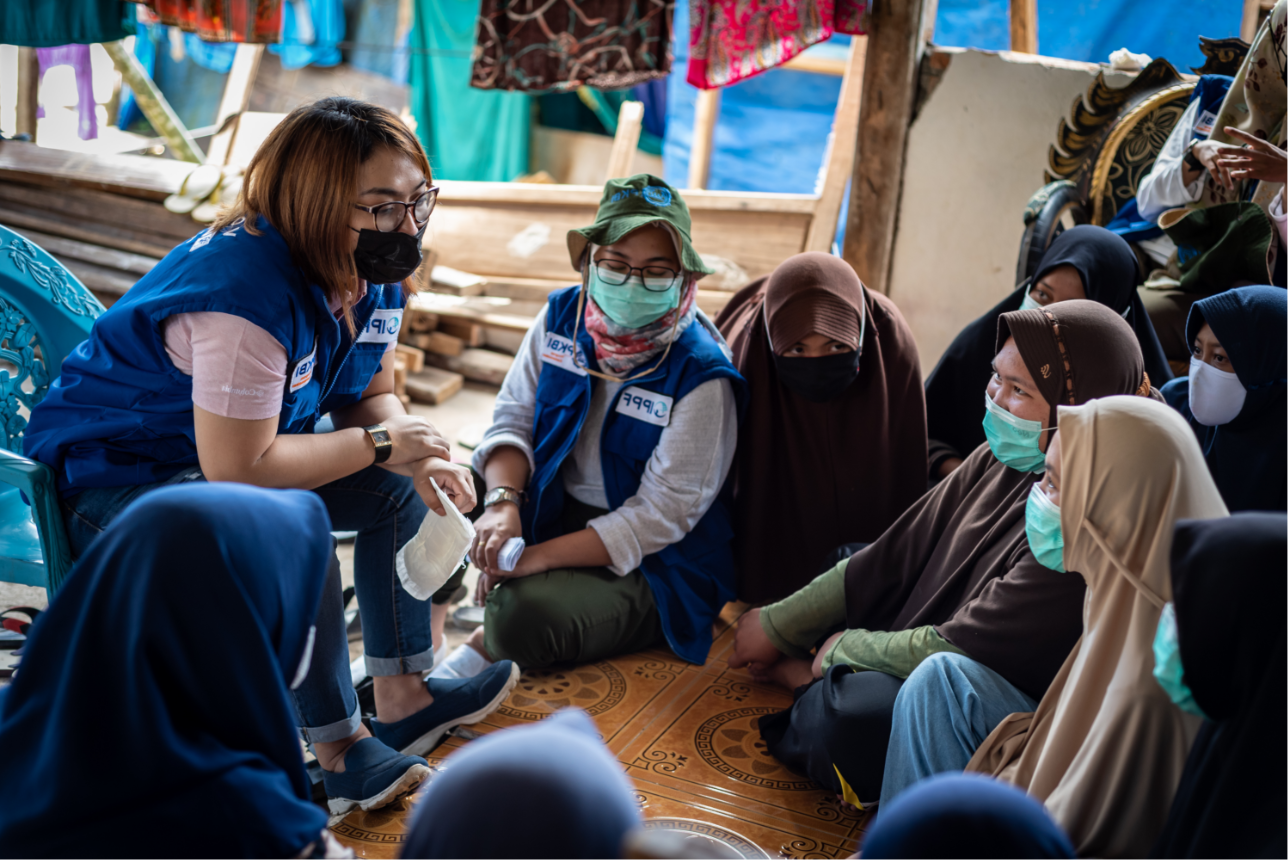
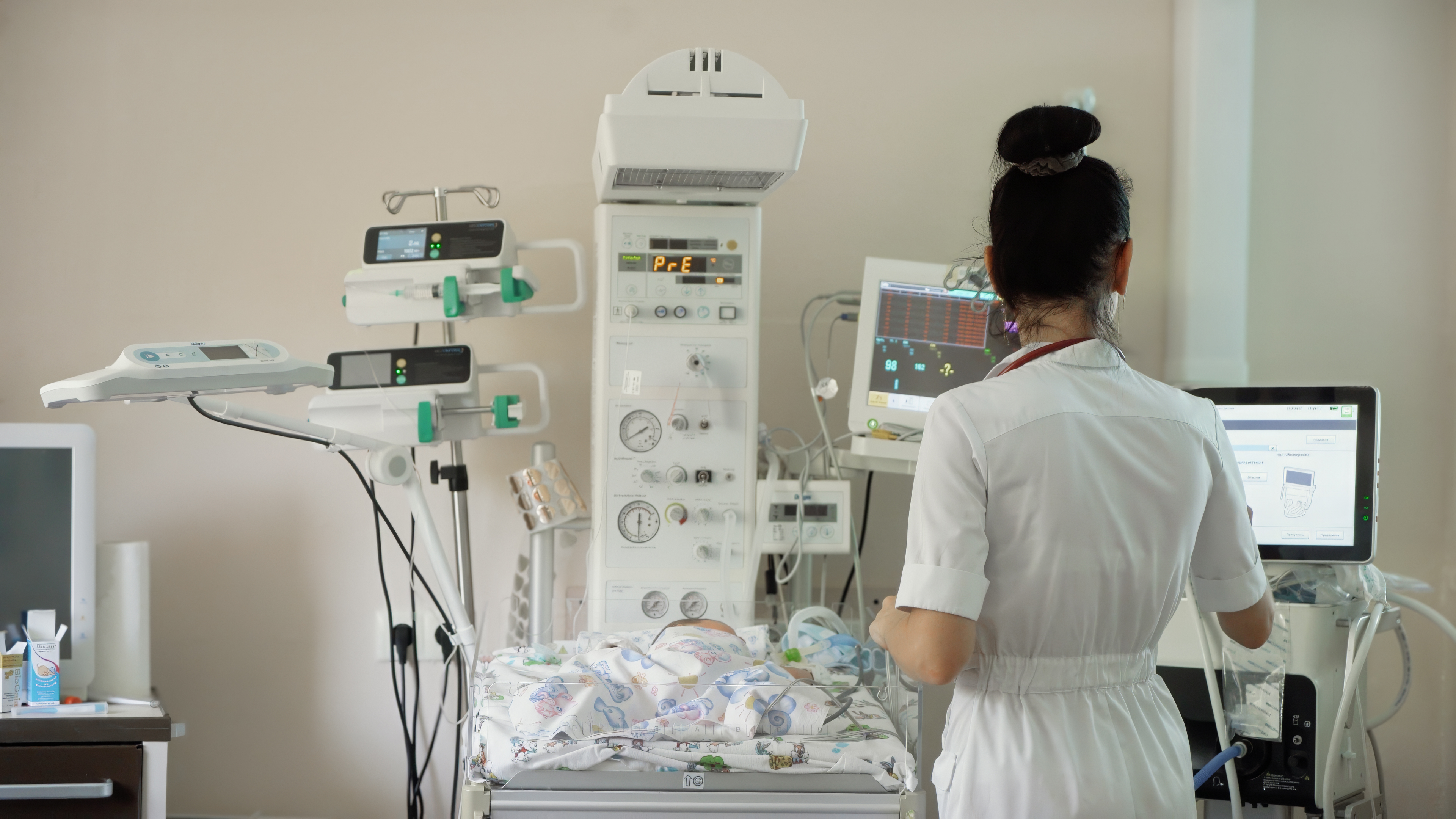
16th April 2026 - A new project ensuring access to life-saving sexual and reproductive health (SRH) services for women and adolescents has been launched in Ukraine. Funded by the Government of Japan, and implemented by IPPF Member Association, Women Health and Family Planning (WHFP), the project will support internally displaced persons (IDPs) and host communities in the Mykolaiv region of the country. Ongoing conflict in Ukraine means nearly 13 million people now have acute humanitarian needs, and 3.8 million are internally displaced. Escalations in April 2025 resulted in a new wave of IDPs from frontline districts to regions such as Mykolaiv, creating additional pressures on an already stretched healthcare system. 68 healthcare facilities in the region have been damaged since February 2022, and there has been a significant reduction in medical personnel. More than half of IDPs live in rural areas, where their only option is to seek medical care in community healthcare facilitiesThis project aims to strengthen the sexual and reproductive health services provided by these primary healthcare facilities, ensuring women and adolescents, and particularly IDPs, can access quality care. The work will also raise awareness of sexual and reproductive health and rights among women and young people in the region and provide information on how to access services. Key activities and expected outcomes include:Supporting three primary healthcare facilities in the Mykolaiv region to provide quality sexual and reproductive health services, such as gynecological examinations, non-urgent pregnancy care, HIV prevention, contraception, sexual and reproductive health counselling and referrals. Equipping these healthcare facilities with essential tools and medication, such as dopplers for fetal heart monitoring, contraceptives, pharmaceutical refrigerators, and gynecological examination sets. Training 30 primary healthcare level specialists, such as family doctors and midwives, in sexual and reproductive health services such as family planning, HIV prevention, patient examinations, and caring for survivors of sexual and gender-based violence. Using social media channels, public platforms and regional media to reach at least 10,000 women and adolescents with information on sexual and reproductive health, and how to access support. Dr. Galyna Maystruk, Executive Director of Woman Health and Family Planning said: “We see how the destruction of medical infrastructure and the shortage of personnel are severely limiting access to essential services that are vital for women. This initiative is a significant contribution to restoring and strengthening sexual and reproductive health security in one of the most important regions of Ukraine in all respects. We are focusing our efforts on the Mykolaiv region, since the needs are particularly acute. Our long-term humanitarian experience shows that special attention to the essential needs of the population makes these people safer - especially vulnerable groups. Thanks to the targeted and practical support of Japan, together with our partners, we are building a sustainable system that supports the different needs of the population.” Valerie Dourdin, IPPF Global Humanitarian Director, added “In crisis situations, ensuring access to safe care is not optional - it is life saving. Thanks to the support of the Government of Japan, this project strengthens healthcare facilities so that people displaced by conflict can access safe, quality sexual and reproductive health services.” --About WHFPFor 20 years WHFP has been consistently and actively working in the field of reproductive health, strengthening and protecting the reproductive rights of people in Ukraine.Its main spheres of activity include: independent expertise and strategic development relating to national legislation and development of the legal framework in the field of reproductive health and family planning; education programs on sexuality education and healthy lifestyles; training for medical professionals; public awareness campaigns on cancer prevention among women; and rehabilitation programs for breast cancer survivors.About IPPF EN regionIPPF European Network is one of the International Planned Parenthood Federation’s six regional networks. IPPF EN works in over 40 countries across Europe and Central Asia to empower everyone, especially the most socially excluded, to live with dignity and to have access to sexual and reproductive health and rights.
media_center
| 16 April 2026
Japan funds new project to support critical health services in Ukraine
16th April 2026 - A new project ensuring access to life-saving sexual and reproductive health (SRH) services for women and adolescents has been launched in Ukraine. Funded by the Government of Japan, and implemented by IPPF Member Association, Women Health and Family Planning (WHFP), the project will support internally displaced persons (IDPs) and host communities in the Mykolaiv region of the country. Ongoing conflict in Ukraine means nearly 13 million people now have acute humanitarian needs, and 3.8 million are internally displaced. Escalations in April 2025 resulted in a new wave of IDPs from frontline districts to regions such as Mykolaiv, creating additional pressures on an already stretched healthcare system. 68 healthcare facilities in the region have been damaged since February 2022, and there has been a significant reduction in medical personnel. More than half of IDPs live in rural areas, where their only option is to seek medical care in community healthcare facilitiesThis project aims to strengthen the sexual and reproductive health services provided by these primary healthcare facilities, ensuring women and adolescents, and particularly IDPs, can access quality care. The work will also raise awareness of sexual and reproductive health and rights among women and young people in the region and provide information on how to access services. Key activities and expected outcomes include:Supporting three primary healthcare facilities in the Mykolaiv region to provide quality sexual and reproductive health services, such as gynecological examinations, non-urgent pregnancy care, HIV prevention, contraception, sexual and reproductive health counselling and referrals. Equipping these healthcare facilities with essential tools and medication, such as dopplers for fetal heart monitoring, contraceptives, pharmaceutical refrigerators, and gynecological examination sets. Training 30 primary healthcare level specialists, such as family doctors and midwives, in sexual and reproductive health services such as family planning, HIV prevention, patient examinations, and caring for survivors of sexual and gender-based violence. Using social media channels, public platforms and regional media to reach at least 10,000 women and adolescents with information on sexual and reproductive health, and how to access support. Dr. Galyna Maystruk, Executive Director of Woman Health and Family Planning said: “We see how the destruction of medical infrastructure and the shortage of personnel are severely limiting access to essential services that are vital for women. This initiative is a significant contribution to restoring and strengthening sexual and reproductive health security in one of the most important regions of Ukraine in all respects. We are focusing our efforts on the Mykolaiv region, since the needs are particularly acute. Our long-term humanitarian experience shows that special attention to the essential needs of the population makes these people safer - especially vulnerable groups. Thanks to the targeted and practical support of Japan, together with our partners, we are building a sustainable system that supports the different needs of the population.” Valerie Dourdin, IPPF Global Humanitarian Director, added “In crisis situations, ensuring access to safe care is not optional - it is life saving. Thanks to the support of the Government of Japan, this project strengthens healthcare facilities so that people displaced by conflict can access safe, quality sexual and reproductive health services.” --About WHFPFor 20 years WHFP has been consistently and actively working in the field of reproductive health, strengthening and protecting the reproductive rights of people in Ukraine.Its main spheres of activity include: independent expertise and strategic development relating to national legislation and development of the legal framework in the field of reproductive health and family planning; education programs on sexuality education and healthy lifestyles; training for medical professionals; public awareness campaigns on cancer prevention among women; and rehabilitation programs for breast cancer survivors.About IPPF EN regionIPPF European Network is one of the International Planned Parenthood Federation’s six regional networks. IPPF EN works in over 40 countries across Europe and Central Asia to empower everyone, especially the most socially excluded, to live with dignity and to have access to sexual and reproductive health and rights.

media center
| 21 February 2023
Colombia decriminalizes abortion: one year anniversary
Profamilia – an IPPF Member Association and the leading sexual and reproductive rights organization in Colombia – is celebrating the first anniversary of the decriminalization of abortion across the country. The move - Ruling C-055 - which allows abortion up to 24 weeks of gestation under any circumstance is saving lives across Colombia, and means those who have an abortion no longer face prosecution or criminalization. A historic step for the rights of women and pregnant people both in the country and across Latin America. Over the last year, Profamilia via its nationwide network of more than 50 clinics has helped guarantee sexual and reproductive health and rights, focusing on providing safe abortion care services in person as well as the provision of telemedicine for rural women. For a country which sees 132,000 cases annually of complications from unsafe abortions and 70 women lose their lives each year – the shift in focus to abortion as a public health issue means healthcare providers can now focus on providing life-saving care and ending unsafe abortion. Alongside the ruling, the Ministry of Health, has also regulated abortion services throughout Colombia via Resolution 051, reiterating that abortion is an essential and urgent health service, which women, including migrant women, and pregnant people (transgender men, trans masculinities, non-binary people, among others) must be able to access without restriction and for free. Further rulings also embeds the provision of sexual and reproductive health information into Colombian health services. Marta Royo, the Executive Director of ProFamilia, said: "Profamilia's commitment will always be to provide comprehensive, humanized and safe services that allow free and informed decision making, and we reiterate this today” "After one year it is possible to see the progress the country has made in terms of reproductive autonomy and rights for women and pregnant people. However, we must move from text to action, and ensure that decriminalization means healthcare. Profamilia's commitment will always be to provide comprehensive, humanized and safe services that allow free and informed decision making." Eugenia López Uribe, Regional Director of IPPF for the Americas and The Caribbean.
media_center
| 21 February 2023
Colombia decriminalizes abortion: one year anniversary
Profamilia – an IPPF Member Association and the leading sexual and reproductive rights organization in Colombia – is celebrating the first anniversary of the decriminalization of abortion across the country. The move - Ruling C-055 - which allows abortion up to 24 weeks of gestation under any circumstance is saving lives across Colombia, and means those who have an abortion no longer face prosecution or criminalization. A historic step for the rights of women and pregnant people both in the country and across Latin America. Over the last year, Profamilia via its nationwide network of more than 50 clinics has helped guarantee sexual and reproductive health and rights, focusing on providing safe abortion care services in person as well as the provision of telemedicine for rural women. For a country which sees 132,000 cases annually of complications from unsafe abortions and 70 women lose their lives each year – the shift in focus to abortion as a public health issue means healthcare providers can now focus on providing life-saving care and ending unsafe abortion. Alongside the ruling, the Ministry of Health, has also regulated abortion services throughout Colombia via Resolution 051, reiterating that abortion is an essential and urgent health service, which women, including migrant women, and pregnant people (transgender men, trans masculinities, non-binary people, among others) must be able to access without restriction and for free. Further rulings also embeds the provision of sexual and reproductive health information into Colombian health services. Marta Royo, the Executive Director of ProFamilia, said: "Profamilia's commitment will always be to provide comprehensive, humanized and safe services that allow free and informed decision making, and we reiterate this today” "After one year it is possible to see the progress the country has made in terms of reproductive autonomy and rights for women and pregnant people. However, we must move from text to action, and ensure that decriminalization means healthcare. Profamilia's commitment will always be to provide comprehensive, humanized and safe services that allow free and informed decision making." Eugenia López Uribe, Regional Director of IPPF for the Americas and The Caribbean.

media center
| 03 March 2022
Statement on the growing humanitarian crisis in Ukraine
Over the past few days, the world has watched in horror and disbelief at the events unfolding in Ukraine. It is estimated that over 500,000 people have now fled – many of whom are women and children – into neighbouring countries such as Poland, Hungary and Romania. The UN anticipates 4 million refugees by July 2022. During Humanitarian crises, sexual and reproductive healthcare is often overlooked. But the reality is daily sexual and reproductive healthcare needs such as essential care for pregnant people, access to menstruation products for people who menstruate, as well as ensuring people who need sexual and reproductive health assistance have access to the right information, remains an urgent priority. IPPF is working with partners on the ground in Poland to link those fleeing the conflict with critical sexual and reproductive health services as well as provide them with essential items. Julie Taft, Director of Humanitarian for the International Planned Parenthood Federation, said "As we mark one week since the invasion of Ukraine, the complex humanitarian situation has become even more apparent. Right now, millions across the country are fighting for their survival, while food, medical supplies and essential hygiene products run dangerously low, including equipment needed to provide life-saving sexual and reproductive healthcare. The destruction of healthcare infrastructure also means that women are forced to deliver their babies in bomb shelters. At the same time, sick and vulnerable new-borns must receive care in the basements of hospitals. "In response to the growing humanitarian crisis, the International Planned Parenthood Federation has partnered with the All-Poland's Women's Strike, a Polish women's rights movement currently supporting people displaced by the war. The $50,000 USD grant will go towards dignity kits, consisting of basic hygiene supplies, menstrual-hygiene products, blankets, food, diapers and baby clothes. Items will be distributed to Ukrainians who have fled into Poland as well as transported cross-border into Ukraine. The funds will also support the All-Poland's women's strike to link refugees who have crossed the Ukraine-Poland border with essential healthcare services. "IPPF is proud to partner with such a brave and unyielding organisation on the frontline and will continue to work closely with other NGOs to facilitate care for those who need it most. However, NGOs cannot operate efficiently without the support of the international community, which must guarantee the safe passage of humanitarian aid into Ukraine. The urgent need for unhindered humanitarian access is especially significant for unaccompanied minors and those left behind, who are often the most vulnerable populations and who will require distinct care during this tragic situation." Marta Lempart, Founder of the All-Poland Women's Strike, said: "We are deeply committed to helping displaced people flee the invasion of our neighbour, Ukraine. Our teams across Poland are working around the clock to support vulnerable people crossing both at the border, including unaccompanied minors at-risk of trafficking and those left behind or heading back to Ukraine. Both groups will require personalised care and support. "We are pleased to partner with the International Planned Parenthood Federation, so we can continue delivering dignity kits to those who need them most; for displaced people arriving with just the clothes on their back, access to even simple necessities are a lifeline. We are also thankful for the outpouring of support from across Europe - the funding will help care for exhausted families who have made it safely across the border, covering transport, rent, bills and other expenses as they begin to build their futures outside of Ukraine. "Disasters reinforce, perpetuate, and increase existing inequalities, making bad situations even more tragic and resulting in consequences that will carry down for generations. But with the international community's support, we can ensure that organisations like Women's Strike and IPPF are there for people every step of the way." Click here if you would like to donate to IPPF's Ukraine Appeal. For media enquiries, please contact Karmen Ivey on kivey@ippf.org or media@ippf.org
media_center
| 03 March 2022
Statement on the growing humanitarian crisis in Ukraine
Over the past few days, the world has watched in horror and disbelief at the events unfolding in Ukraine. It is estimated that over 500,000 people have now fled – many of whom are women and children – into neighbouring countries such as Poland, Hungary and Romania. The UN anticipates 4 million refugees by July 2022. During Humanitarian crises, sexual and reproductive healthcare is often overlooked. But the reality is daily sexual and reproductive healthcare needs such as essential care for pregnant people, access to menstruation products for people who menstruate, as well as ensuring people who need sexual and reproductive health assistance have access to the right information, remains an urgent priority. IPPF is working with partners on the ground in Poland to link those fleeing the conflict with critical sexual and reproductive health services as well as provide them with essential items. Julie Taft, Director of Humanitarian for the International Planned Parenthood Federation, said "As we mark one week since the invasion of Ukraine, the complex humanitarian situation has become even more apparent. Right now, millions across the country are fighting for their survival, while food, medical supplies and essential hygiene products run dangerously low, including equipment needed to provide life-saving sexual and reproductive healthcare. The destruction of healthcare infrastructure also means that women are forced to deliver their babies in bomb shelters. At the same time, sick and vulnerable new-borns must receive care in the basements of hospitals. "In response to the growing humanitarian crisis, the International Planned Parenthood Federation has partnered with the All-Poland's Women's Strike, a Polish women's rights movement currently supporting people displaced by the war. The $50,000 USD grant will go towards dignity kits, consisting of basic hygiene supplies, menstrual-hygiene products, blankets, food, diapers and baby clothes. Items will be distributed to Ukrainians who have fled into Poland as well as transported cross-border into Ukraine. The funds will also support the All-Poland's women's strike to link refugees who have crossed the Ukraine-Poland border with essential healthcare services. "IPPF is proud to partner with such a brave and unyielding organisation on the frontline and will continue to work closely with other NGOs to facilitate care for those who need it most. However, NGOs cannot operate efficiently without the support of the international community, which must guarantee the safe passage of humanitarian aid into Ukraine. The urgent need for unhindered humanitarian access is especially significant for unaccompanied minors and those left behind, who are often the most vulnerable populations and who will require distinct care during this tragic situation." Marta Lempart, Founder of the All-Poland Women's Strike, said: "We are deeply committed to helping displaced people flee the invasion of our neighbour, Ukraine. Our teams across Poland are working around the clock to support vulnerable people crossing both at the border, including unaccompanied minors at-risk of trafficking and those left behind or heading back to Ukraine. Both groups will require personalised care and support. "We are pleased to partner with the International Planned Parenthood Federation, so we can continue delivering dignity kits to those who need them most; for displaced people arriving with just the clothes on their back, access to even simple necessities are a lifeline. We are also thankful for the outpouring of support from across Europe - the funding will help care for exhausted families who have made it safely across the border, covering transport, rent, bills and other expenses as they begin to build their futures outside of Ukraine. "Disasters reinforce, perpetuate, and increase existing inequalities, making bad situations even more tragic and resulting in consequences that will carry down for generations. But with the international community's support, we can ensure that organisations like Women's Strike and IPPF are there for people every step of the way." Click here if you would like to donate to IPPF's Ukraine Appeal. For media enquiries, please contact Karmen Ivey on kivey@ippf.org or media@ippf.org

media center
| 24 February 2022
Statement on the escalating conflict in Ukraine
Following the disturbing reports coming out of Ukraine, IPPF has released a media statement on behalf of the Federation and its Member Association in Ukraine. Despite the fact that sexual and reproductive healthcare (SRHR) needs increase significantly during conflict and humanitarian situations, the significant vulnerabilities of affected populations and displaced people are often overlooked, especially the experiences of women, girls and marginalized populations who are at increased risk of unintended pregnancy, sexually transmitted infections and sexual and gender-based violence. IPPF’s Director-General, Dr Alvaro Bermejo, said: "The International Planned Parenthood Federation (IPPF) is deeply concerned about the escalation of conflict in Ukraine. We take our responsibility to preserve the enormous gains made in life-saving sexual and reproductive healthcare across the country very seriously, especially for women, girls and marginalised populations, whose vulnerability and experiences are so often overlooked in humanitarian situations. "For 20 years, IPPF has consistently worked to strengthen and protect the reproductive rights of people in Ukraine, working in the frontline conflict zones of Lugansk and Donetsk since 2014, training medical specialists to provide life-saving reproductive healthcare, psychosocial support and quality care to survivors of sexual and gender-based violence. “Our teams are now contingency planning across the region to address not only the needs of those still in Ukraine, but also the millions who are likely to be displaced by the conflict and who will require critical support to continue accessing healthcare. We will work closely with partners and other NGOs to ensure the least possible disruption to services. "IPPF stands in solidarity with the international community and the brave people of Ukraine who for the last eight years have faced terrifying and difficult circumstances that nobody should ever have to suffer through. We stand by IPPF's frontline team, who, despite the dangers, continue to facilitate life-saving healthcare for those who need it most. We will be monitoring the situation closely to ensure the safety of our colleagues across the region.” For European outlets, please contact press@ippfen.org For UK and other international media outlets, please contact Karmen Ivey on kivey@ippf.org or media@ippf.org
media_center
| 24 February 2022
Statement on the escalating conflict in Ukraine
Following the disturbing reports coming out of Ukraine, IPPF has released a media statement on behalf of the Federation and its Member Association in Ukraine. Despite the fact that sexual and reproductive healthcare (SRHR) needs increase significantly during conflict and humanitarian situations, the significant vulnerabilities of affected populations and displaced people are often overlooked, especially the experiences of women, girls and marginalized populations who are at increased risk of unintended pregnancy, sexually transmitted infections and sexual and gender-based violence. IPPF’s Director-General, Dr Alvaro Bermejo, said: "The International Planned Parenthood Federation (IPPF) is deeply concerned about the escalation of conflict in Ukraine. We take our responsibility to preserve the enormous gains made in life-saving sexual and reproductive healthcare across the country very seriously, especially for women, girls and marginalised populations, whose vulnerability and experiences are so often overlooked in humanitarian situations. "For 20 years, IPPF has consistently worked to strengthen and protect the reproductive rights of people in Ukraine, working in the frontline conflict zones of Lugansk and Donetsk since 2014, training medical specialists to provide life-saving reproductive healthcare, psychosocial support and quality care to survivors of sexual and gender-based violence. “Our teams are now contingency planning across the region to address not only the needs of those still in Ukraine, but also the millions who are likely to be displaced by the conflict and who will require critical support to continue accessing healthcare. We will work closely with partners and other NGOs to ensure the least possible disruption to services. "IPPF stands in solidarity with the international community and the brave people of Ukraine who for the last eight years have faced terrifying and difficult circumstances that nobody should ever have to suffer through. We stand by IPPF's frontline team, who, despite the dangers, continue to facilitate life-saving healthcare for those who need it most. We will be monitoring the situation closely to ensure the safety of our colleagues across the region.” For European outlets, please contact press@ippfen.org For UK and other international media outlets, please contact Karmen Ivey on kivey@ippf.org or media@ippf.org

media center
| 22 February 2022
Colombia decriminalizes abortion
Today, the Colombian Constitutional Court decriminalized abortion up to 24 weeks in another victory for the Green Wave sweeping through Latin America. The historic decision follows years of campaigning by women's right's activists across Colombia and came off the back of two lawsuits that asked the court to declare article 122 of the penal code, that "the woman who causes her abortion or allows another to cause it, will incur a prison sentence from sixteen (16) to fifty-four (54) months" as unconstitutional. The court called an extraordinary meeting today, Monday 21st February, and took just a few hours to come to its decision which will go into effect immediately. ProFamilia, the International Planned Federation's Member Association in Colombia, and Colombia's largest provider of legal abortion care were heavily involved in pushing to extend the rights of those needing to access abortion care. Marta Royo, Executive Director for Profamilia, IPPF's Member Association in Colombia, said: "Today is a ground-breaking moment for the people of Colombia and a long-overdue guarantee of reproductive rights and dignity for all those who need abortion care, especially poor and rural women who bear the brunt of restrictive abortion policies. "The decriminalization of abortion up to 24 weeks in Colombia and the Green Wave movement across Latin America is centred not just on public health, but also the full lives, citizenship and human rights of girls, adolescents, and women – who, for multiple reasons, including inequity, access to education, gender-based violence and barriers to healthcare – continue to face unintended pregnancies. "The freedom for women to finally make their own choices about their pregnancies and their bodies is fundamental to disrupting the cycle of poverty that so many in Colombia face. This monumental decision is also a win for the dedicated health care providers, who will finally be recognized as people who simply care about the needs of others." While Colombian women have supposedly been able to access abortion care since 2006 under three circumstances: if their life or health is at risk, in cases of fatal foetal abnormalities, or if the pregnancy is the by-product of rape or incest, in reality, the criminalization of abortion persisted. The Guttmacher Institute found that less than one per cent of the estimated 400,000 abortions carried out each year in Colombia are performed legally, with women, especially poor, rural, vulnerable and marginalized women, facing significant barriers to accessing safe and timely abortion care. Many Colombian women are instead forced to carry their pregnancies to term or else seek other methods to end them. Figures collected by ProFamilia showed that during 2020, there were at least 26,223 unsafe abortions across Colombia, a startling amount for which consequences range from infection to life-changing injuries to death. As per the previous abortion law, other women have been imprisoned for up to four and a half years for having an abortion, even in cases where abortion should have been legal. In a shocking example of discrimination, data collected showed that poor rural women were more likely to be charged, with a third of those who faced charges also survivors of sexual violence. Eugenia Lopez Uribe, IPPF's Regional Director for Americas and the Caribbean Region, said: "Today Colombia took another step in the right direction for gender equality and full human rights for all, and we are incredibly proud of IPPF's Member Association, ProFamilia, for their tireless work alongside thousands of activists across Colombia and Latin America "This 24-week decriminalization is historic in the region and especially remarkable when we consider the current fragility of abortion rights globally and the anti-choice movements which continue to plague nations across the world, including in countries close to home like the United States of America. "While today we are celebrating this historic decision, the Green Wave is strong and growing, and the fight for reproductive rights and justice will not end until every person can access high-quality sexual and reproductive healthcare when and where they need it." For media enquiries in English, please contact Karmen Ivey on kivey@ippf.org or media@ippf.org For media enquiries in Spanish or during UK night-time hours, please contact Pamela Martin Garcia on PMartinGarcia@ippf.org
media_center
| 21 February 2022
Colombia decriminalizes abortion
Today, the Colombian Constitutional Court decriminalized abortion up to 24 weeks in another victory for the Green Wave sweeping through Latin America. The historic decision follows years of campaigning by women's right's activists across Colombia and came off the back of two lawsuits that asked the court to declare article 122 of the penal code, that "the woman who causes her abortion or allows another to cause it, will incur a prison sentence from sixteen (16) to fifty-four (54) months" as unconstitutional. The court called an extraordinary meeting today, Monday 21st February, and took just a few hours to come to its decision which will go into effect immediately. ProFamilia, the International Planned Federation's Member Association in Colombia, and Colombia's largest provider of legal abortion care were heavily involved in pushing to extend the rights of those needing to access abortion care. Marta Royo, Executive Director for Profamilia, IPPF's Member Association in Colombia, said: "Today is a ground-breaking moment for the people of Colombia and a long-overdue guarantee of reproductive rights and dignity for all those who need abortion care, especially poor and rural women who bear the brunt of restrictive abortion policies. "The decriminalization of abortion up to 24 weeks in Colombia and the Green Wave movement across Latin America is centred not just on public health, but also the full lives, citizenship and human rights of girls, adolescents, and women – who, for multiple reasons, including inequity, access to education, gender-based violence and barriers to healthcare – continue to face unintended pregnancies. "The freedom for women to finally make their own choices about their pregnancies and their bodies is fundamental to disrupting the cycle of poverty that so many in Colombia face. This monumental decision is also a win for the dedicated health care providers, who will finally be recognized as people who simply care about the needs of others." While Colombian women have supposedly been able to access abortion care since 2006 under three circumstances: if their life or health is at risk, in cases of fatal foetal abnormalities, or if the pregnancy is the by-product of rape or incest, in reality, the criminalization of abortion persisted. The Guttmacher Institute found that less than one per cent of the estimated 400,000 abortions carried out each year in Colombia are performed legally, with women, especially poor, rural, vulnerable and marginalized women, facing significant barriers to accessing safe and timely abortion care. Many Colombian women are instead forced to carry their pregnancies to term or else seek other methods to end them. Figures collected by ProFamilia showed that during 2020, there were at least 26,223 unsafe abortions across Colombia, a startling amount for which consequences range from infection to life-changing injuries to death. As per the previous abortion law, other women have been imprisoned for up to four and a half years for having an abortion, even in cases where abortion should have been legal. In a shocking example of discrimination, data collected showed that poor rural women were more likely to be charged, with a third of those who faced charges also survivors of sexual violence. Eugenia Lopez Uribe, IPPF's Regional Director for Americas and the Caribbean Region, said: "Today Colombia took another step in the right direction for gender equality and full human rights for all, and we are incredibly proud of IPPF's Member Association, ProFamilia, for their tireless work alongside thousands of activists across Colombia and Latin America "This 24-week decriminalization is historic in the region and especially remarkable when we consider the current fragility of abortion rights globally and the anti-choice movements which continue to plague nations across the world, including in countries close to home like the United States of America. "While today we are celebrating this historic decision, the Green Wave is strong and growing, and the fight for reproductive rights and justice will not end until every person can access high-quality sexual and reproductive healthcare when and where they need it." For media enquiries in English, please contact Karmen Ivey on kivey@ippf.org or media@ippf.org For media enquiries in Spanish or during UK night-time hours, please contact Pamela Martin Garcia on PMartinGarcia@ippf.org
media center
| 16 April 2026
Japan funds new project to support critical health services in Ukraine
16th April 2026 - A new project ensuring access to life-saving sexual and reproductive health (SRH) services for women and adolescents has been launched in Ukraine. Funded by the Government of Japan, and implemented by IPPF Member Association, Women Health and Family Planning (WHFP), the project will support internally displaced persons (IDPs) and host communities in the Mykolaiv region of the country. Ongoing conflict in Ukraine means nearly 13 million people now have acute humanitarian needs, and 3.8 million are internally displaced. Escalations in April 2025 resulted in a new wave of IDPs from frontline districts to regions such as Mykolaiv, creating additional pressures on an already stretched healthcare system. 68 healthcare facilities in the region have been damaged since February 2022, and there has been a significant reduction in medical personnel. More than half of IDPs live in rural areas, where their only option is to seek medical care in community healthcare facilitiesThis project aims to strengthen the sexual and reproductive health services provided by these primary healthcare facilities, ensuring women and adolescents, and particularly IDPs, can access quality care. The work will also raise awareness of sexual and reproductive health and rights among women and young people in the region and provide information on how to access services. Key activities and expected outcomes include:Supporting three primary healthcare facilities in the Mykolaiv region to provide quality sexual and reproductive health services, such as gynecological examinations, non-urgent pregnancy care, HIV prevention, contraception, sexual and reproductive health counselling and referrals. Equipping these healthcare facilities with essential tools and medication, such as dopplers for fetal heart monitoring, contraceptives, pharmaceutical refrigerators, and gynecological examination sets. Training 30 primary healthcare level specialists, such as family doctors and midwives, in sexual and reproductive health services such as family planning, HIV prevention, patient examinations, and caring for survivors of sexual and gender-based violence. Using social media channels, public platforms and regional media to reach at least 10,000 women and adolescents with information on sexual and reproductive health, and how to access support. Dr. Galyna Maystruk, Executive Director of Woman Health and Family Planning said: “We see how the destruction of medical infrastructure and the shortage of personnel are severely limiting access to essential services that are vital for women. This initiative is a significant contribution to restoring and strengthening sexual and reproductive health security in one of the most important regions of Ukraine in all respects. We are focusing our efforts on the Mykolaiv region, since the needs are particularly acute. Our long-term humanitarian experience shows that special attention to the essential needs of the population makes these people safer - especially vulnerable groups. Thanks to the targeted and practical support of Japan, together with our partners, we are building a sustainable system that supports the different needs of the population.” Valerie Dourdin, IPPF Global Humanitarian Director, added “In crisis situations, ensuring access to safe care is not optional - it is life saving. Thanks to the support of the Government of Japan, this project strengthens healthcare facilities so that people displaced by conflict can access safe, quality sexual and reproductive health services.” --About WHFPFor 20 years WHFP has been consistently and actively working in the field of reproductive health, strengthening and protecting the reproductive rights of people in Ukraine.Its main spheres of activity include: independent expertise and strategic development relating to national legislation and development of the legal framework in the field of reproductive health and family planning; education programs on sexuality education and healthy lifestyles; training for medical professionals; public awareness campaigns on cancer prevention among women; and rehabilitation programs for breast cancer survivors.About IPPF EN regionIPPF European Network is one of the International Planned Parenthood Federation’s six regional networks. IPPF EN works in over 40 countries across Europe and Central Asia to empower everyone, especially the most socially excluded, to live with dignity and to have access to sexual and reproductive health and rights.
media_center
| 16 April 2026
Japan funds new project to support critical health services in Ukraine
16th April 2026 - A new project ensuring access to life-saving sexual and reproductive health (SRH) services for women and adolescents has been launched in Ukraine. Funded by the Government of Japan, and implemented by IPPF Member Association, Women Health and Family Planning (WHFP), the project will support internally displaced persons (IDPs) and host communities in the Mykolaiv region of the country. Ongoing conflict in Ukraine means nearly 13 million people now have acute humanitarian needs, and 3.8 million are internally displaced. Escalations in April 2025 resulted in a new wave of IDPs from frontline districts to regions such as Mykolaiv, creating additional pressures on an already stretched healthcare system. 68 healthcare facilities in the region have been damaged since February 2022, and there has been a significant reduction in medical personnel. More than half of IDPs live in rural areas, where their only option is to seek medical care in community healthcare facilitiesThis project aims to strengthen the sexual and reproductive health services provided by these primary healthcare facilities, ensuring women and adolescents, and particularly IDPs, can access quality care. The work will also raise awareness of sexual and reproductive health and rights among women and young people in the region and provide information on how to access services. Key activities and expected outcomes include:Supporting three primary healthcare facilities in the Mykolaiv region to provide quality sexual and reproductive health services, such as gynecological examinations, non-urgent pregnancy care, HIV prevention, contraception, sexual and reproductive health counselling and referrals. Equipping these healthcare facilities with essential tools and medication, such as dopplers for fetal heart monitoring, contraceptives, pharmaceutical refrigerators, and gynecological examination sets. Training 30 primary healthcare level specialists, such as family doctors and midwives, in sexual and reproductive health services such as family planning, HIV prevention, patient examinations, and caring for survivors of sexual and gender-based violence. Using social media channels, public platforms and regional media to reach at least 10,000 women and adolescents with information on sexual and reproductive health, and how to access support. Dr. Galyna Maystruk, Executive Director of Woman Health and Family Planning said: “We see how the destruction of medical infrastructure and the shortage of personnel are severely limiting access to essential services that are vital for women. This initiative is a significant contribution to restoring and strengthening sexual and reproductive health security in one of the most important regions of Ukraine in all respects. We are focusing our efforts on the Mykolaiv region, since the needs are particularly acute. Our long-term humanitarian experience shows that special attention to the essential needs of the population makes these people safer - especially vulnerable groups. Thanks to the targeted and practical support of Japan, together with our partners, we are building a sustainable system that supports the different needs of the population.” Valerie Dourdin, IPPF Global Humanitarian Director, added “In crisis situations, ensuring access to safe care is not optional - it is life saving. Thanks to the support of the Government of Japan, this project strengthens healthcare facilities so that people displaced by conflict can access safe, quality sexual and reproductive health services.” --About WHFPFor 20 years WHFP has been consistently and actively working in the field of reproductive health, strengthening and protecting the reproductive rights of people in Ukraine.Its main spheres of activity include: independent expertise and strategic development relating to national legislation and development of the legal framework in the field of reproductive health and family planning; education programs on sexuality education and healthy lifestyles; training for medical professionals; public awareness campaigns on cancer prevention among women; and rehabilitation programs for breast cancer survivors.About IPPF EN regionIPPF European Network is one of the International Planned Parenthood Federation’s six regional networks. IPPF EN works in over 40 countries across Europe and Central Asia to empower everyone, especially the most socially excluded, to live with dignity and to have access to sexual and reproductive health and rights.
media center
| 21 February 2023
Colombia decriminalizes abortion: one year anniversary
Profamilia – an IPPF Member Association and the leading sexual and reproductive rights organization in Colombia – is celebrating the first anniversary of the decriminalization of abortion across the country. The move - Ruling C-055 - which allows abortion up to 24 weeks of gestation under any circumstance is saving lives across Colombia, and means those who have an abortion no longer face prosecution or criminalization. A historic step for the rights of women and pregnant people both in the country and across Latin America. Over the last year, Profamilia via its nationwide network of more than 50 clinics has helped guarantee sexual and reproductive health and rights, focusing on providing safe abortion care services in person as well as the provision of telemedicine for rural women. For a country which sees 132,000 cases annually of complications from unsafe abortions and 70 women lose their lives each year – the shift in focus to abortion as a public health issue means healthcare providers can now focus on providing life-saving care and ending unsafe abortion. Alongside the ruling, the Ministry of Health, has also regulated abortion services throughout Colombia via Resolution 051, reiterating that abortion is an essential and urgent health service, which women, including migrant women, and pregnant people (transgender men, trans masculinities, non-binary people, among others) must be able to access without restriction and for free. Further rulings also embeds the provision of sexual and reproductive health information into Colombian health services. Marta Royo, the Executive Director of ProFamilia, said: "Profamilia's commitment will always be to provide comprehensive, humanized and safe services that allow free and informed decision making, and we reiterate this today” "After one year it is possible to see the progress the country has made in terms of reproductive autonomy and rights for women and pregnant people. However, we must move from text to action, and ensure that decriminalization means healthcare. Profamilia's commitment will always be to provide comprehensive, humanized and safe services that allow free and informed decision making." Eugenia López Uribe, Regional Director of IPPF for the Americas and The Caribbean.
media_center
| 21 February 2023
Colombia decriminalizes abortion: one year anniversary
Profamilia – an IPPF Member Association and the leading sexual and reproductive rights organization in Colombia – is celebrating the first anniversary of the decriminalization of abortion across the country. The move - Ruling C-055 - which allows abortion up to 24 weeks of gestation under any circumstance is saving lives across Colombia, and means those who have an abortion no longer face prosecution or criminalization. A historic step for the rights of women and pregnant people both in the country and across Latin America. Over the last year, Profamilia via its nationwide network of more than 50 clinics has helped guarantee sexual and reproductive health and rights, focusing on providing safe abortion care services in person as well as the provision of telemedicine for rural women. For a country which sees 132,000 cases annually of complications from unsafe abortions and 70 women lose their lives each year – the shift in focus to abortion as a public health issue means healthcare providers can now focus on providing life-saving care and ending unsafe abortion. Alongside the ruling, the Ministry of Health, has also regulated abortion services throughout Colombia via Resolution 051, reiterating that abortion is an essential and urgent health service, which women, including migrant women, and pregnant people (transgender men, trans masculinities, non-binary people, among others) must be able to access without restriction and for free. Further rulings also embeds the provision of sexual and reproductive health information into Colombian health services. Marta Royo, the Executive Director of ProFamilia, said: "Profamilia's commitment will always be to provide comprehensive, humanized and safe services that allow free and informed decision making, and we reiterate this today” "After one year it is possible to see the progress the country has made in terms of reproductive autonomy and rights for women and pregnant people. However, we must move from text to action, and ensure that decriminalization means healthcare. Profamilia's commitment will always be to provide comprehensive, humanized and safe services that allow free and informed decision making." Eugenia López Uribe, Regional Director of IPPF for the Americas and The Caribbean.
media center
| 03 March 2022
Statement on the growing humanitarian crisis in Ukraine
Over the past few days, the world has watched in horror and disbelief at the events unfolding in Ukraine. It is estimated that over 500,000 people have now fled – many of whom are women and children – into neighbouring countries such as Poland, Hungary and Romania. The UN anticipates 4 million refugees by July 2022. During Humanitarian crises, sexual and reproductive healthcare is often overlooked. But the reality is daily sexual and reproductive healthcare needs such as essential care for pregnant people, access to menstruation products for people who menstruate, as well as ensuring people who need sexual and reproductive health assistance have access to the right information, remains an urgent priority. IPPF is working with partners on the ground in Poland to link those fleeing the conflict with critical sexual and reproductive health services as well as provide them with essential items. Julie Taft, Director of Humanitarian for the International Planned Parenthood Federation, said "As we mark one week since the invasion of Ukraine, the complex humanitarian situation has become even more apparent. Right now, millions across the country are fighting for their survival, while food, medical supplies and essential hygiene products run dangerously low, including equipment needed to provide life-saving sexual and reproductive healthcare. The destruction of healthcare infrastructure also means that women are forced to deliver their babies in bomb shelters. At the same time, sick and vulnerable new-borns must receive care in the basements of hospitals. "In response to the growing humanitarian crisis, the International Planned Parenthood Federation has partnered with the All-Poland's Women's Strike, a Polish women's rights movement currently supporting people displaced by the war. The $50,000 USD grant will go towards dignity kits, consisting of basic hygiene supplies, menstrual-hygiene products, blankets, food, diapers and baby clothes. Items will be distributed to Ukrainians who have fled into Poland as well as transported cross-border into Ukraine. The funds will also support the All-Poland's women's strike to link refugees who have crossed the Ukraine-Poland border with essential healthcare services. "IPPF is proud to partner with such a brave and unyielding organisation on the frontline and will continue to work closely with other NGOs to facilitate care for those who need it most. However, NGOs cannot operate efficiently without the support of the international community, which must guarantee the safe passage of humanitarian aid into Ukraine. The urgent need for unhindered humanitarian access is especially significant for unaccompanied minors and those left behind, who are often the most vulnerable populations and who will require distinct care during this tragic situation." Marta Lempart, Founder of the All-Poland Women's Strike, said: "We are deeply committed to helping displaced people flee the invasion of our neighbour, Ukraine. Our teams across Poland are working around the clock to support vulnerable people crossing both at the border, including unaccompanied minors at-risk of trafficking and those left behind or heading back to Ukraine. Both groups will require personalised care and support. "We are pleased to partner with the International Planned Parenthood Federation, so we can continue delivering dignity kits to those who need them most; for displaced people arriving with just the clothes on their back, access to even simple necessities are a lifeline. We are also thankful for the outpouring of support from across Europe - the funding will help care for exhausted families who have made it safely across the border, covering transport, rent, bills and other expenses as they begin to build their futures outside of Ukraine. "Disasters reinforce, perpetuate, and increase existing inequalities, making bad situations even more tragic and resulting in consequences that will carry down for generations. But with the international community's support, we can ensure that organisations like Women's Strike and IPPF are there for people every step of the way." Click here if you would like to donate to IPPF's Ukraine Appeal. For media enquiries, please contact Karmen Ivey on kivey@ippf.org or media@ippf.org
media_center
| 03 March 2022
Statement on the growing humanitarian crisis in Ukraine
Over the past few days, the world has watched in horror and disbelief at the events unfolding in Ukraine. It is estimated that over 500,000 people have now fled – many of whom are women and children – into neighbouring countries such as Poland, Hungary and Romania. The UN anticipates 4 million refugees by July 2022. During Humanitarian crises, sexual and reproductive healthcare is often overlooked. But the reality is daily sexual and reproductive healthcare needs such as essential care for pregnant people, access to menstruation products for people who menstruate, as well as ensuring people who need sexual and reproductive health assistance have access to the right information, remains an urgent priority. IPPF is working with partners on the ground in Poland to link those fleeing the conflict with critical sexual and reproductive health services as well as provide them with essential items. Julie Taft, Director of Humanitarian for the International Planned Parenthood Federation, said "As we mark one week since the invasion of Ukraine, the complex humanitarian situation has become even more apparent. Right now, millions across the country are fighting for their survival, while food, medical supplies and essential hygiene products run dangerously low, including equipment needed to provide life-saving sexual and reproductive healthcare. The destruction of healthcare infrastructure also means that women are forced to deliver their babies in bomb shelters. At the same time, sick and vulnerable new-borns must receive care in the basements of hospitals. "In response to the growing humanitarian crisis, the International Planned Parenthood Federation has partnered with the All-Poland's Women's Strike, a Polish women's rights movement currently supporting people displaced by the war. The $50,000 USD grant will go towards dignity kits, consisting of basic hygiene supplies, menstrual-hygiene products, blankets, food, diapers and baby clothes. Items will be distributed to Ukrainians who have fled into Poland as well as transported cross-border into Ukraine. The funds will also support the All-Poland's women's strike to link refugees who have crossed the Ukraine-Poland border with essential healthcare services. "IPPF is proud to partner with such a brave and unyielding organisation on the frontline and will continue to work closely with other NGOs to facilitate care for those who need it most. However, NGOs cannot operate efficiently without the support of the international community, which must guarantee the safe passage of humanitarian aid into Ukraine. The urgent need for unhindered humanitarian access is especially significant for unaccompanied minors and those left behind, who are often the most vulnerable populations and who will require distinct care during this tragic situation." Marta Lempart, Founder of the All-Poland Women's Strike, said: "We are deeply committed to helping displaced people flee the invasion of our neighbour, Ukraine. Our teams across Poland are working around the clock to support vulnerable people crossing both at the border, including unaccompanied minors at-risk of trafficking and those left behind or heading back to Ukraine. Both groups will require personalised care and support. "We are pleased to partner with the International Planned Parenthood Federation, so we can continue delivering dignity kits to those who need them most; for displaced people arriving with just the clothes on their back, access to even simple necessities are a lifeline. We are also thankful for the outpouring of support from across Europe - the funding will help care for exhausted families who have made it safely across the border, covering transport, rent, bills and other expenses as they begin to build their futures outside of Ukraine. "Disasters reinforce, perpetuate, and increase existing inequalities, making bad situations even more tragic and resulting in consequences that will carry down for generations. But with the international community's support, we can ensure that organisations like Women's Strike and IPPF are there for people every step of the way." Click here if you would like to donate to IPPF's Ukraine Appeal. For media enquiries, please contact Karmen Ivey on kivey@ippf.org or media@ippf.org
media center
| 24 February 2022
Statement on the escalating conflict in Ukraine
Following the disturbing reports coming out of Ukraine, IPPF has released a media statement on behalf of the Federation and its Member Association in Ukraine. Despite the fact that sexual and reproductive healthcare (SRHR) needs increase significantly during conflict and humanitarian situations, the significant vulnerabilities of affected populations and displaced people are often overlooked, especially the experiences of women, girls and marginalized populations who are at increased risk of unintended pregnancy, sexually transmitted infections and sexual and gender-based violence. IPPF’s Director-General, Dr Alvaro Bermejo, said: "The International Planned Parenthood Federation (IPPF) is deeply concerned about the escalation of conflict in Ukraine. We take our responsibility to preserve the enormous gains made in life-saving sexual and reproductive healthcare across the country very seriously, especially for women, girls and marginalised populations, whose vulnerability and experiences are so often overlooked in humanitarian situations. "For 20 years, IPPF has consistently worked to strengthen and protect the reproductive rights of people in Ukraine, working in the frontline conflict zones of Lugansk and Donetsk since 2014, training medical specialists to provide life-saving reproductive healthcare, psychosocial support and quality care to survivors of sexual and gender-based violence. “Our teams are now contingency planning across the region to address not only the needs of those still in Ukraine, but also the millions who are likely to be displaced by the conflict and who will require critical support to continue accessing healthcare. We will work closely with partners and other NGOs to ensure the least possible disruption to services. "IPPF stands in solidarity with the international community and the brave people of Ukraine who for the last eight years have faced terrifying and difficult circumstances that nobody should ever have to suffer through. We stand by IPPF's frontline team, who, despite the dangers, continue to facilitate life-saving healthcare for those who need it most. We will be monitoring the situation closely to ensure the safety of our colleagues across the region.” For European outlets, please contact press@ippfen.org For UK and other international media outlets, please contact Karmen Ivey on kivey@ippf.org or media@ippf.org
media_center
| 24 February 2022
Statement on the escalating conflict in Ukraine
Following the disturbing reports coming out of Ukraine, IPPF has released a media statement on behalf of the Federation and its Member Association in Ukraine. Despite the fact that sexual and reproductive healthcare (SRHR) needs increase significantly during conflict and humanitarian situations, the significant vulnerabilities of affected populations and displaced people are often overlooked, especially the experiences of women, girls and marginalized populations who are at increased risk of unintended pregnancy, sexually transmitted infections and sexual and gender-based violence. IPPF’s Director-General, Dr Alvaro Bermejo, said: "The International Planned Parenthood Federation (IPPF) is deeply concerned about the escalation of conflict in Ukraine. We take our responsibility to preserve the enormous gains made in life-saving sexual and reproductive healthcare across the country very seriously, especially for women, girls and marginalised populations, whose vulnerability and experiences are so often overlooked in humanitarian situations. "For 20 years, IPPF has consistently worked to strengthen and protect the reproductive rights of people in Ukraine, working in the frontline conflict zones of Lugansk and Donetsk since 2014, training medical specialists to provide life-saving reproductive healthcare, psychosocial support and quality care to survivors of sexual and gender-based violence. “Our teams are now contingency planning across the region to address not only the needs of those still in Ukraine, but also the millions who are likely to be displaced by the conflict and who will require critical support to continue accessing healthcare. We will work closely with partners and other NGOs to ensure the least possible disruption to services. "IPPF stands in solidarity with the international community and the brave people of Ukraine who for the last eight years have faced terrifying and difficult circumstances that nobody should ever have to suffer through. We stand by IPPF's frontline team, who, despite the dangers, continue to facilitate life-saving healthcare for those who need it most. We will be monitoring the situation closely to ensure the safety of our colleagues across the region.” For European outlets, please contact press@ippfen.org For UK and other international media outlets, please contact Karmen Ivey on kivey@ippf.org or media@ippf.org
media center
| 22 February 2022
Colombia decriminalizes abortion
Today, the Colombian Constitutional Court decriminalized abortion up to 24 weeks in another victory for the Green Wave sweeping through Latin America. The historic decision follows years of campaigning by women's right's activists across Colombia and came off the back of two lawsuits that asked the court to declare article 122 of the penal code, that "the woman who causes her abortion or allows another to cause it, will incur a prison sentence from sixteen (16) to fifty-four (54) months" as unconstitutional. The court called an extraordinary meeting today, Monday 21st February, and took just a few hours to come to its decision which will go into effect immediately. ProFamilia, the International Planned Federation's Member Association in Colombia, and Colombia's largest provider of legal abortion care were heavily involved in pushing to extend the rights of those needing to access abortion care. Marta Royo, Executive Director for Profamilia, IPPF's Member Association in Colombia, said: "Today is a ground-breaking moment for the people of Colombia and a long-overdue guarantee of reproductive rights and dignity for all those who need abortion care, especially poor and rural women who bear the brunt of restrictive abortion policies. "The decriminalization of abortion up to 24 weeks in Colombia and the Green Wave movement across Latin America is centred not just on public health, but also the full lives, citizenship and human rights of girls, adolescents, and women – who, for multiple reasons, including inequity, access to education, gender-based violence and barriers to healthcare – continue to face unintended pregnancies. "The freedom for women to finally make their own choices about their pregnancies and their bodies is fundamental to disrupting the cycle of poverty that so many in Colombia face. This monumental decision is also a win for the dedicated health care providers, who will finally be recognized as people who simply care about the needs of others." While Colombian women have supposedly been able to access abortion care since 2006 under three circumstances: if their life or health is at risk, in cases of fatal foetal abnormalities, or if the pregnancy is the by-product of rape or incest, in reality, the criminalization of abortion persisted. The Guttmacher Institute found that less than one per cent of the estimated 400,000 abortions carried out each year in Colombia are performed legally, with women, especially poor, rural, vulnerable and marginalized women, facing significant barriers to accessing safe and timely abortion care. Many Colombian women are instead forced to carry their pregnancies to term or else seek other methods to end them. Figures collected by ProFamilia showed that during 2020, there were at least 26,223 unsafe abortions across Colombia, a startling amount for which consequences range from infection to life-changing injuries to death. As per the previous abortion law, other women have been imprisoned for up to four and a half years for having an abortion, even in cases where abortion should have been legal. In a shocking example of discrimination, data collected showed that poor rural women were more likely to be charged, with a third of those who faced charges also survivors of sexual violence. Eugenia Lopez Uribe, IPPF's Regional Director for Americas and the Caribbean Region, said: "Today Colombia took another step in the right direction for gender equality and full human rights for all, and we are incredibly proud of IPPF's Member Association, ProFamilia, for their tireless work alongside thousands of activists across Colombia and Latin America "This 24-week decriminalization is historic in the region and especially remarkable when we consider the current fragility of abortion rights globally and the anti-choice movements which continue to plague nations across the world, including in countries close to home like the United States of America. "While today we are celebrating this historic decision, the Green Wave is strong and growing, and the fight for reproductive rights and justice will not end until every person can access high-quality sexual and reproductive healthcare when and where they need it." For media enquiries in English, please contact Karmen Ivey on kivey@ippf.org or media@ippf.org For media enquiries in Spanish or during UK night-time hours, please contact Pamela Martin Garcia on PMartinGarcia@ippf.org
media_center
| 21 February 2022
Colombia decriminalizes abortion
Today, the Colombian Constitutional Court decriminalized abortion up to 24 weeks in another victory for the Green Wave sweeping through Latin America. The historic decision follows years of campaigning by women's right's activists across Colombia and came off the back of two lawsuits that asked the court to declare article 122 of the penal code, that "the woman who causes her abortion or allows another to cause it, will incur a prison sentence from sixteen (16) to fifty-four (54) months" as unconstitutional. The court called an extraordinary meeting today, Monday 21st February, and took just a few hours to come to its decision which will go into effect immediately. ProFamilia, the International Planned Federation's Member Association in Colombia, and Colombia's largest provider of legal abortion care were heavily involved in pushing to extend the rights of those needing to access abortion care. Marta Royo, Executive Director for Profamilia, IPPF's Member Association in Colombia, said: "Today is a ground-breaking moment for the people of Colombia and a long-overdue guarantee of reproductive rights and dignity for all those who need abortion care, especially poor and rural women who bear the brunt of restrictive abortion policies. "The decriminalization of abortion up to 24 weeks in Colombia and the Green Wave movement across Latin America is centred not just on public health, but also the full lives, citizenship and human rights of girls, adolescents, and women – who, for multiple reasons, including inequity, access to education, gender-based violence and barriers to healthcare – continue to face unintended pregnancies. "The freedom for women to finally make their own choices about their pregnancies and their bodies is fundamental to disrupting the cycle of poverty that so many in Colombia face. This monumental decision is also a win for the dedicated health care providers, who will finally be recognized as people who simply care about the needs of others." While Colombian women have supposedly been able to access abortion care since 2006 under three circumstances: if their life or health is at risk, in cases of fatal foetal abnormalities, or if the pregnancy is the by-product of rape or incest, in reality, the criminalization of abortion persisted. The Guttmacher Institute found that less than one per cent of the estimated 400,000 abortions carried out each year in Colombia are performed legally, with women, especially poor, rural, vulnerable and marginalized women, facing significant barriers to accessing safe and timely abortion care. Many Colombian women are instead forced to carry their pregnancies to term or else seek other methods to end them. Figures collected by ProFamilia showed that during 2020, there were at least 26,223 unsafe abortions across Colombia, a startling amount for which consequences range from infection to life-changing injuries to death. As per the previous abortion law, other women have been imprisoned for up to four and a half years for having an abortion, even in cases where abortion should have been legal. In a shocking example of discrimination, data collected showed that poor rural women were more likely to be charged, with a third of those who faced charges also survivors of sexual violence. Eugenia Lopez Uribe, IPPF's Regional Director for Americas and the Caribbean Region, said: "Today Colombia took another step in the right direction for gender equality and full human rights for all, and we are incredibly proud of IPPF's Member Association, ProFamilia, for their tireless work alongside thousands of activists across Colombia and Latin America "This 24-week decriminalization is historic in the region and especially remarkable when we consider the current fragility of abortion rights globally and the anti-choice movements which continue to plague nations across the world, including in countries close to home like the United States of America. "While today we are celebrating this historic decision, the Green Wave is strong and growing, and the fight for reproductive rights and justice will not end until every person can access high-quality sexual and reproductive healthcare when and where they need it." For media enquiries in English, please contact Karmen Ivey on kivey@ippf.org or media@ippf.org For media enquiries in Spanish or during UK night-time hours, please contact Pamela Martin Garcia on PMartinGarcia@ippf.org
