



Latest press releases
A selection of stories from across the Federation

Türkiye
Media center
PRESS RELEASE: Türkiye Must Drop All Charges Against LGBTQI+ Activists
Repro Uncensored and the International Planned Parenthood Federation condemn the coordinated raids, detentions and digital censorship targeting LGBTQI+ organizations, activists and community spaces.
For media enquiries
Telephone:
+66 62868 3089Media Inbox:
media@ippf.orgMost Popular This Week
Türkiye

Media center
|
PRESS RELEASE: Türkiye Must Drop All Charges Against LGBTQI+ Activists
For immediate release
Türkiye

Media center
|
Press Release: Amid Crackdown on Pride in Türkiye, More Than 120 LGBTQI+ and Feminist Social Media Accounts Suspended
Brussels / Istanbul, 13 July 2026 - Amid an escalating crackdown on LGBTQI+ communities in Türkiye, Repro Uncensored, the International Planned Par

Media center
|
May 17, IDAHOBIT: Global day celebrates sexual and gender diversity at the heart of democracy
FOR IMMEDIATE RELEASEILGA World x International Planned Parenthood Federation (IPPF)

Media center
|
RightsCon Cancelled as Global Attacks on SRHR and Digital Freedoms Intensify
FOR IMMEDIATE RELEASERepro Uncensored x International Planned Parenthood Federation (IPPF)
East and South East Asia and Oceania

Media center
|
PRESS RELEASE: Groundbreaking new report outlines the impact of Australia’s investment in SRHR
28 April 2026, Narrm (Melbourne) - Guttmacher has today released its latest report '‘Just the Numbers Australia 2026’’, providing vital analysis on the impact
South Asia, Africa

Media center
|
IPPF condemns the UK’s latest ODA budget allocations and warn of life-threatening consequences for millions
20 March 2026 - The International Planned Parenthood Federation (IPPF) strongly condemns the UK Government’s

Media center
|
US Government Expands Global Gag Rule in a Major Escalation of Regressive Foreign Policy
23 January 2026 - The International Planned Parenthood Federation

Media center
|
Nearly 9 Million Denied Essential Reproductive Healthcare as Trump-Era Funding Cuts Force Global Clinic Closures, IPPF Reports
17 December 2025 - New data reveals the Trump Administration's funding cuts have forced 34 of International Planned Parenthood Federation (IPPF) Member Associa
media center
| 13 November 2025
Press release: Belgian and European governments must act to save USAID supplies and not cut back on funding - shipment of American contraceptives: 20 of the 24 shipments have already been lost –
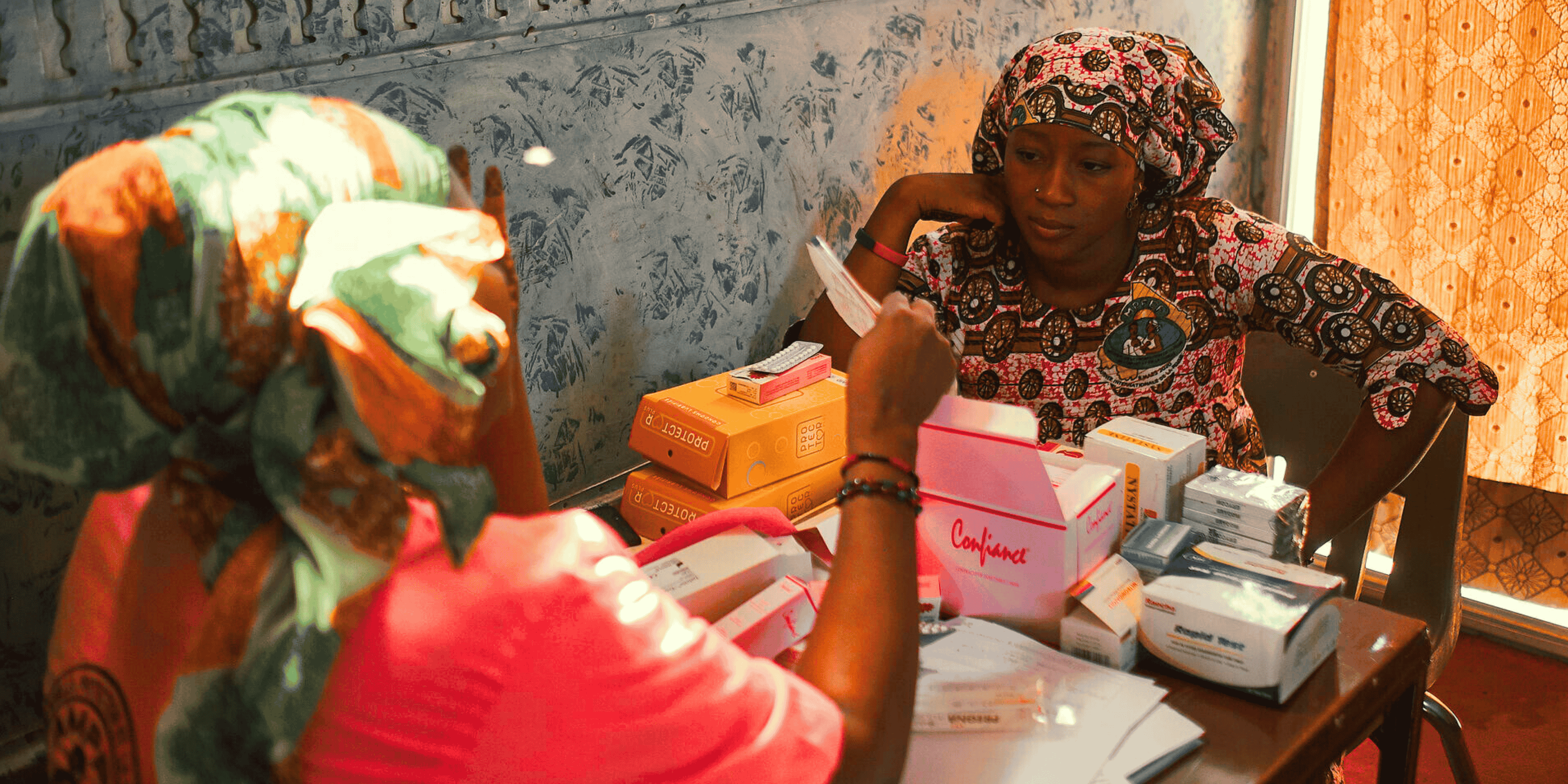
Sensoa, La Fédération Laïque des Centres de Planning Familial, Le Planning Familial, and International Planned Parenthood Federation (IPPF) call on the Belgian government to continue negotiations to save the remaining contraceptive supplies in Geel. These organizations are also asking that there be no (further) cuts to international cooperation and support for sexual and reproductive health and rights. The latter demand is also directed at European policymakers. 20 shipments of contraceptives lost The damage caused by Trump's war on women appears to be greater than expected: in addition to the already known stock of contraceptives, stored correctly in a warehouse in Geel (4 truckloads worth $9.7 million), it is now confirmed there are another 20 truckloads at an unknown location in Kallo. The conditions of the medical products in the trucks are not controlled, and most of it has already likely become unusable. This is evident from the response of Flemish Minister of the Environment Jo Brouns to a parliamentary question from Mieke Schauvliege, Flemish member of parliament for Groen. As a reminder, since President Trump dismantled USAID, the US Agency for International Development, he has wanted to burn a stockpile of contraceptives stored in Belgium. These supplies were intended for women in 13 countries in total: destination countries include DR Congo, Tanzania, Haiti, Mali & Kenya among other places, many of which are already facing severe humanitarian crises. The Belgian government has since been in negotiations with the US government to save this stockpile. The human cost of the lost stockpile is great and will impact the lives of thousands of women. President Trump will have millions of deaths on his conscienceNot only is Trump's policy deliberately cruel and morally reprehensible, it is also a waste of useful (contraceptive) resources and therefore millions of dollars. This is the result of politicians deciding to abruptly cut back on international cooperation, which rolls back the progress made over de past years. The discontinuation of USAID will cause 14 million deaths worldwide by 2030, including 4.5 million children under the age of five. European governments must not cut back on international solidarity It is clear that budget cuts have a major impact on women’s health. Voices are now growing louder at the European level to also cut back on international cooperation, including SRHR. So instead of trying to fill the gap the US is leaving, European governments are making it even bigger.The Belgian government has plans to cut back on international solidarity by 25%. Belgian press is reporting that these cuts could be increased even further. This would further widen the gap already created by Trump. SRHR organisations does not want any further cuts to international solidarity funding. "Since the discontinuation of USAID support, it has become much more difficult to continue our services. Our contraceptive supplies are exhausted and new deliveries are sporadic. Previously, anyone who wanted to avoid pregnancy could come to us and choose the contraceptive that suited them. Now women have to switch to whatever is available, or we cannot help them." Dr. Bakari Omary of UMATI, Project Coordinator at Umati, IPPF's Member Association in Tanzania Practical information and contact information of spokespersons:More background on the USAID supplies: read our previous statement here, here and hereIPPF EN Media, enpress@ippf.org Sara Salarkiya, International Policy Advisor at Sensoa sara.salarkiya@sensoa.beBoris Cruyssaert, Communications, Sensoa boris.cruyssaert@sensoa.be Sarah Durocher, President, Le Planning familialsarah.durocher@planning-familial.org
media_center
| 13 November 2025
Press release: Belgian and European governments must act to save USAID supplies and not cut back on funding - shipment of American contraceptives: 20 of the 24 shipments have already been lost –
Sensoa, La Fédération Laïque des Centres de Planning Familial, Le Planning Familial, and International Planned Parenthood Federation (IPPF) call on the Belgian government to continue negotiations to save the remaining contraceptive supplies in Geel. These organizations are also asking that there be no (further) cuts to international cooperation and support for sexual and reproductive health and rights. The latter demand is also directed at European policymakers. 20 shipments of contraceptives lost The damage caused by Trump's war on women appears to be greater than expected: in addition to the already known stock of contraceptives, stored correctly in a warehouse in Geel (4 truckloads worth $9.7 million), it is now confirmed there are another 20 truckloads at an unknown location in Kallo. The conditions of the medical products in the trucks are not controlled, and most of it has already likely become unusable. This is evident from the response of Flemish Minister of the Environment Jo Brouns to a parliamentary question from Mieke Schauvliege, Flemish member of parliament for Groen. As a reminder, since President Trump dismantled USAID, the US Agency for International Development, he has wanted to burn a stockpile of contraceptives stored in Belgium. These supplies were intended for women in 13 countries in total: destination countries include DR Congo, Tanzania, Haiti, Mali & Kenya among other places, many of which are already facing severe humanitarian crises. The Belgian government has since been in negotiations with the US government to save this stockpile. The human cost of the lost stockpile is great and will impact the lives of thousands of women. President Trump will have millions of deaths on his conscienceNot only is Trump's policy deliberately cruel and morally reprehensible, it is also a waste of useful (contraceptive) resources and therefore millions of dollars. This is the result of politicians deciding to abruptly cut back on international cooperation, which rolls back the progress made over de past years. The discontinuation of USAID will cause 14 million deaths worldwide by 2030, including 4.5 million children under the age of five. European governments must not cut back on international solidarity It is clear that budget cuts have a major impact on women’s health. Voices are now growing louder at the European level to also cut back on international cooperation, including SRHR. So instead of trying to fill the gap the US is leaving, European governments are making it even bigger.The Belgian government has plans to cut back on international solidarity by 25%. Belgian press is reporting that these cuts could be increased even further. This would further widen the gap already created by Trump. SRHR organisations does not want any further cuts to international solidarity funding. "Since the discontinuation of USAID support, it has become much more difficult to continue our services. Our contraceptive supplies are exhausted and new deliveries are sporadic. Previously, anyone who wanted to avoid pregnancy could come to us and choose the contraceptive that suited them. Now women have to switch to whatever is available, or we cannot help them." Dr. Bakari Omary of UMATI, Project Coordinator at Umati, IPPF's Member Association in Tanzania Practical information and contact information of spokespersons:More background on the USAID supplies: read our previous statement here, here and hereIPPF EN Media, enpress@ippf.org Sara Salarkiya, International Policy Advisor at Sensoa sara.salarkiya@sensoa.beBoris Cruyssaert, Communications, Sensoa boris.cruyssaert@sensoa.be Sarah Durocher, President, Le Planning familialsarah.durocher@planning-familial.org

media center
| 25 July 2025
Response to the U.S. State Department’s Senseless Plan to Destroy Supplies and Deny Contraceptive Care
In a matter of hours, the Trump Administration will be enacting a cruel and ideologically driven decision to destroy $10 million worth of life-saving contraceptives - resources that were procured by U.S. taxpayer funds to support critical health needs in partner countries across the Global South, including those of 218 million women facing an unmet need for contraceptive care.This is an intentional act of reproductive coercion.Despite multiple offers from international humanitarian organizations, governments and global health actors to purchase or redistribute these supplies, the U.S. government has refused all alternatives. Instead, they are choosing waste and extremist ideology over care, human rights, safety and health. Reports indicate that the cost of destroying these supplies may reach $167.000 paid by American citizens. This decision is not about money: IPPF has offered to collect the products in Brussels, to transport and repack the products in its warehouse in The Netherlands and to distribute the products onwards to women in need across the globe. All at no cost to the US government. This decision is about imposing an anti-rights agenda on the entire world that denies women the choice of when and how many children to have, and denies people the opportunity to protect themselves against HIV and other STIs. “It’s the height of hypocrisy for a government to preach efficiency and cutting waste, only to turn around and recklessly destroy life-saving supplies when the need has never been greater. This isn’t just inefficient — it’s unconscionable.” said Micah Grzywnowicz, Regional Director of IPPF European Network. “This action seriously undermines global public health efforts and limits access to essential care, particularly for communities already facing significant barriers. It reflects a troubling disregard for the rights and well-being of those most in need, as well as complete lack of basic empathy.”The Trump Administration has been relentless in its obsession with controlling women’s bodies - not only in the United States, but globally. This is the latest attack in a long-term campaign to dismantle access to sexual and reproductive health care around the world. According to a survey run by the International Planned Parenthood Federation (IPPF), these attacks could result in 8.5 million people worldwide being denied lifesaving SRH care. Now, pallets of contraceptives sit unused in warehouses—including one in Geel, Belgium—awaiting destruction. These are allegedly already scheduled for incineration in France in the coming days.Nico Bogaerts, Director of Sensoa, the Flemish expertise centre on sexual health: "Destroying the USAID supplies stocked in Geel, Belgium is incredibly wasteful. That the US government would prefer to pay to destroy supplies they have already paid for, instead of releasing them to other organizations is cruel. These supplies could save people's lives. We strongly encourage the Belgian and French governments to find a way to save them from incineration and to ensure that they reach people who need them."Sarah Durocher, President of Le Planning familial, IPPF French Member Association: “France has the moral responsibility to act. A government that proudly enshrines abortion rights in its Constitution must also work to protect contraception and the rights of young girls beyond its borders. With its voice respected on the international stage, the French government cannot stay silent while contraceptive supplies are being destroyed and thousands of people are put in danger.”We call on the French company that would be responsible for destroying these contraceptives to reconsider its role. They have an immense moral and societal responsibility. The company has the power to reject this agreement. Sexual and reproductive rights are not a commodity like any other to be discarded.At the same time, we urge the U.S. Administration to immediately halt this senseless destruction. These cruel actions will have far-reaching consequences — and they will cost lives.This moment demands leadership rooted in dignity and humanity. It is only right that everyone can choose whether and when to have children, to be who we are and love who we love, and for our children to be taught about having safe, healthy, and happy relationships. We have the collective moral obligation to work with people around the world to build communities in which everyone can flourish and thrive. Signatories:Fédération Laïque de Centres de Planning Familial (FLCPF), BelgiumInternational Planned Parenthood Federation (IPPF)Le Planning familial, FrancePlanned Parenthood Federation of America (PPFA)Sensoa, BelgiumCountdown 2030 EuropeMSI Reproductive Choices Media contacts:IPPF Media, media@ippf.org Heleen Heysse, International Policy Officer, Sensoaheleen.heysse@sensoa.be Boris Cruyssaert, Communications, Sensoa boris.cruyssaert@sensoa.be Sarah Durocher, President, Le Planning familialsarah.durocher@planning-familial.org
media_center
| 25 July 2025
Response to the U.S. State Department’s Senseless Plan to Destroy Supplies and Deny Contraceptive Care
In a matter of hours, the Trump Administration will be enacting a cruel and ideologically driven decision to destroy $10 million worth of life-saving contraceptives - resources that were procured by U.S. taxpayer funds to support critical health needs in partner countries across the Global South, including those of 218 million women facing an unmet need for contraceptive care.This is an intentional act of reproductive coercion.Despite multiple offers from international humanitarian organizations, governments and global health actors to purchase or redistribute these supplies, the U.S. government has refused all alternatives. Instead, they are choosing waste and extremist ideology over care, human rights, safety and health. Reports indicate that the cost of destroying these supplies may reach $167.000 paid by American citizens. This decision is not about money: IPPF has offered to collect the products in Brussels, to transport and repack the products in its warehouse in The Netherlands and to distribute the products onwards to women in need across the globe. All at no cost to the US government. This decision is about imposing an anti-rights agenda on the entire world that denies women the choice of when and how many children to have, and denies people the opportunity to protect themselves against HIV and other STIs. “It’s the height of hypocrisy for a government to preach efficiency and cutting waste, only to turn around and recklessly destroy life-saving supplies when the need has never been greater. This isn’t just inefficient — it’s unconscionable.” said Micah Grzywnowicz, Regional Director of IPPF European Network. “This action seriously undermines global public health efforts and limits access to essential care, particularly for communities already facing significant barriers. It reflects a troubling disregard for the rights and well-being of those most in need, as well as complete lack of basic empathy.”The Trump Administration has been relentless in its obsession with controlling women’s bodies - not only in the United States, but globally. This is the latest attack in a long-term campaign to dismantle access to sexual and reproductive health care around the world. According to a survey run by the International Planned Parenthood Federation (IPPF), these attacks could result in 8.5 million people worldwide being denied lifesaving SRH care. Now, pallets of contraceptives sit unused in warehouses—including one in Geel, Belgium—awaiting destruction. These are allegedly already scheduled for incineration in France in the coming days.Nico Bogaerts, Director of Sensoa, the Flemish expertise centre on sexual health: "Destroying the USAID supplies stocked in Geel, Belgium is incredibly wasteful. That the US government would prefer to pay to destroy supplies they have already paid for, instead of releasing them to other organizations is cruel. These supplies could save people's lives. We strongly encourage the Belgian and French governments to find a way to save them from incineration and to ensure that they reach people who need them."Sarah Durocher, President of Le Planning familial, IPPF French Member Association: “France has the moral responsibility to act. A government that proudly enshrines abortion rights in its Constitution must also work to protect contraception and the rights of young girls beyond its borders. With its voice respected on the international stage, the French government cannot stay silent while contraceptive supplies are being destroyed and thousands of people are put in danger.”We call on the French company that would be responsible for destroying these contraceptives to reconsider its role. They have an immense moral and societal responsibility. The company has the power to reject this agreement. Sexual and reproductive rights are not a commodity like any other to be discarded.At the same time, we urge the U.S. Administration to immediately halt this senseless destruction. These cruel actions will have far-reaching consequences — and they will cost lives.This moment demands leadership rooted in dignity and humanity. It is only right that everyone can choose whether and when to have children, to be who we are and love who we love, and for our children to be taught about having safe, healthy, and happy relationships. We have the collective moral obligation to work with people around the world to build communities in which everyone can flourish and thrive. Signatories:Fédération Laïque de Centres de Planning Familial (FLCPF), BelgiumInternational Planned Parenthood Federation (IPPF)Le Planning familial, FrancePlanned Parenthood Federation of America (PPFA)Sensoa, BelgiumCountdown 2030 EuropeMSI Reproductive Choices Media contacts:IPPF Media, media@ippf.org Heleen Heysse, International Policy Officer, Sensoaheleen.heysse@sensoa.be Boris Cruyssaert, Communications, Sensoa boris.cruyssaert@sensoa.be Sarah Durocher, President, Le Planning familialsarah.durocher@planning-familial.org

media center
| 14 April 2025
Sudan’s First Mobile Telemedicine Clinic Brings Care to the Frontlines
15th April 2025, River Nile State, Sudan - In a groundbreaking step for healthcare access in Sudan, the Sudan Family Planning Association (SFPA) has launched the country’s first mobile telemedicine clinic in River Nile State. Funded by IPPF and FCDO, this innovation brings specialist remote care to people in isolated and conflict-affected areas, reducing the need for physical travel to health facilities. The mobile telemedicine clinic trucks are equipped with high-speed Starlink satellite internet and can travel to remote and rural locations. Clients receive essential treatment on-site and can connect directly, through secure video calls, with medical specialists across Sudan and internationally, including consultants based in Europe. This initiative is part of SFPA’s broader telemedicine project, designed to ensure the continued delivery of sexual and reproductive health services to the most vulnerable populations, particularly in areas where healthcare systems have collapsed due to conflict. Ms Kawthar, Executive Director of the SFPA branch in River Nile State, noted that the launch of the mobile telemedicine clinic, in Quoz Al-Halq, marks the beginning of a new era in healthcare service delivery within the state. “This project represents a landmark moment in Sudan’s healthcare history. We face enormous challenges in reaching people affected by conflict and displacement with essential health services. But this clinic changes what’s possible. We can now deliver integrated healthcare solutions through smart technologies – we’re breaking down barriers to health.” This innovation comes as Sudan approaches the third year of a brutal conflict, which began on 15 April 2023. Over 12.5 million people have been forcibly displaced[i], and more than two-thirds of the population are in need of humanitarian aid[ii]. Rates of sexually transmitted infections and gender-based violence, including sexual violence, have risen sharply[iii]. Many clinics and hospitals have been destroyed or abandoned. There is a severe shortage of qualified medical personnel, many of whom have fled the country. Access to care has disappeared entirely in some areas. SFPA facilities and staff have also been directly affected by the conflict, with nine of its clinics attacked, resulting in the tragic loss of volunteers and healthcare workers. Amid these challenges, SFPA managed to reach 9.8 million humanitarian clients in 2024. The new mobile telemedicine clinic offers a leap forward in how care can be delivered. It will provide: In-person and digital health consultations Psychosocial support for survivors of gender-based violence Awareness campaigns on reproductive health and sexually transmitted infections Fully integrated digital referral system, linking primary care with specialised medical facilities. Dr Siham Gaber, Director of Digital Health Interventions and Services at SFPA, said the initiative reflects the Association’s vision to harness technology for sustainable healthcare delivery in crisis contexts. “The mobile telemedicine clinic is a significant step forward in improving access to reproductive health services. It enables remote medical consultations and connects patients with doctors and specialists without the need for long-distance travel. This is especially important for women, youth and displaced people, who often face serious risks just to access a health facility. Now, they can get the right care where they are - safely and with dignity.” Mr El-Shafie Mohamed Ali, Executive Director of SFPA, added: “This clinic is not just a mobile health unit. It represents a comprehensive model for integrating telemedicine solutions into the provision of healthcare services. It contributes to expanding coverage and narrowing the health gap caused by conflict and insecurity.” The first phase of the project will see mobile telemedicine clinics deployed in five key states: River Nile, Red Sea, Kassala, Gedaref and Blue Nile. A second expansion phase will begin in May and aims to extend coverage across all 15 states where SFPA operates. This will ensure broader access to services for those most in need. “We remain dedicated to innovation and the scaling of digital solutions to ensure every Sudanese citizen, regardless of their location or circumstance, has access to quality healthcare,” said Mr El-Shafie Mohamed Ali. For more information and to speak to SFPA staff in Sudan, please email media@ippf.org ------- About the Sudan Family Planning Association The Sudan Family Planning Association (SFPA) was established in 1965 by pioneers in obstetrics and gynaecology in response to increases in maternal, neonatal and infant mortality and morbidity. As the statistics show, Sudan is a country in great need of frontline sexual and reproductive health (SRH) services. Advocacy, and undertaking information, education and communication (IEC) programs are critical. In 2024, SFPA provided 43.4 million services to 12.6 million clients (9.8 million of which were humanitarian clients) through 26 static clinics, 39 mobile clinics, 1499 community-based distributors, private physicians and associated clinics. About the International Planned Parenthood Federation The International Planned Parenthood Federation (IPPF) is a global healthcare provider and a leading advocate of sexual and reproductive health and rights (SRHR) for all. We are a movement of 150 Member Associations and Collaborative Partners with a presence in over 146 countries. Building on a proud history of 70 years of achievement, we commit to lead a locally owned, globally connected civil society movement that provides and enables services and champions sexual and reproductive health and rights for all, especially the under-served. We advocate for a world where people are provided with the information they need to make informed decisions about their sexual health and bodies. We stand up and fight for sexual and reproductive rights, and against those who seek to deny people their human right to bodily autonomy and freedom. We deliver care that is rooted in rights, respect, and dignity - no matter what. [i] https://www.unrefugees.org/news/sudan-crisis-explained/ [ii] https://humanitarianaction.info/plan/1220 [iii] https://www.unwomen.org/en/news-stories/press-release/2024/09/sudan-humanitarian-crisis-has-catastrophic-impact-for-women-and-girls-with-two-fold-increase-of-gender-based-violence
media_center
| 15 April 2025
Sudan’s First Mobile Telemedicine Clinic Brings Care to the Frontlines
15th April 2025, River Nile State, Sudan - In a groundbreaking step for healthcare access in Sudan, the Sudan Family Planning Association (SFPA) has launched the country’s first mobile telemedicine clinic in River Nile State. Funded by IPPF and FCDO, this innovation brings specialist remote care to people in isolated and conflict-affected areas, reducing the need for physical travel to health facilities. The mobile telemedicine clinic trucks are equipped with high-speed Starlink satellite internet and can travel to remote and rural locations. Clients receive essential treatment on-site and can connect directly, through secure video calls, with medical specialists across Sudan and internationally, including consultants based in Europe. This initiative is part of SFPA’s broader telemedicine project, designed to ensure the continued delivery of sexual and reproductive health services to the most vulnerable populations, particularly in areas where healthcare systems have collapsed due to conflict. Ms Kawthar, Executive Director of the SFPA branch in River Nile State, noted that the launch of the mobile telemedicine clinic, in Quoz Al-Halq, marks the beginning of a new era in healthcare service delivery within the state. “This project represents a landmark moment in Sudan’s healthcare history. We face enormous challenges in reaching people affected by conflict and displacement with essential health services. But this clinic changes what’s possible. We can now deliver integrated healthcare solutions through smart technologies – we’re breaking down barriers to health.” This innovation comes as Sudan approaches the third year of a brutal conflict, which began on 15 April 2023. Over 12.5 million people have been forcibly displaced[i], and more than two-thirds of the population are in need of humanitarian aid[ii]. Rates of sexually transmitted infections and gender-based violence, including sexual violence, have risen sharply[iii]. Many clinics and hospitals have been destroyed or abandoned. There is a severe shortage of qualified medical personnel, many of whom have fled the country. Access to care has disappeared entirely in some areas. SFPA facilities and staff have also been directly affected by the conflict, with nine of its clinics attacked, resulting in the tragic loss of volunteers and healthcare workers. Amid these challenges, SFPA managed to reach 9.8 million humanitarian clients in 2024. The new mobile telemedicine clinic offers a leap forward in how care can be delivered. It will provide: In-person and digital health consultations Psychosocial support for survivors of gender-based violence Awareness campaigns on reproductive health and sexually transmitted infections Fully integrated digital referral system, linking primary care with specialised medical facilities. Dr Siham Gaber, Director of Digital Health Interventions and Services at SFPA, said the initiative reflects the Association’s vision to harness technology for sustainable healthcare delivery in crisis contexts. “The mobile telemedicine clinic is a significant step forward in improving access to reproductive health services. It enables remote medical consultations and connects patients with doctors and specialists without the need for long-distance travel. This is especially important for women, youth and displaced people, who often face serious risks just to access a health facility. Now, they can get the right care where they are - safely and with dignity.” Mr El-Shafie Mohamed Ali, Executive Director of SFPA, added: “This clinic is not just a mobile health unit. It represents a comprehensive model for integrating telemedicine solutions into the provision of healthcare services. It contributes to expanding coverage and narrowing the health gap caused by conflict and insecurity.” The first phase of the project will see mobile telemedicine clinics deployed in five key states: River Nile, Red Sea, Kassala, Gedaref and Blue Nile. A second expansion phase will begin in May and aims to extend coverage across all 15 states where SFPA operates. This will ensure broader access to services for those most in need. “We remain dedicated to innovation and the scaling of digital solutions to ensure every Sudanese citizen, regardless of their location or circumstance, has access to quality healthcare,” said Mr El-Shafie Mohamed Ali. For more information and to speak to SFPA staff in Sudan, please email media@ippf.org ------- About the Sudan Family Planning Association The Sudan Family Planning Association (SFPA) was established in 1965 by pioneers in obstetrics and gynaecology in response to increases in maternal, neonatal and infant mortality and morbidity. As the statistics show, Sudan is a country in great need of frontline sexual and reproductive health (SRH) services. Advocacy, and undertaking information, education and communication (IEC) programs are critical. In 2024, SFPA provided 43.4 million services to 12.6 million clients (9.8 million of which were humanitarian clients) through 26 static clinics, 39 mobile clinics, 1499 community-based distributors, private physicians and associated clinics. About the International Planned Parenthood Federation The International Planned Parenthood Federation (IPPF) is a global healthcare provider and a leading advocate of sexual and reproductive health and rights (SRHR) for all. We are a movement of 150 Member Associations and Collaborative Partners with a presence in over 146 countries. Building on a proud history of 70 years of achievement, we commit to lead a locally owned, globally connected civil society movement that provides and enables services and champions sexual and reproductive health and rights for all, especially the under-served. We advocate for a world where people are provided with the information they need to make informed decisions about their sexual health and bodies. We stand up and fight for sexual and reproductive rights, and against those who seek to deny people their human right to bodily autonomy and freedom. We deliver care that is rooted in rights, respect, and dignity - no matter what. [i] https://www.unrefugees.org/news/sudan-crisis-explained/ [ii] https://humanitarianaction.info/plan/1220 [iii] https://www.unwomen.org/en/news-stories/press-release/2024/09/sudan-humanitarian-crisis-has-catastrophic-impact-for-women-and-girls-with-two-fold-increase-of-gender-based-violence
media center
| 13 November 2025
Press release: Belgian and European governments must act to save USAID supplies and not cut back on funding - shipment of American contraceptives: 20 of the 24 shipments have already been lost –
Sensoa, La Fédération Laïque des Centres de Planning Familial, Le Planning Familial, and International Planned Parenthood Federation (IPPF) call on the Belgian government to continue negotiations to save the remaining contraceptive supplies in Geel. These organizations are also asking that there be no (further) cuts to international cooperation and support for sexual and reproductive health and rights. The latter demand is also directed at European policymakers. 20 shipments of contraceptives lost The damage caused by Trump's war on women appears to be greater than expected: in addition to the already known stock of contraceptives, stored correctly in a warehouse in Geel (4 truckloads worth $9.7 million), it is now confirmed there are another 20 truckloads at an unknown location in Kallo. The conditions of the medical products in the trucks are not controlled, and most of it has already likely become unusable. This is evident from the response of Flemish Minister of the Environment Jo Brouns to a parliamentary question from Mieke Schauvliege, Flemish member of parliament for Groen. As a reminder, since President Trump dismantled USAID, the US Agency for International Development, he has wanted to burn a stockpile of contraceptives stored in Belgium. These supplies were intended for women in 13 countries in total: destination countries include DR Congo, Tanzania, Haiti, Mali & Kenya among other places, many of which are already facing severe humanitarian crises. The Belgian government has since been in negotiations with the US government to save this stockpile. The human cost of the lost stockpile is great and will impact the lives of thousands of women. President Trump will have millions of deaths on his conscienceNot only is Trump's policy deliberately cruel and morally reprehensible, it is also a waste of useful (contraceptive) resources and therefore millions of dollars. This is the result of politicians deciding to abruptly cut back on international cooperation, which rolls back the progress made over de past years. The discontinuation of USAID will cause 14 million deaths worldwide by 2030, including 4.5 million children under the age of five. European governments must not cut back on international solidarity It is clear that budget cuts have a major impact on women’s health. Voices are now growing louder at the European level to also cut back on international cooperation, including SRHR. So instead of trying to fill the gap the US is leaving, European governments are making it even bigger.The Belgian government has plans to cut back on international solidarity by 25%. Belgian press is reporting that these cuts could be increased even further. This would further widen the gap already created by Trump. SRHR organisations does not want any further cuts to international solidarity funding. "Since the discontinuation of USAID support, it has become much more difficult to continue our services. Our contraceptive supplies are exhausted and new deliveries are sporadic. Previously, anyone who wanted to avoid pregnancy could come to us and choose the contraceptive that suited them. Now women have to switch to whatever is available, or we cannot help them." Dr. Bakari Omary of UMATI, Project Coordinator at Umati, IPPF's Member Association in Tanzania Practical information and contact information of spokespersons:More background on the USAID supplies: read our previous statement here, here and hereIPPF EN Media, enpress@ippf.org Sara Salarkiya, International Policy Advisor at Sensoa sara.salarkiya@sensoa.beBoris Cruyssaert, Communications, Sensoa boris.cruyssaert@sensoa.be Sarah Durocher, President, Le Planning familialsarah.durocher@planning-familial.org
media_center
| 13 November 2025
Press release: Belgian and European governments must act to save USAID supplies and not cut back on funding - shipment of American contraceptives: 20 of the 24 shipments have already been lost –
Sensoa, La Fédération Laïque des Centres de Planning Familial, Le Planning Familial, and International Planned Parenthood Federation (IPPF) call on the Belgian government to continue negotiations to save the remaining contraceptive supplies in Geel. These organizations are also asking that there be no (further) cuts to international cooperation and support for sexual and reproductive health and rights. The latter demand is also directed at European policymakers. 20 shipments of contraceptives lost The damage caused by Trump's war on women appears to be greater than expected: in addition to the already known stock of contraceptives, stored correctly in a warehouse in Geel (4 truckloads worth $9.7 million), it is now confirmed there are another 20 truckloads at an unknown location in Kallo. The conditions of the medical products in the trucks are not controlled, and most of it has already likely become unusable. This is evident from the response of Flemish Minister of the Environment Jo Brouns to a parliamentary question from Mieke Schauvliege, Flemish member of parliament for Groen. As a reminder, since President Trump dismantled USAID, the US Agency for International Development, he has wanted to burn a stockpile of contraceptives stored in Belgium. These supplies were intended for women in 13 countries in total: destination countries include DR Congo, Tanzania, Haiti, Mali & Kenya among other places, many of which are already facing severe humanitarian crises. The Belgian government has since been in negotiations with the US government to save this stockpile. The human cost of the lost stockpile is great and will impact the lives of thousands of women. President Trump will have millions of deaths on his conscienceNot only is Trump's policy deliberately cruel and morally reprehensible, it is also a waste of useful (contraceptive) resources and therefore millions of dollars. This is the result of politicians deciding to abruptly cut back on international cooperation, which rolls back the progress made over de past years. The discontinuation of USAID will cause 14 million deaths worldwide by 2030, including 4.5 million children under the age of five. European governments must not cut back on international solidarity It is clear that budget cuts have a major impact on women’s health. Voices are now growing louder at the European level to also cut back on international cooperation, including SRHR. So instead of trying to fill the gap the US is leaving, European governments are making it even bigger.The Belgian government has plans to cut back on international solidarity by 25%. Belgian press is reporting that these cuts could be increased even further. This would further widen the gap already created by Trump. SRHR organisations does not want any further cuts to international solidarity funding. "Since the discontinuation of USAID support, it has become much more difficult to continue our services. Our contraceptive supplies are exhausted and new deliveries are sporadic. Previously, anyone who wanted to avoid pregnancy could come to us and choose the contraceptive that suited them. Now women have to switch to whatever is available, or we cannot help them." Dr. Bakari Omary of UMATI, Project Coordinator at Umati, IPPF's Member Association in Tanzania Practical information and contact information of spokespersons:More background on the USAID supplies: read our previous statement here, here and hereIPPF EN Media, enpress@ippf.org Sara Salarkiya, International Policy Advisor at Sensoa sara.salarkiya@sensoa.beBoris Cruyssaert, Communications, Sensoa boris.cruyssaert@sensoa.be Sarah Durocher, President, Le Planning familialsarah.durocher@planning-familial.org
media center
| 25 July 2025
Response to the U.S. State Department’s Senseless Plan to Destroy Supplies and Deny Contraceptive Care
In a matter of hours, the Trump Administration will be enacting a cruel and ideologically driven decision to destroy $10 million worth of life-saving contraceptives - resources that were procured by U.S. taxpayer funds to support critical health needs in partner countries across the Global South, including those of 218 million women facing an unmet need for contraceptive care.This is an intentional act of reproductive coercion.Despite multiple offers from international humanitarian organizations, governments and global health actors to purchase or redistribute these supplies, the U.S. government has refused all alternatives. Instead, they are choosing waste and extremist ideology over care, human rights, safety and health. Reports indicate that the cost of destroying these supplies may reach $167.000 paid by American citizens. This decision is not about money: IPPF has offered to collect the products in Brussels, to transport and repack the products in its warehouse in The Netherlands and to distribute the products onwards to women in need across the globe. All at no cost to the US government. This decision is about imposing an anti-rights agenda on the entire world that denies women the choice of when and how many children to have, and denies people the opportunity to protect themselves against HIV and other STIs. “It’s the height of hypocrisy for a government to preach efficiency and cutting waste, only to turn around and recklessly destroy life-saving supplies when the need has never been greater. This isn’t just inefficient — it’s unconscionable.” said Micah Grzywnowicz, Regional Director of IPPF European Network. “This action seriously undermines global public health efforts and limits access to essential care, particularly for communities already facing significant barriers. It reflects a troubling disregard for the rights and well-being of those most in need, as well as complete lack of basic empathy.”The Trump Administration has been relentless in its obsession with controlling women’s bodies - not only in the United States, but globally. This is the latest attack in a long-term campaign to dismantle access to sexual and reproductive health care around the world. According to a survey run by the International Planned Parenthood Federation (IPPF), these attacks could result in 8.5 million people worldwide being denied lifesaving SRH care. Now, pallets of contraceptives sit unused in warehouses—including one in Geel, Belgium—awaiting destruction. These are allegedly already scheduled for incineration in France in the coming days.Nico Bogaerts, Director of Sensoa, the Flemish expertise centre on sexual health: "Destroying the USAID supplies stocked in Geel, Belgium is incredibly wasteful. That the US government would prefer to pay to destroy supplies they have already paid for, instead of releasing them to other organizations is cruel. These supplies could save people's lives. We strongly encourage the Belgian and French governments to find a way to save them from incineration and to ensure that they reach people who need them."Sarah Durocher, President of Le Planning familial, IPPF French Member Association: “France has the moral responsibility to act. A government that proudly enshrines abortion rights in its Constitution must also work to protect contraception and the rights of young girls beyond its borders. With its voice respected on the international stage, the French government cannot stay silent while contraceptive supplies are being destroyed and thousands of people are put in danger.”We call on the French company that would be responsible for destroying these contraceptives to reconsider its role. They have an immense moral and societal responsibility. The company has the power to reject this agreement. Sexual and reproductive rights are not a commodity like any other to be discarded.At the same time, we urge the U.S. Administration to immediately halt this senseless destruction. These cruel actions will have far-reaching consequences — and they will cost lives.This moment demands leadership rooted in dignity and humanity. It is only right that everyone can choose whether and when to have children, to be who we are and love who we love, and for our children to be taught about having safe, healthy, and happy relationships. We have the collective moral obligation to work with people around the world to build communities in which everyone can flourish and thrive. Signatories:Fédération Laïque de Centres de Planning Familial (FLCPF), BelgiumInternational Planned Parenthood Federation (IPPF)Le Planning familial, FrancePlanned Parenthood Federation of America (PPFA)Sensoa, BelgiumCountdown 2030 EuropeMSI Reproductive Choices Media contacts:IPPF Media, media@ippf.org Heleen Heysse, International Policy Officer, Sensoaheleen.heysse@sensoa.be Boris Cruyssaert, Communications, Sensoa boris.cruyssaert@sensoa.be Sarah Durocher, President, Le Planning familialsarah.durocher@planning-familial.org
media_center
| 25 July 2025
Response to the U.S. State Department’s Senseless Plan to Destroy Supplies and Deny Contraceptive Care
In a matter of hours, the Trump Administration will be enacting a cruel and ideologically driven decision to destroy $10 million worth of life-saving contraceptives - resources that were procured by U.S. taxpayer funds to support critical health needs in partner countries across the Global South, including those of 218 million women facing an unmet need for contraceptive care.This is an intentional act of reproductive coercion.Despite multiple offers from international humanitarian organizations, governments and global health actors to purchase or redistribute these supplies, the U.S. government has refused all alternatives. Instead, they are choosing waste and extremist ideology over care, human rights, safety and health. Reports indicate that the cost of destroying these supplies may reach $167.000 paid by American citizens. This decision is not about money: IPPF has offered to collect the products in Brussels, to transport and repack the products in its warehouse in The Netherlands and to distribute the products onwards to women in need across the globe. All at no cost to the US government. This decision is about imposing an anti-rights agenda on the entire world that denies women the choice of when and how many children to have, and denies people the opportunity to protect themselves against HIV and other STIs. “It’s the height of hypocrisy for a government to preach efficiency and cutting waste, only to turn around and recklessly destroy life-saving supplies when the need has never been greater. This isn’t just inefficient — it’s unconscionable.” said Micah Grzywnowicz, Regional Director of IPPF European Network. “This action seriously undermines global public health efforts and limits access to essential care, particularly for communities already facing significant barriers. It reflects a troubling disregard for the rights and well-being of those most in need, as well as complete lack of basic empathy.”The Trump Administration has been relentless in its obsession with controlling women’s bodies - not only in the United States, but globally. This is the latest attack in a long-term campaign to dismantle access to sexual and reproductive health care around the world. According to a survey run by the International Planned Parenthood Federation (IPPF), these attacks could result in 8.5 million people worldwide being denied lifesaving SRH care. Now, pallets of contraceptives sit unused in warehouses—including one in Geel, Belgium—awaiting destruction. These are allegedly already scheduled for incineration in France in the coming days.Nico Bogaerts, Director of Sensoa, the Flemish expertise centre on sexual health: "Destroying the USAID supplies stocked in Geel, Belgium is incredibly wasteful. That the US government would prefer to pay to destroy supplies they have already paid for, instead of releasing them to other organizations is cruel. These supplies could save people's lives. We strongly encourage the Belgian and French governments to find a way to save them from incineration and to ensure that they reach people who need them."Sarah Durocher, President of Le Planning familial, IPPF French Member Association: “France has the moral responsibility to act. A government that proudly enshrines abortion rights in its Constitution must also work to protect contraception and the rights of young girls beyond its borders. With its voice respected on the international stage, the French government cannot stay silent while contraceptive supplies are being destroyed and thousands of people are put in danger.”We call on the French company that would be responsible for destroying these contraceptives to reconsider its role. They have an immense moral and societal responsibility. The company has the power to reject this agreement. Sexual and reproductive rights are not a commodity like any other to be discarded.At the same time, we urge the U.S. Administration to immediately halt this senseless destruction. These cruel actions will have far-reaching consequences — and they will cost lives.This moment demands leadership rooted in dignity and humanity. It is only right that everyone can choose whether and when to have children, to be who we are and love who we love, and for our children to be taught about having safe, healthy, and happy relationships. We have the collective moral obligation to work with people around the world to build communities in which everyone can flourish and thrive. Signatories:Fédération Laïque de Centres de Planning Familial (FLCPF), BelgiumInternational Planned Parenthood Federation (IPPF)Le Planning familial, FrancePlanned Parenthood Federation of America (PPFA)Sensoa, BelgiumCountdown 2030 EuropeMSI Reproductive Choices Media contacts:IPPF Media, media@ippf.org Heleen Heysse, International Policy Officer, Sensoaheleen.heysse@sensoa.be Boris Cruyssaert, Communications, Sensoa boris.cruyssaert@sensoa.be Sarah Durocher, President, Le Planning familialsarah.durocher@planning-familial.org
media center
| 14 April 2025
Sudan’s First Mobile Telemedicine Clinic Brings Care to the Frontlines
15th April 2025, River Nile State, Sudan - In a groundbreaking step for healthcare access in Sudan, the Sudan Family Planning Association (SFPA) has launched the country’s first mobile telemedicine clinic in River Nile State. Funded by IPPF and FCDO, this innovation brings specialist remote care to people in isolated and conflict-affected areas, reducing the need for physical travel to health facilities. The mobile telemedicine clinic trucks are equipped with high-speed Starlink satellite internet and can travel to remote and rural locations. Clients receive essential treatment on-site and can connect directly, through secure video calls, with medical specialists across Sudan and internationally, including consultants based in Europe. This initiative is part of SFPA’s broader telemedicine project, designed to ensure the continued delivery of sexual and reproductive health services to the most vulnerable populations, particularly in areas where healthcare systems have collapsed due to conflict. Ms Kawthar, Executive Director of the SFPA branch in River Nile State, noted that the launch of the mobile telemedicine clinic, in Quoz Al-Halq, marks the beginning of a new era in healthcare service delivery within the state. “This project represents a landmark moment in Sudan’s healthcare history. We face enormous challenges in reaching people affected by conflict and displacement with essential health services. But this clinic changes what’s possible. We can now deliver integrated healthcare solutions through smart technologies – we’re breaking down barriers to health.” This innovation comes as Sudan approaches the third year of a brutal conflict, which began on 15 April 2023. Over 12.5 million people have been forcibly displaced[i], and more than two-thirds of the population are in need of humanitarian aid[ii]. Rates of sexually transmitted infections and gender-based violence, including sexual violence, have risen sharply[iii]. Many clinics and hospitals have been destroyed or abandoned. There is a severe shortage of qualified medical personnel, many of whom have fled the country. Access to care has disappeared entirely in some areas. SFPA facilities and staff have also been directly affected by the conflict, with nine of its clinics attacked, resulting in the tragic loss of volunteers and healthcare workers. Amid these challenges, SFPA managed to reach 9.8 million humanitarian clients in 2024. The new mobile telemedicine clinic offers a leap forward in how care can be delivered. It will provide: In-person and digital health consultations Psychosocial support for survivors of gender-based violence Awareness campaigns on reproductive health and sexually transmitted infections Fully integrated digital referral system, linking primary care with specialised medical facilities. Dr Siham Gaber, Director of Digital Health Interventions and Services at SFPA, said the initiative reflects the Association’s vision to harness technology for sustainable healthcare delivery in crisis contexts. “The mobile telemedicine clinic is a significant step forward in improving access to reproductive health services. It enables remote medical consultations and connects patients with doctors and specialists without the need for long-distance travel. This is especially important for women, youth and displaced people, who often face serious risks just to access a health facility. Now, they can get the right care where they are - safely and with dignity.” Mr El-Shafie Mohamed Ali, Executive Director of SFPA, added: “This clinic is not just a mobile health unit. It represents a comprehensive model for integrating telemedicine solutions into the provision of healthcare services. It contributes to expanding coverage and narrowing the health gap caused by conflict and insecurity.” The first phase of the project will see mobile telemedicine clinics deployed in five key states: River Nile, Red Sea, Kassala, Gedaref and Blue Nile. A second expansion phase will begin in May and aims to extend coverage across all 15 states where SFPA operates. This will ensure broader access to services for those most in need. “We remain dedicated to innovation and the scaling of digital solutions to ensure every Sudanese citizen, regardless of their location or circumstance, has access to quality healthcare,” said Mr El-Shafie Mohamed Ali. For more information and to speak to SFPA staff in Sudan, please email media@ippf.org ------- About the Sudan Family Planning Association The Sudan Family Planning Association (SFPA) was established in 1965 by pioneers in obstetrics and gynaecology in response to increases in maternal, neonatal and infant mortality and morbidity. As the statistics show, Sudan is a country in great need of frontline sexual and reproductive health (SRH) services. Advocacy, and undertaking information, education and communication (IEC) programs are critical. In 2024, SFPA provided 43.4 million services to 12.6 million clients (9.8 million of which were humanitarian clients) through 26 static clinics, 39 mobile clinics, 1499 community-based distributors, private physicians and associated clinics. About the International Planned Parenthood Federation The International Planned Parenthood Federation (IPPF) is a global healthcare provider and a leading advocate of sexual and reproductive health and rights (SRHR) for all. We are a movement of 150 Member Associations and Collaborative Partners with a presence in over 146 countries. Building on a proud history of 70 years of achievement, we commit to lead a locally owned, globally connected civil society movement that provides and enables services and champions sexual and reproductive health and rights for all, especially the under-served. We advocate for a world where people are provided with the information they need to make informed decisions about their sexual health and bodies. We stand up and fight for sexual and reproductive rights, and against those who seek to deny people their human right to bodily autonomy and freedom. We deliver care that is rooted in rights, respect, and dignity - no matter what. [i] https://www.unrefugees.org/news/sudan-crisis-explained/ [ii] https://humanitarianaction.info/plan/1220 [iii] https://www.unwomen.org/en/news-stories/press-release/2024/09/sudan-humanitarian-crisis-has-catastrophic-impact-for-women-and-girls-with-two-fold-increase-of-gender-based-violence
media_center
| 15 April 2025
Sudan’s First Mobile Telemedicine Clinic Brings Care to the Frontlines
15th April 2025, River Nile State, Sudan - In a groundbreaking step for healthcare access in Sudan, the Sudan Family Planning Association (SFPA) has launched the country’s first mobile telemedicine clinic in River Nile State. Funded by IPPF and FCDO, this innovation brings specialist remote care to people in isolated and conflict-affected areas, reducing the need for physical travel to health facilities. The mobile telemedicine clinic trucks are equipped with high-speed Starlink satellite internet and can travel to remote and rural locations. Clients receive essential treatment on-site and can connect directly, through secure video calls, with medical specialists across Sudan and internationally, including consultants based in Europe. This initiative is part of SFPA’s broader telemedicine project, designed to ensure the continued delivery of sexual and reproductive health services to the most vulnerable populations, particularly in areas where healthcare systems have collapsed due to conflict. Ms Kawthar, Executive Director of the SFPA branch in River Nile State, noted that the launch of the mobile telemedicine clinic, in Quoz Al-Halq, marks the beginning of a new era in healthcare service delivery within the state. “This project represents a landmark moment in Sudan’s healthcare history. We face enormous challenges in reaching people affected by conflict and displacement with essential health services. But this clinic changes what’s possible. We can now deliver integrated healthcare solutions through smart technologies – we’re breaking down barriers to health.” This innovation comes as Sudan approaches the third year of a brutal conflict, which began on 15 April 2023. Over 12.5 million people have been forcibly displaced[i], and more than two-thirds of the population are in need of humanitarian aid[ii]. Rates of sexually transmitted infections and gender-based violence, including sexual violence, have risen sharply[iii]. Many clinics and hospitals have been destroyed or abandoned. There is a severe shortage of qualified medical personnel, many of whom have fled the country. Access to care has disappeared entirely in some areas. SFPA facilities and staff have also been directly affected by the conflict, with nine of its clinics attacked, resulting in the tragic loss of volunteers and healthcare workers. Amid these challenges, SFPA managed to reach 9.8 million humanitarian clients in 2024. The new mobile telemedicine clinic offers a leap forward in how care can be delivered. It will provide: In-person and digital health consultations Psychosocial support for survivors of gender-based violence Awareness campaigns on reproductive health and sexually transmitted infections Fully integrated digital referral system, linking primary care with specialised medical facilities. Dr Siham Gaber, Director of Digital Health Interventions and Services at SFPA, said the initiative reflects the Association’s vision to harness technology for sustainable healthcare delivery in crisis contexts. “The mobile telemedicine clinic is a significant step forward in improving access to reproductive health services. It enables remote medical consultations and connects patients with doctors and specialists without the need for long-distance travel. This is especially important for women, youth and displaced people, who often face serious risks just to access a health facility. Now, they can get the right care where they are - safely and with dignity.” Mr El-Shafie Mohamed Ali, Executive Director of SFPA, added: “This clinic is not just a mobile health unit. It represents a comprehensive model for integrating telemedicine solutions into the provision of healthcare services. It contributes to expanding coverage and narrowing the health gap caused by conflict and insecurity.” The first phase of the project will see mobile telemedicine clinics deployed in five key states: River Nile, Red Sea, Kassala, Gedaref and Blue Nile. A second expansion phase will begin in May and aims to extend coverage across all 15 states where SFPA operates. This will ensure broader access to services for those most in need. “We remain dedicated to innovation and the scaling of digital solutions to ensure every Sudanese citizen, regardless of their location or circumstance, has access to quality healthcare,” said Mr El-Shafie Mohamed Ali. For more information and to speak to SFPA staff in Sudan, please email media@ippf.org ------- About the Sudan Family Planning Association The Sudan Family Planning Association (SFPA) was established in 1965 by pioneers in obstetrics and gynaecology in response to increases in maternal, neonatal and infant mortality and morbidity. As the statistics show, Sudan is a country in great need of frontline sexual and reproductive health (SRH) services. Advocacy, and undertaking information, education and communication (IEC) programs are critical. In 2024, SFPA provided 43.4 million services to 12.6 million clients (9.8 million of which were humanitarian clients) through 26 static clinics, 39 mobile clinics, 1499 community-based distributors, private physicians and associated clinics. About the International Planned Parenthood Federation The International Planned Parenthood Federation (IPPF) is a global healthcare provider and a leading advocate of sexual and reproductive health and rights (SRHR) for all. We are a movement of 150 Member Associations and Collaborative Partners with a presence in over 146 countries. Building on a proud history of 70 years of achievement, we commit to lead a locally owned, globally connected civil society movement that provides and enables services and champions sexual and reproductive health and rights for all, especially the under-served. We advocate for a world where people are provided with the information they need to make informed decisions about their sexual health and bodies. We stand up and fight for sexual and reproductive rights, and against those who seek to deny people their human right to bodily autonomy and freedom. We deliver care that is rooted in rights, respect, and dignity - no matter what. [i] https://www.unrefugees.org/news/sudan-crisis-explained/ [ii] https://humanitarianaction.info/plan/1220 [iii] https://www.unwomen.org/en/news-stories/press-release/2024/09/sudan-humanitarian-crisis-has-catastrophic-impact-for-women-and-girls-with-two-fold-increase-of-gender-based-violence
