


By Maria Antonieta Alcalde Castro, IPPF Director General
Each year International Women’s Day is a moment for us to celebrate women and the global fight for gender equality. It is a signal for us to pause and reflect on the progress and hard-won achievements we have made. But just as each year is a moment to recognise, celebrate and pledge solidarity, it is also a timely reminder of the multitude of structural and intersecting issues that remain, grow, and pushback against our work for sexual and reproductive health, rights and justice (SRHRJ).
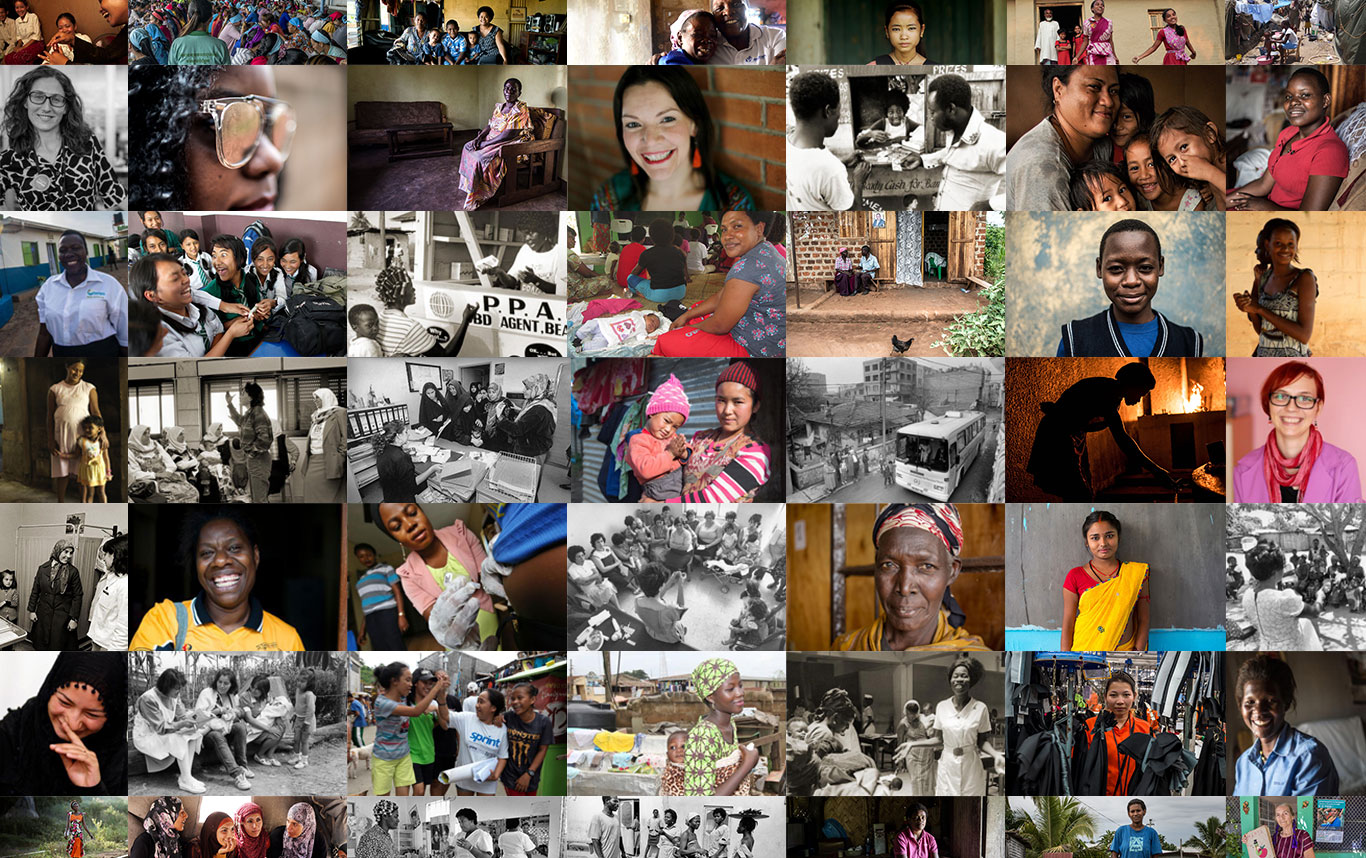
IPPF’s power to respond to those who attack our movement, and who try to remove our bodily autonomy, is rooted in our communities and multiplied through our global solidarity. The progressive movements, the healthcare providers, the educators, activists, researchers and volunteers who advocate from the grassroots, are instrumental in ensuring that everybody can access and enjoy their SRHRJ. So this International Women’s Day, we honour those who ground us in the simple but demanding truth: sexual and reproductive rights are universal human rights.
Yet today is just one moment in a long and proud history of movement building in the fight for gender equality and bodily autonomy. A fight that is not bound by singular moments of recognition and international days, but one that is ever present and ever needed. Moments of intensified backlash against our bodily autonomy, sexual and reproductive rights, and contemporary crisis around gender, feminism and masculinity, have long been understood by community organisers .These illiberal forces not only appear during moments of crisis or heightened attention, but are an ever-present constant in their opposition to civil movements collective strength.
For the grassroots community organisers in the Global Majority, the fight for bodily autonomy has also been the fight against the militarism, imperialism and colonialism that sustains inequalities based on sex and gender, race and ethnicity, class and disability. We must work collectively with courage, with love, and with solidarity to dismantle the deep historic and systemic roots of these injustices that are the barriers to dignity and care for so many. What gives me hope is the sophistication and interconnectedness of today’s movement. Young feminists, LGBTQ+ activists, climate justice advocates, and economic justice movements increasingly understand the interconnection of their agendas, including that bodily autonomy is foundational to democracy and development.
My own activism is deeply rooted in the lessons from the feminist movement and grows from witnessing the power of community organisation and collective action. The Indigenous-led Zapatista movement in the 1990s in Mexico showed us what can be achieved when we challenge authority with dignity and creativity. Similarly, feminist movements today demonstrate the transformative impact of believing in women's and girls' power to share their struggles and advocate for equality across diverse contexts. Youth advocacy groups highlight the strength and resilience of young people, showing us that when we uplift their voices, we ignite powerful social change. Furthermore, international cooperation mechanisms serve as vital collaborative spaces where feminist movements can unite, share resources, and confront systemic challenges together, paving the way for a more equitable future for all.
At IPPF our work continues for justice, equality and bodily autonomy. Together we continue to build bold-community driven coalitions, that confront the injustices that are inseparable from the broader struggles for social and economic justice. We fight to move the line forward for the sexual and reproductive health and rights of not only women and girls, but people on the move, marginalised, racialised, criminalised communities and communities facing humanitarian crisis.
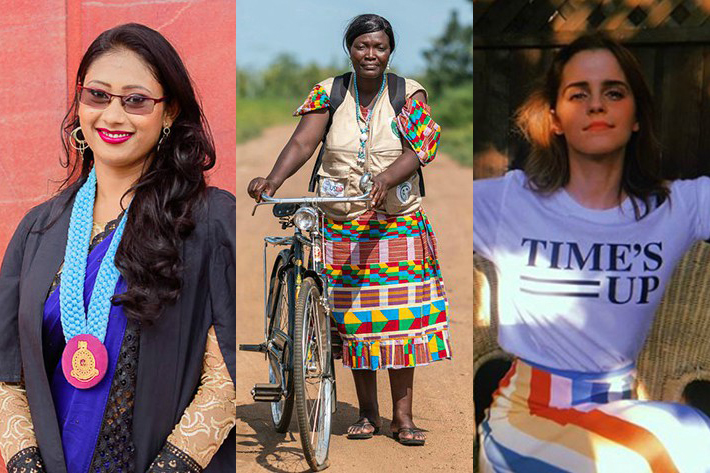
International Women’s Day is also a moment for strong appreciation for the commitment, care, and courage that runs across our Federation. It is a nod to all the Iranian women who fight for their bodily freedom, to the Sex Workers leading the fight against HIV in Mozambique as peer educators, to the determined Palestinian female doctors and healthcare workers, to the collective action of SRHRJ activists in Romania changing the narrative is the face of democratic crises, and to the Haitian midwives who are a community lifeline in a context of colonialism, exploitation and political fragility.
On the 115th International Women’s Day, I celebrate all self-identifying women. But not just today: every day. To the grassroots communities who have been steadfast in their work for the fulfilment of sexual health, rights and reproductive justice and to the local organisers, youth leaders, health workers, and volunteers, thank you! Every person – no matter their context, circumstances or identity – should enjoy respect for and fulfilment of their sexual and reproductive health and rights, and today is reminder for us to keep going to achieve gender equality and the fulfilment of these rights.
Featured image: Denise Carr, 49 (right) is the Founder and Director of Suriname Coalition of Sex Workers (SUCOS). Brinnette Small (left), 47, is also a sex worker and Project Manager, SUCOS.
Denise, a sex worker-rights advocate in Suriname, has spent much of her life navigating the realities of migration, economic hardship, and stigma. Drawing on decades of lived experience, she founded SUCOS, a sex worker-led organisation, to ensure that sex workers speak for themselves in policy and advocacy spaces. Her story reflects both the structural challenges faced by sex workers and the power of community leadership in the fight for human rights.
"We advocate for human rights, we advocate for justice, social justice and equality...because over the years we were faced with a lot of barriers to access services.” Denise Carr
when