




The climate crisis is no longer a future threat. It is already reshaping health, rights and survival around the world, with the sharpest effects falling on those already facing inequality, exclusion and poverty.
In 2025, one‑third of all IPPF emergency responses were triggered by climate shocks - from typhoons in the Philippines to devastating floods in India and Senegal. These crises are becoming more frequent, more intense and more complex.
How is the climate crisis impacting sexual and reproductive health?
The consequences of our rapidly changing climate for sexual and reproductive health are increasingly clear. Extreme heat, disrupted services, food insecurity, water scarcity and displacement can all affect pregnancy outcomes, menstrual health, sperm quality, bodily autonomy and access to care.
Climate shocks, such as severe flooding, heatwaves, typhoons and drought, can damage health infrastructure, reduce access to safe water, disrupt the delivery of sexual and reproductive healthcare, displace communities, increase harmful coping strategy practices and heighten risks of sexual and gender-based violence - especially where protection systems are already weak.
There is growing evidence that extreme heat is linked to adverse pregnancy outcomes, including preterm birth, stillbirth and other obstetric complications – studies indicate that every 1°C increase in heat exposure raises the odds of preterm birth by 4-5%.
The climate crisis is also shaping how people move, where they can safely live, the jobs they can do, and their decisions around family planning. Increasing droughts, poverty and food insecurity can heighten protection risks, including early and forced marriage, trafficking and exploitation.
IPPF’s Humanitarian Response
We are committed to strengthening climate-linked preparedness, anticipatory action and continuity of care, so Member Associations can design, lead and respond faster, adapt services more effectively and keep reaching communities through crisis. Our response includes:
Frontline emergency care
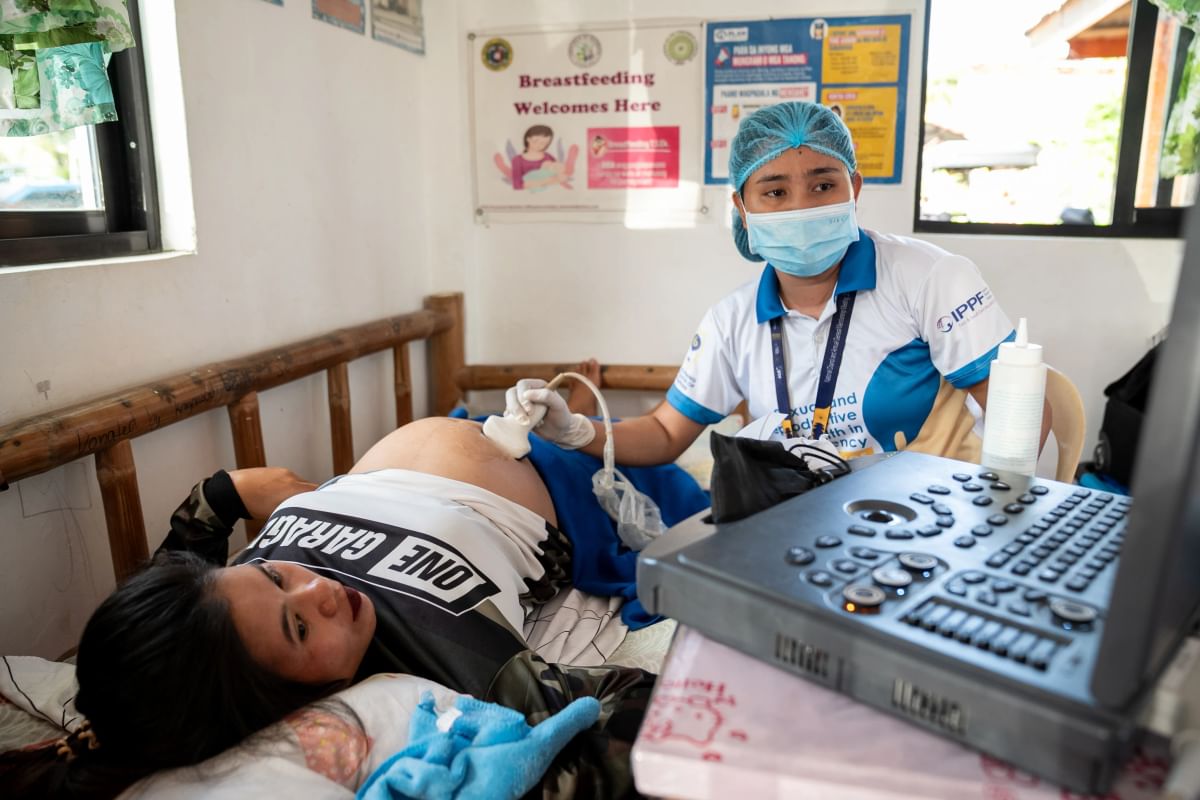
From low-lying Pacific Island nations to drought-affected regions, IPPF Member Associations are already rooted in communities most affected by climate change. When disasters strike, they are often among the first to respond and, in some settings, may be one of the only providers of sexual and reproductive healthcare, delivering lifesaving maternal and newborn care, safe abortion care, STI treatment and contraception, as well as essential hygiene supplies.
Disaster preparedness
We support Member Associations to develop and test emergency preparedness strategies and contingency plans before disasters hit. We strengthen supply-chains and ensure Member Associations have experts in all SRH and SGBV services based on their capacity and response needs. In regions prone to climate shocks, we’re integrating multi-hazard early warning systems and climate risk analysis to ensure we’re protecting access to essential care.
Inclusion, youth leadership and resilience
Climate shocks do not affect everyone equally. Women and girls, young people, people with disabilities, displaced populations, LGBTQIA+ and other marginalised groups often face the greatest barriers to care. We work with youth-led, women-led, community-based and disability inclusive partners to ensure preparedness and response efforts are inclusive, accessible and responsive to diverse needs. Across the Federation we are also adapting SRH service delivery models, expanding digital health solutions and advocating for sexual and reproductive health and rights to be integrated in national and international climate policies, and adaptation planning.
Our impact in 2025
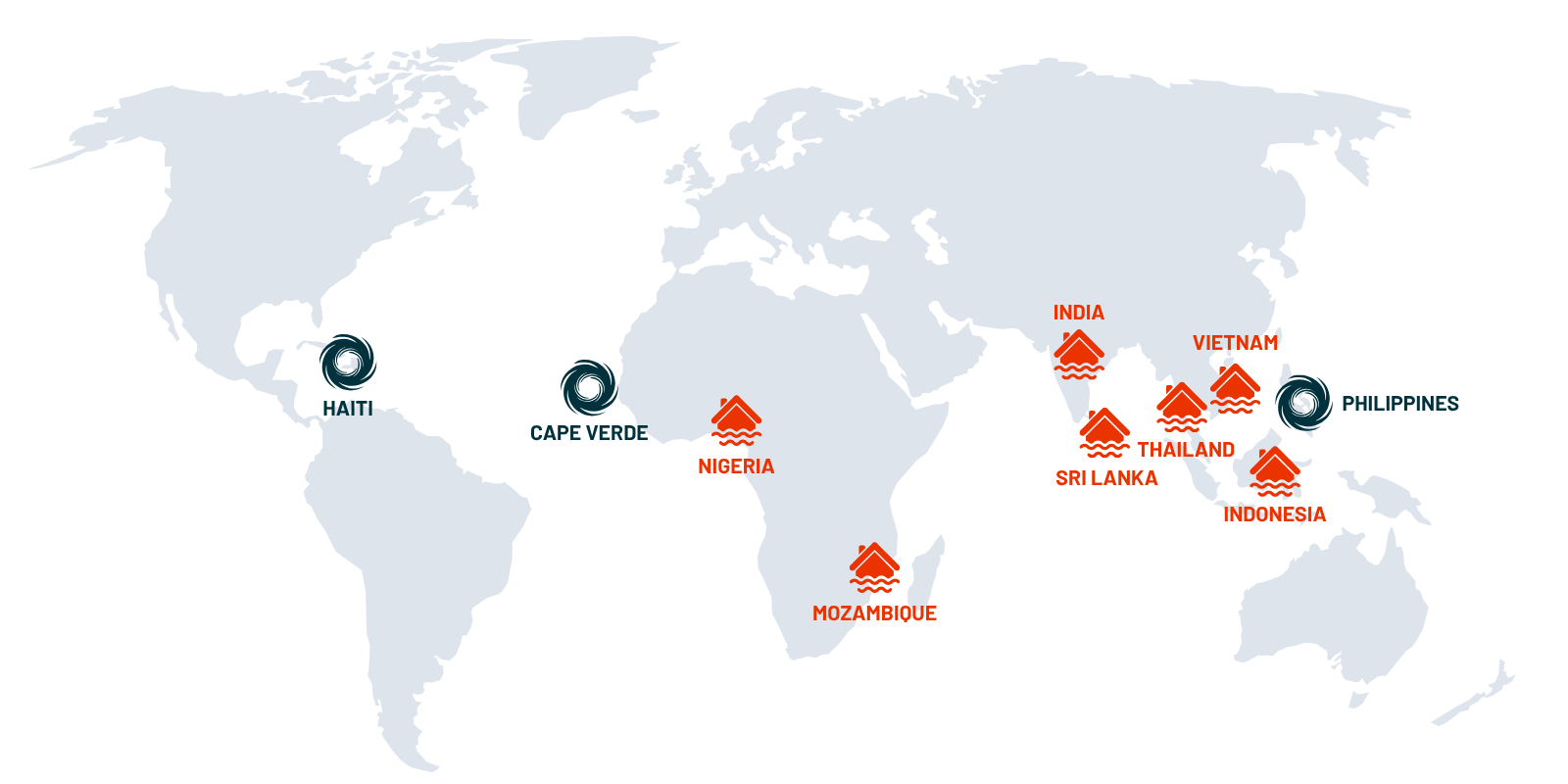
In 2025, we provided vital emergency sexual and reproductive health care to people impacted by severe flooding in India, Indonesia, Thailand Vietnam, Sri Lanka, Nigeria and Mozambique, as well as communities hit by typhoons and hurricanes in the Philippines, Haiti and Cape Verde.
Our work in action
when