




In Mozambique, in the continued fight against HIV, certain populations face a heightened risk of transmission, such as sex workers. With an HIV prevalence of 12.5% among adults, and a disproportionate burden on women, the need for targeted, effective interventions is critical. Among women, HIV prevalence can range from 4.5% in younger age groups to as high as 26.6% in those aged 35-39. This alarming reality underscores the urgency of comprehensive HIV prevention strategies tailored to vulnerable groups like sex workers.
From April 2024, the Phamberi na Kudzirira (Forward with Prevention) project, which is funded by the Government of Japan, through the Japan Trust Fund (JTF) and implemented by IPPF’s Member Association in the country, Associação Moçambicana para o Desenvolvimento da Família (AMODEFA), has been addressing this challenge through innovative strategies that integrate Pre Exposure Prophylaxis (PrEP) and other biomedical HIV prevention methods such as the vaginal ring. Through mobile brigades, peer education, and targeted health services, the project has been making meaningful contributions in HIV transmission reduction efforts among sex workers in Mozambique’s Manica province.
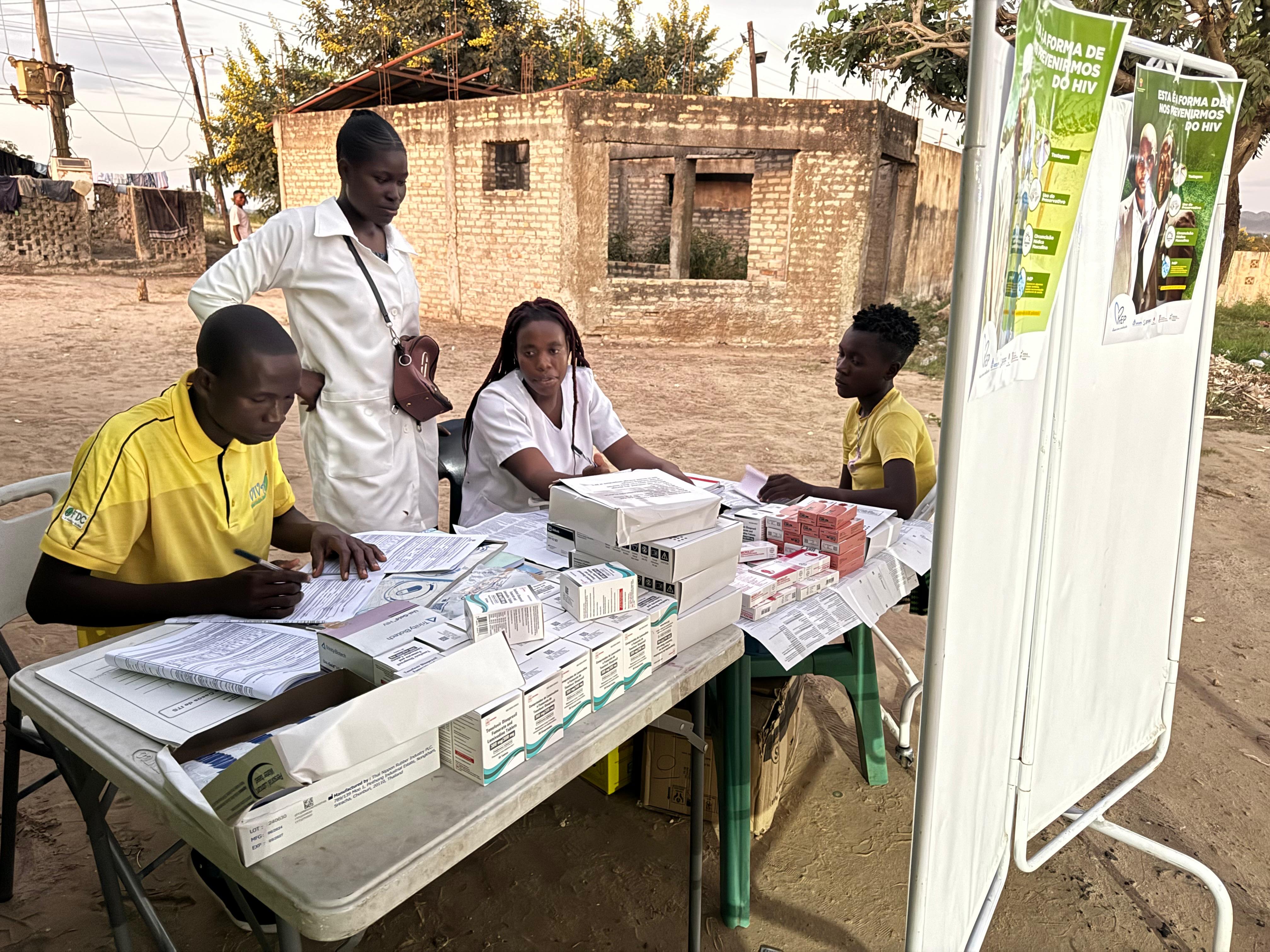
Manica province was strategically selected as the intervention site because one of its districts serves as a key transport corridor with interconnected roads leading to Maputo, other provinces in Mozambique, as well as the neighbouring country of Zimbabwe. This makes Manica a hotspot for heavy truck drivers and sex workers, thus an area of heightened HIV risk.
The overarching goal of the Phamberi na Kudzirira project is to contribute to the reduction of HIV transmission by supporting the acceptance, distribution, and effective use of oral PrEP. The project seeks to ensure that sex workers have access to comprehensive sexual and reproductive health services, with PrEP as a cornerstone of HIV prevention.
Peer Educators: Empowering Voices for Change
The Phamberi na Kudzirira project works with a dedicated team of 10 health workers who are all trained to provide high quality, inclusive PrEP services tailored to the specific needs of sex workers. It also works with 20 peer educators across three districts in Manica province: Gondola, Chimoio, and Manica. The peer educators, who also double up as sex workers, are trained to share accurate information, offer support, and guide their peers to access vital HIV prevention services.

Not only does the project leverage the trust and influence that peer educators hold within the sex worker community, but it also empowers sex workers to become active agents of change in the HIV response. The credibility and relatability of the peer educators are further reinforced by the fact that all 20 of them are personally using PrEP, demonstrating their confidence in the program and serving as powerful role models for their peers.
The successes of the ongoing training program are measured through pre- and post-tests for the peer educators, to ensure that quality information is consistently shared during outreaches.
Barriers to accessing sexual reproductive health services
The Phamberi na Kudzirira project is however not without challenges. One of the significant challenges that sex workers face, and which the project continues to address, is the anxiety that comes with accessing SRHR services in health facilities.

“The fear of being judged or mistreated often discourages sex workers from seeking medical help, even when necessary. To overcome this, I often accompany them to health facilities. AMODEFA works with partner health facilities who have been trained on non-discriminatory practices and are therefore able to satisfactorily attend to clients. Accompanying sex workers to these facilities helps to reassure them of the services and the service providers. Their interaction with the trained service providers encourages them to return for services when in need,” says Linda, a peer educator.
Mobile brigades: enhancing access to SRHR services at hotspots
To address the challenge of sex workers’ uptake of SRHR services in health facilities, the Phamberi na Kudzirira project has intensified efforts to create a more private and supportive environment through mobile brigades.
Given the unique needs of sex workers, who often work at night in various hotspots, mobile brigades have played a crucial role in delivering services where they are needed most. These brigades bring HIV testing and PrEP services directly to the areas where sex workers operate, helping to reduce barriers such as stigma at health facilities.
Since September 2024, AMODEFA has conducted 18 successful outreach missions, significantly increasing the accessibility of HIV prevention services.
Sara*, a sex worker, is one of the beneficiaries of the mobile brigades.
“The mobile brigades have enabled my friends and I to access testing and PrEP without the fear of the stigma that we often experience in health facilities. We feel more comfortable accessing services at the mobile brigades as they come right to where we are and the clinicians understand our needs very well,” she says.
In areas where mobile brigades are not present, peer educators step in to guide sex workers to health units, ensuring they still receive testing and treatment despite concerns about stigma.
Adherence to PrEP challenges
Adherence to PrEP has also been identified as a challenge by the sex workers, as Rosa*, a sex worker explains.
“Taking medication every day often feels tiring. However, the peer educators have emphasized the need for me to ensure that I take my medication as recommended. The peer educators encouraged me to prioritize my PrEP drugs in the same way I prioritize my meals. This helped me to understand the importance of the drugs,” she says.
The engagement of sex workers as peer educators has been instrumental in promoting sustainability and ensuring that knowledge is passed on from one hotspot such as bars and roadside stops to the next. The mobile brigades have further strengthened this effort by making HIV testing and prevention services more accessible and less stigmatized, thus empowering sex workers to take charge of their health.
Not only does the Phamberi na Kudzirira project leverage the trust and influence that peer educators hold within the sex worker community, but it also empowers sex workers to become active agents of change in the HIV response. The peer education model has proven to be one of the project’s greatest strengths.

So far, 712 sex workers have been enrolled on oral PrEP courtesy of the Phamberi na Kudzirira project, demonstrating the reach and the impact of the program.
Looking ahead, the project aims to continue expanding its reach and impact. The introduction of the vaginal ring as a new HIV prevention option in Mozambique holds significant promise, and AMODEFA hopes to integrate this method into its services as soon as it becomes widely available.
“We are looking forward to this option, since adherence will be easier for us,” says Carla*, a sex worker and who is also a peer educator. Carla* notes that the vaginal ring will help in reducing reliance on a single method and improve overall adherence among sex workers.
Sergio Mpilele, the Phamberi na Kudzirira Project Manager says that building on the current achievements, the project is paving the way for a more inclusive and effective HIV prevention response in Manica Province.
“AMODEFA's innovative approach to HIV prevention in Manica province is setting a powerful example for how community led, inclusive health initiatives can make a real difference in the lives of those most at risk. Through the empowerment of peer educators, the accessibility of mobile brigades, and the continued education of sex workers about PrEP,” he says.
*Names have been changed to protect the privacy of the individuals involved.
Evelyn Nduati is the JTF Project Lead at the IPPF Africa Regional Office.
when
country
Mozambique
region
Africa
Subject
Sex Workers
Related Member Association
Associação Moçambicana para Desenvolvimento da Família
