


At IPPF we are working for inclusive sexual and reproductive healthcare delivery to transgender and gender diverse people, founded upon the principles of the rights to personal autonomy, bodily integrity and respect for confidentiality and dignity. Yet, around the world, transgender and gender diverse people continue to face widespread stigma, discrimination, violence and exclusion in healthcare settings. As part of IPPF’s commitment to person-centred care at the heart of our Come Together Strategy (2023–2028), we are standing proudly with trans and gender diverse people. We are pushing back against this stigma and violence and to expand the choice of existing or new quality sexual and reproductive health services for transgender and gender diverse people in facility and community settings.
So, this week in celebration of Transgender Awareness Week held every November, we are sharing stories from three communities in Colombia, Thailand and Nepal to celebrate the organisations and individuals who stand defiant, working relentlessly and tirelessly, to be visible, powerful, proud and loved.
Nothing to Cure - LGBTI in Bogota, Colombia
La Fundación GAAT (Grupo de Acción y Apoyo a Personas Trans)
In Bogotá, where an LGBTQI+ policy now protects rights and visibility, life feels different and slightly better than in many other Colombian cities. But Danne, a proud non-binary person, remembers when that wasn’t the case. Eighteen years ago, she helped open the first LGBTQI+ house in Bogotá, creating a space where people could finally be themselves.
A survivor of conversion practices, Danne recalls being subjected to exorcisms and so-called therapies aimed at “fixing” her identity. “It is so hateful,” she says, “they tried to find a way to change my sexual orientation and identity.” That experience led her to become a human-rights activist in 2009.
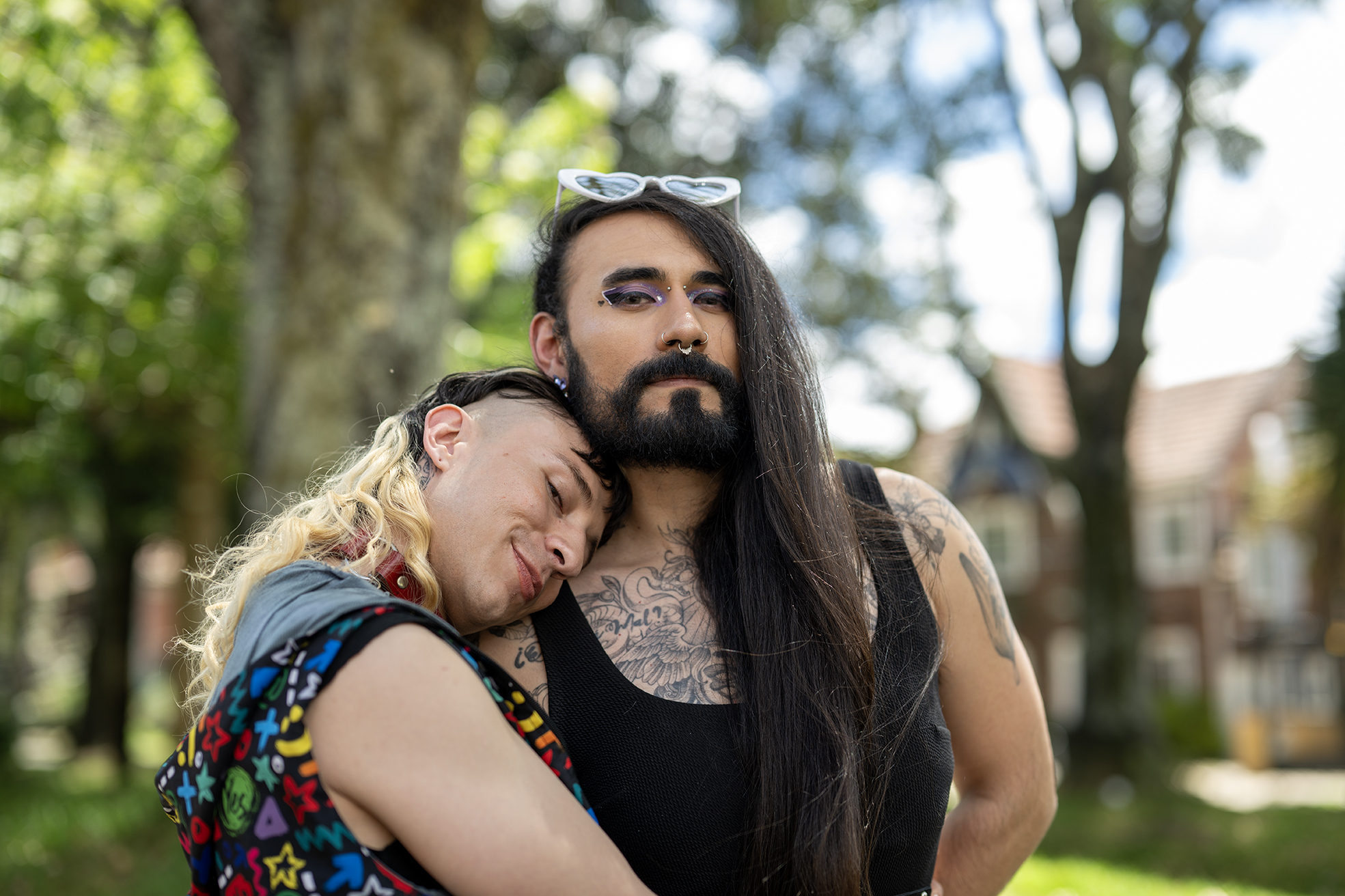
“In Bogota, we have a LGBTQI+ policy so our experience is different - it's better than the other cities. In my childhood, it was complicated to be LGBT as the policy did not exist at that moment. I started the first LGBTQI+ house in Bogota. It was really good as those houses allowed us to be ourselves, 18 years ago”
Colombia has progressed since its 1991 Constitution recognised the country as a social state of rights, replacing the “Sacred Heart of Jesus” decree of 1881. Yet the struggle for equality continues. Danne now leads a campaign in Congress to ban conversion practices. Entitled ‘Nada Que Curar’ (Nothing to Cure) for the belief that no one should ever be forced to change who they are.
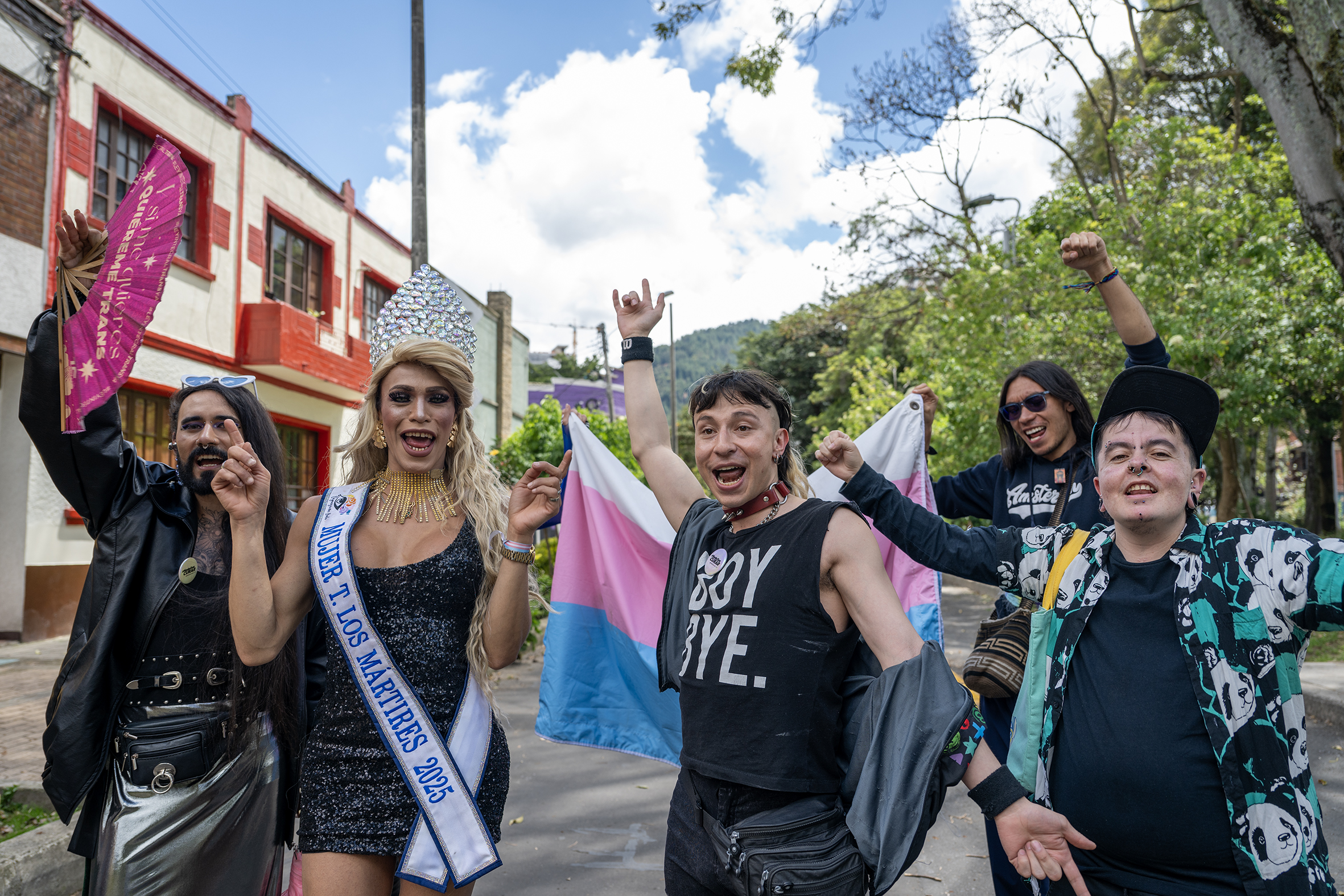
Desfile de las Diversidades – Diversity Parade, Cartagena, Colombia
Casas de Caribe Afirmativo
In Cartagena, the Desfile de las Diversidades is more than a parade, it’s an act of collective visibility, resistance, and joy. Against the backdrop of colonial streets and Caribbean colour, this annual march reclaims public space as a place of belonging for everyone. It’s where laughter, rhythm, and rainbow flags challenge the silence and stigma that too often surround queer lives.
At a time when anti-rights movements are growing louder, this march becomes a declaration: that diversity is not something to be merely tolerated but celebrated as a vital force that shapes who we are. Every dance step and banner is a statement of defiance against discrimination and an affirmation of freedom, dignity, and self-expression.
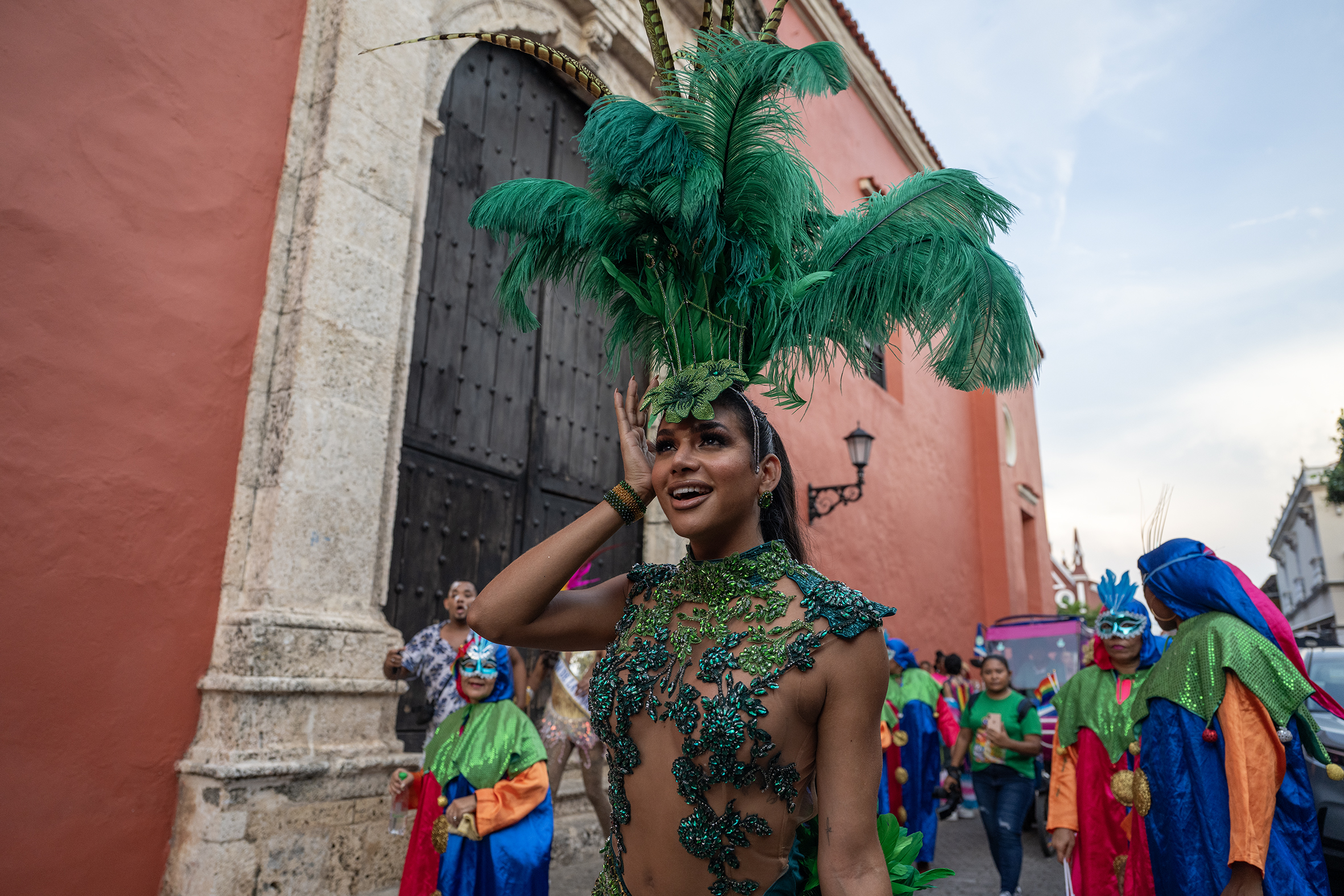
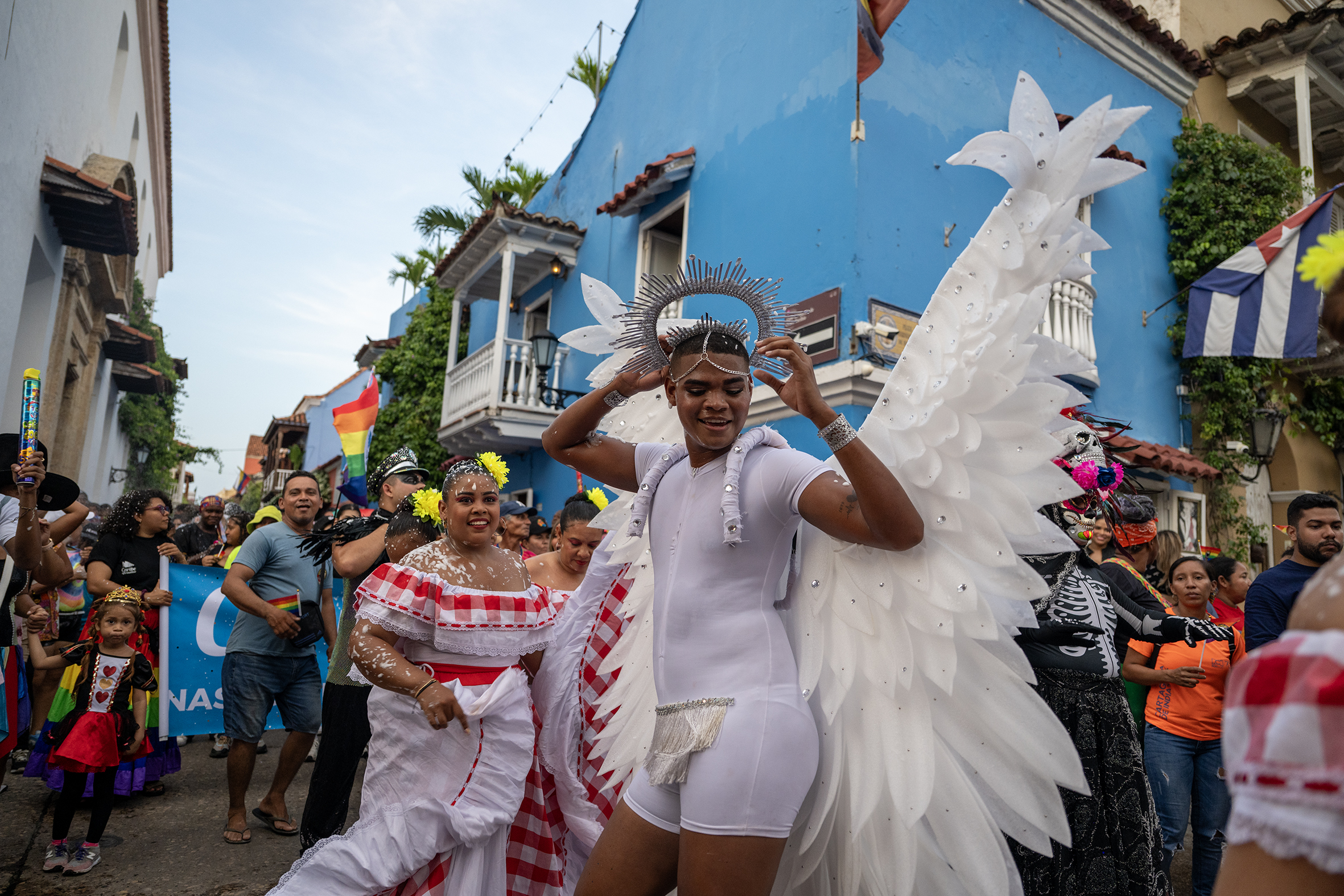
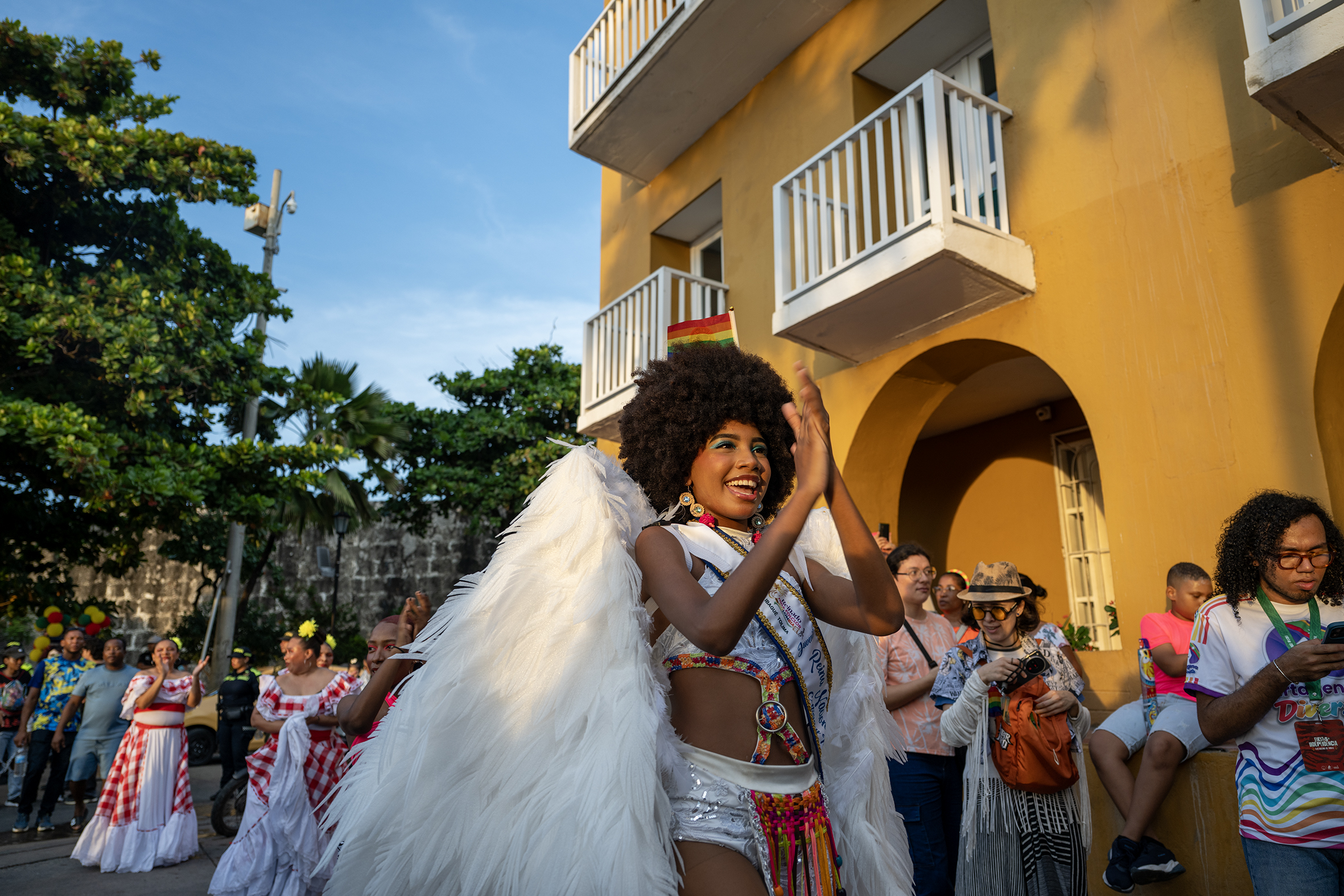
Here, visibility itself is an act of courage. People walk not only for themselves, but for those who cannot yet walk safely. Together they create a living mosaic of identities, gay, lesbian, bisexual, transgender, intersex, non-binary, queer, all converging in a single message: we exist, we belong, and we will not be erased.
The Desfile de las Diversidades is, at its heart, a celebration of coexistence and a vivid reminder that equality thrives not in uniformity, but in the beauty of difference.
I Am Just Me - Bogotá, Colombia
Dominica, a non-binary and trans-feminine person from Colombia, speaks with clarity and courage about identity, faith, and resistance in a society still struggling to accept difference.
“I am a non-binary person with an experience of life as trans-feminine. I am from a Christian blood-family, they are conservative but hypocritical, as my mother worked in bars and other establishments that weren’t really ‘Christian’. And some of my aunts are not what you would imagine of a Christian person. But apparently being an LGBT person is the worst for them, worse than being a murderer or drug addict.
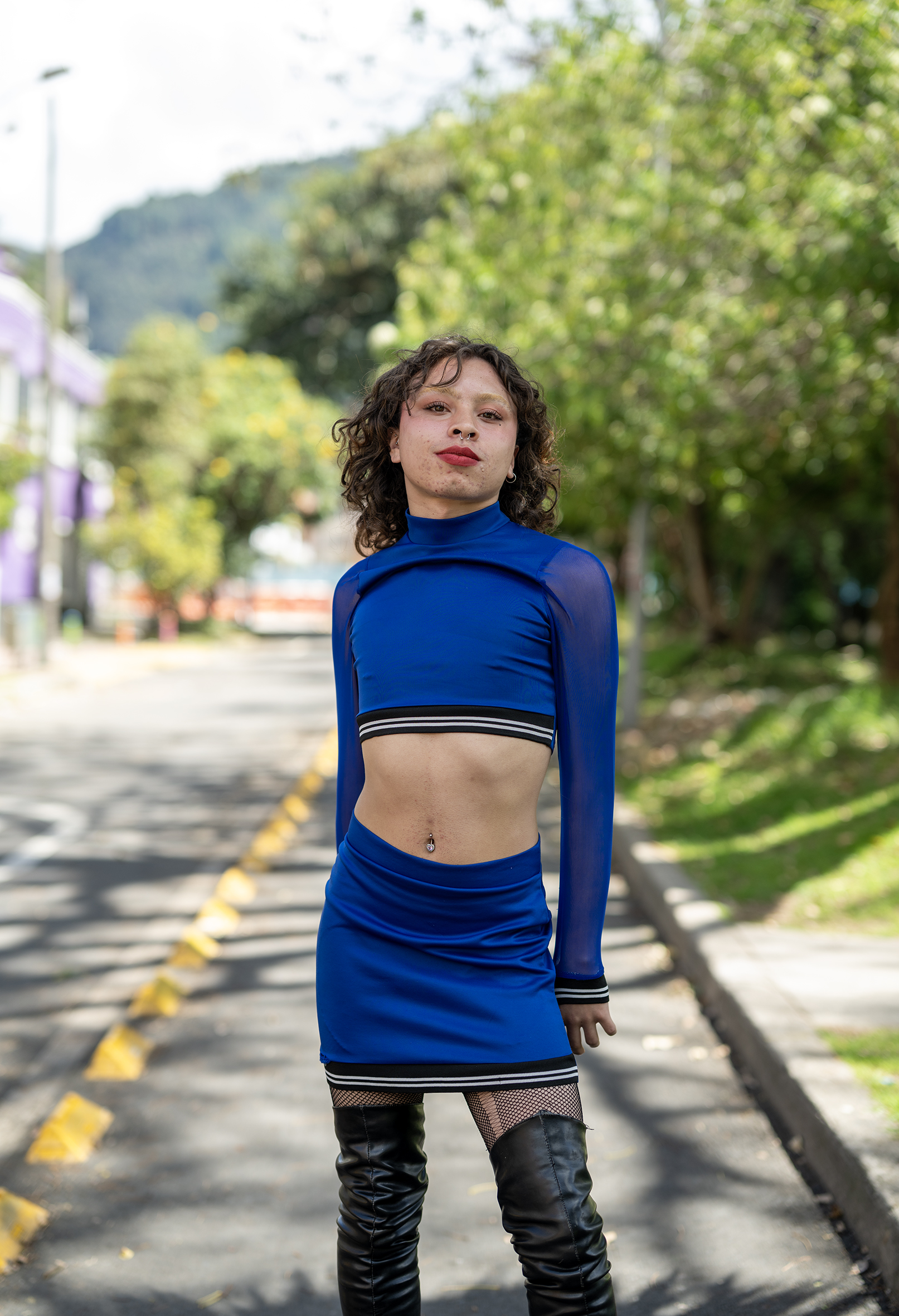
For those reasons, I hid a lot of my life. From when I was born to when I was 18, I didn’t live for myself. I was the person my family wanted me to be. But then, when I graduated high school, I met people who helped me understand what was happening inside me… I was that ‘boy’ my family wanted, but something inside me kept saying ‘that is not me’.
I would say I don’t know exactly who I am, but I know my trans family now. They’ve given me the opportunity to explore myself - my mind, my body - and what I am.

When I went to university and dressed how I wanted, moving my body the way I wanted, it made people uncomfortable. But I know I’m making them think. They can see me and ask, ‘is he a boy? is she a girl?’ and I just say, I am just me, not a boy, not a girl.”
Dominica’s story is a portrait of lived defiance; of claiming space in a world that seeks to define, confine, and ‘correct’. Through visibility, they transform discomfort into reflection, and resistance into self-knowledge. The body is political. We are all political, and we are all performing gender; whether cis, trans or non-binary.
When Love Wins, We All Win. Watee Kongbang (she/her) - Issan, Thailand
Koen Khan Branch, Planned Parenthood Association of Thailand (PPAT)
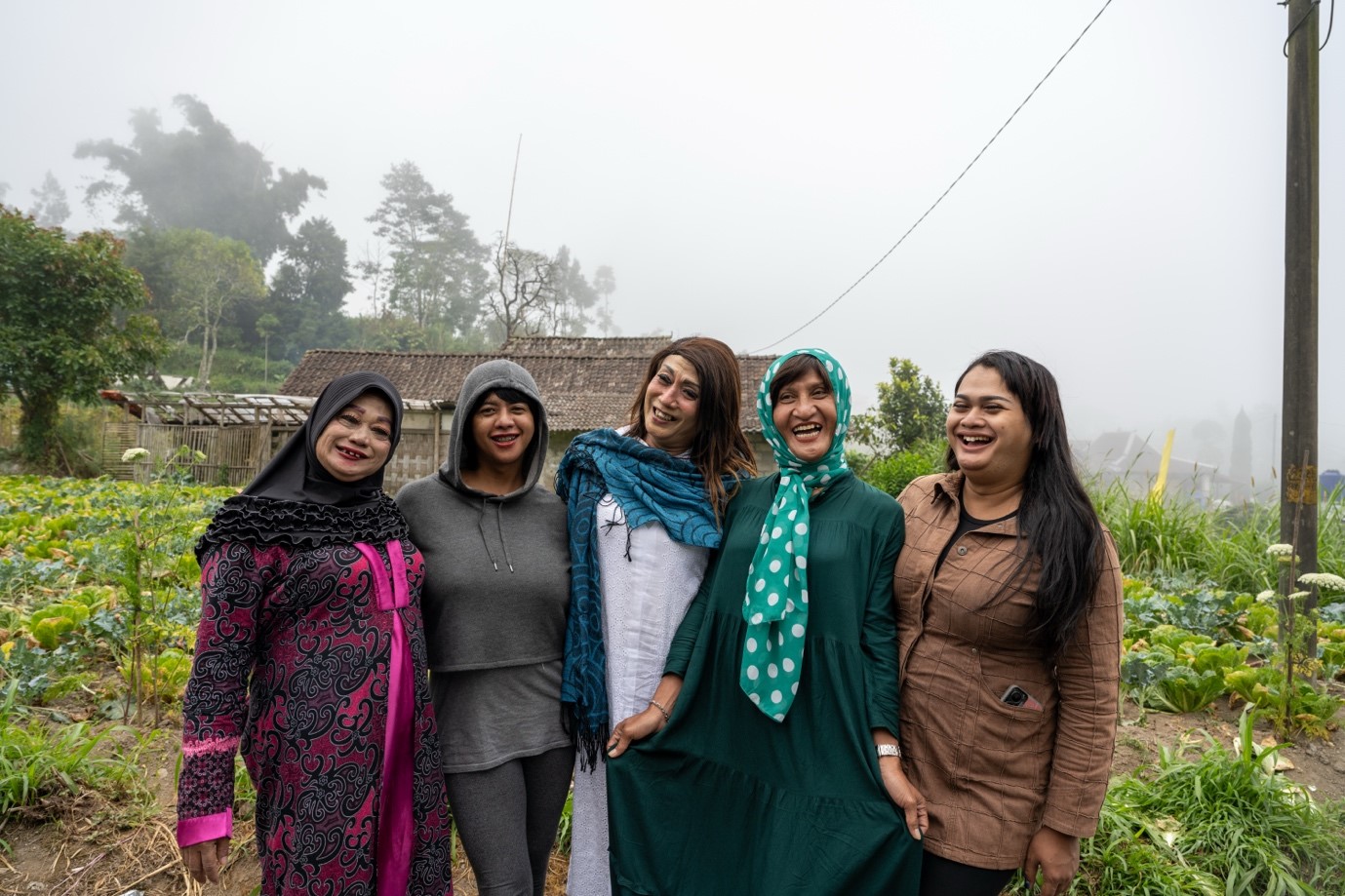
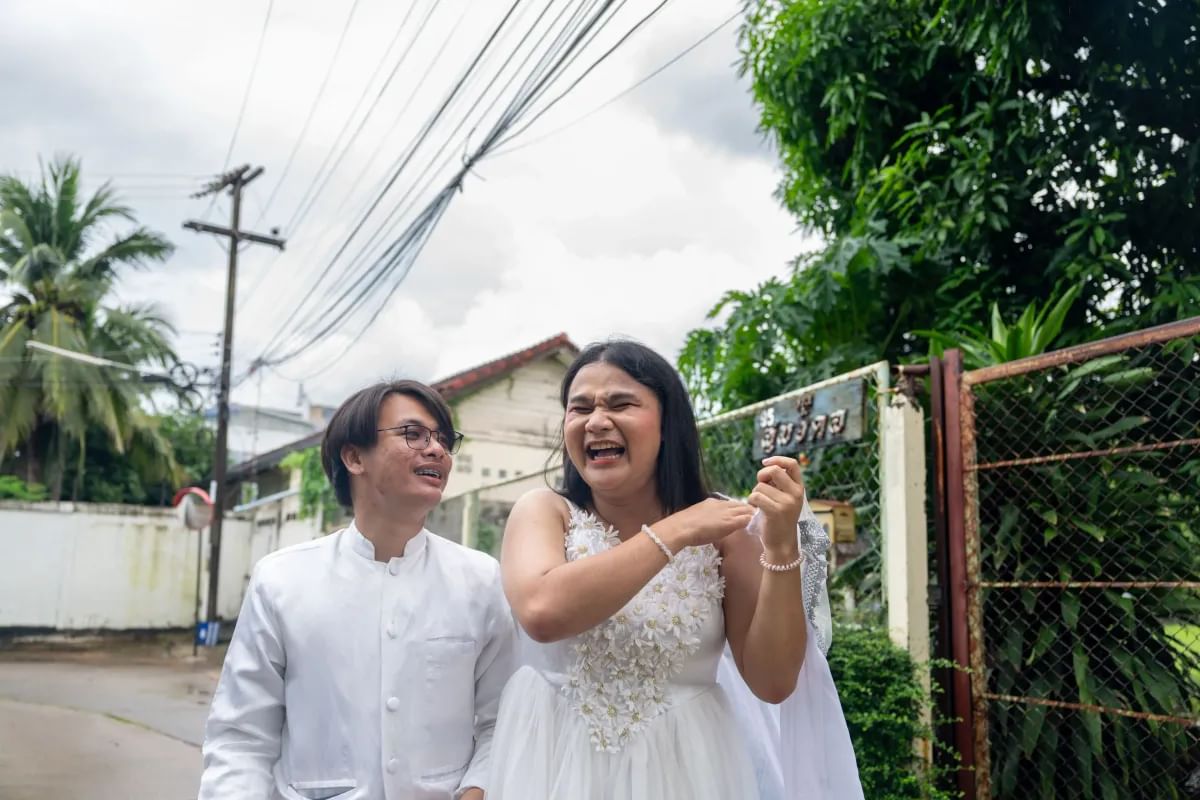
Thailand is often celebrated for its visible transgender community, yet full equality remains out of reach, from the lack of legal gender recognition to persistent stigma. Within this landscape, proud transgender woman Watee Kongbang stands as a symbol of resilience and joy.
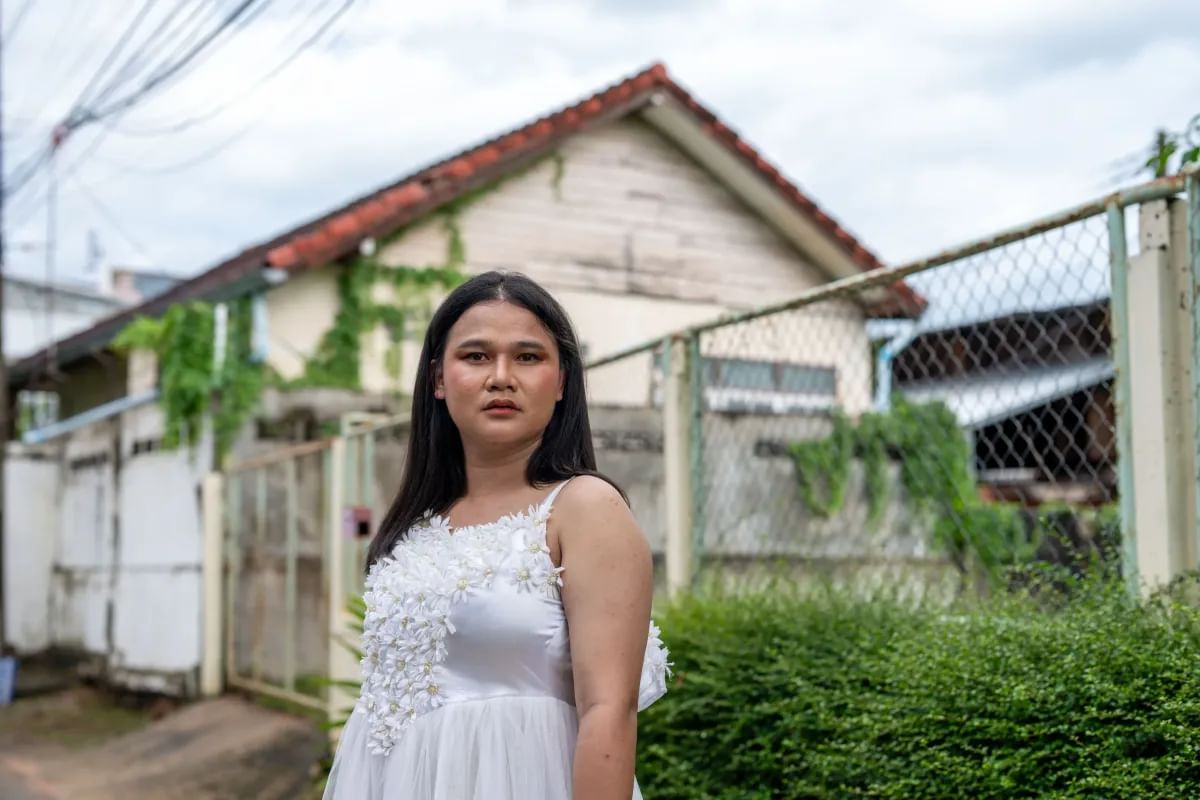
“For so long, I dreamed of the day I could stand proudly in a wedding dress, holding the hand of the person I love, without fear, without judgment, and without having to hide who I truly am. It may seem like a simple wish, but for someone like me, it carries a lifetime of struggle, hope, and longing to be seen as equal.
Your support, understanding, and belief in equality have given me more than just a dream fulfilled, they’ve given me the right to exist as myself, to love freely, and to be proud of my identity. That single act of acceptance and recognition means more than words can express.
Because when love wins, we all win.”
Pride Begins Here - Isaan, Thailand
Koen Khan Branch, Planned Parenthood Association of Thailand (PPAT)
In a high school courtyard in Isaan, these students have built an LGBTIQ-friendly group where acceptance feels natural. Together, they apply their makeup, do each other’s hair, and express themselves freely, simple rituals that will imbue them with confidence as they soon end their high school careers and embark into the world.
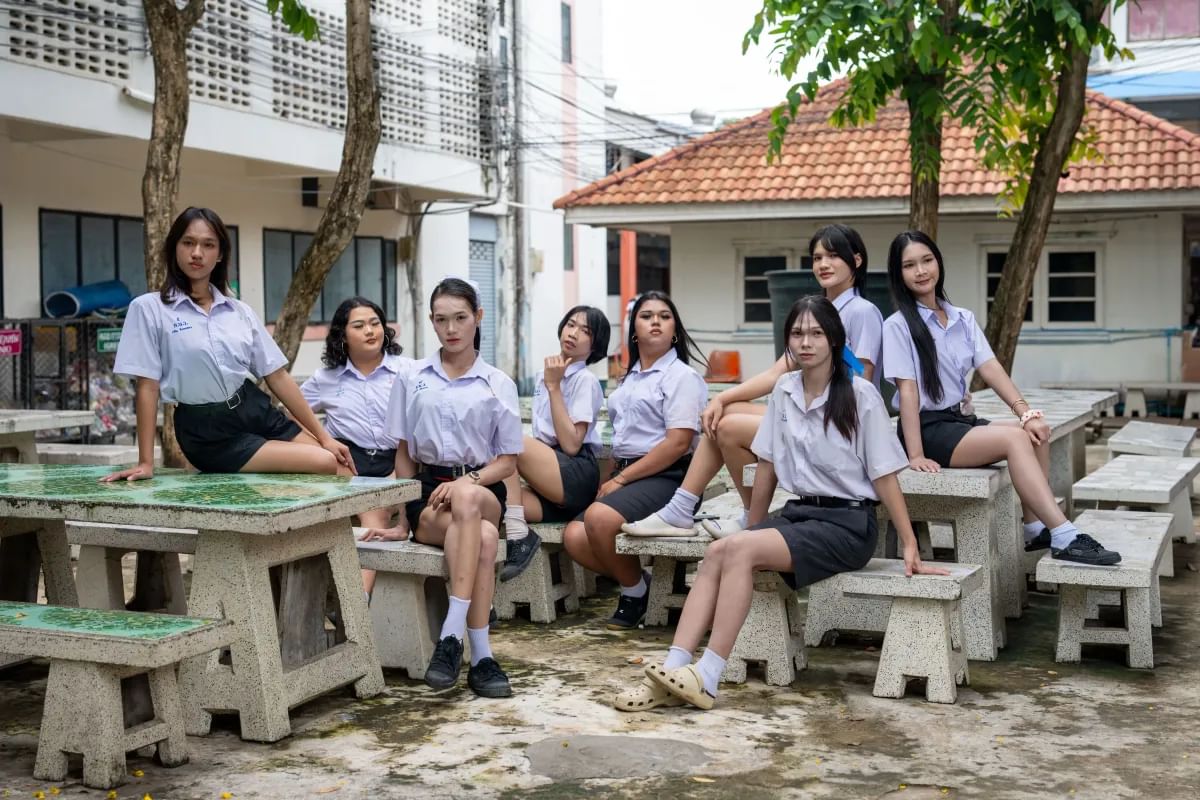
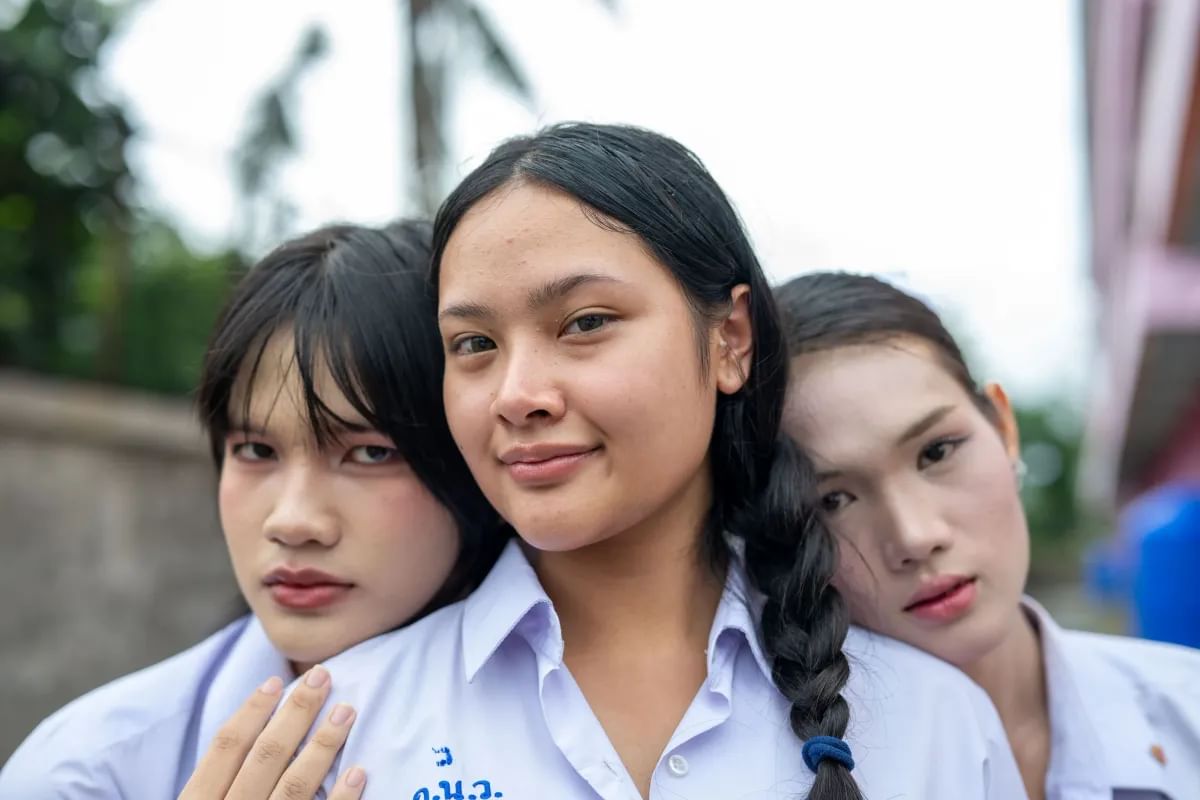
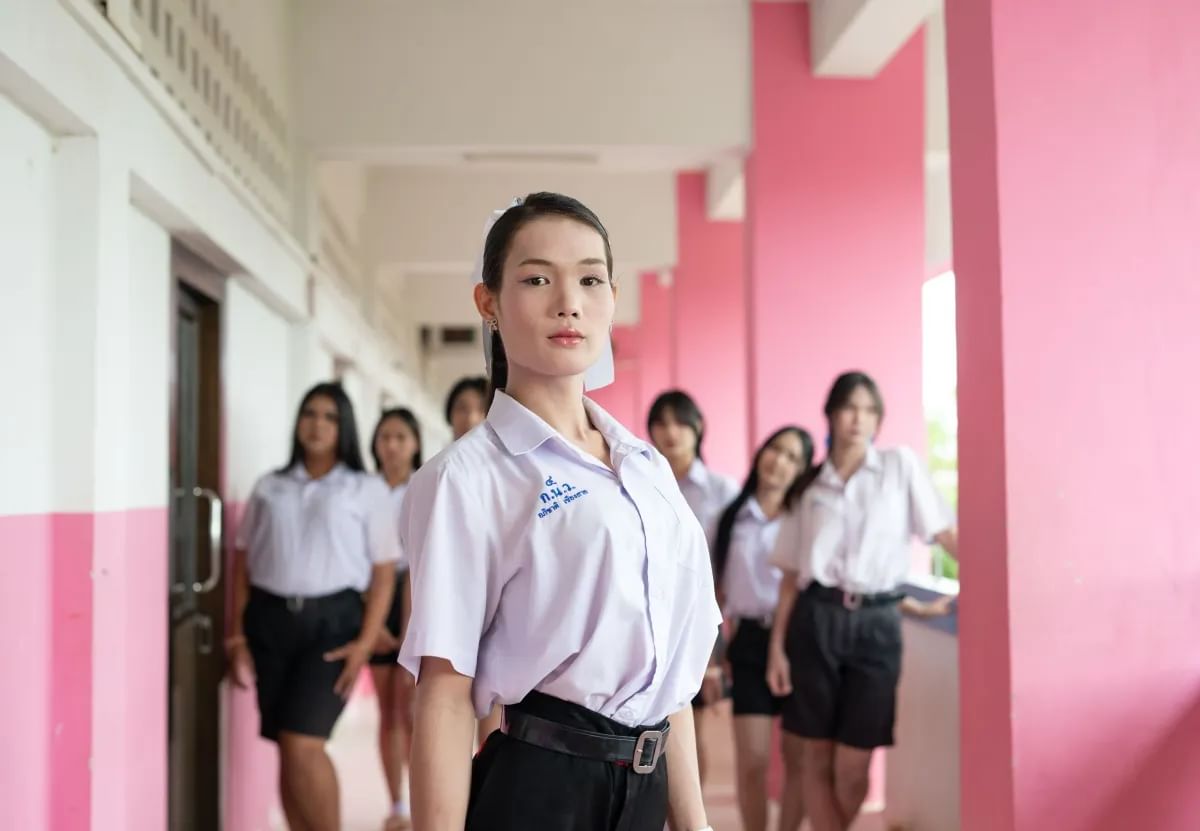
Their school and teachers are equally supportive, creating an environment where being yourself isn’t a risk but a right. In a region where visibility can still be fraught, this youth club represents a quiet revolution: young people learning that pride can begin in the classroom, and that solidarity can look like friendship, laughter, and the freedom to just be.
I am living my truth, and I am proud - Kathmandu, Nepal
Family Planning Association of Nepal
“I am living my truth, and I am proud of that. Before, I used to hide, but now I live openly,” says 27-year-old trans woman, Suhana Thapa Magar.
As a child, Suhana loved to secretly wear her mother’s saree, lipstick, and kajal (kohl), washing her face quickly if anyone came home. “I didn’t even know how to put them on, I was a child” she laughs, “but it felt like me.”
Suhana first understood she was a trans woman in grade 10. She had always felt connected to her femininity but didn’t yet have the language for it. Then she heard Pahichan, a radio programme by Blue Diamond Society, a LGBTQIA+ rights organisation in Nepal. “That was when I realised, I am a trans woman,” she shares.

Suhana later found the Family Planning Association of Nepal, an IPPF Member Association, and its Rainbow Clinic, where she received counselling and laser services designed specifically for LGBTQI+ people.
“For trans women, services like this are rare. At the Rainbow Clinic, I felt seen, respected, and safe. The laser care and counselling gave me the confidence to express the femininity I’ve always carried inside me. The care I received feels precious.”
Her journey, however, has also been shaped by pain. “My family did not accept me. Even now they don’t,” she says. She visits them occasionally, but she has chosen her truth. “Even more than that, I chose my life, my identity. I am proud. And I like that.”
Suhana carries a message for her own family, and for all families of trans children:
“I don’t blame them. I just want them to understand me more. If you are unsure, ask me questions. Let go of society’s judgement and accept your child. And to all families: your trans children need your love, guidance, and the chance to grow strong and independent. Be there for them.”
when
country
Nepal, Colombia, Thailand
region
East and South East Asia and Oceania, South Asia, Americas & the Caribbean
Related Member Association
Family Planning Association of Nepal, Planned Parenthood Association of Thailand